Top Medical Colleges in African countries

Daily writing prompt
What major historical events do you remember?

Africa is home to several top-tier medical institutions that offer quality medical education and are renowned for their research contributions and clinical training. Many African medical colleges produce skilled professionals who contribute significantly to the healthcare systems in their countries and globally. Below are some of the top medical colleges across various African nations:

1. University of Cape Town (UCT) Faculty of Health Sciences – South Africa

The University of Cape Town is one of the most prestigious institutions in Africa. Its Faculty of Health Sciences offers a range of medical programs, including MBChB (Bachelor of Medicine and Bachelor of Surgery). UCT’s medical school is well-known for its world-class research, particularly in areas such as HIV/AIDS, tuberculosis, and cardiovascular diseases. Its affiliation with Groote Schuur Hospital, where the first successful heart transplant was performed, adds to its prestige.

2. Stellenbosch University Faculty of Medicine and Health Sciences – South Africa

Another top medical college in South Africa, Stellenbosch University is recognized for its academic excellence and medical research. Its Faculty of Medicine and Health Sciences offers comprehensive training in medicine, with a strong emphasis on research and clinical experience. The university has a global reputation in fields like immunology and health sciences.

3. University of Nairobi School of Medicine – Kenya

The University of Nairobi’s School of Medicine is one of the leading medical schools in East Africa. It is known for its robust medical programs and contribution to healthcare research. The school plays a pivotal role in training medical professionals who serve in Kenya’s healthcare sector, and it has made strides in research on infectious diseases, including malaria and HIV.

4. Makerere University College of Health Sciences – Uganda

Makerere University in Uganda is among the oldest and most prestigious universities in Africa. Its College of Health Sciences offers medical degrees and is known for its pioneering work in health research, particularly in HIV/AIDS and other infectious diseases. Makerere’s medical school has been instrumental in producing skilled healthcare professionals for Uganda and the East African region.

5. Cairo University Faculty of Medicine – Egypt

Cairo University’s Faculty of Medicine is one of the top medical schools in North Africa. Established in 1827, it offers high-quality education in medicine and surgery. Cairo University is known for its comprehensive medical curriculum, with strong research initiatives in fields like oncology and neurology. It has collaborations with various international medical institutions, enhancing its global profile.

6. University of Ibadan College of Medicine – Nigeria

The University of Ibadan’s College of Medicine is the premier medical school in Nigeria. It offers undergraduate and postgraduate medical programs and is well-respected for its contributions to medical research and healthcare training in West Africa. The college has made significant contributions to research in areas like sickle cell anemia and maternal health.

7. Addis Ababa University College of Health Sciences – Ethiopia

The College of Health Sciences at Addis Ababa University is the leading medical school in Ethiopia. It offers a wide range of medical programs and has been instrumental in training healthcare professionals for the country. The university is also involved in critical health research projects, including those focused on public health and infectious diseases.

8. Kwame Nkrumah University of Science and Technology (KNUST) School of Medical Sciences – Ghana

KNUST’s School of Medical Sciences is one of the top medical schools in Ghana and West Africa. The institution is known for its comprehensive medical education programs and research initiatives. KNUST has partnerships with international medical organizations and is highly regarded for its work in tropical medicine and public health.

9. Cheikh Anta Diop University Faculty of Medicine, Pharmacy, and Dentistry – Senegal

This prestigious medical school in Senegal offers high-quality medical education and training in various health-related disciplines. Cheikh Anta Diop University is a leader in health sciences in West Africa, with strong programs in medicine, pharmacy, and dentistry. The university contributes significantly to research in tropical diseases and public health in Francophone Africa.

10. Muhimbili University of Health and Allied Sciences (MUHAS) – Tanzania

MUHAS is the top medical university in Tanzania, offering a variety of medical programs, including MBBS, nursing, and public health. The university is known for its clinical training and medical research, particularly in infectious diseases and non-communicable diseases such as diabetes and hypertension.

Conclusion

African medical colleges are making significant strides in global health, education, and research. Institutions such as UCT, Makerere University, and Cairo University not only provide excellent medical training but also contribute to cutting-edge research in fields critical to Africa’s health challenges. These universities produce healthcare professionals who play a vital role in improving the healthcare landscape in Africa and beyond.
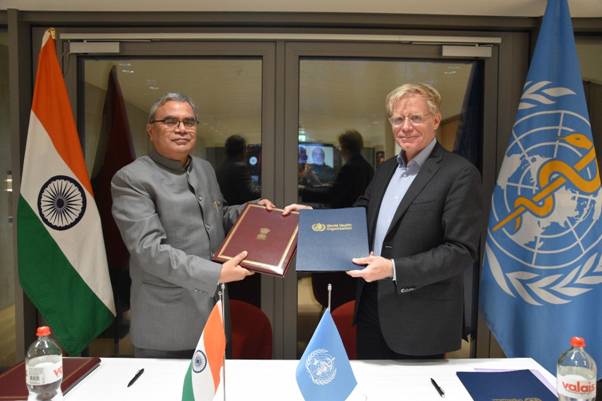
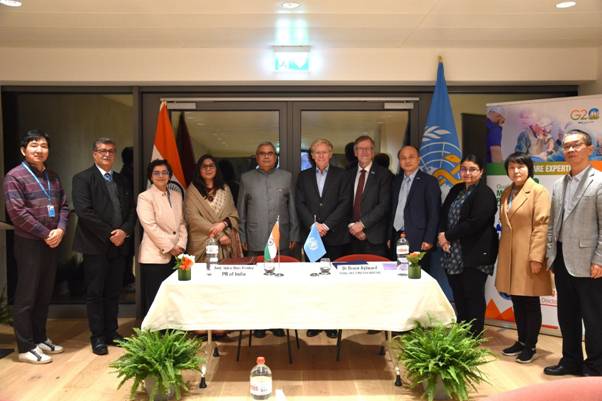
WHO and the Ministry of Ayush signed the Traditional and Complementary Medicine 'Project Collaboration Agreement'

 The Ministry of Ayush and World Health Organization (WHO) have signed Traditional and Complementary Medicine ‘Project Collaboration Agreement’ late last night in Geneva. The main objective of this agreement is to standardize Traditional and Complementary Medical Systems, integrate their quality and safety aspects into the National Health System, and disseminate them at the international level. Through this cooperation agreement, efforts will be made to connect Traditional and Complementary Medical Systems with the mainstream of the National Health System. To fulfil this objective, Traditional Medicine Global Strategy 2025-34 will be prepared by WHO with the support of the Ministry of Ayush.

Other major objectives of the agreement include efforts to strengthen the system of training and practice in the field of Complementary Medicine System ‘Siddha’, formulation of guidelines for the listing of Traditional and Complementary Medicines, safety and related efforts, etc. An International Herbal Pharmacopoeia of herbs found in South-East Asia will be developed by the Ministry in collaboration with WHO. Efforts will be made under this agreement to integrate evidence-based Traditional and Complementary Medicines with the National Health System, conservation and management of biodiversity and medicinal plants, etc.

Congratulating everyone on this occasion, Union Ayush Minister Shri Sarbananda Sononwal said that India has been the center of culture of many traditional and alternative medical systems since ancient times. Such global efforts by the Ministry to strengthen the National Health System will definitely give India a global identity in the field of healthcare services and promote medical tourism in India. This effort of the Ministry is one more step taken towards the global success of India.

Ayush Secretary, Vaidya Rajesh Kotecha, said, in his virtual message during the signing in event that the first phase of this agreement, 2023-28, will prove to be a milestone in the global development of Traditional and Complementary Medical System. According to Bruce Aylward, Assistant Director General, Universal Health Coverage and Life Course Division, WHO, this collaboration agreement will bring Traditional and Complementary Medicine Systems into the mainstream of India’s National Health System and serve the objective of global healthcare and well-being. India’s Permanent Representative to the United Nations, Indra Mani Pandey, who signed the agreement on the behalf of Indian government, said, “India is committed to working with WHO to strengthen Traditional Medicine Systems globally and especially in supporting fellow developing countries in promoting their own traditional medicine systems.”

A total of two ‘Project Collaboration Agreements’ have already been signed by the Ministry of Ayush with WHO. The first contract was signed in 2016 to take Traditional Medical systems like Yoga, Ayurveda, Unani, and Panchakarma to the global level and the second contract was signed in 2017 to strengthen the system of Ayurveda, Unani and Siddha medical systems.

This agreement was signed at an event organized in Geneva city, Switzerland. Shri Indra Mani Pandey, Permanent Representative of India to the United Nations, on behalf of the Ministry of Ayush, and Dr. Bruce Aylward, Assistant Director General, Universal Health Coverage and Life Course Division, on behalf of WHO. 

***

Balancing Pain Relief and Side Effects: Tramadol’s Role in Pain Management

 For anyone who has ever experienced chronic pain, the search for effective pain relief can be a significant challenge. The world of analgesics or pain relievers encompasses a vast array of medications, each with its set of benefits and potential drawbacks. One such medication that has gained attention is Tramadol. Understanding what is Tramadol, its uses, and the delicate balance between its efficacy and side effects is vital for patients and healthcare providers.

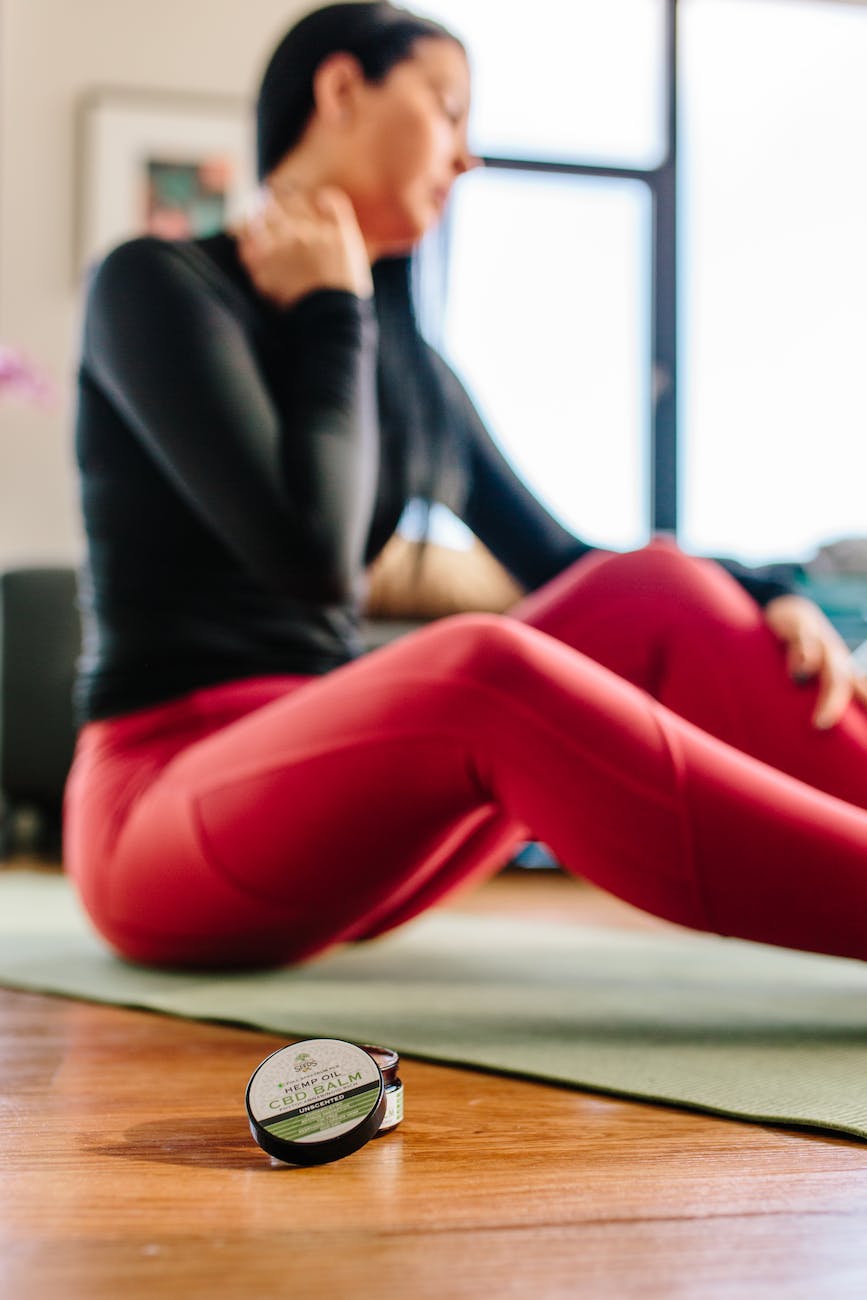
Photo by Tree of Life Seeds on Pexels.com

What is Tramadol?

Tramadol is an opioid analgesic, which means it’s in the same class of drugs as morphine, but it’s chemically different. It’s used primarily to treat moderate to severe pain, whether from surgery, injury, or chronic conditions like osteoarthritis. One of the main Tramadol uses is in long-term pain management due to its potential for lesser addiction compared to other opioids.

Tramadol Dosage and Formulations

Tramadol dosage can vary based on the patient’s pain level, age, and other factors. Typically, it starts with a lower dose, which can be increased until effective pain management is achieved without significant side effects. It’s available in various forms, including tablets, capsules, and liquid, with the Tramadol 200mg being one of the most potent doses. This high dosage is not common and is reserved for specific situations with strict monitoring due to its potency.

In some regions, like Mexico, the Tramadol 200 mg, especially Tramadol 200mg Mexico formulations, can be procured, often under different trade names. Tramadol pill forms, especially the Tramadol 200 mg tablet and Tramadol 200mg white capsules, are prevalent.

What is in Tramadol and How Does It Work?

The primary active ingredient in Tramadol is Tramadol hydrochloride, which works by changing the way the brain perceives pain. Unlike other opioids, it also has an effect on neurotransmitters, increasing levels of serotonin and norepinephrine, which can contribute to its pain-relieving effect.

Balancing Benefits and Tramadol Side Effects

Like all medications, Tramadol has side effects. The most common Tramadol side effects include dizziness, nausea, constipation, and headaches. It’s also essential to understand the more serious side effects like respiratory depression, which can be life-threatening.

An intriguing question for many is, “Does Tramadol make you sleepy or awake?” Tramadol can indeed cause drowsiness, but for some, it might cause insomnia. This duality underscores the importance of individualized care and monitoring when prescribing Tramadol.

Regarding its potency, many wonder about the effects of high dosages, like “Tramadol 200 mg high” or the impact of “200 milligrams of Tramadol.” The answer is that higher doses increase the risk of side effects, including the rare but serious risk of serotonin syndrome. Overdosing can also lead to slowed breathing, seizures, or even death.

How Long Does Tramadol Last?

The duration of Tramadol’s effects depends on the formulation. Immediate-release forms might last up to 6 hours, while extended-release tablets or capsules, such as Tramadol 200mg, can provide pain relief throughout the day.

Global Perspectives: Tramadol in Mexico and Beyond

While Tramadol is available worldwide, the regulations governing its sale and distribution vary. In some places, such as Mexico, Tramadol, including the Tramadol 200mg Mexico formulation, might be more accessible. It’s always crucial for patients to ensure they’re getting legitimate products, given the rise in counterfeit medications.

As the demand for reliable and authentic sources for medications rises, platforms like https://medicinesmexicamrx.com/ have come to the forefront, providing users with easy access to various drugs.

When deciding on the use of Tramadol or any medication, the goal is always to balance benefits with potential risks. It’s undeniable that Tramadol, from the standard Tramadol pill to the potent Tramadol 200mg white capsules, offers substantial pain relief for many.

Amid covid concerns, chinese are turning to black market India made meds.

Residents in China have been scouring the market for generic COVID-19 drugs and India seems to be the answer to their problem. In the recent past, the Chinese authorities have approved two Covid antivirals – Pfizer’s Paxlovid and Azvudine – for the treatment. While China has ran out of the medicine, the Indian market is filled with it and is slowly becoming the next favourite destination.

In the past few months, topics like “anti-Covid Indian generic drugs sold at 1,000 yuan (US$144) per box” has been making the rounds of the Chinese social media. Platforms like Weibo and WeChat are filled with such queries and experts believe that black market deals are being conducted on them.

While the distribution of drugs which are not approved in China is not illegal, there can be penalties imposed on the illegal imports. Even the doctors in China have warned the public against buying drugs on the black market with several patients displaying massive side effects to the medicines.

Pharmacopoeia Commission for Indian Medicine

 The Government of India has established Pharmacopoeia Commission for Indian Medicine & Homoeopathy (PCIM&H), as a subordinate office under Ministry of Ayush by merging Pharmacopoeia Commission of Indian Medicine & Homoeopathy (PCIM&H) and the two central laboratories namely Pharmacopoeia Laboratory for Indian Medicine (PLIM), Ghaziabad and Homoeopathic Pharmacopoeia Laboratory (HPL) vide gazette dated 6th July, 2020).


The Commission is engaged in development of Pharmacopoial Standards for Ayurvedic, Unani, Siddha & Homoeopathic drugs.  Further, PCIM&H is also acting as Central Drug Testing cum Appellate Laboratory for Indian systems of Medicine & Homoeopathy.


After re-establishment, a total of 1483 samples of ASU&H drugs have been tested during 6th July, 2020 to till date and 03 Pharmacopoeial monographs along with  their formulary specifications for AYUSH Kwath related formulation has been published.  Apart from Pharmacopoeial Monographs, National Formulary for Unani Medicines, Part-IV (2nd Edition) comprising formulary specifications of 166 formulations have also be published.  


50 monographs of single drugs of Ayurveda along with 51 monographs of formulation of Ayurvedic drugs, 1 monograph of formulation of Siddha drug and 101 monographs of formulation of Unani drugs have been published during the last five years . 


However, since inception of PLIM & HPL (now PCIM&H w.e.f. 6th July 2020), a total number of 2199 quality standards on raw materials (Single Drugs of plant/animal/mineral/metal/ Chemical origin) used in ASU&H systems of medicines have been  published in various Pharmacopoeias and also 405 quality standards of ASU formulations also been published in respective pharmacopoeias.


As prescribed in Drugs and Cosmetics Act 1940 and Rules 1945 made thereunder, enforcement of the legal provisions pertaining to Quality Control and issuance of drug license of Ayurveda, Siddha, Unani, is vested with the State drug Controllers/ State Licensing Authorities appointed by the concerned State/ Union Territory Government. Rule 158-B in the Drugs and Cosmetics Rules, 1945 provides the regulatory guidelines for issue of license to manufacture Ayurvedic, Siddha, Unani medicines. It is mandatory for the manufacturers to adhere to the prescribed requirements for licensing of manufacturing units & medicines including proof of safety & effectiveness, compliance with the Good Manufacturing Practices (GMP) as per Schedule T of Drugs and Cosmetics Rules, 1945 and quality standards of drugs given in the respective pharmacopoeia.


As prescribed in Drugs and Cosmetics Act 1940 and Rules 1945 made there under, enforcement of the legal provisions pertaining to Quality Control and issuance of drug license of Ayurveda, Siddha, Unani, is vested with the State drug Controllers/ State Licensing Authorities appointed by the concerned State/ Union Territory Government. As per the information received from States/ UTs, action taken by State drug Controllers/ State Licensing Authorities regarding production/sale of sub-standard Ayurvedic medicines/formulations  is as follows –

S. no.

Name of the State/UTs

Action taken

  1.  

Tamil Nadu

92 license suspended/ cancelled since 2017 to 2021

  1.  

Odisha

13 license of cancelled since 2017-18  to 2022-23

  1.  

Maharashtra

Since 2016-17 to 2022, 84 prosecution orders issued, 38 prosecutions filed and 46 are pending.


1. This Ministry has issued Gazette notification no. G.S.R 716 E for Amendment in the Drugs Rules, 1945 related to licensing process of ASU drugs on 01.10.2021. The amendments have been done with a view to reduce the compliance burden and facilitate ease of doing business. The process to grant license to manufacture Ayurveda, Siddha and Unani (ASU) drugs has been made swift, paperless and more transparent the license application system through online e-aushadhi.gov.in portal. The license of the ASU drugs have been made perpetual i.e. with one time registration fee the license of the product will be valid lifetime with no further retention or renewal fees thereafter. The maximum time in granting the license to manufacture ASU drugs has been reduced from three months to two months.       


In addition to the above, for facilitating exports, Ministry of Ayush encourages following certifications of AYUSH products as per details below:-

•           Certification of Pharmaceutical Products (CoPP) as per WHO Guidelines for herbal products.

•           Quality Certifications Scheme implemented by the Quality Council of India (QCI) for grant of AYUSH Premium mark to Ayurvedic, Siddha and Unani products on the basis of third party evaluation of quality in accordance with the status of compliance to international standards.           


(3.) Ministry of Ayush has implemented Central Sector Scheme AYUSH Oushadhi Gunvatta Evam Uttpadan Samvardhan Yojana (AOGUSY). The objectives of the Scheme are as under;

i. To enhance India’s manufacturing capabilities and exports of traditional medicines and health promotion products under the initiative of Atmanirbhar Bharat.

ii. To facilitate adequate infrastructural & technological upgradation and institutional activities in public and private sector for standardization, quality manufacturing and analytical testing of Ayush drugs & materials.

 iii. To strengthen regulatory frameworks at Central and State level for effective quality control, safety monitoring and surveillance of misleading advertisements of Ayush drugs.

iv. To encourage building up synergies, collaborations and convergent approaches for promoting standards and quality of Ayush drugs & materials.

The components of the AYUSH OushadhiGunvattaEvamUttpadanSamvardhanYojana (AOGUSY) Scheme are as under;

A. Strengthening and up-gradation of Ayush Pharmacies and Drug Testing Laboratories to achieve higher standards.

B. Pharmaco vigilance of ASU&H drugs including surveillance of misleading advertisements.

C. Strengthening of Central and State regulatory frameworks including Technical Human Resource & Capacity Building programs for Ayush drugs.


D. Support for development of standards and accreditation/ certification of Ayush products & materials in collaboration with Bureau of Indian Standards (BIS), Quality Control of India (QCI) and other relevant scientific institutions and industrial R&D centres.

Post-traumatic Stress Disorder.

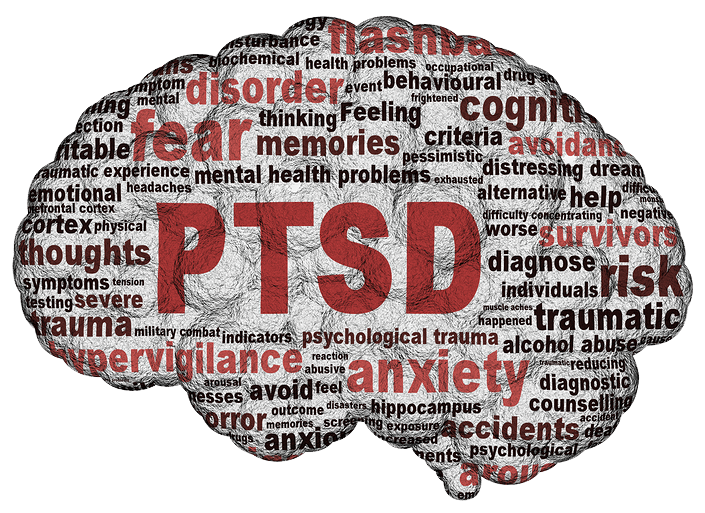
Post-traumatic stress disorder (PTSD) is an phychological disorder that a person can face who has experienced or witnessed a traumatic event such as a natural disaster, terrorist attack, war/combat, rape, or death, sexual violence or serious injury.

People with PTSD have intense and annoying thoughts and feelings associated with their experience that last long after the traumatic event is over. One may relive the event through flashbacks and nightmares. They may feel sad, afraid, or angry. And they may feel separated or alienated from others. People with PTSD can avoid situations and people that are reminiscent of traumatic events and have a strong negative reaction to mundane things such as loud noises and accidental contact.

According to reports in context to United States, about 3.6% of people about 5.2 million adults develop PTSD in time of last year , and an estimated 7.8 million Americans will develop Women are more likely to develop PTSD than men. This may be because their are high chances that women are more likely to be victims of domestic violence, abuse and rape.

Symptoms:
• Intrusive thought: Intrusive thoughts such as repeated involuntary reminders. A miserable dream; or a flashback of a traumatic event. Flashbacks are so vivid that people feel like they are remembering or seeing the traumatic experience in front of them.
• Avoidance: Avoiding the memory of traumatic events may include avoiding people, places, activities, objects, and situations that can cause disastrous memory. People may try not to remember or think about traumatic events. They may resist talking about what happened and how it makes them feel.
• Mood changes and Behaviour : Negative thoughts and feelings that lead to persistent and distorted beliefs about oneself and others, such as not being able to remember important aspects of traumatic events. Distorted thoughts about the cause or effect of an event can lead to false accusations of yourself or others. Persistent fear, fear, anger, guilt, or shame. There is much less interest in the activities that I enjoyed before. Feeling alienated or alienated from others; or unable to experience positive emotions (lack of happiness or satisfaction).

Treatment:
It is important to note that not everyone who experiences trauma develops PTSD, and not everyone who develops PTSD requires psychiatric treatment. For some people, the symptoms of PTSD disappear over time. Others are better with the help of their support system (family, friends,etc) . However, many people with PTSD need specialized medical treatment to help recover from psychological stress. It is important to remember that trauma which causes the PTSD can lead to serious distress. The sooner a person is treated, the more likely one can recover fast from PTSD.
Psychiatrists and other mental health professionals use several effective ( authorized and proven) methods to help people recover from PTSD. Both talk therapy and medical dosage provide effective evidence-based treatment for PTSD.

Best and Cheapest Medical Colleges in the World

                                                                  (Photo: Jeduka.com)

Are you an MBBS aspirant looking for Best and Cheapest MBBS in the World? You must drop your research work right here!

 In the world, there has been significant growth in the field of medicine and healthcare. No doubt it’s been the most essential and satisfying profession. Doctors are equated to God. A selfless job of curing illness. Listening to words of gratitude is a treasure for doctors. How to become a doctor? questions lingering around the mind of MBBS aspirants.

You should know about the role of doctors, their duties inside and outside the hospital. A doctor’s duty is to treat and cure sick people. In this profession one must have an intention of serving humanity. This is one of the professions which earn too much respect in society. Unlike many other professions, a doctor treats people belonging to different religions, castes and creeds. He never discriminates among his patients nor ever he lets patient feel their religion, caste or creed.

Beyond the numerous advantages and desire to acquire the medical qualification of Bachelor of Medicine and Bachelor of Surgery MBBS, we also understand that the financial implication of taking on studies in this field of medicine can be discouraging due to the lack of cheapest MBBS universities and colleges in the world.

See the list of the best and cheapest medical colleges and universities in the world below.

1.     AIIMS, Delhi

All India Institute of Medical Sciences (AIIMS) Delhi is a medical college and medical research public university based in New Delhi, India. The Institute was established in 1956 and operates autonomously under the Ministry of Health and Family Welfare. The Institute has comprehensive facilities for teaching, research and patient-care. Teaching and research here are conducted in 42 disciplines. AIIMS offers various best-in-class medical graduation and post-graduation courses and awards degrees under its own name. AIIMS has been consistently ranked the top medical college in India. The total fee paid is INR 8,140 for the 5-year MBBS programme.

2.     Maulana Azad Medical College, Delhi

Maulana Azad Medical College, New Delhi was established in 1958. It is also known as MAMC. It is a medical college in New Delhi affiliated to the University of Delhi. Maulana Azad Medical College offers various undergraduate, postgraduate and super speciality courses in different streams that include Medicine and Allied Sciences, Pharmacy, and Sciences. The college has various departments that are  Anatomy, Anesthesiology, Biochemistry, Community Medicine, Dermatology, STD and Leprosy, ENT, Forensic Medicine, General Medicine, General Surgery, Medical Education, Microbiology, Neonatology and many more. The total fee paid is INR 13,820 for MBBS programme.

3. R.G Kar Medical College and Hospital, Kolkata

Established as the Calcutta School of Medicine in 1886, this institution is alleged to be one of Asia’s oldest private colleges. The college is affiliated with the University of Health Science of West Bengal and ranked 11th on India Today’s (2017) list of the best medical colleges in the country. The total fee paid is INR 66,520 for the 5-year MBBS programme.

4.  Bangalore Medical College and Research Institute, Bangalore

BMCRI, affiliated with the Rajiv Gandhi University of Health Sciences, was brought up in the AIIMS league under a centrally sponsored scheme. The college is one of the few offering hands-on microsurgery training and is ranked 12th in India Today’s and Outlook India’s list of the best medical schools. It has also been ranked 10th on The Week’s list of the best medical schools. The total fee paid is INR 72,670 for the 5-year MBBS programme.

5. Bukovinian State Medical University, Ukraine

The University was founded in 1944. Bukovinian State Medical University has 7 faculties of which there are four medical faculties, stomatological, pharmaceutical, and the faculty of post-graduate training. The University consists of 47 departments. It is Chernivtsi’s oldest and largest university. This university is modern and it is recognized by WHO and NMC. The annual fee of MBBS programme is INR 2,73,000.

6. Kyiv Medical University of UAFM, Kiev

The University was established in 1992 by Dr. Pokanevich Valeriy. It is the best medical university of Ukraine. Ecological problems, development, and applications of medical in life are the fields of work of the university. Among the top medical universities in Ukraine, ‘Kyiv Medical University of UAFM’ officially ranks 3rd. Practical programs which this university provides make students study deeply. It is the only university which send its students to practice in Poland or Germany. The annual fee for MBBS programme is INR 2,45,000.

One of the important decisions of your life after completing high school is to select a University. The brutal truth, in India there are very few limited seats for medical aspirants. Many Indian medical aspirants choose MBBS in Abroad after facing rejection from Indian Medical Colleges. So, the other option is studying in abroad. Research about the College or University up to an extent. Make sure the University has a good reputation in the market. Research must include the departments of the college, laboratories, and other facilities. Choose a country where the fees and lifestyle are affordable. Your first and foremost priority should be education.

Go step by step for taking admission not just jump into a Low Fee college. The most important factors to choose University is to look for reputation, overall students experience and finances related to Colleges and Living Abroad. Applying this method of selecting a college, thousands of options will be narrowed down to one single option.


Evolutions in the medical domain

  • Small pox was a deadly and contagious disease that nearly killed 35% of its victims, while leaving the rest blind or scarred. The last natural case of small pox according to WHO was in 1977 and it was completely eradicated in 1980 with no such cases now in India.
  • Polio While the WHO continues with its efforts to eradicate the disease, it has been eliminated in India. India certified polio free in March 2014 from over 50000 cases in 1995 when it launched the campaign against polio.
  • Yaws is a kind of chronic bacterial disease which mostly affects tribal population that inhabits remote, hilly and forest areas. It targets skin, bones and joints and was eliminated from India in 2006.
  • Rinderpest caused the death of millions of cattle, buffalo, yak and wild animals leading to famine and starvation. It was declared eradicated in 2011 making it the first animal disease to be eliminated in the history of mankind.

With all the advancements in medicine and science the human race have managed to battle and have won against some of the deadliest diseases mentioned above with the evolution of vaccines and medications and there are also many emerging medical advancements which is very vital for the mankind and for the progression of the society and economy. The broader availability of technologies, digital platforms and aging global population are driving change in the health care industry faster than ever before. The technology over medicines is been growing seamlessly which we might have failed to perceive because of its abundance. Let us have a look at some of the tremendous advancements in the medical field.

Drug development – The development of covid 19 vaccines in less than a year is also one of the greater scientific accomplishments in human history. It is the process of bringing a new pharmaceutical drug to the market once a lead compound has been identified through the process of drug discovery. There has been a constant development in drugs against various diseases. The most important drugs are penicillin for the treatment of microbial diseases, insulin, morphine, aspirin, steroids etc.

Nano medicine– is the medical application of nanotechnology that uses the knowledge and tools of nanotechnology to the prevention and treatment of diseases. It has its applications in imaging, sensing, diagnosis, and delivery through medical devices. It has demonstrated great potential for enabling improved diagnosis and monitoring of many serious illness including cancer, cardiovascular and neurological disorders, HIV/AIDS.

AI & Machine learning are at their best when supplied with vast amounts of raw data, much as one would find flowing in and out of a medical facility. AI is increasingly being used in remote monitoring and telehealth applications. It makes it possible to analyze millions of CAT scans and from that detected patterns could be used to treat, prevent, or predict diseases.

Cancer immunotherapy– Immunotherapy is changing definitions in the medical world, primarily by curing previously un-curable diseases. The premise of immunotherapy is to genetically alter a patient’s cells to work in tandem with the body’s immune system to fight cancer. Unlike chemotherapy, immunotherapy detects and destroys more cancerous cells and reduce tumor growth.

Robotic surgery– Robotics has been making an impact on medical care since the 1980’s, but as the technology behind it has improved, the applications have increased exponentially. Nanobots in the bloodstream can diagnose and prevent disease. Image guided robots can now investigate lesions on the brain without damaging any if the surrounding tissue. Robotic surgery is minimally invasive, more precise, less prone to infection and quicker to heal.

Quantum computing – We still have our place in the initial stages of quantum computing, but this technology has already been used in combination with machine learning to quickly recognize medical tools and annotations during cataract surgery. It could enable a range of disruptive use cases for providers and health plans by accelerating diagnoses, personalizing medicine and optimizing pricing.

Vacuum-induced uterine tamponade device Childbirth should a joyous experience, but between 1% and 5% of women experience postpartum hemorrhage, which is a tragic complication. Vacuum induced uterine tamponade changed all that by creating negative pressure in the uterus to collapse the bleeding cavity and shut off leaking blood vessels. This low cost noninvasive procedure may prove useful with limited access to other treatment options.

Wireless brain sensors This medical device will aid doctors in measuring the temperature and pressure within the brain. Since the sensors are able to dissolve, they reduce the need for additional surgeries.

3-D Printing has quickly become one of the hottest technologies in the market. They can be used to create implants and even joints to be used during surgery. The use of printers can create both long lasting and soluble items. 3-D printing can be used to print pills that contain multiple drugs, which will help patients with the organization , timing and monitoring of multiple medications.

There are plentiful advancements that are flooding the medical industries. And these are the best examples on how technology and medicine go together and all these make it more accurate and more efficient diagnoses and treatments and could win the battle against many dreadful diseases like cancer etc.

Padmavathy Bandopadhyay: The Embodiment of Passion, Success and ‘Firsts’

Celebrating achievements and positive changes is a necessity. And celebrating individuals who make these possible, is even more important. Because we never know, whose story will inspire whom, and will lead onto a new story. India, with its developing and evolving social structure, has many such stories. Especially of women, who tread their way into different spheres that were once thought to be off limits for them. One such story is of Padmavathy Bandopadhyay, first female Air Marshal of Indian Air Force (IAF), and second female officer of Indian Armed Force to have been promoted to the three star rank.

Starting of the journey

Born on 4th November 1944, her birth name was Padmavathy Swaminathan. She was born to Mr. V. Swaminathan and Mrs. Alamelu, at Tirupati, Andhra Pradesh. With her mother being in hospital most of the time, these experiences drove Padma to take up medicine, so that she could help those who needed medical expertise.

She did her pre-medical studies from Kirori Mal College, Delhi and stood first in the course. Then she went ahead and cleared the entrance test for the first batch of then established Armed Forces Medical College, Pune. But, due to her family’s reluctance to send her away for such a long period to study medicine, she, unfortunately, could not join the first batch. But she didn’t bow down to this challenge and after convincing her parents, she finally joined the second batch of AFMC in 1963.  With an extraordinary overall record, she graduated in 1968, having opted for Indian Air Force and doing her internship in Air Force Hospital, Bangalore.

Flying to the success

She was inducted into IAF in1968. Sadly, some complications regarding her eyesight cut her dream short to become a pilot. But she took that in stride and went ahead to pursue specialization in aviation medicine. With the completion of her specialization in 1975, she became the first female officer to become an aviation medicine specialist.

She married Flt Lt. S. N. Bandopadhyay, whom she met at Air Force Hospital. They became the first husband-wife team to be awarded the  Vishisht Seva Medal (VSM) by the President in the same defence ceremony, due to their contribution to the 1971 Indo-Pakistani War. They were posted together in the Halwara air base,  Punjab.

During her posting in Defence Institute of Physiology & Allied Science (DIPAS) as a Wing Commander , she did commendable research work about high altitude. With her expertise, she contributed in the development of a new acclimatization schedule for Indian Soldiers at high altitudes and also directed the preventive measures to complications like High Altitude Pulmonary Oedema and High Altitude Cerebral Oedema.

She also happens to be the first woman Armed Force Officer to complete the Defence Service Staff College course, with her completing it in 1978. With her promotion to Group Captain rank, she was handed over the responsibility for the post of Deputy Principal Medical Officer of Westren Air Command, IAF. She went down into history when she became the first Lady Air Commodore of IAF, on 26th June, 2000. Along with this rank, she got the honour to command the prestigious IAF Medical Unit – Air Force Central Medical Establishment. For her impeccable performance in all the posts held by her and utmost dedication towards her duty, she was awarded with the prestigious Ati Vishisht Seva Medal (AVSM) on 26th January, 2002.

She was then promoted to the rank of Air Vice Marshal, and with that became the first lady to hold this post, not only in IAF, but across all the Air Forces in the world. Following this achievement, she took over the post of Additional Director General Armed Forces Medical Services. She handled this post with great success, which led to her promotion to the highest rank in the medical branch, Air Marshal, which happens to be a three star rank and the second highest active post in IAF. This momentous occurrence took place on 1st October, 2004. With that, she became the first Lady Air MArshal in the whole world, and also attained the honour of being the first Lady Director General Medical Services of the forces.

Apart from achievements in the Armed forces, she also holds the illustrious achievements of being the member of Indian Society of Aerospace Medicines (again being the first woman to do so!), International Medical Society and New York Academy of Sciences. She also took part in a research expenditure in the North Pole, and dedicated four months (November 1989 and February 1990) to this, being the first Indian woman to do so. She was also awarded the Indira Priyadarshini Award for all her glorious accomplishments, and was the first lady in uniform to get this honour. She also happens to be the first lady who is the Honorary Surgeon of the President of India.

She served the Indian Air Force until 2005 and was awarded the Param Vishist Seva Medal in January 2006. In 2020, she was awarded the Padma Shree for her contribution to the medical field.

With an exhaustive list of ‘firsts’ and achievements, Air Marshal Padma Bandopadhyay is truly an ultimate inspiration, who has excelled in everything she has ever set her mind to, against all the odds. Her memoir is titled as The Lady in Blue.

Website References:

http://www.anusandhan.net/women/suc_padma.htm

https://en.wikipedia.org/wiki/Padma_Bandopadhyay#cite_note-7

Vaccine progress depends on virus mutation

A study published in a medical journal has revealed that SARS-CoV-2, which causes Covid-19, has undergone multiple mutations in its “spike proteins”. This is the protein that gives the virus the ability to infiltrate the human cells. Once this occurs, the virus starts replicating, which leads to infection.

The paper published in Journal of Laboratory Physicians was based on an analysis of 1,604 spike proteins extracted from 1,325 complete genomes and 279 partial spike coding sequences of SARS-CoV-2 available at National Center for Biotechnology Information (NCBI) in the US till May 1.

Dr Sarman Singh, the lead author of the study, said they found 12 mutations in the spike proteins, six of which were novel mutations. “One deletion was also found in an Indian strain (MT012098.1). Deletion means change in the genetic structure of the virus. We don’t know how it will affect the virulence of the disease though,” he added.

The maximum genetic mutations were observed in spike proteins extracted from genomes of SARS-CoV-2 from the US, the experts said. “Viruses are known to mutate or change their genetic structure upon exposure to different environments. But in this case, the change is happening quite fast. We are not sure how it will affect the disease spread,” Singh said.

The others participants of the study included experts from Infectious Diseases and Immunity in Global Health Programme, Research Institute of McGill University Health Center, and McGill International TB Center, Canada. The study said spike protein was the major target for vaccine development, but several mutations were predicted in the antigenic epitopes across all genomes available globally.

“The emergence of various mutations within a short period might result in conformational changes in the protein structure, which suggests that developing a universal vaccine could be a challenging task,” the study added.
Mutation was also found in the antigens responsible for producing antibodies, indicating that the patients infected with the mutants would have very low or nil antibodies.

Recently, Hong Kong reported a case of re-infection due to Covid-19. Similar cases have also been documented in the US and India. “Even if a person gets Covid-19 again due to a mutated strain of the virus, the likelihood of severe symptoms would be less as seen in the patient in Hong Kong. This is because the antibodies against one strain of Covid-19 can offer protection against the mutated virus too. However, further scientific study and analysis is needed to ascertain this. The disease is new and we are still learning about it,” said a virologist from Maulana Azad Medical College.

In Delhi, the cases of Covid-19 had dipped significantly in July. However, it has started rising over the past few days. While lack of social discipline and opening of the economy are two key factors, many doctors said a mutation of the virus could also be behind it. “Multiple strains of the virus have been identified in the country, including the original one from Wuhan, China and the ones spreading in Europe,” said a doctor.
The World Health Organization does not expect widespread vaccinations against COVID-19 until the middle of next year, said a spokeswomen, stressing the importance of rigorous checks on their effectiveness and safety.

India:- Medical Negligence, can it be pardoned?

Mediacal profession is viewed as the most devout and mindful calling among others. It is one of the most regarded areas of the general public and there is no forswearing of the way that specialists have been given assignment proportionate to that of the God. In the current occasions additionally, everybody is admiring these experts and hailing them as warriors in white uniform.

Nonetheless, a few occurrences put the specialist customer relationship in an air pocket. Because of some careless clinical experts the whole society is addressed and detested. Indeed, even the smallest carelessness of their part can be lethal for the patient and once the word ‘carelessness’ is appended with any clinical expert it is a major hit to the generosity of that individual.

UNDERSTANDING MEDICAL NEGLIGENCE

What is clinical carelessness?

The Supreme Court in Poonam Verma v. Ashwin Patel and Ors. [(1996) 4 SCC 332] talked about the idea of clinical carelessness and characterized as under:

“Carelessness has numerous signs – it might be dynamic carelessness, insurance carelessness, near carelessness, simultaneous carelessness, proceeded with carelessness, criminal carelessness, net carelessness, perilous carelessness, dynamic and detached carelessness, headstrong or crazy carelessness or Negligence essentially.”

A specialist can be held obligated for carelessness just on the off chance that it tends to be demonstrated that he/she is capable of a disappointment that no other specialist with conventional aptitudes would be liable of it, if acting with sensible consideration. A slip in judgment comprises carelessness just if an expert who is sensibly able with the standard aptitudes and has acted with conventional consideration, would not have made a similar mistake.

Legal PRECEDENTS

The expansive standards regarding this matter have been clarified in detail by the three Judge Bench of the Supreme Court in Jacob Mathew v. Province of Punjab and Anr. [(2005) 6 SCC 1]. In section 41 of the choice, the Court saw that:

“The expert must bring to his errand a sensible level of ability and information and must exercise a sensible level of care. Neither the most elevated nor a low level of care and skill is the thing that the law requires.”

Carelessness can be both a Tort and a Criminal risk. Carelessness as a wrongdoing has by and large an exclusive requirement. Under the misdeed Law, carelessness is built up to the degree of the misfortune brought about. In any case, carelessness under the criminal law is dependent on the degree or measure of carelessness. Courts have emphasized that the weight of building up criminal carelessness lies with the individual calling for it. On the off chance that a specialist has a blameworthy psyche and his/her carelessness prompts the foolishness then the individual submitting the demonstration will be held at risk.

In Dr. Suresh Gupta v. Legislature of NCT of Delhi [(2004) 6 SCC 422] the Supreme Court saw that:

“Among common and criminal risk of a specialist causing passing of his patient the court has a troublesome assignment of gauging the level of recklessness and carelessness claimed with respect to the specialist. For conviction of a specialist for supposed criminal offense, the standard ought to be verification of wildness and intentional wrong doing for example a further extent of ethically culpable lead.

To convict, in this way, a specialist, the arraignment needs to come out with an instance of serious extent of carelessness with respect to the specialist. Unimportant absence of legitimate consideration, safeguard and consideration or coincidence may make common obligation however not a criminal one. The courts have, in this manner, consistently demanded on account of supposed criminal offense against specialist causing demise of his patient during treatment, that the demonstration griped against the specialist must show carelessness or imprudence of such a further extent as to show a psychological state which can be portrayed as absolutely emotionless towards the patient. Such gross carelessness alone is culpable.”

A serious extent of carelessness is required to prove the claim of criminal carelessness under Section 304-An of the Indian Penal Code, 1860. For fixing criminal risk on a clinical specialist a unimportant absence of required consideration, expertise and consideration isn’t adequate, it is required to be demonstrated that there was a “gross carelessness”. Under Indian Penal Code, Sections 52, 80, 81, 83, 88, 90, 91, 92 304-A, 337 and 338 examine the law of clinical misbehavior in India.

The direct of clinical negligence was brought under the Consumer Protection Act, 1986, by ethicalness of a milestone instance of the Indian Medical Association v. V. P. Shantha and others [(1995) 6 SCC 651] wherein the Court saw that:

“clinical consideration was characterized as an “administration” under this judgment that was secured by the Act, and it was additionally explained that an individual looking for clinical consideration might be considered as a shopper if certain models were met for instance there was an installment either for treatment or enrollment, or charges were deferred or it was paid by an insurance agency.”

After this judgment, it was viewed as that a few classifications of patients presently could bring charges against the careless medicinal services suppliers for remuneration under the Consumer Protection Act, 1986. Offices and specialists that offered a wide range of assistance liberated from cost to all customers were not to be held obligated under the Act.

The Supreme Court in V.N. Shrikhande v. Anita Sena Fernandes [(2011) 1 SCC 53] saw that:

“18. In instances of clinical carelessness, no restraint equation can be applied for deciding concerning when the reason for activity has collected to the shopper. Each case is to be settled on its own realities. In the event that the impact of carelessness on the specialist’s part or any individual related with him is patent, the reason for activity will be considered to have emerged on the date when the demonstration of carelessness was finished. On the off chance that, then again, the impact of carelessness is inactive, at that point the reason for activity will emerge on the date when the patient or his delegate complainant finds the damage/injury caused because of such act or the date when the patient or his agent complainant could have, by exercise of sensible persistence found the demonstration establishing carelessness.”

In this way, the Court held that there is no sweeping technique to choose with respect to when the reason for activity has resulted the shopper.

Moreover, Sections 80 and 88 of the Code specifies the barriers for specialists blamed for criminal obligation.

As indicated by Section 80:

“80. Mishap in doing a legal demonstration – Nothing is an offense that is finished unintentionally or disaster, and with no criminal expectation or information in the doing of a legitimate demonstration in a legal way by legal methods and with appropriate consideration and alert.”

As per Section 88:

“88. Act not planned to cause passing, done by assent in compliance with common decency for individual’s advantage – Nothing, which isn’t proposed to cause demise, is an offense by reason of any mischief which it might cause, or be expected by the practitioner to cause, or be known by the practitioner to probably cause, to any individual for whose advantage it is done in compliance with common decency, and who has given an assent, regardless of whether express or inferred to endure that hurt, or to face the challenge of that hurt.”

Enactments

Government at both the Central and the State level has attempted to ensure the nature of human services segment at all levels through declaring various statutes, guidelines and acts.

  1. The Medical Council Act, 2001 – The said Act canceled the Indian Medical Council Act, 1956 as was changed in 1964, 1993 and 2001. The Act accommodates the constitution of the Medical Council of India (MCI). The MCI directs principles of clinical instruction, authorization to begin schools, courses or increment the quantity of seats, enrollment of specialists, norms of expert lead of clinical professionals.
  2. Indian Medical Council (Professional Conduct, Etiquette and Ethics) Regulations, 2002-This guideline sets out the lead of clinical experts, indicating the obligations and obligations of the doctors in and has additionally assembled the general rules required for moral clinical practice.
  3. Screening Test Regulations, 2002-The Regulations accommodates:

“An Indian resident having an essential clinical capability granted by any clinical organization outside India who is covetous of getting temporary or lasting enrollment with the Medical Council of India or any State Medical Council on or after 15.03.2002 will need to qualify a screening test led by the endorsed expert for that reason according to the arrangements of area 13 of the Act.”

  1. Indian Nursing Council-It is a national administrative body for medical attendants and medical caretaker instruction in India. It is likewise liable for consistency in nursing instruction.
  2. Medications and Cosmetics Act, 1940-The essential target of the Act is to guarantee that the medications and beauty care products sold in India are sheltered, viable and adjust to state quality guidelines.
  3. Drug store Act, 1948 – The Act accommodates:

“An Act to direct the calling of drug store. To improve arrangement for the guideline of the calling and practice of drug store and for that reason to establish Pharmacy Councils”

  1. Clinical Termination of Pregnancy Act, 1971 – The Act accommodates:

“An Act to accommodate the end of specific pregnancies by enrolled clinical professionals and for issues associated therewith or coincidental thereto.”

  1. Transplantation of Human Organ Act, 1994-This Act fills in as the essential enactment administering the procedures of organ gift and organ transplantation in India.
  2. Pre-natal Sex Determination Test Act, 1994-This demonstration was authorized to stop female foeticides and capture the declining sex proportion in India. The demonstration restricted pre-birth sex assurance.
  3. Medications and Magic Remedies (Objectionable Advertisement) Act, 1954 – The said Act gives as under:

“It disallows notices of medications and cures that guarantee to have supernatural properties, and makes doing so a cognizable offense.”

Finishing up REMARKS

There are no two different ways about the way that specialists owe an obligation of care towards the patients yet.

A brief history of Cannibalism

Cannibalism, a frowned upon act which society vehemently opposes or so we think. Cannibalism is the act of consuming another individual of the same species as food. Organisms from the animal kingdom practice cannibalism on a regular basis in fact more than 1,500 species alone practice it. Even as society frowns upon it, human cannibalism is well documented, both in ancient and in recent times. So how did this start? The word cannibal is dated back to the time of Christopher Columbus, which he may even have coined himself. It was first recorded in Columbus’s reports to the queen of Spain. He described the indigenous people as friendly and peace loving but sparked rumors about a group called Caribs, who apparently raided, plundered and ate their prisoners. The queen granted permission of capture and enslaving of anyone who ate flesh. However once Columbus found that he would not get gold from any of the locals, he began labeling any who resisted him as a Caribe. As the term reached Europe, somewhere along the way it had transformed from Carib to Canibe to Cannibal.

Photo by Renato Danyi on Pexels.com

It was first used by colonizers to dehumanize indigenous people; it has since been applied to anyone who eats flesh. The term comes from an account with no hard evidence but it does have a real and complex history. Throughout the course of history, it has taken diverse forms such as 15th century Europeans believed they had hit upon a miracle cure: a remedy for epilepsy, hemorrhage, bruising, nausea and virtually any other medical ailment. It was a brown powder known as “mumia,” and was made by grinding up mummified human flesh. It had a large demand in 15th century Europe so much so that the stolen mummies from Egypt used to keep up with the mumia craze started dwindling. This opened up avenues for opportunists to use stolen bodies from European cemeteries to keep up with the craze. The use of mumia was so widespread that it continued for hundreds of years. It was even listed in Merck index a popular medical encyclopedia into the 20th century. During various famines, sieges and wars there have been accounts of survival cannibalism as the only options were starving or eating the dead. But various cultures saw a normalization of consumption of human flesh even in ordinary circumstances. Blood in liquid or powdered form used to treat epilepsy, human liver, gall stones, oil from human brains and pulverized hearts were popular medical concoctions back in the day. In china the written record of socially accepted cannibalism goes back to 2000 years. One form of cannibalism was filial cannibalism where adult sons and daughters provided a piece of their flesh to their sick parents and often seen as a last-ditch effort to save them. Cannibalistic funerary rites were yet another form of culturally sanctioned cannibalism. The best-known example came from the Fore people of New guinea. Through the mid-20th century, members of the community would, make their funerary preferences known in advance, often requesting family members to consume their flesh after death, however even though this honored the dead it bore the spreading of a deadly disease known as Kuru throughout the community.

Between fictionalized stories, verified facts and big gaps that still exist in our knowledge, there is no one history of cannibalism, however one thing we can be sure of that humans throughout the course of history have eaten and volunteered to be eaten by their fellow man. As Michel de Montaigne wrote Everyone gives the title of barbarism to everything that is not in use in one’s own country”.

A glimpse at the most famous medical practitioner.

Biology, a term that defines the study of all living things. A major branch of biology is anatomy or the branch of biology concerned with the study of the structure of organisms and their parts. The study of anatomy has led early doctors and physicians to know more about the body and how to mend it or reduce its ailments. Almost all branches of the practice of medicine can in some way trace their origins to the study of anatomy. One of the most renowned physicians of medical history is Galen of Pergamon, who is also the most notorious. This towering figure in the field of medicine had doctors all of the world fearing and revering him not only during his lifetime but nearly 1300 years later as well. He was a Greek physician, author, and philosopher, working in Rome, who influenced both medical theory and practice until the middle of the 17th century CE.

Photo by cottonbro on Pexels.com

As a teen Galen left his hometown to pursue his love of medicine to the Mediterranean. When he returned, he was now seemingly an expert in anatomy and a very gifted surgeon. Ever the showman, he would enter public anatomy contests to show up his fellow physicians. HE did a lot of things which were outlandish and in taunting his rivals, he made them lose their reputations. He once made a pig lose its voice by tying of its nerve, in another instance he disembowelled a monkey and then did a surgery to repair it. A meticulous man, he milked the branch of anatomy for all its worth. While his peers would discuss symptoms and origins of various diseases, Galen was focused on anatomy. But since he was a physician in the roman era, and the roman law prohibited the use of human cadavers, he had to make do with animals. He carved up nearly every kind of animal he could find in his pursuit to realize his theory, that each organ had its own function. He did numerous experimentations and despite his handicap of not being able to use human cadavers, he produced some remarkable results. Galen was the one who proved that it was the brain that controlled the body and not the heart. he did so with one of the most outlandish experiments ever, which needed someone to be crazy and zealous as well as insanely talented according to those times. Fortunately, for Galen, he checked all the boxes. To prove this theory, cracked open the cranium of a cow while it was alive and prodded different parts of it to link to various functions. However, these experiments also resulted is misconceptions which were way off the actual truth. He thought that the liver and not the heart pumped blood and it would deplete completely in a one-way trip. He also gave his overwhelming support to a dreadfully wrong theory of the Four Humors. This stated that that the body functioned through the balance of four body fluids. This created a lot of problems and resulted in many unnecessary deaths. Galen, being ever so vain, penned down each of his discoveries ranging from anatomy to nutrition to bedside manner. Galen’s books became a staple for anyone pursuing the medical science. He was so revered that even when doctors would open up human cadavers, they would repeat Galen’s mistakes despite seeing clear evidence against it. He was so popular that the few practitioners who contradicted them were either ridiculed, ignored or silenced. It wasn’t until the !7th century that renaissance anatomist Vesalius who contradicted him, and successfully changed the mind of people. Even then it took nearly 300 years for the misguided works of Galen to fade away.

This serves as a reminder that science is evolving every day, what might be considered a plain fact today, might be a gross misconception tomorrow.

MECHANISM OF DIFFERENT TYPES OF ANTIBIOTICS

Antibacterial Drugs are classified according to their site of action which are as follows :

CELL WALL SYNTHESIS INHIBITORS
There are 3 different mechanisms by which anti-cell wall drugs work and thus they are also classified as following:

  1. First classification involves the drugs that directly interact with Penicillin-Binding-Proteins (PBPs) and inhibit the transpeptidase activity which in turn inhibits the attachment of newly formed peptidoglycan subunit to the pre-existing one.
    This is the main mechanism of β-lactam antibiotics. These antibiotics include Penicillin (penams), cephalosporins, Penems, Carbapenems, and monobactams.
    These antibiotics bind to the penicillin-binding proteins which are enzymes present in the bacterial cell wall. Different β-lactam antibiotics bind in a different way. After the antibiotics bind to the enzyme, it changes the morphological response of the bacteria to the antibiotic.
  2. Second classification involves the drugs that bind to the peptidoglycan subunit, blocking different processes.
    The important class of compounds called as glycopeptides are mainly involved in this mechanism of anti-cell wall antibiotics.
    Vancomycin and Teicoplanin are the major examples of glycopeptide antibiotics.
    Vancomycin kills only gram-poitive bacteria whereas Teicoplanin is active against both. The overall mode of action of glycopeptides antibiotics is blocking transpeptidation i.e. similar to β-lactam antibiotics, they also inhibit the transpeptidase activity, and transglycosylation i.e. they being large in size attach to the peptidoglycan subunits thus creating a blockage which does not allow the cell wall subunits to attach to the growing peptidoglycan backbone.
  3. Third classification involves the drugs that block the transport of peptidoglycan subunits across cytoplasmic membrane.
    The main example of such type of drugs is bacitracin, which is a simple peptide antibiotic originally isolated from Bacillus subtilis.
    The mode of action of these class of drugs is blocking the activity of specific cell membrane lipid carriers which act as the attachment surface for peptidoglycan precursors and help in their movement from cell cytoplasm to exterior of the cell. This activity of lipid carriers is inhibited by bacitracin like drugs and they finally prevent the incoroporation of those precursors into cell wall thus inhibiting its biosynthesis.

Although, its route of administration is mostly oral or intramuscular, bacitracin is also known to show its effects when used as topical ointments like Neosporin.

INHIBITORS OF PROTEIN SYNTHESIS
Protein Inhibitors can be divided into 2 parts:

  1. Inhibitors binding to 30S subunits
    • Aminoglycosides bind to the bacterial ribosome, after which they cause tRNA mismatching and thus protein mistranslation.
    This occurs by mismatching between codons and anticodons, which synthesize proteins with incorrect amino acid. This mistranslated protein, along with correctly translated proteins move into move into the periplasm where most of the mistranslated proteins are degraded and some of them are inserted into cytoplasmic membrane. This causes disruption of the membrane, ultimately killing the bacterial cells.
    • Tetracyclines are bacteriostatic and block the binding of tRNAs with the ribosome during translation thus inhibiting protein synthesis. Most of the tetracycline class of drugs are broad spectrum and are active against wide range of bacteria.
  2. Inhibitors binding to the 50S subunit
    • Macrolides are the large class of naturally produced secondary antibiotics. They are basically broad spectrum, bacteriostatic antibiotics. Their main mode of action is blocking peptide chain elongation and they inhibit the formation of peptide bond.
    Patients allergic to penicillins are recommended erythromycin which is a macrolide.
    • Lincosamides include lincomycin and clindamycin. Though they are structurally different but functionally similar to macrolides. They are specifically known to inhibit streptococcal and staphylococcal infections.
    • Chloramphenicol also inhibits peptidyl transferase reaction inhibiting peptide bond formation. It was the first broad spectrum antibiotic and is very much active against a broad range of bacterial pathogens but is very toxic and can cause side.

INHIBITORS OF MEMBRANE FUNCTION
Biological cytoplasmic membranes are basically composed of lipids, proteins and lipoproteins. The cytoplasmic membrane acts as a selective barrier which allows the transport of materials between inside the cell and the environment.
A number of antibacterial agents work by targeting the bacterial cell membrane. They basically are involved in the disorganization of the membrane. Polymyxins and Lipopeptides are the main anti- cell membrane agents.

NUCLEIC ACID SYNTHESIS INHIBITORS
These drugs inhibit nucleic acid synthesis function by either of the following:

  1. Interfere with RNA of bacterial cell
    Antibacterial drugs of this mechanism are selective against bacterial pathogenic cells.
    For example: The drug rifampin, belonging to the drug class rifamycin blocks the bacterial RNA polymerase activity. It is also active against Mycobacterium tuberculosis and thus id used in the treatment of tuberculosis infection. It also shows side effects.
  2. Interfere with DNA of bacterial cell
    There are some antibacterial agents that interfere with the activity of DNA gyrase.
    The drug class fluoroquinolones show this mechanism. They are borad spectrum antibacterial agents. Some examples of drugs in fluoroquinolone family are Ciprofloxacin, Ofloxacin, Moxifloxacin, etc

INHIBITORS OF METABOLIC PATHWAYS
There are some antibacterial drugs which act as ANTIMETABOLITES and inhibits the metabolic pathways of bacteria.
• The sulfonamides block the production of dihydrofolic acid.
This blocks the production of purines and pyrimidines required for nucleic acid synthesis by blocking the biosynthesis of folic acid. Their mechanism of action is bacteriostatic and they are broad spectrum antibacterial agents. Though humans also obtain folic acid but these drugs are selective against bacteria.
Sulfones are also structurally and functionally similar to sulfonamides.
• Trimethoprim is used in the same folic acid synthesis pathway but at a different phase, in the production of tetrahydrofolic acid.
• There is another drug, Isoniazid which is an antimetabolite only selective against mycobacteria. It can also be used to treat tuberculosis when used in combination with rifampin and streptomycin.

INHIBITORS OF ATP SYNTHASE
There is a class of drug compounds called as Diarylquinolones that are specifically active against mycobacterial growth. They block the oxidative phosphorylation process and finally leading to reduced ATP production which either kill or inhibit the growth of mycobacterial species.