Thumb sucking is a common behavior in young children, often starting as early as infancy. For many kids, thumb sucking provides a sense of comfort and security, helping them self-soothe during moments of stress or tiredness. While it’s generally a harmless habit in the early years, it can become a cause for concern if it continues well into later childhood. Understanding when to worry about thumb sucking and how to help your child break the habit is crucial for their overall well-being.
Thumb sucking is often a natural reflex in infants, starting even before birth. Many babies suck their thumbs while in the womb as a form of self-soothing. Once born, thumb sucking can continue as a way for babies and young children to comfort themselves when feeling upset, tired, or bored. For some children, thumb sucking may also serve as a self-soothing mechanism during sleep, providing them with a sense of security as they drift off.
While most children stop sucking their thumb on their own as they grow older and become more independent, some may continue the habit into their toddler and preschool years.
When Does Thumb Sucking Become a Concern?
For the majority of children, thumb sucking is a temporary phase that will naturally fade as they grow. However, for some children, thumb sucking persists longer than usual and can start to cause problems. Here are some signs that thumb sucking may be something to worry about:
1. Dental Problems
Thumb sucking can affect the development of your child’s teeth and mouth, especially if the habit continues after the age of 4 or 5. Prolonged thumb sucking can lead to dental issues, such as:
Misalignment of Teeth: Thumb sucking can cause the upper front teeth to protrude or become misaligned. This is particularly true if the thumb is pressed forcefully into the mouth over a prolonged period.
Bite Issues: A child who continues to suck their thumb may develop what is known as an “open bite” where their upper and lower teeth don’t meet properly when their mouth is closed. This can make it difficult for the child to chew and speak clearly.
Changes in the Roof of the Mouth: Prolonged thumb sucking can alter the shape of the roof of the mouth, causing it to become more narrow.
2. Speech Delays
If thumb sucking continues for a long time, it can affect the development of your child’s speech. The habit can interfere with normal tongue placement and lead to speech issues such as lisps or difficulty pronouncing certain sounds. If you notice any signs of speech delay or changes in the way your child is speaking, it might be worth considering the effects of thumb sucking.
3. Social Concerns
As children get older, they may begin to feel self-conscious about thumb sucking, especially if it continues past the age of 4 or 5. At this point, children may be exposed to peer pressure or may feel embarrassed about the habit. In some cases, thumb sucking can also cause teasing or bullying from other children, which can affect their self-esteem and social development.
How to Help Your Child Stop Thumb Sucking
If thumb sucking is causing concerns, it’s essential to approach the situation with patience and understanding. Here are some strategies that can help your child break the habit:
1. Positive Reinforcement
Encouraging your child with positive reinforcement is one of the most effective ways to help them stop sucking their thumb. Offer praise when your child goes a day without thumb sucking, or use a reward system such as a sticker chart. Avoid punishment or negative reinforcement, as this can create stress and may make the problem worse.
2. Gentle Reminders
Sometimes, children suck their thumb out of habit or without realizing it. Offering gentle reminders when you notice your child sucking their thumb can help them become more aware of the behavior. You might say something like, “Remember, no thumb sucking,” in a calm and non-critical tone. Over time, your child will begin to associate the reminder with the behavior.
3. Provide Alternatives for Comfort
If your child sucks their thumb to self-soothe, offering alternative comfort objects such as a soft blanket or a stuffed animal can help. Teaching your child relaxation techniques like deep breathing or listening to calming music may also reduce the need for thumb sucking during stressful situations.
4. Create a Comfortable Sleep Routine
Thumb sucking often occurs during sleep or naptime. Establishing a comforting bedtime routine can help your child feel secure without the need for thumb sucking. This might include reading a favorite bedtime story, listening to calming music, or having a special nightlight in their room.
5. Use a Thumb-Sucking Guard
In cases where the habit persists, a thumb-sucking guard or mitt can be a helpful tool. These devices are designed to make thumb sucking uncomfortable or difficult, encouraging your child to stop. However, it’s important to approach this method carefully, as it may cause frustration in some children. Always make sure to use positive reinforcement alongside this technique.
6. Consult a Pediatric Dentist
If your child’s thumb sucking has led to dental problems or is causing concern, it’s a good idea to consult a pediatric dentist in Oregon City. They can assess the impact of the habit on your child’s teeth and offer professional advice on how to address the issue. In some cases, a dentist might recommend a dental appliance to help prevent thumb sucking.
In Conclusion
Thumb sucking is a common and natural behavior for many young children, but when it persists beyond the typical age range, it can lead to dental, speech, and social concerns. The key to addressing thumb sucking is understanding when it becomes a problem and taking a gentle, supportive approach to help your child break the habit. With the right strategies, patience, and positive reinforcement, you can help your child move past thumb sucking and support their healthy development. If necessary, always consult a pediatric dentist or pediatrician for additional guidance.
In education, discipline refers to the rules and practices that help students learn and grow in a safe environment. It helps students stay organized and focused, and can help them develop good study habits.
Daily writing prompt
Describe the most ambitious DIY project you’ve ever taken on.
Discipline is a crucial component of the Indian education system, shaping the moral, ethical, and academic foundation of students. It is not just about maintaining order but also about instilling values such as responsibility, respect, and self-regulation. The Indian education system, rooted in ancient traditions and evolving through modern reforms, has always emphasized discipline in various forms.
1. Historical Perspective on Discipline in Indian Education
a. Ancient Gurukul System
The Gurukul system was the earliest form of education in India, where students (shishyas) lived with their teachers (gurus) in an ashram.
Discipline was strictly maintained through rules that emphasized obedience, humility, and rigorous academic and physical training.
Punishments were minimal as self-discipline was encouraged through spiritual learning and practical wisdom.
b. Colonial Influence on Discipline
The British education system introduced structured discipline in schools through strict rules, uniforms, and punishments.
Corporal punishment was common, and the system focused more on rote learning and obedience rather than creativity and critical thinking.
c. Post-Independence Reforms
After independence, India adopted a more balanced approach, incorporating discipline with democratic values.
Policies promoted student-friendly environments while maintaining classroom order and respect for authority.
2. Forms of Discipline in Indian Schools and Colleges
a. Self-Discipline
Encouraged from an early age, students are taught to take responsibility for their actions.
Morning assemblies, yoga, meditation, and moral education help in self-discipline.
b. Institutional Discipline
Schools and colleges follow strict codes of conduct regarding attendance, uniforms, behavior, and academic performance.
Rules are set to ensure order, such as punctuality, respect for teachers, and adherence to dress codes.
c. Teacher-Imposed Discipline
Teachers play a major role in enforcing discipline through classroom management and behavioral guidance.
Positive reinforcement, mentorship, and counseling are increasingly replacing traditional punitive methods.
d. Parental and Societal Influence
Indian parents place significant emphasis on discipline, ensuring that children follow rules at school and home.
Society also plays a role in shaping student behavior through cultural expectations and moral upbringing.
3. Role of Discipline in the Indian Education System
a. Academic Excellence
A disciplined environment ensures that students focus on studies, complete assignments on time, and respect deadlines.
Punctuality and time management are key aspects of academic discipline.
b. Character Development
Discipline instills values like honesty, responsibility, and perseverance.
It prepares students to face real-world challenges with resilience and determination.
c. Social Harmony
Schools promote discipline to foster mutual respect, teamwork, and cooperation among students from diverse backgrounds.
It helps in reducing conflicts and promoting a peaceful learning atmosphere.
d. Preparation for Professional Life
The disciplined environment of educational institutions prepares students for the workforce, where punctuality, work ethics, and responsibility are essential.
4. Challenges in Maintaining Discipline
a. Changing Societal Norms
The influence of social media and digital platforms has impacted traditional discipline methods.
Students are more independent but also more prone to distractions and indiscipline.
b. Issues of Corporal Punishment
Though banned, corporal punishment still exists in some schools, leading to psychological stress among students.
The focus is now shifting toward counseling and positive discipline strategies.
c. Parental Overindulgence
Some parents are overprotective, interfering in school disciplinary actions and making it difficult for institutions to enforce rules.
d. Teacher Shortages and Workload
Overburdened teachers struggle to maintain discipline effectively while handling large class sizes.
5. Modern Approaches to Discipline in Education
a. Positive Discipline Strategies
Encouraging students through rewards and appreciation rather than punishments.
Engaging students in decision-making to develop accountability.
b. Digital Monitoring and AI-Based Discipline
Schools use digital attendance, CCTV cameras, and AI-driven behavior monitoring to track and enforce discipline.
c. Student Counseling and Emotional Support
Schools and colleges now focus on mental health and counseling to address behavioral issues rather than harsh disciplinary measures.
d. Legal Framework for Student Discipline
The Right to Education (RTE) Act, 2009, and guidelines from CBSE, ICSE, and UGC ensure that discipline policies align with child rights and ethical standards.
6. Conclusion
Discipline in the Indian education system has evolved from rigid control to a more balanced, student-friendly approach. While maintaining order and respect remains essential, modern education policies emphasize holistic development, self-regulation, and psychological well-being. Moving forward, India must continue to balance traditional discipline with progressive, positive reinforcement strategies to create responsible, well-rounded individuals.
References
Amare, G. (1967). Aims and Purposes of Church Educaiton in Ethiopia. The Ethiopian Journal of Education, 1(1), 1-11.
Adaobi, E. M., & Abigail, O. M. (2021). Effect of problem-based learning on achievement of secondary school computer studies sudents in nnewi educaiton zone. International Journal of Innovative Research and Advanced Studies (IJIRAS), 8(6), 93-97.
Harman, G. (2000). Institutional Mergers in Australian Higher education since 1960. Higher Education Quarterly, 54(4), 343-366.
Cavanagh, D. M. (1985). Teacher Curriculum: A Failed Paradigm of Practise and Proceedure. Australian Journal of Teacher Education, 10(2), 5.
Ping, H., & Liu, Y. (2010, March). Notice of Retraction: Demonstrative Analysis of Undergraduate Hospitality Management Education in Research-oriented Universities of China and of America. In 2010 Second International Workshop on Education Technology and Computer Science (Vol. 1, pp. 735-738). IEEE.
Yorke, M. (2000). Developing a Quality Culture in Higher Educaiton. Tertiary Education and Management, 6(1), 19-36.
The Department of School Education and Literacy is implementing an integrated centrally sponsored scheme for School education – Samagra Shiksha. The scheme treats school education holistically, without segmentation from pre-primary to class XII and is in accordance with the Sustainable Development Goal for Education (SDG-4). The scheme provides support for the implementation of the RTE Act.
The Scheme has been aligned with the recommendations of the National Education Policy (NEP) 2020.
Under Samagra Shiksha, financial assistance is provided to States and UTs for undertaking various activities for Universalization of School Education including opening/strengthening of new schools up to senior secondary level, construction of school buildings and additional classrooms, development/strengthening of school infrastructure in northern border areas under Vibrant Village Programme, setting up, up-gradation and running of Kasturba Gandhi Balika Vidyalayas, construction of hostels for PVTGs under PM-JANMAN, setting up of Netaji Subhash Chandra Bose Avasiya Vidyalayas, construction of hostels under Dharti Aaba Janjatiya Gram Utkarsh Abhiyan for uncovered ST population, free uniforms to eligible children and free textbooks at elementary level, transport allowance, and undertaking enrolment and retention drives. Special training for age-appropriate admission of out-of-school children and residential as well as non-residential training for older children, seasonal hostels/residential camps, special training centres at worksites, transport/escort facility are also supported to bring out of school children to the formal schooling system including support to complete their education through NIOS/SIOS. Under the student-oriented component for the children with special needs, financial assistance is provided for identification and assessment of children with special needs, aids and appliances, braille kits and books, appropriate teaching learning material and stipend to girl students with disability etc.
Achievements of Samagra Shiksha
From 2018-19 to 2024-25
Activities
Achievement*(2018-19 to 2024-25)
Number of schools upgraded
3656
New Residential schools/hostels
242
Number of schools strengthen including additional classrooms
80105
Schools covered under ICT & Digital initiatives including Smart Schools
138802
Schools covered under Vocational Education
9477
Number of KGBVs upgraded from class VIII to X
313
Number of KGBVs upgraded from class VIII to XII
2303
Construction of separate Girl’s toilets
35457
*Works completed in the Financial Year 2018-2019 till 2024-2025 (till November)
# Source: PRABANDH
PM SCHOOLS FOR RISING INDIA (PM SHRI)
The centrally sponsored PM SHRI (PM ScHools for Rising India) scheme was approved by Cabinet on 7 September, 2022. Under the scheme there is provision of setting up of more than 14500 PM SHRI Schools by strengthening the existing schools from amongst schools managed by Central government/State/UT Government/local bodies. PM SHRI schools showcase the implementation of the National Education Policy 2020 and emerge as exemplar schools over a period of time, and also offer leadership to other schools in the neighbourhood. The total cost of the project will be Rs. 27360 crore spread over a period of 5 years which includes central share of Rs. 18128 crore.
A total of 33 States/UTs including KVS & NVS have signed the Memorandum of Understanding (MoU) with Ministry of Education for implementation of PM SHRI Scheme. Selection of PM SHRI schools is done through Challenge Mode wherein Schools compete for support to become exemplar schools.
A total of 12,084 schools have been selected from 32 States/UTs along with KVS/NVS in 1st, 2nd, 3rd & 4th phase of selection of PM SHRI Schools through the transparent challenge method out of which 1329 schools are Primary, 3340 schools are Elementary, 2907 schools are secondary and 4508 schools are senior secondary.
PM SHRI Scheme is being implemented by saturating all the components such as Bala feature and Jadui Pitara, Support at Pre-school Education, Child Friendly Furniture, Outdoor Play Materials etc. in Primary and Elementary Schools and Furniture, Fully equipped integrated Science Lab/Physics Lab/Chemistry Lab/ Biology Lab, Smart Classrooms, Computer Lab/ ICT Lab, Atal Tinkering Lab, Skill Lab, School Innovation Councils, Playground with well-equipped sports facilities etc. for secondary and senior secondary schools.
PM POSHAN
The Government has approved the Centrally Sponsored Scheme ‘Pradhan Mantri Poshan Shakti Nirman (PM POSHAN)’ for providing one hot cooked meal in Government and Government-aided Schools from 2021-22 to 2025-26. The Scheme is being implemented by the Ministry of Education. Under the Scheme, there is a provision of hot cooked meal to children of pre-schools or Bal Vatika (before class I) in primary schools also in addition to eligible children of classes I to VIII. The Scheme is implemented across the country covering all the eligible children without any discrimination of gender and social class. The main objectives of the PM POSHAN Scheme (earlier known as Mid-Day Meal Scheme) are to address two of the pressing problems for majority of children in India, viz. hunger and education by improving the nutritional status of eligible children in Government and Government-aided schools as well as encouraging poor children, belonging to disadvantaged sections, to attend school more regularly and help them concentrate on classroom activities.
The Scheme has been aligned with NEP 2020 in 2021 through:
a) Tithi Bhojan – A community participation programme in which people provide special food to children on special occasions/festivals.
b) Development of School Nutrition Gardens in schools to give children first-hand experience with nature and gardening. The harvest of these gardens is used in the scheme providing additional micro nutrients. iv.) Social Audit of the scheme is made mandatory in all the districts.
c) Special provision is made for providing supplementary nutrition items to children in aspirational districts and districts with high prevalence of Anaemia.
d) Encouraging cooking competitions to promote ethnic cuisine and innovative menus based on locally available ingredients and vegetables.
e) Involvement of Farmers’ Producer Organizations (FPO) and Women Self Help Groups in the implementation of the scheme.
4. ULLAS
A Centrally Sponsored Scheme, ULLAS – Nav Bharat Saaksharta Karyakram, is an educational initiative implemented from FY 2022-23 to 2026-27. ULLAS, which stands for Understanding of Lifelong Learning for All in Society, aligns with the National Education Policy (NEP) 2020 and aims to provide educational opportunities to adults aged 15 and above who have missed formal schooling. The scheme is implemented in a hybrid mode, States/UTs have flexibility in offline, online, or combined approaches. The scheme has five components, namely: (i) Foundational Literacy and Numeracy, (ii) Critical Life Skills, (iii) Basic Education, (iv) Vocational Skills, and (v) Continuing Education.
ULLAS works under the inspiring vision of making Bharat ‘Jan Jan Saakshar’, driven by Kartavyabodh (a sense of duty), utilizing Singapore school platforms and community engagement through volunteerism. The scheme aims to achieve universal literacy by encouraging community participation, inclusivity, and leveraging technology, ultimately empowering every citizen with the ability to read, write, and engage meaningfully in society. The scheme has a total outlay of Rs. 1037.9 crore over the period of five years, out of which Central Share is Rs. 700 crore and State Share is Rs. 337.90 crore.
Major Achievements under ULLAS – Nav Bharat Saaksharta Karyakram:
• ULLAS Mobile App launched on 29.7.2023 during Akhil Bhartiya Shiksha Samagam held at Bharat Mandapam, New Delhi.
• More than 2 crore learners and 39 lakh volunteer teachers have been registered under ULLAS till now.
• A total number of 1,11,03,397 learners have appeared in Foundational Literacy and Numeracy Assessment Test and a total number of 88,89,654 learners have been declared as certified literates through Foundational Literacy and Numeracy Assessment Test so far.
• Ladakh has become the first administrative unit which is fully literate under ULLAS by the LG of Ladakh on 24.06.2024.
• National Literacy Week was celebrated from September 1st to 8th, 2023, concluding on International Literacy Day, with approximately 3 crore participants. The 2024 National Literacy Week saw an even larger turnout, with over 4.8 crore participants. The literacy day was celebrated on 8th September 2024, with Vice President of India as the Chief Guest.
• Institutions such as UGC, AICTE, and NCTE are actively engaging their resources in supporting the ULLAS scheme in a comprehensive manner. Directions have been issued to teachers and students for their robust involvement in the scheme.
• Joint letter was issued by Secretary, DoSEL and Secretary, Skill Development & Entrepreneurship on 10 October 2023 for linking neo-literates to skill education through JSS.
• To facilitate the accomplishments of selected neo-literates and volunteer teachers from States/UTs, the Department conducted two-day ULLAS Mela on 6th and 7th February, 2024 inaugurated by Union Minister for Education, Shri Dharmendra Pradhan.
• Primers in 26 languages were released during the ULLAS Mela.
• Various training programmes are being conducted continuously in various States/UTs.
• Media and digital presence of ULLAS is expanding, with a focus on nationwide awareness and effective implementation strategies. Facebook page and You Tube Channel of ULLAS – Nav Bharat Saaksharta Karyakram have been created. Adult Learning lessons are being broadcasted on DTH Channel No. 14 in 29 official languages.
• A total of Rs. 35.60 crore (Central Share) has been released to the States and UTs so far for the year 2024-25. A total of Rs. 159.67 crore has been released to State/UTs under the scheme so far.
5. NATIONAL MEANS-CUM-MERIT SCHOLARSHIP SCHEME (NMMSS)
The Central Sector Scheme ‘National Means-cum-Merit Scholarship Scheme’ is being implemented with the objective to award scholarships to meritorious students of economically weaker sections to arrest their drop out at class VIII and encourage them to continue their education at secondary stage. One lakh fresh scholarships are awarded to selected students of class IX every year and their continuation/renewal in classes X to XII for study in State Government, Government-aided and Local body schools under the scheme. The amount of scholarship is Rs. 12000 per annum.
Government has approved continuing the Scheme from FY 2021-22 to 2025-26 with total allocation of Rs.1827 crore.
Achievements under the scheme
Under the scheme, 250089 scholarships have been sanctioned at an expenditure of Rs. 300.10 crore during the year 2023-24. During the current project year, i.e., 2024-25, NSP has been operational since 30.06.2024 and the last date for registration of scholarship applications was 15.11.2024. The last date for L1 or Level 1 verification (by Institute Nodal Officer) was 30.11.2024 and L2 or Level 2 verification (by District Nodal Officer or DNO) was 15.12.2024. Applications which are finally verified on NSP are considered for sanction of scholarship in a project year for the preceding academic year.
6. PM-JANMAN
Pradhan Mantri Janjati Adivasi Nyaya Maha Abhiyan (PM- JANMAN) has been launched by Prime Minister Shri Narendra Modi on 15 November 2023. The Abhiyan targets development of 75 Particularly Vulnerable Tribal Groups (PVTGs) residing in 18 states and UT of Andaman and Nicobar Islands. The Abhiyan envisages saturation of basic facilities, including Education, in these villages by adopting whole of Government approach in convergence with line ministries. M/o Tribal Affairs (MoTA) is the nodal ministry for implementation of PM JANMAN. Ministry of Education is one of the participating Ministries in the Abhiyan and PM-JANMAN is being implemented in convergence with Samagra Shiksha Scheme of this Department.
• For 2023-24 an amount of Rs. 24217 lakh have been approved for 100 hostels with the financial release of Rs. 57.6 crore.
• For 2024-25 an amount of Rs. 4500 lakh have been approved for 19 hostels.
• In 2024-25 a supplementary PAB was held under which 75 hostels were sanctioned with an amount of Rs. 18,899 lakh.
7. DA JGUA
Dharti Aaba Janjatiya Gram Utkarsh Abhiyan (DA-JGUA) has been introduced to improve the socio-economic conditions of tribal communities through interventions in health, social infrastructure, livelihood and education. The scheme aims at holistic and sustainable development of tribal populations in villages through convergence of schemes. DA JGUA scheme has a run over period from 2024-25 to 2028-29, in education the schemes target construction of 1000 hostels under Samagra Shiksha during the period. For 2024-25, Rs. 1102.19 crore has been approved for 304 hostels.
8. NATIONAL TEACHERS’ AWARDS (NAT)
National Teacher’s Award 2024 is conferred by President of India every year on 5th September. Each award carries a certificate of merit, a cash award of Rs. 50,000 and a silver medal. The purpose of the National Teachers’ Award is to celebrate the unique contribution of teachers in the country and to honour those teachers who, through their commitment and dedication, have not only improved the quality of education but also enriched the lives of their students.
The awardees are selected through a rigorous transparent and online three stages, i.e., District, State and National level selection process by the Department of School Education and Literacy.
The applicants are evaluated based on the evaluation matrix consisting of two types of criteria: Objective criteria and Criteria based on performance
These criteria includes initiatives to improve learning outcomes, innovative experiments undertaken, organisation of extra and co-curricular activities, use of Teaching Learning Material, social mobility, ensuring experiential learning, unique ways to ensure physical education for students, etc. The selection procedure for NAT-2024 involved a two-step process:
Evaluation by Preliminary Search-cum Screening Committee for initial shortlisting of nominees and
Committee of ‘Jury’ for selection of awardees from the shortlisted nominees.
Important initiatives of the Department for 2024
1. Foundational Literacy and Numeracy
1.1 The National Education Policy 2020 has stipulated that attaining foundational literacy and numeracy for all children must become an immediate national mission. Toward this end, the Department of School Education & Literacy has launched a National Mission called “National Initiative for Proficiency in Reading with Understanding and Numeracy (NIPUN Bharat)” by the Government on 5th July 2021 to ensure that every child in the country necessarily attains foundational literacy and numeracy by the end of Grade 3 by 2026-27.
1.2 The Foundational Literacy and Numeracy Assessment Test (FLNAT) as part of the ULLAS – Nav Bharat Saaksharta Karyakram was on 17th March 2024, across 23 states. The assessment comprises three subjects: Reading, Writing, and Numeracy. This test is developed to evaluate the foundational literacy and numeracy skills of registered non-literate learners. A total of 1,11,03,397 learners have appeared in FLNAT out of which 88,89,654 learners have been declared as certified literates so far.
2. PARAKH and PARAKH Rashtriya Sarvekshan
2.1 In pursuance of the recommendations of the National Education Policy (NEP) 2020, National Assessment Centre, PARAKH (Performance Assessment, Review, and Analysis of Knowledge for Holistic Development) has been setup by the Ministry of Education under the National Council of Educational Research and Training (NCERT) for establishing norms, standards, and guidelines for student assessment and evaluation across all school boards.
2.2 PARAKH has also been entrusted with the responsibility of carrying out the next round of PARAKH Rashtriya Sarvekshan 2024 (earlier known as NAS). The survey was held on 4th December 2024 across the country and will help to assess the competencies developed by students at the end of foundational, preparatory and middle stages (i.e., Students currently in 3rd, 6th and 9th Grades) and help to take remedial measures. Development, testing, finalization of the test items and survey tools have been developed by PARAKH, NCERT. The administration of the test in the sampled schools has been done by CBSE in collaboration with the respective States/UTs. Around 23 lakh students from approximately88 thousand schools participated in the Sarvekshan.
2.3 A key initiative of PARAKH is the conceptualization of the Holistic Progress Card (HPC) for all four levels of school education. HPC is a comprehensive document of the learners’ progress captured across several curricular and co-curricular elements based on their performance on the competency-based and multidisciplinary activities.
2.4 PARAKH has developed HPC at the Foundational, Preparatory, Middle and Secondary stages to strengthen the implementation of a Competency Based Assessment Framework model.
3. Multilingualism
3.1 National Education Policy (NEP) 2020 emphasizes the importance of languages (Mother tongue-based education and multilingualism) and a holistic approach to education that values and preserves the linguistic heritage of our country and fosters a sense of pride in its linguistic diversity. NEP 2020 recommends that wherever possible, the medium of instruction until at least Grade 5, but preferably till Grade 8 and beyond, will be the home language/mother tongue/local language/regional language. Thereafter, the home/local language shall continue to be taught as a language wherever possible.
3.2 National Curriculum Framework for Foundational Stage (NCF-FS) has emphasised the use of the child’s mother tongue, home language, local language, or regional language for teaching-learning at the foundational stage. It is important to provide children with comprehensive reading and writing skill, including both letter recognition and the ability to understand and interpret written text in their mother tongue, local language, or the language spoken at home. Keeping this in view, a total of 104 Primers in Indian Languages have been developed and released, out of which twenty-five new primers in various Indian languages were also released during Bharatiya Bhasa Utsav held on 11/12/2024.
4. Textbooks
4.1 As a follow-up to the National Curriculum Framework for School Education introduced in August 2023 and under the guidance of National Syllabus and Teaching Learning Material Committee NCERT has developed Learning Teaching Material (LTM) for Balvatika (Jaadui Pitara), Grade 1 (Languages and Mathematics), Grade 2 (Languages and Mathematics), Grade 3 (Languages, Mathematics, The World Around US, Arts, Physical Education and Well-being) and Grade 6 (Languages, Mathematics, Science, Social Science, Skill Education, Arts, Physical Education and Well-being) in print and digital form. These textbooks are also available in three languages viz., Hindi, English and Urdu.
4.2 Textbooks of grades 4, 5, 7 & 8 are under development.
4.3 Textbooks of grades IX and XI will be developed during 2025-26 while Textbooks of grades X and XII will be developed during 2026-27.
4.4 Major features of textbook developed are competency-based and age-appropriate content; fostering critical thinking and problem solving; integration of interdisciplinary and multidisciplinary approaches; inclusion of digital resources; emphasis on cultural rootedness and Indian knowledge systems etc.
4.5 NCERT’s annual textbook printing has expanded from 5 crore to 15 crore books to meet demand.
4.6 Textbooks are being prepared in all scheduled Indian languages and made accessible via online platforms.
5. Integrated Teacher Education Programme
5.1 The four-year Integrated Teacher Education Programme (ITEP) has been introduced in 64 multidisciplinary institutions as envisioned in the NEP 2020. ITEP is a 4-year integrated dual major bachelor degree in Education as well as a specialized subject in arts, science, physical education etc. The aim is to develop passionate, motivated, qualified, professionally trained, and well-prepared teachers.
5.2 Admission for the ITEP is carried out by the National Testing Agency (NTA) through the National Common Entrance Test (NCET) which was last held on 10th July 2024.
6. NPST & NMM
6.1 The National Mission for Mentoring (NMM), as envisaged in Para 15.11 of NEP 2020, aims to create a large pool of outstanding professionals willing to provide mentoring to school teachers. These potential mentors, regardless of age or position, will contribute towards realizing the 21st-century developmental goals of our nation.
6.2 The Department launched the NMM – The Bluebook on 9th March 2024. The Braille Version and Audio version of NMM – The Bluebook were released on 29.07.2024 on the occasion of 4th anniversary of NEP, 2020.
6.3 The National Professional Standards for Teachers (NPST), as envisioned in Para 5.20 of the National Education Policy (NEP) 2020, aims to enhance the personal and professional development of teachers by providing clear expectations and guidelines for performance improvement.
6.4 The Department launched the NPST Guiding Document on 9th March 2024. The Braille Version and Audio version of NPST Guiding Document were released on 29.07.2024 on the occasion of 4th anniversary of NEP 2020.
Steps taken to improve learning outcomes in schools
National Assessment Centre, PARAKH (Performance Assessment, Review, and Analysis of Knowledge for Holistic Development), NCERT under the aegis of Ministry of Education, is implementing several strategic initiatives to enhance learning outcomes and competencies in schools across India in collaboration with the States and UTs.
A key initiative of PARAKH is the conceptualization of the Holistic Progress Card (HPC) for all the four levels of school education. HPC is an integrative and comprehensive document of the learners’ progress captured across several elements based on their performance on the competency-based assessment activities. PARAKH has developed the Holistic Progress Cards at the Foundational, Preparatory, Middle and Secondary stages to strengthen the implementation of a Competency Based Assessment Framework model.
Another core initiative of PARAKH has been the conduction of PARAKH Rashtriya Sarvekshan 2024 (earlier known as National Achievement Survey- NAS) on December 4, 2024 covering approximately 23 lakh students in 87,619 schools across the country. This nationwide survey will help assess the learning competencies at the end of the foundational, preparatory, and middle stages of schooling (i.e. students currently in Grades 3, 6, and 9).
The primary objective of this survey is to establish a baseline for the national benchmark of student competencies, allowing for a detailed understanding of learning levels across different states, regions, and socioeconomic backgrounds. By gathering sample data on student achievement, PARAKH can identify specific competencies where students may be struggling and design targeted interventions to support these learning needs. This approach enables the creation of focused action plans that can be tailored to address the diverse educational landscapes of India’s school system.
Post-assessment, PARAKH will collaborate with state and district-level educational authorities to implement targeted interventions based on the survey findings.
Teacher training is another significant aspect of the steps taken to improve learning competencies. By equipping teachers with effective tools and methodologies for competency-based education, PARAKH seeks to ensure that classroom instruction meets the evolving demands of 21st-century education.
Steps to improve percentage of CWSN children in Schools
Under Samagra Shiksha, there is a dedicated component for Inclusive Education (IE) for Children with Special Needs, to ensure full equity and inclusion such that all children with special needs are able to fully participate in regular schools. The scheme aims to look at education of CwSN in a continuum from pre-school to class XII. The scheme covers all CwSN with one or more disabilities as mentioned in the Schedule of disabilities of Rights of Persons with Disabilities (RPwD) Act, 2016.
Through the IE component, various provisions are made available for CwSN such as identification and assessment camps (at block level), student specific interventions @ Rs. 3,500 per CwSN per annum for support. In addition, to encourage girl children with disabilities to attend schools, stipend for girls with special needs @ Rs.200 per month for 10 months (Rs. 2,000 per annum) through Direct Benefit Transfer is provided. Further, individualized support is also provided through resource centres at block level to cater to the unique learning needs of CwSN.
For early screening and identification of CwSN, Prashast, a Disability Screening Checklist for Schools’ booklet and mobile app covering 21 disabilities, including the benchmark disabilities as per the RPwD Act 2016, facilitates early screening and identification of CwSN leading to their certification and provisions of IE interventions under Samagra Shiksha.
Schools are being made more disabled friendly by incorporating barrier free features in their designs. Another recent initiative of SS has been to provide disabled friendly toilets. So far, 58.5% government schools have been equipped with ramps and handrails and 31.1% schools have CwSN friendly toilets. The Accessibility Code for Educational Institutions in consultation with stakeholders and Office of Chief Commissioner for Persons with Disabilities was notified on January 10th, 2024.
The Department notified the Pupil Teacher Ratio (PTR) for special teachers in general schools vide Notification No. S.O. 4586 (E) dated 21.09.2022 (published on 29.09.2022).
NCERT textbooks have been converted into Indian Sign Language (ISL): Till date 4250 plus ISL videos related to curricular content for classes I to VII, glossary words in psychology, history, geography, Urdu, economics have been produced and are being continually disseminated through DIKSHA portal and PM eVidya (One Class, One Channel), DTH TV Channels, on regular basis to ensure coherent access of these e-Contents.
Central Board of Secondary Education (CBSE) being sensitive to the needs of CwSN students provides several exemptions/concessions as defined in The Rights of Persons with Disabilities Act – 2016 such as issuing authority of Medical Certificate, facility of Scribe and compensatory time, appointment of Scribe and related instructions, fee and special exemptions for class X like exemption from third language, flexibility in choosing subjects, alternate questions /Separate Question and special exemptions for class XII like flexibility in choosing subjects, separate question paper and questions in lieu of practical component.
Steps taken to bring equivalence amongst different State School Boards in curriculum & assessment
The Government of India endeavours to create a more equitable, standardized, and effective education system across the country, so that all students, regardless of their state or board, have access to similar assessment standards. The PARAKH has been set up as a constituent body under the NCERT for establishing norms, standards, and guidelines for student assessment and evaluation across all school boards to bring about equivalence in curriculum, assessment practices, and examination formats across the boards in the country. The PARAKH has taken following steps for promoting equivalence among school boards:
National Consultative Meeting: The first national meeting with 26 school education boards from 30 States/UTs focused on school assessment practices and board equivalence.
Regional Workshops: PARAKH conducted a series of five-day regional workshops across the country in the Western, Northern, Eastern, North-Eastern, and Southern regions. These workshops involved discussions on school assessments and ways to standardize practices between boards.
Study of Question Papers: A study was conducted by the PARAKH on question papers from different boards to analyze their assessment patterns. Guidelines were then drafted to ensure better alignment and equivalence across boards.
Workshops for Equivalence Finalization: Workshops were organized to finalize findings from the question paper study and discuss the report on equivalence. Several key boards participated to review and implement the final guidelines.
V.Sharing the Report on Equivalence: Workshops were held to share the findings of the equivalence study aiming for a more inclusive and comprehensive assessment framework.
Standardization of Question Paper Templates: PARAKH initiated workshops on standardizing question paper templates across boards. The workshops focused on improving question paper design and assessment quality, aligning with the National Education Policy (NEP 2020). Special emphasis was placed on training master trainers from different states to further train teachers on effective question paper design.
APAAR ID – Status of Roll out in different States/UTs
APAAR empowers students to accumulate and store their academic accomplishments, facilitating seamless transitions between institutions for the pursuit of further education. The APAAR ID simplifies the processes of credit recognition and transfer right from the school level, thereby streamlining academic progression and recognition of prior learning.
APAAR Registration Process
Step 1: Verification: Visit the school to verify demographic details
Step 2: Parental Consent: Obtain parental consent if the student is a minor
Step 3: Authentication: Authenticate identity through the school
Step 4: ID Creation: Upon successful verification, the APAAR ID is created and added to DigiLocker for secure online access
As on 17 December 2024, more than 7 crore APAAR IDs have been generated and validated, ensuring unique tracking of student progress.
Building awareness amongst states on climate change & global warming via Eco Clubs for Mission LiFE
The National Education Policy (NEP) 2020 emphasizes the critical importance of integrating environmental awareness and sustainability principles into school curricula. The Policy aims to sensitize students to environmental / climate change concerns and inculcate among students the values, attitudes, behaviour and skills essential to address environmental challenges, thus preparing them to contribute to a sustainable future.
In alignment with this vision, Eco Clubs serve as a critical platform within schools, providing students with the opportunity to develop practical skills and knowledge for the responsible use of natural resources. Through participation in activities such as optimizing water usage, minimizing waste generation, recycling, and conducting plantation drives, students learn sustainable practices that they can implement both within and beyond the school environment. Eco Clubs empower students to act as environmental ambassadors, extending their impact to their families and communities by promoting sound environmental behaviour, such as reducing single-use plastics, conserving water, and participating in eco-friendly initiatives. Through these engagements, students gain a profound understanding of the shared responsibility to preserve and protect our planet, thereby advancing NEP 2020’s objective of nurturing environmentally conscious citizens for a sustainable India. Activities of Eco clubs for Mission LiFE are supported through Samagra Shiksha. A sum of Rs. 744 crore (approx.) has been allocated to the States / UTs under AWP&B for 2024-25.
The activities of Eco Clubs have been integrated with Mission LiFE, leading to their renaming as “Eco Clubs for Mission LiFE.” All the activities of Eco Clubs have been aligned with the seven themes of Mission LiFE (Save Energy, Save Water, Say No to Single Use Plastic, Adopt Sustainable Food Systems, Reduce Waste, Adopt Healthy Lifestyles and Reduce E-waste). As part of this initiative, summer camps were organized starting on June 5, 2024 (World Environment Day), in recognition of World Environment Day, covering seven core themes of Mission LiFE. These camps saw active participation from over 11 crore individuals, including students, teachers and community members. As a best practice, during the camps, school teachers, students and community members from states like Chhattisgarh, Kerala and Tamil Nadu engaged in seed ball preparation, later dispersing these seed balls over degraded lands during the monsoon season as a measure against desertification.
During Shiksha Saptah, observed from July 22 to 28, 2024 as a run up to the 4th anniversary of NEP 2020, one day was designated as “Eco Clubs for Mission LiFE” Day. As of November 11, 2024, notable achievements of Eco Clubs for Mission LiFE Day are the establishment of 1.46 lakh new Eco Clubs for Mission LiFE [part of the 100 Days’ Action Plan of Department of School Education & Literacy (DoSEL)], establishment of more than 1 lakh School Nutrition Gardens (also part of the 100 Days’ Action Plan of DoSEL), the planting of 5.18 crore saplings under the #EkPedMaaKeNaam initiative with a total participation of 6.75 crore individuals, encompassing students, teachers and community members. Schools conducted these tree plantation drives from 27.07.2024 to 30.09.2024 covering the monsoon season.
Increasing of material cost for procurement of ingredients under PM Poshan Scheme
On the basis of inflation index provided by the Labour Bureau, the material cost for procurement of ingredients (pulses, vegetables, oil, spices & condiments, fuel) for cooking meals for Bal Vatika and Primary classes under PM Poshan Scheme has been increased to Rs. 6.19 per child per day from Rs. 5.45 (increase of Rs. 0.74 per child) and to Rs. 9.29 per child per day from Rs. 8.17 (increase of Rs. 1.12 per child) for upper primary classes w.e.f. December 2024. These rates for material cost are the minimum mandatory rates. States/UTs are free to contribute more from their own resources.
Status of framing of Rules under the Right of Children to Free and Compulsory Education (Amendment) Act, 2019 [RTE (Amendment) Act, 2019]
The rules under the Right of Children to Free and Compulsory Education (Amendment) Act, 2019 has been amended vide Gazette notification G.S.R.777(E) dated 16th December, 2024 by providing for regular examination in the 5th & 8th class at the end of academic year. If a child fails to fulfil the promotion criteria, he/she shall be given additional instruction and opportunity for re-examination within a period of two months from the date of declaration of results. If the child appearing in the re-examination fails to fulfil the promotion criteria again, he shall be held back in fifth class or eight class, as the case may be.
Opening of new KVs & JNVs
The Cabinet Committee on Economic Affairs, chaired by the Prime Minister, on 4th December 2024, has approved the opening of 85 new Kendriya Vidyalayas (KVs) under Civil / Defence sector across the country and the expansion of one existing KV i.e., KV Shivamogga, District Shivamogga, Karnataka to facilitate increased number of Central Government employees by adding two additional Sections in all the classes under the Kendriya Vidyalaya Scheme (Central Sector Scheme).
The Cabinet Committee on Economic Affairs, chaired by the Prime Minister on 4th December 2024, has approved the setting up of 28 Navodaya Vidyalayas (NVs) in the uncovered districts of the country under the Navodaya Vidyalaya Scheme (Central Sector Scheme).
In a rapidly changing world, creativity and curiosity are crucial skills for young minds. These traits not only enhance learning but also equip children with the tools they need to thrive in an unpredictable future. By fostering an environment that nurtures these qualities, we can help unlock each child’s potential and prepare them for lifelong success.
Creativity is more than just artistic expression. It encompasses problem-solving, critical thinking, and the ability to see things from different perspectives. Encouraging creativity in children helps them adapt to new situations and challenges, enhancing their ability to innovate and think independently.
Curiosity as a Catalyst for Learning
Curiosity is the driving force behind exploration and discovery. When children are curious, they are motivated to learn and seek answers. This intrinsic motivation leads to deeper understanding and retention of knowledge, making curiosity a vital component of effective learning.
Creating a Stimulating Environment
To nurture creativity and curiosity, it’s essential to create an environment rich with opportunities for exploration. This includes providing diverse materials and experiences that spark interest and encourage experimentation. A variety of art supplies, building blocks, and open-ended play items can inspire imaginative play and critical thinking.
Encouraging Open-Ended Questions
One of the most effective ways to nurture curiosity is by asking open-ended questions. These types of questions prompt children to think deeply and express their ideas, fostering a sense of wonder and exploration. Instead of asking yes-or-no questions, encourage children to explain their reasoning and expand on their thoughts.
The Role of Play in Creative Development
Play is a powerful tool for nurturing creativity and curiosity. Through play, children learn to experiment, take risks, and solve problems. Whether it’s building a fort or pretending to be a superhero, play allows children to explore their environment and discover new ideas in a fun and engaging way.
Incorporating Art and Music
Art and music are integral to fostering creativity in young minds. These mediums allow children to express themselves freely and explore different emotions and ideas. Encouraging children to draw, paint, or play an instrument can enhance their creative thinking and provide a valuable outlet for self-expression.
Encouraging Outdoor Exploration
Nature is a rich source of inspiration and discovery for young minds. Time spent outdoors helps children develop their senses and observe the world around them. Encourage activities like nature walks, gardening, and outdoor games to spark curiosity and connect children with the natural environment.
Storytelling and Imagination
Storytelling is a powerful tool for nurturing creativity and curiosity. When children hear stories, they create vivid images in their minds and explore different scenarios. Encourage children to tell their own stories, helping them develop their imagination and communication skills.
Supporting Risk-Taking and Failure
A key aspect of nurturing creativity is allowing children to take risks and learn from their mistakes. By creating a safe environment where failure is viewed as a learning opportunity, children become more willing to experiment and try new things. This mindset fosters resilience and encourages innovation.
Fostering a Growth Mindset
Teaching children to adopt a growth mindset is crucial for nurturing creativity and curiosity. When children believe that their abilities can improve with effort and persistence, they are more likely to pursue challenges and learn from setbacks. Encourage children to view obstacles as opportunities for growth and exploration.
Encouraging Collaboration and Teamwork
Working with others can enhance creative thinking and problem-solving skills. Encourage children to collaborate on projects and activities, promoting teamwork and communication. This collaborative approach helps children learn from different perspectives and develop a sense of shared accomplishment.
Conclusion
Nurturing creativity and curiosity in young minds is essential for their development and future success. By providing a supportive and stimulating environment, encouraging exploration and play, and fostering a growth mindset, we can help children reach their full potential. Whether it’s through art, storytelling, or outdoor activities, every experience contributes to a child’s learning journey. For parents in the daycare in West Jordan, these practices can be particularly beneficial, providing a foundation for creativity and curiosity that will last a lifetime.
Family and social structures serve as the cornerstone of human society, providing support, guidance, and a sense of belonging. These intricate webs of relationships shape our identities, influence our behaviors, and contribute significantly to our overall well-being. Understanding the dynamics of family and social structures offers insights into the fabric of society and the mechanisms through which individuals interact and thrive.
The Importance of Family: Family, in its various forms, plays a pivotal role in shaping individuals from early childhood through adulthood. The nuclear family, consisting of parents and their children, forms the basic unit of society. Within this unit, familial bonds are nurtured, values are transmitted, and emotional support is provided. Beyond the nuclear family, extended families, comprising relatives such as grandparents, aunts, uncles, and cousins, offer additional layers of support and interconnectedness.
The family serves as a primary agent of socialization, imparting cultural norms, values, and traditions to its members. Through interactions within the family unit, individuals learn essential life skills, develop their identities, and acquire social roles. Moreover, the family provides emotional security and serves as a buffer against the stresses of life, fostering resilience and cohesion.
Variations in family structures exist across cultures and societies, reflecting diverse norms, beliefs, and practices. While some societies emphasize extended family networks and communal living arrangements, others prioritize nuclear family units and individual autonomy. These variations underscore the adaptive nature of family structures in response to socio-cultural contexts and economic realities.
Challenges and Transformations: Despite its significance, the traditional notion of the family has undergone considerable transformation in recent decades. Socioeconomic changes, such as urbanization, globalization, and economic disparities, have reshaped family dynamics and roles. Factors such as increased mobility, dual-career households, and shifting gender norms have altered traditional family patterns, leading to greater diversity in family structures and functions.
Challenges such as family breakdown, divorce, and single-parent households highlight the complexities inherent in contemporary family life. While these changes may pose challenges, they also offer opportunities for redefining family roles, fostering inclusivity, and promoting resilience. Moreover, alternative family arrangements, including blended families, same-sex partnerships, and chosen families, challenge conventional norms and expand the notion of kinship and support networks.
Social Structures and Community: Beyond the family unit, social structures encompass broader networks of relationships and affiliations within society. These structures include friendships, community organizations, religious institutions, and professional networks, among others. Social structures provide avenues for social interaction, cooperation, and collective action, contributing to social cohesion and mutual support.
Communities serve as essential extensions of the family, offering additional layers of social support and belonging. Within communities, individuals forge connections, share resources, and collaborate on shared goals and interests. Moreover, communities play a vital role in fostering social capital, promoting civic engagement, and addressing collective challenges such as poverty, inequality, and social injustice.
Conclusion: Family and social structures form the scaffolding of human society, shaping our identities, relationships, and experiences. From the intimate bonds of the family unit to the broader networks of community and society, these structures provide the foundation for individual growth, collective well-being, and societal resilience. As society continues to evolve, understanding and nurturing these bonds are essential for fostering inclusive, thriving communities where all individuals can flourish.
Introduction: Parenting is a way of parents understanding and learning about their children’s needs, emotional and psychological and physical ability. This does not have exclusivity to biological parents. It is the process of raising children in a healthy and loving environment where they have the space to grow and learn more about themselves and their needs. When children are raised properly, they learn to give back to the society and turn out to be good citizens. The type of parenting a child receives is very important as that determines what kind of person the child is going to grow up to be. The four types of parenting styles are: Authoritarian parenting, Authoritative parenting, Permissive parenting and Uninvolved parenting.
• Authoritarian Parenting: Authoritarian parenting is when the parents are controlling and strict and they give very little freedom to their children. These parents are more focus on setting rules and regulations for their children rather than understanding them and their feelings. They always focus on how success is important and following the rules and listening to the parents is important. We can see very less self esteem in the children brought up with this kind of parenting as it gives children very little room to think for themselves and learn from their mistakes as their parents control every aspect of their life.
• Authoritative Parenting: Authoritative parenting is much better way to bring up children compared to Authoritarian parenting as in this the parents show both strictness and warmth towards their children. Even though the parents write a few rules and regulations that children are supposed to follow, they are also given their own time and space to think about what they want to do and if it’s the right way to go forward with. Your children get to make their own decisions while having their parents support. We can see children with most self esteem compared to children who were brought up with authoritarian style of parenting.
• Permissive Parenting: In the style of parenting the parents are caring and not showing but also not strict with rules and regulations. We can see a good relationship between the parents and children. The children are free to think for themselves and make their own decisions but they also learn to take responsibilities for their actions. Here, parents have low expectations and children show poor self control as they need to make all the decisions and some children might not adapt to this quickly. We can also see how children who grew up with this style of parenting have relationship problems in the future.
• Uninvolved Parenting: This style of parenting is where the parents are not involved in the lives of their children. They think that just by providing them basic needs such as food, shelter etc, they have done their duty and they do not need to think about anything else anymore. There is no discipline strategy or any rules. The children are just left on their own to tackle the world. They are not given any ideas or strategies to go forward with. Children have to be responsible for themselves. Here we can see the children have very low self-esteem as they don’t know what to do with their life as they have never been led by an authority before.
Conclusion: I understand that every parent would prefer a different kind of parenting but the main point of parenting is to help your children grow and it should be done at their pace. Some kids might be quick in learning and some slow but it’s all right because if they’re taught about how things work, they might learn it quickly. Make sure to always know your children and try to understand their needs and abilities.
Love is an intense feeling towards someone but as a science student I call it just hormonal action.
Friendship is the purest love…
– osho
Friendship is the sweetest form of love. Try to find love and friendship both in same person.
It is an intense affection towards a person or thing. It maybe anything like if a person read the novel and their hobby is to read a novel. By doing this he or she is just forget everything what is happening in this whole world. They can do anything just to read the next part of the book. Their mood is depend on what is going on in that novel.
Like if a person attracted towards someone, then the person sacrifice their own happiness for them.
As parents sacrifice their happiness just for the sake of their child’s happiness. They do everything just to see a smile on our face. that
Mother’s and father’s love is very different as we see mother’s love everyday Like- how can she make good meals for us, she make us feel good when we at our worst.
If we need something we don’t directly go to the Dad, we just say that to the mom and as a postman mom deliver our messages to the Dad. And she convinces the dad for doing that.
Dad don’t show us that how much they love us, how much day care for us. But he do every single thing everyday just to give us some comfort.
I Remember one thing in when my mom was admitted to the hospital, my dad has a bicycle there was a little seat on its rod and where I used to sit and a seat is also on back of the bicycle where my brother was used to sit. Dad take us to the hospital by bicycle and we used to talk all over the way to the hospital and it is best my memory of life.
My Dad was dropping and picking me up after school is my best memories of school time.
Dad work all the day just for us. So that we spend time with mom. And that is another way of showing love.
Dad was always doing things for me we talked like friends. And also my mom behave like a friend to me. We always share our feelings, everything. Mom never judge me what I say. She always understands my intentions. She always wants me to do right. She motivates me.
Whenever I think of that time, Nostalgia hit me like a truck.
In today’s world everyone thought love is just only between two couples.
Love has no limitations. It may be started from a little child’s affection towards their toy to a various sacrifices of our parents.
Pure love has sacrifices, trust, affection, care, mutual understanding. There is no space for selfishness.
Friendship is very important in every single relationship.
If there is no friendship in between parent – student, teacher – student, 2 couples or every single relationship then that relationship has to end at last.
Like we observe the relationship between 2 best friends are unbroken. No matter what happens between them their bond always remains same.
So only love is not necessary for a relationship, friendship is more important.
In every relationship, love and friendship both is very important.
According to Barnett and Kibґiа, positive parent-child relationships heighten many different aspects of psychological well-being while these negative relationships produce psychological distress. Our society mainly concerns mother and child relationships and understanding the impact of the father and daughter relationship on society is almost negligible.
Daughters who have or are being raised under disruptive relations with their fathers are generally plagued with a host of problems throughout their lives and too often problems harming their psychological health, their children as well as other interpersonal relations.
In the age period of adolescence or as young adult women, these girls are more likely to develop psychological and emotional problems and they are more likely to become depressed than the daughters who maintain close relationships with their fathers (Amatο&Dοrius, 2010; Cаrlsοn, 2006; King &Sobοleski, 2006; Stеwart, 2003).
Father – An Underestimated parent
Fathering, since the era of kings and kingdoms were considered a prominent part of the patriarchal society where the sons/daughters were brought up by the fathers whereas the mother was the second parent for their children. The king was the one who taught their sons and daughters about archery and self-defense. “Man is the creator of the universe”, as rightly pointed in Hinduism and other religion, as Lord Brahma is the creator of the universe and he is the man behind the lives of many living bodies. Man is considered as the priority for giving a contribution to a new soul, without a man a woman cannot contribute to a new life.
Therefore, a father is always a major part of the upbringing of the children.
Father and their Daughter’s :
The reflection of the father affects a daughter’s psyche as her first impression of the opposite gender depends upon firstly looking to her father as her other romantic relationship affects the way she has a positive relationship with her father. The stronger bond she has with her father, the more vigorous and strong understanding she will have for her romantic partner.
Good Parenting is very crucial to build a child with optimistic behavior and psyche. The mindset of any child depends majorly on the place he/she has grown up. The environment impacts a lot in a child’s initial stage of development.
Due to certain cultural and societal norms, we can examine that nurturing of children are often imposed on the mother as a mother is rightly a source of invention, a mother gives life to a soul, so her existence often becomes prominent as she is biologically more connected to a child before he/she is born. Often in this scenario, fathers are distant from their children due to certain norms set by the society that a father is a breadwinner, protector, head of the family, and a medium of finance in the family. So, the Mother becomes a center point of upbringing children,
As we scrutinize any culture and society, a mother is often subjected if her child is not appropriate in his/her behavior in the further stages of life as the mindset of parenting is towards a mother, not a father!
But as we look in the contemporary society and family structure, we see that fathers are taking a lead role in parenting and this brings a major topic which is called “Fathering”.
Profoundly, fathers are becoming good fathers by having excellent fatherhood qualities that raise their children with a better persona.
Reasons why fathers have taken a lead and gave a contribution to parenting? Well, certain reasons which are so-called “contemporary issues or modern issues” like; divorce of parents, death of a partner, foster parenting, extramarital affairs of father or mother, etc are the reasons counted to be a change in parenting structure.
As we look at the optimistic side, the children raised by fathers are more confident in their professional and personal life as they consider their father as a reflection (to note that certain cases where contemporary issues are going inside the family). As per the study done by the experts in parenting and family structure of society brings us the data that those children who suffer the pain of losing parents or suffer from the environment where their parents do not have a good relation often tend to get discouraged and affects their personality and relationship with the outside world.
In certain cases, the family structure where there is a divorced single parent, the child is often depressed which somewhere or the other affects the cognitive, social, and emotional disbalance in his/her behavior which often makes them negative in personality.
Paternity vs Maternity:
In the provided 2 positions often there is a huge bridge between maternity (Motherhood) and Paternity (fatherhood). The quest is majorly upon, why do paternity be related to father? rather it is denoting both the parents, whereas maternity is only reflected, mother! Paternity is rightly fatherhood as a father is the main key to parenting as he is the divine creator of the whole universe. So, a father is a crucial part of parenting.
Fatherhood is a topic where still researchers are exploring and bringing new notions behind an ideal father-daughter relationship. The contemporary fathers create a benchmark for fathering and prove that fathering or paternity is specifically associated with the father and not the mother.
Breaking the Taboo:
A father in this contemporary society with all those societal norms and ethics breaks all those rules and nurture their daughters without any gender discrimination. The father nurturing was often misinterpreted as a father is a male and a daughter is a female. But this taboo is broken as fathers are the best companions of daughters in their early teenage life where a daughter goes through several body changes in which father becomes a guide, friend, motivator, therapist where she can share her psychological needs and boost her self-confidence by talking and sharing her thoughts with the first man in, her life.
“A good father is one of the most unsung, unpraised, unnoticed and yet, one of the most valuable assets in our society”
The process of finding out the sex of a foetus and then undergoing abortion if it is a girl is called Female foeticide.
Stop female foeticide
According to certain section of the Indian penal code for forced abortion ,causing death of an unborn child or intentionally preventing a child being born alive are punishable offence.
Besides this the prenatal diagnostic technique regulation and prevention of misuse act consider engaging and sex selective abortion using prenatal diagnosis technique are punishable.
Why I am killed by my parents Why?? Could I harm someone Or can I do something wrong If no then why I am killed by my parents Why they killed me Just tell me Were my dreams only for dying…? Was I meant nothing for you? Why your hand don’t tremble while taking my life? Why..? Please don’t kill me … I also wants to live I also want to enjoy every moment of my life Please don’t kill me Please….
Let them live
The natural sex ratio is assumed to be between 103 and 107, and any number above it is considered as suggestive of female foeticide.
Sex selection is a practice which takes place among some uneducated,poor sections or a particular religion of the Indian society.
According to the decennial Indian census, the sex ratio in 0 to 6 age group in India has risen from 102.4 males per 100 females in 1961, to 104.2 in 1980, to 107.5 in 2001, to 108.9 in 2011.
Child sex ratio is significantly higher in certain western and northwestern states such as Maharashtra, Haryana, Jammu and Kashmir (118, 120 and 116, as of 2011, respectively).
The western states of Maharashtra and Rajasthan 2011 census found a child sex ratio of 113, Gujarat at 112 and Uttar Pradesh at 111.
Urban India has higher child sex ratio than rural India according to 1991, 2001 and 2011 Census data, implying higher prevalence of female foeticide in urban India.
child sex ratio in major states in India throughout the years 1981, 1991, and 2001-Wikipedia
The following table presents the child sex ratio data for India’s states and union territories, according to 2011 Census of India for population count in the 0-1 age group.The data suggests 18 states/UT had birth sex ratio higher than 107 implying excess males at birth and/or excess female mortalities after birth but before she reaches the age of 1, 13 states/UT had normal child sex ratios in the 0-1 age group, and 4 states/UT had birth sex ratio less than 103 implying excess females at birth and/or excess male mortalities after birth but before he reaches the age of 1.
Due to male dominancy in society ,the male babies are preferred because they provide manual labour and success to the family lineage.
A son is preferred as an asset since he can earn and support the family but a daughter is a liability since she will be married off to another family or she will not contribute financially to her parent or due to dowry system.
Dowry is the payment from bride’s family to the groom family at the time of marriage.
Dowry is the main reason behind the female foeticide.
Dowry system legally ended with the dowry prohibition act of 1961 ,the impossibility of monitoring families and prevalence of corruption have led to its continuance all over India.
The advancement in technology is the major cause of female foeticide.
Some doctors do this act to fulfill their moneydesire
People in India usually see men’s work as “productive” and contributing the family, while the social perception of female labor does not have that connotation. This also ties to the fact that it is easier for men in India to get high paying jobs and provide financially for their families.
Role of panchayat members
Panchayat members should
give accurate information on the laws pertaining to this issue
find out where it is being practiced in the village and investigate it immediately
register all births and deaths under the purview of the panchayat
raise awareness about gender sensitivity through public education programmes
prevent female foeticide with assistance from the ANM and local mid-wife.
Increasing awareness of the problem has led to multiple campaigns by celebrities and journalists to combat sex-selective abortions.
Video gaming has become a popular activity for people of all ages. Many children and adolescents spend large amounts of time playing them, although no one should have more than two hours total of screen time in a day. Video gaming is a multi-billion dollar industry, bringing in more money than movies and DVDs combined. Video games have become very sophisticated and realistic and some games connect to the Internet, which allow children and adolescents to play online with unknown adults and peers.
While some games have educational content, many of the most popular games emphasize negative themes. They promote the killing of people or animals, the use and abuse of drugs and alcohol, criminal behavior, disrespect for the law and other authority figures, sexual exploitation and violence towards women, racial, sexual and gender stereotypes, and foul language obscenities and obscene gestures. Examples of video games not acceptable for children because they have these themes include the popular ones Grand Theft Auto, Call of Duty, and Mortal Kombat.
There is growing research on the effects of video games on children. Studies of children exposed to violence have shown that they can become immune or numb to the horror of violence, imitate the violence they see and show more aggressive behavior with greater exposure to violence. Studies have also shown that the more realistic and repeated the exposure to violence, the greater the impact on children. Children and adolescents can become overly involved and even obsessed with video games, leading to poor social skills, time away from family time, school work and other hobbies, lower grades, reading less, exercising less, becoming overweight, and having aggressive thoughts and behaviors.
So how can you, as a parent, protect your child against these types of video games? First, you can check the Entertainment Software Rating Board ratings to learn about the game’s content. Every video game will actually have a label on the front to tell you what type of game it is. If it says M for mature, it’s not for your child.
Play the video games with your child to experience the game’s content and know exactly what your child is playing. Set clear rules about the game’s content for both playing time in and outside of your home. Strongly warn your children about the potential serious dangers of Internet contacts and relationships while playing online. There are a lot of online predators that will look for children specifically playing video games and this can lead to them meeting in real life. Finally, remember that you are a role model for your child. Make sure the video games you play as an adult are ones that you would want your child to play.
If you are concerned as a parent that your child is spending too much time playing video games or your child starts becoming obsessed with aggressive or violent video games, make sure you set some limits. You’re not allowed to play games for one hour after all the homework is done and encourage your child to participate in other activities so they’re not drawn to those video games. By being aware of what games are out there, you can help your child make appropriate decisions about gaming no matter where your child plays.
Like humans many other animals live on this planet with family. Even non-symbiotic organisms, for any period of their lives, take care of their families. If a family does not build its own, the unconscious biological awareness, its species should be endangered to endemic. Elephants, chimpanzees and other of all kinds: relatives to their family members, many times more than human beings who wish to call themselves the most intelligent and noble animal.
Parental Care Mating refers not only to sex and courtship behaviors. It may also include the cooperative rearing of offspring by the parents. Parental care refers to any behaviors on the part of either or both parents that help their offspring survive. In many birds, parental care includes building a nest and feeding the young. Parental care generally is longest and most complex in mammals, in which it always involves the mother feeding milk to the young (see the Mammals concepts). Parental care in mammals may also involve teaching the young important skills that they will need when they are older and no longer cared for by the parents. For example, meerkat adults teach their pups how to eat scorpions. They show the pups how to safely handle the poisonous insects and how to remove the stingers. Penguin is protecting her chick and will continue to do so until the chick is able to protect itself.
If the concern for all members of their group is one type, then the concern for their offspring is different. Almost all animals are nurtured in their own way, as are humans who love, feed, and care for children more than ever. Depending on what kind of organism cares for the organism, the organism’s reproductive kind. If any organism has a reproductive kind of ovulation, little undeveloped spawning. Chicks are born when such an egg undergoes external fertilization. Generally most species of fish and frogs have this type of reproduction. Care of these eggs before and after fertilization will raise the parental concern of these organisms. In general, studies have shown that both male and female frogs are of concern in fish and frogs in fish, however, frogs have little to do with this generalization; many recent findings suggest that there are many different types of parental care in frogs, not in any species. Surprisingly there are 41 types of parental care in the genus of frogs. Ovulation Kind of Fish with breeding grounds, In organisms such as the frog, little nourishment is required for little parental care within the mother’s body. No more reproduction of ovulation type in some fish, such as sharks, many insects, lizards, and even some snakes, the eggs hatch into the mother’s body, leaving the chicks imperfectly developed. Since these are nourishment within the mother’s body, the need for postnatal parental care is little more than that of ovarian organisms. Others, including mammals, and other animals with advanced bodies in biosynthesis, have the ability to reproduce germ cells. In this way, the birth of a fully developed offspring within the mother’s body is the same as parental care. Teaching and countless other jobs are hidden in parenting. Without taking care of offspring No other living organism is found in this world. In most organisms, either the mother is usually nurtured, or both the father and mother are involved. Fathers have been more concerned with seaweed and some fish. Surprisingly, relatives like aunt and aunty are raising children, elephants, lions, wolves, and a bird called ‘Jay Battler’. Further, some species of bees and sister wineries participate in the nourishment. Males are also rarely involved in parenting in promiscuous mating systems. Biology-based history has shown that when it comes to the question of survival, extinction is the lie that “there may be bad children in the world but not bad mothers.” The death of an incapacitated child for their survival or the survival of a child who is physically capable of their own children requires an example of the mother or father or both parental beings being exploited. This is not true in principle, but is the truth of evolution all the time.
Parenting is the means of upbringing of children. There a lot of parenting techniques. Depending on the techniques followed parenting may be efficient or inefficient.
Why is parenting important?
“Health” is described as the state of complete physical, mental, social well being and not merely the absence of disease.Parenting impacts the physical, mental and the social well being of children which means that it influences the children’s “health”.The factors that are influenced by parenting are of paramount importance in an individual’s life. Negligent parenting techniques may lead to deterioration of individual qualities in the child.
Parental attitudes:
Parental attitudes refers to the parent’s perspective of interaction with their children.Parental attitudes have intense consequences towards parenting. The different type of parental attitudes are Over-protectiveness, Permissiveness, Rejection, Acceptance (Democratic parenting style), Domination, Submission.
Over-protectiveness:
This parental attitude tend to prolong infantile care and prevents the development of Self-reliance. The children brought up through this parental attitude may become over dependent and always seek for attention/help from others. Children may also develop nervous tendency and they will lack Self-confidence. They may become sensitive to criticism.
Permissiveness(Laissez-Faire style) :
Parents always give their time and energy for the sake of children when they follow permissiveness style. Children become more selfish and demanding due to this parental attitude.
Rejection:
Rejecting attitude causes the parent to express dominance over the child. Parents who are dissatisfied with their marital life and who do not like parental responsibilities show hostility towards their children. The rejecting attitude of parents shapes the child into an aggressive child. Rejecting attitude also enables children to develop into an independent being and the children learn to spend time by themselves. This also results in exhibition of mature behaviour, however it causes mental stress upon the child.
Acceptance (Democratic parenting style) :
As the name intends, Acceptance style desires to accept the children for who they are. Acceptance style does not support criticism. Parents encourage freedom of emotional expression and love the child unconditionally. The word “unconditionally”means to love someone without any reason to love. That means, loving the children for who they are naturally. Unconditional love develops without “expectations”.Parents recognise and satisfy the child’s needs in this style.Therefore the child would face life confidently, and they would become an better introspector.
Domination:
Parents demand unquestioning obedience from their child through domination style.Children may eventually become polite, honest,self conscious and feel inferior.
Submission:
Submission style allows the children to dominate parents and treat them with no respect. This makes the child to become disobedient, irresponsible and careless.
Among all kind of parental attitudes, accepting attitude is the best because the parents follow Democratic methods of disciplining and children evolve to self-confident and cheerful personalities.
Flaws found in Indian parenting methods:
According to the Indian society, the most common mistake that some of the Indian parents commit is expressing dominance over the child. Not all Indian parents follow substandard parenting techniques, but most of the parents seem to raise their child with defective parenting techniques. Most of the Indian parents aim to control their children’s life completely. This is the most erroneous practice.
The parents control their children’s personal life and education. This control affects the children’s mental health.Sometimes parents also allow their kin to take responsibility for their child’s life. This further reflects on the child’s social life.As parents follow these techniques, the children begin to distance themselves from their parents.Parents expect children to behave in a certain way and they are not loved unconditionally. Parents should never try to control their children’s life just because they were born from them. A good parent only guides the pathway to their children’s life and the children are permitted to act upon their life decisions. The most important thing in any relationship is “Healthy Communication”.Similarly, Parents and the children must have a healthy communication between them. Healthy communication allows both of them to express their opinions confidently and sort out the queries.
Indian parents lack healthy communication with their children due to difference of opinions and busy schedule for work.Most of the children fear to express their opinions. Healthy communication also lets parents to teach important concepts of life to their children. Indian parenting is still followed as brutal practices where some of the parents try to kill their own children when children overstep their parent’s decisions. This happens due to the disgusting norms of the society such as indiscrimination due to caste,religion, money etc. Indian parents believe these norms due to the society and they fail to recognize their child’s needs. Indian parents must understand the importance of parenting.
Indian parenting is greatly impacted by the society. Thus it results in the flaws of parenting techniques.
LOVE, CARE AND AFFECTION ; THESE WORDS HOLD A GREAT MEANING. A CHILD IS A PRECIOUS CREATION OF THE ALMIGHTY. PARENTS ARE LIKE WATER TO THE SAPLINGS CALLED CHILDREN.
SOME PEOPLE DISOWN THEIR CHILDREN AND SEND THEM TO ORPHANAGES.SOME DO THIS DUE TO FINANCIAL PRESSURE, SOME DUE TO FAMILY ISSUES AND SOME DUE TO BIRTH OF A GIRL CHILD, WHOM THEY CONSIDER TO BE A BURDEN.
ANGELS ARE THOSE WHO ADOPT THESE CHILDREN AND LOVE THEM LIKE THEIR OWN. TO THEM DNA DOES NOT MATTER BUT WHAT MATTERS TO THEM IS THE CHILD. THEY PROVIDE THE CHILD WITH ABUNDUNT LOVE AND AFFECTION WHICH THE CHILD HAD BEEN DEPRIVING OF.
DNA, DOES THAT MATTER ? FOR THOSE WHO CARE ABOUT THE CHILD AND HIS/HER EMOTIONS, THESE THINGS WONT MATTER. A PERSON WHO WOULD LOVE THE CHILD AND WOULD WANT TO RAISE THE CHILD LIKE THEIR OWN, FOR THEM NOTHING ELSE APART FROM THE CHILD’S CONSENT WOULD MATTER.
RAISING A CHILD HAS ITS OWN BEAUTY. APPRECIATE THOSE WHO RAISE A CHILD WHOSE DNA DOES NOT MATCH WITH THEIR CHILDREN BUT THEIR LOVE AND HEART DOES.
Well, actually, it’s both … the charm of hummingbirds is most certainly apropos and “a charm” of hummingbirds is actually factual! Yep, that’s right, the collective noun for these unique creatures – just like a gaggle of geese or a flock of birds, is a charm of hummingbirds. Since the definition of the noun ‘charm’ is “the power of giving delight or arousing admiration,” one doesn’t need to be a wordsmith to see how right that is. Hummingbirds are charming. And there are over 330 varieties of the species, Trochilidae, which is their biological family name and they’re found in the Western Hemisphere. When one sees a hummingbird, it’s a stunning, stop-in-your-tracks sight. Their brilliant throat color is actually a result of the iridescence in the arrangement of their feathers, not color pigment. Light level, moisture, angle of viewing and other factors all influence just how bright and colorful their throats may appear. Perhaps you’ve heard them, too – the name hummingbird comes from the buzzing sound of their fast-flapping wings.Hummers are migrant birds, so although many stay close to the Equator, lots of varieties travel this time of year, so there may be a ‘charm’ coming to your backyard soon. If you have the desire to see one up close or are curious about how to attract them to your yard, the folks at Cole’s Wild Bird Feed Co have got you covered. First, they figured out the engineering of an elegant, deceptively simple, easy-to-use (and easy-to-clean!) feeder. The patented Hummer High Rise has a clever design that offers a stress-free position for your charming guests to get their fill, a fantastic 360-degree vista, all the while keeping other unwanted creatures at bay.For example there’s an ant moat that stops the armies of industrious workers who’d love to get some sweet nectar, from beating a path to the liquid food. The genius is, it’s an actual moat, with nothing but H2O keeping the ants at bay, so while it does its job, it doesn’t do harm. Nice! A charm magnet. The second definition for the noun ‘charm’ is a small ornament worn on a necklace or bracelet. Hummingbirds weigh on average the same as a nickel, so while you’ll want to wear a replica from the jewelers, Hummers can be your own garden’s jewelry all season long.And in return for their arousing your admiration, they’ll feed on those annoying garden insects and pests. For their small size, hummers eat a lot. They are voracious eaters, feeding on mosquitos, gnats, spiders, aphids and other six-legged creepy crawlers. But, besides pests for protein, their primary ‘food group’ is nectar, which they get in by flitting from flower to flower and using their long beaks and equally long tongues to get their fill. All that flitting is exhausting!Since hummingbirds drink up to half their body weight a day of nectar you can help them out by keeping your High Rise fully stocked, for a one-stop fill of their favorite nectar treat.Let’s not leave out the definition of the verb, “charm,” which is to “delight greatly.” If you want these Disney-esque caricatures to delight you on a regular basis with their wonder – and bring their distinctive song to your yard – there is something you can buy: the creme-de la creme of what these charmers crave: Nature’s Garden from Cole’s.By identifying and harnessing the nutrients of the hummer’s favorite wildflowers, and tapping their vast store of wild bird knowhow, Cole’s has created the next-best-thing to actual flower nectar – a proprietary formula that’s far and away a cut above your ‘garden-variety’ sugar water. Nature’s Garden is a healthy, all-natural alternative to homemade syrup, no mixing and no boiling required. It comes in an eco-friendly soft pouch; just shake and pour. You’ll be delighted with how easy it is to keep your hummer feeder filled and overjoyed at seeing hummers frequent your yard. Your neighborhood hummingbirds will love it, so they’ll keep coming back.A brief postscript: a natural predator to the hummingbird is the praying mantis. Despite their equally small size and saintly appearance, they feed on our fascinating feathered friends and are a real threat (and a protected species), so if you find a mantis hanging around your High Rise, take care to evict it gently, to a lower piece of real estate and keep hummers safe.
It is one of the inevitable topics of the millennial generation and that is, “Mental Illness”. It has become one of the terminal topics of all yet it’s high time to focus on our young minds!
So the question here is, why every fourth out of seven has a mental illness? Is it due to a new way of living life? Or is it the society? Well, we can’t blame society for every cause, right? Instead of living in a society, it is us who should be blamed. Yes, the destruction is due to unawareness which we didn’t appreciate.
These young minds are an asset to our bright future, but what they are suffering from is the worst disease of all. Medically, there is a cure to all sorts of diseases but the question is, where is the essence of this disease? Why is this happening in excess amount to our young buds? Here are some of the elements which can be the reasons for the illness present in our young minds :
Giving more priority to the unrealistic world of social media: Teenagers are the most popular groups of all ages who dedicate most of their time to social media and thus, for them, it’s ‘The second home’. They dwell so much in these media platforms that the unrealistic world makes them feel like it is reality.
Specially they tend to create fake personalities in front of their friends and colleagues and when they are avoided or not popular then they think of themselves as ‘worthless’.
It is highly observed that teenagers are dwelling so much into the ocean of social media life that; they start to judge themselves based on; number of likes they got, followers, and people’s comments. This makes them feel depressed and their minds start to break down in this fake world.
Many times, these youngsters are targeted and bullied on social media through certain comments and unknown threats that they don’t even communicate with their parents to provide no harm to their parents.
Fractured child-parent relationship: Contemporary parenting can be one of the elements which lead to their child to depression. Since parents are working 24/7, they don’t give much emphasis on their children and often there is a barrier of communication between the parent and child. Due to the unavailability of the parent’s presence, the child feels more ignorance and often lives in his/her thoughts which leads them to have a mental illness.
We can also see that; these ignorant kids are often lured to follow the wrong path which leads them to devastation as a result.
Academic pressures and Moral dilemmas: Kids these days are often pressurised by their parents to score high marks, study in a decent university, and earn pounds which will raise their status in society.
Often, due to this academic pressure children don’t feel themselves and rather they are distracted and even take difficult steps at a tender age. As we can see those suicides are due to academic pressures is in high rates which are also one of the common factors on the mental health in millennials.
Pandemic – A Misery to the Millennial generation: This is one of the latest reasons why kids these days feel depressed about the new normal. The social interactions which made them feel positive are gone in the realms of social distancing and quarantine.
Attending online classes is one of the tiring jobs also several factors for them not being productive and lack in the concentration of academia. This leads to a very high amount of stress as we are humans and when we are clutched or burdened in result we act opposite to it, so the impact of online classes makes them vulnerable when they are facing so many pressures at the same time.
Addiction leads to depression among youngsters: It is very unfortunate but a fact that the present generation youngsters face different types of addiction in different platforms and therefore they tag themselves as ‘FREAKS’; notably, these addictions vary from one kid to another, some are addictive to social media, some with games, some mislead their minds to pornography world and some are highly addictive towards drugs and sedatives, etc.
There are endless reasons why kids are being addictive but one of the central reasons is due to the exposure to technology at a very tender age. Often, they are misled by their friends and colleagues and due to fewer interactions with elders, they indulge themselves in these forms of bad impact on themselves.
The cure to the sickness among youngsters:
Every disease has a cure at its end and to find this cure is that we should look into the core or the root of the disease. As rightly said, love and acceptance is a human need. The kids these days need parent’s support and guidance and a sense of belongingness so that they wouldn’t feel they are alone.
To bring them to their right place it is the elders who can try some old traditions to introduce among the young minds and let them know about the authenticity of their predecessors. As being together, loving each other and living in harmony can make youngsters feel accepted and so the cause of this disease can soon end.
Youngsters on the other side can also sense their responsibility by being positive and having a good relationship with their family and creating kindness more instead of hatred.




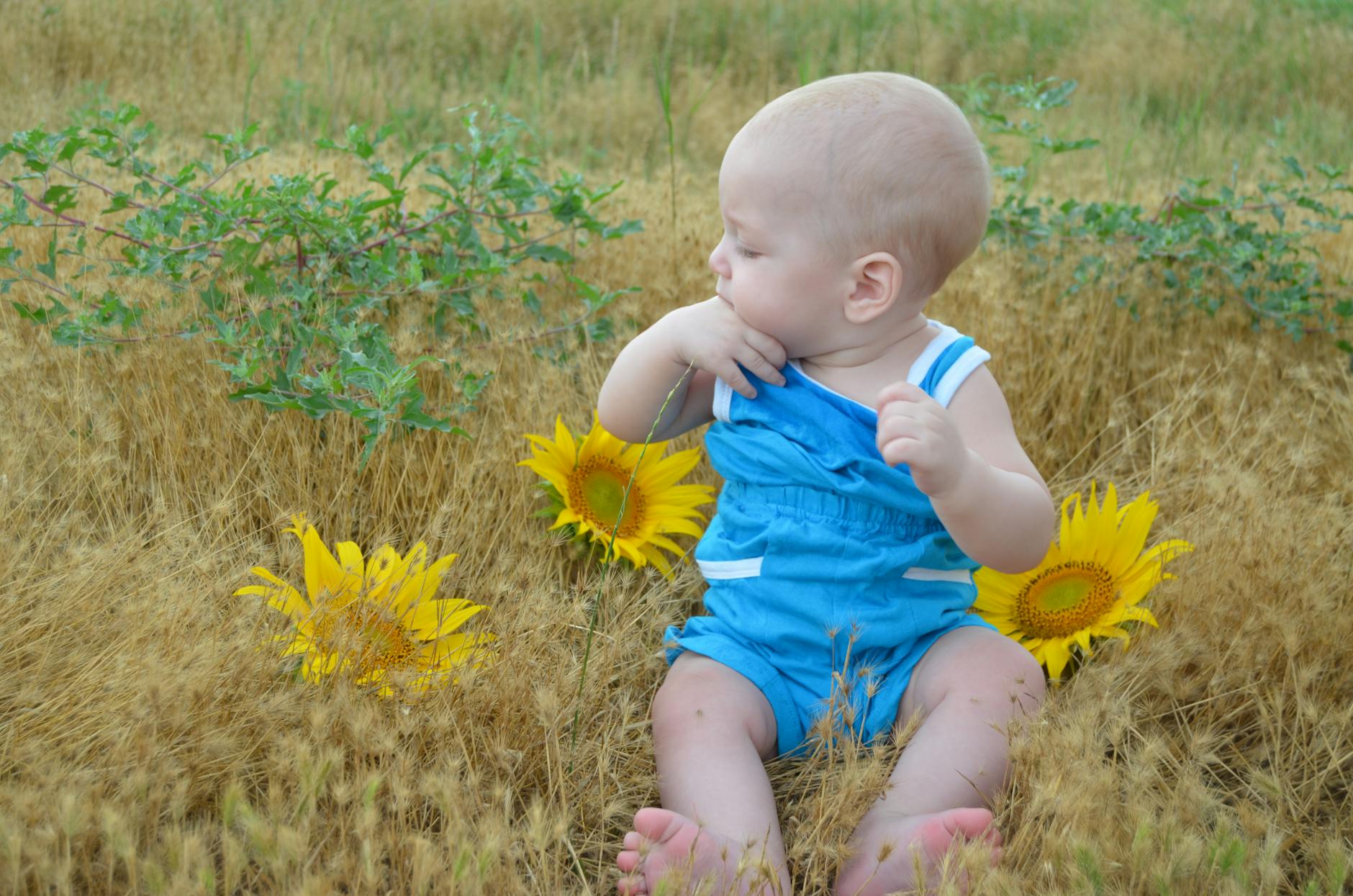


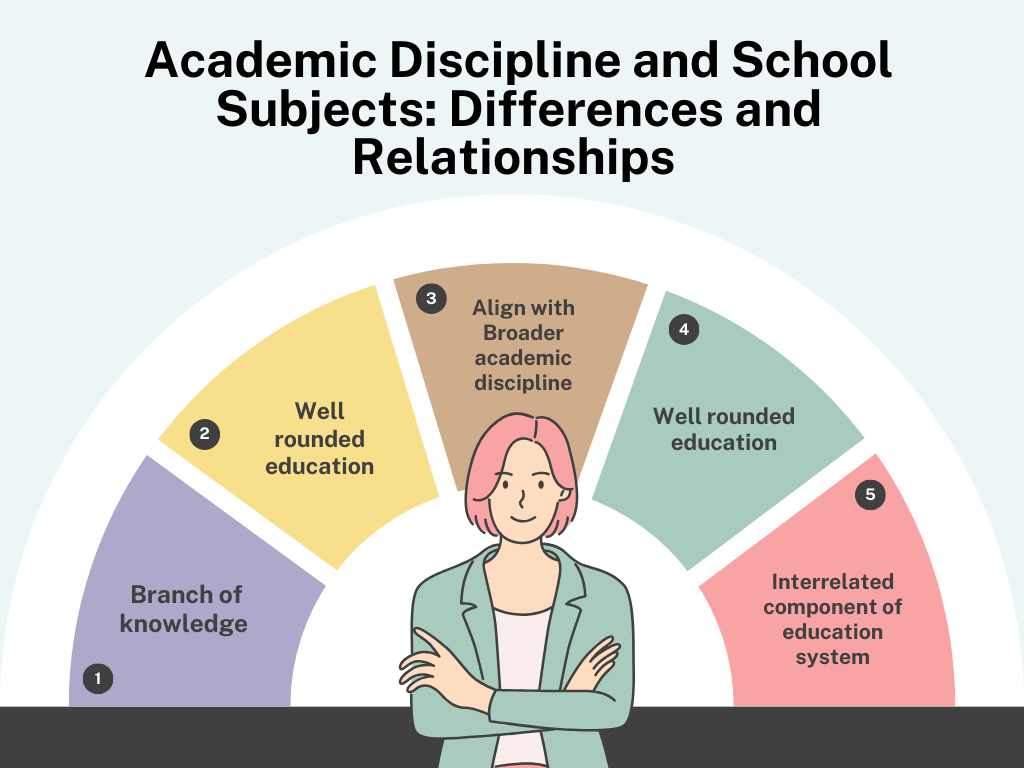


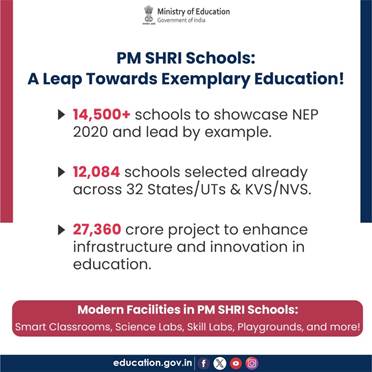
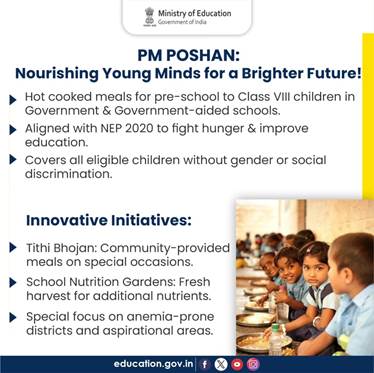
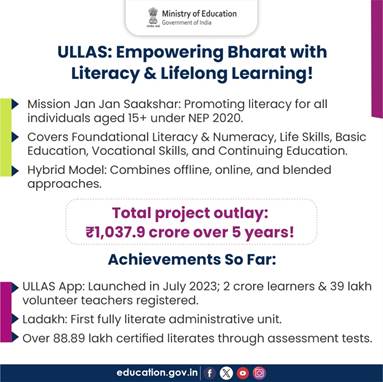
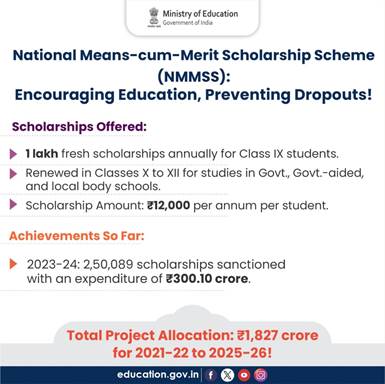
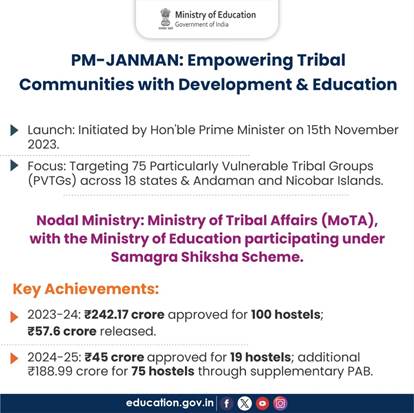
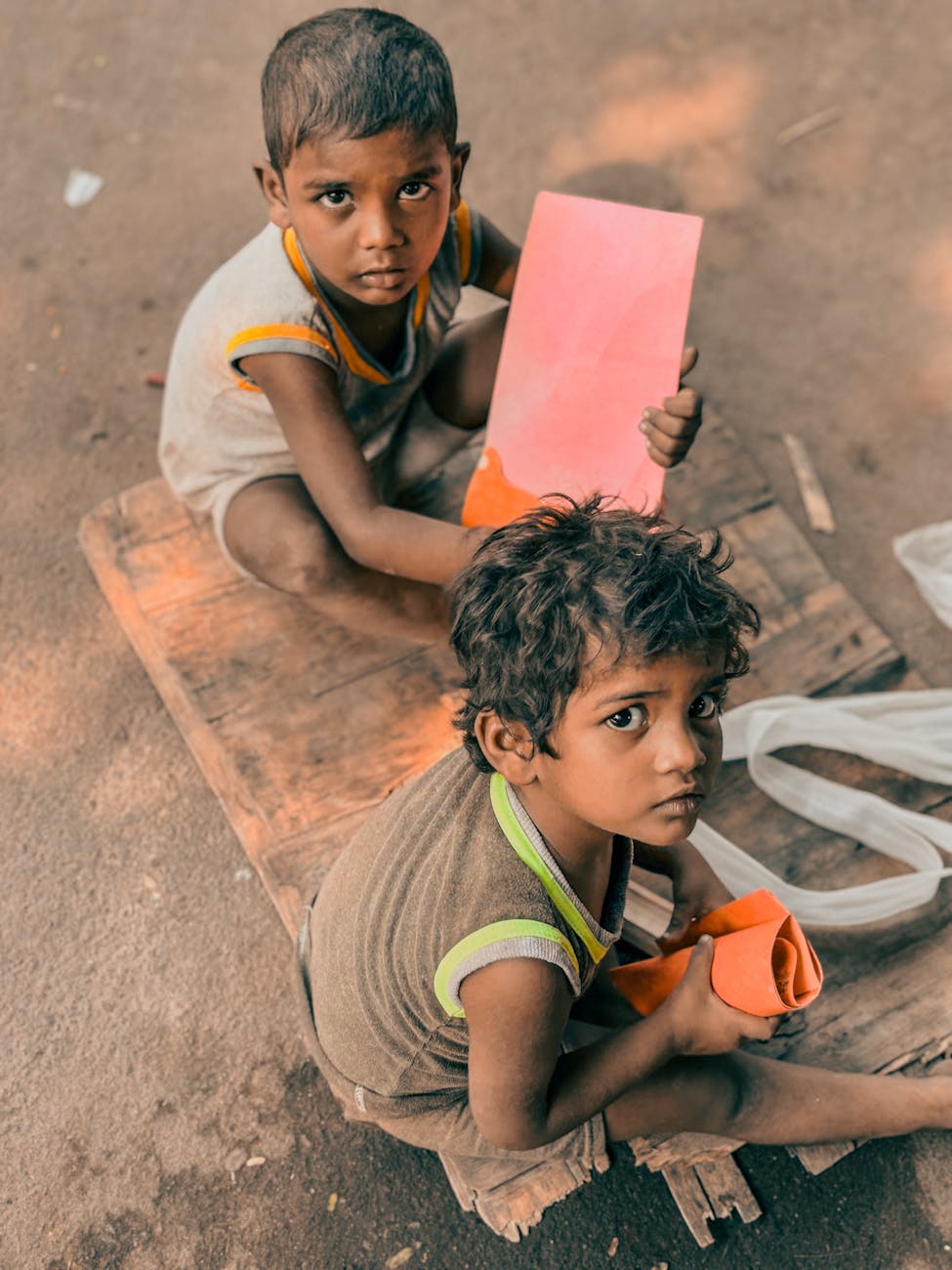




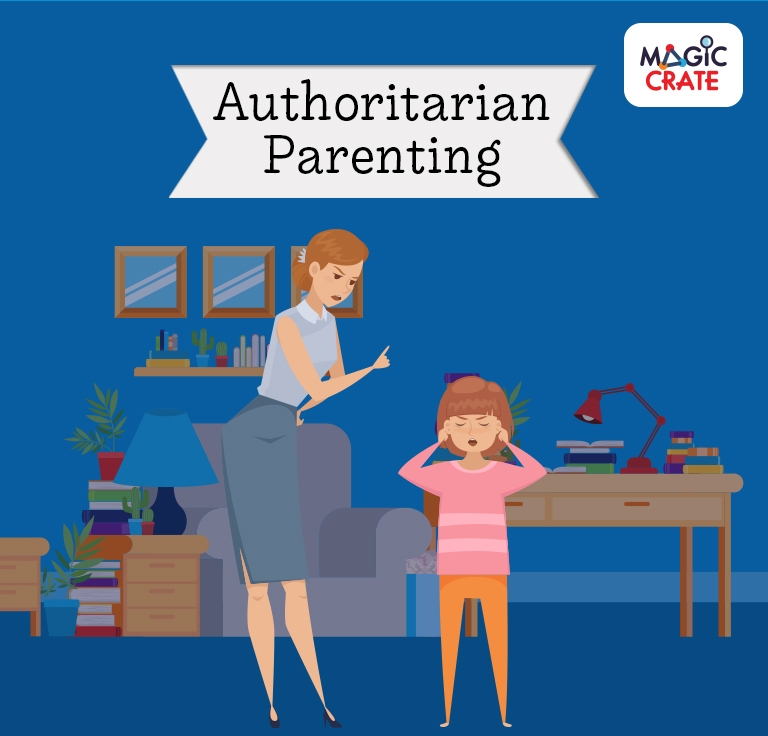
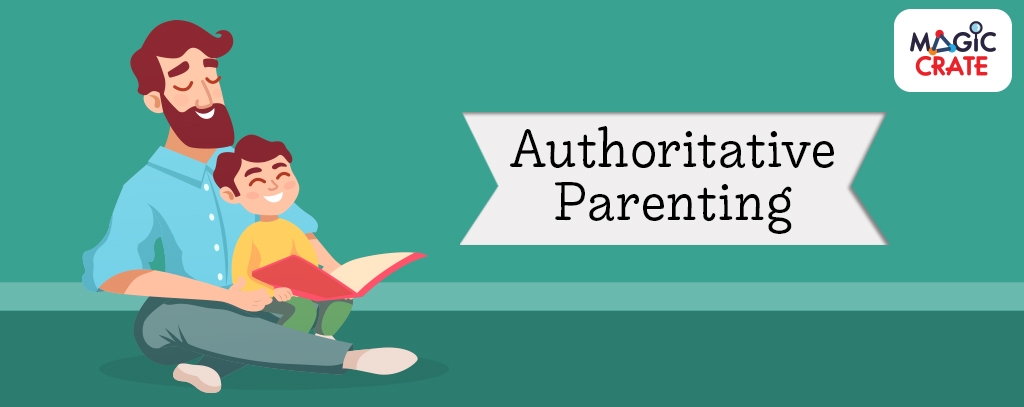
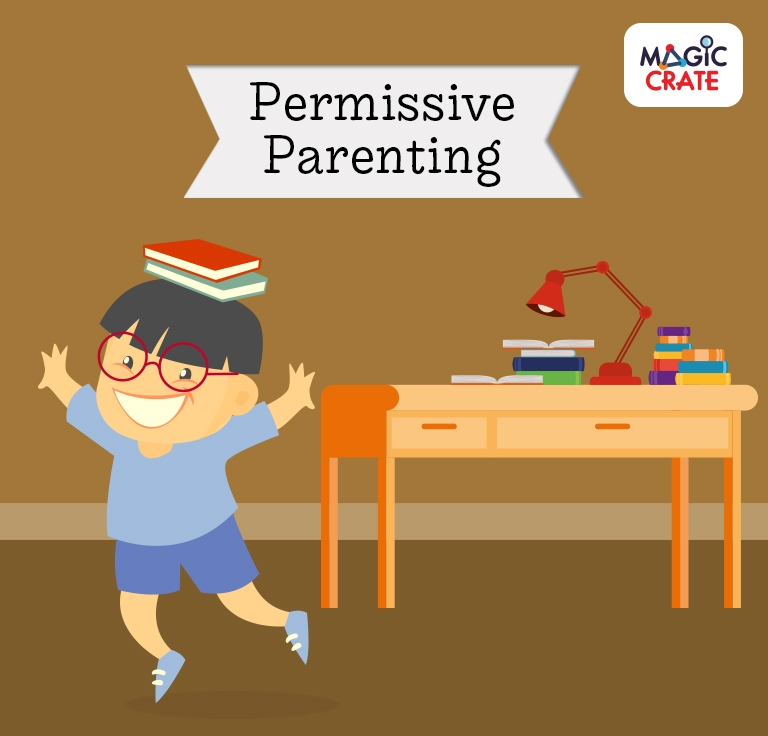
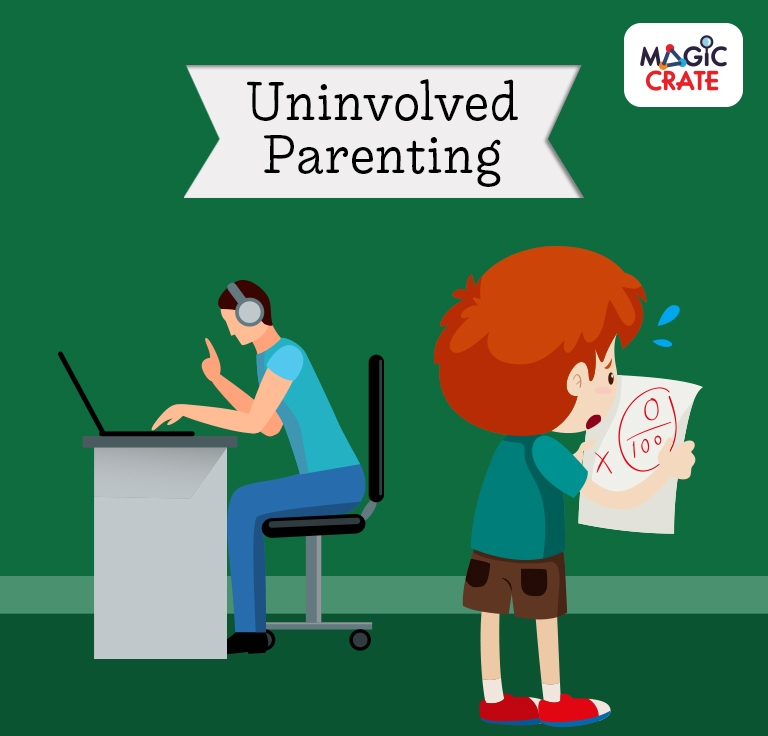





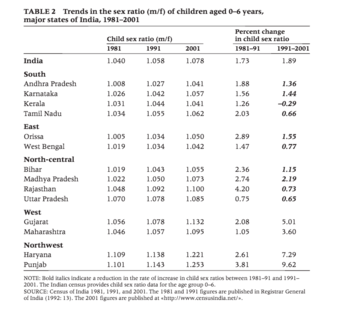


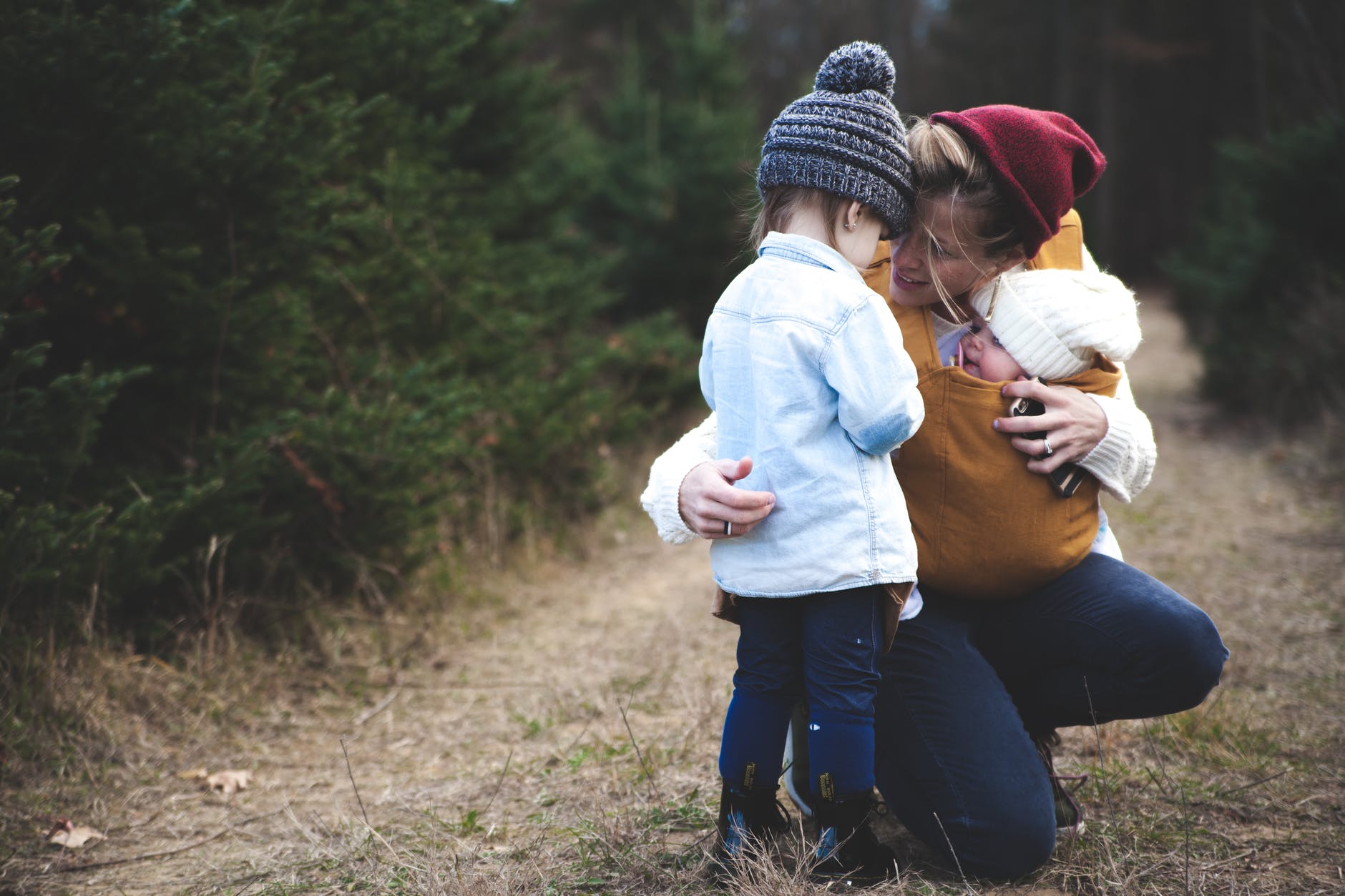
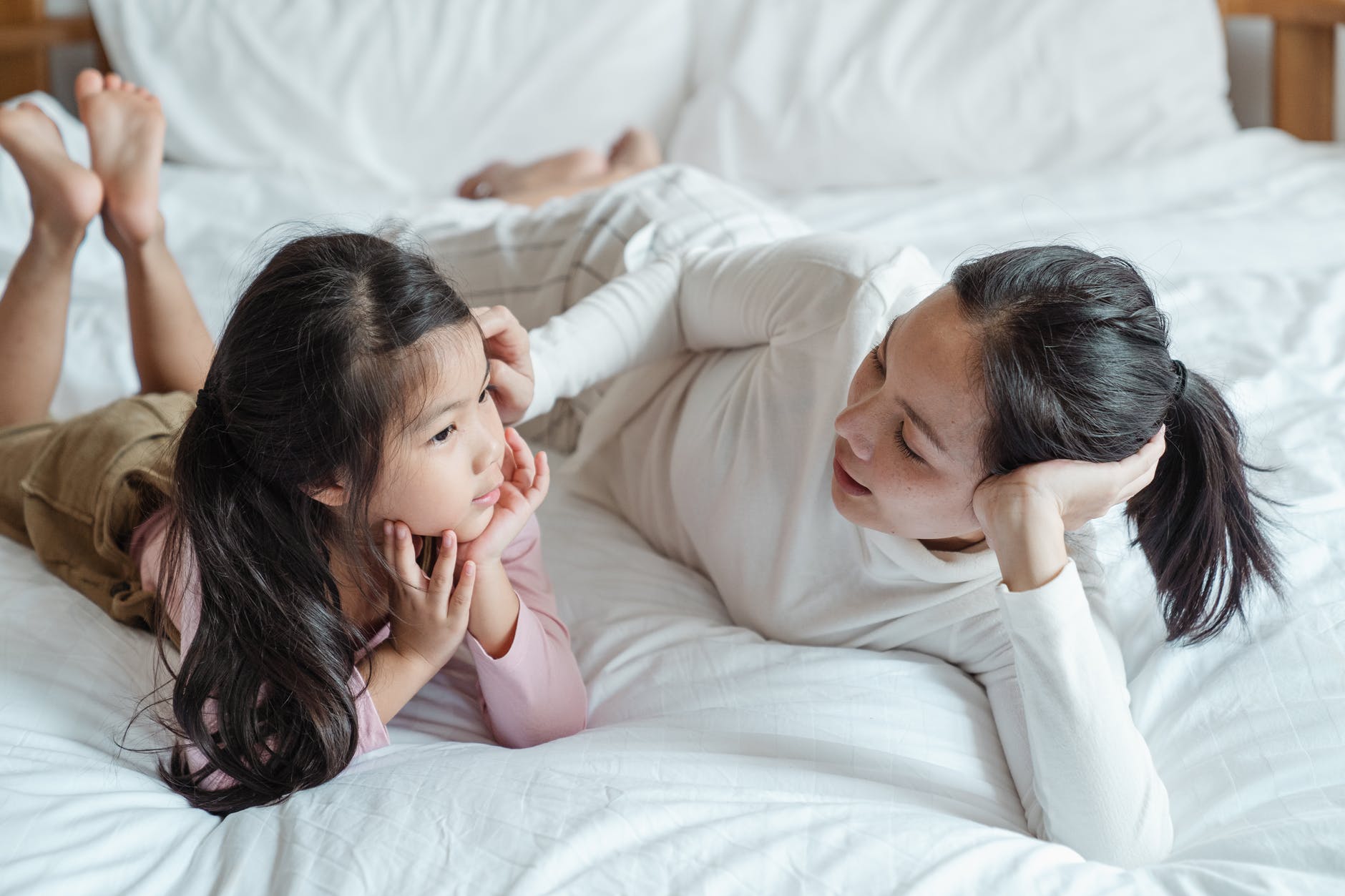
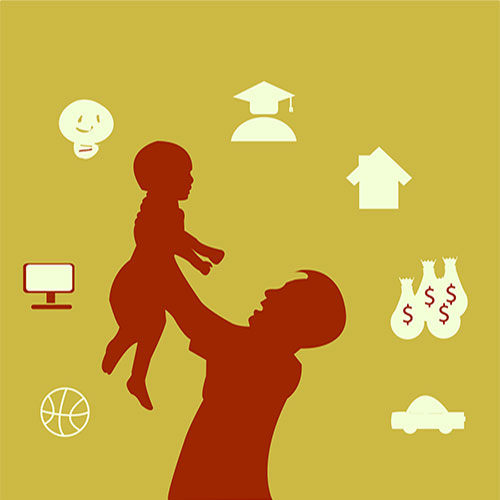
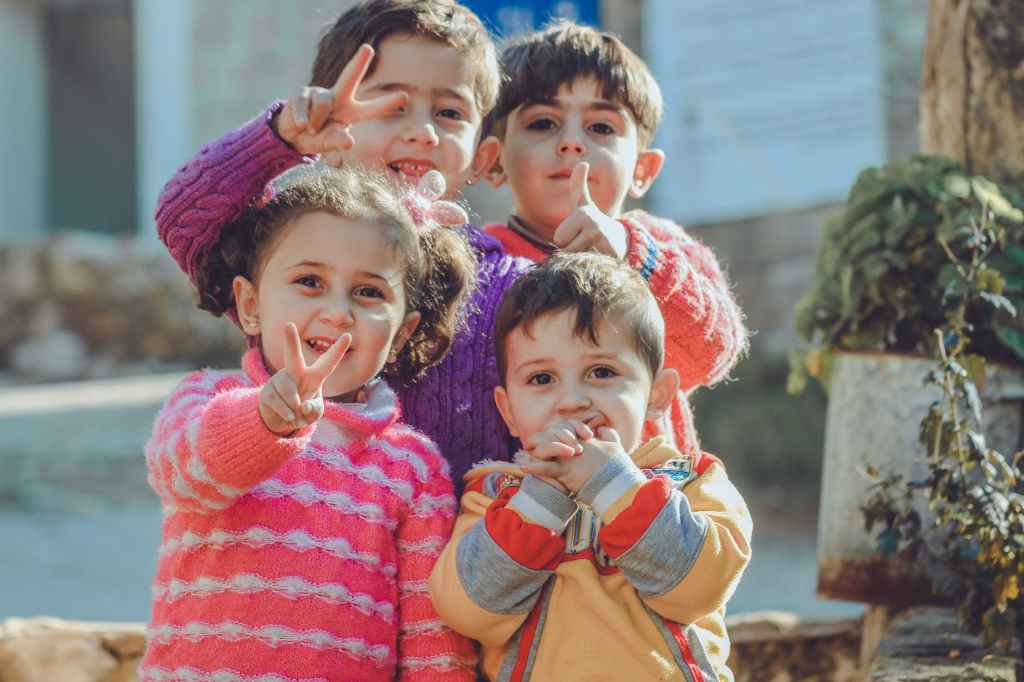


 Eduindex
You must be logged in to post a comment.