Important inventions that changed our world.


This is an image of important inventions that changed our world.

The only thing constant in this ever-changing world is change. This ‘change’ has cultivated some interesting inventions that shaped our world and made our lives easier. So much easier that today we cannot imagine our lives without them. These innovations further evolve and develop to create new possibilities in the future. From the modeling of a wheel to designing a medium that travels beyond the earth, here are some of the important inventions that changed our world

So be ready to be amazed!

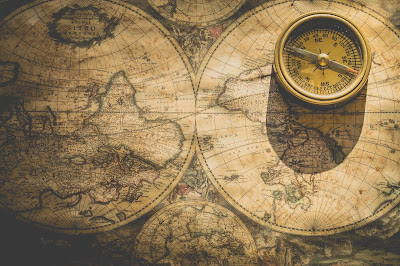
1.Compass

This is an image of compass

The earliest form of compasses were likely to be invented by the Chinese in 200 BC for religious purposes. It was started being used for navigational purposes by the 11th century. Over the years this invention saw several developments and modifications and it currently resides in our smartphones. 

2. Automobiles

This is an image of automobiles.

This is an invention that eventually went on to take the load off the horses and put them on the wheels! It all began from Nicholas Joseph Cugno who designed an automobile powered by steam that was suitable for human transportation. The evolution of the automobiles witnessed the contribution of different engineers and scientists. It became mainstream due to Henry Ford’s mass production techniques. Other popular manufacturers such as General Motors and Chrysler also contributed to the mass production of automobiles

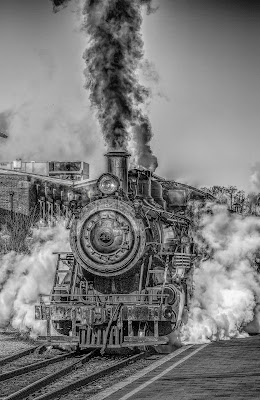
3. Steam Engine

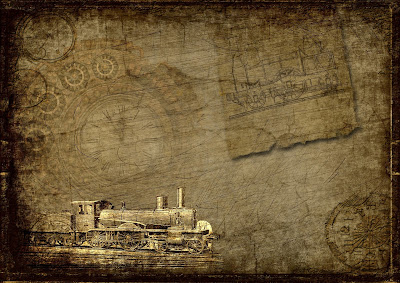
This is an image of a steam engine.

Trains have been a popular, reliable, and affordable choice of transport for many years, the origin of the same can be traced back to 1698, when Thomas Savory invented the steam engine to withdraw water from the congested mines by using pressure from the steam. After some modifications by forthcoming engineers, this steam engine was being used to power trains. 

Although not in use today, it is an important milestone in the development of today’s modern transport system. 

4. Airplanes

This is an image of airplane.

Leonardo da Vinci’s sketches of flying machines and countless other inventions over the centuries led to the first successfully controlled flight by the well-known Wright brothers. Their achievement laid the foundation for development and commercialisation in the field of aeronautical engineering which is prevalent today. 

5. Light bulb

This is an image of a Light bulb

There is more to the history of a lightbulb than the ever famous Thomas A Edison. Humphry Davy pioneered the functional electric bulb during the early 19th century. Wilson Swan made modifications to the conventional electric lightbulb and increased it’s span of use. 

Thomas A Edison can be credited for the commercialisation of the lightbulbs as he further increased it’s illumination span by 1200 hours. He went on to produce and sell these lightbulbs under his company named Edison Electric Light Company. 

6. Printing Press

This is an image of a printing press

The establishment of the Printing Press in 1436 by Johannes Gutenberg, a German goldsmith, helped spread knowledge and information among the public. Although the origins of the printing press can be traced back to the Chinese and Koreans’ printing methods, HIs printing machine was a development over the pre-existing printing modes and had been first introduced to the west. Gutenberg’s press went on to produce upto 20 million materials in the following years which consisted of books, individual papers, and pamphlets. 

We hope that you too would marvel at these inventions that has shaped our present. 

The Upper Paleolithic World

Introduction

After about 40,000 years ago, we see many significant changes in the archaeological record, reflecting important changes in cultural and social life. We see art, many new inventions, and considerable increases in the population. This period of cultural history in Europe, the Near East, and Asia is known as the Upper Paleolithic and dates from about 40,000 years ago to the period known as the Neolithic (beginning about 10,000 years ago, depending on the area). In Africa, the cultural period comparable to the Upper Paleolithic is known as the Later Stone Age and many have begun much earlier.

In many respects, lifestyles during the Upper Paleolithic were similar to lifestyles before. People were still mainly hunters, gatherers, and fishers who probably lived in small mobile bands. They made their camps out in the open in skin-covered huts and in caves and rock shelters. And they continued to produce smaller and smaller stone tools.

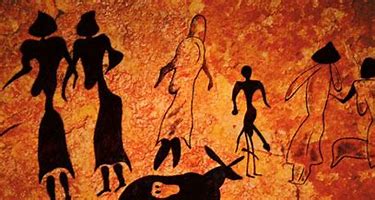
But the Upper Paleolithic is also characterized by a variety of new developments. One of the most striking developments is the emergence of art – painting on cave walls and stone slabs, and carving tools, decorative objects, and personal ornaments out of bone, antler, shell and stone. (Perhaps for this, as well as other purposes, people began to obtain materials from distant sources.) Because more archaeological sites date from the Upper Paleolithic than from any previous period and some Upper Paleolithic sites seem larger than any before, many archaeologists think that the human population increased considerably during the Upper Paleolithic. And the new inventions, such as the bow and arrow, the spear thrower, and tiny replaceable blades that could be fitted into handles, appear for the first time.

The Last Ice Age

The Upper Paleolithic world had an environment very different from today’s. The earth was gripped by the last ice age, with glaciers covering Europe as far south as Berlin and Warsaw, and North America as far south as Chicago. To the south of these glacial fronts was a tundra zone extending in Europe to the Alps and in North America to the Ozarks, Appalachians, and well out onto the Great Plains. Environmentally, both Europe and North America probably resembled contemporary Siberia and northern Canada. Elsewhere in the world conditions were not as extreme but were still different from conditions today.

For one thing, the climate was different. Annual temperatures were as much as 50 °F below today’s, and changes in ocean currents would have made temperature contrasts (i.e., the differences between summer and winter months) more extreme. The changing ocean currents also changed weather patterns, and Europe experienced heavy annual snowfall. Not all the world was cold, however; still, the presence of huge ice sheets in the north changed the climate throughout the world. North Africa, for example, appears to have been much wetter than today, and South Asia was apparently drier. And everywhere the climate seems to have been highly variable.

Upper Paleolithic Europe

With the vast supplies of meat available from megafauna, it is not surprising that many Upper Paleolithic cultures relied on hunting, and this was particularly true of the Upper Paleolithic people of Europe, on whom we focus here. Their way of life represents a small pattern throughout the Old World. But as people began to use more diverse resources in their environments, the use of local resources allowed Upper Paleolithic groups in much of the Old World to become more sedentary than their predecessors. They also began to trade with neighbouring groups to obtain resources not available in their local territories.

Reference : Anthropology by Ember and Ember

HUMAN BRAIN

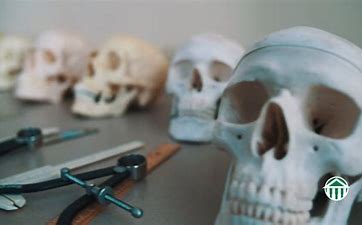
The human brain is the central organ of the human nervous system, and with the spinal cord makes up the central nervous system. The brain consists of the cerebrum, the brainstem and the cerebellum. The cerebrum, the largest part of the human brain, consists of two cerebral hemispheres.It controls most of the activities of the body, processing, integrating, and coordinating the information it receives from the sense organs, and making decisions as to the instructions sent to the rest of the body. The brain is contained in, and protected by, the skull bones of the head.

There are three types of brain fore brain, midbrain,hindbrain.The hindbrain includes the upper part of the spinal cord, the brain stem, and a wrinkled ball of tissue called the cerebellum.Brains are made of soft tissue, which includes gray and white matter, containing the nerve cells, non-neuronal cells which help to maintain neurons and brain health, and small blood vessels. They have a high water content as well as a large amount nearly 60 percent of fat.

FUNCTION OF BRAIN:-

* Attention and concentration.


* Self-monitoring.


* Organization.


* Speaking (expressive language).

* planning and initiation.


* Awareness of abilities and limitations.


* Personality.


* Mental flexibility.


* Inhibition of behavior.

The human brain color physically appears to be white, black, and red-pinkish while it is alive and pulsating. The brain itself does not feel pain because there are no nociceptors located in brain tissue itself. This feature explains why neurosurgeons can operate on brain tissue without causing a patient discomfort, and, in some cases, can even perform surgery while the patient is awake.Brain controls vital functions such as breathing, swallowing, digestion, eye movement and heartbeat, there can be no life without it. But the rest of the brain is obviously capable of some remarkable feats, with one part able to compensate for deficiencies in another.

Anthropology And Its Relation With Allied Disciplines

Anthropology And Social Sciences

1. Sociology

Sociology is a science of society that studies human behaviour in groups. Anthropology is a science of man and studies human behaviour in social surroundings. Thus it is clear that the subject matter of sociology and social anthropology is common to a great extent. Anthropologists and sociologists share an interest in
issues of race, ethnicity, social class, gender, and power relations in
modern nations.

2. Psychology

For the psychologists the focus of study is upon all aspects of human behaviour: and its personal, social and cultural dimensions which will never be complete without having the knowledge of social anthropology. Therefore, for understanding the social processes and
meanings in the world around us one has to study social anthropology.
Both Psychology and Anthropology deals with the manifold relations between individuals on the one hand and groups, communities, societies and cultures on the other hand.

3. History

History may be important to social anthropologists in the sense, that is, not only as an account of past events leading up to and explaining the present, but also as the body of contemporary ideas which
people have about these events, people’s ideas about the past are an intrinsic part of the contemporary situation which is the anthropologists immediate concern and often they have important implications for existing social relationships.

4. Folklore

Folklore has an important place in every primitive culture. It
is through the medium of folklores that the culture of a primitive society is
transmitted from one generation to the next generation. Folklores contain
the philosophy of the primitive people. How the world was evolved is a
theme of many folklores of existing tribes. In most of the folklores, a reference to the mutual relation of the people and their gods is given.

Anthropology And Biological Sciences

1. Zoology

In terms of the relationship to other animals and the overall places of the human species in the process of evolutions.
Anthropology has a sort of specialization or sharpening of certain aspects of general biology, more specifically, zoology.

2. Botany

No matter what the time period or geographical area, plants played an important role in human culture. Plant remains enable us to assess human impact on the environment. As direct, site-specific
evidence of agricultural and culinary activities, they enrich our understanding of how people lived.

3. Genetics

Genetic anthropology is the branch of scientific study which deals with combining genetic data with available physical evidence and past history. Genetic anthropology is an important branch
of anthropology. The relevance of genetics in anthropology has slowly been reinforcing the importance of nature (biology) in culture, and also
emphasises on the phenomena of variation. To study evolution, understanding genetics and variation in the anthropological context is
highly vital.

4. Medical Sciences

Quite a few things are common in
anthropology and medicine. In the proper study of mankind, anthropology aims at discovering man as a human being, so it should be the case with a physician. Anthropology can assist more clearly and
satisfactorily in identifying the health needs, and in clarifying factors influencing acceptability and utilisation of health services, and can also assist in showing how these health needs can be most appropriately
solved.

Disaster and disaster management

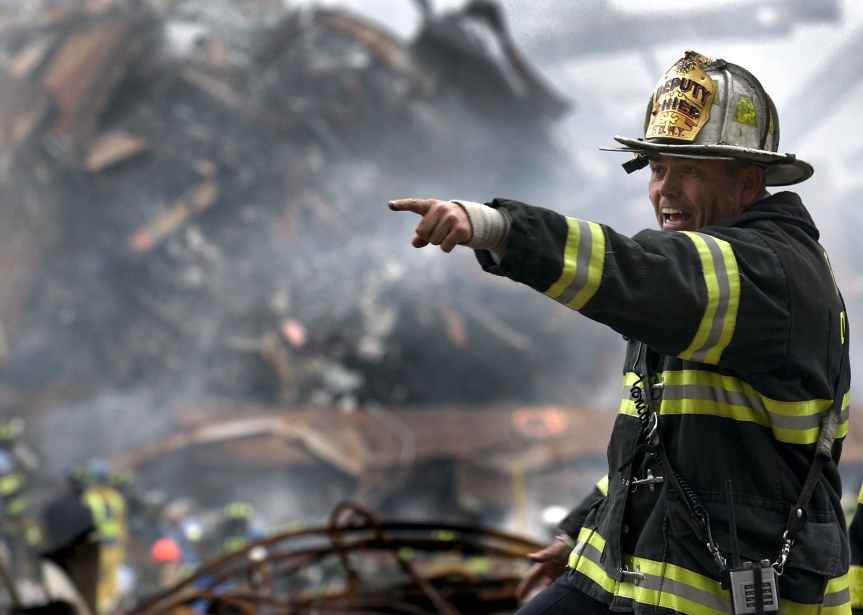
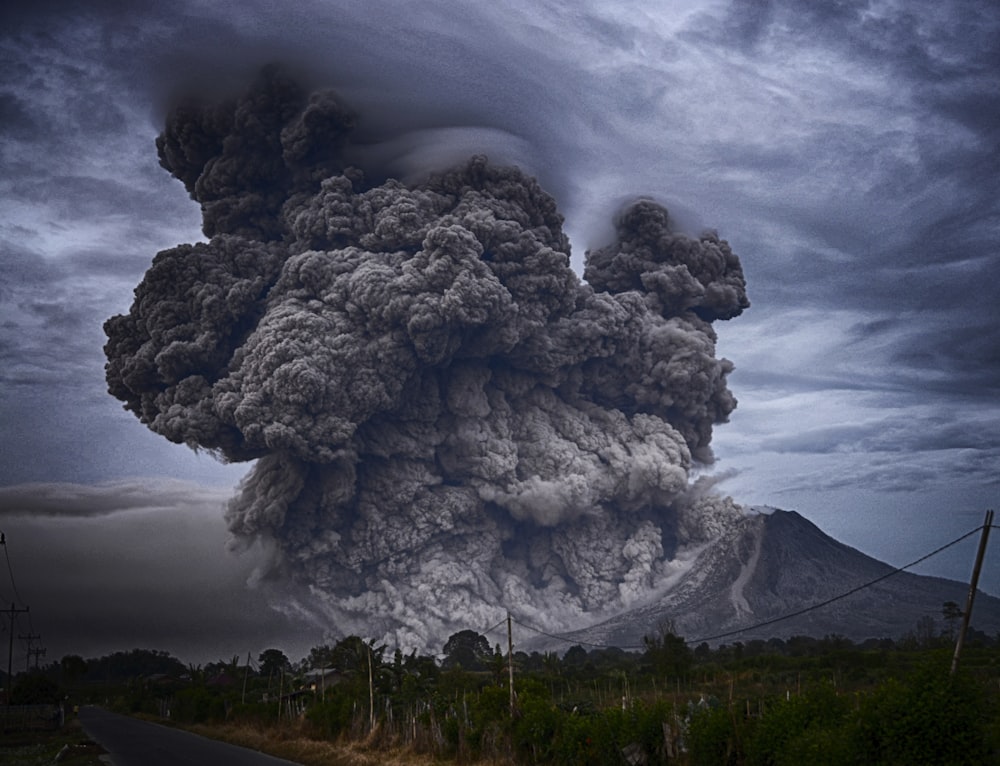
Catastrophe (Disasters) are classified into three types: naturals, man‐made, and hybrid disasters. A natural disaster is a major adverse event resulting from natural processes of the Earth; examples include firestorms, dust storms, floods, hurricanes, tornadoes, volcanic eruptions, earthquakes, tsunamis, storms, and other geologic processes. A normal calamity can cause misfortune of life or harm property, and ordinarily clears out a few financial harm in its wake, the seriousness of which depends on the influenced population’s versatility and on the framework accessible.

A landslide is depicted as an outward and descending slant development of an wealth of slope-forming materials counting shake, soil, manufactured materials, or a combination of these. An seismic tremor is the result of a sudden discharge of vitality within the Earth’s hull that makes seismic waves. At the Earth’s surface, seismic tremors show themselves by vibration, shaking, and in some cases relocation of the ground. Volcanoes can cause far reaching pulverization and resulting catastrophe in a few ways. One danger is the volcanic emission itself, with the constrain of the blast and falling rocks able to cause hurt. Dust storm may be a spread of tidy in dry regions. A manmade disaster is more cascading than a natural disaster an example of natural disaster is Bhopal Gas Tragedy.

Bhopal Gas Tragedy, India : Imagine waking up in the middle of the night in agonizing pain with your eyes and lungs burning. You wonder if you’re going to make it. Many don’t. That was the experience countless residents of Bhopal, India had on December 2, 1984 when the Union Carbide India Limited pesticide plant sprang a gas leak. Over 500,000 people were exposed to methyl isocyanine gas and other chemicals. Thousands of people died within the first hours of the leak, but estimates between 5,000 to upwards of 16,000 deaths resulted from the leak overall.

Deepwater Skyline Oil Spill, Inlet of Mexico It’s difficult to disregard the most noticeably awful and biggest oil spill in human history since it as it were happened less than three a long time prior. It begun on April 20, 2010 when an blast on BP’s Deepwater Skyline oilrig murdered 11 specialists, harmed 17 others, and cleared out the well spouting oil. Initially, BP claimed the spill was fair 1,000 barrels per day, concealing the reality that the well was spilling anyplace from 40,000 to 162,000 barrels a day.

Worldwide Warming, Third Planet from the Sun: Global warming is one of the foremost neglected and continuous man-made fiascos — one that will have the most noteworthy long-term affect on humankind. Over the top sums of nursery gasses, especially CO2, presented into the air have expanded normal worldwide temperatures determining a number of desperate results. Impacts from rising ocean levels, desertification, and harm from strongly super storms like Typhoon Katrina have already created a few of the primary bunches of climate-change outcasts and a few appraise that number to rise to 150 million by 2050.

Hybrid disaster is the third type of disaster. A crossover catastrophe may be a artificial one, when powers of nature are unleashed as a result of specialized disappointment or disrupt. There are disasters that result from both human mistake and normal strengths. These are crossover catastrophes. An case of a crossover disaster is the broad clearing of wildernesses causing soil disintegration, and hence overwhelming rain causing avalanches.

Disaster management is how we deal with the human, material, economic or environmental impacts of said disaster, it is the process of how we “prepare for, respond to and learn from the effects of major failures”

Disaster management has three stages which include disaster prevention, disaster preparedness, and disaster response/relief UNISDR sees Calamity Anticipation as the concept of locks in in exercises which proposed to anticipate or dodge potential unfavorable impacts through activity taken in development, exercises planned to supply security from the event of catastrophes. WCPT so also highlight that whereas not all catastrophes can be avoided, great hazard administration, clearing plans, natural arranging and plan benchmarks can decrease chance of misfortune of life and harm relief. The HYOGO System was one such Worldwide Arrange for common Calamity Hazard Decrease, which was received in 2005 as a 10 year Worldwide Arrange, marked by understanding with 168 Governments which advertised directing standards, needs for activity and viable implies for accomplishing fiasco versatility for defenseless communities.

“The information and capacities created by governments, proficient reaction and recuperation organizations, communities and people to successfully expect, react to, and recoup from, the impacts of likely, inescapable or current danger occasions or conditions” “The provision of emergency services and public assistance during or immediately after a disaster in order to save lives, reduce health impacts, ensure public safety and meet the basic subsistence needs of the people affected”

The lingering effects of unexpected emergencies and disasters are different for everyone. Knowing what to do after an emergency can help reduce stress and aid in a quicker recovery. Recovery is a process the process to repair and restore your life after an emergency or disaster is not easy and takes time, flexibility and patience. Examples of recovery include: removing waste and debris, contacting your insurance company, replacing lost or destroyed documentation, finding a new home, getting mental health support etc.

SOLAR ECLIPSE

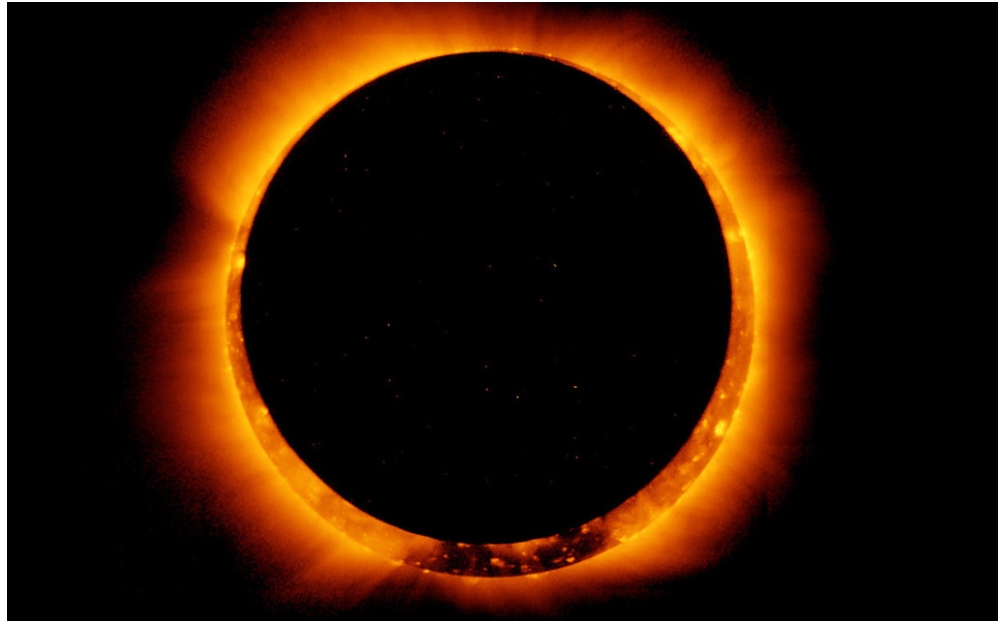
A solar eclipse occurs when a moon is directly between earth and sun. which fully or partially blocks sunlight.During this earth,moon and sun are in a alignment. Such alignment coincides with a new moon indicating the Moon is closest to the ecliptic plane.

TYPES OF SOLAR ECLIPSE:-

* Total eclipse

* Annular eclipse

* Hybrid eclipse

* Partial eclipse.

TOTAL ECLIPSE:-

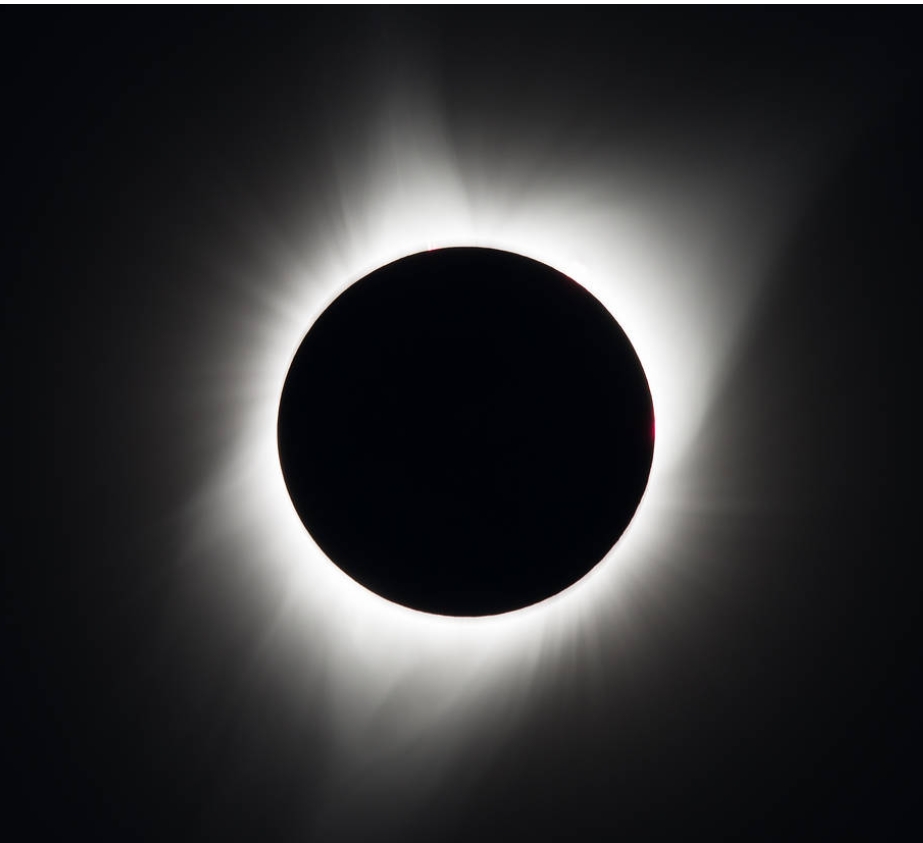
A total eclipse occurs when the dark side of the Moon completely observe the bright light of the Sun.During total eclipse totality occurs at only in a narrow track on the surface of Earth. This narrow track is called the path of totality.

ANNULAR ECLIPSE:-

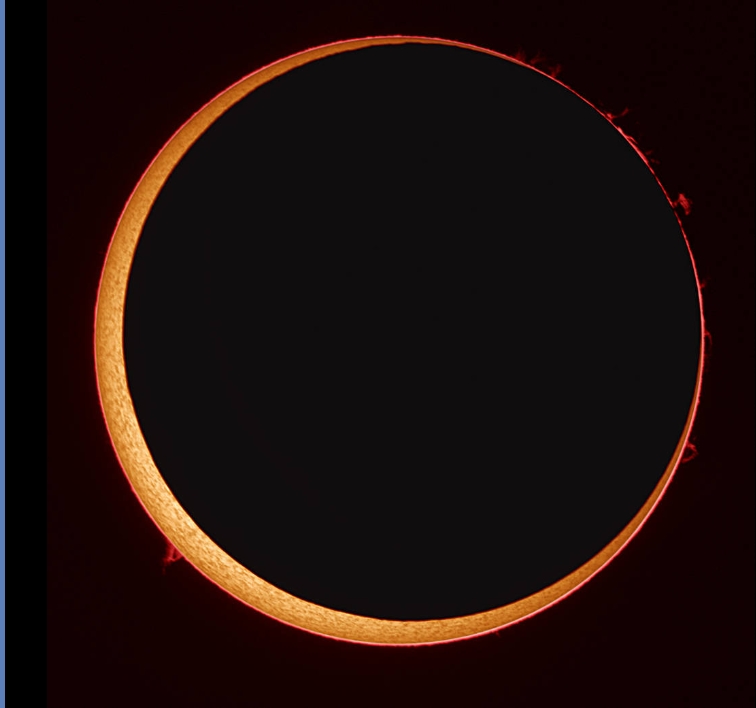
An annular eclipse occurs when the sun and moon are exactly in line with earth but one side of the moon is smaller than that of sun.so that region looks very bright.

HYBRID ECLIPSE:-

It is very rare type of eclipse shifts between the total eclipse and the annular eclipse.sometimes it appears as a total eclipse on other side it appears as annular eclipse.A hybrid eclipse occurs when the magnitude of an eclipse changes during the event from less to greater than one.

PARTIAL ECLIPSE:-

A partial eclipse occurs when the Sun and Moon are not exactly in alignment with the Earth. One partial side of the moon observe the bright light of the sun.The phenomenon is called partial eclipse.It seen most part of the earth.

HISTORICAL SOLAR ECLIPSE:-

The first appearance of a solar eclipse can be found in the Rig Veda, the oldest document from India dated to between 1700 and 1400 BC.

The longest solar eclipse in history is 6 minutes 53 seconds on July 11,1991.

IMPACT OF SOLAR ECLIPSE:-

When in total solar eclipse moon is between earth and the sun. It creates unusual weather conditions.It cause drop in temperature and lack of light.It have impact on weather, animals and plants.

Effect in plants

IMPACT ON HUMAN:-

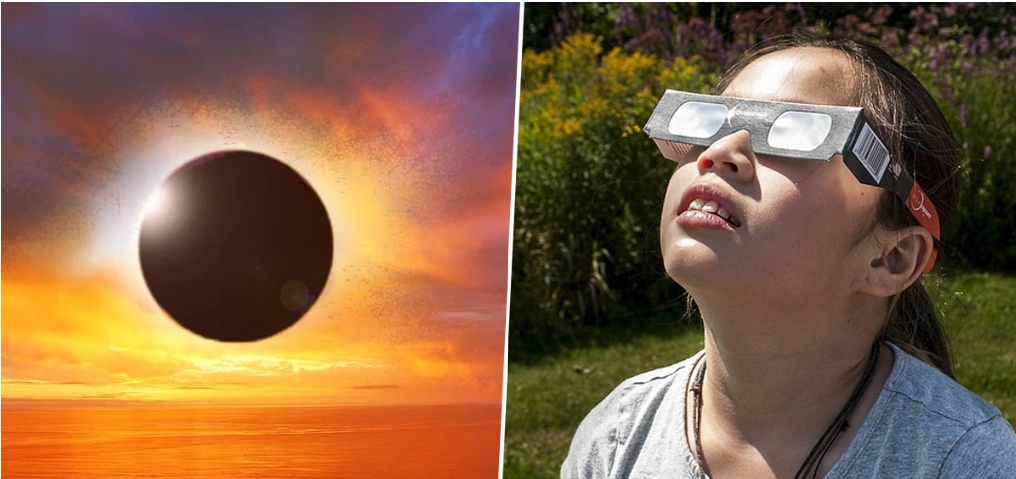
Eye injury: Viewing the eclipse with naked eyes can damage your retina and even lead to blindness.

Digestive issue: The eclipse is believed to disturb the digestive system. For the reason, eating or drinking during the eclipse is to be avoided.

SAFETY MEASURES:-

Projecting the Sun through a box projector, or we can see using binoculars or telescope, or simply 2 pieces of card is a safe and easy way to view a solar eclipse.

CYBER CRIME CASE STUDY IN INDIA

Computer Crime Cyber crime encompasses any criminal act dealing with computers and networks (called hacking).Additionally, cyber crime also includes traditional crimes conducted through the internet. For example; The computer may be used as a tool in the following kinds of activity- financial crimes, sale of illegal articles, pornography, online gambling, intellectual property crime, e-mail spoofing, forgery, cyber defamation, cyber stalking.The computer may however be target for unlawful acts in the following cases- unauthorized access to computer/ computer system/ computer networks, theft of information contained in the electronic form, e-mail bombing, Trojan attacks, internet time thefts, theft of computer system, physically damaging the computer system

Cyber Law is the law governing cyberspace. Cyberspace is a wide term and includes computers, networks,software, data storage devices (such as hard disks, USB disks), the Internet, websites, emails and even electronic devices such as cell phones, ATM machines etc.

Computer crimes encompass a broad range of potentially illegal activities. Generally, however, it may be divided into one of two types of categories

(1) Crimes that target computer networks or devices directly; Examples – Malware and malicious code, Denial-of-service attacks and Computing viruses.

(2) Crimes facilitated by computer networks or devices, the primary target of which is independent of the computer network or device. Examples – Cyber stalking, Fraud and identity theft, Phishing scams and Information warfare.

CASE STUDIES

Case no:1 Hosting Obscene Profiles (Tamil Nadu)

The case is about the hosting obscene profiles. This case has solved by the investigation team in Tamil Nadu. The complainant was a girl and the suspect was her college mate. In this case the suspect will create some fake profile of the complainant and put in some dating website. He did this as a revenge for not accepting his marriage proposal. So this is the background of the case.

Investigation Process

Let’s get into the investigation process. As per the complaint of the girls the investigators started investigation and analyze the webpage where her profile and details. And they log in to that fake profile by determining its credentials, and they find out from where these profiles were created by using access log. They identified 2 IP addresses, and also identified the ISP. From that ISP detail they determine that those details are uploaded from a café. So the investigators went to that café and from the register and determine suspect name. Then he got arrested and examining his SIM the investigators found number of the complainant.

Conclusion

The suspect was convicted of the crime, and he sentenced to two years of imprisonment as well as fine.

Case no:2 Illegal money transfer (Maharashtra)

ThIS case is about an illegal money transfer. This case is happened in Maharashtra. The accused in this case is a person who is worked in a BPO. He is handling the business of a multinational bank. So, he had used some confidential information of the banks customers and transferred huge sum of money from the accounts.

Investigation Process

Let’s see the investigation process of the case. As per the complaint received from the frim they analysed and studied the systems of the firm to determine the source of data theft. During the investigation the system server logs of BPO were collected, and they find that the illegal transfer were made by tracing the IP address to the internet service provider and it is ultimately through cyber café and they also found that they made illegal transfer by using swift codes. Almost has been  The registers made in cyber café assisted in identifying the accused in the case. Almost 17 accused were arrested.

Conclusion

Trail for this case is not completed, its pending trial in the court.

Case no:3 Creating Fake Profile (Andhra Pradesh)

The next case is of creating fake profile. This case is happened in Andhra Pradesh. The complainant received obscene email from unknown email IDs. The suspect also noticed that obscene profiles and pictures are posted in matrimonial sites.

Investigation Process

The investigators collect the original email of the suspect and determine its IP address. From the IP address he could confirm the internet service provider, and its leads the investigating officer to the accused house. Then they search the accused house and seized a desktop computer and a handicam. By analysing and examining the desktop computer and handicam they find the obscene email and they find an identical copy of the uploaded photos from the handicam. The accused was the divorced husband of the suspect.

Conclusion

Based on the evidence collected from the handicam and desktop computer charge sheet has been filed against accused and case is currently pending trial.

Hacking is a widespread crime nowadays due to the rapid development of the computer technologies. In order to protect from hacking there are numerous brand new technologies which are updated every day, but very often it is difficult to stand the hacker’s attack effectively. With some of these case studies, one is expected to learn about the cause and effect of hacking and then evaluate the whole impact of the hacker on the individual or the organization.

Sigmund Freud

One day, in retrospect, the years of struggle will strike you as the most beautiful– Sigmund Freud.

Sigmund freud one of the most influential neurologists known to us

An Austrian neurologist and founder of psychoanalysis. He conducted a lot of research throughout his life, and was wrong about a lot of his studies but he still managed to leave a mark in the science textbooks

Made a profound impact on psychology even though he faced a lot of criticism for a lot of his studies. He had a lot of unconventional ideas, he was filled with them. It is known that he studied and pushed the use of cocaine, this also led to one of his close friends getting addicted to the drug.

Sigmund Freud was born in 1856, Freiberg, Moravia, Austrian Empire

At the age of 17, he went to study medicine in the University of Vienna where he studied physiology under Ernst von Brücke. He spent about 6 years in Brücke’s lab where he compared brains of different animals. 

In 1882 After graduating from The University of Vienna, he started working in the General Hospital in Vienna as a clinical assistant under the psychiatrist Theodor Meynert and Hermann Nothnagel.

In 1885, went to Paris to study neuropathology at a clinic where he also worked under  Jean-Martin Charcot, charot used to work with patients with hysteria which exposed him to psychological disorders and the possibility that psychological disorders might be linked with the mind and not the brain. Charot’s technique of hypnosis left freud quite impressed and was intrigued by the idea of hypnosis 

After his return from Paris he established a clinic for neuropsychology for his clinical practice and this could also be termed as the beginning of his psychoanalytic theories. Freud was partners with the physician Josef Breuer for a long time and also published their work together in 1895 Studien über Hysterie (Studies in Hysteria) which was a result of some previous research conducted and their clinical experience.

The next year in 1886 he married  Martha Bernays with whom he had 6 children, one of being Anna Freud who followed her father and studied psychoanalysis just like him.

Freud’s psychoanalytic theories further  gave birth to multiple concepts. Psychoanalysis is a collection of theories associated with psychology and a group of techniques that deal with the unconscious mind with an attempt to cure mental disorders. It basically involved trying to make the unconscious thoughts of the patient conscious by various methods and when these thoughts were made conscious, they showed improvement. The development of these concepts and techniques were a result of Freud’s working with people and his own clinical experiences.

Now, psychoanalytics is a vast subject and everything mentioned in the article about his contributions was just the tip of the iceberg. It is impossible to cover the whole subject here,it is almost impossible to study and understand all of his work, that is the quality and quantity of work he has done for science and this article doesn’t  justice to his work, so I hope it is at least encouraging enough to get you to read more about his studies.

REGARDING CORRECT CERTIFICATE FROM EDUINDEX

From few days I am writing emails to give me certificate of date 16 june to 16 july. since month of july i am doing so but AGAIN and AGAIN I am rcieving wrong certificate. I need to prepare summer internship report. i cant attach wrong certificate. This is my last option to write here. I am in a complusion otherwise I would have not written here.

Its my humble request to everyone who is reading it please like . So that it can come in front of the team.

And if team you are reading this please prepare a certificate from the 16 june to 16 july. In my offer letter too you have mentioned same date. COMMENT ME IF YOU HAVE PREPARED. I WILL SEND U DETAILS.

I am quite depressed with such an unlawful behaviour.

WHY MENSTRUATION A TABOO IN INDIA?

Menstruation is a phenomenon unique to girls. Menstruation is the natural part of the reproductive cycle in which blood from the uterus exits through the vagina. It is a natural process that first occurs in girls usually between the age of 11 and 14 years and is one of the indicators of the onset of puberty among them.

Taboos surrounding menstruation exclude women and girls from many aspects of social and cultural life. Some of these are helpful, but others have potentially harmful implications.

In India especially, I found it extremely ironic for it to be still a taboo in this time and era, even before I don’t understand why it was called a taboo and the reason for that I guess was, India where a girl child recognised as boon ( as GODDESS LAKSHMI when born) and giving birth is also considered boon given only to women despite that this unique process that make it possible for a women to have a child is considered a TABOO. Even with many scientific clarification of the process of this unique phenomenon, even though being this 21st century there still continuous myth regarding this adapted within the society.

SOME OF THEM ARE:

  • Women who menstruate have long been taught to keep silent about their periods. Young girls are taught from a young age that they have to manage it privately and discreetly.
  •  In Indian households including the literate ones, women are constantly reminded of the old-age traditions where “you are not allowed to touch anything holy, visit temples, cook or touch pickle.”
  • The taboo is so ingrained that women often have the “walk of shame” while carrying their sanitary pads wrapped in black plastic bags in their hands. 
  • Strangely enough, in some cultures, celebrations are held on the commencement of menstruation. And in the same cultures, the already menstruating women are looked down upon as impure and filthy.
  • It is not uncommon for boys to giggle and laugh during biology class when the topic of menstruation comes up.
  • BUT NOT IN EVERY CULTURE IT OCCURS- In Kashmiri Hindu culture, menstruating women are given special care considering the belief that they become weak due to blood loss. They do not consider them to be impure and rules like, a woman on her period can’t visit temples or can’t work don’t apply.

#BREAKTHEBLOODYTABOO

It’s high time that we normalize menstruation as just a healthy and positive part of the female life cycle. Menstrual periods are nothing to be ashamed of. Just like digestion, blood circulation and respiration are considered as natural and biological processes, both men and women should work towards making menstruation an important topic to talk about openly. This is the only way to combat its silence and break the stigma.

some changes I notice toward breaking this taboo for women in this society

  • The greatest changed I noticed was for the changed working environment toward women as the sanitary environment facilities given to them as employment care like washroom provided with sanitary pads and tampons etc.
  • knowledge about the first period to young girls now given at their school is compulsory not only to girls but to boys too given knowledge for it be known as normal topic and not as a taboo topic.
  • Advertisement about sanitary pads and tampons starts to make this topic to talk openly about.
  • Men buying the sanitary pads and tampons make it comfortable for women during their periods so that they can express their thoughts, sorrows, angers, happiness with them.

Toxicology and its effects

Toxicology deals with the science of poisons. Chemicals/substances which are toxic in nature are present in the environment and find their way to the organisms through food chain, contact or respiration. The lower doses of these chemicals get accumulated in the body tissues and impair the growth/function while their higher doses are lethal. The human environment gets affected through these chemicals when they become part of the food chain. Soil-water-plant-animal activities are resulting in environmental degradation in form of deforestation, erosion, silting up of reservoirs, wastelands, air, soil and water pollution and desertification. Changing land uses, faulty irrigation systems, excessive use of chemicals in agriculture are causing the problems of soil and water pollution, toxic residues in food items and resource degradation. This in turn affects land productivity and human health.

Technological development and economic growth have brought about a rapid increase in the production of a variety of chemicals including pesticides for use in agriculture, industry and public health. This has brought countless benefits to our society in a way to improve our living standards, food production and sanitation. These man-made chemicals while on one hand are beneficial, also cause hazards to men and environment. With increasing stress on industrial and agricultural expansion programmes, in both developed and developing countries, the environmental risks of these chemicals on animal and plant life are also increasing at threatening rate as more than 1000 new molecules are introduced into the environment every year. The emergence of these chemicals and their environmental consequences have lead to the evolution of new branch of science, generally known as environmental toxicology which include the hazardous effects that these toxins have on humans, other animals and plants.

The toxicological studies on these chemicals in different laboratories of the world have established the hazardous potential of carcinogenicity, mutagenicity and teratogencity of some of the commonly used chemicals in agriculture and industry. A few of them have also been found to cause injury to immune system causing immuno-toxicological problems leading to depleting competence of the living organisms to mount resistance to viral, bacterial and fungal infections, In fact, immunotoxicological processes may be a basis of well documented toxic and allergic hypersensitivities as well as a myriad of disease entities of unknown etiology including autoimmune disorders and malignancy.

The Challenge

Lester Brown of World Watch Institute in 1997 cautioned that all the basic indicators of food security, grain production per person, carry over stock of grain, area of croplands signal a tightening situation during 1990’s Growth in food production is slowing with the grown in demand, driven by population growth and the rising affluence continues to be strong. The population growth is a big challenge. Stabilizing climate means reducing carbon emissions and hence fossil fuel burning. Improving energy efficiency is equally important. Securing future food supplies will affect every facet of human existence from land use policy to water use policy. Environmental concerns will have over riding priority if a healthy human life is the goal. He further states that environmental disruption could disrupt the economic progress.

Human Life Style and Environment

Modern life style with sufficient food, comfort, luxury, leisure and changed cultural habits also introduces in the environment thousands of chemicals, machinery and equipment’s. The polluted surroundings are the bonus. In addition to disastrous effect on environment, the environmental pollutants may have direct effect on human health which may be again acute in the long term. The long term effect cannot be known immediately, it is expressed only after long time of the exposure and this is of great human concern. Long term health effect lead to induction of genetic damage and/or cancer caused by environmental pollutants associated with some of our modern life style. Here mutagenic and carcinogenic efficiencies of indoor pollutants like cigarette smoke (both main stream and side stream), smoke released during burning of mosquito repellents and radiations emitted from our housing materials and consumer goods are noteworthy.

Today, cancer has become the biggest “killer” after heart disease. It is well established that alteration in gene(s) of a normal cell i.e. mutation, is responsible for initiation of cancer thus cancer is genetical in origin and starts from somatic mutation. This is ample evidence that mutations in human somatic calls are indicators of cancer.

Ecological Organization of Organisms

All organisms are interdependent and interrelated with one another and with their environment. This concept applies at all levels from a small pond to the world. Implicit in ecological organization is the idea that plants and animals do not occur randomly, but rather that particular kinds are especially adapted to a certain complex of environmental conditions and therefore coexist with others of similar requirements and tolerance in communities.

All individuals of a particular species constitute a population. A community, therefore, is an aggregation of populations. Maintenance of a community is dependent upon flow of energy through functional strata of populations. One stratum is com posed of producers, the plant species which, through photosynthesis, convert solar energy to chemical energy contained in plant tissues. the second stratum consists of consumers, the animals which ingest plants or other animals that have fed upon plants. the third stratum is the de-composers, mainly bacteria and fungi but also including many kinds of small animals which decompose dead organisms and organic debris to release basic chemical substances to the environment to be taken up by living plants. These strata, their activities, and energy transfer through the community constitute an ecosystem. Ultimately, the total ecological organization is recognized as the world ecosystem, or ecosphere (also called biosphere).

In the context of ecological organization and the ecosystem are embodied a number of basic ideas which give meaning to the inter relatedness of life. One of the most important of these is environment, and although the term has been used freely up to this point, it bears defining. Environment comprises the sum of all the external factors, processes, and conditions that affect a living system. These may be other living systems (the biotic environment) or nonliving factors (the abiotic environment). Thus inside an animal a single nerve cell may be embedded in a biotic environment of muscle cells and other nerve cells and subjected to abiotic states such as oxygen and salt concentration in the tissue The biotic environment of a hickory tree in a deciduous forest commonly includes other hickory trees, along with beech, maple, poplar, and birch, a rich understory of shrubs, and animals such as deer, squirrels, tree-nesting birds, numerous insects, and many others. Abiotic conditions and processes, including rainfall, ice, wind, evaporation, light, temperature, and soil type, together with biotic constituents, all affect the hickory tree.

Of greatest significance in ecological organization is the concept of dynamism in ecosystems. Organisms do not simply live side by side in the abiotic environment. Rather, there are constant, often complex, action systems in which all living systems exert some effect on one another and on the nonliving surroundings, which in turn influence the living mechanisms of the organisms present. Furthermore, there is great variation among ecosystems from tropical to polar regions, from sea level to oceanic depths and mountain tops, through geological time, and through changing climates and land-water distribution, through seasons, and night and day. Abiotic factors, such as oxygen, carbon dioxide, nitrogen, and water, are constantly being cycled in various ways throughout the world community. Water, for example, covers 70 percent of the earth’s surface, and is the primary environment in which life exists since every living cell must be moist. Distribution of this important liquid is de pendent upon a world hydro-logical cycle.

Solar energy must be transformed into chemical energy and passed to all organisms for maintenance of their life and growth. Autotrophic organisms serve as the basis or core of ecosystem food webs that are actually energy-transfer systems. Unlike chemical nutrients that are cycled, energy must be supplied constantly, for it is used and transformed to heat. Thus through photosynthesis and eating and being eaten, organisms are intensely interdependent and interrelated. They are further bound through requirements and contributions relative to breeding sites, cover, shading, predation, competition, and numerous other aspects of living.

He said, she said- Psychology of manipulation.

“Fake it until you make it” has been a life mantra for many. It’s a scenario where you create a lie for yourself and keep believing that lie until it becomes your reality. But what if we are not the ones creating the lies? What if someone else lied to us and we made it our reality?

Hello readers, I welcome you to a new age of MANIPULATION. *cue evil laughter*

The lies we believe-

The term for this is Self fulfilling prophecy given by Robert Merton. The name itself is self explanatory but still I want to give some insight on it. This psychological term in short can be named as misconception that later becomes true cause at first we believed it to be true. So essentially a lie we believed in and subconsciously we commenced our work towards that lie and made it our reality.

Now what if somebody lies to us like “I know what you did last summer.”  Pretty vague.  No one’s a psychic here. But subconsciously we already start reminiscing what haphazard thing we did last summer hence giving into the manipulation and believing a lie.

Classic manipulation, isn’t it?

The lies made me do it-

Security dilemma is caused by Self fulfilling prophecies. It can lead to people not being able to distinguish between the actual truth and the prophecy discussed above. In general it is a political term which happens only 40% of times in a case of self fulfilling prophecy.

Take it like this, there’s a person, 2 parties A and B and an old age rivalry. So this person who favors none of these parties and wants to stir up some trouble. He goes to party A and says “Hey there, I found these filled water balloons near B. Weird right?” Now that A has evidence that B might be preparing for a water balloon fight they start packing their own balloons and Nerf guns. B part sees the ammunition. And voila blow the toot for a full fledged WATER FIGHT!!!

Now imagine this scenario going on a bigger level and let the realization dawn upon you that how everything is just psychology.

The lies I am-

Talking about Behavioral confirmation, it is a very special kind of self fulfilling prophecy where we change our personality according to someone’s initial belief about us.

Let’s make it clear with an example. Some random person comes up to you and says “When I first saw you I thought you to be a little aggressive.” Now remember this is a person whom you have met only 2-3 times and you are anything but aggressive. Now whenever this person come around you’ll start acting a little aggressive and sometimes even when the person is removed from the equation.

Leading a belief/expectation to turn into reality just like in the 2 cases mentioned above.

All these scenarios are derived from self fulfilling prophecy. A very basic way of controlling human brain according to our wishes. These psychological ways can be used positively too but if you decide to go for manipulation then I didn’t tell you this. Jokes apart, it’s still quite wondrous how a little he said she said shenanigan can be used in our favor.  

BEST COLLEGES IN MUMBAI

A college assists a student in building their career. Colleges are necessary for converting the thoughts into action. The institution acts as a bridge for their career pathways. In college we are taught how to make into the society and working industry and progress in life, the institution boost our overall development. A college provide with many activities, fest, placement, etc so that an individual growth is secured. It’s on us to work hard and achieve our dream; here are few of the best colleges in Mumbai.

1) IIT BOMBAY – INDIAN INSTITUTE OF TECHNOLOGY

It is a public technical and research university, located in Powai. It was established in 1958, the Chairman is Dr Pawan Goenka and the Director is Subhasis Chaudhari. The institute has physically expanded to include more than 584 major building. The institute grant’s admission through JEE and Advance. It offers many courses such as bachelor of technology, bachelor of science. It offer courses for post graduate, doctoral and postdoctoral level. The centre has five primary research areas. It offers a great campus area and an awesome student life.

2) ST. XAVIER’S COLLEGE

It is a private Catholic autonomous higher education institution run by The Society of Jesus in Mumbai, located in the Fort area of South Bombay. It was established in 1869, the Chairman is Fr. Arun de Souza, SJ and the Principal is Dr. Rajendra Shinde. The college was greatly expanded in 1930s and is built in Indo-Gothic style. The college is equipped with modern amenities and has a large common library. It also has a leisure space area known as ‘The Woods’. The college is affiliated with the University of Mumbai, offering undergraduate and postgraduate courses in Arts, Science, Commerce and Management. One can opt for this college for a better career development.

3) MITHIBAI COLLEGE OF ARTS, CHAUHAN INSTITUTE OF SCIENCE AND AMRUTHBEN JIVANLAL COLLEGE OF COMMERCE AND ECONOMICS

Mithibai college is affiliated by the University of Mumbai and was granted the status of autonomous in 2018. The college was established in 1961 by Shri Vile Parle Kelavani Mandal as a part of the trust’s Silver Jubilee Celebration, located in Vile Parle. The principal was Dr. Rajpal Hande. It has 50% reservation for gujrati speaking community. It has been consistently featured on the top 5 ranks in India Today College rankings. It offers an undergraduate and postgraduate courses in commerce. Other courses include bachelor of management studies, bachelor of science and master of science courses in biochemistry, biotechnology and computer science.

4) JAI HIND COLLEGE

Jai Hind College is an autonomous college affiliated by the University of Mumbai, located in Churchgate Mumbai. It was established in 1948, the Principal of the college is Ashok Wadia. The college offers both junior college and regular degree college. The college provides bachelor degree in science, commerce and arts and also offers MSc in Big Data Analytic. It offers great students life and hosts big college fests every year. Once can consider this college if they have to enjoy their college life along with their studies.

MUSIC : THE WONDER OF THE BEATS

Woman Wearing Black Sleeveless Dress Holding White Headphone at Daytime

In the world that we live in today, we are always surrounded by music everywhere. From slow to fast, calm to upbeat, from rock to hip-hop to metal and country, people all over the world appreciate the music in all its different forms, style and distinctiveness. Music connects people all over the world, whatever language or genre that it may have. It carries a universal message of love and togetherness that unites people from different parts of the globe, as they find a common hobby to bond over amidst all the differences and diversity they may have among themselves. We do not overexaggerate when people claim that “Music has saved them”. It is like a boat in the middle of the storm of life that helps them sail through the difficult time with ease and offers them a place to relax and unwind, allowing them time to reflect and introspect to understand themselves a little better. Music is a remedy for all of us and it accepts us with open arms wherever we go.

Some of the ways in which music is beneficial are mentioned below. They are as follows:-

IT HELPS YOU CALM DOWN

Amidst the race and chaos we call life, we may not always get the time to relax and take out time for ourselves. In such situations, music can be our savior. A number of studies have suggested that listening to slow music for a minimum of 15 minutes a day can really help us ease down a bit, allowing our bodies to relax and live in the moment.

So, whenever you feel stressed, make sure to put your favorite tunes on and just relax!

MUSIC MAY HELP YOU IMPROVE YOUR PERFORMANCE WHILE EXERCISING

Often, people prefer listening to upbeat and groovy music while trying to get in a workout. This is highly beneficial as it can truly help us stay motivated to give our best while doing exercise and may help us improve our daily performance. Many researches have shown that listening to happy and motivational music may help us get motivated to run even faster while running as well as help build our strength and stamina.

MUSIC CAN HELP ELEVATE YOUR MOOD

Scientific studies have shown that music can actually help release dopamine, a feel good hormone, in our body and improve our mood a lot. Henceforth, listening to music about 30 minutes a day can make us significantly happier and elevate our mood!

MUSIC IS GOOD FOR YOUR HEART

A number of scholars and professionals have stated that while music does make US happy, it also makes our heart happy too. This evident through the fact that listening to music helps the blood in our body to flow more easily and efficiently, while at the same time, it lowers our blood pressure as well. Not only this, listening to music can also help in lowering the cortisol levels in our body as well as increase the production of serotonin in our lood stream, making us less stressed and happier.

So, listen to music everyday while enjoying the journey of life!