The occurrence of rape incidents involving tourists in India is a deeply concerning issue that has significant repercussions, not only for the victims and their families but also for the reputation and image of the country as a tourist destination. These incidents tarnish the perception of “Incredible India,” which is known for its rich cultural heritage, diverse landscapes, and warm hospitality. However, the prevalence of such crimes casts a shadow over these positive attributes and raises serious questions about safety and security for visitors.
Firstly, each incident of rape involving tourists erodes trust and confidence in India as a safe destination. Travelers, especially women, may become apprehensive about visiting the country due to fear for their personal safety. This fear can deter potential tourists from choosing India as their travel destination, resulting in a significant loss for the tourism industry. Moreover, repeated incidents contribute to negative media coverage, amplifying the perception of India as an unsafe place for tourists.
Secondly, the failure to effectively address and prevent these crimes reflects poorly on the authorities’ ability to ensure the safety of visitors. It highlights systemic issues such as gaps in law enforcement, inadequate infrastructure, and cultural attitudes towards gender-based violence. The lack of swift and decisive action to address these underlying issues undermines the credibility of India’s commitment to ensuring the well-being of tourists.
Additionally, the impact of rape incidents on the victims cannot be overstated. Beyond the physical and emotional trauma they endure, these incidents often result in long-lasting psychological effects, shattered confidence, and a reluctance to seek justice in a foreign legal system. The failure to provide adequate support and justice for victims further damages the perception of India as a compassionate and just society.
To mitigate the tarnishing of India’s image and restore trust in its tourism sector, comprehensive measures are required. This includes improving safety infrastructure, increasing police presence in tourist areas, enhancing awareness and sensitivity training for law enforcement officials, and implementing stringent legal measures to ensure swift and effective prosecution of perpetrators. Additionally, promoting a culture of respect and gender equality is essential to address the root causes of violence against women.
In conclusion, the occurrence of rape incidents with tourists in India not only inflicts harm on the victims but also undermines the country’s reputation as a welcoming and safe destination. Addressing these issues requires concerted efforts from the government, law enforcement agencies, tourism stakeholders, and society as a whole to ensure that India remains truly incredible in every aspect.
References
Dubey, P. (2018). No Nation for Women: Reportage on Rape from India, the World’s Largest Democracy. Simon and Schuster.
Kennedy, K. M., & Flaherty, G. T. (2015). The risk of sexual assault and rape during international travel: implications for the practice of travel medicine. Journal of travel medicine, 22(4), 282-284.
Thomas, T. K., & Mura, P. (2019). The ‘normality of unsafety’-foreign solo female travellers in India. Tourism Recreation Research, 44(1), 33-40.
Rao, N. (2012). The dark side of tourism and sexuality: trafficking of Nepali girls for Indian brothels. In Sex and tourism (pp. 155-165). Routledge.
In today’s world, where the environment is being exhausted day by day because of certain human activities which are directly or indirectly impacting the globe, environmental law enforcement agencies have been grappling with a million-dollar question: what responsibilities in connection with the environment and sustainability, if any, should the law assign to owners and to occupiers of land? This paper emphasizes the extent to which owners and occupiers of land should be held accountable for contamination of land, thereby, highlighting the importance of holding them responsible. This paper also addresses various questions that can arise in relation to and in contradiction to the writer’s idea and postulates the importance of re-defining the concept of property and ownership in the context of environmental concerns.
LIABILITIES AND PENALTIES
Every individual has a vital role to play in preserving the environment and guaranteeing its long-term viability. Land contamination is currently a big concern in several nations, including the United Kingdom and India. Contaminated lands pose unacceptable risks to human health, property and protected species. It can also result in considerable deflation of other natural resources such as water and air. This necessitates reducing land pollution and enacting environmental legislation, as well as certifying sustainability. However, the biggest question that arises is, who are the people who are liable to clean up the contaminated land and ensure their commitment to the prevention of land contamination?
The writer believes that the person who has first caused harm to the land should be penalised. The person should first be sent a remediation notice directing the person to pay a certain amount of charge and clean up the land within 10 days. Any non-compliance of notice and violation of legal rules committed by the person should be addressed through strict action. The following measures can be taken in case of violation.
Imprisonment of up to 5 years and a fine of $1,50,000 or both
In case of any other violation followed after the above clause or any sort of failure, an additional amount of $500 can be charged for each day.
However, what if such a person is nowhere to be found? Will then the owners or the occupiers of land be considered liable? Why do the owners have to be considered liable even when they have not caused any harm to the land? Let us know and look for the answers to all such questions.
If a person belonging to class A (class A includes people who have initially caused harm to the land and contaminated it) is nowhere to be found and no one can be located in his hierarchy then the owners or the occupiers of the land should be considered liable as the land belongs to them and they have the prime obligation of maintaining their land. Such a liability enforced upon them will make them warier of their land as well as the environment and will also alarm them about the increasing rates of pollution and the need for protection and conservation. Such liability, however, should be limited to the extent of only the cleaning up of the land and no fee should be charged from the owner in case the owner is proved to be innocent. The owner will clean up the land initially and if the person who initially caused the harm is found then the owner will be paid for the damages to his land by the person of class A.
The presence of malafide intention or actus reus is important to hold a person liable in the case of the owner.
QUESTIONS FOR AND AGAINST THE MOTION
While, to many, the writer’s strategy can be a skyrocketing one, however many will oppose this idea and many will be sceptical of this strategy.
Let’s take up the following questions for more lucidity and transparency
Is historical deflation included in the purge-up liability? If not, who will be responsible for the clean-up?
History contamination of land should be included in the clean-up liability. In such a case, the owner might transfer the liability or responsibility of the clean-up of land to the accused who might have committed the offence in the history or hierarchy.
Is the contamination of land a criminal offence?
Contamination of land will not be considered a criminal offence only if the person liable cleans up the land within the time period of the notice and does not prohibit any law. In the pretext of owners, there shouldn’t be any sort of malafide intention or actus reus.
In case of non-compliance, the contamination of land will be treated as a criminal offence.
Any defences?
A person has defences if he/she proves that they are innocent. A person can be proved innocent only if the person had taken precautionary measures to prevent the contamination and if he proves that the defilation of land is due to causes over which he had no control.
Is it legally compulsory to perform investigations of defilation in relation to the sale of the property?
No, it is not legally necessary to perform investigations of defilation in
relation to the sale of the property. However, it is highly recommended.
In Western Australia, any transaction that will involve the sale, lease or mortgage of a site that has been classified as contaminated or possibly contaminated under the relevant legislation must include formal disclosure of the contamination at least 14 days before completion[1].
In Queensland, it was recently held that a vendor is required to give written notice to any buyer or lessee of land that has been recorded on the Contaminated Land Register[2].
Can the party responsible for the clan up of the land transfer his liability to the purchaser of the land?
This is possible only through a contractual agreement. If the buyer agrees to take up the clean-up work of the contaminated land through a contract agreement only then can the responsibility be transferred? However, if the owner has caused harm to the land and if he is transferring his liability, he still ought to pay the fee charged for the offence.
If the polluters are both the owner and the occupier (e.g., the landlord and a tenant), how is the liability apportioned between them?[3]
In such a case, the liability can be apportioned based on the degree of participation of the owner and the occupier in the polluter’s operation[4].
How do determine whether the clean-up is required or not and the level of purge-up that is required?
copper arsenate and creosote. If any of the following substances are found in the land exceeding the relevant limits, then this means that there is an unacceptable risk to human health and the land requires immediate clean-up. In such a case, the person who is liable to purge the contaminated land has to first notify the legal body/authority/governor in his area. Any development on the land which has not been fully contaminated and does not pose any risk to human health should also be notified to the governing body.
When it comes to the level of purge-up required, the level can differentiate in accordance with different lands. It depends on a variety of factors like the amount and the type of substances found in the land, whether such substances can be proved to be hazardous for humans and what’s the present use of land. The prime importance of cleaning up contaminated land is to protect humans and their health. During the process of clean-up, the liable person can take the help of the governor/ officer to ensure that the land is purged up to the mark.
WHAT IF THE OCCUPIERS OR THE OWNERS OF LAND ARE NOT ASSIGNED ANY RESPONSIBILITY?
If the holders of land are not assigned any responsibility then how will they realise their duties towards the environment? It’s a human’s virtue to make mistakes. However, if humans are not made to realise their mistakes how will they improve upon them? The prime objective of the laws relating to the liabilities of the possessors of land and its occupiers is to make these people realize their responsibilities towards the environment and the importance of sustainability. When coming to the practical approach, if the person who initially caused harm to the land is nowhere to be found, who will clean up the land? Will the land be left for showcasing its hazardous effects on humans and depleting the environment? Therefore, it is important to enforce and implement such laws for the welfare of the people as well as to conserve the environment.
THE IMPORTANCE OF RE-DEFINING THE CONCEPT OF PROPERTY AND OWNERSHIP IN THE CONTEXT OF ENVIRONMENTAL CONCERNS
Research shows that property rights can actually help in saving the environment. Garrett Hardin identified private property (or something formally like it) as a solution to the “tragedy of the commons,” and suggested that this sort of approach has been under-utilized in modern environmental policy[5]. However, in many countries, absolute rights over the land have led to its ecological impoverishment, as land is cleared for economic benefits and put to “productive use”[6]. It is now being essential that new obligations be imposed on landowners, to ensure that environmental considerations are applied before the land is transformed for productive use[7]. The conventional idea of ownership of land and the landholder’s unlimited rights to do whatever he wants with his land must clearly lead to broader concepts of stewardship today. Supervision concepts like these are based on a deeper insight into the worth of land and its physical operations, which comes with new scientific knowledge.
In several common law countries, the Roman notion of public trust has been adopted, owing to the necessity to safeguard the environment. The generational trust was born out of the understanding that future generations may have locus standi to take action for environmental conservation. Both are encroachments on conventional concepts of “absolute” ownership, imposing, as they do, a new standard of “absolute” ownership.
CONCLUSION
To sum up, the writer would like to conclude that we human beings share the earth with billions and trillions of other species. Therefore, it gives us no right as human beings to sabotage the environment around us in any way either through direct or indirect actions. As a result, the law must take rigorous measures to safeguard the environment’s safety and long-term viability for future generations. For the last few decades, land pollution has been a major issue that the world has been grappling with. The article discusses several countermeasures and penalties that may be used to stop individuals from defiling land and ensuring due diligence. This essay also emphasises the relevance of indicating such obligations and the value of implying such responsibilities.
In today’s world, where the environment is being exhausted day by day because of certain human activities which are directly or indirectly impacting the globe, environmental law enforcement agencies have been grappling with a million-dollar question: what responsibilities in connection with the environment and sustainability, if any, should the law assign to owners and to occupiers of land? This paper emphasizes the extent to which owners and occupiers of land should be held accountable for contamination of land, thereby, highlighting the importance of holding them responsible. This paper also addresses various questions that can arise in relation to and in contradiction to the writer’s idea and postulates the importance of re-defining the concept of property and ownership in the context of environmental concerns.
LIABILITIES AND PENALTIES
Every individual has a vital role to play in preserving the environment and guaranteeing its long-term viability. Land contamination is currently a big concern in several nations, including the United Kingdom and India. Contaminated lands pose unacceptable risks to human health, property and protected species. It can also result in considerable deflation of other natural resources such as water and air. This necessitates reducing land pollution and enacting environmental legislation, as well as certifying sustainability. However, the biggest question that arises is, who are the people who are liable to clean up the contaminated land and ensure their commitment to the prevention of land contamination?
The writer believes that the person who has first caused harm to the land should be penalised. The person should first be sent a remediation notice directing the person to pay a certain amount of charge and clean up the land within 10 days. Any non-compliance of notice and violation of legal rules committed by the person should be addressed through strict action. The following measures can be taken in case of violation.
Imprisonment of up to 5 years and a fine of $1,50,000 or both
In case of any other violation followed after the above clause or any sort of failure, an additional amount of $500 can be charged for each day.
However, what if such a person is nowhere to be found? Will then the owners or the occupiers of land be considered liable? Why do the owners have to be considered liable even when they have not caused any harm to the land? Let us know and look for the answers to all such questions.
If a person belonging to class A (class A includes people who have initially caused harm to the land and contaminated it) is nowhere to be found and no one can be located in his hierarchy then the owners or the occupiers of the land should be considered liable as the land belongs to them and they have the prime obligation of maintaining their land. Such a liability enforced upon them will make them warier of their land as well as the environment and will also alarm them about the increasing rates of pollution and the need for protection and conservation. Such liability, however, should be limited to the extent of only the cleaning up of the land and no fee should be charged from the owner in case the owner is proved to be innocent. The owner will clean up the land initially and if the person who initially caused the harm is found then the owner will be paid for the damages to his land by the person of class A.
The presence of malafide intention or actus reus is important to hold a person liable in the case of the owner.
QUESTIONS FOR AND AGAINST THE MOTION
While, to many, the writer’s strategy can be a skyrocketing one, however many will oppose this idea and many will be sceptical of this strategy.
Let’s take up the following questions for more lucidity and transparency
Is historical deflation included in the purge-up liability? If not, who will be responsible for the clean-up?
History contamination of land should be included in the clean-up liability. In such a case, the owner might transfer the liability or responsibility of the clean-up of land to the accused who might have committed the offence in the history or hierarchy.
Is the contamination of land a criminal offence?
Contamination of land will not be considered a criminal offence only if the person liable cleans up the land within the time period of the notice and does not prohibit any law. In the pretext of owners, there shouldn’t be any sort of malafide intention or actus reus.
In case of non-compliance, the contamination of land will be treated as a criminal offence.
Any defences?
A person has defences if he/she proves that they are innocent. A person can be proved innocent only if the person had taken precautionary measures to prevent the contamination and if he proves that the defilation of land is due to causes over which he had no control.
Is it legally compulsory to perform investigations of defilation in relation to the sale of the property?
No, it is not legally necessary to perform investigations of defilation in
relation to the sale of the property. However, it is highly recommended.
In Western Australia, any transaction that will involve the sale, lease or mortgage of a site that has been classified as contaminated or possibly contaminated under the relevant legislation must include formal disclosure of the contamination at least 14 days before completion[1].
In Queensland, it was recently held that a vendor is required to give written notice to any buyer or lessee of land that has been recorded on the Contaminated Land Register[2].
Can the party responsible for the clan up of the land transfer his liability to the purchaser of the land?
This is possible only through a contractual agreement. If the buyer agrees to take up the clean-up work of the contaminated land through a contract agreement only then can the responsibility be transferred? However, if the owner has caused harm to the land and if he is transferring his liability, he still ought to pay the fee charged for the offence.
If the polluters are both the owner and the occupier (e.g., the landlord and a tenant), how is the liability apportioned between them?[3]
In such a case, the liability can be apportioned based on the degree of participation of the owner and the occupier in the polluter’s operation[4].
How do determine whether the clean-up is required or not and the level of purge-up that is required?
copper arsenate and creosote. If any of the following substances are found in the land exceeding the relevant limits, then this means that there is an unacceptable risk to human health and the land requires immediate clean-up. In such a case, the person who is liable to purge the contaminated land has to first notify the legal body/authority/governor in his area. Any development on the land which has not been fully contaminated and does not pose any risk to human health should also be notified to the governing body.
When it comes to the level of purge-up required, the level can differentiate in accordance with different lands. It depends on a variety of factors like the amount and the type of substances found in the land, whether such substances can be proved to be hazardous for humans and what’s the present use of land. The prime importance of cleaning up contaminated land is to protect humans and their health. During the process of clean-up, the liable person can take the help of the governor/ officer to ensure that the land is purged up to the mark.
WHAT IF THE OCCUPIERS OR THE OWNERS OF LAND ARE NOT ASSIGNED ANY RESPONSIBILITY?
If the holders of land are not assigned any responsibility then how will they realise their duties towards the environment? It’s a human’s virtue to make mistakes. However, if humans are not made to realise their mistakes how will they improve upon them? The prime objective of the laws relating to the liabilities of the possessors of land and its occupiers is to make these people realize their responsibilities towards the environment and the importance of sustainability. When coming to the practical approach, if the person who initially caused harm to the land is nowhere to be found, who will clean up the land? Will the land be left for showcasing its hazardous effects on humans and depleting the environment? Therefore, it is important to enforce and implement such laws for the welfare of the people as well as to conserve the environment.
THE IMPORTANCE OF RE-DEFINING THE CONCEPT OF PROPERTY AND OWNERSHIP IN THE CONTEXT OF ENVIRONMENTAL CONCERNS
Research shows that property rights can actually help in saving the environment. Garrett Hardin identified private property (or something formally like it) as a solution to the “tragedy of the commons,” and suggested that this sort of approach has been under-utilized in modern environmental policy[5]. However, in many countries, absolute rights over the land have led to its ecological impoverishment, as land is cleared for economic benefits and put to “productive use”[6]. It is now being essential that new obligations be imposed on landowners, to ensure that environmental considerations are applied before the land is transformed for productive use[7]. The conventional idea of ownership of land and the landholder’s unlimited rights to do whatever he wants with his land must clearly lead to broader concepts of stewardship today. Supervision concepts like these are based on a deeper insight into the worth of land and its physical operations, which comes with new scientific knowledge.
In several common law countries, the Roman notion of public trust has been adopted, owing to the necessity to safeguard the environment. The generational trust was born out of the understanding that future generations may have locus standi to take action for environmental conservation. Both are encroachments on conventional concepts of “absolute” ownership, imposing, as they do, a new standard of “absolute” ownership.
CONCLUSION
To sum up, the writer would like to conclude that we human beings share the earth with billions and trillions of other species. Therefore, it gives us no right as human beings to sabotage the environment around us in any way either through direct or indirect actions. As a result, the law must take rigorous measures to safeguard the environment’s safety and long-term viability for future generations. For the last few decades, land pollution has been a major issue that the world has been grappling with. The article discusses several countermeasures and penalties that may be used to stop individuals from defiling land and ensuring due diligence. This essay also emphasises the relevance of indicating such obligations and the value of implying such responsibilities.
Green revolution, great increase in production of food grains (especially wheat and rice) that resulted in large part from the introduction into developing countries of new, high-yielding varieties, beginning in the mid-20th century. Its early dramatic successes were in Mexico and the Indian subcontinent.
part of a larger initiative by Norman Borlaug, Green Revolution in India was founded by M S Swaminathan. The aim was to increase agricultural productivity in the developing world with use of technology and agricultural research.
The Green Revolution was initiated in the 1960’s to address the issue of malnutrition in the developing world. The technology of the Green Revolution involved bio-engineered seeds that worked in conjunction with chemical fertilizers and heavy irrigation to increase crop yields.
The amount of greenhouse gas emissions will help to reduce this. It allows us to create more food than conventional methods of growing. In uncooperative conditions, it offers us with predictable yields. It allows a decline in food costs for the world economy.
it was beneficial because it helped produce more food and prevented the starvation of many people. It also resulted in lower production costs and sale prices of produce. Although it had several benefits, the Green Revolution also had some negative effects on the environment and society.
The Green Revolution was a significant period of agricultural innovation and development that began in the mid-20th century, aiming to increase agricultural productivity worldwide, particularly in developing countries.
Key elements of the Green Revolution included:
High-Yielding Varieties (HYVs): Scientists developed new varieties of seeds, particularly for staple crops like wheat, rice, and maize, which had higher yields and were more resistant to diseases and pests.
Intensive Use of Chemical Fertilizers and Pesticides: To support the growth of these high-yielding crops, farmers began using synthetic fertilizers and pesticides on a larger scale.
Irrigation Techniques: Implementation of improved irrigation systems, like drip irrigation, helped provide water to crops more efficiently.
Mechanization: Introduction of machinery and technologies into agriculture, such as tractors and combine harvesters, to streamline farming processes.
The Green Revolution had several positive impacts:
Increased Agricultural Productivity: Crop yields soared, leading to more food being produced on existing farmland.
Food Security: It helped alleviate hunger in many parts of the world by increasing food availability.
Economic Growth: Improved agricultural productivity contributed to economic growth in many developing countries.
However, there were also concerns and criticisms associated with the Green Revolution:
Environmental Impact: Excessive use of chemical fertilizers and pesticides led to soil degradation, water pollution, and loss of biodiversity.
Social Disparities: The benefits of the Green Revolution were not equally distributed, leading to socioeconomic disparities between wealthy and poor farmers.
Sustainability Concerns: Reliance on high inputs of water, chemicals, and specific seed varieties raised concerns about the long-term sustainability of this agricultural model.
Efforts have been made to address these issues through sustainable agricultural practices, emphasizing environmentally friendly approaches and technologies while aiming for increased productivity and food security without compromising the environment or social equity.
Shri Hardeep S. Puri, Minister for Housing and Urban Affairs and Petroleum and Natural Gas stressed the need to view urban planning from the perspective of embedding sustainability and climate resilience across the lifecycle of built environment. Inaugurating the Conference on Adoption of New and Emerging Building Materials and Technologies in Construction Industry, the Minister said that the Modi government has viewed urbanisation as an opportunity for multifaceted growth and therefore India boasts one of the most comprehensive programmes for planned urbanisation. It is against this backdrop, that the Pradhan Mantri Awas Yojana-Urban (PMAY-U), the flagship housing scheme of the Ministry, gains particular significance as it has addressed the issue of affordable housing for India’s urban poor while creating sustainable and green infrastructure. Highlighting the use of green construction technologies in PMAY-U, Shri Puri informed the gathering that about 43.3 lakh houses are being constructed under the mission using sustainable building materials such as flyash bricks/blocks and AAC blocks. These houses will contribute to a reduction of 9 million tonnes of CO2 emissions by the end of December 2024.
To bring a paradigm shift in the housing construction sector, the Ministry of Housing and Urban Affairs (MoHUA) shortlisted 54 innovative construction technologies from all over the world, under the Global Housing Technology Challenge (GHTC). Further, 6,368 houses are being built under six light house projects currently being implemented in Chennai, Rajkot, Indore, Lucknow, Ranchi and Agartala. The Minister shared the multiple benefits of using these innovative construction technologies, including reduction in construction cost, time, cement used and waste generated apart from the enhanced thermal comfort and low lifecycle costs.
Shri Kaushal Kishore MoS, MoHUA, reiterated the need to provide quality housing to all strata of society, using latest and innovative technologies, as this would contribute to a better quality of life in the new and self reliant India. Shri Manoj Joshi, Secretary MohUA, also underscored the importance of promoting and mainstreaming the modern and green construction technologies which will help the country to address the rising housing demand. These building materials facilitate faster and better quality housing construction to suit different geo-climatic and hazard conditions of the country. The conference organised by CREDAI, in collaboration with CPWD and NBCC, brought together some of the brightest minds in the construction and real estate industries.
Climate change has been a widely discussed topic over the past few decades due to its significant impact on various aspects of our lives. The effects of climate change are global and affect not only the environment but also our economies, including the trading of commodities such as oil. If anyone is interested in trading oil, they can click here.
As one of the largest global markets, the oil trading industry is particularly vulnerable to the impact of climate change. The rising temperatures, extreme weather conditions, and changing sea levels all affect the production, transportation, and trading of oil. These factors can cause disruptions in supply chains, increase operational costs, and pose risks to the safety and health of workers in the industry.
To mitigate the effects of climate change, the oil trading industry is taking measures to become more sustainable. Many companies are investing in renewable energy sources, such as wind and solar power, to reduce their carbon emissions. Others are exploring new technologies, such as carbon capture and storage, to reduce their carbon footprint..
The Link Between Climate Change and Oil Trading
The relationship between climate change and oil trading is multi-faceted and intricate. On one hand, the production and consumption of oil are major contributors to greenhouse gas emissions, which are the primary cause of climate change. On the other hand, climate change is also having a significant impact on oil trading in several ways.
One of the most notable effects of climate change on oil trading is the growing demand for renewable energy sources. As more countries and companies are committing to reducing their carbon footprint, the demand for oil is expected to decline in the upcoming years. This shift in demand is already being felt in the oil industry, with many companies diversifying their investments to include renewable energy sources.
Another impact of climate change on oil trading is the escalating risk of supply chain disruptions due to extreme weather events. Storms, floods, and wildfires can damage oil infrastructure and disrupt transportation routes, affecting the supply of oil and leading to higher prices. This vulnerability of the oil industry to climate-related disruptions highlights the need for proactive measures to manage risks associated with climate change.
The Response of the Oil Industry
The oil industry is facing mounting pressure to address its impact on climate change, and many companies have committed to reducing their carbon footprint and transitioning to a more sustainable future. In response, the industry is investing in renewable energy sources as one way to combat climate change.
Oil companies are now diversifying their portfolios to include solar, wind, and other forms of renewable energy. This shift is driven not only by environmental concerns but also by economic considerations, as renewable energy sources are becoming increasingly cost-competitive. Investing in them can provide a stable revenue stream for oil companies in the long term.
Another way that the oil industry is responding to climate change is by implementing measures to reduce its carbon footprint. This includes investing in technologies that reduce emissions during the production and transportation of oil, such as carbon capture and storage (CCS) and more efficient transportation methods. By implementing these measures, the industry hopes to minimize its environmental impact while still meeting the growing demand for energy.
Conclusion
Climate change has had a significant impact on the oil trading industry. With the global push towards sustainability, there is a growing demand for alternative energy sources, leading to a decrease in the demand for oil. This has put immense pressure on the oil industry to adapt to this changing landscape.
However, the oil industry has recognized the need to mitigate the effects of climate change and transition towards a more sustainable future. Many companies are investing heavily in renewable energy sources such as wind and solar power to reduce their carbon footprint. Additionally, they are implementing various measures such as carbon capture and storage technologies to minimize their impact on the environment.
This transition towards sustainability not only reduces the industry’s environmental impact but also creates a more stable future for itself. As the demand for alternative energy sources grows, companies that adapt and invest in renewable energy will likely have a competitive advantage in the market.
Ahmedabad continues to be the most affordable housing market at 22 per cent, followed by Pune at 26 per cent and Chennai at 27 per cent, among the top eight cities in India, global property consultant Knight Frank India’s Affordability Index for the third quarter (Q3) of 2022 showed.
Driven by the constant demand for housing properties, Bengaluru has emerged as the fourth most expensive real estate market in the country, stated in report.
Along with this, Mumbai and Hyderabad were known to have one of the most expensive residential markets in the country.
The index revealed that Bengaluru’s affordable housing market has become more expensive mainly because of the 50 bp hike in the repo rate by the Reserve Bank of India the previous month.
The repo rate hike ultimately caused the rise in median loan rates. These loan rates are a direct indication of the affordability of interested buyers and also impact consumer behaviour.
Sustainability is the ability to exist and develop without depleting natural resources for the future.
The United Nations defined sustainable development in the Brundtland Report as development that meets the needs of the present without compromising the ability of future generations to meet their own needs. It assumes that resources are finite, and so should be used conservatively and carefully to ensure that there is enough for future generations, without decreasing present quality of life. A sustainable society must be socially responsible, focussing on environmental protection and dynamic equilibrium in human and natural systems.
There are many benefits to sustainability, both short-term and long-term. We cannot maintain our Earth’s ecosystems or continue to function as we do if more sustainable choices are not made. If harmful processes are maintained with no change, it is likely that we will run out of fossil fuels, huge numbers of animal species will become extinct, and the atmosphere will be irreparably damaged. Clean air and nontoxic atmospheric conditions, growth of resources that can be relied upon, and water quality and cleanliness, are all benefits of sustainability.
The concept of sustainability is composed of three pillars: environmental, social and economic—also known informally as profits, planet, and people. These are in particular relevant to corporate sustainability, and efforts made by companies.
Environmental protection is the most frequently discussed element. It is concerned with the reduction of carbon footprints, water usage, non-decomposable packaging, and wasteful processes as part of a supply chain. These processes can often be cost-effective, and financially useful as well as important for environmental sustainability.
Social development is about treating employees fairly and ensuring responsible, ethical, and sustainable treatment of employees, stakeholders, and the community in which a business operates. This may be achieved through more responsive benefits, like better maternity and paternity benefits, flexible scheduling, and learning and development opportunities. For example, business should operate using sustainable labour, which involves fairly-paid, adult employees who can operate in a safe environment.
Economic development is probably the simplest form of sustainability. To be economically sustainable, a business must be profitable and produce enough revenues to be continued into the future. The challenge with this form of sustainability is achieving an equilibrium. Rather than making money at any cost, companies should attempt to generate profit in accordance with other elements of sustainability.
Focussing on social and environmental sustainability in addition to economic performance is an approach frequently referred to as the Triple Bottom Line.
Recently, the UN issued The Sustainable Development Goals as its main aims for the successful achievement of a better and more sustainable future. They address global challenges to sustainability. The 17 Goals include sustainable economic growth, no poverty, zero hunger, clean water and sanitation, affordable and clean energy, and responsible consumption and production, and it is hoped that they will be reached by 2030.
Sustainability is measured by assessing performance of the three main principles altogether, in particular a balanced treatment of all three. These three key principles of the Triple Bottom Line do not provide a measurement system of themselves, but recent methods of measuring sustainability have attempted to measure sustainability through them. Though no official universal measurement of sustainability exists, many organisations are developing industry-specific tools and practices to judge how social, environmental and economic principles function as part of a company.
The Triple Bottom Line approach to operating a company is useful for businesses in a number of ways. Not only is it ethical and important to meet UN standards of environmental sustainability, it is also economical and allows a stronger business model. Additionally, sustainability enables an organisation to attract employees, shareholders and customers who are invested in the goals of sustainability and share these values. The impact of sustainability can therefore be positive for a business’ image as well as revenue.
In 2018, the EU Commission released six key transformations to be made. If properly implemented, these steps will allow better sustainability to be achieved by the current goal of 2050.
Sustainable development is a societal challenge, not simply an environmental one – improvements of education and healthcare are therefore required to achieve higher income and better environmental decisions
Responsible consumption and production, and the importance of doing more with fewer resources, are important to adopt a circular economy and reduce demand
Decarbonisation of the energy industry, through clean energy resources and renewable processes, will be necessary to provide clean and affordable energy for all
There should be food and clean water for all while protecting the biosphere and the oceans, which will require efficient and sustainable food systems, achievable through the increasing of agricultural productivity and reduction of meat consumption
Smart cities: Settlement patterns should be transformed for the good of the population and the environment, which may be done through ‘smart’ infrastructure and internet connectivity
A digital revolution in science, technology, and innovation would be required to support sustainable development, as it is hoped that the world will use the development of Information Technology to facilitate sustainability
With the climate crisis, there is a current movement towards sustainability as a more appealing priority for businesses, as people begin to live more sustainable lives. It is likely that, in the future, positive impact on climate over the whole value chain, improved impact on the environment, people, and atmosphere, and productive input on society, will be expectations for businesses. Companies will be held accountable for all aspects of industry, and any environmental damage or harmful emissions should be limited or removed from productive processes.
It is also expected that resources will be reused to suit the global increase in population in what is commonly referred to as a ‘circular economy’. This change would allow one person’s waste to be another’s resource, in a process that would greatly reduce waste and create a more efficient supply chain.
The term ‘organic’ was first coined by Northbourne, in 1940, in his book entitled ‘Look to the Land’. In recent years, organic farming as a cultivation process is gaining increasing popularity . Organically grown foods have become one of the best choices for both consumers and farmers. Organically grown foods are part of go green lifestyle.
Farmers showing their Organic Harvest
Why Being Preferred These Days: The Importance of Organic Farming
Food quality and safety are two vital factors that have attained constant attention in common people. Growing environmental awareness and several food hazards (e.g. dioxins, bovine spongiform encephalopathy, and bacterial contamination) have substantially decreased the consumer’s trust towards food quality in the last decades. Intensive conventional farming can add contamination to the food chain. For these reasons, consumers are quested for safer and better foods that are produced through more ecologically and authentically by local systems. Organically grown food and food products are believed to meet these demands.
Organic Farming Processes
Organic Farming Process
Organic farming and food processing practices are wide-ranging and necessitate the development of socially, ecologically, and economically sustainable food production system. The International Federation of Organic Agriculture Movements (IFOAM) has suggested the basic four principles of organic farming, i.e. the principle of health, ecology, fairness, and care . The main principles and practices of organic food production are to inspire and enhance biological cycles in the farming system, keep and enhance deep-rooted soil fertility, reduce all types of pollution, evade the application of pesticides and synthetic fertilizers, conserve genetic diversity in food, consider the vast socio-ecological impact of food production, and produce high-quality food in sufficient quantity.
Principles of Organic Farming
According to the National Organic Programme implemented by USDA Organic Food Production Act (OFPA, 1990), agriculture needs specific prerequisites for both crop cultivation and animal husbandry. To be acceptable as organic, crops should be cultivated in lands without any synthetic pesticides, chemical fertilizers, and herbicides for 3 years before harvesting with enough buffer zone to lower contamination from the adjacent farms. Genetically engineered products, sewage sludge, and ionizing radiation are strictly prohibited. Fertility and nutrient content of soil are managed primarily by farming practices, with crop rotation, and using cover crops that are boosted with animal and plant waste manures. Pests, diseases, and weeds are mainly controlled with the adaptation of physical and biological control systems without using herbicides and synthetic pesticides. Organic livestock should be reared devoid of scheduled application of growth hormones or antibiotics and they should be provided with enough access to the outdoor. Preventive health practices such as routine vaccination, vitamins and minerals supplementation are also needed.
Principles of Organic Farming
Types of Organic Farming
Organic Farming are of two types. Here are the two types of Organic Farming being performed in India.
(a)Pure Organic Farming – pure organic farming, there is avoiding every unnatural chemical. In the process of pure farming, fertilizer and pesticides obtain from natural sources. It is called a pure form of organic farming. Pure organic farming is the best for high productivity.
(b) Integrated Organic Farming – Integrated organic farming consists of integrated nutrients management and integrated pest management.
Organic Farming in India
Organic farming is in a nascent stage in India. About 2.78 million hectare of farmland was under organic cultivation as of March 2020, according to the Union Ministry of Agriculture and Farmers’ Welfare. This is two per cent of the 140.1 million net sown area in the country. A few states have taken the lead in improving organic farming coverage, as a major part of this area is concentrated only in a handful of states. Madhya Pradesh tops the list with 0.76 million of area under organic cultivation — that is over 27 per cent of India’s total organic cultivation area. The top three states — Madhya Pradesh, Rajasthan and Maharashtra — account for about half the area under organic cultivation. The top 10 states account for about 80 per cent of the total area under organic cultivation. Sikkim is the only Indian state to have become fully organic so far. Even though India has very small organic area under cultivation, in terms of number of organic farmers it is being ranked first. India has over 1.9 million farmers as of March 2020, which is 1.3 per cent of 146 million agricultural landholders.
Advantages and Disadvantages of Organic Farming
Advantages of Organic Farming
Organic farming in India is very economical, it uses no expensive fertilizers, pesticides, HYV seeds for the plantation of crops. It has no expenses.
With the use of cheaper and local inputs, a farmer can earn a good return on investment. This is one of the most important benefits of organic farming in India.
There is a huge demand for organic products in India and worldwide and can earn more income through export.
Organic products are more nutritional, tasty, and good for health to chemical and fertilizer utilized products.
Organic farming in India is very environment friendly, it does not use fertilizers and chemicals.
Disadvantages of Organic Farming
Organic farming in India has fewer choices, and off-season crops are limited.
Organic agricultural products are low in the early years. Farmers find it difficult to accommodate mass production.
The main disadvantage of organic farming is the lack of marketing of the products and Inadequate infrastructure.
Organic Farming in India
Future of Organic Farming in India
India is an agriculture-based country with 67% of its population and 55% of manpower depending on farming and related activities. Agriculture fulfils the basic needs of India’s fastest-growing population accounted for 30% of total income. Organic farming has been found to be an indigenous practice of India that practised in countless rural and farming communities over the millennium. The arrival of modern techniques and increased burden of population led to a propensity towards conventional farming that involves the use of synthetic fertilizer, chemical pesticides, application of genetic modification techniques, etc.
Organic Farming leads to Sustainability and Holistic Growth
Even in developing countries like India, the demand for organically grown produce is more as people are more aware now about the safety and quality of food, and the organic process has a massive influence on soil health, which devoid of chemical pesticides. Organic cultivation has an immense prospect of income generation too. The soil in India is bestowed with various types of naturally available organic nutrient resources that aid in organic farming.
As per data collected from Government of India
Conclusion
India is a country with a concrete traditional farming system, ingenious farmers, extensive drylands, and nominal use of chemical fertilizers and pesticides. Moreover, adequate rainfall in north-east hilly regions of the country where few negligible chemicals are employed for a long period of time, come to fruition as naturally organic lands. Organic farming yields more nutritious and safe food. The popularity of organic food is growing dramatically as consumer seeks the organic foods that are thought to be healthier and safer. Thus, organic food perhaps ensures food safety from farm to plate. The organic farming process is more eco-friendly than conventional farming. Organic farming keeps soil healthy and maintains environment integrity thereby, promoting the health of consumers. Moreover, the organic produce market is now the fastest growing market all over the world including India. Organic agriculture promotes the health of consumers of a nation, the ecological health of a nation, and the economic growth of a nation by income generation holistically. India, at present, is the world’s largest organic producers and with this vision, we can conclude that encouraging organic farming in India can build a nutritionally, ecologically, and economically healthy nation in near future.
Khadi, India‘s own versatile clothing material for ages
Introduction
Khadi, also known as Khaddar ,which started as a symbol of the Swadeshi Movement led by Mahatma Gandhi 100 years ago, is now a fashion statement in India and is gradually getting popular across the globe. Not only as an affordable and comfortable fabric for daily-wears, but also Khadi is now being considered as a Style Statement for its sustainability and eco-friendliness.
Khadi production
Nature of The Khadi Material
Khadi is a textile fabric made by hand-spun and hand-woven cotton, silk, wool or a mixture of these fibres. It is a traditional way of textile manufacturing and is generally produced by rural artisans. The method of manual spinning and weaving makes the fabric structure somewhat rugged and imparts a unique appearance and makes it soft and comfortable to wear. The spinning is carried out on a traditional wooden frame called charkha, while the weaving is done on a handloom. The specific fabric construction helps in circulation of air within the threads and imparts unique property of keeping the wearer warm in winter as well as cool in summer.
Weaving of Khadi
History of Khadi : Role in India’s Freedom Movement
India has an ancient heritage of cloth making based on the availability of natural fibrous raw material such as -agricultural cotton owing to the clement climatic conditions and fertile land, varieties of silk from different sericulture and wool from domestically reared sheep. The textile coloration was carried out using abundantly available natural dyes, derived from various plant and animal extracts. Such flourishing textile base was one of the major attractions for the Western world. After mechanised industrialisation, the situation changed and the basic raw material was exported from India, converted into mill-processed finished cloth and the imported fabric was brought back. This led to the demolition of traditional textile manufacturing in India and eventually the art and craft of fabric making diminished.
During the initial phase of the freedom movement, national leaders like Dadabhai Naoroji and Lokmanya Tilak initiated the Swadeshi Movement to promote Indian-made products. However, it was Mahatma Gandhi who in 1918 brought the focus of India’s freedom struggle to khadi by promoting that as a Swadeshi symbol.
Under the leadership of Mahatma Gandhi, khadi-making regained momentum and became a symbol of revolution and resistance. It also provided employment to the vast rural population of India and achieved distinct identity as a common man’s cloth. As everybody could wear the same form of clothing without any distinctions of class, creed or religion, they could demonstrate solidarity in freedom struggle. Wearing khadi became a matter of national pride and united the population of India by surpassing the divisive system of the region, language, religion, caste, age and gender. It reflected our country’s legacy of sustainable living and self-reliance. The Indian national flag is also made from khadi material.
Khadi making with Charkha, during India‘s Freedom Movement
Government Initiatives After India’s Independence
The Khadi and Village Industries Commission (KVIC) is the Indian government body that promotes khadi, whose production and sale comes under the small scale industry sector. KVIC was created by a parliament act after which many KVIC outlets were opened across the country. These shops sell khadi fabrics and apparel. Every year between October to January, all Khadi Gramodyog Bhavans offer discounts on their products. KVIC also organises exhibitions and trade fairs in the country and abroad to promote khadi.
An estimated 15 lakh people are now engaged in producing over 12 crore metres of khadi. KVIC is taking further steps to enhance its production as the market demand for such products is much more than the supply. A new programme is expected to establish the ‘Khadi Mark’ and a logo to indicate the genuineness of the product. The financial support provided and the political will exerted by the present government and the special emphasis from Prime Minister Narendra Modi has helped boost employment in the manufacturing and promotion of khadi products. Leading film artists, sports personalities and fashion designers have come forward to promote this unique ‘Made in India’ fabric in the global arena.
Khadi used in sustainable fashion
Contribution of Khadi in World Fashion
Considering khadi‘s eco-friendly and natural origin, it has become a focal point of global fashion owing to growing consumer awareness and the consistent demand for sustainability. Fashion designers have acknowledged the aesthetic appeal and comfort attributes of khadi and experimented it in blending with many other stuff to synergistically enhance the fashion appeal and outlook of products. Khadi is now used in denims, jackets, shirts, dress material, stoles, home furnishings and apparel accessories like handbags. Khadi, once considered as the fabric for political leaders and the rural folk, has entered the wardrobe of the fashion-conscious urban population. Wearing khadi now symbolises affluence as it offers a distinguished look. The ecological aspect and ethnic looks of khadi have caught the fancy of global brands and leading fashion designers have started including khadi material in their collections.
Global acceptance of the Khadi in fashion
Conclusion
Incorporating Khadi in our daily life may also pave the way for a simple spiritual living exuded by our clothing and home décor items. Khadi being such a versatile fabric can be easily incorporated, by changing the warp and weft, in a home decor and clothing lines. This will make us come closer to nature and add a touch of earthiness in our lifestyle.
Times are not just difficult but also alarming for every sphere of our existence. At first glance, it might appear that the raging pandemic has temporarily paused climate action and initiatives related to other environmental issues. Sustainability, it appears, may have taken a back-seat too. However, with a decade left for the end of ‘Agenda 2030’, achieving sustainable development has become even more important.
A significant feature of the raging pandemic is that it has disrupted the hyper-interconnected world characterized by globalization. Supply chains are badly affected and global markets are under severe stress. Evidently, the virus has laid bare the vulnerabilities and risks of a globalized world order. In fact, it has put under scanner not just globalization but also the Sustainable Development Goals. Nevertheless, this could be a turning point for the international community to unlearn and revamp its basic conduct on global governance and make it more inclusive in nature. Besides, the pandemic has also thrown open an opportunity to give impetus to a glocalized framework of global governance to protect the ‘global commons’ in the light of the broader debate on sustainability.
This is where glocalization can fill the gap. Simply put, glocalization refers to the interpretation, representation and replication of the global elements at the local level.
The term, glocalization, is used quite frequently in business parlance but it has begun to gain momentum in cultural, social and political arenas too. Utilizing it appropriately in the environmental domain is the need of the hour.
The term, glocalization, is used quite frequently in business parlance but it has begun to gain momentum in cultural, social and political arenas too. Utilizing it appropriately in the environmental domain is the need of the hour.
Covid-19 has brought about the necessity of refining and revising globalization. This can be done by integrating glocal elements to achieve global good, be it sustainable development or climate action, by roping in local actors, such as subnational agencies, grassroots bodies, non-governmental organizations and other relevant non-State actors in the discussion on sustainability. Localizing economies would provide leverage to the development targets of those like India. This can help attain the much-needed balance between ecological equity and economic growth. Additionally, it is hard to overlook the expertise and knowledge offered by local populations that are located at ground zero and are in tune with ground realities. This kind of resource efficiency could prove to be useful in operationalizing the potential glocal elements of global governance. Factors like accountability, transparency and trust-building among the State and non-State actors are also vital in this context.
Considering the changes in modern living, starting from working remotely to radically cutting down on carbon footprints, glocalization could turn out to be a viable alternative to globalization, thereby creating innovative pathways for sustainable development in the near future.
Clothes shopping used to be an occasional event—something that happened a few times a year when the seasons changed or when we outgrew what we had. But about 20 years ago, something changed. Clothes became cheaper, trend cycles sped up, and shopping became a hobby. Enter fast fashion and the global chains that now dominate our high streets and online shopping. But what is fast fashion? And how does it impact people, the planet, and animals?
It was all too good to be true. All these stores selling cool, trendy clothing you could buy with your loose change, wear a handful of times, and then throw away. Suddenly everyone could afford to dress like their favourite celebrity or wear the latest trends fresh from the catwalk.
Then in 2013, the world had a reality check when the Rana Plaza clothing manufacturing complex in Bangladesh collapsed, killing over 1,000 workers. That’s when consumers really started questioning fast fashion and wondering at the true cost of those affordable t-shirts. If you’re reading this article, you might already be aware of fast fashion’s dark side, but it’s worth exploring how the industry got to this point—and how we can help to change it.
What is fast fashion?
Fast fashion can be defined as cheap, trendy clothing that samples ideas from the catwalk or celebrity culture and turns them into garments in high street stores at breakneck speed to meet consumer demand. The idea is to get the newest styles on the market as fast as possible, so shoppers can snap them up while they are still at the height of their popularity and then, sadly, discard them after a few wears. It plays into the idea that outfit repeating is a fashion faux pas and that if you want to stay relevant, you have to sport the latest looks as they happen. It forms a key part of the toxic system of overproduction and consumption that has made fashion one of the world’s largest polluters. Before we can go about changing it, let’s take a look at the history.
How did fast fashion happen?
To understand how fast fashion came to be, we need to rewind a bit. Before the 1800s, fashion was slow. You had to source your own materials like wool or leather, prepare them, weave them, and then make the clothes.The Industrial Revolution introduced new technology—like the sewing machine. Clothes became easier, quicker, and cheaper to make. Dressmaking shops emerged to cater to the middle classes.
Many of these dressmaking shops used teams of garment workers or home workers. Around this time, sweatshops emerged, along with some familiar safety issues. The first significant garment factory disaster was when a fire broke out in New York’s Triangle Shirtwaist Factory in 1911. It claimed the lives of 146 garment workers, many of whom were young female immigrants. By the 1960s and 70s, young people were creating new trends, and clothing became a form of personal expression, but there was still a distinction between high fashion and high street.
In the late 1990s and 2000s, low-cost fashion reached its zenith. Online shopping took off, and fast-fashion retailers like H&M, Zara, and Topshop took over the high street. These brands took the looks and design elements from the top fashion houses and reproduced them quickly and cheaply. With everyone now able to shop for on-trend clothes whenever they wanted, it’s easy to understand how the phenomenon caught on.
How to spot a fast fashion brand
Some key factors are common to fast fashion brands:
Thousands of styles, which touch on all the latest trends.
Extremely short turnaround time between when a trend or garment is seen on the catwalk or in celebrity media and when it hits the shelves.
Offshore manufacturing where labour is the cheapest, with the use of workers on low wages without adequate rights or safety and complex supply chains with poor visibility beyond the first tier.
A limited quantity of a particular garment—this is an idea pioneered by Zara. With new stock arriving in store every few days, shoppers know if they don’t buy something they like, they’ll probably miss their chance.
Cheap, low quality materials like polyester, causing clothes to degrade after just a few wears and get thrown away.
What’s the impact of fast fashion?
On the planet: Fast fashion’s impact on the planet is immense. The pressure to reduce costs and speed up production time means that environmental corners are more likely to be cut. Fast fashion’s negative impact includes its use of cheap, toxic textile dyes—making the fashion industry the second largest polluter of clean water globally after agriculture. That’s why Greenpeace has been pressuring brands to remove dangerous chemicals from their supply chains through its detoxing fashion campaigns through the years.
Cheap textiles also increase fast fashion’s impact. Polyester is one of the most popular fabrics. It is derived from fossil fuels, contributes to global warming, and can shed microfibers that add to the increasing levels of plastic in our oceans when washed. But even ‘natural fabrics’ can be a problem at the scale fast fashion demands. Conventional cotton requires enormous quantities of water and pesticides in developing countries. This results in drought risks and creates extreme stress on water basins and competition for resources between companies and local communities.
The constant speed and demand mean increased stress on other environmental areas such as land clearing, biodiversity, and soil quality. The processing of leather also impacts the environment, with 300kg of cehmicals added to every 900kg of animal hides tanned. The speed at which garments are produced also means that more and more clothes are disposed of by consumers, creating massive textile waste. In Australia alone, more than 500 million kilos of unwanted clothing ends up in landfill every year.
On workers: As well as the environmental cost of fast fashion, there’s a human cost. Fast fashion impacts garments workers who work in dangerous environments, for low wages, and without fundamental human rights. Further down the supply chain, the farmers may work with toxic chemicals and brutal practices that can have devastating impacts on their physical and mental health, a plight highlighted by the documentary The True Cost.
On animals: Animals are also impacted by fast fashion. In the wild, the toxic dyes and microfibres released in waterways are ingested by land and marine life alike through the food chain to devastating effect. And when animal products such as leather, fur, and even wool are used in fashion directly, animal welfare is put at risk. As an example, numerous scandals reveal that real fur, including cat and dog fur, is often being passed off as a faux fur to unknowing shoppers. The truth is that there is so much real fur being produced under terrible conditions in fur farms that it’s become cheaper to produce and buy than faux fur!
On consumers: Finally, fast fashion can impact consumers themselves, encouraging a ‘throw-away’ culture because of both the built-in obsolescence of the products and the speed at which trends emerge. Fast fashion makes us believe we need to shop more and more to stay on top of trends, creating a constant sense of need and ultimate dissatisfaction. The trend has also been criticized on intellectual property grounds, with some designers alleging that retailers have illegally mass-produced their designs.
The story of early skyscrapers begins in the late 19th and early 20th century America. Between 1884 and 1945 numerous skyscrapers were built American cities of New York City and Chicago. The two cities competed with each other with many subsequent constructions surpassing the earlier one. The growth of the skyscrapers in the 20th century American cities were mainly fueled by dynamic economic growth as the demand for various new office spaces to hold America’s expanding workforce of white-collar employees continued to grow. With better engineering and construction methods it became easier to construct taller buildings.
Flatiron Building in New York City finished its construction in June 1902. The 22 floors building was one of the first tallest skyscrapers and later in the subsequent decades even taller buildings were constructed.
But the developments of modern skyscrapers have many challenges and questions that need to be cleared. Though the growth of skyscrapers has not subsided, they are not the most ideal form of buildings. According to engineer Tim Snelson, of the design consultancy, a typical skyscraper will have at least double the carbon footprint of a 10-story building of the same floor area. This tells us that skyscrapers are not environmentally sustainable. Also, any additional methods to minimize the environmental impact will require overcoming the fight of the handicap of being a tall skyscraper in the first place. As the majority of the building is made with glass and steel frame, high-rise buildings are subject to the consequence of the substantial amount of sunlight and a lot of wind on their mostly glass skins. Glass is inherently inefficient in keeping excessive heat out of the buildings in summer or keep heat trapped in the colder months. This also leads to the reliance on continuous Air Conditioning.
The modern construction of skyscrapers in the cities of today is no longer driven purely by economic growth or the need for commercial office space, but instead, it is more driven by glamorous architecture construction and many times the dirty money gets funneled into the construction of Skyscrapers. High rises also separate people from the street and people lose a connection to nature and the outdoors. The occupants in the tall buildings are often isolated from the street of the city and meaningful contact with ground-level events is often disconnected with taller buildings.
High-rise buildings also lead to gentrification and inequality. It is no surprise that taller buildings often tend to be luxury units as the higher a building rises, it becomes more expensive to construct. This means that high rises also inflate the prices of the adjacent lands and driving out the affordable properties, thus increasing the inequality. The areas near the skyscrapers are often dark and swept under the shadow of these tall buildings.
Contrary to the popular notion, skyscrapers are not the only way to build high-density construction. The mid-rise buildings are often more able to house more amount of people per area compared to the high rises. Mid rises are also more flexible to affordable. The mid-rises can work as a good middle ground between the taller buildings and low-density buildings. Instead of blindly building taller buildings we will have to look at the construction of our future buildings that are more sustainable, affordable, and efficient.
Pollution is not just an undesirable outcome that causes environmental deterioration in India; it is also a major roadblock to growth and development in the country. It would have a negative effect on economic growth if it is not addressed properly and managed.
This resulted in a major shift in people’s attitudes and political will. Significant advances in clean energy technologies have opened the path for commercial possibilities arising from the ‘green economy transformation.’ Clean technology will be in high demand. Countries that adequately upskill and establish industry sectors to manufacture it stand to benefit greatly. They may earn profit from clean technology exports and earn access to global markets.
While India already is trying to make tremendous progress in the field of sustainability, there seems to be an imperative need to involve our country’s youth in order to fulfil our sustainable development goals.
Sustainability became one of the most defining terms of the twenty-first century, and for valid reason: the contemporary world is now struggling with the consequences of unrestricted consumption and production tendencies. Simply stated, even as our population grows and technology advances at a breakneck pace, our quality of life is progressively deteriorating. India, which is on the verge of a new age of growth, is at an important crossroads in terms of its approach to sustainability. While our nation has some of the lowest per-capita emissions in the world, we are the third-largest emitter globally. The two most significant hurdles to our approach to sustainability are our population and the swift pace of our economic progress.
India, though, has made significant progress as an aspiring change-maker in addressing climate change and developing development plans which are in line with the Sustainable Development Goals, that were implemented in September 2015 and encapsulate the social, environmental, and social dimensions of sustainability, as well as the abolition of all forms of poverty.
To that aim, attempts have been made to include all stakeholders – public and private – in the development of successful guidelines, implementation methods, and best practises. For example, in February 2018, a nationwide seminar on capacity building was organised with the objective of localising the SDGs. In December 2018, the NITI Aayog released the SDG India Index — Baseline Report 2018 to monitor the progress the states and union territories have made on the strategies and initiatives launched by the central government.
The country was also a significant participant in formulating the Paris Agreement and has implemented a variety of energy-efficiency initiatives. Sustainability is also an important aspect of Indian culture, thought, and beliefs. Rural areas, which accounted for about 70% of the nation’s population in 2011, maintain a modest and inexpensive way of living. According to Greendex, an international study on sustainable living which analyses how individuals respond to environmental issues in their housing, transportation, food, and products choices, India ranks first among 18 countries, including China and the United States.
India has also had one of the most effective programmes in terms of eliminating single-use plastic and promoting the Swachh Bharat campaign, an initiative launched by the central government. This has aided in increasing awareness beginning in primary school, with children asking their parents about their right to cleanliness.
That being said, as the economy develops and grows, there is a noticeable change in socio-economic patterns. The nation still has to confront several significant environmental challenges, particularly in terms of building sustainable communities.
Being one of the world’s youngest countries — 42% of India’s population is between the ages of 15 and 35, and this estimate is expected to rise to 55% in the coming 30 years — the youth in our country should be encouraged to develop environmentally friendly economic solutions.
Have you ever wondered how you contributed to sabotaging the environment? If not it’s high time to dig deeper into the treasure, which is a greener Earth. You know what I’m speaking about. Yes, it’s about the fashion industry and the need for sustainable fashion. The fashion industry is one of the top industrial sectors in the world, with a value of 3 trillion dollars and produces 2% of the global GDP according to global fashion industry statistics. Accordingly, 1 in 6 people work in fashion or related industry Furthermore moving closer, the Indian fashion and apparel industry produces 1586 dollars in GDP per capita and enabled 45 million recruitments within the country. It is presently the second-largest employer within the country. Hence proving to be one of the top industries carrying out Apparel manufacturing process involving Product Design, Fabric Selection and Inspection, Patternmaking, Grading, Marking, Spreading, Cutting, Bundling, Sewing, Pressing or Folding, Finishing and Detailing, Dyeing and Washing, QC etc. 100 billion items of clothing are produced annually.
Adding onto the positives, there are many drawbacks to the very fortunate industry. It had been and is still on the top list of the contaminating industries in the world. Say, the textile industry is the second largest pollutant in the economy. The facts that had been put into due negligence till now is being brought to the limelight by Brands and fashion enthusiasts.
Blights of the fast fashion
1.Savagery towards animals
It is not a new fact to us that animals are manipulated to produce clothes or apparel items that seems to be a top trend. Most items produced from fur, leather, wool, feathers are obtained from the mass pestering of innocent animals. Sumanthran tigers and American alligators in the endangered category were still poached for cloth production.
2. Unfair wages and working conditions
As to the latest protests and struggles to achieve a full-fledged fashion revolution, we see the campaigns with people holding placards written ‘who made my clothes’ and ‘i made your clothes’. It wasn’t any happy day speech, they are the behind the scene labour workers under hardships produce all the commodities as to the recent demands. We often tend to forget them blindsided by the white-collar workers.it had been brought to the mainframe that blue-collar workers of Bangladesh, India, China, Indonesia, Vietnam, etc had minimal protection towards worker’s rights. Under prevailing pandemic conditions, these marginal workers were reported losing jobs, being underpaid, cancelled from orders or being not even adequately paid in which they suffered meeting even the food demands of their family. On the other hand, it has become a custom to exploit farmers to the company and middle-men needs.
3. Customer attitude
The next crucial factor towards non-circular fashion is the growing needs of customers for top quality, yet cheap and mind-blowing colourful garments. consumers are well aware of the upcoming trends and glams of the industry, leading to the fast adoption of these newbies. Speaking of which is a necessary evil. It is brought to the view that one in every three young women restricts herself from wearing a cloth multiple times. As to its blitzscaling, fashion companies are compelled to showcase more attire than the actual need.
We have come to the major part of the discussion on fast fashion. It is every living being’s responsibility to safeguard the natural resources and pass on the same to the forthcoming generations. Water consumption of the textile industry had met its way beyond the danger zone. It takes 2720 litres of water to manufacture one cotton shirt and 7000 litres to make a pair of jeans. The pollution made to the water bodies doesn’t end there, the chemicals used for the mass production of the garments are disposed of directly or indirectly to the same. It is estimated that one-third of microplastics prolonging in the oceans is the impact of synthetic textiles. These are more deadly as the tiny they are, wouldn’t pass through the filters. The Aral sea, renowned as the world’s fourth-largest lake, has almost dried up as a result of the nearby cotton cultivation. The Kitex industry was recently accused of dumping excessive waste into the nearby waterbody.
5. Excessive carbon emissions
It is said to be true that the fashion industry is responsible for 8-10% of the total greenhouse gas emissions in the atmosphere. The major cause of this is the extensive use of synthetic fabrics like polyester, nylon and acrylic, spandex, faux fur, rayon, etc. Polyester ranks top on the intake of crude oil compared to all others by 70 million barrels annually. Transportation is the other means of carbon ejaculation contributed by the global distribution strategies.
6. Textile waste
It is said that one garbage truck of textile waste is disposed of every second. This breathtaking fact does prove the intensity of the issue we are dealing with. This directly points out the rising rage for unsustainable fashion culture. For example, polyester is made from the polymerization of petroleum-derived ethylene glycol and purified terephthalic acid, which meltdown to produce polyethylene terephthalate (PET). As such many synthetic fibres are either termed plastic or made out of non-renewable substitutes that concern the ecology.
How can changes be made? How would fashion statements or the industry as a whole regain its fortune? Is the zero-waste fashion possible? Would buyers change their outlook on fashion?
It is time to join hands on the fashion revolutions put forth by fashion creators and promoters on ideas like sustainability, circular economy, zero waste fashion and so on. The idea of the fashion economy sabotaging ecology is given a better view as a result in modern days. Brands now are looking into logical practices to ensure sustainability and restrain themselves from misfortune. Let’s get to know the efforts taken by the industry dignitaries to achieve a stable eco-friendly fashion culture.
Overhaul to fad fashion
1. Sustainable brands
Brands that prove accountable to safeguard bionomics, sacrificing the trend sets should be promoted. Brands those prioritise natural fibres, work with local artisans and so on to gain environmental, economic and social well being. These companies tend to visualise customers as creatives. For example Reff jeans and Girlfriend collective
2. Circular fashion
‘Circular fashion’ can be defined as clothes, shoes or accessories that are designed, sourced, produced and provided with the intention to be used and circulate responsibly and effectively in society for as long as possible in their most valuable form, and hereafter return safely to the biosphere when no longer of human use. (Anna Brismar, Green Strategy, 2017). This is the basic idea of the longevity of any garment cycle.
“The circular economy refers to an industrial economy that is restorative by intention; aims to rely on renewable energy; minimize, tracks and eliminates the use of toxic chemicals; and eradicates waste through careful design.” (Ellen MacArthur Foundation)
3. Zero waste fashion
It is the concept of reducing the waste produced with the garment during its life cycle. Furthermore, it is divided into two categories, pre-consumer zero-waste fashion and post-consumer zero-waste fashion. Pre-consumer zero-waste fashion is a holistic approach towards the removal of waste during the manufacture of garments. post-consumer zero waste fashion, on the other hand, is the approach towards post-consumer garments, what more the garment could be used for.
4. Natural dyeing
These are the ancestral dyeing methods using degradable and natural materials like plant sources like roots, fruits, etc. yet the wide-ranging possibilities of this are still in doubt. Whereas a bit of sacrifice towards betterment wouldn’t hurt.
5. Mutating customer attitude
Nowadays customers are more aware of the rising issues on the planet and do agree to take responsive mutation to the outbreaking situations. Social media has had a great influence in making this change possible. When buying an outfit, consumers should ask themselves questions like how is this made, is it a need, how long it would stand, and what to do after. Renting and swapping is too given better focus
6. Personal style
Rather than buying all the so-called latest trends, customers should be aware of their personal style. Personal style does mean the unique way you dress, determining what suits you well, colours favouring, vulgar eliminating, defining yourself and gives you much confidence.
7. Recycling commodities
Brands have come up with the idea of accepting their old products in store. Moreover, specific recycling methods are being conducted and succeeded to a certain level that includes unbinding the fibres to yarns and reforming them to new ones so the focus centralises virgin fibres. As of now, only 13% of clothing and footwear is recycled but in the near future, this is to be a big number. And take care the brands don’t blindside you with mere greenwashing recycling programs.
8. Aquatic treatment
Brands now maintain a ‘water budget’ to not exceed the water demands. It is also noted that natural fibres take in less water for manufacture. There are more ethical ways to dye clothes without the use of water is a plus. Whereas to solve the issue of microplastics, using guppy friend washing bags and installing Girlfriend Collectives microfibre filters in laundry machines is recommended.
9. Ban on poaching
This year London fashion week has been announced prohibiting animal fur due to the rising concerns and brands like Burberry, Gucci and Versace guaranteed to go fur-free. At the same time, Adidas and G-Star RAW introduced apparel produced of ocean plastic. Companies now are developing materials that substitute animal-based leather to the ones made with grape and orange skins which are more laboratory-made.
10. Reducing carbon outrush
The profound carbon emissions are put to a stop by altering synthetic fabrics made of crude oil to natural ones like peach palm fabrics. Transportation caused pollution could be eliminated by procuring and sourcing local resources and employing local artisans.
11. Neat and intact employment
Sustainability couldn’t be possible without fair wages, constant job opportunities with regular and stable working hours. Meanwhile, farmers and blue collars should ensure a safe environment with right protecting laws and policies from the government. So that they could be self honoured with at least meeting the daily living standards which every person of the democracy should enjoy.
12. Minimalism
This isn’t a very pleasing method compared to others on the list. Yet leading a simplistic life could make a big change. Demand is directly proportional to supply. So when demand decreases supply decreases and so will production. Less production leads to the concentration of ones being produced and existing ones, this is where the difference would be visible.





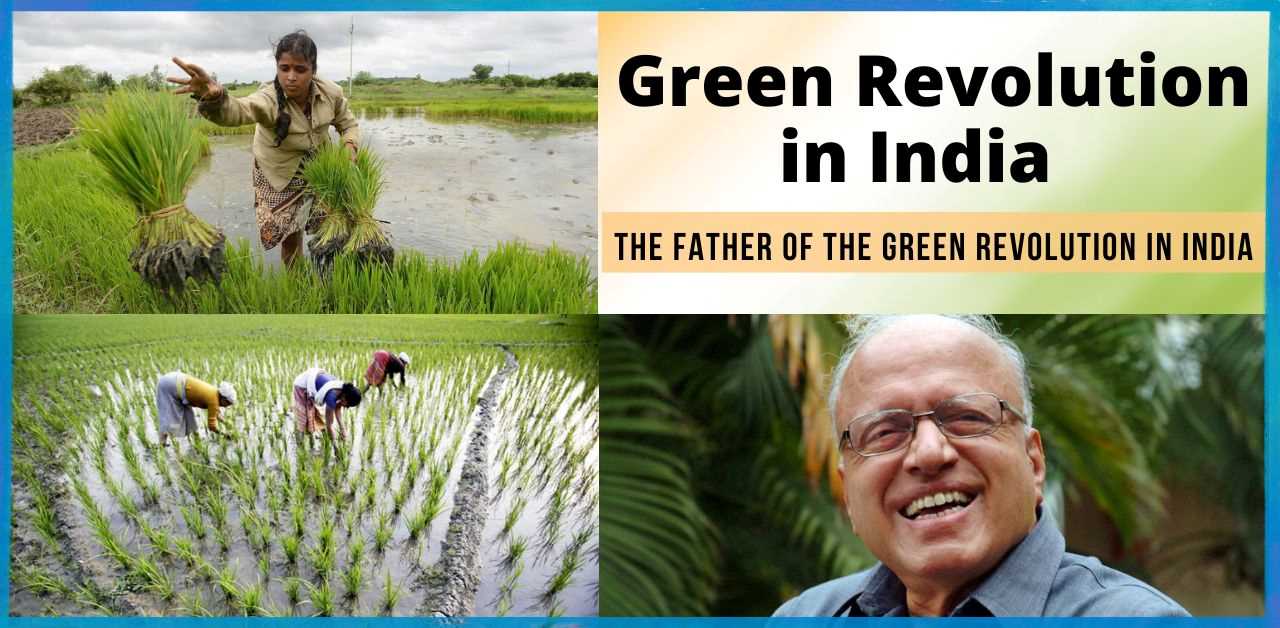

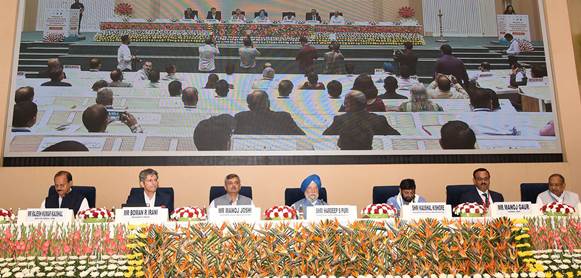





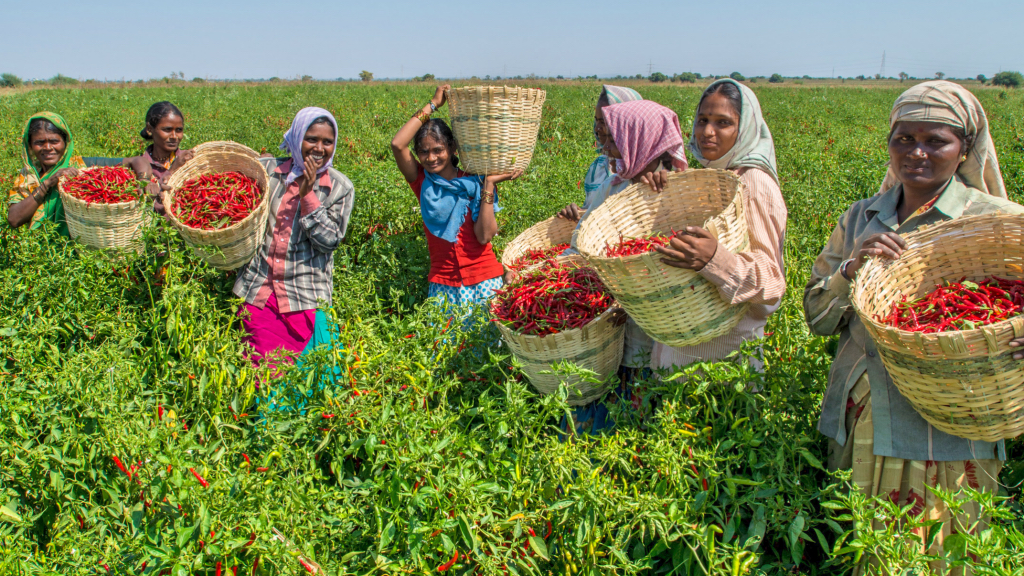
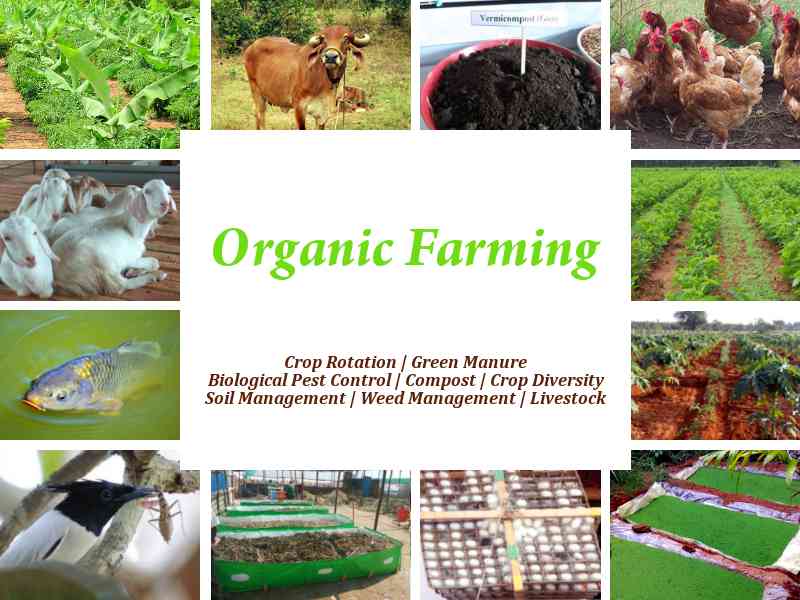
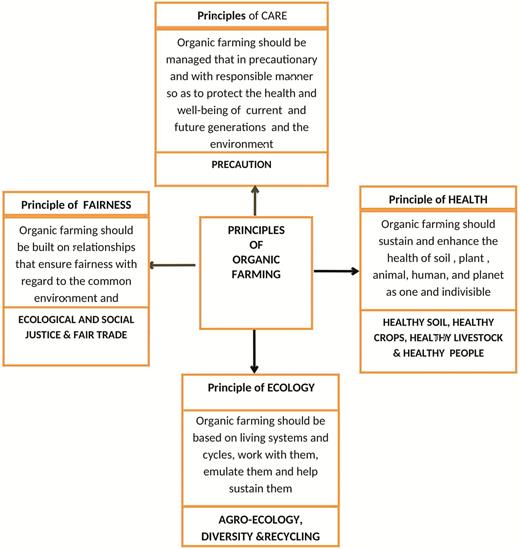
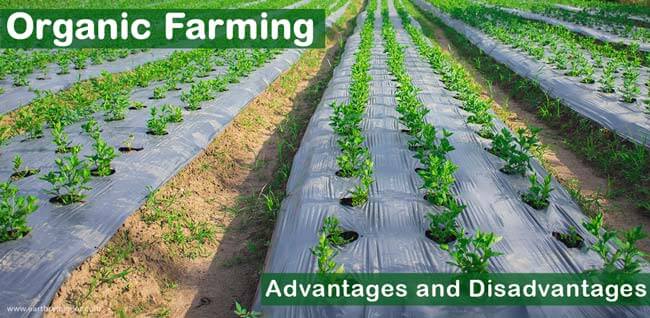

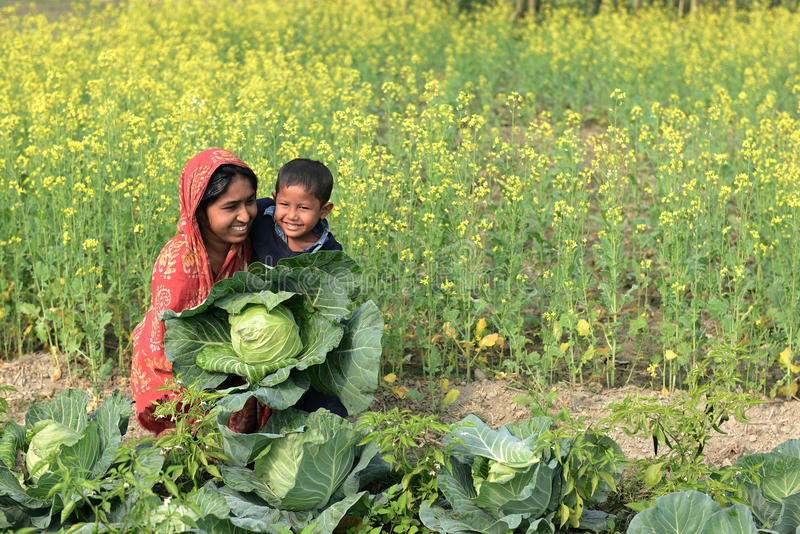
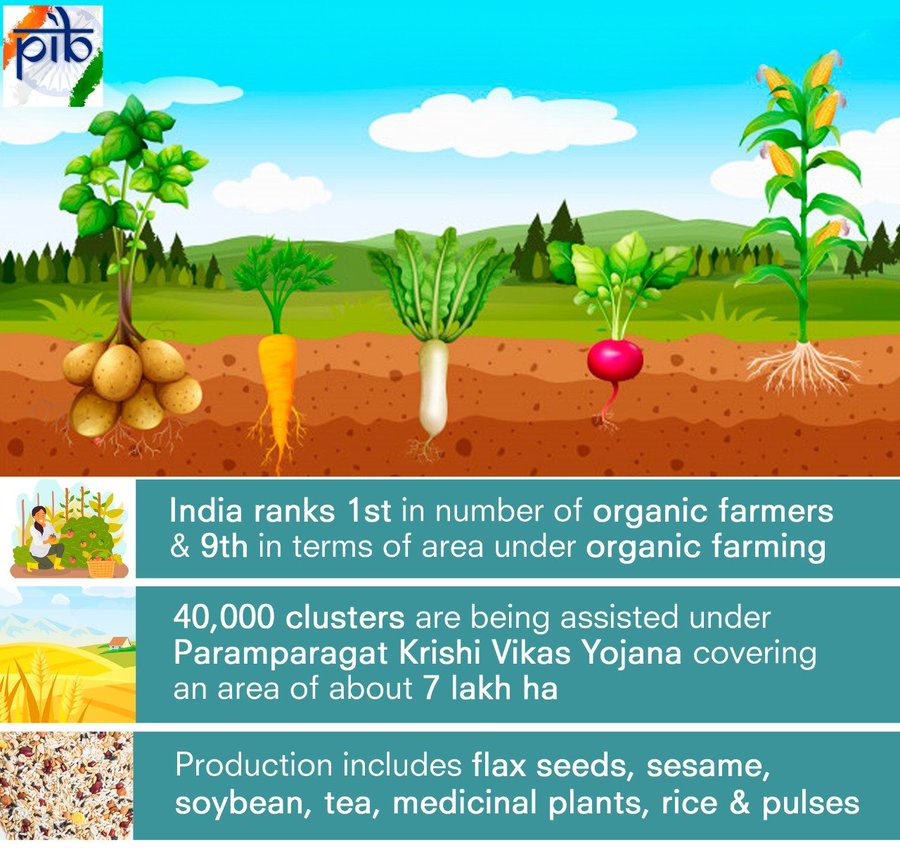




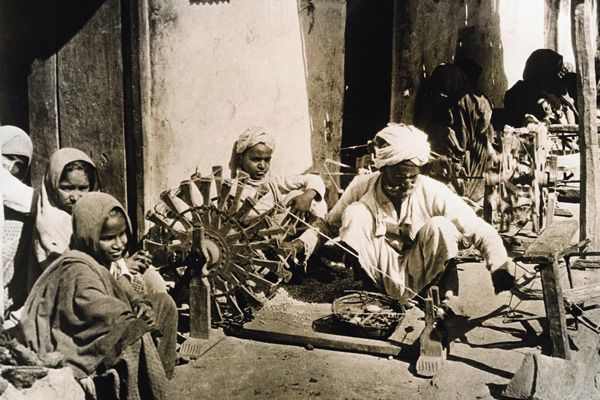








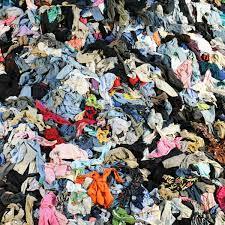
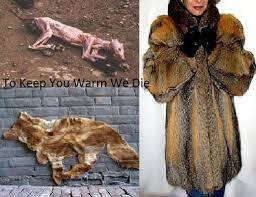
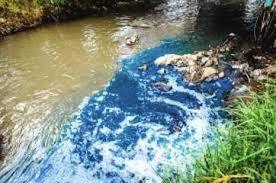
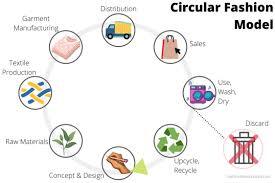

 Eduindex
You must be logged in to post a comment.