AS SOON AS A GIRL HITS PUBERTY, HER BODY GOES THROUGH A LOT OF CHANGES. ONE AMONGST THE CHANGES THAT TAKES PLACE IS: SHE BLEEDS EVERY MONTH . WHAT IS MENSTRUATION? EVERY MONTH THE UTERUS PREPARES ITSELF TO RECEIVE THE FERTILIZED EGG, IF THE EGG DOES NOT FERTILIZE, THE BED LIKE FORMATION OF BLOOD AND MUCUS, WHICH HAD BEEN PREPARED FOR THE PLACEMENT OF FERTILIZED EGG; BREAKS ITSELF AND THAT IS WHY A WOMEN BLEEDS.
FOR A LOT OF PEOPLE TALKING ABOUT MENSTRUATION IS A SHAME. WHY SO? JUST BECAUSE A WOMEN BLEEDS? THERE ARE MYTHS AND TABOOS EMBEDDED WITH IT. PEOPLE MAKE WOMEN FEEL DIRTY ON THE DAYS OF THEIR PERIODS. SOME CONSIDER IT TO BE GROSS AND SOME IMPURE.
IN A COUNTRY LIKE INDIA WHERE WE OFFER PRAYERS TO MAA DURGA, MAA LAKSHMI AND MAA SARASWATI ; HUMILIATING AND RIDICULING A WOMEN ON SOMETHING THAT IS NATURAL AND GOD GIVEN, PAINS MY HEART A LOT.
WOMENS ARE STRENGHTH OF THE FAMILY, THEY ARE THE BACKBONE. SUPPORT THEM, LOVE THEM AND TAKE CARE OF THEM WHEN THEY NEED YOU THE MOST. STOP SPREADING HATE! THIS ISNT IMPURE. THIS IS THE REASON WHY WE ARE HERE, IN THIS WORLD.
WOMENS ARE PRECIOUS GIFT OF THE ALMIGHTY. RESPECT HER ALWAYS!
A few group are bound to be business visionaries. From the time they get past school, or perhaps before that, they’re ravenous to begin a business and lead it to progress, and they’ll persevere relentlessly to make that fantasy a reality.
Additionally, Starting an online business is the least demanding approach to produce a decent measure of pay. You simply need to zero in on your item quality, promoting procedure, and delivery administrations.
beginning a business is a startling, scaring thought. There are an excessive number of questions to dive in. However, in case you’re thinking about turning into a business visionary, remember every one of the advantages that accompany it:
1-Call the shots. No one else will set the principles. You are.
2-Set your own cutoff times. Not any more extremely late hurrying except if you need to do it.
3-Sell how you need to sell. On the web? Face to face? Inbound? Outbound? It’s your call.
4-Create your own current circumstance. You can set the custom and culture of your association.
Make occupations. Work on the economy with new position openings.
5-Help individuals. Use items and administrations to work on individuals’ lives.
6-Become a specialist. Get familiar with everything of your industry through direct insight.
7-Invest in yourself. You face the challenge, and you’ll acquire the prizes.
8-Make more cash. On the off chance that you need a salary increase, you can give yourself one.
9-Create a resource. Give yourself something sellable to support your wagers.
10-Connect with your customers. Fashion genuine, individual associations.
11-Delegate exhausting undertakings. Try not to do anything you would prefer not to.
12-You can quit working. Work you appreciate doing can’t be portrayed as “work.”
13-The ability to give. Have the influence and adaptability to give time or cash to noble motivations.
14-Have the alternative for numerous endeavors. Start another business when you’re finished with this one.
15-Gain innovative experience. Being a business person makes you a superior expert in practically any position.
16-Get perceived. Begin procuring name acknowledgment and construct a standing.
The magnificence of business is that it allows you to seize on the opportunity to settle on your own choices and control your own predetermination such that regular positions don’t. Also, in settling on your own choices, you can make your own reasons.
In Indian culture, marriage is very important to raise a generation.It is believed that the only goal of girls is to be married to someone .Girls only know one thing that they have to go to someones home after getting married thought to be a good wife, good daughter in law. Just want their daughter to be good in their homes so that they should feel proud of them.Generally girls learn household work just only because one day they have to go to someones home as a wife and they have to do all those who work there
I think this thing is very wrong here if they have to learn household work then they have to learn for themselves then it is good. The first thinking of Gender inequality comes here in woman’s mind that the parents always forced them to do all these things just because they were female,. Why don’t they teach boys to do all those things?
It is changed in todays world but somewhere it is also the same as before.If boys just serve their own meal then a large argument starts in homes that why does their son serve their own meal. They have two sisters already.It is their job to serve everyone.
Just because of male dominance or patriarchal society. Women are not allowed to do what they like. Women are not allowed for studies just because parents think that if they study their expectations increases and parents faces many difficulties to discover a guy who is good for her.If women wants to go out of town for further studies they are not allowed just because of families in security or societal pressure at what if their daughters get attracted towards someone but why this is only for women? Men are always allowed to do what they want whether it’s a choice whether it’s the studies or whatever they want.It is all just due to thinking of everybody that girls have to do everything or they have to sacrifice their dreams, hobbies, likes and dislike just because they are female they have to go to someones home as a wife after marriage.
Just take an example – mom woke up early in the morning and from that time till late night they are busy in household work and It become daily routine because of this they forget how to enjoy their life.They sacrifice their dreams, hobbies, life for family. They don’t do anything for themselves because there has a lot of guilt attached with taking care of themselves, doing things for themselves. And we don’t even thinks about it. If we ask anyone Does your Mom eat something? Not only children her family members don’t know whether she take her meal or not.Just because we don’t notice this. why don’t we notice? It is just because of what we see from childhood.
In our culture, parents choose a guy for their daughters.How can two strangers live their whole life without knowing each other?
WEDDING MEANS LOVE, LAUGHTER AND HAPPILY EVER AFTER….
How can a normal marriage be?
All the proposal come through someone or other who tells the man’s family about lady or vice versa, then the man’s family would contact girl’s family or vice versa and then they ask for time and day to meet. Then match making occurs and then parents or family decide that both men and lady are made for each other.
Right???
Or what happens when this doesn’t work?
Women went through matrimonial hell. To meet random strangers and matchmakers, face a lot of judgements and criticism that leads to clinical depression and anxiety for them. They have to go through lots of rejection for just human beings.
How can anyone be judged by skin colour, body structure, body weight, height, & education?
And after all these women aren’t allowed to reject someone.If a guy is chosen by her family than women have to marry whether she wanted or not.
Everyone says women also have the right to choose their life partner, they are allowed to do what they want to do in their life. But in reality, just opposite is happening because we obey what parents want because this is what we see from our childhood.
It is not about matrimonial / marriage. It is about the Rights, wishes, likes and dislikes of a Woman who is been suppressed by either family or society. Just because of thinking…
Marriage is a very beautiful journey in everyone’s life. Just because of something we hate it or women thought that after marriage their life is going to hell. some women take it as a Golden cage or some take it as a most beautiful dream .so it depends upon how they think about it
Kilimanjaro is a snow – covered mountain that is 19,710 feet high and is said to be the highest mountain of Africa ……. close to the western summit there is the dried and frozen carcass of a leopard . No one has explained what the leopard was seeking at the altitude.
– Ernest Hemingway
In the above passage , two points draw the attention of the reader . First, the behaviour of the leopard was purposive – that he was trying to find out something by climbing on the snow -covered peak . Second, to understand the leapord’s behaviour , we would have to understand his purpose – what he was seeking . But one thing is sure that there was some force of motivation behind such action . Motivation is the main determinant of an individual’s behavior . The term ‘Motivation’ is derived from the word ‘Motive’ . Motive is a combination of of thought , feeling or condition that causes one to act . Motive can be for a short period or can be for a long longer one . If a child takes a colourful ball , he plays with the ball but if , in the meantime , he is attracted towards the other colourful ball , or toy, then we say that his motive for the first ball was a short period . But if a player wants to win gold medal at the international level and he/ she works hard for years to get the medal , we say that his/her motive is for longer period .
Human behavior is controlled , directed and modified through certain motives . When a person feels hungry and searches for food , we say that he/she is motivated by his/her drive , i.e. biological drive . When he/she gets food and is satisfied , we say that his/her drive for food has been fulfilled .
Motivation is one of the main psychological factors which affects performance . Motivation means to be inspired to do something . The definition of motivation is to give reason , enthusiasm or interest that causes a specific action or certain behaviour . Motivation is present in every function of life .
The following definitions may clarify the meaning of motivation more explicitly .
According to Crooks and Stein,“ Any condition , that might energies and direct our actions” is called motivation.
According to Sage,“ The drive to strive ” is called motivation .
According to Alderman,“ Motivation is the general level of arousal to action in an individual .”
“Motivation is the inclination to persue and persist in activities related to one’s sports .”
Language has a number of inherent properties or characteristics . These properties distinguish human language from any non-human communicative system.
1.DUALITY
Each language has a fixed number of sound units called phonemes. These constitute the system of sounds. When these phonemes are combined in a particular manner meaningful units called morphemes are formed . These constitute the system of meanings . Thus language has two levels of structure or patterning .The organization of sounds into two layers ,one of phonemes and another of morphemes is called duality or double articulation .In other words ,there are two sub-systems in any language, one of sounds and the other of meanings .Units of sounds are grouped into units of meaning. These units of meaning are grouped and regrouped into an infinite number of larger utterance. Animal communication lacks this sort of systematic pattern-making at the level of sounds and meanings .
2.CREATIVITY
One of the most important distinctive features of human language is creativity . Human beings use their linguistic resources to produce new expressions and new sentences. They arrange and rearrange phonemes ,morphemes ,words and phrases.to create new modes of expression . In other words ,a relatively small group of sounds is used to form hundreds of thousands of words ,which in turn can be combined to produce a virtually endless number of sentences. This property of the language is called creativity or productivity. Some linguists describe this property in terms of open -endedness because new items can be added to the already-existing ones in a language. Non-human communicative system is inflexible and invariable .It is a closed system .Animals cannot produce new vocal signals to communicate novel events or experience or concepts.
3.DISPLACEMENT
Language is characterized by displacement .Human beings can talk about real or imagined situations ,places and objects far removed from their present surroundings and time .That is ,human language is context-free .They can refer to past and future time and to other locations .This property of human language is called displacement .
4.ARBITRARINESS
Language is arbitrary .We can hardly find any natural or iconic connection between the linguistic form and its meaning .That is there is no direct relationship between the sound of a word and the thing or idea it represents .an element of arbitrariness can be observed even in the case of onomatopoeic words.
5.INTERCHANGEABILITY
Any speaker of a language is a listener too. He is theoretically capable of saying anything he is able to understand when someone else says it.
6.CULTURAL TRANSMISSION
We acquire a language in a culture with other speakers and not from parental genes. The process of passing on language from one generation to the next is called cultural transmission.
7.LANGUAGE IS HUMAN SPECIFIC
Human beings alone are endowed with the gift of language .The physical aspects of human teeth ,larynx and so on are not shared by other creatures and may explain why only human beings have the capacity for speech .
8.LANGUAGE IS A SYMBOL SYSTEM
Language is really a group of symbols .Words that constitute any language stand for objects or concepts. The word pen for example stands for a tool with which we write .Freedom is word that projects the idea of liberty. Language uses words essentially as symbols and not as signs for the concepts represented by them.
9.LANGUAGE IS SYSTEMATIC
Language emerges through combinations of sounds .Sounds are combined in a systematic order to make meaningful units called words .Words are put together in a certain manner to from meaningful utterances called sentences .
10.SPECIALISATION
The sound waves of speech have no function other than to signal meaning unlike , for example ,the audible panting of dogs ,which has a biological purpose
The standard of living for Romanian orphans is still problematic despite vast improvements since their conditions were leaked to the west after the fall of communist government 1899.
Under Nicholae Ceausescu, both abortion and contraception were forbidden. Ceausescu believed that population growth would lead to economic growth. Birth rates especially rose during the years of 1967,1968, and 1969.
This increase in the number of births resulted in many children being abandoned in orphanages which were also occupied by people with disabilities and mental illness. Together, these vulnerable groups were subjected to institutionalised neglect, physical and sexual abuse , and drug use to control behaviour.
“A disabled and orphaned Romanian child lies in his bed on November 24, 2009, at the Targu Jiu orphanage, southwestern Romania, after being transfered from Bilteni’s orphanage, which was considered to be the worst place for children under the dictatorship of former Romanian President Nicolae Ceausescu.”
The U.S. consul in Bucharest at the time, Virginia Carson Young, noted that many of the children were not actually orphans, but were infact children who had parents unable to afford such large families, with such a situation being created by the mandated natalist requirements.
The parents had placed them in orphanages,often with the intention of picking them up at a older age. There were a high percentage of Roma (Gypsy) children in the orphanages who were often left in an institution until they were old enough t help earn a living, and then parents would claim them again.
“At three weeks old, Izidor was abandoned at a state-run hospital for “unsalvageables” in Nicolae Ceaușescu’s Romania — left behind by his family because one of his legs was deformed. “
The orphanages which were for the disabled children, treated the children very badly in there. Those orphanages lacked both medicines and washing facilities and physical and sexual abuse if children was reported to be common.
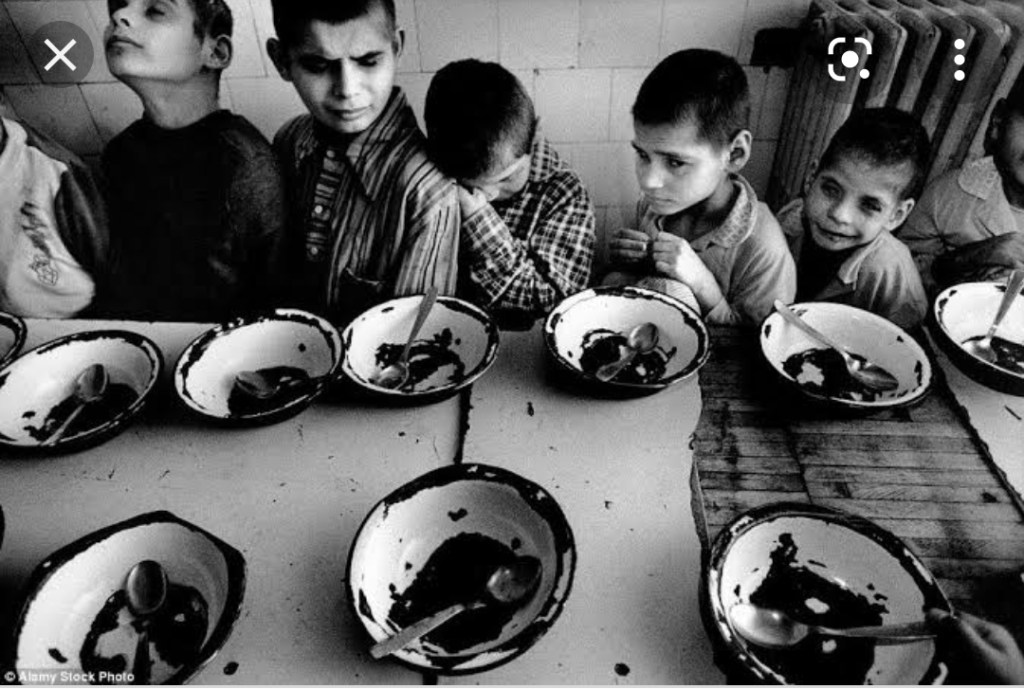
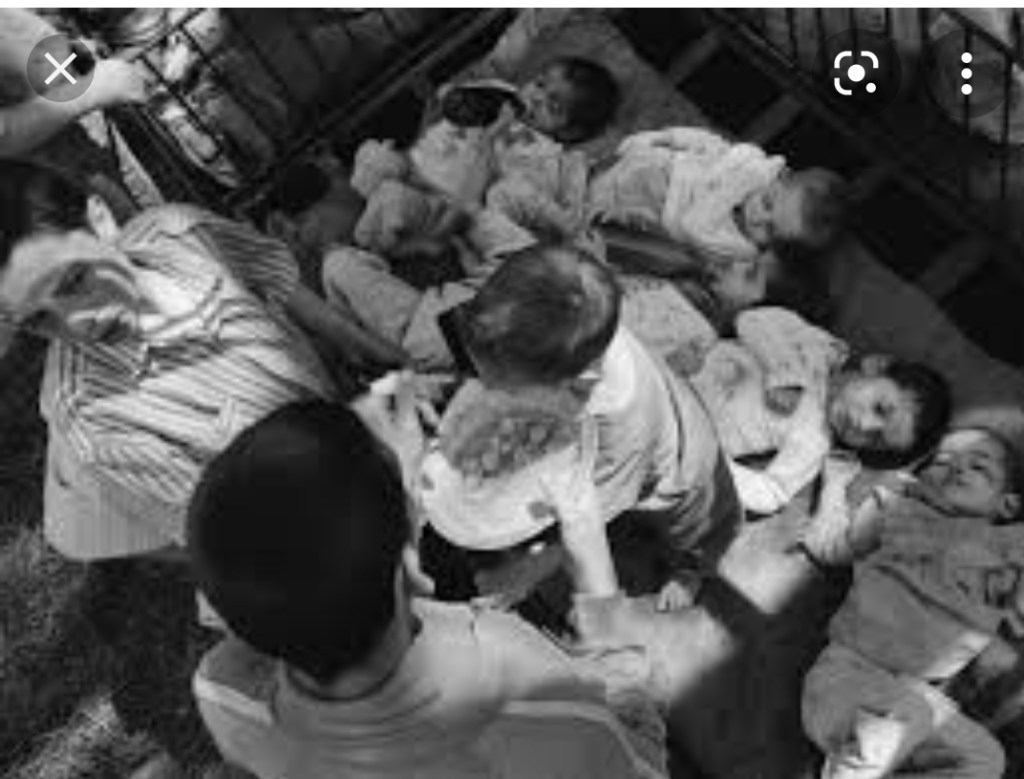
Sometimes, the children were often tied to their own beds or dangerously restrained in their own clothing,because the staff had failed to put clothes on them,the children would spend their day naked and be left sitting in their own feces and urine.
They were abused by the nurses and the older children used to beat the younger ones. All children, including girls, had their heads shaved, with made it difficult to differentiate one another.
Physical needs were not met, as many children died of minor illness or injuries such as cataracts or anemia. Many would starve to death. Some children in the orphanages were infected with HIV/AIDS due to the practice of using unsterilised instruments. Also they have to shift themselves from one orphanage to another. It is estimated that about 500,000 children were raised in orphanages.
“Estimates say that under Ceaușescu’s regime, 170,000 babies, children, and teens lived in “child gulags” subsisting on thin gruel, often in filthy, horrific conditions.”
“Deprived of loving care of any kind, those that lived were often under-developed physically and mentally, and found it difficult to form attachments with other people.”
After the Romanian Revolution, the number of street children was very high. Some ran away or were thrown out of orphanages or abusive homes and were often seen begging, inhaling “aurolac” from sniffing bags and roaming around.
Along with fund-raisers, westerners and Europeans adopted many Romanian children after the exploitation of their conditions. However strict led prevented many adoptions and the process of adoption became complex. Because of the neglect the children suffered, many grew up with physical and mental delays.
Even after being adopted, children had problems forming attachments to their new parents. Additionally to physical effects , the legal attributes of being disowned include a loss of legal surname, in addition to first names being assigned as numbers. Young children brought to orphanages typically cannot remember their names and because of this are named by their caretakers.
“Like all the boys and girls who lived in the hospital for “irrecoverables,” Izidor was served nearly inedible, watered-down food at long tables where naked children on benches banged their tin bowls. He grew up in overcrowded rooms where his fellow orphans endlessly rocked, or punched themselves in the face, or shrieked. “
“Out-of-control children were dosed with adult tranquilizers, administered through unsterilized needles, while many who fell ill received transfusions of unscreened blood. Hepatitis B and HIV/AIDS ravaged the Romanian orphanages.”
Webtoon is a webtoon publishing portal launched by Naver Corporation in South Korea in 2004. The platform is called Naver Webtoon in Korean, LINE Manga in Japanese, both Dongman Manhua and Webtoon in Chinese, and simply Webtoon in English, French, Indonesian, Spanish, Thai, and German. A lot of youth are now investing their time in reading these fun comics that are available in various genres.
Here are some of the webtoons that I am hooked on, with genres such as romcoms, drama, and slice of life!
1) TRUE BEAUTY
Thia webtoon covers a story of a shy comic book fan girl who masters the art of makeup and gain people’s attention by being named as the high school’s prettiest girl. Will this status be short-lived? How long can she hide her true face from the world? And what will she do when that cute guy falls in love with her?
2) AGE MATTERS
The story about a hopeless romantic who is turning 30 and is not very happy about it as she lost the first love of her life, to who she was engaged to. She meets a handsome CEO who is in search of a secretary and as days pass he starts liking her. Will they be able to write a new future together? Will they be able to get the best deals for the company?
3) TO LOVE YOUR ENEMY
Yeonhee Bae lies throught her life trying to hid her past and also some huge flaws. She starts fresh from college but there she meets a guy who happened to recognize her, who knows her past. Her hope of a perfect life starts to crumble. Amid college gossips, crushes, and jealousy, can the two set aside their differences and embrace each other for who they really are?
4) LORE OLYMPUS
Do you ever wonder what the gods do after the dark? Their is friendship with lies, the gossips and the wildest parties, and of course, a forbidden love. It turns out that the gods aren’t that different from us after all.This is one of the greatest mythology stories with unique art style.
5)I LOVE YOO
Shin-Ae wants nothing to do with people or romance as she is burdened with tons of pains and misfortune from the very start of her life. Even though her life was lifeless, it all turns crazy when she happened to ruin someone’s clothes at a party. Watch her life go on unexpected turns, with a bunch of cool friends that she always chills with.
On 7 February 2021 Uttarakhand’s Chamoli district experienced a disaster in the form of an avalanche when a small portion of the Nanda Devi glacier broke off. The sudden deluge caused considerable damage to NTPC’s Tapovan-Vishnugad hydel project and the Rishi Ganga Hydel Project. At least 72 people were confirmed to have been killed in the disaster. But this is not a new phenomenon and every year there are many reports of sudden deluge all across the Himalayan region.
The Himalayas has maintained the climate of the Indian subcontinent. Himalayas act as a barrier by diverting the monsoons to pour the rain in the fertile northern pains rather than to drift away to further north. Similarly, the mountain range also blocks the cold northern winds to reach the Indian subcontinent. The Himalayas all the way from Afghanistan to Myanmar with 110 peaks over 24,000 feet. They are also very rich in biodiversity and are the source of numerous perennial rivers and water bodies. Rivers like Indus, Ganges, and Brahmaputra that originate in the Himalayas are the lifelines of millions of people in the subcontinent.
But in recent years, the Himalayan region has seen a drastic transformation with increasing population and deforestation. The Himalayas are still a very young mountain range and this means the region is not as stable as older mountain ranges. This is also the reason for the high number of earthquakes. There are many exploitative projects and resource extractions initiatives have are going throughout the region. The increasing influx of tourists in the Ladakh region which is increasing the pressure in the already sensitive region or the limestone extraction near Mussoorie which has transformed the surrounding lush mountain region barren and unstable are just some of the instances. The cities located in the periphery of the Himalayas have started are also facing the same degradation problems in the plain region. Due to ever-increasing population growth, the size of cities is also increasing and this means overflowing garbage and drains. Unplanned growth of new settlements and uncontrolled tourism has only exacerbated this issue.
There is a need for safeguards on a national level that would help in preserving the fragile ecology of this region. First, it needs to be ensured that there is sustainable urbanization in the mountain habitats by town planning and adoption of architectural norms. Due to the sensitivity in this region, it is imperative that we have to control the growth of new settlements in the region and the existing settlements should be developed with all the basic urban facilities. Solid waste management is another area that needs to be the focus. Plastic bags use should be banned in all the towns and villages in the Himalayan region. Some states like Himachal Pradesh and Sikkim have enforced this rule but there are still many other states that have not fully implemented this rule. Pilgrimage is an important part of the tourism sector in the Himalayan region. Sustainable pilgrimage needs to be promoted and the inflow of pilgrims has to be determined according to the ecological capacity of that site. Roads are an essential node for the connectivity and development of a region but the construction of the roads and highways needs to take into account the sensitivity and fragility of the region as well. Environmental impact assessment should be compulsory before the construction of roads. Finally, environmental awareness needs to be propagated so that every individual can be empathetic and mindful of the dangers of environmental degradation. A coordinated effort will be essential between local cultures, local people, unions, and state governments to make this happen.
Today marks the 4th year of implementation of Goods and Services Tax (First implemented on July 1 2017) The Union Budget. There have been some major reforms in the tax system following its implementation. Refer to https://wordpress.com/post/eduindex.org/18254 for more detailed insight.
The Union Budget for financial year 2021-22 had been laid in Parliment on February 1 2021. To deal with Covid 19 induced lockdowns several mini budgets had been proposed last year. The PM said to refer this budget as an extension of previous mini-budgets. Finance Minister Nirmala Sitharaman said that the Budget proposals for this financial year rest on six pillars — health and well-being, physical and financial capital and infrastructure, inclusive development for aspirational India, reinvigorating human capital, innovation and R&D, and ‘Minimum Government, Maximum Governance’. The budget was presented digitally for the first time by the first full time female Finance Minister of India, Nirmala Sitharaman. The budget made a statement that of all the structural reforms, the Goods and Services Tax has been the most iconic in our country. It has consolidated in itself several taxes and has been integrated the country economically.
The most effective gains were taken by the transport sectors. The abolition of check posts resulted in 20% efficiency of speed of delivery. There was a significant amount of increase in the tax filers as well. Significnt policy level changes have also been made. GST rate structure is also being directed to focus on issues like inverted duty stucture.
Let us take a look at some important changes in this session
Scope of term Supply enhanced: under supply come all the transactions which take place. It comes under clause 99 of Finance Bill. A New Clause (aa) under Section 7 had been made as to ensure levy tax on activities or transactions involving supply if goods or services for cash payments. These changes came into effect from 1st July 2017.
Input Tax Credit : New clause to sub section o of Section XVI of CGST act 2017 has been inserted to provide Input Tax Credit on invoice note. Invoice has been focused lot more in the new system of GST .
Interest on net tax liability: Section 50 of CGST Act 2017 provides interest on delayed payment of tax. Financial bill 2021 proposed to change interest on cash liability thus interest to be paid only on the part of debiting electronic cash ledger and not in ITC portion
GST Audit to be discontinued: The mandatory requirement of getting annual accounts audited in Section 35(5) and Section 44 on annual return is proposed to be substituted by a new section. There by removing the mandatory requirement of getting audited by specified professionals.
Seizure and confiscation of goods in transit are to be separated in the proceeding of recovery of tax. Jurisdictional Commissioner has bee empowered to call for information from any person according to section 151 and 168.
Restricted zero rated supply: Government will now notify the class of suppliers who can do zero rated supply on payment of IGST and the good will also be classified which the eligible zero rated suppliers can supply.
Karsan bhai khodidas patel is an Indian industrialist who is the founder of a Rs.42,500 crore nirma group, a company which majorly deals with detergents, cements and cosmetics. Karsan bhai patel was born in 1945 into a farmer family from Ruppur village, Mehsana, Gujarat. Karsan bhai completed his B.Sc in chemistry and he initially joined in a cotten mill as a lab technician in Ahmedabad later served for the state government.
He has an abaundant knowledge on chemicals and in 1969, he started manufacturing phosphate free detergent for domestic usage in his backyard. He named that detergent powder as “NIRMA” . He dedicated his time after the office hours to prepare and market the detergent. At initial stage this business was purely one-man-company.
Karsan bhai used to sell his handmade detergent packets door to door using his cycle. The hand made detergent packets were sold at Rs.3 per kg, which was one third of least priced compared to popular detergents at that time. This least price making strategy gave him instant success. At that time domestic detergent market was limited and mostly controlled by the top most MNC companies only but with entry of karsan bhai’s market strategy, nirma created a revolution in domestic detergent sector.
It made the best and environment friendly detergent than other brands and occupied the top most shares in the market with its innovative methods. With in a short span of time Nirma became the largest selling detergent company in India. Since, the industry was labour intensive nirma also builded a large scale of employment.
Now, the company was recognized as the 9th among the top FMCG brands in India as per the year 2002. In the year of 2010 Karshan bhai received “PADMA SRI AWARD” and in 2019 karsan bhai ranked with #30 by forbes magazine for the list of Indias richest persons.
CONCLUSION:
Finally, we can understand karsan bhai’s success story as a good source for marketing strategy because he understood the need and demand of the domestic detergents perfectly and he applied his innovative marketing formula strictly in his business and also he focused on the new technologies to develop his business as well and worked consistently to bag the success.
” SUCCESSFULL PEOPLE ARE NOT GIFTED BUT THEY DO HARD WORK TO ACHIEVE SUCCESS ON A PURPOSE “
Hello guys, today’s topic is going to be very informative.
“Start up ” have you ever heard of this Word before? Even if you have never heard of the word start up many of us actually heard about those startups which are doing fantastic .
Start ups are the newly established business,by one or more entrepreneurs.These entrepreneurs set up business by taking financial risks .
Start ups are actually initiated by its founders based on an idea which has a potential to become successful and bring profits to the company .
Even though startups gives wings to an individual’s dreams it is not easy to create an impact with an startup during this tough competition era.
And while setting up an start up the individual needs to have necessary funds so mostly the start ups are setup by taking loans,or borrowing money from families,friends.
So generally startup are built around one main idea which can change the whole picture,which can create an impact in the industry.
Startups can become successful only when the foundations that is the base on which the company is started should be rock solid,their main aim should not change even though some alterations can be done .
As the company grows the more the need of funds increases so especially the risk of setting up a startup should be taken very seriously and the decision must taken carefully.
There are many thing that you need such as impressive idea,funds and trusted partners and sacrifice your time,health for the wellbeing of the startup.
Start ups basis is believe ,the belief you have in your own self,your idea which is projected outside.
Entrepreneurs should have certain qualities that is needed for a successful startup so many institutions and universities are providing training for those who dream of starting their own company.
But in reality many startups that don’t stand a chance in the competition lack those qualities,they have the idea but cannot put into action,they cannot manage work as they have very little experience in this industry,they get swayed by others words and forget their whole main aim .
Mock startups are those programs where a student gets to experience the simulation of the real world.
Even the government entrepreneurship programs ,non profit entrepreneurship programs support many start ups They give guidance and even support them if the idea shows a potential .
Intellectual advisors ,hardworking staff ,investors who don’t mind to try risks for profits ,mentors who can guide you ,and great Teamwork makes the dream work that is it accelerates the growth rate of that start up.
Every start up has their own ups and downs but what is important is to never lose faith in yourselves and always hope for the best by putting out your best .
Startups don't have a instant success they to grow step by step and the more impact it has on the business industry the more it grows.
Some of the successful startups are
Ola
Swiggy
Zomato
Oyo
Flipkart
Every succesful company at present is a startup in the past and lessons should be learnt from those experiences
So always dream big ,work hard ,have faith,never lose hope ,never give up, and
“Learning from failures , paves the way to success.”
India is a land of different cultures where over 1.5 billion people belonging to different communities live together . Many years back when India was called the GOLDEN BIRD , which was then brutally plundered by the foreign invaders, was not only because of the monetary wealth but also due to the rich culture and art form which the land once inhabited. Today centuries later, when we are still reeling from the affect of past attacks and with modernization reigning over, it has become extremely difficult and also important to preserve the dying art forms to save a remainder of our rich heritage . Also these art forms have been a source of income for lakhs of people .
While the term ART includes dance, singing and the paintings , in this blog we will have a glimpse on the five lesser known and underrated art forms which are desperately needed to be saved.
Madhubani Paintings
Originated in Madhubani district of Mithila region of Bihar, these paintings are said to have been made on the walls of every house of all the villages to celebrate the wedding of Lord Ram and Goddess Sita. The paintings are made using fingers, twigs, nib pens , brushes and matchsticks as tools. The color in the original Madhubani painting is given using natural dyes and pigments. Originally done on a freshly plastered mud wall , now for the commercial purposes the paintings are being made on a canvas or cloth. The paintings generally represents mythological Hindu deities, court scenes , traditional weddings and social gatherings. The All India Handicrafts Board and the Government of India in order to promote these traditional art form have asked women from the non agricultural backgrounds to continue painting on canvas or cloth and this has also become a source of income for many families.
Miniature Paintings
The origin of these paintings darts back to 7th century under the patronage of the Palas of Bengal. It is a kaleidoscope of history, scriptures and lives of people through ages made by the use of delicate brushwork, mixture of different colors and graceful forms. The paintings are so delicately made that even today in this world of modernization the brushes used for these paintings are made from Squirrel’s hairs. This intense labor of love illustrating the ancient mythology is created on palm leaves, paper, wood , ivory panel and cloth using natural colors such as stone dust, silver dust and real gold
Chambal Rumaal
This art form is an embroidered handicraft promoted under the patronage of the rulers of Chamba and was a common gift item exchanged during the marriages in ancient times. It is said that the earliest reported form of this art was made by Bebe Nanaki , the sister of Guru Nanak in 16th century and is still preserved in the Hoshiarpur Gurudwara. The art form is now continued in various parts of Himachal Pradesh and is made on a square or rectangle shaped cut muslin or khaddar material. Embroider Lalita Vakil got the NARI SHAKTI AWARD by the President of India Mr. Ram Nath Kovind for promoting this art form and giving employment to many women.
Gond Art
This art form is the tribal art of the Gond tribe which is one of the largest tribes of Madhya Pradesh. The art form preserves and communicate the culture of the Gond Tribal Community. The paintings constitute of two main designs called DIGNA and BHITTICHIBA . While the DIGNA designs constitutes of traditional geometric patterns which were originally made on the floors and walls of the house , the BHITTICHIBA designs constitutes the animals , plants and trees which were made on the walls of the houses.
Pattachitra Art
The art form includes the ancient artworks of Odisha which were generally used for ritual purposes and as a souvenir for the pilgrims of Puri and other temples. The cloth based scroll painting captures mythological narratives and folktales which are inscribed on the cloth with intricate details. The painting is made on a traditional canvas which is made by coating a gauze like fine cotton cloth with white stone powder and gum made of tamarind seeds which makes the canvas ready to accept the paints made by natural means. it is basically a dominant icon painting and almost all the chitarakars of this community hails from Puri , a small village in the heart of Odisha . It is also the only village in the entire country where everyone is engaged in one art form or the other such as patta painting, wooden toys making and stone crafting.
The rich ancient heritage of Indian art forms cannot be contained anywhere. This blog was just a means to let people know of the beautiful things which we are missing on.
Self help and personality development is a weapon for us
The spirit of self help creates many good qualities in a person. … These people work more harder than a person who is reliable on others for their work. This leads to help them obtain strong will- power and determination.
Self-help or self-improvement is a self-guided improvement—economically, intellectually, or emotionally—often with a substantial psychological basis. … Many different self-help group programs exist, each with its own focus, techniques, associated beliefs, proponents and in some cases, leaders
The following are common examples of self-improvement.
Self-Awareness. A process of introspection to understand your own character, behavior, fears and ambitions.
Awareness. A process of extrospection to understand the world around you.
Health. …
Physical Fitness. …
Time Management. …
Productivity. …
Performance. …
Know-How
Here’s a look at some ways to build self-improvement into your daily routine and let go of negative thoughts about yourself.
Cultivate gratitude. …
Greet everyone you meet. …
Try a digital detox. …
Use positive self-talk. …
Practice random acts of kindness. …
Eat at least one meal mindfully. …
Get enough sleep. …
Breathe consciously.
Personality development refers to how the organized patterns of behavior that make up each person’s unique personality emerge over time. Many factors go into influencing personality, including genetics, environment, parenting, and societal variables.
Personality development helps you gain recognition and acceptance from the society as well as people around. Personality development plays an essential role not only in an individual’s professional but also personal lives. It makes an individual disciplined, punctual and an asset for his/her organization.
Here are great ways to improve your personality:
Be a better listener. …
Read more and expand your interests. …
Be a good conversationalist. …
Have an Opinion. …
Meet New People. …
Be yourself. …
Have a positive outlook and attitude. …
Be fun and see the humorous side of life.
The four personality types are: Driver, Expressive, Amiable, and Analytical. There are two variables to identify any personality: Are they better at facts & data or relationships? And are they introverted or extroverted. Note: Most people will have major and minor type.
The Aral Sea was an endorheic lake lying between Kazakhstan and Uzbekistan in Central Asia. By definition it is a lake contrary to it’s name, translates to ‘Sea of Islands’ as it had around 1000 islands dotting it’s waters. It’s drainage basin flows through Uzbekistan and parts of Tajikistan, Turkmenistan, Kyrgyzstan, Kazakhstan, Afghanistan and Iran. It was formerly the fourth largest lake in the world with an area of around 70,000 square km. The Lake began shrinking since 1960 and largely dried up by 2010s.
The Aral Sea in 1989 and 2014
History
The lake began shrinking after the rivers that fed it were diverted by Soviet irrigation projects. Kazakhstan was not an independent country then but a state or a ‘ socialist republic’ of then USSR, known as Kazakh SSR. The Soviet Government wanted Cotton to become a major export. They devised many projects diverting the Amu Darya river in the south and the Syr Darya river in the east to irrigate the nearby desert in an attempt to grow cotton, rice and cereals. There were large scale construction of irrigation canals which were poorly built allowing leakage and evaporation. Overtime the lake began to shrink at an alarming rate which didn’t exactly surprise the Soviet engineers as they, in a twisted sense, expected it. The salinity of the lake increased at an alarming pace . By 1987, the lake split into two separate water bodies, the North and South Aral Seas. Uzbekistan gained independence in 1991 after the fall of the Soviet Union but it’s first leader, Islam Karimov’s government continued the previous Soviet policies destroying the already beleaguered lake and causing an unprecedented ecological disaster.
The Post Soviet era
Uzbekistan gained independence in 1991 after the fall of the Soviet Union but it’s first leader, Islam Karimov’s government continued the previous Soviet policies destroying the already beleaguered lake. In 2003, South Aral sea further divided into east and west basins. At the same time a plan was put into motion by the Uzbek Government to recover the North Aral Sea by building Dike Kokaral, a dam, which was completed in 2005 and in the next year substantial recovery of sea level was recorded. By 2009, the southeastern lake had disappeared. By 2014, the entire Eastern basin of Aral Sea had dried up, which is now known as the Aralkum desert.
Environment Effects
Due to it’s shrinking countless unfortunate impacts on environment, economy and public health have been recorded. Worsening of the soil, pollution of the lake due to pesticides, death of the local flora and fauna, fish species, spike in cancer, lung diseases, tuberculosis, anaemia due to the locals drinking water and inhalation of contaminated dust which has caused many fatalities. Bustling fishing towns along the shores have now become grim ship graveyards. The town of Aral’sk, the main fishing port is now many kilometres away from the lake and has seen its population decline, most notably the town of moynak on the southern shores of the Aral Sea which used to be Uzbekistan’s biggest port.
Restoration Plans
There have been many restoration strategies planned out for Aral sea’s recovery. There is the Aral Sea basin programs where all five Central Asian countries help in the stabilization and rehabilitation of the local environment. There is also the North Aral sea restoration plan which has so far succeeded in recovery. Kazakhstan has partially revived and replenished it’s parts of the Aral Sea while Uzbekistan isn’t planning on abandoning the Amu Darya to irrigate their number one export cotton and are even moving towards oil exploration in the South Aral seabed.
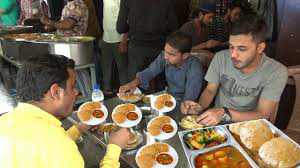
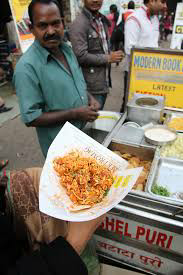
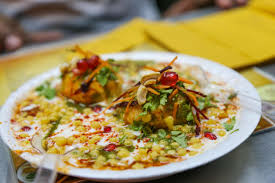
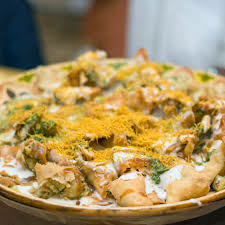
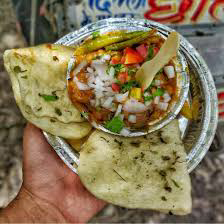
Displaying the chivalry of Indian history and ancient culture, Delhi is famous for one more happening aspect. Yes!! The national capital of India is a ‘foodie paradise’ owing to some delicate and spectacular street food in particular. Street food in Delhi is of course not a new buzz; the same has been recognised as one of the prime attractions in Delhi.
A vacation in Delhi is incomplete without hitting the streets and trying out its rich and varied cuisines. Let’s go through some of the popular dishes included in the list of best street food in Delhi.
20 Top of the List Street Food Picks in Delhi!
1. Chole Bhature:
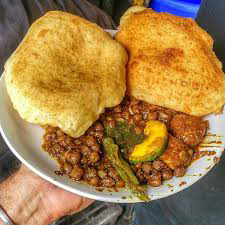
The first place that comes to our minds after coming across the above dish is Delhi. Delhi is the apt place to get a taste from. Perhaps, the best street food in Delhi; this dish is known for its fluffy Bhature and an appetizing Chole. There is a special chutney that these vendors tend to offer which makes it even better.
The best place to try– Giani di Hatti in Chandni Chowk, Nand Ke Chole Bhature in Sadar Bazaar, Chache di Hatti.
2. Golgappe:
While in Delhi; how one can miss out to try the special Panipuri or Golgappe? With diverse forms, this dish is loved by almost all the locals. You can go for stuffed Panipuri, different water flavours, an extra piece of papdi dipped in curd and chutney to give some extra pinch to your taste.
The best place to try– Rajouri Garden, Lajpat Nagar Market.
3. Poori Aloo:
One of the traditional dishes in India, Poori Aloo in Delhi is the best thing to enjoy at various famous stopovers. With different spices, this dish has created another surge of reforms.
The best place to try– Chaina Ram in Chandni Chowk, Karol Bagh Market.
4. Rolls:
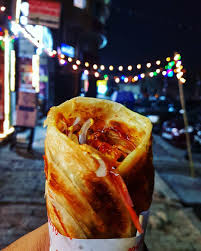
No matter at which shop you try rolls in Delhi, it will give you a lifetime experience. Each vendor tries its own stuffing recipe which allows the people to get diverse tastes. You can go for Paneer Rolls, Chicken Rolls, Mix Veg Rolls, Manchurian Rolls and so forth.
The best place to try– Taste drive at Rajouri Garden, Khan Chacha, Chowrangee lane, Local Joints in Kamla Nagar Market, Satya Niketan.
5. Kulfi:
Kulfi is something which gets a positive response from everyone going out to have a superb dessert. The flavour and taste together make way for this delicious dish carrying caramelized milk and finely crushed granules of dry fruits.
The best place to try– Roshan di Kulfi in Karol Bagh, Kuremal at Chawri Bazaar.
6. Aloo Chaat:
A mouthwatering street food in Delhi, Aloo Chaat is an apt pick for spending a delicious time with your loved ones. Diced fruits added to this dish make it a complete food for the foodies.
The best place to try– Taram Bazaar in Chandni Chowk, UPSC Bhawan.
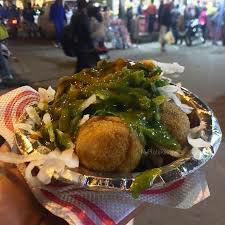
7. Ram Ladoo:
Ram Ladoo is basically fried small pakoras stuffed with potato or dal that is sufficient to make any event a happening one. The crispiness of these fried balls with the taste of chutney is all that you want for a memorable getaway.
The best place to try– Local Vendors at Janak Puri, Green Park and Tilak Nagar.
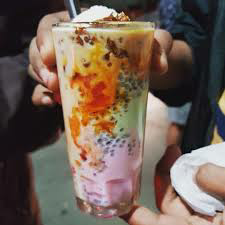
8. Rabri Faluda:
A unique taste immersed in the rich blend of coconut, dry fruits and milk; Rabri Faluda is a superb dish to ask for. This dish is very popular among the Delhi residents.
The best place to try– Giani di hatti in Chandni Chowk
9. Kebabs:
With over 25 different varieties of Kebabs ruling the Delhi street foods, this dish will give you the best reminder of the Mughal era. It includes Kakori Kebab, Shami Kebab, Galouti Kebab and much more.
The best place to try– Chawla’s at Tilak Nagar, Vasant Place Market.
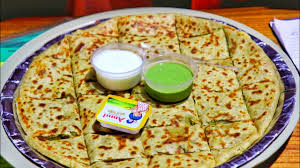
10. Paranthe:
A healthy splash of butter with diverse stuffing, Paratha over the years has become the best pick for breakfast. This street food in Delhi can be eaten at any time without much fuss.
The best place to try– Parathe Wali Gali, Moolchand ke Parathe, Kakke di Hatti.
11. Aloo Tikki:
Stuffed with mashed potatoes and onions, Aloo Tikki is an excellent option to try on the streets of Delhi. You can choose different chutneys to make it go as per your taste for satisfying your inner foodie.
The best place to try– Natraj in Chandni Chowk, Atul Chaat Corner in Rajouri Garden.
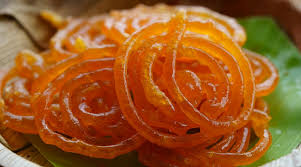
12. Jalebi:
How can one ignore the unique shaped sugary sweetness of Jalebi in Delhi? With a large number of shops offering different varieties of Jalebi, this dish has become the perfect sweet dish for the Delhi residents and tourists. You can go for Doodh Jalebi, Kesar Jalebi, and much more.
The best place to try– Jalebi Wala in Chandi Chowk, Bangla Sweets in CP, Pandara Road.
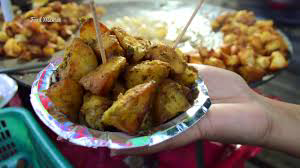
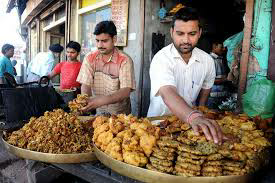
13. Pakodas:
With different veggies immersing in Besan to go out for a deep fry, this street food offers sumptuous fore deals to the people opting for this. The best food for enjoying the monsoons is Pakodas from the famous street shops in Delhi.
The best place to try– Gol Market, Kamla Nagar, Sarojini Nagar.
14. Street Burger:
You might have visited Mc Donalds and other branded affairs for a burger, but the taste you will get at a street corner in Delhi is unmatchable. Embedded with well-fried tikkis, these buns are really mouth -watering.
The best place to try– At any burger cart located in the Delhi markets.
15. Bhel Puri:
Adorned with a number of flavours; Bhel Puri on the streets of Delhi offers an exquisite taste to the travellers. The tangy twist captioned with the crisp mixture is really delicious to eat.
The best place to try– Bhajan Lal Bhelpuri at Sundar Nagar, Connaught Place.
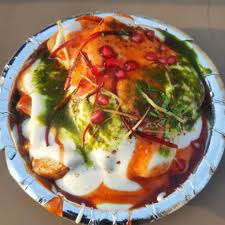
16. Dahi Bhalle:
The mix of curd along with red and green chutneys is a superb delight to experience on the streets of Delhi. The sprinkle of aloo bhujia intensifies this taste furthermore.
The best place to try– Natraj in Chandni Chowk, Shyam ji Corner at Old Delhi Road, Rajouri Market.
17. Samosa Chaat:
The preparation of this particular street food will leave your mouth to crave for more. A samosa prepared with chole and tangy taste of chutneys is the best thing one can ask for.
The best place to try– Tilak Munjal in Pitampura Chandni Chowk eateries, CR Park.
18. Chole Kulche:
Boiled Chole prepared with fresh tomatoes, onions and lemon along with a kulcha fried in butter are just exquisite to try for. The roadside eateries in Delhi offer this food in a unique way.
The best place to try– Near UPSC Bhawan, Yadav’s Chole Kulche at Saket.
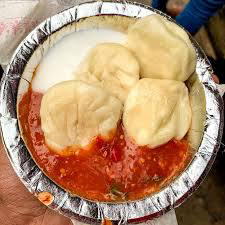
19. Momos:
Who is not familiar with momos? This is super spicy and cheap street food in Delhi. And today, they have become the most easily and tasty available street food in Delhi..
The best place to try– Bungalow Road, Kamla Nagar
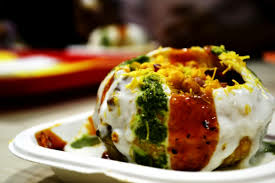
20. Raj Kachori:
A single dish capable to satisfy your hunger is what Raj Kachori is known for. Stuffed with oiled channa and crisp namkeen, this is an authentic food to give a try for sure.
The best place to try– Haldirams in Chandni Chowk, Lajpat Nagar, and Connaught Place.





















 Eduindex
You must be logged in to post a comment.