Jainism and Buddhism

In the Gangetic plain,iron plough agriculture required the use of bullocks. But the indiscriminate killing of cattle for Vedic rituals and sacrifices caused resentment. The founders of Jainism and Buddhism did not prescribe killing as religious rite. They secured their livelihood mostly by alms. Celibacy and abstinence from holding property made the new teachers much more acceptable than the Brahman priests. The people’s resentment about the expensive and elaborate Vedic rituals, animal sacrifice and desire for wealth eventually took them towards Jainism and Buddhism. Mahavira and Buddha lived a life of purity and exemplified simplicity and self-denial. They lived in the times of Bimbisara and Ajatshatru,the famous kings of Magadha. The commercial development of the northern cities like Kaushambi, Kushinagara, Benaras, Vaishali and Rajagriha added importance to the Vaishyas who turned to Buddhism and Jainism in their eagerness to improve their social status.

Jainism

Mahavira : Birth and life

Mahavira

Vardhamana Mahavira was born in 599 BC (BCE) at Kundagrama near Vaishali. His mother was Trishala, a Lichchavi princess. He spent his early life as a prince and was married to a princess named Yashoda. The couple had a daughter. At the age of thirty ,he left his home and became an ascetic. For over twelve years, Mahavira wandered from place to place, subjecting himself to severe penance and self-morification . In the thirteenth year of his asceticism ,he acquired the highest knowledge and came to be known as Jaina (the conqueror) and Mahavira (great hero). Jains believe that Mahavira came in a long line of Tiruthankaras and he was the twenty fourth and the last of them. Rishabha was the first Tiruthankara and Parshvanath the penultimate or the twenty third. Mahavira travelled extensively as a preacher in the kingdoms of Magadha. Videha and Anga. Magadha rulers Bimbisara and Ajatshatru were influenced by his teachings. Thousands of people became his followers. After 30 years of preaching,Mahavira died at Pawapuri in 527 BC (BCE) at the age of seventy two.

Teachings of Mahavira

The three principles of Jainism,also known as Tri-ratnas, are the following:
         1. Right faith : Belife in the teachings and wisdom of Mahavira.
         2. Right knowledge : Acceptance of the theory that there is no God and that the world existed without a creator.
         3. Right action : It refers to the Mahavira’s observance of the five great vows: (a) ahimsa, (b) honestly, (c) kindness, (d) truthfulness and (e) not converting or desiring things belonging to others.

Spread of Jainism

In order to spread his new faith, Mahavira founded monasteries. The Jaina monks who led a very austere life. In North India, this new faith was patronised by rulers such as Dhana Nanda, Chandragupta Maurya and Kharavela. There was a notable followers of Jainism in Karnataka and western India during the 4th century BC (BCE). Jainism encouraged the public spirit among all who embraced it. Varna system practiced by Brahmas was challenged. People were spared from the costly and elaborate rituals and sacrifices. Mahavira believed that all objects,both animate and inanimate,have souls and various degress of consciousness. They posses life and feel pain when they are injured.

Split in Jainism

In course of time, Jainism split into two branches,namely the Digambaras (sky – clad) and the Svetambaras (white – clad).

Decline of Jainism

The lack of royal patronage,its severity ,factionalism and spread of Buddhism led to the decline of Jainism in India.

Buddism

Gautama Buddha : Birth and life
Gautama Buddha

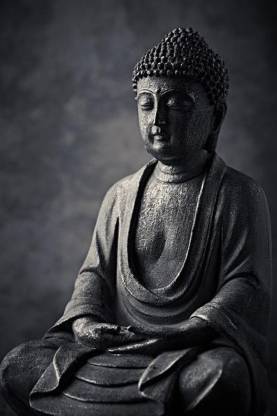
Gautama Buddha was the son of Suddhodana, the chief of a Kshatriya clan of the Sakyas of Kapilavastu in present-day Nepal. His given name was Siddhartha. As he belonged to the Sakya clan, he was also known as’Sakya Muni’. He was born in 567 BC (BCE) in Lumbini Garden, near Kapilavastu. His mother, Mayadevi ( Mahamaya) ,died after a few days of his birth and he was brought up by his step-mother. In order to divert his attention towards worldly affairs, his father got him married at the age of sixteen to a princess called Yashodhara. He led a happy married life for some time and had a son by name Rahula.One evening, while Siddhartha was passing through the city, he came across an old man who had been abandoned by his relatives, a sick man crying with pain and a dead body surrounded by weeping relatives. Siddhartha was deeply moved by these sights. He also saw an ascetic who had renounced the world and found no sign of sorrows. These ‘Four Great slights’ prompted him to renounce the world and search for the cause of suffering. In 537 BC (BCE), he left his palace and went into the forest in search of truth. In the course of his wanderings, he sat under a peepal tree for several days untill he attained enlightenment. The place where he attained enlightenment,the Mahabodhi temple, still exists in Bodh Gaya (Bihar). After his enlightenment,Buddha decided to impart his knowledge to the people. He went to Varanasi and gave his first sermon at Sarnath. He preached in the kingdoms of Magadha and Kosala. A large number of people became his followers including his own family. After forty five years of preaching,he breathed his last in 487 BC (BCE) at Kushinagar (near Gorakhpur in Uttar Pradesh)at the age of eighty.

Teachings of Buddhism

(I) Four Great Truths : (1) There is suffering and sorrow in this world. (2) The cause of human suffering is desire and craving. (3) This pain or sorrow can be removed by suppressing desire and craving. (4) This is to be achieved by leading a disciplined life or by following what Buddha called the ‘ Noble Eight – fold path’.

(II) Attainment of Nirvana: According to Buddha, a person should aim at attainment of Nirvana or the highest bliss, and it could be achieved by any person by leading a virtuous life and by following the Noble Elight-fold path.

(III) The noble Elight – fold path: Buddha preached a new path to attain the purest state of mind: (1) right views,(2) right aspirations,(3) right speech,(4) right action,(5) right livelihood,(6) right effort ,(7) right mindfulness (8) right contemplations or meditation. Buddha preached that he who practices the eight-fold path can attain the highest and purest state of mind.

Spread of Buddhism

Buddha,in order to carry his message to different parts of India, established the Buddhist sangha or the Holy order of Monks. The bikshus (monks) and the bikshunis (nuns) were enlisted for spreading the faith and they were required to lead a life of purity and poverty. Buddhism spread to Central Asia, Sri Lanka, Tibet, Southeast Asia,as well as the eastern countries of China, Mongolia ,Korea, Japan and Vietnam.

The split in Buddhism

During the reign of Kanishka, the Buddhist monk Nagarjuna initiated reforms in the way Buddhism was followed. As a result, Buddhism was split into two as Hinayana and Mahayana.

( I )The Hinayana (Lesser Vehicle) was the original creed preached by Buddha. The followers of this form regarded Buddha as their guru and did not worship him as God. They denied idol worship and continued with the people’s language,Pali.

(II) In Mahayana (Greater Vehicle) ,Buddha was worshipped as God and Bodhisattva as his previous Avatar. The followers made images and statues of Buddha and Bodhisattva and offered prayers,and recited hymns (mantras) in their praise. Later, they wrote their religious books in Sanskrit. This form of Buddhism was patronised by Kanishka.
POLLUTION

Pollution is described as the introduction of different wastes into the environment. These material wastes are called pollutants. Pollutants may be either natural which is thrown away by natural disasters, volcanic eruptions or man-made trashes like factory washouts, plastic wastes. Pollutants are harmful as they damage the quality of natural resources such as air, water, and land. Pollutants mixing in the air have a direct impact as they enter the body directly while breathing. Pollutants that mix in water also creates a hazardous effect on people’s life. People residing near the construction and manufacturing work areas are diagnosed with relatively higher hearing ailments. This contributes to noise pollution. Similarly, there are varieties of pollution in our surrounding world, some of which are unaware of by us. The fact is, we humans are the ones creating all this pollution without thinking about neither our life nor the future world and life. It is very difficult to construct a zero-pollution world. Still, the level and consequences of pollution could be decreased by taking some measures and being more sensible.

TYPES OF POLLUTION

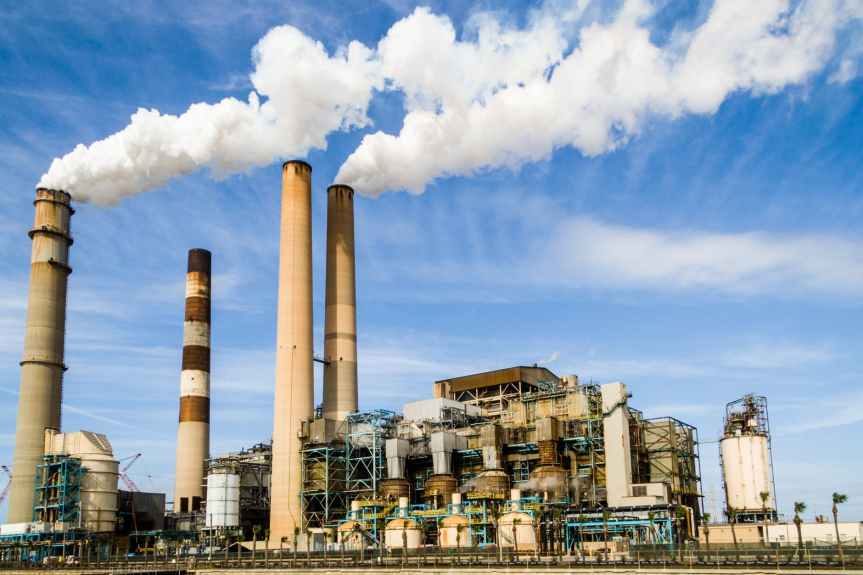
AIR POLLUTION – Increasing industrialization has paved the way for poisonous gases to enter the atmosphere. This in turn creates adverse effects like respiratory and other diseases in human beings. The carbon and its oxides released by the burning of coal and fossil fuels are absorbed by the trees. But as we started cutting trees to find areas for accommodation, these carbon oxides mix the atmosphere and pollutes it. The fresh oxygen we breathe thus gets contaminated and can give rise to many skin diseases and respiratory disorders like asthma, bronchitis, etc. These impacts could be decreased by following afforestation and reforestation and adopting the use of natural gases and biogas.

WATER POLLUTION – Introduction of industrial effluents, pesticides and insecticides, domestic waste, detergents, and fertilizers contaminate the water bodies. Water pollutants are released directly to the nearby water sources without proper treatment. These pollutants in water mix up with all the water bodies and finally contaminate the ocean by the formation of algae which creates a threat to aquatic life. It also generates unfavorable effects on humans and affects the food chain. It causes communicable and non-communicable diseases like cholera, typhoid, dengue, etc. This could be prevented by conserving water, treating sewage before it is disposed and use of eco-friendly products.

SOIL POLLUTION – Soil pollution refers to the existence of chemicals, toxic compounds, salts, and radioactive elements in the layers of soil. Discharge of toxicants from industries, stagnation of polluted water, heavy metals, and other solvents stay in the soil and make it infertile for cultivation. Due to this, the texture and quality of the soil are lost damaging the growth of plants and organisms living in the soil. Percolation of dirty water, dumping of fuels and oils, dumping of pharmaceutical and other medical wastes also adds to soil pollution. These influence humans indirectly through the plants that we consume as food. Industrialists should follow the environment protection norms strictly and individuals must start practicing the 3Rs – Reduce, Reuse and Recycle the to lessen soil pollution. 

NOISE POLLUTION – This form of pollution is increasing and creating an unsafe environment. The increase in sound levels becomes dangerous for living creatures and causes several disturbances in society. An increase in industries, technology, use of vehicles, parties, bursting crackers, and loud political meetings contribute a lot to noise pollution. Unlike, other pollution, noise pollution can also bring about serious issues like hearing impairment and other troubles in the eardrums. Not only humans, but this kind of pollution also badly hits the wildlife. We must become aware of these unnoticed yields and help in building a safer and better society.

What is Bone Tissue Engineering?

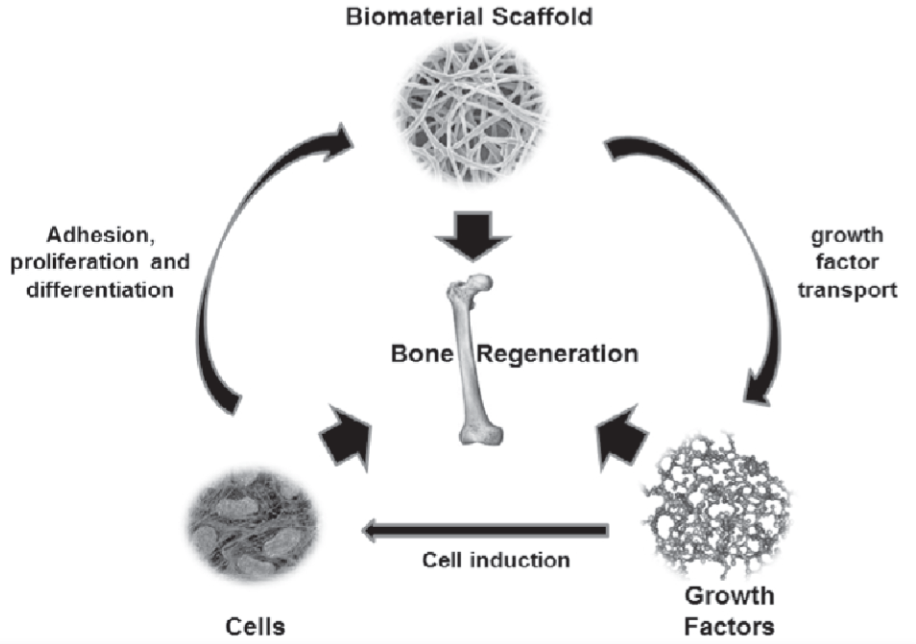
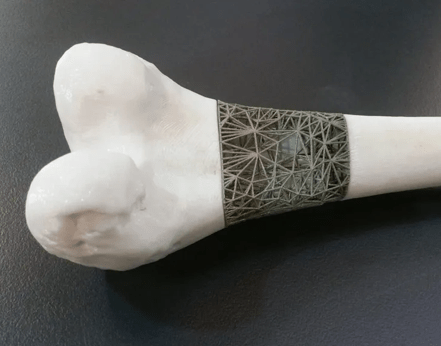
Bone development involves the aggregation of mesenchymal stem cells into mesenchymal condensations, which is partly similar to tooth development but without the epithelial invagination. Bone has a high potential for endogenous self-repair.There are two types bone formation: intra-membranous and endochondral. In endochondral bone formation, the mesenchymal condensations first undergo chondrogenesis and then ossification to form cartilage and bone. During adulthood, bone possesses the intrinsic capacity for regeneration throughout life. In most bone injuries or fractures, the damaged bone tissue can be functionally regenerated by the local cells. However, when the fractures are serious such as large bone defects created by trauma, infection, tumour resection, and skeletal abnormalities enough that self-healing cannot repair, an adequate supply of stem cells such as bone marrow stem cells is required for efficient bone regeneration. Oral MSCs seem to be ideal candidates for bone regeneration. Due to the population ageing, human diseases with impaired bone regeneration are on the rise.

CURRENT STRATEGIES

Current strategies to facilitate one healing include various biomolecules, cellular therapies, biomaterials and different combinations of these. Animal models for testing novel regenerative therapies remain the gold standard in pre-clinical phases of drug discovery and development. For usage of animal models for human bone regeneration skeletal characteristics of the selected animal species should considered seriously; a suitable animal model should be studied which basically mimics the intended clinical indication; and all the cell based approaches should be specifically studied.

Pancreas Regeneration in Human Regenerative Therapy

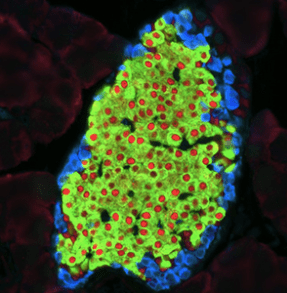
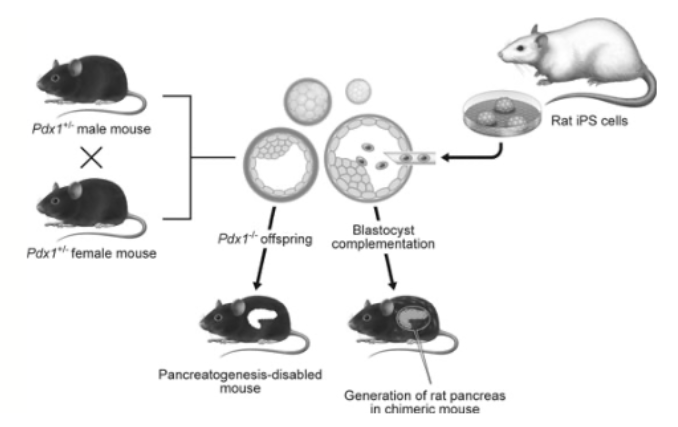
Diabetes, a disease with 346 million sufferers worldwide, is a significant health and welfare problem that the modern society faces. The pancreas is made from two distinct components: the exocrine pancreas, a reservoir of digestive enzymes, and the endocrine islets the source of the vital metabolic hormone insulin. Human islets possess limited regenerative ability; loss of islet ß-cells in diseases such as type 1 diabetes requires therapeutic intervention.the leading strategy for restoration of ß-cell mass is through the generation and transplantation of new ß-cells derived from human pluripotent stem cells. Other approaches include stimulating endogenous ß-cell proliferation, reprogramming non ß-cells to ß like cells, and harvesting islets from genetically engineered animals. Together these approaches form genetically engineered animals. Together these approaches form a rich pipeline of therapeutic development for pancreatic regeneration.

At present, however, transplantation therapy has the problem of an acute shortage of donor organs or tissues. An innovative study has recently been conducted showing that it may be possible to induce pancreatic regeneration. There is a long history of investigations into pancreatic regeneration, going back nearly a century. The epidemic of diabetes in recent decades has spurred numerous studies on pancreas development, homeostasis, and regeneration. Animal studies have suggested that the exocrine pancreas possesses an intrinsic capacity for regeneration and thus can make a rapid and full recovery from exocrine diseases such as acute pancreatitis. By contrast, the endocrine islets have limited regenerative capacity in adults. Indeed, it remains unclear whether the adult human pancreas can spontaneously regenerate ß-cells in any physiologically meaningful way. Substantial ß-cell loss therefore results in permanent endocrine deficiency and irreversible diabetes. There is an increasing consensus that a regenerative medicine approach will be helpful, even essential, in treating certain forms of diabetes including T1D and possibly the subset of T2D in which there is substantial ß-cell loss.

SNAKE ISLAND

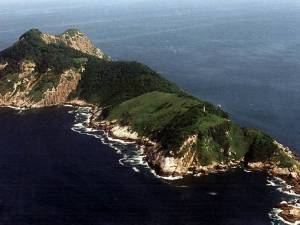
No humans are allowed on Snake Island and with good reason. There’s about one deadly snake per square foot on it.

SHAKE ISLAND

About 25 miles off the coast of Brazil, there is an island where no local would ever dare to say its name. It is said that the last fisherman who strayed too close to its shores was found days later in his own boat lifeless in a pool of blood.

The mysterious island is known as Ilha da Queimada Grande.

The danger on the island comes in the form of the golden lancehead snakes – a species of pit viper and one of the deadliest serpents in the world.

golden lancehead

The lanceheads can grow to be over a foot-and-a-half long and it’s estimated that there are between 2,000 and 4,000 snakes on the island. Snake Island used to be part of Brazil’s mainland, but when sea levels rose over 10,000 years ago, it separated the landmass and turned it into an island. Since the island vipers had no prey but birds they evolved to have extra-potent venom so that they could almost immediately kill any bird. 

Assam: A Doctor infected with Alpha and Delta Variants simultaneously

First time a female doctor is found infected with both Alpha and Delta Variant of Covid-19. The doctor was simultaneously infected with both the virus and doctors have said that the condition of patient is fine and she will recover later.

The officilas have said that there is nothing to worry and the women will soon recover.

The women have previously been vaccinated and receiving the treatment as any other patient of Covid-19.

Earlier this month a Belgium Women was found infected with both the variants. The women died after five days when her conditions worsened following a collapse of her respiratory system, That happen due to being infected with both the variants of Corona Virus.

What Is Ikigai?

Ikigai (ee-key-guy) is a Japanese notion that combines the words iki, which means “alive” or “life,” and gai, which means “benefit” or “value.” When these phrases are combined, they indicate something which provides your life value, significance, or goal.

The notion of ikigai is claimed to have originated from traditional Japanese medicine’s core health and wellness concepts. According to this medical tradition, one’s physiological well-being is influenced by one’s mental wellbeing and perception of meaning in life

Explanations of ikigai are frequently associated with components of social identity, such as job and family life, but it is also explained as something more. It is the concept of finding meaning in all you are doing in life. Interests, relationships, public service and traveling all contribute to your ikigai.

Ikigai is frequently connected with a Venn diagram depicting the points where the following elements overlap:

  • What you love
  • What you are good at
  • What the world needs
  • What you can be paid for

THE DIFFERENT SPHERES OF IKIGAI

WHAT YOU LOVE

This sphere contains everything we do or encounter in life that offers us the most joy and helps us feel the most lively and satisfied. What matters is that we give ourselves permission to think very carefully as to what we enjoy, without regard for whether we are excellent at it, whether the world needs it, or if we can be paid to do it.

WHAT ARE YOU GOOD AT

This sphere contains whatever you are exceptionally great at, such as abilities you’ve learned, interests you’ve pursued, talents you’ve demonstrated since a young age, and so on. It’s possible that you’re excellent at something. This category includes skills or capabilities, regardless of if you are passionate about them, if the world needs them, or if you can be compensated for them.

WHAT THE WORLD NEEDS

The “world” here could refer to mankind overall, a local group with whom you are in contact, or somewhere in between. Whatever the world requires may be established based on your perceptions or the requirements voiced by others. Outside one’s own needs, this area of ikigai links most directly with other people and doing good for others.

WHAT YOU CAN BE PAID FOR

This domain of the diagram also alludes to the world or society as a whole, because it involves what somebody else is prepared to pay you for. Whether you can get compensated for your interests or skills is determined by circumstances such as the condition of the economy, the demand for your passions/talents, and so on.

A “balance point” in this ikigai diagram would thus include something that you are passionate about, are also skilled at, that perhaps the world really needs currently, and for which you will get paid.

IN PURSUIT OF A PURPOSE

Everybody, according to the Japanese culture, possesses ikigai. It denotes the worth that one discovers in their life or the things which make one feel as though their life is worthwhile. It pertains to both mental and spiritual situations that give one the impression that their existence has meaning.

What particularly appeals to me about ikigai is its interchangeability. It is unique to each individual and recognises that the concept of “happy” is really rather complex. Ikigai, as an idea, can grow alongside you. If one route of purpose is no longer available, you may adapt, shift, and follow other pursuits with purpose. This is accommodated by Ikigai.

Even though the present really doesn’t seem right, if you do not feel genuinely valued in your current condition but have a great desire to strive towards, you will have discovered your ikigai.

We frequently measure ourselves to everyone else, and when people around us appear to be doing better than us, we might feel like losers We soon overlook what we’re aiming for and we reject our current journey. This is where I believe ikigai may truly help. When we follow the concepts of ikigai, we are brought back to ourselves, towards our own purposes, and to the road we are taking to get there. Ikigai is just as much about adjustments, difficulties, and blunders as it is about achieving the “ideal” goal of a contented existence.

The concept in itself is not innovative or revolutionary, but it’s worth remembering.

What is Xenotransplantation?

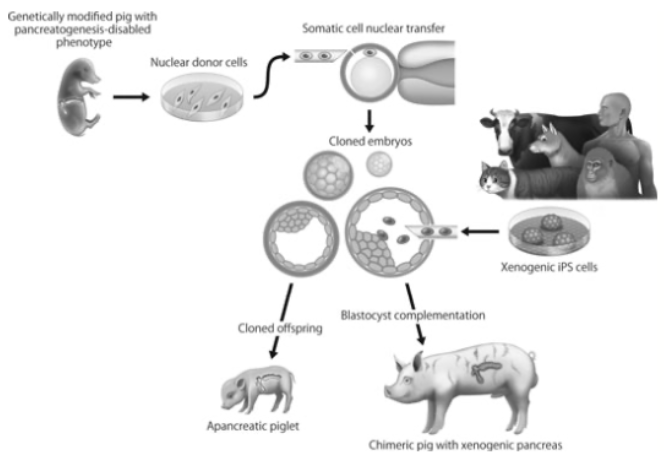
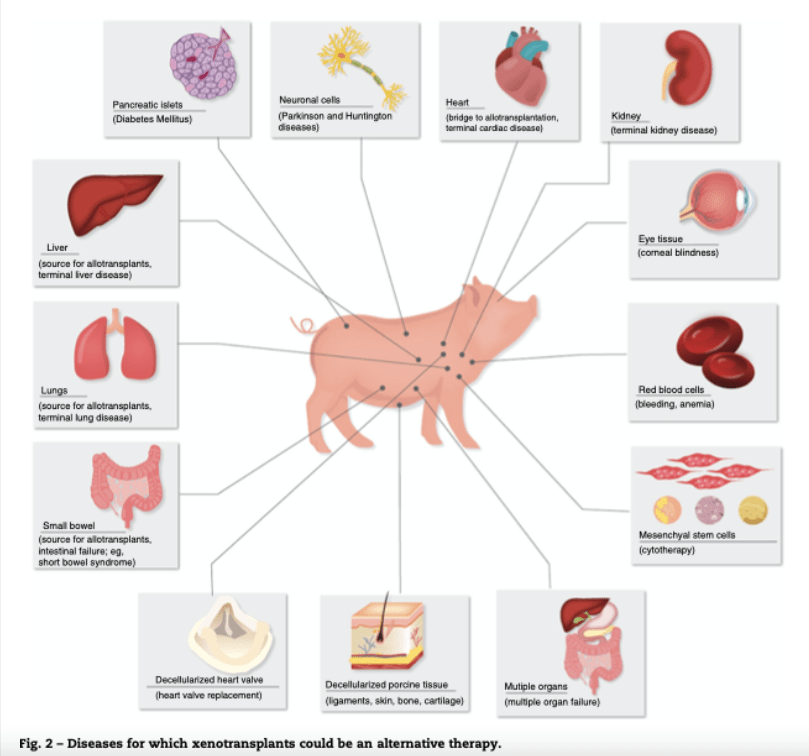
Xenotransplantation is the transplantation of cells, tissue or other organs between phylogenetically different species. The process of grafting organs or tissues between members of different of different species. It is any procedure that involves the transplantation, implantation or infusion into a human recipient of either live cells, tissues or organs from a non human animal source or human body fluids, cells, tissues, or organs that have had ex-vivo contact with live non human animal cells, tissues or organs. The development of xenotransplantation is driven by the fact that the demand for human organs for clinical transplantation far exceeds the supply.

Currently main problem is the long waiting list, according to World Health Organization (WHO), more than 114,000 organs transplantation are performed every year worldwide, which is only the 10% of the actual need currently.

The main advantage of xenotransplant is that they would provide an easily available animal source with an unlimited supply of donor organs. Ethically, pigs are an acceptable option for an alternative organ source. However, this solution is immunologically less desirable than non human primates, due to genetic distance between pigs and humans. Pig xenotransplant in non human primates have progressed a great deal, and the first clinical trials of complete organ xenografts will likely involve patients with renal failure. These patients could be selected because they have a high degree of sanitisation, which prevents them from easily obtaining an allograft.

THE INSPIRING STORY OF THE MISSILE MAN – APJ ABDUL KALAM

“IF YOU WANT TO SHINE LIKE A SUN, FIRST BURN LIKE A SUN”- KALAM

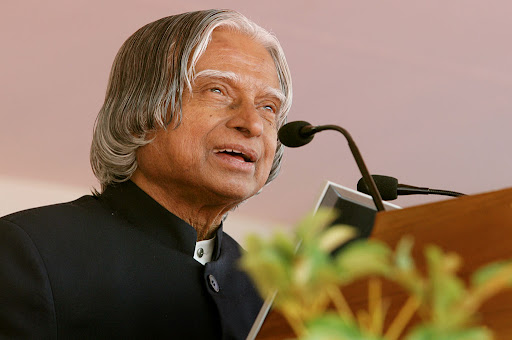
Avul Pakir Jainulabdeen Abdul Kalam was the man loved by all the Indian as well as he was respected outside the India also. Kalam was the man with 0 haters he was one who gave the wings to fly. From a newspaper delivery boy to the President of Indian, his great contribution toward India is remarkable which cannot be ignored.

Let’s read more about the success of the missile man of India-

EARLY LIFE AND CHILDHOOD

Kalam was born on 15th October 1931 in a Tamil Muslim family in the city of Tamil Nadu, Rameswaram. Jainulabdeen, Kalam’s father was a boat owner and IMAM of a local mosque, Ashiamma his mother was a home maker. He was blessed with 4 brothers and 1 sister. He was the youngest among all the siblings.

In his childhood, due to the financial crisis in the family, Kalam was forced to sell newspaper at a very young age to support his family. Kalam was an average student during his school time, but he was hardworking, good learner as well as a bright student as per his teacher’s saying. Abdul Kalam completed his schooling in Schwartz Higher Secondary School. In the year 1954 he completed his graduation in physics from Saint Joseph’s College. Later in the year 1955, Kalam went to Madras Institute Of Technology to study aerospace engineering.

Kalam’s wanted to be a fighter pilot, but he almost missed his dream, as there were only 8 position and Kalam secure 9th position in the qualifiers of Indian Air Force (AIF).

ABDUL KALAM’S CAREER

Career as scientist: – After completing his graduation from Madras University in the year 1960. Kalam joined Aeronautical Development Establishment of the Defense Research and Development Organization [DRDO] as a scientist. His career began when he started to design small hovercraft, but he was not happy as he was not satisfied with his job. Later in the year 1969, he was appointed as the director of India’s 1st Satellite launch vehicle [SLV-III] in Indian Space Research Organization  [ISRO] which was successful in July 1980. Tremendous and huge contribution and efforts of Kalam in the development of Polar Satellite Launch Vehicle [PSLV] and SLV-III launched between 1970s and 1990s and by the grace of God both were successful and one of the most important victory for India. Kalam was also invited to witness the India’s first nuclear test ‘’Smiling Buddha” by Raja Ramanna.

Career as president: – Abdul kalam became 11th President of India in the year 2002, he was 3rd president of India who was honoured with Bharat Ratna before he became the President. He was the only scientist and bachelor to occupy ‘Rashtrapati Bhawan’.

The Tragic death of Kalam: – On 27th July, when he of 83, we lost the gem of India. When kalam was delivering a seminar on “Creating a liveable planet Earth” at IIM Shillong, he collapsed he was rush to near by hospital, but he was dead at that time due to the cardiac arrest. APJ Abdul Kalam was famously knowns as ‘Missile Man of India’. He was the one who made India to fly high and achieve success. He was love by children and his story inspires us for the success.  

M PHASE in Mitosis

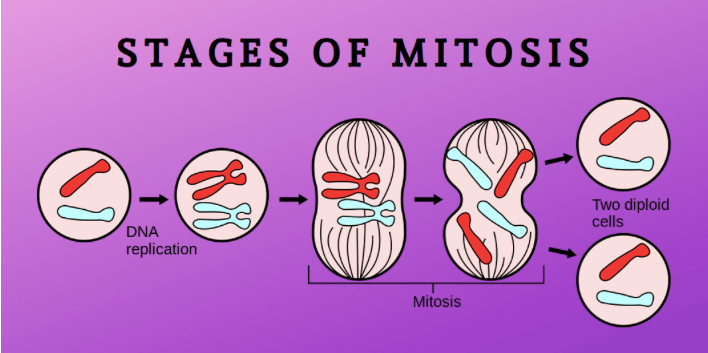
This is the most important and dramatic period of the cell cycle involving a major reorganisation of virtually all components of the cell cycle. And since the number of chromosomes in the parent and progeny cells is the same, it is also called as equational division. This has mainly consists of nuclear division in various stages (karyokinesis). This phase is complex and highly regulated and sequence of events are divided into phases. Karyokinesis involves following stages:

  • PROPHASE
  • METAPHASE 
  • ANAPHASE
  • TELOPHASE 
  • CYTOKINESIS

PROPHASE

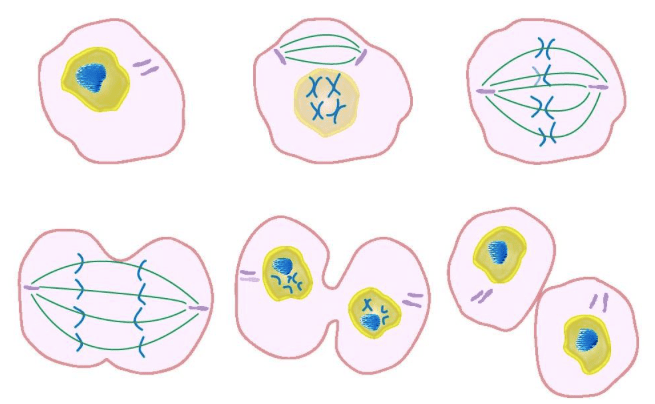
Prophase which is the first stage of karyokinesis of mitosis follows the S and G2 phases of interphase. Prophase is marked by the initiation of condensation of chromosomal material. The chromosomal material becomes untangled during the process of chromatin condensation. The centrosome, which had undergone duplication during S phase of interphase, now begins to move towards opposite poles of the cell.︎︎︎ Chromosomal material condenses to form compact mitotic chromosomes. Chromosomes are seen to be composed of two chromatids attached together at the centromere. Centrosome which had undergone duplication during interphase, begins to move towards opposite poles of the cell. Each centrosome radiates out microtubules called asters. The two asters together with spindle fibres forms mitotic apparatus. Cells at the end of prophase, when viewed under the microscope, golgi complexes, endoplasmic reticulum, nucleolus and the nuclear envelope are not present.

METAPHASE

The complete disintegration of the nuclear envelope marks the start of the second phase of mitosis, and therefore the chromosomes are spread through the cytoplasm of the cell. By this stage, condensation of chromosomes is completed and they can be observed clearly under the microscope. At this stage, metaphase chromosome is made up of two sister chromatids, which are held together by the centromere. Small disc-shaped structures at the surface of the centromeres are called kinetochores. These structures serve as the sites of attachment of spindle fibres which are formed by the spindle fibres to the chromosomes that are moved into position at the centre of the cell. Hence, the metaphase is characterised by all the chromosomes coming to lie at the equator with one chromatid of each chromosome connected by its kinetochore to spindle fibres from one pole and its sister chromatid connected by its kinetochore to spindle fibres from the opposite pole. The plane of alignment of the chromosomes at metaphase is referred to as the metaphase plate.︎︎︎︎ main event Spindle fibres attach to kinetochores of chromosomes. Chromosomes are moved to spindle equator and get aligned along metaphase plate through spindle fibres to both poles.

ANAPHASE

At the onset of anaphase, each chromosome arranged at the metaphase plate is split simultaneously and the two daughter chromatids, now referred to as daughter chromosomes of the future daughter nuclei. They basically begin their migration towards the two opposite poles. As each chromosome moves away from the equatorial plate, the centromere of each chromosome remains directed towards the pole and hence at the leading edge, with the arms of the chromosome trailing behind. Anaphase stage is characterised by spli`ng of centrosome and separation of chromatids and chromatids move to opposite poles.

TELOPHASE

At the beginning of telophase which is the final stage of karyokinesis, the chromosomes that have reached their respective poles de-condense and lose their individuality as in they just get dissolved and are not in the shape of chromosomes anymore. The individual chromosomes can no longer be seen and each set of chromatin material tends to collect at each of the two poles. Chromosomes cluster at opposite spindle poles and their identity is lost as discrete elements. Nuclear envelope develops around the chromosome clusters at each pole forming two daughter nuclei. Nucleolus, golgi complex and Endoplasmic Reticulum now appears again.

CYTOKINESIS

Mitosis accomplishes not only the segregation of duplicated chromosomes into daughter nuclei which is called as karyokinesis, but the cell itself is divided into two daughter cells by the separation of cytoplasm called cytokinesis at the end of which cell division gets completed. In an animal cell, this is achieved by the appearance of a furrow in the plasma membrane. The furrow gradually deepens and ultimately joins in the centre dividing the cell cytoplasm into two. Plant cells are enclosed by a relatively inextensible cell wall. And they undergo cytokinesis by a different mechanism. In plant cells, wall formation starts in the centre of the cell and grows outward to meet the existing lateral walls. The formation of the new cell wall begins with the formation of a simple precursor, called the cell-plate that represents the middle lamella between the walls of two adjacent cells. At the time of cytoplasmic division, organelles like mitochondria and plastids get distributed between the two daughter cells. In some organisms karyokinesis is not followed by cytokinesis as a result of which multinucleate condition arises leading to the formation of syncytium.

SIGNIFICANCE OF MITOSIS

  • Mitosis or the equational division is usually restricted to the diploid cells only. However, in some lower plants and in some social insects haploid cells also divide by mitosis.
  • Mitosis usually results in the production of diploid daughter cells with identical genetic complement. The growth of multicellular organisms is due to mitosis.
  • Cell growth results in disturbing the ratio between the nucleus and the cytoplasm. It therefore becomes essential for the cell to divide to restore the nucleo-cytoplasmic ratio.
  • A very significant contribution of mitosis is cell repair. The cells of the upper layer of the epidermis, cells of the lining of the gut, and blood cells are being constantly replaced.
  • Mitotic divisions in the meristematic tissues – the apical and the lateral cambium, result in a continuous growth of plants throughout their life.

Introduction to ‘Interphase’ in Mitosis

Growth and reproduction are characteristics of cells and of all living organisms. All cells reproduce by dividing into two, with each parental cell giving rise to two daughter cells each time they divide. These newly formed daughter cells can themselves grow and divide, giving rise to a new cell population that is formed by the growth and division of a single parental cell and its progeny.

Cell division is very important process in all living organisms. The cell cycle is a process a cell will go through to replicate all of its material and divide itself from one cell into two identical cells. During the division of a cell, DNA replication and cell growth also take place. All these processes, i.e., cell division, DNA replication, and cell growth have to take place in a coordinated way to ensure correct division and formation of progeny cells containing intact genomes. The sequence of events by which a cell duplicates its genome, synthesises the other constituents of the cell and eventually divides into two daughter cells is termed cell cycle. Although cell growth in terms of cytoplasmic increase is a continuous process, DNA synthesis occurs only during one specific stage in the cell cycle. The replicated chromosomes (DNA) are then distributed to daughter nuclei by a complex series of events during cell division. These events are themselves under genetic control.

PHASES OF CELL CYCLE

To divide, a cell must complete several important tasks it must grow, copy its genetic material (DNA), and physically split into two daughter cells. Cells perform these tasks in an organized, predictable series of steps that make up the cell cycle. The cell cycle is a cycle, rather than a linear pathway, because at the end of each go-round, the two daughter cells can start the exact same process over again from the beginning. These cells divide in approximately every 24 hours and mostly the duration of cell cycle can vary from organism and also from cell type to cell type.

In eukaryotic cells or cells with nucleus, the stages of the cell cycle and divided into two major phases:

INTERPHASE

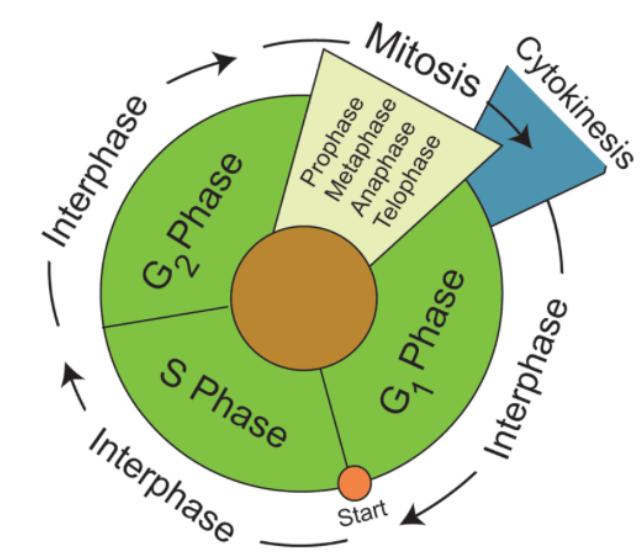
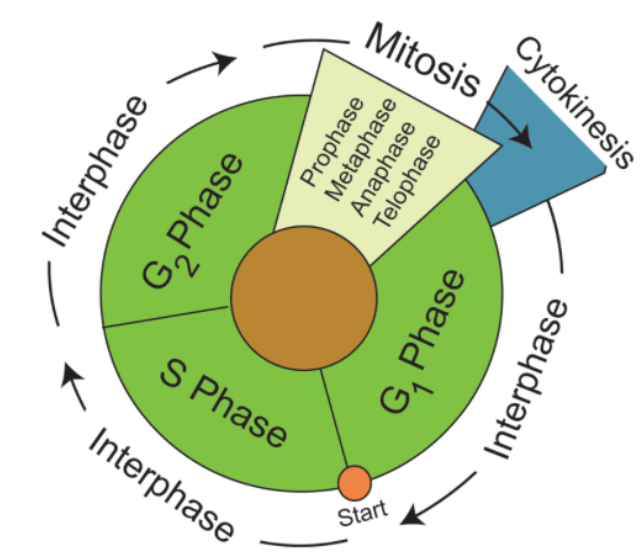
Interphase is a series of changes that takes place in a newly formed cell and its nucleus before it becomes capable of division again. It is also called preparatory phase or resting phase. It is the time during which the cell is preparing for division by undergoing both cell growth and DNA replication in an orderly manner. Typically interphase lasts for at least 91% of the total time required for the cell cycle.

Interphase proceeds in three stages, G1, S, and G2, followed by the cycle of mitosis and cytokinesis.

G1 PHASE

The first phase of the interphase is called the G1 phase or the Gap 1 phase. Also called as growth phase. The duration of G1 is highly variable, even among different cells of the same species. In this phase, the cell increases its supply of proteins, increases the number of organelles (such as mitochondria, ribosomes), and grows in size. The cells are metabolically ac/ve and con/nuously grows but does not replicate its DNA. The cells needs to con/nue cell cycle and enter S phase which is the step or the next phase of the interphase.

S PHASE

S phase or the synthesis phase marks the period during which DNA synthesis or the replication takes place. During this time the amount of DNA per cell doubles. It also duplicates a centrosome. The centrosome helps separate the DNA during Phase. However, there is no increase in the chromosome number. If the cell had diploid or 2n number of chromosomes at G1, even aTer Phase the number of chromosomes remains the same. Rates of RNA transcription and protein synthesis are very low during this phase.

G2 PHASE

It occurs after the DNA replication and is the period of protein synthesis and rapid cell growth to prepare the cell fo mitosis called as the second gap phase. During this phase the cell grows more, makes proteins and organelles and begins to recognise its contents in preparation for mitosis.

The G1, S and G2 phases together are known as the interphase. Here the the prefix inter means between, reflecting that interphase takes place between one mitotic phase or the M Phase and next.

QUIESCENT STAGE (G0)

Some cells in the adult animals do not appear to exhibit division (e.g., heart cells) and many other cells divide only occasionally, as needed to replace cells that have been lost because of injury or cell death. These cells that do not divide further exit G1 phase to enter an inactive stage called quiescent stage (G0) of the cell cycle. Cells in this stage remain metabolically active but no longer proliferate unless called on to do so depending on the requirement of the organism.

M PHASE

This is the most important and dramatic period of the cell cycle involving a major reorganisation of virtually all components of the cell cycle. And since the number of chromosomes in the parent and progeny cells is the same, it is also called as equational division. This has mainly consists of nuclear division in various stages (karyokinesis). This phase is complex and highly regulated and sequence of events are divided into phases. Karyokinesis involves following stages:

  • PROPHASE
  • METAPHASE 
  • ANAPHASE 
  • TELOPHASE
  • CYTOKINESIS

SAFETY RULES

When we are careful with fire , electricity and chemicals we will be safe.

We have to follow certain simple rules. These rules are called safety rules.

Let us see some of the rules to be followed

Don’t play with fire

Be careful when you have to light a stove with a match stick.

Be careful while using blades or knives

Use a sharpener to sharpen pencil. Don’t use a blade and knife. You may cut your fingers, if you are not careful.

While putting on switches be very careful

Don’t touch any open wire or open socket. If you touch an open wire or socket, you may get an electric shock. Don’t touch a switch with wet fingers.

Don’t drink anything from a bottle without finding out what is in it

Sometimes kerosene or phenyl will be stored in empty water bottles. So make sure what is inside the bottle.

Don’t peep into wells

Don’t bathe in a pond which is very deep. If you don’t know swimming, don’t bathe in a river.

Follow traffic rules

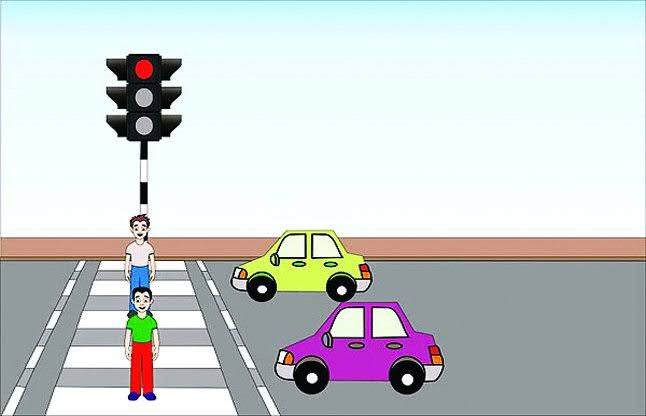
While crossing the road, use the zebra crossing. Cross the road only when the picture of a walking man is seen in the light. Anyone driving a vehicle has to stop if the traffic light is red and get ready when it is yellow and start when it is green. If we do not follow traffic rules, we will meet with accident. Don’t put your head or hand outside the window while in a car or train.

Don’t get into or get out off a moving vehicle. If you do so, you may fall down.

ONLINE SHOPPING

Introduction:

Online shopping is a form of electronic commerce which allows consumers to directly buy goods or services from a seller over the Internet using a web browser or a mobile app. Consumers find a product of interest by visiting the website of the retailer directly or by searching among alternative vendors using a shopping search engine, which displays the same product’s availability and pricing at different e-retailers. As of 2020, customers can shop online using a range of different computers and devices, including desktop computers, laptops, tablet computers and smartphones.

An online shop evokes the physical analogy of buying products or services at a regular “bricks-and-mortar” retailer or shopping center; the process is called business-to-consumer (B2C) online shopping. When an online store is set up to enable businesses to buy from another businesses, the process is called business-to-business (B2B) online shopping. A typical online store enables the customer to browse the firm’s range of products and services, view photos or images of the products, along with information about the product specifications, features and prices.

Online stores usually enable shoppers to use “search” features to find specific models, brands or items. Online customers must have access to the Internet and a valid method of payment in order to complete a transaction, such as a credit card, an Interac-enabled debit card, or a service such as PayPal. For physical products (e.g., paperback books or clothes), the e-tailer ships the products to the customer; for digital products, such as digital audio files of songs or software, the e-tailer usually sends the file to the customer over the Internet. The largest of these online retailing corporations are Alibaba, Amazon.com, and eBay.

History of Online Shopping:

One of the earliest forms of trade conducted online was IBM’s online transaction processing (OLTP) developed in the 1960s and it allowed the processing of financial transactions in real-time. The computerized ticket reservation system developed for American Airlines called Semi-Automatic Business Research Environment (SABRE) was one of its applications. Here, computer terminals located in different travel agencies were linked to a large IBM mainframe computer, which processed transactions simultaneously and coordinated them so that all travel agents had access to the same information at the same time.

The emergence of online shopping as we know today developed with the emergence of the Internet. Initially, this platform only functioned as an advertising tool for companies, providing information about its products. It quickly moved on from this simple utility to actual online shopping transaction due to the development of interactive Web pages and secure transmissions. Specifically, the growth of the internet as a secure shopping channel has developed since 1994, with the first sales of Sting album ‘Ten Summoner’s Tales’.Wine, chocolates, and flowers soon followed and were among the pioneering retail categories which fueled the growth of online shopping. Researchers found that having products that are appropriate for e-commerce was a key indicator of Internet success. Many of these products did well as they are generic products which shoppers did not need to touch and feel in order to buy. But also importantly, in the early days, there were few shoppers online and they were from a narrow segment: affluent, male, 30+. Online shopping has come along way since these early days and -in the UK- accounts for significant percents (depending on product category as percentages can vary).

Growth in Online Shoppers:

As the revenues from online sales continued to grow significantly researchers identified different types of online shoppers, Rohm & Swaninathan identified four categories and named them “convenience shoppers, variety seekers, balanced buyers, and store-oriented shoppers”. They focused on shopping motivations and found that the variety of products available and the perceived convenience of the buying online experience were significant motivating factors. This was different for offline shoppers, who were more motivated by time saving and recreational motives.

English entrepreneur Michael Aldrich was a pioneer of online shopping in 1979. His system connected a modified domestic TV to a real-time transaction processing computer via a domestic telephone line. He believed that videotex, the modified domestic TV technology with a simple menu-driven human–computer interface, was a ‘new, universally applicable, participative communication medium — the first since the invention of the telephone.’ This enabled ‘closed’ corporate information systems to be opened to ‘outside’ correspondents not just for transaction processing but also for e-messaging and information retrieval and dissemination, later known as e-business. His definition of the new mass communications medium as ‘participative’ [interactive, many-to-many] was fundamentally different from the traditional definitions of mass communication and mass media and a precursor to the social networking on the Internet 25 years later. In March 1980 he launched Redifon’s Office Revolution, which allowed consumers, customers, agents, distributors, suppliers and service companies to be connected on-line to the corporate systems and allow business transactions to be completed electronically in real-time. During the 1980s he designed, manufactured, sold, installed, maintained and supported many online shopping systems, using videotex technology. These systems which also provided voice response and handprint processing pre-date the Internet and the World Wide Web, the IBM PC, and Microsoft MS-DOS, and were installed mainly in the UK by large corporations.

The first World Wide Web server and browser, created by Tim Berners-Lee in 1989, opened for commercial use in 1991.Thereafter, subsequent technological innovations emerged in 1994: online banking, the opening of an online pizza shop by Pizza Hut, Netscape’s SSL v2 encryption standard for secure data transfer, and Intershop’s first online shopping system. The first secure retail transaction over the Web was either by NetMarket or Internet Shopping Network in 1994.Immediately after, Amazon.com launched its online shopping site in 1995 and eBay was also introduced in 1995. Alibaba’s sites Taobao and Tmall were launched in 2003 and 2008, respectively. Retailers are increasingly selling goods and services prior to availability through “pretail” for testing, building, and managing demand.

Journalism And Mass Media


Mass Communication is all about impacting the masses through news, views, and opinions. People consume the news and views through multiple mediums like radio, TV, magazines, the internet, social media, films, or any other platform. People (the masses) then form opinions based on these communications emanating from these channels. Mass communication is a broad field that includes photography, filmmaking, journalism, advertisement, public relations, content writing, blogging, and print media, among others. Here, one should note that the purpose of mass communication includes news, entertainment, and information, to name a few. 


On the other hand, journalism mainly focuses on communicating news to people across all genres – politics, economics, business, science, sports, or entertainment news. Journalism includes three simple steps: Collecting data or news, writing and editing it, validating it with facts and pictures, broadcasting it to the masses through all channels including print and electronic media. As the name suggests, print media includes newspapers and magazines, and electronic media includes TV, radio, and the Internet.


Career Opportunities in Journalism

  • TV anchor/news reporter
  • Newspaper editor/reporter
  • Proof-reader in print/electronic media
  • Content Developer in print/electronic media
  • Photojournalist
  • Translator
  • Camera manager
  • Creative designer
  • Researcher in print/electronic media
  • Producer
  • Set Manager


Career Opportunities in Mass Communication

One can expect to make a remarkable career after finishing a course in Mass Communication as there are plenty of opportunities in different fields like:

  • Branding & Advertising
  • Film Making
  • Video Editing
  • Photography
  • Public Relations
  • Radio Jockey, Video Jockey
  • Journalism
  • Content Writing and Development
  • Event Management
  • Creative Direction
  • Sound Mixing and Recording


It’s time for action, make your move now!


Star Trek Into Darkness: Explained

This is the second instalment in the reboot series set in an alternate universe. After the events of the last movie, James Kirk assumes command of the USS Enterprise and Spock continues as the first officer. The movie brings back a villain from the original series and brings back an iconic location from the past.

The movie starts with James and McCoy trying to get off a primitive planet observed by them, Spock is trying to diffuse a cataclysmic volcanic eruption to prevent the planets destruction. Upon learning that Spock will not make it out alive, James violates the prime directive to save Spock. The prime directive prohibits the Starfleet from interfering with natural progress of a planet and its species. Spock reports this break of protocol to the Starfleet command, this causes James to be demoted to first officer and Spock to be transferred to a different ship. Rear admiral Pike is reinstated as the captain of the USS Enterprise. Shortly after a bombing in London, an emergency meeting is called. This bombing is revealed to be a trap by commander John Harrison who wanted to gather the superiors together, Harrison uses the meeting to kill most of the superiors before fleeing to the Klingon home world Kronos.

Admiral Marcus reinstates James and Spock to the Enterprise, he orders them to kill Harrison with a classified stealth torpedo. Scotty resigns after James allows the torpedos to be loaded on the enterprise, James promotes Pavel Chekov to the position of Chief Engineer. James leads the Enterprise to Kronos, he leads a small group of himself, Spock and Uhura to the surface of Kronos to retrieve Harrison. They are ambushed by Klingon patrols while looking for Harrison, they end up being rescued by Harrison who surrenders to the Starfleet.

A captured Harrison urges James to open a torpedo, McCoy and Dr Carol Marcus open a torpedo to discover a cryogenically frozen human. Harrison reveals his real identity as Khan Noonien Singh a genetically engineered superhuman, he was awoken by Marcus and forced to develop weapons. Khan reveals that Marcus wishes to start a war with the Klingon Empire, he also gives James a set of coordinates which James asks Scotty to investigate. Scotty follows the coordinates and finds a covert Starfleet facility.

Marcus intercepts the Enterprise in his own ship USS Vengeance which is a much larger warship, Marcus demands that James deliver Khan to him. James commands the Enterprise to set a course to earth, he aims to expose Marcus. Vengeance disables the Enterprise near the moon and prepares to attack, Carol reveals her presence on board to try and stop the attack. Marcus forcibly beams his daughter back to his ship and orders the Enterprise’s destruction. Scotty who secretly climbed aboard the Vengeance prevents the Enterprises destruction by powering the Vengeance down.

James uses this opportunity to space jump onto the Vengeance with Khan to defeat Marcus. After fighting their way to the bridge Khan kills Marcus and turns on the Enterprises officers, he assumes command of the Vengeance and demands the torpedos that contain his crew. Spock and McCoy comply but remove the frozen crew from the torpedos. The officers are returned to the Enterprise before Khan could learn the truth. An enraged Khan shoots at the Enterprise and manages to damage it, Spock detonates the torpedos given to Khan. Both the ships are damaged and get trapped in the Earth’s gravity, James enters the Enterprises reactor to manually realign the ship.

Khan crashes the Vengeance in San Francisco to destroy the Starfleet base. Spock chases Khan in the city to capture him, after a brief fight with Uhura’s help Khan is captured. McCoy uses Khans blood that has regenerative properties to save James’s life. Khan is resealed cryogenically with his crew. One year later the Enterprise prepares for a 5 year mission, James once again leads the Enterprise towards its goals.

This wrap the penultimate chapter in the Rebooted series, we will take a look at the final chapter soon. Until then Live Long and Prosper.