HISTORY OF CRICKET

Early Cricket(pre 1799)

There is a consensus of expert opinion that cricket may have been invented during Saxon or Norman times by children living in the Weald, an area of dense woodlands and clearings in south-east England. The first reference to cricket being played as an adult sport was in 1611, and in the same year, a dictionary defined cricket as a boys’ game. There is also the thought that cricket may have derived from bowls, by the intervention of a batsman trying to stop the ball from reaching its target by hitting it away.

Village cricket had developed by the middle of the 17th century and the first English “county teams” were formed in the second half of the century, as “local experts” from village cricket were employed as the earliest professionals. The first known game in which the teams use county names is in 1709.
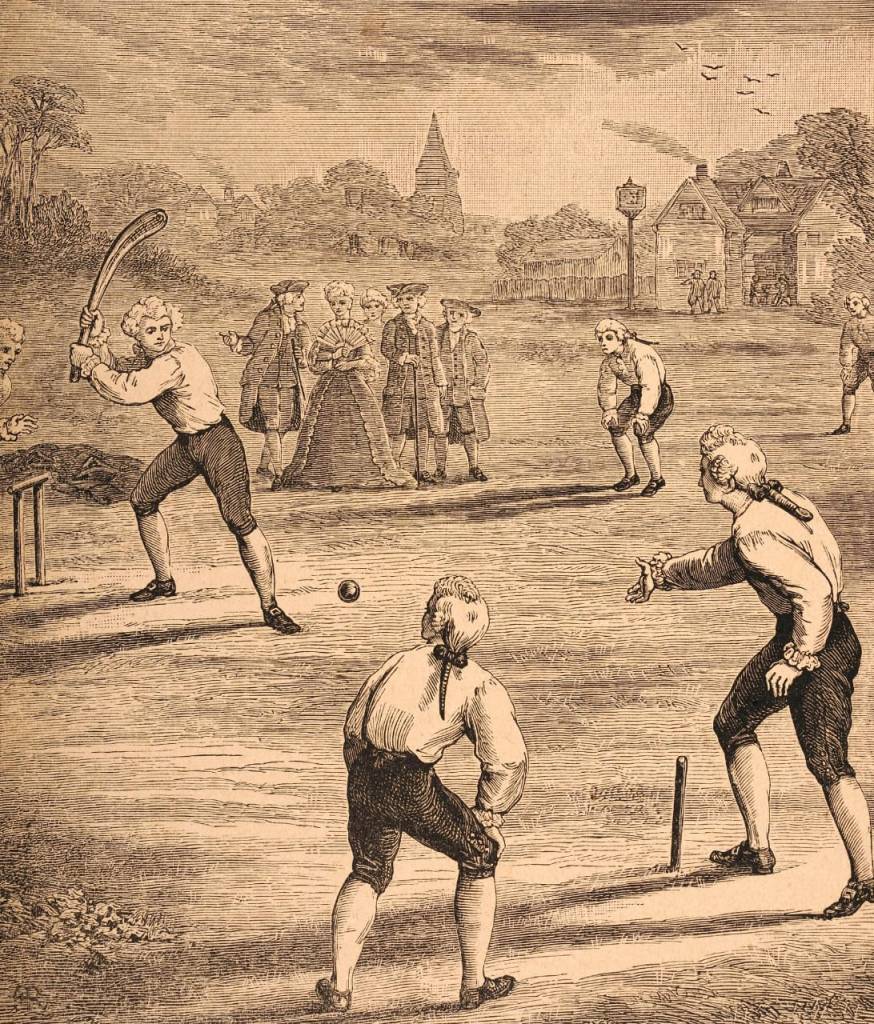
In the first half of the 18th Century cricket established itself as a leading sport in London and the south-eastern counties of England. Its spread was limited by the constraints of travel, but it was slowly gaining popularity in other parts of England and Women’s Cricket dates back to the 1745, when the first known match was played in Surrey.

In 1744, the first Laws of Cricket were written and subsequently amended in 1774, when innovations such as lbw, a 3rd stump, – the middle stump and a maximum bat width were added. The codes were drawn up by the “Star and Garter Club” whose members ultimately founded the famous Marylebone Cricket Club at Lord’s in 1787. MCC immediately became the custodian of the Laws and has made revisions ever since then to the current day.

Rolling the ball along the ground was superseded sometime after 1760 when bowlers began to pitch the ball and in response to that innovation the straight bat replaced the old “hockey-stick” style of bat. The Hambledon Club in Hampshire was the focal point of the game for about thirty years until the formation of MCC and the opening of Lord’s Cricket Ground in 1787.

Cricket was introduced to North America via the English colonies as early as the 17th century, and in the 18th century it arrived in other parts of the globe. It was introduced to the West Indies by colonists and to India by British East India Company mariners. It arrived in Australia almost as soon as colonisation began in 1788 and the sport reached New Zealand and South Africa in the early years of the 19th century.

19th century cricket

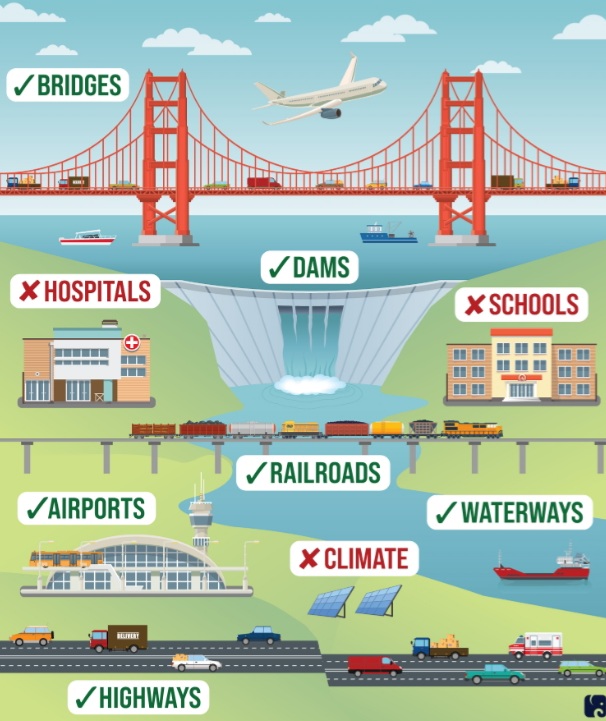
The growth of cricket in the mid and late 19th century was assisted by the development of the railway network. For the first time, teams from a long distance apart could play one other without a prohibitively time-consuming journey. Spectators could travel longer distances to matches, increasing the size of crowds. Army units around the Empire had time on their hands, and encouraged the locals so they could have some entertaining competition. Most of the Empire embraced cricket, with the exception of Canada.

In 1864, another bowling revolution resulted in the legalisation of overarm and in the same year Wisden Cricketers’ Almanack was first published. W. G. Grace began his long and influential career at this time, his feats doing much to increase cricket’s popularity. He introduced technical innovations which revolutionised the game, particularly in batting.
20th century cricket

Growth of Test Cricket:

When the Imperial Cricket Conference (as it was originally called) was founded in 1909, only England, Australia and South Africa were members. West Indies (1928), New Zealand (1930) and India (1932) became Test nations before World War II and Pakistan (1952) soon afterwards. The international game grew with several ICC Affiliate Members being appointed and, in the last quarter of the 20th century, three of those became full members: Sri Lanka (1982), Zimbabwe (1992) and Bangladesh (2000). They were followed in the early 21st century by Ireland and Afghanistan (both 2018).

Test cricket remained the sport’s highest level of standard throughout the 20th century but it had its problems, notably in the infamous “Bodyline Series” of 1932–33 when Douglas Jardine’s England used so-called “leg theory” to try and neutralise the run-scoring brilliance of Australia’s Don Bradman.

Analytic and Graphic Technology:

Limited-overs cricket increased television ratings for cricket coverage. Innovative techniques introduced in coverage of limited-over matches were soon adopted for Test coverage. The innovations included presentation of in-depth statistics and graphical analysis, placing miniature cameras in the stumps, multiple usage of cameras to provide shots from several locations around the ground, high-speed photography and computer graphics technology enabling television viewers to study the course of a delivery and help them understand an umpire’s decision.

In 1992, the use of a third umpire to adjudicate run-out appeals with television replays was introduced in the Test series between South Africa and India. The third umpire’s duties have subsequently expanded to include decisions on other aspects of play such as stumpings, catches and boundaries. From 2011, the third umpire was being called upon to moderate review of umpires’ decisions, including LBW, with the aid of virtual-reality tracking technologies (e.g., Hawk-Eye and Hot Spot), though such measures still could not free some disputed decisions from heated controversy.

21st century cricket

In June 2001, the ICC introduced a “Test Championship Table” and, in October 2002, a “One-day International Championship Table”. As indicated by ICC rankings, the various cricket formats have continued to be a major competitive sport in most former British Empire countries, notably the Indian subcontinent, and new participants including the Netherlands. In 2017, the number of countries with full ICC membership was increased to twelve by the addition of Afghanistan and Ireland.

The ICC expanded its development programme, aiming to produce more national teams capable of competing at the various formats. Development efforts are focused on African and Asian nations, and on the United States. In 2004, the ICC Intercontinental Cup brought first-class cricket to 12 nations, mostly for the first time. Cricket’s newest innovation is Twenty20, essentially an evening entertainment. It has so far enjoyed enormous popularity and has attracted large attendances at matches as well as good TV audience ratings. The inaugural ICC Twenty20 World Cup tournament was held in 2007. The formation of Twenty20 leagues in India – the unofficial Indian Cricket League, which started in 2007, and the official Indian Premier League, starting in 2008 – raised much speculation in the cricketing press about their effect on the future of cricket.
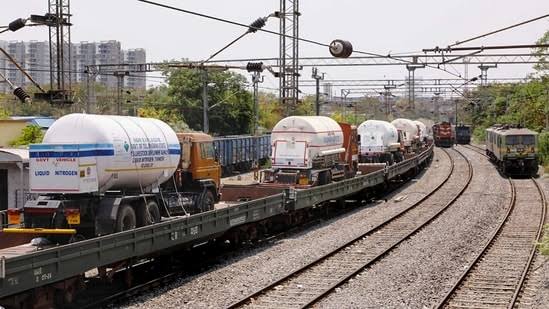
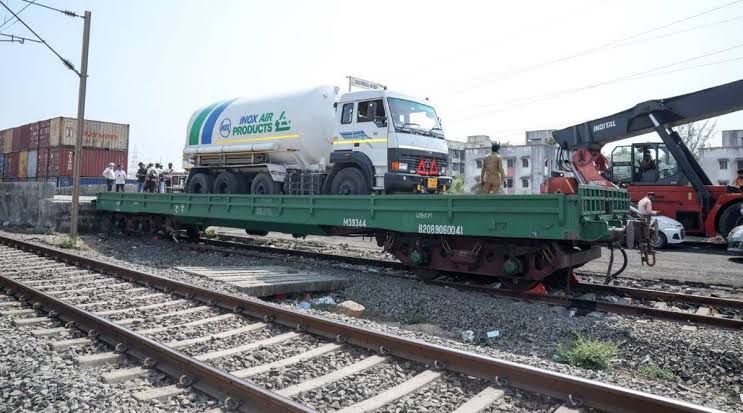
Indian Railways ran the life-giving “Oxygen Express” on the rail track

OVERVIEW :-

COVID-19 is one of the most disastrous epidemic in the last 100 years. It has killed millions of people and ruined the lives of many people. It has destroyed more or less many families around the globe. Millions of jobs lost and there is a sudden rise in unemployment throughout the world. Whether a developed country or not, all have suffered equally in this pandemic.
Besides all these, it is posting new threats every day. New variants of this pandemic are reported regularly. These variants affect people in different ways. Even the medical facilities get exhausted very quickly. This was the similar case of India. In the 2nd wave of COVID-19, India saw a sudden increase in the requirement of Liquid Medical Oxygen (LMO) for Covid positive patients. India never felt the requirement of that much amount of LMO previously. Due to this, India was left with the shortage of transport facilities to transport LMO from oxygen-generating plants to hospitals as these plants were far away from hospitals. Even the time required to transport LMO by road was quite high.
In this situation, Indian Railways stood up and decided to run “Oxygen Express” to the states were there was acute shortage of LMO.

“OXYGEN EXPRESS” LOADED WITH TANKERS FILLED WITH LMO

The first “Oxygen Express” ran by Indian Railways was on 20th April 2021 loaded with LMO carrying tankers from Vizag. But the process of running “Oxygen Express” was not so easy for railways as this idea was first of its kind and was not tried before.

DIFFICULTIES FACED DURING THE PROCESS OF RUNNING “OXYGEN EXPRESS” :-

  • Indian Railways had no prior experience of running this kind of “Oxygen Express” anytime before.
  • The height of the tankers loaded on oxygen express was more as compared to rail coaches. This also created a major problem.
  • “Due to restrictions of height of Road Over Bridges (ROBs) and Over Head Equipment (OHE) at certain locations, out of the various specifications of road tankers, the model of road tanker T 1618 with height of 3320 mm was found feasible to be placed on flat wagons (DBKM) with height of 1290 mm,” the release by Indian Railways added.
TRAILS WERE CONDUCTED BEFORE RUNNING “OXYGEN EXPRESS”
  • It was decided that the tankers would be organized by Transport Commissioner, Maharashtra. These empty tankers would be moved from Kalamboli/Boisar, Railway stations in and near Mumbai, and sent to Vizag and Jamshedpur/Rourkela/Bokaro, for loading of liquid medical oxygen tankers from there ,”said a railway official after a meeting held on 17th April, 2021.
  • Before running of the first official “Oxygen Express” on 20th April, trial runs were conducted on railway tracks to check whether it is possible to run “Oxygen Express” on track or not. After the railway officials were satisfied and the trials were successful only then the permission to run “Oxygen Express” was given.

CONCLUSION :-

“Oxygen Express” ran as per the priority basis that means where LMO requirement was more and availability was quite less then “Oxygen Express” was allotted to that state. A total of 313 Oxygen Express trains run by Indian Railways have delivered 21,392 metric tonnes (MT) of liquid medical oxygen across the country. In this way, Indian Railways came out as the saviour of millions of lives in India by its great initiative to run “Oxygen Express”.

Links :-

EDUCATIONAL TECHNOLOGY: AN OVERVIEW

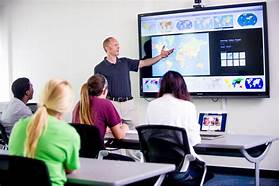
Educational technology is a field of study that investigates the process of analyzing, designing, developing, implementing, and evaluating the instructional environment and learning materials in order to improve teaching and learning. it is important to keep in mind that the purpose of educational technology is to improve education. we must define the goals and needs of education first and then we use all our knowledge, including technology, to design the most effective learning environment for students. instructional technology can also be seen as a process of solving educational problems and concerns, which might include motivation, discipline, drop-out-rate, school violence basic skills, critical thinking, and the whole list of educational concerns. first the problem is identified an analysis of the factors of the problem is made, and possible solutions to the problem are presented. then, the student population and the curriculum are analyzed. the next step is to select the most appropriate instructional strategies for the particular situation. next instructional materials and resources are selected that are suitable for the curriculum and the mode of instruction chosen. finally the program is implemented, evaluated, and revised as needed in order to meet the stated goals for school improvement.

The learning materials today have greatly expanded because of the various technological advances. Instructional materials include more conventional materials, such as the black board, overhead projectors, televisions, VCRs, overhead projectors, slide projectors, and opaque projectors, as well as newer materials, such as the computer, various software applications, LCD projectors, camcorders, digital cameras, scanners, the internet, the satellite, interactive T.V, audio and video conferencing, artificial intelligence, and so on. The issue of what this materials are and how to use them is a first step. But we must quickly begin to discuss how these materials should be used and how they affect the curriculum and instruction in our schools. Technology can be used to perpetuate teacher-led, knowledge-based learning approach or it can be used to help us implement a student-centered, constructivist, and progressive approach. We need to help teachers to understand the bigger picture of technology can revolutionize education. Remember in all of these areas of educational technology that the goal of improving a specific aspect of teaching and learning comes first. Technology is selected to help us meet these goals.

SOFTWARE TYPES: Drill and practice, tutorials of computer based instruction, and simulations. Teachers need to know what these are as well as why, when, and how to incorporate them into their teaching

EQUIPMENT USE: Digital camera, scanner, camcorder, CD writer, computer, modern, printer, VCR, LCD projector, laser-disk player. Teachers need to know how to use them and how they can be used in a classroom.

AUDIO AND VIDEO CONFERENCING: Understand what these are and how to incorporate them into educational process. Understand various teaching materials that best utilize these tools. Understand how these can affect how we learn.

CLASSROOM CONFIGURATIONS: How to best equip and utilize technology in the classroom. How to use the technology in the classroom. Classrooms need multimedia technology in each classroom. Teachers need to be able to quickly use this equipment and access software when needed.

WEB PAGES: How to create web pages, how to use them in their teaching, and why they should use them. Web pages can have many functions for displaying information and creating student interaction. Web pages can also be used for helping students be more independent learners.

SOFTWARE REVIEW AND EVALUATION: How to select appropriate software for specific grade levels and content areas, how to evaluate effectiveness of this software, and what types of software’s are available. Teachers need to be thoroughly familiar with many of the software options available and understand when and how to use them in the classroom.

NEW SOFTWARE AND HARDWARE: Teachers need to keep up with what types of instructional materials and tools that are being developed and how these new materials might be useful to them as teachers. They need to learn how to use these new materials and how to incorporate them into their teaching.

5 Indian Food Famous in the World

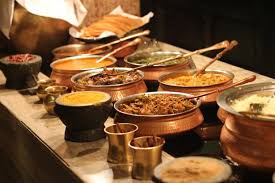
When it comes to food no-one can forget Indian food. Indian foods can be sour, sweet, spicy & tangy altogether. There is no particularity in Indian cuisine as every state of India has its own food cuisine . India is known for its spicy and sweet foods.  If you want to savour that taste of Indian quizzing then these 5 foods mentioned below must be in your bucket list .

  • BIRIYANI
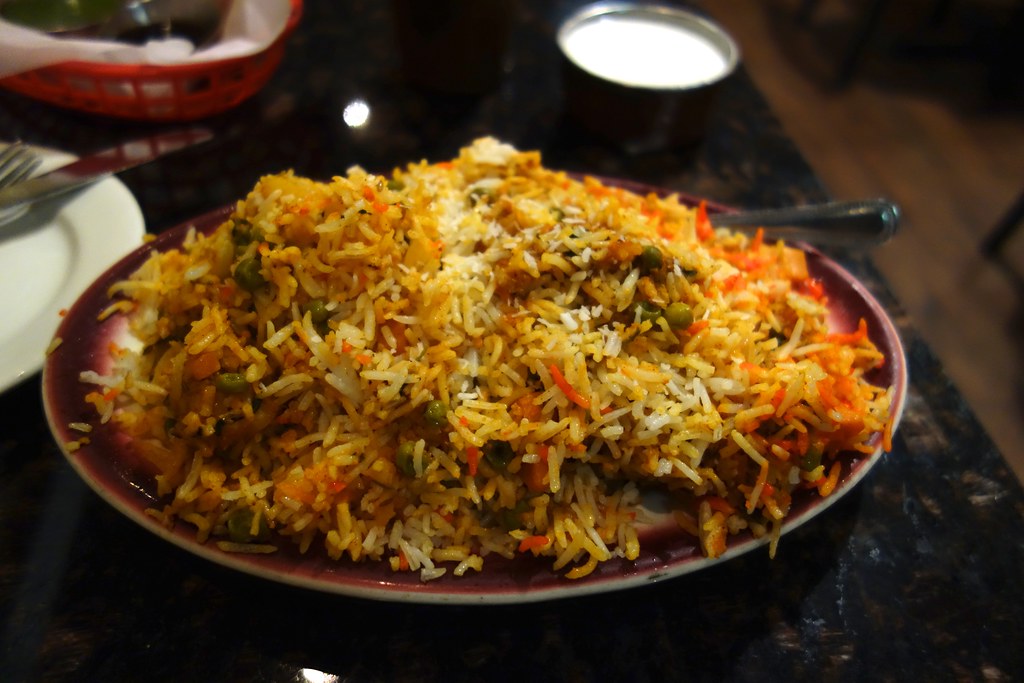
    1. BIRIYANI : It is the most famous food in India . Wherever you go you will be able to see its existence from restaurants to small food stalls on the roadside of India. This food first came to India by Mughals. It is a rice dish with meat and egg and potato pieces with flavour for spices and Saffron mix .There are also various type of biriyani like veg biriyani (With no meat and full of vegetables) , mutton biriyani ( as the meat pieces) ,Chicken biriyani (Chicken meat is added) , bamboo biriyani ( cooked in the piece of bamboo)  etc.  You can also see the variation in the Biryani in the different states of India like Hyderabadi Biriyani, Lucknowi Biriyani, Kolkata biriyani etc. Among all of them Hyderabadi Biriyani is the most famous for its flavour fullness and spiciness .Biriyani is also served with curd salad or Raita .
    GOLGAPPA /PANIPURI/FUUKA

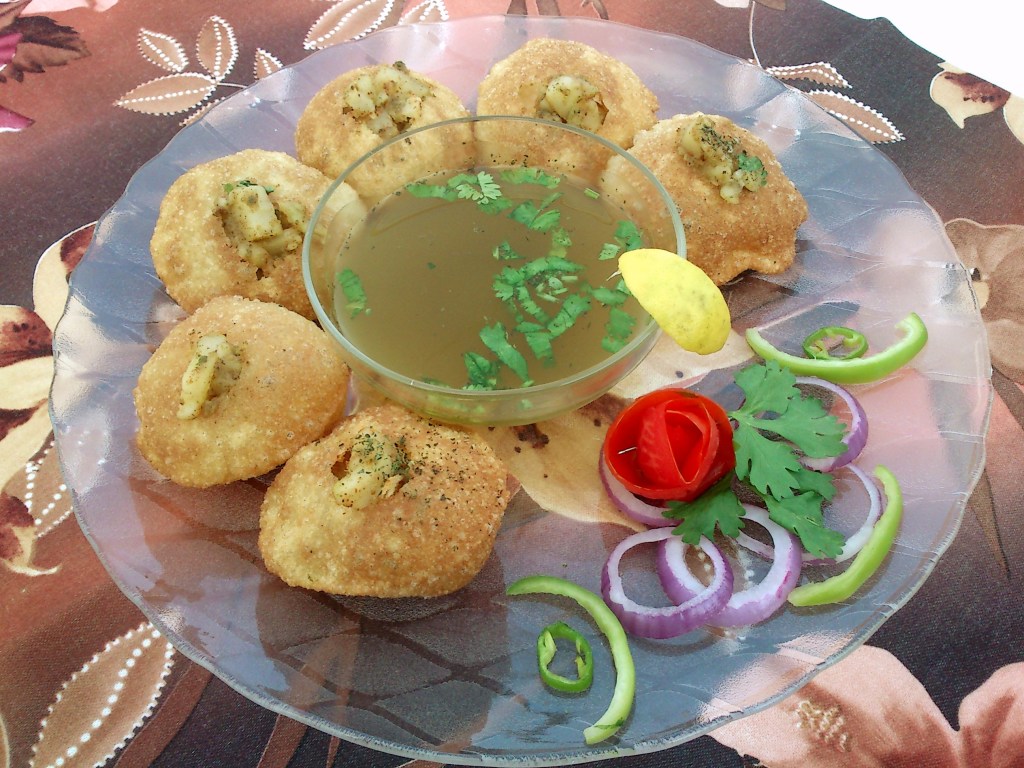
    2. GOLGAPPA /PANIPURI/FUUKA :It is a famous street food in India and you will be able to see it in every corner of India .Even nowadays it is served in restaurants .Golgappa is made of three ingredients —–

    1.  Crispy ball made of Suji
    2.  A spicy aloo/potato filling
    3.  a spicy , tangy and sour water 

                 The spicy potato filling is put inside the crispy balls and then it is filled with the sour flavoured water .This water was made of tamarind or pudina with spices. You can also see the dahi-golgappa which is filled with curd or dahi and some chutney .

    RASGULLA

             3.RASGULLA : It is a famous sweet dessert of India . Rasgulla is a sponge like ball with which is immersed in sweet sugar liquid or chashni .Its origin is West Bengal and Orissa .The Rasgulla is made from paneer are Indian cottage cheese (a milk product) which is mixed with some suji and flour and later this mixture is drained of its containing water by special Muslin cloths .Then it is given a shape of ball and dipped in the sugar liquid or chashni . This sweet is white coloured . Some other types of sweets are also made from rasgulla .

    MASALA DOSA

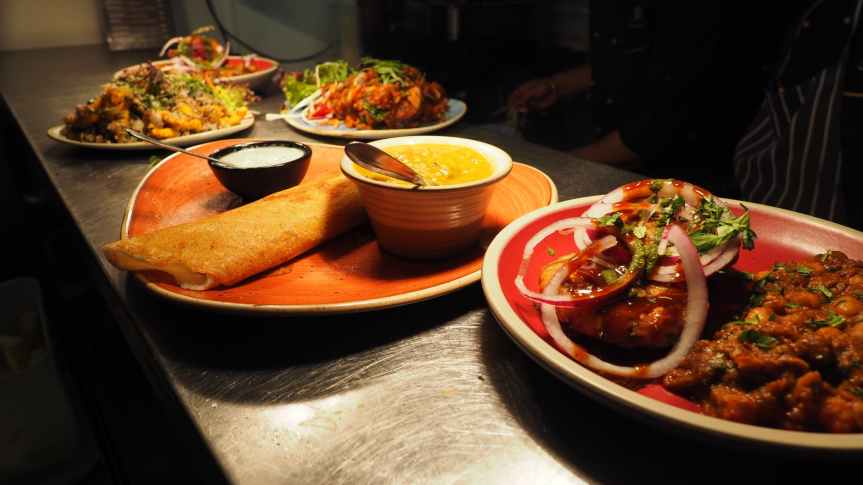
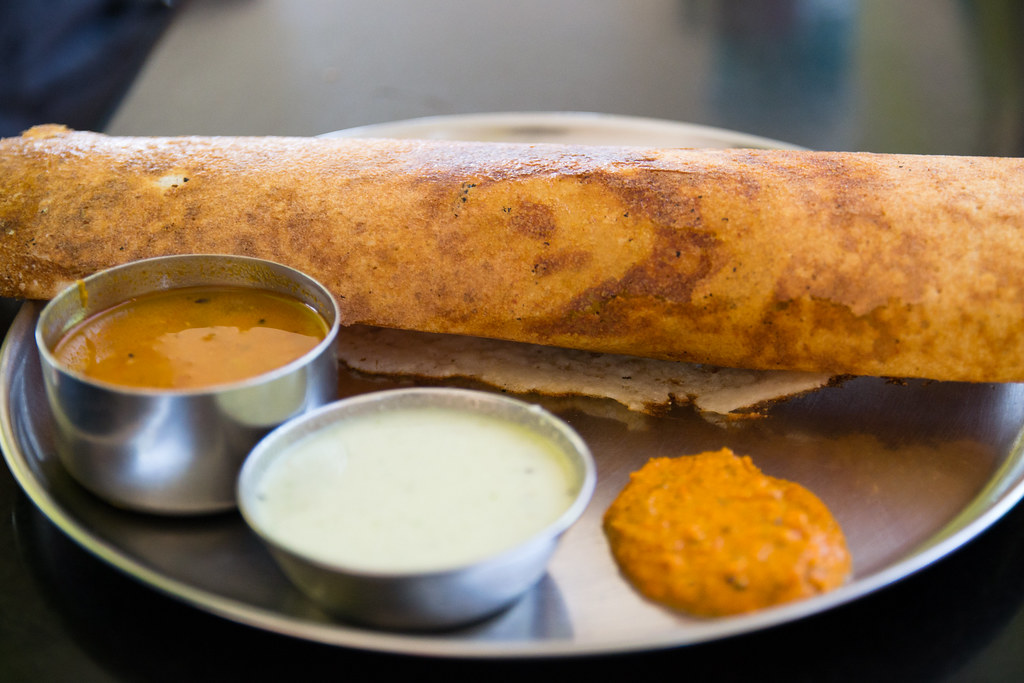
           4)MASALA DOSA : Dosa is a South Indian traditional dish . there are two parts in masala dosa —-

    1. A pancake / roti which is made from a thin batter of rice and black lentils flour . 
    2. A spicy potato and vegetable filling in the middle of the pancake  .  

     It is originally served with a coconut chutney and sambar which is one type of vegetable Dal or soup . There are also various types of dosa like paneer dosa (made of paneer filling), chicken 65 dosa ( ‘chicken 65’ Is a chicken dish which acts as a filling in dosa) and paper dosa etc.

    SAMOSA

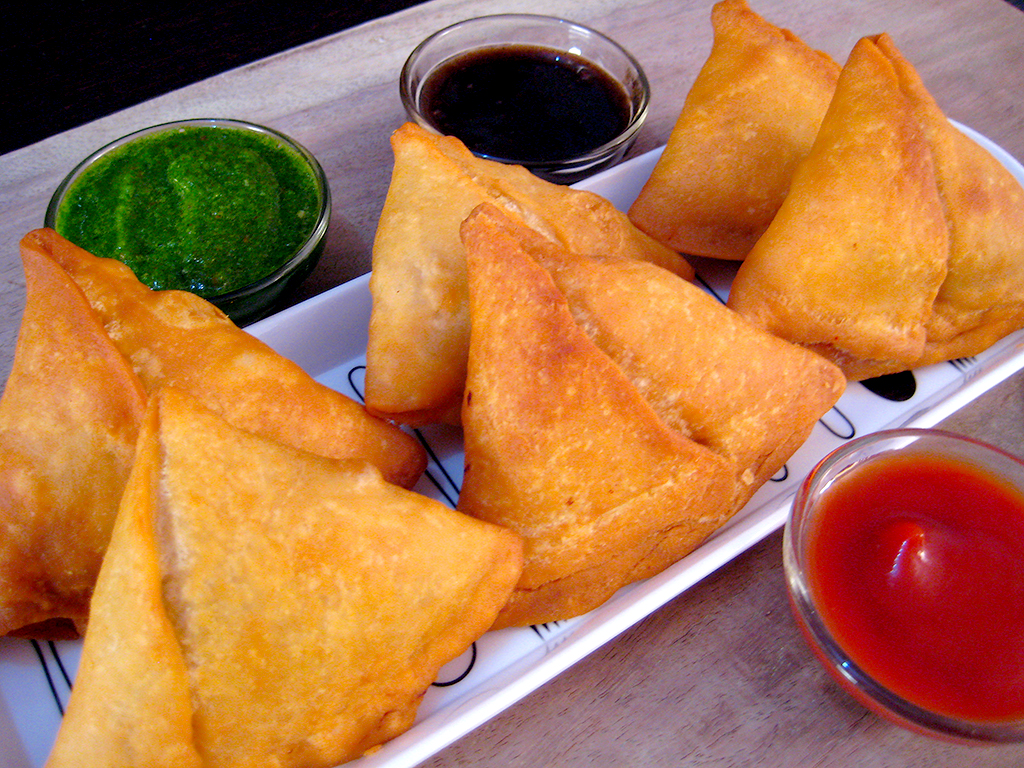
    5) SAMOSA :  it is one of the most famous street foods in India. It also have two parts —

    1. Outside a Crispy dough which is made of maida and deep fried in oil .
    2.  soft and spicy potato onion filling inside 

     It also has a unique conic shape . This food was also introduced to India by Mughal.  Paneer Samosa (filled with paneer), chicken Samosa (filled with chicken), noodle Samosa (filled with noodles) are various types of samosa with different stuffing . It is usually only served with sour sweet chutney or tomato sauce .

    POLYCYSTIC OVARY SYNDROME(PCOS)

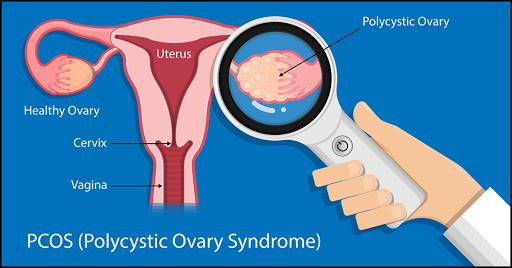
    Polycystic ovary syndrome or PCOS, is the most common endocrine disorder in women of reproductive age. It is a condition that affects a woman’s hormone levels. The syndrome is named after the characteristic cysts which may form on the ovaries, though it is not the only symptom that is seen. Women with PCOS produce higher than normal amounts of male hormones. This hormone imbalance causes their body to skip menstrual periods and makes it harder for them to get pregnant in future. PCOS also causes hair growth on the face and body and baldness. It can also contribute to long term health problems like diabetes and heart disease.

    The condition was first described in 1935 by American Gynecologists Irving F. Stein, Sr. and Michael L. Leventhal from whom it’s original name of “Stein- Leventhal Syndrome” is taken. The earliest published description of a person with what is now recognized as PCOS was in 1721 in Italy. Cyst- related changes to the ovaries were described in 1844. PCOS is a problem with hormones that affects women during their childbearing years(age between 15 to 44). Between 2.2 and 26.7 percent of women in this age group have PCOS. Many women have PCOS but don’t know it. In one study up to 70% of women with PCOS hadn’t been diagnosed. PCOS affects a woman’s ovaries, the reproductive organs that produce estrogen and progesterone– hormones that regulate the menstrual cycle. The ovaries also produce a small amount of male hormone called androgen. The ovaries release eggs to be fertilized by a man’s sperm. The release of an egg each month is called ovulation.

    Follicle-stimulating hormone(FSH) and Luteinizing hormone(LH), which are produced in the pituitary gland, control ovulation. FSH stimulates the ovary to produce a follicle- a sac that contains an egg and then LH triggers the ovary to release a mature egg. PCOS is a syndrome or group of symptoms that affects the ovaries and ovulation It has three main features:-

    • cysts in the ovaries.
    • high levels of male hormones.
    • irregular or skipped periods.

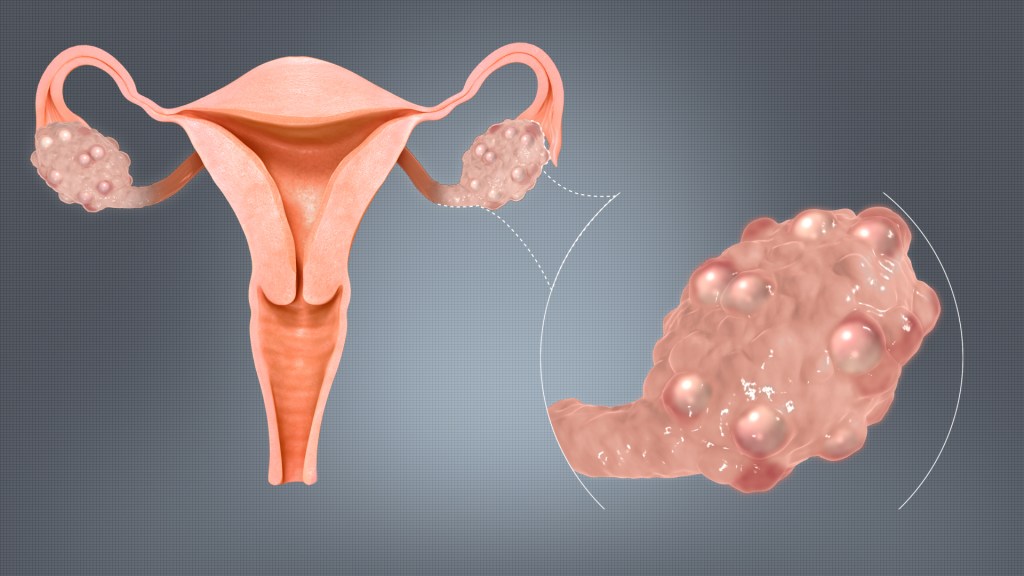
    In PCOS, many small, fluid-filled sacs grow inside the ovaries. The word ‘polycystic’ means ‘many cysts’. These sacs are actually follicles, each one containing an immature egg that never mature enough to trigger ovulation. The lack of ovulation alters levels of estrogen, progesterone, FSH and LH. Progesterone levels lower than usual while androgen levels are higher than usual. Extra male hormones disrupt the menstrual cycle.

    CAUSES OF PCOS:-

    1. High levels of male hormone prevents the ovaries from producing hormones and making eggs normally.
    2. genes may contribute to the condition.
    3. Insulin Resistance- when cells can’t use insulin properly, the body’s demand for insulin increases. The pancreas make more insulin to compensate. Extra insulin triggers the ovaries to produce more male hormone.
    4. Inflammation- women with PCOS often have increased levels of inflammation in their body.

    COMMON SYMPTOMS OF PCOS:-

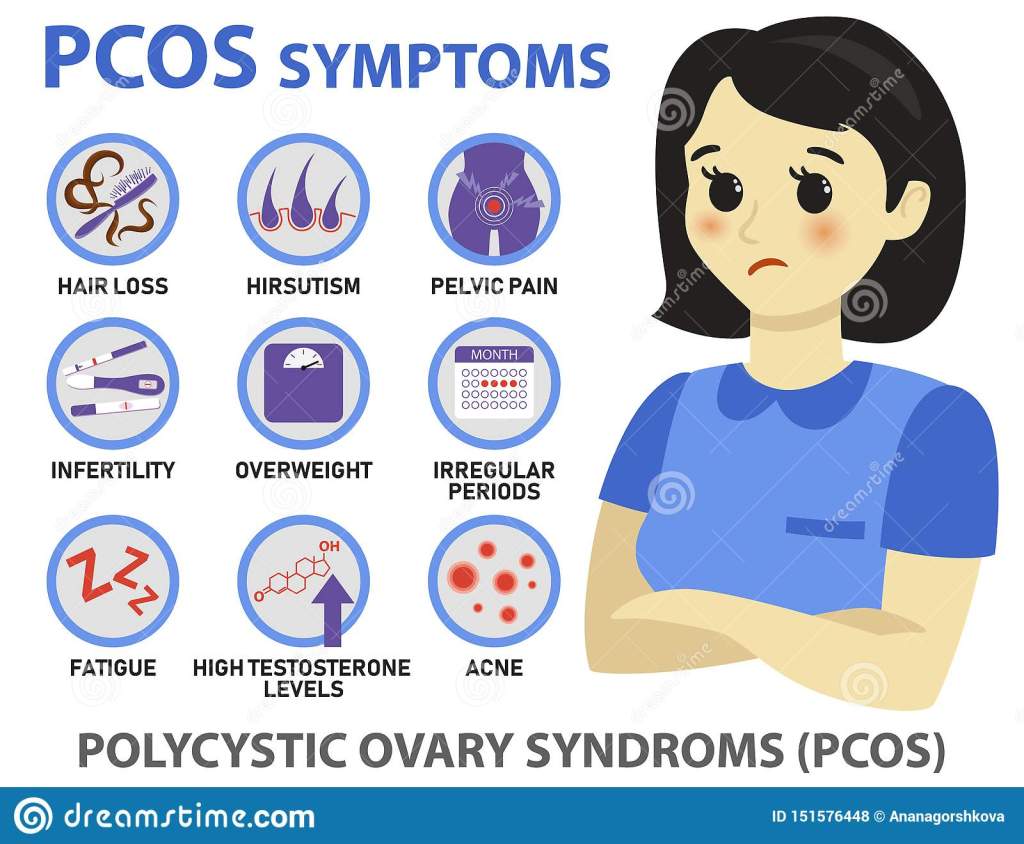
    • Irregular periods- a lack of ovulation prevents the uterine lining from shedding every month.
    • heavy bleeding- the uterine lining builds up for a longer period of time, so when it sheds causes heavy flow of blood.
    • hair growth- hair growth on face and body including back, belly and chest. Excess hair growth is called Hirsutism.
    • acne- production of more male hormone makes the skin oilier.
    • weight gain
    • male pattern baldness

    TREATMENT:-

    • Visit a good gynecologist for proper medications.
    • take control of the diet.

    • exercise regularly.

    Wormhole

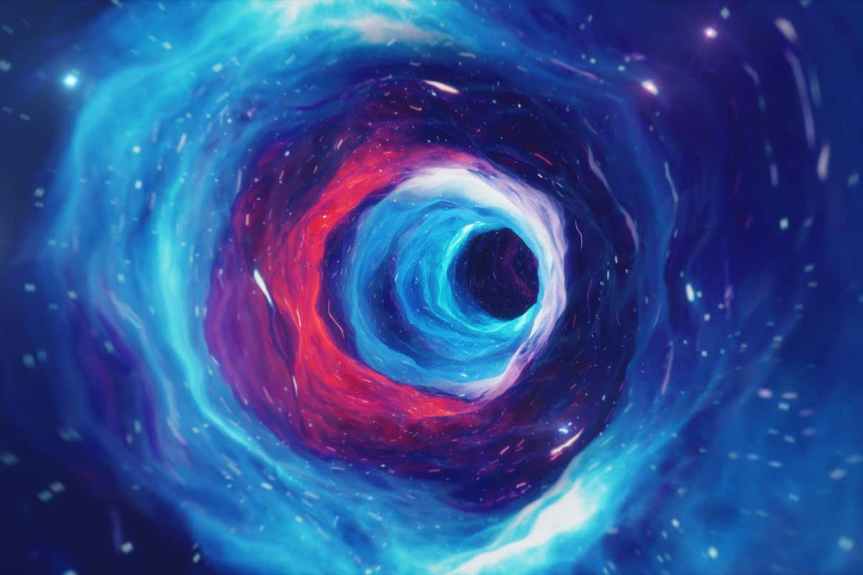
    The wormhole theory postulates that a theoretical passage through space-time could create shortcuts for long journeys across the universe. Wormholes are predicted by the theory of general relativity. But be wary: wormholes bring with them the dangers of sudden collapse, high radiation and dangerous contact with exotic matter.

    Wormhole theory

    Wormholes were first theorized in 1916, though that wasn’t what they were called at the time. While reviewing another physicist’s solution to the equations in Albert Einstein’s theory of general relativity, Austrian physicist Ludwig Flamm realized another solution was possible. He described a “white hole,” a theoretical time reversal of a black hole. Entrances to both black and white holes could be connected by a space-time conduit.

    In 1935, Einstein and physicist Nathan Rosen used the theory of general relativity to elaborate on the idea, proposing the existence of “bridges” through space-time. These bridges connect two different points in space-time, theoretically creating a shortcut that could reduce travel time and distance. The shortcuts came to be called Einstein-Rosen bridges, or wormholes.

    PLAY SOUND

    “The whole thing is very hypothetical at this point,” said Stephen Hsu, a professor of theoretical physics at the University of Oregon, told our sister site, LiveScience. “No one thinks we’re going to find a wormhole anytime soon.”

    Wormholes contain two mouths, with a throat connecting the two. The mouths would most likely be spheroidal. The throat might be a straight stretch, but it could also wind around, taking a longer path than a more conventional route might require.

    Einstein’s theory of general relativity mathematically predicts the existence of wormholes, but none have been discovered to date. A negative mass wormhole might be spotted by the way its gravity affects light that passes by.

    Certain solutions of general relativity allow for the existence of wormholes where the mouth of each is a black hole. However, a naturally occurring black hole, formed by the collapse of a dying star, does not by itself create a wormhole.

    Through the wormhole

    Science fiction is filled with tales of traveling through wormholes. But the reality of such travel is more complicated, and not just because we’ve yet to spot one.

    The first problem is size. Primordial wormholes are predicted to exist on microscopic levels, about 10–33 centimeters. However, as the universe expands, it is possible that some may have been stretched to larger sizes.

    Another problem comes from stability. The predicted Einstein-Rosen wormholes would be useless for travel because they collapse quickly. 

    “You would need some very exotic type of matter in order to stabilize a wormhole,” said Hsu, “and it’s not clear whether such matter exists in the universe.”

    But more recent research found that a wormhole containing “exotic” matter could stay open and unchanging for longer periods of time.

    Exotic matter, which should not be confused with dark matter or antimatter, contains negative energy density and a large negative pressure. Such matter has only been seen in the behavior of certain vacuum states as part of quantum field theory.

    “A wormhole is not really a means of going back in time, it’s a short cut, so that something that was far away is much closer,” NASA’s Eric Christian wrote.

    Although adding exotic matter to a wormhole might stabilize it to the point that human passengers could travel safely through it, there is still the possibility that the addition of “regular” matter would be sufficient to destabilize the portal.

    Today’s technology is insufficient to enlarge or stabilize wormholes, even if they could be found. However, scientists continue to explore the concept as a method of space travel with the hope that technology will eventually be able to utilize them.

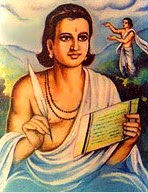
    Kalidasa: The Shakespeare of India

    Kalidasa is known to bethe greatest repository of our national heritage. The serenity of his artistic accomplishment has earned for him a high place in the galaxy of world poets. Kalidasa’s imagination holds in perfect fusion the two elements of natural beauty and human feelings. In his case, both Eastern and Western critics, applying not exactly analogous standards, are in general agreement. He has always been held in high esteem.final hai test

    Kalidasa has continued to display his relevance through the centuries. Surcharged with  wider human sympathy and universal appeal, his character has remained truly Indian. He has influenced the mentors of the middle ages, as well as the pioneers of Indian renaissance like Vivekananda and Tagore. Kalidasa continuous to shine throughout the world as one of the greatest exponents of Indian culture. The keen interest of the Western Orientalists made Kalidasa studies more popular in modern times. Kalidasa has thus gone a long way to help develop a deeper understanding between India and the other countries.

    Popular legends on the life of Kalidasa

    1. Kalidasa, who was first quite a blockhead and was married to a princes, being stung  by the scornful words of his wife, determined to secure the favour of Gauri by penance with the result that the goddess conferred upon him high poetic genius. On his return Kalidasa was asked by his wife -… and the poet taking each of the three words as the beginning of three different works composed the Kumara, Megha and Raghu.
    2. It is said that Kumaradasa, the king of Ceylon, the author of the Janakiharana threw himself on the funeral pyre of his friend Kalidasa who was murdered by a courtesan of Kumaradasa (6th century A.D.) in Ceylon. The story is that Kumaradasa had written the following line –

    on the wall of the mansion of the courtesan, and had promised a handsome reward  to one who would complete the samasya. Kalidasa who happened to see that line immediately wrote-

    Then, the courtesan murdered him and wanted to secure the reward by claiming that she had completed the Samasya the king, however discovered the fraud, but overwhelmed with grief consigned himself to the funeral pyre of Kalidasa.

    Kalidasa’s Profile –

    Place & Date

    It is known to all that Kalidasa is completely silent about himself regarding his date of birth and also the place. Peoples all over India praise to Mahakavi for all the time due to his poetical excellency. Therefore, people from particular place claim that Kalidasa belongs to their area. But if we go through his works thoroughly, we may find that Kalidasa belongs to Ujjain. In Meghaduta, he describes about Ujjain so beautifully where we may find his personal attachment to Ujjain can not be ignored. Scholars of Kalidasa are of the opinion that Kalidasa belongs to Ujjain during between the period of second century BC. to 5th century AD.

    Impact on India and abroad

    Kalidasa is unanimously admitted to be the greatest sanskrit poet and dramatist. In India he is praised by all his followers such as post dated poets and critics namely Mammta, Anandavardhancharya,Abhinav Gupta etc.

    His poetical style influenced to all the post dated poets to the modern poets of this 20th century also.

    In the same manner, we may also find in abroad. It was Sir William Jones who introduced the Shakuntalm to the westerners for the first time in the eighteen century; since then almost all the works of Kalidasa have been translated into various Languages and made known to peoples of different countries, and they have been greatly appreciated by them. There can be no doubt that Kalidasa can justifiably take his seat along with Shakespeare.

    Works of Kalidasa –

    Lyrics
    Ritusanharam
    Ritusamhara is a small lyrical poem of 144 stanzas in 6 cantos, mostly in vamshastha metre (cantos i, ii, v, vi), the variation being vasantatilaka (canto iii) and upendravajra (canto iv). The poem gives a graphic and poetic description of the six seasons of India.

    Meghadutam
    The meghaduta is smaller in extent then Ritusamahara, the first of the Purvamegha having 66 stanzas and the second half or Uttaramegha is having only 55. This is a poem describing the message of departed Yaksha to his wife, to be conveyed through a cloud.
    A Yaksha, servant of lord, Kubera, made some mistake in his duty; Kubera punished him with a curse, banishing him from Alaka in to exile for a period of one year. Therefore, Yaksha sent his message to his wife through a cloud.


    Epics
    Kumarasambhavam
    Kumarasambhava, a classical poem of 17 cantos, is based on the mythological myth of love and marriage of Shiva and Parvati, found in Indian epics. The deputation of Kamadeva – the cupid of Indian mythology – by the gods, to tempt the divine ascetic Shiva, to fall in love with Parvati, the destruction of Kamadeva by Shankara,Parvati’s resolve to win by renunciation and penance, what her beauty and charm failed to achieve by seduction, Shankara’s meeting with Parvati in the garb of an ascetic, their marriage and the birth of son Kumara, who destroyed the god’s’ enemy, the demon Taraka, are the highlights of this classical poem.
    According to A.B. Keith, the well-known British historian of Sanskrit literature, “….to modern taste, the Kumarasambhava appeals more deeply by reason of its richer variety, the brilliance of its fancy and the greater warmth of its feeling”.

    Raghuvansham
    Raghuvansha, a long classical poem of 19 cantos, contains a brilliant account of the illustrious kings of Raghu Dynasty. It is indeed a gallery of brilliant kings – Dilipa, Raghu, Aja, Dasharatha, Rama – painted exquisitely by Kalidasa in which the picture of Rama is undoubtedly the best.
    Writing about Kalidasa and his work, Raghuvansha, the reputed western scholar and critic, Monier Williams says “No (other) composition of Kalidasa displays more the richness of his poetic genius, exuberance of his imagination, the warmth and play of his fancy, his profound knowledge of the human heart, his delicate appreciation of its most refined and tender emotions, his familiarity with the workings and counter workings of its conflicting feelings – in short, more entitles him to rank as the Shakespeare of India”.


    Drama
    Malavikagnimitram
    Malavikagnimitra is a five-act drama based on king Agnimitra’s love for a beautiful girl, Malavika. It is a lighthearted comedy of court life, and depicts the progress of king’s desire for the lovely maiden, through various hindrances. Malavika’s ultimate discovery as belonging to a royal family and the magnanimity of the elder queen, lead to the fulfillment of Agnimitra’s desire. According to the famous critic. R.D. Karmarkar, “Malavikagnimitra is on the whole, an enjoyable play. The plot is a very simple one and the action develops in a surprisingly swift manner and the reader finds that his interest is kept up right to the end”.

    Vikramorvashiyam
    Vikramorvashiya (Uravashi won by valour), a drama of five acts relates the romantic story of the mortal king Pururava and the divine nymph Urvashi. The king, through remarkable display of valour, saves the nymph from the clutches of a demon and falls in love with her, at first sight. The fire of love is fueled by the nymph’s separation as a result of her unavoidable return to heaven. However, in view of the consideration that God Indra, the lord of heaven, had for Pururava, his ally in his wars against the demons, the lovers are united in wedlock; but fate intervenes to separate them again and it is only a miracle that reunites them. The inevitable tragedy of love between the mortal and the celestial being is obvious, but again Indra’s indulgence brings to the royal couple, the lifelong pleasure of living together.
    According to M. Winternitz, the reputed German scholar of Indology, the great popularity that this drama has enjoyed in India, is proved by the fact that there are several versions of its text. It has several times been translated in to German and other European languages. Attempts have been made for adapting it for the stage too.

    Abhijnanashakuntalam
    Abhigyanashakuntala, a drama of seven acts is based on the old legend of Shakuntala, described in Mahabharata. It is the love story of the king Dushyanta and the hermit girl Shakuntala. Their mutual attraction leads to their marriage by the Gandharva form of marriage in the hermitage. The curse of the sage Durvasa makes the king forget all about his wedding but the discovery of the sign ring given by Dushyanta to his bride reminds him of the happenings in the forest grove, leading to his ultimate union with his wife and son in the abode of divine beings.
    Abhigyanashakuntala is, in every respect the most finished of Kalidasa’s dramatic compositions. The play is universally recognised as the best specimen of dramatic art in the entire Sanskrit literature. The reputed German poet Goethe, after reading a translation of the play had exclaimed,
    “Wouldst thou the young year’s blossom and the fruit of its decline, And all by which the soul is charmed, enraptured, feasted, fed?
    Wouldst thou the heaven and earth itself in one sole name combine
    I name thee ‘Shakuntala, and all at once is said”.

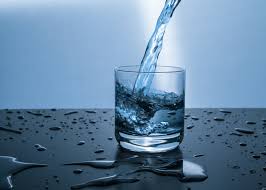
    The importance of water.

    All plants and animals need water to survive. There can be no life on earth without water. Why is water so important? Because 60 percent of our body weight is made up of water. Our bodies use water in all the cells, organs, and tissues, to help regulate body temperature and maintain other bodily functions. Because our bodies lose water through breathing, sweating, and digestion, it’s crucial to rehydrate and replace water by drinking fluids and eating foods that contain water.

    Water helps by creating saliva

    Water is the main component of saliva. It’s critical for breaking down solid food and keeping your mouth healthy. If you find your mouth is drier than usual, increase your water intake. If that doesn’t work, see your doctor

    • It regulates body temperature

    Staying hydrated is critical to maintaining a normal body temperature. Our bodies lose water when we sweat, and in hot environments. Sweat keeps our bodies cool, but our body temperatures will go up if we don’t replenish the water we lose. That lack of water causes dehydration, which in turn causes levels of electrolytes and plasma to drop

    • Water aids cognitive functions

    Proper hydration is crucial to staying in good cognitive shape. Research has shown that inadequate water intake can negatively impact our focus, alertness, and short-term memory

    • Water protects the tissues, spinal cord, and joints

    Water  helps lubricate and cushion our joints, spinal cord, and tissues. This helps us to be more physically active, and reduces the discomfort caused by conditions such as arthritis

    • It helps excrete the waste in our bodies through perspiration, urination, and defecation

    Our bodies use water to sweat, urinate, and pass healthy bowel movements. We all need water to replenish fluids lost from sweating. We also need water in our systems to have healthy stools and avoid constipation. Drinking enough water helps our kidneys to work more efficiently  thus preventing kidney stones

    • Water maximizes our physical performance

    Drinking plenty of water while working out, taking part in sports or just being on the move, is essential.  Keeping ourselves hydrated also affects our strength, power, and endurance

    • It helps to boost our energy levels

    Drinking water helps to boost our metabolic rate. This boost has a positive impact on our energy levels. Drinking 500 milliliters of water can boost the metabolic rate by 30 percent in both men and women, one study has found. Negative effects of exercising in the heat, without staying hydrated, can result in serious medical incidents. In fact, extreme dehydration can cause seizures, and sometimes, even death.

    • Water prevents overall dehydration

    Dehydration is the result of the body being deprived of adequate water. And,  since water is critical for the successful functioning of many bodily functions, dehydration can be very dangerous. Even leading to fatal consequences. Severe dehydration can lead to serious outcomes, including:

    • swelling in the brain
    • kidney failure
    • seizures

    Make sure to drink enough water to replace what’s lost through sweating, urination, and bowel movements, to avoid dehydration.

    The importance of water.

    It’s pretty obvious that having adequate water in your body  is critical to nearly every part of it. Not only will maintaining your recommended daily intake help you to maintain your current state of good health, it could also improve it in the long run. The amount of water you need will depend on the environment and climate you live in, how physically active you are, and whether you are suffering from an illness, ailment or  any other health problems.

    Here are some ways to make sure that  you drink enough water:

    • Carry a water bottle with you wherever you go. Keep taking sips from it as and when you feel the need
    • Track your water intake. Make sure you consume the optimum amount every day, which is a minimum of half your body weight, in ounces/milligrams

    Chakras

    Have you ever attended a yoga session before? Have you ever heard about these chakras? 

    If yes, that’s great. If not, that’s fine we are going to cover it in this article.

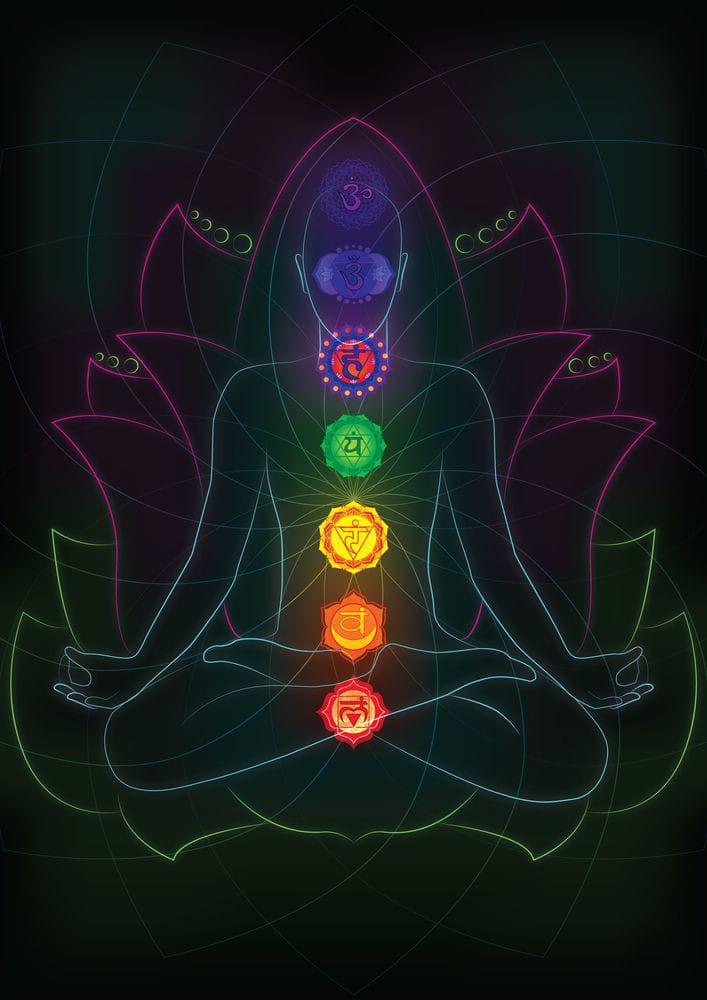
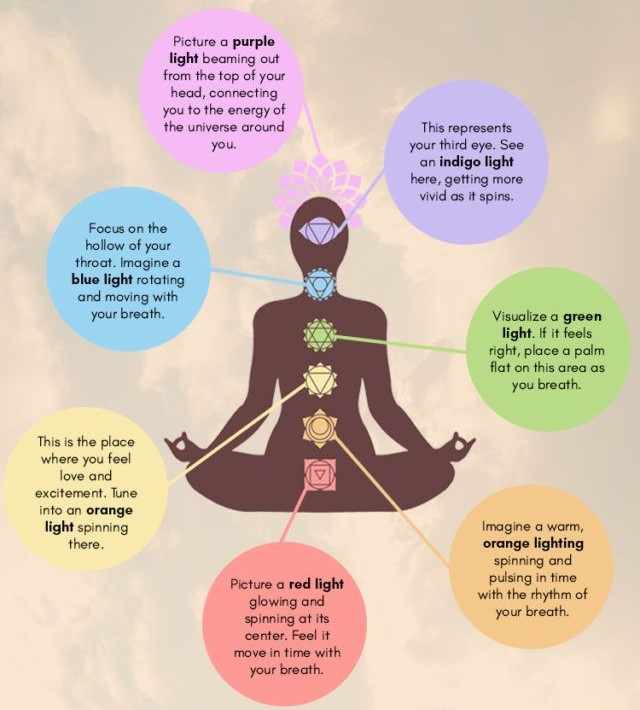
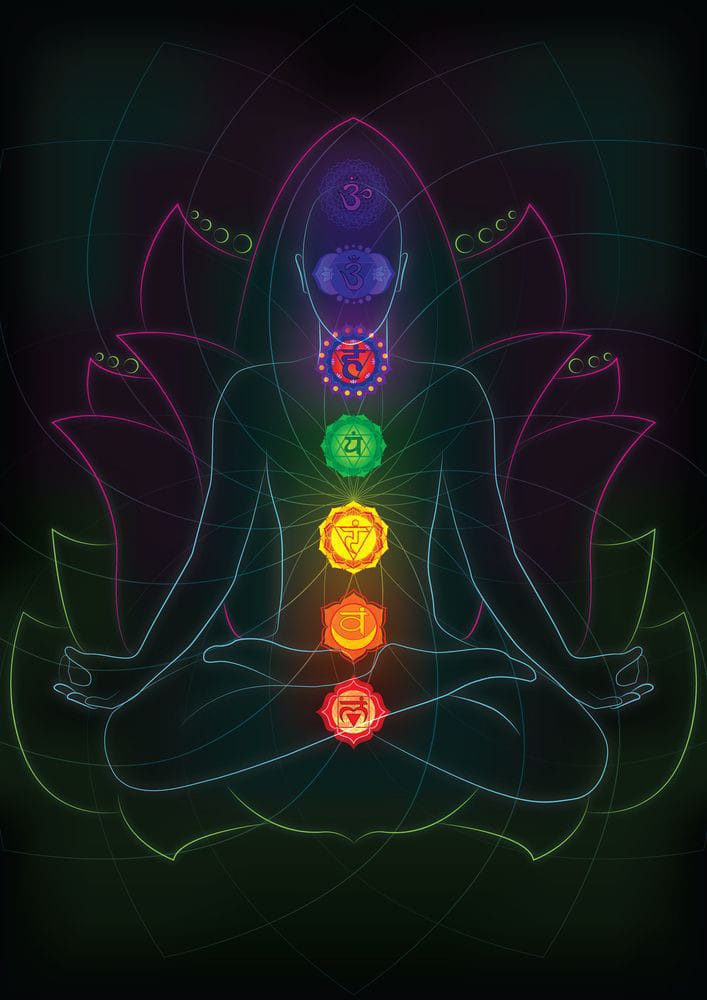
    Chakra is a word that comes from Sanskrit, meaning wheel. There are seven wheels or chakras in a human body. Each is located in sequential order along our spinal cord. 

    Activating these chakras are important to have a physical and emotional balance. If any of them is imbalanced it means that your chakras are blocked and there is a need to activate them.

    But how do we do that? Before answering that question let’s learn about the position and significance of each chakra.

    Okay, let’s start from the bottom.

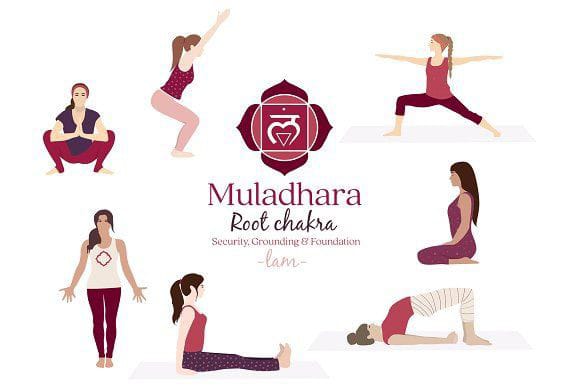
    1. Root chakra- Muladhara: 

    Color– Red

    Represents– the Earth

    It is located at the bottom of the spine. It provides a foundation for your life. Gives a sense of commitment, energy, vitality, and independence in life. Helps you to stay grounded. 

    If this chakra is blocked. The consequences may be like this- anger, possessiveness, insecurity, fear, low self-esteem, etc.

    How to activate/balance this chakra?

    You can activate this chakra by performing yoga or meditation.

    Hand Mudra
    yoga poses

    2. Sacral Chakra- Swadhisthana:

    Color– Orange

    Represents– Water

    Located below the belly button.

    This chakra deals with one’s creativity, emotional identity, desires, and pleasure. Gives a feeling of compassion, a good sense of humor, intuition, sense of belonging. 

    If this chakra is blocked it gives a sense of shyness, guilt, irritation, lack of creativity, etc.

    How to activate this chakra?

    By following the mudras mentioned below you can balance the chakra.

    Hand Mudra
    yoga poses

    3. Solar plexus chakra- Manipura:

    Color– yellow

    Represents– Fire

    Located in the stomach area. This chakra deals with the sense of belonging and mental understanding of emotions. This makes you feel energetic, confident, intelligent, focused, good digestion, and productive.

    If this chakra is blocked you feel timid, depressed, judgmental, angry, and fear of rejection.

    By following the mudras mentioned below you can balance the chakra

    Hand Mudra
    yoga poses

    4. Heart Chakra- Anahata:

    Color– green

    Represents– Air

    Located at the center of the chest. It reflects a person’s social identity and affection like love, trust, forgiveness, and wisdom. Makes you motivated, compassionate, emphasized, sense of completeness, friendliness, etc.

    If this chakra is blocked you might feel difficulty in love, lack of hope and compassion, mood fluctuations, and feeling low.

    By following the mudras mentioned below you can balance the chakra

    Hand Mudra
    yoga poses

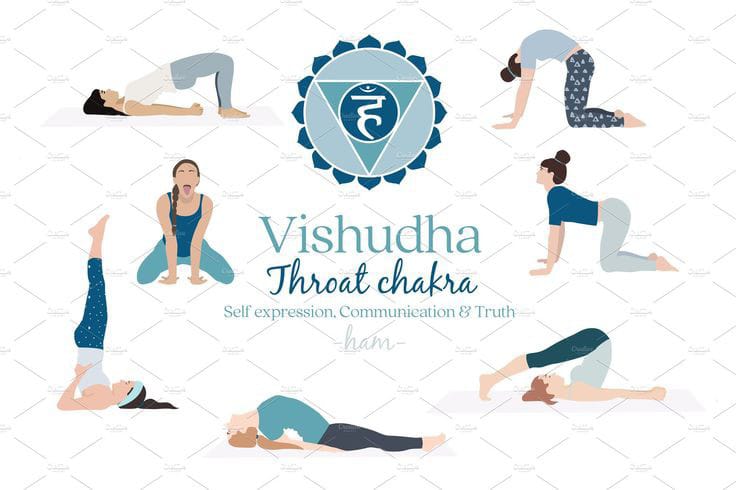
    5. Throat chakra- Vishuddha: 

    Color– Blue

    Represents– Sound

    It is located in your throat. Deals with creativity, effective communication skills, faith, expression, listening skills, and all.

    If this chakra is blocked it may cause indecisiveness, weakening of willpower, lack of expressiveness, low level of creativity, and proneness to addiction.  

    By following the mudras mentioned below you can balance the chakra

    Hand Mudra
    yoga poses

    6. Third eye chakra- Ajna:

    Color– Indigo

    Represents– light

    Located between the eyes. It is responsible for intuition, imagination, wisdom, self-awareness, insight, understanding, and reasoning. It gives clear thinking, a healthy imagination, strong intuition power, good concentration, and focus.

    If this chakra is blocked it results in poor judgment, confusion, fear of truth, poor concentration, and addictions.

    By following the mudras mentioned below you can balance the chakra

    Hand Mudra
    yoga poses

    7. Crown chakra- sahasrara:

    Color– Violet/white

    Represents– Conscience

    Located at the top of the body, the crown chakra is to maintain a spiritual connection and consciousness. Gives a feeling of oneness, open-mindedness, thoughtfulness, etc. 

    If this chakra is blocked you feel a sense of fear, lack of purpose, lack of inspiration, disbelief in spiritual and devotional practices.

    By following the mudras mentioned below you can balance the chakra

    Hand Mudra
    yoga poses

    credits to the right owners of the pictures used.

    sources: pinterest

    Education in the present

    Education is very important in every individual’s life as it is very important for the living. The person who is educated will be well treated by the society and will you have good potential wherever he or she goes. Education as the extra energy to the individual’s life and a moles the individuals character into a good one. It is very important to be educated as the competition in the world is comparatively very high.

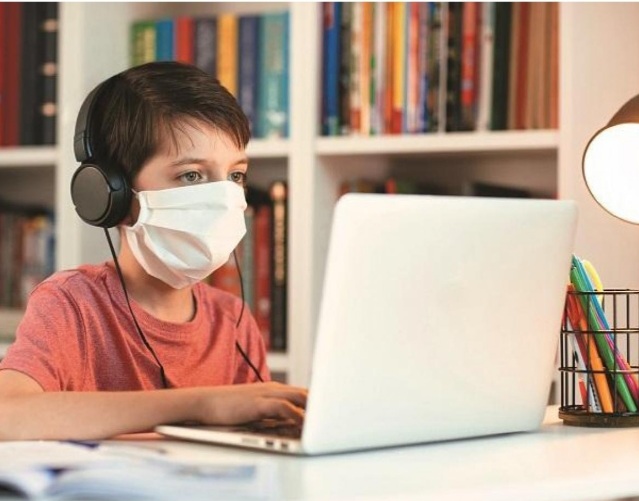
    Online classes are the greatest and the biggest task to all the students. It is so difficult for all the students to understand the topics in a detailed manner. Even though the students try their level best to understand the topics during the online class, it is only the 50% of learning but the topics are not understood properly but the students and face lots of difficulties.

    It is also equal difficult to conduct exams to all mine because it’s exams are connected through online then there is a chance formal practices. Basically, students commit malpractices during exams in a view to get good marks but not about the knowledge. So,many of the students commit malpractices.

    Ways to improve the education system

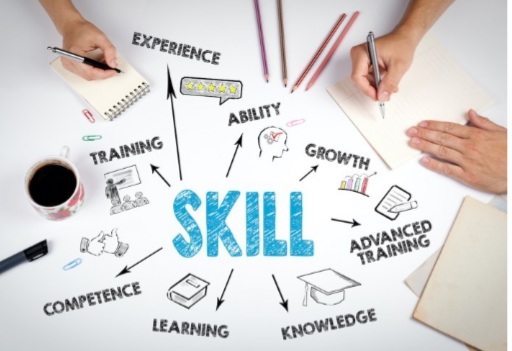
    * skill – based learning :

    As of now , the education system is such that everyone is forced to study science and math. If this system can be revamped to identify the strengths of a student, then they can be given appropriate training in the chosen field. This will ensure that the child shines in that particular field.

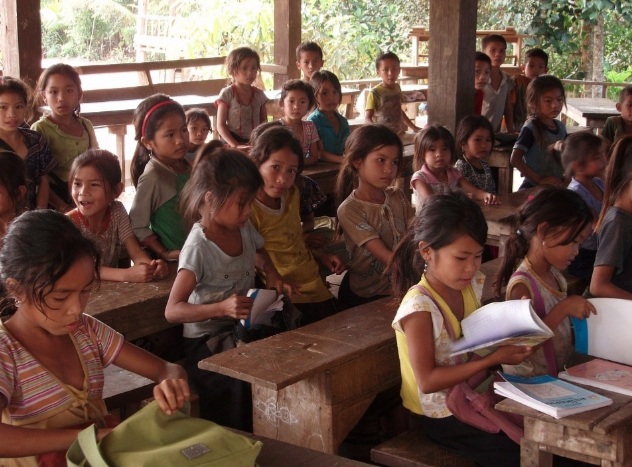
    * Rural Education :

    As the sad thing about the Indian education system is the fact that its focus is only on urban clusters. There are hardly any decent centres of learning in the rural areas. This is especially true in terms of higher education. If a country has to actually develop, urban and rural development have to go hand in hand.

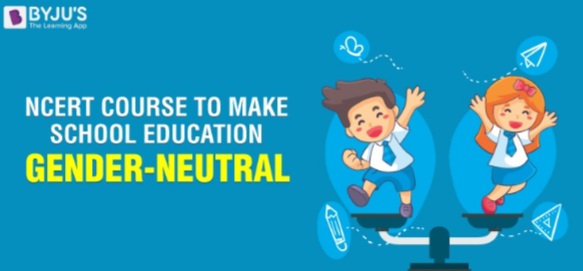
    * Gender Neutral Education :

    The education system has always favoured men over the fairer sex. The major change that must be brought about is to involve women in the same. Particularly subjects that are now considered to be the strength of men alone ( like carpentry, engineering, etc). Should be made more accessible to women. Pioneer women in these fileds should be given due encouragement and appreciation.

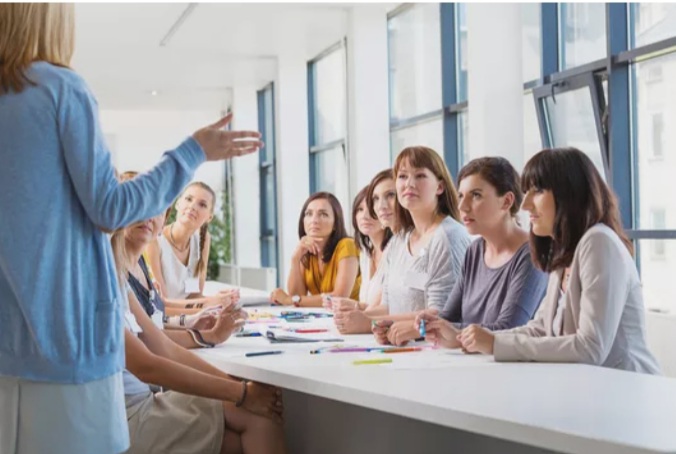
    * Teacher Training :

    India has a very good quality of dedicated teachers. However, the sad fact here is the fact that after they join this service, they receive little or no training. In such a situation, giving them periodic training will not just ensure that they are updated with the changing times, but will also improve the entire education scene of the country by leaps and bounds.

    * Infrastructure :

    As in every other sector, the indian education sector is one that suffers from the acute death of infrastructure. Most of the government schools do not even have proper chairs, tables, restrooms, let alone a playground, libraries and laboratories. Thus ,the first step in revamping the education scene in the country should begin with improving the infrastructure so that the students are given an evironment where they can learn to the best of their abilities.

    * subsidising professional courses :

    It is a sad reality that many meritorious students are not able to afford professional corses because of the sheer expense involved in the same. This is all the way truer in case of students from the general category who do not have access to many scholarships. In such a situation subsidising the cost professional education will ensure that the same is within the reach of deserving students from the lower and lower middle class strata of the Indian society.

    * Basic computing In Rural Areas :

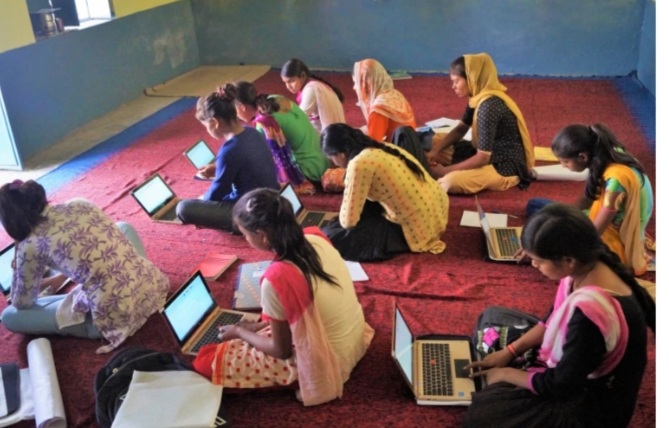
    On one hand , India is a land of IT giants; on the other, rural India is completely digitally ill- equipped, in a sitiation like this, the first change that the education system must bring forward is to start free computing classes for skill development in rural areas. Only then will rural Indian move in the same pace as that of the urban Digital India and the country embark on the journey of development.

    * Make sports compulsory :

    One of the main reasons for the alarming rise in suicide amongst students in the country is the fact that they cannot handle stress. That in turn is because they are subjected to too much mental pressure. By making sports compusory it can be ensured that all the students indulge in some sort of some physical activity. This will lead to their mind performance better and enable them to grasp their theory lessons well.

    * Educate parents :

    Most of the times it is seen that the children’s woes centre atound that of their parents. In the Indian scenerio, parents are the ones who force their wards into a career they do not like. As a result students do not excel and upon failing to meet their parents expectations, they suffer from a number of mental health issues. To prevent such a thing from happening, the first step that must be taken is to educate the parents about the different carrer options that are available to the students and the possible scope of future in them.

    * Remove The Reservation system :

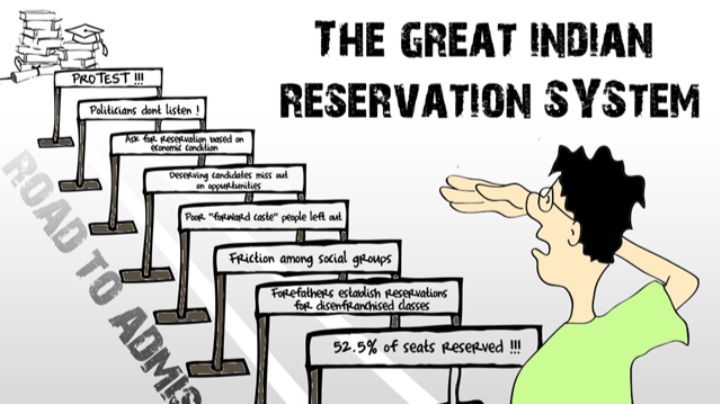
    The reservation system in India has been so obsessed with providing the best of opportunities to the reserved that it misses out on many opportunities for the ones who actually deserve the same. This results in not just personal loss for certain people but also brain drain for the entire country and fosters a massive loss to the nation’s economy.

    Today’s education system may be good to score marks, but fails to retain the knowledge once students have completed their examinations. This leads to young minds being stifled at an age when they should be asking questions, learning and gaining knowledge, and developing a thirst for more knowledge.

    CYBER CRIME : CLASSIFICATION AND IMPACTS

    INTRODUCTION

    Cyber ​​crime can be termed as illegal use of the internet and computers. Computers can be victims of crime or be used as a criminal weapon. This crime has become a regular part of our daily lives. Every day one person or another becomes a victim of cyber crime. The Internet is accessed by many people at the same time for various purposes, and these hackers are making a way out of these opportunities.

    TYPES OF CYBER CRIME

    1)Identity theft – This involves obtaining personal information about the user by sending unsolicited emails or by using a criminal website to steal sensitive information similar to an authorized website.
    2)Identity Theft – This involves obtaining information about credit or debit cards or banking details, some unwanted payments can be easily deducted after hacking.
    3)Malware Attack – Malware is a malicious software designed to damage computers or systems. This is done to gain credible information or to commit certain crimes through the system.
    4)ATM Fraud – The ATM machine has been completely stolen in this case. Criminals have developed a way to access all the information on the card and pin, continuously succeeding in duplicating the cards and using the same to withdraw money.
    5)Cyber ​​Stalking – A criminal is involved in tracking that person through online actions. They can even send malware to damage systems to get specific information. Includes user abuse.
    6)Pornography – The act of introducing a sexual activity containing a video, through sexual websites.
    7)Download – In this case, the email was received and appears to be from a real source, but it is not the same. It’s broken.
    8)Criminal crime – Unauthorized access to confidential information. Many times when government websites are hacked and corrupted files contain important information.

    AWARNESS

    1)Strong passwords should be used. Password should be complex, you might guess.
    2)Use antivirus programs to keep the system free of malware.
    3)Continue to update the program.
    4)Be aware of and use the presence of intelligence to prevent identity theft.
    5)Let your children know online, so that they can report any abuse or abuse when they pass.
    6)Keep privacy settings on social media.

    CYBER SECURITY

    Cyber ​​security protects our system, network, devices and programs from malicious software attacks. Illegal data acquisition can therefore be suspended.

    Importance – Information relating to any significant national problem or other data intended for personal use, if shared will create a number of problems. Therefore in the event of a multi-level security test, important data and data can be retained in the leak.

    TYPES OF SECURITY THREATS

    1)Network Security – Protects the network from malware attacks and thus uses a secure network.
    2)Cloud security – Means data protection from cloud resources.
    3)Information security – Helps protect data from unauthorized or illegal access.
    4)End User Safety – User should be aware of when installing any external devices in the system, opening any emails or links.
    5)Application security – helps keep the system and software safe.

    CONCLUSION

    Cyber ​​crime is spreading its arms day by day. The safest way to avoid becoming a victim of its ill effects is to follow safety precautions. There are various ways in which we can protect our confidential information from being disclosed. We should always focus on awareness as – ‘Prevention is better than cure’, especially if there is no cure.

    Toxic Positivity

    Toxic positivity is a relatively new term but most definitely not an uncommon concept. This “good vibes only” approach, is a type of coping mechanism, wherein people pretend like everything is perfectly fine and invalidate their obviously distressing feelings. 

    Saying things like “everything happens for a reason” and “look on the bright side”, they suppress any negative emotions and refuse to address negative experiences. Ignoring reality seems like a good option in the short-run but all those bundled up emotions eventually escalate and cause long-term repercussions. 

    Take the COVID-19 Pandemic. All we hear is bad news – families losing jobs, the economy falling, people falling sick and dying. We’ve all wanted to cut ourselves from reality and live in our own happy world. Although this comes with good intentions, it only makes things worse in the long run. Such thoughts get toxic when we become dismissive of our inevitable sadness. Of course, being grateful for what we have is imperative during such times. But so is taking care of our mental health, and that includes acknowledging all our emotions, even the pessimistic ones. 

    We don’t realise how we say such things, not only to ourselves, but also to others. When consoling a friend, saying something like “there are people suffering more” is the worst thing you could do. It not only invalidates their feelings, making them feel worse, but also dismisses the idea of actually helping them resolve the issue. These micro aggressive comments can aggravate situations and ruin relationships altogether.  

    The difference between positivity and toxic positivity is the ‘solution-focused’ approach. Positivity involves addressing the negative, and attempting to find an effective solution to improve it. Hence, solution-focused. Toxic positivity, on the other hand, negates true human emotions and considers being “just happy” the better option. It is an inauthentic and inconsiderate thought-process. 

    How does one overcome this? It is important to recognize that regardless of how positive we try to be, at the end of the day, we’re all human. We are bound to react to different situations in different ways. Negative emotions are natural and it is important to acknowledge it, both with yourself and others, and try to find a solution. Bad days are there to remind us that we have good ones to look forward to.

    EDGAR ALLEN POE: THE RAVEN

    First published in January 1845 Poe’s The Raven appeared in the New York Evening Mirror. The poem is about a distraught lover who was visited by a raven, an ominous bird who ultimately drags his soul “shall be lifted nevermore!” In other words, the raven’s ‘Nevermore’ goads the speaker into madness, as he is denied of the solace, he endeavors to find through his rendezvous with the raven.

    Before he met the raven, the speaker was trying to meditate on his studies. He was completely torn apart because of losing his dearest, who died a premature death. Hence, he was actually trying to “borrow from my books surcease of sorrow.” But he was interrupted by a knocking at his chamber door. The speaker was instantly filled with terror and his heart began beating fast. He consoled himself, saying that it must be ‘some visitor’ ‘tapping’ at his chamber door. And on opening the door, he found none waiting outside. Yet, he waited for a while, perhaps hoping for a comeback of his deceased ladylove in some mysterious form. Hence, he called out her name and is vexed when only the echo murmured back the word ‘Lenore!’ amidst the stillness of the night. However the knocking was again heard even ”louder than before” The speaker presumed that it was the wind striking against the window pane. He opened the window and was awed to see an enormous raven settled itself on the bust of Pallas, lying close to the chamber door and further wondered the speaker saying, “Nevermore” when asked what its name was. The next moment he thought the bird would ultimately fly away in the morning by which time the storm would surely end. Earlier his friends had also flown away thereby deserting his hopes. In the same way the bird would also leave the speaker the next morning, the thought of which made him sad. But, the bird replied to him saying, ‘Nevermore.’

    The speaker was then assured of the fact that the bird knew only to speak the word nevermore. Perhaps its owner was unhappy in life and thus, taught his bird, the speaker was thrilled with the thought that after all it was his unique experience to rendezvous with a talking bird, sitting on the bust of Pallas, beside his chamber door. He thus, pulled a cushioned seat close to the Pallas bust and wondered what actually this ominous bird signified its horrible eyes seemed to peer deep into the core of his heart. Yet, he sat with his head bending on the cushion’s velvet lining. He remembers how his ladylove used to sit by his side on the lamplight on a cushioned seat. But, since she had passed away, she would nevermore press the velvet of the cushioned seat.

    Meanwhile, the air inside the chamber grew thicker because of being mysteriously fragranced by some unknown power. The speaker fancies that the air inside his chamber had been perfumed by angels who had brought a burning censure with them invisibly into the chamber so as to cheer him up. And the perfume in the air was introduced by the angels to drug the speaker and let him forget his grief of losing his Lenore. But, the raven hearing him spoke, “Nevermore” as usual.

    This however infuriated the speaker and he wondered whether the raven before him was a mere bird or a devil. He wanted to know from the bird, whether it had come to lure him to evil or had just accidentally rushed into his chamber so as to seek shelter against the storm outside. Even he asked the bird if it knew about any balm in Hades that could pacify his grief. But the raven only said “Nevermore” to all his questions. Yet he asked him if he could tell whether his wounded soul would meet his beloved, the saintly Lenore, in heaven. But, the answer was the same – “Nevermore”.

    Failing to elicit any suitable answer from the raven, the speaker finally ordered the bird to be away from his sight. After all the bird is a liar and it seemed to the speaker that the raven had thrust its break into his heart. Hence, the speaker commanded the bird to leave his chamber and fly into the storm outside. But, the ashamed raven continued sitting on the bust and replied “Nevermore” its eyes were demonic and the lamplight which was glowing inside the chamber shed the shadow of the bird on the floor. The speaker felt that his soul which lay in that shadow would be lifted from there “Nevermore”.

    THE WATER ACT 1974

    The water  act was enacted by parliament act, 1974 purpose to provide for the prevention of control of water & the maintaining or restoring of wholesomeness of water. As on day, it is applicable in all the states of India. It extends to the whole of India except the State of Jammu & Kashmir. This Act having 64 sections Divided into 8 chapters.

    OBJECTIVES

    • Prevention  &  control of water pollution
    • Maintaining or restoring the wholesomeness of water
    • Establishment of board for prevention & control of water pollution.
    • An act to provide for the levy & collection of access on water consumed by persons carrying on certain industries & by local authorities.

    Constitution of central Board

    • Chapter   3 deals with Constitution of central Board
    • The terms & conditions of the services of the members, disqualification, holding of board meetings & other committees.
    • Members- Chairperson- Environment expert
    • Officials not exceeding 5- nominated by Central Government
    • Representative not exceeding 3- Agricultural, fishery, industry etc.
    • persons not exceeding 2- companies or cooporatations owned.

    Constitution of State Board

    • Chapter  4 deals with Constitution of central Board
    • The terms & conditions of the services of the members, disqualification, holding of board meetings & other committees.
    • Members- Chairperson- Environment expert
    • Officials not exceeding 5- nominated by state Government
    • Representative not exceeding 5- local authorities functioning with state government.
    • persons not exceeding 3- Agricultural, fishery, industry etc.
    • persons not exceeding 2- companies or cooporatations owned.

    Constitution of Joint Board

    • Two or more states or Union Territory or Union Territories can constitute a Joint Board with agreement for a specific period.
    • Chairman
    • Two Officials- Appointed by state government.
    • One person- Local authority
    • One representative- Agriculture, fishery, trade etc
    • Two persons- companies or cooporatations owned.

    Functions of Central Board

    The central board may establish or recognize a laboratory or laboratories to enable the Central Board to perform its functions under this section efficiently. Central Board may- Delegate any of its functions under this act generally or specially to any of the committees appointed by it. Do such other things & perform such other  acts as it  may think necessary for the proper discharge of its functions & generally for the purpose of carrying into effect the purposes of this act.

    Powers & Functions of Central Board

    • Advice to central government for prevention & control of water pollution.
    • Co-ordinate the activities of the state board & resolve disputes
    • Provide technical assistance
    • Plan & organize the training.
    • Collect, compile & publish technical data
    • Lay down the standards for a stream or well
    • Establish laboratories.
    • Plan & organize nation wide program for prevention & control of water pollution
    • Plan comprehensive program for prevention & control of water pollution.
    • Advice to State government
    • Encourage, conduct & participate in investigations & research relating to problems of water pollution & prevention.
    • Inspect sewage or trade effluents, works & plants for treatment.
    • Lay down, modify or annual effluent standards for the sewage & effluents.
    • Evolve economical & reliable methods of treatment for local conditions.

    Prevention & Control of water pollution

    • Powers of entry and inspection
    • Power to take sample and procedure
    • Report preparation in triplicate.
    • Use of well or stream for disposal is prohibited.
    • Accidents in area, information should be carry to state board.
    • Have powers to close, prohibit, regulate any industrial operation.

    Penalties

    Person held guilty he is punishable with imprisonment which may extend to three months or fine up to 10000 rs. Or both. Any person disposes any polluting matter into any stream or well he is punishable for 6 years with fine.

    UNESCO WORLD HERITAGE SITES IN INDIA

    Over the years, Unesco has declared a number of world historic sites in India due to their exceptional cultural or physical significance. From natural wonders to architectural marvels, there is something for everyone on this list. The United Nations Educational, Scientific, and Cultural Organization (UNESCO) aims to promote the identification, protection, and preservation of cultural and natural heritage that is of exceptional importance to mankind across the world and the UNESCO world heritable committee maintains the list of World Heritage Sites.

    India now possesses 38 World Heritage Sites, making it the world’s sixth largest country in terms of World Heritage Sites.

    According to UNESCO, India has 30 cultural sites, 7 natural sites, and 1 mixed sit. In this article we will know about the permanent and tentative world heritage sites in india state and union territory wise.

    PERMANENT LIST OF WORLD HERITAGE SITES IN INDIA 

    State/UTCultural(30)Natural(7)Mixed(1)
    Uttar Pradesh Agra Fort (1983)Fatehpur Sikri (1986)Taj Mahal (1983)  
    MaharashtraAjanta Caves (1983)Chhatrapati Shivaji Terminus (formerly Victoria Terminus) (2004)Elephanta Caves (1987)Ellora Caves (1983)Victorian Gothic and Art Deco Ensembles of Mumbai (2018)Western Ghats (2012)  
    BiharArchaeological Site of Nalanda Mahavihara at Nalanda, Bihar (2016)Mahabodhi Temple Complex at Bodh Gaya (2002)  
    Madhya PradeshBuddhist Monuments at Sanchi (1989)Khajuraho Group of Monuments (1986)Rock Shelters of Bhimbetka (2003)  
    GujaratChampaner-Pavagadh Archaeological Park (2004)Historic City of Ahmadabad (2017)Rani-ki-Vav (the Queen’s Stepwell) at Patan, Gujarat (2014)Western Ghats (2012) 
    GoaChurches and Convents of Goa (1986)Western Ghats (2012) 
    Tamil NaduGreat Living Chola Temples (1987,2004)Group of Monuments at Mahabalipuram (1984)Mountain Railways of India (1999,2005,2008)Western Ghats (2012) 
    KarnatakaGroup of Monuments at Hampi (1986)Group of Monuments at Pattadakal (1987)Western Ghats (2012) 
    RajasthanHill Forts of Rajasthan (2013)Jaipur City, Rajasthan (2019)The Jantar Mantar, Jaipur (2010)Keoladeo National Park (1985)  
    DelhiHumayun’s Tomb, Delhi (1993)Qutb Minar and its Monuments, Delhi (1993)Red Fort Complex (2007)  
    ChandigarhThe Architectural Work of Le Corbusier, an Outstanding Contribution to the Modern Movement (2016)  
    West BengalMountain Railways of India (1999,2005,2008)Sundarbans National Park (1987) 
    Himachal PradeshMountain Railways of India (1999,2005,2008)Great Himalayan National Park Conservation Area (2014) 
    OrissaSun Temple, Konârak (1984)  
    AssamNoneKaziranga National Park (1985)Manas Wildlife Sanctuary (1985) 
    UttarakhandNoneNanda Devi and Valley of Flowers National Parks (1988,2005) 
    KeralaNoneWestern Ghats (2012) 
    SikkimNone Khangchendzonga National Park (2016)

    TEMPERORY WORLD HERITAGE SITES IN INDIA 

    STATE/ UNION TERRITORY HERITAGE SITES 
    West BengalTemples at Bishnupur, West Bengal (1998)Neora Valley National Park (2009)Santiniketan (2010)
    KeralaMattanchery Palace, Ernakulam, Kerala (1998)Padmanabhapuram Palace (2014)
    Uttar PradeshAncient Buddhist Site, Sarnath, Varanasi, Uttar Pradesh (1998)
    PunjabSri Harimandir Sahib, Amritsar, Punjab (2004)
    AssamRiver Island of Majuli in midstream of Brahmaputra River in Assam (2004)Moidams – the Mound-Burial system of the Ahom Dynasty (2014)
    Arunachal PradeshNamdapha National Park (2006)Thembang Fortified Village (2014)
    GujaratWild Ass Sanctuary, Little Rann of Kutch (2006)Wild Ass Sanctuary, Little Rann of Kutch (2006)Dholavira: A Harappan City (2014)Archaeological remains of a Harappa Port-Town, Lothal (2014)
    RajasthanDesert National Park (2009)
    TelanganaThe Qutb Shahi Monuments of Hyderabad Golconda Fort, Qutb Shahi Tombs, Charminar (2010)Monuments and Forts of the Deccan Sultanate (2014) Qutb Shahi Monuments at HyderabadThe Glorious Kakatiya Temples and Gateways (2014)Remnants of Swayambhu temple and Keerthi Thoranas, Warangal fortRudreswara Temple, HanumakondaRudreswara (Ramappa) Temple, Palampet
    Jammu & KashmirMughal Gardens in Kashmir (2010)Cold Desert Cultural Landscape of India (2015)the Leh-Kargil areas of Ladakh 
    DelhiDelhi – A Heritage City (2012)Bahá’í House of Worship, New Delhi (2014)
    KarnatakaMonuments and Forts of the Deccan Sultanate (2014)Bahmani Monuments at GulbargaBahmani and Barid Shahi Monuments at BidarAdil Shahi Monuments at BijapurMonuments of Srirangapatna Island Town (2014)Sacred Ensembles of the Hoysala (2014)
    Andaman & Nicobar IslandsCellular Jail, Andaman Islands (2014)Narcondam Island (2014)
    Madhya PradeshGroup of Monuments at Mandu, Madhya Pradesh (1998)The historic ensemble of Orchha (2019)
    Tamil NaduSri Ranganathaswamy Temple, Srirangam (2014)
    OdishaChilika Lake (2014)Ekamra Kshetra – The Temple City, Bhubaneswar (2014)
    Himachal PradeshCold Desert Cultural Landscape of India (2015)Spiti Valley
    MeghalayaGaro Hills Conservation Area (GHCA) (2018)
    ManipurKeibul Lamjao Conservation Area (2016)