WORLD WAR II.

the World war 2 took place when Hitler invaded Poland from the west after which 2 days later France and Britain declared war on Germany beginning World war 2. The second World war conflict that involved virtually every part of the world the principal where the axis power Germany Italy and Japan and the allies France great Britain the United States the Soviet union. The world war 2 conflict that involve virtually every part of the world during the years World war 2 change the political alignment and social structure of the globe. The united nations was established to foster International cooperation. The Soviet union and the United States emerged as rival super powers setting the stage for the nearly of century long cold war. Most countries industries had been damaged mood towards economic recovery and expansion .

The outbreak of the World war 1 was a global war that lasted from 1939 to 1945. In a total war directly involving more than hundred million personal from more than 30 countries the major participants to their entire economic industrial and scientific capabilities behind the war effect blurring the distinction between civilian and military resources. The aircraft played a major role in the conflict enabling the strategic bombing of population centres and the only 2 uses of nuclear centre in the war to this day. In the wake of the axis defeat Germany and Japan were occupied and was tribunal where conducted against Germany and Japanese leaders that allied victory resulted in fall of Nazi Germany fascist Italy and imperial Japan allied military occupation of Germany Japan Austria and foundation of the Italian republic in place of the kingdom of Italy. Beginning of the nuclear age dissolution of the league of Nations and creation of the United Nations emergence of the United States and the Soviet union was rival super powers and beginning of the cold war. The casualties and losses the military date over 16000000 and the civilian stat over 40 5000000 total death over 610000000.

The second world war is generally considered to have big and under Nazi Germany e Adolf Hitler invaded Poland in the wake of European devastation the influence of its great powers waned triggering the decolonisation of Africa and Asia most countries whose industry had been damaged mood two words economic recovery and expansion despite strong Pacifists sentiment after World war 1, irredentist and revanchist nationalism emerged in several European states in the same period the sentiments where is specially marked in Germany because of the significant territorial colonies and financial losses imposed by the treaty of Versailles . From 1922 to 1925 the fascist movement seized power in Italy with nationalist totalitarian and class coloboratronist agenda that abolished the representative democracy repressed socialist left winning of liberal forces and pursued and aggressive expansionist foreign policy aimed at making Italy a world power. The world war two resulted in the extension of the Soviet union power to nations of eastern Europe.

The German dictator Adolf Hitler has become determined to invaded and occupied by Poland at to neutralize the possibility that the Soviet union would resist the invasion of its Western neighbour. Adolf Hitler leader of Nazi party e re armed the nation and signed strategic treaties with Italy and Japan to further his ambition of world domination Hitler after becoming chancellor of Germany swiftly consolidated power after assigning alliance with Italy and Japan Hitler sent troops to occupy Austria World war 2 prove to be the deadliest International conflict in history who died at the hands of Nazi. The legacy of the war includes spread of communalism global shift in power that would soon face different it against each other in cold war. World war 2 ended when vs general accepted Japan’s formal surrender abroad the US Battleship Missouri anchored in Tokyo Bay along with a flotilla of more than 250 allied warships.
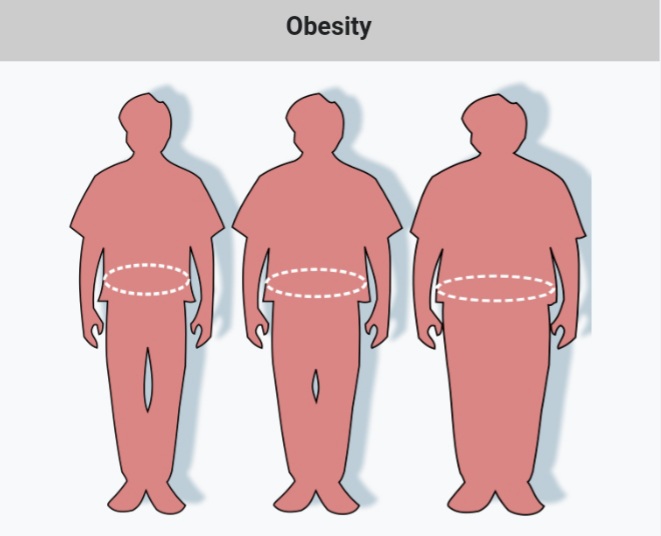

Obesity

Obesity is described by the BMI (Body mass index). The obesity in the body is nothing but the high level of fat stored in the body. It is a very bad thing which in future leads to many health problems.

Many of the children are falling obese now a days. This is because of not having good food. Many of the children are highly addicted to the junk food. The junk food intake in the body increases the fat levels in the body.

A disorder involving excessive body fat that increases the risk of health problems. Obesity often results from takingin more calories than are burned by exercise and normal daily activities.

Symptoms:

Obesity occurs when a person’s body mass index is 25 or greater . The excessive body fat increses the risk of serious health problems.

What causes obesity?

Obesity is generally caused by eating too much and moving too little. If you consume high amounts of energy , particularly fat and sugars, but do not burn off the energy through exercise and physical activity, much of the surpluse energy will be stored by the body as fat.

8 Most common causes of obesity :

* physical inactivity.

* overeating.

* Genetics.

* A diet high in simple carbohydrates.

* A frequency of eating .

* Medications.

* psychological factors.

* Diseases such as hypothyroidism, insulin resistance, polycystic ovary syndrome, and caushing’s syndrome are also contributors to obesity.

Let us now look at some methods to prevent obesity.

*Healthy and nutritious food :

It is very important to consume healthy and nutritious food every day. To gain a sufficient amount of nutrients and and to be healthy it is very important to consume nutritious food. Consuming nutritious food helps us to gain sufficient energy. Being healthy prevents us from Many deadly diseases.

*Exercise :

Exercising at least for 10 to 15 minutes a day help the individual to be physically fit and also mentally strong. Exercising every day is a very good habit which everyone need to make it and perfect habit to do. Exercising 10 to 15 minutes also relieves us from the stress and the tension we have had. So, it is better to spend at least 10 to 15 minutes even in our hectic schedule an exercise.

* yoga :

Yoga relives from the stress and tension we have had. Sparing at least 10 to 15 minutes time on yoga benefit is a lot. It relaxes the muscle and comes to mind. It helps to be physically fit and mentally strong. All the asanas and pranayama helps to Gain strength and to be physically fit.

*Meditation :

Meditating for certain minutes helps to calm the brain and soul. It helps and relieving the stress and the tension we have had. It helps us to focus on the things which we are willing to do. It also equally helps us to be mentally strong. It is such a good and a mandatory practice an individual must obtain and must follow without any delays.

* Monitor your weight regularly.

* Be consistent.

Who obese people?

BMI is calculated by dividing a person’s weight in kilograms by the square of their height in metres. A BMI of 25.0 – 29.9 is classified as overweight but not obese, while a BMI of 30.0 or over is classified as obese. A BMI of graeter than 35.0 is classified as severely obese.

Adult BMI calculator

BMI WEIGHT STATUS

Below 18.5 underweight

18.5 – 24.9 Normal

25.0- 29.9 overweight

30.0 and above obese

The negative effect of obesity :

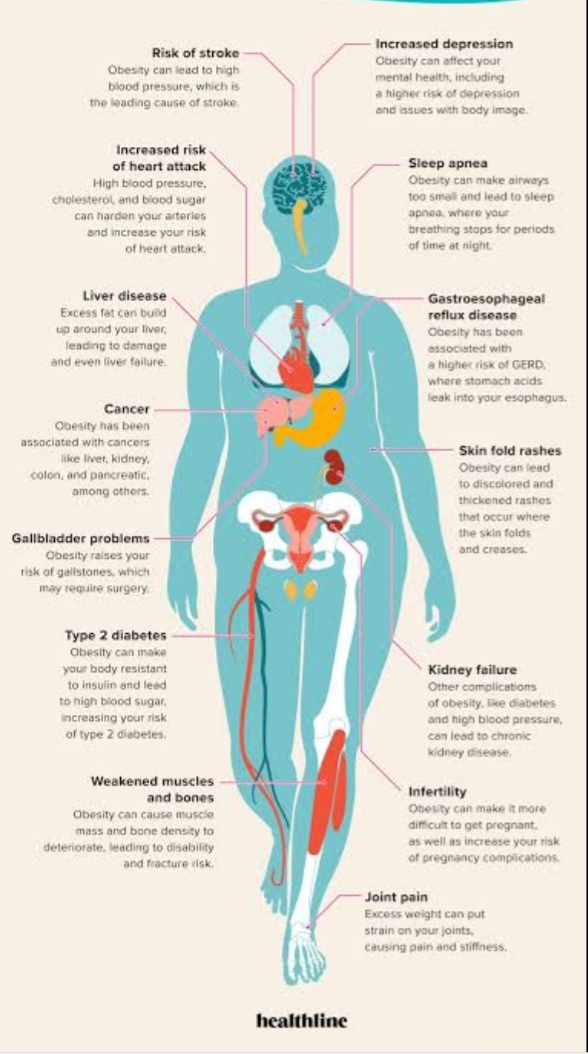
Obesity is serious beacause it is associated with poorer mental health outcomes and reduced quality of life. Obesity is also associated with the leading causes of death in the united states and worldwide, including ,diabetes, heart disease, stroke, and some types of cancer.

Bill Gates

William Henry Gates is an American business magnate, software developer, investor, author, and philanthropist. He is a co-founder of Microsoft Corporation, along with his late childhood friend Paul Allen. 

He was on 28th October 1955 (65 years) in seatle, Washington, unitedstates he was dropped out from harvard University, and schooling in lakeside school.

He has three children’s named Jennifer Katherene Gates, phoebe adele Gates, rory jhon Gates. And his net worth is about 12,930 crores usd (2021)

Credit Creation by Commercial Bank . ( Explanation , Assumptions , Mathematical Representation , Process , Limitations )


Banks play an important role in financial stability and the economy of a country.
It is a financial institution that accepts deposits from the public and creates a demand deposit while simultaneously making loans.


Credit creation is one of the most important functions performed by commercial banks. It separates a bank from other financial institutions . In simple terms credit creation is the expansion of deposits. A bank expands the demand deposit into multiple cash reserves as demand deposits are the principal medium of exchange.

In words of Newly ” Credit Creation refers to the power of commercial bank to expand secondary deposits either through the process of making loans or through investment in securities “

Credit Creation is a situation in which banks give more loans to consumers and businesses with the result that the amount of money in circulation increases . In other words , it refers to the unique power of banks to multiply loans and advances and hence create credit on the basis of the primary deposit of the account holder .

According to G.N Halm ,
“The creation of derivative deposits is identical with what is commonly called the Creation of Credit .”
__________________________________________
Arguments Regarding Credit Creation .

There have been two views on the Credit Creation by bank by two economists
Hartley Withers
Walter Leaf .

According to Withers , banks can create credit by opening a deposit , every time they advance a loan . This is because every time a loan is sanctioned , payment is made through cheques . As long as a loan is due , a deposit of the amount remains outstanding in the books of the bank . This every loan creates a deposit .


Walter Leaf did not agree with this view . According to them, banks cannot create money out of thin air . They can lend only what they have in cash . Therefore , they cannot and do not create money .

The given argument was related to single bank and hence ,as pointed out by Prof Samuelson ,
“The banking system as a whole can do what each small bank cannot do : it can expand its loan and investments many times the new reserves of cash created for it , even though each small bank is lending out only a fraction of its deposits .”

Thus , banks are able to create credit or deposits by keeping a small cash in reserves and lending the remaining amount .


Basis of Credit Creation


Demand deposits are an important constituent of money supply and the expansion of demand deposits means the expansion of money supply . The entire structure of banking is based on credit . Credit basically means getting the purchasing power now and providing to pay at some time in the future .

Bank deposits form the basis of credit creation.


Bank deposits can be divided into two types :-

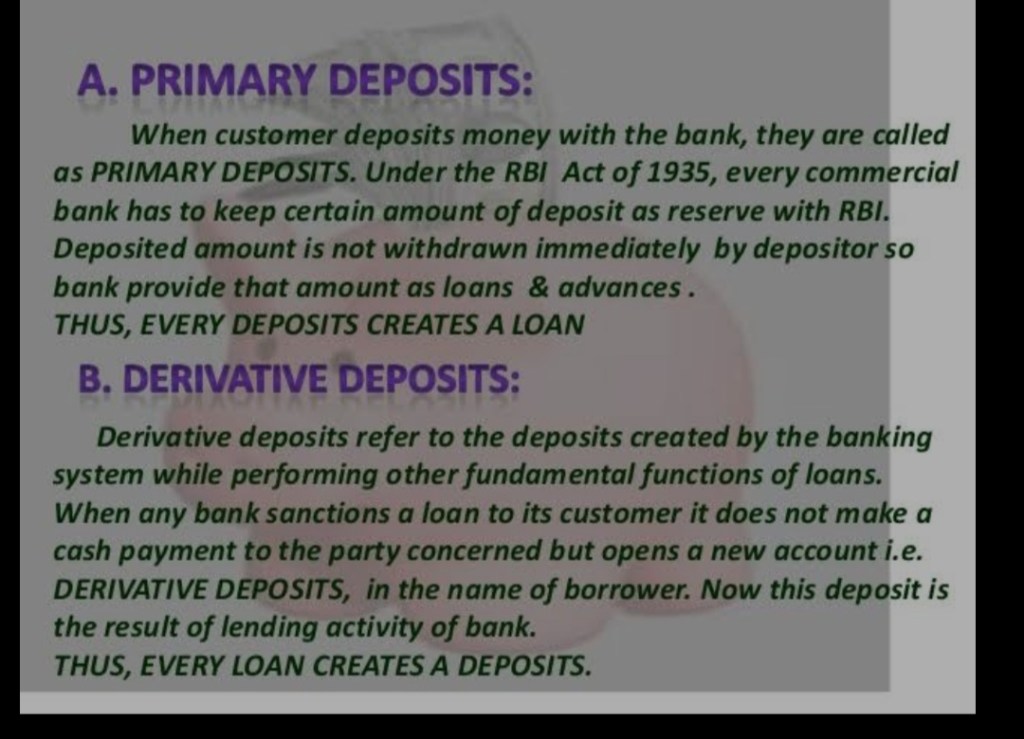
Primary Deposits :- A bank accepts cash from the customer and opens a deposit in his name . This is a primary deposit . These deposits simply convert currency money into deposit money . These deposits form the basis for the creation of credit. These deposit creates a loan .

• Secondary or Derivative Deposit :- A bank grants loans and advances instead of giving cash to the borrower , opens a deposit account in his name . This is the secondary or derivative deposit . Every loan creates a deposit . The creation of a derivative deposit means the creation of credit .

Banks can expand their demand deposits as a multiple of their cash reserves because demand deposits serve as the principal medium of exchange .


Aspects of Credit Creation


The two important aspects of credit creation are :-

Liquidity :- The bank must pay cash to its depositor when they exercise their right to demand cash against their deposit .

Profitability :- Banks are profit – driven enterprises . Therefore a bank must grant loans in a manner which earns higher interest than what it pays on its deposit .


Assumptions :-


The bank’s credit creation is based on the assumption that during any time interval only a fraction of its customers genuinely need cash . The bank also assumes that all its customers would not turn up demanding cash against their deposit at the same time .


Concepts of Credit Creation.


Bank deposit :- Bank deposits are the basis of credit creation . Bank deposits constituent of primary deposit and secondary deposit .

Bank as a Business institution :- Bank is a business institution which tries to maximize profit through loans and advances from deposits.

Borrowing rate :- The rate at which commercial banks accept deposits is known as the borrowing rate.

Lending rate :– The rate at which the commercial banks lend money to the customers is known as the lending rate.

Spread :- The difference between the lending rate and the borrowing rate is known as the spread.

Spread = Lending rate – Borrowing rate.

Concept of Cash Reserve Ratio :- It is legally compulsory for the bank to keep a certain minimum fraction of the deposit as a reserve. This is known as Cash Reserve Ratio (CRR) or Legal Reserve Ratio (LRR).

Banks only keep a fraction of deposits as cash reserves because all depositors do not approach the bank for withdrawal of money at the same time.
There is a constant flow of new deposits into the banks.

• Excess Reserves :- The reserves over and above the cash reserves are the excess Reserves used for loans and credit creation .

Concept of Credit Multiplier :- The credit multiplier or deposit multiplier measures the amount of money that the banks are able to create in the form of deposits with every unit of money that it keeps as a reserve.

It is calculate as,

Money Multiplier (MM or K) = 1/ CRR times


Given a certain amount of cash , a bank can create credit multiple times . In the process of multiple credit creation , the total amount of derivation deposits that a bank creates is a multiple of initial cash .


Mathematics representation of Credit Creation


Formula for Credit Creation :-

Total Credit Creation =

Cash deposit ( initial deposit ) X Credit Multiplier Coefficient .

where , credit multiplier coefficient = 1/ r

r = Cash Reserve Ratio .

Extending the above formula,

Total deposit = Cash Deposit + Credit Deposit .


Let ,

Cash Deposit = ∆ D
Cash Reserve Ratio = r
Total deposit = ∆ M


Derivation :-

∆ M = ∆ D + (1- r) ∆ D + ( 1- r ) ² ∆ D +( 1- r )³ ∆D +……….( 1-r ) ^ n-1 ∆ D .
– (i)

By multiplying both side by (1-r) in equation (i)

( 1- r) ∆M = (1-r ) ∆ D +(1-r)² ∆D + (1-r)³ ∆D ………..(1-r)^ n ∆ D.
-( ii )


Subtracting equation i and ii we get ,

( 1-r) ∆ M – ∆M = – ∆ D + ( 1- r) ^n ∆ D.

∆ M ( 1-r-1 ) = – ∆ D [ 1- ( 1-r) ^n ]

If n = ~
Then , (1-r) ^n =0

So ,

r ∆M = ∆ D ( 1-0 )
r∆ M = ∆ D

∆ M = 1/r × ∆ D .


Hence ,proved ,

Total deposit = Cash deposit × Credit Multiplier Coefficient.


Process of Credit Creation


There are two ways of analyzing the credit creation process:

• Single bank Credit creation system.

• Multiple bank Credit creation system.


Single Bank Credit Creation:-.


In this system, one bank operates all the cash deposits and cheques.

Explanation with hypothetical example :-.

Assumption :-

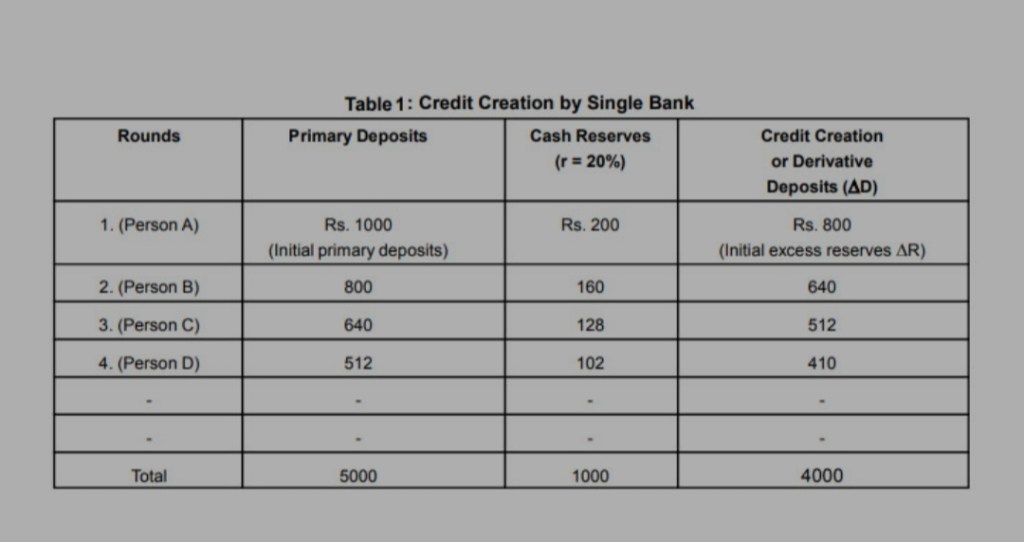
Bank receives a cash deposit from person A , of Rs. 1000.

The bank requires a CRR of 20 percent.

The remaining money is lent to another person B , C , D …and so on.

Explanation :-

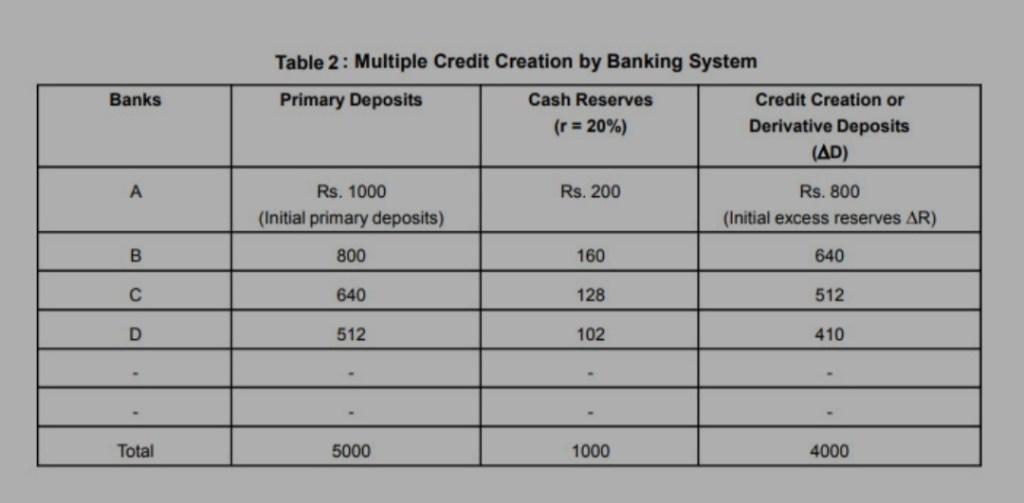
Person A deposits 1,000 rupees with the bank, then the bank keeps only 200 rupees in the cash reserve and lends the remaining 800 to another person B.

They open a credit account in the borrower’s name for the same.

Similarly, the bank keeps 20 percent of Rs. 800 (i.e. Rs. 160) and advances the remaining Rs. 640 to person C.

Further, the bank keeps 20 percent of Rs. 640 (i.e. Rs. 128) and advances the remaining Rs. 512 to person D.

This process continues until the initial primary deposit of Rs. 1,000 and the initial additional reserves of Rs. 800 lead to additional or derivative deposits of Rs. 4,000 (800+640+512+….).

Adding the initial deposits, we get total deposits of Rs. 5,000.

In this case, the credit multiplier is 5 (reciprocal of the CRR) and the credit creation is five times the initial excess reserves of Rs. 800.


Multiple Credit Creation by the Banking System


In multiple credit creation by a bank , deposit of one bank is the gain of deposit for some other bank.
This transfer of cash within the banking system creates primary deposits and increases the possibility for further creation of derivative deposits


Multiple banking system includes the following assumptions :-

• There are. many banks , say A,B, C ,.etc.

• First Bank has a cash deposit of Rs. 1000.

• The bank requires a CRR of 20 percent.

• The remaining money is lent to another bank B , C , D …and so on.


The initial deposit of Rs. 1,000 with bank A leads to a creation of total deposits of Rs. 5,000.


Limitations :-


Commercial banks have limited power in the creation of credit . The following are the limitations on the power of commercial banks to create credit.

•The credit creation power of banks depends upon the amount of cash they possess .

• An important factor that limits the power of banks to create credit is the availability of adequate securities .

• The banking habits of the people also govern the power of credit creation on the part of banks .

• The minimum legal reserve ratio of cash deposits fixed by the central bank is an important factor which determines the power of banks to create credit.

• The process of Credit Creation is based on the assumption that banks stick to the required reserve ratio by the Central Bank .

• If there are leakages in the credit creation steam of the Banking system , credit expansion will not reach the required level.

• The power of credit creation is further limited by the behaviour of the other banks .

___________________________________________

Referral links :-Cash Reserve Ratio, Credit Multiplier.

WORLD WAR I.

World war 1 which is also known as great for begin in 1914 after the assassination of Archduke Franz Ferdinand of Austria. The World war 1 was a global originating in Europe it led to the mobilization of more than 70 million military personnel including 60 million euro peons making it one of the largest was in the history it was one of the deadliest conflict in history the World war 1 started in 28 July 1914 and came to an end on 11 November 1918 which was the estimate of four years three month and two weeks after the declaration of the World war 1 the allies won war World war and gain the treaties. The treaties of Versailles that was signed on 28 June 1919 and the treaty of saint- Germaine-laye which was signed on 10th of September the treaty of Neuilly- sus-seine which was signed on 27 Nov. The treaty of Trainon which was signed on 4th June 1920 and treaty of sevres signed on 10 aug 1920 and the United States Austria’s peace treaty e which was signed on 25th August 1921, US Hungary peace treaty which was signed on 29 aug 1921 and finally the treaty of Lausanne which was signed on 24 July 1923.

There are the most positive outcome from the World war 1 and in the peace treaty that ended World war 1 set the stage to World war 2. World war 1 was a significant turning point in the political cultural economic and social climate of the world the war and its immediate aftermath sparked numerous revolutions and uprisings. The world war resulted in allied victory which was Central power victory on the eastern front nullified buy defeat on the Western front and Italian front. Secondly fall of our continental empires in Europe including Germany Russia Ottoman Empire and Austria Hungary. Tali Russian revolution and Russian civil war with the collapse of the Russian empire and the subsequent formation of the Soviet union widespread unrest and revolutions throughout Europe and Asia. Finally creation of the league of nations. Now looking into the changes that took place in the territory after World war 1 was formation of new countries in Europe and the middle East transfer of German colonies and territories partitioning the former Ottoman Empire Australia Hungary and the Russian Empire. Transfer of territory to other countries. The lives for the losses of the soldiers around 552500 military dead hand around 12832000 Ande Ande casualties and losses of 43 86000 military and around 80 388000 military wandered around approximately 18357000 and 12794000 Ross their life and the civilian around 400000 and 3700000 civil lines lost their life and network of inter locking alliances in largest the crisis from a bilateral issue in the balkans to one involving most of Europe.

Ful Russians mobilization was announced on the evening of 30 fully Austria Hungaryand Germany did the same while Germany demanded Russia demobilized within 12 hours when Russia fail to compel Germany declared war on Russia in support of Austria Hungary and lettered shift on 6 August 1914. Ultimately as a result of this was the Austro- Hungarian German Ottoman and Russian Empire ceased to exist and numerous new states were created from there remains. However despite the the conclusive allied victory and the creation of the league of nations during the peace conference intended to prevent future.

A second world war was followed just over 12 years later it ended with the defeat of the central powers the war was virtually unprecedented. in the slaughter, Carnage and destruction it caused. The main conflict during the world war took place with the Germany Austria Hungary Ottoman Empire and the Bulgarian. Work called Central powers fought against great Britain France Russia Italy Japan United States and the Romanian. The allied powers by the time the war was over the allied powers claimed victory more than 16 million people soldiers and civilians alive were did. The blood shed on the battlefield of the Western front and the difficulties the soldiers had for years after the fighting ended failure to deliver mandated reparationsLeads to the armed occupation. Imperial dynasty in Australia and Aryan Germany the Ottoman Empire and Russia collapsed.

Everything We Know About 2021 iPhones!

Apple launches new series of smartphones every year and in a couple of months, Apple is going to launch a brand-new series of iPhones that by far known as the iPhone 13. But we can’t trust the naming process as after iPhone 8 we directly got the iPhone X series. Also, there are rumors that they will launch the new series as iPhone 12s but more chances are for the name iPhone 13. Well, this we’ll get to know at the time of the launch event.

Coming back to the point, like previous year this year also Apple will launch four iPhones; the budget ones namely iPhone 13mini and iPhone 13, and the pro models namely iPhone 13 Pro and iPhone 13 Pro Max. Although Apple didn’t get much profit from the iPhone 12mini the previous year, they are willing to launch the iPhone 13mini anyway. Talking about the launch date, if everything goes well Apple will launch the new series of iPhones by the 14th of September.

What changes Apple is going to make in its upcoming iPhone series?

Any major design changes are not expected as Apple has done a major design change the previous year. According to Analysts, rumors, and leaks, we can expect camera improvements, a smaller notch, a faster processor (A15), an improved 5G chip, and increased battery life. Apple is also expected to introduce 120Hz rates for the Pro models. This year also, Apple will not replace the lightning port with a USB-C port. 

According to the Japanese site Mac Otakara, iPhone 13 models will be the same size as the iPhone 12 models, but the thickness will increase by 0.26mm. The iPhone 13 models will be slightly heavy than the iPhone 12 models because of the battery improvement.  Also, we’ll see a diagonal camera set up in the 2021 iPhones.

Although there are rumors that Apple will introduce completely portless models, in-display fingerprint scanners, and an always-on display, these updates are likely to be introduced in future models.

Till now, this is all we know about the 2021 iPhones. Disclaimer; all the details mentioned above are according to the leaks, rumors, and analysts. Though I’m happy to say that the wait very soon is going to be over for Apple fans and technology geeks. And the launch of the new iPhones will be a great opportunity for those who have a slightly low budget and want to buy an iPhone and experience iOS because after the launch prices will decrease for the previous models.

Apple products are known for their quality, reliability, performance, and customer satisfaction. Let’s see if the 2021 iPhones will be up to the mark.

“India is a cradle of art and culture”

The Indian Culture is known to be the most versatile culture in the world. From the ethical values of our heritage, the social norms, many traditional customs in the country, Various belief systems present in each family to a state to a country as a whole, different political parties, beautiful artifacts and the present technology that have originated in or the country is associated with in the Indian land or subcontinent. The term which also applies and is used beyond our motherland India to countries and different cultures whose histories are considered to be strongly connected to India’s by its immigration phase, their colonization, or its influence. Indian culture has often been labelled and is popularly known as a combination of numerous cultures, and has been influenced by a history that is many millennials old, beginning from the Indus Valley Civilization.  Many elements of the Indian culture can be identified in the country and it proudly take prides in contributing in various mathematics, religions, philosophy of the world, different cuisines, various languages that are present (many words from English are influenced by Sanskrit, which is considered to be the oldest language in the entire human existence), its art which included dance, music, movies, sculptures, various art items and this has made a huge impact in the world.

Unique Customs And Traditions Of Indian Culture - IndianMirror Magazine

India is considered to have a long romance with the form of art which is the art of dance. The Hindu language  Sanskrit has texts like Nātyaśāstra which is Science of Dance and also Abhinaya Darpana which is the Mirror of Gesture. The Indian artform of dance is known to be taught in these ancient books and this is present in the country, according to Ragini Devi, who is an Indian classical dancer states that it is considered to be the expression of one’s inner beauty and the divine in a man. It is a deliberate form of art, nothing in this form of art is left to a chance, each gesture in dance seeks to communicate the ideas of an individual, each facial expression is the artist’s emotions which makes it personal and valuable for the viewers as everyone has a different way to approach art and that is the beauty of the dance forms and other forms of art in the country. In the Indian culture it’s drama and theatre has had a long history alongside its dance and music. Many plays which are performed by Indian artists are recognized by UNESCO as a masterpiece. One of the most renowned pieces of art in the country is its cave paintings from Ellora to Ajanta to Bagh and Sittanavasal there are a plethora of paintings and sculptures which are enough to testify the love of art, history and culture which is present in the country. 

Yoga

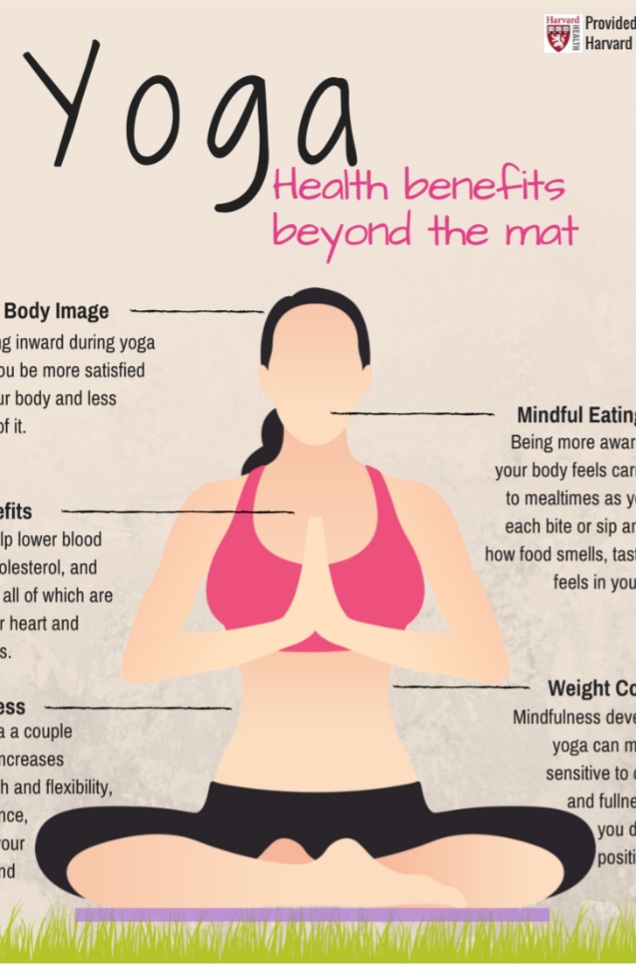
Yoga is also equally important to be mentally calm. Practicing 15 minutes of yoga is so beneficial. All the asanas helps to get stronger muscles with the fitter body and good lifestyle with mental calmness. Yoga relives from the stress and tension we have had. Sparing at least 10 to 15 minutes time on yoga benefit is a lot. It relaxes the muscle and calms the mind. It helps to be physically fit and mentally strong. All the asanas and pranayama helps to Gain strength and to be physically fit.

It helps to be fitter and healthier. It helps to have a healthy lifestyle. Exercise helps to have healthy muscles and it also helps in weight loss who is suffering from obesity and excessive weight. Exercise is the healthy habit that must be added in the healthy lifestyle and must be practiced without any delay.

Exercising, meditation, yoga etc. are great things to regain the strength and to be fitter and also happy.

Types of yoga :

Bhakti yoga :

Bhakti yoga, also called Bhakti marga, is a spiritual path or spiritual practice within Hinduism focused on loving devotion towards any personal deity. It is one of the three paths in Hinduism which lead to moksha, the other paths being jnana yoga and karma yoga.The tradition has ancient roots.

The purpose of bhakti yoga is the practitioners of Bhakti yoga ,known as bhaktas, or loving devotees, express their religious devotion through prayer, ritual, and chanting. Their purpose is to develop feelings of unconditional love and devotion

Karma yoga :

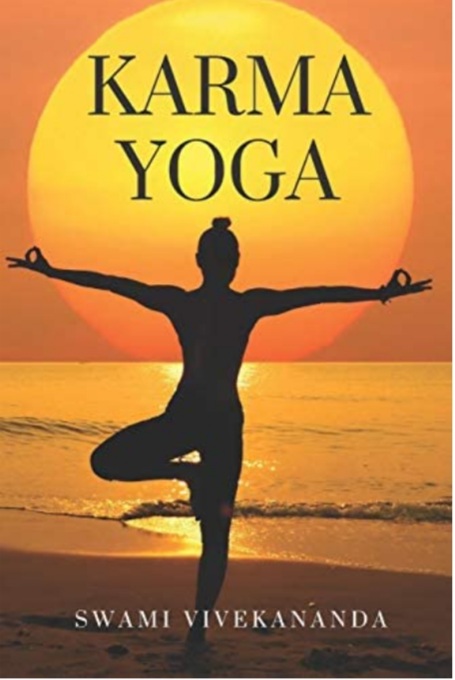
Karma yoga, also called karma marga, is one of the three spiritual paths in Hinduism, one based on the “yoga of action”, the others being jnana yoga and Bakti yoga.

Patanjali Ashtanga yoga :

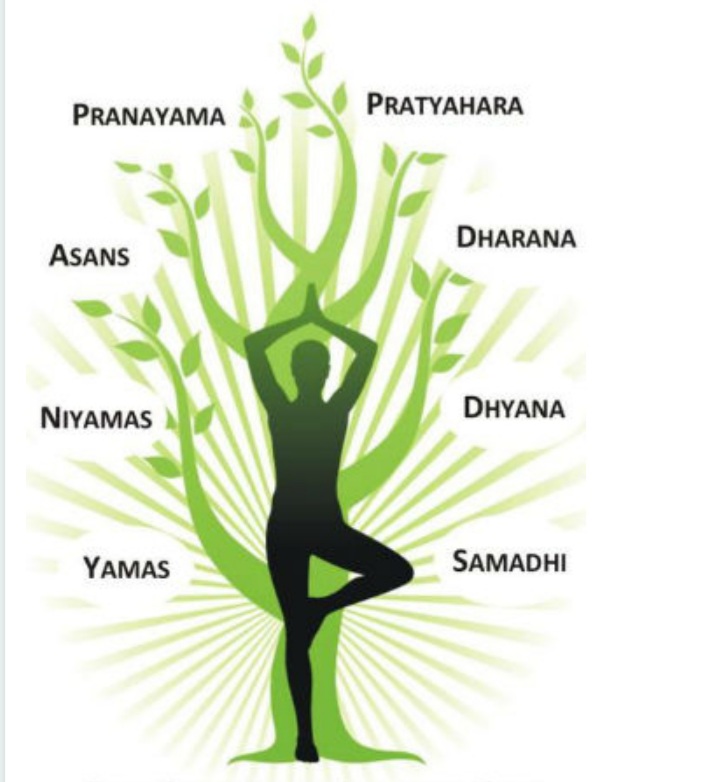
The eight limbs of of yoga is patanjali’s classification of classical yoga, as set out in his yoga sutras. He defined the eight limbs as yamas (abstinences), niyama ( observances), asana ( postures), pranayama (breathing) , pratyahara ( withdrawal), dharana ( concentration), dhyana (meditation), and samadhi( absorption).

The eight limbs form a sequence from the outer to the inner. Postures, important, in modern yoga as exercise, form one limb of patanjalis scheme; he states only that they must be steady and comfortable.

Jnana yoga :

Jnana yoga , also known as jnana marga, is one of the three spiritual paths in Hinduism, which emphasizes the ” path of knowledge”, also known as the ” path of self- realization”. It is one of the three classical paths for moksha. The other two are karma yoga and bhakti yoga.

Swara yoga :

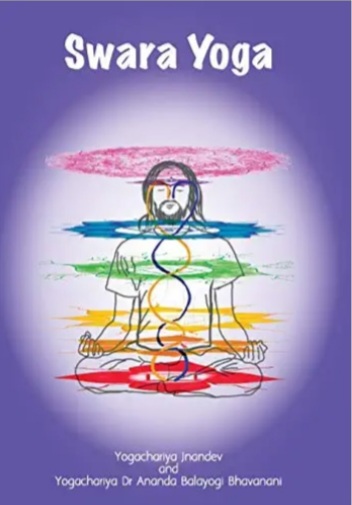
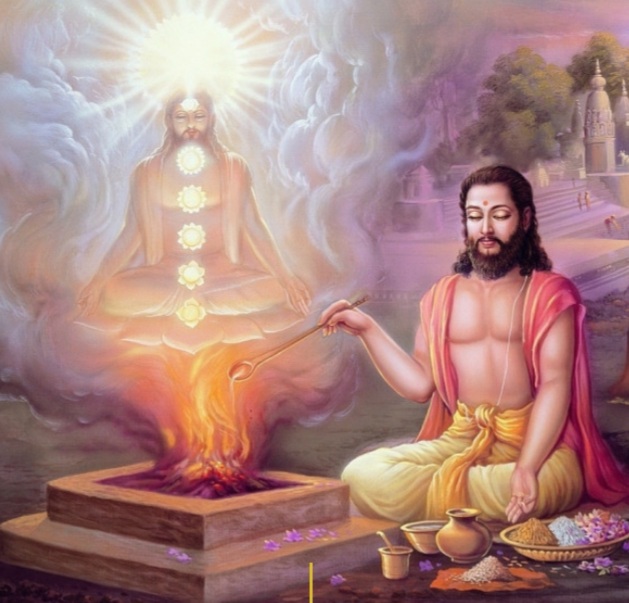
Swara yoga is an ancinet tantric science which involves the systematic study of the breath flow thriugh the nostrils irrelation to the prevalling phases of the moon,time of day and direction. Mainly practiced through the connection of breath and movement, swara yoga creates levels of harmoney that are difficult to reach with other yoga styles. Our main tool is the movement and flow of body through the postures, guided by the breath.

Raja yoga :

In sanskrit, Raja yoga was both the goal of yoga and a method to attain it. The term also became a modern name for the practice of yoga in the 19th century when swami vivekananda gave his interpretation of the yoga sutras of patanjali in his book raja yoga

Kriya yoga :

Kriya yoga is a simple, psycho – physiological method by which the human blood is decarbonized and recharged with oxygen. The atmos of this extra oxygen are transmuted into life current to rejuvenate the brain and spinal centers.

Advanatges of yoga :

* yoga improves strength, balance and flexibility.

* yoga helps with back pain relief.

* yoga benefits heart health.

* yoga relaxes you, to help you sleep better.

* yoga can mean more energy and brighter moods.

* yoga helps you manage stress.

Disadvanatages of yoga :

* yoga may induce your blood pressure.

* phsical dangers of yoga

* Risk of strike.

* Hot yoga is not for eveyone.

* lack of experience or knowledge is risky.

🇮🇳INDIAN REBELLION OF 1857-1858🇮🇳 :

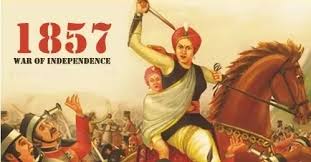
🌟On 10 May 1857 the Indian Rebellion started in Meerut; when news of this Reached Jhansi the Rani asked the British political officer, Captain Alexander Skene, for permission to raise a body of armed men for her own protection and Skene agreed to this. The city was relatively calm in the midst of unrest in the region but the Rani conducted a Haldi Kumkum ceremony with pomp in front of all the women of Jhansi to provide assurance to her subjects, [when?] And to convince them that British were cowards and not to be afraid of them.

🌟Till this point, Lakshmibai was reluctant to rebel against the British. In June 1857 a few men of the 12th Bengal Native Infantry seized the fort containing the treasure and magazine,and massacred the European offices of the Garrison along with their wives and Children. Her involvement in this massacre is still a subject of debate.

🇮🇳AUGUST 1857 – JUNE 1858🇮🇳

🌟From August 1857 to January 1858 Jhansi under Rani’s rule was at peace. The British had announced that troops would be sent there to maintain control but the fact that none arrived strengthened the position of a party of her advisers who wanted Independence from British rule. When the British forces finally arrived in March tech found it well defended and the fort had heavy guns which could fire over the town and nearyby countryside. Sir Hugh Rose, commending British forces, demanded the surrender of the city; if this was refused it would be destroyed. After due deliberation the Rani issued a proclamation: “We fight for Independence. In the words of Lord Krishna, we will if we are victorious, enjoy the fruits of victory, if defeated and killed on the field of battle, we shall surely earn eternal glory and salvation”. She defended Jhansi against British troops when Sir Rose besieged Jhansi on 23 March 1858.

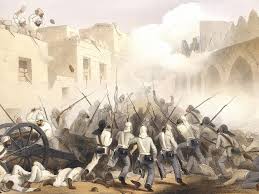
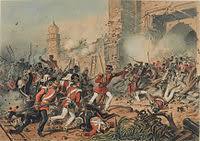
🌟The bombardment began on 24 March but was met by heavy return fire and the damaged defences were repaired. The defenders sent appeals for help to Tatya Tope! an army of more than 20,000 headed by Tatya Tope, was sent to relieve Jhansi but they failed to do so when they fought the British on 31 March. During the battle with Tatya Tope’s forces part of the British forces continued the siege and by 2 April it was decided to launch an assault by a breach in the walls. Four columns assaulted the defense at different points and those attempting to scale the walls came under heavy fire. Two other columns had already entered the city and were apporaching the palace together. Determined resistance was encouraged in every Street and in every room of the palace. Street fighting continue into the following day and no quarter was given, even to women and children. “No maudlin clemency was to mark the fall of the city” wrote Thomas Lower. The Rani withdrew from the palace to the fort and after taking counsel decided that since resistance in the city was useless she must leave and join either Tatya Tope or Rao sahib (Nana Sahib’s nephew).

🌟The place for where Rani Lakshmibai jumped on her horse, Badal. According to tradition with Damodar Rao on her back she jumped on her horse Badal from the fort; they survived but the horse died(28) the Rani escaped in the night with her son, surrounded by guards.

🌟After her death a few local people cremated her body. The British captured the city if Gwalior after three days. In British report of this battle, Hugh Rose commented the Ram Lakshmibai is “personable, clever and beautiful” and she is “the most dangerous of all Indian leaders”. Rose reported that she had been buried “with great ceremony under a tamarind tree under the Rock of Gwalior, where I saw her bones and ashes”. Her tomb is in the phool Bagh area of Gwalior.

🌟Twenty years after her death Colonel Malleson to wrote the in the History of Indian Mutiny, vol.3; London,1878 whatever her faults in British eyes may have been, her countrymen will ever remember that she was driven by ill-treatment into rebellion, and that she lived and died for her country.

THE EPIDEMIC OF LONELINESS

As per psychologists, the corona virus pandemic has hit us very hard and triggered a sort of loneliness epidemic.

LONELINESS:

Loneliness is described as social pain. It is an universal emotion and can be complex and unique to every individual. It is described as a state of solitude or being alone. According to experts, loneliness is not necessarily about being alone. Instead, if you feel alone and isolated, then that is how loneliness plays into your state of mind.

Experts believe that its not about quantity of social interaction that combats loneliness, but it’s the QUALITY

Rates of anxiety and depression are high among young people. Stress , anxiety, depression and loneliness are interconnected and can fuel up each other. In this era, people really want to be social. That’s how our system is build but its harder in this pandemic.

STUDY OF LONELINESS:

New Harvest research suggest that the isolation feeling hits the hardest on older teens and young adults. In a recent study conducted by researchers at Making Caring Common 36 % of approximately 950 Americans are found prey to loneliness. And the most risking part is that 61% of those are aged between 18 to 25. “I was surprised at the degree of loneliness among young people “, quoted Richard Weissbourd, a psychologist and senior lecture at Harvard Graduate School Of Education. He added, “If every person who’s in pretty good shape can make a commitment to reaching out to one person they are concerned might be lonely once a week, that would be a good thing”.

RISKS ASSOCIATED WITH LONELINESS:

The main risk associated with loneliness is DEPRESSION AND SUICIDE. Apart from these there are high risks of Alcoholism and drug use. Cardiovascular disease and stroke. Decreased memory and learning. Poor decision-making.

LONELINESS CAN BE CONTAGIOUS:

Study suggests that loneliness can be contagious. In a 10-year study, researchers examined how loneliness spreads in social networks. The results indicated that people close to someone experiencing loneliness were 52% more likely to become lonely as well.

OVERCOME LONELINESS:

Loneliness can be overcome but it needs continuous effort from the person suffering from it. First recognize that loneliness is sign and something needs to be change. Understand the effects of loneliness and try to study about it. Seek help from people who you truly believe and can share the issue without any hesitation.

Connection is really important to your emotional health, and it’s really important to your physical health as well. Stay connected and overcome loneliness.

The Origin of Buddhism .

We are what we think. All that we are arises with our thoughts. With our thoughts, we make the world.
Peace comes from within. Do not seek it without.

Lord Buddha

Introduction.

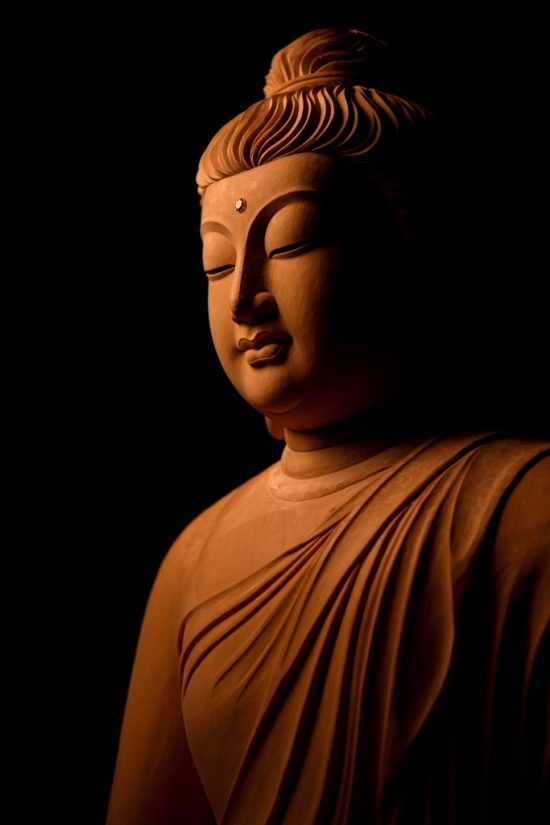
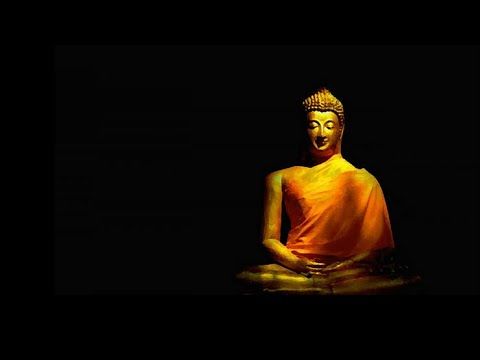
He was a spiritual personality . An ancient teacher and enlightened many . A founder of world religion Buddhism . He was popularly known as Gautama Buddha (also known as Siddhattha Gotama or Siddhārtha Gautama or Buddha Shakyamuni ) .

The Enlightened One who rediscovered an ancient path to release clinging and craving and escape the cycle of birth and rebirth. He taught for around 45 years and built a large following, both monastic and lay. His teaching is based on his insight into the arising of duḥkha (the unsatisfactoriness of clinging to impermanent states and things) and the ending of duhkha—the state called Nibbāna or Nirvana (extinguishing of the three fires).

Buddhism

Buddhism, one of the major religions and philosophical systems of southern and eastern Asia and of the world. Buddha is one of the many epithets of a teacher who lived in northern India sometime between the 6th and the 4th century before the Common Era.

The title buddha was used by a number of religious groups in ancient India and had a range of meanings, but it came to be associated most strongly with the tradition of Buddhism and to mean an enlightened being, one who has awakened from the sleep of ignorance and achieved freedom from suffering.

According to the various traditions of Buddhism, there have been buddhas in the past and there will be buddhas in the future. Some forms of Buddhism hold that there is only one buddha for each historical age; others hold that all beings will eventually become buddhas because they possess the buddha nature (tathagatagarbha).

According to Buddhist doctrine, the universe is the product of karma, the law of the cause and effect of actions, according to which virtuous actions create pleasure in the future and nonvirtuous actions create pain.

Your work is to discover your world and then with all your heart give yourself to it.

Lord Buddha

History

Gautama Buddha ( born c. 6th–4th century BCE, Lumbini, near Kapilavastu, Shakya republic, Kosala kingdom [now in Nepal]—died, Kusinara, Malla republic, Magadha kingdom [now Kasia, India]).

Buddha is one of the many epithets of a teacher who lived in northern India sometime between the 6th and the 4th century before the Common Era.

Learnings from Gautama Buddha.

1. “Three things cannot be hidden: the sun, the moon and the truth.”

2. “You will not be punished for your anger; you will be punished by your anger.”

3. “You can search throughout the entire universe for someone who is more deserving of your love and affection than you are yourself, and that person is not to be found anywhere. You, yourself, as much as anybody in the entire universe, deserve your love and affection.”

4. “We are shaped by our thoughts; we become what we think. When the mind is pure, joy follows like a shadow that never leaves.”

5. “Believe nothing, no matter where you read it, or who said it, no matter if I have said it, unless it agrees with your own reason and your own common sense.”

Link

10 FINANCIAL BOOKS YOU SHOULD READ

Financial education is something that everyone should know about it .Everybody should know about how to handle their expenses ,how to plan their future, how to start their start-ups .So here is 10 books that helps you in many ways and you should read this book before start your earning or startups. I hope you all find these books as interested as I liked them. Here is the list of 10 books:-
  1. Rich Dad Poor Dad (1997)

    Author:-ROBERT T KIYOSAKI
    Genre:-Financial Investment , non-fiction
    Description:-Robert T Kiyosaki is an American author and business man .he is the founder of Rich Global LLC and the Rich Dad company. he wrote rich dad poor dad which is one of the best selling book of New York times .It has sold over 32 million copy . He wrote in book how people denied to accepting the truth and how the fear and greed control them through out their life. He also talks about financial strategies . It’s one of the best book on financial education.

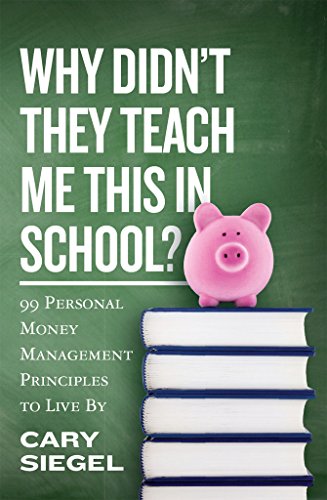
2.Why Didn’t They Teach Me This in School? (2017)

Author:-Cary Siegel
Genre:- Financial education ,Business
Description:-Cary Siegel is a MBA graduate from a university of Chicago. After Graduating from one of the top business school. He started his carrier in sales and marketing and lead several companies in sales and marketing. He shared his experience and finance lesson that he learned through out of his life.
Why didn’t They Teach Me This in School? covered numerous topics like budgeting, spending, credit cards, investing, mortgages, insurances and much more which you will never learn in your school.

3. The Automatic Millionaire (2003)


Author:- David Bach
Genre:- financial Investment, self-help
Description:-David Bach is an American author, Motivational speaker ,entrepreneur and founder of Finish rich.com.
He wrote many books on finance such as Finish Rich series and Automatic Millionaire series.
The Automatic Millionaire is about how can you become financially stable without taking so much risk or if you are frugal then you must read this book.
“The first person who deserves your money is yourself” by DAVID BACH

4. The One-Page Financial Plan (2015)

Author:- Carl Richards
Genre:- Financial Investment and education
Description:- Carl Richards is a certified Financial planner and the author of The Behavior gap and appearing weekly on New York times since 2010.
The one page financial plan is all about how can you do budgeting and make savings to be fun. Set your future goals but change your strategies according to the situation.

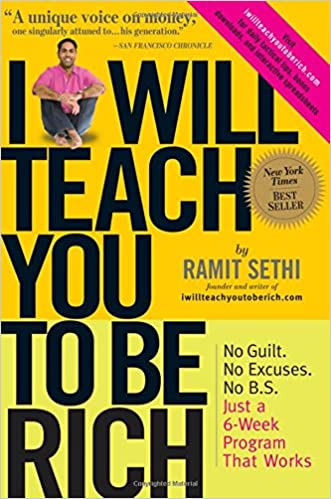
5. I Will Teach You to Be Rich (2009)

Author:- Ramit Sethi
Genre:-Financial education and Investment
Description:-Ramit Sethi is an American personal finance advisor and entrepreneur. he is the best selling author of New York times in 2004.
i Will teach you to be rich talks about how people blame others about their financial problems, smartly spending your earning and start investing from today as it will help you in future.

6. Your Money or Your Life (1992)

Author:-Joseph R. Dominguez, Monique Tilford, and Vicki Robin
Genre:- Financial education and Investment
Description:- Author talks about the minimize spending ,excessive investing and save for Emergencies .

7.  Think and Grow Rich (originally published:-1937)

Author:- Napoleon Hill
Genre:- Non-Fiction, Self-help, Financial education
Description:-Oliver Napoleon Hill was an American author who wrote so many self-help books. Think and Grow rich is one of them and it’s one of the best self-help book of all times.
Hill talks about the belief in yourself ,becoming a stubborn and never your change your decision once you decided and accompany those who are mastermind on your field.

8. The Millionaire Next Door ( originally published:-1996)

Author:-Thomas J. Stanley, William D. Danko
Genre:- Non-fiction
Description:- Thomas J. Stanley was an American author and business theorist . He wrote The millionaire next door which was the New York times best sellers.
The millionaire next door covered about the healthy spending and avoid silly mistakes that mostly people do to handle their financial expenses. It’s one of the most practical book that I had ever read till now

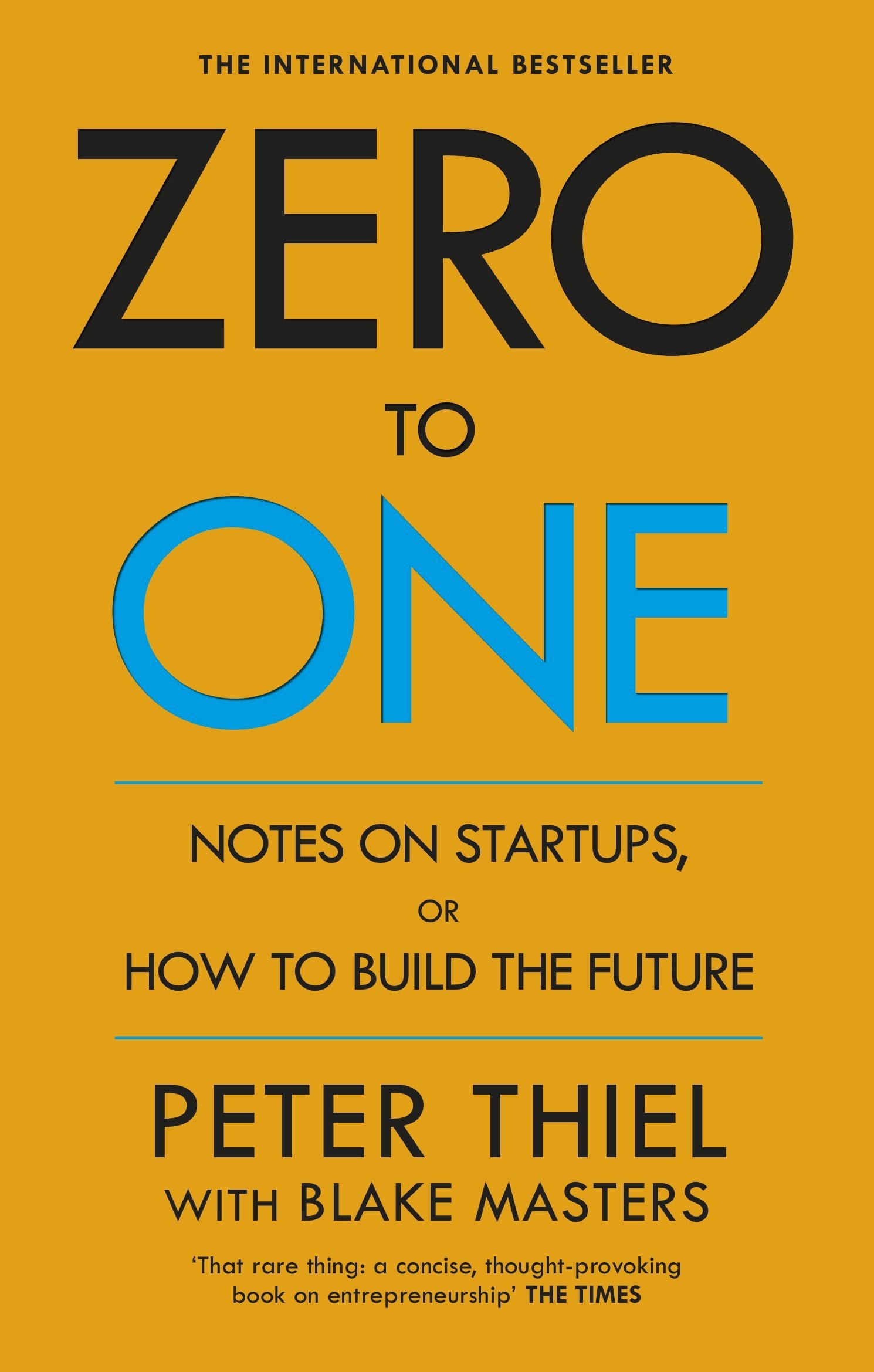
9. Zero to One (2014)

Author:-Blake Masters and Peter Thiel
Genre:- Business, Politics and Government
Description:-Peter Theil is German-American billionaire entrepreneur and venture capitalized. he is the co-founder of PayPal ,Palantir technologies .he was the first outside investor in Facebook .he was ranked four on the Forbes Midas list 2004. peter write about how he thinks about his business and how an you shape the future of the world in the process.

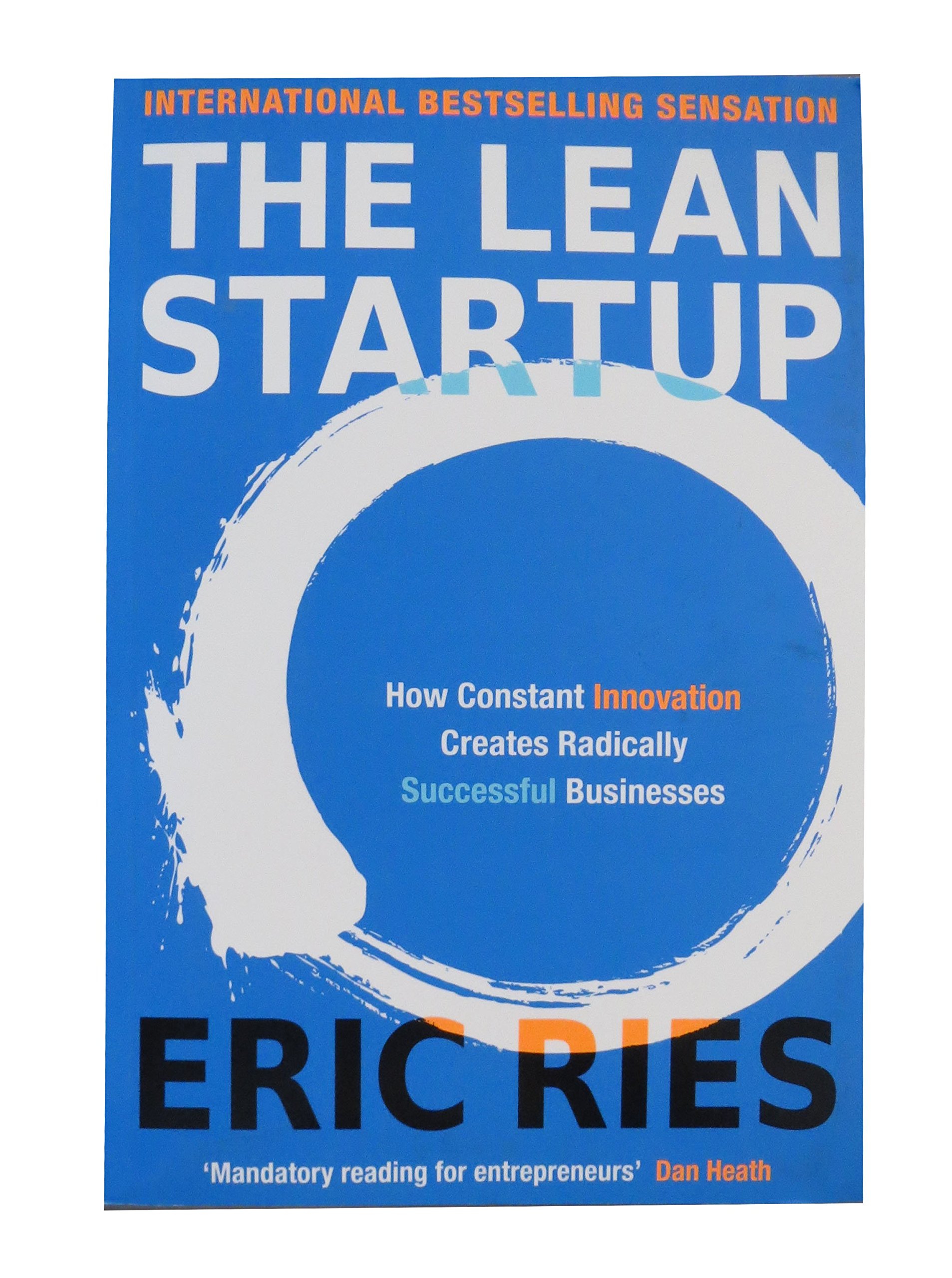
10. The Lean Startup(2011)

Author:-Eric Ries
Genre:-Self-help book
Description:- Eric Ries is an American entrepreneur, blogger and author of The Lean Startup.
the lean startup talk about the customer needs and quickly learn about it, changing the strategies according the customer needs and previous result. Eric Ries divide the book in three section:-
1. vision
2.steer
3.Accerlate

I hope you liked the article .Thank you for giving your precious time to read this article if you like the article pls tell us and comment your feedbacks .
Have a Good day and Happy Reading.

Making of the Indian Constitution

Importunity raised for a Separate Constitution:-Mahatma Gandhi in 1922, lay down the desire for Swaraj and quoted that India’s political destiny should be defined by the Indians themselves, and it would be a deposition of India’s self-expression. The failure of the Statutory Commission and the Round table Conference led to the imposition of the Government of India Act,1935. The demand for a Constitution made by the people of India without any interference was first argued by the National Congress 1935.

Cripps Mission:- However, the demand was continuously countered by the British government. Henceforth World War II took place, the external conditions caused them to realize the necessity of figuring out the Indian Constitutional crisis. In 1940, the Coalition Government in England provided Indians to frame a new Constitution for autonomous India. In March 1942 Sir Stafford Cripps, a member of the Cabinet, with a draft statute on the proposals of the British Government, provided an agreement to the two prominent political parties ( i.e. Congress and the Muslim league) that:-

(1) The Constitution of India to be drafted by an elected Constituent Assembly of the natives.

(2) The Constitution should convey India a Dominion significance.

(3) There should be one Indian Union constituting all provinces and Indian states but,

(4) If any province or state refuses to endorse the Constitution would be free to maintain its Constitutional status.

But the two parties failed to approve and advised to divide India based on communal lines and to make an independent Muslim state. After the refusal of the Cripps proposal, the Quit India movement was launched by Congress.

Cabinet Delegation:- The Cabinet delegation refused the claim for a separate Constituent Assembly and a separate state for Muslims. Various attempts to calm the two parties were made comprising Simla Conference but nothing helped the Cabinet Delegation too failed in making the two parties enter to an agreement.

HMG’s statement of 3 June 1947:- The British Government sent Lord Mount batten to India as the Governor-General, in place of Lord Wavell. Lord Mount batten brought the Congress and the Muslim league into a factual agreement that the two provinces of the Punjab and Bengal would be split to form Hindu and Muslim preponderance regions within these provinces, the plan is known as ‘The Mount batten’s Plan’.

•The Indian Independence Act, 1947: On the 26th of July, 1947 the Governor-General declared the setting up of a separate Constituent Assembly for Pakistan. The Indian Independence Act of 1947, introduced in Parliament on 4th July 1947, received Royal assent on 18th July 1947 and came into force from the date. The act provided that from 15th August 1947 there would be two independent Dominions, to be known as India and Pakistan.

•Constituent Assembly of India:- As a sovereign, the Constituent Assembly for the dominion of India was first set up on 14th August 1947. The essentials of the scheme were:-

(1) The provinces were to elect 292 members while the Indian states were allocated 93 seats.

(2) The seats were distributed among the three main communities Muslims, Sikhs, and General in each province.

(3) Members of each Community in the provincial legislation assembly select their representatives by a single transferable vote.

•Drafting Committee:- The salient features of the proposed Constitution summarized by various committees of the Assembly such as the Union Constitutional committee, the Union Powers Committee, Committee on Fundamental Rights, and after the report of the Committee, the Assembly appointed a Drafting Committee on 29 August 1947. Dr. B.R. Ambedkar was the chairman of the Drafting Committee.

GANDHINAGAR CAPITAL STATION REVAMPED

GANDHINAGAR CAPITAL STATION OVERVIEW

There is no need to tell anyone who is an Indian citizen that how a major and key role the Indian Railways plays in their life. From many decades, Indian Railways is working tirelessly day in and day out to provide its duties for a whopping more than 135 crore population. Indian Railways is considered as the cheapest means of transport in India. The fare of journey is kept low so as to provide rail facilities to even the small income families. Indian Railways has become an integral part of our society. But over the time it is felt that modernisation of Indian Railways is quite important with the changing world. Now rail coaches and railway stations are redeveloped as per the modern standards. One such station is the newly redeveloped Gandhinagar Capital Railway Station.

Gandhinagar Capital is a major station of Gujarat and is located in the city Gandhinagar. Its station code is GNC. It is managed by the Western Railway Zone of Indian Railways. It is located on 2 lines namely :- Ahmedabad-Delhi mainline and Khodiyar-Kalol section. It is the main station of capital of Gujarat that is Gandhinagar.

REDEVELOPMENT AT GANDHINAGAR CAPITAL RAILWAY STATION:-

  • The foundation for its redevelopment was laid by Honourable PM of India Shri Narendra Modi in the year 2017 at an estimated cost of Rs. 250 crores.
  • The stations has 3 platforms and 4 tracks. Each platform is equipped with all the basic facilities such as drinking water, food stalls and toilets for both men and women.
Model of GNC station showing design of platforms
  • A 5-star hotel is built inside the station premises to provide all the luxurious and modern facilities to the passengers and honourable guests. This hotel has 300 rooms for staying.
Building of 5-star hotel during its construction
  • As per the Western Railways, the parking area is designed to accommodate 1000 cars, 200 two-vehicles and 100 auto rickshaws.
  • The stations building is equipped with 3 lifts and 2 escalators which will be quite useful for senior citizens and divyangs.
  • There are two different subways to control the heavy traffic of passengers as one subway will serve as entrance and other will serve as exit.
The aerial view of Gandhinagar Capital Railway Station
  • The hotel building is 77 metres tall. It also has a restaurant and a shopping mall.
  • The station building is designed to provide tight security for both station and passengers. There are tunnels made to link platforms with each other. The outer boundary wall of the building will be long and tall so as to prevent any person from outside to enter in the station premises without ticket. CCTV cameras are installed at all major points for security purpose. Railway Police Force (RPF) is given the responsibility to safeguard the station.
  • The station will be declared as a “Green Building” means it will emit zero carbon emission in its day to day processes. 100% electricity for performing various tasks will be generated using the solar panels installed on the roof of the station building.
Model of GNC Railway Station after Redevelopment
  • As per the Indian Railways Station Development Corporation (IRSDC) which is the nodal agency working on the redevelopment of the station, almost 100% work is completed and station is ready for serving the passengers of Indian Railways. It is reported that PM Narendra Modi will be the honourable guest at the inaugural ceremony of the magnificent Gandhinagar Capital Railway Station.

Links :-

https://en.m.wikipedia.org/wiki/Gandhinagar_Capital_railway_station

https://www.google.com/amp/s/www.financialexpress.com/infrastructure/railways/gandhinagar-railway-station-with-a-5-star-hotel-is-a-unique-indian-railways-project-check-10-cool-facts/1530134/lite/

https://m.economictimes.com/industry/transportation/railways/indian-railways-gandhinagar-station-to-get-an-airport-like-facelift/revamp-in-the-works/slideshow/77480705.cms

https://www.google.com/amp/s/m.patrika.com/amp-news/ahmedabad-news/gandhinagar-capital-railway-station-redevelopment-five-star-hotel-6365851/

Should water resources be nationalized?

Water takes an indispensable role in our daily being like it is an integral part for our living and prominent for every human body and also for several other purposes. It is a universal need but is it available universally to all through out  the world with parity. Despite its importance for life, fresh water is an extremely rare resource on earth. The available surface fresh water is not equally distributed throughout the world and not easily accessible to humans. 69% of earths fresh water is locked in the form of ice in glaciers and 30% is under the surface as ground water. And nearly just 1% is readily available for human use.  So one of the significant ways that we can implement to get rid of the water crisis is nationalizing the water resources to make that 1% of fresh water available on earth to be accessed by everyone and attainable in all places without any bias. Nationalizing water sources mean the control over handling all water resources like dams, rivers, lakes, pipes etc. by the nation or state. Proponents of the project claim the answer to India’s water problem is to conserve the abundant monsoon water bounty, store it in reservoirs, and deliver the water using rivers interlinking project to areas and over times when water becomes scarce.

Merits

This will aid the nation to a great extent and also help  in the eradication of floods and droughts – which are the two extremes. Floods happen when there is an overflow of water that submerges the lands. Conversely droughts happen when there is lack of water resources and It takes decades to develop fully and very difficult to predict. This portrays the devastation state of how the water resources are erratic and unevenly distributed  over the world and causes calamities. It would be pertinent  to mention about the Tamil Nadu and Karnataka issue over the water resources since many years. The sharing of waters of the Kaveri river has been the source of a serious conflict and has been the bone of content between the two states. And the curtains were brought  down only after  years. These conflicts over water resources are common through out the world. For instance Ethiopia and Egypt have fought long over  Nile water resources . The Nile is an important waterway that supplies 85% of Egypt however the Nile’s water originates in Ethiopia and they plan to dam part of the river in order to generate electricity , Egypt will be adversely impacted. Even in the United States where freshwater resources are relatively abundant different populations fight over the use of fresh water.

It becomes apparent that when a river originates in a particular area, the other regions need to be dependent of them and conflict between states arise and it becomes very challenging. So linking of rivers would certainly make us get out of such situations and could curtail civil wars. Some fertile lands are turning out into barren lands due to the lack of water facility in many regions. Because of the unequal distribution of water human population are some times deprived of safe drinking water and pushed to a state of consuming contaminated  water which carry risks of infectious diseases. Lack of access to clean drinking water leads to more than 3 million death every year. So the linking of the rivers will work for the betterment of situation and can assure safe drinking water to all. Despite drinking, the fresh water is also an important need in economic activities such as agriculture, and other cultivation. There are states in India where water is very scarce and also with adequate/ plentiful water resources. So when the linking of rivers happen everyone would be equally distributed with water.

Demerits

The allocation of water may be a problem. Every region has its own demand and needs of more and more water supply. It will be challenging for the center to divert water resources from one state towards the other. In some regions there will be accidental flow of industrial wastes into the river, if the rivers are linked, the polluted water will spread all over the country. It requires lakhs of acres of lands to build dams and connect the rivers, the construction may get complicated and years to get completed. Leakage of pipeline is another issue that goes unchecked in many places. To nationalize water resources every state has to agree for the proposal. As it is a large scale project, well planed architecture is needed to connect all the rivers. It should consist experts in the technology of water resource management and have authority over the water resources of the entire nation. When the control over resources goes under the central authorities , the states would become vulnerable to lose their power. Just by nationalizing the water resources the crisis of water deficiency could not be solved. People need to become aware of the deficiency and prevent wastage of water and save water efficiently. The governments as well can frame water conservation methods and allocate funds to implement them respectively.

Conserve water before the world goes dry !!