5 reasons why reading is so important for a student to succeed

It seems so simple. Of course, students should learn to read. That’s been understood for generations. No one is going to argue against the importance of student literacy.

However, many don’t understand just how important student literacy and reading are to student development, starting at a very young age. Reports say that reading when young – even infants being read to by their parents – increases academic success down the road. However, many children enter kindergarten without the skills needed to read well. Helping students bridge that skills gap falls to those who have trained to become elementary school teachers. They play a significant role in the development of young minds in this vital area.

Here are some of the ways student literacy impacts a young mind:-

1.Self Esteem
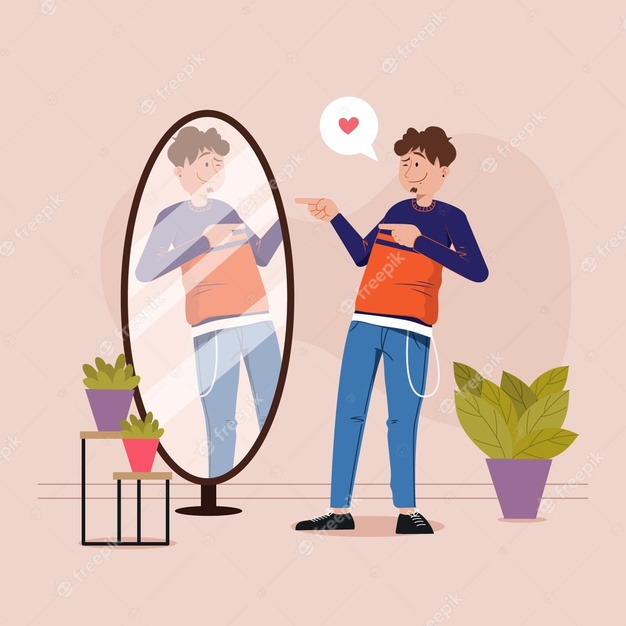

This might be the most important area of all. The sooner students develop reading skills, the more they gain ground in the areas listed below. That leads to more assurance in how they speak and write and gives them the confidence of an expanded knowledge base. When students start to read about diverse people, distant places, and historical events at an early age, they become more creative and open. Also, those who have read a lot will naturally be asked to answer more questions – another confidence builder for a young student.

2.Improved Concentration
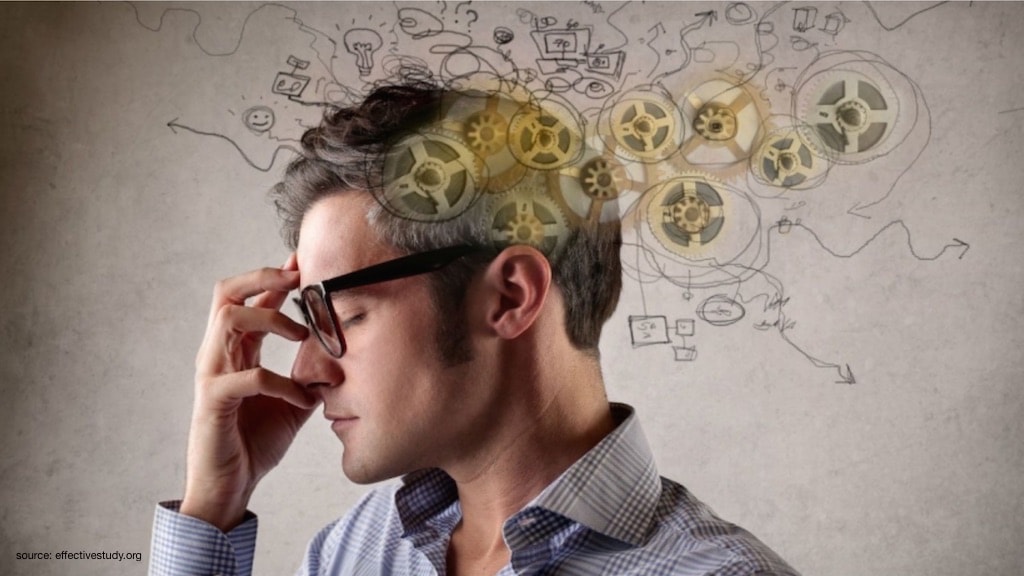

An emphasis on reading and student literacy helps develop higher levels of focus and concentration. It also forces the reader to sort things out in their own mind – including topics that might not be familiar to them at all (Paris at the end of World War II, for example, or another planet in a science fiction novel). This type of concentration on one topic – rather than trying to do many things at once – leads to better focus even after the book is put down.

3.Critical and Analytical Thinking Skills

The classic here is when a young reader becomes absorbed with a mystery book – Hardy Boys or Nancy Drew were examples for generations all over the world – and manages to solve the mystery in her head before the books reveal it. That’s a simple example of how reading helps students develop better critical and analytical skills, something that carries over even after they have put the book down.

4.Stronger Memory Skills



Think about reading. Even an elementary-age child with a relatively simple book must keep in mind a group of characters, the setting, and past actions. Reading helps to strengthen memory retention skills. That’s a powerful tool for young students – and older adults, as well.

5.Expanded Vocabulary

How many times do we all search for just the right word to express what we’re trying to say? Readers do that less. They have a larger vocabulary, and the words that young readers learn in a book will eventually make their way into their speech.

These are some of the most powerful ways that reading is important for student success. For those who have decided to teach children at the elementary school level, their impact on students in this vital area can resonate throughout the rest of their lives.

Must-Have Meet Add-Ons

As more schools have transitioned to online learning, the platforms or apps that offer online learning have come up to be extremely useful. One such is Google Meet.
It was initially released publicly on March 9, 2017, but its usage increased recently during the pandemic period. Reportedly, its usage increased sharply, in 2020, when many schools shifted to remote education during the COVID-19 pandemic. Since then It has got a far wider use. Screen recorder for windows 10 free is available now.

Although there are many available features to make the most out of a user’s virtual time, the app still has its limitation. And that is where these add-ons or the extensions come into the picture. They provide added functionality to counter the application’s limitation. These Google Meet extensions will let you customize your virtual calls and conferences to get a better experience.

Here are some of the best extensions you can install to make your Google Meet experience even better :

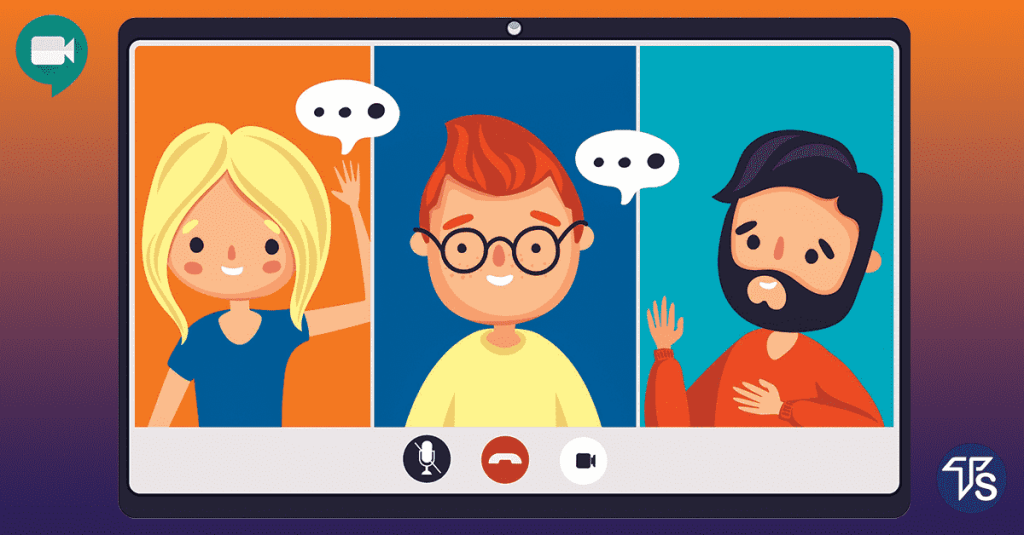
Grid View for Google Meet

Unlike Zoom, Google Meet does not provide the feature to see all the participants present in the conversation. Although recently a tile view feature was added but it still allows only 16 participants to be seen at a time.

This problem can be solved by using this extension. It allows you to see all of the participants on a single screen in form of small grids.

This button appears in the top right corner of the meet window screen, next to the chat and participant list buttons. You can toggle between grid view and speaker view to customize your screen and experience, even within a single Google Meet.

Dualless Window Splitter

It facilitates a split screen allowing the users to share the screen and view the meet window simultaneously. It is very helpful for teachers to share screen and monitor the class at the same time.

This is an ideal replacement for a dual monitor set-up. The are several screen ratios available to choose from like 3:7,4:6,5:5,6:4, or 7:3.

Meet Attendance

As is obvious from the name this extension is used to record the attendance of participants. It records the list of all the attendees and exports the same in a Google sheet which can be accessed by the creator. 

It automatically records data of each participant like their name, the time of joining the Meet, the time they left the Meet, the number of times they joined during the Meet, and the total duration in the Meet.

This extension is very helpful for the people who are hosting a classroom or a classroom-like environment, especially teachers.

Push to Talk

This extension allows the user to quickly mute or unmute themselves by just pressing a key.
By default, the spacebar is set to do this task but it can be customized anytime.
With this extension installed, all you need to do is just press the spacebar to talk and when released the mic is muted back again.

A GLANCE AT CORPORATE SUSTAINABILITY

INTRODUCTION

“Creating strong business and building a better world are the essential ingredients for long term success.”Corporate Sustainability is an evolving management paradigm for companies. While the concept understands the significance of profitability, it also reiterates the need for environmental protection and social equity.

FOUNDATION OF THE CONCEPT

Corporate Sustainability borrows elements from four main concepts.

Sustainable development

It is a broad concept that aims to balance economic growth and environmental protection. We cannot leave efforts for achieving sustainable development to the government only. Companies are the engines of economic growth. Therefore, they ought to be proactive in making consistent efforts towards achieving sustainable development. 

Corporate Social Responsibility (CSR)

CSR is a self-regulating business model. According to this concept, companies have an ethical obligation to respond to the needs of society. CSR is based on four theories-

Social Contract Theory

The theory revolves around the fact that individuals and organisations enter into various implicit and explicit contracts. When a company extracts resources from the environment, it enters into a contract. The contract is to be socially responsible towards the environment.

Social Justice Theory

This theory argues that in a fair society, all members hold equal importance. It also highlights the significance of social equity and justice. Hence companies must respond to the needs of all the people in a society.

Rights Theory

According to this theory, a company should respect the human rights of their employees and the local communities around them. It must behave ethically with them and ensure a safe working environment.

Deontological theory

The theory throws light on the golden rule that companies have a moral duty towards society. They should therefore listen, consider and respond to the needs of the society while framing strategies.

Stakeholder theory

A stakeholder is an individual or organisation that can affect or is affected by an organisation’s goals. This theory emphasizes that the stronger the relationship a company has with the external parties, the easier it is to achieve its business goals. Consequently, good external relationships help gain a competitive edge.

Corporate Accountability

There is a fiduciary relationship between a stakeholder and a company. Hence a company must be accountable for its actions to the stakeholders. Accountability refers to the legal or ethical responsibility to justify one’s actions. The ambit of Corporate Accountability extends to society as well. A company enters into various implicit and explicit contracts with society. Since a company gets its resources from society, therefore, it must be accountable for its actions. 

THE PILLARS OF CORPORATE SUSTAINABILITY

Three main pillars lay the foundation of Corporate Sustainability.

Environment pillar

Companies rely on society for getting resources. Some of these resources are non-renewable, some are renewable. Companies need to instill an understanding that renewable resources need time to get replenished or renewed. Therefore they should respect these natural cycles and should reform extraction processes. It would ensure that the resources get plenty of time for renewal. 

Social Pillar

Corporate Sustainability requires companies to recognize their impact on the people. This recognition can be in terms of committing to fair wages, showcasing ethical behavior and a safe working environment for employees. The Social Pillar promotes practices that help prosper the health, safety and well-being of the employees.

Economic Pillar

Each company faces intense pressure to earn immediate profits. But Corporate Sustainability encourages investment in technology for the future even if financial benefits show up later. The economic pillar is all about investment in creating technologies for the future. 

WHAT’S THE DIFFERENCE BETWEEN CSR AND CORPORATE SUSTAINABILITY?

CSR is a broader term than Corporate Sustainability. CSR often looks backwards to reflect on what the company has done in the past to contribute to society. On the other hand, Corporate Sustainability looks forward and aims to make efforts in the present to create future opportunities. CSR initiatives mainly target the opinion-forming groups like media while Corporate Sustainability targets the various stakeholders.

A PEEP INTO CORPORATE SUSTAINABILITY REPORTING

We have a concept called Green GDP to measure the economic growth of the countries. Green GDP is an accounting system that considers the environmental loss incurred during the process of economic growth. Thence countries can measure the environmental deterioration caused and can take measures to reduce it. Similar to this is the concept of Corporate Sustainability Reporting. It represents a potential mechanism to generate data and measure the contribution of companies towards achieving sustainable development.

THE FINAL THOUGHT

The vision of doing business is certainly changing over time. The government and stakeholders expect companies to make efforts for people and the environment. According to Global Risks 2020, climate change ranks first as a global risk. Societal risks like water crises and infectious diseases are also threatening. It expects air pollution to become a major cause of environmental mortality by 2050.
These facts highlight the urgent need for action. Corporate Sustainability provides a prospective solution to this. Therefore we need consistent efforts from the end of companies as they are the engines of economic development in a society.

GREEN ECONOMY- THE ESSENCE OF PROGRESS

INTRODUCTION

                “What soul is to body, the same is sustainability is to the progress of a nation”
The United Nations Environment Program (UNEP) describes a green economy as “one that results in improved human well-being and social equity while significantly reducing environmental risks and ecological scarcities” (2010). The concept was first coined in 1989 by the London Environmental Economics Centre (LEEC) in a publication called the “Blueprint for a Sustainable Economy”, authored by David Pearce, Anil Markandya, and Ed Barbier. A green economy aims at converging the environment, society, and economy. However, several encumbrances have obstructed the transition towards a green economy. The foremost being the inefficacy of businesses to invest in the environment. It is mainly due to a myth that it would not yield economic benefits. The investment would generate additional jobs, increase trade and output. A well-framed strategy would facilitate poverty eradication, equity, and growth.

THE COGNITION BEHIND GREEN ECONOMY

A Green Intelligence Report estimated that by 2030, energy-related CO2 emissions in the United States increase to 6.9 billion metric tonnes (MT) under a “business as usual scenario’’. It has been projected that by 2050, the emissions would rise to 42.3 billion MT. According to “Environment Outlook to 2050 “, air pollution has been projected as a major environmental cause of mortality by 2050, ahead of the lack of clean drinking water and sanitation. As cited by The Global Alliance on Health and Pollution, almost 8.3 million premature deaths each year due to air pollution. India and China have the highest number of pollution deaths per year -2,326,711 and 1,865,566 deaths. The reasons for this seem to be their high population and ever-growing industrialization. According to Greenpeace, Centre for Research on Energy and Clean Air, as a share of GDP, these countries incurred 5.4% and 6.6% of the economic cost of air pollution in 2018. The estimated cost of air pollution was $ 2.9 trillion, equating to 3.3% of the global GDP. These projections indicate the urgent need for action as the cost of damages is exponential and will worsen if not addressed through a strategic framework.

Sweden has been ranked First by The Global Green Index, 2018. At the same time, it was one of the richest countries with the highest GDP per capita, amounting to around 51,615 USD (World Bank). Thus the concept of a green economy provides a potential solution to these problems. According to the study by Brookings Institution Metropolitan Policy Program called “Sizing the Clean Economy, a National and Regional Green Jobs Assessment”, investment in clean energy projects generates 3 times as many jobs as generated by fossil fuel projects. As cited by the report called “Towards a Green Economy: Pathways to Sustainable Development and Poverty Eradication”, governments should spend $1.3 trillion a year to facilitate the shift to a green economy.

GREEN ECONOMY-THE PROSPECTIVE SOLUTION

A green economy recognizes the interdependence between the environment, society, and economy. It tries to reduce pollution and uses resources efficiently while generating employment, reducing poverty, encouraging equity. It seeks systematic, accountable, and transparent governance as a prerequisite for framing and implementing effective policies. A circular economy is a potential sustainable economic model, a solution to the problems associated with a linear economy. In a Circular Economy, materials are reused, recycled, or recovered. It avoids or minimizes waste and prevents greenhouse emissions as well. Sustainable Development Goal (SDG) 12 on sustainable consumption and production (SCP) and UNEP’s circular economy approach complement each other. SCP is all about producing goods and services responding to basic needs while providing a better quality of life by minimizing toxic materials.

CONCLUSION

We need to understand that the concept of a green economy is not simply about renewable energy or sustainable utilization of resources. On the contrary, it is much deeper than that. Its ambit extends to factors like societal inclusion in terms of Social Equity, Gender Equity, and other factors like quality of life where everyone has access to basic requirements like sanitation or nutrition. It focuses not only on increasing growth in terms of GDP but aims to achieve inclusive growth wherein no section of the society is deprived of development or is left. Due to these reasons, the Green Growth Index gives significance to factors like social inclusion as well. We need a combined effort involving the active participation of civil society. Since the civilians are well acquainted with the needs and priorities of the local people, it would facilitate the initiative. It would also promote equity and poverty reduction, the underlying motives of a green economy. We ought to understand that environment, society and economy are complementary to each other. Hence we need integrated policy-making and effective methodology to move towards a green economy.

#EDUCHAIN- BLOCKCHAIN IN EDUCATION

“If we teach today’s students as we taught yesterday’s then we rob them of tomorrow.” During the pandemic, technology facilitated education in the best way. Therefore the intertwining of blockchain and education #EdChain will certainly be really. Blockchain is an immutable, decentralised form of database that stores information. As the name suggests, it is a chain or a series of blocks that store data like the date, time and amount of transactions.

The most important feature associated with blockchains is security. Each block within a blockchain contains a hash of the previous block. Hashing makes it difficult to alter the blocks. Thus it ensures immutability. Incentivising miners ensures integrity as they disapprove malicious transactions. These mechanisms ensure the high security of data.

The intertwining of blockchain and education would help improve teaching and learning in various dimensions.

Decentralized control over data

Blockchain can store data related to students’ credentials. It can also store details like the skills or courses that students have learnt. Consequently, a centralized authority will not control this data. It would also enable the students to share this data with their prospective employers. Furthermore, students can store data related to both classroom learning and skill enhancement. It would ensure accuracy in the resumes. The security mechanisms of blockchain ensure the safety of the data. Students cannot alter past educational certificates stored on the blockchain so it would ensure accuracy. Blockchain also takes care of privacy. This is because blockchain would store the hash of the data rather than the data itself. Students can also encrypt data before storage at the option of the student. We already have many blockchain-powered applications that facilitate the record-keeping of digital credentials and intellectual property.

Ensuring accuracy

Students cannot alter their past educational certifications. Therefore, employers would get the most accurate information about their skills. This would also help find the perfect matches between employers and job seekers. A distributed ledger system like blockchain supports safe chronological academic records. By integrating transparency and accuracy blockchain can create a strong relationship between employers and job seekers.

Make learning engaging

Blockchain can also make learning more engaging. This would help us to move forward from the conventional tools of teaching and learning. Blockchain’s OpenSource framework is a tool that can enhance online teaching and learning. It would also facilitate the personal development of students. New technologies combined with blockchain can provide personalized learning. Consequently, we can customize the content to suit the needs of different students. We can also have gamified online education to make learning interesting.

Smart Contracts

Students can also enter into various Smart Contracts with the university through blockchain. These contracts can be related to various payments like tuition fees or examination fees. The contracts will provide convenience and safety of transactions at the same time. Smart Contracts in Blockchain can help automate administrative tasks. Additionally, this would also reduce overhead costs related to administrative tasks.

Efficacy in Selection

Blockchain would certainly reduce CV fraud by streamlining the data provided by the students. It can also make appropriate matches between employers and job seekers by suiting their requirements. Blockchain-based university diplomas would certainly be a good leap forward in the selection of job seekers

SUCCESSFUL INITIATIVES

Digital Credentials Consortium is an initiative that aims to enhance the record-keeping of digital academic credentials. The initiative started in 2018, intending to create a safe mechanism for storing digital academic credentials. It will enable the students to hold a lifelong record of their academic achievements. Students can easily share this data with the employer as well. The students will also get other benefits like safety, security and privacy. Moreover, they will not be required to pay fees to get copies of their credentials from the university. It would also benefit the educational institutions by managing records securely, eliminating the risk of identity fraud. Thence they can save the cost and time required in admin work. Subsequently, the employers would get the benefit of easy access to accurate records.

MIT is one of the leading institutions that has developed blockchain applications to streamline academic accreditation. It believes that the intertwining of blockchain in education can be used for various purposes.MIT Media Lab and Learning Machine’s Blockcerts is a platform. It allows educational institutions to incorporate blockchain accreditation in their programs. The University of Nicosia offers accredited courses through verified certificates on the blockchain. Southern New Hampshire University issues bachelor and diploma degrees in a digital format on the blockchain besides in a traditional paper format.

CONCLUSION

Educational technology has made good progress over the last 20 years but, there is a long way to go. Modern technologies like blockchain can facilitate progress effectively. According to the Gartner, 2019 CIO Survey around 2% of higher education respondents has already incorporated blockchain. On the other hand, 18% are planning to do so. However, 47% are not interested in incorporating blockchain in education. The possible reason behind this seems to be a wait and watch approach. Keeping in mind the hype and potential risks of blockchain respondents probably aim at playing safe. Record keeping is the most promising use of blockchain besides security and privacy. Overall we have numerous universities and enterprises aiming at enhancing education by intertwining blockchain with it. These universities use blockchain not only for record-keeping but also for teaching and learning purposes.

We need to have an accepting attitude towards change. Amalgamating technology in education may seem difficult. But it is the need of the hour. New technology can improve the existing methods by saving time and cost at the same time. Many universities have already explored this walk still we need more efforts in this regard. As they say, change is the only constant, so we need to be more receptive to this change.

#EduRob- ROBOTICS IN EDUCATION

INTRODUCTION

“Our future success is directly proportional to our ability to understand, adopt and integrate new technology into our work.” During the pandemic, technology facilitated both work and learning. Keeping this in mind, the idea of intertwining Robotics in Education seems convincing. According to the research by Global Market Insights, Artificial Intelligence in the education market will surpass USD 6 billion by 2024.

A PEEP INTO THE EFFICACY OF ROBOTICS IN EDUCATION

Technology in education, popularly called edtech is the need of the hour.

Audio Visual Media

Robotics can use audiovisual media to impart quality learning. Online learning requires a lot of attention from students and a proper system to deliver on the part of teachers. Therefore, Robotics can also make use of Virtual Facilitators like gesture recognition, 3-D gaming and computer animation to create interactions with students, making learning engaging. Subsequently, gamification tools can make the subject more engaging. Also, Chatbots can address queries by providing tailor-made answers.

Combat the Paradox in Employment

India has witnessed a paradox in employment. Indian recruitment is going through a peculiar phase. Surprisingly, almost 8 million youngsters enter the job market every year; still, companies find it tough to fill vacancies for crucial roles. The main reason for this is the enlarging skill gap. Many times students do not possess the skill set required by companies for crucial roles. Artificial Intelligence (AI) in Robots can help re-skill and up-skill students. Subsequently, Robotics can use AI and predictive analysis to map high demanded skills to boost career prospects.

Streamline admin work and universal access

Teachers have to spend their precious time and energy on admin tasks and paper checking. They can use this time to impart knowledge. Here Robotics comes into play as it can streamline these tasks. Robotics in Education gifts us universal access wherein students belonging to different linguistic communities can learn freely.

Customized Learning

The most fundamental efficacy of Robotics in Education is customized learning. Different students have different problems. Therefore, we require different methodologies to address them. Some students have good grasping power while some learn at a slower pace. Subsequently, AI in Robots can smartly customize learning by giving challenging tasks to fast learners and going at a slower speed for slow learners. It can also communicate with learners, simulating human experiences by voice or hologram.

Catering to differently abled students

Today, we have a plethora of online courses for upgrading skills available. But unfortunately, these courses are unable to cater to the needs of differently-abled students. In such a scenario, Robotics attains prime importance. AI in Robots can create customized lessons to suit the learning needs of differently-abled students as well. During the video conference for Smart India Hackathon, 2019, an engineering student from Dehradun presented her program that could help dyslexic students by utilizing the benefits of AI. Hence, Robotics can unclip the wings of specially-abled children by enabling them to learn the latest skill sets.

A GLANCE AT SOME SUCCESS STORIES

Some counties have already very well amalgamated technology with education. Columbia is running full-time online schools as a substitute for bricks and mortar schools. The schools use digital resources like digital grade books, digital portfolios, learning games and real-time feedback of students. Finland has goodwill as an educational powerhouse, imparting quality learning. It is also known for making the most advanced application of digital technology in formal and extracurricular activities. Finland has successfully used Robotics through humanoid robots and mobile apps. The robots can understand and speak up to 23 languages. The robots can also give feedback to teachers about the problems that students face. Robotics enhances the overall interest in STEM (Science, Technology, Engineering and Mathematics) by developing critical thinking skills.

Robotics in E-Learning is not an unexplored arena. Air Force technicians use Intelligent Tutoring Systems like SHERLOCK to detect electrical system problems in aircraft. We can use a similar system in education as well. Another pertinent instance is Duolingo which is one of the most famous apps used for learning foreign languages. Carnegie Learning’s MATHia was awarded the “Best Use of AI in Education”. It is a learning engine that adjusts itself according to the capacity of students.

THE FINAL THOUGHT

Robotics can certainly pave a new path for Education. It provides adaptive learning to help students ace subjects. It would help impart quality education through an engaging methodology.Skill upliftment through a digital medium can provide a flexible approach besides adding shimmer to one’s resume. Today various fields are making optimum use of Robotics. Hence we need to deal with the challenges associated with it. The primary challenge before us is preparing students for this change. We need to instill an understanding that AI would simply complex things while eliminating boundaries in learning. At the same time, one also needs to understand that there are roles requiring creativity, emotional intelligence. Only humans can play these roles well. We ought to bust the myth that utilizing Robotics in various fields would not lead to unemployment.

The purpose of using Robotics in Education is not to replace the existing people but to enhance the quality of Education. Thus the need of the hour is striking a balance and combining both AI and human abilities. Another challenge is that there is a vast need for Research & Development in this field as we are just in the initial phase of usage. Extensive Research and further innovation would ensure successful implementation.

Adapting to changes always seems difficult. But we need to understand that change is the only constant. Therefore, we must be more receptive to it.“Robotics in Education is not meant to eliminate humans but to facilitate them”.

WHY IS SOCIETY SCARED OF CONFIDENT WOMEN?

INTRODUCTION

Men often consider workplaces like offices and positions of power as their original territory. But unfortunately, a woman walking down the same corridor seems really hurting. Maybe, the patriarchal society does not dare to accept a woman’s success. Society has sadly conditioned men to see women as inferior. Society has suppressed women for the longest time. Men have gotten so used to seeing women as the weaker sex that they cannot see them prosper. The story does not belong to the present day. Society is writing it since ancient times. A legitimate example would be the terror in the hearts of men on seeing Razia Sultan’s regime.

CONSTANT FEAR OF SUCCESSFUL WOMEN

A woman with a solid and confident personality strikes terror in the hearts of men for no fault of hers. Suppose a woman questions a decision or expresses her point strongly. In that case, she is instantly stereotyped as a devil for violating the conventional code of conduct. As a retaliation, men usually title strong women as challenging to work with or get along or tough to handle. This is the most common solution men use when they cannot accept a confident and booming woman. The frustration is so deep that they even derogate the assumption that the woman must have done sexual favors to impress her boss.

The issue is not that superficial as it may seem to be. Instead, it is something much deeper rooted. More than a mere stereotypical gender face-off, it brings out the fickle-mindedness of society.  For long years the community has conditioned men to see themselves as superior and women tolerant of it. The television and film industry is the trendsetter for the country. But unfortunately, in the majority of cases, successful and confident working women are often portrayed as mean, cold-hearted, or harsh. If a man is career-driven, then he is praised for his determination. But if a woman does the same, she’s seen as selfish or irresponsible towards her family. Successful working women are rarely portrayed as affectionate mothers or wives. This brings out a bizarre assumption that a career deteriorates motherhood in a woman.

WHY ARE WE SO INSECURE?

Insecure people do pull down everyone, but when this pulling down does a gender bias, things get ugly. The whole proposition takes a dramatic turn because men often see it as a role reversal. They often look at this role reversal as a threat to their masculinity. Since the earliest times, a man is seen as the breadwinner for the family. This label further cements their superiority over women. This is because it is a certification of the fact that women are dependent upon men. In such a scenario, when women break their cocoons and move out, it scares men to the core. Men are in constant fear of losing their supposed superiority over women. Men cannot accept that women can break their shackles and be on an equal footing to them.

POSITION OF THE SOCIETY

This fear of losing power is so deeply rooted that it is visible even between a husband and a wife. If a wife starts earning equal to or more than her husband, she often hurts her husband’s ego and falls prey to numerous taunts. But this does not mean that only men are at fault, the society has an equal contribution. Very conveniently, society says that behind every successful man, there is a woman. Still, it cannot believe the vice versa. Community respectfully uses the term “working women” for females when they move out of their homes. But it mockingly uses the phrase “house husband” when a husband takes care of the household. This clearly highlights that despite shouting about equality at the rooftops, society is still uncomfortable for it at heart.

THE FINAL THOUGHT

Not liking a woman just because she is successful or confident brings out society’s own insecurities. If a husband supports his wife the same way his wife helps him, things will improve. It is certainly wrong to stereotype that all men are afraid of confident women. Husbands have started supporting their wives to fulfill their dreams. This precious support is unclipping their wings.

Men have begun respecting women at top management levels.  The traditional rigid roles of men being the protector provider and women being dependent ought to be challenged. Masculinity is no certificate of superiority. Equality comes where we judge a person on his merit and not his gender. Gender bias is certainly corrosive to society and progress as well. There is nothing wrong with healthy competition. In fact, it actually brings out the best in a person and helps him to flourish. But when this competition is a pure consequence of the power play between sexes, it does become problematic.

DOMESTIC VIOLENCE TOWARDS MEN: THE IGNORED SUFFERING

INTRODUCTION 

The term “domestic violence” refers to all the violent acts coming from one family member against another.Besides physical abuse, its ambit also extends to verbal, psychological, and sexual abuse. A huge misconception that prevails in India is that domestic violence is always directed towards women. However, men also suffer from domestic violence. Due to gender-stereotypical assumptions, society is unable to believe that a woman can inflict violence on a man. Suffocated by the socio-cultural norms, men are unable to speak of this violence against them.

A GLANCE AT THE PROBLEM

According to the latest Indian study, almost 51.5% of couples have been into domestic violence. Society always thinks of domestic violence against women. Scarce research data on domestic violence against men are available in the scientific literature. Men are always believed to be the perpetrators. However, domestic violence is not limited to women only. Men are also subject to verbal, physical, emotional, psychological and sexual abuse. Usually, men do not raise their voices against this abuse and are silent victims of the torture.

According to a recent study, 51.5% of men have experienced domestic violence at least once in their lifetime and 10.5% in the last 12 months. Considering physical violence and threats against men by wife’s relatives almost 30 million Indian men face domestic violence. The laws in our society usually see women as victims. In such a case, men become helpless and do not get justice easily. Men are declared as culprits even before the actual decision. In the past, society has been male-dominated and we have seen heinous crimes against women. However, that does not entitle us to perceive that men can never be sufferers. 

WHAT ARE THE TYPES OF DOMESTIC VIOLENCE?

Domestic violence can affect a person’s life physically, mentally, emotionally, and psychologically. It violates basic human rights. There are many types of domestic violence.

Physical Violence

Physical violence refers to physical torture leading to bodily harm or injury. It includes slapping, pushing, hitting or throwing objects. In physical violence, slapping was identified as the most common form (98.3%). Physical violence is the most common type of violence after emotional violence. Society often pictures men to have physical strength and women to be physically weaker. Therefore it is a common misbelief that men never face physical violence.

Psychological Violence

Psychological violence exerts adverse effects on mental health. It causes emotional harm to the person. A recent study reported 85% abuse against the men by criticism, 29.7% by insult, and 3.5% by threats. It can also be exerted through constant threats to the husband under false allegations of dowry, marital rape or domestic violence.

WHY DON’T MEN RAISE VOICE?

In a patriarchal society, men are often ashamed to be beaten by a woman. Family pressure also prevents men to report the torture. The reasons for this are societal status and the fear of false accusations of dowry or marital. Also even when men report domestic abuse, people do not believe them. Additionally, when they try to complain, no one takes them seriously. Majorly men are ashamed of saying that they are beaten by their wives. A false hope that things would get better, fear of losing social respect, love toward their children stop men from raising voices. Also the fear of false accusations scares men to the core. Unfortunately, even when men complain it is perceived as “feminine behaviour” in the patriarchal society.

THE ADVERSE IMPACT OF DOMESTIC VIOLENCE ON MEN

Violence adversely affects life physically, mentally, emotionally, and psychologically. Violence is a violation of human rights. Unreported and unnoticed violence against men deteriorates mental health, can cause depression, anxiety or even suicide in extreme cases. It has been observed that suicide rates were more in married men as compared to separated or unmarried men. Besides depression men also have to live in constant fear of false allegations against them and their families. According to World Health Organisation (WHO), violence can increase the risk of getting addicted to smoking, alcohol, and drug abuse; it can also cause mental illness and suicidal tendencies. It can also cause chronic diseases like heart diseases, diabetes, and cancer; and social problems such as crime and further violence.

GENDER NEUTRAL LAWS

Adultery sees man as the ultimate culprit. We don’t have a law where a man can complain to his wife or in-laws. Divorce and child custody laws, look at women with a more sympathetic vision and consider them as a victim. The same is true in the case of maintenance after divorce. The number of false allegations on men regarding marital rape is also increasing.

We need gender-neutral laws that address the issue of false allegations. Human rights and gender equality ought to include both men and women. Domestic violence should be seen as spousal violence. It shall not be differentiated due to gender stereotypes. The domestic violence act in India pertains to women only. Studies clearly show that men are also the victims of domestic violence at the hand of women. Hence, necessary amendments addressing violence against men are required.

CONCLUSION

Society is changing, and so are the norms and values regarding domestic violence. We need to understand that men can also be physically and mentally harassed by their spouses and in-laws. Hence, their problems must be recognized and appropriate strategies and interventions should be implemented. We cannot deny that the society that we are inhabiting is male-dominated and patriarchal. However, this does not mean that every time a man is wrong and a woman is right. Real equality does not see women as the weaker sex. Rather it recognises domestic violence as spousal violence. It gives men the courage to raise their voice against violence and society, the humility to understand it.

 Laws and legislation must include domestic violence against men as a punishable offence. If we need men who understand and respect women then we also need women who do the same for men. In the end, we need to be more considerate towards both men and women. Like all women are not victims similarly all men are also not the perpetrators. Men and women are the pillars of both society and their families. Hence, laws are needed to protect both. We can flourish only when we understand gender equality in the true sense.

A PEEP INTO PRO-SOCIAL BEHAVIOUR

INTRODUCTION

Pro-social behavior refers to behavior intended to help others. The term had originated during the 1970s. This behavior is characterized by a concern for the emotions, feelings, and welfare of others. Pro-social behavior comprises a wide variety of actions like helping, sharing, comforting, and cooperating. Besides benefitting the recipients of help, pro-social behavior benefits the helper as well.

BENEFITS ACCRUING TO THE HELPER

MOOD BOOSTER

Several kinds of research have shown that people engaging in pro-social behaviors usually experience better moods. Additionally, people who help and care for others experience negative attitudes less frequently. So besides increasing positivity, pro-social behavior also reduces negativity.

REDUCES STRESS

Several researchers have found that pro-social behavior combats the adverse effects of stress. This is because it boosts positive emotions and helps the person get out of negative feelings. Helping others is undoubtedly a great way to reduce stress.

BETTER SOCIAL RELATIONS

Better social support definitely helps get through tough times. Several pieces of research have shown that social support has a powerful impact on the well-being of a person. Better social relations also reduce the chances of getting into depression.

WHAT ARE THE TYPES OF PRO-SOCIAL BEHAVIOUR?

The different types are distinguished based on why they are produced.

Proactive: These are pro-social actions that are done for generating benefits for one’s own self. These actions are mainly motivated by status-linked goals. 

Reactive: These actions are performed in response to individual needs, which vary from person to person.

Altruistic: These include actions to help and care for others without any expectation of personal benefit. These actions are linked to being liked and praised by the community.

There is a misconception that altruism is the same as pro-social behavior, but they are different concepts in reality. Pro-social behavior ultimately confers some benefits to the self. At the same time, altruism is motivated purely out of concern for the individual.

WHAT INDUCES PRO-SOCIAL BEHAVIOUR IN A PERSON?

In some cases, people even put their own lives at risk to help others, sometimes even complete strangers. Social scientists have tried for a long to know what exactly induces this behavior. The question is indeed fascinating: why would people do something that benefits others but offers no immediate benefit to them. There are numerous reasons why people engage in pro-social behavior.

PERSONAL BENEFITS

Pro-social behaviors are often compelled by factors like self-gratification like doing things to improve one’s self-image, reciprocal benefits like doing something nice for a return favor, and altruistic reasons like performing actions purely out of empathy.

RECIPROCAL BENEFITS

The norm of reciprocity suggests that when people help someone, the person feels compelled to help in return. When a person gets help from another, he automatically assumes a duty to return that favor as and when possible. This encourages pro-social behavior in the helper as well.

SOCIALISATION

Pro-social behavior is usually fostered in the early years of life, that is, during childhood itself. Parents teach values of sharing, caring, and empathy to their children. If these values are fostered in youth and adolescence, then it promotes pro-social behavior in adults.

WHAT IS THE BYSTANDER EFFECT?

Characteristics of the situation have a powerful impact on whether or not people engage in pro-social actions. The bystander effect is one of the best examples of how circumstances can impact helping behaviors. The bystander effect is a fascinating psychological theory. According to this effect, the tendency to help the other person reduces when many other people are present. The bystander effect can be clearly seen in the case of road accidents.

Interestingly, witnesses assume that since so many other people are present, someone else will automatically help them. So even if a person wants to help the other, the thought that someone else would do it stops the person from helping. Sadly, these assumptions run through all the people present, and none of them actually helps the individual in need. 

FACTORS INFLUENCING PRO-SOCIAL BEHAVIOUR

Several pieces of research on the bystander effect gave a better understanding of why people help in some situations but not in others. Experts have discovered many different situational variables that influence and sometimes interfere with pro-social behaviors.

JUDGEMENT

Many times people are afraid of helping only to discover that their help was unwanted or unwarranted. To avoid being judged by other bystanders, people prefer to take no action. This fear of judgment or embarrassment actually stops them from helping others even if they really want to.

RESPONSE FROM OTHER INDIVIDUALS

People also tend to look to others for their response in such situations, mainly if the event contains some level of ambiguity or confusion. If no one else seems to be reacting, then individuals also become less likely to respond. Basically, they look upon others for their behavior and try to act on similar lines.

NUMBER OF BYSTANDERS

The bystander effect has well-illustrated that when more people are present, the tendency of a particular individual to help the one need reduces significantly. Also more the people around, the less personal responsibility people assume in a situation. This is popularly known as diffusion of responsibility.

TOWARDS THE END

Besides benefitting the recipient of the help, pro-social behavior also benefits the doer. In this way, both persons receive support in separate ways. If pro-social behavior is taught in early childhood and nurtured in adolescence, it would bloom in adulthood.

#MediChain- USING BLOCKCHAIN IN MEDICINE

INTRODUCTION TO THE IDEA

“Healthcare is yet to be transformed by technology.” The renowned American businessman, Joshua Koshner has very rightly given this statement. Developed countries like the USA plan to spend 20% of their GDP on healthcare in future. The Healthcare industry spends jarring costs due to data breaches and inefficient practices in data management. In this case, Blockchain comes to the rescue. It can certainly pop this spending bubble with great ease.

WHAT IS BLOCKCHAIN?

Blockchain is an immutable, decentralised form of database that stores information. As the name suggests, it is a chain or a series of blocks that store data like the date, time and amount of transactions. There are various types of blockchains like public, private and permissioned. A public blockchain allows anyone to contribute to the network. Hence public blockchains are both decentralised and democratic. Opposite to this, permissioned blockchains allow only verified participants to join the network. Private and permissioned blockchains are similar in function with one difference. The difference is that a particular organisation owns a Private blockchain.

The most important feature associated with blockchains is security. Each block within a blockchain contains a hash of the previous block. A hash is a cryptographic key. These keys are stored in the shared ledger. The keys are also connected by a mesh of nodes that join them. Each node contains a copy of the whole chain which is synchronised and updated constantly. Therefore hashing makes it difficult to alter the blocks. Thus it ensures immutability. Moreover, incentivising miners ensures integrity as they disapprove malicious transactions. These mechanisms ensure the high security of data

HOW DO WE USE BLOCKCHAIN IN MEDICINE?

Blockchain has a wide range of applications in the field of medicine.

STORING PATIENT DATA

Blockchain can keep a decentralised, incorruptible and transparent log of patient data. Since the Blockchain would be private, it would store the sensitive data safely with complex codes involved in it. Decentralisation of data would also allow patients and faculty to access the information, saving the time involved therein. Therefore, Blockchain can create a constantly updated single ledger of health records for rapid transfer by authorised parties.

SECURE DATA STORAGE

The safety and security of patient data have prime importance. Over 176 million patient records were leaked due to data breaches between 2009 and 2017. Important details like health and genomic testing records were stolen. In such a case blockchain provides safety of data through its security features. Each individual can have a private key that would unlock data only when required. Thence, blockchain can store data safely and securely.

SEAMLESS SHARING DATA TRANSFER

The data stored on the blockchain can be readily shared with healthcare providers. This can be done through a shareable private key. Hence blockchain can easily eliminate the time wasted in sharing information with health care providers. It would ensure speedy treatment without time lag. Therefore, Blockchain would improve Health Information Technology (HIT).

PREVENT INEFFICACIES

Surprisingly, a whopping amount of $11 billion is wasted annually due to inefficiencies in data management. The processes involved in obtaining data access related to medical records are very time-consuming. These processes not only exhaust the staff resources involved but also lead to delays in inpatient care. Decentralisation of medical records helps save the time wasted in providing data access to faculties. This way Blockchain would facilitate faster diagnosis and treatment.

SUPPLY CHAIN TRACEABILITY

Decentralisation has serious implications in terms of supply chain traceability. It ensures full transparent supply chain management. Patients can get appropriate answers to concerns related to the supply chain. The ledger once created, can record data at every step of the shipping journey. It would record important details like the information about the supplier.

TRACKING DISEASE OUTBREAKS

Blockchain can help in real-time disease reporting. It would also facilitate the recognition of disease patterns. This can in turn help in identifying transmission parameters.

SAFETY OF GENOMICS

In 2001, the cost to process a human genome was $1 billion. But today, it is just $1000. Hence, the ability of genomics to improve health has certainly become a financial and scientific reality. But these days genomics data theft has become a serious issue. A large number of companies bring individual DNA sequencing. Therefore the security of genomics data is a serious concern. Blockchain provides a potential solution to this. It can provide an online market, where scientists can buy encrypted data for research purposes. This would also eliminate the middlemen and time involved in the purpose earlier. So, blockchain is a perfect fit for this purpose as it can store precious genomics data safely.

A GLANCE AT SOME SUCCESS STORIES

Blockchain in healthcare is certainly not an unexplored arena. Several platforms have already reaped the benefits of blockchain and others are planning to do so. BurstIQ is a platform that helps companies manage patient data safely and securely. Factom has employed blockchain technology to store digital health records safely. Factom also received a grant of $200000 from the U.S. Department of Homeland Security to integrate data from Border Patrol cameras and sensors. MedicalChain maintains a record of the origin and patient identity. In May 2018 MedicalChain launched a telemedicine platform to consult doctors via video call. Guardtime which is located in California helps healthcare companies to implement blockchain technology in their operations. The company uses blockchain for cybersecurity applications. Robomed has combined AI and blockchain to offer patients better treatment. The company also uses chatbots to collect patient information and share it with the medical team. The Taipei Medical University has recently implemented blockchain technology including Robomed’s network. This was done to store and secure medical records more easily.

Most importantly, the government agency, the Centre for Disease Control and Prevention (CDC) uses blockchain to monitor diseases and report outbreaks. Additionally, IBM is working with CDC to develop a blockchain-based surveillance system. Subsequently, this would also help public health agencies to collect patient data effectively.

THE FINAL THOUGHT

Developed countries spend a good share of their Gross Domestic Product (GDP) in healthcare. The U.S government plans to spend 20% of its GDP on healthcare soon. Hospital costs are whopping and inefficient practices in data management further aggravate the. Blockchain can reduce these costs substantially. Estonia has been an initiative taker in this regard. It began harnessing the benefits of blockchain technology in healthcare in 2012. Today almost all of the healthcare billing in the country is processed through blockchain.  Almost 95% of patient data is ledger-based while 99% of prescription data is digital.

Today, blockchain is used in various fields like education, finance and data management. Blockchain has a wide variety of applications in healthcare. It facilitates the secure transfer of patient medical records, supply chain, management and handling of genetic code. Inculcating blockchain technology can improve the efficacy of operations in health care. Currently, we are in the initial phase of using blockchain. Therefore, we need extensive research in this field. We also need pilot surveys to understand the efficacy and limitations of the technology. Blockchain will not only reduce costs but would also improve the safety and security of data.

The significance of innovations is indispensable. Also, change is the only constant. Therefore, encouraging innovations and accepting changes is the need of the hour.

Something about India

Photo by Still Pixels on Pexels.com

India is in her 75th year of independence and about to enter the 76th year. India- the 7th largest country by size, the 2nd most populous country and the world’s largest democracy. Celebrating our 75th Independence day, let us have a brief look on some interesting facts about India.

  1. India has, in the last 100000 years, not once invaded any country. She truly imbibes the spirit of ‘ Vasudhav Kutumbakam’ (‘The whole world is a family’).
  2. Algebra, Trigonometry and Calculus – prominent fields of study in mathematics finding their uses even in physics and all related fields, originated in India.
  3. The Baily Bridge- the highest bridge in the world,  located in the Ladakh valley between the Dras and Suru rivers in the Himalayan mountains, was built by the the Indian Army in August 1982.
  4.  Hinduism, Buddhism, Jainism, and Sikhism, followed by 25 percent of the world’s population, find their roots of origin in India.
  5. Jews and Christians have lived in India since 200 B.C. and 52 A.D. respectively. “Unity in diversity” forms the very foundation of India.
  6. The value of “pi” was first calculated by the Indian Mathematician Budhayana. He gave the concept of the Pythagorean Theorem in the 6th century, long before the European mathematicians.
  7. Quadratic Equations were used by Sridharacharya( 11th century). The largest numbers the Greeks and the Romans used were 106 whereas Hindus used numbers as big as 10*53 (i.e. 10 to the power of 53) (as early as 5000 BC- Vedic period)
  8. Ayurveda is the oldest school of medicine known to the whole world (founded by the father of medicine, Charaka, 2500 years ago.) , chess originated in India about 1500 years ago and yoga about 5,000 years ago.
  9. Bhaskaracharya had calculated the time taken by the earth to orbit the Sun hundreds of years before the astronomer Smart. (predicting it to be around 365.258756484 days.)
  10. India has the third highest number of billionaires (140 billionaires), after USA and China.
  11. India has the oldest cuisine in human history and the Indian tea dates back to 750 BCE.
  12. Shampooing is an Indian concept. (earlier herbs were used as shampoo)

Source: https://knowindia.gov.in/my-india-my-pride/interesting-facts-about-india.php

WHAT WILL LIFE BE LIKE IN 2050 ?

After 29 years from now we will sore new heights in technology and medical science. Try not to get befuddled on the off chance that you see robots and distinctive A.I machines at your work place. Possibly we could go to Mars and different planets. 4G and 5G will turn out to be exceptionally normal and think about what perhaps it would not be being used around then.

Yet, not to fail to remember that now our mother earth is confronting such a lot of a global warming, contamination, deforestation, ozone layer depletion and the list goes on. A few specialists accept that a large number of the cities or nation will get vanished in next 10 to 20 years. These generally incorporates cities close to seaside area on the grounds that the degree of ocean water is rising step by step. Because of global warming polar caps are melting and colder areas are becoming hotter.

We may likewise confront water shortage in 2050 in light of the fact that fresh water is just 2.5% on earth and we are not conserving our natural resources. Not notice that oxygen that we inhale will likewise be exceptionally less in 2050 in light of the fact that now additionally because of contamination air we inhale is becoming poisonous step by step which can influence our lungs gravely. The measure of harmful gases like Sulfur dioxide, nitrogen dioxide and carbon monoxide are influencing air quality index(AQI) gravely. A few specialists say that we may have to convey our own oxygen cylinder in 2050.

Regardless of the amount we dominate in our innovation however we will require these regular assets to live healthy. What will be the reason behind living in such developed society in the event that we can’t be healthy. So we need to save our natural resources and limit contamination assuming we need to live heathy in 2050.

FACT Devices; Statcom and it’s working

FACT is an abbreviation for Flexible AC transmission system. A system composed of static equipment used for the alternating current (AC) transmission of electrical energy. It is generally a power electronics based system.

Series compensation – In this we connect the fact devices in series with power system. Here, the line impedance is modified, that means net impedance is decreased and increasing the transmittable active power.

Shunt compensation – It is used to improve the power factor. In this we connect the fact devices in parallel with power system. It also works as a controllable for the current source. Eg- Statcom (Static synchronous Compensator) and SVC (Static VAR compensator). They are further classified into two types –

  1. Shunt capacitive compensation: This method is used to improve the power factor. Whenever an inductive load is connected to the transmission line, power factor lags because of lagging load current. To compensate, a shunt capacitor is connected, which draws the current leading to the source voltage. The net result is an improvement in power factor.
  2. Shunt inductive compensation: This method is used either when charging the transmission line, or when there is a very low load at the receiving end. Because of very low, or no load–very low current flows through the transmission line. Shunt capacitance in the transmission line causes voltage amplification (Ferranti effect). The receiving end voltage may become double the sending end voltage (generally in case of very long transmission lines). To compensate, shunt inductors are connected across the transmission line. 

A few advantages of FACT devices are:
• Helps in improving power transfer capability
• Used for transient and dynamic stability improvement.
• Used for damping of power system oscillations.
• For better voltage regulation.
• For flexible operation and control of the system.

What is a Statcom?

The STATCOM (or SSC) is a shunt-connected reactive-power compensation device that can generate and/ or absorbing reactive power and in which we can vary the output to control the specific parameters of an electric power system. It is a solid-state switching converter capable of generating or absorbing independently controllable real and reactive power at its output terminals when it is fed from an energy source or energy-storage device at its input terminals.Voltage-source converter that, from an input of the voltage, produces a set of 3-phase AC-output voltages, each in phase with and coupled to the corresponding AC system voltage through a relatively small reactance.

How does a statcom work?

Now suppose we have a load connected to the grid; the load takes the power as P + jQ, where P is active power and Q is reactive power. Now we have to make the Q= 0. So that the power factor is always unity (PF = 1). For that, we connect statcom at the load, so that the reactive power is supplied by the statcom and active power is given by the Grid. This is how a statcom works for reactive power compensation.

The different softwares in which we can simulate and analyze FACT devices are:
• MATLAB
• PSCAD
• ETAP

Global Warming and it’s effect.

Global warming is the long-term heating of Earth’s climate system observed due to human activities, primarily fossil fuel burning, which increases heat-trapping greenhouse gas levels in Earth’s atmosphere.

Humans are increasingly influencing the climate and the earth’s temperature by burning fossil fuels, cutting down forests and farming livestock. This adds enormous amounts of greenhouse gases to those naturally occurring in the atmosphere, increasing the greenhouse effect and global warming.

Global warming doesn’t just mean warming, which is why “climate change” has become the favored term among researchers and policymakers. While the globe is becoming hotter on average, this temperature increase can have paradoxical effects, such as more frequent and severe snowstorms. Climate change can and will affect the globe in several big ways: by melting ice, by drying out already-arid areas, by causing weather extremes and by disrupting the delicate balance of the oceans.

Canada, Nunavut Territory, Repulse Bay, Polar Bear (Ursus maritimus) swimming beside melting iceberg near Arctic Circle on Hudson Bay

The effects of global warming affect the humankind, plants and animals in numbers of ways. These effects, increase ocean levels, droughts and changed weather patterns.

Climate change can affect human health in two main ways: first, by changing the severity or frequency of health problems; and second, by creating unprecedented or unanticipated health problems or health threats in places where they have not previously occurred.

A reduction in yield and an increase in pests compromise food availability. This is aided by a loss of arable land and the need to implement irrigation systems when faced with a change in precipitation patterns. The long-term effects of global warming on this field can potentially cause famine.

Water scarcity is found in an increase magnitude around the world, affecting rich and specially poor countries. Nearly three billion people live in water scarce conditions, and this situation could worsen if current population growth trends continue.

Global warming affects us all. So, everyone must bring down his or her personal contribution.
Please spread the word about the effects of global warming, do your part and save the planet. 

Custody of Children to Grandparents

Custody is included within the notion of Guardianship, and it happens as a result of the parents’ divorce. Divorce may be harmful to both parents and children, and children are often subjected to significant emotional trauma as a result of their parents’ divorce. The question of custody comes after the divorce is finalised, and it is a pertinent subject that must be resolved by the court. Custody refers to the privilege granted by the court to either of the parents in favour of the kid who is under the age of eighteen. The parent who is given the custodial right has to look after the financial, emotional, medical, and all other necessary needs of the child.

Custody of Children to Grandparents

Types of Custody in India

Physical Custody-

The kid will be under the guardianship of one of the parents in this custody, and the other parent will have the ability to visit the child from time to time. This is the most common type of custody, and it ensures that the kid receives all of the advantages of the family as well as the finest possible upbringing. Both parents’ love and devotion are intended for the kid.

Joint Custody- 

In this custody, both parents are allowed the right to keep their kid with them, but only in turn. Joint custody is one of the greatest alternatives to the post-divorce custody struggle. No parent feels deprived under this custody arrangement since both parents have the opportunity to be with the kid and have a major role in their upbringing. The major advantage of this custody arrangement is that the kid receives the love, care, and attention of both parents equally, and both parents have the right to make decisions about the child’s future.

Third-Party Custody-

In this custody, neither of the parents gets the custodial right. This is because the court believes that both parents are incapable of parenting a child and that granting the child’s rights to any of them would be detrimental to the child. In such cases, a third party is appointed and the custody of the child is given in his favor for the benefit of the child. This is mainly done in cases when both the parents re-marry after divorce then the custody of the child is given to grandparents. 

Sole Custody-

In this case, the custody of the child is given to either mother or father and the other parent has no right over the child. This is usually done because of the abusive or immoral nature of the non-custodial parent. Under such cases, the court passes an order that non-custodian parents will not be granted the right to visit or meet the child once in a while.

Custody of Children to Grandparents

In some circumstances, the court may give grandparents custody of the kid. When giving custody of a child, the court takes various factors into account. The minor’s well-being takes precedence over a specific party’s legal rights. If the youngster is mature enough to choose who he wants to live with, the court will take it into account while deciding on final custody. The court must consider the following Acid test while determining custodial rights:

  • Education, health, and maintenance of the child are the relevant factors while determining the custody of the child.
  • The priority of the custody of the child is given to their biological parents. However, if they do not promote the welfare of the child, custody can be granted to the grandparents.
  • Financial stability cannot be the sole ground for deciding the custody of the child, the welfare of the child is of paramount consideration. 
  • The child’s moral and ethical well-being, as well as its bodily well-being, must be considered by the Court.
  • Love of the parents towards their children cannot be a ground for deciding the custody in their favor. 
  • The physical and mental conditions of the parents along with their professional life are taken into consideration while deciding the custody. In such cases in which both the parents are professionally working and are not able to look after the child properly, custody will be granted to the grandparents. 
  • The wish of the child with whom he/she wants to stay is of utmost importance while deciding the custody.
  • The ‘character’ of the proposed guardian is one of the issues that must be examined by a court of law.
  • When dealing with custody disputes, a court is not bound by legislation, rigorous standards of evidence or process, or precedents. When choosing a competent guardian for a minor, the most important factor should be the child’s welfare and well-being.
  • Custody disputes cannot be determined only based on papers, oral evidence, or precedents; the human touch is the most important factor for the minor’s wellbeing, since the other materials may be generated by the parties themselves or on the advice of counsel to fit their needs.

In Jai Prakash Khadria v. Shyan Sunder Agarwalla and Anr, the appellant was the child’s maternal grandfather, while the respondent was the child’s paternal grandparents. Because the kid’s school was close to their house, the court gave paternal grandparents custody of the youngster. The paternal grandpa became overly close to the youngster and gave all of his property to him. The court also argued that because the maternal grandfather was living alone and there was no one at his house to care for the kid, custody would be given to the paternal grandparents.

Conclusion 

Child custody is one of the most sensitive and difficult problems that arises following a parent’s divorce. Custody of the kid is always granted to the person considered by the court to be the best alternative for the child. The welfare of the children is the most important consideration when determining custody. Courts will award custody of the kid to the party who can demonstrate that the child’s best interests are served by them. In some instances, if the court deems it appropriate, custody of the children might be assigned to grandparents.