Harness the Power of Optimism.

In the given situation, the provided topic could seem a little absurd like how can we search for positivity in the present scenario. But once you start finding happiness in day to day life, you will end up counting thousands of blessings that will develop a sense of gratitude. The more you look deep into your life, the more satisfied you feel.

Not everyone’s life is the same and ups and downs are parts and parcel of life. Life isn’t a fairytale that we assume as a kid. It’s pretty much living in practicality with low or no expectations. To top it all, the pandemic is here to create havoc and causing distress, which is challenging and quite difficult to cope with.

To deal with such situations we need to be prepared to strengthen up ourselves to tackle the grim situations. And for that matter, we need to harness positivity, that isn’t a walk in a park, I presume.
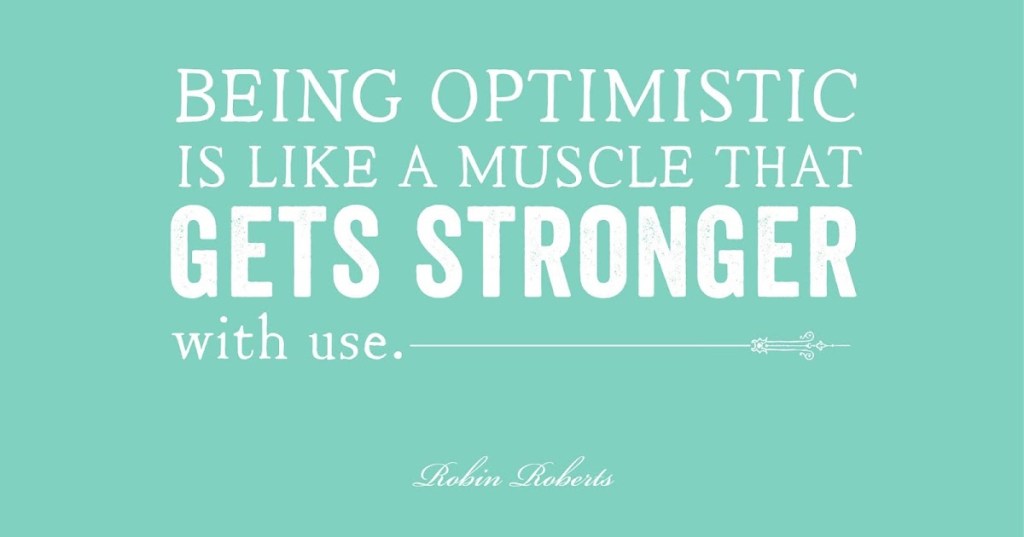
Looking for positivity is quite challenging because it’s not like you will just sit and think like what all things do I’ve to be grateful for rather you need to develop few disciplines that will make you feel grateful and help in sighting positivity in every aspect. Moving on to the disciplines, that I mentioned before, it could be waking up early in the morning, accomplishing your little morning devotions, working out, meditating or just going for a walk early in the morning.

The aforementioned methods might sound a little too dramatic like who does that for real, but trust me it is very effective and equally helpful that change your entire perspective and will offer an astounding viewpoint to relive your existence.

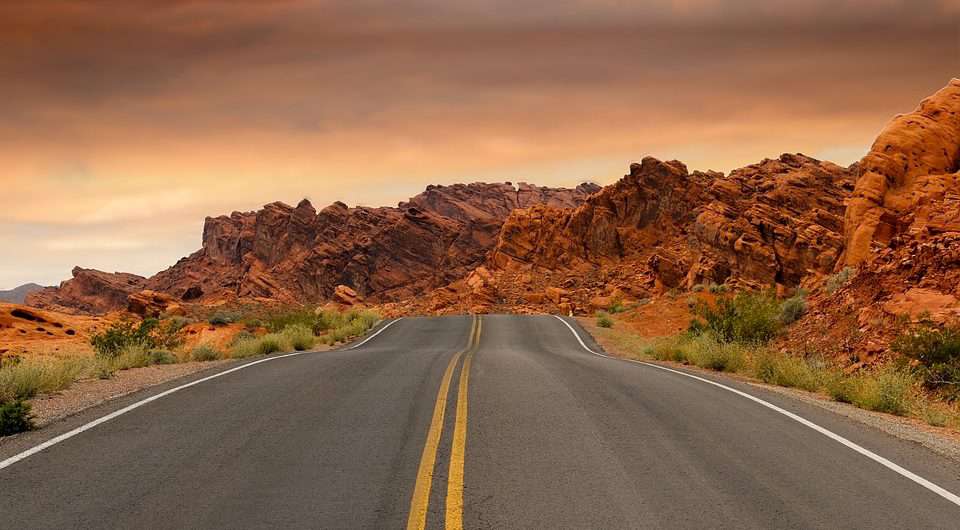
Can Travelling be Therapeutic?

Living the same routine every day is very monotonous and puts us in a bad mood at some point in life where we want an escape for a while. Waking up and going to the same workplace doing the same thing every single day promotes sadness and lead to conflict and clashes that can disrupt the healthy lifestyle. To evade such circumstances we need to take a break entirely from work as well as the society in which we live. And travelling is the best option available, I presume.

Studies showed that travelling is the best form of therapy one can have. Fleeing to a new place having different sight and smells puts us in a very good mood and the more you explore the more your unfold the different aspects of life as well as the quality of life on the other side. Exploring things such as art galleries, Museum, monuments etc helps us renew the perspective of life and it’s elements.

Sometimes escaping into the woods for a day or two can help us rejuvenate our entire outlook. The aesthetic scene and fresh air can fill our soul with immense happiness and gives the reason to smile and appreciate nature and its blessings to which we owe our entire life. The creature in the outer world teach us that slowing down for a while and taking break is an absolute necessity for the soul bearer.

Another spot can be beaches, river banks or lakes where you can sit for an entire day without getting tired. The waves of the surf can fill you with life and develop a sense of gratitude. The soothing water formation can help us to detach from this materialistic world thereby debilitating the negativity and stress.

Cappadocia hot air balloon.

One of the most important aspects before packing your bag and set to your destination is “research”. Research about the place where you want to spend your vacations. What all monuments does it have, what is the quality of food being served that I consider is of utmost importance. Always choose a destination that has lots to offer. Make a planned trip at your convenience like if you’re going on a solo trip or it is with your entire family. There are lots of app, travel agents and guides available that can help make your trip hassle-free.

Angela Merkel: A legendary personality.

Angela Merkel was born in Hamburg on July 17th, 1954. She is a German politician and serving as a Chancellor of Germany since 2005. After completing her higher education from Templin in the year 1973, studied physics at Leipzig university amd graduated in the year 1978 and was awarded a doctorate in the year 1986. Since 1990, she is an active member of the Christian democratic union of Germany (CDU). From 1991-1998 she administered as a deputy chairwoman of the CDU.

Merkel spent 35 years of her life as a quantum chemist and worked at a research institute in Soviet-controlled East Germany until the fall of the Berlin wall in 1989. This historic manifestation prompted Merkel to abandon the research field and develop an everlasting interest in politics. Merkel is the first woman and the first East German who, in the history of Germany, holds the nation highest elective office post.

She is straightforward, who doesn’t take too many risks that are the reason which makes her stand out in her long-serving political career. She never doubts her decision-making skills and believes in working quietly rather than standing in the political rallies and deliver long speeches to receive appreciation. She is a strong woman with high self-confidence and withstands death moments alone in her political career especially during the refugee crisis.

Merkel handled the refugee crisis with utter decisiveness that shaped the viewpoint of the world towards Europe and demonstrated how to act responsibly. She was viewed as “the woman who saved the dignity of Europe.”

Technology and it’s influence on society.

Technology can be defined as the modification of science and scientific research that has interfered with the day to day life of an individual and aim to enhance the quality as well as standard of life. World has witnessed technological advancement at very fast pace from last century and is yet to modernise even more. Citing picture of the present world without technology is next to impossible because of its involvement in every aspect of it life be it education, health, tourism etc. However, there is downside of it all as well.

Technology has helped human in many way and made interaction easier and collaborative. World has shrunk because everyone has access to the things that is otherwise seems impossible. Connecting and creating social life has became lot more easier with the help of social media and access to internet 24×7. The advancement in technology has brought about new meaning to learning and field of education by creating vibrant environment, one and for all. Rather than searching a hella huge library for one single paper, you just need one click to have access to books, journals, research papers that saves a lot of money and time as well. Students can take exams or quizzes more easily and teachers can take classes online from anywhere in the world. Imaginig world without technical advances ,in light of pandemic or catastrophe that we are facing since 2020, in nothing less than a nightmare. World would have gone under complete shutdown without aid of otherwise called as classic cliche.

Aside from education, there is profound effect in the field of health and travelling altogether. There are thousands of health apps that you can install on your android as well as windows and can have virtual appointment with doctor, deitics, or fitness coach. Likewise, you can get your air ticket or train ticket done in no time with the help of apps. Since boon and bane comes hand in hand so is the downside of the technology.

Since we are doing everything online these days so there is extended screen time that can lead to health ramifications such as insomnia, eyestrain, migraine as well as increased anxiety and depression. As whole world is confined in the screen of the mobile phone, loneliness among youngsters has multiplied several times causing serious health issue. Without technological advancements, our way of life would not be as complex. Technological influences shape the way humans act today.

Curtailment of Academic Freedom.

Academic freedom can be defined as a right to educate and learn any diverse course without intervention or any objection. Academic freedom is a very broad spectrum topic that has different meanings when used at different strata. Institutional academic freedom is referred to the right of an institution to teach any diverse course without interference from the government. Whereas the right of an individual professor to teach his/her curriculum without undue interference from university is known as individual academic freedom.

According to the All India Survey in 2018-19, India has 993 universities, 39,931 colleges and 10,725 standalone institutions. Of these, 385 universities and 78% of the colleges are privately managed while 394 universities and 60.53% of the colleges are located in rural areas. The enrolment in higher education in India is 37.4 million persons (19.2 million males and 18.2 million females). The Gross Enrolment Ratio (GER) in higher education in India is 26.3%. Certain categories of citizens have less access to higher education – for instance, Scheduled Castes have a GER of 23% and Scheduled Tribes have a GER of 17.2% as compared to the national GER of 26.3%. Muslims constitute only 5.2% of the student population, compared to their overall percentage of about 14.2% in the population.

A new education policy (NEP) has been introduced in the year 2020 that promises, certain reforms in the field of education in India. Under this policy 5+3+3+4 structure will be followed and rigid separation between science, arts and commerce stream will not be there in the education system. Furthermore, internships and vocational courses, as well as workshops, will be included in the study module after 5th grade. And coding would be a must for 6th grader. No doubt, NEP could help up to very extent to reform the education in India if it would be implemented as stated.

Academic freedom becomes challenging when authorities put limitations on the right to express ideology. To protect favoured position, officials or authorities deny the rightfulness of academic enquiry which makes it even more complex. Scholars, researchers and institutions should be free to conduct research and publish papers in whatsoever field that is suitable and convenient for the study. Academic freedom is necessary and it must be protected.

References

https://en.m.wikipedia.org/wiki/Academic_freedom

https://www.britannica.com/topic/academic-freedom

https://en.m.wikipedia.org/wiki/National_Education_Policy_2020

Gaming addiction among youth.

Online games are a hot cake among youth these days with almost 81% of teenagers under 18s indulged. It is an emerging sector in India and has shown a robust increase in the number of gamers over the last few years. A substantial increase in gaming has been recorded in the year 2020 due to covid induced lockdown. The year 2020 has witnessed an investment of USD 544 million in India in the gaming sector.

As a result of the enhanced investment, more teenagers are recklessly running towards online gaming to have fun and connect socially and make new friends.

With the habit of online gaming comes many challenges including deterioration of the physical, emotional as well as social well being of youths.

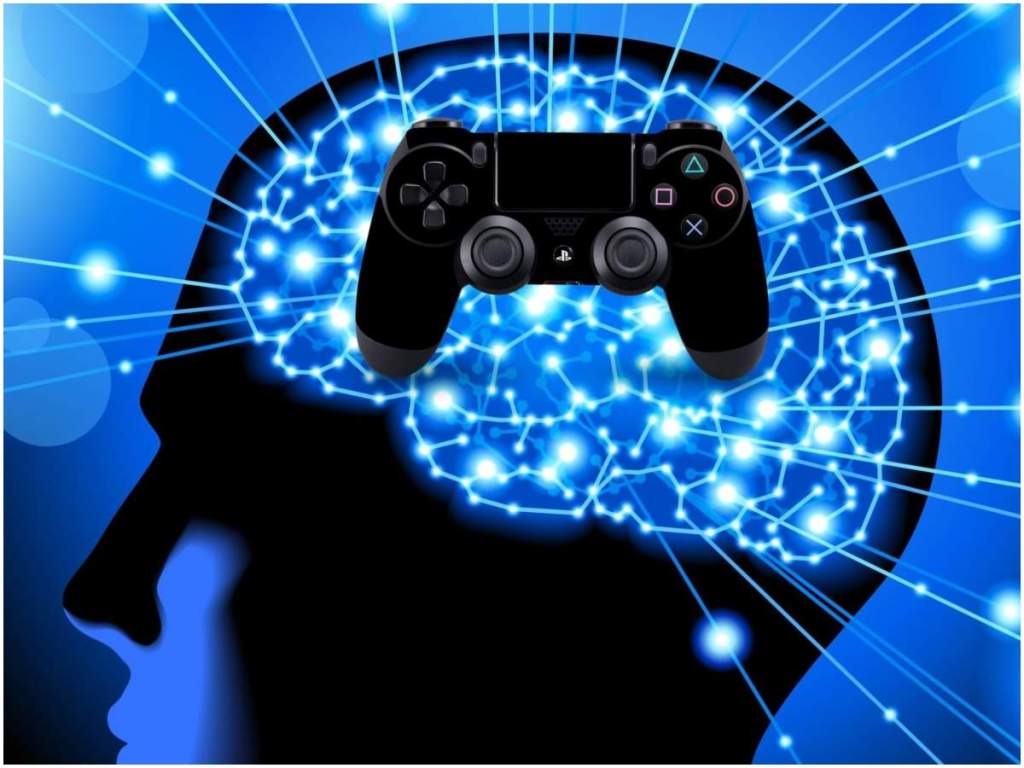
Brains addicted to games are more likely to be dormant in the normal real world thereby reducing capacity towards work efficiency. Such Kids are prone to isolation much easier that leads to a decrease in academic excellence and withdrawal from educational institutions. Impaired posture is another danger of prolonged gaming and often result in carpal tunnel syndrome (CTS) causing numbness in fingers especially in the thumb and first three fingers. Apart from CTS, migraine, cervical problem, as well as impaired eyesight at a very young age, is another serious issue.

Moreover, finances linked to gaming is another major drawback of this sector. Kids hastily invest money to unlock succeeding states of games using parents or carers credit cards. Scammers use the malware to capture the detail of gamers online accounts and hack it which is why it is subject to friendly fraud than any other industry.

It’s not easy to quit the habit of gaming that’s why it is necessary to take steps at the very early stage. Quit all the gaming apps and try to uninstall it from system if possible.Try to find a competing interest to invest your time and mind that pulls you away from video games. At the least keep pushing yourself away by taking a little step every day as it’s never too late to begin.

Refrences: https://www.therecoveryvillage.com/process-addiction/video-game-addiction/gaming-addiction-statistics/

https://m.timesofindia.com/life-style/health-fitness/de-stress/lockdown-loneliness-drives-up-gaming-addiction/amp_articleshow/78393084.cms

Grief and Bereavement.

Life isn’t as easy and smooth as we assume and expect it to be. With life comes hardships and sufferings. For some, it’s the loss of a loved one, and for others, it’s a financial crisis or maybe some sort of physical, emotional or mental abuse. Grief is linked to anything that overstresses your mind that causes extreme pain leading to heart break.

Grief is something that everyone will experience at some point in life. In simple words, grief can be defined as a reaction that an individual revert in response to any type of loss while bereavement is a type of grief that is linked to the death of the loved one.

A person under grief usually undergo five stages of it that is subject to one’ environment. However, we can culminate it in below five stages and these are:

1.Denial: It is the first stage of grief where an individual is reluctant to accept the reality that the loved one is gone to never return. It’s the most difficult phase where it’s hard to feel anything and that empty feeling is hard to explain.

2.Anger: Denial is followed by anger where you’re partly aware of what has happened and the bereaved will never come in person, and the discomfort this thought provokes, leads to resentment.

3.Negotiation: Now, here comes that negotiation part where individual attempts to postpone sadness by visualizing a “what if” scenario. Like what if it wouldn’t have turned out this way and life wouldn’t have lead despair and anguish.

4.Depression: After bargaining our feelings, our attention moves to the present reality that gives rise to the empty feeling. The stage where it is difficult to carry out day to day activities. Losing someone is very depressing and it is a normal and appropriate response in the given situation. Grief is no doubt a process of healing, so is the depression a necessary step along the way.

5.Acceptance: After going through the above stages, now comes the time to accept your reality that the loved one is gone and it is impossible to meet him/her in person. It’s the time to accept that ‘It is what is it” and that’s how I’ve to live my burying it in heart and move forward in life with a smile on your face.

Grief is indeed necessary because this is how life works. The pain of grief can often cause you to retreat into your shell and withdraw from others. But having face-to-face support is necessary. Even if you’re not comfortable talking about your feelings under normal circumstances, it’s important to express them when you’re grieving. It’s not necessary to talk about your loss all the time, but be with someone, who’s presence is just enough to lessen your burdened soul. The key is just not to isolate yourself while healing.

College Life and pandemic.

College life is the most incredible phase of life where we gain innumerable experiences and make memories that last for a lifetime. It is the time we are exposed to the whole new world, the world out of the boundaries that schools build up to provide a safe environment. College life has different meanings for everyone. While some spend their time hanging out with friends having fun and party, others devote their focus towards study to pave the way to a brighter future. Be it a college rockstar or nerd, every individual wants to relive the memory lane of this beautiful arena.

Generally, college life is the time when an individual moves to another city to settle as a newbie as well as a freshman in college. Hence, is the time to learn from real-life experiences and learn to fit in the society as an individual. It is experiences that shapes the narrative of one’s mind and that’s how an individual’s growth is linked to directly to the environment we live in, which is why it is absolutely necessary to live these important years of life.

But unfortunately, batch of 2020 has no such experience and college students are stuck with an online system since March 2020, which is saddening and equally depressing. It is not only about classes that students are missing in this pandemic rather it’s the crucial period of life full of twists, turn and fun in being missed. While college life is shrunk and bottled up on the screen of the laptop and mobile phones, that is the worst possible scenario, life has become equally dull and bland. Attending everything from classes to workshops to fest virtually is a daunting task because it’s tiring to sit on the computer all day and is equally detrimental to health.

This online system is not online only affecting physical health but also provoking mental health issue particularly. In the provided system, fear of being missed out due to social isolation is overpowering young minds gradually, as a consequence of which anxiety and depression are entrapping the youths at a much faster rate in comparison to that of the adults. Like I said it’s the environment that shapes the narrative, and everyone is well aware of this chaotic and challenging online environment.

However, it is rightly said that something is at least better than nothing, so is this whole virtual life system that is allowing us to access education and work from our home.

So, in these trying times, it is necessary for everyone and for students as well to take care of themselves a little more than in the pre-pandemic world by connecting more with your family and developing habits of waking up early to have a moment of silence with yourself in the morning to introspect and meditate to generate the relaxing effect, and to remind the things to yourself that you’re still grateful for even in this pandemic.

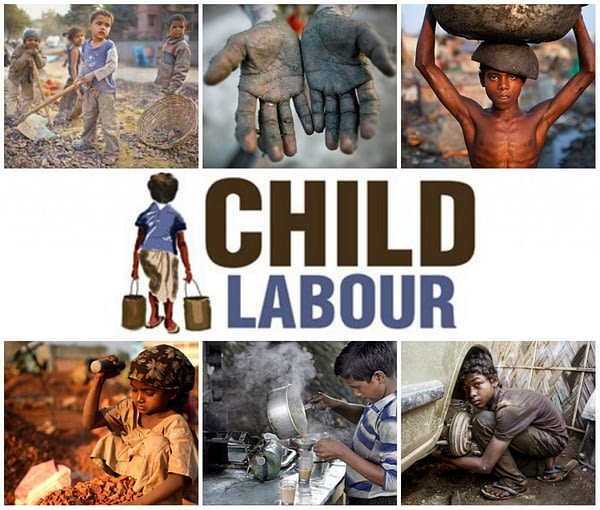
Child Labour

The term “Child Labour” is often defined as the work which deprives children of their childhood and the right to education which is mentally and physically exhausting that impairs growth and personality. Not every work performed by a child comes under the act of child labour, for an instance doing a part-time job with schooling or working at a firm during vacation etc. do not fall in such category. Most often, child labour occurs when families face huge financial crises or uncertainty such as extreme poverty or sudden death of the only earner of the family.

Child labour leads to extreme mental and bodily harm that leads to staggering consequences such as slavery, economic or sexual exploitation. Extreme pressure of work suffocates their existence as a result of which minors lag from education and cuts off from school ultimately.

Child labour is equally fatal for boy and girl child but girls often face more hardship because the chances of girls being sexually harassed are quite frequent. Apart from it, managing work, household chores and school concurrently are next to impossible due to which giving up education seems the only option that drags girls towards poverty even more.

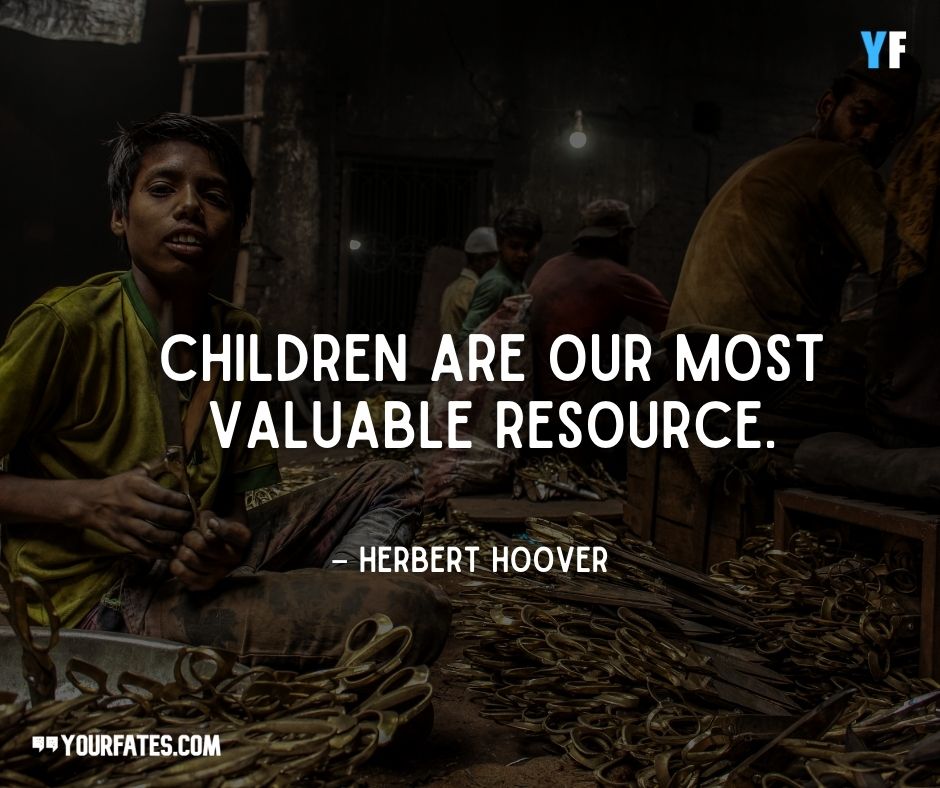
Several industries such as mining, brick industry, agriculture, garment industry, tobacco factory, bangle industries etc. employ children to work all day long at the minimum possible wage. Among forenamed industries, agriculture is the largest employer of child labour, worldwide. Working under such a situation puts health at a higher risk and more exposed to malnutrition.

Nearly half of the child labour records in Africa followed by Asia and the Pacific that contributes almost 62 million children.

Globally the incidence of child labour decreased from 25% to 10% between 1960 and 2003, according to the World Bank. Nonetheless, the total number of child labourers remains high as per UNICEF that is an estimated data of 168 million children aged 5–17 worldwide were involved in child labour in 2013. The increasing case of child labour is a serious issue that needs to be addressed at the earliest so as to safeguard every nation against poverty.

Drug Abuse.

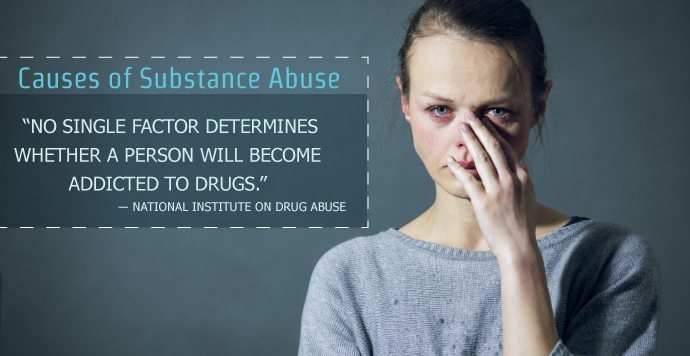
Drug abuse is referred to the excessive use of psychoactive substances such as alcohol, stimulant, pain reliever etc in the amount that is detrimental to the physical, social as well as emotional well being of an individual. Case of drug abuse is increasing at an alarming rate among teenagers and adults under the age of 30 that affect people all across the globe and from all walks of life. In the United States, the annual death rate due to drug abuse is much more than the road traffic accidents and gunshots combined. Nearly 8% of the States population are trapped in this vicious cycle due to the majority of reasons, considering it as an easiest escape. Overuse of drugs not only affects the brain cells but also do heavy damage to the heart, nerves, limbs etc that often leads to seizure and paralysis, shutting the entire body followed by death eventually.

Cause of Drug abuse.

There are several reasons behind drug abuse among which the common causes are listed below.

  • Many people develop drug problems due to mental conditions such as depression, stress disorder, anxiety and other mental illness.
  • Low self-esteem, peer pressure of society, and a chaotic lifestyle are also common reasons.
  • At times, people try certain substances out of excitement that turns into a habit in no time because of its highly addictive nature.
  • Sometimes, prescribed medication usually barbiturates turned into drug addiction and cause serious health problems.

Apart from the aforesaid reason, there can be multiple reasons that lead to such substance abuse.

Types of Drugs:

  • Depressants: It is the most commonly used drug worldwide that works by suppressing the central nervous system and gives momentarily happiness while under the influence. Usage of such dopes develops various symptoms such as sleep, relaxation, drowsiness, anaesthesia, coma and even death.
  • Stimulant: Stimulants are class of drug that creates a sense of euphoria by making body alert and extra awake. It speeds up the brain’s receptive capacity that often leads to a panic attack, anxiety, seizures, aggression and paranoia when used in excess amounts.
  • Hallucinogenic: These are a diverse group of drugs that creates a hallucination and sensations leads to seeing things that seems real due to brain malfunction. People often use such pills to deal with stress or just to feel differently. Commonly used hallucinogenic drugs are LSD, Peyote, DMT etc.

There are millions of different variety of drugs available in the developing and developed world apart from these wide range of drugs mentioned above, that entraps countless youngsters every other day. Uprooting such menace isn’t as easy as we assume because of the withdrawal syndrome that is linked with it. That is why it is absolutely necessary to build up rehabilitation centres and promote drug education at the socio-economic strata.

Bihar flood: An annual saga.

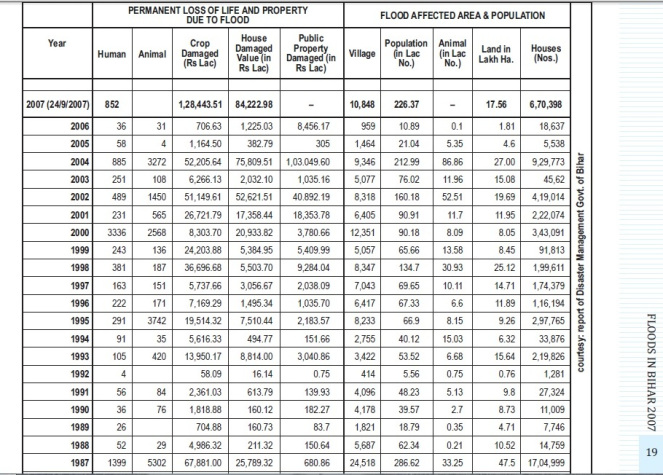
Bihar is the most flood-prone state of India. About 73-74% of the area of the state falls under the flood zone that makes up around 17.2% of the total flood-prone area of India. Several factors contribute together that makes Bihar and its native suffer every year. Key regulating factors are its flat topography as well as yearly rainfall of 1200 nm on average. Geographically, Bihar is surrounded by several rivers including Ganga, Sone, Punpun, Falgu, Karmanasa, Durgavati, Kosi, Gandak and the Ghaghara. The Kosi river causes major destruction each year which is why it is also known as “The sorrow of Bihar”.

In the year 2007, the Bihar flood alone affected over 10 million people and did heavy damage to the infrastructure worth crores. Likewise, in the year 2017, 15 million people were affected again because of the flood and havoc caused by it. Again, the flood of 2019, affected the lives of 8 million people spread across 13 districts. In the Year 2020, when the whole globe was suffering from the menace of Covid-19, Bihar was dealing with an additional flood problem that made the condition even more miserable in terms of medical facilities and lacking resources.

Bihar flood: Annual damage

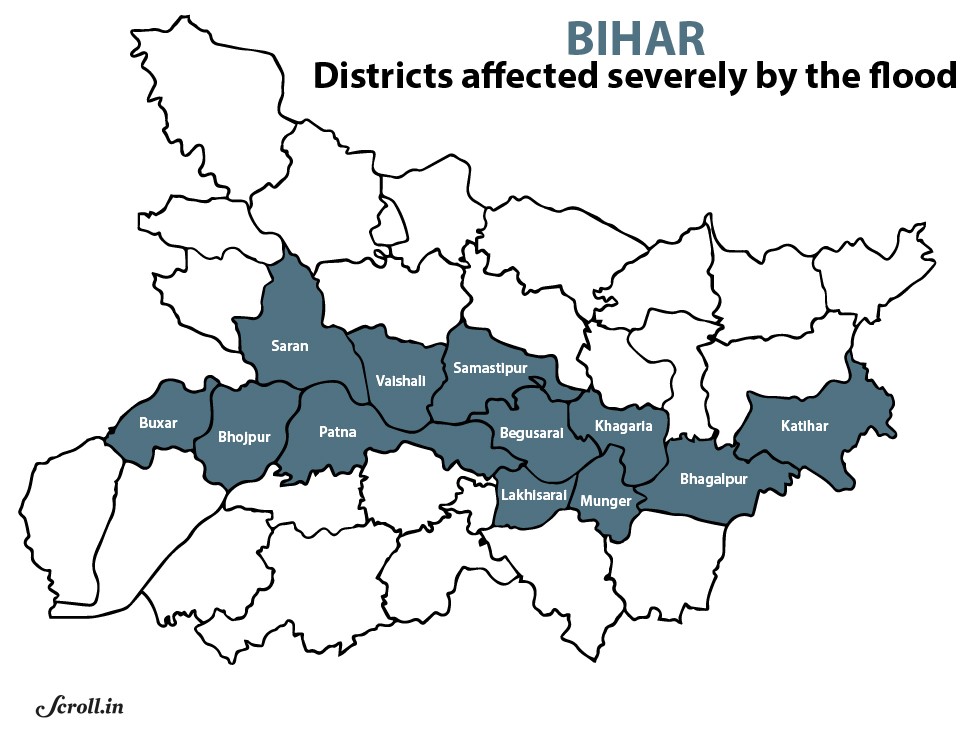
Munger, Samstipur, Purnia, Muazzafapur, Saran etc. undergo damage and face flood threats each year due to surging water levels in rivers such as Gandak, Bagmati etc. Half of Patna that is the capital city of Bihar submerge in the water due to intense rainfall and improper drainage facility because of which the rainwater stays stagnant which hinder day to day activities immensely. Despite taking preventive measures Bihar government fail every year to manage the flood effectively.

In the year 1954, different structural and well as non-structural preventive measures such as flood forecasting, flood plain zoning were adopted as a method of protection against floods. Structural measures such as flood-embankments, drainage channels etc were made to check flood water. But recent cases of a breach in the embankment in which 66 villages of Gopalganj were flooded show that embankment alone isn’t enough to put a halt to the brimming water level of rivers that costs thousands of lives and livelihood annually.

The aforementioned preventive measures are not proved to be as beneficial as it was thought to be. So another structural measure such as a huge storage dams should be built up to hold up the flood peaks of major rivers and recede the water downstream that will control the gushing water up to some extent. Apart from storage dams, preparedness such as flood forecasting, warning, flood insurance and policies should be taken as a flood management strategy to alleviate the misery caused by the flood.

Shashi Tharoor and his ideology about the British rule in India.

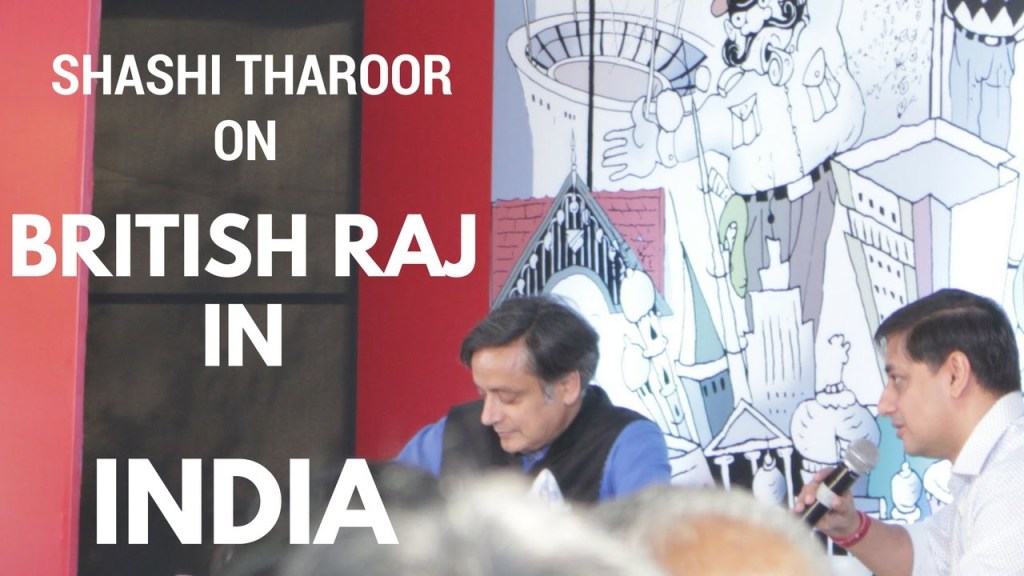
Shashi Tharoor is an Indian politician, a prolific writer, diplomat and an active member of Parliament from Kerala since 2009. He wrote several fictional as well as non-fictional books including “An era of darkness: the British Empire in India, “Inglorious empire: what British did to India” and many more.
His collective ideology is assembled in every of his article and book that oppose the controversial notion that the British Raj was beneficial to India, in the long run. The damage that the British government did to India is beyond the act of reparation, quoted by Tharoor in his interview.


Furthermore, the British bequest such a Railways, rule of law, parliamentary democracy, and all those extravagant commodities were not intended for the betterment of Indians. The only motive of establishing “The Railways” was to siphon off the Indian resources to the Britain treasury. British entered India as an East India Company to trade spices and deceptively captured 2/3 of India including Bengal. Several policies such as the Free Market policy, The Malthusian policy, Victorian fiscal prudence were made by the British that worsens the conditions of Indians in their motherland even more. Poor Indians were forced to live in miserable situations with no basic rights. Millions of Indians died due to starvation in the year 1891-1900 due to over-exploitation of agricultural produce and partly due to Free-market policy up to some extent. To be more accurate, the policies made by the British had the hidden agenda of corruption and injustice that damage the country and countrymen altogether. Under British Raj, the most thriving textile industry in India perished into the thin air. It was a common practice of East India Company to mutilate the skilled workers by chopping off their fingers so that they couldn’t weave anymore, thereby destroyed the largest part of the Indian economy.

The Bengal Famine of 1943 is another outrageous event that happened under the British raj that costs millions of lives. According to a recent study, the famine was not only caused by the drought but also by the complete failure of the policy of British India under the Ministry of Winston Churchill, who is remembered as the man who caused the Bengal famine.

Besides corruption, brutality and the horrendous massacre, “The Jalianwala Bagh”, is the heinous crime for which The Royal family owe an apology to every Indian or at least to the family undergone terrible damage under the British reign.


Tharoor has written a total of 15 books in his career, and thousands of articles in publications including the New York Times, the International Herald Tribune, The Times of India and many more. His books are available in many languages across the globe such as French, Italian, Roman, Polish as well as Bengali and Malayalam. He is known for his humorous criticism of the inhuman system in a civilised manner.


Mental Health amidst Covid

Mental health is health too.

The pandemic has taken a toll on mental health across the globe. Cases of depression and suicide have increased manifold ever since this coronavirus abruptly interfered with our daily life, and left us on house arrest with never-ending thoughts and endless fear. This speck of RNA has changed the entire outlook of the dynamic world we live in. Be it trade, finance, education or tourism everything seems to stand still for a while, as a consequence of which unemployment skyrocketed, which leads to utter despair and curtailed hope even further. History has never witnessed such a destructive catastrophe till date.

It was just the first wave summarised so far because the damage done by the second wave in India is nothing less than a nightmare in which hundreds and thousands of people lost their lives and scarcity of oxygen came into the picture. With deaths comes grief, anxiety, pain etc that is detrimental to mental health beyond the scope of one’s imagination.

Here are some ways to look after your mental health in these trying times:

Priorities Yourself:

Give yourself priority and listen to your instincts. Do not let others set a line for you because you’re the one who knows yourself the best. But it doesn’t mean to turn a blind eye towards others. It okay to be in your little bubble for a while. Take your time and relax.

Express your Feelings:

It’s not necessary to be expressive all the time, but try to communicate if there is something inside your head that is eating you alive. Communication is the key. Express your feelings in whatever way you want to. Be a loner but don’t be lonely.

Rebuild your routine:

Since we are still stuck with the online education situation, it’s necessary to have a profound morning routine. It will help you to align for the rest of the day and less likely to have a chance to sit ideally and overthink.

Control Overthinking:

Thinking before making any decision is appreciable but continuously thinking about something in endless circles is exhausting.
While everyone thinks over a certain point of time, but “What if and should” dominates the thinking of chronic overthinkers which is mentally draining and can put your health and total well-being at risk.
Rather than getting lost in the thoughts of what you could have, would have and should have done differently, try to become self-aware and connect to your immediate world.

Ask for help:

Be strong enough to ask for help. There are lots of counsellors and therapists available online. They will hear you out and validate your emotions. All you need to do is to summon your courage and accept yourself.