WHAT IS RAKSHA-BANDHAN (RAKHI) AND HOW TO CELEBRATE IT?

In Sanskrit, the term Raksha Bandhan translates as “bond of protection.” 

It is observed on the full-moon day, on the 5th month in the Hindu lunar calendar, Raksha Bandhan is a popular Hindu holiday celebrating the love between a brother and sister. 

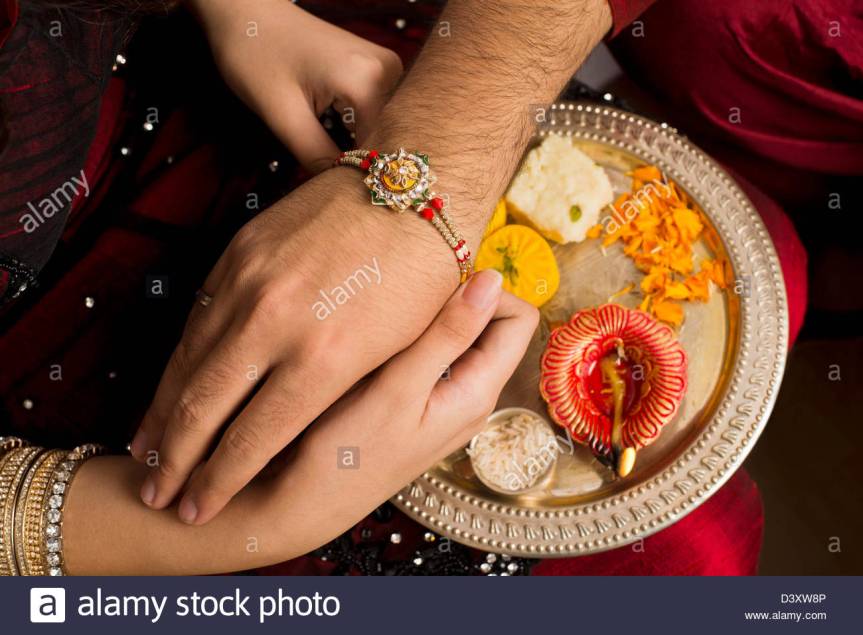
On this day, a sister ties a threaded amulet, known as a rakhi, around a brother’s wrist, honoring their relationship. The bracelet symbolizes the brother’s oath to protect his sister throughout her life, and the sister’s prayers and blessings for protection and wellbeing of her brother.

        The origin of this celebration can be found in the Indian epic The Mahabharata, when Lord Krishna cut his finger. Draupadi, wife of the Pandavas who considered Krishna to be like a brother, immediately tore off a piece of her sari and tied the cloth around his bleeding finger. Smiling and grateful, Krishna promised to return the favor to her some day.

Another Legend has it that in 326 BCE, when Alexander the Great invaded India, Alexander’s wife Roxana, out of concern for his safety, had a thread sent to Indian King Porus, requesting him to not harm her husband in battle. Porus is said to have respected her wish, and refrained from killing Alexander during the famed “Battle of the Hydaspes.” Though Alexander ultimately won the battle, Porus had earned his respect, and was thus made a governor of part of his kingdom. 

HOW TO CELEBRATE IT ?

Before the festivities begin, a sister first goes out to look for a talisman or amulet, which she thinks her brother might like and would suite his unique personality. A simple activity as such helps to cultivate appreciation for the brother’s personality.

On the D-Day, sister customarily turns on an oil lamp and offers it to a family deity and prays for her brother’s long health and happiness, then she ties the sacred thread to his hand and feeds him a sweet. Then the brother completes the ritual by reciprocating the action of feeding a sweet and giving a present to the sister.

LESSONS FROM BARACK OBAMA

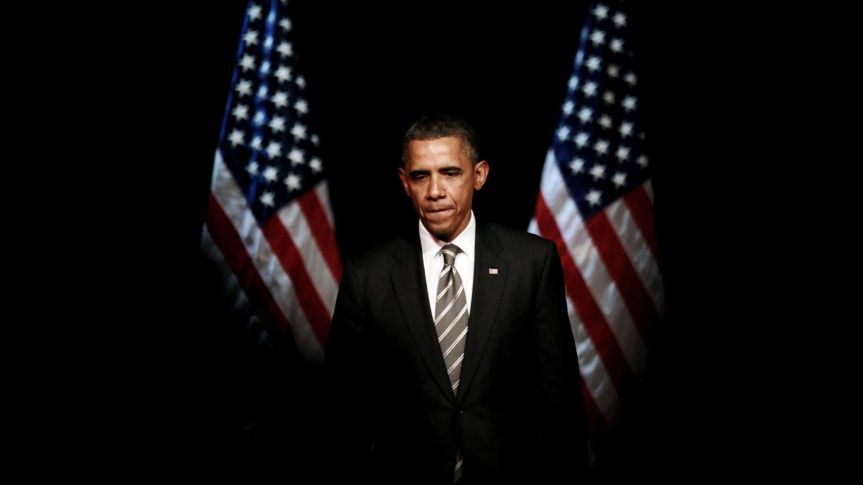
Barack Obama created history in a very many ways. he is the 1st African-American president of the U.S. and a name recognized for his charisma, intelligence, and skill to figure things under pressure, there are several things to be learned from him. Here are few takeaways from Barack Obama.

Treat Everybody with same respect

Obama became renowned for his respectful and polite manner. Even once he was attacked by his opponents, he kept his calm, and he showed loads of respect to everybody, no matter their rank. this is essential, as we should always offer everyone constant level of respect. There is no such thing as being superior or inferior because everyone is doing one thing necessary and has constant dignity because the rest and need to be revered In the end, it pays off to be respectful and kind, as a result of you never know how another person will impact your life.

Stay Calm

 Something that distinguished Obama was his cool manner and skill to take things easy. He did not take it personally or, if he did, he was careful to not act from the point of anger. Even throughout a crisis, panicking won’t solve any problem. Instead, it might make everything worse. attempt to keep cool and calm under pressure and not react from a place of emotion. Instead, you would like to stay your head and build choices that may cause the most effective outcome.

Keep Your Perspective

There are some things in life you can’t change. where you were born, who are your relations with, what is happening right away in the world may well be on the far side your management. However, keeping your eyes open for future opportunities is important. You might not be ready to make amendment of your past, however you’ll be able to, for sure, change your future. It can not be done in one stroke, however. rather like Obama, you would like to figure hard for your long-run goals and build a game set up that may bring you nearer to the opportunities you would like to have.

Educate Yourself

Obama is keen on reading and learning and he has been recognized as an individual with loads of education and information. Educating yourself throughout your life can assist you perceive your  higher self and find solutions. It will conjointly open additional doors for you within the future. Finance in your own education is often worthwhile. Ignore the haters While all politicians have their justifiable share of haters, Obama had loads of vitriolic ones assaultive of him. However, he failed to allow them to stop his success.

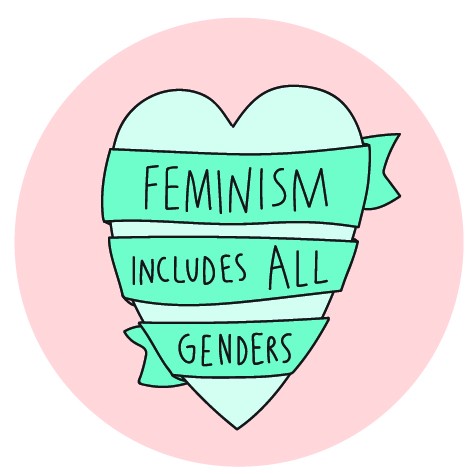
True FEMINISTS aren’t Against MEN.

Term ‘Feminism’ was initially brought up as a Label for women to fight against the discriminations happening towards them under it’s name. The purpose of the concept was to retrieve back the rights of women, breaking all the Stereotypes and putting an end to the prejudice beared by females since the earliest times. The beginners fought for women rights but never had a mission to demean males’ in any form or lower their status or rights so as to provide a higher position to women. Feminism was never invented to disregard men’s existence but all it was meant for is making the society aware of the fact that women deserve to have the same standard and respect EQUAL to that of Men. Majority of each and every person who has come across the notion, considered it worthy of all the attention and a very important agenda for empowerment. Feminism raised several issues and even unveiled injustices occurrings taking place against women in tremendous ways worldwide. For example, To receive an equal pay – as of the Male worker in the company while working on the same position, To get the freedom of working, dressing and living with their own choice, To ensure safety, To fight against domestic violence, sexual harassment and the superstitious harmful practices such as Female genital mutilation / cutting.

Image source

HOWEVER!!!

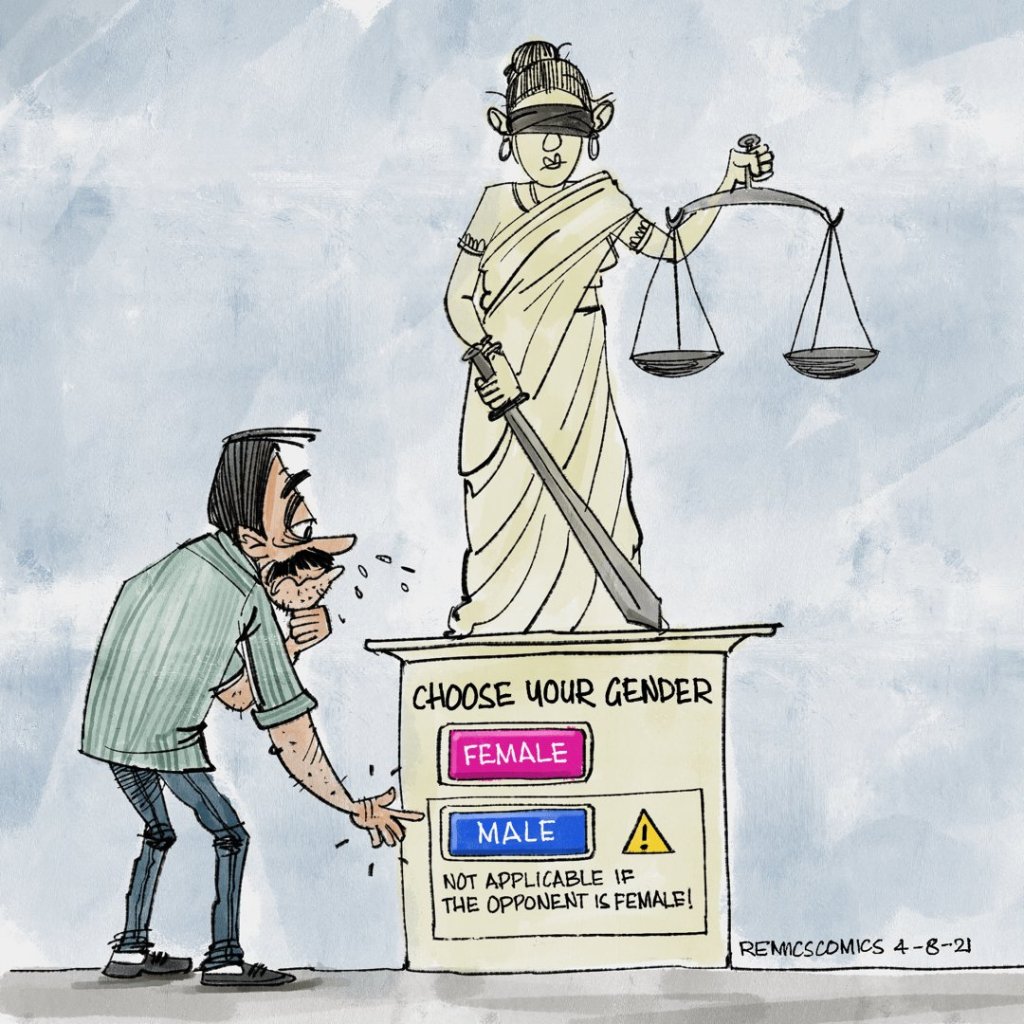
Likewise every law has a loophole, there are always Some people in a crowd who just couldn’t think Right! So Here’s where came a wave of demolishing the concept of Feminism. While, the movement was bringing a good change in the social norms and actually convincing the people about the shortcomings on the grounds of Building Equality, the fake flag bearers of Morality amd virtue started exaggerating the agenda. They created a state of Gender Bias all around. Some women would try to take unfair benefits in the name of feminism namely, a practice called PSEUDO FEMINISM. This includes examples such as; women’s income tax slab is higher than men’s. A woman who earns till 3,00,000-3,50,000 is exempt from tax payment. If both men and women earn the same account, why should it only be the men who pay tax. Another example is As of 2009, 175 men had been kidnapped and abducted for the purpose of illicit intercourse, according to the 2012 NCRB data. As per a reliable source the cases were registered under the Indian Penal Code (IPC) Sec 363 to 369, 371 to 373. Such cases are not dealt with in the same way as the abuse committed on women, even under regulation.

A Dilemma

But Why can’t we just accept, respect and treat both the genders equally at the same time? We are already living in a culture where both Women and Men face so many challenges everyday due to Orthodox mindsets of people. Upon that, these Psuedo feminists suggest that women deserve more respect, priority, benefits than any other genders everywhere. They believe that the world should be governed/ controlled by females and they also potray all men as nemesis, responsible for all crimes against women. Little do they know, The most brutal crimes against women are conducted by another women themselves at many places. You get enough proofs of this on daily basis especially, when you are an Indian citizen. As here, there’s no place to be where you won’t find an elder Lady or even young girls judging others for one’s clothes or casual behaviour. The biggest example to this (in India) is when “A women is proclaimed as responsible for her own rape. She is ashamed for wearing certain clothes and provoking Men herself to do this injustice to them”. Now this is why Not only the “Men” But every single person irrespective of their gender or age having that narrow mindset with preconceived representations in their head of how a Women is a weaker gender, supposed to be kept and treated like slaves, etc. are responsible. And an even bigger mistake that Pseudo feminists do here is to blame and hurt those who are innocent considering it their right. Such incidents not only could hurt the image as well as emotions of the ones who are actually decent but also can pave a way for their thoughts to turn in a wrong direction. It creates an unjust impression of the actual concept of Feminism in everyone’s mind specially, in today’s era where every news is spread on social media at an incredible pace amd affects millions of brains which could even change the supporters and drive their views to become Feminism’s antagonists.

LATEST NEWS.

Is it true?

We all are familiar with case of Priyadarshani yadav from lucknow, taking advantage of her gender to prove herself as the victim for hiding the cruel deed of her’s. A video that is now quite viral on social media shows a woman in Uttar Pradesh’s Lucknow getting into a fight with a cab driver and during this, the woman slapped this driver not once or twice but more than 20 times. The girl could be seen crossing the road when the traffic light was green. She claimed that the driver was coming with a high speed and ran into her, while the cab driver (Saadat ali) said that the girl suddenly came in front of the car but he immediately stopped it. However, whatever the case might be no person haves a right to take law in his/ her hands and hit a person in midst of the road in front of a wholesome crowd. This incident has left the netizens in rage and a hashtag called #arrestlucknowgirl is trending on Twitter. All the support on social media is with cab driver who is clearly be seen calmly handling the situation. He further ranted in his statement in an interview that, being a guy if he had done such cruelty thousands of amendments would have been cast on him, he would be criticised by the whole country and his image and self respect would have been damaged by herher which is indeed a true scenario fabricated by pseudo feminists.

Conclusion.

Image source

On the contrary, the actual lesson what our country need to get is to stop favouring citizens according to their gender. Rather, everyone should be influenced to treat each other with Equality and Respect no matter the sex. And mainly, acquire the knowledge of deciding Right and wrong after learning all the facts and figures instead of judging and building conclusions and defaming anyone while being exposed to only one side of the story, just because some fake feminists motivate us to do so.

The surge of coronavirus cases in Tokyo after organizing the Olympics.

As we all recognize that, the Olympics were supposed to be held in 2020 in Tokyo but, because of the increase in coronavirus cases, the summer Olympics were discontinued till July 2021.

After July 24th, when the Olympics started we can say that time got so terrible that it was very hard to deal with it. Tokyo got attention from all around the world but, according to the Japanese health officials they have never seen or experienced the increase of coronavirus cases like this.

Compared to the initial high number of cases which was reported in Tokyo, there were 2,520 in January. And now, since before the opening ceremony for the summer games last week on Monday, the metropolitan government has confirmed that the city recorded the number of 2,848 cases.

But before all this, Tokyo was not in a good state, there was still a daily count of more than 1800 coronavirus cases before 24th July.

Putting precautions amid the state of the situation, Tokyo urban administration forged up this year by preparing more beds to cope with emergencies in most of the hospitals, the summer games will also proceed without any spectators to avoid the spread of coronavirus.

Japanese protest Olympics.

In May 2021, the Public of Japan expressed a large majority that they didn’t want the Olympics to proceed in their country due to pandemics.

On 23rd July, when the Olympics opening ceremony was held, the protesters gathered outside the ceremony to loudly affirm their resentment that the summer games were going ahead despite the danger it might affect public health.

A big challenge for Japan’s prime minister.

The news summaries say that Japan’s prime minister Yoshihide Suga, who will face election this year but right now, is facing the public perception by deciding to continue the Olympics this year. Moreover, reports also say that vaccines in Japan are also getting inadequate in amount.

Prime Minister addressed in a news conference and here’s what he said.

– As he said, There’s no connection between summer games and the rise of coronavirus infections.

– He also said that, since we’ve seen the rise in coronavirus cases and putting precautions to fight it by cutting the flow of people in public places, stricter border controls to curb the spread of coronavirus infections by foreign visitors.

– According to him, he urged people to watch the summer games from their homes, try not to gather in groups or in public places to reduce infection of the virus.

– He also said that it is time to increase more and tighter constraints to reduce the number of infections and we should be careful about it. The quick rise in cases can be associated if people move out for holidays on weekends, the Olympics, the Paralympics, and summer vacations.

Metropolitan Government officials of Tokyo confirmed 3,865 new cases of coronavirus recently after the completion of 1 week after starting the Olympics.

For more information keep up with @eduindexnews.org, thank you.

COMMON TRAIT OF EVERY HIGH-ACHIEVER

The world we live in is fast and busy. We always have new content to consume, new information to process, and new decisions to make. But even if the world demands us to make quick choices, sometimes being patient and still is the best thing, that can be pretty hard. However, sometimes, patience will help us reach success.

If you are just learning a new skill, you need to be patient and give yourself time to practice and improve. You won’t become good enough tomorrow and, if you try to use it, it might backfire.

Don’t hurry things along – they need to take their own time and happen when the moment is right.

Patience alone is not enough to achieve success. However, without it, you will be hard pressed to achieve anything at all.
Good things take time. You need to work hard and wait for the results to show themselves.

Patience can give you the strength to hold on even when things are tough. It allows you to remember that everything is temporary and wait the storm out.

Patience allows you to wait until your work shows its results. It prevents you from premature decisions and rash behaviors that can hurt your chances for success.

Just be still and observe and you might notice a lot more than you would have expected. Taking some time before acting can allow you to recognize new solutions and prevent you from doing a harmful thing.

Patience brings its rewards in every aspect of our lives. It can truly work wonders.

Even if the world is loud and fast, slow yourself down. Be patient and be still and see what changes within you. See what you can recognize when you allow yourself to just watch and wait.

Patience is essential for any kind of success, as nothing happens overnight. Reap the benefits by allowing yourself to wait and let things happen at the right time, without forcing them to occur.

RECIPES TO PROMOTE WEIGHT LOSS (DESI-VERSION)

Our diet plays a crucial role in the process of weight loss and having a well-balanced diet and some mind-full eating in regulated portions is always the key for healthy and fit body. It might not be as difficult as it may sound if you start with a little patience and consistency. Sometimes a Subtle tweak here and there in diet is absolutely fine!

Here are few recipes which works out for weight loss journey

TURMERIC TEA

Turmeric consists of a powerful ingredient called as ‘curcumin’ which basically is the main active ingredient in turmeric that aids in cutting down the body fat. ‘Curcumin’ plays a major role to help suppress the fat but it does not fully absorb in the body. To make absorption work other ingredients such as black pepper is made use of. Therefore, this detoxifying drink makes the body light as well as helps cut down the excess fat if used regularly.

Recipe link:-  https://yummyindiankitchen.com/turmeric-tea-recipe-for-weight-loss/#how-does-it-help-in-belly-fat-loss

OATS KHICHDI

India’s favorite comfort food made into a high-protein, healthy one! Brimming with the goodness of oats, moong dal, carrot, green peas, tomatoes, chilies and olive oil, this hearty bowl of khichdi is sure to leave you healthy, happy and satiated

Recipe link :   https://food.ndtv.com/recipe-oats-khichdi-951242

FENUGREEK SOUP

Fenugreek seeds are rich source for vitamins, minerals and poly-nutrients .It is also rich in vital vitamins such as thiamine, pyridoxine, vitamin A , vitamin C and other essential nutrients for optimum health.

Recipe link : https://simpleindianrecipes.com/Home/FenugreekSproutsSoup.aspx

CARAMEL MAKHNA

Makhanas are popularly known as lotus seeds, fox nuts, Euryale ferox, gorgon nuts and phool makhana. It’s actually the puffed lotus seeds or the puffed fox nuts that has high nutritional and medicinal values

Recipe link :- https://www.indianveggiedelight.com/caramel-makhana-recipe/

Remember to always fill your plate with good amount of veggies, greens and fruits. Drink loads of water and buttermilk. If possible take a 20-30 min walk or jog because it speeds up the process of weight loss.

WOMEN Importance

TOPIC: ROLE OF WOMEN EMPOWERMENT RURAL IN INDIA

Women’s empowerment is the process of empowering women. It may be defined in several ways, including accepting women’s viewpoints or making an effort to seek them, raising the status of women through education, awareness, literacy, and training

Educating women results in promoting self respect and also helps in raising the status of women. An educated woman will be aware of her rights. She can fight against social evils such as domestic violence, dowry demand, low wages etc.

WOMEN EMPOWERMENT

Women’s empowerment is the process of empowering women. It may be defined in several ways, including accepting women’s viewpoints or making an effort to seek them, raising the status of women through education, awareness, literacy, and training. 

The new ‘kid’ in the block; COVID-19

The world was gripped by the outbreak of a disease called Novel Coronavirus Disease which made normal life impos sible for the people. The year 2020 will be remembered by most people as ‘an nus horribilis.”

On 11 March 2020, WHO declared Novel Coronavirus Disease (COVID-19) outbreak as a pandemic and reiterated the call for countries to take immediate actions and scale up response to treat, detect and reduce transmission to save people’s lives.

The COVID-19 pandemic is consid ered as the most serious global health crisis of the century and the greatest challenge that the humankind faced since the 2nd World War, In Decem ber 2019, a new infectious respira tory disease emerged in Wuhan, Hu bei province, China and was named by the World Health Organization as COVID-19 (coronavirus disease 2019). A new class of corona virus, known as SARS-CoV-2 has been found to be responsible for occurrence of this disease. As far as the history of human civilization is concerned there are instances of severe outbreaks of diseases caused by a number of virus es. According to the report of the World Health Organization, the current outbreak of COVID-19, has affected over 2164111 people and killed more than 146,198 people in more than 200 countries throughout the world. Till now there is no report of any clinically approved antiviral drugs or vaccines that are ef fective against COVID-19. It has rapidly spread around the world, posing enor mous health, economic, environmental and social challenges to the entire hu man population. The coronavirus out is severely disrupting the global economy, Almost all the nations are struggling to slow down the transmis sion of the disease by testing & treating

patients, quarantining suspected persons through contact tracing, re stricting large gatherings, maintaining complete or partial lock down etc.

Before the onset of COVID-19, there were at least five pandemics in the cur rent century, H1N1 in 2009, polio in 2014, Ebola (West Africa in 2014), Zika (2016) and Ebola (Democratic Republic of Congo in 2019). COVID-19 outbreak was declared as the sixth public health emergency of international concern on 30 Jan 2020 by the WHO. Compared to the other diseases, COVID-19 was much more widespread.

The COVID-19 outbreak was first re ported in the Chinese city of Wuhan in December 2019, and within a couple of months it turned out to be a global health emergency. Live animals like bat, frog, snake, bird, marmot and rabbit are frequently sold at the Hunan seafood market. Genomic analysis revealed that SARS-CoV-2 is phylogenetically related to severe acute respiratory syndrome like (SARS-like) bat viruses, bats could therefore be the possible primary source. Although the intermediate source of origin and transfer to humans is not clearly known, the rapid human to hu man spreading capability of this virus has been established. As per the latest update of WHO on 30 October 2020, the outbreak of COVID-19 had spread in more than 200 countries. Approximately 11,87,582 people had died after con tracting the respiratory virus out of nearly 4,54,29,027 confirmed cases, whereas more than 3,30,35,620 people have re covered from the disease. These numbers are changing rapidly.

Bringing a glimmer of hope, Russia on August 11, 2020 declared itself the first country to approve a coronavirus vaccine with President Vladimir Putin saying one of his daughters had been inoculated. Dubbing the vaccine “Sputnik V” after the Soviet-era satellite that was the first launched into space, Russian officials said it provided safe, stable immunity and denounced Western attempts to un dermine Moscow’s research. Scientists in the West have raised concerns about the speed of development of Russian vaccines, suggesting that researchers might be cutting corners and coming un der pressure from authorities to deliver. The World Health Organization said any WHO stamp of approval on a COVID-19 vaccine candidate would require a rigorous safety data review.

Indian athletes at Tokyo 2020.

In 1920, India sent a team to the Olympic Games at Antwerp, Belgium. And after that, India never stopped and has commenced participating in every summer game since then.

India’s surge in sports and athletes from 1964-2020. If we see earlier, in 1964 India had 52 males athletes and 1 female athlete in 8 games. And now there are 68 males and 52 female athletes in 18 games.

We’ve seen a rise in each of its past three editions at the Summer Olympics and all signs make a fact that the finest athletes of our country are continuing the movement at Tokyo 2020.

It is quite impressive that more than 100 athletes from India have qualified for the Olympic Games comprising one men’s hockey team, one women’s hockey team, and two relays.

This time India is participating in 18 games so Let’s see some information about our Indian athletes at Tokyo 2020.

1. Archery

If we talk about archery, there are no changes in the team, but this time the men’s trio will also compete as a team.

Men’s recurve.
1 Tarundeep Rai
2 Atanu Das
3 Pravin Jadhav

Women’s recurve.
In the women’s team, there’s only one lady, Deepika Kumari who will compete in Tokyo 2020.

2. Badminton

Looking ahead in badminton, the women singles silver medalist of Rio 2016 PV Sindhu is ready and she will exemplify again in Tokyo 2020.

Men’s singles.

1 B Sai Praneeth 

Men’s doubles.

1 Satwik sairaj rankireddy and Chirag Shetty.

The update is that this time there will be no mixed doubles and women’s doubles pair in the Indian badminton team.

3. Equestrian

After 20 long years, Fouad Mirza is the first Indian equestrian ever to qualify for the summer games.

He locked his allotment in the evening after crowning the group in the individual event category at the Southeast Asia Oceania qualifiers in November 2019. We hope the best from India’s first equestrian.

4. Golf

1 Anirban Lahiri

2 Udayan Mane

Representing women’s events.

1 Aditi Ashok

This time at Tokyo summer games 2020, India’s participation in golf will feature Anirban Lahiri and Udayan Mane from the men. The good news is from men’s Udayan Mane who cut a replacement, will be making his Olympic debut, and while in women’s event, Aditi Ashok will represent.

5. Fencing

Coming to fencing, Chennai’s Bhavani Devi became the first Indian fencer to qualify for the Summer Olympics. The sabre fencer reserved her opening for Tokyo 2020 through the (AOR) adjusted official ranking method at the sabre world cup Budapest, Hungary, it was an Olympic qualifying event.

6. Gymnastics

This time Deepa Karmakar

Is not participating but, our second Indian woman gymnast Pranati Nayak is qualified for the Olympics. The artistic gymnast made the slash in may month via the Asian quota.

7. Hockey

Seeing India’s craze and energy will be continuing in the 20th Olympic games as it will feature the men’s hockey team while the women’s team will be making their third appearance and second in progression.

From the men’s team, Manpreet Singh and the women’s team Rani Rampal qualified their teams in November 2019 and each of them will carry the squad at the summer Olympics 2020.

8. Judo

When it’s about judo, India eyes on the only judo participant at summer 2020 Shushila Devi Likmabam, in women’s extra lightweight (48kg) category, she cut the highest-ranked Asian judoka outside the top 18 on the (OGQ) Olympic game quota rankings list.

9. Rowing

Coming to rowing, in the Doubles sculls event at the Asian qualifiers at Tokyo, Japan in may the Indian rowers Arjun Jat and Arvind Singh made themselves qualified for the summer Olympics.

10. Sailing

Talking about sailing, India never had more than two sailors at a single Olympics before. But now, for the first time, team India will be competing in more than one sailing event at the games, Nethra Kumanan became the first Indian woman sailor to qualify for the Olympics at the mussanah open championship in April 2021. And not only that, but three other Indian sailors also made the Tokyo 2020 cut in Oman.

Laser radial category:

1.Nethra Kumanan

Laser standard category:

1.Vishnu Saravanan

49er category:

1.KC Ganapathy 

2.Varun Thakkar

11. Swimming

Let’s have a look at how our three Indian swimmers will compete at the Tokyo Olympics. 

Men’s 200m freestyle, 100m butterfly, 200m butterfly.

1.Sajan Prakash

Men’s 100m backstrokes.

1.Srihari Natraj

Women’s 100m backstrokes.

1.Maana Patel

Talking about Sajan Prakash, he became the first Indian swimmer to qualify directly for the summer Olympics, just after achieving an elusive ‘A’ cut.

Srihari Natraj also managed to achieve the tricky ‘A’ cut in the 100m backstrokes a day later. While Maana Patel qualified via the universality quota, which secures their seat in Tokyo Olympics 2020.

12. Weightlifting

This time, Mirabai Chanu will be India’s only representative in weightlifting at the Summer Olympics 2020. 

Ranking no.2 in the world, former world champion Mirabai Chanu is among the idols for a medal in the women’s 49kg division. 

13. Tennis

Women’s doubles:
1.Sania Mirza
2. Ankita Raina

Men’s singles:
1.Sumit Nagal

Talking about our men’s singles player Sumit Nagal, he will be making his Olympic debut this year. And whereas Sania Mirza qualified for Tokyo Olympics via her protected ranking and chose Ankita Raina as a partner for women’s doubles.

14. Wrestling

Women’s freestyle category.

1.Seema Bisla 50kg

2.Vinesh Phogat 53kg

3.Anshu Malik 57kg

4.Sonam Malik 62kg

Men’s freestyle category.

1.Ravi Kumar Dahiya 57kg

2.Bajrang Punia 65kg

3.Deepak Punia 86kg

Competing at Tokyo 2020, all the seven wrestlers secured a quota place for our country in their respective categories, the wrestling association of India (WAI) has confirmed their seats in the summer Olympics with Sonam malik winning the quota in the 62kg category, the bad news is Rio 2016 bronze medalist Sakshi Malik will not be wrestling at Tokyo 2020.

15. Table tennis

Players.

1.Sharath Kamal

2. Sathiyan Gnanasekaran

3. Sutirtha Mukherjee

4. Manika Batra

These players qualified for the Olympics at the Asian qualifiers at Doha, Qatar in March 2021. Talking about Sharath kamal, who will be making his 4th impression at summer games. While Sathiyan G and women’s singles player sutirtha mukherjee fastened their seats to Tokyo 2020. Manika Batra and Sharath Kamal booked their place on the basis-based ones.

And also they will compete together in the mixed doubles after their Olympic piers at the Asian qualifiers.

16. Boxing

Men’s category.

1.Vikas Krishan 69kg

2. Ashish Kumar 75kg

3. Manish Kaushik 63kg

4. Amit Panghal 52kg

5. Satish Kumar 91kg

Women’s category.

1.Lovlina Borgohain 69kg

2. Pooja Rani 75kg

3. Simranjit Kaur 60kg

4. MC Mary Kom 51kg

Qualifying at Asia Oceania boxing Olympic qualifiers held in Amman, Jordan. All the nine Indian boxers smacked all the nine tickets to the summer Olympics.

17. Shooting

Categories.
Women’s air rifle 10m
1.Anjum Moudgill
2. Apurvi Chandela

Men’s air rifle 10m
1.Divyansh Singh Panwar
2. Deepak Kumar

Women’s 3rd position rifle 50m
1.Tejaswini Sawant

Men’s 3rd position rifle 50m
1.Sanjeev Rajput
2. Aishwarya Pratap Singh Tomar

Women’s air pistol 10m.
1.Manu Bhaker
2. Yashaswini Singh Deswal

Men’s air pistol 10m
1.Saurabh Chaudhary
2. Abhishek Verma

Women’s pistol 25m
1.Rahi Sarnobat
2. Chinki Yadav (replaced by elaveneil valerian)

Men’s skeet.
1.Angad Singh Bajwa
2. Mairaj Ahmed Khan

The 15 outstanding shooters of the Indian team have achieved Olympic capability so far, making it the country’s biggest faction at any game.

The following athletes secured their place by their participation at the showpiece event was decided by the national rifle association of India (NRAI).

18. Athletics

Athletics has never been India’s strong suit at the Olympics, but rising players like javelin throwers Neeraj Chopra and Shivpal Singh, the 4×400m mixed relay, and race walking have put up confidence this time at the Olympics.

4×400m mixed relay will make its first debut at the Summer Olympics, we will see an Indian team that has Asian games gold medalist Muhammad Anas, after finishing third at the world athletics championship in 2019.

The first Indian athlete to qualify for the summer Olympics KT Irfan gave us the first hope in 2019. While our ace sprinter Dutee Chand is set for her second Olympic appearance.

Categories.

Men’s 20km race walking. 1.KT Irfan

2. Sandeep Kumar

3. Rahul Rohilla

Men’s 50km race walking.

1.Gurpreet Singh

Women’s 20km race walking.

1.Bhawna Jat

2. Priyanka Goswami

Men’s 3000m steeplechase.

1.Avinash Sable

Men’s long jump.

1.Murali Sreeshankar

Men’s 400m hurdles.

1.MP Jabir

Men’s javelin throw.

1.Neeraj Chopra

2. Shivpal Singh

Women’s javelin throw.

1.Annu Rani

Men’s shot put.

1.Tajinderpal Singh Toor

Women’s 100m and 200m.

1.Dutee Chand

Women’s discuss throw.

1.Kamalpreet Kaur

2. Seema Punia

4×400m Mixed Relay

Mens 4×400m Relay

Thank you so much for reading this blog!!!

For more content like this please visit, @eduindexnews


GANGA ACTION PLAN : THE WAY OF REMEDY OF THE POLLUTION PROBLEM

Ganga, the longest river in India has a unique position in the Indian psyche. Apart from
geographical scale and spread, she has played a vital role in the social, cultural, economic and
political life of the country. The socio-economic changes in the post industrialization era have
adversely affected the flow and quality of the river water leading to pollution of the river. In
order to reduce the pollution of this river the Government of India (GOI) has been
implementing a pollution abatement program since last 25 years. This note is primarily aimed
at presenting an analysis of the strengths, weaknesses, opportunities and threats (SWOT) of
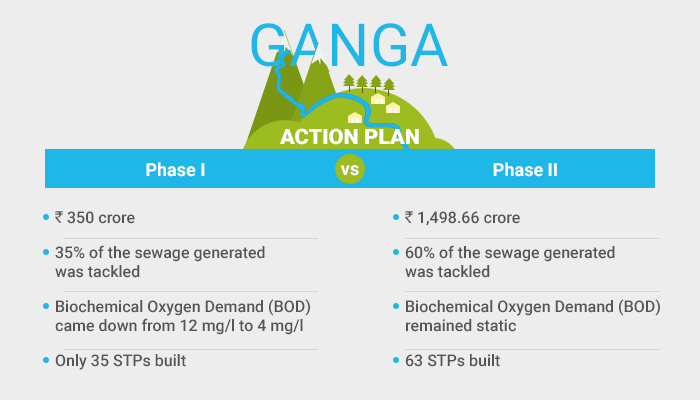
Ganga Action Plans (GAP I and GAP II) — one of the longest and ambitious government
interventions which have significantly influenced policies for controlling water pollution in
India. This report is primarily based on the secondary data collected, mainly in the form of
papers, articles and reports available on the issue of pollution of the river Ganga. The
objective of this report is to consolidate—in a systematic manner—the available knowledge
and insights in order to understand nuances and complexity involved in design,
implementation and monitoring aspects of the Ganga Action Plan (GAP). The second section
of the report presents the need to conduct a SWOT analysis. The third section outlines the
objectives and components of the GAP including the parameters selected to measure the
quality of the water. Section 4 present strengths and weaknesses of the GAP, in a classified
manner, focusing on its design, implementation, monitoring, and regulation aspects of the
GAP. These are drawn from both—reports and articles by government agencies and by
independent researchers. Section 5 and 6 briefly discuss the opportunities and future threats
or challenges of GAP. Finally, the concluding section summarizes the strengths, weaknesses,
opportunities and threats in a tabular form.

ABOUT GANGA POLLUTION :-

DEFINATION :-


Water is typically referred to as polluted when it is impaired by anthropogenic contaminants.
Due to these contaminants it either does not support a human use, such as drinking water, or
undergoes a marked shift in its ability to support its biotic communities, such as fish. Natural
phenomena such as volcanoes, algae blooms, storms, and earthquakes also cause major
changes in water quality and the ecological status of water.

PREVALENCE :-


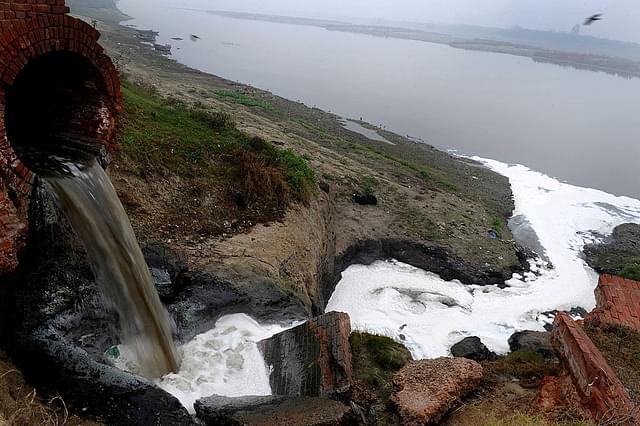
E Water pollution is a major global problem. It requires ongoing evaluation and revision of
water resource policy at all levels (international down to individual aquifers and wells). It has
been suggested that water pollution is the leading worldwide cause of death and diseases.]
Water pollution accounted for the deaths of 1.8 million people in 2015. The organization
Global Oceanic Environmental Survey (GOES) consider water pollution as one of the main
environmental problems that can present a danger for the existence of life on earth in the next
decades. One of the main concerns, is that water pollution, heart phytoplankton who produce
70% of oxygen and remove a large part of carbon dioxide on earth. The organization
proposes a number of measures for fixing the situation, but they should be taken in the next
10 years for being effective. Water pollution in India and China is wide spread. About 90
percent of the water in the cities of China is polluted. In addition to the acute problems of
water pollution in developing countries, developed countries also continue to struggle with
pollution problems. For example, in a report on water quality in the United States in 2009, 44
percent of assessed stream miles, 64 percent of assessed lake acres, and 30 percent of
assessed bays and estuarine square miles were classified as polluted.

REASON :-


The causes of water pollution include a wide range of chemicals and pathogens as well as
physical parameters. Contaminants may include organic and inorganic substances. Elevated
temperatures can also lead to polluted water. A common cause of thermal pollution is the use
of water as a coolant by power plants and industrial manufacturers. Elevated water
temperatures decrease oxygen levels, which can kill fish and alter food chain composition,
reduce species biodiversity, and foster invasion by new thermophilic species. Water pollution
is measured by analysing water samples. Physical, chemical and biological tests can be
conducted. Control of water pollution requires appropriate infrastructure and management
plans. The infrastructure may include wastewater treatment plants. Sewage treatment plants
and industrial wastewater treatment plants are usually required to protect water bodies from
untreated wastewater. Agricultural wastewater treatment for farms, and erosion control at
construction sites can also help prevent water pollution. Nature-based solutions are another
approach to prevent water pollution.[5] Effective control of urban runoff includes reducing speed and quality of flow.

IMPACT IN HUMAN HEALTH :-

There is a greater association between pollution and health problem. Disease causing
microorganisms are known as pathogens and these pathogens are spreading disease directly
among humans. Some pathogens are worldwide some are found in well-defined area]. Many
water borne diseases are spreading man to man Heavy rainfall and floods are related to
extreme weather and creating different diseases for developed and developing countries [10%
of the population depends on food and vegetables that are grown in contaminated water
[Many waterborne infectious diseases are linked with fecal pollution of water sources and
results in fecal-oral route of infection]. Health risk associated with polluted water includes
different diseases such as respiratory disease, cancer, diarrheal disease, neurological disorder
and cardiovascular disease Nitrogenous chemicals are responsible for cancer and blue baby
syndrom]. Mortality rate due to cancer is higher in rural areas than urban areas because urban
inhabitants use treated water for drinking while rural people don’t have facility of treated
water and use unprocessed water. Poor people are at greater risk of disease due to improper
sanitation, hygiene and water supply . Contaminated water has large negative effects in those
women who are exposed to chemicals during pregnancy; it leads to the increased rate of low
birth weight as a result fetal health is affected Poor quality water destroys the crop production
and infects our food which is hazardous for aquatic life and human life [Pollutants disturb the
food chain and heavy metals, especially iron affects the respiratory system of fishes. An iron
clog in to fish gills and it is lethal to fishes, when these fishes are eaten by human leads to the
major health issue Metal contaminated water leads to hair loss, liver cirrhosis, renal failure and disorder.

Bacterial diseases :-

Untreated drinking water and fecal contamination of water is the major cause of diarrhea.
Campylobacter jejuni spread diarrhea 4% to 15% worldwide. Fever, abdominal pain, nausea,
headache are major symptoms of diarrhea. Good hygienic practices and use of antibiotics can
prevent this disease. Disease cholera is caused by the contaminated water. Vibrio Cholerae is
responsible for this disease. This bacterium produces toxins in digestive tracts. The symptoms
of this disease are watery diarrhea, nausea, vomiting and watery diarrhea leads to dehydration
and renal failure. Anti- microbial treatment is used to get rid of this disease. Shigellosis is a
bacterial disease caused by Shigella bacteria. It affects the digestive tract of humans and
damages the intestinal lining. Watery or bloody diarrhea, abdominal cramps, vomiting and
nausea are symptoms and it can be cured with antibiotics and good hygienic practice.
Salmonellosis infects the intestinal tract. Salmonella bacteria are found in contaminated water
and it results in inflammation of intestine and often death occurs. Antibiotics are prescribed
for this disease.

Viral diseases :-

Hepatitis is a viral disease caused by contaminated water and infects the liver. Jaundice, loss
of appetite, fatigue, discomfort and high fever are symptoms of hepatitis. If it persists for a
long time it may be fatal and results in death. Vaccine is available for hepatitis and by
adopting good hygienic practice; one can get rid of this disease Encephalitis is inflammatory
disease spread by bite of infected mosquitoes. Culex mosquito lays their eggs in
contaminated water. Most people don’t show any symptoms but some symptoms are headache, high fever, muscle stiffness, convulsions however in severe cases coma and
paralysis results. No vaccine is available for this disease Poliomyelitis virus is responsible for
poliomyelitis. Sore throat, fever, nausea, constipation and diarrhea and sometimes paralysis
are symptoms of poliomyelitis. Vaccine is available for this disease [28]. Gastroenteritis is
caused by different viruses including rotaviruses, adenoviruses, calciviruses and Norwalk
virus. Symptoms of gastroenteritis are vomiting, headache and fever. Symptoms appear 1 to 2
days after infecting. Sickness can be dangerous among infants, young children and disabled
person.

Parasitic diseases :-

Cryptosporidiosis is a parasitic disease caused by the cryptosporidium parvum. It is
worldwide disease and symptoms are diarrhea, loose or watery bowls, stomach cramps and
upset stomach [28]. Cryptosporidium is resistant to disinfection and affects immune system
and it is the cause of diarrhoea and vomiting in humans Galloping amoeba is caused by the
Entamoeba histolytica and affects stomach lining. This parasite undergoes cyst and non-cyst
form. Infection occurs when cyst found in contaminated water and it is swallowed.
Symptoms are fever, chills and watery diarrhea According to WHO, diarrheal cases are about
4 billion and results in 2.2 million deathsGiardiasis is caused by Giardia lamblia. Cells of
intestinal lining may become injure. Giardia is resistant to wintry temperature and
disinfectant. Sometimes it is known as travelers’ disease. People suffering from
giardiasis have symptoms bloating, excess gas, watery diarrhea and weight loss.

Much is being done to control, monitor and rectify damage done by pollutants. The problems
are diverse and some are only being recognised but it is important to keep a close control
over pollutants so that we can maintain the environment in an acceptable condition for future
generations. Pollution is a big problem now. A lot of people thinks that they don`t pollute
because they don`t throw trash on the floor, but this is just one little part of pollution.
Pollution is any damage that we cause to the environment and nobody can live without
polluting our planet. If we just think of washing our hands with soap, even with natural soap,
this already is pollution. We know many different kinds of pollution. Air pollution is a well
known type of pollution. It is caused by a lot of things. We pollute the air mostly with air
traffic, mostly planes. Another big pollutant of the air is traffic, but this is getting a bit better,
because cars are becoming better and they pollute a bit less, but on the other site, the number
of…show more content… Land is mostly polluted, because of farming. Big farms use a lot of
pesticides and artificial fertilizers that pollute a lot, and they also pollute the groundwater,
because the rain is washing them through the earth to the groundwater. We also pollute the
land with littering, dangerous chemicals and so on. The effects of land pollution are quite alot.

Law and Its Importance in our Society

What is Law?

Law is a system of rules created and enforced through social or governmental institutions to regulate behaviour, with its precise definition a matter of longstanding debate. It has been variously described as a science and the art of justice. State-enforced laws can be made by a group legislature or by a single legislator, resulting in statutes; by the executive through decrees and regulations; or established by judges through precedent, usually in common law jurisdictions. Private individuals may create legally binding contracts, including arbitration agreements that adopt alternative ways of resolving disputes to standard court litigation. The creation of laws themselves may be influenced by a constitution, written or tacit, and the rights encoded therein. The law shapes politics, economics, history and society in various ways and serves as a mediator of relations between people.

Given below are the various Definitions for law by most famous legal authors worldwide.

John Austin

“Province of Jurisprudence Determined”

Duhaime’s Law Dictionary

“All the rules of conduct that have been approved by the government and which are in force over a certain territory and which must be obeyed by all persons on that territory (eg. the “laws” of Australia). Violation of these rules could lead to government action such as imprisonment or fine, or private action such as a legal judgement against the offender obtained by the person injured by the action prohibited by law. Synonymous to act or statute although in common usage, “law” refers not only to legislation or statutes but also to the body of unwritten law in those states which recognize common law”

Greek philosopher Plato and Aristotle

“An embodiment of Reason”, whether in the individual or the community’.

Aristotle

“By ‘particular’ law mean that which an individual community lays down for itself; and by ‘universal’ law I mean the law of nature. For there is a natural and universal notion of right and wrong, one which all men instinctively apprehend.”

Importance of Law in our Society:-

The law is a set of proper guidelines and orders accepted by the society as a norm of conduct for citizens. It is the pivot of the society and the citizens follow according to it. Without the existence of a law, there would be the situation of chaos and conflicts among communities and social groups. Law is man-made and is very important as it introduces justice to the society. There must be ground rules and principles set for modulation of society and its proper conduction. Law has helped society and its citizens in each and every aspect of life. Due to laws, there have been changes brought to our society like- abolition of practices like Sati, child marriage, dowry, etc.

  • Law can provide justice to the victims and punish those who are responsible for unlawful actions.
  • In courts, a law is used to settle conflicts among the people.
  • The main function of law is to ensure all-round development of people by providing security, peace, and protection.
  • Without law, people were free to do anything they wish. But, a law has imposed certain limitations and restrictions that have to be followed by each and every citizen. Failing or violation of which would be a punishable offense.
  • An example of the role of law in our lives is Health Insurance. Nowadays people are able to secure their lives just because of law.
  • It is the law that is responsible for the behaviour of people among each other. Without it, there would be actions like stealing, damaging one’s property, hurting one’s sentiments, etc.

Classification of Roads in India

A. National Highways
National Highways from the most important system of road transportation in India. These highways are running through length and breadth of the country connecting capitals of states, major ports rail junctions, industrial and tourist centers.

Ministry of Road Transport and Highways of India, is responsible for the development and maintenance of National Highways in India. The longest National Highway is NH-44 which runs from Varanasi in Uttar Pradesh to kanniyakumari in Tamil Nadu covering a distance of 2369 km. The shortest national highway is NH-47 A, which runs from Ernakulam to kochi port (willington Island) covering a distance of 6 km.

b) State Highways
The state highways are usually roads that link important cities, towns and district headquarters within the state and connect them with national highways or highways of neighbouring states. These roads are administered and financed by state governments.

C) District Roads
District Roads provide connectivity between the district and taluk headquarters with in state highways and national highways. District Roads are constructed and maintained by the Public Works Department of the states.

D) Rural Roads (Village Roads)
These roads are vital for providing links in the rural areas. It links the different villages with neighbouring towns. They are maintained by village panchayats.

E) Border Roads
These are the roads of strategic importance in border areas. They are constructed and maintained by Border Roads Organization. It was established in 1960 for the development of the roads of strategic importance in the northern and northeastern border areas. Border Roads Organization has constructed world’s highest road joining Chandigarh and Leh in Ladakh. This road runs at an average altitude of 4,270 meters.

F) Golden Quadrilateral
Golden Quadrilateral 5,846 km long road of4/6 lanes connects, India’s four metropolitan cities: Delhi-Kolkata-Chennai-Mumbai-Delhi. This project was launched in 1999.

G) North-South and East-West Corridors
North-South corridor aims at connecting Srinagar in Jammu and Kashmir with Kanniyakumari in Tamil Nadu (including Kochi-Salem Spur) with 4,076km long road. The East-West Corridor has been planned connect silchar in Assam with 3640km of road length. The two corridors intersect at Jhansi.

H) Expressways
These are multi-lane good quality highways for high speed traffic. Some of the important expressways are;
Mumbai-Pune Road,
Kolkata-Dumdum Airport road
Durgapur-kolkata Road
Yamuna expressway between Delhi and Agra.

MONOPOLY

The Sherman Antitrust Act was the first federal act that outlawed monopolistic business practices. In the US Sec 2 of Sherman act, 1890 makes it unlawful for a company to achieve monopoly power, and Sec 7 of Clayton act 1914 prevents mergers of companies that will lessen competition or lead to a monopoly. The Federal Trade Commission protects consumers from any kind of unfair practices taking place in the market places. Similarly in India, the Competition Commission of India has the responsibility to ensure fair and healthy competition in economic activities, to eliminate practices adversely affecting competition. All over the world, similar government agencies are constantly developing regulations and laws to keep the marketplace clean and just.

Big tech companies are now under the intense scrutiny of competition watchdogs around the world. In the US antitrust charges are filed against Google and are accused of protecting the monopoly, bipartisan lawsuits filed against it say Google search engine and play store is anticompetitive. French completion watchdog fined google $268 million for abusing its dominant position and asked it to pay for news to the publishers. Australia too directed google to pay for news content.

In India, big techs are at loggerheads with the government over the new IT rules. Both have different perceptions regarding certain aspects. The new IT rules make it mandatory for companies having a users base of more than 50 lakhs(5 million) to appoint a chief compliance officer, nodal officer, and grievance officer in the country all residents of India. Also in India, data protection laws are at a very nascent stage and are underdeveloped and incapable of protecting its citizens’ data from any kind of misuse.

Developed nations are now recognizing the unquestionable power big companies enjoyed so long. Recently G7 countries agreed on a 15% global minimum corporate tax which they say aims to discourage large corporates from avoiding tax by shifting bases.

So basically nations arround the world are conserned about tax evasion, unfair business practices, and lack of rules and regulations to restrict powers of monopolistic companies.While it is legal for companies to adopt strategies for reducing taxable income, tax evasion tactics by using it dominance is unacceptable.There is difference between gainging monopoly and afterwards using it for sustaining monopoly. I am of the option that if companies are providing quality products and services and gaining monopoly it’s fine but sustained hold of monopoly for long period can make them all too powerful, and that is why we need dynamic regulations in place to check their power.