Gender inequality

Discrimination is the state when all individuals are not treated equally and not given equal rights. Every individual in the community yearns for equal status, opportunities, and equal rights. People generally say these days that everyone is treated equally but they are not. Discrimination usually exists because of cultural differences, geographical differences, and gender. Inequality on the basis of gender is something that is not appreciated, but it is seen many times in many companies. There are many areas where equal opportunities are not provided to women.

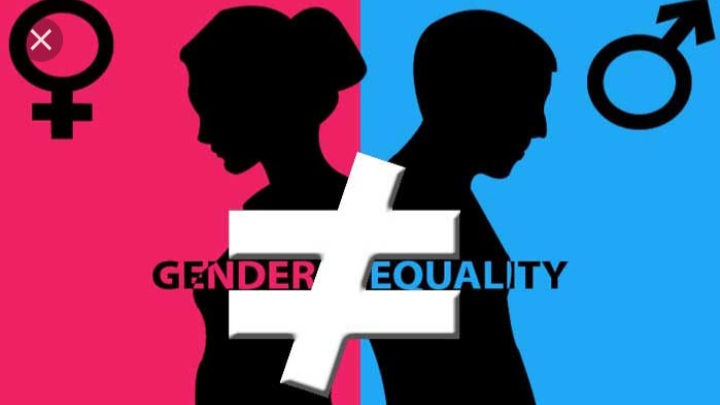
We are in the 21st century, and even now, women are not treated equally as men. It is generally believed that women are more talented than men, and it has been proved many times, but society is not yet ready to accept this fact. Gender equality is the term used when equal opportunities in the fields of politics, economics, education, and health are provided to both men and women.

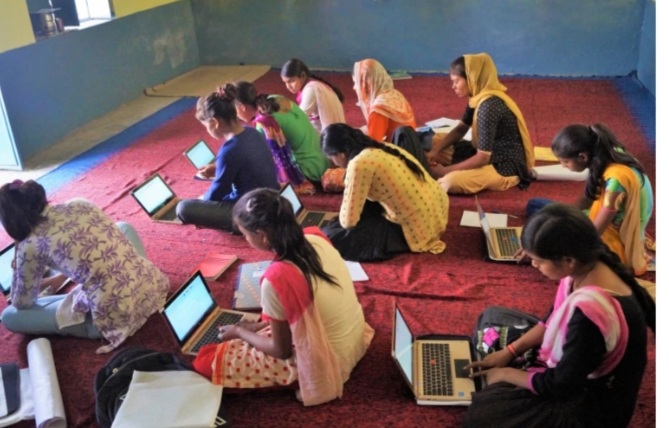
As per the World Economic Forum’s gender gap ranking, India holds the rank 108 out of 149 countries. The rank should be a major concern in the country as it signifies the immense gap between the opportunities given to women when compared to men. The structure in India is such that women are neglected in many fields like education, health, finance, etc. They are just limited to household chores which should not be the scene here. There are many places in India where women are considered as a burden and they are not allowed to go to school and study as well. Also, a preference for sons prevails in many areas in India.

The seven important forms of gender inequality :

1 . Women works Longer than Men :
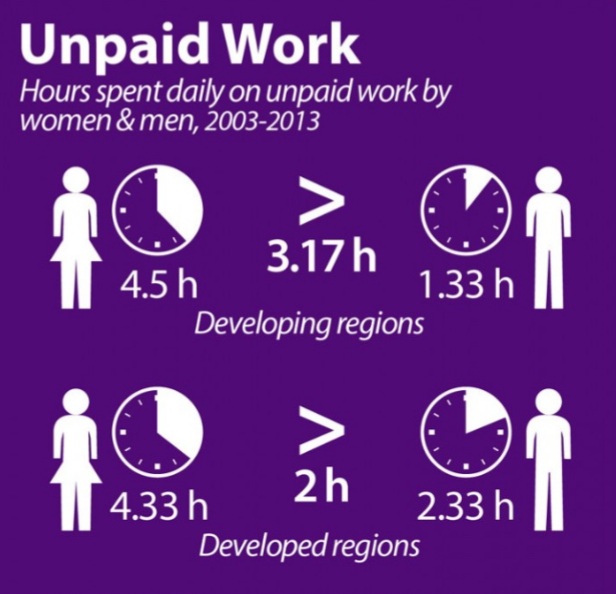
In most of the societies the male – stream is the main stream who argues that women have comparative advantage in household non- market production, like cooking and cleaning for the family that cant be called emotional and personal caring work. Based on this thinking, household jobs are then asymmetrically distributed. Women are more valued in home. Men are specialised in market- baesd production. Thus, being the bread- earners, males enjoy both power and status.

2. Inequality in Employment and Earnings :
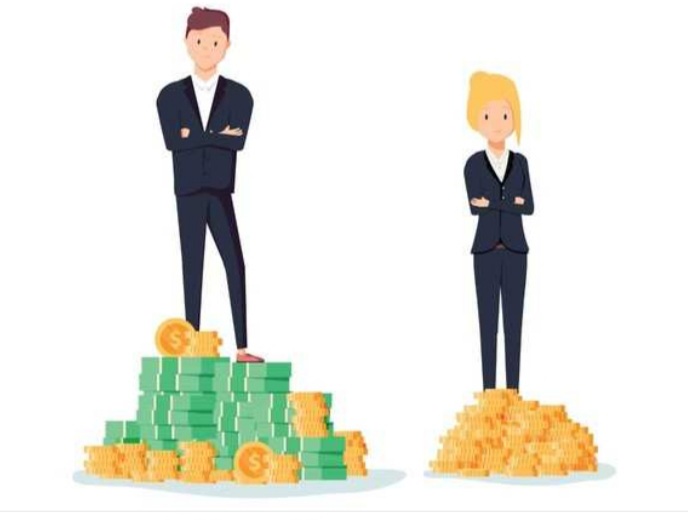
Historically, men have greater participation in work outside home than women. But women ( particularly of poor households) share unequally household duties in addition to economic production. Thus they work longer than males. This kind of ‘ division of labour’ may be seen as the ‘ accumulation of labour’ on women, as described by Amartya sen. Household activites are often viewed as ‘ sedentary activites’ which require less ‘ calore’ to gain energy.

3. Ownership Inequality :
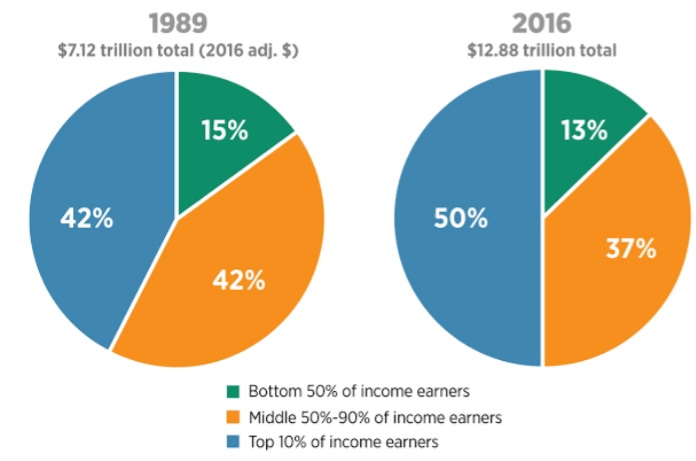
A case of social inequality. Let us turn to another kind of inequality, called ownership inequality a classic case of social inequality. In most of the societies, ownership over property and means of production rests mainly on male members . The law of inheritance provides such ownership rights on male child. Such denial coming out of hierarchical dualism within the family not only reduces the voice of women but also prevents them from participating in commerial, economic and social activites.

This kind of social deprivation means absence or lack of capability or because of ‘capability deprivation’, women are subject to various kinds of exploitation and unfreedoms. Social inequality distorts the process of development. Unfortunately, ownership inequality in any country is not of recent origin. In her earlier life, a woman comes under the influence of her father, then husband as she enters a married life and finally, under sons ownership right over property is skilfully avoided. A telugu proverbs corraborates this understanding: ” Bringing up a daughter is like watering a plant in anothers courtyard.”

4. Survival Inequality :
Another crudest from of gender disparity is the unusally high mortality rates of women , though biologically, women live longer than men! Thus more boys than girls are born evrywhere leading to a ‘ deficit’ of women and a ‘ surplus’ of men. In developed countries beacuse of absence of gender bias in health care and nutrition, women outnumber men. In Europe and in north America, 105 or more girls are born per 100 boys. Such high female- male genderd survival rate in different age groups.

5. Gender Bias in the Distribution of Education and Health :
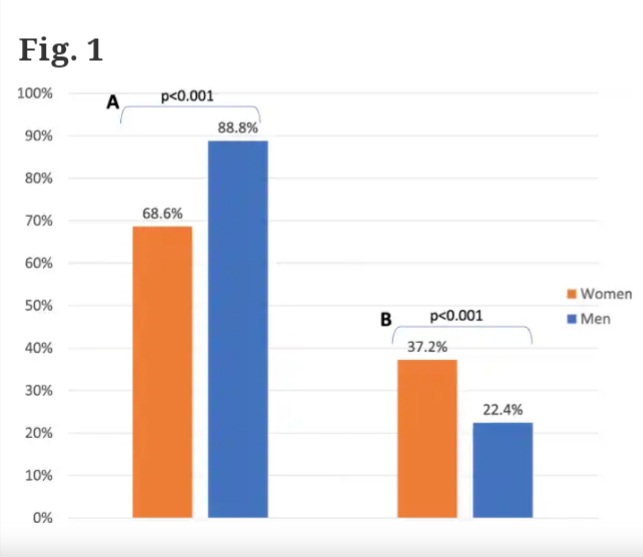
Health and education are the major forms of human capital are realted to economic development . Human capital gets accumulated as a society advances in education . The contribution of human capital towards Japan’s remarkable economic progress attracts our attention . Improvement in health capital also improves the return to investments in education .

However, one finds a huge education and health gaps between developed and developing countries. In recent times, despite a large increase in econoc advancement on times, despite a large increase in economic advancement in asia and africa, these countries lag far behind the developed countries in terms of educational attainment particularly in respect of women’s education. Gender disparity not only hindrrs economic progress but also exacerbates social inequality.

6. Gender Inequality in Freedom Expression :
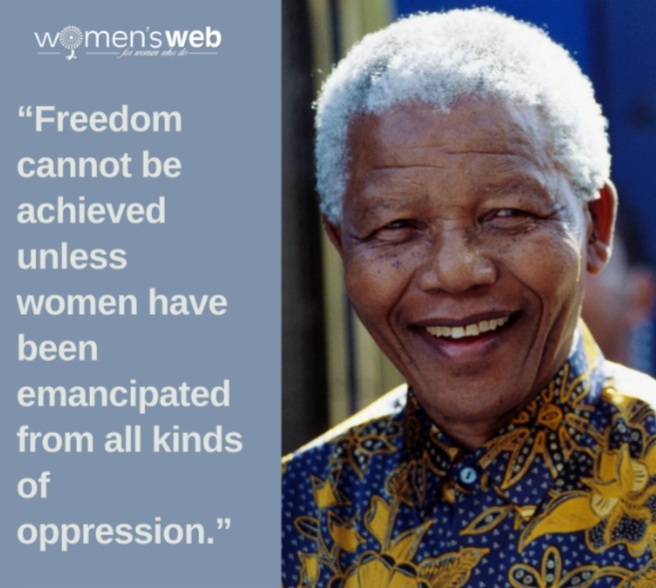
Let us talk about gender inequality beyond economic issues or factors. Women are not only subject to income or asset inequality but also in terms of freedom and power deprivation of women goes beyond one’s imagination. They lack not only economic freedom at home because of absence of autonomy in house hold decisions, limited or poor wages earned but also lack any freedom in airing opinions over education of children.

In some backward poor societies the right of women giving options is completely denied. Such un – freedoms, however, are not uncommon even among the educated elites who enjoy enormous power and authority in the male domined society. Historically , this sort of law socioeconomic status of women has been continuing nowasdays.

7. Gender Inequality in Respect of viloence and victimisation :
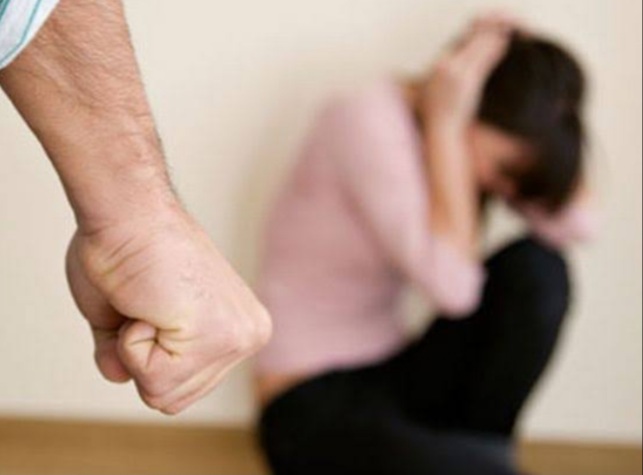
Finally, anti – female bias starts before the girl child is born and this attitide of the society a female member carries throughout her life. It is because of the unequal sharing of income, property, household benefits . Women are subject to both physical and sexual violence – the oppsite of freedom, and an extreme form of coercion. This is common for both poor and not too much uncommon in rich countries as well as among rich people. One in three women in the word is beaten or raped during her life times.

Dowry harassement is considered as an ‘ instrumental use’ of violence. Dowry death is the most serious form of domestic violenece. Wife beating is not uncommon. Sexual violence is an obnoxious form of human rights violation.

Specifically, public health can contribute to reducing health inequities by integrating health equity considerations into policy and programs, collebrating with other sectors to address inequities engaging with communities to support their efforts to adress inequities, identifying the reduction of health inequities.

Reducing inequality requires transformative change. Greater efforts are needed to eradicate ectreme poverty and hunger and invest more in health, education, social protection and decent jobs especially for young people, migrants and other vulnerable communities.

We should understand that women are the part and parcel of any family. When it comes to flexibility, they can manage their home and offices at the same time. If equal opportunities are not given to them, they will be led down and won’t be able to achieve big milestones which they are obviously capable of.

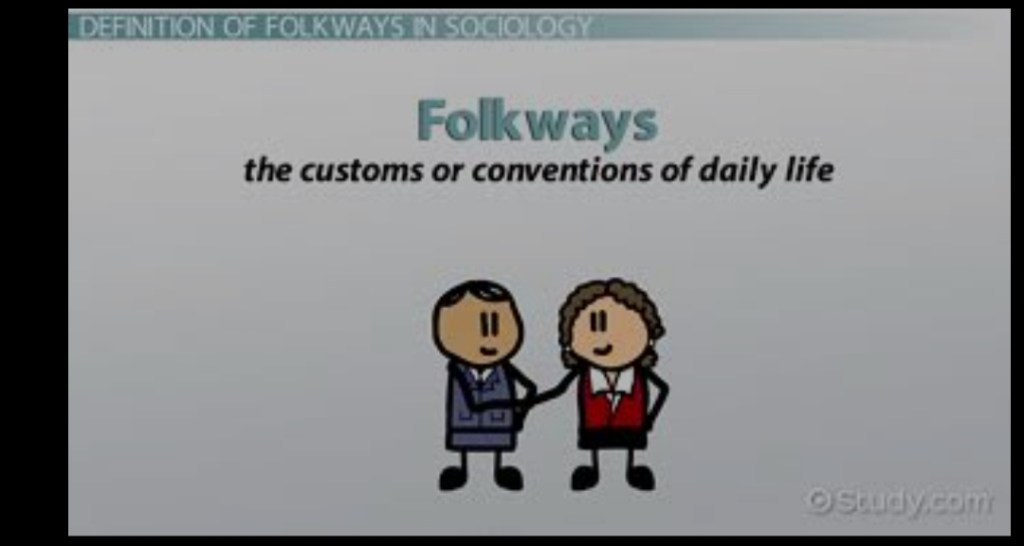
What are Folkways ?

What are social norms ?

Social norms refer to the group shared standards of behaviour .It is a pattern setting limits on individual behaviour .
Norms are said to be ” blueprints ” for behaviour .
They determine , guide , and control human behaviour .
Norms are not systematically classified by Sociologists . But they are grouped into –
” Folkways “, “mores ” , “fashions “, “rites “, “ceremonies “, “customs ” etc. .


What are folkways ?

In general , folkways means “ the ways of folk “.
The term ‘folk’ represents people and ‘ways’ represent their behavioural habits .
Folkways are the customary, normal and habitual ways of the group to meet certain needs or solving day-to-day problems.


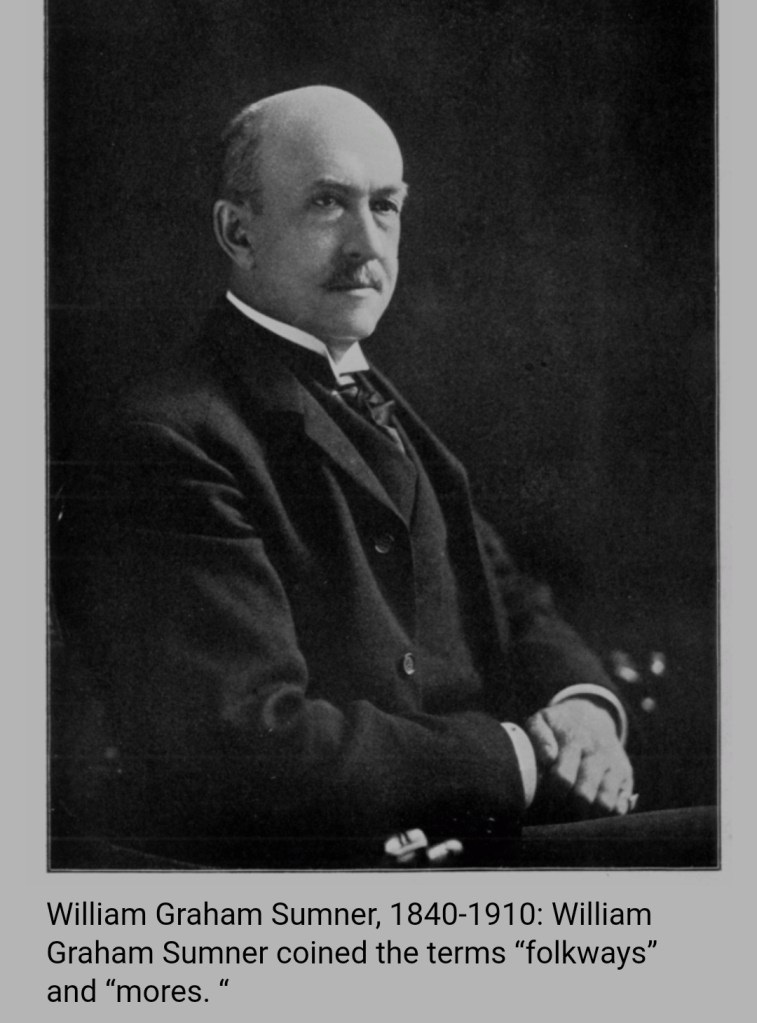
The term folkways was introduced into Sociology literature by W.G .Summer in a book with the title , ” Folkways: A Study of the Sociological Importance of Usages, Manners, Customs, Mores, and Morals ” published in 1906.


Folkways are accepted ways of behaviour.
According to Summer ,
” folkways represent man’s unique means of adapting himself to the environment .


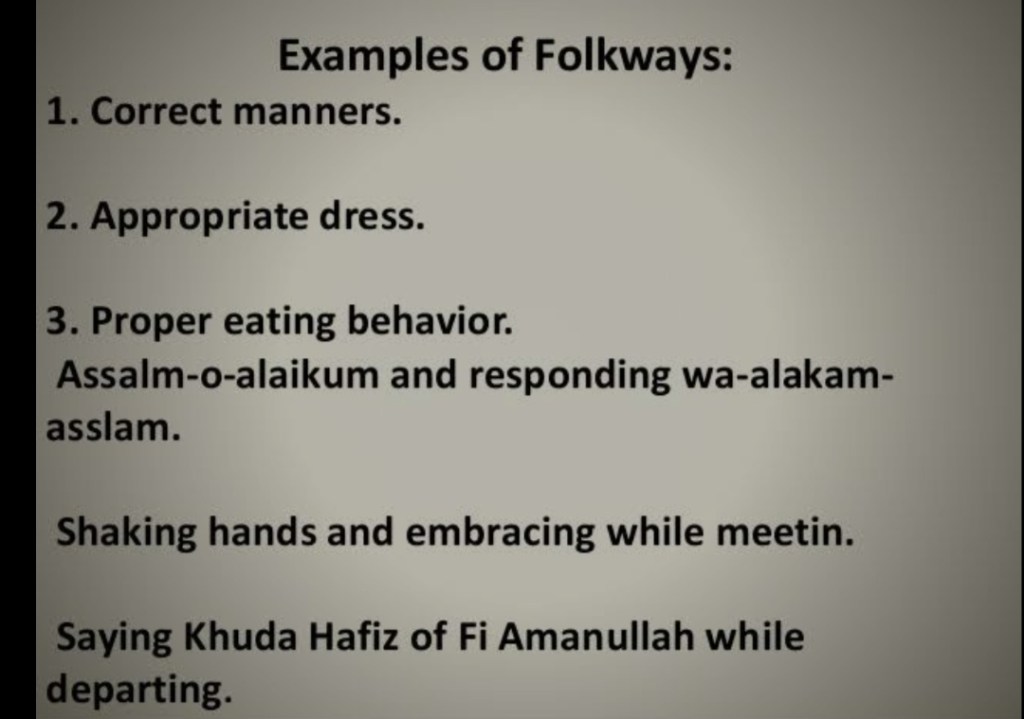
Examples of Folkways :-

The ways of eating , talking , dressing , playing , walking , working , greeting , conversing ,etc. represent folkways .

The daily activities become an individual’s habits ,but folkways are termed as habits of a group though Not all (group) habits become general. They differ from individual to individual and place to place.

Folkways are a learned process of socialisation. They become the second nature of the individual.

Habits are socially approved habits which are followed by a number of persons in a society are referred as folkways,

Habits of exchanging greetings and courtesies like bidding ‘Namaste’ with joined palms is an.examples of Indian folkways .

Walking on right side if the road , taking three meals a day , Wearing different clothes at different occasions, showing respects to elders , love and affection to younger ones ,
Wearing a cap, hat or turban,.shaking hands, eating with forks and knives, driving on the left or right hand side of the street, attending classes in paints and skirts rather than gowns or bathing suits etc..are some folkways followed by difficult individuals.


Definitions :-


Folkways are behavioural patterns of e everyday life which generally arise unconsciously in s group .”
-.Gillin and Gillin

According to Reuter and Hart (1933),
“The folkways are simple habits of action common to the members of the group; they are the ways of the folks that are somewhat standardised and have some degree of traditional sanction for their persistence”.

Maclver and Page (1949) defined it as:
“Folkways are the recognized or accepted ways of behaving in society.”

A.W. Green opines ,
Those ways of acting that are common to a society or a group and that are handed down from one generation to the next are known as folkways .

Lundberg stated ,
“. Folkways are the typical or habitual beliefs , attitudes and styles of conduct observed within a group or community .”

In simple words , folkways are “repetitive petty acts of the people .”
___________________________________________

Characteristics of Folkways

• Social in Nature :- Folkways are the products of man’s group life . They are created by the groups for their sustenance and maintenance . Individuals get social recognition by comforting the folkways .

Repetitive in Character:– A social practice becomes a folkway when the majority of people observe it constantly and regularly . The often repeated practices of the majority normally become the folkways . These practices become standardized practices by constant repetitions .

Unplanned Origin :– The origins of Folkways are very obscure . Summer believed that they arise automatically and unconsciously . They are not the result of any advance planning . Someone in the group starts a new way and in course of time it becomes popular and a good number of people may start following it but by the time it becomes folkways the origin trace fades away.

Informal Enforcement :– Folkways constitute one of the types of informal means of social control . Folkways are not as compulsive and obligatory as that of laws or morals . Conformity to the folkways is neither required by law nor enforced by any special agency of society. They are not absolutely obligatory though they are considered as necessary .

Folkways Differ a Lot :- Folkways Differ from group to group and society to society . They may also undergo changes in course of time within the same group or society .
For example , table meals are common in the West whereas the majority of Indians used to squat on the floor and take their meals with their hands .

Folkways vary with age and sex in almost all places . They even vary according to social status , religion , ethnic groups , racial groups etc .

Folkways are Numerous :- It is not possible for anyone to enlist all the folkways . There are so diverse and numerous folkways . They range from most trivial acts and behaviour patterns to the most serious ones .

Folkways are subject to Change :- Just like everything folkways are also subject to change . Folkways change according to changes in social conditions .
Summer is referred to as ” fashion ” .
Fashion related to dress , hairstyle , architecture designs , etc. undergo rapid changes .
___________________________________________

Social importance of Folkways

The folkways are the foundation of every culture . They give us a better understanding about a particular culture.
When fully assimilated they become personal habits .

Summer believed , ” the life of society consists in making folkways and applying in them . The science of society must be construed as the study of them .

Folkways have become a universal characteristic of human societies. No society does or could exist without them . Hence they constitute an important part of the social structure . They are most powerful and control the behaviour of individuals in society even more than the state action.

They become a part and parcel of the personality of the infant through the process of socialisation. An individual learns different folkways at different stages of socialisation . They become a form of unstated premises of our mental life .

Folkways play a major part in social control in society, as folkways are informal means of social control.

Hence , folkways are not compulsory or obligatory but constitute an important part of social structure as they become personal habits that contribute stability and order in social relations .

TEA CONNOISSEUR

Tea is not a word but an emotion for Indians. Be it masala chai, black tea, green tea or even kashmiri kahwa. A hot cup of tea suit’s every season and emotion. Happy? It will add up to your mood. Anxious? It will calm you down. Sleepy? It will keep you awake. Insomnia? It will help you relax and sleep.
So now you might be wondering, how does one tea provide so many services where most of them contradict one another?

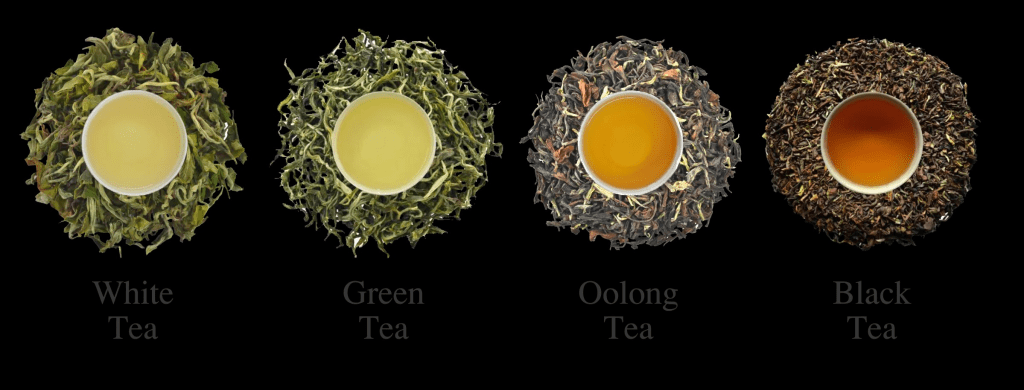
To answer that, the quality and benefits of the tea depends on its Level of Oxidation. The four major types of tea i.e. WHITE TEA, GREEN TEA, OOLONG TEA and BLACK TEA, comes from the same plant called Camellia sinensis. However, they are differentiated by the level of oxidation they undergo. This adds to its level of flavour, aroma and health properties.

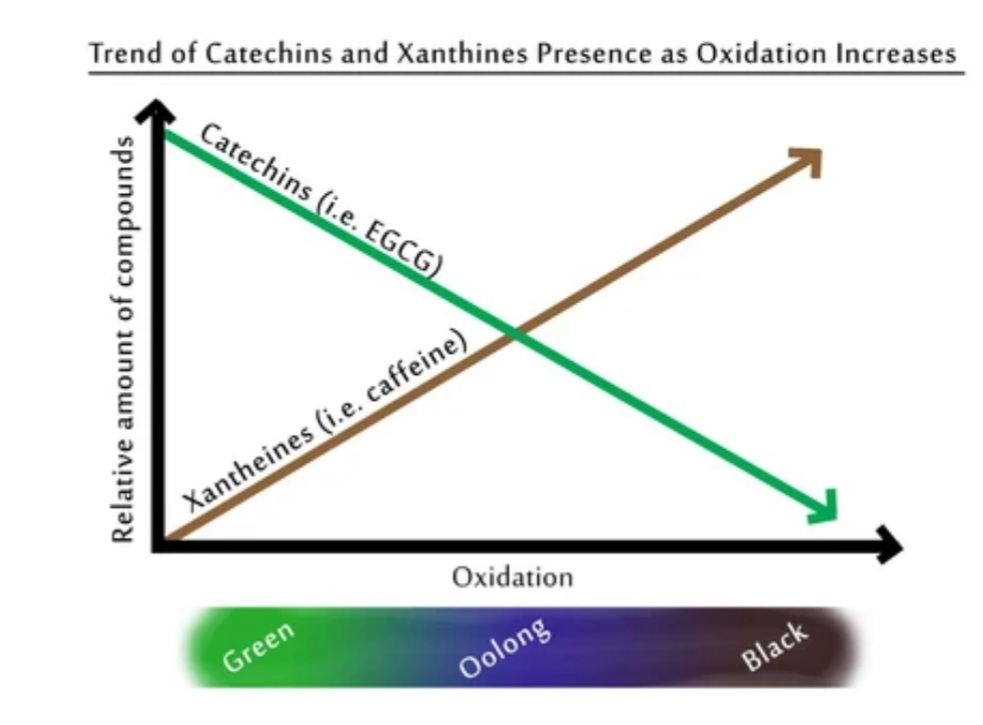
The two major compounds in tea are Catechins and Xantheines. Catechins is present in the form of ECGC which are naturally occurring antioxidants that reduces the oxidative cellular damage in the body and Xantheines in the form of caffeine that provides a gentle energy boost without the harmful side-effects of coffee. The presence of these compounds depends on the oxidisation of the tea leaves. Higher oxidisation leads to more of Xantheine and less of Catechins, where’s lower oxidized leaves contain higher Catechines and less Xantheine.

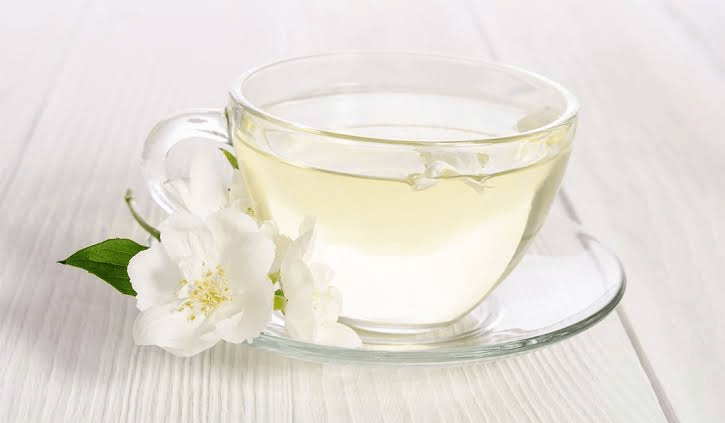
White Tea is most delicate of all the tea’s as it’s uncured and unfermented. Famous for it’s floral, fruity and naturally sweet flavour, it contains the highest amount of antioxidants as is least oxidized (So it has most of it’s natural Catechins). Hence, it possesses major health benefits because of the absence of caffeine. It’s known for its anti-aging and most potent anti-cancer properties.


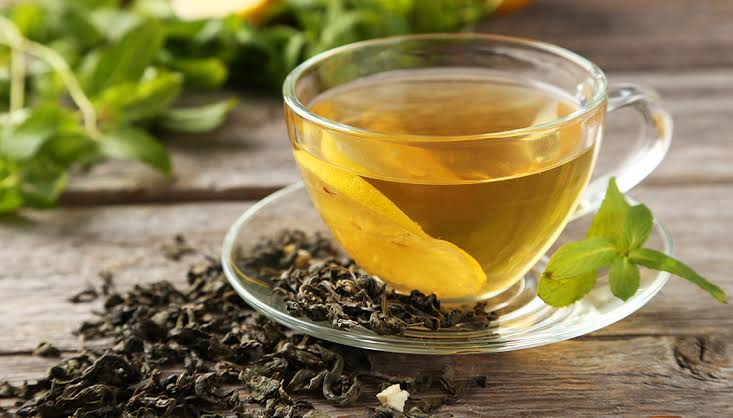
Green Tea is the most famous health tea for the past few decades. It is darker compared to White tea as it is slightly more oxidized, however it contains high number of antioxidants that is beneficial for promoting good metabolism and weight-loss. Some of the numerous health benefits of green tea include growth of bladder, stomach, pancreas, lungs; reduced risks of neurological disease like Alzheimer’s; lower blood pressure; prevent cancer; lowers cholesterol levels; prevents tooth decay and many more.


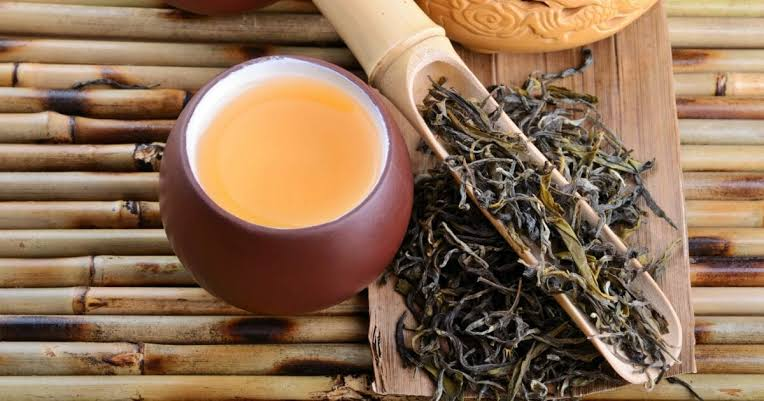
Oolong Tea comes after green tea in terms of its antioxidant content as it’s more oxidized compared to the latter. Its properties depend upon the level of oxidation which is mostly between 30% -70%. It is aromatic and highly fragrant. It is known to lower bad cholesterol levels (LDL) and increase the production of good cholesterol (HDL). It has higher amount of caffeine hence it is known to increase mental alertness and increases concentration


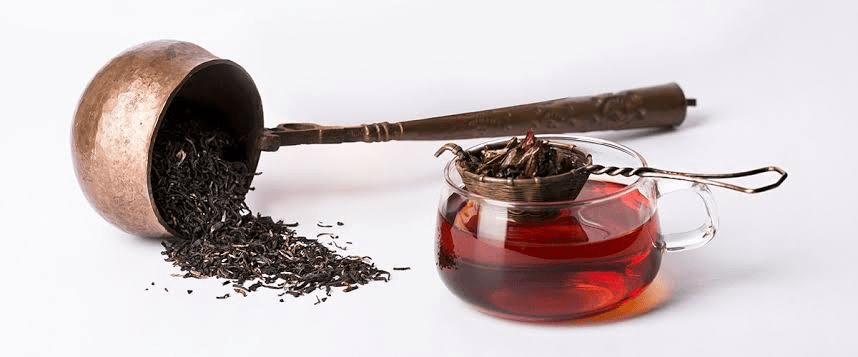
Black Tea is rich, hearty and bold. It’s over 80 % oxidized and hence contain highest levels of caffeine compared to all the others. Hence, this makes it best for an instant energy boost. It is known to protect the skin against excess UV radiation exposure, boost immunity, protect lungs, improve heart health and lower the risk of kidney stones.


Hence, who wouldn’t want to enjoy a hot cup of tea on a pleasant evening (Specially, if it’s good for your health as well as taste buds).

Female emancipation!

Feminism

Women’s empowerment can be defined to promoting women’s sense of self-worth, their ability to determine their own choices, and their right to influence social change for themselves and others.

‘There should be gender equality’ —a familiar line uttered repeatedly by many self-claimed modern era intellectuals .I think I will use the term that ‘men and women are complementary to each other’. Neither can survive without the other. Nature has created women and men in such a way that mankind will only survive if both genders coexist. Thus, the genders complement each other. I think this definition makes more sense .My argument is that gender equality means equal respect and equal remuneration in the same performance in their exclusive domain.

               Not all girls are made of sugar
               and spice and all things nice.
            There are girls made of dark lace
         and witchcraft and a little bit of vice.
          There are daughters made claw-first
        and story-mad, tiger roar and wolf-bad.
     There are women made of terrible tempests
    and savage storms and the untamed unwanted.

   These are damsels made of flawless fearlessness
 made of more bravery than knights have ever seen.
These are princesses made of valour and poison alike 
 and they are here to hold court as your queens.

                             -Nikita gill
  • Why should the men’s championship get more sponsorship than women’s, and why should the winner be paid more? Why is it that men cricketers get paid more, receive more appreciation and more respect than their women counterparts? Why is Sachin Tendulkar treated as the God of cricket but Mithali Raj simply a good Indian woman cricketer? Why do male hockey players get more money and respect than women players?
  • The bottom line is, and I repeat myself here, nature has made men and women differently. They compliment each other but can’t be equal physically and cannot compete with each other in every area. But gender equality can be achieved if we can extend the same respect, offer the same pay scale and the same status to champions of both genders in their domain. Personally, I respect Sachin Tendulkar and Mithali Raj equally. I do watch women cricket matches with the same enthusiasm as I watch men’s cricket. Are you ready to do that? If yes, then you are encouraging gender equality. Else, you are going down a darker path, with no respect and no equality.
  • Also, being called “beautiful” is nice, don’t get me wrong. But hearing the words, “You’re brilliant” means so much more. Because beauty won’t get me a college diploma. Curves won’t get me a secure job and a sufficient salary. Being pretty won’t get me respect.
  • Beauty doesn’t encompass the person you are. All women have natural beauty, but beauty can only take you so far. When I am most insecure, I don’t want confirmations of my physical appearance. I want confirmation that my work, mind and strength are recognized. We grow up thinking beauty and male validation was the ultimate goal. Now, as a young woman, my greatest goal is to be successful in my career. I strive for knowledge, not perfect hair. I want respect, not a skinny waist. Being educated and opinionated will get you so much farther than just a pretty face. “Screw beautiful. I’m brilliant. If you really want to appease me, compliment my brain.”

” I WOULD RATHER STRUGGLE EVERYDAY OF MY LIFE THAN TO EVER GIVE A MAN THE POWER TO SAY ‘ YOU WOULDN’T HAVE THAT IF IT WASN’T FOR ME’ “

Rating: 1 out of 5.

Indian Rituals

India is known as a cultural country, filled with traditions, religions, rituals, customs, etc. The diversity in the country results in spreading love, unity, and openness among the citizens. Over the years, people have learned to accept each other’s religions and beliefs. Every person in India has his language, religion, traditions, rituals, and beliefs. We all are aware of these traditions and beliefs but, there are some odd rituals too which are practiced in India but unfortunately, we are not aware of it at all.
These rituals are weird but are still practiced in many rural parts of the nation. The people practicing them have a lot of faith in it. These rituals are brutal and it’ll be shocking to know that they exist even today.
These are some of the rituals you should know about.

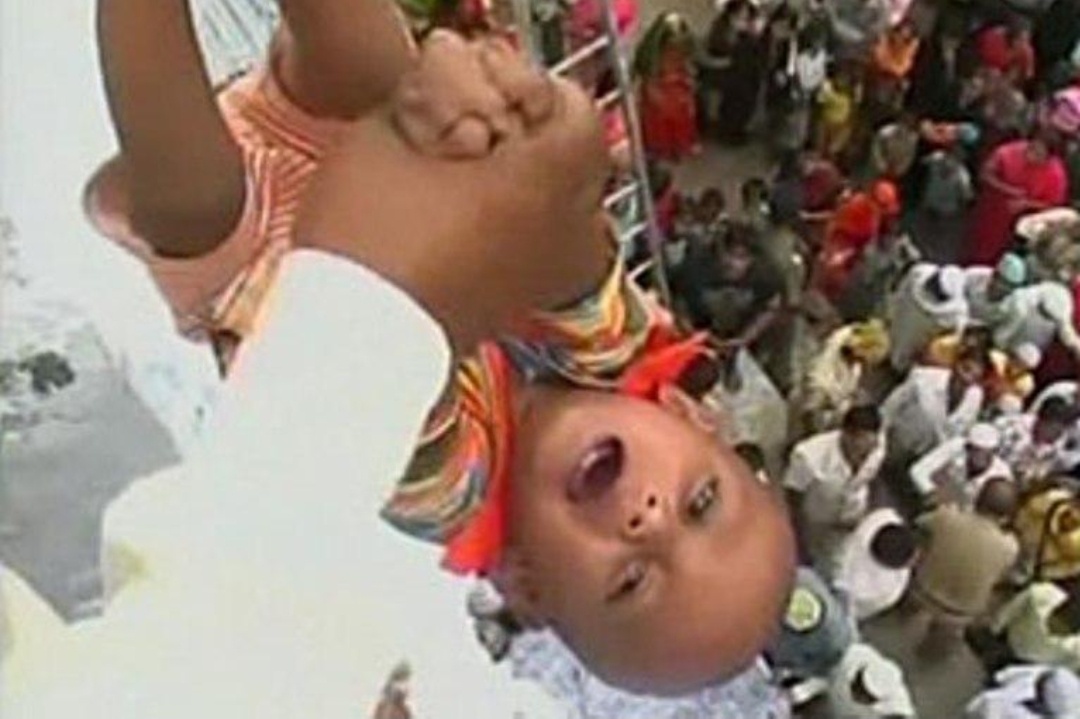
 • Baby Tossing
Baby Tossing is a very old ritual followed by many in the states of Maharashtra, and Karnataka. In this, a baby is thrown from a height of 30 to 50 feet and the devotees catch the babies with the help of some blankets. This ritual is not at all safe and is also against India’s children’s rights law.

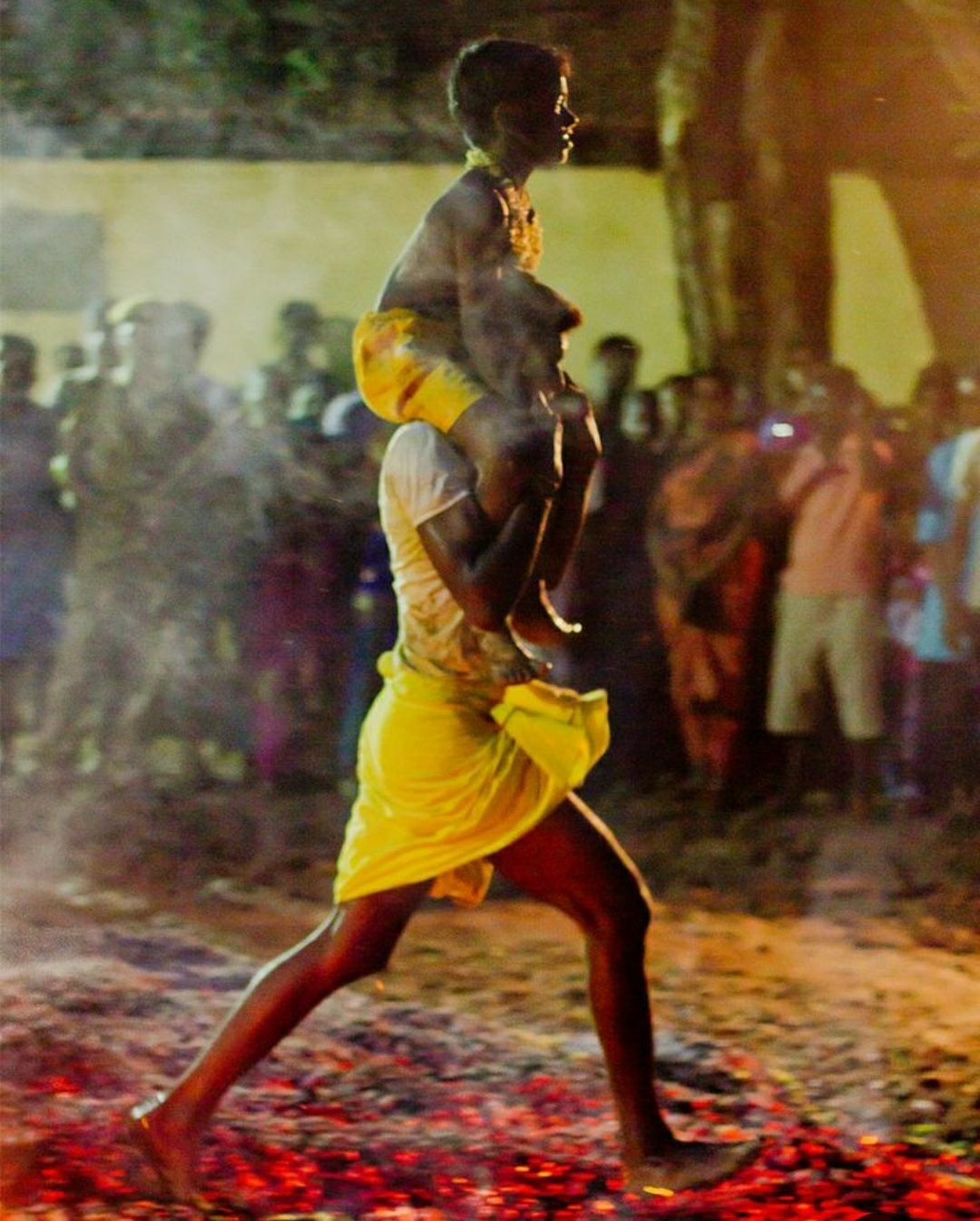
•  Thimithi or Firewalking
Thimithi is a festival celebrated in the state of Tamilnadu, South India. It is believed that walking on a pit of fire will bless the devotees and Goddess Draupadi will grant their wishes.


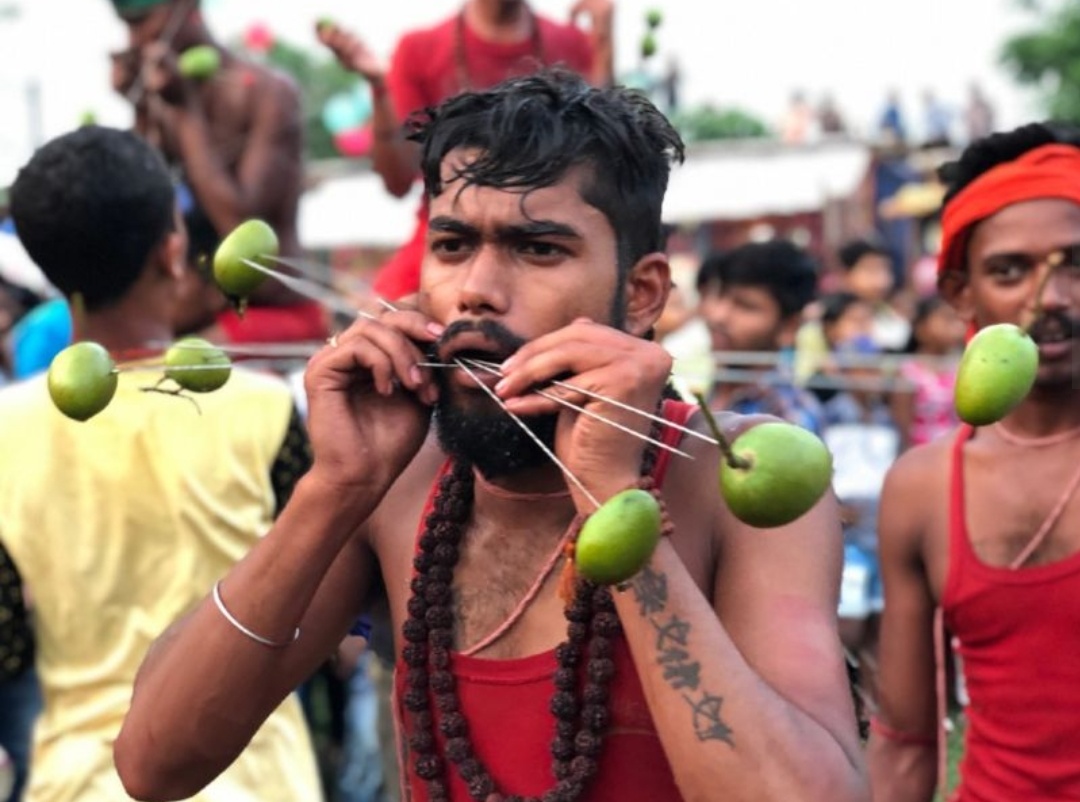
• Impaling
Impaling includes piercing various body parts with sharp objects such as needles, iron rods, swords, hooks, etc. It is practiced in the southern part of India. It is done for protection against evil and it is also done to bring good luck to the community.


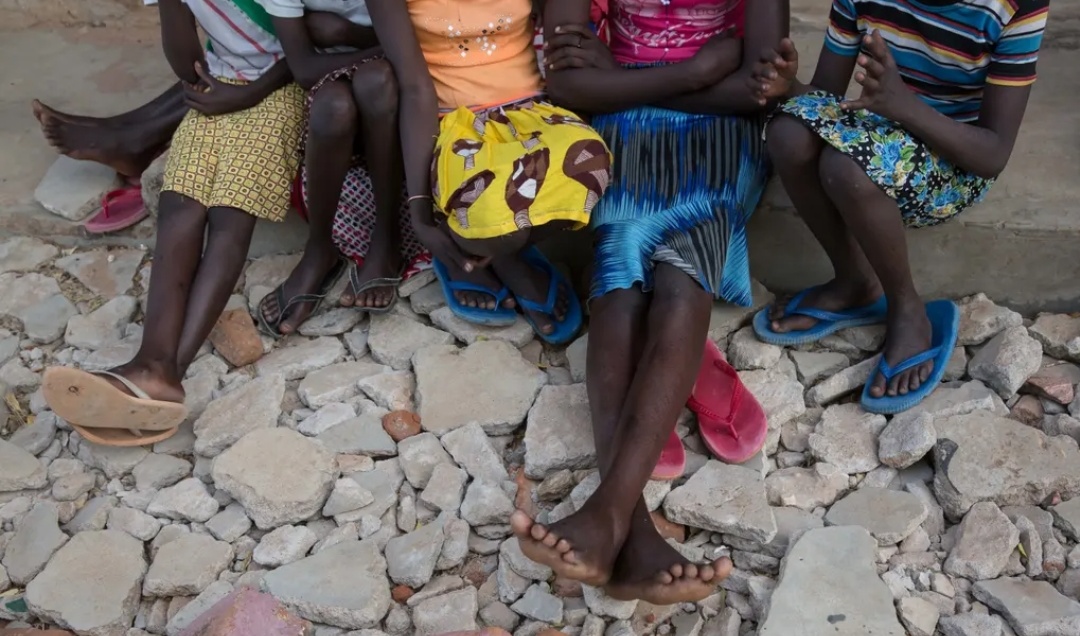
• Female Genital Mutilation
FGM is a procedure that involves partial or total removal of the external female genital organ. So basically the clitoris is the pleasure center of the female body and they just brutally cut the clitoris, not to enjoy the pleasure of having some sort of extra affairs. It’s is strongly believed that if a girl has done is circumcision, she will have no extramarital affairs.FGM (Female Genital Mutilation) is violence against girls and is practiced in countries like the Middle East, Indonesia, some parts of India, and many more countries.

 • Aghori
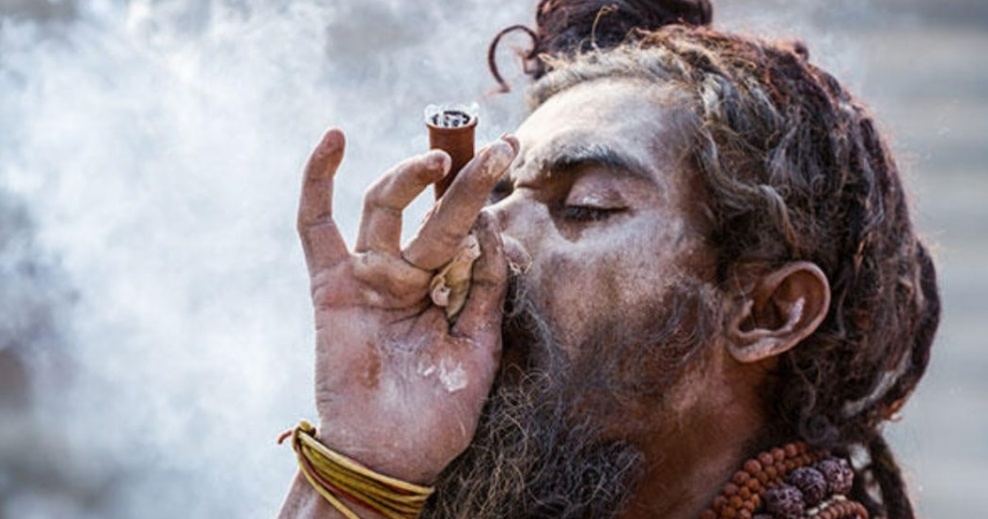
Aghoris are the followers of Lord Shiva often referred to as the God of Death and Destruction. They believe that everything nature provides can be consumed. They feast on human flesh, drink from skulls, and live among the dead. From Eating flesh to conjuring black magic, they do it all.

It is hard to believe that such rituals are still practiced in India. India is truly filled with mysteries.

Communication skills

Good communication is very important to convey what is there in the mind. Whatever language, communicating in a understandable way is very important. communication today is very important both in the business world and in private life.

Even though the person is good at skills and is capable of doing things better, lack of communication degrades the skills and brings a negative mark on the person which is a bad thing for the individual.

Top 5 communication skills and How to improve them

Developing strong communication skills is essential when it comes to building a successful careee. Communication skills play a key role in your private life too. These 5 skills are absolutely necessary for sucessful commuincation in the workplace or private life.

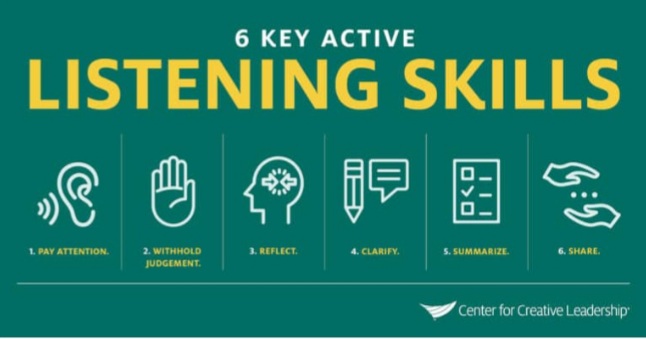
1. Listening :

Listening is one of the most important aspects of communication. Successful listening is not just and understanding of spoken or written information, but also an understanding of how the speaker feels during communication. If a speaker can see and feel that someone is listening and understanding that can help build a stronger, deeper realtionship between interlocutors.

Careful listening can also create an environment in which everyone feels safe to express ideas, opinions and feelings, or plan and solve problems in a creative way.

2. Straight talking :

Conversation is the basis of communication, and one must not neglect its importanc. Even a simple, friendly conversation with colleafues can build mutual trust and even detect problems before they become serious. A healthy does of chatting with and unknown person can lead to a business opportunity . Be accessible and friendly because then you will be able to talk to almost anymore.

3. Non- verbal communication :

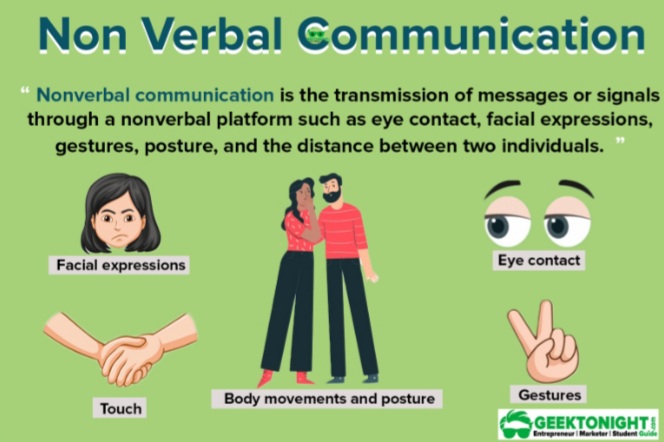
When we talk about things that matter to us then we send a lot of nonverbal messages. Non verbal signals are wordless communication, body position, facial experssion, hand movements, gestures, eye contact, attitude and tone of your voice, muscle tension and the way you breathe. The way you look, listen create, react, gesture , speaks far more about feelings than words will ever be able to.

4. Stress Management :

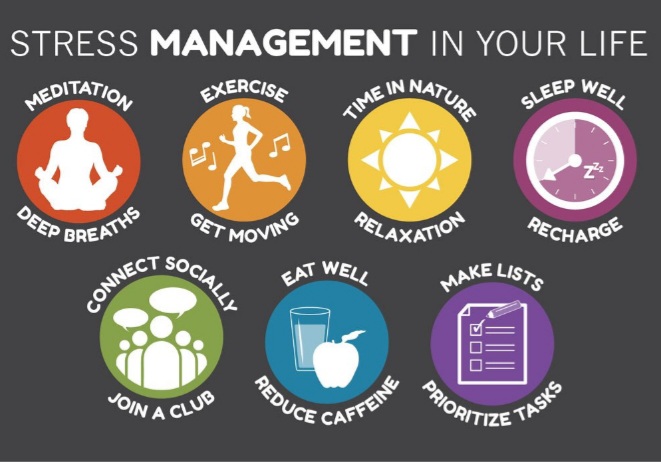
In small quantities, stress can be very useful and encouraging for work . However, when the stress becomes constant and completely begins to take effect, it can affect communication, clarity of opinion and appropriate behavior and action. When you are under stress you may misunderstand other people, send confusing nonverbal signals, and use funny patterns of behavior.

5. Emotion control :

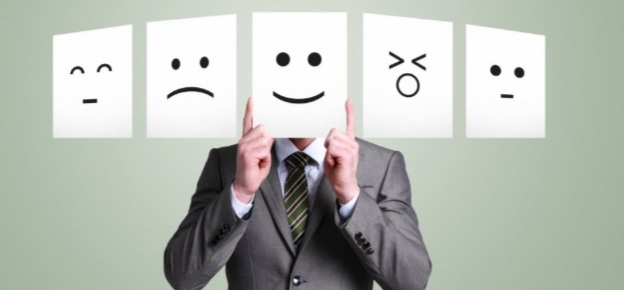
In communication, feelings play an important role. Making decisions more often affects the way you feel than the way you think. Gudided by emotions, your nonverbal behavior affects the understanding of other people and how others understand and perceive you. Control of emotions provides you with tools to understand others, yourself and the messages you send. Though recognizing feelings makes it simple, many people have strong feeling like anger, sorrow, or fear being pushed under the carpet.

Importance of communication :

Communication thus helps understand people better removing misunderstanding and creating clarity of thoughts and expression. The communication brings people together, closer to each other. The communication is an important management function closely associated with all other managerial functions.

Everybody has their own way of communicating. It is influenced by cultural background, the way someone was raised, their gender, their temperament, and much more. At that point true communication may become utterly impossible. Sometimes we may have a difficult time understanding anothers feelings , needs and habits.

* communication serves four major functions with a group of organization :

* control

* Motivational

* Emotional expression

* Information

* communication serves five major purposes :

* to inform

* to express feelings

* to imagine

* to influence and

* to meet social expectations

For example:

For instance, if an individual is going to an interview with great confidence. An individual who is good at different kinds of skills, and also good at executing them and he is lack of communication skills. As the person is not a good communicator, the person faces difficulty in explaining the things to the other person which is known to him. Instantly, this brings a bad impression on the person and a negative mark will be marked on him. The negative mark has a lot to do with. The negative mark can also lead to the rejection of the person in the interview.

Being knowledgeable is very important to achieve certain goals in life, attaining good communication skills and being a good communicator is also equally important to achieve high in the life. Being a good communicator is not A big deal. It is so easy as the lifestyle. Any individual can be good communicator if he communicates all the time with other people in the possible way.

5 Indian Food Famous in the World

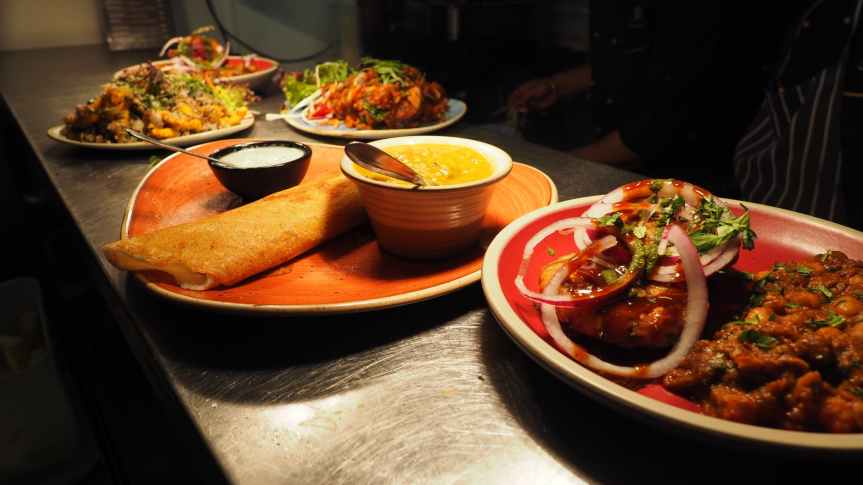
When it comes to food no-one can forget Indian food. Indian foods can be sour, sweet, spicy & tangy altogether. There is no particularity in Indian cuisine as every state of India has its own food cuisine . India is known for its spicy and sweet foods.  If you want to savour that taste of Indian quizzing then these 5 foods mentioned below must be in your bucket list .

  • BIRIYANI
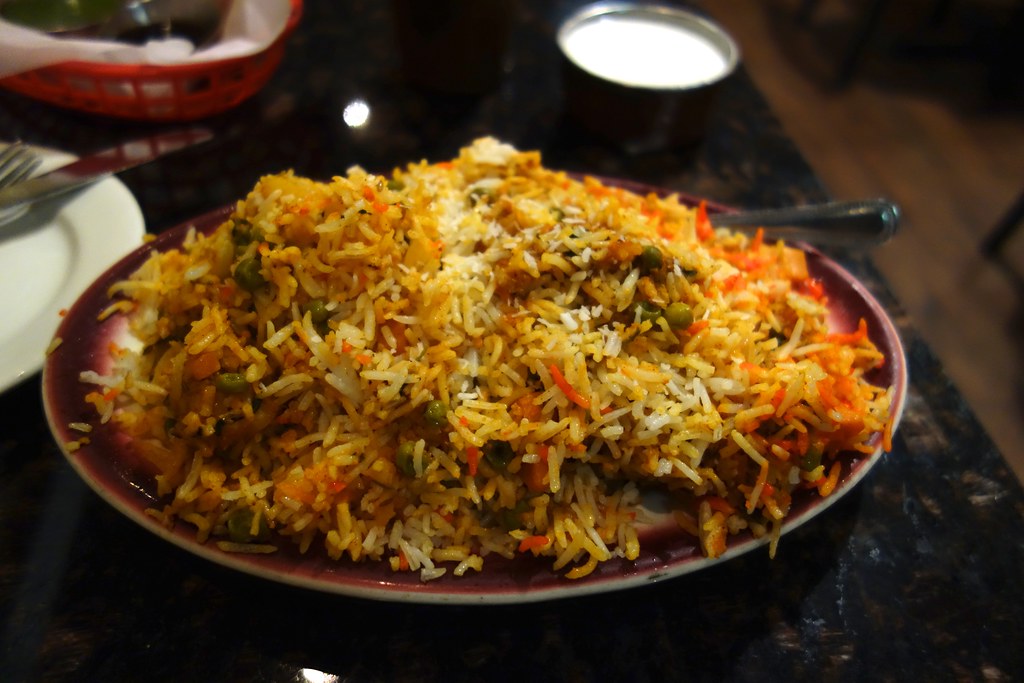
    1. BIRIYANI : It is the most famous food in India . Wherever you go you will be able to see its existence from restaurants to small food stalls on the roadside of India. This food first came to India by Mughals. It is a rice dish with meat and egg and potato pieces with flavour for spices and Saffron mix .There are also various type of biriyani like veg biriyani (With no meat and full of vegetables) , mutton biriyani ( as the meat pieces) ,Chicken biriyani (Chicken meat is added) , bamboo biriyani ( cooked in the piece of bamboo)  etc.  You can also see the variation in the Biryani in the different states of India like Hyderabadi Biriyani, Lucknowi Biriyani, Kolkata biriyani etc. Among all of them Hyderabadi Biriyani is the most famous for its flavour fullness and spiciness .Biriyani is also served with curd salad or Raita .
    GOLGAPPA /PANIPURI/FUUKA

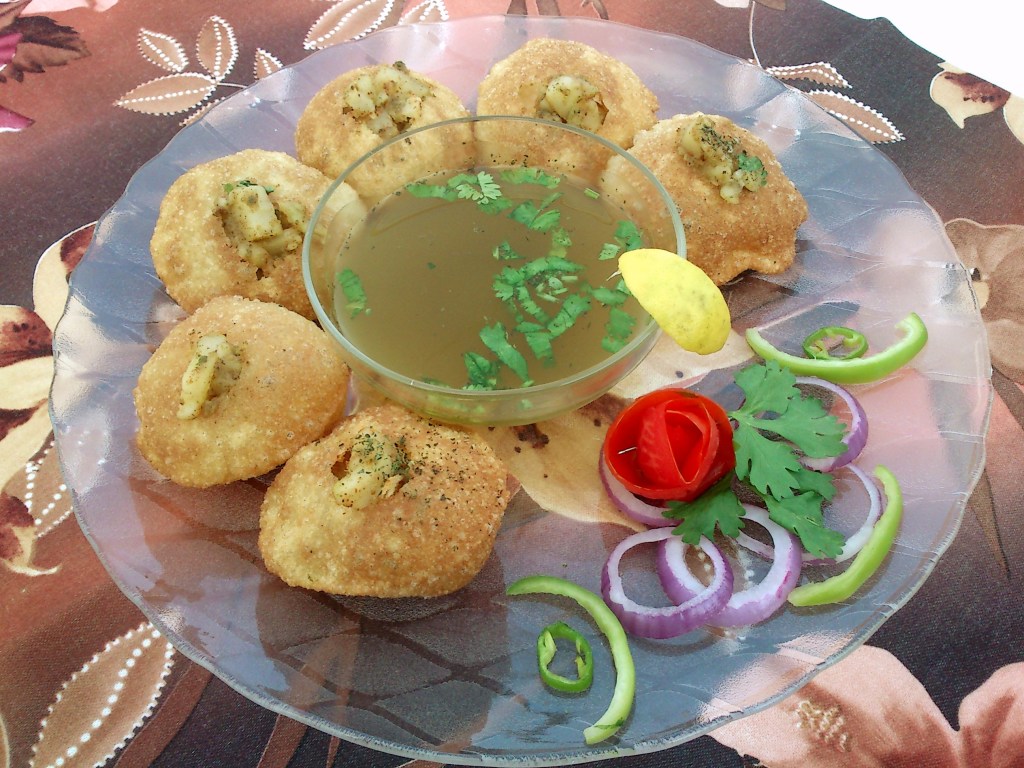
    2. GOLGAPPA /PANIPURI/FUUKA :It is a famous street food in India and you will be able to see it in every corner of India .Even nowadays it is served in restaurants .Golgappa is made of three ingredients —–

    1.  Crispy ball made of Suji
    2.  A spicy aloo/potato filling
    3.  a spicy , tangy and sour water 

                 The spicy potato filling is put inside the crispy balls and then it is filled with the sour flavoured water .This water was made of tamarind or pudina with spices. You can also see the dahi-golgappa which is filled with curd or dahi and some chutney .

    RASGULLA

             3.RASGULLA : It is a famous sweet dessert of India . Rasgulla is a sponge like ball with which is immersed in sweet sugar liquid or chashni .Its origin is West Bengal and Orissa .The Rasgulla is made from paneer are Indian cottage cheese (a milk product) which is mixed with some suji and flour and later this mixture is drained of its containing water by special Muslin cloths .Then it is given a shape of ball and dipped in the sugar liquid or chashni . This sweet is white coloured . Some other types of sweets are also made from rasgulla .

    MASALA DOSA

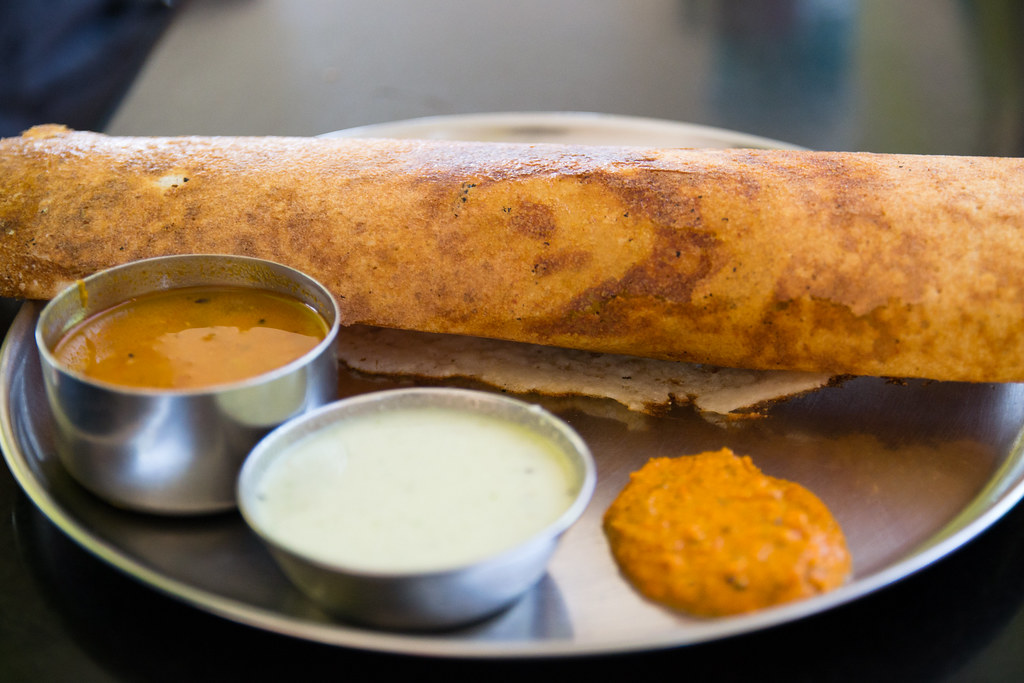
           4)MASALA DOSA : Dosa is a South Indian traditional dish . there are two parts in masala dosa —-

    1. A pancake / roti which is made from a thin batter of rice and black lentils flour . 
    2. A spicy potato and vegetable filling in the middle of the pancake  .  

     It is originally served with a coconut chutney and sambar which is one type of vegetable Dal or soup . There are also various types of dosa like paneer dosa (made of paneer filling), chicken 65 dosa ( ‘chicken 65’ Is a chicken dish which acts as a filling in dosa) and paper dosa etc.

    SAMOSA

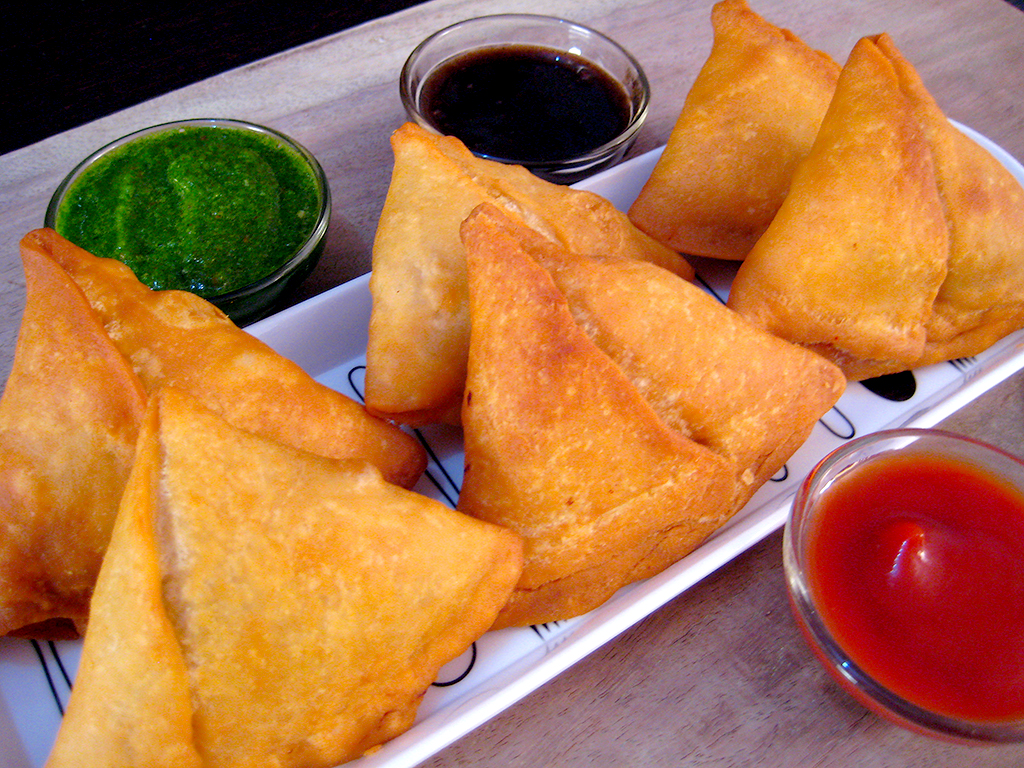
    5) SAMOSA :  it is one of the most famous street foods in India. It also have two parts —

    1. Outside a Crispy dough which is made of maida and deep fried in oil .
    2.  soft and spicy potato onion filling inside 

     It also has a unique conic shape . This food was also introduced to India by Mughal.  Paneer Samosa (filled with paneer), chicken Samosa (filled with chicken), noodle Samosa (filled with noodles) are various types of samosa with different stuffing . It is usually only served with sour sweet chutney or tomato sauce .

    Kalidasa: The Shakespeare of India

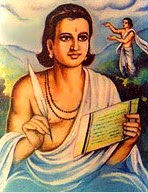
    Kalidasa is known to bethe greatest repository of our national heritage. The serenity of his artistic accomplishment has earned for him a high place in the galaxy of world poets. Kalidasa’s imagination holds in perfect fusion the two elements of natural beauty and human feelings. In his case, both Eastern and Western critics, applying not exactly analogous standards, are in general agreement. He has always been held in high esteem.final hai test

    Kalidasa has continued to display his relevance through the centuries. Surcharged with  wider human sympathy and universal appeal, his character has remained truly Indian. He has influenced the mentors of the middle ages, as well as the pioneers of Indian renaissance like Vivekananda and Tagore. Kalidasa continuous to shine throughout the world as one of the greatest exponents of Indian culture. The keen interest of the Western Orientalists made Kalidasa studies more popular in modern times. Kalidasa has thus gone a long way to help develop a deeper understanding between India and the other countries.

    Popular legends on the life of Kalidasa

    1. Kalidasa, who was first quite a blockhead and was married to a princes, being stung  by the scornful words of his wife, determined to secure the favour of Gauri by penance with the result that the goddess conferred upon him high poetic genius. On his return Kalidasa was asked by his wife -… and the poet taking each of the three words as the beginning of three different works composed the Kumara, Megha and Raghu.
    2. It is said that Kumaradasa, the king of Ceylon, the author of the Janakiharana threw himself on the funeral pyre of his friend Kalidasa who was murdered by a courtesan of Kumaradasa (6th century A.D.) in Ceylon. The story is that Kumaradasa had written the following line –

    on the wall of the mansion of the courtesan, and had promised a handsome reward  to one who would complete the samasya. Kalidasa who happened to see that line immediately wrote-

    Then, the courtesan murdered him and wanted to secure the reward by claiming that she had completed the Samasya the king, however discovered the fraud, but overwhelmed with grief consigned himself to the funeral pyre of Kalidasa.

    Kalidasa’s Profile –

    Place & Date

    It is known to all that Kalidasa is completely silent about himself regarding his date of birth and also the place. Peoples all over India praise to Mahakavi for all the time due to his poetical excellency. Therefore, people from particular place claim that Kalidasa belongs to their area. But if we go through his works thoroughly, we may find that Kalidasa belongs to Ujjain. In Meghaduta, he describes about Ujjain so beautifully where we may find his personal attachment to Ujjain can not be ignored. Scholars of Kalidasa are of the opinion that Kalidasa belongs to Ujjain during between the period of second century BC. to 5th century AD.

    Impact on India and abroad

    Kalidasa is unanimously admitted to be the greatest sanskrit poet and dramatist. In India he is praised by all his followers such as post dated poets and critics namely Mammta, Anandavardhancharya,Abhinav Gupta etc.

    His poetical style influenced to all the post dated poets to the modern poets of this 20th century also.

    In the same manner, we may also find in abroad. It was Sir William Jones who introduced the Shakuntalm to the westerners for the first time in the eighteen century; since then almost all the works of Kalidasa have been translated into various Languages and made known to peoples of different countries, and they have been greatly appreciated by them. There can be no doubt that Kalidasa can justifiably take his seat along with Shakespeare.

    Works of Kalidasa –

    Lyrics
    Ritusanharam
    Ritusamhara is a small lyrical poem of 144 stanzas in 6 cantos, mostly in vamshastha metre (cantos i, ii, v, vi), the variation being vasantatilaka (canto iii) and upendravajra (canto iv). The poem gives a graphic and poetic description of the six seasons of India.

    Meghadutam
    The meghaduta is smaller in extent then Ritusamahara, the first of the Purvamegha having 66 stanzas and the second half or Uttaramegha is having only 55. This is a poem describing the message of departed Yaksha to his wife, to be conveyed through a cloud.
    A Yaksha, servant of lord, Kubera, made some mistake in his duty; Kubera punished him with a curse, banishing him from Alaka in to exile for a period of one year. Therefore, Yaksha sent his message to his wife through a cloud.


    Epics
    Kumarasambhavam
    Kumarasambhava, a classical poem of 17 cantos, is based on the mythological myth of love and marriage of Shiva and Parvati, found in Indian epics. The deputation of Kamadeva – the cupid of Indian mythology – by the gods, to tempt the divine ascetic Shiva, to fall in love with Parvati, the destruction of Kamadeva by Shankara,Parvati’s resolve to win by renunciation and penance, what her beauty and charm failed to achieve by seduction, Shankara’s meeting with Parvati in the garb of an ascetic, their marriage and the birth of son Kumara, who destroyed the god’s’ enemy, the demon Taraka, are the highlights of this classical poem.
    According to A.B. Keith, the well-known British historian of Sanskrit literature, “….to modern taste, the Kumarasambhava appeals more deeply by reason of its richer variety, the brilliance of its fancy and the greater warmth of its feeling”.

    Raghuvansham
    Raghuvansha, a long classical poem of 19 cantos, contains a brilliant account of the illustrious kings of Raghu Dynasty. It is indeed a gallery of brilliant kings – Dilipa, Raghu, Aja, Dasharatha, Rama – painted exquisitely by Kalidasa in which the picture of Rama is undoubtedly the best.
    Writing about Kalidasa and his work, Raghuvansha, the reputed western scholar and critic, Monier Williams says “No (other) composition of Kalidasa displays more the richness of his poetic genius, exuberance of his imagination, the warmth and play of his fancy, his profound knowledge of the human heart, his delicate appreciation of its most refined and tender emotions, his familiarity with the workings and counter workings of its conflicting feelings – in short, more entitles him to rank as the Shakespeare of India”.


    Drama
    Malavikagnimitram
    Malavikagnimitra is a five-act drama based on king Agnimitra’s love for a beautiful girl, Malavika. It is a lighthearted comedy of court life, and depicts the progress of king’s desire for the lovely maiden, through various hindrances. Malavika’s ultimate discovery as belonging to a royal family and the magnanimity of the elder queen, lead to the fulfillment of Agnimitra’s desire. According to the famous critic. R.D. Karmarkar, “Malavikagnimitra is on the whole, an enjoyable play. The plot is a very simple one and the action develops in a surprisingly swift manner and the reader finds that his interest is kept up right to the end”.

    Vikramorvashiyam
    Vikramorvashiya (Uravashi won by valour), a drama of five acts relates the romantic story of the mortal king Pururava and the divine nymph Urvashi. The king, through remarkable display of valour, saves the nymph from the clutches of a demon and falls in love with her, at first sight. The fire of love is fueled by the nymph’s separation as a result of her unavoidable return to heaven. However, in view of the consideration that God Indra, the lord of heaven, had for Pururava, his ally in his wars against the demons, the lovers are united in wedlock; but fate intervenes to separate them again and it is only a miracle that reunites them. The inevitable tragedy of love between the mortal and the celestial being is obvious, but again Indra’s indulgence brings to the royal couple, the lifelong pleasure of living together.
    According to M. Winternitz, the reputed German scholar of Indology, the great popularity that this drama has enjoyed in India, is proved by the fact that there are several versions of its text. It has several times been translated in to German and other European languages. Attempts have been made for adapting it for the stage too.

    Abhijnanashakuntalam
    Abhigyanashakuntala, a drama of seven acts is based on the old legend of Shakuntala, described in Mahabharata. It is the love story of the king Dushyanta and the hermit girl Shakuntala. Their mutual attraction leads to their marriage by the Gandharva form of marriage in the hermitage. The curse of the sage Durvasa makes the king forget all about his wedding but the discovery of the sign ring given by Dushyanta to his bride reminds him of the happenings in the forest grove, leading to his ultimate union with his wife and son in the abode of divine beings.
    Abhigyanashakuntala is, in every respect the most finished of Kalidasa’s dramatic compositions. The play is universally recognised as the best specimen of dramatic art in the entire Sanskrit literature. The reputed German poet Goethe, after reading a translation of the play had exclaimed,
    “Wouldst thou the young year’s blossom and the fruit of its decline, And all by which the soul is charmed, enraptured, feasted, fed?
    Wouldst thou the heaven and earth itself in one sole name combine
    I name thee ‘Shakuntala, and all at once is said”.

    Chakras

    Have you ever attended a yoga session before? Have you ever heard about these chakras? 

    If yes, that’s great. If not, that’s fine we are going to cover it in this article.

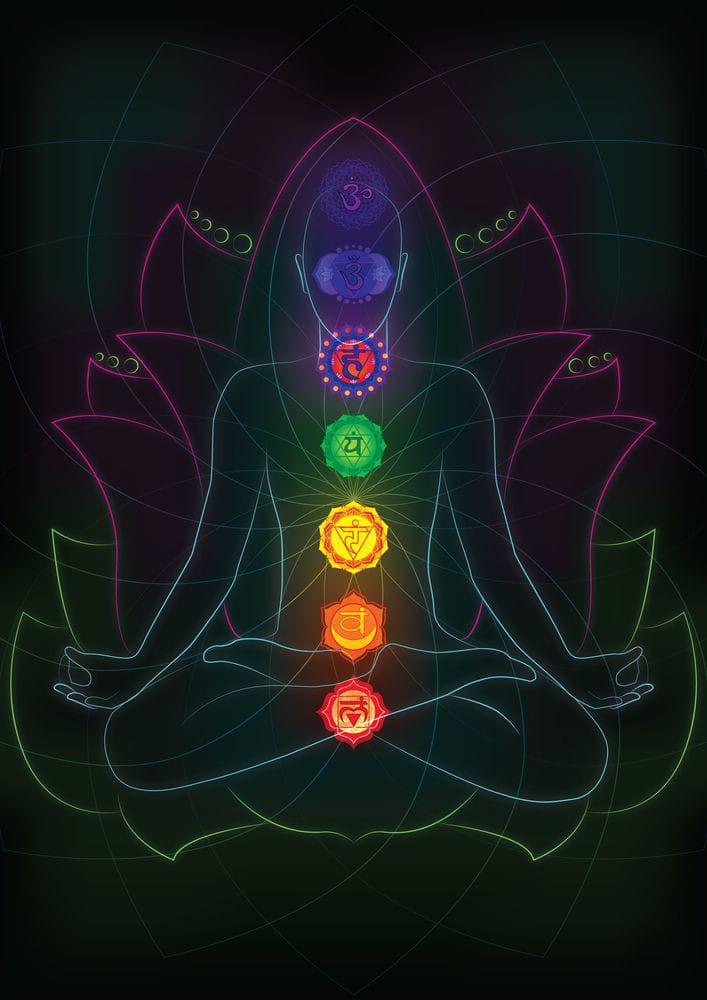
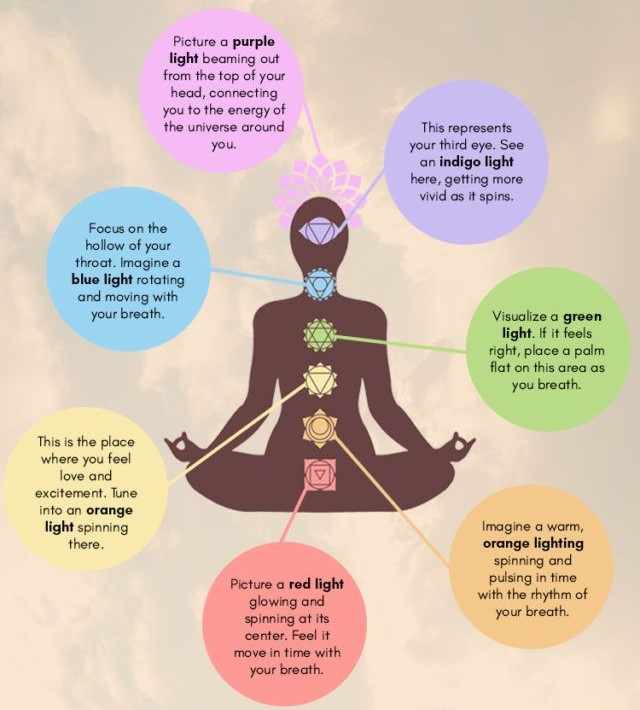
    Chakra is a word that comes from Sanskrit, meaning wheel. There are seven wheels or chakras in a human body. Each is located in sequential order along our spinal cord. 

    Activating these chakras are important to have a physical and emotional balance. If any of them is imbalanced it means that your chakras are blocked and there is a need to activate them.

    But how do we do that? Before answering that question let’s learn about the position and significance of each chakra.

    Okay, let’s start from the bottom.

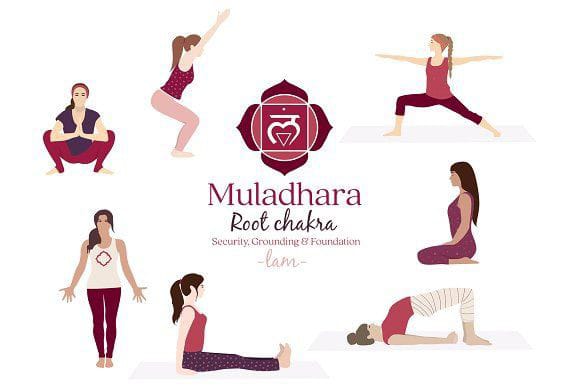
    1. Root chakra- Muladhara: 

    Color– Red

    Represents– the Earth

    It is located at the bottom of the spine. It provides a foundation for your life. Gives a sense of commitment, energy, vitality, and independence in life. Helps you to stay grounded. 

    If this chakra is blocked. The consequences may be like this- anger, possessiveness, insecurity, fear, low self-esteem, etc.

    How to activate/balance this chakra?

    You can activate this chakra by performing yoga or meditation.

    Hand Mudra
    yoga poses

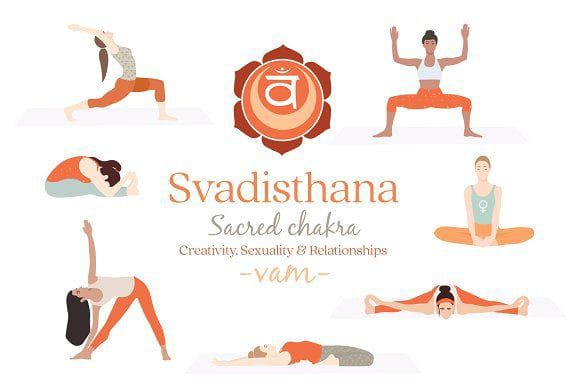
    2. Sacral Chakra- Swadhisthana:

    Color– Orange

    Represents– Water

    Located below the belly button.

    This chakra deals with one’s creativity, emotional identity, desires, and pleasure. Gives a feeling of compassion, a good sense of humor, intuition, sense of belonging. 

    If this chakra is blocked it gives a sense of shyness, guilt, irritation, lack of creativity, etc.

    How to activate this chakra?

    By following the mudras mentioned below you can balance the chakra.

    Hand Mudra
    yoga poses

    3. Solar plexus chakra- Manipura:

    Color– yellow

    Represents– Fire

    Located in the stomach area. This chakra deals with the sense of belonging and mental understanding of emotions. This makes you feel energetic, confident, intelligent, focused, good digestion, and productive.

    If this chakra is blocked you feel timid, depressed, judgmental, angry, and fear of rejection.

    By following the mudras mentioned below you can balance the chakra

    Hand Mudra
    yoga poses

    4. Heart Chakra- Anahata:

    Color– green

    Represents– Air

    Located at the center of the chest. It reflects a person’s social identity and affection like love, trust, forgiveness, and wisdom. Makes you motivated, compassionate, emphasized, sense of completeness, friendliness, etc.

    If this chakra is blocked you might feel difficulty in love, lack of hope and compassion, mood fluctuations, and feeling low.

    By following the mudras mentioned below you can balance the chakra

    Hand Mudra
    yoga poses

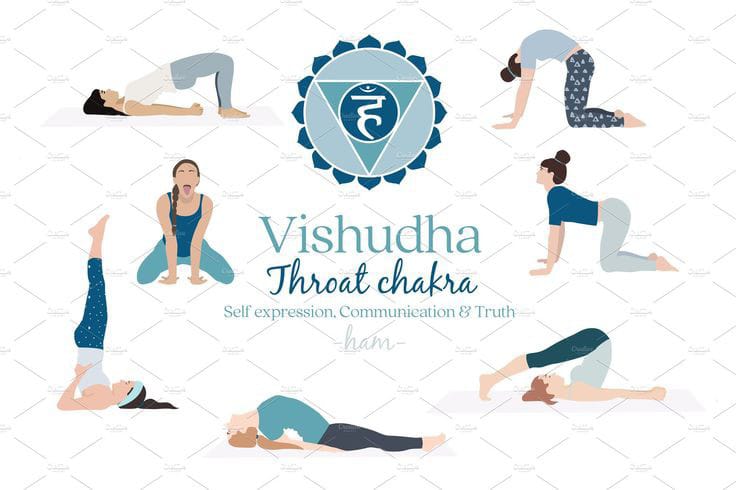
    5. Throat chakra- Vishuddha: 

    Color– Blue

    Represents– Sound

    It is located in your throat. Deals with creativity, effective communication skills, faith, expression, listening skills, and all.

    If this chakra is blocked it may cause indecisiveness, weakening of willpower, lack of expressiveness, low level of creativity, and proneness to addiction.  

    By following the mudras mentioned below you can balance the chakra

    Hand Mudra
    yoga poses

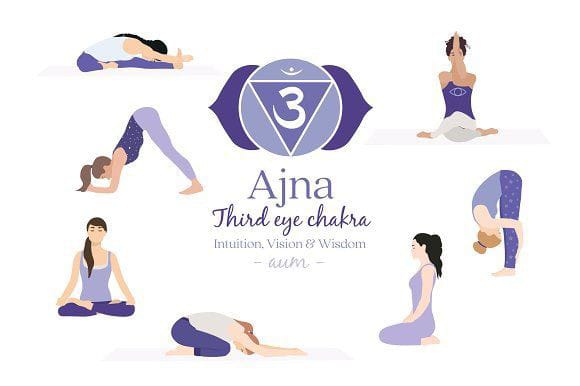
    6. Third eye chakra- Ajna:

    Color– Indigo

    Represents– light

    Located between the eyes. It is responsible for intuition, imagination, wisdom, self-awareness, insight, understanding, and reasoning. It gives clear thinking, a healthy imagination, strong intuition power, good concentration, and focus.

    If this chakra is blocked it results in poor judgment, confusion, fear of truth, poor concentration, and addictions.

    By following the mudras mentioned below you can balance the chakra

    Hand Mudra
    yoga poses

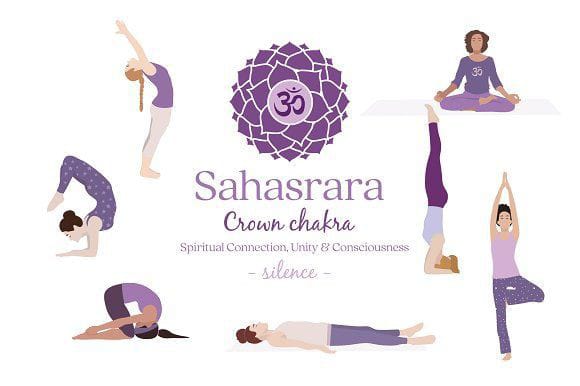
    7. Crown chakra- sahasrara:

    Color– Violet/white

    Represents– Conscience

    Located at the top of the body, the crown chakra is to maintain a spiritual connection and consciousness. Gives a feeling of oneness, open-mindedness, thoughtfulness, etc. 

    If this chakra is blocked you feel a sense of fear, lack of purpose, lack of inspiration, disbelief in spiritual and devotional practices.

    By following the mudras mentioned below you can balance the chakra

    Hand Mudra
    yoga poses

    credits to the right owners of the pictures used.

    sources: pinterest

    Education in the present

    Education is very important in every individual’s life as it is very important for the living. The person who is educated will be well treated by the society and will you have good potential wherever he or she goes. Education as the extra energy to the individual’s life and a moles the individuals character into a good one. It is very important to be educated as the competition in the world is comparatively very high.

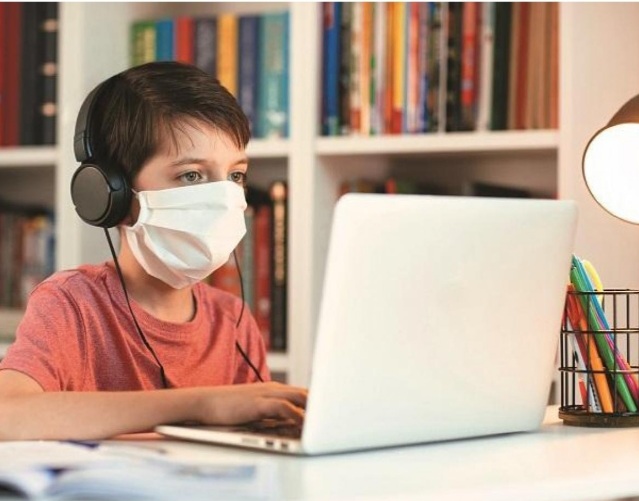
    Online classes are the greatest and the biggest task to all the students. It is so difficult for all the students to understand the topics in a detailed manner. Even though the students try their level best to understand the topics during the online class, it is only the 50% of learning but the topics are not understood properly but the students and face lots of difficulties.

    It is also equal difficult to conduct exams to all mine because it’s exams are connected through online then there is a chance formal practices. Basically, students commit malpractices during exams in a view to get good marks but not about the knowledge. So,many of the students commit malpractices.

    Ways to improve the education system

    * skill – based learning :

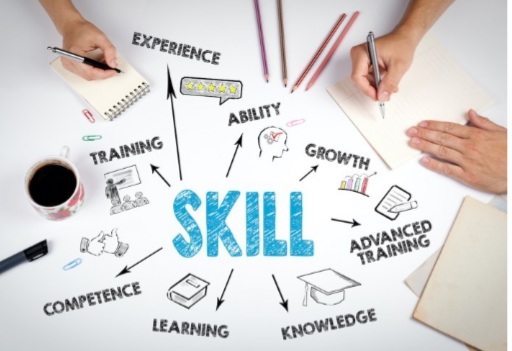
    As of now , the education system is such that everyone is forced to study science and math. If this system can be revamped to identify the strengths of a student, then they can be given appropriate training in the chosen field. This will ensure that the child shines in that particular field.

    * Rural Education :

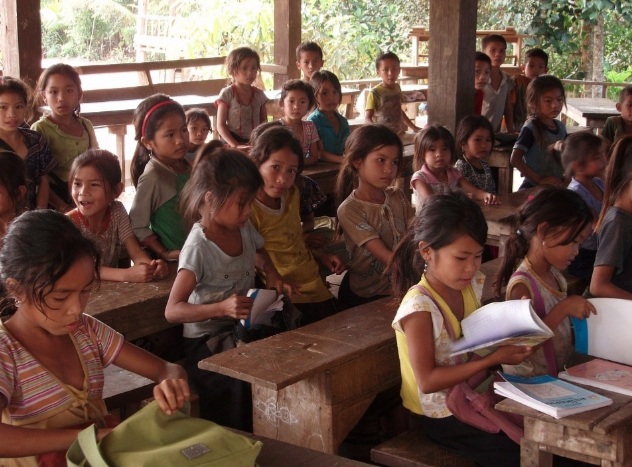
    As the sad thing about the Indian education system is the fact that its focus is only on urban clusters. There are hardly any decent centres of learning in the rural areas. This is especially true in terms of higher education. If a country has to actually develop, urban and rural development have to go hand in hand.

    * Gender Neutral Education :

    The education system has always favoured men over the fairer sex. The major change that must be brought about is to involve women in the same. Particularly subjects that are now considered to be the strength of men alone ( like carpentry, engineering, etc). Should be made more accessible to women. Pioneer women in these fileds should be given due encouragement and appreciation.

    * Teacher Training :

    India has a very good quality of dedicated teachers. However, the sad fact here is the fact that after they join this service, they receive little or no training. In such a situation, giving them periodic training will not just ensure that they are updated with the changing times, but will also improve the entire education scene of the country by leaps and bounds.

    * Infrastructure :

    As in every other sector, the indian education sector is one that suffers from the acute death of infrastructure. Most of the government schools do not even have proper chairs, tables, restrooms, let alone a playground, libraries and laboratories. Thus ,the first step in revamping the education scene in the country should begin with improving the infrastructure so that the students are given an evironment where they can learn to the best of their abilities.

    * subsidising professional courses :

    It is a sad reality that many meritorious students are not able to afford professional corses because of the sheer expense involved in the same. This is all the way truer in case of students from the general category who do not have access to many scholarships. In such a situation subsidising the cost professional education will ensure that the same is within the reach of deserving students from the lower and lower middle class strata of the Indian society.

    * Basic computing In Rural Areas :

    On one hand , India is a land of IT giants; on the other, rural India is completely digitally ill- equipped, in a sitiation like this, the first change that the education system must bring forward is to start free computing classes for skill development in rural areas. Only then will rural Indian move in the same pace as that of the urban Digital India and the country embark on the journey of development.

    * Make sports compulsory :

    One of the main reasons for the alarming rise in suicide amongst students in the country is the fact that they cannot handle stress. That in turn is because they are subjected to too much mental pressure. By making sports compusory it can be ensured that all the students indulge in some sort of some physical activity. This will lead to their mind performance better and enable them to grasp their theory lessons well.

    * Educate parents :

    Most of the times it is seen that the children’s woes centre atound that of their parents. In the Indian scenerio, parents are the ones who force their wards into a career they do not like. As a result students do not excel and upon failing to meet their parents expectations, they suffer from a number of mental health issues. To prevent such a thing from happening, the first step that must be taken is to educate the parents about the different carrer options that are available to the students and the possible scope of future in them.

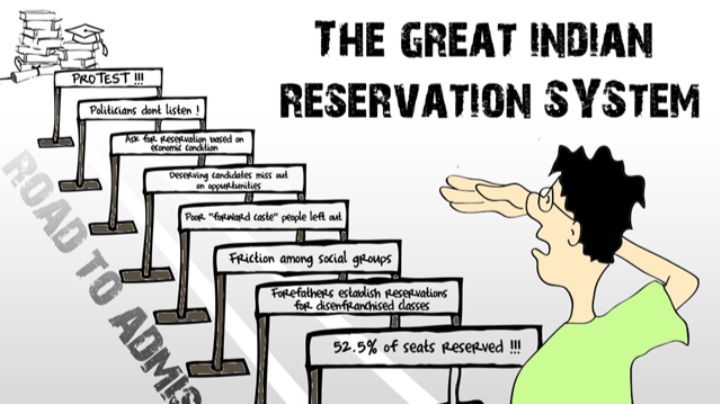
    * Remove The Reservation system :

    The reservation system in India has been so obsessed with providing the best of opportunities to the reserved that it misses out on many opportunities for the ones who actually deserve the same. This results in not just personal loss for certain people but also brain drain for the entire country and fosters a massive loss to the nation’s economy.

    Today’s education system may be good to score marks, but fails to retain the knowledge once students have completed their examinations. This leads to young minds being stifled at an age when they should be asking questions, learning and gaining knowledge, and developing a thirst for more knowledge.

    THE WATER ACT 1974

    The water  act was enacted by parliament act, 1974 purpose to provide for the prevention of control of water & the maintaining or restoring of wholesomeness of water. As on day, it is applicable in all the states of India. It extends to the whole of India except the State of Jammu & Kashmir. This Act having 64 sections Divided into 8 chapters.

    OBJECTIVES

    • Prevention  &  control of water pollution
    • Maintaining or restoring the wholesomeness of water
    • Establishment of board for prevention & control of water pollution.
    • An act to provide for the levy & collection of access on water consumed by persons carrying on certain industries & by local authorities.

    Constitution of central Board

    • Chapter   3 deals with Constitution of central Board
    • The terms & conditions of the services of the members, disqualification, holding of board meetings & other committees.
    • Members- Chairperson- Environment expert
    • Officials not exceeding 5- nominated by Central Government
    • Representative not exceeding 3- Agricultural, fishery, industry etc.
    • persons not exceeding 2- companies or cooporatations owned.

    Constitution of State Board

    • Chapter  4 deals with Constitution of central Board
    • The terms & conditions of the services of the members, disqualification, holding of board meetings & other committees.
    • Members- Chairperson- Environment expert
    • Officials not exceeding 5- nominated by state Government
    • Representative not exceeding 5- local authorities functioning with state government.
    • persons not exceeding 3- Agricultural, fishery, industry etc.
    • persons not exceeding 2- companies or cooporatations owned.

    Constitution of Joint Board

    • Two or more states or Union Territory or Union Territories can constitute a Joint Board with agreement for a specific period.
    • Chairman
    • Two Officials- Appointed by state government.
    • One person- Local authority
    • One representative- Agriculture, fishery, trade etc
    • Two persons- companies or cooporatations owned.

    Functions of Central Board

    The central board may establish or recognize a laboratory or laboratories to enable the Central Board to perform its functions under this section efficiently. Central Board may- Delegate any of its functions under this act generally or specially to any of the committees appointed by it. Do such other things & perform such other  acts as it  may think necessary for the proper discharge of its functions & generally for the purpose of carrying into effect the purposes of this act.

    Powers & Functions of Central Board

    • Advice to central government for prevention & control of water pollution.
    • Co-ordinate the activities of the state board & resolve disputes
    • Provide technical assistance
    • Plan & organize the training.
    • Collect, compile & publish technical data
    • Lay down the standards for a stream or well
    • Establish laboratories.
    • Plan & organize nation wide program for prevention & control of water pollution
    • Plan comprehensive program for prevention & control of water pollution.
    • Advice to State government
    • Encourage, conduct & participate in investigations & research relating to problems of water pollution & prevention.
    • Inspect sewage or trade effluents, works & plants for treatment.
    • Lay down, modify or annual effluent standards for the sewage & effluents.
    • Evolve economical & reliable methods of treatment for local conditions.

    Prevention & Control of water pollution

    • Powers of entry and inspection
    • Power to take sample and procedure
    • Report preparation in triplicate.
    • Use of well or stream for disposal is prohibited.
    • Accidents in area, information should be carry to state board.
    • Have powers to close, prohibit, regulate any industrial operation.

    Penalties

    Person held guilty he is punishable with imprisonment which may extend to three months or fine up to 10000 rs. Or both. Any person disposes any polluting matter into any stream or well he is punishable for 6 years with fine.

    UNESCO WORLD HERITAGE SITES IN INDIA

    Over the years, Unesco has declared a number of world historic sites in India due to their exceptional cultural or physical significance. From natural wonders to architectural marvels, there is something for everyone on this list. The United Nations Educational, Scientific, and Cultural Organization (UNESCO) aims to promote the identification, protection, and preservation of cultural and natural heritage that is of exceptional importance to mankind across the world and the UNESCO world heritable committee maintains the list of World Heritage Sites.

    India now possesses 38 World Heritage Sites, making it the world’s sixth largest country in terms of World Heritage Sites.

    According to UNESCO, India has 30 cultural sites, 7 natural sites, and 1 mixed sit. In this article we will know about the permanent and tentative world heritage sites in india state and union territory wise.

    PERMANENT LIST OF WORLD HERITAGE SITES IN INDIA 

    State/UTCultural(30)Natural(7)Mixed(1)
    Uttar Pradesh Agra Fort (1983)Fatehpur Sikri (1986)Taj Mahal (1983)  
    MaharashtraAjanta Caves (1983)Chhatrapati Shivaji Terminus (formerly Victoria Terminus) (2004)Elephanta Caves (1987)Ellora Caves (1983)Victorian Gothic and Art Deco Ensembles of Mumbai (2018)Western Ghats (2012)  
    BiharArchaeological Site of Nalanda Mahavihara at Nalanda, Bihar (2016)Mahabodhi Temple Complex at Bodh Gaya (2002)  
    Madhya PradeshBuddhist Monuments at Sanchi (1989)Khajuraho Group of Monuments (1986)Rock Shelters of Bhimbetka (2003)  
    GujaratChampaner-Pavagadh Archaeological Park (2004)Historic City of Ahmadabad (2017)Rani-ki-Vav (the Queen’s Stepwell) at Patan, Gujarat (2014)Western Ghats (2012) 
    GoaChurches and Convents of Goa (1986)Western Ghats (2012) 
    Tamil NaduGreat Living Chola Temples (1987,2004)Group of Monuments at Mahabalipuram (1984)Mountain Railways of India (1999,2005,2008)Western Ghats (2012) 
    KarnatakaGroup of Monuments at Hampi (1986)Group of Monuments at Pattadakal (1987)Western Ghats (2012) 
    RajasthanHill Forts of Rajasthan (2013)Jaipur City, Rajasthan (2019)The Jantar Mantar, Jaipur (2010)Keoladeo National Park (1985)  
    DelhiHumayun’s Tomb, Delhi (1993)Qutb Minar and its Monuments, Delhi (1993)Red Fort Complex (2007)  
    ChandigarhThe Architectural Work of Le Corbusier, an Outstanding Contribution to the Modern Movement (2016)  
    West BengalMountain Railways of India (1999,2005,2008)Sundarbans National Park (1987) 
    Himachal PradeshMountain Railways of India (1999,2005,2008)Great Himalayan National Park Conservation Area (2014) 
    OrissaSun Temple, Konârak (1984)  
    AssamNoneKaziranga National Park (1985)Manas Wildlife Sanctuary (1985) 
    UttarakhandNoneNanda Devi and Valley of Flowers National Parks (1988,2005) 
    KeralaNoneWestern Ghats (2012) 
    SikkimNone Khangchendzonga National Park (2016)

    TEMPERORY WORLD HERITAGE SITES IN INDIA 

    STATE/ UNION TERRITORY HERITAGE SITES 
    West BengalTemples at Bishnupur, West Bengal (1998)Neora Valley National Park (2009)Santiniketan (2010)
    KeralaMattanchery Palace, Ernakulam, Kerala (1998)Padmanabhapuram Palace (2014)
    Uttar PradeshAncient Buddhist Site, Sarnath, Varanasi, Uttar Pradesh (1998)
    PunjabSri Harimandir Sahib, Amritsar, Punjab (2004)
    AssamRiver Island of Majuli in midstream of Brahmaputra River in Assam (2004)Moidams – the Mound-Burial system of the Ahom Dynasty (2014)
    Arunachal PradeshNamdapha National Park (2006)Thembang Fortified Village (2014)
    GujaratWild Ass Sanctuary, Little Rann of Kutch (2006)Wild Ass Sanctuary, Little Rann of Kutch (2006)Dholavira: A Harappan City (2014)Archaeological remains of a Harappa Port-Town, Lothal (2014)
    RajasthanDesert National Park (2009)
    TelanganaThe Qutb Shahi Monuments of Hyderabad Golconda Fort, Qutb Shahi Tombs, Charminar (2010)Monuments and Forts of the Deccan Sultanate (2014) Qutb Shahi Monuments at HyderabadThe Glorious Kakatiya Temples and Gateways (2014)Remnants of Swayambhu temple and Keerthi Thoranas, Warangal fortRudreswara Temple, HanumakondaRudreswara (Ramappa) Temple, Palampet
    Jammu & KashmirMughal Gardens in Kashmir (2010)Cold Desert Cultural Landscape of India (2015)the Leh-Kargil areas of Ladakh 
    DelhiDelhi – A Heritage City (2012)Bahá’í House of Worship, New Delhi (2014)
    KarnatakaMonuments and Forts of the Deccan Sultanate (2014)Bahmani Monuments at GulbargaBahmani and Barid Shahi Monuments at BidarAdil Shahi Monuments at BijapurMonuments of Srirangapatna Island Town (2014)Sacred Ensembles of the Hoysala (2014)
    Andaman & Nicobar IslandsCellular Jail, Andaman Islands (2014)Narcondam Island (2014)
    Madhya PradeshGroup of Monuments at Mandu, Madhya Pradesh (1998)The historic ensemble of Orchha (2019)
    Tamil NaduSri Ranganathaswamy Temple, Srirangam (2014)
    OdishaChilika Lake (2014)Ekamra Kshetra – The Temple City, Bhubaneswar (2014)
    Himachal PradeshCold Desert Cultural Landscape of India (2015)Spiti Valley
    MeghalayaGaro Hills Conservation Area (GHCA) (2018)
    ManipurKeibul Lamjao Conservation Area (2016)

    5 Things you must not miss if you are traveling to Leh Ladakh

    The world of virus has made all of us a couch potato. Eat, sleep, work and repeat has became our lifestory. Now lets recharge ourself and live our life happily like the way we were living before this virus, lets go on trip, a trip to Leh Ladakh. A heavenly beautiful travel destination in Himalayas. The moon-like landscapes, desert mountains with splashes of green and snow peaks the beautiful nature make you feel spaced out from this world. So if you are visiting to Leh Ladakh don’t forgot to do these 10 things

    1. Pangong Tso
    The place where 3 idiots ending scene was picturised. One of the wondrous things to do in Ladakh is observing the sunrise at Pangong Tso or Pangong Lake. A breathtaking sight and true craftsmanship of nature. You will observe an eye-catching blue sky which is tranquil, and cold. This is one of the truly amazing Ladakh lakes that you can find.

    2. Hemis Natinal Park
    Snow Leopard are seen in only a few places in entire world Hemis National Park is one of those places. Henis National Park is home of more than 200 Snow Leopards.

    3. Leh Palace
    The palace stands like overlooking the town, it stands like the famous tourists spot which will show you the beautiful view of Leh and surrounding area. Inside the palace there are old wall paintings on life of Buddha.

    4. Turtuk and Nubra Valley
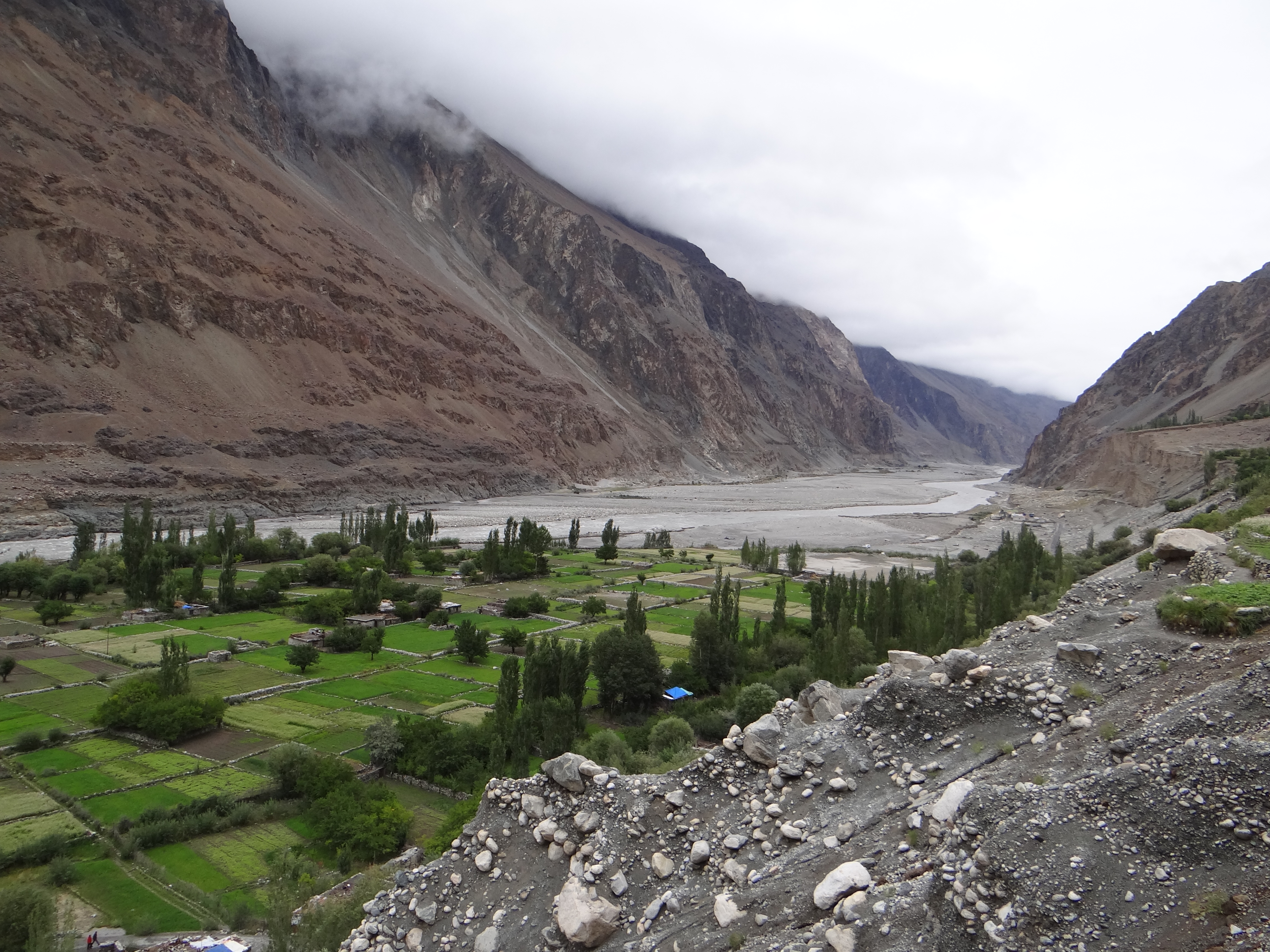
    The last village in India situated in Nubra Valley. There are so many reasons to visit turtuk village like a beautiful seclusion, mixed culture and the beautiful view of nature.
    Nubra Valley is the place is known for its scenic beauty and adventurous expeditions. Surrounded by the snowcapped Himalayan ranges, it lies sandwiched between Tibet and Kashmir. The view of valley is breathtaking and picturesque. You will be crossing the thriving Shyok and Nubra rivers to reach the valley which is also home to numerous beautiful monasteries. The area is under military supervision because of its proximity to Siachen Base camp. The place is also known for interesting Bactrian camel rides.

    5. Hemis Festival
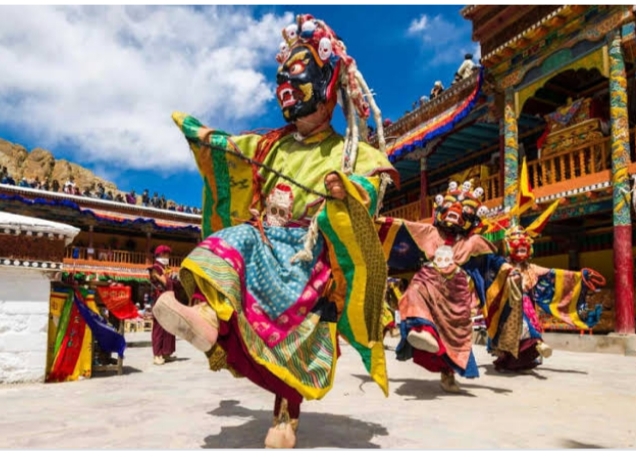
    If you want to be mesmeried by colourful dances you must visit Hemis festival of Ladakh festival. People here dance wearing huge masks; the dance symbolic of good winning over bad.
    Time to visit= 11th to 12th July 2021
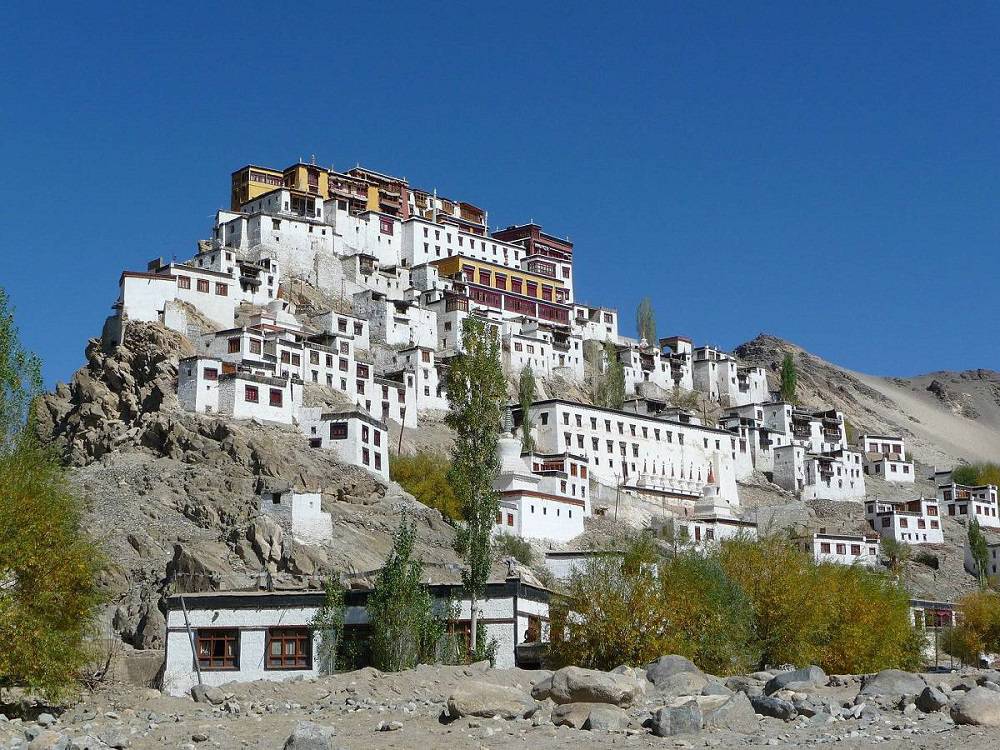
    Where=Hemis Monastery.

    Rath yatra during pandemic

    Rath yatra during COVID-19

    Rath yatra is celebrated every year on dwitiya tithi of shukla paksh at ashada maas (hindhu calendar). This year it was celebrated on July 12 Monday 2021. It is one of the biggest yatra in India.

    Jagannath rath yatra is devoted to the one form of lord vishnu. Jagannath- lord of the world- in sanatan dharm hindhu consider the bhagwan vishnu as the preserver of the world. Bhagwan vishnu preserves the whole cosmos from the evils- written in shrimad bhagwat katha. 

    Jagannath temple is situated in the puri odisha. It was built by the king indradyumna. He was the bhakt of jagannath. His wife gundicha is known as jagannath swami maternal aunt (masi). She was blessed by the jagannath that he would come at her place for eight days every year on ashada maas on dwitiya  tithi of shukla paksh. 

     In Jagannath temple, bhagwan jagannath is worshipped along with his brother balbhadr and sister subhadra. It is the only temple in the world where brother and sister is worshipped.

    Jagannath temple is one of the most beautiful monuments of Indian architecture. The temple is near the ocean. There is a sudarshan chakra at the top of the temple. The flag is daily because they believe that if the flag is not changed on a single day the temple will remain closed for the upcoming 18 year. The height of the jagannath temple is 65 metres. The roof of the temple is supported by 12 pillars. There is a mukti mandap which is made up of granite in the area of 900 square feet in square shape.

    During the pandemic, only a few members of the temple committee participated in the yatra. The members are fully vaccinated and found negative in covid-19 test. Maha pandit of the temple said over a lakh people used to participate in the rath yatra. People from all over the world come here to see the precious yatra of bhagwan jagannath from temple to gundicha temple. It is the celebration of ten days in  which hera pancham (fourth day of rath yatra) and the return yatra. I hope that everything will be fine soon so people can celebrate the yatra as earlier. 

    The court of puri ordered that the yatra must be in a limited area of puri. In other states the rath yatra is banned by the supreme court. The prime minister of India shri narendra das domodar das modi also greeted the people of the nation on the occasion of the rath yatra. The government of India is preparing for the third wave of covid-19.  If they allow the gathering of people for the rath yatra, it causes the risk of increasing the case of covid-19 in the nation.

    We hope that this pandemic will be over soon and we can celebrate the other rath yatra with full of joy and love. Because it is not only a rath yatra, it is a symbol of brotherhood, unity and harmony.

    DOPING

    To continue the fight against doping - Fondazione Gianni Benzi Onlus

    Doping is not new to the people . In ancient Greece, there were specialists who used to offer athletes nutritional ingredients in order to enhance their physical performance. Those specialists may be compared to the current sports medicine specialists . During the Olympic Games in the third century BC, the athletes tried to increase their sports performance by taking mushrooms and opium . In the Ist centaury AD, the Greek runners used to drink a herbal beverage to increase their strength and become capable to run long distance races. Gladiators are also reported to use various substances for enhancing strength . In the modern era , the use of performance enhancing substances and techniques by the top sportspersons across the world has been a presistent issue in the world of sports for nearly four decades. Since the beginning of the 21st century, many athletes have been engaged in taking such substances. Some of them have been tested positive such as Tim Montgomery, Marion Jones, swimmer Phelps, etc.

    Concept of Doping

    ‘Doping’ is the word, which is used in the field of sports, to refer to the situation when athletes use prohibited substances or methods to unfairly improve their sporting performance. In general terms, doping is the use of performance enhancing substances or methods by athletes to gain an advantage over their competitors . In fact , some athletes take illegal substances to enhance their performance . This activity is known as ‘doping’ . Doping in sports is the deliberate or inadvertent use by an athlete of a substance or method banned by the International Olympic Committee. In fact, the ban or prohibition on such substances is necessary to protect the athletes from the unfair advantage which may be gained by those athletes who use prohibited substances or methods to enhance their performance and also from the possible harmful side effects which these substances or methods can produce. The following definitions of doping may help in understanding its exact meaning:

    According to International Olympic Committee, ‘‘Doping is the use of any method or substance that might harm the athlete, in a quest to gain an unfair advantage, over his/her fellow competitors”. In fact, doping is the use of prohibited substances or methods designed to enhance an athlete’s physical or mental abilities or to mask the use of such substances or methods during preparation for or participation in a sports competition .

    According to World Anti-Doping Agency (WADA) ,” Doping is defined as the occurrence of one or more of the anti-doping rule violations set forth in Article 2.1 through Article 2.8 of the code.”