FLUTE-MUSIC

By Rabindranath Tagore
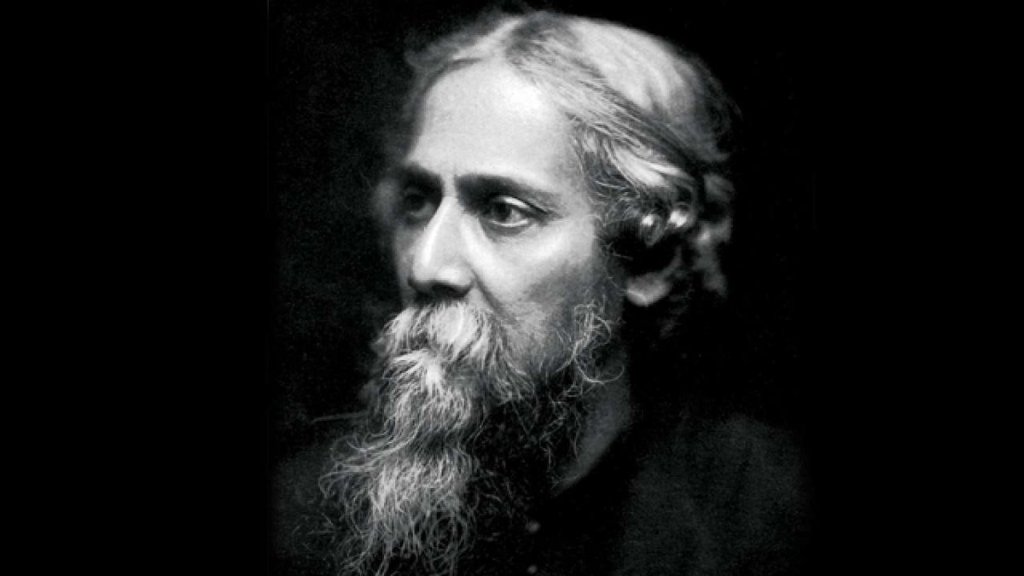
“O master poet, I have sat down at thy feet. Only let me make my life simple and straight, like a flute of reed for thee to fill with music.”— Rabindranath Tagore

ABOUT THE POET

Rabindranath Tagore was born in Calcutta on May 6, 1861. Tagore came from a wealthy Bengali family. He was educated privately and went to England in 1877 to study law but soon returned to India or a time he managed his father’s estates and became involved with the Indian nationalist movement writing propaganda. His characteristic later style combines natural descriptions with religious and philosophical descriptions. He is our greatest poet after Kalidas. His Gitanjali published in 1912, won the Nobel Prize.

Tagore wrote a large number of lyrics in Bengali and translated some of them himself into English. He also wrote novels, short Stories and plays. His best-known novels and poetry include The Gardener, The Crescent Man, Songs of Kabir. ‘Chitra’ etc.

Tagore was a messenger of India who showed Europe some of the beauty and greatness of our ancient land. He brought great glory to his motherland.

THE POEM

‘Flute-music’ is the story of a lower middle-class clerk who lives an abject poverty. He lives in a dingy room on the ground floor of two Storeyed houses. He barely manages to exist on his meagre salary and feels suffocated and nauseated by the darkness and foul smell of the alley. But one evening the music from the flute of one of the Residents makes him dream and he feels uplifted like a king. He dreams of marrying the girl of his dreams and forgets his destitute life.

The poem gives an account of the poverty-stricken existence of a middle-class clerk.

In Kinu, the milkman’s street, on the ground floor room of a double storeyed house lives a poor clerk. The windows of the room have bars, the walls are old and peeling, falling to dust in most places or damp with moisture. On the door of the room is pasted Picture of Lord Ganesh, the god who brings success and prosperity, taken from a roll of cloth. Apart from the clerk there is another inhabitant of the room who lives without paying any rent, it is a lizard. But there is a difference between the lizard and the clerk, unlike him the lizard never goes hungry. The clerk gets a salary of twenty-five rupees a month as a junior clerk in a trading office. The Datta’s give him food for giving tuition to their son. In the evening he goes to Sealdah station to save the cost of electricity in his room and to while away time. Engine’s puff, whistles shriek, coolies shout, passengers hurry past. He stays there till past ten ‘o clock and then goes to sleep in his dark, silent and lonely room.

In a village, situated on the banks of the Dhalesvari river, his aunt’s family resides. He was to marry her brother-in-law’s daughter. The moment was lucky for her, no doubt about that, as he ran away. The girl was saved from marrying him, a poor man and he was saved from her. She did not come as his wife to the room but he was always thinking of her: dressed in a Dacca sari, with the red vermilion on her forehead showing her marital status.

It was raining heavily. His cost of travelling by tram mounts. But still his pay is deducted for reaching office late. In the street are strewn mango peels and stones, pulp of jack-fruit, rotting fish-gills, dead kittens and all kinds of other rubbish. Like his fast-diminishing salary his umbrella is also full of holes. His office clothes are wet and water oozes out like a religious man who has bathed for his prayers. The damp dinginess of monsoon prevails in his room, like an animal that has been trapped, still and shocked. Day and night the clerk feels helpless and bound on to a world which is only partly alive.

At the street corner lives Kanta babu-a man with long hair which has been carefully parted, large eyes and tastes which have been carefully pampered. He regards himself as a good musician who is skilled at playing the cornet: its sound can be heard at intervals, wafting on the vile-smell of the street it is heard sometimes in the middle of the night and sometimes at dawn, sometimes it can be heard in the afternoon when the sun shines brightly and the shadows are also not dark. However, on that particular evening Kanta babu starts playing the notes of Sindhu-Baroya raag on his instrument. The whole sky resounds with the soulful music playing the notes of the pain of separation. At that very moment the filthy street is no longer a reality, as false and dirty as the senseless talk of a drunk man, and the clerk also forgets his reality and feels at par with the Emperor Akbar. His torn umbrella takes the form of an emperor’s royal parasol and his soul rises along with royalty towards the same heaven. He no longer feels humble, the music uplifts him as if he were a king.

The music is what is true, a reality where, in the eternal evening he visualises his wedding, the waters of the Dhalesvari river flow its banks shaded by the leafy tamal trees and the girl waits for him in the courtyard of her house, wearing a Dacca sari, with the red mark of vermillion on her forehead.

A single touch amounts to sexual harrassmet ? POSH 2013 ( in brief )

What did this POSH Act refer to ? So it commonly referred to, an Indian law enactment with the objective of making workplaces safer for women by preventing, prohibiting and redressing acts of sexual harassment against them in the workplace.

Why this act was needed ?The need for such legislation was observed first time by the Supreme Court, in Vishaka v State of Rajasthan. Sexual harassment at a workplace is considered violation of women’s right to equality( article 14 and 15) , life ( article 21) and liberty ( article 19(1)g) . It creates an insecure and hostile work environment, which discourage women’s participation in work, thereby adversely affecting their social and economic empowerment and the goal of inclusive growth. So there was much need for legislation against this sexual harassment at working place.

What is the objective behind POSH 2013 ? The Sexual Harassment of Women at Workplace (Prevention, Prohibition and Redressal) Act 2013 (“the Act”) was enacted with the objective to provide protection against sexual harassment of women at workplace and for the prevention and redressal of complaints of sexual harassment and for matter connected therewith or incidental thereto , that was mentioned under section 2(o) of the act .

What is sexual harrassment? Section 2(n) discribe a sexual harassment as unwelcome acts or behavior (whether directly or by implication) namely, physical contact and advances, a demand or request for sexual favors, making sexually colored remarks, showing pornography, any other unwelcome physical, verbal or non-verbal conduct of sexual nature .

Can a touch to women amount to sexual harrament ?

a women can commit sexual harrassment on another women ?

So both the question were answered in Shanta Kumar vs CSIR , where Delhi high court held that “undoubtedly, physical contact or advances would constitute sexual harassment provided such physical contact is a part of the sexually determined behaviour. a physical contact which has no undertone of a sexual nature and is not occasioned by the gender of the complainant may not necessarily amount to sexual harassment.

What are the offensive circumstances in which sexual harassment is done ?

The Act also provides the circumstances under which an act may amount to sexual harassment under section 6(2) . These are:

(i) implied or explicit promise of preferential treatment in her employment; or

(ii) implied or explicit threat of detrimental treatment in her employment ; or

(iii) implied or explicit threat about her present or future employment status; or environment for her; or

(iv) interference with her work or creating an intimidating or offensive or hostile work

(v) humiliating treatment likely to affect her health or safety.

Where the problem would be redressed under POSH : so section 4 provides for setting up of Internal Complaints Committee at every office of the organisation or institution, having more than 10 employees, to hear and redress complaints pertaining to sexual harassment. Section 11 reads that , The committee has to complete the inquiry within a period of 90 days. As per section 12, The committee can give certain interim reliefs to the aggrieved woman during the pendency of the inquiry.

What if the complaint by said victim is Mala fide ? case of filing of false or malicious complaint or false evidence the committee may recommend to the employer or District Officer to take action in accordance with the provisions of service rules or where no such service rules exist, in such manner as prescribed in Rule 10 of the Rules

Is identity of a women victim disclose ? No according to section 16 of posh 2013 , There is a prohibition on publication of identity of the aggrieved woman, respondent, witnesses, contents of the complaint, inquiry proceedings or recommendations of the committee, except information regarding the justice secured to any victim of sexual harassment.

In last what would be the punishment for accused ? When the employer fails to constitute an Internal Committee or breaches provisions of this Act or any rules made thereunder, they shall be punishable with fine of fifty thousand rupees (INR 50,000).

10 Best Places to visit in Shimla

Shimla is also known as Simla and is the capital and the largest city of the Indian state of Himachal Pradesh. 

Some places you must visit if you are visiting Shimla are –

The Ridge

The Ridge is one of Shimla’s most popular tourist destinations. All other major places in Shimla, such as the Mall Road, the Scandal Point, and the Lakkar Bazaar, are easily accessible. The Ridge is the ideal location for shopping, eating, and nightlife, with many architectural marvels, lush foliage, and gorgeous scenery.

Mall Road

In the hill stations, mall roads are often a stretch of road surrounded by a number of small stalls, stores, and branded showrooms. Mall Road in Shimla is one of the lively roads where you can find a variety of shops, cafés, food stalls, cafes, bank ATMs, and money exchange websites to satisfy your needs.

Christ Church

Christ Church is one of Shimla’s most famous tourist attractions, ranking in the top 10 sites to see in the city. The Christ Church is a magnificent architectural landmark constructed during the British era to allow Christians to worship the Almighty Jesus. 

Kufri

Kufri is one of Himachal’s most scenic destinations. The little town’s steep valleys are pleasantly green in the summer and ethereally snowy in the winter, providing some of the most breathtaking views. Kufri Fun World, in Kufri, is one of the world’s highest amusement parks. 

Himalayan Bird Park

The Himalayan Bird Park is a fantastic place to visit. Peacocks, pheasants, and the Himalayan Monal are among the unique and rare bird species that call the Bird Park home.

Kali Bari Temple

The Kali Bari Temple is a well-known tourist destination. The temple was built in 1845 and is devoted to Goddess Kali, also known as Shyamala. Shimla takes its name from the Goddess Shyamala, the capital of Himachal Pradesh.

Ride on Toy Train

This 96-kilometer route will take you past 20 stations, 103 tunnels, 800 bridges, and over 900 sharp turns. The distance between Barog and Shimla is the most fascinating portion of the ride, since the train slows due to a steep ascent, allowing you to see some breathtaking sights.

Kuthar Fort

One of the greatest things to do in Shimla is taking a trip to Kuthar Fort. The eternal calmness of the Himalayas surrounds Kuthar Fort. The fort covers an area of roughly 52.8 square kilometers and is set against an exotic backdrop with lakes and lovely gardens.

Lakkar Bazaar

This is a well-known name for an ancient flea market in Shimla, which is located near the Ridge. It is known for wooden toys, walking sticks, the Regal building, the Roller skating rink, Indian foods such as Aloo Tikki and Chole Bhature, and Meena Bazaar, among other things.

Hip Hip Hurray Amusement Park

This one-of-a-kind amusement park is located at an elevation of 8500 feet above sea level in Kufri. It is one of Shimla’s greatest tourist attractions, including sports such as the Burma Bridge, Flying Fox, Rock Climbing, Commando Net, Bumping Boats, Rowing, and Valley Crossing, among others. In the winter, you may go ice skating or boating on the snow-covered terrain.

Kalpilesh temple

The kalpilesh temple belgaun,karnataka where lies the replica of the original sculpture.On the ceiling of this 11th -12th century Chalukyan Era temple is the unique sculpture depicting lord Krishna with 5 crawling posture coming out of one head and one pair of arms.It is said each posture is indicative of 5 elements- land ,water,air,Fire and space while the two hands convey light and darkness.This wonderful sculpted art piece is a subtle expression of life-each aspect of creation having different characteristics merge together as the part of same creation.

‘Power’ by Audre Lorde

The difference between poetry and rhetoric
is being ready to kill
yourself
instead of your children.

I am trapped on a desert of raw gunshot wounds
and a dead child dragging his shattered black
face off the edge of my sleep
blood from his punctured cheeks and shoulders
is the only liquid for miles
and my stomach
churns at the imagined taste while
my mouth splits into dry lips
without loyalty or reason
thirsting for the wetness of his blood
as it sinks into the whiteness
of the desert where I am lost
without imagery or magic
trying to make power out of hatred and destruction
trying to heal my dying son with kisses
only the sun will bleach his bones quicker.

A policeman who shot down a ten year old in Queens
stood over the boy with his cop shoes in childish blood
and a voice said “Die you little motherfucker” and
there are tapes to prove it. At his trial
this policeman said in his own defense
“I didn't notice the size nor nothing else
only the color”. And
there are tapes to prove that, too.

Today that 37 year old white man
with 13 years of police forcing
was set free
by eleven white men who said they were satisfied
justice had been done
and one Black Woman who said
“They convinced me” meaning
they had dragged her 4'10'' black Woman's frame
over the hot coals
of four centuries of white male approval
until she let go
the first real power she ever had
and lined her own womb with cement
to make a graveyard for our children.

I have not been able to touch the destruction
within me.
But unless I learn to use
the difference between poetry and rhetoric
my power too will run corrupt as poisonous mold
or lie limp and useless as an unconnected wire
and one day I will take my teenaged plug
and connect it to the nearest socket
raping an 85 year old white woman
who is somebody's mother
and as I beat her senseless and set a torch to her bed
a greek chorus will be singing in 3/4 time
“Poor thing. She never hurt a soul. What beasts they are.”

Power by Audre Lorde is a poem that expresses anger against certain social injustices faced by the people of colour in a predominantly white-privileged society. The poem is said to be a reaction against an unjust trial of a white policeman who shot a black child to death in Queens in 1973. Owing to the title, the poem dabbles with various forms and magnitudes of power and the different ways in which it is made use of.

Lorde has structured the poem into irregular stanzas of five. She begins the poem by putting out two heavy options of poetry and rhetoric, through which one may choose to channel their power. In the second stanza, the poet paints a heart wrenching image of a powerless bleeding black child. She watches helplessly as the child slowly bleeds to death. Here, both the child and the poet are powerless; but the describing colour-contrasted imagery leaves a powerful impact on the readers. The third stanza highlights the power held by a white policeman who, in his trial, fearlessly admits that he fired the shot purely on the basis of colour. The poet then calls out the corrupt jury which exploits and manipulates its powers to set the policeman free. The jury was comprised of eleven white men who clearly held all the power and one token black woman. In the final stanza, Lorde concludes by pointing out that power, if not used right, can either end up corrupt or end up useless. She then draws up a metaphor between electricity to that of the power and anger surging within oneself. Finally, she puts forth a hypothetical situation of an old white woman being raped by a black man to point out the biased double-standards of the society that manipulates power to perpetuate racism.

Photo by Life Matters on Pexels.com

The poet explains how unlike rhetoric, poetry can be used as a medium to channel one’s anger. She makes clever use of numbers (both spelt out and otherwise) and capitalisation of certain key words to draw attention to the power play within a society. Lorde tries to describe the desperation that comes with being powerless and urges the readers to use their power productively. The poem can be seen as her hopeful attempt at empowering the otherwise powerless black community.

Despite the fact that Power was written in 1978, it holds strong relevance to the power imbalance prevalent in the society even to this date. It resonates with the several incidents of police brutality against certain African-Americans such as George Floyd and Breonna Taylor. This gave way to the strengthening of movements like ‘Black Lives Matter’, amassing strong protestors especially on several social media platforms. Unlike the one in the poem, the white policeman who attacked George Floyd was charged with a second-degree murder owing to the help of the massive number of protestors. Though it is disheartening to see such brutality prevailing after years of struggle, we see that Lorde’s advice on using power in the right way does make a difference.

Reference Link:

https://www.poetryfoundation.org/poems/53918/power-56d233adafeb3

Book Review of The Kite Runner – A book by Khaled Hosseini

Talking about the author, Khaled Hosseini was born in Kabul, Afghanistan. Hosseini is currently a Goodwill Envoy for the United Nations High Commissioner for Refugees (UNHCR). Here is a book review of The Kite Runner which was published in the year 2003.

The unforgettable and heartbreaking story of the improbable friendship between a wealthy boy and the son of his father’s servant, The Kite Runner is a beautifully crafted novel set in a country about to be destroyed. It is about the power of reading, the price of betrayal, and the possibility of salvation; and an exploration of the power of parents over children: their love, their sacrifices, their lies.

A sweeping tale of family, love, and friendship advised in opposition to the devastating backdrop of the records of Afghanistan during the last thirty years, The Kite Runner is an uncommon and effective novel that has to turn out to be a beloved, one-of-a-type classic.

The book gave a good cry to so many people with the brilliant writing and the emotions it holds. There was from praising all around the world.

An astonishing, powerful book.
Diane Sawyer

This powerful first novel, by an Afghan physician now living in California, tells a story of fierce cruelty and fierce yet redeeming love…In The Kite Runner, Khaled Hosseini gives us a vivid and engaging story that reminds us how long his people have been struggling to triumph over the forces of violence – forces that continue to threaten them even today.
—The New York Times Book Review

Like Gone with the Wind, this extraordinary first novel locates the personal struggles of everyday people in the terrible sweep of history.
—People 

Poignant…The Kite Runner offers a moving portrait of modern Afghanistan, from its pre-Russian-invasion glory days through the terrible reign of the Taliban.
—Entertainment Weekly (Grade: A)

A marvelous first novel… an incredible story of the culture. It’s an old-fashioned kind of novel that really sweeps you away.
—San Francisco Chronicle

A powerful book…no frills, no nonsense, just hard, spare prose…an intimate account of family and friendship, betrayal and salvation that requires no atlas or translation to engage and enlighten us. Parts of The Kite Runner are raw and excruciating to read, yet the book in its entirety is lovingly written.
—The Washington Post Book World 

The Kite Runner, Hosseini’s first novel, is more than just good writing. It is also a wonderfully conjured story that offers a glimpse into an Afghanistan most Americans have never seen, and depicts a side of humanity rarely revealed.
—The Philadelphia Inquirer

A gripping and moving story of betrayal and redemption, The Kite Runner moved me at the same time it tells the story of Amir and Hassan, closest friends, as well as brothers. The two boys lived in Kabul, the capital of Afghanistan, and that year they tried harder than ever to win the local kite fighting tournament, a popular Afghan pastime, and this is Amir’s only hope of winning his father’s race.

But as dragons fight in the sky, war comes to Afghanistan and the country becomes an extremely dangerous place.

People are frequently compelled to make huge sacrifices in conflict, and the young Amir himself commits a betrayal, directed at his best friend Hassan, that will plague him for the rest of his life. Amir and his father are forced to flee Afghanistan for America, and The Kite Runner becomes the story of Amir’s redemption quest – righting the wrongs he committed as a boy in Afghanistan.

The novel is fast-paced and never dull, and it brought me to a weird, interesting, yet oddly familiar world – the world of Afghan life. Not only is the story itself brilliantly constructed, but the book also explores the very art of storytelling.

Hosseini’s writing strikes a great balance between being clear and yet powerful, and not only is the story itself brilliantly constructed, but the book also explores the very art of storytelling.

The best aspect of the kite runner, in my opinion, is its sense of fate and justice, of good triumphing over evil in the end, despite all odds. Without giving anything away about the plot, Amir returns to Afghanistan and makes a new series of sacrifices in order to put things right.

The book’s closing chapter is possibly my favorite, and I’ve found it moving even after revisiting it.

The message underlying the finale could be perceived differently by different readers, but I believe it offers a glimmer of hope for the characters’ futures, as well as perhaps for war-torn Afghanistan.

This beautiful, moving novel deals with complex adult issues about religion, prejudice, forgiveness, and the nature of “goodness.”

The effects of video games on a child’s behaviour

Video gaming has become a popular activity for people of all ages. Many children and adolescents spend large amounts of time playing them, although no one should have more than two hours total of screen time in a day. Video gaming is a multi-billion dollar industry, bringing in more money than movies and DVDs combined. Video games have become very sophisticated and realistic and some games connect to the Internet, which allow children and adolescents to play online with unknown adults and peers.

While some games have educational content, many of the most popular games emphasize negative themes. They promote the killing of people or animals, the use and abuse of drugs and alcohol, criminal behavior, disrespect for the law and other authority figures, sexual exploitation and violence towards women, racial, sexual and gender stereotypes, and foul language obscenities and obscene gestures. Examples of video games not acceptable for children because they have these themes include the popular ones Grand Theft Auto, Call of Duty, and Mortal Kombat.

There is growing research on the effects of video games on children. Studies of children exposed to violence have shown that they can become immune or numb to the horror of violence, imitate the violence they see and show more aggressive behavior with greater exposure to violence. Studies have also shown that the more realistic and repeated the exposure to violence, the greater the impact on children. Children and adolescents can become overly involved and even obsessed with video games, leading to poor social skills, time away from family time, school work and other hobbies, lower grades, reading less, exercising less, becoming overweight, and having aggressive thoughts and behaviors.

So how can you, as a parent, protect your child against these types of video games? First, you can check the Entertainment Software Rating Board ratings to learn about the game’s content. Every video game will actually have a label on the front to tell you what type of game it is. If it says M for mature, it’s not for your child.

Play the video games with your child to experience the game’s content and know exactly what your child is playing. Set clear rules about the game’s content for both playing time in and outside of your home. Strongly warn your children about the potential serious dangers of Internet contacts and relationships while playing online. There are a lot of online predators that will look for children specifically playing video games and this can lead to them meeting in real life. Finally, remember that you are a role model for your child. Make sure the video games you play as an adult are ones that you would want your child to play.

If you are concerned as a parent that your child is spending too much time playing video games or your child starts becoming obsessed with aggressive or violent video games, make sure you set some limits. You’re not allowed to play games for one hour after all the homework is done and encourage your child to participate in other activities so they’re not drawn to those video games. By being aware of what games are out there, you can help your child make appropriate decisions about gaming no matter where your child plays.

Vitamins

Vitamins and minerals are very important for everyone to be fitter and healthier. It is very important to consume the food which is rich in vitamins and minerals. And there are many side effects of not consuming vitamins and minerals like vitamin deficiency. Vitamins and minerals are good source of energy.

Nutrients are very important to consume and have good cause. An individual must prefer nutritious food than the junk food. It is very important to eat the fruits and vegetables rather than eating the high calorie food.

Many of the people does not include those fruits and vegetables in their diet. When they do not include the fruits and vegetables it leads to the malnutrition sometimes.

Types of vitamins :

There are 13 essential vitamins. They are vitamins A,C,D,E,K, and the B vitamins (thiamine, riboflavin, niacin, pantothenic acid , biotin,B6, B12, and folate). Vitamins have different jobs to help keep the body working properly. Some vitamins help you resist infections and keep your nerves healthy, while others may help your body get energy from food or help your blood clot properly.

Food sources :

* vitaminD from fatty fish, fish liver oils, fortified milk products, and fortified cereals.

* vitamin B12 from meat, fish, poultry milk, and fortified breakfast cereals. Some people over age 50 have trouble absorbing the vitamin B12 found naturally in foods. They may need to take vitamin B12 supplements and eat foods fortified with this vitamin.

* calcium is a mineral that is important for strong bones and teeth, so there are special recommendations for older people who are at risk for bone lkss. You can get calicium from milk and other dairy, some forms of tofu, dark green leafy vegetables, soyabeans, canned sardines and salmon with bones, and calcium – fortified foods.

* Magnesium is found in foods containing dietary fiber, such as green leafy vegetables, whole grains, legumes, and nuts and seeds. Breakfast cereals and other fortified foods often have added magnesium. It is also present in tap, mineral, or bottled drinking water.

* pottasium is found in fruits, vegetables, meat, and dairy foods. Foods high in potassium include dried apricots, lentils and potatoes. Adults get a lot of their potassium from milk, coffee , tea and other nonalcoholic beverages.

* preparing your own meals at home without using a lot of processed foods or salts will allow you to control how much sodium you get.

* vitamin B6 is found in a wide variety of foods . The richest sources of vitamin B6 include fish, beef liver, potatoes and other starchy vegetables, and fruit ( other than citrus).

* vitamin A can be found in products such as eggs and milk. It can also be found in vegetables and fruits, like carrots and mangoes.

* vitamin C is found in some of the best fruits and vegetables. Citrus fruits, tomatoes, and potatoes can be large source of vitaminC

* vitamin E can be found in nuts like peanuts and almonds and can be found in vegetable oils, too. It can also be found in green vegetables, like broccoli and spinach.

* vitamin B1 in meat- especially pork- and fish. It’s also in whole grains and some fortified breads, cereals, and pastas.

* vitamin B2 in eggs and organ meat, such as liver and kidneys, and lean meat. It is found in green vegetables, like asparagus and broccoil.

* vitamin B3 can be found in some types of nuts, legumes, and grains. It can also be found in poultry , beef, and fish.

* vitamin K can be found in many foods including green leafy vegetables, like spinach and kale and in some fruits, such as blueberries and figs . It can also be found in cheese, eggs and different meats.

* Folate can be found in vegetables and fruit, such as broccoli brussel sprouts, spinach, and oranges. It can also be found in nuts ,

Most of the teenagers consume junk food instead of eating the healthy food that is the fruits and vegetables. The junk food contain some preservatives in it and they’re also rich in fats and carbohydrates which are not so good. Doing a mistake is acceptable but doing the mistake even after knowing the truth is a bad one. So, all the teenagers must know the need of the situation and must bring the awareness among the people who are addicted to the junk food. They must motivate the people who are in it all the time.

COLLEGE LIFE-THE MEMORIES WHICH DOESN’T FADE AWAY

A college is a dreamland in a student’s academic career. College phase is the golden period for the youngsters and no one can forgot those memories till from the first day of the college to the last day we spent in the college. At initial days when we join in a college, we all feel so excited and curious by seeing our surroundings but at the same time we all have a small doubt or fear that how to mould our self in the new place where every thing is almost unknown to us. Most of us start our college life without having any idea about what we want to be in our future. We all have roughly four years where we have to play around with academics and extra curricular activities along with figuring out the passions in our life.

At the initial days we all think that college lecturers are too strict and we have to be careful with them but as the days pass away we came to know that even our lecturers also be friendly with us and they help us a lot in every moment of college life. The most important candidates in our college life is our friends with whom we do a lot of crazy things and the enjoyment with friends will be at next level in hostel rooms, Yes our hostel roommates will become a next family to us with whom we can share all our things.

The most excited and scary event that happens at the beginning of our college days is “FRESHER’S DAY” where we all see our seniors as like most dangerous people on the world and fear about the ragging but our thoughts will be changed totally when we talk with seniors in a friendly manner and also they are the one who will be as a back bone to all of us in entire our college days but sometimes whatever we think may turn into wrong also.

Whatever the situation may be, we always be ready to face that situation especially in the case of examinations. The preparation strategies will differ from person to person but once after completing our graduation we will definitely laugh by memorizing all those days. The most interesting part in college life is college fest, tours and interacting with diversified people which helps us to develop the spirit of unity, personality and brotherhood.

At last I can say that college life is the beautiful blend of joys and memories. On the whole, everyday that we spent in our college is loaded with some colourful events such as special breaks, bunks and sports. These charms will never fade away but in todays situation most of the students are unable to make such a great college life experiences due to COVID-19 pandemic. Let us all hope that the past days will come back again and we can happily make a lot memories getting together in our colleges.

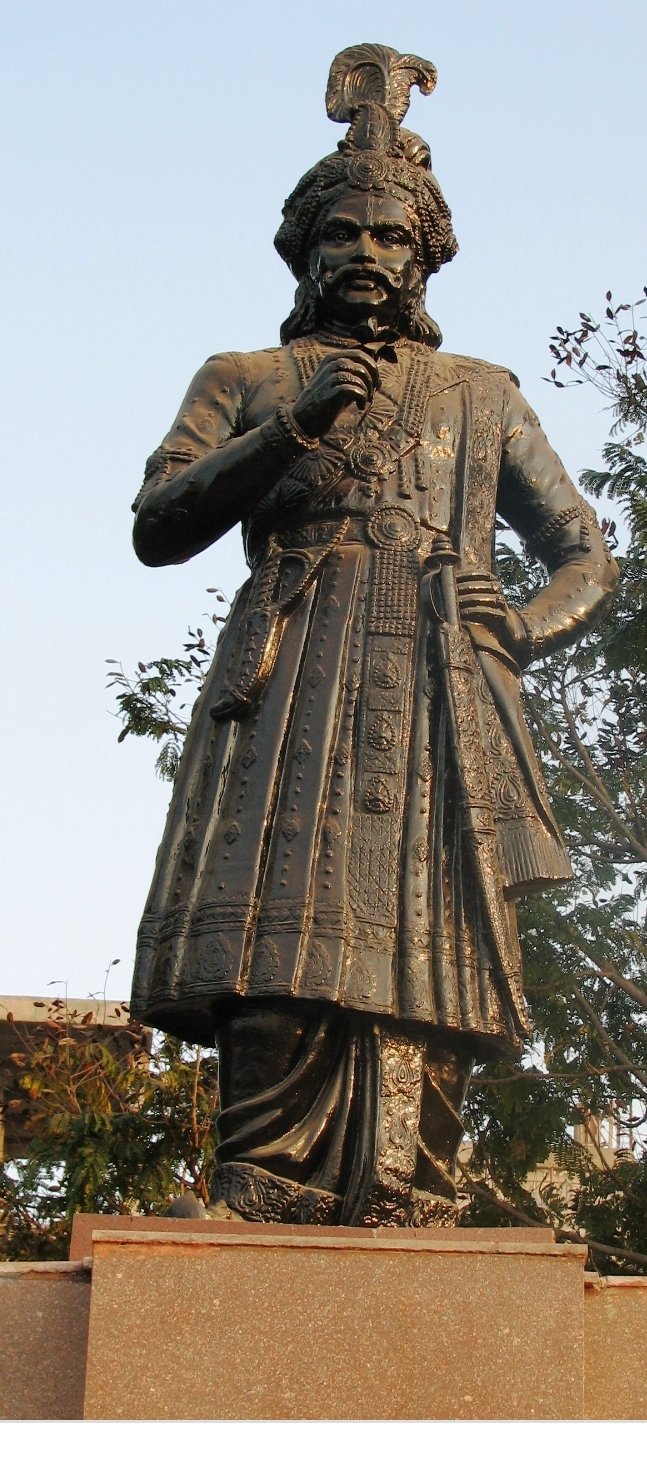
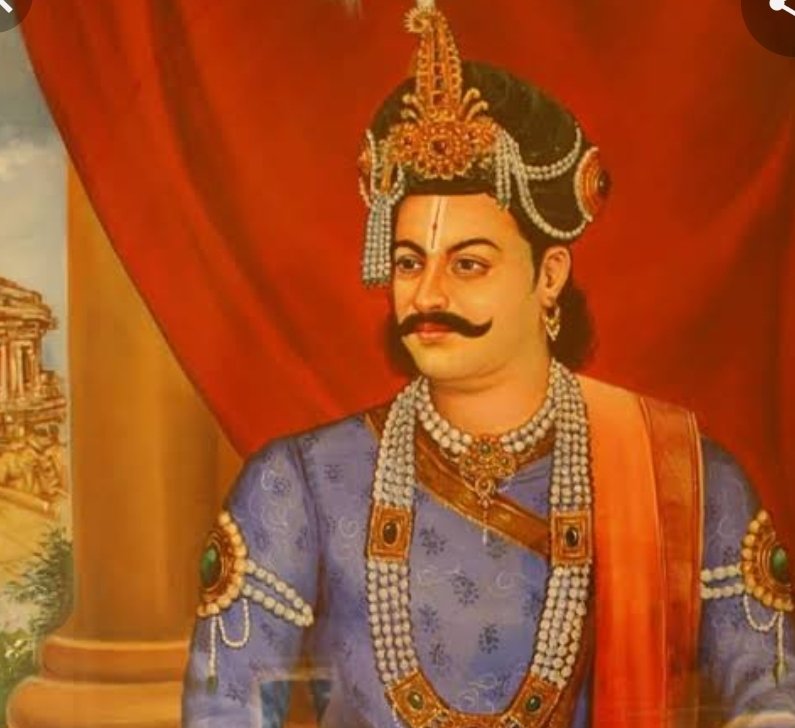
Krishnadevaraya

Krishnadevaraya was an emperor of the Vijayanagara Empire who reigned from 1509–1529. He was the third ruler of the Tuluva Dynasty and is considered to be its greatest ruler. He possessed the largest empire in India after the decline of the Delhi Sultanate.he was Born on 17 January 1471 in Hampi and Died on17 October 1529, Hampi Spouse: Tirumala DeviBooks: AmuktamalyadaChildren: Tirumala RayaTirumalambaVengalambaRamachandraParents: Tuluva Narasa NayakaNagala Devi

Presiding over the empire at its zenith, he is regarded as an icon by many Indians. Krishnadevaraya earned the titles Kannada Rajya Rama Ramana (lit, “Lord of the Kannada empire”), Andhra Bhoja (lit, “Andhra Scholar King or King Bhoja of Andhra”), Gaubrahmana Pratipalaka (lit, “Protector of cows and brahmins”) and Mooru Rayara Ganda (lit, “King of Three Kings”). He became the dominant ruler of the peninsula of India by defeating the Sultans of Bijapur, Golconda, the Bahmani Sultanate and the Gajapatis of Odisha, and was one of the most powerful Hindu rulers in India.Indeed, when the Mughal EmperorBabur was taking stock of the potentates of north India, Krishnadevaraya was rated the most powerful and had the most extensive empire in the subcontinent.

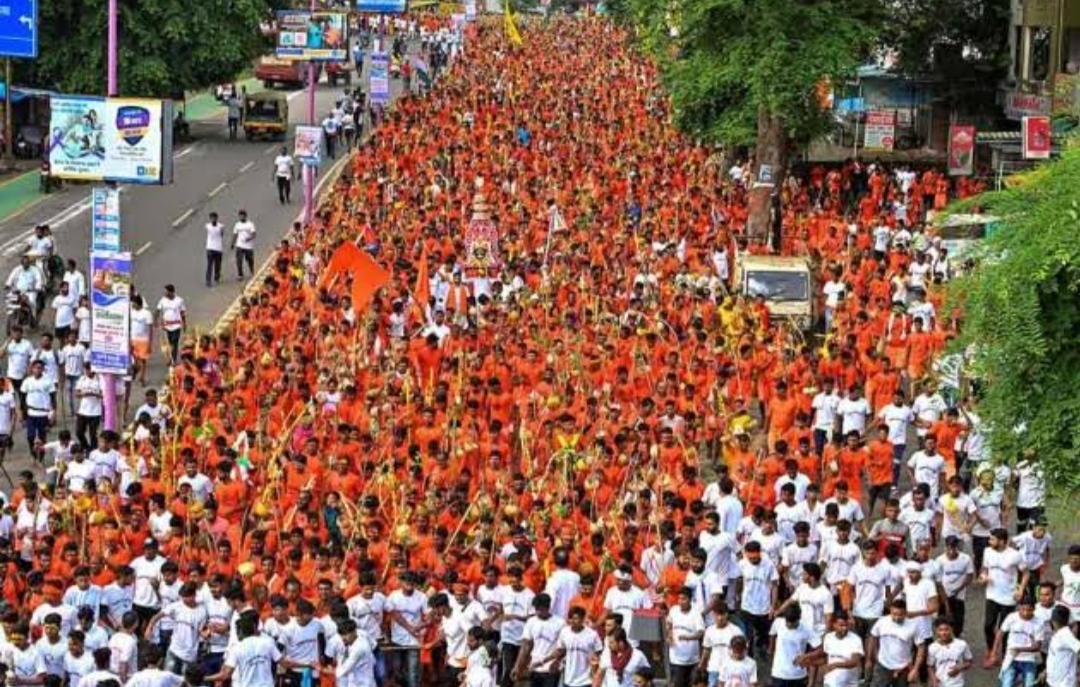
Kanwar Yatra

The Kanwar Yatra is the annual pilgrimage of the devotees of Shiva known as Kanvaria; to Hindu pilgrimage places like Haridwar, Gaumukh and Gangotri in Uttarakhand and Sultanganj in Bihar to fetch the holy waters of the Ganges River to pour it on various Shiva temples in India.

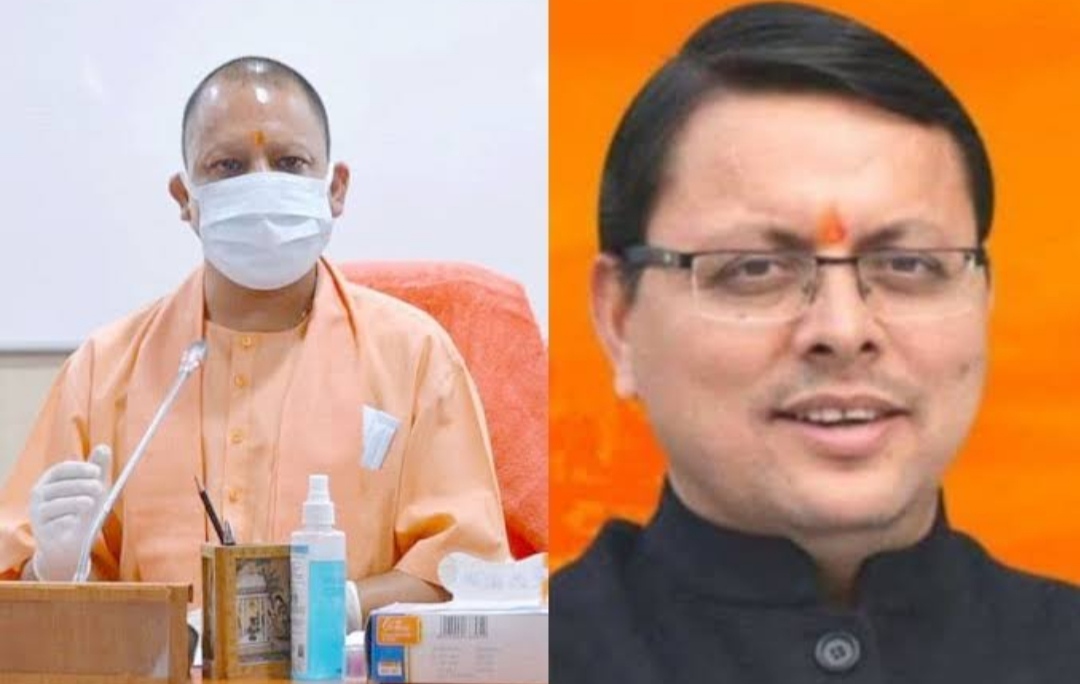
Kanwar Yatra: UP CM requests Uttarakhand govt to allow entry into Haridwar for some devotees.

UP CM Adityanath has requested his counterpart in Uttarakhand, Pushkar Singh Dhami, to allow some devotees from UP to travel to Haridwar for the Kanwar Yatra.

The Uttarakhand government has decided to call off the annual Kanwar Yatra for the second year in a row in view of the Covid-19 pandemic. This decision was taken by CM Pushkar Singh Dhami on Tuesday.

At the same time, the Uttar Pradesh government decided to go ahead with the pilgrimage with strict curbs. CM Yogi Adityanath directed officials to ensure that devotees are allowed to take part in the Kanwar Yatra only after they attain a negative RT-PCR test report.

UP CM Adityanath was requested by Uttarakhand CM to allow a limited number of devotees from the state to visit Haridwar for the Kanwar Yatra.

Evolution of Panchayati Raj System in India.

Since the beginning of India’s foundation, Panchayats have been the pillar of Indian rural set up. According to Mahatma Gandhi, development and governance in India should not be in big cities and towns but in rural areas and small villages because majority of Indian population resides in villages.

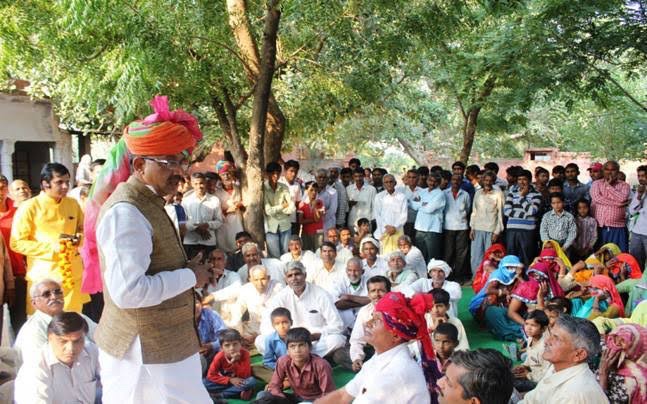
A Panchayati Raj meeting in India. Picture Credits: India Today.

The Panchayati Raj system in India derives its existence from Indian Constitution under Part IX under the head The Panchayats. When power is taken away from Central and State Governments and given to local government, it is called decentralisation.

Most of our Indian states like Uttar Pradesh, Maharashtra are internally very diverse. There is thus a need for power sharing within these states. Federal power sharing in India needs another tier of government, below that of the State governments. This is the rationale for decentralisation of power. Thus, this resulted in a third-tier of government, called local government. People have better knowledge of problems in their localities.

The need for decentralisation was recognised in our constitution. Since then there have been several attempts to decentralise power to the level of villages and towns. Panchayats in villages were set up in all states. An independent institution called the State Election Commission has been created in each state to conduct Panchayat elections.

A major step towards decentralisation was taken in 1992. The Constitution was amended to make the third-tier of democracy more powerful and effective. Now it is constitutionally mandatory to hold regular elections to local government bodies.

Now it is constitutionally mandatory to hold regular elections to local government bodies. Seats are reserved in the elected bodies and the executive heads of these institutions for the Scheduled Castes, Scheduled Tribes and Other Backward Classes. At least one-third of all positions are reserved for women. The State governments are required to share some powers and revenue with local government bodies. The nature of sharing varies from State to State.

Rural Local Governments is popularly known by the name panchayati raj. Each village or a group of villages in some states have a gram panchayat. This is a council consisting of several ward members often called panch, and a president or sarpanch. They are directly elected by all the adult population living in that ward or village. It is the decision making body of the entire village. The Panchayat works under the overall supervision of the gram sabha. All the voters in the village are its members. It has to meet at least twice or thrice in a year to approve the annual budget of the gram panchayat and to review the performance of the gram panchayat.

The local government structure goes right up to the district level. A few gram panchayats are grouped together to form what we call as a panchayat samiti or block or mandal. The members of this representative body are elected by all the panchayat members in that area. All the panchayat samitis in a district together constitute the zilla parishad.

Despite of the many flaws, Panchayats have contributed a lot maintaining the rule of law inside villages and educating the rural population about various different matters pertaining to their interests.

Teacher’s Day

Teachers’ Day 2020: In India, Teachers’ Day is celebrated annually on September 5 to mark the birthday of the country’s former President, scholar, philosopher and Bharat Ratna awardee, Dr Sarvepalli Radhakrishnan, who was born on this day in 1888.

The significance of this day is ever-evolving, including taking lessons from life and making your experiences the teachers you needed to shape you into who you become. For school students, the day also means getting roses, chocolates, gifts including handmade cards to profess their affection for their favourite teachers. For senior students, Teacher’s day is one of role reversal and celebration.

Who was Dr Sarvapalli Radhakrishnan

World Teachers’ Day is celebrated on October 5, but every country celebrates the day on different dates. In India, September 5 is marked as Teachers’ Day as it’s the birthday of a highly-respected teacher, philosopher and prolific statesman, Dr Sarvapalli Radhakrishnan. Dr Radhakrishnan said that “teachers should be the best minds in the country.”

The story behind Teachers’ Day goes that when Dr Radhakrishan took the office of the second President of India in 1962, his students approached him to seek permission to celebrate September 5 as a special day. Dr Radhakrishnan instead made a request of them to observe September 5 as Teachers’ Day, to recognise the contribution of teachers to the society.

Teacher’s Day is celebrated across schools, colleges, universities and educational institutions. Students put on performances, dances, and host elaborate shows for their most-loved teachers.

This year, owing to the Covid-19 pandemic, and schools being shut, the celebrations will be given a miss. However, virtual wishes and greetings are a perfect way to tell your teachers you remember them now and always will.

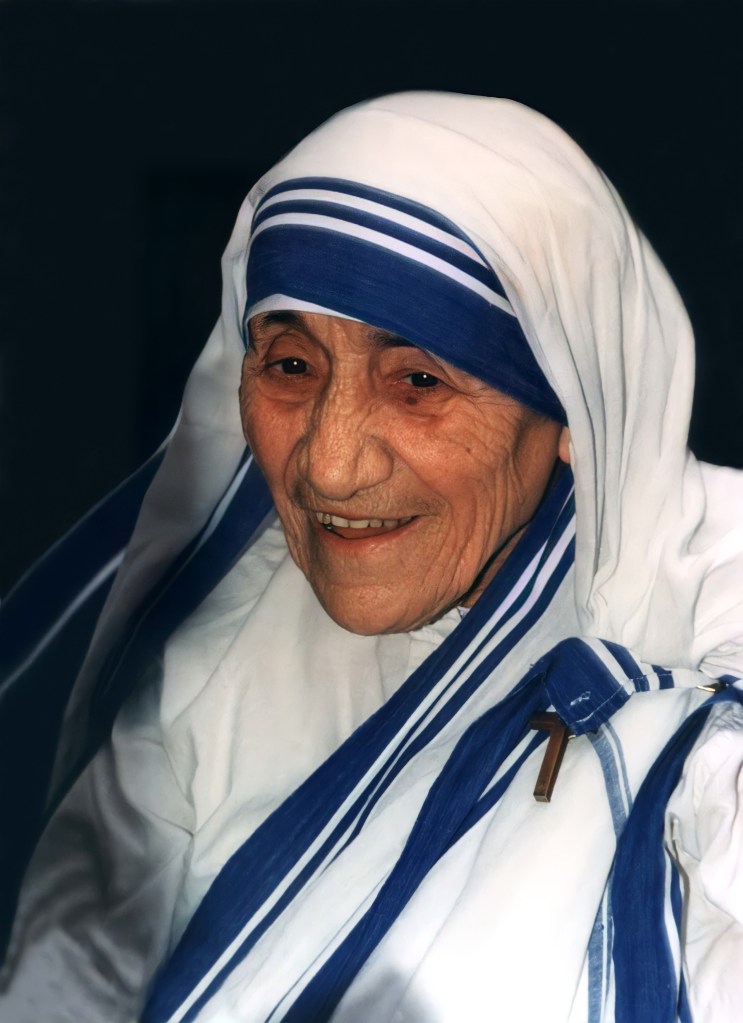
MOTHER TERESA

Who Was Mother Teresa?

Nun and missionary Mother Teresa, known in the Catholic church as Saint Teresa of Calcutta, devoted her life to caring for the sick and poor. Born in Macedonia to parents of Albanian-descent and having taught in India for 17 years, Mother Teresa experienced her “call within a call” in 1946. Her order established a hospice; centers for the blind, aged and disabled; and a leper colony. 

In 1979, Mother Teresa received the Nobel Peace Prize for her humanitarian work. She died in September 1997 and was beatified in October 2003. In December 2015, Pope Francis recognized a second miracle attributed to Mother Teresa, clearing the way for her to be canonized on September 4, 2016.

Mother Teresa’s Family and Young Life

Mother Teresa was born on August 26, 1910, in Skopje, the current capital of the Republic of Macedonia. The following day, she was baptized as Agnes Gonxha Bojaxhiu.

Mother Teresa’s parents, Nikola and Dranafile Bojaxhiu, were of Albanian descent; her father was an entrepreneur who worked as a construction contractor and a trader of medicines and other goods. The Bojaxhius were a devoutly Catholic family, and Nikola was deeply involved in the local church as well as in city politics as a vocal proponent of Albanian independence.

In 1919, when Mother Teresa — then Agnes — was only eight years old, her father suddenly fell ill and died. While the cause of his death remains unknown, many have speculated that political enemies poisoned him.

In the aftermath of her father’s death, Agnes became extraordinarily close to her mother, a pious and compassionate woman who instilled in her daughter a deep commitment to charity. Although by no means wealthy, Drana Bojaxhiu extended an open invitation to the city’s destitute to dine with her family. “My child, never eat a single mouthful unless you are sharing it with others,” she counseled her daughter. When Agnes asked who the people eating with them were, her mother uniformly responded, “Some of them are our relations, but all of them are our people.”

Education and Nunhood

Agnes attended a convent-run primary school and then a state-run secondary school. As a girl, she sang in the local Sacred Heart choir and was often asked to sing solos. The congregation made an annual pilgrimage to the Church of the Black Madonna in Letnice, and it was on one such trip at the age of 12 that she first felt a calling to religious life. Six years later, in 1928, an 18-year-old Agnes Bojaxhiu decided to become a nun and set off for Ireland to join the Sisters of Loreto in Dublin. It was there that she took the name Sister Mary Teresa after Saint Thérèse of Lisieux.

A year later, Sister Mary Teresa traveled on to Darjeeling, India, for the novitiate period; in May 1931, she made her First Profession of Vows. Afterward, she was sent to Calcutta, where she was assigned to teach at Saint Mary’s High School for Girls, a school run by the Loreto Sisters and dedicated to teaching girls from the city’s poorest Bengali families. Sister Teresa learned to speak both Bengali and Hindi fluently as she taught geography and history and dedicated herself to alleviating the girls’ poverty through education.

MAHABHARAT

The MAHABHARATis one of the epic stories in our Indian history, other than Ramayan. It portrays the struggle between the two gangs of cousins “the pandava” and “the kaurava” in the Kurukshetra.

The Mahabharat is considered as the longest epic poem known and has been described as “the longest poem ever written”

THE OLDER GENERATION

 Shantanu, the king of Hastinapur, once’s married with goddess Ganga and has son with her named Devavrata later knowns as Bhishma. After many years, when King Shantanu sees Satyavati while he was hunting, she was the daughter of the chief of fisherman, and asks her father for her hand. Her father refuses for marriage unless the King Shantanu promises to make their son as the king of the Hastinapur after his death. To resolve his father’s dilemma, Devavrata agrees to relinquish his right to the throne. And takes the oath of not getting married to anyone. Later Satyavati gave birth to his two sons  Chitrangada and Vichitravirya. The miseries still have not ended, king Shantanu died soon and their son Chitrangada also lived a short life. After all this Vichitravirya was announced as the king of Hastinapur and he was later married to the kasi daughters Amika and Ambalika. The older daughter Amba refuses to marry as she wish to marry swayamvara but due to certain reasons swayamvara refuses to marry her and with this she became the great enemy of Bhishma and she gives herself to the angi (fire). And later she was born as Shrikhandi the daughter of Drupada. She was the cause of Bhishma’s death and wish to defeat him with the help of Arujuna.

PANDVA AND KAURAVA PRINCES

Vichitravirya was died young with no children later Satyavati ask Vyas to father them with the widows. The eldest, Ambika, gives birth to her son Dhritarashtra who as born blind. Ambalika gave birth to her son Pandu. Later Ambika and Ambalika send their maid instead, to Vyasa’s room. Vyasa fathers a third son, Vidur, by the maid. He was announced as Prime Minister (Mahamantri or Mahatma) to King Pandu and King Dhritarashtra.
When both the princes grow up, Dhritarashtra was about to be crowned king by Bhishma but due to his blindness King Pandu was honoured and the throne was given to him. Dhritarashtra was married to the Gandhari, a princess from Ghandhara, Pandu was married twice to, kunti and madri. Ghandhari also blindfolded herself for the rest of her life to feel the pain as her husband Dhritarashtra.
Her brother Shakuni was angry as his sister was married to an blind man and vows to take revenge on the Kuru family.
Later Pandu, Madri and Kunti went for excel and their they had their 5 sons. Kunti was give boon by the Druvasa that she could invoke any mantra and have her son. Kunti uses this boon to ask Dharma the god of justice, Vayu the god of the wind, and Indra the lord of the heavens for sons. She gives birth to three sons, Yudhishthira, Bhima, and Arjuna, And shares her rest mantra with Madri, she later gave birth to twins Nakul and Sahadeva through the Ashwini, Later on usually referred to as the Pandava brothers.
Due to uncertain situation King Pandu died and Madri commits suicide.
Ghandhari gave birth to her hundred sons, all born after the birth of Yudhishthira. These where names as the Kaurava brothers, the eldest being Duryodhana and the second Dusasaha.. The competitiveness and enmity between them and the Pandava brothers, leads to the Kurukshetra war.

TO BE CONTINUED IN NEXT ARTICLE……