
Defining tourism in modern world

Career in Travel and Tourism- Top 6 Jobs Around the World - Leverage Edu

Tourism is one among those economic activities that existed since the ancient times. During ancient and medieval era people travelled to experience the cultural differences. Over the time tourism has also evolved and has become a significant contributor to the national income of many countries. There are many nooks and corners of the world which solely depends on tourism and its allied activities for their living.

Earlier the main motive behind visiting places were to see and experience their culture along with enjoying the natural beauty of the area. But, in this era of globalization the scope of tourism has widened and many nations are trying to gain a competitive edge in this industry. Let us take a look at various types of tourism now prevailing around us:

Cultural tourism

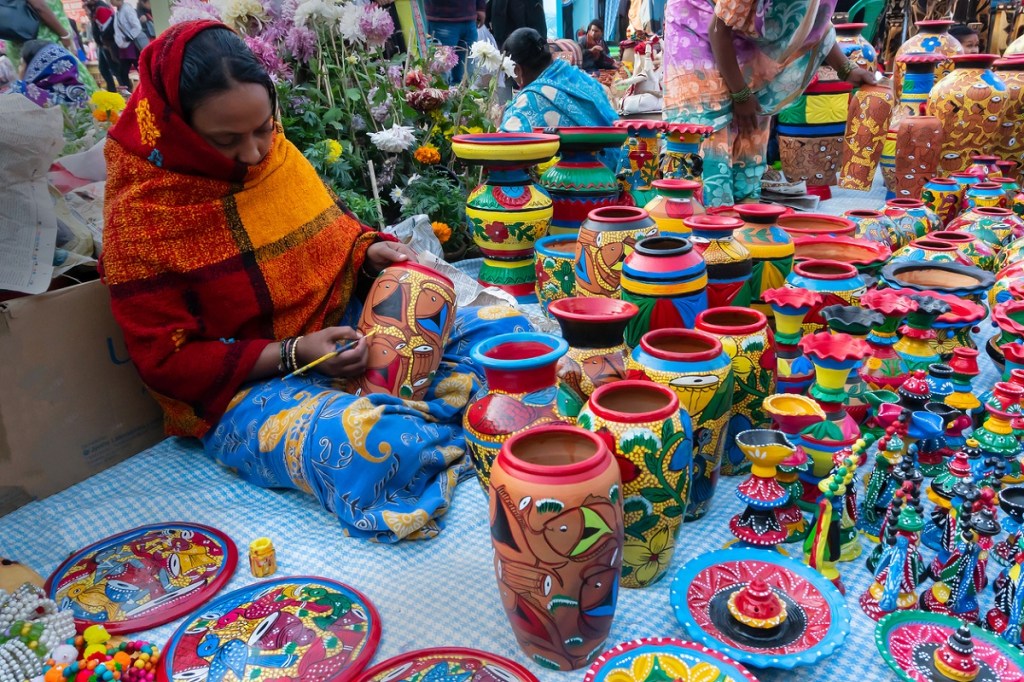
Cultural tourism is a type of tourism that allows the tourist to participate in local cultural activities, like festivals and rituals. As a result, the tourist can enjoy a genuine cultural exchange with the locals.

Religious tourism

Religious tourism, spiritual tourism, sacred tourism, or faith tourism, is a type of tourism with two main subtypes: pilgrimage, meaning travel for religious or spiritual purposes, and the viewing of religious monuments and artefacts, a branch of sightseeing.

Environmental tourism

Environmental tourism typically defined as travel to destinations where the flora, fauna, and cultural heritage are the primary attractions. Responsible ecotourism includes programs that minimize the adverse effects of traditional tourism on the natural environment, and enhance the cultural integrity of local people.

Health tourism

Health tourism is a form of tourism that consists of patients traveling to other countries to get medical treatment or assistance. It comprises all the services associated with tourism like transport, accommodation, and hospitality.

Culinary tourism

Culinary tourism is the focus on food as an attraction for exploration and a destination for tourism. Although food has always been a part of hospitality services for tourists, it was not emphasized by the tourism industry until the late 1990s.

Adventure tourism

Adventure tourism is defined as the movement of the people from one to another place outside their comfort zone for exploration or travel to remote areas, exotic and possibly hostile areas.

Enotourism

Enotourism, oenotourism, wine tourism, or vinitourism refers to tourism whose purpose is or includes the tasting, consumption or purchase of wine, often at or near the source.

Rural tourism

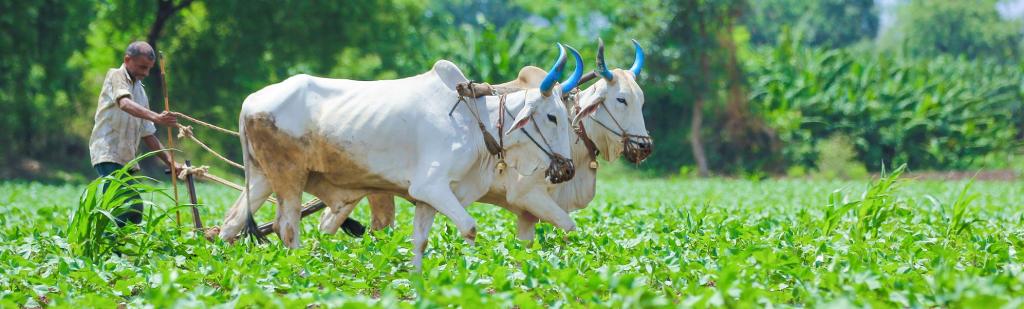
Rural tourism focuses on actively participating in a rural lifestyle. It can be a variant of ecotourism. Many villages can facilitate tourism because many villagers are hospitable and eager to welcome (and sometime even host) visitors. Agriculture is becoming highly mechanized and therefore, requires less manual labor.

Sports tourism

Sports tourism refers to travel which involves either observing or participating in a sporting event while staying apart from the tourists’ usual environment. Sport tourism is a fast-growing sector of the global travel industry and equates to $7.68 billion.

Eco tourism

Ecotourism is defined as “responsible travel to natural areas that conserves the environment, sustains the wellbeing of local people and involves interpretation and education”

Agritourism

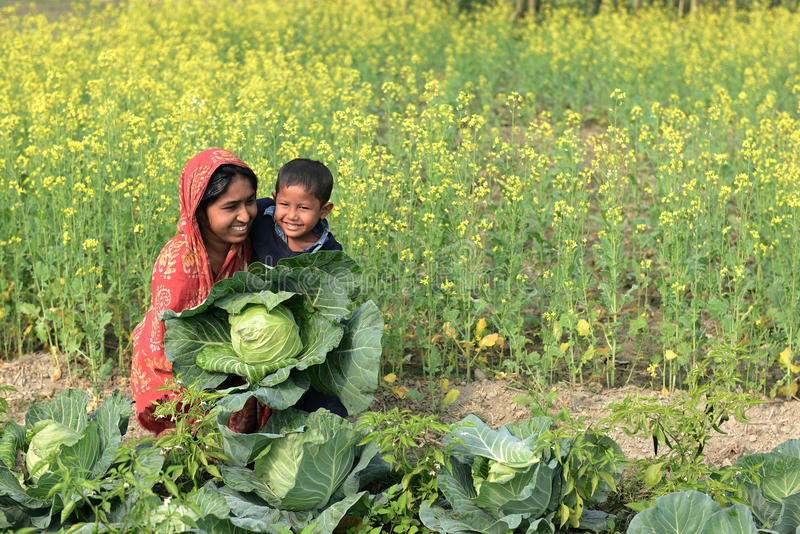
Agro-tourism refers to people visiting working farms or other agricultural operations for the purpose of enjoyment, education, or other active involvement. Agri-tourism encompasses a wide variety of activities and provides a means for farmers to diversify and supplement their income.

Sustainable tourism

Sustainable tourism is defined by the UN Environment Program and UN World Tourism Organization as “tourism that takes full account of its current and future economic, social and environmental impacts, addressing the needs of visitors, the industry, the environment and host communities.”

Space tourism

Space tourism is a type of space travel that allows individuals to visit outer space for the purpose of recreation or leisure. Suborbital flights, orbital trips, and missions to distant planets are all examples of space tourism

Business tourism

  Business tourism is the provision of facilities and services to the millions of delegates who annually attend meetings, congresses, exhibitions, business events, incentive travel and corporate hospitality.

India is a country with wide scope for tourism. It should try to incentivize the emerging trends in tourism industry and strive to be a global leader.
Need for switch from physical to human capital

Human capital refers to stock of ‘skill and expertise’ embodied in humans. Human capital is as important as physical capital for economic development. Human capital formation is the process of adding to stock of human capital over time. Human capital can be developed through creation of skilled, trained and efficient labour force by providing better education, health care facilities, etc. Highly skilled people can create new ideas and methods of production. Thus, expenditure on education, on health and on on-job-training are key instruments of human capital formation. Expenditure on education is one of the most important way of enhancing and enlarging a productive workforce in the country. Expenditure on health can create more efficient and more productive human capital. Further, on-the-job-training helps workers to update skills. Training enhances the productivity and is expected to accelerate the process of human capital formation.

Human Capital and Economic Growth

When we talk about economic growth, human capital is the main reason for the accelerated growth and expansion for many countries that provide investment in human capital. This gives the best advantages to these countries for providing the best situations for work and lifestyles.A significant advantage in generating a stable environment for growth is that the nation has the expanded high-quality human capital in fields like health, science, management, education, and other fields. Here, the main components of human capital are definitely human beings, but presently, the principal component is a creative, educated, and enterprising person with a high level of professionalism.

Human capital in the economy manages the central portion of the national wealth. Hence, all researchers consider that human capital is the most important resource of the community, which is more powerful than nature or wealth. In most countries, human capital determines the rate of development, economic, technological, and scientific progress.

(i) Inventions, innovations, and technological improvement

 (ii) Higher productivity of physical capital

 (iii) Raises production

 (iv) High rate of participation and equality

 (v) Improves the quality of life

The difference between human capital and physical capital

Both forms of capital formation are outcomes of conscious investment decisions. Decision regarding investment in physical capital is taken on the basis of one’s knowledge in this regard. The entrepreneur possesses knowledge to calculate the expected rate of return to a range of investments and internationally decide which one of the investments should be made. Physical capital is the outcome of the conscious decision of the owner the physical capital formation is mainly and economic and technical process. A substantial part of human capital formation takes place in one life when she or he is unable to decide whether it will maximize her or his earnings. Children are given different types of school education health care facilities by parents and society. The peers, educators and society influence the decisions regarding human capital investment even at the tertiary level, at the college level. Human capital formation at this stage is dependent upon the already from human capital at the school level. Human capital formation is partly a social process and partly a conscious decision of the possessor of the human capital. The owner of a physical capital, does need not be present in the place where it is used; a bus driver who possesses the knowledge and ability to drive the bus should be present when the bus is used for transportation of people and other materials physical capital is tangible and can be easily sold in the market like any other commodity. Human Capital is intangible it is endogenously built in the body and mind of its owner. Human Capital is not sold in the market; service of human capital is sold and hence there arises the necessity of owner of the human capital to be present in the place of production. Physical capital is variable from its owner where does the human capital is in separable from its owner. The two forms of capital differ in terms of mobility across space. Capital is completely mobile between countries except for some artificial trade restrictions. Human capital is not a perfectly movable between countries as movement is restricted by nationality and culture. Physical Capital formation can be built it even do import, human capital formation is to be done through conscious policy formulations in consensus with nature of society and economy expenditure by the state and the individual.

Both forms of capital depreciate with the time but the nature of depreciation differs between the two continuous use of machine lead to depreciation and change of Technology makes a machine of solute. Human capital, eating but can reduce, for large through continuous investment in education and health on the job training. This investment also facilitates the human capital to cope with change in technology which is not the case with physical capital. Natures of benefits flowing from human capital are different from that of physical capital. Human Capital benefits not only the owner but also the society in general. This is called external benefit. Educated person can effectively take part in a democratic process and contribute to the socio economic progress of a nation. Healthy person, by maintaining personal hygiene and sanitation, stops the spread of contagious diseases and epidemics. Human Capital creates both private and social benefits where as physical capital creates only private benefits. That is, benefits from a capital good flow to those who pay the price for the product and services provided by it.

Importance of Human Capital Formation:

Although the accumulation of physical capital is quite important in the process of economic growth of a country but with the passage of time, it is being increasingly realised that the growth of tangible capital stock depends extensively on the human capital formation must get its due importance.In the absence of adequate investment in human capital, utilisation of physical capital will be at low pace, leading to retardation of development.Prof. Galbraith observed, “We now get the larger part of our industrial growth not from more capital investment but from investment in men and improvements brought about by improved men.” Unless these developed economies spread education, knowledge, know-how and raise the level of skills and physical efficiency of their people, the productivity of physical capital would have been reduced at this moment.

Most of the underdeveloped countries are suffering from low rate of economic growth which is again partially resulted from lack of investment in human capital. These underdeveloped countries are facing mainly two basic problems. They lack critical skills very much needed for the industrial sector and again have a surplus labour force.Thus human capital formation wants to solve these problems by creating necessary skills in man as a productive resource and also providing him gainful employment.In order to remove economic backwardness of the underdeveloped countries as well as to instill the capacities and motivations to progress, it is quite necessary to increase the level of knowledge and skills of the people.Thus in the absence of proper development of the quality of the human factor, the underdeveloped countries will not be able to attain the desired rate of progress.

Takeaway

Economic and social benefits of human capital formation and Human Development are well-known. The spread of education and Health Services across different sectors of the society should be ensured so as to simultaneously attain economic growth and equity. The need of the hour is to better it qualitatively and provide such conditions so that they are utilised in our own country.

Make in India

All You Need To Know About 'Make In India' - iPleaders
source: Google

As India is completing her 75th year of independence, the government has put all its focus on making India self-reliant. In 1950, since the very first plan formulated by planning commission, self-reliance was given due importance. From a broken agrarian economy India has built up an economy which is seventh largest in the world. However, the fact is that it is not sufficient to meet the growing needs of 140 crore population of the country.

India is forced to depend on other nations to meet many of its needs even at present. This solidifies the need for an initiative to boost India’s production. Recognising this urge, the government of India has initiated the scheme termed “Make in India”.

Make in India aims to promote the manufacturer to develop, manufacture and assemble products domestically. It not only emphasizes on production but also focuses on innovation and research. Under this scheme government provides market for goods made in India and also markets them in international markets. “Make in India” had three stated objectives:

  • to increase the manufacturing sector’s growth rate to 12-14% per annum;
  • to create 100 million additional manufacturing jobs in the economy by 2022;
  • to ensure that the manufacturing sector’s contribution to GDP is increased to 25% by 2022 (later revised to 2025).

In order to achieve this objectives government of India has initiated several programs like:

Sagarmala

Sagarmala Programme aims to provide enhanced connectivity between the ports and the domestic production& consumption centres. The programme envisages unlocking the potential of waterways and the coastline to minimize infrastructural investments required to meet these targets.

Bharatmala

The Bharatmala Pariyojana is a centrally-sponsored and funded Road and Highways project of the Government of India.[1] The total investment for 83,677 km committed new highways is estimated at ₹10.63 lakh crore, making it the single largest outlay for a government road construction scheme.

Digital India

Digital India is a campaign launched by the Government of India in order to ensure the Government’s services are made available to citizens electronically by improved online infrastructure and by increasing Internet connectivity or making the country digitally empowered in the field of technology.[1][2] The initiative includes plans to connect rural areas with high-speed internet networks. It consists of three core components: the development of secure and stable digital infrastructure, delivering government services digitally, and universal digital literacy.

Freight corridors and Industrial corridors

These are infrastructure projects to facilitate easy movement of goods as well as infrastructural setup for business investments

UDAN RCS

Ude Desh ka Aam Naagrik (Hindustani for “Let the common citizens of the country fly”), known by its acronym UDAN (Hindi for “flight”) is a regional airport development program of the Government of India and part of the Regional Connectivity Scheme (RCS) of upgrading under-serviced air routes. Its goal is to make air travel affordable and widespread, to boost inclusive national economic development, job growth and air transport infrastructure development of all regions and states of India.

Last two years was the period when we realised the importance of self-reliance the most. During lockdown when international borders were closed there was shortage of many goods. On successful implementation of this initiative India could be able to meet its own needs along with the needs of the world. So let us hope that on the eve of 100th year of independence India would be a global leader with an economy sufficient to meet the demand of the world.

Let us conclude on the note that self-reliance is the most important thing a country as well as an individual should strive for.

CAN COMMERCE GO GREEN?

https://www.google.com/url?sa=i&url=https%3A%2F%2Fwww.itweb.co.za%2Fcontent%2Fj5alr7QaXJO7pYQk&psig=AOvVaw2iREPnrEK5Dq-jaHMsCtiy&ust=1650781846280000&source=images&cd=vfe&ved=0CAwQjRxqFwoTCLDxoeXHqfcCFQAAAAAdAAAAABAI
Source: Google

The color green is often associated with sustainability and environment protection. Similarly, when we refer to commerce, we often associate it with exploitation of environment. But with change in time commerce has also realized the need for going green.

Recognizing the urge of the hour commerce has also developed a whole lot of initiatives. Recently, several branches of commerce have evolved with the idea of going green. These require the co operation of entire community as it involves an overall shift in the practices.

Let us look into some of these areas:

Green consumerism

Green consumerism deals with the process in which consumers demand products and services that have undergone an eco-friendly production process or one that involves recycling and safeguarding the planets’ resources. The green consumer is an opinion leader and a careful shopper who seeks information on products. Including information from advertising about the green aspects of products. If you want to be a green consumer start with small initiatives like avoid demanding plastic carry bags, start using paraben free products, etc. There Is a direct environmental impact of green behaviors. The growing environmental hazards, associated with the ever-growing consumption of such poisonous produces, have been creating several health-related problems, giving way to greater concerns over the consumption of these products among the people.

Green governance

The inculcation of green initiatives with corporate governance is termed as green governance. In India the provisions of Information technology act have led to the growth of green governance. The act promotes usage of digital documents and provides legal validity for digital signature. It has also laid down provisions for regulating hard copy of documents. Similarly, several initiatives are adopted around the world in the field of corporate governance to promote green initiatives.

Green marketing

Green marketing is the marketing of products that are presumed to be environmentally safe. It incorporates a broad range of activities, including product modification, changes to the production process, sustainable packaging, as well as modifying advertising. It not only refocuses, adjust or enhance existing marketing thinking and practices but also provides a substantially different perspective. In a broader sense, eco marketing belong to the group of approaches which seek to address the lack of fit between marketing as it is currently practiced and the ecological and social realities of the wider marketing environment. 

Green finance

Green financing is emerging as on equivalent to socially responsible investing Eco-investing or green investing, is a form of socially responsible investing where investments are made in companies that support or provide environmentally friendly products and practices. These companies encourage new technologies that support the transition from carbon dependence to more sustainable alternatives. Green finance is “any structured financial activity that has been created to ensure a better environmental outcome.” Green financing could be promoted through changes In  countries regulatory frameworks, harmonizing public financial incentives, increases in green financing from different sectors, alignment of public sector financing decision-making with the environmental dimension of the Sustainable Development Goals, increases in investment In clean and green technologies, financing for sustainable natural resource-based green economies and climate smart blue economy, increase use of green bonds, and soon.

Along with the shift in global thoughts, commerce and its allied activities have also moved towards green alternatives. Recognizing the need for climate resilient initiatives we all should assist the businesses in adopting the above initiatives.

Rather than putting the blame on a particular industry or sector, let us all join our hands in making our earth greener. Ultimately it’s the implementation of these initiatives that matter the most.

Features of buisness watsapp

watsapp which well known to people of all generations including kids,now a days it is main source of communication or intraction between people’s.

Now a days buisness are going online so meta company also introduced a best application for buisiness it is watsapp buisines, although everyone who are reading this blog are familiar with this application but please spend some of your valuable time in reading this in which we know best updated buisines watsapp Together with WhatsApp chatbot, WhatsApp Business is a very powerful tool for commerce. Thanks to many new features that the platform keeps on releasing, WhatsApp is becoming a great retail place, especially during remote times. Even if you are not going to build a WhatsApp chatbot, there

Let’s look closer at WhatsApp Business app features that you might enjoy as much as we do:

1. Business Profile
2. Quick Replies
3. Automatic Greeting Message
4. Automatic Away Message
5. Contacts Labels
6. Message Statistics
7. Catalogs

1.Business Profile

Create a business profile with helpful information for your customers, like your address, business description, email address, and website. Business accounts help brands to gain a user’s loyalty. A business profile gives the company a familiar “face” and identity. To have a “Verified” badge next to your company name, WhatsApp has to confirm that this is a verified business account.

Steps to add details about your business: Go to WhatsApp Business app – Open Settings > Business settings > Profile.

3.Quick Reply

These are frequent messages to answer common questions. Quick replies let you save and reuse messages you frequently send so you can easily answer common questions in no time. Simply press the “/” on your keyboard to select a quick reply and send.

3.Automatic Greeting Message

WhatsApp for business enables you to create a greeting message that users will receive when they start a dialog with your company or after 14 days of inactivity. By sending an instant message, you welcome and introduce a company to a new potential customer with no delays and waiting time.

Steps to set up a greeting message: Settings > Business settings > Greeting message. From here, you can create a new greeting message or edit an existing one.

4.Setting Away Message

Away messages are like greeting messages. They send a custom message to people who are trying to connect with the company after your working hours. You can write a custom message or send your working hours. You can set up for them to activate at the chosen time.

Steps to set up an away message: Settings > Business settings > Away message > “Activate away message                                     

You can also edit your away message from here and schedule when you want to send this message. You can choose from Always send, Custom schedule, or after your work hours

5.Label Contacts

Businesses can organize their contacts and categorize them with labels for easy access. This way, you can easily search through your contacts and keep them grouped and organized.

Steps to add a label to a new contact: Click the menu button on the client’s chat page > choose a label and then save.

Steps to add a new label: Click the menu button on the client’s chat page > click “ New label” > click save

6.Access Message Statistics

WhatsApp for Business lets you access vital metrics like how many of your messages were sent, delivered, and read.

Steps to access statistics: Tap the Menu button > Settings > Business Settings > Statistics

7.Catalogs and Collections

The other feature that will be beneficial for your business is Catalogs. They look like this:

Catalogue for bakery

For each item in your catalog, you can add information, including price, description, and product code. This is so much easier for your customers than having to ask you about each item separately or go from WhatsApp to the website.

In October 2021, WhatsApp added Collections to make shopping even easier. They will act as folders to group items inside a business account. Users can navigate to the category they’re looking for right away without scrolling through the whole product list.Once added, you’re free to modify the Collection just like items to keep the information up to date.

Pro Tip: think of collections as categories on ecommerce websites. “Last chance” or “Sale” could be as converting in WhatsApp as they are on the website. Using these on WhatsApp Business account means providing similar well-paved shopping experience.

@channa2021

Thank you for reading this blog i believe this is helpful to you

BASE RATE AND DRI SCHEME: A SUPERIOR LENDING RATE

Credit: PlanAdvisor

Introduction

The Financial and Banking sector of any country plays a paramount role in the functioning of the economy through intermediation. This sector has undergone numerous reforms in the past few years. One of the outcomes of these reforms is that now banks are more liberalized and have the freedom to determine the interest rates on their own. Banks are allowed to determine the lending rates on loans and advances concerning the base rate. The Base Rate is one of the amendments to the lending rate introduced by the RBI. Let’s now discover what it is, the term associated with it, and the factors determining it. 

What is Base Rate?

A Base rate is defined as the minimum interest rate set by the country’s central bank below which banks are not permitted to lend to their customers. This rate is usually taken as the standard interest rate by all the banks functioning in the country. Introduced in June 2010, the base rate is simply regarded as the standard lending rate offered by commercial banks. 

Why is Base Rate System used?

In the earlier days, the ostensible problem with the credit market was the lack of transparency. There used to be some segments in the banking system that were hidden or kept unknown to the customers. Banks use to give no clear information on the interest rate charged for a loan. So, to bring transparency and awareness to the credit field and to ensure that banks pass the benefit of lower interest rates to borrowers, the RBI implemented the notion of Base Rate across all the banks.

Factors Determining the Base Rate

Base Rates must consider and include all the elements of lending rates which are across various categories of borrowers. It is practicable that the base rate may be different for different banks. The four significant components that typically decide or determine the base rate set by a particular bank include

  • Cost of Funds i.e., interest rates provided by the banks on deposits
  • Operating Costs
  • The Minimum rate of Returns
  • Cost of the Cash Reserve Ratio.

So, the base rate presented by one bank can be dissimilar to the rate of another bank owing to any one or more of the above-declared factors. The most prevalent factor is the difference in interest rates provided by the banks on deposits.

What is DRI Scheme?

DRI Scheme stands For Differential Rate of Interest Scheme. It was launched to provide credit access to the low-income group. It is better known as DIR Scheme. This scheme was set in motion from the year 1972. The loan scheme empowers or authorizes the banks to lend money to weaker and incapable sections of society at a concessional interest rate. In simpler terms, DRI Scheme was introduced to financially assist low-income groups. The loan scheme visualizes lending by banks to the incapable section of the society at a uniform concessional rate of interest. There is no requirement or obligation of collateral or third-party guarantee. The assets which are created or bought from the loan amount will be hypothecated to the banks.

Conclusion

Every bank must review its base rate quarterly. Since the primary intention of implementing the base rate is transparency in the prices of the lending product, every bank has to reveal its base rate details in all their branches and on their official websites too. DRI Scheme is enhancing the Financial Inclusion Goal of India. In April 2016, RBI introduced a new concept known as MCLR (Marginal Cost of Lending Rates) as a replacement for the Base Rate. So, the MCLR is the new internal benchmark that all institutions will follow.

References

  1. https://www.creditmantri.com
  2. https://economictimes.indiatimes.com
  3. https://www.investopedia.com

Brazil

•Brazil was discovered in 1500

•Became independent in 1822 of Portugal

•Became a republic in 1889

•Most of the people speak Portuguese.

Economic Overview

•One of the largest economy in  Latin America and the 8th largest economy in the world;

•Average growth of approximately 4.7% per year;

•Growth driven by internal demand and by investments in infrastructure and housing;

•Investments projected to grow by at least twice the rate of GDP in the coming 4 years;

•Most modern banking system on the planet

Industries

•Represents approximately 20% of national industrial output;

•More than 2.8 million formal workers;

•More than 170,000 licensed companies;

•Accounts for nearly 41% of fixed investments in Brazil.

  • Population: 213 million people live in Brazil (2021)
  • Capital: Brasilia, with 4.2 million inhabitants is the country’s fourth largest city. The
  • largest city in Brazil is Sao Paulo with about 22 million inhabitants. 
  • Name: Republica Federativa do Brasil, Federative Republic of Brazil
  • Government: Democracy, Republic
  • Language: Portuguese
  • Literacy: More than 91% of the people can read and write.
  • Religion: mainly Christians (Roman Catholics 65%, Protestants 22%)
  • Currency: 1 real=100 centavos
  • National symbols: Jaguar (national animal), macaw (national bird) and cattleya orchid (national flower), national colours: green, yellow and blue, the constellation of the Southern Cross
  • National anthem: “Hino Nacional Brasileiro
  • National Holiday: 7 September (Independence Day)

References

https://www.kids-world-travel-guide.com/brazil-facts.html

Analyzing Mid-day Meal: India’s School Lunch System

Official Logo of Mid-day Meal Scheme

Introduction

Food is a basic need of life.  And Education is important to make the life affluent. A hungry stomach cannot grasp the teachings of Education at school, there to provide better Education, schools all around the world, offer lunch to the students. In India, the system of school lunch is referred to as Mid-day Meal. In today’s editorial, we’re going to share insights about the system of Mid-day Meal in India.

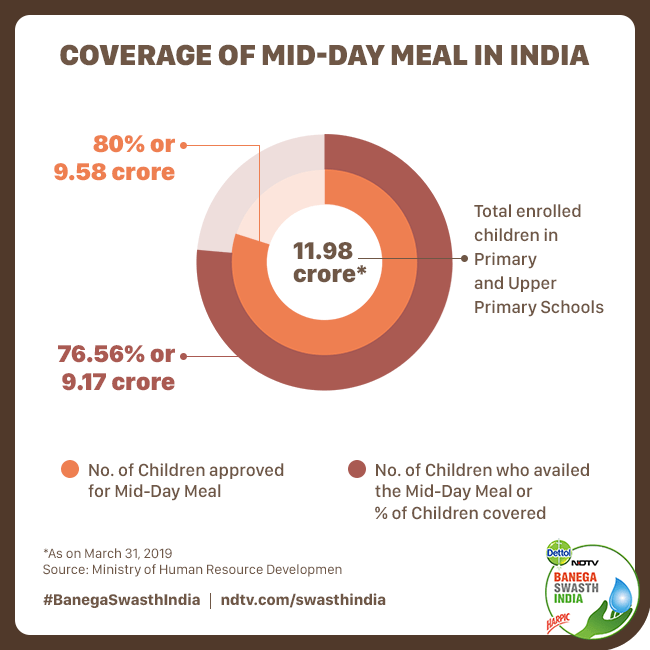
Coverage of Mid-day Meal Scheme in India

Brief Idea of What Mid-day Meal Is

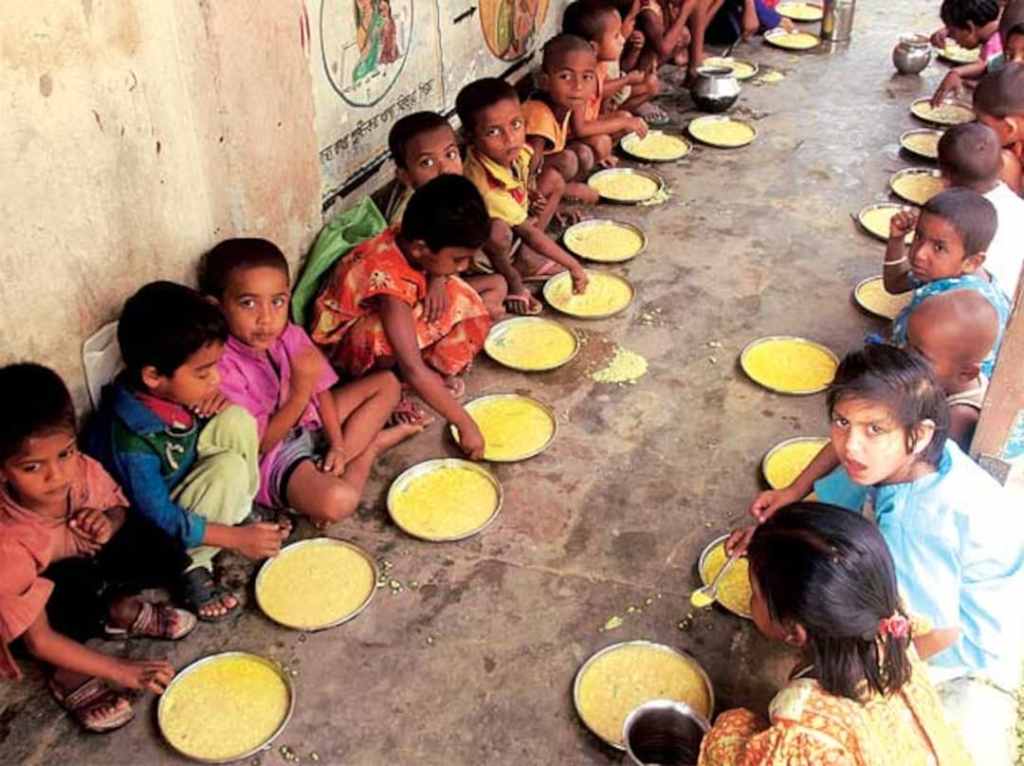
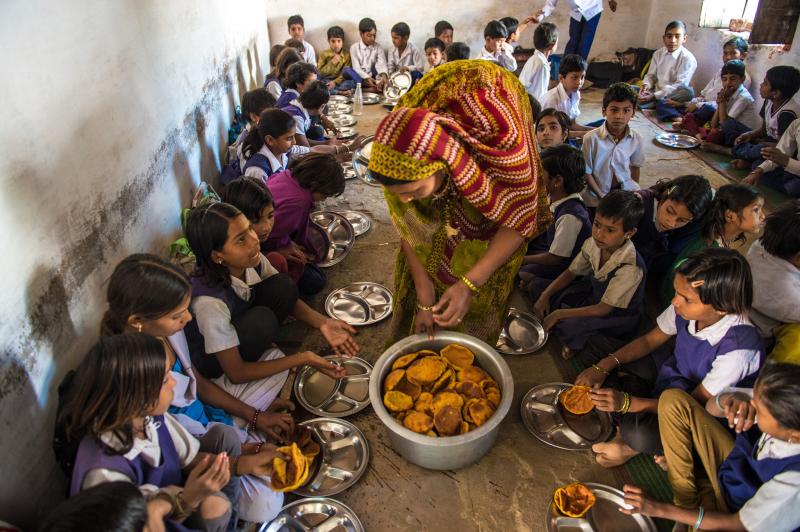
The Midday Meal Scheme, launched in 1995  by former Prime Minister of India, P.V. Narsimha Rao, under the Ministry of Education, is a school meal programme in India designed to better the nutritional  standing of school-age children nationwide. The programme supplies free lunches on working days for children in primary and upper primary classes in government, government aided, local body, Education Guarantee Scheme, and alternate innovative education centres, Madarsa  and Maqtabs  supported under Sarva Shiksha Abhiyan , and National Child Labour Project schools run by the Ministry of Labour. Serving 120 million children in over 1.27 million schools and Education Guarantee Scheme centres, the Midday Meal Scheme is the largest of its kind in the world.

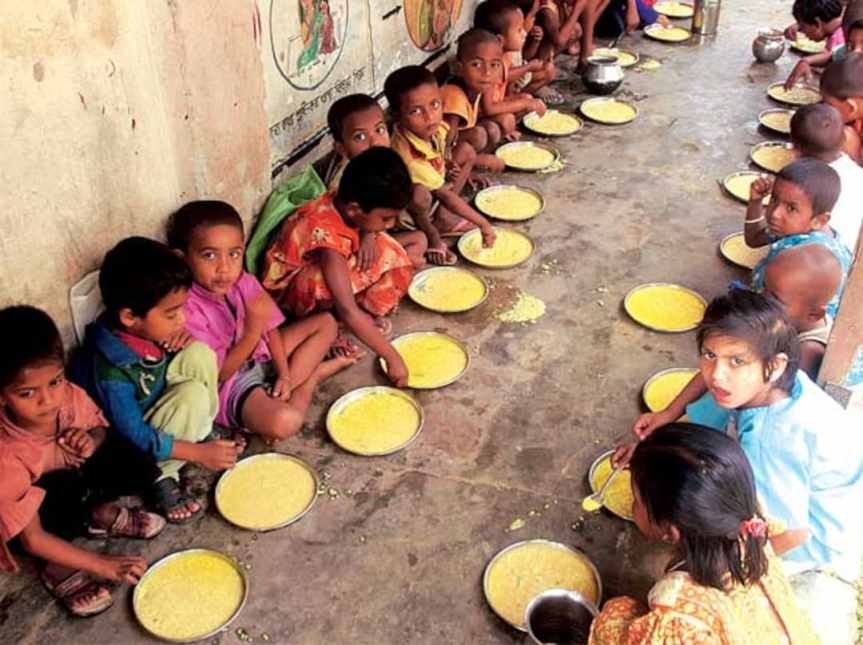
Students having Mid-day Meal at a School in India

Objectives of Mid-day Meal Scheme

  • To increase the enrolment in the schools of children who belong to disadvantaged sections of the society .
  • To increase attendance of students in Government and Government aided schools.
  • To retain the children studying in class I to VIII.
  • To give nutritional support to the children studying in the elementary level, specially in drought-prone areas.
  • To address hunger and malnutrition and increase socialization among the castes.
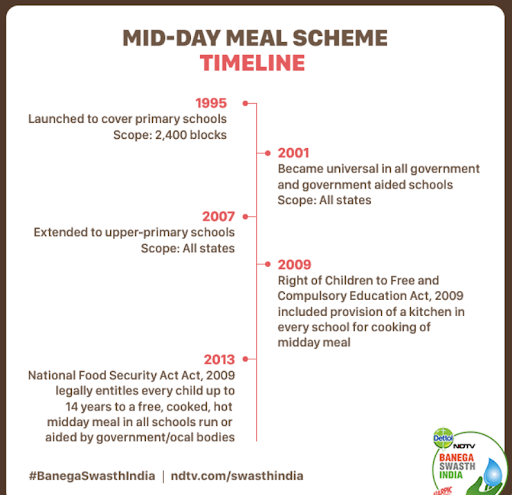
Mid-day Meal Scheme Timeline in India

Features of Mid-day Meal Scheme

  • It is one of the world’s largest school meal programs intended to achieve the goal of universalization of primary education.
  • For the implementation of the scheme, the Ministry of Human Resources and Development is the authorized body to implement the scheme.
  • It is a centre-sponsored scheme, so, the cost is shared between the states and the centre. Where the share of the centre is 60 percent.
  • The first state to implement the midday meal scheme was Kerala in 1984.
  • Till 2002, the scheme is designed especially for the government, government-aided and local body schools. But later on, the benefit of the mid-day meal scheme is extended to those children who were studying in educational guaranteed scheme centres or Alternative & Educational Centres.
  • In 2004, the scheme is again revised, and central assistance is offered for the cooking cost.  Apart from that, the transport subsidy included for all states, maximum of Rs 100 per quintal is provided to the special category states and Rs 75 per quintal for other states.
  • The provision of serving mid-day meals during summer vacation to the children in drought-affected areas was also added.
  • In 2006, the cooking cost was enhanced to Rs 1.80 per child/ school day for states in North Eastern Region and Rs 1.50 per child/ school day for other states and UTs.
  • In 2007, the scheme benefit is also extended to the children studying in the educationally Backwards Blocks.
  • Apart from the calories and food intake, for micronutrients (tablets and deworming medicines), each child is entitled to receive the amount provided for in the school health program of the National Rural Health Mission.
  • Meals provided under the Mid-day Meal Scheme
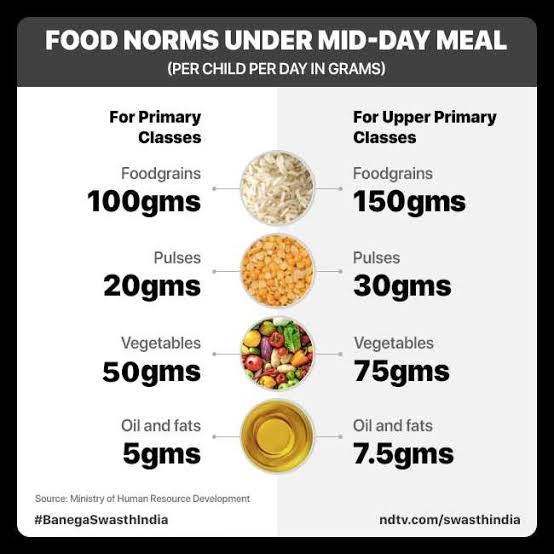
Food Norms under Mid-day Meal Scheme
  • The quantity of food items provided under this scheme per child per school day is as follows:
Food itemsPrimary level (Class I-V)Upper level (Class VI-VIII)
Food Grains100 gms150 gms
Pulses20 gms30 gms
Vegetables (leafy also)50 gms75 gms
Oil & fat5 gms7.5 gms
Salt & condimentsAs per needAs per need
Calories IntakePrimaryUpper Primary
Energy450 calories700 calories
Protein12 grams20 grams
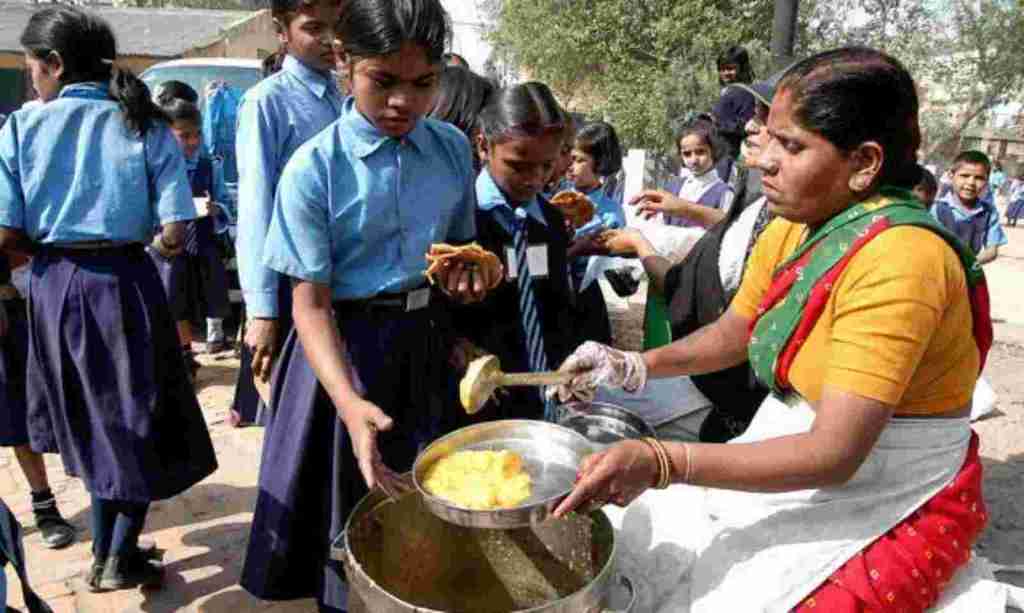
Serving of Mid-day Meal

Advantages of Mid-day Meal

  • It satisfies the hunger of many children.
  • Supplying nutrition to children of the poor section helps them in concentrating on their studies better.
  • Students come to government schools daily and won’t be asked to do labour work.
  • Addresses the issue of malnutrition.
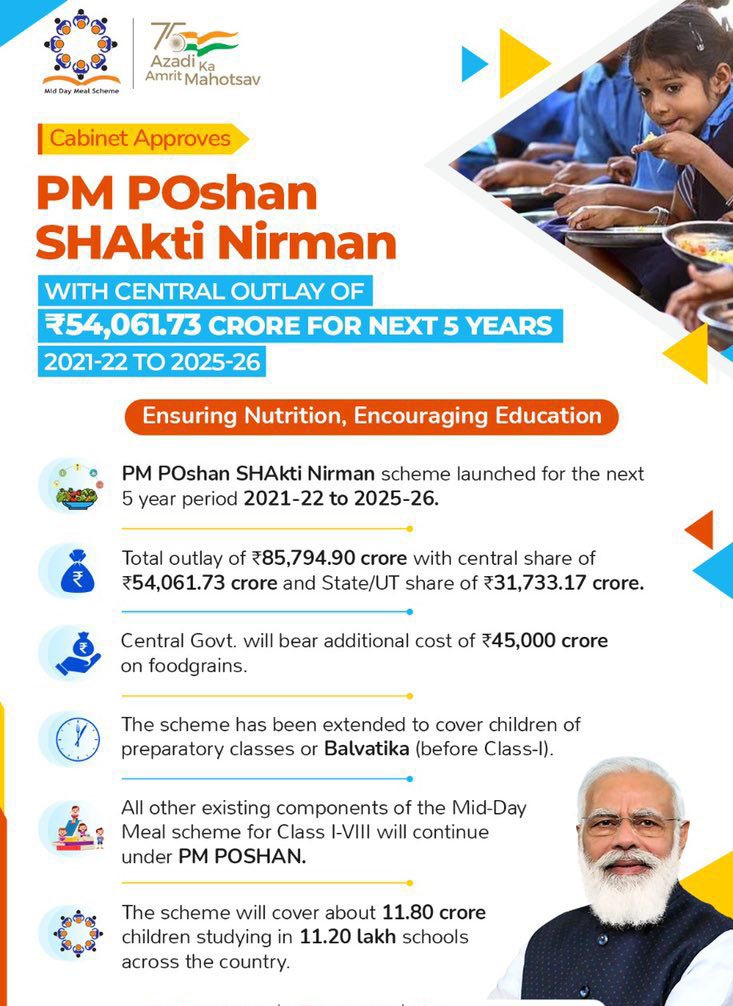
PM POSHAN SHAKTI NIRMAN

Recent Improvisation of Mid-day Meal Scheme

During the celebration of India’s 75th Independence Day as Azadi Ka Amrit Mahotsav, the Cabinet approved for the implementation of PM POSHAN SHAKTI NIRMAN for next 5 years i.e. 2021-22 to 2025-26.

Conclusion

There is no doubt that school is the only place that contributes to the socio-economic development of society. Here children from various backgrounds come together for promoting the culture of unity and brotherhood. The education they receive at school prepares them to achieve their goals and lead a successful life. When we talk about government schools, here children mostly come from economically challenged backgrounds. So, even though education schemes like Sarva Shiksha Abhiyaan are being implemented, the difficult financial conditions force these children to skip school and go on work. In such kind of circumstances,  the real potential of mid-day meal surfaces. Mid-day meal acts as an attractive incentive for parents to send their children to school with the sole hope that the young ones will receive at least one plate full of the meal for the day. 

Start-up to Success: Ola Cabs

Gone are the days when commuting without a personal vehicle, used to be an issue for city dwellers. Either they had to resort to public transport which is not always the safest option, or book rental car services way before the trip for enormous amounts. Now with the coming up of app based cab riding services, voyaging has become easier for city dwellers.

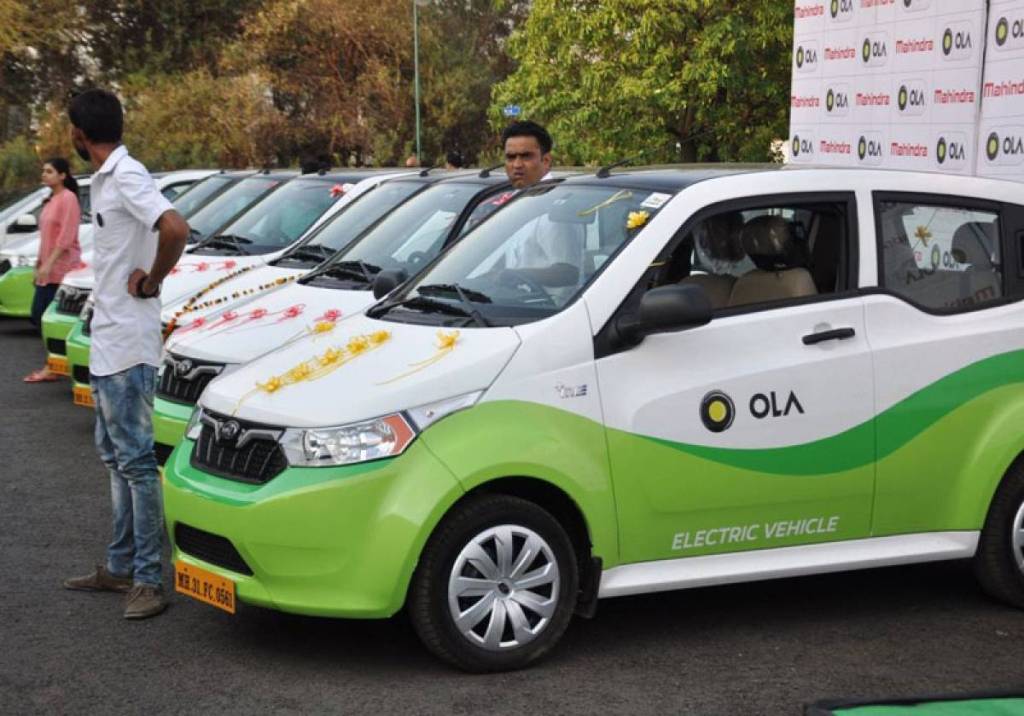
And Ola is one of the key players in the market in regard to cab services. It is the first Indian cab aggregator company. Ola has made it much easier for the public to book cab at their own convenience. The company started in 2010 by Bhavish Aggarwal and Ankit Bhatia, and since then it has been bridging the gap between cabs and commuters.

Ola partners with a number of taxi drivers and owners, and with the help of their app they allows people to book cabs by entering their pick up location and destination. Ola has users in over 250 Indian cities and employs more than 2.5 million driver-partners.

How did it start ?

It all started when Bhavish Aggarwal while journeying from Bandipur to Bangalore, was left abandoned in his journey by his driver. This was because the driver was renegotiating the already decided payment. This unfortunate incident lead him to come up with a economical and satisfying cab service. And thus, Ola cabs was born.

The founders of Ola, Bhavish Aggarwal and Ankit Bhatia are both IIT Mumbai graduates, and launched Ola in December 2010. Both of them became the youngest billionaires of India, at the age of 25 and 26.

The name of the company is driven from the Spanish word ‘Hola’ that translates to ‘Hello’. The name ‘Ola’ probably indicates their services as easy and simple to use. Their logo is simple yet elegant and has the ‘O’ in the shape of a tyre.

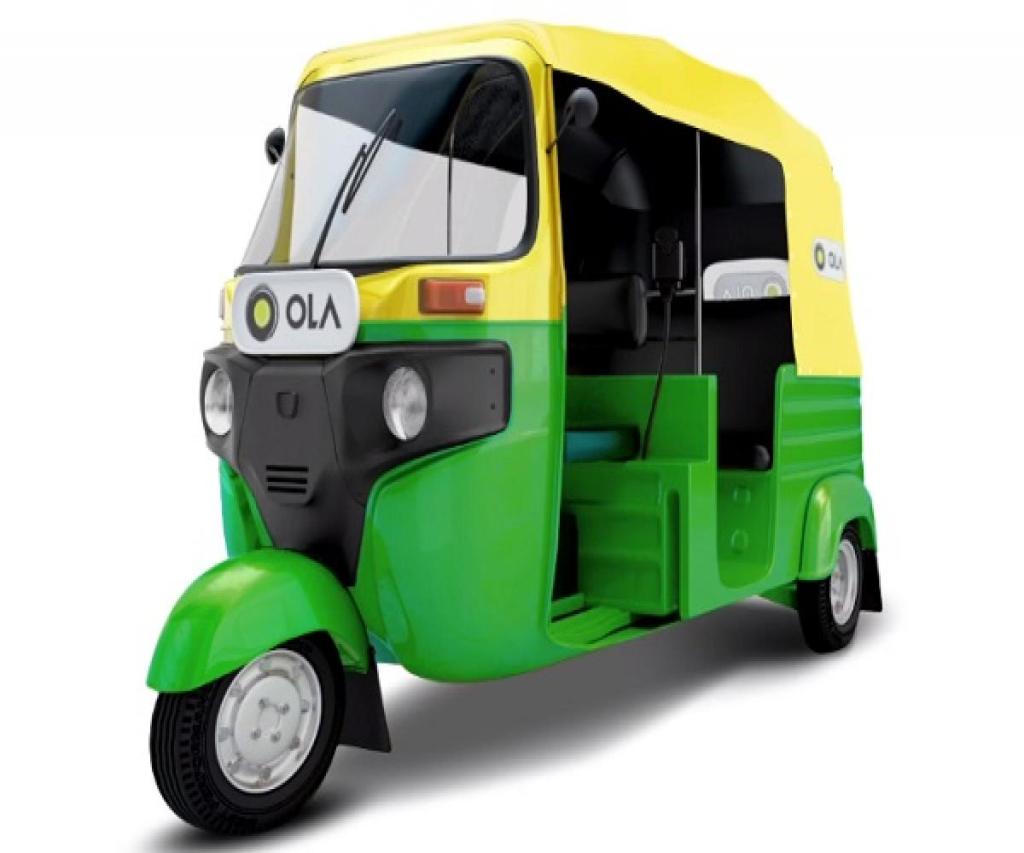
Ola has a wide range of car categories to choose from, such as hatchback, sedan, SUV and more. Travellers choose them depending on their budget and number of people travelling. For travelling within the city, people can hire cabs, bikes, autos and even e-rickshaws through Ola.

Challenges and Competitors

In the initial day of the start up they had to code for long hours and sometimes 48 hours straight. They even had to drive customers to their desired locations at times because the drivers did not show up. As much as Ola wanted to spread their services across India, they faced the issue of internet connectivity in smaller town. Thus, they designed the app so that I could accommodate network connectivity in smaller towns. However, after bagging an investment worth 2 crores, things were finally in track and there was no looking back.  

Every business has its fair share of competitors and so does Ola. Uber is Ola’s biggest competitor. There are other players in the Indian market such as, Meru Cabs, Zoomcars, PeIndia Cabs, Carzonerent and more. Rapido is increasing taking over the bike taxi segment as well, which is the competitor to Ola’s bike services.

Needless to say, just like most businesses, Ola too had to bear the burnt of the COVID-19 pandemic. The travel and transport sector was hit severely with the pandemic as there were repeated lockdowns and curfews affecting its revenue generation. However, with the upliftment of lockdowns and curfews, it is believed that Ola will regain its revenue generation soon.  

Addition and Expansions

In spite of facing ups and downs through out the years Ola manages to sail through smoothly. Over the years Ola introduced new services in ‘Ola pedal’, which is a huge success in IIT Kanpur and IIT Madras campuses. They have also introduced the option to book cabs on an hourly basis to travel out of the city and have named the segment ‘Ola outstation’.

‘Ola money’ was also introduced and the product includes Ola money credit card, Ola money post-paid, Ola money mobile wallet and Ola money hospicash. Ola launched ‘Ola corporates’ in 2016, where employees book their rides through Ola, and the fare is deducted from the company’s Ola corporate prepaid account.

In March 2015 Ola acquired ‘TaxiForSure’, another taxi aggregator for $200 million, and maintained its stand in the country’s cab hailing market. Another impressive deal was when Ola acquired Foodpanda-India, an food delivery aggregator in 2017 at a valuation of $40-$50 million. In 2018 onwards, Ola expanded its services overseas in countries of New Zealand, Australia and United Kingdom.

                     Clocking more than 150,000 bookings per day, Ola holds a little less than half of the Indian market (as of the Uber’s 2020 report). The CEO of Ola Bhavish Aggarwal has disclosed that the company is planning on initiating an IPO in the coming years. Ola plans on further expanding their services in remote areas, making India travel luxuriously on a budget.  

Organic Farming in India: The Future of Sustainable Agriculture

Organic Farming Produce

Introduction

The term ‘organic’ was first coined by Northbourne, in 1940, in his book entitled ‘Look to the Land’. In recent years, organic farming as a cultivation process is gaining increasing popularity . Organically grown foods have become one of the best choices for both consumers and farmers. Organically grown foods are part of go green lifestyle.

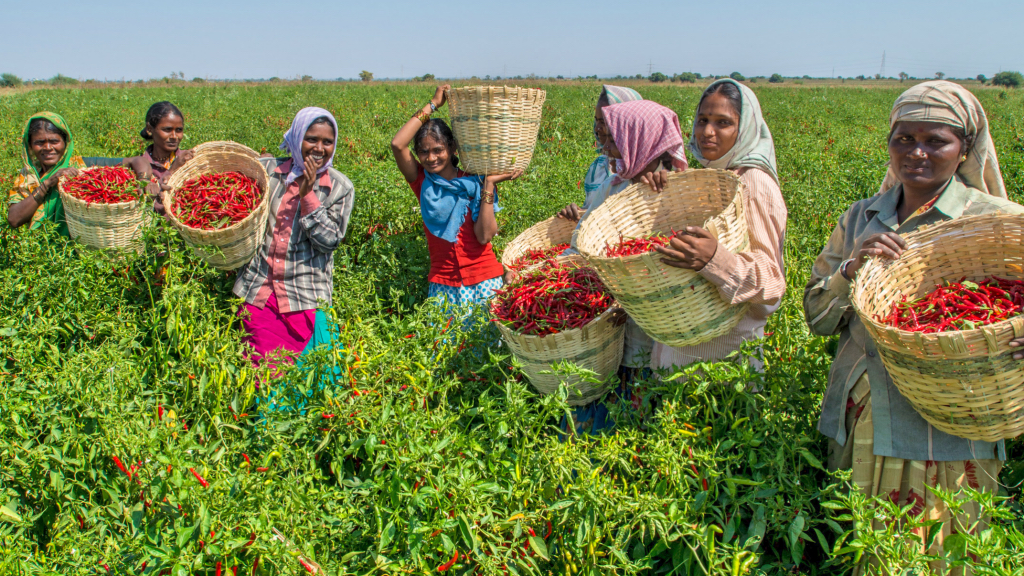
Farmers showing their Organic Harvest

Why Being Preferred These Days: The Importance of Organic Farming

Food quality and safety are two vital factors that have attained constant attention in common people. Growing environmental awareness and several food hazards (e.g. dioxins, bovine spongiform encephalopathy, and bacterial contamination) have substantially decreased the consumer’s trust towards food quality in the last decades. Intensive conventional farming can add contamination to the food chain. For these reasons, consumers are quested for safer and better foods that are produced through more ecologically and authentically by local systems. Organically grown food and food products are believed to meet these demands.

Organic Farming Processes

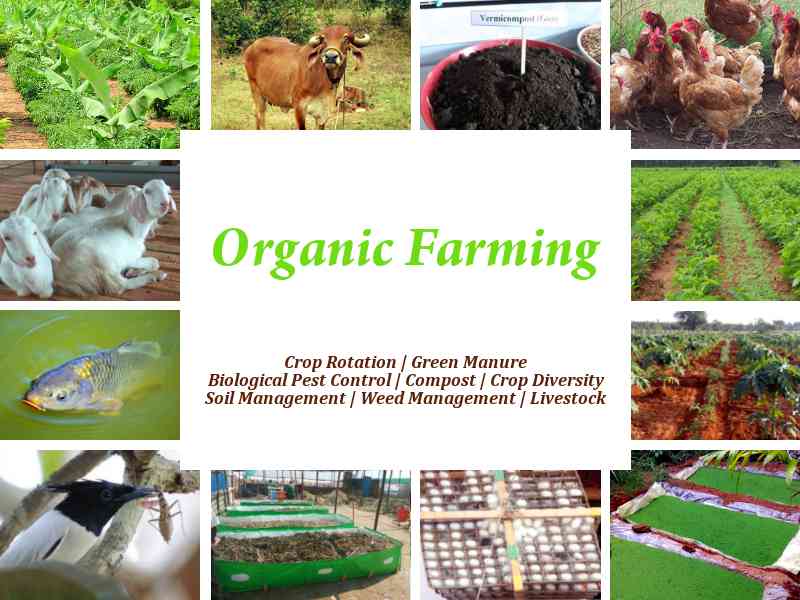
Organic Farming Process

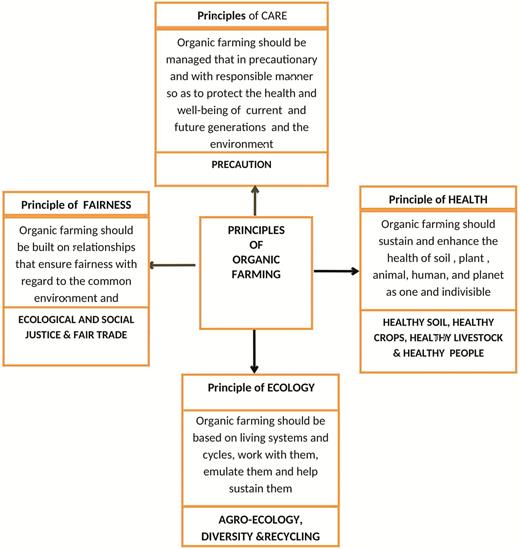
Organic farming and food processing practices are wide-ranging and necessitate the development of socially, ecologically, and economically sustainable food production system. The International Federation of Organic Agriculture Movements (IFOAM) has suggested the basic four principles of organic farming, i.e. the principle of health, ecology, fairness, and care . The main principles and practices of organic food production are to inspire and enhance biological cycles in the farming system, keep and enhance deep-rooted soil fertility, reduce all types of pollution, evade the application of pesticides and synthetic fertilizers, conserve genetic diversity in food, consider the vast socio-ecological impact of food production, and produce high-quality food in sufficient quantity.

Principles of Organic Farming  

According to the National Organic Programme implemented by USDA Organic Food Production Act (OFPA, 1990), agriculture needs specific prerequisites for both crop cultivation and animal husbandry. To be acceptable as organic, crops should be cultivated in lands without any synthetic pesticides, chemical fertilizers, and herbicides for 3 years before harvesting with enough buffer zone to lower contamination from the adjacent farms. Genetically engineered products, sewage sludge, and ionizing radiation are strictly prohibited. Fertility and nutrient content of soil are managed primarily by farming practices, with crop rotation, and using cover crops that are boosted with animal and plant waste manures. Pests, diseases, and weeds are mainly controlled with the adaptation of physical and biological control systems without using herbicides and synthetic pesticides. Organic livestock should be reared devoid of scheduled application of growth hormones or antibiotics and they should be provided with enough access to the outdoor. Preventive health practices such as routine vaccination, vitamins and minerals supplementation are also needed.

Principles of Organic Farming

Types of Organic Farming

Organic Farming are of two types. Here are the two types of Organic Farming being performed in India.

(a) Pure Organic Farming – pure organic farming, there is avoiding every unnatural chemical. In the process of pure farming, fertilizer and pesticides obtain from natural sources. It is called a pure form of organic farming. Pure organic farming is the best for high productivity. 

(b) Integrated Organic Farming – Integrated organic farming consists of integrated nutrients management and integrated pest management.

Organic Farming in India

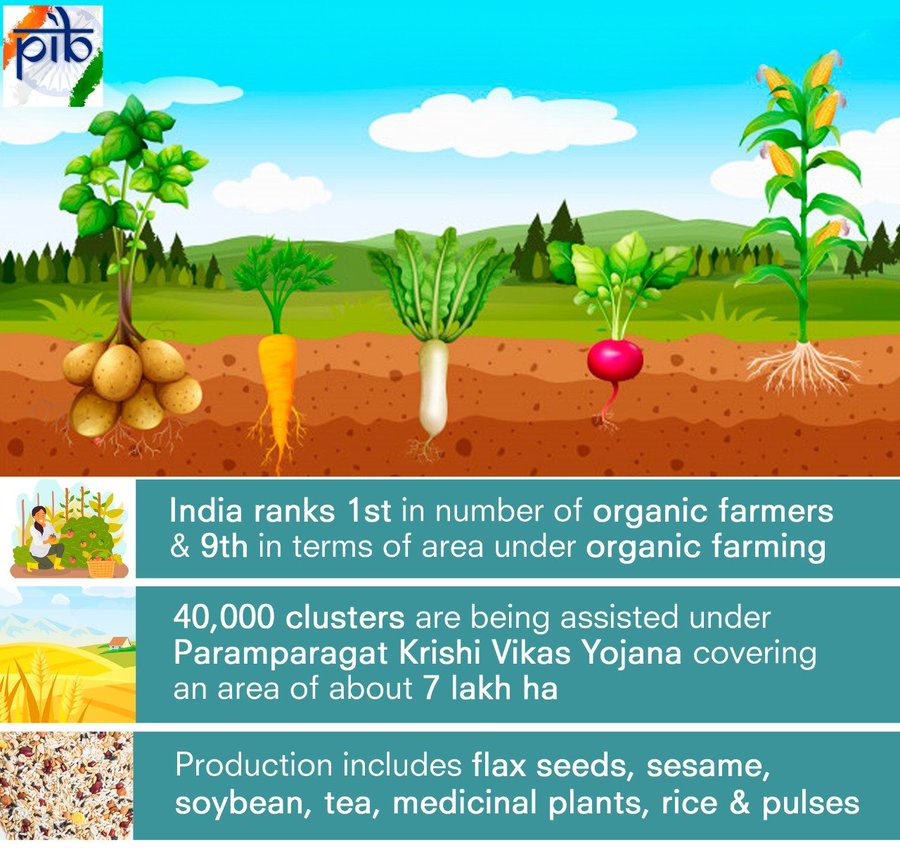
Organic farming is in a nascent stage in India. About 2.78 million hectare of farmland was under organic cultivation as of March 2020, according to the Union Ministry of Agriculture and Farmers’ Welfare. This is two per cent of the 140.1 million net sown area in the country. A few states have taken the lead in improving organic farming coverage, as a major part of this area is concentrated only in a handful of states. Madhya Pradesh tops the list with 0.76 million of area under organic cultivation — that is over 27 per cent of India’s total organic cultivation area. The top three states — Madhya Pradesh, Rajasthan and Maharashtra — account for about half the area under organic cultivation. The top 10 states account for about 80 per cent of the total area under organic cultivation. Sikkim is the only Indian state to have become fully organic so far. Even though India has very small organic area under cultivation, in terms of number of organic farmers it is being ranked first. India has over 1.9 million farmers as of March 2020, which is 1.3 per cent of 146 million agricultural landholders.

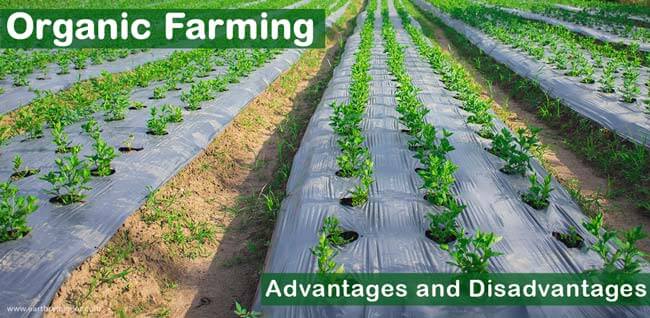
Advantages and Disadvantages of Organic Farming

Advantages of Organic Farming

Organic farming in India is very economical, it uses no expensive fertilizers, pesticides, HYV seeds for the plantation of crops. It has no expenses. 

With the use of cheaper and local inputs, a farmer can earn a good return on investment. This is one of the most important benefits of organic farming in India. 

There is a huge demand for organic products in India and worldwide and can earn more income through export.

Organic products are more nutritional, tasty, and good for health to chemical and fertilizer utilized products. 

Organic farming in India is very environment friendly, it does not use fertilizers and chemicals. 

Disadvantages of Organic Farming

Organic farming in India has fewer choices, and off-season crops are limited.

Organic agricultural products are low in the early years. Farmers find it difficult to accommodate mass production.

The main disadvantage of organic farming is the lack of marketing of the products and Inadequate infrastructure.

Organic Farming in India

Future of Organic Farming in India

India is an agriculture-based country with 67% of its population and 55% of manpower depending on farming and related activities. Agriculture fulfils the basic needs of India’s fastest-growing population accounted for 30% of total income. Organic farming has been found to be an indigenous practice of India that practised in countless rural and farming communities over the millennium. The arrival of modern techniques and increased burden of population led to a propensity towards conventional farming that involves the use of synthetic fertilizer, chemical pesticides, application of genetic modification techniques, etc.

Organic Farming leads to Sustainability and Holistic Growth

Even in developing countries like India, the demand for organically grown produce is more as people are more aware now about the safety and quality of food, and the organic process has a massive influence on soil health, which devoid of chemical pesticides. Organic cultivation has an immense prospect of income generation too. The soil in India is bestowed with various types of naturally available organic nutrient resources that aid in organic farming.

As per data collected from Government of India

Conclusion

India is a country with a concrete traditional farming system, ingenious farmers, extensive drylands, and nominal use of chemical fertilizers and pesticides. Moreover, adequate rainfall in north-east hilly regions of the country where few negligible chemicals are employed for a long period of time, come to fruition as naturally organic lands. Organic farming yields more nutritious and safe food. The popularity of organic food is growing dramatically as consumer seeks the organic foods that are thought to be healthier and safer. Thus, organic food perhaps ensures food safety from farm to plate. The organic farming process is more eco-friendly than conventional farming. Organic farming keeps soil healthy and maintains environment integrity thereby, promoting the health of consumers. Moreover, the organic produce market is now the fastest growing market all over the world including India. Organic agriculture promotes the health of consumers of a nation, the ecological health of a nation, and the economic growth of a nation by income generation holistically. India, at present, is the world’s largest organic producers and with this vision, we can conclude that encouraging organic farming in India can build a nutritionally, ecologically, and economically healthy nation in near future.

Is Indian Handicraft at risk ?

Handicraft as we all know it, is the craft work of processing materials by hands or simple hand tools. The outcome of such a craftwork involves decorative pieces or useful objects. The materials used in the making are mostly natural, but can be industrially processed or even recycled too.

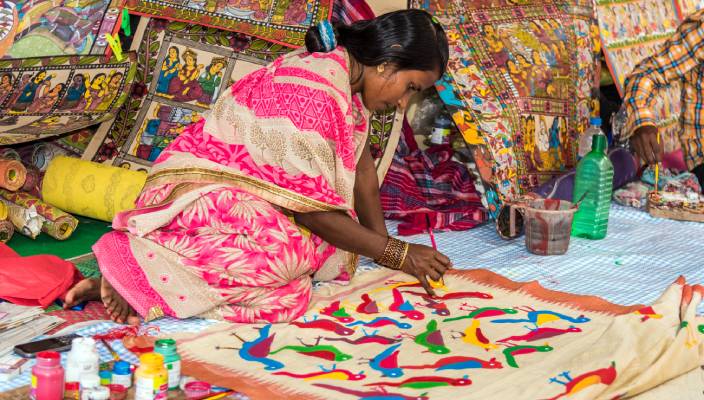
Handicraft is an artform that is deeply rooted in the traditions of India. And the sector provides livelihood to lakhs of people. They produce goods ranging from carpets, potteries, paintings, embroidery and the list goes on. Every region in India has handicraft that is unique to that region. Such as Chikan Kari weaving from Lucknow. Madhubani paintings from Mithalia, Bidri metal handicraft from Karnataka, Pashmina shawls from Kashmir and so on.

However, over the years this industry had to endure certain challenges, making it hard for the artisans to flourish and make a living.

Issues faced by artisans

There are a number of reasons why artisans in the craft industry are facing problems. Some of the widely varied reasons are;

  • Informal sector- Handicraft industry is a highly informal sector. Artisans are usually structured through informal contracts between traders, middlemen, master artisans and low skilled artisans. Along with that, this industry is largely unorganised, making it hard for the industry to flourish organically.
  • Lack of education- The lack of education makes it difficult for the artisans to manage inventory, access government schemes information and bargain with traders and middleman.
  • Outdated production methods- Artisans lack the funds to upgrade to better tools and technologies or undergo training.
  • Competition from organised sector- Artisans are losing customers, due to the arrival of cheaply priced machine made products, especially Chinese made goods.

These are few of the reasons handicraft industry is lagging behind. However, it is never too late to make amends and prevent the sector from sinking.

How to revive the Handicraft industry?

One of the first steps to be taken to boast the Handicraft industry, is the action to make this industry organised. It is a given fact that middlemen and traders mend their ways into benefiting from the sales by jeopardizing the livelihood of artisans. Having an organised and formal sector will help with the righteous distribution  of profit. This is the task of the government to take needful action and prioritise this industry just like any other high yielding industry.

Along with taking into account the mission of creating awareness among the artisans and educating them on basic information about the working and functioning of the industry. Apart from that, it is also important for the government to create awareness among the common public and urge them to help save the livelihood of handicraft workers, and avoid choosing cheaper machine made alternative. Thus helping to preserve the Indian tradition.

Government’s role in empowering Indian Handicraft

Over the past few years, the Government of India has launched schemes and plans that could potentially benefit the handicraft artisans. Some of the schemes are;

  • National Handicraft Development Programme
  • Ambedkar Hastshilp Vikas Yojna
  • Handicraft Mega Cluster Mission
  • Integrated Handloom Development Scheme

Mentioned above are just few of the schemes launched by the government. But just launching schemes would not be of much help, until and unless those schemes are actually implemented at the grassroot level.

In instances like these, NGOs like Cradftizen Handicraft, Asha Handicraft Association, etc.,  play a vital role in campaigning such schemes across the artisans, and making them aware about their right and benefits.

                   The handicraft industry makes Rs 25,000 crores annually by exporting goods. This sector has a lot of potential that can be tapped and channelised into a highly profitable industry, along with benefit and uplifting the artisans, who are keeping the Indian traditions and craft alive.

Khadi: The Sustainable Fashion of India

Khadi, India‘s own versatile clothing material for ages

Introduction

Khadi, also known as Khaddar ,which started as a symbol of the Swadeshi Movement led by Mahatma Gandhi 100 years ago, is now a fashion statement in India and is gradually getting popular across the globe. Not only as an affordable and comfortable fabric for daily-wears, but also Khadi is now being considered as a Style Statement for its sustainability and eco-friendliness.

Khadi production

Nature of The Khadi Material

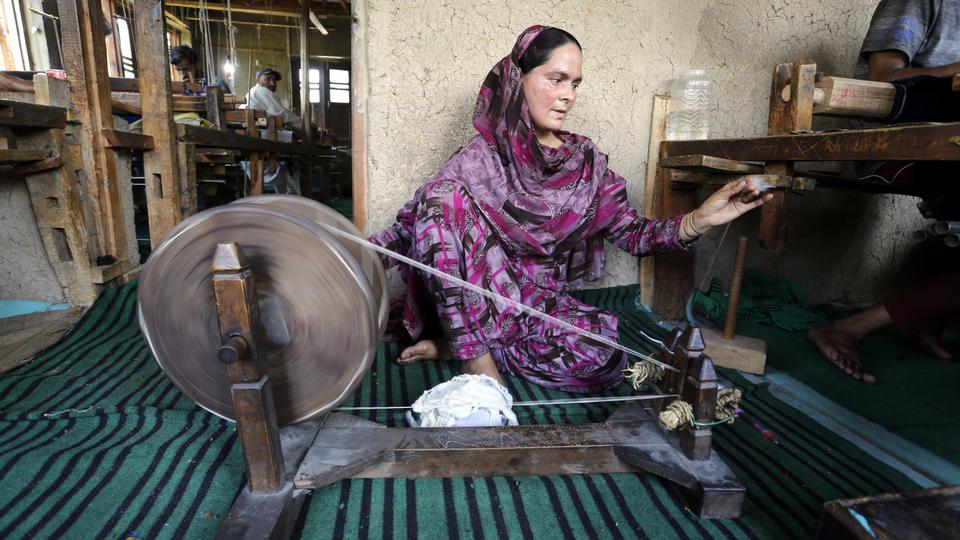
Khadi is a textile fabric made by hand-spun and hand-woven cotton, silk, wool or a mixture of these fibres. It is a traditional way of textile manufacturing and is generally produced by rural artisans. The method of manual spinning and weaving makes the fabric structure somewhat rugged and imparts a unique appearance and makes it soft and comfortable to wear. The spinning is carried out on a traditional wooden frame called charkha, while the weaving is done on a handloom. The specific fabric construction helps in circulation of air within the threads and imparts unique property of keeping the wearer warm in winter as well as cool in summer.

Weaving of Khadi

History of Khadi : Role in India’s Freedom Movement

India has an ancient heritage of cloth making based on the availability of natural fibrous raw material such as -agricultural cotton owing to the clement climatic conditions and fertile land, varieties of silk from different sericulture and wool from domestically reared sheep. The textile coloration was carried out using abundantly available natural dyes, derived from various plant and animal extracts. Such flourishing textile base was one of the major attractions for the Western world. After mechanised industrialisation, the situation changed and the basic raw material was exported from India, converted into mill-processed finished cloth and the imported fabric was brought back. This led to the demolition of traditional textile manufacturing in India and eventually the art and craft of fabric making diminished.

During the initial phase of the freedom movement, national leaders like Dadabhai Naoroji and Lokmanya Tilak initiated the Swadeshi Movement to promote Indian-made products. However, it was Mahatma Gandhi who in 1918 brought the focus of India’s freedom struggle to khadi by promoting that as a Swadeshi symbol.

Under the leadership of Mahatma Gandhi, khadi-making regained momentum and became a symbol of revolution and resistance. It also provided employment to the vast rural population of India and achieved distinct identity as a common man’s cloth. As everybody could wear the same form of clothing without any distinctions of class, creed or religion, they could demonstrate solidarity in freedom struggle. Wearing khadi became a matter of national pride and united the population of India by surpassing the divisive system of the region, language, religion, caste, age and gender. It reflected our country’s legacy of sustainable living and self-reliance. The Indian national flag is also made from khadi material.
Khadi making with Charkha, during India‘s Freedom Movement

Government Initiatives After India’s Independence

The Khadi and Village Industries Commission (KVIC) is the Indian government body that promotes khadi, whose production and sale comes under the small scale industry sector. KVIC was created by a parliament act after which many KVIC outlets were opened across the country. These shops sell khadi fabrics and apparel. Every year between October to January, all Khadi Gramodyog Bhavans offer discounts on their products. KVIC also organises exhibitions and trade fairs in the country and abroad to promote khadi.

An estimated 15 lakh people are now engaged in producing over 12 crore metres of khadi. KVIC is taking further steps to enhance its production as the market demand for such products is much more than the supply. A new programme is expected to establish the ‘Khadi Mark’ and a logo to indicate the genuineness of the product. The financial support provided and the political will exerted by the present government and the special emphasis from Prime Minister Narendra Modi has helped boost employment in the manufacturing and promotion of khadi products. Leading film artists, sports personalities and fashion designers have come forward to promote this unique ‘Made in India’ fabric in the global arena.

Khadi used in sustainable fashion

Contribution of Khadi in World Fashion

Considering khadi‘s eco-friendly and natural origin, it has become a focal point of global fashion owing to growing consumer awareness and the consistent demand for sustainability. Fashion designers have acknowledged the aesthetic appeal and comfort attributes of khadi and experimented it in blending with many other stuff to synergistically enhance the fashion appeal and outlook of products. Khadi is now used in denims, jackets, shirts, dress material, stoles, home furnishings and apparel accessories like handbags. Khadi, once considered as the fabric for political leaders and the rural folk, has entered the wardrobe of the fashion-conscious urban population. Wearing khadi now symbolises affluence as it offers a distinguished look. The ecological aspect and ethnic looks of khadi have caught the fancy of global brands and leading fashion designers have started including khadi material in their collections.

Global acceptance of the Khadi in fashion

Conclusion

Incorporating Khadi in our daily life may also pave the way for a simple spiritual living exuded by our clothing and home décor items. Khadi being such a versatile fabric can be easily incorporated, by changing the warp and weft, in a home decor and clothing lines. This will make us come closer to nature and add a touch of earthiness in our lifestyle.

Odisha and Agriculture – A Literature Review

Odisha is primarily an Agrarian State. Agriculture is the mainstay of the majority of the population. Though agriculture sector contributes only about 26 per cent to the Gross State Domestic Product (GSDP), almost more than 70% of the population is dependent on it. In spite of such low contribution, the labour force has not yet move out of this sector which ultimately results in low per capita income in this sector.

Agriculture in Odisha is characterized by low productivity due to sporadic rainfall, disrupted irrigation facilities as well as due to the fact that the state is prone to various natural calamities (Pattanayak & Nayak, 2003). Various literatures have studied cropping pattern of the state and have indicated that the cropping pattern of the state is changing over the years. Various studies have also confirmed that Odisha have not only experienced low productivity but also declining productivity. Agriculture plays a major role in providing a source of livelihood to a large proportion of population. Its development becomes important as it still remains the sector where majority of the workers are concentrated. It provides raw materials to various agro-based industries and also ensures food security-the basic necessity of life.

A number of studies have examined and analysed the agrarian structure and conditions of the country in terms of cropping pattern, determinants of cropping pattern, conditions of the agricultural labourers among many others. Given below is the review of few studies that have discussed various aspect of agrarian conditions in their work. The relevance of these works increase keeping in mind the point that they have brought out successfully many key issues in agriculture and how cropping pattern of a region or the country reflects the infrastructure of a place. The study of these literature have been undertaken to get a clear picture of the subject concerned and an insight of different lenses through which agrarian conditions of the country have been looked upon, before embarking on the study.

Despite the changes made in the macroeconomic policy framework and trade liberalisation, Bhalla and Singh (2009: 34, 43, 44), argued that the agricultural sector in India neither experienced any significant growth subsequent to the initiation of economic reforms in 1991 nor did it derive the expected benefits from trade liberalisation. They further asserted that, when compared with the immediate pre-liberalisation period (1980-83 to 1990-93), agricultural in India recorded a visible deceleration in its growth rates of aggregate yield and output and the process of agricultural diversification during the post-liberalisation period (1990-93 to 2003-06). There are different reasons for its slowdown but decline in public investment in irrigation and water management and thus limited irrigation facilities can be said to affect it the most.

Mruthynajay and Praduman (2003: 159) argued that the cropping pattern strategy followed in post green revolution period has led to narrowing down the base of agricultural production. In terms of allocation of acreage, the cropping pattern in the agricultural scenario of India has been skewed towards food grain. Though area under non- food grain has increased, food grains are still dominant (Ghosh, 2011: 115). The cropping pattern changes revealed that area under different crops was strongly linked with decline in cost of production due to-government subsidies, improved irrigation facilities-hence increase in cropping intensity of certain crops such as that of rice and wheat (Mruthynajay and Praduman, 2003: 163). High yield of crops and subsequent expansion and substitution are also the major reasons for such a change post green revolution with rice, wheat, mustard and cotton emerging as main crops for the farmers with area under coarse cereals declining (Ghosh, 2011: 119). The expansion of area under such crops as well as substitution of coarse cereals resulted in narrowing of the base of production, and crops such as pulses and oilseeds were not given due attention. Thus, the success attained in food crop production post green revolution has also caused serious crop imbalances in the cropping pattern, widened regional disparities, increased instability in production and unplanned import of commodities. So, there is a need to re-examine green revolution strategy keeping in mind the crops and areas that were bypassed so far (Mruthynajay and Praduman, 2003: 165).

The cropping pattern in Orissa is such that most of the districts of Orissa are experiencing a lateral movement towards crop specialisation and crop diversification, but over the years, crop specialisation can be noticed, where about 50% of Gross Cropped area is under paddy due to high yield, improved irrigation facilities and changes in the food habits of people (Pattanayak and Nayak 2004: 6, 13). The adoption of modern varieties of rice (HYV) in Orissa, its degree of adoption is inversely related to the farm size while its intensity of adoption is proportional to its farm size and varies with access to modern inputs. These are positively associated with borrowing since lack of investible cash retard the process of diffusion of modern technologies while tenancy is negatively associated, for the moneylenders feel that the adoption of HYVP would reduce the dependency of tenants on them (Sarap and Vashisht,1994: 90, 92).

However, holding other factors constant, Pattanayak and Nayak (2004: 5, 10, 19) argued that the contribution of agriculture in primary sector and in Gross State Domestic Product has declined but the labour force has not move out of the primary sector in post- reform period in Orissa. The districts are diverging as far as agricultural productivity is concerned and asserted that this variation is due to variation in the use of inputs amongst the districts. The skewed distribution of land, small size of operational holding, high incidence of share tenancy and rural poverty are few of many factors which negatively affect the agricultural productivity. The long-term solution lies in improved agricultural productivity and conscious policy decisions to reduce inter district disparity.

Regarding change in labour demand, Lahiri (1970: A-111, A-114) confirms the general belief that demand for agricultural labour has increased due to High Yielding Varieties Programme (HYVP). There was a high variability amongst different states with respect to total labour required and hired labour as well as contribution to labour days was quite low in pre HYVP days; but on the basis of the data gathered, figures revealed that the introduction of HYVP led to the increase in demand for labours. He further makes a point that changes in the demand for agricultural labour are unable to completely explain the changes in the wage levels of agricultural workers. Since demand for agricultural labours are seasonal, season-wise analysis of wage level would to an extent give a picture of wage-demand relation. Post HYVP, demand for labour has increased; and regarding the changes in cropping pattern- it has been noticed that the tendency has been to shift towards only few crops such as that of paddy and wheat and ignoring other crops. Thus, the study of these literature brings forth the point that post green revolution, many new technologies came forth, but the strategy followed was concentrated to few crops and few developing regions causing regional imbalances. Another major debate that came forth is that the post reform period instead of witnessing growth in agricultural output as it was meant to, have faced declining productivity and growth. These phenomena were observed both at all India level as well as in Odisha.

Image credit: News Bharti

Retrieved from: Google

Top 5 tourist destination of Jaipur that you must visit

Jaipur is always honored for its magnetic heritage beauty which is indiscreet from more than thousands of years. And, if you are a lover of the wild, culture and history, then travel to Jaipur and celebrate this day by visiting some of its Heritage Sites.No trip to India is complete without spending time in Jaipur. Affectionately nicknamed “The Pink City” for the blushing color of its historic buildings, Jaipur is a princely wonderland of culture and heritage, brimming with architectural gems.

Jaipur, the Pink City of India, is an exotic destination, to say the least. From royal palaces to peppy pubs and from regal forts to plush restaurants, the city offers a fascinating mix of attractions for an avid traveler. And let’s not forget the welcoming vibe of the city, a quality that’s inherent to Rajasthan’s imperial culture and heritage. Even the hotels in Jaipur extend warm hospitality to their guests. When you are in such a warm and vibrant setting, there’s just one thing you should do – soak in the splendor of the city to the hilt. It Jaipur holds the distinction of being the first planned city of India. Renowned globally for its coloured gems, the capital city of Rajasthan combines the allure of its ancient history with all the advantages of a metropolis. The bustling modern city is one of the three corners of the golden triangle that includes Delhi, Agra and Jaipur.

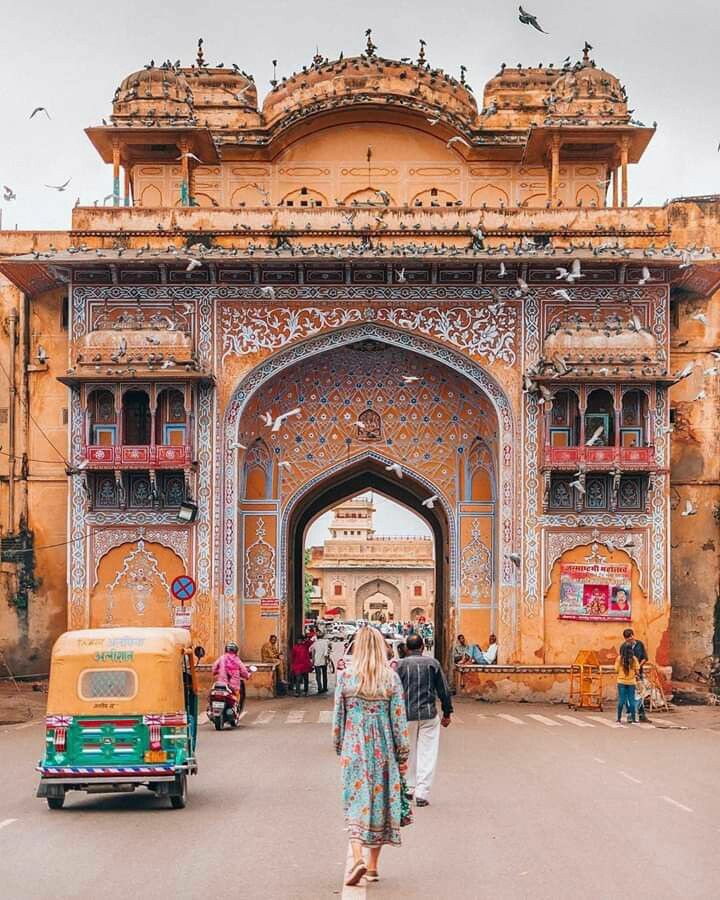
The spatial organization of the historic walled city of Jaipur continues to reflect the 18th century grid-iron plan. The architectural components like the gates and city walls, bazaars, chaupars and chowkris, historic structures, havelis, religious buildings, and water structures reflect the urban ensemble of the walled city of Jaipur as conceived from the 18th to the early 20th centuries. The materials and substance are largely original, primarily lime and stone. The bazaars (market areas) have been recently conserved using traditional materials. In some cases, 20th century structures use cement concrete but recreate the original architectural vocabulary.If you fancy elephant rides, you need to be in Jaipur to have a royal ride on the elephants. You can customize the rides the way you want, take elephant rides on jungles, through villages, in Biological Park and many more.If these are not enough to decide in favor of Jaipur, go ahead and have a look at the top list of attractions in Jaipur.

There is no death of historical places in Jaipur. A city with that embodies vibrant royalty and heritage, Jaipur is a must-visit for history buffs.Here is the list of 5 Top Historical Places In Jaipur & Best Monuments In The City.

1.Hawa mahal

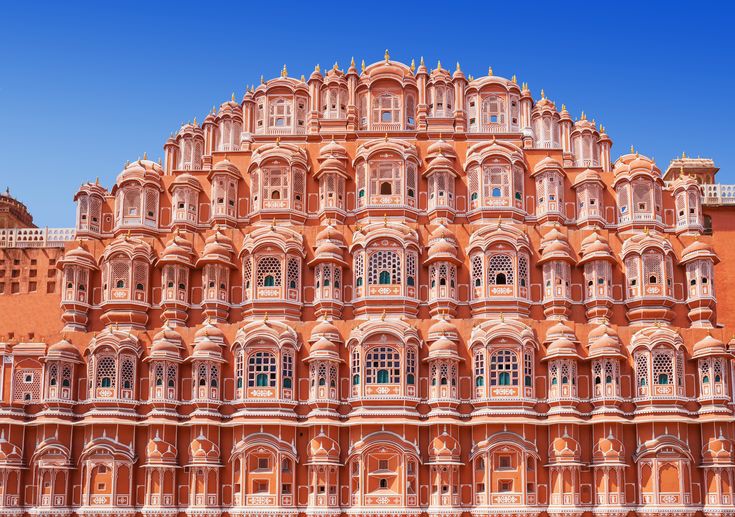
Hawa Mahal is also known as the palace of Winds because of its striking five-storey exterior, which is akin to honeycomb 953 peep windows that keep the palace cool when wind blows. Interestingly, Hawa Mahal is the tallest building in the world without any foundation and there’s isn’t any door in the front; the palace can be entered from behind. It is regarded as the signature building of Jaipur and was built by Maharaja Sawai Pratap Singh. It is an iconic historical place of Jaipur. Hawa Mahal derives its name from its unique structure, which is a mesh of small windows that allowed cool wind to enter the palace and hence kept the palace comfortable during the hot summer months.

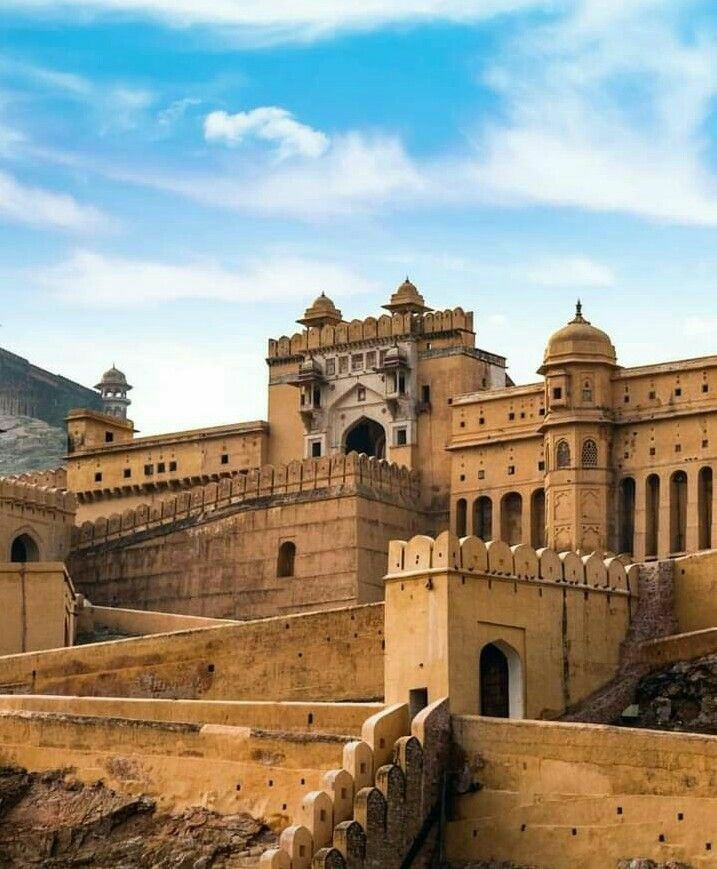
2.Amer fort

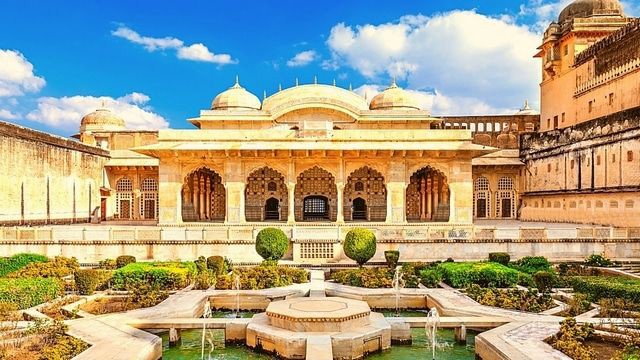
Amer Fort is a majestic citadel built by HH Maan Singh Ji I. The capital of Rajasthan before Jaipur , it is popular among local and overseas tourists for the temples , elephant rides right up to the fort and the Sound and Light Show narrated in Amitabh Bachchan’s baritone, which is a pure tribute to Rajputana heritage. The Sheesh Mahal within the fort, which is festooned with thousands of glass mirrors on its walls and ceiling, offers a fascinating aura to the visitors of this UNESCO’s World Heritage Site in Jaipur. It once served as a capital city of Rajasthan and is one of a prominent tourist attraction today with visitors coming from all over the globe.

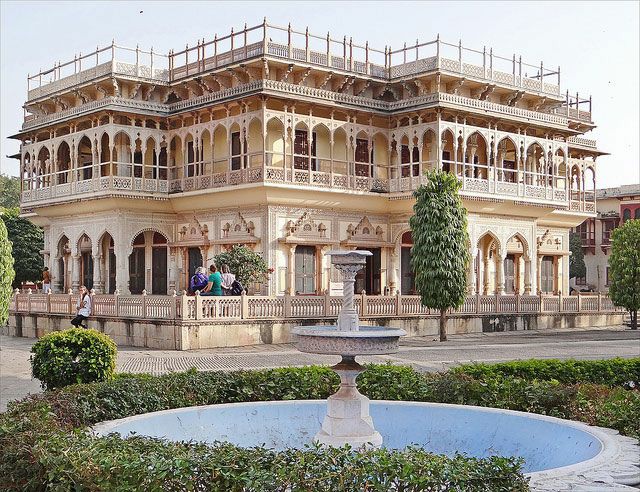
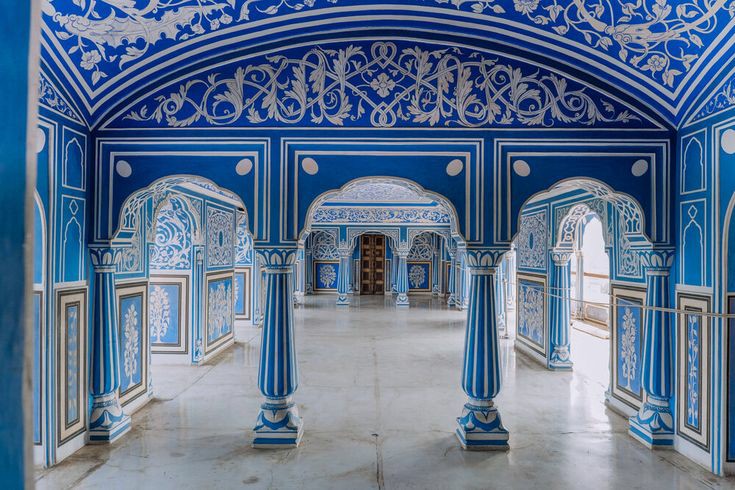
3.city palace

Located in the heart of the city, the City Palace is one of the most remarkable tourist attractions in Jaipur. The architecture of this palace is a splendid blend of Rajput and Mughal styles.Protected by huge guard walls, the fairy-tale-like structure is still the home of Jaipur’s modern-day royal family, and is more extravagant and enchanting than you might imagine. Adorned with sprawling gardens, courtyards, halls, royal residences, and art galleries, every part of this palace reflects Rajputana glory. The palace also houses a museum where you will come across the royal garments used by Maharaja Sawai Man Singh II and Maharaja Sawai Madho Singh I.The current occupants reside in the most eye-catching building, the Chandra Mahal, an elegant structure with curved eaves and domed rooftops. Each of its seven stories features an entirely different style. The ground floor is included in the price of admission, but you’ll need to book a private tour to go upstairs.

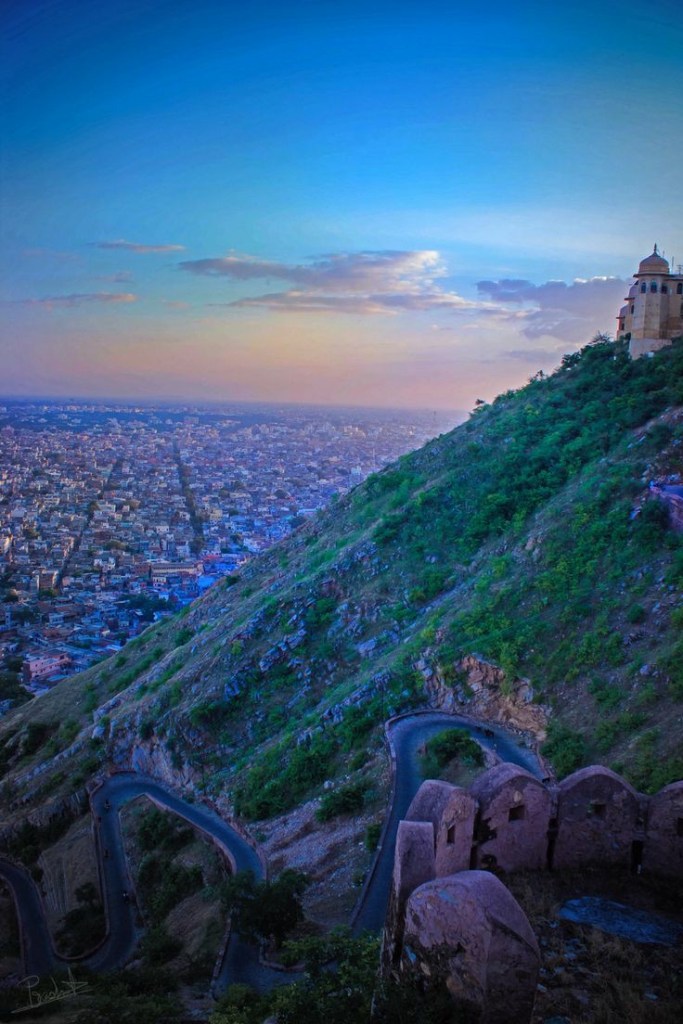
4.Nahargarh Fort

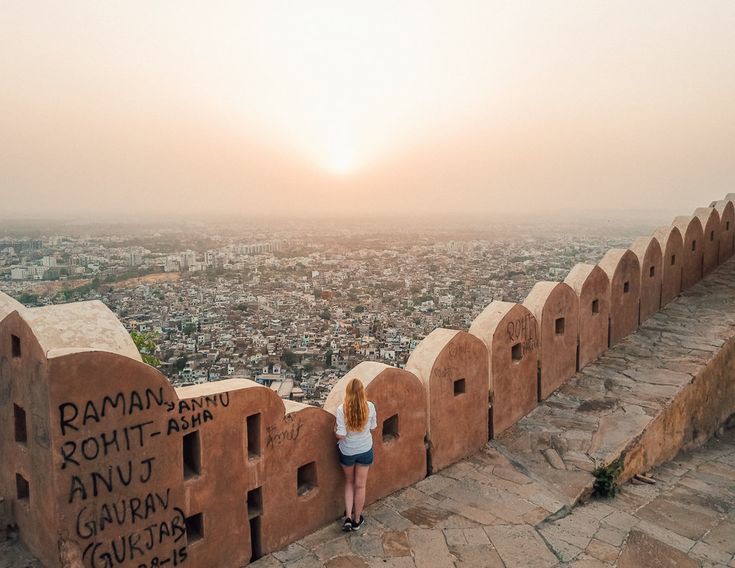
The rocky ridges of the Aravali Hills cradle Nahargarh Fort, a majestic monument that overlooks Jaipur and offers a stunning view of the city’s landscape. Built in 1734 by Jai Singh II, the then Maharaja of Jaipur, Nahargarh Fort was part of the city’s defense circle, along with Amer Fort and Jaigarh Fort. The fort served as a hunting retreat for the royal family. Today it is a splendid viewpoint to watch glorious sunsets over the Pink City. When it comes to sightseeing around Jaipur, the views don’t get better than what you’ll find at Nahargarh Fort.Also known as Tiger Fort, the nearly 300-year-old fort overlooks the entire city from atop the Aravalli Hills—a prime location for the structure to defend Jaipur against enemies many years ago.

5.Galta Ji

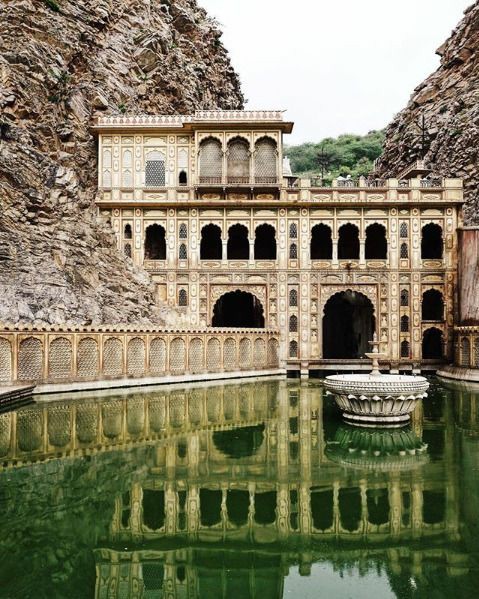
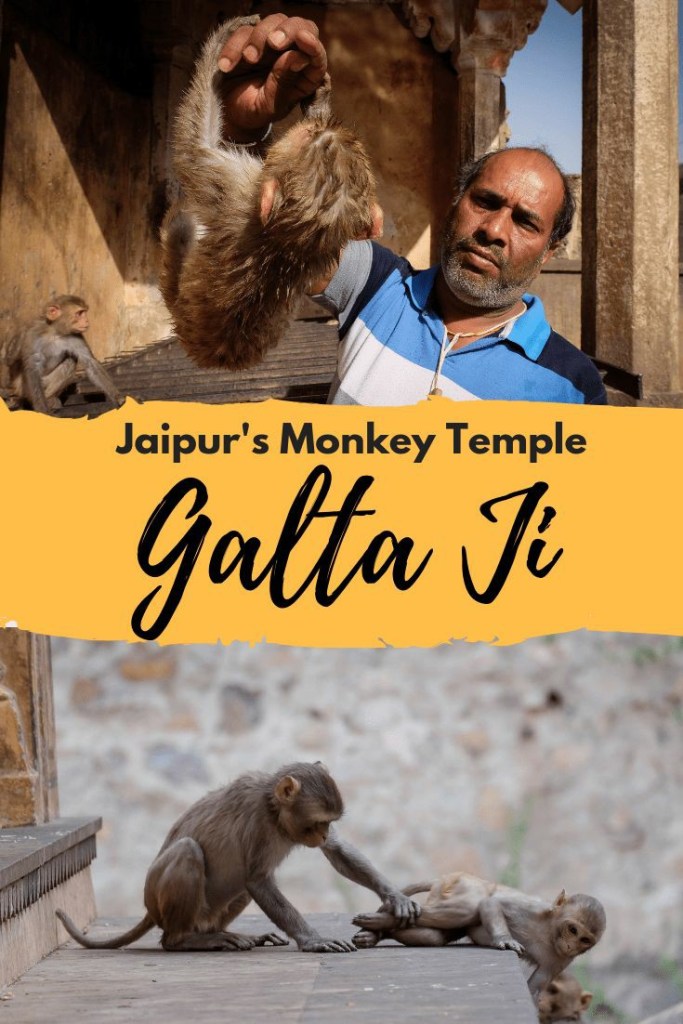
Nestled between cliffs, the temple features a few sacred water tanks, some with modest fountains, as well as frescoes that tell tales about Hindu god Krishna.While the official name for this place is Galta Ji, it’s better known as the Monkey Temple for the hundreds of macaques and langurs that live here. Daring tourists might opt to buy a handful of peanuts at the gate to tempt the monkeys, but you’re better off just watching the rambunctious creatures from a distance.This temple complex is known for its brilliant architecture and religious significance.Visitors and pilgrims can ascend the crevasse, continuing past the highest water pool to a hilltop temple from there are views of Jaipur and its fortifications spreads out across the valley floor. It is believed that a Saint named Galav lived here, practiced meditation, and did penance.

There is no end to the tourist destination in Jaipur but the above mentioned are probably the most famous and most visited destination in Jaipur. No place in india is culturally as rich as jaipur and above all , the various monuments and palaces adds to its beauty. If you are passionate about the strong forts and marvelous architecture that flaunt the expertise of old artisans,then Jaipur is where you need to be on your next vacation.

IMPORTANT BOOKS TO READ IN YOUR 20’S

Reading is good for you because it improves your focus, memory, empathy, and communication skills. It can reduce stress, improve your mental health, and help you live longer. Reading also allows you to learn new things to help you succeed in your work and relationships.Reading has been proven to keep our minds young, healthy and sharp, with studies showing that reading can even help prevent alzheimer’s disease. Reading also develops the imagination and allows us to dream and think in ways that we would have never been able to before.

1) How to win friends and influence the people

How to Win Friends and Influence People is a self-help book written by Dale Carnegie, published in 1936. Over 30 million copies have been sold worldwide, making it one of the best-selling books of all time. Carnegie had been conducting business education courses in New York since 1912. The book is very easy to read and provides great examples and stories which makes it 10x easier to relate to and remember. I highly recommend this book, it has helped me improve certain aspects of my relationships and interactions with others.The core idea is that you can change other people’s behavior simply by changing your own. It teaches you the principles to better understand people, become a more likable person, improve relationships, win others over, and influence behavior through leadership.https://en.m.wikipedia.org/wiki/How_to_Win_Friends_and_Influence_People

2) Think and Grow Rich

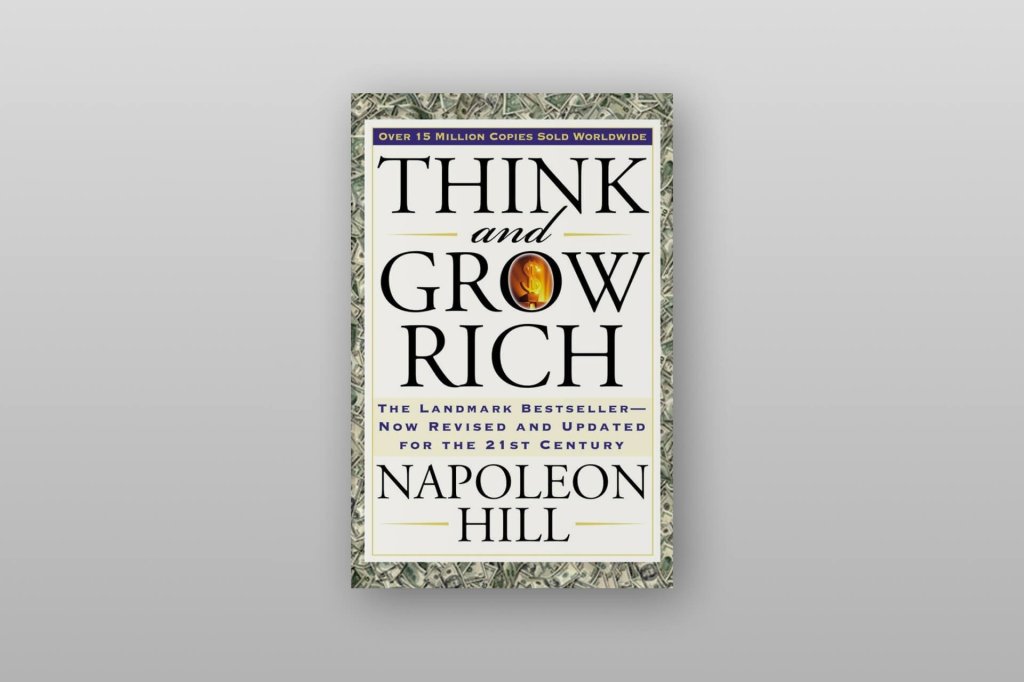
Think and Grow Rich was written by Napoleon Hill in 1937 and promoted as a personal development and self-improvement book. He claimed to be inspired by a suggestion from business magnate and later-philanthropist Andrew Carnegie. https://en.m.wikipedia.org/wiki/Think_and_Grow_Rich The “secret” of Think and Grow Rich is to place yourself within the overall scheme of creation, obeying natural laws that inevitably and invariably beget growth, expansion, renewal, and generativity.

3) The Power of your subconscious mind

The Power of Your Subconscious Mind has been a bestseller since its first publication in 1963, selling many millions of copies since its original publication. It is one of the most brilliant and beloved spiritual self-help works of all time which can help you heal yourself, banish your fears, sleep better, enjoy better relationships and just feel happier. The techniques are simple and results come quickly. You can improve your relationships, your finances, your physical well-being. Your subconscious mind is a powerful force to be reckoned with. It makes up around 95% of your brain power and handles everything your body needs to function properly, from eating and breathing to digesting and making memories.

4) The Richest Man in Babylon

The Richest Man in Babylon is a 1926 book by George S. Clason that dispenses financial advice through a collection of parables set 4,000 years ago in ancient Babylon. The book remains in print almost a century after the parables were originally published, and is regarded as a classic of personal financial advice.This point is actually the crux of the book: the classic principle of paying yourself first. Clason recommends saving at least 10% of all income earned. Even in his example of those who are paying off debt, he still advocates setting aside this one-tenth. https://en.m.wikipedia.org/wiki/The_Richest_Man_in_Babylon#:~:text=The%20Richest%20Man%20in%20Babylon%20is%20a%201926%20book%20by,classic%20of%20personal%20financial%20advice.

5) Atomic Habits

An atomic habit is a regular practice or routine that is not only small and easy to do but is also the source of incredible power; a component of the system of compound growth. Bad habits repeat themselves again and again not because you don’t want to change, but because you have the wrong system for change. While it is well worth reading cover-to-cover as it is chock full of useful and actionable information about habits, from how and why we form them to how to break them and make them, I’ve decided to highlight my top takeaways and share with you the lessons I felt were the most profound. https://medium.com/tom-thoughts/i-finally-read-atomic-habits-here-are-my-top-5-takeaways-57dd6f904ab4