Video games and Education : How to bridge the two

Videos games have become a significant part of our culture for over half the century. They have also lead to many leading artistic and technical endeavors including many innovations in all these years. People have started to recognize the importance of these games as culturally important and the need to curate and store them properly. 

Education is one of the areas that have gone through a transformational change in 2020 and forward. The learning space has transitioned from a physical space to a space that has gone digital. The convergence of various technologies and modalities has given birth to a new space in the education system.

When it comes to Computer games, many used to scoff at them as a mere product for brief entertainment, but the increased proliferation of digital in every individual’s life means that Video games have a more significant role to play than ever before. The increased visual fidelity with better computing power has signified more immersion in the digital world. Online education has been given a push from governments around the globe. The majority of the higher institutions are teaching remotely with the help of different online tools. One of the major challenges that many educators face is the problem of engagement on par with the physical class.

Instead of just looking at online education as an alternative for the physical classes, we have to look at online education as a means of learning that can enhance the experience and engagement of the students than the physical classes as well. The technologies in 2021 clearly indicate that various tools and measures can be added into the experience of not just online learning and but also in the space of cultural heritage and digital tourism. Video games are an important tool that educators can leverage to fulfill these requirements.

Engagement and immersion can be the key factors that can drive the education system forward. There are many instances where students skip a certain subject even before attempting to learn it. This can be due to a poor and unfavorable experience with a certain instructor or wrong assumptions about the difficulty of that subject. Engaging interfaces in the form of creative games, virtual reality, augmented reality, mixed reality can help alleviate these types of issues.

Human-Computer-Interaction is an important field where the aspect of design and technology converge. This area not just deals with technological issues but also with the psychological and socio-cultural problems while designing/building a product or an interface. The interface is an important area that is often overlooked on many platforms. Many Educational platforms don’t offer the freedom that can help students, but they rather use the stingy design philosophy and force the users to a particular behavior while using it. Therefore the interface of games becomes equally important. Games can be used to create a more participatory environment for both the teachers and students alike while increasing the experimentation and systematic thinking in the class.

Video games are usually played to win or accomplish a level. Players are motivated by winning these challenges and this is the key to stay engaged. Games motivate through fun, which is part of the natural learning process in human development with instant and visual feedback.

We can conclude that the implementation of video games in the realm of education can make online learning more engaging and intuitive for learners. This is still a novel field of research and we have a long way to go but we cannot dismiss the numerous possibilities that games can provide us in this area.  

THE World under the OCEAN

Hellooo guys!!!

Today I am writing about a very interesting topic

We the humans are creatures of land, but there is totally a different world under the ocean.

Its as if the colours in the whole world can be seen under the ocean not only colours the different

aquatic beings are of different kind, they have their own designs patterns.

Its like a whole new ecosystem out there.

once you dive into this beautiful and colourful world under the ocean you can see a whole new unique world.

yes guys I am emphasising on the word “world” cause they have their own environment, their own living beings

I would like to tell you all about some of the intEresting facts and terminoligies i have heard about.

  • 1.CLOWN FISHES :- I am sure you all know about the famous fish nemo but do you guys know that its real name is clown fish. These kind of fishes are found in warm waters such as Red sea, pacific ocean. They are found in shallow waters.

Photo by Tom Fisk on Pexels.com
  • 2. TREASURES: I don’t know if the pirates really hunt for treasures or not but deep under the ocean the treasures really exist. you may get the doubt about how the treasures are under the sea these are caused to the shipwrecks.
  • Before you go on a journey to find the treasures please do not forget the treasure maps.
Photo by Suzy Hazelwood on Pexels.com
  • 3.Whale falls: THE WHALES live under the ocean but do you guys know there is term associated with the whales that is the whale falls
  • A whale fall occurs when the carcass of a whale has fallen onto the ocean floor at a depth greater than 1,000 m, in the bathyal or abyssal zones. On the sea floor, these carcasses can create complex localized ecosystems that supply sustenance to deep-sea organisms for decades.

  • 4. Blind fishes: The Mexican blind cavefish (Astyanax mexicanus), which no longer has eyes. Now scientists may have solved the riddle of why the fish lost their eyes in the dark.They live deep in the ocean.

  • 5.Volcanic eruptions: we all know about the volcanoes and volcanic eruptions on land , but do you know most of the volcanic eruptions take place under the sea .
  • The active volcanoes are less than dormant volcanoes under the ocean but still they ratio of volcanic eruptions in the ocean is more compared to that on land.
Photo by Clive Kim on Pexels.com
  • 6. As I mentioned earlier I call it as the marine world , They have their own environment, they even have lakes , waterfalls, forests, corals.
  • Even aquatic animals get attracted to them and even sometimes new species form there due to the environment.
Photo by Francesco Ungaro on Pexels.com

The above facts are just a sneak peak into the

” world under the OCEAN”

Thankyou^^

Zero Budget Natural Farming

Zero Budget Natural Farming(ZBNF) is a chemical free agriculture drawing from traditional Indian practices. It marks a departure from the use of expensive chemical fertilizers , insecticides and pesticides.  

Subash Palekar, known as the father of ZBNF introduced it in the mid 1990s to move away from the use of chemicals in farming as an alternative to Green Revolution method of use of fertilizers and intensive irrigation. 

Need for ZBNF:

  • Rising cost of agricultural inputs leads to indebtedness and suicide among farmers.
  • Use of chemicals has a devastating impact on the environment and long term fertility of soil.

Features of ZBNF: 

  • Application of Jeevamrutha which is a mixture of fresh desi cow dung, aged desi cow urine, jaggery , pulse flour , water and soil on farmland. It is a fermented microbial culture that adds nutrients to the soil and acts as a catalytic agent to promote activity of microorganisms and earthworms in the soil. The requirement is of only one cow that too of Indian breed.
  • Application of Bijamrutha to treat seeds to increase their chances of germination. It is a mixture of cow dung , cow urine, lime and water.
  • For pest management and insects, a concoction is prepared using neem leaves and pulp, tobacco and green chillies .

Limitations concerning ZBNF:

  • This method of farming is being debated. There is not much research going on about this .
  • Many farmers reverted to conventional methods of farming after seeing drops in ZBNF returns.

Implementing States of ZBNF:

  • Haryana – 80 acres in Gurukul, Kurukshetra
  • Punjab – 1000 acres
  • Karnataka – 10 Agro climate zones
  • Andhra Pradesh – 5.01 lakh acres
  • Himachal Pradesh – Across the state

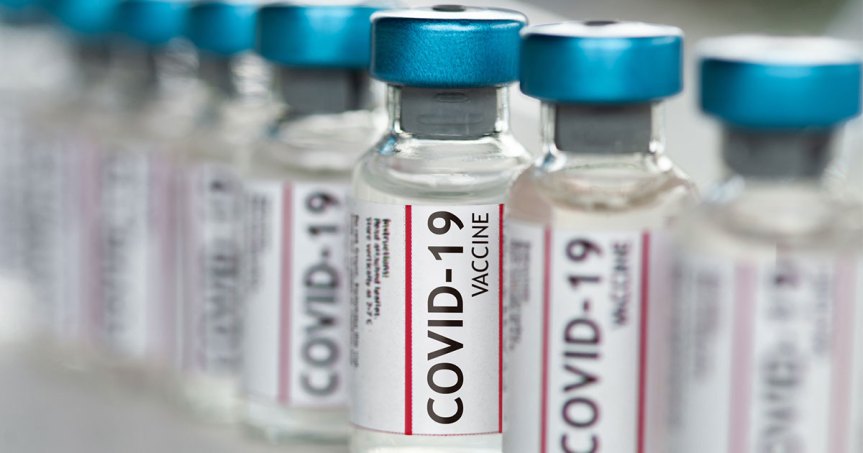
HOW VACCINE WORKS ?

This pandemic has taught us many things, and right now in India as well as in World every other person is talking about vaccines, what are vaccines, how much time is require for development of vaccine including all trails , and how do they work ?

So, for now I would like to answer one of most frequently asked question HOW VACCINE WORKS ? well, for understanding the working of vaccine we must know what is vaccine ?

A vaccine is part of a germ that is exposed to your immune system in a safe way so that it can learn how to fight off that harmful pathogen and protect your body from it in the future. Basically it provides us immunity.

Well let’s see what exactly happens when you get vaccinated

When you get a vaccine, your immune system responds to the vaccine just like real germs.

i. The germs contained in the vaccine are identified as foreign.

ii. The vaccine produces and reacts with antibodies similar to real germs.

iii. Remembering how to destroy germs. If you come in contact with pathogenic germs at any time in the future, your immune system can quickly destroy it before it has a chance to make you sick. This is how you get immunity from vaccines

HOW VACCINE WORKS ?

A vaccine works by training the immune system to detect and protect against viruses or bacteria. To do this, certain molecules from the pathogen must enter the body to boost the immune system. These molecules are called antigens and are found in all viruses and bacteria. If a bacterium or virus reappears, the immune system immediately recognizes the antigen and attacks the disease well before the pathogen spreads.

Vaccines don’t just work on an individual level, they protect entire populations. Once enough people are immunized, opportunities for an outbreak of disease become so low even people who aren’t immunized benefit. Essentially, a bacteria or virus simply won’t have enough eligible hosts to establish a foothold and will eventually die out entirely. This phenomenon is called “herd immunityor “community immunity,” and it has allowed once-devastating diseases to be eliminated entirely, without needing to vaccinate every individual.

So, for now I have only one request that is ”PLEASE GET VACCINATED”, it’s totally safe.

Business and management related topics

INTRODUCTION:-

Business management involves the supervision, organisation and coordination of business resources and operations to achieve specific objectives.Managing yourself: introduction to management and leadership styles. Managing money and key financial concepts, including the implications of various sources of finance and the relative importance of cash flow and profit. Managing people, stakeholder management and professional communication.

Topics Of Business AND Management:-

* Advertising

* Business Planning

* Business Planning Guides

* Business Structure

* Business Structure

* E-Commerce

* Employment Issues

* Energy Topics

* Financial Management

* Integrating Business and Family

* Inventory Control

* Insurance

* Legal Issues

* Marketing

* Market Research

* Merchandising

* Packaging

* Pricing

* Record Keeping

* Risk Management

* Self-Employment Assessment

* Social Media

* Taxes

* Time Management

1. Advertising:-

Advertising — A fact sheet on advertising your business from the U.S. Small Business Administration.
Advertising (PDF) — Another advertising fact sheet from U.S. Small Business Administration.
Advertising — A PowerPoint presentation on advertising by Rutgers University Cooperative Extension.
Advertising Topics — A variety of advertising topics for agricultural business owners.
Online Advertising — Tips on online advertising by the U.S. Small Business Administration.

2. Business Planning:-

Business Planning — Business planning fact sheet by Penn State University.
Business Planning Workbook — Business planning resources for small farmers from the University of Maryland.
Business Plans Made Simple  — A six-page fact sheet on how to write a business plan for your small business from the Nevada Small Business Development Center.
Economic Analysis of a New BusinessDoing It Right — An eight-page fact sheet on conducting an economic analysis of your new business from Kansas State University Research and Extension.
Market Planning for Value-Added Agricultural Businesses (PDF) — A 53-page market planning guide and workbook from the University of New Hampshire.
Plan Your Farm — Business planning tools for small-scale farmers from Cornell University.
Restaurant Start-Up Profile (PDF) — A 51-page fact sheet on starting-up your own restaurant from the Illinois Institute for Rural Affairs.
Starting a Business — A fact sheet on starting a home-based business from the Iowa Small Business Development Centers.
Starting a Business in Your Home: Weighing the Pros and Cons — A four-page fact sheet on the pros and cons of starting a home-based business from UMaine Extension.
Starting a Home Business — An eight-page fact sheet on starting a home-based business from UMaine Extension.
Starting a Successful Catering Business (PDF) — A six-page fact sheet on starting a catering business from Virginia Cooperative Extension.
Starting Your Own Business (PDF) — A four-page fact sheet on starting your own business from the University of Wisconsin Extension.
Ten Frequently Asked Questions for Micro and Home Based Business Start-Ups — A four-page fact sheet on micro and home-based business start-ups from the Oklahoma Cooperative Extension Service
Writing a Business Plan (PDF) — A six-page fact sheet on business planning by the University of Tennessee.

3. Business Planning Guides:-

Business Plan Guide — Guide with worksheets to assist in developing your business plan from the Massachusetts Small Business Development Center Network 
Business Planning — A guide for writing farm-based business plans from Cornell University.
Business Planning for the Agriculture Sector: A Guide to Business Plan Development for Start-up to Mid-Size Operations — A book to help agricultural business operators and a full fledged business plan from Cornell University
Business Plans and Profiles Index — A subject guide to sample business plans and profiles for specific business types from Carnegie Library.
Developing a Bed & Breakfast Business Plan — A 98-page fact sheet on creating a bed and breakfast business plan from Illinois Extension.
Developing a Business Plan for Value-Added Agricultural Products — A four-page fact sheet on developing a business plan for value-added agricultural products from Oklahoma State University
Landscape Business Planning Guide — How to develop and implement a well-defined business strategy from Cornell University
Online Business Planning Software —  A free business planning software tool for agricultural and natural resource businesses from the University of Minnesota.
Sample Business Plan: Moose Mountain Cafe — Sample plan for a cafe business from New Hampshire Small Business Development Center.
Sample Business Plans — A selection of business plans to assist in the wording of your own plan from Michigan Small Business & Technology Development Center.
Sample Business Plans — A list of business plans to assist in drafting a plan for your business from the Small Business Development Center Network.
Sample Business Plans — Sample business plans for a wide range of businesses.
Scaling Up for Regional Markets — Scaling up for regional markets tutorial by ATTRA.

4. Business Structure:-

Choose Your Business Structure — A fact sheet written by the U.S. Small Business Administration.
Determine Your Federal Tax Obligations — A fact sheet on what form of legal entity you should use from the U.S. Small Business Administration.
Farmers’ Guide to Business Structures — A SARE publication outlining the various forms of business structures available to farmers’ and small businesses.
How to Organize Your Business — A six-page fact sheet on how to organize your home-based business from UMaine Extension.
Selecting an Organizational Structure for Your Small Business — A four-page fact sheet on structuring a small business from Montana State University.
Starting, Operating, or Closing a Business — Web links to a new business checklist, selecting a business structure, employees, deductions, recordkeeping and accounting methods, and FAQs from the IRS.

5. Customer Service:-

Customer Service — Customer service video by the U.S. Small Business Administration.
Focus on Customer Service — A Colorado State University Fact Sheet on improving your service to customers.
Obtaining Referrals to Increase Sales — Methods of gaining referrals in the sales industry from the University of Florida Extension.
So You’re in Sales — A six-page fact sheet on customer service for your home-based business from UMaine Extension.
The Customer is Still King — University of Maryland Extension bulletin on customer service.

6. E-Commerce:-

Creating Valuable Content that Converts — Recorded webinar exploring ways to improve the online presence for small businesses from eXtension.org.
Email Marketing — A fact sheet for eMarketing from the U.S. Small Business Administration.
Five Key Ingredients in Creating a Small Business Website — An article about creating a website for your small business by the U.S. Small Business Administration.
Maps, Apps and Mobile Media Marketing — Recorded webinar exploring a variety of ecommerce tools for your business from eXtension.org.
Selling On-line — A 24/7 Opportunity – Factors to consider in starting an on-line business by the University of Maryland Extension.
You are Here — Recorded webinar exploring mapping tools for small businesses from eXtension.org.

7. Employment Issues:-

Charming the Worker Bees — A fact sheet on employee compensation from the Iowa Small Business Development Center 
Communication on the Job for Employees — A four-page fact sheet on communication for employees from the Alabama Cooperative Extension System.
Communication Skills for Daily Use at Work — A four-page fact sheet on communication skills at work from the Alabama Cooperative Extension System.
Developing and Implementing Sound Hiring Practices — A ten-page fact sheet on hiring procedures and practices from Purdue University Cooperative Extension.
Evaluating Employee Performance — A fact sheet from eXtension.org.
Great Employees Require Great Employers — A fact sheet on recruiting employees from the Iowa Small Business Development Center
Independent Contractor or Employee? — A fact sheet from the Internal Revenue Service.
Managing Employees — A fact sheet on employees from the U.S. Small Business Administration.
Orientation and Training of New Employees (PDF) — A fact sheet from North Carolina State University Cooperative Extension.
Overtime Rule — (Maine DOL Information and Resources). Maine Department of Labor information about the new overtime rule.
Recruiting and Retaining Employees — A video from the U.S. Small Business Administration.
Writing Effective Job Descriptions — A fact sheet from the U.S. Small Business Administration.

8. Energy Topics:-

Saving money through energy conservation and alternative energy sources — Energy saving tips for the homeowner, traveler, and business owner. Includes video how-to from UMaine Extension.
Efficiency Maine Business Program — Save energy and money and improve the environment from Efficiency Maine.

9. Financial Management:-

Balance Sheet Template — An Excel spreadsheet from the Maine Small Business Development Center.
Benchmark Data — 2015 Farm Credit East financial benchmark data for selected natural resource-based industries.
Break-Even Analysis Template — An Excel spreadsheet from the Maine Small Business Development Center.
Capital Sources for Your Business — A six-page fact sheet on finding capital sources for your business from UMaine Extension.
Cash Flow Template — An Excel spreadsheet from the Maine Small Business Development Center.
Developing an Income Statement (PDF) — A fact sheet from Oklahoma State University Extension.
Managing a New Business: A Beginner’s Guide to Financial Concepts and Tools — A 16-page fact sheet on successful small business management from Oregon State University.
Preparing Financial Statements — A fact sheet from the U.S. Small Business Administration.
Profit and Loss Template — An Excel spreadsheet from the Maine Small Business Development Center.
Setting Up Your Own Business: Financing Your Business — A three-page fact sheet on financing your business from the University of Nebraska – Lincoln Extension.
Setting Up Your Own Business: Monitoring the Health and Growth of Your Business — A six-page fact sheet on using financial statements to measure the health and growth of your business from the University of Nebraska – Lincoln Extension.

10. Integrating Business and Family:-

Setting Personal, Family and Business Goals for Business Success — from Iowa State University.

11. Inventory Control:-

Managing your Inventory — A fact sheet on stock control in your small business from the Iowa Small Business Development Center 

12. Insurance:-

Agricultural Business Insurance — A fact sheet on insurance options for farm businesses from Penn State University.
Business Insurance: The Basics — When considering business insurance, business owners should start with the basics from the Missouri Small Business development Centers.
Get Insurance — What type of insurance to get for your business from the U.S. Small Business Administration.
How to Insure Your Business — 4-page fact sheet covers insurance types, state laws, insurance options and steps to setting up an insurance program from UMaine Extension.

13. Legal Issues:-

Avoiding Patent, Trademark and Copyright Problems — An eight-page fact sheet on how to avoid patent, trademark and copyright problems from the Nevada Small Business Development Center
Copyright Basics — A fact sheet on dealing with copyright issues from the Iowa Small Business Development Center
Deciding if Bankruptcy is an Option for You — Information about bankruptcy options provided by the Virginia Cooperative Extension.
Patents, Trademarks and Copyrights — U.S. Small Business Administration video on intellectual property protection.
Taxes and Permits — A six-page fact sheet on taxes and permits for your home-based business from UMaine Extension.

14. Marketing:-

Building Your Brand During a Downturn — Fact sheet on branding from the Missouri Small Business & Technology Development Centers.
Developing a Sensible and Successful Marketing Attitude — A five-page fact sheet on general marketing principles from Purdue University Cooperative Extension.
Developing and Implementing a Successful Marketing Plan — A five-page fact sheet on developing and implementing your marketing plan from Purdue University Cooperative Extension.
Direct Marketing of Farm Produce and Home Goods (PDF) — Direct marketing alternatives and strategies for beginning and established producers.
Food for Profit: Marketing Your Food Product — A fact sheet on the basics of marketing food products profitable by Penn State University Extension.
Is There a Market for My Product or Service? — A fact sheet on marketing techniques for growing businesses from the Iowa Small Business Development Center
Marketing Specialty Forest Products (PDF) – A fact sheet discussing was entrepreneurs can market their specialty forest products by the University of Nebraska.
Marketing Strategies to grow your business — A fact sheet on understanding marketing for small businesses from Penn State University.
Marketing: What Needs to be Done — An eight-page fact sheet on marketing from Kansas State University Research and Extension.

15. Market Research:-

A Do-it-Yourself Approach to Market Research — A fact sheet on conducting market research from MissouriBusiness.net.
Building Healthy Communities: Analyzing Local Markets — An eight-page fact sheet on analyzing local markets from Kansas State University Extension.
Demographics and Lifestyle Analysis — A fact sheet from the University of Wisconsin Cooperative Extension.
Estimating Retail Market Potential — A four-page fact sheet on estimating retail market potential for your home-based business from UMaine Extension.
Marketing Research for Entrepreneurs and Small Business Managers (PDF) — An eight-page fact sheet on market research for small businesses from Montana State University Extension Service.
Market Research: Surveying Customers to Determine Their Needs — A two-page fact sheet to aid in conducting your market research from the University of Wisconsin Extension.
Micro and Home-Based Businesses: Market Research — A six-page fact sheet on market research from Oklahoma State University Extension
Tradeshow Marketing — A fact sheet to help prepare for trade shows from the U.S. Small Business Administration.

16. Merchandising:-

Merchandise Presentation for Agricultural Businesses — A Penn State University publication on food product merchandising.

17. Packaging:-

The Role of Packaging in Society and the Environment — Understanding the types of packaging and the purpose from the University of Florida.

18. Pricing:-

How to Price Your Products and Services — A four-page fact sheet on pricing your products and services from the Iowa Small Business Development Center
Introduction to Pricing — A U.S. Small Business Administration resource to sound pricing strategies.
Micro and Home-Based Business Product Pricing — A four-page fact sheet on pricing for micro and home-based businesses from Oklahoma Cooperative Extension Service
Smart Pricing Strategies — A fact sheet on pricing from the Virginia Cooperative Extension.
Understanding Pricing Objectives and Strategies — A publication on pricing strategies for the value-added agricultural producer.

19. Record Keeping:-

Financial Statements — A fact sheet describing the balance sheet, income statement, and the cash flow statement from UMaine Extension.
Ratio Analysis — A fact sheet on using ratios to analyze your business performance from UMaine Extension.
Recordkeeping — A fact sheet from the U.S. Internal Revenue Service.
Record Keeping for a Small Business — A Powerpoint Presentation on basic recordkeeping from the U.S. Small Business Administration.
Record Keeping for Profit — A six-page fact sheet on record keeping for your home-based business from UMaine Extension.
Records — A fact sheet on tips for successful record keeping from UMaine Extension.
Setting Up Your Own Business: Records and Bookkeeping — A six-page fact sheet on records and bookkeeping for your small business from the University of Nebraska-Lincoln Extension.
The Projected Cash Flow Statement — A fifteen-page fact sheet on developing a projected cash flow statement from Purdue University Cooperative Extension.

20. Risk Management:-

Risk Management Agency Homepage — Website listing of resources related to risk management in Agriculture from the United States Department of Agriculture Risk Management Agency.
The Ag Risk Education Library — Risk Management Education Center from the University of Minnesota.

21. Self-Employment Assessment:-

Self- Assessment Checklist (PDF) — A self-assessment tool from the Nevada Small Business Development Center.
Small Business Readiness Assessment Tool — Take a test to see if you are ready to start your own business from the U.S. Small Business Administration.
Starting and Managing a Business — Programs and services to help you start, grow and succeed from the U.S. Small Business Administration.

22. Social Media:-

Getting Down to Business with Social Media — Recorded webinar exploring the use of social media in your business from eXtension.org.
How to Use Social Media for Your Farm Business(PDF)— A workbook designed to help you better understand how to use social media marketing in your farm business.
Intro Social Media for Small Business — Introduction to using social media in small business from the Alabama Cooperative Extension System.
Social Media and Internet Marketing — Social media and Internet marketing for small business from SBDC.NET.
Social Media for Agricultural Businesses: Blogs — A Penn State University publication about using Blogs as a marketing tool in your business.
Social Media for Agricultural Businesses: Facebook — A Penn State University publication about using Facebook as a marketing tool in your business.
Social Media for Agricultural Businesses: Twitter — A Penn State University publication about using Twitter as a marketing tool in your business.
Using Facebook to Grow Your Farm Business — A webinar that will teach you how to use Facebook to help market your farm business.
Using Social Media to Grow Your Farm Business — A webinar outlining strategies for using social media to help market your farm business.

23. Taxes:-

Business Use of a Car — A fact sheet from the U.S. Internal Revenue Service.
Filing and Paying Taxes — A fact sheet from the U.S. Small Business Administration.
IRS Checklist for starting a business — Start up checklist for small businesses from the IRS.
Self-Employed Individuals Tax Center — Basics on self-employment, filing requirements, and reporting responsibilities for independent contractors from the IRS.
Small Business and Self-Employed Tax Center — One stop resource assistance center for filing your business returns from the IRS.
Taxes and Permits — A six-page fact sheet on taxes and permits for your home-based business from UMaine Extension.

24. Time Management:-

7 Leaders Share Insights About Work-Life Balance — A Syracuse University publication offering seven time management tips for balancing work and life.
Managing Time in the Workplace — A four-page fact sheet on learning to manage time from the University of Florida.
Ten Strategies for Better Time Management–A fact sheet written by the University of Georgia Extension.
Time Management for a Small Business (PDF) — A time management guide from the U.S. Small Business Administration.

25. Branding:-

Branding Power Video — Proper branding creates an anchor in the customer’s mind which can be triggered by recurring events. When you really, really build a brand, every time that somebody has that recurring need in their life, your product is what is going to pop in their mind and that is what branding is.
Marketing Your School Foodservice DVD & Guide — Join FAME’s Golden School Foodservice Director of the Year, Jean Ronnei, and foodservice branding guru, Tom Whitney, for a step-by-step guide to marketing and branding your school foodservice program.
Accelerate Your Business — How can any organization consistently improve its most important desired outcomes, and do it in a way that is sustainable? In the end, it comes down to mastering simple, practical processes that can be repeated over and over again. In this content-loaded seminar.
Reference Link:
https://extension.umaine.edu/business/library/small-business-management-topics/

The Power of Giving

GIVING IS GOOD!

Note: I recently shared this only with the readers of my newsletter. I thought I’d post it here too.

Have you heard the reciprocity principle in social psychology?

It’s a social rule that says people give back what they receive, it was popularized by Robert Cialdini in his book Influence. Everyone has been in that type of situation.

When you feel obligated to invite that annoying colleague for your birthday, it’s because he/she invited you as well. And you feel like you have to return the favor, right?

Reciprocity is a common technique used by marketers. It’s about giving with the expectation that you get something back.

Altruism is different. Which is basically giving for the sake of giving. You don’t expect anything in return.

And then there’s reciprocal altruism (originally a term from evolutionary biology), which is what most thought leaders use. People have different terms for it. 

It comes down to this: Give more than you ask. 

I like that idea for three reasons.

  1. Giving is an excellent way to demonstrate your expertise and skills. That makes it easier for people to hire you or buy your products.
  2. Giving is a way to stand out from the crowd.
  3. Giving is a win-win situation.

The first point is straightforward. You don’t ask someone to sleep with you on the first date, right?

You also don’t get a promotion without adding value.

Or, you don’t just buy a book from any author. It’s only after you’ve read multiple articles or signed up for the newsletter before you consider purchasing the book.

Second, we live in a selfish economy. It’s always about me, me, me. People want to sell you all kinds of stuff you don’t need. And they pretend they are giving. But that’s not true.

They’ve read some marketing books and try to use ‘giving’ as a sales technique. We see through that because it’s not authentic. Now, it’s totally different when you give without expecting something in return. When you do that, you truly stand out from the crowd.

The third point is often overlooked (the win-win of giving). When I write articles, It’s not only about marketing or giving, it’s also a way to improve my skills.

It’s a true win-win situation. You get a free article with value. And I improve my thinking, analyzing, and writing skills.

That’s why Seth Godin, one of the most well-known marketing thinkers, recommends everyone to blog for that reason. I agree.

No matter what you do, there’s one thing you always want to keep in mind. I learned this from my mentor: Life is business.

So always remember why you do what you do. And never forget to ask.

  • Do you blog to get more freelancing clients?
  • Do you do free consulting because you want to get into a new market?
  • Do you work for free because you want to learn more?

There has to be a reason behind what you do. Otherwise, you’re wasting your time.

That’s also a basic idea I learned from pragmatist philosophy.

Never forget that nothing in life will happen by itself.

You can’t assume people will always give back. After you give, give, give: Ask.

  • If you want a promotion: Ask.
  • If you want people to buy your book: Ask.
  • If you want someone to hire you: Ask.

When you do that, you get a great economy. People give and take. But not everyone does that.

Most people prefer to take, take, take. That means if you do give, you stand out.

Do you see? When you give more than you take, you will receive more eventually. It’s not about altruism, it’s not about changing the world. It’s about creating a win-win situation.

That’s the true power of giving. Try it.

Impact of E-Learning on Students

COVID-19 has challenged the physical health as well as the mental health of people. The children and the elderly are the ones most affected. The pandemic has brought a lot of changes in the lives of almost every individual. From working on your desk to working from the comfort of your, everything has flipped. Everybody’s life has been impacted by the sudden arrival of the pandemic. Working from home, which was initially feeling comfortable has now become bored and irritating. Even the students have lost interest in their online classes.


Earlier children had the access to playgrounds to play with their friends, which has now been limited to the boundaries of their homes because of the coronavirus, due to which the screen time of children has increased. Playing outdoors kept them physically fit and mentally healthy.
The children are becoming irritated and moody being inside their home for such a long time. To keep up their mood, the children have to resort to mobiles and laptops; to play games, watch videos and shows. This has increased their screen time, which has further led to other issues.

Constantly using gadgets and glaring on the screen affects eyesight. Which can lead to blurry vision, and in severe cases can even lead to partial or complete blindness. The screen radiates blue light, which also hampers sleep.

Schools, universities, and colleges are places where the students not just study, but also interact with their peers and dwell together. They don’t just grow here intellectually but also culturally and morally through various activities taking place; contributing to their holistic development.

Be it, school-going children or college students, all have to be on their phones and laptops for their online classes because of the inability to resume on-campus learning due to COVID-19. Initially, online classes seemed interesting as it was a change in the conventional education process. But lately, students have become bored and have lost interest in their studies, as it has become a monotony now.

Students’ sleep cycle has been impacted a lot. The overuse of phones has impacted their quality of sleep and resulted in either too little sleep or too much sleep. The students from the underprivileged areas are unable to attend their classes properly due to bad network quality. This is stressing them out and taking a great toll on their mental health.

Students are overly stressed about whether they would be able to graduate on time or not as many institutions postponed their exams. This is a concern for the timely completion of their degrees, which decides their further step; be it getting into a university for their higher studies or getting into a job.

Stress and anxiety have become a problem in students, which is a reason for their distraction and reduced concentration level. Online classes are also causing social isolation, which is also triggering stress in the students. Lack of communication is causing them distress. Procrastination has become another issue among the students, which is resulting in lower grades.

The students are facing various issues. However, the educator’s and parent’s support can lower the negative impact due to the pandemic through proper communication and guidance.

Brihadisvara temple, Tamil Nadu

This temple is a perfect illustration of the great heights achieved in the field of architecture by the Chola rulers. It is a homage paid to Lord Shiva and is a display of power of Raja Raja Chola I. The temple is formed of 130,000 tons of GRANITE.

Granite is the best-known igneous rock. The rock is rich in quartz and feldspar; it is the most common plutonic rock of the Earth’s crust, forming by the cooling of magma at depth. The looks obtained from using this stone are versatile. Granite can withstand heat up to 1200 degrees Fahrenheit. Granite is a highly durable siliceous stone. Many of the lighter granite do need to be sealed because the crystals are larger.

Brihadeeswarar Temple is also widely known by name of ‘Big Temple’. This temple completed its 1000 years in the year 2010. The temple is fortified. A long associated myth with this temple temple is that the shadow of the main structure does not fall on the ground. However, this has been proven wrong by scientists. Brihadeeswarar temple, also known as the Tanjore big temple expounds the number of alphabets in Tamil by the distance and height it is designed. The statue of Nandi at the entrance of the temple is carved out of a single stone.

The lingam is often represented as resting on disc shaped platform called a linga on a peetham. An elliptical figure placed atop a circular base called ‘peedam’ also called as “Peetham”.

MODE OF TRANSPORTATION-

1) BY AIR

The nearest airport to Brihadeeshwar Temple is the Tiruchirapalli Airport (65 kms).

2) BY ROAD

Thanjavur can be easily accessed from the nearby cities through bus. There are frequent government and private buses running to Thanjavur throughout the day.

3) BY RAIL

Thanjavur is the nearest railhead tothis temple.

Information about bank . Its origin , history ,types and functions .

(Sample information about bank for project assignment .)


Introduction :-

Chamber’s Twentieth Century Dictionary defines a bank as an ” institution of keeping , lending and exchanging etc. of money .”


Banks play an important role in financial stability and the economy of a country.
It is a financial institution that accepts deposits from the public and creates a demand deposit while simultaneously making loans.


The word has it’s origin from Old High Germanic origin banc, banke meaning “bench, counter”. Though some people trace its origin from the French word “Banque “.and the Italian word ‘Banca.


History of banking :-


The First stage of banking system :-

It was a merchant banker who first established the system of banking by trading commodities rather than money . Their trading activities required the remittances of money from one place to another ,for this they issued “ hundis “( letter of transfer ) to remit the funds . In India such merchant bankers were known as “Seths
Although , before 1640 the practice of self saving and self keeping were found in the temple of Babylon .

The Second stage :-

The next to merchant bankers in the establishment of the banking system were goldsmiths . The goldsmith started charging something for taking care of money and bullion . He started issuing receipts as evidence for receiving valuables . He started lending gold and silver as there were no marks of the owner .
Goldsmith receipts became like cheques as a medium of exchange and a means of payment.

The Third stage :-

Next to the goldsmith were moneylenders to strengthen the growth of the banking system.The moneylenders became the bankers who started performing the two functions of modern banking ,that is accepting deposits and advancing loans .


The first bank called the ‘Bank of Venice ‘ was established in Venice , Italy I’m 1157 to finance the monarch in his wars .
But modern banking began with the English goldsmith’s after 1640 . The first bank in India was the ‘Bank of Hindustan ‘ started in 1770 by Alexander & Company; an English agency house in Calcutta .
But the first bank in the modern sense was established in the Bengal Presidency as the Bank of Bengal in 1806.


Definition :-

Many Economists have defined banks highlighting its various functions .

According to Crowther , ” The banker’s business is to take the debts of other people to offer his own in exchange ,and thereby create money “.

Kent defines a bank as ” an organ whose principal operations are concerned with the accommodation of the temporarily idle money of the general public for the purpose of advancing to others for expenditures “


Sayers define bank as ,” Ordinary banking business consists of changing cash for bank deposits and bank deposits for cash ; transferring bank deposits from one person or cooperation ( one ‘depositor ‘) to another ; giving bank deposits in exchange for bills of exchange , government bonds , the secured or unsecured promises of businessmen to repay etc. ” .


Cairn Cross stated bank as ,
“ Bank is a financial intermediary institution which deals in loans and advances”.


In words of P.A. Samuelson ,
“ Bank provides service to its clients and in turn receives perquisites in different forms. ”


Indian Company Law 1936 defines Bank as
“ a banking company which receives deposits through current account or
any other forms and allows withdrawal through cheques or promissory notes “.


Thus , a bank is an institution which accepts deposits from the public and in turn advances loans by creating credit . It is different from other financial institutions as other institutions do not create credit .


Types of Bank :-


Banks can be classified on the basis of :-
functions , consumer , structure , ownership and organisation .

The above flow chart shows various classification of banks .


Functions of bank :-

Bank as an institution of keeping , changing , lending and creating money , performs various functions all together .


Functions of bank are divided into two categories :-

1:Primary functions.

2:Secondary Functions


Primary Functions of Bank :-

Primary function of bank include major two functions :-

A:-. Accepting of deposits
B:- Advancing loans .


A:- Accepting deposits :-

This is the oldest function of a bank. While banking was developing into an institution bankers used to charge a commission for keeping the money in its custody .
Accepting of Deposit is considered to be the fundamental function of a bank . The bank accepts the deposit by the public , guaranteeing safety and interest .

Banks accept different types of deposits from the public . These deposits can be divided as the following :-

1: Saving Deposits :-

Saving deposit is a deposit on which the bank pays small interest to the depositors who are usually small savers . The process of opening the account for saving deposits can be said as a plain sailing process . It can be opened in a single name or in joint names. The depositors just need to maintain minimum balance . This type of deposit is suitable for small savers and wage earners .Such deposit encourages saving habits among the public. The rate of interest is low and there is no restriction on the number and amount of withdrawals.

2:Fixed Deposits:

Fixed deposits are mainly for savers who do not need money for stipulated periods from 6 months to longer periods ranging up to 10 years or more. Money is deposited for a fixed tenure . Bankers pay higher rates of interest on such deposits and the rate increases with the length of the time period of the fixed deposit But there is always a limit of the interest rate which can be paid .
There is no withdrawal money allowed during the maturity period . In case depositors withdraw before maturity, banks levy a penalty for premature withdrawal.

3:Current Deposits:

Businesses keep deposits in their current account . They can withdraw any amount standing to their credit in current deposit by cheques without notice . These deposits act as a short term loan to meet urgent needs. The bank does not pay interest on such accounts but charges a high-interest rate along with the charges for overdraft facility on a nominal sum for services rendered to its customers.

4:Recurring Deposits:

This type of deposit is mainly made by salaried paid persons or traders . Certain amount of money is deposited in the bank at a regular interval. Money can be withdrawn only after the expiry of a certain period. A higher rate of interest is paid on the deposit .


B:- Advancing Loans.

Another of the primary functions of a bank is to advance loans to its customers .A bank earns profit and carries on its business by lending a certain percentage of cash lying in deposits at a higher interest rate than it pays on such deposits.
Bank offers the following types of Loans and Advances:-

1: Cash Credits:

The bank advances loans to businessmen or individuals against certain specified securities .i.e against mortgage of certain property tangible assets or guarantees. It is a short term loan facility up to a specific limit . Cash credit can be given to any type of account holder as well as to those who do not have an account with a bank.
The amount of the loan is credited to the current account of the borrower . Interest is charged on the amount withdrawn . The borrower can withdraw cash through cheques according to his requirements.


2:.Call Loans :-


These are very short term loans advanced to bill brokers for not more than fifteen days . They are advanced against first class bills or securities . Such loans can be reduced at very short notice .


3: Bank Overdraft:


A bank often permits to draw cheques for a sum greater than the balance lying in his current account . This is done by providing the overdraft facility up to a specific amount . This facility is for current account holders. The interest for overdraft is paid only on the borrowed amount for the period .An overdraft facility is granted against collateral security.

4: Discounting the Bill of Exchange:

It is a type of short term loan, where the bank provides money to the creditor holding a bill of exchange by discounting the bill of exchange . The bank gets the payment on maturity of the bill from the drawee or acceptor of the bill .


Secondary Functions of Bank:-

Secondary functions of the bank have the same level of importance as the primary function. The secondary functions are also classified into two parts:

A:- Agency functions
B :- Utility Functions


A:- Agency Functions of Bank

The bank provides various Agency services to its customers . Banks are considered as agents for their customers .
Various Agency services of bank include :-

• Transfer of Funds that include mobilising of funds from one branch/place to another .

• Collection and Payment :-
of dividend, salary , pension , rents , electricity bills , bills of exchange , the money of the cheques through the clearing section of the customer’s.

• Bank also buys and sells the shares and debentures of the clients and debits or credits the account. This is known as portfolio management.

• Bank acts as an income tax consultant to its clients as well as acts as a trustee and executor of property and will of its customers.


(For some services the bank charges a normal fee while it renders others free of charge .)


B:- Utility Functions of Bank

• Besides other services banks also perform a number of other services .
It acts like the custodian of the valuables of its customers by providing them lockers where they can keep their jewellery and valuable documents .

• It issues various forms of credit instruments such as cheques , drafts , travellers cheques etc which facilitate transactions.

• Bank also acts as a referee to clients and issues letters of credit.

• It also deals in foreign exchanges ,social welfare programmes, project reports etc.

• Banks also publish journals which provide statistical information about the money market and business trends of the economy .


Function that differs a bank to other financial institutions.

Other than the primary and secondary functions the most important function of a bank which distinguishes it with other financial institutions is the Credit Creation .

Credit creation :-

Credit creation is one of the most important functions performed by commercial banks. It separates a bank from other financial institutions . In simple terms credit creation is the expansion of deposits. A bank expands the demand deposit into multiple cash reserves as demand deposits are the principal medium of exchange.

In words of Newly ” Credit Creation refers to the power of commercial bank to expand secondary deposits either through the process of making loans or through investment in securities ”


Note :- the function of banks can be used in the sense of a commercial bank functions .

DENTAL HEALTH PROBLEMS

In the past few decades, our lifestyle has witnessed a momentous change. This transformation has put a significant strain on our dental health.

Oral health is the most neglected area of our overall health. It is a common misconception that brushing twice a day would keep all dental problems at bay. That is why most people do not know about others ways of dental care.

Oral health directly affects our overall health and quality of life. Our mouth is the threshold of our inner body. Every germ or bacteria that enter our body comes through our oral space. Therefore, to keep our body as fit as a fiddle we must ensure that our oral health is at par.

Most people consider tooth decay to be the only dental problem. However, there exist several dental problems that people must know.
The other dental health problems include:

SOURCE- PEXELS

TOOTHACHE DUE TO CAVITIES-


Tooth decay primarily happens due to unhealthy eating habits. Cavities or tooth decay are the areas in the tooth that have been decayed and have formed holes in them.
It happens when food, acids, or bacteria form a coating on your teeth called plaque. These acids start to eat away the enamel and the underlying tissue. If neglected it can permanently damage your teeth.

TEETH STAINING-


It is the most common problem people suffer all over the world. It is also caused by unhealthy eating habits. Consumption of tobacco, alcohol, or even smoking can lead to discoloration of the teeth.

GINGIVITIS-


Gingivitis is referred to as the inflammation of the gums. It occurs through the formation of plaque on one’s teeth due to poor dental hygiene.
Symptoms of Gingivitisincludes swollen and reddened gums. It also causes bleeding from the gums while brushing or flossing. If the disease is left untreated it leads to periodontitis, a more serious gum disease.

CHIPPED TOOTH-


Most of us have the habit of tearing and breaking things from our teeth. This sometimes causes the shedding of a part of the tooth.
A chipped tooth is categorized under the number 1 type of tooth injury. It is mainly caused by biting hard substances, or conditions like bruxism. It might also be caused due to accidents.

MISALIGNED TEETH-


This problem is also very common among people. Misaligned or crooked teeth cause jaw pain. This misalignment can also lead the food debris to get stuck in between the teeth and cause a dental problem.

So these were some other dental problems that need serious attention and treatment.

Treatment of OCD

Obsessive compulsive disorder (OCD) is a debilitating neuropsychiatric disorder with a lifetime prevalence of 2 to 3 percent and is established to be 10th leading cause of disability in the world. Patients with OCD experience recurrent, intrusive thoughts (obsessions) and/or repetitive, stereotyped behaviors (compulsions) that last for at least one hour per day and significantly interfere with the individual’s normal level of functioning. 

OCD was once thought to be extremely rare, but recent epidemiological studies have shown it to be the fourth most common psychiatric disorder.

OCD is often a chronic disorder that produces significant morbidity when not properly diagnosed and treated.

OCD can be treated. The treatment recommended will depend on how much it’s affecting your life.

These treatments can be very effective, but it’s important to be aware that it can take several months before you notice the benefit. A short course of therapy is usually recommended for relatively mild OCD. If you have severe OCD, you may need a longer course of therapy and/or medicine. 

The most effective treatments for OCD are called Exposure and Response Prevention (ERP), which has the strongest evidence supporting its use in the treatment of OCD, and/or a class of medications called serotonin reuptake inhibitors, or SRIs.  During ERP, anxiety and obsession-inducing stimuli are systematically presented in a controlled environment and patients are prevented from engaging in their usual compulsions. Exposure and Response Prevention is typically done by a licensed mental health professional (such as a psychologist, social worker, or mental health counselor) in an outpatient setting. Taken together, ERP and medication are considered the “first-line” treatments for OCD. About 70% of people will benefit from ERP and/or medication for their OCD. 

What if Outpatient ERP Hasn’t Worked? Are There More Intensive Options?

  • Traditional Outpatient – Patients see a therapist for individual sessions as often as recommended by their therapist generally one or two times a week for 45-50 minutes. 
  • Intensive Outpatient – Patients may attend groups and one individual session per day several days per week. 
  • Day Program – Patients attend treatment during the day (typically group and individual therapy) at a mental health treatment center usually from 9am – 5pm up to five days a week. 
  • Partial Hospitalization – Same as the Day Program but patients attend the treatment at a mental health hospital. 
  • Residential – Patients are treated while living voluntarily in an unlocked mental health treatment center or hospital. 
  • Inpatient – This is the highest level of care for a mental health condition. Treatment is provided on a locked unit in a mental health hospital on a voluntary or sometimes involuntary basis. Patients are admitted into this level of care if they are unable to care for themselves or are a danger to themselves or others. The goals of inpatient treatment are to stabilize the patient, which generally takes several days to a week, and then transition the patient to a lower level of care.

Other recommendations from the APA Practice Guideline, cite research showing that ERP delivered in a group format, as well as ERP therapy delivered via videoconferencing (teletherapy), might be effective. Also, there is some promising new research showing that Acceptance and Commitment Therapy may be helpful for OCD. 

OCD is a chronic and severe psychiatric disorder that is often incapacitating when left untreated. Patients suffering from OCD often attempt to hide their symptoms due to the embarrassing or disturbing content of their thoughts. Many individuals isolate themselves as a consequence of their symptoms and avoid their exposure to potentially anxiety-provoking situations. Unfortunately, there is often a long delay between the time when an individual develops OCD symptoms and when they first obtain treatment. Early diagnosis and treatment minimizes symptom severity and level of disability.

Why Competition Is Bad

In ancient times, the rules of nature were easy. If you didn’t compete for food, shelter or women, you would die. We still compete for those things, but the competition actually makes us weaker.

When we compete, two negative things can happen.

  1. We start imitating the competition
  2. We focus too much on our competitor, instead of our business

In our personal lives, we often imitate our competitors. We all compete on some level with colleagues, friends, and family. This will make you lose your identity and dignity. True power comes from within. Don’t compete with others. You don’t have to have a better car.

You can also apply this to business. When Microsoft and Google were focussing on each other, Apple became one of the biggest tech companies in the world. Microsoft dropped the ball because they only focused on Apple. In the meantime, Apple focused on innovation and creating value.

In life and business, it’s not a case of “best” so and so. That’s only true in sports. But in life, most things are subjective. Being different is what matters more. And in business, the ones who are first win.

Competition itself is bad because it’s not the point. Focus on the value that you add, not on how much better you are compared to someone else.

“Your competition is not other people but the time you kill, the ill will you create, the knowledge you neglect to learn, the connections you fail to build, the health you sacrifice along the path, your inability to generate ideas, the people around you who don’t support and love your efforts, and whatever god you curse for your bad luck.”
– James Altucher

How I Stay Positive

EVERYTHING MATTERS

One of my readers recently replied this to one of my weekly newsletter emails:

“How are you so positive?”

I thought to myself, “Haven’t I written about this before?” I went through all my articles and the answer is no. I have written about the importance of having a positive mindset a lot.

But after 6 years of blogging, this was the first time I got that question. And it’s so on point. Sometimes we take things for granted. Even though I’ve experienced many challenges in life (like almost every other human being), I never gave up my positive mindset.

Often, we look at the world and consider it negative. That’s not a surprise. Because taking one glance at a news website will make the steadiest person depressed. It happens to me too. But calling the world negative is a misjudgment.

That will only cause frustration. The Stoic philosopher Epictetus made that evident in his teachings, two thousand years ago (quote is from The Good Life Handbook):

“So when we are frustrated, angry or unhappy, let’s hold ourselves responsible for these emotions because they are the result of our judgments.”

The Stoic perspective is all about being objective in your perceptions. When your thoughts become negative “because” of something, you’re making misjudgments. Epictetus continues:

“No one else is responsible for them. When you blame others for your negative feelings, you are being ignorant. When you blame yourself for your negative feelings, you are making progress. You are being wise when you stop blaming yourself or others.”

Not blaming others nor yourself is one of the most important things if you want to stay positive. But there are also 4 other things I do to stay positive. Here they are.

1. Practice gratitude

Taking a few moments every day to write down a few things you’re grateful for changes your perspective. The funny thing about this practice is that when you read about it, you think, “It can’t be THAT effective!”

I was exactly the same. But once I started actively practicing gratitude, I felt more in control of my life. A while back, I stopped writing about the things that make me feel grateful. For the first few weeks, I didn’t feel any different.

But after a few months, I noticed that I complained more than usual. I was also more frustrated compared to before. When I started practicing gratitude again, I went back to being consistent. Consistently calm, that is.

Remember that you can also be grateful for things that you didn’t ask for. Be grateful for everything—even the bad things.

2. Don’t take it personally

A lot of our frustration comes from what other people do or say. “OMG! I can’t believe he said that! How does he dare?!”

Well, maybe it’s time to lighten up a bit. We overanalyze every single thing people say and do. Sometimes, people just do dumb things. Not everything people do is personal.

If you want to live a good life, you can’t take everything personally. Understand that there are more important things to life—things like your health, family, and career.

3. Let it out

I’m a big fan of processing your thoughts, experiences, and emotions. We all deal with difficult things in our lives.

A partner that doesn’t listen to you, colleagues who piss you off, a landlord that doesn’t fix the drain, the loud neighbors, you name it. No one’s life is perfect and tranquil.

That’s something we really need to understand. But that took me many years. I always thought that you could achieve some kind of magic place in life where you would have no stress and annoying responsibilities.

But then I grew up. Life is basically one challenge after the other. We can’t let that get the best of us. That’s why we need to let it all out.

All your anger, frustration, anxiety, insecurity—it needs to get out of your system. Whether you do that by journaling, talking to a friend, or going to therapy is your choice. Just make sure you don’t keep all those things inside yourself.

4. Focus on improvement

Look, life’s not always pretty. And we tend to overemphasize the bad times. When we experience a setback or negativity, we blow it up in our minds. “This is the worst thing ever.”

Think about it. Is it really? Or is there a way you can improve your life situation? Because that’s how I like to look at it.

Where you are now is a temporary situation. No matter how good or bad it is—this very moment will pass. Do you realize that?

Because if you do, you know that you have a chance to improve your life. And to me, that’s the best use of your time and energy.

Don’t spend one second on feeling sorry for yourself and focus on what you can do NOW to improve something about your life. It doesn’t even matter what it is.

Go for a walk. Take a shower. Shave. Start a journal. Fix something in your house. Write down some ideas. Set a goal.

You can even do those things while you’re feeling bad. Because that’s not the point. As am I writing this article, I’m not feeling well. I ate something bad two days ago, and I have food poisoning symptoms since yesterday morning.

I feel weak. And yet, I feel better mentally after I wrote this article.

In the back of my mind, I know I will recover. I understand this is a small example and much worse things happen in life. But when you practice a positive attitude on the small stuff, you will be better at dealing with the big stuff.

I like how Napoleon Hill, the author of the famous self-help book, Think And Grow Rich, put it:

“If you cannot do great things, do small things in a great way.”

It’s unquestionable: Doing small things will make you feel better. But you don’t need to believe me. Just go and do a small thing now and see it for yourself.

How to start coding? Part-2

This article is in continuation to How to start coding part-1. So now you have decided which programming language to choose from to starting coding. But here comes the tricky part, learning. There are again tons of resources available to learn from. But it is not humanly possible to scrap through all of those. So in this article, I will show you how you choose from the pool of resources available.

Youtube

The pre-eminent of all the resources, Youtube has “python programming” playlists that are quite lucid. These playlists/courses are free to watch. Similar to classroom learning experience from the comfort of your home, Youtube provides content that is worth laudable.

Python programming playlist

W3 Schools

If you are more into learning from reading rather than watching tutorials, then this site is the perfect place for avid readers like you. With laconic content, it will surely bolster your learning experience. The small bits of example try yourself will surely help you get your foundation laid.

W3 schools python

Python org

This official documentation of python also provides with lucid explanation for beginners. Along with the explanation, this site also has all the python version released ready to install on your system. Documentation, community, news, events, jobs, everything related to python under one hood.

Python org

The list does not end here. There are also other popular resources available. It is not feasible for me to cover all these. Hope you find all these resources useful.

Indian Education System

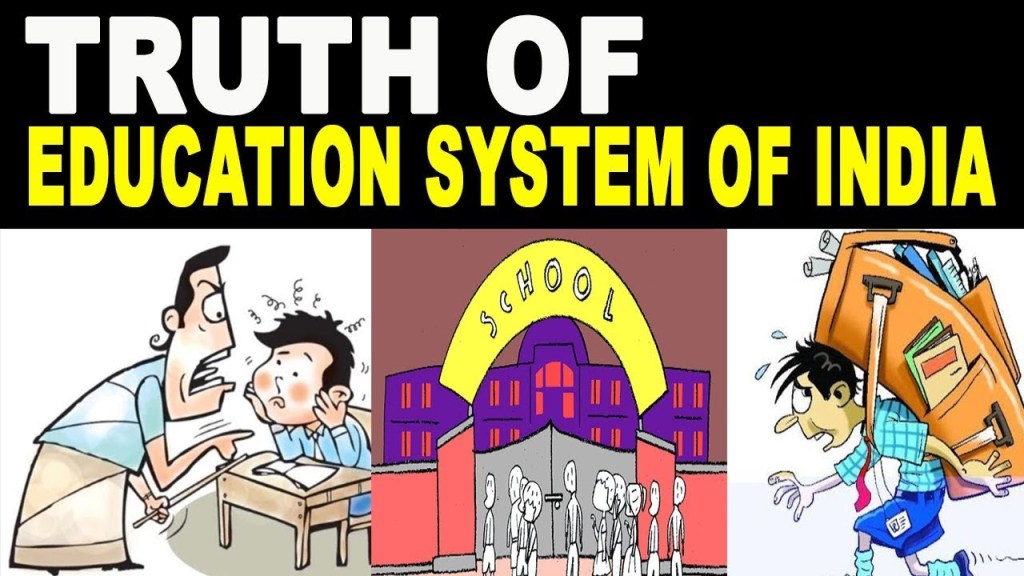
The Indian education system is quite an old education system that still exists. It has produced so many genius minds that are making India proud all over the world. However, while it is one of the oldest systems, it is still not that developed when compared to others, which are in fact newer. This is so as the other countries have gone through growth and advancement, but the Indian education system is still stuck in old age. It faces a lot of problems that need to be sorted to let it reach its full potential.

Problems with Indian Education System

Our Indian education system faces a lot of problems that do not let it prosper and help other children succeed in life. The biggest problem which it has to face is the poor grading system. It judges the intelligence of a student on the basis of academics which is in the form of exam papers. That is very unfair to students who are good in their overall performance but not that good at specific subjects.

Moreover, they only strive to get good marks not paying attention to understanding what is taught. In other words, this encourages getting good marks through mugging up and not actually grasping the concept efficiently.

Furthermore, we see how the Indian education system focuses on theory more. Only a little percentage is given for practical. This makes them run after the bookish knowledge and not actually applying it to the real world. This practice makes them perplexed when they go out in the real world due to lack of practical knowledge.

Most importantly, the Indian education system does not emphasize enough on the importance of sports and arts. Students are always asked to study all the time where they get no time for other activities like sports and arts.

How Can We Improve Indian Education System?

As the Indian Education System is facing so many problems, we need to come up with effective solutions so it improves and creates a brighter future for students. We can start by focusing on the skill development of the students. The schools and colleges must not only focus on the ranks and grades but on the analytical and creative skills of children.

In addition, subjects must not be merely taught theoretically but with practical. This will help in a better understanding of the subject without them having to mug up the whole thing due to lack of practical knowledge. Also, the syllabus must be updated with the changing times and not follow the old age pattern.

Other than that, the government and private colleges must now increase the payroll of teachers. As they clearly deserve more than what they offer. To save money, the schools hire teachers who are not qualified enough. This creates a very bad classroom environment and learning. They must be hired if they are fit for the job and not because they are working at a lesser salary.

In conclusion, the Indian education system must change for the better. It must give the students equal opportunities to shine better in the future. We need to let go of the old and traditional ways and enhance the teaching standards so our youth can get create a better world.

What problems does the Indian Education System face?

Indian education is very old and outdated. It judges students on the basis of marks and grades ignoring the overall performance of the student. It focuses on academics side-lining arts and sports.

How can we improve the Indian education system?

The colleges and schools must hire well and qualified teachers. They must help students to understand the concept instead of merely mugging up the whole subject.