“JULIUS CAESAR” biography

“Julius Caesar” was a Roman consul. He was born in Rome on 12 or 13 July 100 BC. His father’s name was Gaius Julius Caesar and mother’s name was Aurelia Cotta. His father was a politician after this sudden death of his father in 85 BC all the responsibilities fell on the 16 year old Julius.

At that time there was a civil war going between this uncle Gaius Marius and Lucius Cornelius Sulla. He was nominated to Peete new high priest and got married to Cornelia, daughter of Lucius Cornelius Cinna, Marius biggest ally. Sulla was victorious in the war and his new target was Ceaser. In a bid to save himself from Sulla, Ceaser decided to go to Asia for military service. He came back only after Sulla death he started his career as a prosecuting advocate and studied philosophy temporally in Rhodes. In 69 BC, he was elected the quaestor by the Assembly of people and later as curule aedile in 65 BC. He was elected as pontifex Maximus in 63 BC. In 59 DC elected senior consel of the Roman Republic by the centuriate assembly. He was in desperate need of the consul money and Pompey influence. Thus the informal union, called the first Triumvirate was formed. His discontentment led to the start of the Gallic Wars, in which remaining parts of France and Germania was annexed to Rome. He then waged wars against many other Nations. Altogether, Ceaser conquered 800 cities, subdued 300 tribes, sold a million slaves and had another 3 million killed in action.

Pompey married Cornelia Metalla, the daughter of Caesar’s greatest enemy Scipio. In 50 BC, Caesar was asked by the Senate and Pompey to resign, he refused and in order to avoid prosecution, he fled to Italy by crossing the Rubicon river and civil war broke out he marched his troop to Rome and conquered it in 49 BC and then spent the next 18 months fighting Pompey. Pompey fled to Egypt after being defeated by Caesar frightened that Caesar wood invade Egypt, the young Pharaoch, Ptolemy VIII, had Pompey killed and presented her head as a gift to caeser. After caeser was declared Dictator he established Police Forces, introduced land reforms, abolished taxes and re-established the tribune system. The Roman calendar was according to the movement of the Moon so Caesar changed it according to the sun’s moment just like the Egyptian. Even the Rome had its senate, the real power was with Caesar and they were scared of Rome being governed by a king Caesar did not wish to become the king but the fear of the republicans let the Senate to conspire against Caesar. On the ideas of March Caesar was assassinated by the senator’s. His second marriage was with Pompeia from 67 BC to 61 BC. He got married for the third time to Calpurnia Pisonis in 59 BC. ” IT IS EASIER TO FIND MEN WHO WILL VOLUNTEER TO DIE, THAN TO FIND THOSE WHO ARE WILLING TO ENDURE PAIN WITH PATIENCE” Said by “JULIUS CAESAR”.

Internships-What is expected vs What we get

Internships are an opportunity for the freshers to get an insight into the corporate world by performing assigned tasks and duties. They provide real world experience to the college students to prepare for their future.

Usually, internships are unpaid. Even then the students apply and work for the companies just to gain experience in a field (since jobs demand experience). However this is becoming a problem now. How ? Read on to understand the issues that both the students and the companies are facing.

Be it big or small, profitable or non-profitable; companies make a call for the interns whenever they need the workers. But the problem is that it is not easy to get an internship. Getting a good job was already a trauma but internships too are going the same way.

Students search for internships that address their concern. Majorly they require a good internship that offer a certificate of completion along with a letter of recommendation(LOR) to them while supporting skill development. Getting a paid internship is a feather in the cap. But it is becoming rare to have all these features in a single offer.

What is the issue about Internships ?

Aspirant’s point of view

  • The offered internships don’t match the requirements and those which match, are not offered to the aspirant.
  • The task or work is manual and doesn’t support individual growth.
  • LOR is not provided after completion
  • No skill development
  • Good internships demand good skills from the candidate- Those willing to learn it don’t get the opportunity
  • Fear of fraudpersonal info gets public through applications and resume
  • Full time work with no incentives gives pressure and tension
  • No direct communication
  • Some also require experience of work.

These are major issues faced by the interns applying for the internships which is why the employment rate is low even when the youth is ready to work. They work without being paid for the internships, with full dedication, just to gain some experience for jobs but the sad part is that the internships have also put forward the requirements of experience in various fields. Now, where would people go to learn something new! Of course they need practical knowledge since the books only cannot guide in how to fix a place for yourself in the world. You definitely need some practical knowledge and experience of the operations in this world.

Employers’ point of view

The companies want those individuals in their organisation who are capable of handling its daily operations, deal with clients, manage funds, etc. For this they seek good interns with proven ability of handling tasks and complete work on time. No firm hire people who don’t know about the corporate world or doesn’t have advanced knowledge since their aim is to succeed, not to teach.

This makes up the gap between the job seekers and givers. The givers are either too expecting or are underestimating the potential of the applicants whereas the seekers are either not interested in the job or they don’t have the required skills.

What is the need of the hour is that there must be a platform where the focus is on skill development without pressurizing the people. The aim should be to make the youth capable of working in the corporate world. Also, the firms should volunteer such programmes where the interns be provided with proper training and incentives while working. This would ultimately increase the worth of the organisation, both economically (through trained individuals) and socially (by working for the welfare of the society and its people). The employment rate and productivity will see a rise.

Only together we can achieve the goals. We all should show responsibility on our part and work for collective welfare. The gaps need to be filled. No one is born perfect but it is the environment that makes us worthy. Let’s create an environment where opportunities are available for everyone and all the resources are tapped. Each of us make a useful resource. What we need is a platform to early access it and put it to work. There is surely a place for everyone in this world!

“SCHOOLS REMOVING MUSIC AS A SUBJECT “, IS IT GOOD ?

Music gives you pleasure that heals your wounds , be it mental , be it physical.

Nearly everyone enjoys music , whether by listening to it , singing , playing instrument. But despite of this universal interest for music , schools are removing music from the list of their subjects that are taught in the schools. Are schools on right path ? Is this decision is in favor of students? NO , they are doing a big mistake ! Schools are not only loosing an enjoyable subject but a subject which enrich students life & help them to focus more on their education . Here are the benefits that music plays in the life of a student.

  1. Musical training helps develop language and reasoning: Students who have early musical training will develop the areas of the brain related to language and reasoning. The left side of the brain is better developed with music, and songs can help imprint information on young minds.
  2. Students learn to improve their work : music brings craftmanship among students, they learn the presentation part of their work
  3. Increased coordination: Students who practice with musical instruments can improve their hand-eye coordination. Just like playing sports, children can develop motor skills when playing music.
  4. Music can be relaxing: Students can fight stress by learning to play music. Soothing music is especially helpful in helping kids relax. A relaxed mind ensures proper work done .
  5. Music teaches discipline : Music teaches an important aspect of life that is discipline , students have to set aside time to learn the instruments that will make them learn discipline
  6. Better self-confidence: With encouragement from teachers and parents, students playing a musical instrument can build pride and confidence. Musical education is also likely to develop better communication for students.

Finally, music is an excellent way to relieve stress.  This is significant for students who may feel overwhelmed by schoolwork and try to balance extracurricular activities. Studies have found that music can reduce burnout and improve mood states. As students enter into the upper grades of the school system and begin considering applying for post-secondary schools, they might feel overwhelmed with the need to keep their grades high. Even young students can experience stress with the increasing amounts of homework school curriculums require. Some students may also have stressful home lives, and music will offer a way to escape from these situations.

Music helps you increase you memory power . Music is good for your memory. I bet you can remember the lyrics of a bunch of songs much better than an article you recently read. In nursing homes, they started using musical therapy in order to let the elderly remember things of their past, which they couldn’t remember without listening to music.

Amity University and CSC collaborate to provide higher education to rural students.

Being a private University, Amity has never been behind when it comes to providing quality education. Recently Amity joins hands with Common Services Centers (CSCs) to provide higher education to rural students. 

It is estimated that approx 15 lakh students in rural areas can now be able to access undergraduate and postgraduate courses with this collaboration of Amity University Online and CSC. Courses like BA, BCom, BCA, BBA, and MCA will be available for the students through over 6000 CSC Academy centers, the Education and CSR wing Of CSC.  Also, courses like BA and BCom will be made available in Hindi considering the language barrier faced by students in rural India. When students will enroll through the CSC Academy center, they will be able to join Amity’s online classes. Also, Amity is going to develop special courses for students, which will be offered through CSC Academy. Amity’s Online team will offer extensive assistance to students throughout the enrolment process. 

Ajit Chauhan (the Chairman of Amity University Online) said, “Amity University Online has always envisioned providing world-class quality education to all its learners. Our endeavor is to bring grassroots-level change and enable professionals in remote areas of India. We hope rural and remote India can benefit through this initiative.” 

MD, CSC SPVDr. Dinesh Tyagi, explaining the collaboration said, “We have endeavored to provide quality education to students and youth in rural areas, particularly to women who miss out on higher education due to societal inequality and patriarchy. Our association with Amity Online is a significant step in that direction and meets the Prime Minister’s vision of Digital India fulfilling the educational needs of rural India. Partnership with Amity will also help us reach out to rural youth with future skills like AI, Machine Learning, and BlockChain.” Also, the Director, Academics of Amity University Online, Dr. Priya Mary Mathew noted, “It is always heartening to see when an education provider looks beyond to create an impact on the society. We are partnering with CSC Academy and their penetration in the remotest parts of India will light up the dreams of the masses to get quality education within their reach.”

This collab will act as a boost to improve enhance rural India’s education base. Amity Online’s team will offer extensive assistance to students throughout the enrolment process.

Is Internship is useful ?

Gaining industry experience has significant benefits whether you are in high school, college or entering into the workforce. Regardless of your current education level or desired career path, an internship can encourage your professional growth.

Why is an internship important?

An internship is important because it can present you with new skills and opportunities that you would not receive otherwise. Interns not only gain technical knowledge within the industry of their choice, but they also learn how to interact with professionals in a workplace setting, and develop essential soft skills like time management, organization, adaptability, problem-solving and teamwork.

virtual internship

A virtual internship is a work experience program where the participant (intern) gains experience while working in a remote professional setting and is not physically present at the job location.

Virtual interns communicate with their employer online through various means including email, Skype, Whatsapp, instant messaging, phone conversations, webinars, project management tools, SMS messaging, etc.

Virtual internships are undertaken by both students and graduates, usually some form of white-collar work, often within fields suitable to remote work such as information technology, media, creative arts, or public relations.

According to career experts, although virtual internships are currently rare, they are growing in popularity due to improving technology and the growth of social media. A rise has been reported in virtual internships — most of which are unpaid — especially from small ventures and start ups seeking additional help. Larger companies are also starting to explore offering these types of internships. They are presently most popular among small to midsize companies and online businesses.

Virtual internships have been criticized for not providing the supervision and guidance that internships are meant to provide. Despite this, virtual or remote internships are a viable option amidst the COVID-19 pandemic, where travel options are limited. They may rival and sometimes exceede what traditional internships offer.

World’s Easiest Language.

There are many languages in the world and it is not possible for a person to learn every language. But the one language that helps everyone to communicate is English. English is a language that is globally used and helps the people all around the world. But it is not an easy task to learn to learn this language. You will need time and efforts to learn this language.

But someone at a time thought about making it more simple. So that everyone can easily learn the language. This helps you to learn the language in a simple way. The language have simplified the grammar and have shortened the words to make them easy to remember and understand.

The language is called PIDGIN. Pidgin means a way of speaking a language that defines the use of simple words only. The language highly includes words from English, Portuguese, and Dutch language.

The language does not have any hard grammar, no long words and no crazy sentences. Instead of using words that my sound confusing, the language has used simpler words to describe things and make it simple to understand and to pronounce. Such as , Instead of using university they refer it as Big School and To Library as Buk House. The language has also made changes in the way to spell the words.

The language also does not have 26 letters as all around the world. They have remover four letters from alphabets. These letters are C,Q, X, and Z.

The language has helped to establish a communication among the 800 tribes of Papua New Guinea. The big number of tribes have big number of languages and it was really hard for the tribes to communicate among themselves and to communicate with others as well. But now with the help of PIDGIN Language the tribes can communicate among themselves and to the outside world as well.

The language also helped the tribes to communicate with each other. With being able to understand each other clearly the tribes have less fights cause they can understand each other very well.

The language is now an official language inthe country of Papua New Guinea alog with Western African Countries and in many places around the world.

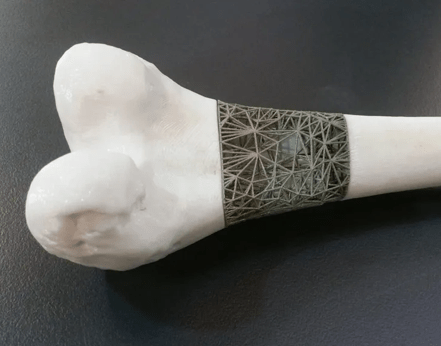
What is Bone Tissue Engineering?

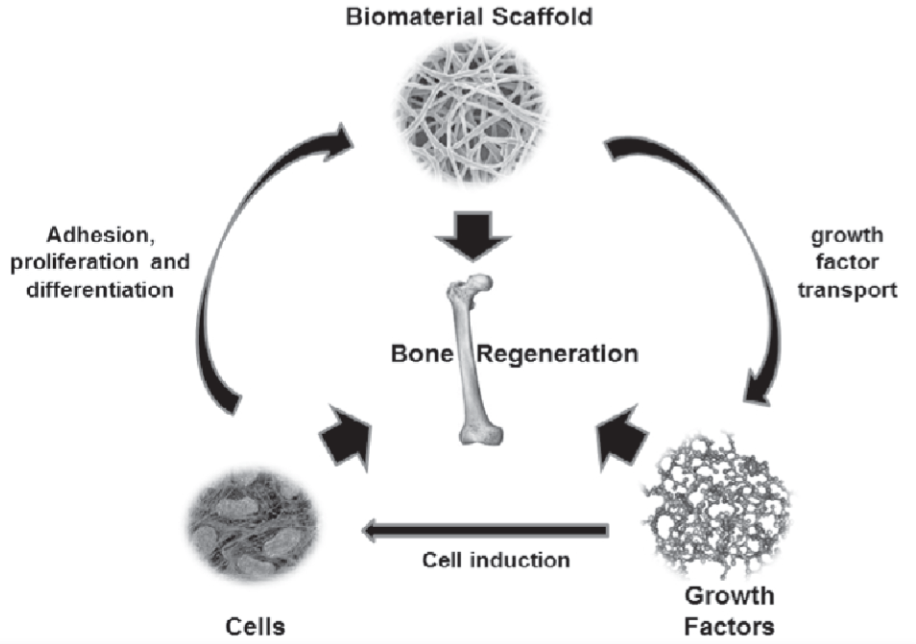
Bone development involves the aggregation of mesenchymal stem cells into mesenchymal condensations, which is partly similar to tooth development but without the epithelial invagination. Bone has a high potential for endogenous self-repair.There are two types bone formation: intra-membranous and endochondral. In endochondral bone formation, the mesenchymal condensations first undergo chondrogenesis and then ossification to form cartilage and bone. During adulthood, bone possesses the intrinsic capacity for regeneration throughout life. In most bone injuries or fractures, the damaged bone tissue can be functionally regenerated by the local cells. However, when the fractures are serious such as large bone defects created by trauma, infection, tumour resection, and skeletal abnormalities enough that self-healing cannot repair, an adequate supply of stem cells such as bone marrow stem cells is required for efficient bone regeneration. Oral MSCs seem to be ideal candidates for bone regeneration. Due to the population ageing, human diseases with impaired bone regeneration are on the rise.

CURRENT STRATEGIES

Current strategies to facilitate one healing include various biomolecules, cellular therapies, biomaterials and different combinations of these. Animal models for testing novel regenerative therapies remain the gold standard in pre-clinical phases of drug discovery and development. For usage of animal models for human bone regeneration skeletal characteristics of the selected animal species should considered seriously; a suitable animal model should be studied which basically mimics the intended clinical indication; and all the cell based approaches should be specifically studied.

Pancreas Regeneration in Human Regenerative Therapy

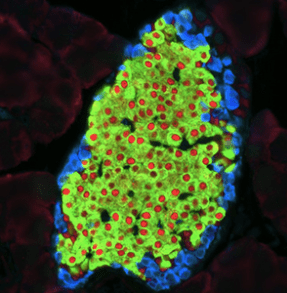
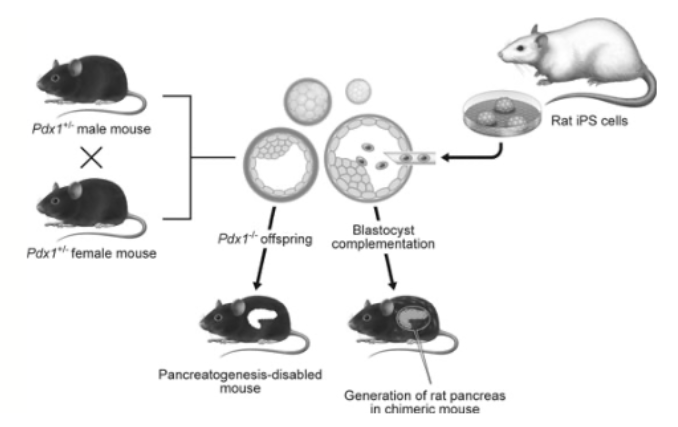
Diabetes, a disease with 346 million sufferers worldwide, is a significant health and welfare problem that the modern society faces. The pancreas is made from two distinct components: the exocrine pancreas, a reservoir of digestive enzymes, and the endocrine islets the source of the vital metabolic hormone insulin. Human islets possess limited regenerative ability; loss of islet ß-cells in diseases such as type 1 diabetes requires therapeutic intervention.the leading strategy for restoration of ß-cell mass is through the generation and transplantation of new ß-cells derived from human pluripotent stem cells. Other approaches include stimulating endogenous ß-cell proliferation, reprogramming non ß-cells to ß like cells, and harvesting islets from genetically engineered animals. Together these approaches form genetically engineered animals. Together these approaches form a rich pipeline of therapeutic development for pancreatic regeneration.

At present, however, transplantation therapy has the problem of an acute shortage of donor organs or tissues. An innovative study has recently been conducted showing that it may be possible to induce pancreatic regeneration. There is a long history of investigations into pancreatic regeneration, going back nearly a century. The epidemic of diabetes in recent decades has spurred numerous studies on pancreas development, homeostasis, and regeneration. Animal studies have suggested that the exocrine pancreas possesses an intrinsic capacity for regeneration and thus can make a rapid and full recovery from exocrine diseases such as acute pancreatitis. By contrast, the endocrine islets have limited regenerative capacity in adults. Indeed, it remains unclear whether the adult human pancreas can spontaneously regenerate ß-cells in any physiologically meaningful way. Substantial ß-cell loss therefore results in permanent endocrine deficiency and irreversible diabetes. There is an increasing consensus that a regenerative medicine approach will be helpful, even essential, in treating certain forms of diabetes including T1D and possibly the subset of T2D in which there is substantial ß-cell loss.

SNAKE ISLAND

No humans are allowed on Snake Island and with good reason. There’s about one deadly snake per square foot on it.

SHAKE ISLAND

About 25 miles off the coast of Brazil, there is an island where no local would ever dare to say its name. It is said that the last fisherman who strayed too close to its shores was found days later in his own boat lifeless in a pool of blood.

The mysterious island is known as Ilha da Queimada Grande.

The danger on the island comes in the form of the golden lancehead snakes – a species of pit viper and one of the deadliest serpents in the world.

golden lancehead

The lanceheads can grow to be over a foot-and-a-half long and it’s estimated that there are between 2,000 and 4,000 snakes on the island. Snake Island used to be part of Brazil’s mainland, but when sea levels rose over 10,000 years ago, it separated the landmass and turned it into an island. Since the island vipers had no prey but birds they evolved to have extra-potent venom so that they could almost immediately kill any bird. 

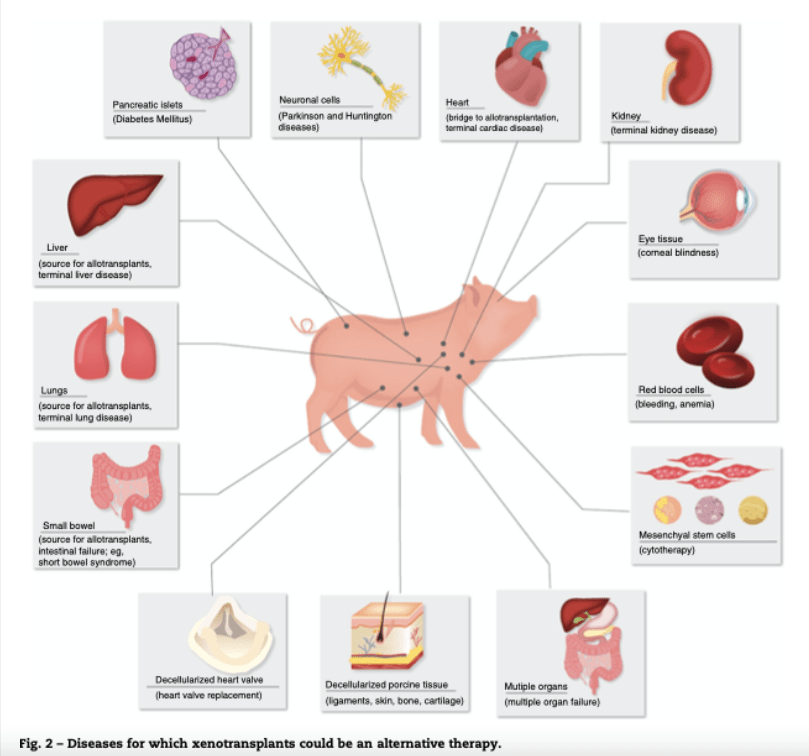
What is Xenotransplantation?

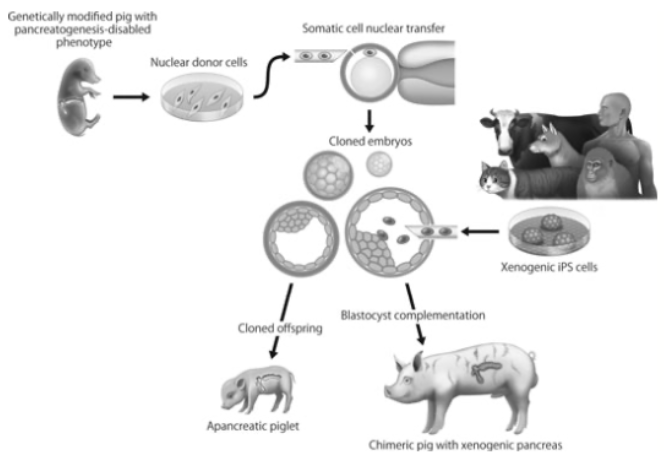
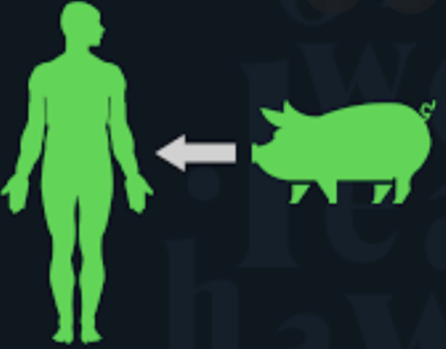
Xenotransplantation is the transplantation of cells, tissue or other organs between phylogenetically different species. The process of grafting organs or tissues between members of different of different species. It is any procedure that involves the transplantation, implantation or infusion into a human recipient of either live cells, tissues or organs from a non human animal source or human body fluids, cells, tissues, or organs that have had ex-vivo contact with live non human animal cells, tissues or organs. The development of xenotransplantation is driven by the fact that the demand for human organs for clinical transplantation far exceeds the supply.

Currently main problem is the long waiting list, according to World Health Organization (WHO), more than 114,000 organs transplantation are performed every year worldwide, which is only the 10% of the actual need currently.

The main advantage of xenotransplant is that they would provide an easily available animal source with an unlimited supply of donor organs. Ethically, pigs are an acceptable option for an alternative organ source. However, this solution is immunologically less desirable than non human primates, due to genetic distance between pigs and humans. Pig xenotransplant in non human primates have progressed a great deal, and the first clinical trials of complete organ xenografts will likely involve patients with renal failure. These patients could be selected because they have a high degree of sanitisation, which prevents them from easily obtaining an allograft.

M PHASE in Mitosis

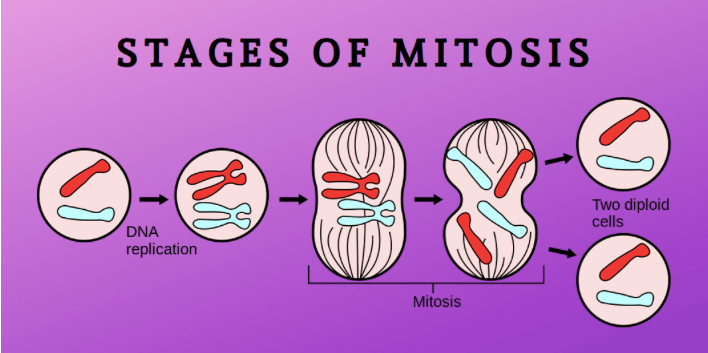
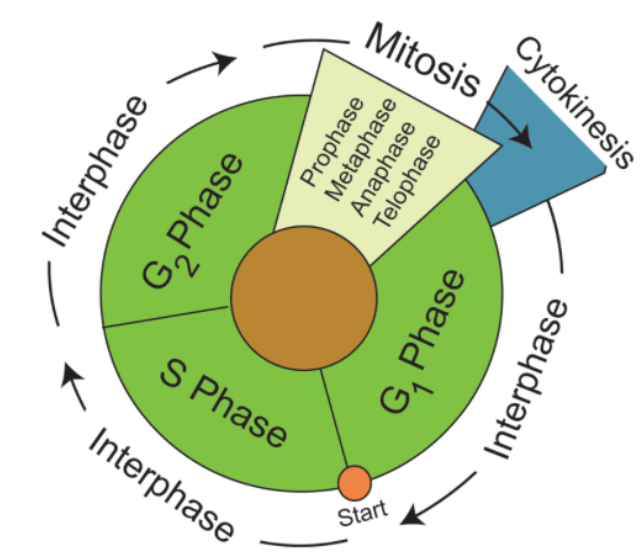
This is the most important and dramatic period of the cell cycle involving a major reorganisation of virtually all components of the cell cycle. And since the number of chromosomes in the parent and progeny cells is the same, it is also called as equational division. This has mainly consists of nuclear division in various stages (karyokinesis). This phase is complex and highly regulated and sequence of events are divided into phases. Karyokinesis involves following stages:

  • PROPHASE
  • METAPHASE 
  • ANAPHASE
  • TELOPHASE 
  • CYTOKINESIS

PROPHASE

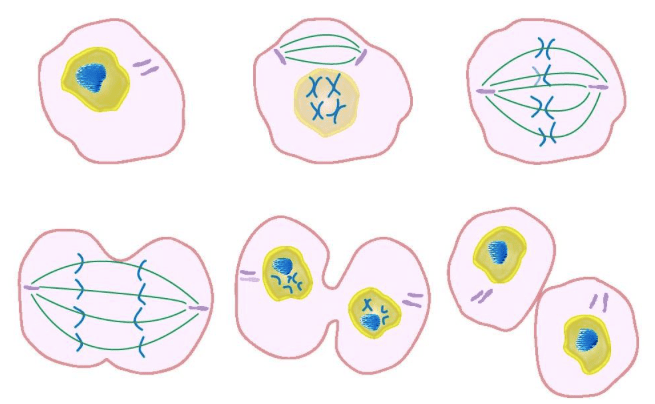
Prophase which is the first stage of karyokinesis of mitosis follows the S and G2 phases of interphase. Prophase is marked by the initiation of condensation of chromosomal material. The chromosomal material becomes untangled during the process of chromatin condensation. The centrosome, which had undergone duplication during S phase of interphase, now begins to move towards opposite poles of the cell.︎︎︎ Chromosomal material condenses to form compact mitotic chromosomes. Chromosomes are seen to be composed of two chromatids attached together at the centromere. Centrosome which had undergone duplication during interphase, begins to move towards opposite poles of the cell. Each centrosome radiates out microtubules called asters. The two asters together with spindle fibres forms mitotic apparatus. Cells at the end of prophase, when viewed under the microscope, golgi complexes, endoplasmic reticulum, nucleolus and the nuclear envelope are not present.

METAPHASE

The complete disintegration of the nuclear envelope marks the start of the second phase of mitosis, and therefore the chromosomes are spread through the cytoplasm of the cell. By this stage, condensation of chromosomes is completed and they can be observed clearly under the microscope. At this stage, metaphase chromosome is made up of two sister chromatids, which are held together by the centromere. Small disc-shaped structures at the surface of the centromeres are called kinetochores. These structures serve as the sites of attachment of spindle fibres which are formed by the spindle fibres to the chromosomes that are moved into position at the centre of the cell. Hence, the metaphase is characterised by all the chromosomes coming to lie at the equator with one chromatid of each chromosome connected by its kinetochore to spindle fibres from one pole and its sister chromatid connected by its kinetochore to spindle fibres from the opposite pole. The plane of alignment of the chromosomes at metaphase is referred to as the metaphase plate.︎︎︎︎ main event Spindle fibres attach to kinetochores of chromosomes. Chromosomes are moved to spindle equator and get aligned along metaphase plate through spindle fibres to both poles.

ANAPHASE

At the onset of anaphase, each chromosome arranged at the metaphase plate is split simultaneously and the two daughter chromatids, now referred to as daughter chromosomes of the future daughter nuclei. They basically begin their migration towards the two opposite poles. As each chromosome moves away from the equatorial plate, the centromere of each chromosome remains directed towards the pole and hence at the leading edge, with the arms of the chromosome trailing behind. Anaphase stage is characterised by spli`ng of centrosome and separation of chromatids and chromatids move to opposite poles.

TELOPHASE

At the beginning of telophase which is the final stage of karyokinesis, the chromosomes that have reached their respective poles de-condense and lose their individuality as in they just get dissolved and are not in the shape of chromosomes anymore. The individual chromosomes can no longer be seen and each set of chromatin material tends to collect at each of the two poles. Chromosomes cluster at opposite spindle poles and their identity is lost as discrete elements. Nuclear envelope develops around the chromosome clusters at each pole forming two daughter nuclei. Nucleolus, golgi complex and Endoplasmic Reticulum now appears again.

CYTOKINESIS

Mitosis accomplishes not only the segregation of duplicated chromosomes into daughter nuclei which is called as karyokinesis, but the cell itself is divided into two daughter cells by the separation of cytoplasm called cytokinesis at the end of which cell division gets completed. In an animal cell, this is achieved by the appearance of a furrow in the plasma membrane. The furrow gradually deepens and ultimately joins in the centre dividing the cell cytoplasm into two. Plant cells are enclosed by a relatively inextensible cell wall. And they undergo cytokinesis by a different mechanism. In plant cells, wall formation starts in the centre of the cell and grows outward to meet the existing lateral walls. The formation of the new cell wall begins with the formation of a simple precursor, called the cell-plate that represents the middle lamella between the walls of two adjacent cells. At the time of cytoplasmic division, organelles like mitochondria and plastids get distributed between the two daughter cells. In some organisms karyokinesis is not followed by cytokinesis as a result of which multinucleate condition arises leading to the formation of syncytium.

SIGNIFICANCE OF MITOSIS

  • Mitosis or the equational division is usually restricted to the diploid cells only. However, in some lower plants and in some social insects haploid cells also divide by mitosis.
  • Mitosis usually results in the production of diploid daughter cells with identical genetic complement. The growth of multicellular organisms is due to mitosis.
  • Cell growth results in disturbing the ratio between the nucleus and the cytoplasm. It therefore becomes essential for the cell to divide to restore the nucleo-cytoplasmic ratio.
  • A very significant contribution of mitosis is cell repair. The cells of the upper layer of the epidermis, cells of the lining of the gut, and blood cells are being constantly replaced.
  • Mitotic divisions in the meristematic tissues – the apical and the lateral cambium, result in a continuous growth of plants throughout their life.

Introduction to ‘Interphase’ in Mitosis

Growth and reproduction are characteristics of cells and of all living organisms. All cells reproduce by dividing into two, with each parental cell giving rise to two daughter cells each time they divide. These newly formed daughter cells can themselves grow and divide, giving rise to a new cell population that is formed by the growth and division of a single parental cell and its progeny.

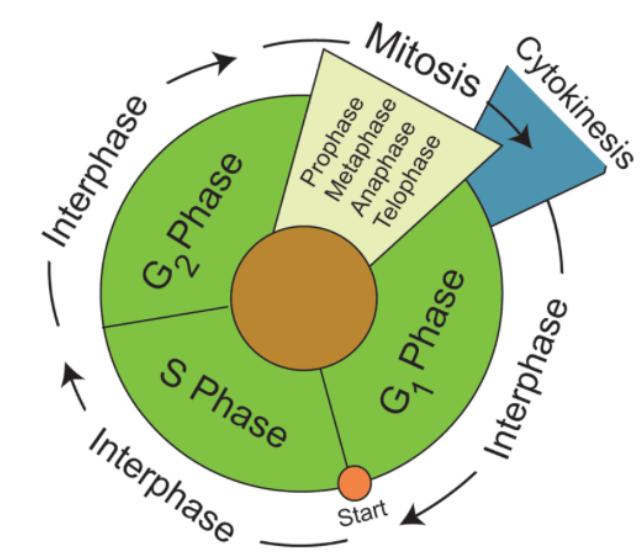
Cell division is very important process in all living organisms. The cell cycle is a process a cell will go through to replicate all of its material and divide itself from one cell into two identical cells. During the division of a cell, DNA replication and cell growth also take place. All these processes, i.e., cell division, DNA replication, and cell growth have to take place in a coordinated way to ensure correct division and formation of progeny cells containing intact genomes. The sequence of events by which a cell duplicates its genome, synthesises the other constituents of the cell and eventually divides into two daughter cells is termed cell cycle. Although cell growth in terms of cytoplasmic increase is a continuous process, DNA synthesis occurs only during one specific stage in the cell cycle. The replicated chromosomes (DNA) are then distributed to daughter nuclei by a complex series of events during cell division. These events are themselves under genetic control.

PHASES OF CELL CYCLE

To divide, a cell must complete several important tasks it must grow, copy its genetic material (DNA), and physically split into two daughter cells. Cells perform these tasks in an organized, predictable series of steps that make up the cell cycle. The cell cycle is a cycle, rather than a linear pathway, because at the end of each go-round, the two daughter cells can start the exact same process over again from the beginning. These cells divide in approximately every 24 hours and mostly the duration of cell cycle can vary from organism and also from cell type to cell type.

In eukaryotic cells or cells with nucleus, the stages of the cell cycle and divided into two major phases:

INTERPHASE

Interphase is a series of changes that takes place in a newly formed cell and its nucleus before it becomes capable of division again. It is also called preparatory phase or resting phase. It is the time during which the cell is preparing for division by undergoing both cell growth and DNA replication in an orderly manner. Typically interphase lasts for at least 91% of the total time required for the cell cycle.

Interphase proceeds in three stages, G1, S, and G2, followed by the cycle of mitosis and cytokinesis.

G1 PHASE

The first phase of the interphase is called the G1 phase or the Gap 1 phase. Also called as growth phase. The duration of G1 is highly variable, even among different cells of the same species. In this phase, the cell increases its supply of proteins, increases the number of organelles (such as mitochondria, ribosomes), and grows in size. The cells are metabolically ac/ve and con/nuously grows but does not replicate its DNA. The cells needs to con/nue cell cycle and enter S phase which is the step or the next phase of the interphase.

S PHASE

S phase or the synthesis phase marks the period during which DNA synthesis or the replication takes place. During this time the amount of DNA per cell doubles. It also duplicates a centrosome. The centrosome helps separate the DNA during Phase. However, there is no increase in the chromosome number. If the cell had diploid or 2n number of chromosomes at G1, even aTer Phase the number of chromosomes remains the same. Rates of RNA transcription and protein synthesis are very low during this phase.

G2 PHASE

It occurs after the DNA replication and is the period of protein synthesis and rapid cell growth to prepare the cell fo mitosis called as the second gap phase. During this phase the cell grows more, makes proteins and organelles and begins to recognise its contents in preparation for mitosis.

The G1, S and G2 phases together are known as the interphase. Here the the prefix inter means between, reflecting that interphase takes place between one mitotic phase or the M Phase and next.

QUIESCENT STAGE (G0)

Some cells in the adult animals do not appear to exhibit division (e.g., heart cells) and many other cells divide only occasionally, as needed to replace cells that have been lost because of injury or cell death. These cells that do not divide further exit G1 phase to enter an inactive stage called quiescent stage (G0) of the cell cycle. Cells in this stage remain metabolically active but no longer proliferate unless called on to do so depending on the requirement of the organism.

M PHASE

This is the most important and dramatic period of the cell cycle involving a major reorganisation of virtually all components of the cell cycle. And since the number of chromosomes in the parent and progeny cells is the same, it is also called as equational division. This has mainly consists of nuclear division in various stages (karyokinesis). This phase is complex and highly regulated and sequence of events are divided into phases. Karyokinesis involves following stages:

  • PROPHASE
  • METAPHASE 
  • ANAPHASE 
  • TELOPHASE
  • CYTOKINESIS

The impact of Covid-19 on Small Businesses

The Covid-19 pandemic has had an impact on almost every industry in the world. The IMF’s World Pandemic Uncertainty Index for Q1 2020, which stands at 13.46, is comfortably higher than any prior pandemics in the last two decades. During the SARS pandemic in Q2, 2003, the previous high was 4.40. The Uncertainty Index has always been linked to economic consequences, and the pandemic is no exception.

While small firms are projected to be the hardest hit, many of them are seeking to reinvent themselves by embracing technology and focusing on customers. However, not everyone will be able to use the online mode. During the shutdown, many companies were unable to duplicate their previous working model; it is critical to find a new approach.

These organizations are now developing new channels that do not require physical engagement to keep their clients motivated, having previously depended heavily on social interaction and group involvement to keep motivation levels high. For instance, forming WhatsApp groups, presenting role models, hosting online introductory sessions for new members, and holding contests such as plank challenges, surya-namaskar challenges, and skipping challenges, and publicizing victors on social media are all examples.

The ongoing battle to suppress the world’s second-largest coronavirus outbreak in India has stifled demand, disrupted supply networks, and changed consumer behaviors. Many small firms are developing or changing their business models to cope with the new terrain and uncertainties brought on by virus protocols.

After a boom in WhatsApp orders for carrom boards (an Indian game akin to pool with little discs that are flicked into corner pockets) and home exercise equipment, the company, which regularly employs ten people but is suddenly down to four, decided to offer free delivery.

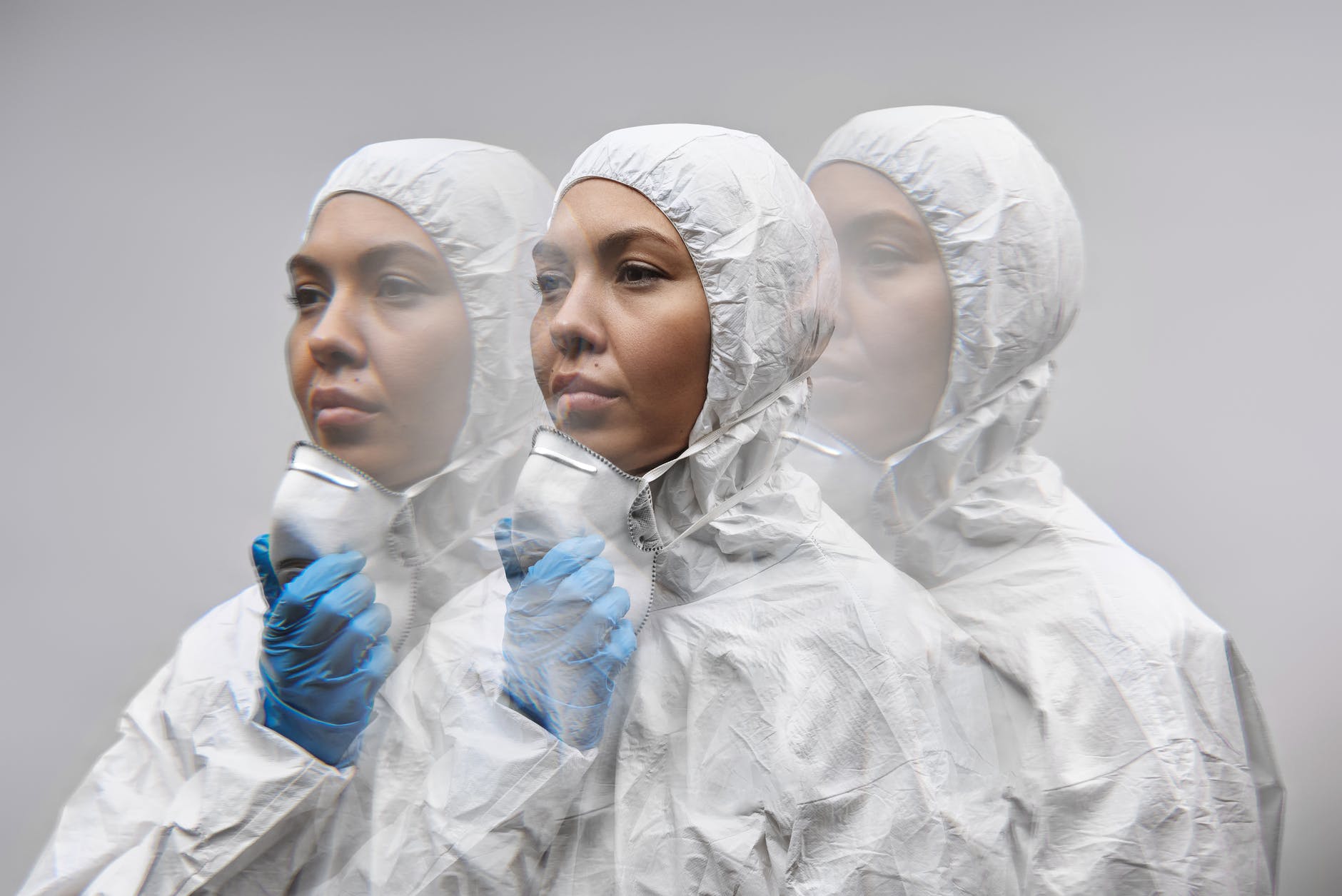
Photo by cottonbro on Pexels.com

In this moment of crisis, you might also look for goods that are readily available and can be used as needed. Even the tiniest of details can make a significant difference in the global economy’s recovery during these difficult times. To combat this pandemic, stay cheerful, don’t lose hope, be vigilant, and have a lot of patience.

COVID19 is being fought by everyone, and the entire globe is fighting together to remove it. Treat lockdown as an era of creativity, learning, and wisdom that will help humanity grow into a brighter future.

Because to the enormous economic recession induced by COVID 19, businesses have incurred significant losses and many have lost their jobs. We cannot continue to wait without doing action. As a result, we must become more aware, decisive, and proactive, as well as consider enterprises that can be started from home during lockdown for students, working class, or post-retirement.

Following are some of the best small business ideas that can be started after lockdown:

Healthcare Product Sales
With the implementation of lockdown, the manufacturing of homemade or small-scale masks and hand sanitizers has risen dramatically to fulfil the rising demand for a variety of face masks and hand sanitizers. Several entrepreneurs, small company owners, self-employed professionals, and MSMEs have decided to start making face masks and hand sanitizers instead of closing their present enterprises during the lockdown. Business owners or manufacturers can contact local shops, merchants, and wholesalers directly to sell their products to local customers.

Door-to-door delivery service In the coming years, the internet delivery sector will flourish, and customers will prefer to buy things online rather than visiting grocery stores, malls, and shopping complexes, where there is a higher risk of infection. Doorstep delivery is the best alternative business during the lockdown period, in which various types of delivery services can be initiated, such as essential items delivery, grocery delivery, pharmaceuticals delivery and alcohol delivery. Respective licenses shall be required to be obtained from concerned authority to start a specific delivery business.

Food Delivery or Tiffin Service The Indian Central Government recently gave restaurants and food outlets access to sell meals via online platforms and have it delivered by delivery companies. You can also start a new business by opening a kitchen that serves a popular or desired cuisine in your neighborhood. The initial expenditure is minimal, as it only necessitates the acquisition of raw materials from a trained and professional source.

Paintings or Art work Artists have plenty of time to show off their skills through paintings or other forms of art. Artists have all of the necessary materials and only need to create a virtual display online to sell their work and deliver it to the customer’s address. Artists can host an event and showcase their talent if they have enough space to display their paintings.

While nearly all consumers surveyed (95 percent) are ready to wait out the continued limitations, only 61 percent agree with the continued lockdown measures, indicating a desire to return to normalcy, according to the survey.

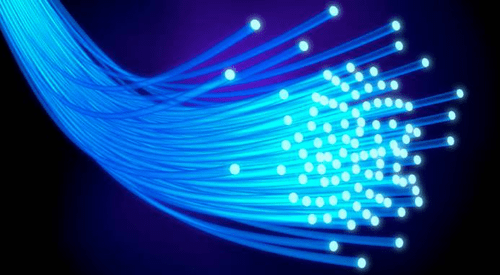
Fiber-Optic Cables

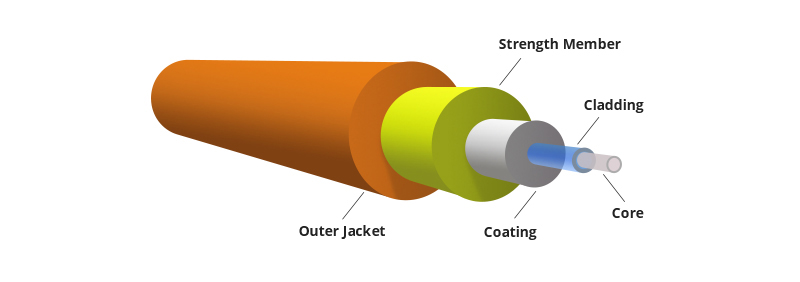
Physical Description

Core:-

Physical medium that transports optical data signals from an attached light
source to a receiving device. It is a single continuous strand of glass or plastic
that’s measured in microns (μ) by the size of its outer diameter. The larger the core,
the more light the cable can carry.

Cladding:-

It surrounds the Fiber core and serves as a boundary that contains the
light waves and causes the refraction, enabling data to travel throughout the length
of the Fiber segment.

Coating:-

It is a layer of plastic that surrounds the core and cladding to reinforce
and protect the Fiber core. Coatings are measured in microns and can range from
250 to 900 microns.

Strengthening Fibers:-

These components help protect the core against crushing forces and excessive tension during installation.

Cable jacket:-

This is the outer layer of any cable. Most Fiber optic cables have an
orange jacket, although some types can have black or yellow jackets.

Transmission Characteristics

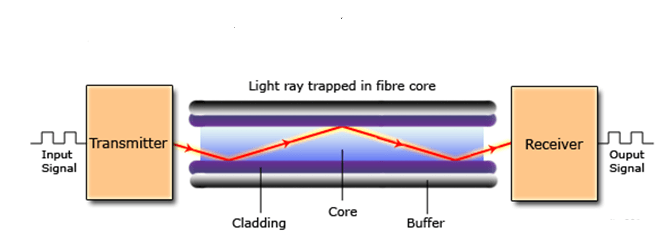
-Optical fiber transmits a signal-encoded beam of light by means of
total internal reflection.
-Total internal reflection can occur in any transparent medium that
has a higher index of refraction than the surrounding medium.
-In effect, the optical fiber acts as a waveguide for frequencies in
the range of about to this covers portions of the infrared and visible
spectra.
-Act as wave guide for 1014 to 1015 Hz

Optical Fiber Advantages: –

  • Higher Bandwidth
  • Less Signal Attenuation
  • Immunity to Electronic Interface
  • Resistance to Corrosive Material
  • Less Weight
  • Less Number of Repeaters
  • Signal Security

Optical Fiber Disadvantages:-

  • Installation
  • Maintenance
  • Unidirectional Light Propagation
  • Cost

Cable Selection Criteria to establish a network

1. Bandwidth:

Data carrying capacity of a channel or medium. Higher bandwidth communication channels support higher data rates.

2. Flexibility:

For Expanding network, the need for extra equipment or devices.

3. Reliability:

The consistency of transmission media.

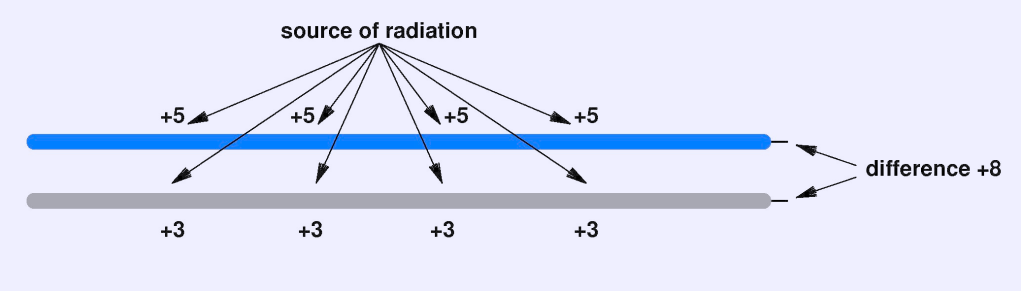
4. Radiation:

It refers to the leakage of signal from the medium due to undesirable electrical characteristics of the medium.

5. Noise Absorption:

It refers to the susceptibility of the media to external electrical noise that can cause distortion of data signal.

6. Attenuation:

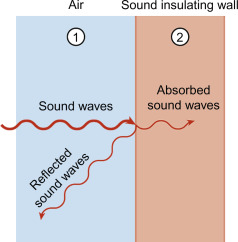
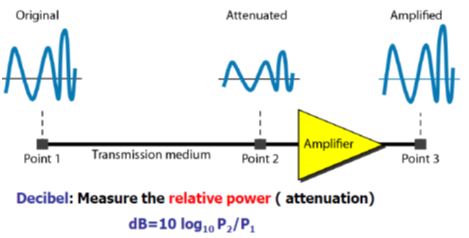
It refers to loss of energy as signal propagates outwards. The amount of energy lost depends on frequency.

7. Number of receivers:

The number of users to be connected.

8. Transmission Rate:

This refers to the speed or data transmission rate.

9. Cost and Ease of Installation

10. Distance between each device