It is happening every summer that we find it hotter than the last one. Ever wondered why?
It is not because we can’t tolerate heat but try to blame it all on the season. It is a real phenomenon taking place namely, Global Warming. It points to the increasing heat in the atmosphere and on the surface of the Earth due to the presence of pollutants and carelessness of people.
The problem is increasing manifold with no concern among the people. They are continuing to use products which are harmful for the health of our planet and cause damage and depletion of its ecosystem.
The presence of smoke and melting of Glaciers clearly signals the need to conserve the environment. The issue is we notice the Smog covering the atmosphere and obstructing our vision during winters, but do not find reasons and solutions to it. We read and listen news about the Glaciers melting out rapidly but do not try to find out the reasons behind the same. Even when we know the problem, we leave it all to the government to sort it out for us. However it is equally important for us to participate in them and support the authorities which are working for it. Only few can’t solve a problem created by us all. We all are responsible for it and shouldwork towards the solution. The pollution has been created because we all use ACs, refrigerators, Private vehicles or any of such products which emit pollutants harming the ecosystem. Industries are growing, so is the pollution. The ozonelayer is depleting bringing in harmful sun rays that cause skin diseases, cancer, cataract. We are aware about them but still don’t work for them which is completely foolish. We are keeping ourselves in the dark. The effects may not be visible to the careless eyes now but it would lead to long term consequences which can destroy Life on the planet.
Talking about the present, this increased heat on the surface of the Earth is affecting the mental health in a way. It becomes too hot during the summers and too cold during the winters which is all due to the Global Warming. These adversities of the climate affect the mind and the thinking skills of a human. They affect other life forms as well but focusing on the humans, they affect our power of mind.
You might have heard “Too much of anything is not good”. It implies in this situation as well. It’s important for it being hot in summers and cold during winters but too much of them affects the lifestyle. Our body is designed to adapt the natural changes that take place automatically but the changes in the nature that are happening due to our carelessness go against the environment, which is unfavorable for us as well. We cannot hold on to much of heat. It starts moving to our brain from the upper body surface and affects out mental capability.
Anger is the most observed and typical example to prove it. You must have seen people getting angry on small things, during the day, which is because they already handle load of work which is now being complemented by the harmful heat of the day. The sun rays affect the mind. The difference is, it is positive when in limits but converts to negative when exceeds the requirements of the human body. The stress shoots up and you might feel headache very often.
Right from the beginning of evolution till now humans went through lots of changes. Other organisms that thrive in the world adapts themselves to the surrounding whereas the humans on the other hand shapes and modulates the environment suitable for him. So through centuries our lifestyle and also the way we meet our daily needs has changed. For survival a person needs food and shelter, it’s mandatory for every living being. But humans over years evolved to neglect his requirements and has turned to go for false needs.
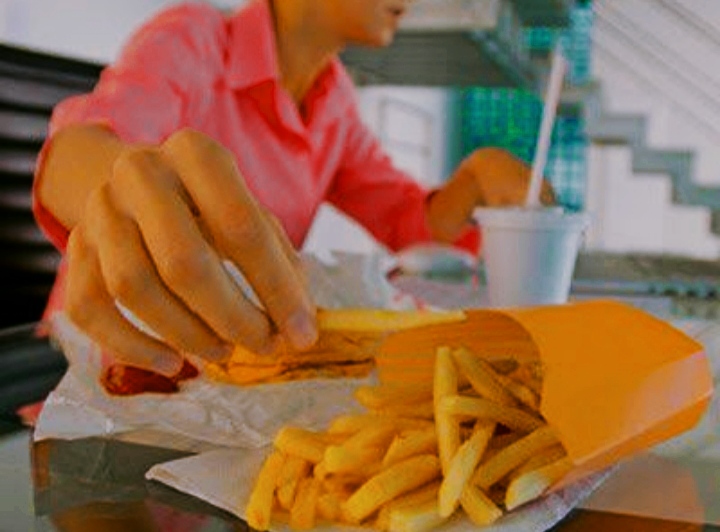
Nowadays in the fast moving world people forget to care for their health. They are ignorant towards the fact that they are spoiling themself by skipping food and taking improper diets. Its science that tells a person to consume the food that are available or grown native to the region they live, that’s how the system works and the availability varies place to place. Thus consuming foreign variety of food for a long time may be hazardous. Apart form these there is also the risk of growing fast food culture among the people. In search of tasty food, lack of time and ignorance, people end up having multiple health disorders. It affects both the physical and mental health of people, further there are also risk of bringing down our efficiency in our daily activities. Not only the adults but also the kids of this generation are addicted to unhealthy food habits, thus without acquiring necessary nutrients they suffer diseases at an young age. If this scenario persists it may result in the danger of affecting the upcoming generations which includes the factors such as redused life span. So rather than going behind false things one must realise the truth and must work towards changing his lifestyle to a normal form with all it’s regular aspects other than the modified one.
These are books encoded with the recording or written manuscripts of different types of songs that will be useful for readers in singing without music or read them out like lyrics.
The extended whole wide songs are categorized as ‘unabridged’ while the short passages of songs are an abridged one. Generally, recorded audio books can be found under libraries and schools for certain music purposes.
Singing or hearing without music enhances your vocabulary and grammatical words to use appropriately at right times. It could be effective for growing up kids and teenagers struggling to manage their accent according to their country fluency.
“IT WILL BE AWESOME AUDIOBOOKS TO GO LIKE FILMS, BUT LONGER!” – Deyth Banger
They play a vital role in promoting a healthy learning habits among all ages of people helping them to understand unique clues of contents and inflections that proves readers to be useful in a meaningful manner hence applying them in your speeches.
It induces pupils to rise their knowledge of reading level shaping their elucidative experiencing via reading. Indicating the humor in the books thus introducing new category that teenagers will be interested knowing about places different names with proper location and locals.
Though after adding all these techniques of audiobooks the pace may not always be same as always, it can be fast or slow.
These ideas can help you grow out and maximize out with your preferred books of audios thus helping your integrity and your fluency in your own language.
Utilization of Audiobooks in Campus/Classroom
Taking an audiobook inside an institution and making them to hear fellow mates or peers organizes free mind to relieve from stress and to increases the craziness towards the track of music and creating broadness of making your own lyrics by travelling through another author.
It serves as a supplement helping to hear the students the professional, fluent readers manuscripts posted online. It improves the listening stamina hence by answering the questions of arising from those audios.
It also focuses on retaining key information among the developing pillars so called students. You can also craft your voice according to the situation accompanied by the audio as you read them aloud.
You can also visualize the characters of the poem from the picking out specific quotes which will give out a clear picture of the audiobooks. Certain tones or moods can be picked from songs hence making it easy for readers to understand.
Try figuring out
So, these ideas help you out in understanding and opting out for the audio tracks that you might be interested and let me sort some best web-portals to opt for online free of cost audiobooks in the current year of 2021. Check out for it in my content as you can explore your requirement satisfied under my article.
COVID-19 is invisible the disruption it has triggered is visible everywhere. COVID-19 the disease caused by the virus has been wreaking havoc across the world for the last twenty months. No part of the planet has been left untouched. How safe is the world faring today? Some experts refer to number showing that the world is better off given the fact that COVID is less deadly than the “Spanish flu” safe vaccines were developed and record times vaccinations work treatment other than vaccines for covid have been proven to work too and open science has led to a life saved.
Granted no two pandemics or the same, covid and the Spanish Flu belong to different eras. Science is not as advanced 100 years ago as it is today. The world population at 7.8 billion today is much bigger. Still, the sheer numbers are instructive. when the Spanish flu pandemic hit it had infected an estimated 500 million people between 1918 to 1920 and killed up to 50 million or 10% of the fatality rate- during a period when the planet’s inhabitants were still less than two billion. The world today is truly more global with both its upsides and downsides. This makes covid truly a pandemic. one cannot unmake travel. have but this has a potentially dangerous downside: in the case of smaller island nations, their very existence is at risk warned World Health Organization.
There are at least 21 COVID-19 vaccines approved today vaccines were developed in record time using at least three platforms. The World Health Organization so far approved seven vaccines. experts estimate that if 30.2 million vaccines are produced daily around the rate of 349 vaccines per second that number would enable the world to achieved herd immunity in the next 12 months. The current batch of approved vaccines is highly effective at preventing severe cases. However, they are less effective and preventing mild cases of the delta. Science benefits mankind. In this pandemic-keeping science, open help save lives. As the research findings are getting translated and to practice even more rapidly open science encourages a broader endorsement of the principles that science should always be a rigorous process reliable and transparent. They had some glitches but in general, the world has seen an unprecedented pace of research and development in the midst of COVID. Rapid sharing and review of research data have greatly improved understanding of the pandemic which has led to reducing mortality. Another benefit of open science is greater scrutiny of informed consent and in any drug study, adverse effects cannot be neglected.
But despite these developments, there are still some worries. What Health Organization has approved seven covid vaccines. more than 190 countries have approved vaccines that are at least 138 vaccines candidates and 404 vaccine trials. But there isn’t enough vaccine stock in the world. Wealthy nations are funded by vaccine research have plenty of vaccine supplies while underdeveloped countries struggle. Online learning helped to win the virus that was ramping across the world. It wasn’t perfect but allowed education to continue even when schools were closed. decent learning is never the same as classroom learning. Life on a university campus the education of life itself students missed all that. Not to mention the difficulty in accessing the internet for students living in poorer sections of society.
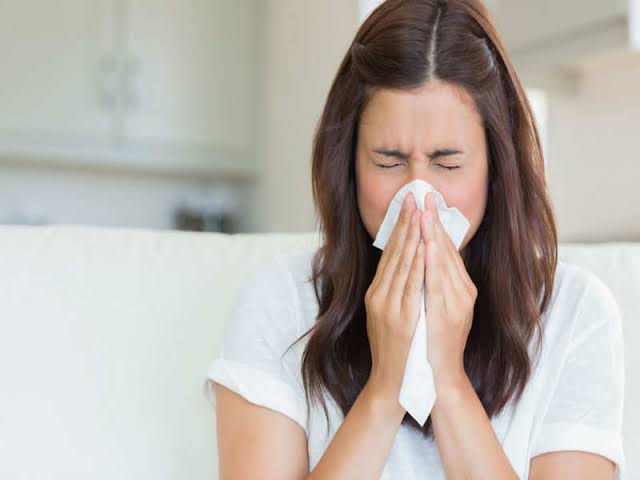
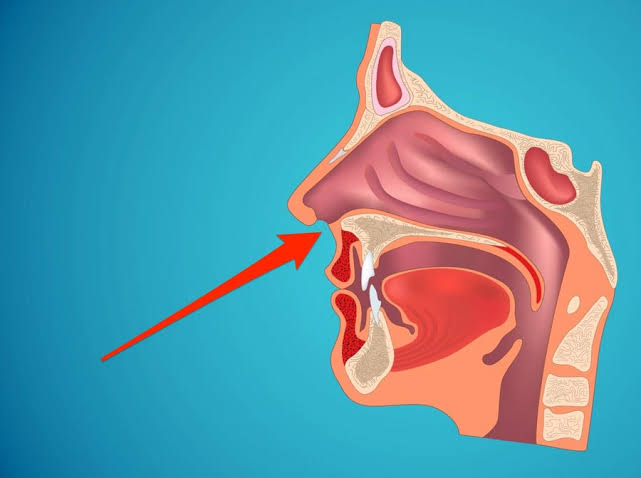
Sometimes dust, flakes of dead skin, pollution, microbes, or your own booger build up from a cold find their way into your nose’s passages. When mucous membranes in the lining of your nose detect this intruders, they sent an urgent message to your brain : Unleash a sneeze !
How do we sneeze?
You don’t have to do anything.react Sneezing is a lightning-fast-involuntary reaction, in which your chest,stomach, throat, and face muscles work together to blast particles from your nasal passages. The whole process last less than 3 secondsprofiles The whole process last less than three seconds, and it propels spit, boogers, chewed food, and other particles from your nose and mouth at nearly 100 miles per hour or 161 kph.
Why do we upchuck when we get sick?
If you catch a stomach flu ( usually a virus in your guts ), swallow food spoiled by bacteria, or simply pig out your body rebels, your stomach will kick into reverse to eject whatever’s causing the trouble. Your guts churn, your head spins, and your throat begins to burn.Before you know it, blaaargh! You have launched your lunch !Clammy skin, waves of uneasiness, and a queasy feeling known as nausea usually precede puking, giving you a heads-up to hang your head over the toilet. Motion sickness – a condition brought on by winding roads, rocking boats,or back to back rides on the Tilt-a-Whirl – can lead to hurling, too.
Why does throw – up burn my throat?
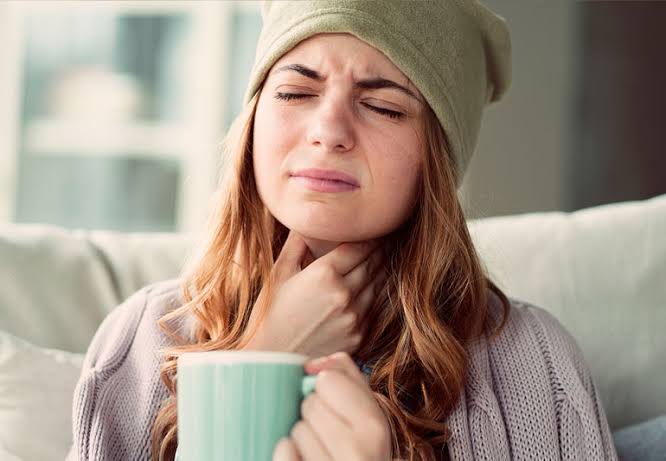
Your stomach contains powerful acids that help break down food, and some of this sour-tasting gastric juice get pumped up and away when you puke. Although a wave of spit and mucus helps protect your throat and mouth when you vomit, you will still feel the burn. Particularly forceful barfing sessions will propel puke into your sinuses and out your nose, producing an eye-watering sting. Nasty !
Why hasn’t medical science found a cure for the common cold?
You’d think curing a case of the sniffles would be a cinch for the scientists who invented artificial hearts and defeated lethal diseases like smallpox and polio. But eliminating the common cold is tricky because it is actually caused by more than 200 evolving viruses that all produce the same symptoms ( whereas smallpox was caused by just one virus).
Why does my nose run when we get a cold?
Your nasal membranes make mucus – aka snot – and this sticky substance serves as security against germs, dust, and pollen particles that would make breathing difficult if they reached our lungs. Moved along by tiny nostril hairs called cilia, snot pummels and pushes invading particles toword the exit – your nostrils – or dumps them down your throat. Your body produces nearly wo gallons (7.6 L) of mucus each week. You usually swallow all that snot without giving it a second thought. Catch a cold virus or come under an allergy attack, however, and the membranes pump up the volume. Your nose turns into a leaky snot faucet. You start coughing up globes of phlegm – a type of mucus produced in your throat and lungs. A hacking cough and runny nose are your body’s ways of flushing all the bad stuff.
Where do boogers come from?
Snot is sticky for a reason – it collects all the crud that get up your nose. Once snot reaches the nostrils, it dries into crumbly little boogers for easy disposal. Polite people blow them into tissues ; everyone else engages in rhinotellexis. The technical term for nose -picking.
How can we avoid germs?
Wash your hands with soap and water for at least 20 seconds after you touch any potentially infected surface or person.
Don’t touch your face after touching an infected surface. It’s a sure fire way to get sick !
Get vaccinations for all the major germ based illness from your doctor. Vaccine contains trace amounts of ( or weakened )microbes that trigger your body into making antibodies to fight against specific diseases, making you immune to them.
Be careful about sharing food or drinks with sick friends.
If you get sick, remember : the inside of your elbow makes a great sneeze shield. You might coat your arm in snot, but at least you will avoid infecting everyone in your launch zone.
How are germs spread?
Every time an infected person coughs or sneezes, he or she spreads sickness. One sneeze alone can launch thousands of germ-jammed droplets nearly 20 feet (6m), potentially infecting anyone in the blast radius. Bacteria and some viruses can survive for a short time on door handles, bathroom counter, and other surfaces.
Individuals are social animals. We need the friendship of others to flourish throughout everyday life, and the strength of our associations massively affects our emotional wellness and satisfaction. Being socially associated with others can ease pressure, nervousness, and wretchedness, support self-esteem, give solace and happiness, forestall dejection, and even add a long time to your life. On the other side, lacking solid social associations can represent a genuine danger to your psychological and passionate wellbeing.
In this day and age, a large number of us depend via web-based media stages like Facebook, Twitter, Snapchat, YouTube, and Instagram to discover and associate with one another. While each has its advantages, recollect that online media can never be a substitution for certifiable human association. It needs face to face contact with others to trigger the chemicals that reduce pressure and cause you to feel more joyful, better, and more good. Amusingly for an innovation that is intended to unite individuals, investing an excess of energy drawing in with online media can really cause you to feel all the more desolate and detached—and intensify emotional wellness issues like uneasiness and despondency.
In case you’re investing an unnecessary measure of energy in web-based media and sensations of bitterness, disappointment, dissatisfaction, or dejection are affecting your life, it could be an ideal opportunity to rethink your online propensities and track down a better equilibrium.
The positive parts of web-based media – While virtual cooperation via online media doesn’t have similar mental advantages as vis-à-vis contact, there are as yet numerous positive manners by which it can help you stay associated and support your prosperity. Web-based media empowers you to: – Impart and keep awake to date with loved ones all throughout the planet. – Discover new companions and networks; network with others who share comparative interests or aspirations. – Join or advance advantageous aims; bring issues to light on significant issues. – – Look for or offer enthusiastic help during difficult stretches. – Discover fundamental social association in the event that you live in a far off region, for instance, or have restricted freedom, social uneasiness, or are essential for a minimized gathering. – Discover a source for your imagination and self-articulation. – Find (with care) wellsprings of important data and learning.
The negative parts of web-based media
Since it’s a somewhat new innovation, there’s little examination to set up the drawn out results, positive or negative, of online media use. In any case, different examinations have tracked down a solid connection between substantial online media and an expanded danger for gloom, tension, dejection, self-hurt, and surprisingly self-destructive musings.
Online media might advance negative encounters, for example,
Insufficiency about your life or appearance. Regardless of whether you realize that pictures you’re seeing via online media are controlled, they can in any case cause you to feel unreliable about what you look like for sure’s going on in your own life. Additionally, we’re all mindful that others will in general share simply the features of their lives, infrequently the depressed spots that everybody encounters. In any case, that doesn’t decrease those sensations of jealousy and disappointment when you’re looking through a companion’s artificially glamorized photographs of their tropical sea shore occasion or finding out about their intriguing new advancement at work.
Dread of passing up a major opportunity (FOMO). While FOMO has been around far longer than online media, destinations, for example, Facebook and Instagram appear to intensify sentiments that others are having a good time or carrying on with preferable lives over you are. The possibility that you’re passing up specific things can affect your confidence, trigger nervousness, and fuel much more prominent web-based media use. FOMO can force you to get your telephone like clockwork to check for refreshes, or urgently react to every single caution—regardless of whether that implies facing challenges while you’re driving, passing up rest around evening time, or focusing via web-based media communication over certifiable connections.
Separation. An examination at the University of Pennsylvania tracked down that high utilization of Facebook, Snapchat, and Instagram increments rather diminishes sensations of dejection. Then again, the investigation found that decreasing web-based media use can really cause you to feel less desolate and separated and work on your general prosperity.
Melancholy and nervousness. Individuals need vis-à-vis contact to be intellectually solid. Nothing lessens pressure and lifts your mind-set quicker or more viably than eye-to-eye to eye connection with somebody who thinks often about you. The more you focus via online media communication over in-person connections, the more you’re in danger of creating or compounding state of mind issues like tension and gloom.
Cyberbullying. Around 10% of youngsters report being harassed via web-based media and numerous different clients are exposed to hostile remarks. Web-based media stages, for example, Twitter can be focal points for spreading terrible bits of gossip, lies, and misuse that can leave enduring enthusiastic scars.
Self-retention. Sharing unending selfies and all your deepest contemplations via web-based media can make an unfortunate narcissism and distance you from genuine associations.
Signs that web-based media is affecting your psychological well-being Everybody is unique and there is no particular measure of time spent via web-based media, or the recurrence you check for refreshes, or the quantity of posts you make that demonstrates your utilization is becoming unfortunate. Maybe, it has to do with the effect time spent via web-based media has on your disposition and different parts of your life, alongside your inspirations for utilizing it. For instance, your web-based media use might be risky in the event that it makes you disregard eye to eye connections, diverts you from work or school, or leaves you feeling jealous, furious, or discouraged. Essentially, in case you’re spurred to utilize web-based media since you’re exhausted or forlorn, or need to present something on make others envious or upset, it very well might be an ideal opportunity to rethink your online media propensities.
Pointers that online media might be antagonistically influencing your emotional well-being include:
Investing more energy in web-based media than with true companions. Utilizing web-based media has gotten a substitute for a ton of your disconnected social communication. Regardless of whether you’re out with companions, you actually want to continually check web-based media, regularly determined by sentiments that others might be having some good times than you.
Contrasting yourself horribly and others via web-based media. You have low confidence or negative self-perception. You might even have examples of disarranged eating.
Encountering cyberbullying. Or then again you stress that you have no power over the things individuals post about you.
Being occupied at school or work. You feel strain to post customary substance about yourself, get remarks or likes on your posts, or react rapidly and energetically to companions’ posts.
Lacking the capacity to deal with self-reflection. Each extra second is filled by drawing in with online media, leaving you or no an ideal opportunity for pondering what your identity is, your opinion, or why you act the way that you do—the things that permit you to develop personally.
Participating in hazardous conduct to acquire preferences, offers, or positive responses via online media. You play risky tricks, post humiliating material, cyberbully others, or access your telephone while driving or in other perilous circumstances.
Experiencing rest issues. Do you check web-based media last thing around evening time, before anything else, or in any event, when you awaken in the evening? The light from telephones and different gadgets can disturb your rest, which thusly can truly affect your psychological well-being.
Deteriorating side effects of uneasiness or melancholy. Maybe than assisting with reducing negative sentiments and lift your state of mind, you feel more restless, discouraged, or desolate in the wake of utilizing online media.
Plant based meat or meat subsidies are taking the world by storm. There is science and capitalism behind the growth of this multibillion-dollar industry. There are cultural and environmental aspects too. First the science: A study published in March 2020 noted that plant-based diets can help reduce the risk of heart disease, which is a much bigger killer than to COVID 19. As of end December 2020 COVID-19 already has killed more than 300,000 people in the U S. By comparison in 2018 heart disease was the cause of death for about 6,55,000 Americans; cancer for 5,99,000 and stroke nearly 140,000.
In general, consumption of red processed meats has been associated with increasing weight gain over time as well as increased risk of diabetes heart diseases and colon cancer according to the study. It is no wonder a whole new industry has risen out of protein alternatives. at the end of 2020 the global meat substitutes sector was worth 20.7 billion it is set to grow 23.2 billion by 2024, according to market research company Euromonitor. And there are moves among food scientist make plant -based protein tastier and healthier. The awareness of healthy eating habits is growing. A vegan diet is not considered a fad diet rather it is an eating pattern that has been more on the rise with the increased awareness on anti-animal affairs and environmental concerns. For many vegans’ nutritional choices centered around taking better care of the earth’s resources and the environment, ethical issues about animal care the use of antibiotics and growth stimulant to produce animals.
Vegans are generally thinner have lower serum cholesterol and blood pressure and have lower risk of cardiovascular disease. Sticking to veganism is ultimately a matter of commitment and determination. Food companies come up with many choices for the consumers fast food chains too have options for vegans. A vegan diet contains more antioxidants and fibers. It is rich in potassium magnesium foliates and vitamins A C and E. It is also a good way to reduce excessive body fat and maintain healthy body weight if it is well balanced. the median effect of adopting a vegan diet is an increase in energy levels. this is also accompanied by changing bowel habits to a regular and healthier pattern ensuring good digestive health. these benefits are associated with the detoxification for the process as you substitute animal products with whole foods higher in fiber and lower in fats and sugars. Generally, vegans often might need to add vitamin B12 supplements omega-3 and calcium.
The previous article was all about the process of inflammation. This article is about vaccines.
The vaccines fall under the type of artificial active acquired immunity. This is artificial because we are giving the vaccine externally and this is active because the body is generating the antibodies/response and it is acquired because we are getting the immunity and it is not present by birth. You must have known what immunity is at least by now.
A vaccine is a biological preparation that provides active acquired immunity to a particular infectious disease. A vaccine typically contains an agent that resembles a disease-causing microorganism and is often made from weakened or killed forms of the microbe, its toxins, or one of its surface proteins (antigens). So these vaccines are nothing but the pathogen itself but it cannot cause any disease, instead, it triggers the immune system.
This is a quick recap of the principle of working on vaccines. The vaccine contains the pathogens as a whole or the surface antigens only. These antigens stimulate the immune system. If the immune system had a memory about this antigen, then it would immediately produce an antibody, and phagocytosis of the antigen occurs by the macrophage aided by the antibody. In this scenario, the antigen is new and there is no memory, therefore the immune system struggles and takes time to produce the antibody.
So the antigen reign over the body and this can lead to inflammation. As a result, some of the symptoms of inflammation like fever, heat, pain in the area of application, and swelling may appear. The chances of them are rare and also severity is less (last for a few hours/days) since the pathogen is attenuated.
Once the immune system produces the correct antibody, phagocytosis of the antigen occurs and hence the causative agent is eliminated from the body (primary response). So if the same or similar pathogen which has disease-causing ability enters into the body, the memory triggers the immune system to produce the correct antibody. So a heightened and rapid response is generated in order to kick away the pathogen quickly (secondary response).
There are three types of vaccines:-
Live- infection is caused without any harm – measles & polio
Dead- doesn’t last long, requires booster dose- cholera
Microbial products- involves non-infectious pathogen, capsule and toxoid- anthrax, diptheria
Hence using the vaccine as a stimulus, the body is able to generate a response that is stored and can be useful for preventing the disease caused by the pathogen.
There might be an idea to generate vaccines for all diseases so that all humans are protected. But there are some difficulties in this which are listed below:-
There are new microbes being discovered every day and no one knows which microbe can cause disease. There can be multiple microbes causing the same or similar disease. So being immune to one microbe doesn’t mean being immune to the disease
The disease-causing microbe can undergo mutation meaning that there can be changes in the genetic material and hence the antigen can change. In this case, the antibody which was stimulated by the vaccine won’t work. A suitable example is a common cold, it is impossible to produce a vaccine that covers all mutants of viruses
The pathogen has to be genetically modified so as to remove its disease-causing ability which is easy to say but difficult to implement
Also, it is important that the antigen chose for the vaccine must be close to that of the original causative agent of the disease. If the original pathogen is not so close to that of the vaccine, then it will not work
Hence all these above points explain the difficulties in producing a vaccine. Despite these many research organizations in many countries have produced vaccines especially for the pandemic and dreadful diseases like the COVID-19, hepatitis, polio, etc. in which some vaccines provide lifetime immunity to some of the diseases. We must take a minute to appreciate those who have done immense work and their contribution is stopping some of the dreadful diseases.
With this, we come to the end of the series. I hope that all the concepts explained in this were simple and clear and also would have inculcated an interest in immunology. By now, it would be clear how the immune system protects us from several microbes and diseases.
The previous article dealt with the types and functions of immunoglobulin. This article provides a complete explanation of the process of inflammation.
Inflammation is the process of protection which was seen as one of the six mechanisms of innate immunity.
Inflammation is one of the body’s responses to the invasion of foreign particles. This is an important process in the human body that occurs to drive away from the pathogen. Inflammation is one of the stages seen in healing. Some of the changes that can be seen in the target site are:-
Changes in blood flow (mostly blood loss)
Increase in platelets (to plug the damaged vessel)
Increase in immune cells
Supply of nutrients
The word inflammation refers to a burning sensation. Hence there are five cardinal signs in inflammation namely:-
Rubor (redness)
Tumor (swelling)
Calor (heat)
Dolor (pain)
Functioleasia (loss of function)
These cardinal signs as well as the changes occur due to some mediators which are basically chemicals and also due to the action of various immune cells.
Mediator name
It’s effect
Bradykinin, histamine, serotonin
Increase permeability
Prostaglandin
Decreases blood pressure
Cytokines
Produce fever
Toxic metabolites
Damage tissue
This inflammation can be either acute or chronic. As seen earlier, acute stays for a shorter time but produces more vigorous pain whereas chronic stays for a longer time with less vigorous pain. If the causative agent has been driven away then healing occurs either by complete restoration or scar formation. There are chances that the acute inflammation can become chronic which can be worse. It can lead to several diseases and complications.
The pathogen in order to establish its supremacy in the human body, it has to pass through the epidermis which is the outermost layer of the human body. This is known as SALT skin-associated lymphoid tissues. Hence T and B lymphocytes are prominent in the skin. Most of the pathogens get destroyed in this stage. Let us assume that our pathogen is strong and it had passed through it. The next layer it encounters is the dermis. As we go deep inside the skin, more and more immune cells get involved. In the dermis the following immune cells are seen:-
immunity in the skin
Macrophage
NK cells
Mast cell – produce histamine and serotonin
T helper cells – it provides help to other immune cells
The next stage is the hypodermis which has a large number of macrophages and neutrophils that phagocytosis the pathogen. Hence these following processes help in defending against the pathogens.
When a particular pathogen say a virus enters the cell, the immune system will get alerted through signals and they immediately send the correct immune cell to the target site. This occurs since either the immune system gets information naturally or artificially through previous infection or vaccine. This leads to the classification of immunity in humans.
So now we will consider a new and strong pathogen that has not been recognized by the immune system and has dodged those barriers and has entered inside the skin. Now it multiplies at a rapid rate and colonizes that particular area. Hence the cells in that area start to die and they release several signals like TNF, cytokines, interleukins. This gets combined with other signals like histamine, serotonin released from immune cells. Some of these signals produce direct effects on the target site as seen in the table.
An array of these signals triggers the immune system and it, in turn, starts the inflammation process and the cardinal signs are observed. This process lasts for some time and as it occurs; the pathogens decrease in number through phagocytosis and subsequently vanishes from the body. This can be observed by a decrease in the signs. After this process, the targeted site starts to heal and the immune system learns how to defend the pathogen when it enters the next time.
Now the damage caused by the pathogen has to be repaired by the process of healing.
Haemostasis
Inflammation
Proliferation
Maturation/Remodelling
The pathogen will rupture and damage the outer layer of blood vessels known as endothelium resulting in blood loss. Hence the blood vessels start to contract to prevent further loss. Also, a plug is formed at the site of leakage by the platelets. Then the process of inflammation occurs; clearing out the dead cells and the pathogen. In the proliferative stage, new blood cells are formed by a process known as neovascularisation and the new epithelium is formed. In the last phase, the newly formed cells become stronger and flexible. Hence the combination of these steps brings the affected area back to normal.
Hence the inflammation is an essential process in the immune system and it has to occur to prevent the conspiracy of the microbes. The next article is about vaccines and their principle of working.
1 – Bacillus anthracisAnhrax, a profoundly irresistible and deadly sickness of dairy cattle, is brought about by a moderately enormous spore-framing rectangular formed bacterium called Bacillus anthracis. Bacillus anthracis causes intense mortality in ruminants. The microbes produce incredibly powerful poisons which are answerable for the evil impacts, causing a high death rate. Indications of the ailment for the most part seem 3 to 7 days after the spores are gulped or breathed in. When signs start in creatures, they generally bite the dust inside two days. Hoofed creatures, like deer, cows, goats, and sheep, are the principle creatures influenced by this sickness. They for the most part get the infection by gulping Bacillus anthracis spores while touching on field tainted (made debased) with Bacillus anthracis spores. Breathing in (taking in) the spores, which are unscented, dull, and boring, may likewise cause disease in creatures and individuals.
Side effects: Unexpected passing (regularly inside 2 or 3 hours of being evidently typical) is by a long shot the most widely recognized sign; Incidentally a few creatures might show shuddering, a high temperature Trouble breathing, breakdown and spasms before death. This generally happens over a time of 24 hours; After death blood, may not cluster, bringing about a modest quantity of ridiculous release from the nose, mouth and different openings
Treatment and control Because of the intense idea of the infection bringing about abrupt demise, therapy is normally impractical in creatures despite the fact that Anthrax bacilli are clines. Treatment is useful in cases showing sub-intense type of the infection. Much of the time, early treatment can fix Bacillus anthracis. The cutaneous (skin) type of Bacillus anthracis can be treated with normal anti-microbials.
Preventive measures: Normal yearly immunization of creatures in endemic regions will keep the illness from happening. Inoculation might be done somewhere around a month preceding expected sickness event in endemic regions. Never open a corpse of a creature suspected to have passed on from Bacillus anthracis. Contact a veterinarian promptly if the accompanying manifestations are seen and look for counsel on control measures to be taken on. Fever (106-108°F), loss of craving, sorrow and bluntness
2 – Dark quarter (dark leg) It is an intense irresistible and profoundly deadly, bacterial sickness of dairy cattle. Bison, sheep and goats are additionally influenced. Youthful cows between 6 two years old enough, in great body condition are for the most part influenced. It is soil-borne contamination which for the most part happens during blustery season. In India, the illness is inconsistent (1-2 creature) in nature. Causal organic entity: it is a bacterial infection brought about by Clostridium chauvoei
Side effects: Fever (106-108°F), Loss of hunger, Depression and bluntness Suspended rumination Quick heartbeat and pulses Troublesome breathing (dyspnoea) Faltering in influenced leg Crepitation expanding over hip, back and shoulder Expanding is hot and difficult in beginning phases though cold and effortless entomb. Supineness (surrender) trailed by death inside 12-48 hrs.
Treatment: Early treatment can be feasible to finish fix of the creature. Talk with veterinarian right away.
3 – Foot and mouth illness The foot-and-mouth illness is an exceptionally transferable sickness influencing cloven-footed creatures. It is described by fever, arrangement of vesicles and rankles in the mouth, udder, nipples and on the skin between the toes or more the feet. Creatures recuperated from the illness present a naturally unpleasant coat and misshapening of the foot. In India, the illness is far reaching and expects a place of significance in animals industry. The sickness spreads by direct contact or by implication through contaminated water, compost, feed and fields. It is additionally passed on by cows specialists. It is known to spread through recuperated creatures, field rodents, porcupines and birds.
Indications fever with 104-105o F lavish salivation – ropes of wiry spit dangles from mouth vesicles show up in mouth and in the entomb advanced space faltering noticed cross reproduced cows are exceptionally vulnerable to it
Safety measures substantial milch creatures and extraordinary types of cows reared for milk ought to be secured consistently. it is fitting to do two immunizations at a time period months followed by a yearly inoculation program. disengagement and isolation of debilitated creatures. It ought to be educated quickly to the veterinary specialist sterilization of creature sheds with blanching powder or phenol chaperons and hardware’s for wiped out creatures ought to be preferably independent the gear’s ought to be altogether disinfected appropriate removal of left over feed by the creature legitimate removal of remains control of flies
4 – Rabies (Mad canine infection) Rabies is an infection of canines, foxes, wolves, hyaenas and in certain spots, it is an illness of bats which feed on blood. The illness is passed to different creatures or to individuals in case they are chomped by a creature with rabies. The germs which cause rabies live in the spit of the debilitated (frenzied) creature. This is an amazing sickness however only one out of every odd canine which nibbles is tainted with rabies. At the point when the out of control creature chomps another creature or human, the germs which live in its salivation pass into the body through the injury brought about by the nibble. The germs venture out along the nerves to the cerebrum. The time between the chomp and the principal appearance of signs that the nibbled creature or human has been tainted can take from 2 to 10 weeks or more. The time taken relies upon the distance of the chomp from the cerebrum. In the event that the nibble is on the face or head, the chomped creature or human will rapidly give indications, yet on the off chance that the nibble is on the leg it will take any longer for signs to create.
General indications of rabies You should initially search for the characteristics of the nibble and find where and when the creature was chomped. All raging creatures give comparable indications in the first place. they change their typical conduct and act unusually. They quit eating or drinking. Male creature will attempt to mate (mount) different creatures. The calm (stupid) type when the creature is tranquil and doesn’t move.
Control of rabies Canines locally can be immunized against rabies. You ought to get some information about immunization against rabies. In case there is a flare-up of rabies, the animals locally can be inoculated as well.
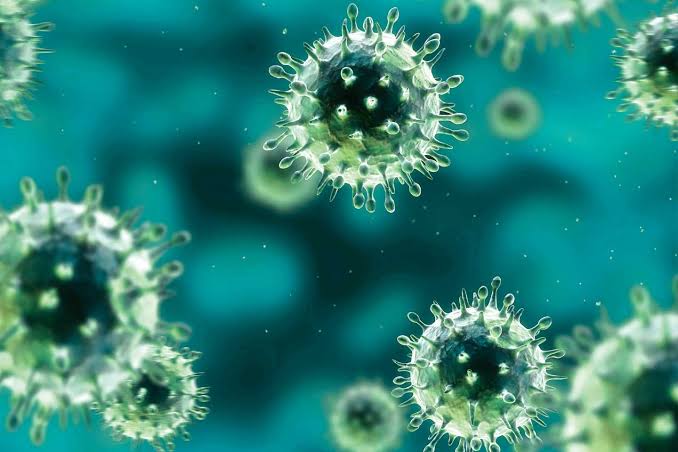
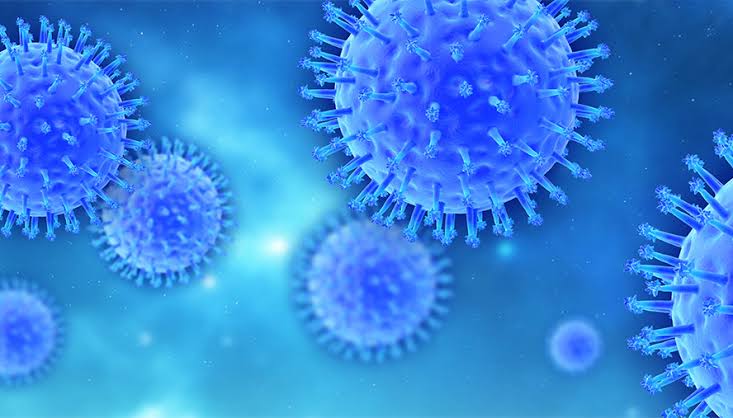
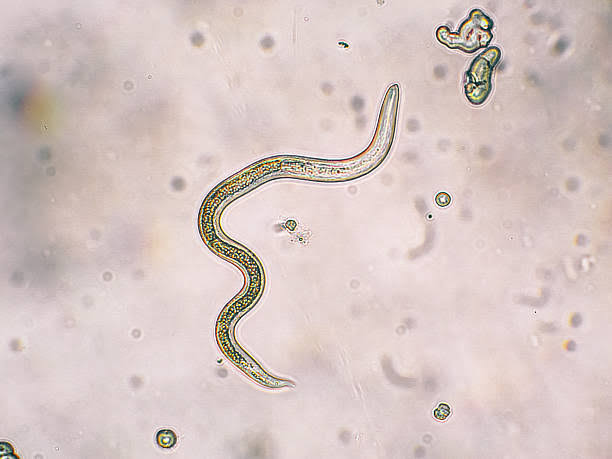
The term “germ” encompasses an army of tiny terrors, including viruses, fungi, parasites, and bacteria. These “pathogens” all have the ability to spread from victim to victim(called a host). Germs are so small you can see them only through a microscope. They look like spiky blogs, oozing spirals,hairy hotdogs, or other microscopic monsters.
Why are germs bad for us?
These microorganisms hitch a ride into our bodies on the food we eat, in the air we breathe, or through a variety of other methods. Once they have invaded our personal spaces, germs reproduce and create toxic waste, which triggers our body’s most repulsive reactions. They make us sniffle, upchuck, run to the toilet, break out in rashes and fevers, and suffer even more unpleasant symptoms.
How do we get sick from viruses?
Most viruses are frail little things ( unlike bacteria and fungi, viruses are not even alive ) that can multiply only inside a living host ( including animals, plants, and even bacteria). There they spread overwhelming and attacking the host’s immune system and causing all sorts of nasty symptoms. Colds, flus, chicken pox, immune disorders, and measles are caused by viruses. Among the worst is a Ebola, which triggers bleeding and is fatal more than half the people who catch it.
How do we get sick from fungi?
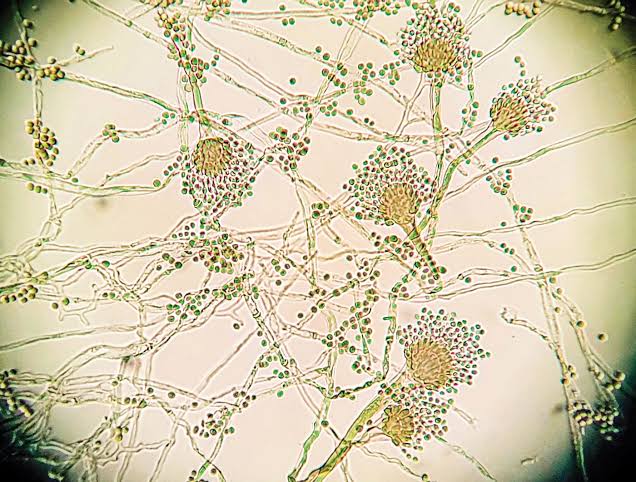
Fungi are microscopic molds, yeasts, and other plant like pathogens that thrive in wet, warm places like our armpits, our belly buttons, and the dank spaces between our toes. They feed on our respect and dead tissues and produce stinky wastes that irritate our skin.
How do we get sick from parasites?
This ghastly germ group includes itty-bitty insect larvae, amoebas, and one celled organisms called Protozoa that live in nasty food, damp soil, or dirty water. Parasites depend on a living host for their survival. They sneak into our bodies in tainted water and food, costing of all sorts of gastrointestinal gripes: diarrhoea, vomiting, upset stomachs, and worse. Malaria – common diseases that causes chills, shaking, and fevers – is spread by a parasite passed in mosquito bites. These life-sucking relationships are often the stuff of nightmares.
How do we get sick from bacteria?
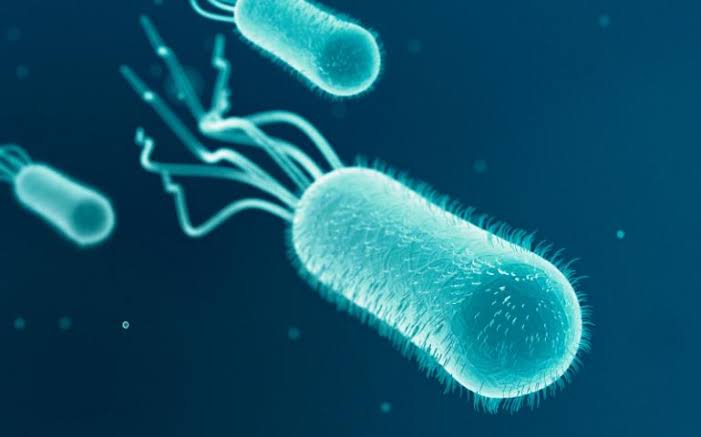
Unlike viruses, bacteria are living single celled organisms that can reproduce both outside and inside the body. Like all living things, bacteria create waste -microscopic poops that can act as a poison inside the host. You can blame sore throat, ear infections and tooth-tartar buildup on bacteria. One of the most famous bacteria is Escherichia coli. This rod shaped micorbe lives deep in your intestines, the body’s busiest bacterial neighborhood. Harmful ones make you puke for days.E.coli strains produce an important vitamin. That’s right – some bacteria are actually good for you!
How many bacteria are inside our body right now?
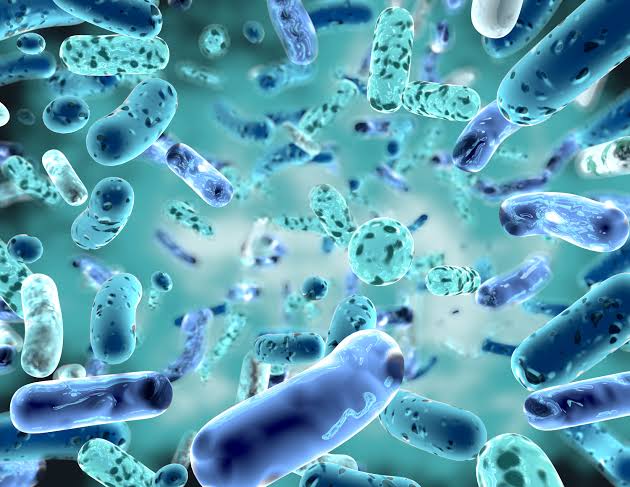
Your body is built of trillions of itty-bitty living blobs, called cells, that work together to make you you. But for every cell you call your own, ten foreign bacteria cluster around or near it. You are a microbe metropolis! Scientists call these communities of foreign bacteria your body’s “flora”, and no two people host the same mix of microorganisms. In fact, scientists are beginning to think of your flora as just another organ.
Can we see these bacteria?
No, they are microscopic. But you can certainly smell them. Like any living thing, bacteria eat, reproduce,die, and create waste which can make your life stink – literally !(Bacteria are the source of bad breath and body odor.)
Benefits of Bacteria
Your gut reaction might be to wrinkle your nose at the thought of bacteria inside your guts, but it turns out that many so-called good bacteria are essential to your health, the survival of life on Earth, and the making of tasty foods. Behold, the benefits of a microscopic allies…
Health boosting
Your body’s microbes support your immune system, which fights sickness.
Plant feeding
Blue-green algae and other types of bacteria convert the nitrogen in the air into compounds plants can use.
Food processing
Micorbes in our innards play a huge role in the digestive process, helping us absorb nutrients and vitamins from our food.
Food making
Bacteria are a vital ingredient in the process of turning milk into yogurt and tasty cheeses. The holes in Swiss cheese are created by carbon dioxide bubbles exhaled by bacteria during the cheese making process.
Planet Cleaning
Bacteria breakdown dead animals and plants, which “decompose” into nutrients for the living.
Good mental health is characterised by a person’s ability to fulfil a number of key functions and activities, including : the ability to learn, the ability to feel, express and manage a range of positive and negative emotions, & the ability to form and maintain good relationships with others. Who doesn’t want to be strong mentally?
Here are some methods for good mental health :
1. Value yourself
While self-worth is more emotional, self-value is more behavioural. This is where we take the foundation of how we feel about ourselves and put it to work. Self-value is the driving vehicle that allows us to walk the walk and act in ways that align with what we value. This shows up in the way we talk to people or in steps we take to speak our truth. Both self-worth and self-value feed off of one another, but it’s helpful to point out the subtle differences. Treat yourself with kindness and respect, and avoid self-criticism. Make time for your hobbies and favourite projects, or broaden your horizons. Do a daily crossword puzzle, plant a garden, take dance lessons, learn to play an instrument or become fluent in another language
2. Give yourself
Volunteer your time and energy to help someone else. You’ll feel good about doing something tangible to help someone in need and it’s a great way to meet new people.
Healthy Ways to Take a Mental Break :
Get Outside. Getting outside and enjoying the fresh air is a great way to renew your energy
Be Active
Meditate
Treat Yourself
Drink Water
Make Time to Socialise
3. Take care of your body
Taking better care of our bodies means increased energy levels, and a better ability to accomplish our daily goals. It means better ability to concentrate on any given task, and that our tasks will take less time to complete. Taking care of yourself physically can improve your mental health. Be sure to :
Eat nutritious meals
Avoid smoking and vaping
Drink plenty of water
Exercise, which helps decrease depression and anxiety and improve moods
Get enough sleep. Researchers believe that lack of sleep contributes to a high rate of depression in college students.
4. Surround yourself with good people
When you surround yourself with positive people, you’re more likely to adopt empowering beliefs and see life as happening for you instead of to you. Just as you benefit when you surround yourself with people who make you happy, you suffer when those in your business or social circles are negative or narrow-minded. People with strong family or social connections are generally healthier than those who lack a support network. Make plans with supportive family members and friends, or seek out activities where you can meet new people, such as a club, class or support group.
5. Quiet your mind
Try meditating, mindfulness or prayer. Relaxation exercises and prayer can improve your state of mind and outlook on life. In fact, research shows that meditation may help you feel calm and enhance the effects of therapy. Silencing the mind does not mean stopping to think at all. It means thinking when you need to think, but keeping the mind calm when you don’t need to think.
6. Learn how to deal with stress
Like it or not, stress is a part of life. Practice good coping skills: Try One-Minute Stress Strategies, exercise, take a nature walk, play with your pet or try journal writing as a stress reducer. Also, remember to smile and see the humour in life. Research shows that laughter can boost your immune system, ease pain, relax your body and reduce stress.
7. Set realistic goals
Decide what you want to achieve academically, professionally and personally, and write down the steps you need to realize your goals. Aim high, but be realistic and don’t over-schedule. You’ll enjoy a tremendous sense of accomplishment and self-worth as you progress toward your goal. Wellness Coaching can help you develop goals and stay on track.
8. Avoid alcohol and other drugs
Keep alcohol use to a minimum and avoid other drugs. Sometimes people use alcohol and other drugs to “self-medicate” but in reality, alcohol and other drugs only aggravate problems.
Some ways to avoid using alcohol :
Keep a diary of your drinking
Don’t keep alcohol in your house
Choose alcohol-free days
Watch for peer pressure
Set a drinking goal
9. Break up the monotony
Although our routines make us more efficient and enhance our feelings of security and safety, a little change of pace can perk up a tedious schedule. Alter your jogging route, plan a road-trip, take a walk in a different park, hang some new pictures or try a new restaurant.
5 Ways to Break the Monotony of Your Routine
Start your morning with something different
Add some new scenery to your day
Shake up your lunch break
Listen to music
Review your habits regularly
10. Get help when you need it
Seeking help is a sign of strength not a weakness. And it is important to remember that treatment is effective. People who get appropriate care can recover from mental illness and addiction and lead full, rewarding lives. Asking for help allows us to surround ourselves with people who can make us feel good and facilitate further development. These people create optimism and hope that we are able to deal with challenging situations, which improves our resilience.
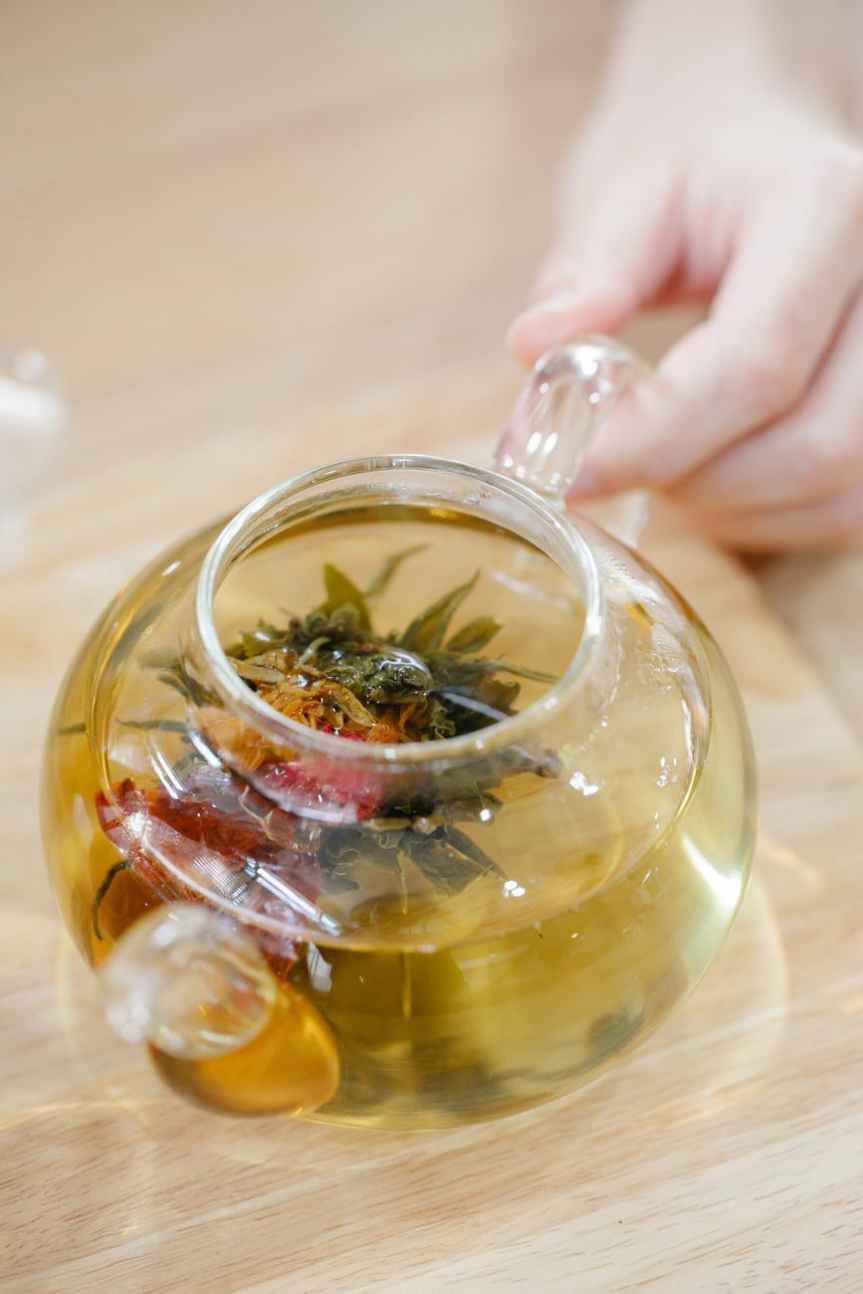
1. Contains Healthy Bioactive Compounds: Green tea is more than just a drink that keeps you hydrated. The green tea plant has a variety of beneficial substances that make their way into the finished beverage. Tea is high in polyphenols, which are natural substances with health advantages such as inflammation reduction and cancer prevention. Epigallocatechin-3-gallate is a catechin found in green tea (EGCG). Catechins are natural antioxidants that aid in the prevention of cell damage as well as providing other advantages. These chemicals can protect cells and molecules from damage by reducing the generation of free radicals in the body. These free radicals contribute to ageing and a variety of ailments. One of the most potent components in green tea is EGCG. Its ability to assist treat a variety of ailments has been studied. It appears to be one among the key chemicals responsible for the therapeutic benefits of green tea. Green tea also contains trace minerals that are beneficial to your health.
2. Increases Fat Burning: If you look at the ingredients list of any fat-burning supplement, you’ll almost certainly see green tea. This is because green tea has been shown to increase fat burning and metabolic rate in studies. Green tea extract boosted the quantity of calories burnt by 4% in a research involving ten healthy men. Green tea extract boosted fat oxidation by 17 percent in another study involving 12 healthy males when compared to those who took a placebo.
However, some research on green tea have found no increase in metabolism, suggesting that the effects may vary depending on the individual and how the study was conducted.
3. May Protect The Brain From Aging: Green tea has been shown to increase brain function in the near term as well as protect the brain as it ages. Alzheimer’s disease is a widespread neurological illness that is the leading cause of dementia among seniors. Another prevalent neurodegenerative disease is Parkinson’s disease, which is characterised by the death of dopamine-producing neurons in the brain. Green tea catechin chemicals have been shown in several studies to have diverse protective effects on neurons in test tubes and animal models, potentially lowering the incidence of dementia.
4. May Improve Brain Function: Green tea may assist increase brain function in addition to keeping you alert. Caffeine, a well-known stimulant, is the main active component. It doesn’t have as much caffeine as coffee, but it’s enough to elicit a response without generating the jittery affects that come with too much caffeine. Caffeine impacts the brain by inhibiting adenosine, an inhibitory neurotransmitter. This enhances neuronal activity and neurotransmitter concentrations such as dopamine and norepinephrine. Caffeine has been found in studies to increase mood, vigilance, response time, and memory, among other aspects of brain function.
5. Antioxidants May Lower the Risk of Some Cancer: Cancer is a disease caused by uncontrolled cell development. It is one of the major causes of death in the world. Oxidative damage has been linked to chronic inflammation, which has been linked to chronic diseases such as cancer. Antioxidants can aid in the prevention of oxidative damage. Green tea is high in antioxidants and is a great source of them. Green tea components have been associated to a lower risk of cancer in studies such as these:
Breast cancer: Breast cancer is a disease that affects women. According to a meta-analysis of observational studies, women who drank more green tea had a 20–30 percent lower risk of breast cancer, one of the most frequent diseases in women.
Prostate cancer: Prostate cancer is a disease that affects men. Men who drank green tea had a decreased chance of advanced prostate cancer, according to one study.
Colorectal cancer: Colorectal cancer is a type of cancer that affects the colon. Green tea drinkers were 42 percent less likely to acquire colorectal cancer, according to a review of 29 research.
Green tea users are less likely to acquire numerous types of cancer, according to many observational studies, but more high-quality research is needed to corroborate these findings.
Avoid adding milk to your tea to obtain the maximum health advantages. According to certain research, it may lower the antioxidant value of various teas.
Scientists have several ideas why humans can high-five each other instead of, say, high four or high six. One theory suggests four fingers and a thumb on each hand are the perfect number and length to grip objects firmly. (Another study suggests we can gasp most things with just our thumb and index finger if necessary ; the other four fingers are spares).
The process of evolution determined the most beneficial number of fingers and toes for our survival. Pandas, after all, have thumblike digits to help them grasp bamboo shoots, while some birds have quadruple digits for perching and tucking away during flight. Occasionally, babies are born with extra fingers and toes (a condition known as polydactyly), but those additional digits have never offered enough of an edge to survive to later generations. In other words, evolution determined that five fingers per hand are just right for humans.
Why do we have thumbs?
Having no thumbs would make you all thumbs, fumbling to tie your shoes or assemble a hamburger. (Don’t believe us? Tape one of your thumbs against the side of your hand and see how hard life becomes). We inherited a fully “opposable” thumb named for its ability to close tip-to-tip against our other fingers – grom our primate ancestors around two million years ago. These ancient relatives needed handier hands to help get a grip on simple tools. So give a thumbs – up to your thumbs. So give a thumbs – up to your thumbs. They are the main reasons you can text with one hand and build a burger without fumbling the bun.
Do other animals have thumbs beside us?
Lots of them, although the exact number depends on your definition of “thumbs”. Apes and many monkeys have opposable thumbs just like us, while smaller primates, pandas, and koalas have thumblike digits and claws that help them grip plants and prey.
Why do we have fingerprints?
Those whirls, swirls, loops, and arches on your fingertips (and toes, in case you didn’t know) are hnique to you – even if you have an identical twin – and they remain unchanged throughout your entire life. In fact, the faint ridges known as fingerprints form before you have ever born. Fluids in the womb put pressure on your developing digits, which, combined with your rate of growth and genetic makeup, create one-of-a-kind designs.
Okay, but why do we have fingerprints?
Ah, you want to know the point of those fingertip designs ( well, besides incriminating crooks who forget to wear gloves). Scientist have put forth all sorts of possible reasons. Fingerprints might magnify the hand’s ability to detect vibrations, for example, or improve our sense of touch. They also might work like tyre trying to help They also might work like tire treads to help us grip objects.
Why do my fingers wrinkle when we’ve been swimming?
You might think that playing in the pool or soaking in the tub makes your fingertips and toes waterlogged and soggy. Not so ! The prune effect is caused by blood vessels bringing just below the skin – an automatic reaction triggered by your nervous system when it senses long exposure to water. Scientists think people evolved this reaction to improve their grip and traction in wet environments. After all, pruny fingers make it easier to snag slippery fish.
Why can we pop our knuckles?
When you move or bend your fingers, you occasionally squeeze tiny air bubbles that form in the protective fluid around your body’s joints.Those poping bubbles create an audible crack.
Protection of women in India has become a crucial issue. We cannot assure the safety of the women nowadays because if we read a newspaper or go on social media, the news of girls getting raped by cab drivers, acid burning, child marriage, domestic violence, molestation is flooded from different parts of India. Such incidents have created fear and fright among young girls and women. They don’t feel safe in their own country. In rural areas, the conditions are worse where women are burned and killed by in-laws or tortured for dowry. Moreover, female infanticide is still practised in some remote areas.
The most dreadful event that the country faced was the Nirbhaya gang-rape incident. To curb such horrendous crimes against women, the government has passed laws for women’s safety. They are Child Marriage Restraint Act 1929, Hindu Marriage Act 1955, Dowry Prohibition Act 1961, Deaths and Marriages Registration Act 1886, Indian Divorce Act 1969, Equal Remuneration Act 1976, Prohibition of Sex Selection Act 1994, Protection of women from Domestic Violence Act 2005, Sexual Harassment of Women at Work Place Act 2013 etc. and many more.
How to Ensure Women Safety in India?
Everyone requires to determine and willingly agree that every person has the freedom to feel safe. Indian constitution states that every person is even before the law. But unfortunately, it is not practiced everywhere. Women and girls around the world should be given access to education, freely walk at any place, reach to hospitals, the opportunity of choosing a career, freedom of choice of marriage partner and also the freedom to wear their own choice of clothes. They should not be punished for the selection of garments, friends, and other extra-curricular activities.
Education is the demand for the hour to eradicate such problems and to help individuals in the nation recognize and respect limits, and approval in order not to dishonor women’s rights. As individuals, we can regard each other with respect. Let us stand as active bystanders where we stop sexual violence and interfere if any such incidence happens anywhere with the women. Most importantly, do not perpetuate it.
Role of the Government:-
The Government must ensure that the law in force is activated. What is the point of having women’s security law if the order is definitive and inhibiting? There is a requirement to improve the infrastructure to secure women’s freedom. Notwithstanding the production of various efficient laws and ordinance by the Government of India to trade with and set assaults against females, the volume and repetition of sins against females are growing daily. The state of women in the country has been metal assault and offensive in the past few years.
Women’s belief in their protection in their country has decreased. Women are in questionable conditions for their security and anxiety while going everywhere or outside their houses (such as office, market, etc.). We should not criticize the government, because it is not just the duty of the government to safeguard women but of every citizen of India, especially the people who require it. Research that put India as the most unsafe place due to its raised incidence of sexual violence, deficiency of access to trial in rape instances, child wedding, female feticide and trafficking in human beings. India surpassed nations that have a high rate of women’s criticism.
The safety of women in India is a significant concern today. We cannot say that women are safe in India by going through crimes against women in the past few years. Women feel frightened to move out and roam around by themselves.
Some Major Safety Tips:-
Self-defense routines are the first and foremost method that every woman must be mindful of and have sufficient self-defense practice for their security.
Women need to be mindful of some efficient defense techniques, such as crotch kicks, blocking punches, etc. Usually, most women should be trained well to recognize the issue.
Women should at once limit any situation that they feel wrong about.
Escape and operate is also an excellent way to mitigate some of the risks women face whenever they are in trouble.
They should never travel alone with an unknown person in some strange location.
Women must know and feel their dynamic power and practice it subsequently. They should nevermore think that they are more insecure than men and get some self-defense practice.
Women should be alert to interact with someone on the Internet in cyberspace.
Pepper spray can also be used as a self-defense tool, but it may be not effective for some people who cannot be harmed by even full-face spraying. It may not obstruct the attacker; thus women should not depend completely on it and use other methods as well.
Women should carry all the emergency numbers with them to tell their family members and the police immediately, in case of any emergency.
Conclusion:-
Though we had a woman prime minister, a woman president and a woman finance minister, and a woman defense minister, still we have a gender non-inclusive legislature primarily. At 12%, India is one of the stragglers among its associates in the portrayal of women in Parliament.
Free India represents women as half of the population, which is observed in the Chinese bureaucracy. The situation is not very promising yet in the state of the judiciary, where, as a nation, we are glorifying only the first instance of three female judges sitting in the 68-year tale of the nation’s Supreme Court. Notwithstanding repeated crimes against women and young girls, India still does not have a wide database of physical offenders. Registration and information systems for sex offenders have been created around the world over the past 20 years. Since 1994, 18 more countries have launched new laws on the recording of sex offenders.
Women, in the past years, have made an extraordinary contribution to the world whether she is Mother Teresa, Marie Curie, Virginia Woolf, Betty William, and the most present one is Malala Yousafzai. They fought for their freedoms and stood up for their convictions against all the odds. Few more women such as Kalpana Chawla, Sania Mirza, Saina Nehwal, Indra Nooyi, etc. are the examples in the history of India, who broke down all the obstacles in their routes to progress and impact.
Women empowerment in the nation encourages equality between women and men and supports women by allowing them with power and courage to be the decision-maker of their individual life. Women’s empowerment in India has achieved power with the support of women’s welfare organizations by giving them all the required support.



























 Eduindex
You must be logged in to post a comment.