A nanoparticle (NP) is an ultrafine unit with dimensions measured in nanometres (nm; 1 nm = 10−9 metre). Nanoparticles exist in the natural world and are also created as a result of human activities. Because of their sub-microscopic size, they have unique material characteristics, and manufactured nanoparticles may find practical applications in a variety of areas. The small size of nanoparticles is especially advantageous in medicine; nanoparticles can not only circulate widely throughout the body but also enter cells or be designed to bind to specific cells. Those properties have enabled new ways of enhancing images of organs as well as tumours and other diseased tissues in the body. Some examples of NP used for medical purposes are metallic NP, carbon nanotube, liposome, gold NP, silica NP and many more.
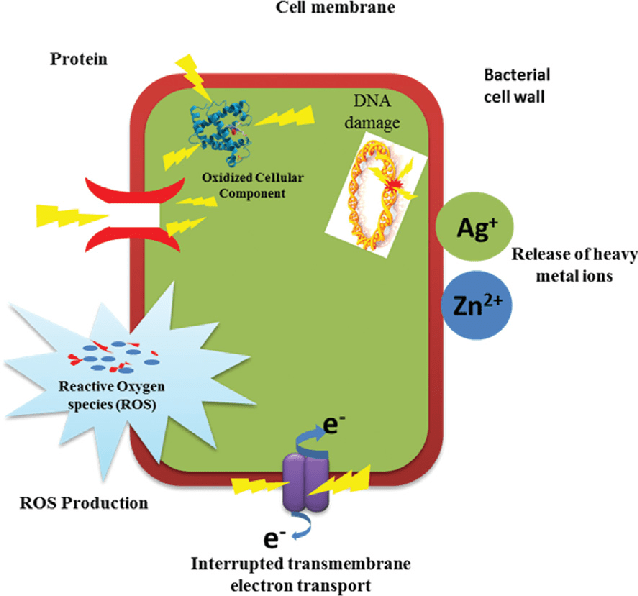
The massive use of nanomaterials in biomedical applications enhanced research interest to explore the antibacterial mechanisms of NPs. NPs can alter the metabolic activity of bacteria by maintaining contact with bacterial cells via electrostatic interaction, Van der Waals forces, receptor-ligand and hydrophobic interactions. Further, these NPs can cross the bacterial membrane and assemble along the metabolic pathway influencing the shape and functioning of the cell membrane. Finally, NPs interact with the bacterial cell basic components causing oxidative stress, permeability and gene expression changes, diverse alterations, electrolyte balance disorders, protein deactivation, and enzyme inhibition
These NPs work on a bacterial cell in three ways, they are as follows:
Dissolved metal ions: Metal oxide NPs release metal ions and these metal ions are absorbed through the cell membrane. Each metal ion has its sensitivity to different microorganisms. For instance, Ag+ ions react with the sulfhydryl group in enzymes and other cellular constituents leading to cellular dysfunction. Ag+ also prevents cell wall synthesis in Gram-positive bacteria. Ag+ ions can also interact with DNA inhibiting the growth by obstructing DNA replication and cell division.
Reactive oxygen species: The toxicity of nanomaterial can be mainly attributed to the production of reactive oxygen species ROS that inhibits bacterial growth by restricting amino acid synthesis, lipid peroxidation and DNA replication. The presence of NPS excessive production of ROS leads to an unbalanced state, which results in oxidative stress, creating damage to the basic individual components of bacterial cells. ROS namely Superoxide radical, hydroxyl radical, hydrogen peroxide that is generated by different levels of activity and toxicity.
Direct contact / Non-oxidative mechanism: The non-oxidative mechanism involves direct interaction on NPs with the cell wall. Direct contact is often but not in all cases a necessary mechanism of toxicity. Direct contact inhibits enzymes and proteins involved in cell metabolism, thus disrupting the normal functioning of the bacterial cell.
Nanoparticles can be used as tags or labels, which will help us in the detection of infectious agents even in small sample volumes directly in a very specific, sensitive and rapid format with lower costs than current in-use technologies. Also, the earlier detections will help in accurate and prompt treatment of the disease. however, nanoparticles that are used in nanomedicines can travel through a mother’s placenta and can assist in the formation of free radicals.
In the last couple of weeks, there have been some big announcements from the medical and mental health communities about the wisdom of using drugs over behavioral methods for various disorders. The meds vs. therapy debate has been an active one for a number of years.But these days, some experts and organizations are questioning, more and more, whether popping pills should really be our go-to treatment, based on the literature. And it seems that for some that have historically used meds as the first line of treatment, the evidence for behavioral methods has mounted to the point where recommendations have shifted in their favor. At least for some things.
Whether you’re leaning toward therapy, medication, or a combination, knowing that a reliable pharmacy partner is part of the care network can bring added reassurance. Many people now use online tools to locate a specialty pharmacy near me, ensuring they can quickly connect with professionals who understand their unique health needs. Therapy or medication? In both children and adults, evidence-based psychosocial therapies have been shown to work for a broad range of mental health disorders, as well as for many life problems. The same can be said for the effectiveness of some medications. The information below is intended to help parents/caregivers choose between treatment options for their child or adolescent, and to decide whether therapy and medication should be combined for the most effective treatment.Medications, psychotherapy and their combination have been shown to help people with emotional or behavioral problems. Different kinds of problems, however, will respond differently to various treatments; therefore, choosing the right treatment can be complicated. Your choice of treatment should be based on the best available scientific evidence, as well as your own willingness to try these treatments and to stick with them. Whatever the choice, these discussions should be reviewed with your physician, psychologist or mental health professional. Here are some things to consider:
Best Evidence
For depression, two kinds of psychotherapy called cognitive-behavioral therapy and interpersonal psychotherapy, as well as antidepressant medications, have been shown to be helpful. There is some evidence that combining psychotherapy and medications may be more effective than either treatment alone. People who are suicidal may need to be treated in a hospital.
For anxiety disorders, cognitive-behavioral therapy, antidepressant medications and anti-anxiety medications have all been shown to be helpful. Research generally shows that psychotherapy is more effective than medications, and that adding medications does not significantly improve outcomes from psychotherapy alone.
For alcohol and drug use disorders, cognitive-behavioral therapy and environment-based therapies, as well as 12-step support programs, have been shown to be helpful. People with severe substance use problems may also benefit from the addition of certain medications that reduce cravings or intoxication effects.
For eating disorders, medical management may be necessary to maintain physical safety. Cognitive-behavioral therapy, interpersonal psychotherapy and antidepressant medications have all been shown to be helpful, and some evidence suggests that combining psychotherapy and medications may be more effective than either treatment alone.
For schizophrenia or bipolar disorder, most people will require treatment with antipsychotic or mood-stabilizing medications. Research suggests that adding cognitive-behavioral or family psychotherapy to the treatment can improve functional outcomes.
For problems with parenting, marriage or adjustment, psychotherapy is usually the first recommendation. This treatment can help you build skills and respond more appropriately to stressors.
Personalizing Your Treatment
Different people respond to treatments differently. Therefore, if one treatment does not help, try adding the other. Research shows that psychotherapy can be helpful even for people who do not respond well to medications.
Psychotherapy and medications both require that you stick with the treatment. Results usually do not happen overnight. Therefore, only start a treatment if you are willing to continue it long enough for it to help you.
You will be most likely to stick with a treatment if it makes sense to you. Therefore, it’s important that you discuss the treatment thoroughly with your doctor, and that the treatment is explained in a way that you can understand.
When in doubt, ask your doctor. He/she can inform you of the best evidence and make a specific recommendation for your condition.
Doesn’t matter if you have straight hair, curly hair or oily or thin hair type some of the hair tips are universal. To reshape your hair routine basic hair care is important. So continue reading to know more.
Doesn’t matter if you have straight hair, curly hair, or oily or thin hair type some hair tips are universal. To reshape your hair routine, basic hair care is important. So continue reading to know more. For those dealing with hair thinning or pattern baldness, exploring options like a dutasteride prescription from Happy Head can also be beneficial. Dutasteride works by blocking DHT, the hormone largely responsible for hair loss, and Happy Head makes it accessible through a convenient online platform that connects users with licensed dermatologists for customized treatment plans.
#TIP 1: WASH WITH LUKEWARM WATER
Sizzling hot shower can feel relaxing but if you are real with yourself then think twice that it is not worth it. Red-hot water can actually take away the essential oil from your hair and can make your hair look duller. So next time when you step to take shower adjust the temperature, Lukewarm water can help to get clean without being harsh on hair.
#TIP 2: CONDITION CORRECTLY
Conditioning after shampoo is must to get smooth as silk hair, but are you sure you are doing it correctly? Roots are the part where you get the greasy glance at very first time but remember conditioner should be apply on certain sections on hair. Always apply from the middle till end of the hair. Avoid apply it from root as it can lessen the volume of hair.
#TIP 3: SHAMPOO DIRECT ON SCALP
In comparison to conditioner, shampoo should be concentrated on scalp, according to American Academy of Dermatology (AAD) applying it on mid length can dry and dull your hair. Scalp is the area needs cleansing; hence shampoo must be applied only on the scalp.
#TIP 4: WASH THOROUGHLY
Almost done with shampoo and conditioner, its time to rising out any other remaining product. Make sure you wash out everything thoroughly, as leftover product can leave your scalp oily.
#TIP 5: DON’T USE TOWEL TO DRY
Using of towel to dry off or to remove excess water from hair seems to the easiest way, but it is not the best way. Squeeze your hair after the shower and use old cotton cloth to dry off your hair. It is gentler than towel.
#TIP 6: STRAIGHT OR CURL ONLY ON DRY HAIRS
Have you ever seen a drop of water on a hot pan, consider the same happening to your hair? That’s why it is recommended to use straighter or curler when your hair dries off completely.
#TIP 7: WIDE TOOTH COMB
It’s a fact, combing wet hairs breaks more easily than dry said by AAD. Because of this it is wise to comb on dry hair or comb with wide tooth on wet hair to detangle.
#TIP 8: CHOP THE SPLIT ENDS
As much as you care to keep your hair healthy by following various hair care tips. Sometimes split ends are just unavoidable. Rather than sealing them or hiding you must book a hairdresser and chop them off as they stop the growth of hairs.
#TIP 9: HEADS ON SLIK PILLOW
Cotton pillow can absorb the essential from the hair product and can be harsh on your strands. Shift to the silk pillow cover to maximise your hair care.
#TIP 10: PROTECT YOUR HAIR FROM UV RAYS Another reason for hair damage you may not be aware of is? The SUN. AAD recommends to cover the head whenever you step out specially on a hot weather.
Euthanasia refers to deliberate action taken with the intention of ending a life, in order to relieve persistent suffering. It is performed by doctors when requested by people to put and end to illness and a lo of pain.
In most countries, euthanasia is against the law and it may carry a jail sentence. For a long time now, euthanasia ha been controversial and emotive topic.
TYPES OF EUTHANASIA:
There are different types of euthanasia
Voluntary euthanasia:
It is conducted with the consent of the patient.
Non-Voluntary euthanasia:
It is conducted when the consent of the patient is not available.
Involuntary euthanasia:
It is conducted against the will of the patient.
Passive and active euthanasia:
Passive euthanasia entails the treatment necessary for the continuance of life. Active euthanasia entails the use of lethal substances and is more controversial.
CONTROVERSY SURROUNDING IT:
There are many arguments both for and against euthanasia.
Some believe euthanasia is murder and find it unacceptable for moral reasons. Some argue that it is legal if someone is mentally capable of making their choice.
“Death with dignity” is a movement that encourages legislatures to allow people to decide how they want to die. Some people prefer not to go through a lot of pain while dying and often it concerns on not putting burden on their loved ones which is what exactly this movement defines.
It is also concerned about the ethical complications that doctors could face. Long back doctors have taken the Hippocratic oath which implies to care for and never harm those under their care. As a result most doctors never encourage euthanasia. But even in that Hippocratic oath some argue that it ends suffering and brings no more harm and hence euthanasia is totally acceptable.
IS EUTHANASIA LEGAL?
Well there are lot of debate going about the legality of euthanasia. But according to laws, euthanasia is legal in
Belgium,
Canada,
Luxembourg,
Netherlands,
New Zealand,
Spain and
several states of Australia.
Whereas in INDIA passive euthanasia is legal under strict guidelines. Patients must consent through a living will, and must be either terminally ill or in a vegetative state.
There is no particular conclusion in this case as the debate is still ongoing and one cannot come to a conclusion whether euthanasia is necessary or not. It it always in the individual and it is also a matter of choice.
Poverty is a social phenomenon where few sections of society is unable to live sustainable life. Planning Commission(now NITI Aayog) is the aithoriy, which publishes the poverty estimates based on various rounds of National Sample Survey Organization (NSSO) on monthly per capita consumption expenditure. In India the poverty line is defined on the basis of calories a day has been fixed for urban areas and 2400 calories in rural areas.
Universal Recall Period, consumption data for all items are collected for a 30 day recall period.
Causes of Rural Poverty:-
• Rapid population growth.
• Lack of capital.
• Lack of alternative employment opportunities other than agriculture.
• Excessive population pressure on agriculture.
• Illiteracy
• Regional disparities
• Joint family system
• Child marriage
• Lack of proper implementation of PDS ( Public Distribution System).
Causes of Urban Poverty:-
• Migration from rural areas.
• Lack of skilled labor.
• Lack of housing facilities.
• Limited job opportunities in cities.
• Lack of vocational training.
Poverty and itsStudy in India:- Various economists and organizations have studied the extent of poverty in India. Some of them are as follow:
Dandekar and Rath’s study of poverty in India:- Dr. VM Dandekar and Mr. Nilkantha Rath estimated the value of the diet with 2250 calories as the desired lowest level of nutrition.
Montek Singh Ahluwalia’s study of Rural poverty:- MS Ahulawalia studied the trends in incidence of rural poverty in India for the period 1956-57 to 1973-74. He used the concept of the poverty line, i.e. an expenditure level of rupees 15 in 196-61 for rural areas and rupees 20 per person for urban areas.
Estimate Poverty by the Seventh FinanceCommission 1978:- The Seventh Finance Commission attempted to have a more inclusive concept of the poverty line. Since the NSS data cover the only household consumer expenditure, thus to get a more inclusive measure of welfare or deprivation, an estimate of the benefit of public expenditure was added to the private consumer expenditure norm for calculating the augmented poverty line.
Tendulkar Committee Report:- This committee moved away from just calorie criterion definition to a broader definition of poverty that also includes expenditure on health, education, clothing expenditures in addition to food. According to this report, 41.8% population in rural areas and 25.7% population in urban areas were living below the poverty line.
Rangarajan Report on Poverty:- The expert group under the Chairmanship of Dr. C Ranganrajan to review the methodology for measurement of poverty in the country constituted by the Planning Commission in June 2012 has submitted its report on 30th June 2014. The report retained consumption expenditure measures of NSSO as the basis for specifying poverty. Based on this, it pegged the total number of poor in India at 363 million or 29.6% of the population. This is higher than 269.8 million poor people or 21.9% pegged by the Suresh Tendulkar Committee.
Highlights of the Report:-
• The daily per capita expenditure is pegged at rupees 32 for rural areas and rupees 47 for urban areas.
• Poverty line based on the average monthly per capita expenditure is pegged at rupees 972 for rural areas and rupees 1047 for urban areas.
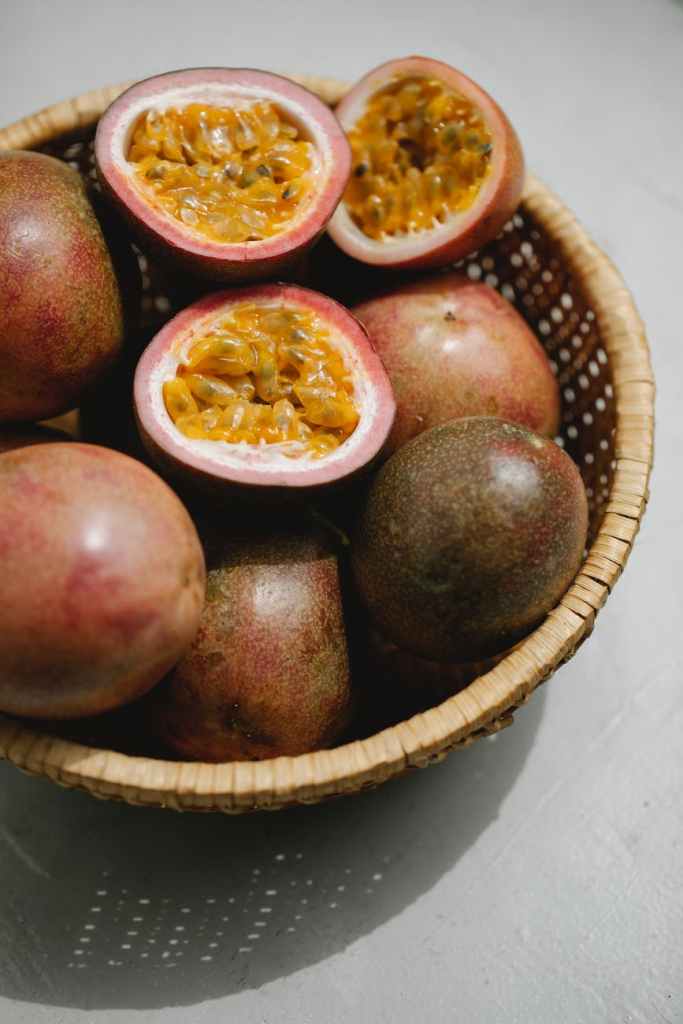
What is passion fruit? Passion fruit is the fruit of the Passiflora vine, a type of passion flower. The passion flower is the national flower of Paraguay. It has a tough outer rind and juicy, seed-filled center. There are two main types of passion fruit which I have never seen in my life, the purple and yellow varieties. There is a bit difference between purple and yellow varieties.
Passion fruit is a tropical fruit and as such its grown in tropical and temperate climates. Available in store pretty much all years round. Passion fruit is a nutritious fruit thats why gaining popularity in, among health conscious peoples. You can find it when it’s not in season too, but it is still delicious. Purple passion fruit are available throughout the year.
Benefits Passion fruit has recently gained a lot of attention because it is a rich source of powerful antioxidants and may also have other health benefits. It is rich in antioxidants, vitamins, and plant compounds that could benefit your health. It contains a high level of vitamin A which is important for skin, vision and immune system. Vitamin C is an important antioxidant that you need to get from your diet.
How to eat?
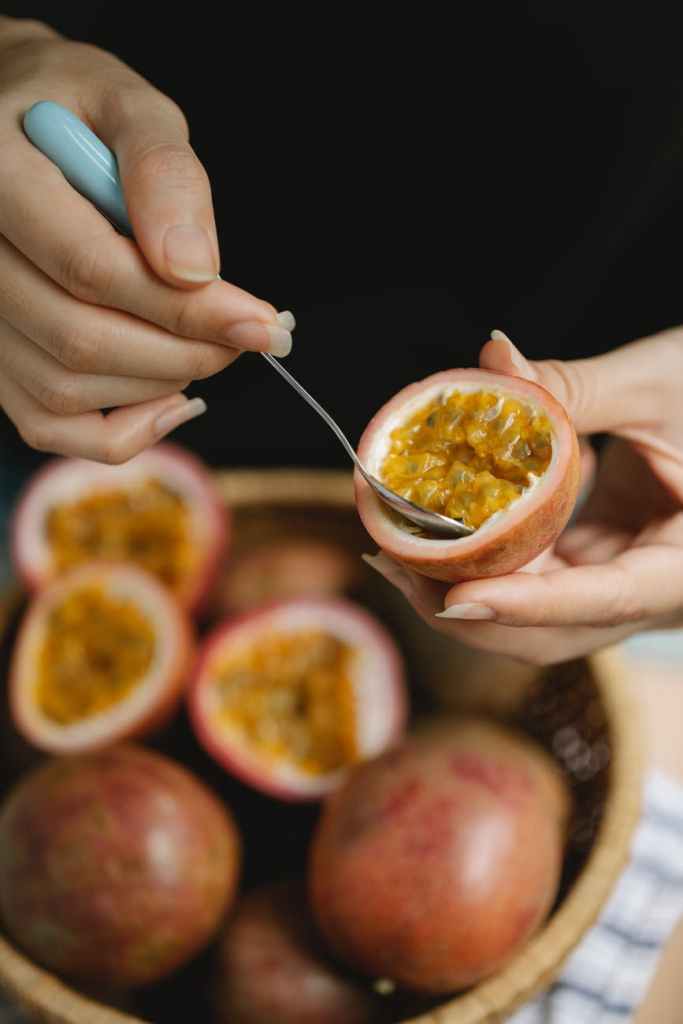
Take a knife and youre gonna cut it in half. Sometimes the skin may be little leathery and hard to cut through. The white film separating the rind from flesh is edible as well, but don’t eat it, as it is very bitter in taste. This is an alien fruit for me. It looks like some kind of jelly with seeds and now you just need a spoon and scoop it out. Seeds are really really easy to eat but they are a little crunchy. The taste is kind of sour, not as sour like a lemon.
Storing passion fruit After ripening, this fruit can be kept for upto two weeks in the fridge. It will slow down the breakdown process and keep it cool. We all know sweet flavours are best when cold. You can also store it in a freezer. But make sure to put it in the freezer safe bag.
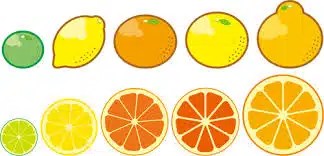
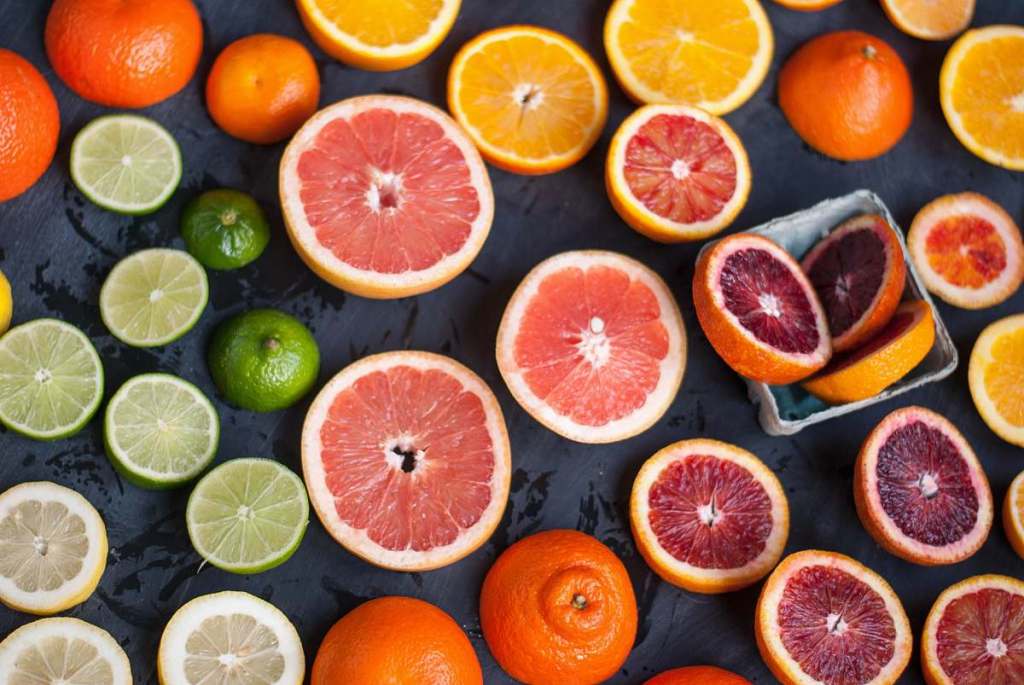
Citrus fruits are one of the nutritious fruits . This juicy ,sour or sweet flavored fruits are many types & is available in every corner of the world with their health benefactor nutrients . There are various types of citrus fruits available .
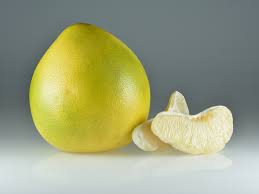
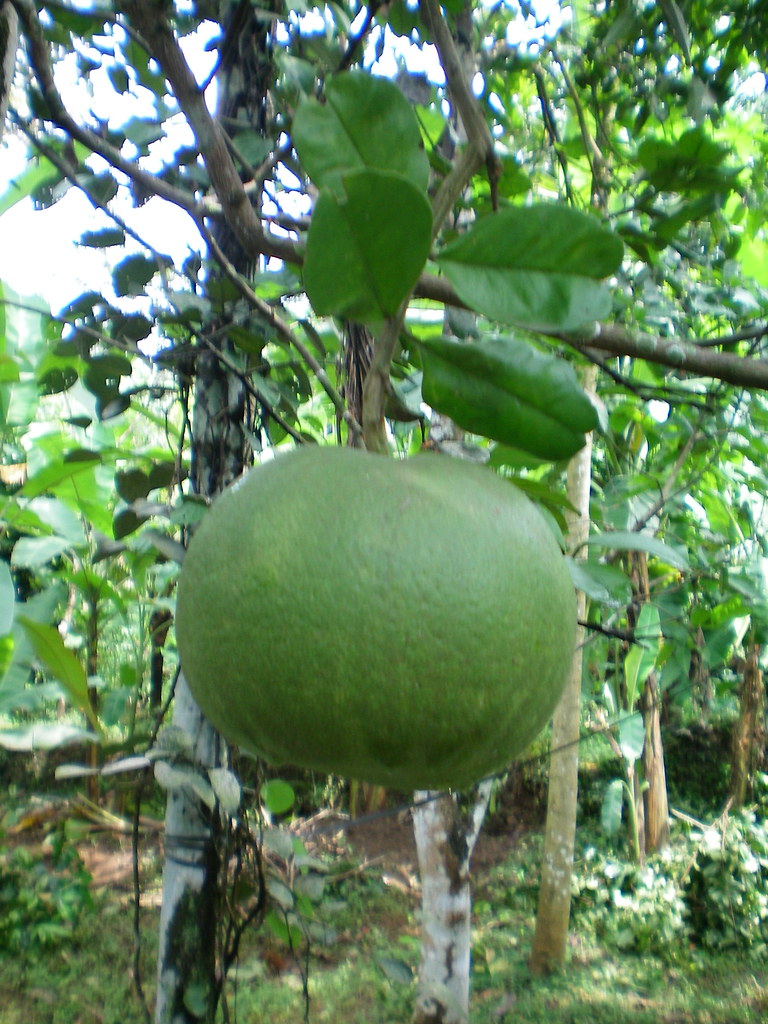
Some Citrus Fruits:1)Pomelo: scientific name – Citrus maxima. It is actually originated from South East Asia. It is the biggest citrus genus fruit under Rutaceae family. It has white flower. It is very sweet in taste. And it is the forbearer of grapefruit. One of the ancestral citrus species .
Pomelo Pomelo on tree
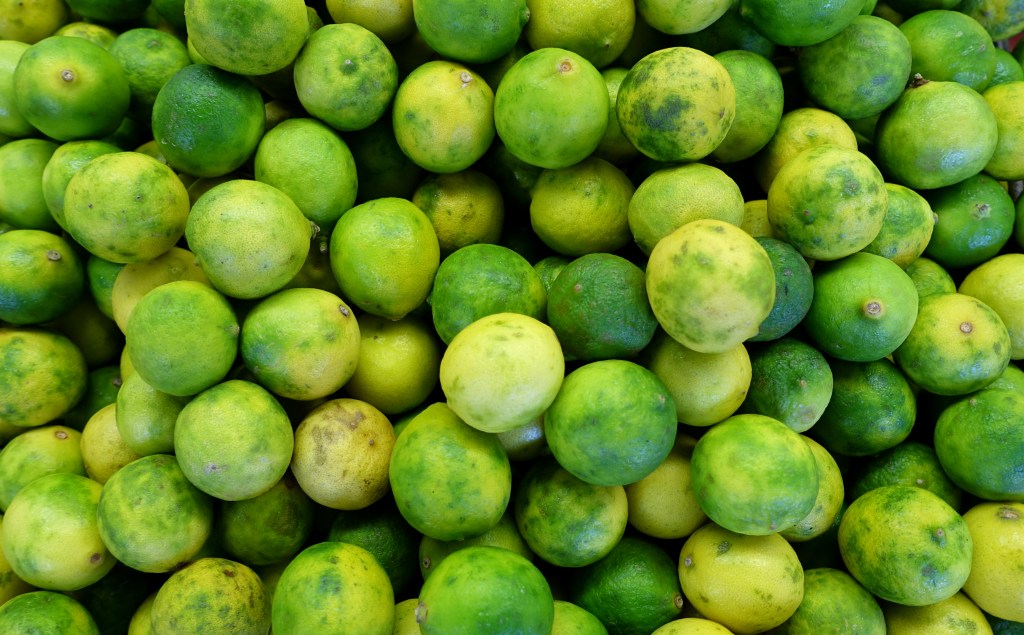
2)Bergamot Orange: scientific name – Citrus bergamia. It is very fruit and with the color of beautiful yellow and green. It is hybrid fruit of other two citrus fruit , bitter orange and lemon Orange.
Bergamot
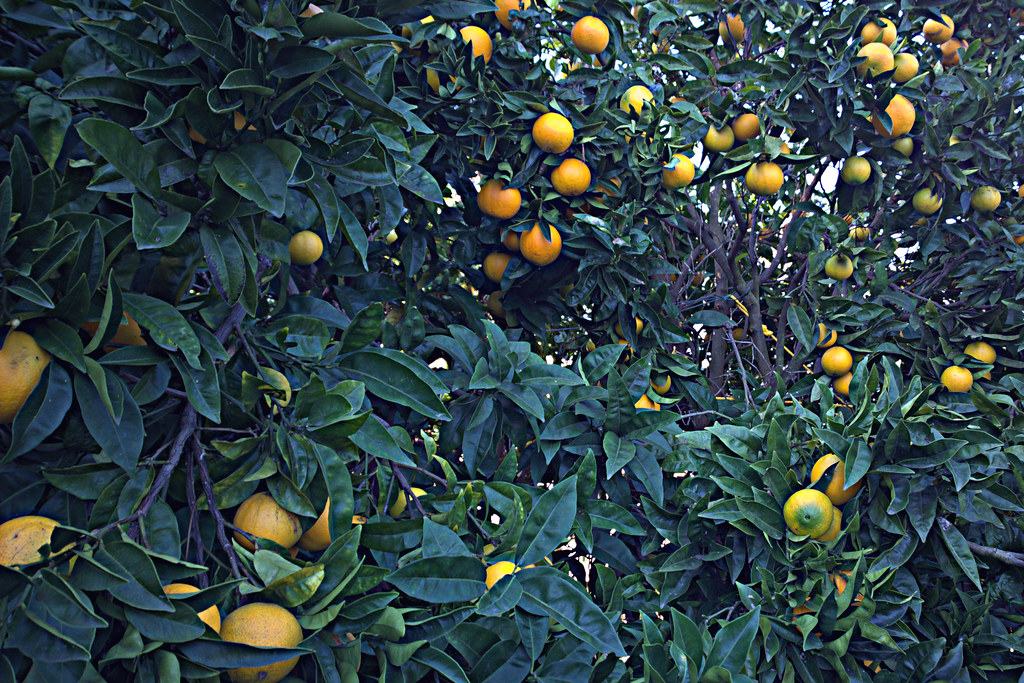
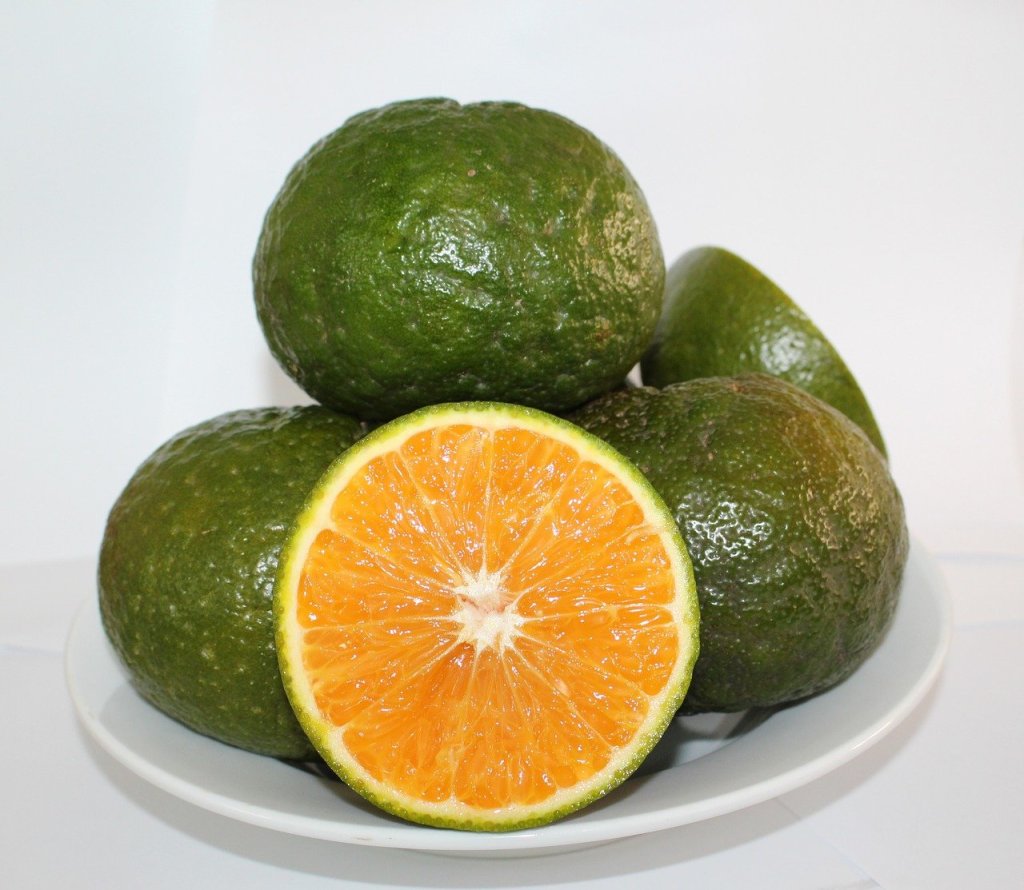
3)Bitter Orange: scientific name – Citrus aurantium. It is also called marmalade Orange or sour Orange. It is also originated from South East Asia. Its outer part is orange. It is a hybrid species.
Bitter Orange
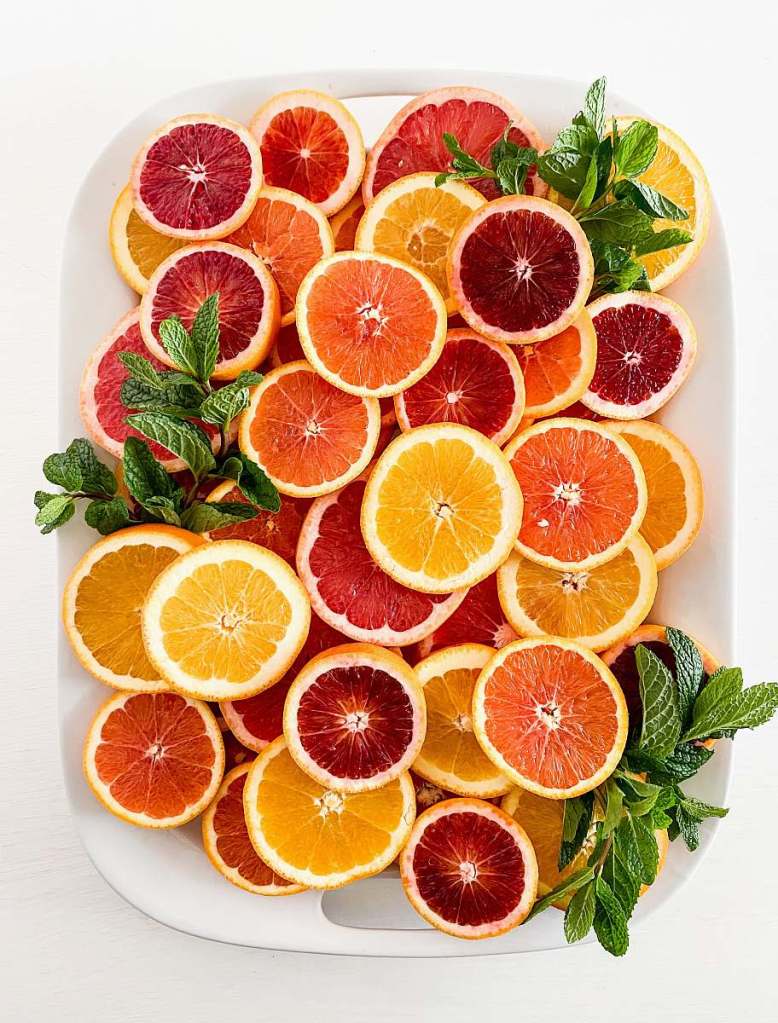
4)Blood Orange: scientific name –Citrus sinensis. This name comes from the beautiful dark red colored juicy flash inside the orange. It is specially originated from Southern Mediterranean . Chrysanthemin is found in blood Orange in more amount than any other citrus fruit its outer peel is in color of orange.
Blood Orange
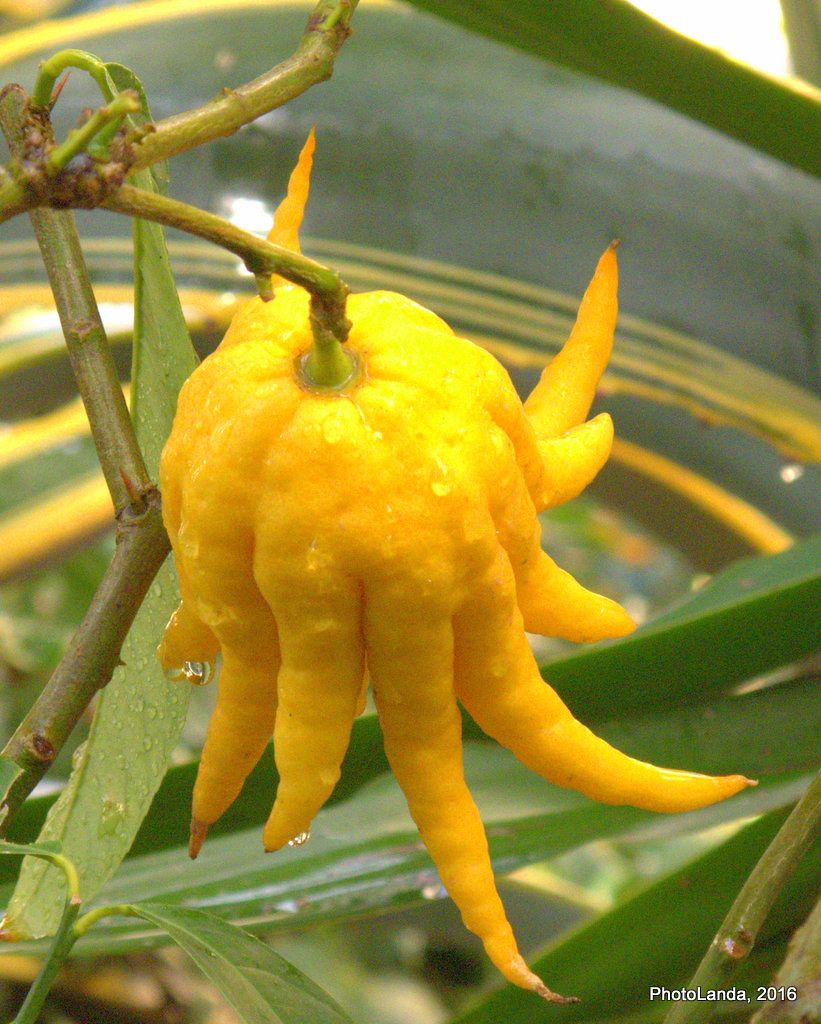
5)Buddha’s Hand: Trinomial name –Citrus medica var. sarcodactylis. It is a very unique type of citrus fruit. It has some fingers like parts coming out from the main part. It is the colour of yellow. It can be found in India and China.
Buddha’s Hand Buddha’s Hand Citrus
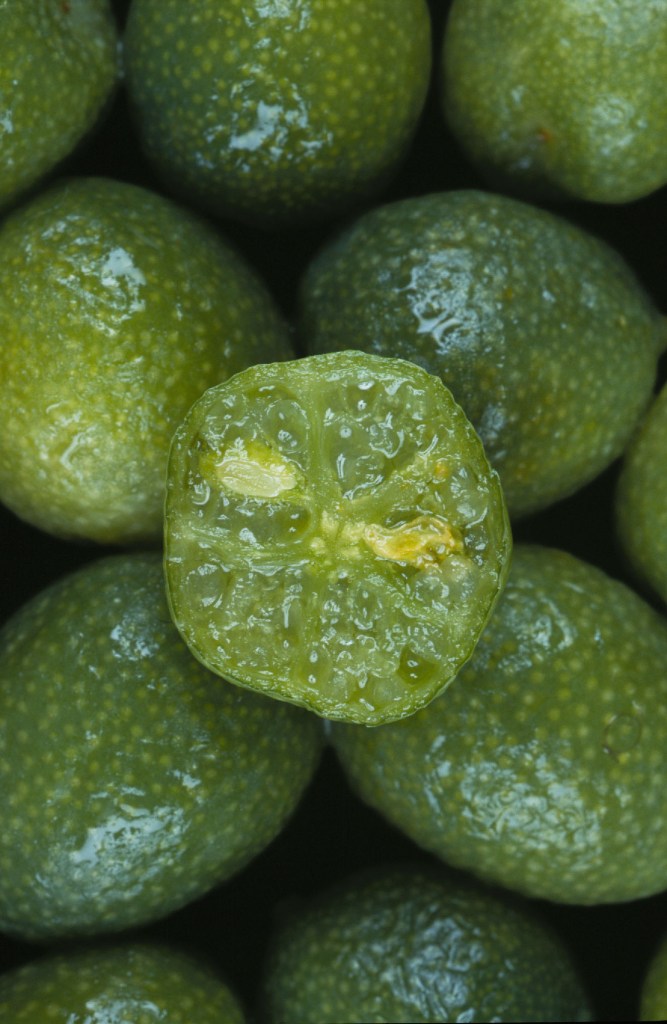
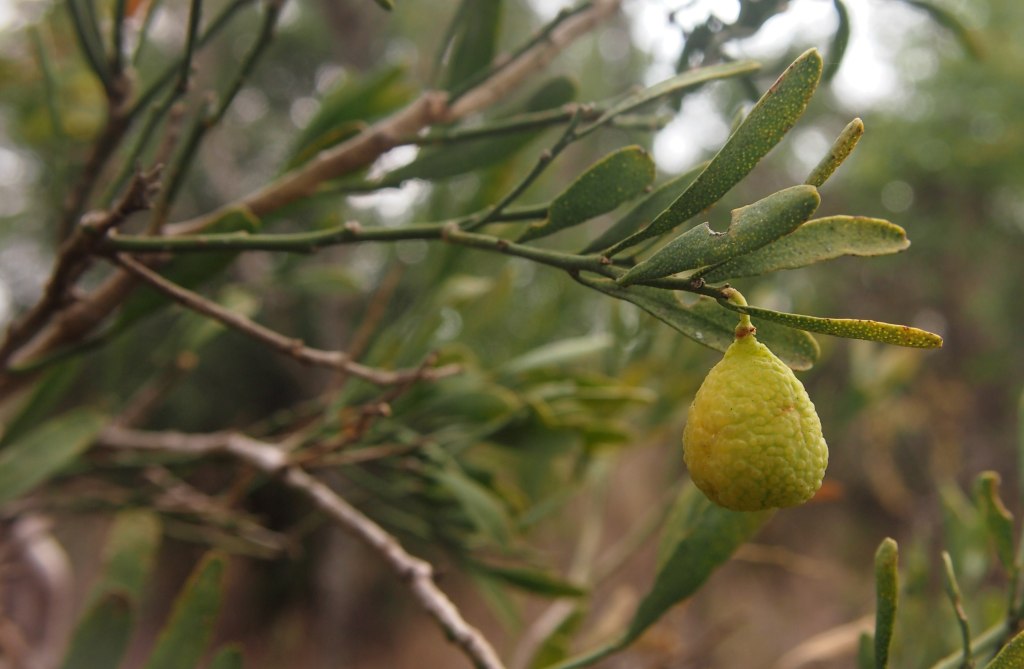
6)Desert lime: Scientific name–Citrus glauca. it is originated from Southern Australia New South Wales. It is very small size.
Desert lime Desert lime Tree
7)Citron: Scientific name – Citrus medica. Its origin is Asia. It is one of the original ancestor citrus fruit. It is very fragment and big sized.
Citron
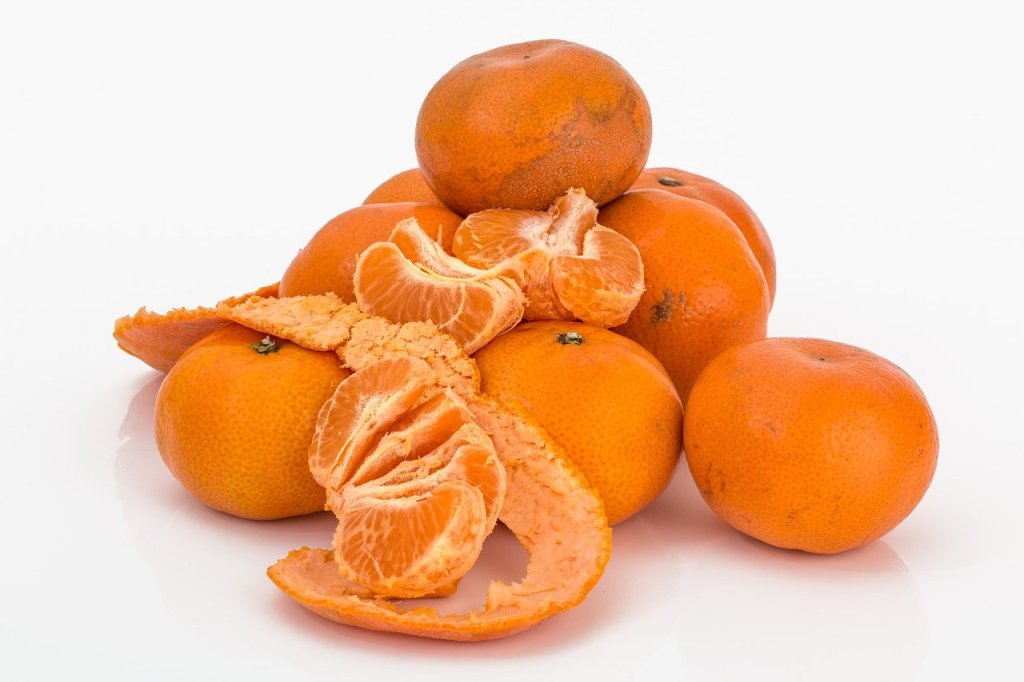
8)Mandarin Orange: Scientific name – Citrus reticulata. It is also called Mandarine. It is a close species of orange. It is also a primary species of citrus.
Mandarin Orange Mandarin Orange Plant
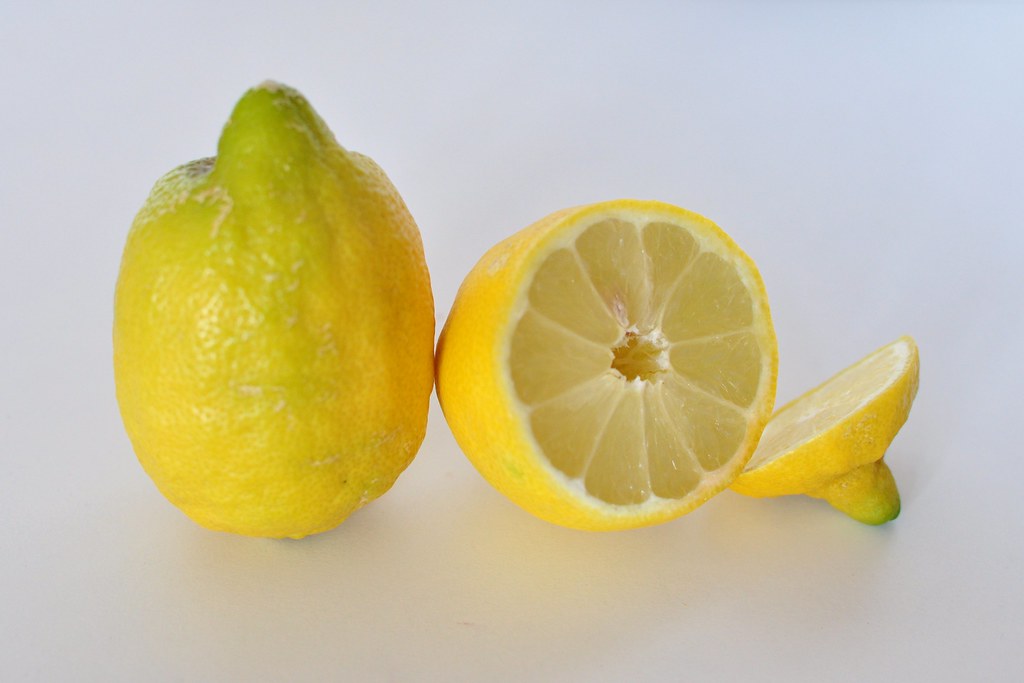
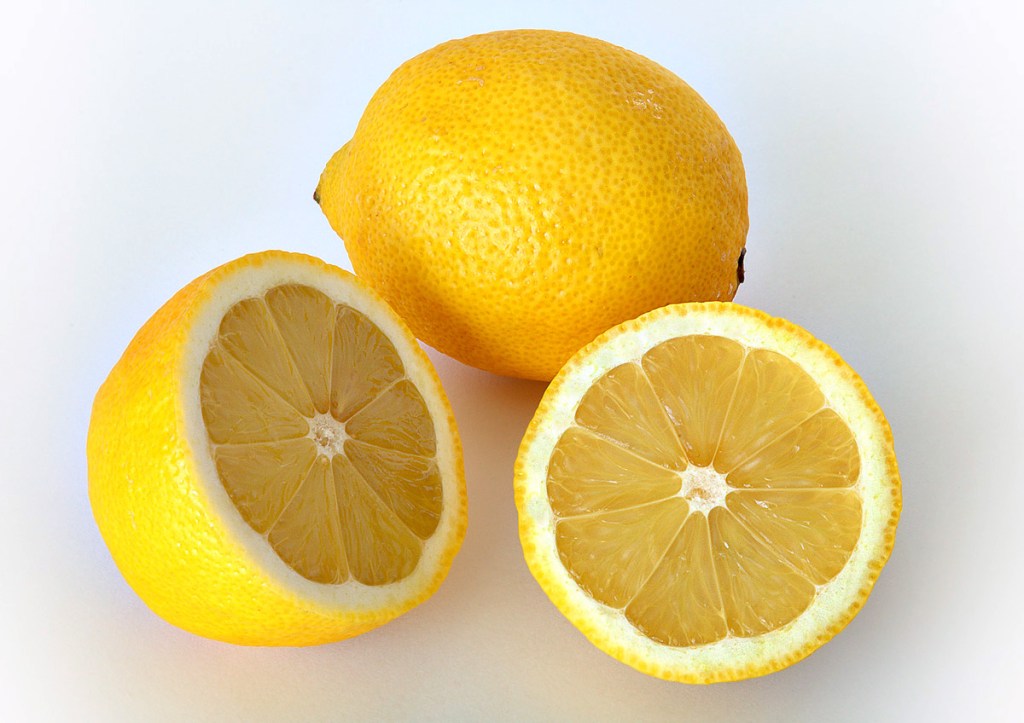
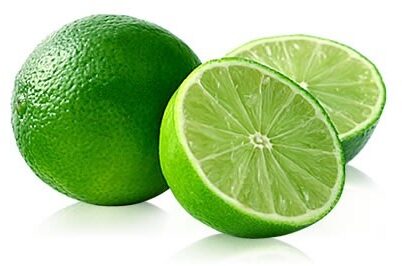
9)Lemon: Scientific name –Citrus limon. It is also a hybrid spaces of citrus. It is originated from South Asia, specially Assam in India. Its color is young green or yellow. It has a very pleasant scent at its juice tests sour.
Lemon
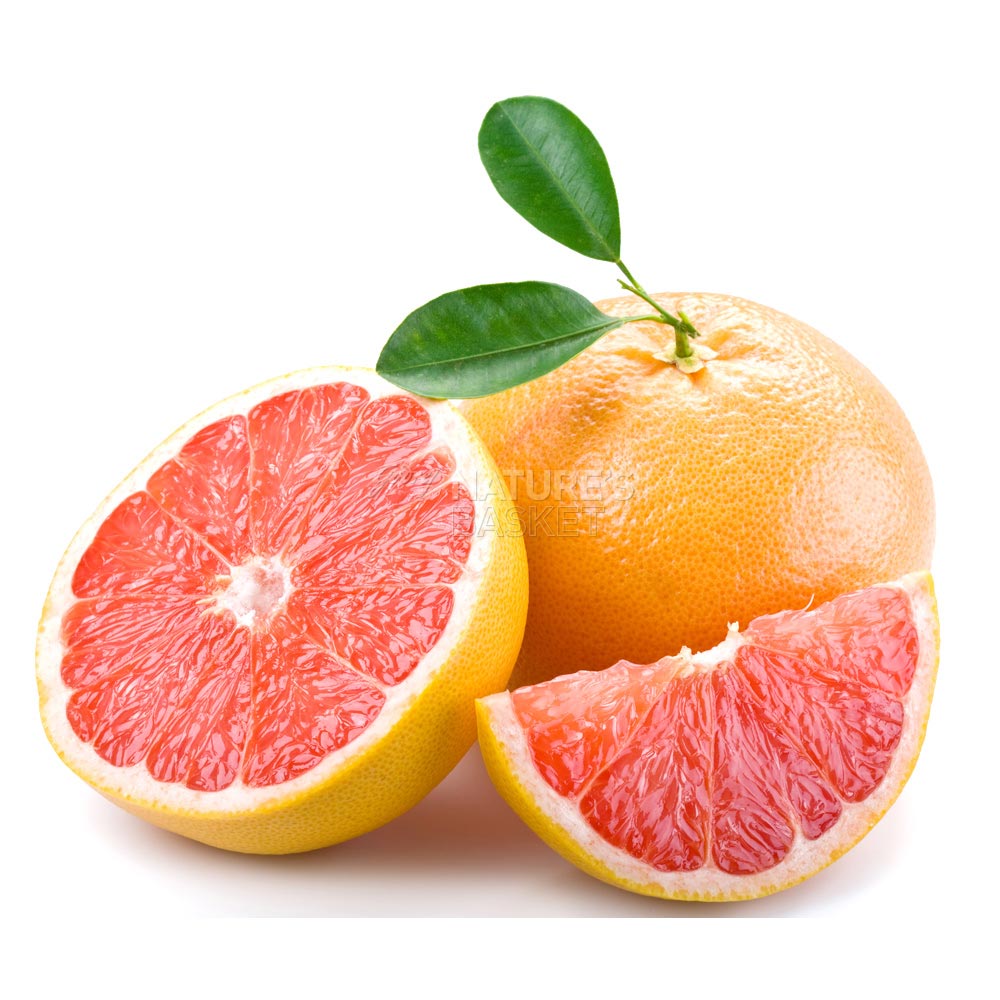
10)Graph fruit: Scientific name – Citrus paralisi. It is also a hybrid citrus plant. Once it was called forbidden fruit. It looks like tangerine but the flash inside is the color of pinkish red and it is sweet in taste. It grows in tree as same as graph Cluster. So, it is called grapefruit.
Graph fruit
11)Tangerine: Scientific name – Citrus tangerine. It is also a hybrid species. Sometimes people mistake tangerine as Orange but orange and Tangerine are not same. Tangerine are quite small in size and sweet in flavor.
Tangerine Tangerine Plant
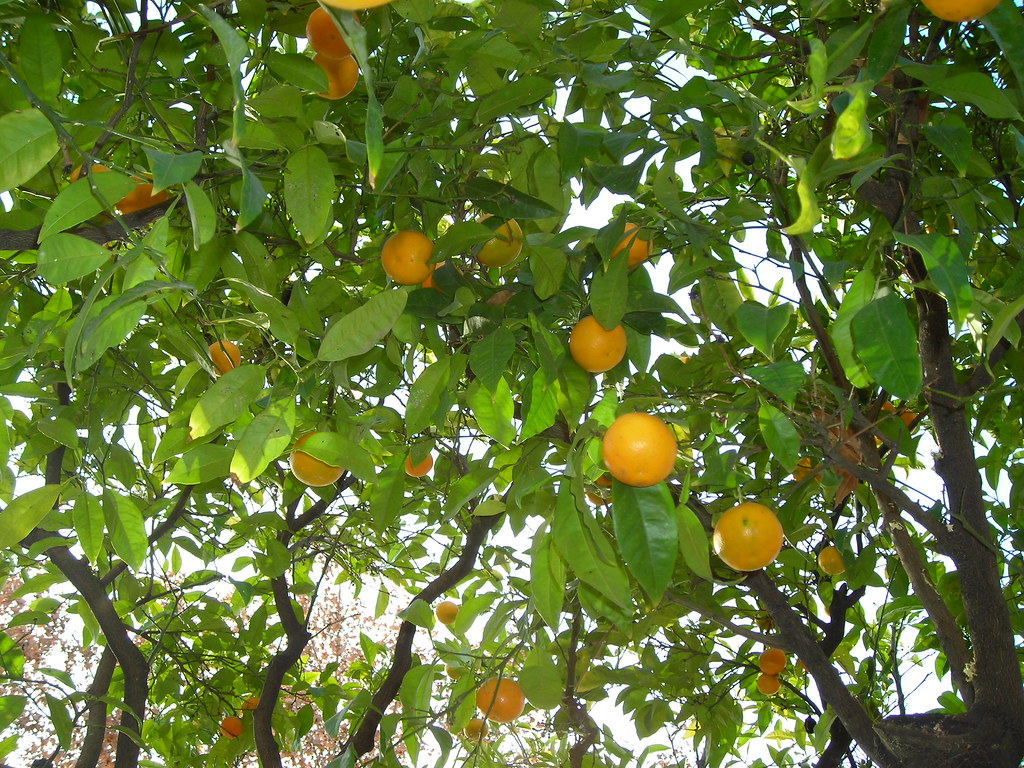
12)Sweet Orange: Scientific name – Citrus sinensis. It is related to bitter Orange. It is initially originated from Southern China, North part of India, Myanmar.
Sweet Orange Sweet Orange Tree Sweet Orange Plants
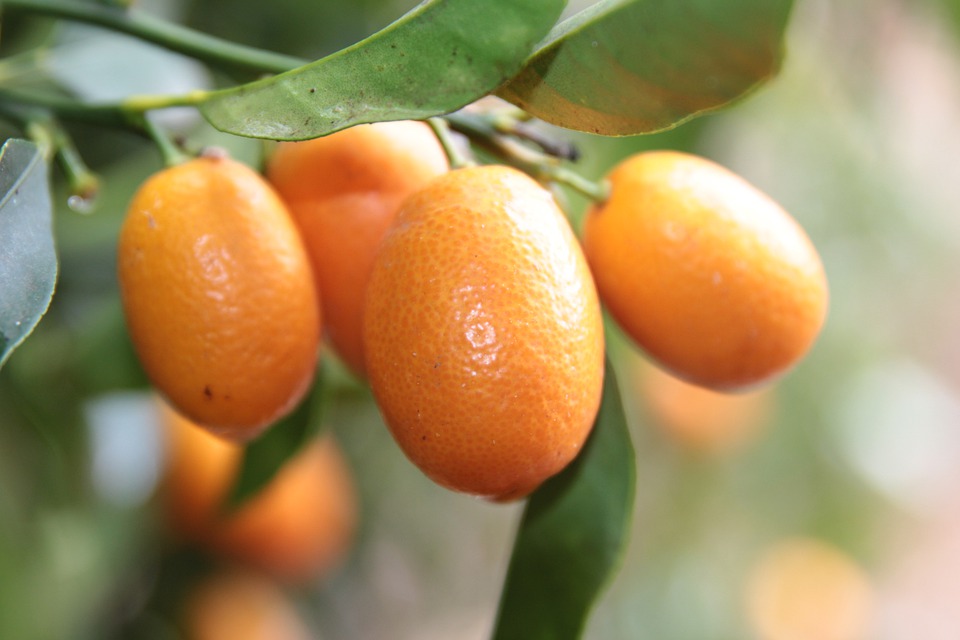
Apart from them there are many other citrus fruits are available in the World – Kaffir lime, key lime, kumquat, lime orobalonco, Papeda, Greek Citron, Amanatsu, Balady Citron, sweet lemon, Rangpur lime , Dekopon Orange(one of the costly orange in the world) and many more.
Dekopon Orange (one of the costly orange in the world) Kumquat Citrus Kumquat Citrus Lime Kaffir lime key lime key lime Rangpur lime Nutrition of Citrus Fruits
Available nutrients: The amount of nutrient varies for each citrus fruit. But the nutrients are same somewhat .
Vitamin C is one of the common nutrients that is present in every citrus fruit in high amounts.
Citrus have also fibers and sugar as carbohydrate.
Citrus fruits do not contain any sodium, cholesterol or fat.
It also contains calcium potassium, magnesium, phosphorus like minerals.
For vitamins, it contains vitamin C, vitamin B6, riboflavin, folate, pantothenic acid etc.
Citrus fruits contain lot of water in their juice.
Citrus fruits can give more than 50 kcal energy.
Lemon, lime, Orange, grape fruits, tangerines have high level of antioxidants like carotenoids, polyphenols, etc.
Citrus fruits are good source of citrus acid and Vitamin C.
Juice of citrus fruitsHealth benefits of citrus fruits
Health Benefit:
Vitamin C is one of the major elements in citrus fruit. Vitamin C has a very important role for boosting our immunity system by increasing the number of white blood cells. Thus, it prevents common cold and other health diseases.
A 2014 research works shows that citrus fruits work against the risk of kidney stone.
Grapefruit and other high antioxidant containing fruits are good for our cardiovascular system.
citrus fruit juice has lots of water which helps to you keep hydrated.
Citrus foods do not have any fat or cholesterol which helps to lose weight and prevent the rising of blood sugar level.
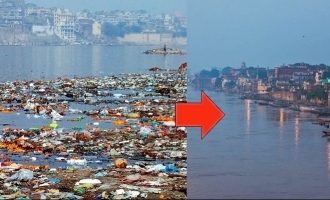
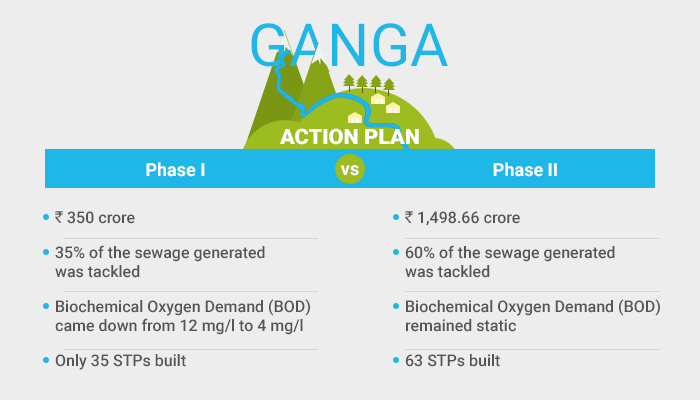
Ganga, the longest river in India has a unique position in the Indian psyche. Apart from geographical scale and spread, she has played a vital role in the social, cultural, economic and political life of the country. The socio-economic changes in the post industrialization era have adversely affected the flow and quality of the river water leading to pollution of the river. In order to reduce the pollution of this river the Government of India (GOI) has been implementing a pollution abatement program since last 25 years. This note is primarily aimed at presenting an analysis of the strengths, weaknesses, opportunities and threats (SWOT) of Ganga Action Plans (GAP I and GAP II) — one of the longest and ambitious government interventions which have significantly influenced policies for controlling water pollution in India. This report is primarily based on the secondary data collected, mainly in the form of papers, articles and reports available on the issue of pollution of the river Ganga. The objective of this report is to consolidate—in a systematic manner—the available knowledge and insights in order to understand nuances and complexity involved in design, implementation and monitoring aspects of the Ganga Action Plan (GAP). The second section of the report presents the need to conduct a SWOT analysis. The third section outlines the objectives and components of the GAP including the parameters selected to measure the quality of the water. Section 4 present strengths and weaknesses of the GAP, in a classified manner, focusing on its design, implementation, monitoring, and regulation aspects of the GAP. These are drawn from both—reports and articles by government agencies and by independent researchers. Section 5 and 6 briefly discuss the opportunities and future threats or challenges of GAP. Finally, the concluding section summarizes the strengths, weaknesses, opportunities and threats in a tabular form.
ABOUT GANGA POLLUTION :-
DEFINATION :-
Water is typically referred to as polluted when it is impaired by anthropogenic contaminants. Due to these contaminants it either does not support a human use, such as drinking water, or undergoes a marked shift in its ability to support its biotic communities, such as fish. Natural phenomena such as volcanoes, algae blooms, storms, and earthquakes also cause major changes in water quality and the ecological status of water.
PREVALENCE :-
E Water pollution is a major global problem. It requires ongoing evaluation and revision of water resource policy at all levels (international down to individual aquifers and wells). It has been suggested that water pollution is the leading worldwide cause of death and diseases.] Water pollution accounted for the deaths of 1.8 million people in 2015. The organization Global Oceanic Environmental Survey (GOES) consider water pollution as one of the main environmental problems that can present a danger for the existence of life on earth in the next decades. One of the main concerns, is that water pollution, heart phytoplankton who produce 70% of oxygen and remove a large part of carbon dioxide on earth. The organization proposes a number of measures for fixing the situation, but they should be taken in the next 10 years for being effective. Water pollution in India and China is wide spread. About 90 percent of the water in the cities of China is polluted. In addition to the acute problems of water pollution in developing countries, developed countries also continue to struggle with pollution problems. For example, in a report on water quality in the United States in 2009, 44 percent of assessed stream miles, 64 percent of assessed lake acres, and 30 percent of assessed bays and estuarine square miles were classified as polluted.
REASON :-
The causes of water pollution include a wide range of chemicals and pathogens as well as physical parameters. Contaminants may include organic and inorganic substances. Elevated temperatures can also lead to polluted water. A common cause of thermal pollution is the use of water as a coolant by power plants and industrial manufacturers. Elevated water temperatures decrease oxygen levels, which can kill fish and alter food chain composition, reduce species biodiversity, and foster invasion by new thermophilic species. Water pollution is measured by analysing water samples. Physical, chemical and biological tests can be conducted. Control of water pollution requires appropriate infrastructure and management plans. The infrastructure may include wastewater treatment plants. Sewage treatment plants and industrial wastewater treatment plants are usually required to protect water bodies from untreated wastewater. Agricultural wastewater treatment for farms, and erosion control at construction sites can also help prevent water pollution. Nature-based solutions are another approach to prevent water pollution.[5] Effective control of urban runoff includes reducing speed and quality of flow.
IMPACT IN HUMAN HEALTH :-
There is a greater association between pollution and health problem. Disease causing microorganisms are known as pathogens and these pathogens are spreading disease directly among humans. Some pathogens are worldwide some are found in well-defined area]. Many water borne diseases are spreading man to man Heavy rainfall and floods are related to extreme weather and creating different diseases for developed and developing countries [10% of the population depends on food and vegetables that are grown in contaminated water [Many waterborne infectious diseases are linked with fecal pollution of water sources and results in fecal-oral route of infection]. Health risk associated with polluted water includes different diseases such as respiratory disease, cancer, diarrheal disease, neurological disorder and cardiovascular disease Nitrogenous chemicals are responsible for cancer and blue baby syndrom]. Mortality rate due to cancer is higher in rural areas than urban areas because urban inhabitants use treated water for drinking while rural people don’t have facility of treated water and use unprocessed water. Poor people are at greater risk of disease due to improper sanitation, hygiene and water supply . Contaminated water has large negative effects in those women who are exposed to chemicals during pregnancy; it leads to the increased rate of low birth weight as a result fetal health is affected Poor quality water destroys the crop production and infects our food which is hazardous for aquatic life and human life [Pollutants disturb the food chain and heavy metals, especially iron affects the respiratory system of fishes. An iron clog in to fish gills and it is lethal to fishes, when these fishes are eaten by human leads to the major health issue Metal contaminated water leads to hair loss, liver cirrhosis, renal failure and disorder.
Bacterial diseases :-
Untreated drinking water and fecal contamination of water is the major cause of diarrhea. Campylobacter jejuni spread diarrhea 4% to 15% worldwide. Fever, abdominal pain, nausea, headache are major symptoms of diarrhea. Good hygienic practices and use of antibiotics can prevent this disease. Disease cholera is caused by the contaminated water. Vibrio Cholerae is responsible for this disease. This bacterium produces toxins in digestive tracts. The symptoms of this disease are watery diarrhea, nausea, vomiting and watery diarrhea leads to dehydration and renal failure. Anti- microbial treatment is used to get rid of this disease. Shigellosis is a bacterial disease caused by Shigella bacteria. It affects the digestive tract of humans and damages the intestinal lining. Watery or bloody diarrhea, abdominal cramps, vomiting and nausea are symptoms and it can be cured with antibiotics and good hygienic practice. Salmonellosis infects the intestinal tract. Salmonella bacteria are found in contaminated water and it results in inflammation of intestine and often death occurs. Antibiotics are prescribed for this disease.
Viral diseases :-
Hepatitis is a viral disease caused by contaminated water and infects the liver. Jaundice, loss of appetite, fatigue, discomfort and high fever are symptoms of hepatitis. If it persists for a long time it may be fatal and results in death. Vaccine is available for hepatitis and by adopting good hygienic practice; one can get rid of this disease Encephalitis is inflammatory disease spread by bite of infected mosquitoes. Culex mosquito lays their eggs in contaminated water. Most people don’t show any symptoms but some symptoms are headache, high fever, muscle stiffness, convulsions however in severe cases coma and paralysis results. No vaccine is available for this disease Poliomyelitis virus is responsible for poliomyelitis. Sore throat, fever, nausea, constipation and diarrhea and sometimes paralysis are symptoms of poliomyelitis. Vaccine is available for this disease [28]. Gastroenteritis is caused by different viruses including rotaviruses, adenoviruses, calciviruses and Norwalk virus. Symptoms of gastroenteritis are vomiting, headache and fever. Symptoms appear 1 to 2 days after infecting. Sickness can be dangerous among infants, young children and disabled person.
Parasitic diseases :-
Cryptosporidiosis is a parasitic disease caused by the cryptosporidium parvum. It is worldwide disease and symptoms are diarrhea, loose or watery bowls, stomach cramps and upset stomach [28]. Cryptosporidium is resistant to disinfection and affects immune system and it is the cause of diarrhoea and vomiting in humans Galloping amoeba is caused by the Entamoeba histolytica and affects stomach lining. This parasite undergoes cyst and non-cyst form. Infection occurs when cyst found in contaminated water and it is swallowed. Symptoms are fever, chills and watery diarrhea According to WHO, diarrheal cases are about 4 billion and results in 2.2 million deathsGiardiasis is caused by Giardia lamblia. Cells of intestinal lining may become injure. Giardia is resistant to wintry temperature and disinfectant. Sometimes it is known as travelers’ disease. People suffering from giardiasis have symptoms bloating, excess gas, watery diarrhea and weight loss.
Much is being done to control, monitor and rectify damage done by pollutants. The problems are diverse and some are only being recognised but it is important to keep a close control over pollutants so that we can maintain the environment in an acceptable condition for future generations. Pollution is a big problem now. A lot of people thinks that they don`t pollute because they don`t throw trash on the floor, but this is just one little part of pollution. Pollution is any damage that we cause to the environment and nobody can live without polluting our planet. If we just think of washing our hands with soap, even with natural soap, this already is pollution. We know many different kinds of pollution. Air pollution is a well known type of pollution. It is caused by a lot of things. We pollute the air mostly with air traffic, mostly planes. Another big pollutant of the air is traffic, but this is getting a bit better, because cars are becoming better and they pollute a bit less, but on the other site, the number of…show more content… Land is mostly polluted, because of farming. Big farms use a lot of pesticides and artificial fertilizers that pollute a lot, and they also pollute the groundwater, because the rain is washing them through the earth to the groundwater. We also pollute the land with littering, dangerous chemicals and so on. The effects of land pollution are quite alot.
Magazines and advertising have long been criticized for upholding dangerously unrealistic standards of success and beauty, but at least it’s acknowledged that they are idealized. The models wearing Size 0 clothing are just that: models. And even they are made-up, retouched, and photoshopped. These days, however, the impossible standards are set much closer to home, not by celebrities and models but by classmates and friends. With social media, teens can curate their lives, and the resulting feeds read like highlight reels, showing only the best and most enviable moments while concealing efforts, struggles, and the merely ordinary aspects of day-to-day life. And there’s evidence that those images are causing distress for many kids. Donna Wick, EdD, founder of Mind-to-Mind Parenting, says that for teenagers the combined weight of vulnerability, the need for validation, and a desire to compare themselves with peers forms what she describes as a “perfect storm of self-doubt.” She’s so thin. Her grades are perfect. What a happy couple. I’ll never be that cool, that skinny, that lucky, that successful.
Struggling to stay afloat
The fallout from these unrealistic standards becomes more dangerous once kids reach college, where they face higher stakes, harder work, and a largely parent-free environment. The pressure to look perfect to impress new peers, not to speak of friends and family back home, can be even greater.After a recent spate of college suicides, researchers at Stanford University coined the phrase “duck syndrome.” The term refers to the way a duck appears to glide effortlessly across a pond while below the surface its feet work frantically, invisibly struggling to stay afloat. Several students who have died had projected a perfect image on social media—their feeds packed with inspirational quotes and filtered images showing attractive, happy kids who seemed to excel with minimal effort. But behind the digital curtain they were struggling emotionally.
Hiding imperfection
For kids experiencing anxiety or depression, carefully edited feeds can act as a smoke screen, masking serious issues behind pretend perfection and making it harder for parents or friends to see that they need help. “It’s important to remember that just posting edited pictures online or pretending your life is a little more glamorous than it is is not in itself a problem,” says Jill Emanuele, PhD, a clinical psychologist at the Child Mind Institute. “Social media alone is unlikely to be at the heart of the issue, but it can make a difficult situation even harder.” Teens who have created idealized online personas may feel frustrated and depressed at the gap between who they pretend to be online and who they truly are. “If you practice being a false self eight hours a day, it gets harder to accept the less-than-perfect being you really are,” says Dr. Wick, “and as we all know there’s no harsher judge of a kid than herself.”
Other people’s perfection
Another, more prevalent problem, says Dr. Emanuele, is that for some teens their social feeds can become fuel for negative feelings they have about themselves. Kids struggling with self-doubt read into their friends’ images what they feel they are lacking. “Kids view social media through the lens of their own lives,” says Dr. Emanuele. “If they’re struggling to stay on top of things or suffering from low self-esteem, they’re more likely to interpret images of peers having fun as confirmation that they’re doing badly compared to their friends.”
Social media and teenagers: How to help
Take social media seriously. Don’t underestimate the role social media plays in the lives of teenagers, warns Dr. Wick. “The power of a visual image is so strong. It’s disorienting.” Many teens, she says, never knew a world where social media didn’t exist, and for them the things that happen online—slights, break-ups, likes, or negative comments—are very real. When you talk about social media make sure you’re really listening and be careful not to dismiss or minimize your teen’s experiences.
Encourage them to think outside the (crop) box. When you talk to your child about social media, encourage her to explore it in a more critical way. A great way to start is to try asking her what she thinks has been cropped or edited out of her friends’ “perfect” pictures and why. That can lead to larger questions. Do you think your friends are really the people they appear to be online? Are you? What’s the purpose of posting a photo? What is it about getting “likes” that feels good? Does looking at social media affect your mood?
Model a healthy response to failure. “Kids have to get the message that it is okay to fail,” says Dr. Wick. “And not only that it’s okay to fail, but that showing it is okay, too.” If parents hide their own failures, kids are less likely to be okay with anything less than success. “When things don’t work out as you’d planned or a project goes awry, show your child how to accept it with grace,” she adds. “Let kids know that failure is part of how we learn to succeed, that it’s nothing to be ashamed of and let them see you pick yourself up and try again.”
Praise (and show) effort. “Effort is something to be proud of,” says Dr. Wick. “It can’t be said enough.” Parents should let kids know that showing their work is something to be praised, not hidden. When your child has worked hard on something, praise her efforts no matter what the outcome. It’s also helpful to examine how comfortable you are showing your own efforts, especially those that don’t end in success. Being proud and open about your own work sets a powerful example for your child.
Go on a “social holiday.” If you’re worried that your child is getting too wrapped up in social media, try taking a social holiday. “This means everyone,” says Dr. Wick. If you’re asking your child to take a break, practice what you preach and pledge to stay off media as well. It can be every bit as hard for parents to unplug as kids.”
Trust people, not pictures. Finally, don’t rely on social media to let you know how your child is really doing. She may post smiling selfies all day long, but if she seems unhappy or sounds unhappy on the phone, don’t let it go. Make sure she knows it’s safe to talk to you by encouraging her to share her feelings and supporting her when she does. Reassure her that you’re not disappointed, and let her know you’re proud of her for reaching out. “I’m so glad you called. It sounds like you’re feeling really overwhelmed, I’m here and I love you. Let’s talk this through together.”
If you thought that yoga was all about bending and twisting your body in odd shapes, it’s time to rethink. Yoga is much more. In very simple words, giving care to your body, mind and breath is yoga. Derived from the Sanskrit word ‘yuj’ which means ‘to unite or integrate’, yoga is a 5,000-year-old Indian body of knowledge. Yoga is all about harmonizing the body with the mind and breath through the means of various breathing exercises, yoga poses (asanas) and meditation.
Yoga improves strength, balance and flexibility.
Yoga helps with back pain relief.
Yoga can ease arthritis symptoms.
Yoga benefits heart health.
Yoga relaxes you, to help you sleep better.
Yoga can mean more energy and brighter moods.
Yoga helps you manage stress.
Yoga for Mental Health:
Anjaneyasana
This pose is also known as “the high lunge”. Doing the crescent variation of this exercise is known to help improve your blood flow, calm your mind.
Steps:
While standing, lunge one leg forward.
Bend the front knee, make sure your knee is in line with your ankle, stretch your back leg.
Press your ankle flat against the ground on both ankles.
Raise your arms to the sky and connect your palms.
Breathe in deeply and breathe out in an even flow.
Repeat 5 times per leg.
2. Garudasana.
This pose is known commonly as the eagle pose. This pose requires you to breathe while holding your body in balance. It helps prevent anxiety attacks while improving your focus. Steps are as follows:
Breathe in deep, shift the weight of your body onto one leg.
Slowly wrap one leg around the other.
Sink your hips and gently bend your knees.
Keep your ankle flat on the ground.
Keep your breathing even and slow.
Wrap one arm around the other at the elbows and wrists.
3. Natarajasana
Commonly referred to as “the dancer’s pose”, this asana is great for mood balancing. It can be beneficial for those who are fighting depression and anxiety.
How to Do It:
With both legs planted on the ground, bend one knee back; using your arm, grip the ankle.
Slowly keeping a steady posture, lean forward and lift your ankle towards the sky.
Extend your free hand in front of you.
Take 5 deep and even breaths.
Yoga to increase immunity against Covid:
1. Shishuasana:
Sit on your heels. Keeping your hips on the heels, bend forward, and lower your forehead to the floor.
Keep the arms alongside your body with hands on the floor, palms facing up. (If this is not comfortable, you can place one fist on top of another and rest your forehead on them.)
Gently press your chest on the thighs.
Hold.
Slowly come up to sit on the heels, uncurling vertebra by vertebra and relax.
Shishuasana is an excellent pose to decongest the chest and relax the mind.
2.Setu Bandhasana:
To begin, lie on your back.
Fold your knees and keep your feet hip distance apart on the floor, 10-12 inches from your pelvis, with knees and ankles in a straight line.
Keep your arms beside your body, palms facing down.
Inhaling, slowly lift your lower back, middle back and upper back off the floor; gently roll in the shoulders; touch the chest to the chin without bringing the chin down, supporting your weight with your shoulders, arms and feet. Feel your bottom firm up in this pose. Both the thighs are parallel to each other and to the floor.
If you wish, you could interlace the fingers and push the hands on the floor to lift the torso a little more up, or you could support your back with your palms.
Keep breathing easily.
Hold the posture for a minute or two and exhale as you gently release the pose.
Setu Bandhasana opens the heart and improves blood circulation, increasing energy in the body.
3.Dhanurasana:
Lie on your stomach with your feet hip-width apart and your arms by the side of your body.
Fold your knees and hold your ankles.
Breathing in, lift your chest off the ground and pull your legs up and back.
Look straight ahead with a smile on your face. Curve your lips to match the curve of your body!
Keep the pose stable while paying attention to your breath. Your body is now taut as a bow.
Continue to take long deep breaths as you relax in this pose. But don’t get carried away! Do not overdo the stretch.
After 15 -20 seconds, as you exhale, gently bring your legs and chest to the ground. Release the ankles and relax.
Yoga’s incorporation of meditation and breathing can help improve a person’s mental well-being. “Regular yoga practice creates mental clarity and calmness; increases body awareness; relieves chronic stress patterns; relaxes the mind; centers attention; and sharpens concentration.
Side Effects relating to Social Media Marketing and solution
It has become a trend to promote businesses on social media platforms since they provide a large customer base by widening the reach. It is an economical way and less time-consuming than the traditional method of advertising which used posters, banners, direct selling and other such methods. Therefore it is a good way to attract customers all across the world and communicate the brand in an interesting and unique way keeping in mind the competition on the platform.
This has led to emergence of a variety of ideas to promote businesses especially startups in an innovative and much appealing way. Social media often comes out with new tricks and techniques which are used by people as per their interests and need. However this is leading to an increase in content on media day by day and people are observed to keep scrolling through them on a higher rate.
It is good to use such platforms to promote an idea or business but it’s prolonged usage is affecting the lifestyles of the common population. Social media is gaining importance day by day, increasing the number of users and content shared across. Those unwilling to be a part of it have to use it due to impositions by their organisations. Some use it to remain updated about what’s going around while some use it for information and knowledge purpose. But it is becoming difficult to come out of the web of social media platforms once a person gets stuck in it. This directs to the problem of addiction among the users. Once they start the use, the mind automatically diverts to the less-useful content shared across which doesn’t require attention by the person.
This is a major problem among the youth, distracting them and attracting towards easier paths in life to earn money through social media which is practically not a satisfying decision for young people. They should be more inclined towards hard work and innovations. There is a need for all of us to live the reality without being immersed in the beauty of the virtual world which is actually not everyone’s cup of tea to lean on and adopt in order to earn money.
Social media marketing is bringing more attention towards them. It influences people to buy the products and services using unique ideas of selling through social media. This platform is chosen as there are a wide range of active users who are targeted as customers easily. Business gets easy this way. But it is also advocating more usage of such platforms thus leading us to a virtual reality world where contact is real but medium is virtual. These kind of practices have long term effects on physical as well as mental health of a person. A person interested in products or services of a brand will have to join the social platforms to get in touch with them and gradually he/she would get attracted to useless content and creations, thereby increasing usage (in vain) and lowering the person’s productivity.
Moving to a digital world is a step towards modernization but it must be in check with health. Alternative ways to promote growth of one’s business should be developed in order to bring notice towards physical participation as well. It would be a better idea if people are involved physically to advertise and gain customers. Techniques can be developed for fun activities and methods where the common beings are involved; in order to attract them towards the brand and communicate the necessary information. This way, we can move ahead and out of the virtual world, interacting and contacting directly.
Wildfires in the Western United States have spread smoke across the landscape, posing a rising hazard to public health. The 2020 fire season was so terrible, because of climate change, that it nearly quadrupled the previous record for acres burned in California, and at-home monitoring of the smoke’s impact on air quality became practically ubiquitous. This year’s season is off to a disastrous start, with smoke from West Coast wildfires already darkening skies on the East Coast.
Smoke isn’t your typical form of pollution. According to studies published in the journal Nature earlier this year, the small particles present in smoke can be up to ten times more hazardous to human health than soot from other sources such as tailpipes and factories.
Fine particles, also known as PM2.5, are 30 times smaller than the diameter of a human hair follicle and were studied by researchers. When a fuel, whether it’s gas or plant, burns, tiny particles are released into the air and occasionally into our bodies. According to the study, fine particles from wildfire smoke resulted in 10% more respiratory hospitalizations than they would have been without the smoke. While pollution from other sources is also hazardous, it only increased hospitalizations by around 1%.
Rosana Aguilera, the study’s primary author and a postdoctoral researcher at the University of California, San Diego, spoke in an interview. She explained what she and other academics are doing to learn more about the effects of wildfire smoke on human health.
The interview was slightly altered for clarity.
What are “fine particles,” and why are they a concern?
Fine particles were investigated by the research group I work in since they are one of the primary components of wildfire smoke. These particles are distinct from others. Their chemical makeup varies depending on the items being burned. There are a variety of chemicals that may be found in wildfire smoke and fine particles, including carbon and heavy metals.
We’re concentrating on these small particles found in wildfire smoke right now because wildfire smoke is becoming increasingly prevalent as a source of emissions in various parts of the United States and the world. It’s one form of air pollution in California that appears to be on the rise in the foreseeable future. Some articles support the notion that wildfire smoke will be one of the primary sources of fine particulate matter in areas such as the Western United States.
What kind of impact may such tiny particles have on people’s health?
Because it’s tiny enough to infiltrate our respiratory system and reach deep into the lungs, it’s one of the air pollutants to be concerned about. It might enter the circulation and spread to other organs from there. It can make breathing difficult. It can irritate the skin and aggravate illnesses such as asthma and other respiratory and cardiopulmonary problems.
We mostly deal with acute impacts, which are the reactions that occur after being exposed to wildfire smoke for a few days. My study group isn’t focusing on long-term impacts right now, but I believe it’s an issue that needs to be explored more. Long-term exposure is more difficult to study since it requires following individuals who have been exposed to several wildfires.
So, how does wildfire smoke compare to other sources of pollution like vehicles, trucks, and industry?
When comparing wildfire smoke to non-smoke fine particles, we discovered that wildfire smoke is more hazardous in terms of increased hospitalizations.
The mix of traffic emissions and wildfire smoke may be extremely different. We haven’t looked at the chemical makeup of these tiny particles concerning their origins. However, several toxicological studies have delved into this further and shown that wildfire smoke toxicity may be enhanced. If it passes through a structure, it may pick up pollutants from homes and other structures.
What do you want to achieve with your research?
We’d like to investigate these differential effects of fine particles concerning emission sources, as well as try to learn more about the chemical makeup of various wildfires.
If wildfire smoke has a higher impact, and if it will be one of the primary sources of this sort of pollution in the future — or if it currently is — we need to learn more about why it is more damaging. Then, what kind of long-term impact can we expect?
Ayurvedic kajal made of pure castor oil is said to be very healthy for the eyes.
One of the main benefits of organic kajal is that it relieves eyes from stress. It helps to get rid of tiredness of the eyes and keeps the eyes healthy.
Copper which is used in making organic kajal is well-known for its healing properties and is considered a purifier.
Copper helps keep the eyes free from external and any makeup infections.
Bronze and silver are usually used in making Ayurvedic kajal and are known for their regenerating properties. They also help in healing allergies of the eye.
Camphor is the main ingredient of organic kajal. It helps in providing coolness to the eyes and gives the eyes relief from stress.
Ghee is another ingredient which is used in making Ayurvedic kajal. Ghee keeps dark circles away by relaxing them. It cleans the eyes of salt deposits from tears and removes minute makeup residue trapped under the upper and lower eyelids.
The popular saying goes, “nine out of 10 people enjoy chocolate, and the tenth person always lies.” This is accurate since who doesn’t like chocolate?
For hundreds of years, people have loved chocolate and other sweets. And now it is consumed in a variety of ways and is probably one of the most popular meals, so you might be curious if it’s addictive.
So, can you become a chocoholic? Let’s explore the answer in this article. Distinct varieties of chocolate have different components, however they all share a few important ones. Some of these could be linked to chocolate’s risk for addiction. The main ingredients are cocoa mass, cocoa butter, sugar, milk, vanilla and other products can be used to help preserve chocolates and maintain a creamy consistency. Cocoa butter offers many benefits, but it’s also heavy in fat. This contributes to chocolate’s addictive potential, especially when paired with the high sugar content in some types. Some experts also doubt that food additives play a role in compulsive eating. Flavorings and artificial sweeteners are frequently used in highly processed and extremely appealing goods like chocolate.
Also, just like addictive medications such as drugs, scientifically, exceptionally delicious foods like chocolates have been shown to trigger the release of dopamine, a neurotransmitter linked to pleasure, in the reward circuit in a brain area. After a time, merely thinking about these enjoyable things triggers the reward circuit. Your brain tends to crave these feel-good substances once you start connecting them with positive feelings. This kind of relationship can be made with lots of different foods but Scientists have identified several properties in chocolate that are particularly tempting. This might just be due to the fact that chocolate is generally high in sugar and fat as stated above, but according to one new study, it could be due to its interaction with a chemical called enkephalin, which is found in our brain and appears similar to endorphins, and may be the source of our addiction.
Chocolate is frequently represented as a go-to pleasure as well as something we’re expected to feel guilty about, and the image of the hapless chocoholic appears in advertising and the media on a regular basis, typically in good humour. So, at least in part, the sense that we’re going crazy for chocolate originates from outside of our bodies. Furthermore, We’re naturally reward-seeking creature,we had to be to survive long enough to compete in the gene pool. Chocolate and other sugary, high-fat meals are natural rewards, so our brain responds by saying, “get more of that—if you can!” Now, however, we are able to do so. Almost all of the time. Especially in a culture when chocolate comes in all forms and sizes and may even be delivered.
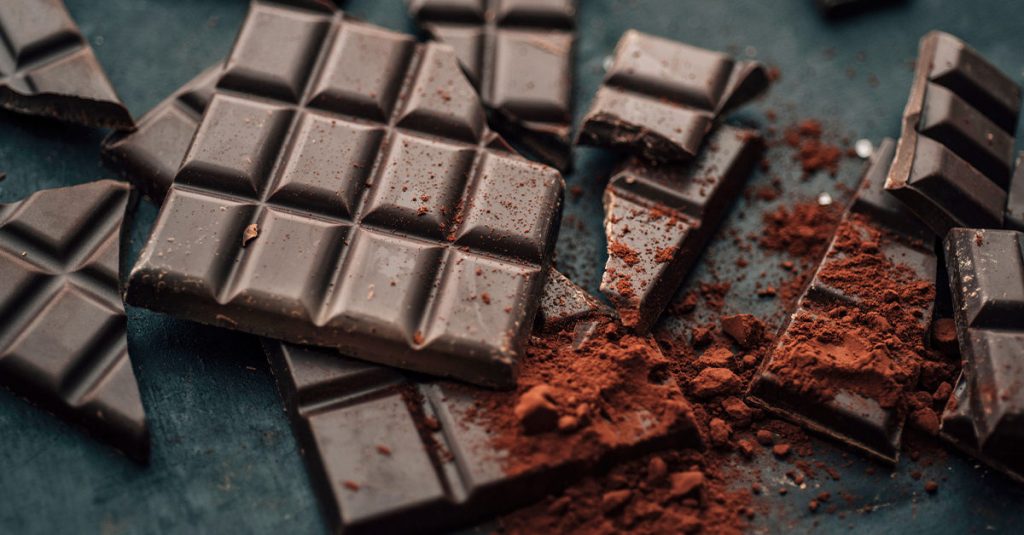
So, eating chocolate that is less processed and lower in sugar and fat,is one approach to avoid the most potentially addicting forms of chocolate.
Sugar content is reduced in many dark chocolate types. Furthermore, dark types contain the highest concentration of antioxidants and other beneficial elements. So, choosing dark kinds with less sugar and fat may be a healthier way to enjoy this delicacy.
Therefore, Chocolate is similar to medication, but like medicine, the key is moderation. Don’t overdo it.
women who keeps their phone close to their chest are prone to skin cancer .
Everybody knows that smoking can cause cancer , you protect yourself from excessive exposure to sun as it may cause skin cancer , but do you know we all have harmless habits that may cause cancer & other health issues . These habits are our regular habits which we not considered , but they can cause Sevier problem to us
3 harmless habits that may cause cancer
Wearing your cell phone in your bra. Devra Davis Ph.D. MPH, President and Founder, Environmental Health Trust, has documented seven cases of young women who have developed cancerous tumors in the center of the breast where they carried their cell phones for 10 years. “These cases all formed with multiple primary tumors in the outlines of where the cell phones lodged. the harmful radiations from your phone can cause breast cancer .
protect yourself :
Carry your phone in a phone holster or in your purse.
Read cell phone manufacturers’ warnings on the safest way to use and carry the phones.
When buying a phone, ask about the Specific Absorption Rate (SAR), which measures the rate of radiofrequency (RF) energy absorption by the body from your cell phone. The FCC has adopted limits for safe exposure to RF energy from cell phones: a SAR level of 1.6 watts per kilogram (1.6 W/kg).
Turn off your cell phone. Even if you are not using it, it is emitting radiation if it’s on.
Beware of areas with weak signals. Cell phones are programmed to work harder—emitting more radiation—when signal strength is blocked.
If you see reddened skin on your breast that does not go away, get it checked out by your physician.
2. Using talcum powder : Several studies have reported a positive association between use of talcum powder on women’s perineal area (from the anus to the vulva) and ovarian cancer risk. A 2010 study published in Cancer Epidemiology, Biomarkers & Prevention found that talcum powder also increases the risk of endometrial cancer, particularly among postmenopausal women. All should avoid talcum powder for parts which it is not meant .
2 . Drinking sugary beverages:
Sodas, sweetened tea, and lemonade—among other foods that have a high glycemic index—increase the risk of endometrial cancer. “When you eat those foods, it causes a spike in blood sugar and insulin. Having continually high amounts of insulin can help create an environment that is conducive to endometrial cancer cells proliferating,” says Bender. In addition, sugary drinks promote obesity, which increases the risk for colorectal, postmenopausal breast, esophageal, endometrial, kidney, pancreatic, gallbladder, and ovarian cancers. These are one time kind of drinks , regular drinking of these artificial sugary drinks causes health issues .
3. Drinking alcohol : Bender reports that alcohol increases the risk for colorectal, breast, esophageal, mouth, pharynx, larynx, and liver cancers. “The idea is that when alcohol metabolizes, it produces a carcinogen in the body,” she says, referring to the byproduct acetaldehyde, which then further metabolizes into acetate, and finally into water and carbon dioxide, which your body eliminates. Alcohol results in increase of body weight , which leads to link between cancer .







































 Eduindex
You must be logged in to post a comment.