FEAR OF MISSING OUT (FOMO)

How FOMO can be turned into JOMO?

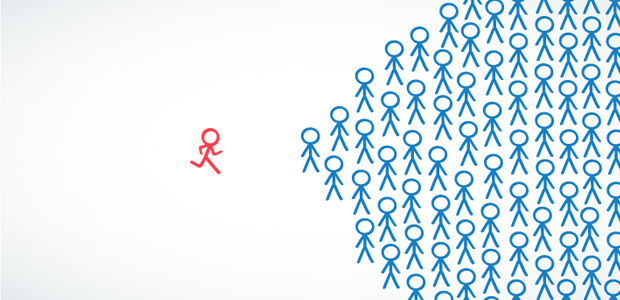
Are you one of those people who have to attend every social gathering they are invited to?
Do you feel that you will miss out on something great every time you say ‘no’ to a plan?
Do you have this uncontrollable urge to be around people all the time?
If the answers to the above questions is ‘yes’, then you my friend might be experiencing FOMO i.e. the Fear Of Missing Out. FOMO is the feeling of anxiety you get when you believe that other people are having more fun than you are. It is obviously not a good feeling and as a result of that you keep checking your phone to see what other people are doing. The fear actually overcomes your mind and often renders you unable to enjoy your own day.

One thing that has really pushed the concept of FOMO is social media. Since the advent of social media, everyone knows everything about everyone. There are people who are having fun and then there are people who feel anxious because they were left out. This is because research suggests that people are affected more by what they lose rather than being happy about what they have gained. Looking at pictures of people having fun can trigger FOMO but what hurts more is coming to know about a plan from a friend that you weren’t invited to. And this is the reason people value social media over their relationships.

CONSEQUENCES OF EXPERIENCING FOMO:

  • A person experiencing such feelings is more likely to value social media over everything else.
  • These people are lesser satisfied in life and might experience frequent changes in mood.
  • You are constantly unhappy and there is chance that you might not enjoy things you once loved anymore.
  • One of the major consequences of experiencing FOMO is deteriorating mental health. We repeatedly compare our lives with those of others and are dissatisfied with ours all the time.
  • Some other effects of FOMO include- loneliness, anxiety, depression and increased levels of negativity.

HOW TO TURN FOMO INTO JOMO?

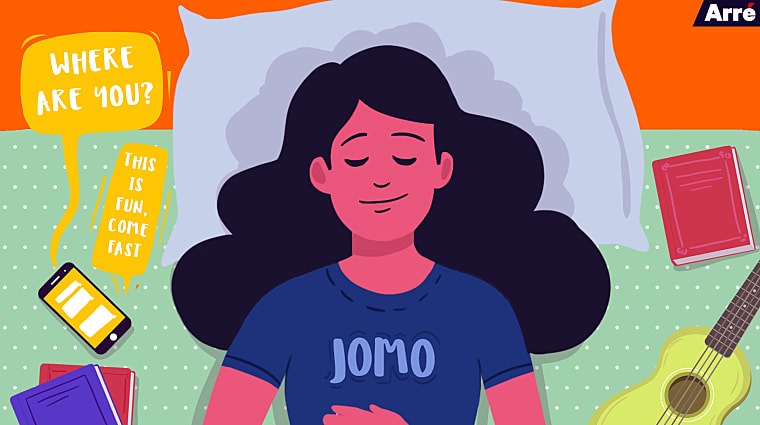
Hypothetically speaking, if there are 60% of the people who experience FOMO, there are 40% of the people who don’t. Such people know the feeling of JOMO i.e. Joy of Missing Out. If you think you can achieve this joy just by maintaining a distance from social media then you might be wrong. It does help but not entirely. In order to achieve JOMO you must first accept the feeling of the fear of missing out. The more you let the feeling in, the more you will realize how futile such feelings are and you will start moving away from that fear. It is easier said then done and it does take a lot of time but attaining that joy will make your life so much better and you will be at content.

In order to do so you must begin with saying ‘no’. Don’t be available all the time. Be mindful of the situations you want to associate yourself with. So, instead of crying over what you have lost, be grateful for the good things that are happening. Instead of checking your social media to see what people are doing, focus on yourself and what’s going on with you. Distract yourself from all kinds of negativity that push you towards the fear of missing out.

If you still feel the same after having tried out everything, you must reach out to a friend or a confidant and talk it out. Communication is the key to all your problems. It is finally time to declare a winner in this battle of FOMO against JOMO. Do your mental health a favor and choose joy over the fear.

Malnutrition: Under-nutrition and Over-nutrition

Malnutrition is a condition that outcomes from eating an eating routine which doesn’t gracefully a sound measure of at least one nutrients. This incorporates abstains from food that have too little nutrients or so numerous that the eating regimen messes wellbeing up. The supplements included can incorporate calories, protein, starches, fat, nutrients or minerals. An absence of supplements is called undernutrition or undernourishment while an overflow of supplements cases over-nutrition. Hunger is regularly used to allude to undernutrition – when an individual isn’t getting enough calories, protein, or micronutrients. On the off chance that undernutrition happens during pregnancy, or before two years old, it might bring about lasting issues with physical and mental turn of events. Extraordinary undernourishment, known as starvation or ongoing craving, may have indications that include: a short tallness, slender body, helpless energy levels, and swollen legs and mid-region. The individuals who are malnourished regularly get diseases and are habitually cold. The side effects of micronutrient inadequacies rely upon the micronutrient that is inadequate. Undernourishment is regularly because of an absence of great food which is accessible to eat. This is regularly identified with high food costs and neediness. An absence of breastfeeding may add to undernourishment.

Irresistible infections, for example, gastroenteritis, pneumonia, jungle fever, and measles, which increment supplement necessities, can likewise cause hunger. Regular micronutrient insufficiencies incorporate an absence of iron, iodine, and vitamin A. Lacks may turn out to be more normal during pregnancy, because of the body’s expanded need of supplements. In some non-industrial nations, overnutrition as corpulence is introducing inside similar networks as undernutrition. This is on the grounds that the food that is frequently accessible isn’t solid. Different reasons for lack of healthy sustenance incorporate anorexia nervosa and bariatric medical procedure. Lack of healthy sustenance expands the danger of contamination and irresistible sickness, and moderate hunger debilitates all aspects of the invulnerable framework. For instance, it is a significant danger factor in the beginning of dynamic tuberculosis. Protein and energy lack of healthy sustenance and insufficiencies of explicit micronutrients (counting iron, zinc, and nutrients) increment powerlessness to contamination. Ailing health influences HIV transmission by expanding the danger of transmission from mother to kid and furthermore expanding replication of the infection. In people group or regions that need admittance to safe drinking water, these extra wellbeing hazards present a basic issue.

TYPES OF MALNUTRITION

It can lead to serious health issues, including stunted growth, eye problems, diabetes and heart disease. It basically is of two types:

• Under-nutrition
This kind of Malnutrition results from not getting enough protein, calories or micronutrients. Undernutrition is caused fundamentally by a lacking admission of dietary energy, whether or not some other explicit nutrients is a restricting element.
Undernutrition ordinarily results from not getting enough supplements in your eating routine. This can cause Weight loss, Loss of fat and bulk, Hollow cheeks and indented eyes, A swollen stomach, Dry hair and skin, Delayed injury mending, Fatigue, Difficulty concentrating, Irritability, Depression and uneasiness. Individuals with undernutrition may have one or a few of these indications. A few sorts of undernutrition have signature impacts.

Kwashiorkor, a serious protein insufficiency, causes liquid maintenance and a projecting midsection. Then again, the condition marasmus, which results from serious calorie lack, prompts squandering and critical fat and muscle misfortune.

Undernutrition can likewise bring about micronutrient inadequacies. The absolute most regular lacks and their indications include:

  • Vitamin A: Dry eyes, night visual deficiency, expanded danger of contamination.
  • Zinc: Loss of hunger, hindered development, postponed mending of wounds, balding, looseness of the bowels.
  • Iron: Impaired cerebrum work, issues with managing internal heat level, stomach issues.
  • Iodine: Enlarged thyroid organs (goiter), diminished creation of thyroid hormone, development and improvement issues. Since undernutrition prompts genuine actual issues and medical issues, it can expand your danger of death. It’s assessed that hindering, squandering and zinc and Vitamin A lacks added to up to 45% of all kid passings in 2011.

• Over-nutrition
Overconsumption of specific nutrients, for example, protein, calories or fat, can likewise prompt hunger. This normally brings about overweight or heftiness. The primary indications of overnutrition are overweight and heftiness, however it can likewise prompt nutrient lacks. Research shows that individuals who are overweight or large are bound to have lacking admissions and low blood levels of specific nutrients and minerals contrasted with the individuals who are at a typical weight.
One investigation in 285 youths found that blood levels of Vitamin A and E in large individuals were 2–10% lower than those of typical weight members.
This is likely in light of the fact that overweight and obesity can result from an overconsumption of quick and prepared nourishments that are high in calories and fat yet low in different nutrients.

An investigation in more than 17,000 grown-ups and kids found that the individuals who ate inexpensive food had altogether lower intake of vitamin A and C and unhealthy, fat and sodium utilisation than the individuals who kept away from this kind of food.

COMMON CAUSES OF MALNUTRITION 

Common causes of malnutrition include:

  • Food insecurity or a lack of access to sufficient and affordable food: Studies link food insecurityin both developing and developed nations to malnutrition.
  • Digestive problems and issues with nutrient absorption: Conditions that cause malabsorption,such as Crohn’s disease, Celiac disease and bacterial overgrowth in the intestines, can causemalnutrition.
  • Excessive alcohol consumption: Heavy alcohol use can lead to inadequate intake of protein,calories and micronutrients.
  • Mental health disorders: Depression and other mental health conditions can increasemalnutrition risk. One study found that the prevalence of malnutrition was 4% higher in peoplewith depression compared to healthy individuals.
  • Inability to obtain and prepare foods: Studies have identified being frail, having poor mobilityand lacking muscle strength as risk factors for malnutrition. These issues impair food preparation skills.

Why Diet Pills, Fat Burners, And Herbal Tea Harm Are Harmful To Our Health?

Excessive weight gain is known for causing a great deal of stress in so many individuals. It restricts your capacity to appreciate life’s joys in the same manner which others do. Excess weight restricts breathing and movement, increases tiredness, and is very harmful to the heart.

There’s also the difficulty of getting clothing that fits you properly. To maintain the body in shape, health specialists recommend a healthy weight control regimen. They advise you to consume less portions of specific foods and to exercise to burn calories and extra body fat. And when this isn’t possible through diet and exercise, many people turn to diet pills, fat burners and herbal tea to help them lose weight. 

Weight loss pills are frequently labelled as ‘organic’ or ‘herbal.’ It doesn’t mean they’re safe to consume in large quantities. Furthermore, nutritional supplements and weight reduction medications are not required to go through stringent quality and safety review processes by appropriate regulatory bodies.

These products can be easily sold despite the fact that they lack solid scientific data from well-designed clinical control studies to demonstrate its efficacy and safety. Herbal slimming tea, detox juices, morning smoothies, and meal replacements are all common weight loss aids.

According to Allied Market Research, the weight loss and weight management diet market was valued at $192.2 billion in 2019 and is expected to touch $295 billion by 2027.

What exactly do these supplements consist of?

Meal replacement smoothies, fat burners, diet pills, processed soups, weight loss tea, and other weight reduction products are made by mixing several ‘natural’ substances. These are especially popular with young people who are health enthusiasts, busy corporate professionals, and many others who might not have the time to prepare meals, eat healthily, or exercise.

Meal replacement shakes, among the most common weight reduction products, contain heavily processed ingredients like protein isolates, sweeteners, and artificial flavours. Artificial sweeteners account for around 40% of the calories for each portion of these smoothies. 

Major health issues you should look out for

These fat burners and weight reduction pills have been linked to a variety of side effects, including liver damage, hypertension, and anxiousness. There have been numerous instances of persons taking weight reduction pills suffering from immediate, clinically obvious liver damage.

A 2007 Israeli research identified 12 incidences of liver damage in individuals who used a ‘herbal’ dietary supplement, including one case each of stage I primary biliary cirrhosis and hepatitis B. Another 2010 research looked into three instances from Canada and the United States who used two popular weight loss pills. According to the investigators, all three patients’ liver biopsies revealed results consistent with drug-induced acute liver damage. All of these are red flags. Often, a temporary fix might result in long-term harm.

Many of the chemicals in fat burner tablets or powders have been linked to increased hypertension. Substances that stimulate the central nervous system (CNS) to regulate hunger, such as phenylpropanolamine, fenfluramine, and ephedrine, can raise blood pressure. Bitter orange extract, caffeine, and yohimbe supplements can cause a headache as well as anxiety.

Caffeine is a prevalent component in many  fat burners and is frequently present in high concentrations. Caffeine in excess might have a negative impact on your heart. If you have a history of cardiac problems, it is best to avoid highly caffeinated fat burners.

Many weight-loss medications/pills suppress hunger by generating an anorectic effect on the human body, which can lead to distress and diarrhoea. Nausea and vomiting may occur while using fat burners including guar gum, carnitine, green tea extract, chromium, or chitosan.

It is important to consult a healthcare expert before beginning any dietary supplement to reduce weight. Individuals who have high blood pressure, diabetes, heart disease, liver disease, or other medical problems should be especially cautious. It is always better to attempt to lose weight healthily and gradually by including a calorie-restricted diet, regular exercise, yoga, meditation, 7 to 8 hours of good rest, and good mental health into your life.

How continuous sleep loss can impact on our mental and physical health..?

Recently a new study took place to see what will happen if we sleep less than 6 hours a day and if it is continued for 8 days, what type of consequences we will face.

The results of a recent study suggest that, all it takes is three consecutive nights of sleep loss to cause our mental and physical wellbeing to greatly deteriorate.

Scientists said that minimum eight hours of sleep is necessary for an adult to main physical and mental health.

“”Many of us think that we can pay our sleep debt on weekends and be more productive on weekdays.””

“However, results from this study show that having just one night of sleep loss can significantly effects our daily functioning.”

After the study, experts said that we will experience symptoms like angry, nervous, lonely, irritable and frustrated feelings as a result of sleep loss. We will also experience more physical symptoms, such as upper respiratory issues, aches, gastrointestinal problems and other health concerns.

It is necessary and important to balance both the health and work. Take enough rest , stay healthy both physically and mentally.

Sleeping is Important !!!

Sleeping is a state of mind which occurs naturally, repetitively and is often characterized by altered consciousness. Sleeping is a very important yet neglected component of ones physical and mental well being. Our body repairs itself when we’re sleeping. Having a good sleep for at least 8 hours have several health benefits.
Sleeping has a direct effect on concentration, productivity, performance and cognition. Lower sleep patterns lead to memory loss, lack of concentration, fatigue, mood swings, irritability etc. With lack of sleep, it is difficult to remember details because it is sleep that enables us to learn and memorise stuff. A good sleep on the other hand provides better performance, more energy, faster speed, better coordination and better mental performance and functioning.
Lack of sleep also causes the person to have an unhealthy lifestyle. This can lead to heart diseases or hyper tension. Getting adequate sleep enables the body to regulate the blood pressure. Less sleep leads to increased blood pressure which can cause strokes, cardiac problems etc. Adequate sleep boosts the immune system of the body. Inadequate sleep and a consequent lowered immunity are welcoming signs for acute diseases.
The mental wellbeing of an individual is very much affected by his sleeping habits. A proper sleep is a mood booster. While we are asleep, our brain processes our emotions. Lack of sleep causes and individual to have more negative thoughts than positive one. Over the years, through researches, it has been found that lack of sleep causes depression in individuals. Depression may lead to morbid thoughts or suicidal tendencies. Insomnia is a condition wherein an individual persistently finds it difficult to fall and stay asleep.
Sleep is also related to social and emotional intelligence. Those people who suffer from lack of sleep on daily basis start to develop a poor emotional intelligence. They fail to recognise or acknowledge emotions or expressions of others. The level of empathy also declines in these individuals.
Sleeping properly leads to a steadier blood glucose. When we’re in deep sleep, the amount of glucose in our blood falls. People with proper sleep are less likely to develop type 2 diabetes. Regular adequate sleep also controls weight. When we’re well-rested, we’re less hungry. Being sleep deprived messes with the hormones in the brain leptin and ghrelin that are responsible for controlling appetite.
Since it is evident that sleeping is more important than we think, here are some ways one can improve his/her sleeping practices.
• The first and foremost thing to do is to have a consistent sleeping pattern. Going to bed at different times every night is a common habit for many people. However, these irregular sleeping patterns could interfere with sleep because they interrupt the body’s circadian rhythm. Going to bed at the same time every night helps the body clock predict when to induce sleep.
•Turning off the lights prior to going to sleep is also helpful. Light influences the circadian rhythm, which helps the brain and body judge when it is night time. The catch is to keep the room dark.
•Avoiding unhelpful habits like taking caffeine or using blue light emitting devices at night is very helpful. These days, our exposure to blue light has increased significantly. This has an effect on our sleeping pattern. The key is to stop using electronic gadgets at least one hour prior to going to sleep.

https://www.webmd.com/sleep-disorders/benefits-sleep-more

https://www.medicalnewstoday.com/articles/322928#21-ways-to-fall-asleep

Health effected by chemical hazard – a major problem

A chemical hazard is a (non-biological) substance that has the potential to cause harm to life or health. Chemicals are widely used in the home and in many other places. Exposure to chemicals can cause acute or long-term detrimental health effects. There are many types of hazardous chemicals, including neurotoxins, immune agents, dermatologic agents, carcinogens, reproductive toxins, systemic toxins, asthmagens, pneumoconiotic agents, and sensitizers. In the workplace, exposure to chemical hazards is a type of occupational hazard. The use of protective personal equipment(PPE) may substantially reduce the risk of damage from contact with hazardous materialsLong-term exposure to chemical hazards such as silica dust, engine exhausts, tobacco smoke, and lead (among others) have been shown to increase risk of heart disease, stroke, and high blood pressure.

The decisions you make concerning the use of chemicals in the laboratory should be based on an objective analysis of the hazards, rather than merely the perception of the risks involved. Once this has been accomplished, a reasonable means of controlling the hazards through experimental protocol, work practices, ventilation, use of protective clothing, etc., can be determined.
In order to assess the hazards of a particular chemical, both the physical and health hazards of the chemical must be considered.
Before using any chemical, the safety data sheet (SDS) or other appropriate resource should be reviewed to determine what conditions of use might pose a hazard. Accidents with hazardous chemicals can happen quickly and may be quite severe. The key to prevention of these accidents is awareness. Once the hazards are known, the risk of an accident may be reduced significantly by using safe work practices.
The most common exposure route to chemicals in the work environment is through inhalation. Gas, vapour, mist, dust, fumes, and smoke can all be inhaled. Those with occupations involving physical work may inhale higher levels of chemicals if working in an area with contaminated air. This is because workers who do physical work will exchange over 10,000 litres of air over a 8-hour day, while workers who do not do physical work will exchange only 2,800 litres. If the air is contaminated in the workplace, more air exchange will lead to the inhalation of higher amounts of chemicals.
Chemicals may be ingested when food or drink is contaminated by unwashed hands or from clothing or poor handling practices.
Chemical exposure to the skin is a common workplace injury and may also occur in domestic situations with chemicals such as bleach or drain-cleaners.. The exposure of chemicals to the skin most often results in local irritation to the exposed area. In some exposures, the chemical will be absorbed through the skin and will result in poisoning. The eyes have a strong sensitivity to chemicals, and are consequently an area of high concern for chemical exposure. Chemical exposure to the eyes results in irritation and may result in burns and vision loss.
Injection is an uncommon method of chemical exposure in the workplace. Chemicals can be injected into the skin when a worker is punctured by a sharp object, such as a needle. Chemical exposure through injection may result in the chemical entering directly into the bloodstream.

Types of Health Effects :-


A chronic health effect is an adverse health effect resulting from long-term exposure to a substance. Symptoms do not usually subside when the exposure stops. Examples of chronic health effects include asthma and cancer. 
Acute health effects can be observed immediately or soon after an exposure; often a large, brief exposure. Many times the symptoms will subside after the cause is removed, however, depending on the amount/dose, permanent damage or even death can occur from a single exposure. Examples of acute health effects include dizziness, skin irritation, and throat irritation.
Keep in mind that a chemical may cause both acute and chronic effects. Health effects can vary depending on the organ, the dose level, frequency, duration, and route of exposure (inhalation, skin contact, etc.).
Ethanol is an excellent example of a compound that causes varied health effects based on the parameters mentioned above. A small amount of ethanol (from alcoholic beverages) over several hours results in loss of coordination and impaired judgement; large one-time consumption leads to vomiting, unconsciousness, or even death; consumption over several days by a pregnant person can lead to birth defects; and chr:onic consumption over many years can lead to cirrhosis of the liver.

Signs and symptoms of chemical exposure:-

Signs of an exposure are external and can often be seen by you or others in the laboratory. They are objective and can sometimes be measurable. Signs of exposure sometimes include hives, puffiness, sneezing, etc. They are often temporary and can go away when the source of the exposure is removed.
Symptoms are internal and are not visible to the naked eye. They are only felt by the person feeling them and examples include pain, dizziness, numbness, etc.
Sometimes a sign can indicate a symptom. For example vomiting is a sign than indicates someone is feeling nauseated (symptom).
There are different signs/symptoms of exposure to chemicals based on their hazards, reactivity, and the route of exposure. Many of the signs and symptoms of exposure to chemicals are similar, but there are some specific signs which are indicative of particular compounds. For example, osmium tetroxide vapors damage the cornea of the eye, can make your eyes feel gritty, and even turn them black. It is important to know the signs and symptoms of the chemicals with which you work and other chemicals in the laboratory to which you could potentially be exposed. 

Symbols of chemical hazards:-

Hazard pictographs are a type of labeling system that alerts people at a glance that there are hazardous chemicals present. The symbols help identify whether the chemicals that are going to be in use may potentially cause physical harm, or harm to the environment. The symbols are distinctive, as they are shaped like diamonds with red borders. These signs can be divided into:
1. Explosive (exploding bomb)
2. Flammable (flame)
3. Oxidizing (flame above a circle)
4. Corrosive (corrosion of table and hand)
5. Acute toxicity (skull and crossbones)
Hazardous to environment (dead tree and fish)
6. Health hazard/hazardous to the ozone layer (exclamation mark)
7. Serious health hazard (cross on a human silhouette)
8. Gas under pressure (gas cylinder)


These pictographs are also subdivided into class and categories for each classification. The assignments for each chemical depends on their type and their severity.

First aid :-

In case of emergency, it is recommended to understand first aid procedures in order to minimize any damage. Different types of chemicals can cause a variety of damage. Most sources agree that it is best to rinse any contacted skin or eye with water immediately. Currently, there is insufficient evidence of how long the rinsing should be done, as the degree of impacts will vary for substances such as corrosive chemicals. However, the recommended flush time is as follows:
1. 5 minutes – non- to mild irritants
2. 15 minutes – moderate to severe irritants and chemicals that cause acute toxicity
3. 30 minutes – most corrosives
4. 60minutes – strong alkalis such as sodium, potassium or calcium hydroxide.


Transporting the affected person to a health care facility may be important, depending on condition. In the case that the victim needs to be transported before the recommended flush time, then flushing should be done during the transportation process. Some chemical manufacturers may state the specific type of cleansing agent that is recommended.

MORE DIFFERENT KIND OF HAZARD :-


1. Anthropogenic hazard – Hazard caused by human action or inaction
2. Biocontainment – Physical containment of pathogenic organisms or agents in microbiology laboratories
3. Biological agent – Pathogen that can be weaponized
4. Biological hazard – Biological material that poses serious risks to the health of living organisms
5. Biosafety level – Level of the biocontainment precautions required to isolate dangerous biological agents
6. Chemical safety – means of ensuring that chemicals are safe
7. Hazard – Substance or situation which has the potential to cause harm to health, life, the environment, property, or any other value
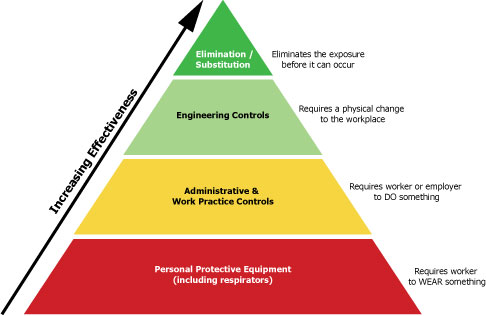
8. Health hazard – Hazards that would affect the health of exposed persons.Hierarchy of hazard controls – System used in industry to eliminate or minimize exposure to hazards
9. Mechanical hazard – Hazard with a mechanical energy source
10. Occupational exposure banding – Process to assign chemicals into categories corresponding to permissible exposure concentrations
11. Occupational hazard – Hazard experienced in the workplace
12. Physical hazard – Hazard due to a physical agent
13.Planetary protection – Guiding principle in the design of an interplanetary mission, aiming to prevent biological contamination of both the target celestial body and the Earth
14. Psychosocial hazard – Occupational hazard to one’s psychological well-being
Public health – Preventing disease, prolonging life and promoting health through organized efforts and informed choices of society and individuals .

The Journalism and mass media

The Journalism and mass media is the  graduates work nationwide and worldwide at newspapers and magazines and in advertising, branding, broadcast news, social media, marketing, media research, photojournalism, publication design, public relations, radio, and other areas.

The Journalism is the activity of gathering, assessing, creating, and presenting news and information. It is also the product of these activities. Journalism can be distinguished from other activities and products by certain identifiable characteristics and practices.

There are five types,

  • investigative,
  • news,
  • reviews,
  • columns,
  • feature-writing.

The Rules Of Journalism

: Ask questions.

The  journalist’s greatest assets is their natural curiosity. Start with the famed five W’s (and one H), then ask some more. Asking “why?” is what gets you the good stuff.

: Dig for the story.

If you think you’ve got the whole story, dig around some more. The most fascinating parts of the story are often just under the surface.

: Master the language.

As a journalist, language is your main tool. Read as much as you can and as often as you can, research odd words and archaic sayings, look at what’s behind etymology. Learn the patterns behind language and how to use them.

: Spelling matters.

Double-check if you aren’t sure about spelling or style (especially in the case of names), and read through messages and articles thoroughly before sending either.

#5: Know thy publication.

Before you pitch, know a publication’s style, editorial staff and content. Publications are usually more than happy to provide back-issues. If you can’t find writer’s guidelines, send a short introductory email requesting them.

#6: Contacts are your career.

Contacts (and your reputation with said contacts) are your entire career. Editors, sources and interviewees are all vital parts of the journalistic process. Without them, you’d be screwed.

#7: Once it’s off the record, keep it that way.

Trusted sources will tell you all sorts of juicy, fascinating, scandalous and personal things in your career as a journalist, often off the record. Shut up about it.

#8: Three is a golden number.

Mind the rule of threes: Have at least three reliable, corroborating sources for every fact; three interviewees for every article; and read through a piece at least three times before you sit down to change a comma – that’s at least.

#9: Rejection is opportunity.

Getting a story rejected means you’ve just opened up a line of communication with a new editor – congratulations. Pitch again. Rejection also gives you a chance to sell the story elsewhere: Sometimes rejection just means it’s not right for them

#10: Editors are teachers.

You can learn a hell of a lot from the experience of your editors, and when given the chance you should. They braved the journalistic battlefield before you, so you can trust their edits and advice. Usually, they’re right.

: Mind the word count.

Yes, you can do that in the assigned word count, and the editor will either make you add or cut if you don’t. Here, they always know better. (Remember this piece of key-advice from The Elements of Style and repeat it as your daily editing mantra: Omit unnecessary words.)

: Deadlines are holy.

Deadlines exist for a reason: Never skip out on a deadline unless you are incapacitated or dead. If you have to, let your editor know beforehand and have a damn good reason. Then, don’t do it again. Compare deadlines to menstrual cycles: If you skip one, you might just be stressed. If you skip several, you’re in trouble.

#13: Know the law.

Journalism can take you to some strange places. Make sure you know the law and what side of it you’re standing on at all times.

#14: Always do your research.

Make sure that your research is flawless and that you can always match which source gave which fact. Cross-reference, find first-hand information and do your background research before requesting, planning or conducting an interview.

#15: Have it outlined.

Have the skeleton of your idea outlined and ready by the time you pitch the idea. That way you have all the information ready, and it makes your job – and theirs – easier. Your outline should include the article’s proposed headline, the article’s sub-headers and sections (you can write down facts as key-words here) and who you will interview.

#16: Keep and file everything.

Keep prior notes, interviews, sources, tapes, the lot: You never know when you’ll need it, and you probably will.

#17: Guard your vices.

Many great journalists have been crippled or completely destroyed by their vices – and it can be almost anything: Overworking, coffee, manic exercising, painkillers or heavier drugs. Whatever yours is, keep it in check or risk your job.

#18: Burnout is a rabid, fanged monkey.

Burnout is a myth, until you’re there. It’s a mental and physical size of your writing engine, and if you don’t find your way to unwind you’ll get there a lot quicker.

The Mass media refers to a diverse array of media technologies that reach a large audience via mass communication. … Broadcast media transmit information electronically via media such as films, radio, recorded music, or television.

The types of mass media include Newspapers, Radio, Television, Internet, Magazines and more,

  • What is Mass Media?
  • Journalism.
  • Social Media.
  • Films.
  • Television.
  • Radio.
  • Advertising.
  • Public Relations.
  • Books, Magazines, Newspapers and Journals.

RULES OF MASS MEDIA

  • The Privacy Act works to guarantee privacy to individuals and controls how personal information is used. Defamation in the written form (libel) or the spoken form (slander) is illegal in the United States.
  • Section 315 (Equal Time Rule) ensures that broadcast media cannot favor any one candidate over another by granting one more time than another. The Fairness Doctrine ensured that radio stations offered equal time to opposing viewpoints.
  • The Freedom of Information Act grants the public, including the news media, access to many government documents. The Digital Millennium Copyright Act, established in 1998, extended existing copyright laws to encompass and protect information online.

GENETIC ENGINEERING

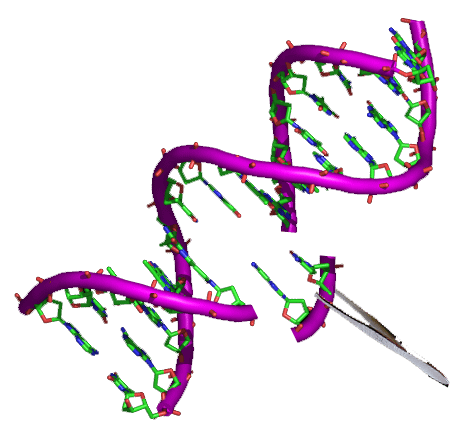
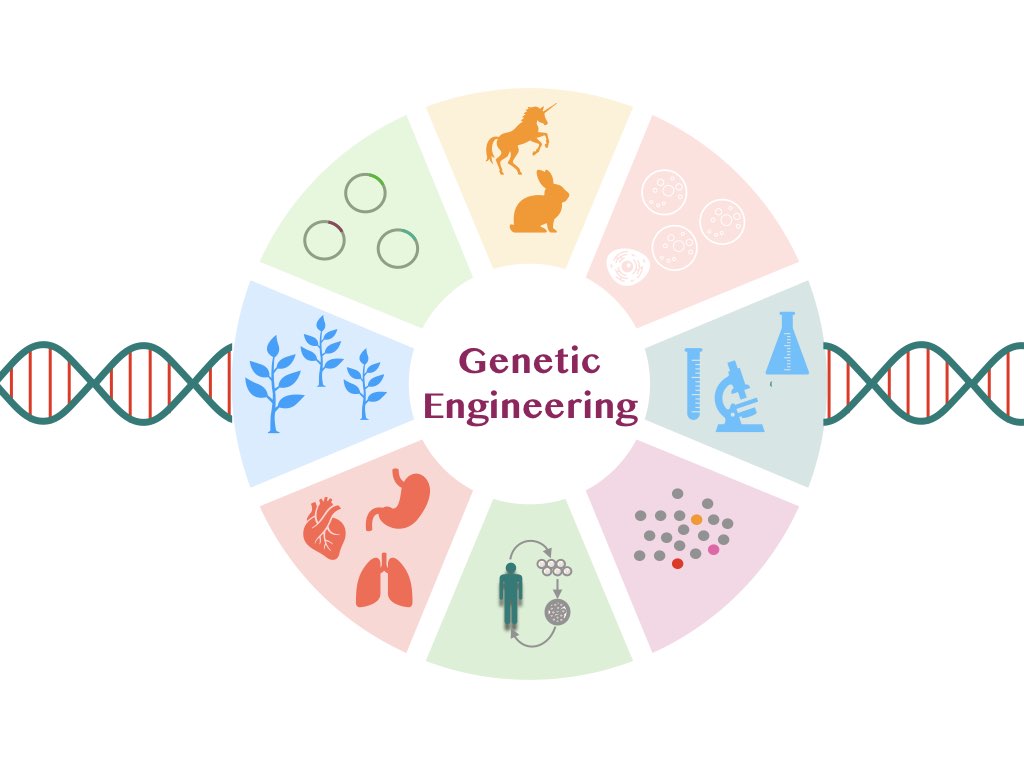
Genetic engineering also known as genetic modification is the direct manipulation of DNA to modify an organism’s traits mainly observable physical properties in a specific way. Scientists utilize it to improve or change the features of an individual organism. It may be used to treat anything from a virus to a sheep. For example, genetic engineering can be utilized to create plants with better nutritional value or that can withstand pesticide treatment. It has also been used in animals to create sheep which would generate a therapeutic protein in their milk that can be used to cure cystic fibrosis, as well as worms that glow in the dark to help scientists understand more about illnesses like Alzheimer’s.

Firstly, if we look at the history, it was created to aid in the prevention of disease transmission. With the advent of genetic engineering, scientists may now alter the way genomes are built to eliminate illnesses caused by genetic mutation. today, genetic engineering is utilized to treat diseases including cystic fibrosis, diabetes, and a variety of others.

 Genetic engineering also helps in detecting the problems even before the child is born which in turns help in curing the illness and diseases in unborn children. Humans aren’t the only ones that benefit from genetic modification. We can use genetic engineering to create foods that can endure extreme temperatures such as very hot or very cold while also providing all of the nutrients that people and animals require to thrive. Animals and plants can have their development rates genetically altered to mature more quickly. In order to improve productivity od diary or meat or even wool, animals can potentially be genetically changed. 

However, with advantages comes disadvantages as well. Thus, Allowing scientists to tear down boundaries that should maybe be left alone has a lot of drawbacks.

Many religions, after all, think that genetic engineering is equivalent to playing God, and ban it from being used on their children, for example. Aside from religious issues, there are a variety of ethical concerns such as longer life expectancy is already generating societal difficulties throughout the world, so intentionally extending everyone’s life on Earth might lead to much more problems into the future, ones that we can’t possibly anticipate. Genetic engineering can also lead to genetic defects which scientists really can’t foresee because human body is a complex structure.

Furthermore, Genetic engineering aids in the resolution of a problem by introducing genes to the organism that will assist it in combating the issue. This can have unfavourable consequences. A plant, for example, may be engineered to require less water, but this would make it intolerant of direct sunshine. Also, nature being a complicated web of interconnections, many side effects can be caused as a consequence of using genetically modified genes. 

Therefore, In a world where genetic engineering is advancing at a breakneck pace, the dangers of going too far with it are a constant source of concern because no one can’t really anticipate what consequence will it create  and where it will lead us. Changing creatures’ DNA has definitely raised a few heads. It could work wonderfully, but who knows whether interacting with nature is truly safe. As a result, it appears that genetic engineering is both a mixed blessing, as we stand to gain as well as lose by furthering this field of study.

Zika outbreak in Kerala made the state high alert

When COVID-19 cases are increasing rapidly, Kerala has been put on high alert after the Zika virus outbreak

YOUTH AND THEIR OBSESSION WITH ALCOHOL

Today while I was attending my friend’s birthday party, I noticed something that prompted me to write about it. Alongside our group there was another group at this club. They all were easily below the age of twenty but their behavior was totally unacceptable. They were completely drunk and had no regard for the other guests. They were hogging the dance floor and when my friends and I tried to dance in the corner, they deliberately started bumping into us. One of the girls in my group even pushed him away hard but they didn’t budge from their conduct. They continued with their acts and finally we had to give up and get down the dance floor. The level of discomfort we felt during that moment can’t be accurately described. Even though two of the guys of their group came and apologized but doesn’t give them the right to behave like that in the first place. My question is Do people think that being drunk can be an excuse for everything? Why does our youth depend on alcohol to have fun? How can you make people around you uncomfortable and not even care a little?

It seems as if alcohol has become a lifestyle. Somehow consuming alcohol at a young age makes you “cool”. Surveys have shown that 75% youngsters in India consume alcohol before reaching the legal age. This normally starts with “I’ll have a few sips only” and ends up at binge drinking all weekend long. Around 80% of youth have at least tried alcohol once even if they didn’t develop a taste for it. Another factor that has ruined our youth is ‘Peer Pressure’. There are several examples where we can see a youngster following whatever the group says even though he is completely unwilling. As if peer pressure wasn’t enough, FOMO (Fear Of Missing Out) creeps in the minds of the youth. They feel as if they are missing out on something amazing because they see their friends having fun without realizing that their happiness is short lived. And before you know it that first drink turns into the first of many drinks to follow.

Other than the above mentioned reasons, it is a popular belief that kids take up drinking at a young age either because their parents regularly do so or because their parents introduce them to it. Children who take up drinking by following their parents never learn how to drink moderately because they generally do it secretly. On the other hands those who are introduced by their parents can learn to moderate their number of drinks. But the question still remains as to why is the youth so obsessed with drinking at an early age? The only reasons that come to mind are: because they are curious, to make themselves feel good, to relieve stress or to fit it. Do they not realize the risk they are putting themselves into? If they do, is it really worth it?

If you did not know it earlier, let me clarify you that alcohol can make you look extremely stupid especially if consumed without a check. You embarrass yourself, you embarrass the group you came with and in no way it that considered “cool”. In fact it is very disrespectful towards the people who are there for a good time. Drinking before legal age can even get you arrested. How would that be perceived among your peer group who you were trying so hard to impress? If this doesn’t persuade you to stop drinking then maybe when you grow a little older and your health starts to deteriorate, you would realize the hell you put your body through for a very short lived moments of fun.

If you don’t want to drink just say so. Don’t give into this vicious cycle. Stop drinking at every social gathering. If you problem is extreme, talk to an elder. Ask for help. One day you’ll be very thankful you stopped when you did. Don’t let alcohol ruin your youth and create problems for your adulthood. Stop before it becomes an addiction. Stop before having a drink turns into doing drugs. You will realize how your brain slowly loses its function when you feed this poison to your body. Remember, with alcohol the fun is temporary but the consequences are permanent.

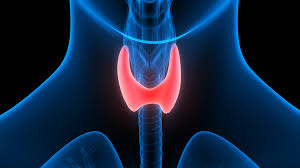
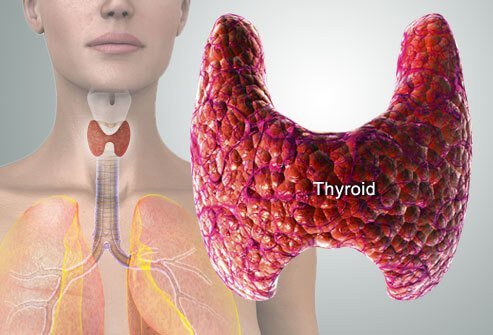
THYROID

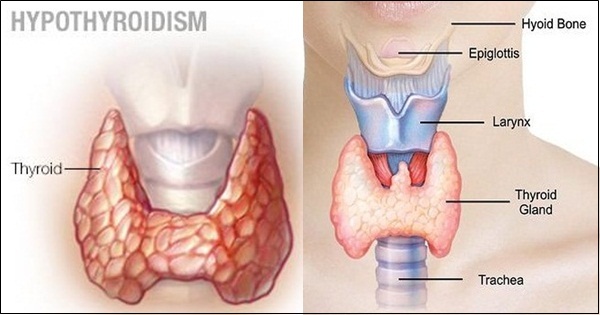
The Thyroid or Thyroid Gland is an endocrine gland in vertebrates. In humans it is in the neck and consists of two connected lobes. The lower two thirds of the lobes are connected by a thin band of tissue called the thyroid isthmus. The thyroid is located at the front of the neck, below the Adam’s apple. The functional unit of the thyroid gland is the spherical thyroid follicle, lined with follicular cells(thyrocytes), and occasional parafollicular cells that surrounds a lumen containing colloid. The thyroid gland secretes three hormones- triiodothyronine(T3) and thyroxine(T4), a peptide hormone- calcitonin.

The thyroid hormone influences the metabolic rate, protein synthesis and in children- growth and development. Calcitonin plays a role in calcium homeostasis. Secretion of the two thyroid hormones is regulated by thyroid-stimulating hormone(TSH) which is secreted from the anterior pituitary gland.

When the thyroid doesn’t work properly, it can impact our entire body. If our body makes too much thyroid hormone, this can develop a condition called Hyperthyroidism. If our body makes too little thyroid hormone, it is called Hypothyroidism. Both the conditions are serious and needs a proper treatment.

WHO CAN BE AFFECTED BY THYROID DISEASE?

This disease can affect anyone be it men, women, infants, teenagers and the elderly. It can be present at birth(typically hypothyroidism) and it can develop as the person age(often after menopause in women). Thyroid disease has become a very common disease. A woman is about five to eight times more likely to be diagnosed with a thyroid condition than a man.

A person may be at a higher risk of developing this disease if he/she:-

  • has a family history of thyroid disease.
  • has a medical condition, such as type 1 diabetes, Rheumatoid arthritis etc.
  • taking a medicine higher in iodine content.

SYMPTOMS OF THYROID DISEASE

Symptoms of an overactive thyroid(hyperthyroidism) include:-

  • experiencing anxiety, irritability and nervousness.
  • having trouble sleeping.
  • losing weight.
  • having an enlarged thyroid gland or goiter.
  • having muscle weakness and tremors.
  • experiencing irregular menstrual periods.
  • feelings sensitive to heat.
  • having vision problems.

Symptoms of an underactive thyroid(hypothyroidism) include:-

  • feeling tired.
  • gaining weight.
  • experiencing forgetfulness.
  • having frequent and heavy menstrual periods.
  • having dry and coarse hair.
  • having hoarse voice.
  • experiencing intolerance to cold temperatures.

Water Pollution: A threat to humans and the environment!

Talking about our most crucial resource “Water”, our rivers, lakes, seas are flooding with chemicals, waste, plastic, and other pollutants. Every living being’s life has become nothing but a threat. Yet we trash water anyway. A British poet named W.H Auden once said “Thousands have lived without love, not one without water.” Polluted water takes away more life than any war/form of violence. With access to less than 1℅ of freshwater resources, it is estimated that by 2050 demand for freshwater will increase by 1/3 than it is today.

In this article, you’ll know:-

★What is water pollution?

★What are the causes?

★What are the ways to prevent water pollution?

What is water pollution?

Water pollution is caused when water bodies are contaminated with chemicals, wastes, or microorganisms, that end up turning water bodies toxic to humans and the environment.

Causes of Water Pollution:-

Water is a Universal Solvent, and it can dissolve more substances than any other liquid on earth. That’s why water is easily polluted. Toxic Substances from factories, farms, and towns mix with it and make it polluted. 

I) Groundwater Pollution- Groundwater gets polluted when pollutants like pesticides, fertilizer runoff, waste are leached from the trash yard and septic systems.

II) Surface Water Pollution- Surface water gets polluted by fertilizer runoff, farm waste, municipal and industrial waste, dumping garbage directly, etc.

III) Ocean water Pollution- Chemicals, nutrients, and many toxic substances from farms, industries, cities are carried by streams and rivers to the sea. Hence, ocean water gets polluted. It is also polluted because of oil spills and leaks.

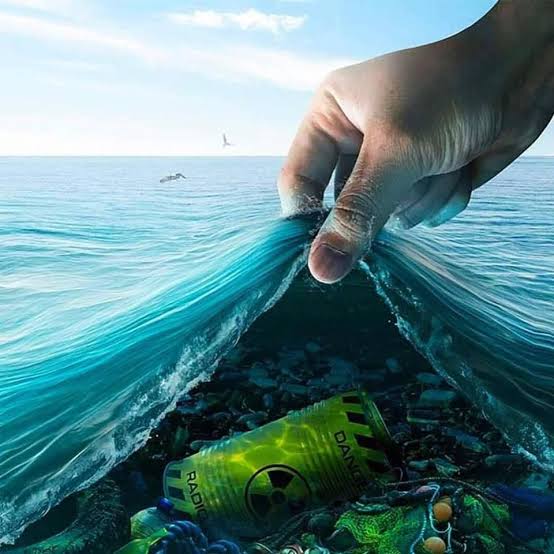
IV) Radioactive Pollution- Radio Active wastes are generated by uranium mining, nuclear power plants, and by universities and hospitals using radioactive material for research. Unknowingly released or improper disposal of these pollutants can threaten groundwater, surface water, and marine resources. 

What are the ways to prevent water pollution?

The ways by which one can prevent water pollution are:-

I)  Reduce, reuse and recycle plastic.

II) Maintenance of vehicles(especially checking oil leakage or coolant leakage. 

III) Proper disposal of chemicals, factory waste, oils, and non-biodegradable substance. 

IV) By avoiding the usage of pesticides and herbicides.

V) By considering landscaping to reduce runoff.

VI) By spreading awareness. 

DISABILITY ETIQUETTES

Disability Etiquette - United Spinal Association

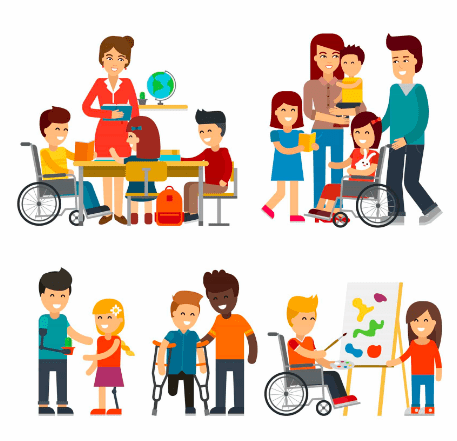
Disability etiquette is a set of guidelines dealing specifically with how to approach persons with disabilities . Before knowing about disability etiquettes , it is essential to understand certain basic things such as if someone has a disability don’t assume he/she needs help . In fact , adults with disabilities wants to be treated as an independent persons , So offer help only if the person with disability seems to need it . Physical contact should be avoided . Always speak directly to the person with a disability , not to his/her friend . Persons with disabilities are the best judge of what they can or can’t do .

General Disability Etiquettes

Disability Etiquette | OSU TOPS Program

The general disability etiquettes are stated below :

  • Always put the person first , i.e., say ‘person with disability ‘ rather than ‘disabled person’ . Always avoid the outdated words like handicapped , retarded , physically challenged or differently – abled . For example , refer to ‘person who are blind ‘ rather than ‘ blind person ‘.
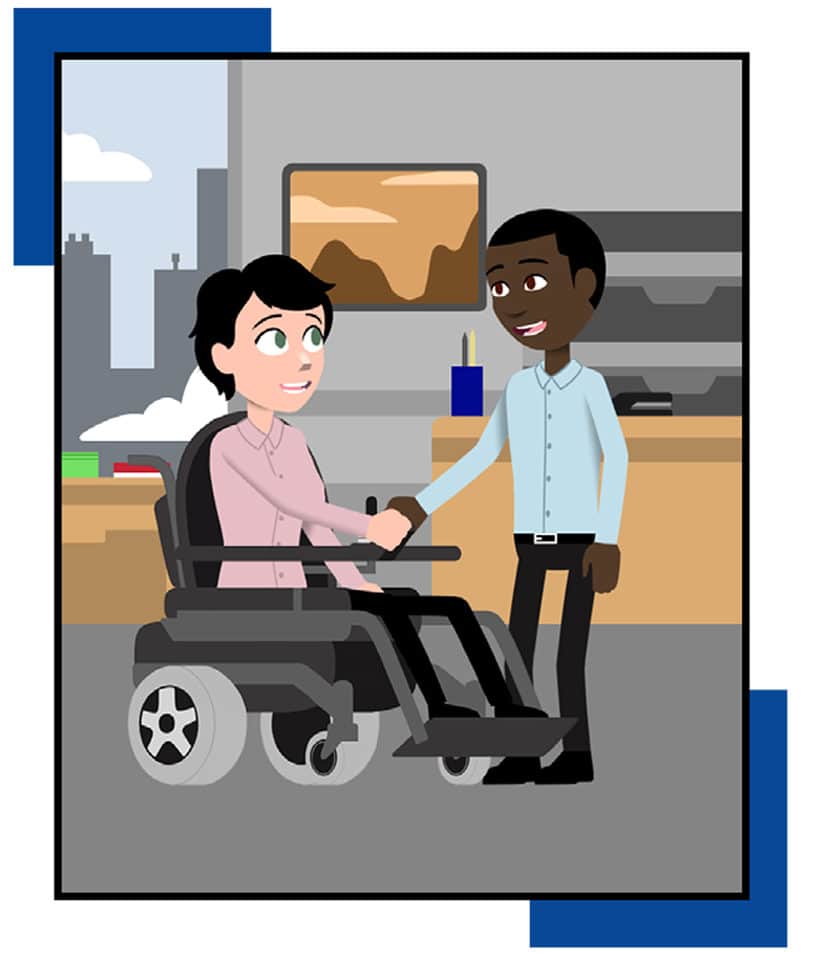
  • In case of introduction to a person with a disability , it is appropriate to shake hands .
  • When you meet a person with a visual impairment , always identify yourself and others who may be with you .
  • Leaning or hanging on a person ‘s wheelchair should always be avoided because such act is generally considered annoying . In fact , the chair is the part of the personal body space of the person who uses it.
  • Always listen carefully as well as attentively when you are having conversations with a person who has difficulty in speaking . Have patience and wait for the person to finish rather than correcting or speaking for that person . Generally , ask short questions that require short time .
  • When talking with a person who is on a wheelchair or person who uses crutches , keep yourself at eye level in front of the person to facilitate the talk .
  • To get the attention of a person who is deaf or having hearing impairment , tap the person on the shoulder or wave your hand . You should look directly at the person and speak clearly .
  • Never patronize person who use wheelchairs by patting them on the head or shoulder .
  • Always introduce yourself to persons who are blind using your name .
  • Always avoid asking personal questions to an individual who is differently-abled .
  • Always give additional time to a person with any disability to do or to say something .
  • Always have conversation at a normal tone of voice . Don’t talk in high pitch to such individuals .
  • Don’t pretend to understand if you are facing problem in doing so .
  • If you need to leave a person who is blind , inform him that you are leaving and ask him if he needs anything before you leave .

Mental Health and Psychology

Mental health includes our emotional, psychological, and social well-being. It affects how we think, feel, and act. It also helps determine how we handle stress, relate to others, and make choices. Mental health is important at every stage of life, from childhood and adolescence through adulthood.

Mental health therapists in the past dealt mostly with psychological diseases and the health issues that came from it. Their focus was less on individual factors like motivation, positive thinking, happiness, and emotional resilience, and more on the manifested symptoms of mental illness.

George Vaillant, a pioneer in the field of positive psychology, said that old literary works on psychiatry and mental health have a myriad of discussions on anxiety, depression, stress, anger, and fear, and almost nothing about affection, compassion, and forgiveness (Vaillant, 2009). But this is all a matter of the past now.

With the advent of the science of happiness, or positive psychology, a significant shift in the focus of mental health research and practice has been noticed. Positive psychology has opened a new way of looking into problems. It recognizes happiness and well-being as an ‘essential human skill’ (Davidson).

As a composite of clinical psychology, positive science helps in understanding how we can work on enhancing our internal capabilities and make the best of our present. Rather than focusing on symptomatic therapy and treatment, positive psychology centers around emotional stability, expectation management, and fruitful thinking, which is why it is referred to as the ‘study of ordinary strengths and virtues’ (APA, 2001).

Positive psychology goes hand in hand with traditional mental health interventions. In this article, we will explore the semblance and the association between positive psychology and mental health and discuss how the combination of both is essential for the successful outcome of any psychiatric disorder.

Incorporating neuroscience in mental health had numerous benefits —

• Neuroscience made it easier for therapists and professionals to dig into the root causes of the disorder.

• It helped in promoting mental well-being, happiness, and quality of life.

• Neuroscience paved the way for early diagnosis and a brighter prognosis of any psychological treatment plan.

• It helped in understanding the relationship between the mind and the body with more accuracy.

• Neuroscientific research made way for extending the areas of research on mental health and happiness.

CANCER.

cancer is a diseases in which some of the body’s cells grow uncontrollably with the potential to invade or spread to all the parts of the body. Cancer begins anywhere in human body which is made up of trillion of cells normal human cells grow and multiply to form New cells in case of Cancer the world damage cell take their place this cell main form tumors,which are lumps of tissues which can be cancerous or not cancerous the cancer cells grow in the absence of liqudes telling them to grow and invade into nearby areas and spread to other areas of body and makes blood vessels to grow towards tumors. Is mainly caused by certain change in genes that occurs as cell division damage DNA certain change in teens caused by harmful chemicals and other sources such as tobacco smoking ultra violet rays from Sun and also inherited from the parents all the blood relations.

The genetic changes are proto-oncogenes cancer causing gene ,tumor suppressor which they should not and DNA repair gene involved in normal cell division and growth and became cancer causing gene allowing cells to grow and survive and invoked in controlling growth and division which may divide in uncontrollable manner DNA repair genes in walls fixing damaged DNA end up in development of additional mutations in genes and change chromosomes such as duplication and deletion of chromosomes fats. The most important symptoms for cancer are of in greater cause abnormal bleeding prolonged cough obesity change in bowel movement some systematic symptoms are fatigue unintentional skin change abnormal vaginal bleeding mall grow or alcerates, cancer can be difficult to diagnose and also there is currently no cure for cancer . Over 100 types of cancer affect humans which are usually named for organs or tissues causing cancer such as breast cancer prostate cancer basal cell cancer skin cancer (melanoma) Colin cancer and cancer leukemia and lymphoma

However successful treatment such as radiation therapy surgery therapy chemotherapy targeted therapy adopted to treat the cancer. As scientist talent more about the change in environment that lead to cancer and now there are many cancers treatment available the target.

in order to overcome this cancer practice good sleep healthy food habits get moving with happiness take time to relax engage in mind body strategies consider therapy and counselling get treated for medical conditions that cause cancer and that make fatigue worse.