ONE STATE MANY WORLDS


Karnataka is a state in southwest India with Arabian Sea coastlines. The capital, Bengaluru (formerly Bangalore), is a high-tech hub known for its shopping and nightlife. To the southwest, Mysore is home to lavish temples including Mysore Palace, former seat of the region’s maharajas. Hampi, once the medieval Vijayanagara empire’s capital, contains ruins of Hindu temples, elephant stables and a stone chariot.

Originally known as the princely State of Mysore, Karnataka was formed on 1st November 1956 and is located in the South-Western region of India. Close to the Arabian Sea and the Laccadive Sea, Karnataka is known for its beautiful yet unpopulated beaches and rich culture.

Karnataka is the largest state in South India and sixth largest in India. The state is in the south western region of India. It was formed on 1 November 1956, with the passage of the States Reorganisation Act. Originally known as the State of Mysore , it was renamed Karnataka in 1973. The state corresponds to the Carnatic region. Its capital and largest city is Bangalore.

Karnataka is bordered by the Arabian Sea to the west, Goa to the northwest, Maharashtra to the north, Telangana to the northeast, Andhra Pradesh to the east, Tamil Nadu to the southeast, and Kerala to the south. It is the only southern state to have land borders with all of the other 4 southern Indian sister states. The state covers an area of 191,976 square kilometres , or 5.83 percent of the total geographical area of India. It is the sixth largest Indian state by area. With 61,130,704 inhabitants at the 2011 census, Karnataka is the eighth largest state by population, comprising 31 districts. Kannada, one of the classical languages of India, is the most widely spoken and official language of the state. Other minority languages spoken include Urdu, Konkani, Marathi, Tulu, Tamil, Telugu, Malayalam, Kodava and Beary. Karnataka also contains some of the only villages in India where Sanskrit is primarily spoken

The economy of Karnataka is the fourth-largest of any Indian state with ₹16.99 trillion in gross domestic product and a per capita GDP of ₹231,000 . Karnataka has the nineteenth highest ranking among Indian states in Human Development Index.

The diverse linguistic and religious ethnicities that are native to Karnataka, combined with their long histories, have contributed immensely to the varied cultural heritage of the state. Apart from Kannadigas, Karnataka is home to Tuluvas, Kodavas and Konkanis. Minor populations of Tibetan Buddhists and tribes like the Soligas, Yeravas, Todas and Siddhis also live in Karnataka. The traditional folk arts cover the entire gamut of music, dance, drama, storytelling by itinerant troupes, etc. Yakshagana of Malnad and coastal Karnataka, a classical dance drama, is one of the major theatrical forms of Karnataka. Contemporary theatre culture in Karnataka remains vibrant with organisations like Ninasam, Ranga Shankara, Rangayana and Prabhat Kalavidaru continuing to build on the foundations laid by Gubbi Veeranna, T. P. Kailasam, B. V. Karanth, K V Subbanna, Prasanna and others. Veeragase, Kamsale, Kolata and Dollu Kunitha are popular dance forms. The Mysore style of Bharatanatya, nurtured and popularised by the likes of the legendary Jatti Tayamma, continues to hold sway in Karnataka, and Bangalore also enjoys an eminent place as one of the foremost centres of Bharatanatya.

Karnataka also has a special place in the world of Indian classical music, with both Karnataka (Carnatic) and Hindustani styles finding place in the state, and Karnataka has produced a number of stalwarts in both styles. The Haridasa movement of the sixteenth century contributed significantly to the development of Karnataka (Carnatic) music as a performing art form. Purandara Dasa, one of the most revered Haridasas, is known as the Karnataka Sangeeta Pitamaha (‘Father of Karnataka a.k.a. Carnatic music’). Celebrated Hindustani musicians like Gangubai Hangal, Mallikarjun Mansur, Bhimsen Joshi, Basavaraja Rajaguru, Sawai Gandharva and several others hail from Karnataka, and some of them have been recipients of the Kalidas Samman, Padma Bhushan and Padma Vibhushan awards. Noted Carnatic musicians include Violin T. Chowdiah, Veena Sheshanna, Mysore Vasudevachar, Doreswamy Iyengar and Thitte Krishna Iyengar.

Gamaka is another classical music genre based on Carnatic music that is practised in Karnataka. Kannada Bhavageete is a genre of popular music that draws inspiration from the expressionist poetry of modern poets. The Mysore school of painting has produced painters like Sundarayya, Tanjavur Kondayya, B. Venkatappa and Keshavayya. Chitrakala Parishat is an organisation in Karnataka dedicated to promoting painting, mainly in the Mysore painting style.

Saree is the traditional dress of women in Karnataka. Women in Kodagu have a distinct style of wearing the saree, different from the rest of Karnataka. Dhoti, known as Panche in Karnataka, is the traditional attire of men. Shirt, Trousers and Salwar kameez are widely worn in Urban areas. Mysore Peta is the traditional headgear of southern Karnataka, while the pagadi or pataga (similar to the Rajasthani turban) is preferred in the northern areas of the state.

Rice and Ragi form the staple food in South Karnataka, whereas Jolada rotti, Sorghum is staple to North Karnataka. Bisi bele bath, Jolada rotti, Ragi mudde, Uppittu, Benne Dose, Masala Dose and Maddur Vade are some of the popular food items in Karnataka. Among sweets, Mysore Pak, Karadantu of Gokak and Amingad, Belgaavi Kunda and Dharwad pedha are popular. Apart from this, coastal Karnataka and Kodagu have distinctive cuisines of their own. Udupi cuisine of coastal Karnataka is popular all over India.

Kannada is the official language of the state of Karnataka, as the native language of 66.5% of its population as of 2011 and is one of the classical languages of India. Other linguistic minorities in the state were Urdu , Telugu , Tamil , Marathi , Hindi , Tulu , Konkani , Malayalam and Kodava Takk .

Kannada played a crucial role in the creation of Karnataka: linguistic demographics played a major role in defining the new state in 1956. Tulu, Konkani and Kodava are other minor native languages that share a long history in the state. Urdu is spoken widely by the Muslim population. Less widely spoken languages include Beary bashe and certain languages such as Sankethi. Some of the regional languages in Karnataka are Tulu, Kodava, Konkani and Beary.

Kannada features a rich and ancient body of literature including religious and secular genre, covering topics as diverse as Jainism (such as Puranas), Lingayatism (such as Vachanas), Vaishnavism (such as Haridasa Sahitya) and modern literature.
VIBRANT GUJARAT

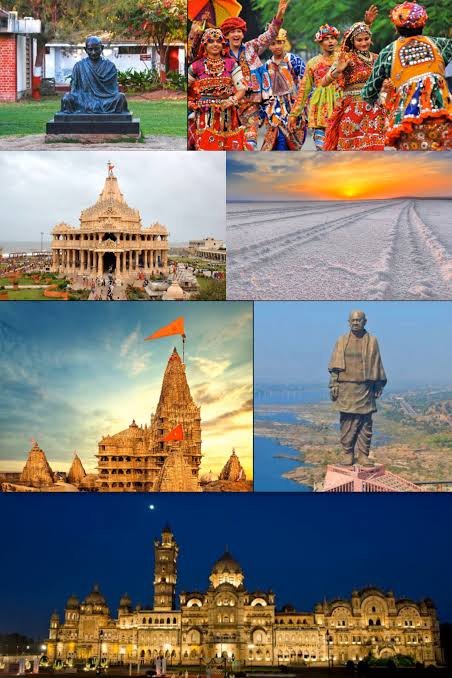
Gujarat is a state on the western coast of India with a coastline of 1,600 km – most of which lies on the Kathiawar peninsula – and a population of 60.4 million. It is the fifth-largest Indian state by area and the ninth-largest state by population. Gujarat is bordered by Rajasthan to the northeast, Dadra and Nagar Haveli and Daman and Diu to the south, Maharashtra to the southeast, Madhya Pradesh to the east, and the Arabian Sea and the Pakistani province of Sindh to the west. Its capital city is Gandhinagar, while its largest city is Ahmedabad. The Gujarati people of India are indigenous to the state, and their language Gujarati, is the state’s official language. The economy of Gujarat is the fifth-largest in India, with a gross state domestic product GSDP of ₹18.5 trillion and has the country’s 11th-highest GSDP per capita of ₹216,000 . Gujarat ranks 21st among Indian states in human development index. The state traditionally has low unemployment and is widely considered one of the most industrially developed states of India and a manufacturing hub.

The state encompasses some sites of the ancient Indus Valley Civilisation, such as Lothal, Dholavira and Gola Dhoro. Lothal is believed to be one of the world’s first seaports. Gujarat’s coastal cities, chiefly Bharuch and Khambhat, served as ports and trading centres in the Maurya and Gupta empires, and during the succession of royal Saka dynasties from the Western Satraps era.[citation needed] Along with Bihar, Mizoram and Nagaland, Gujarat is one of four Indian states to prohibit the sale of alcohol. The Gir Forest National Park in Gujarat is home to the only wild population of the Asiatic lion in the world

Gujarati food is primarily vegetarian. The typical Gujarati thali consists of rotli or bhakhari or thepala or rotlo, dal or kadhi, khichdi, Bhat and shak. Athanu (Indian pickle) and chhundo are used as condiments. The four major regions of Gujarat all bring their own styles to Gujarati food. Many Gujarati dishes are distinctively sweet, salty, and spicy at the same time. In the Saurashtra region, chhash (buttermilk) is believed to be a must-have in their daily food.

Gujarati folk music, known as Sugam Sangeet, is a hereditary profession of the Barot, Gadhvi and Charan communities. The omnipresent instruments in Gujarati folk music include wind instruments, such as turi, bungal, and pava, string instruments, such as the ravan hattho, ektaro, and jantar and percussion instruments, such as the manjira and zanz pot drum.

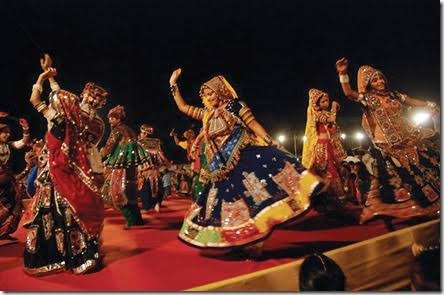
The folk traditions of Gujarat include bhavai and raas-garba. Bhavai is a folk theatre; it is partly entertainment and partly ritual, and is dedicated to Amba. The raas-garba is a folk dance done as a celebration of Navratri by Gujarati people. The folk costume of this dance is chaniya choli for women and kedia for men. Different styles and steps of garba include dodhiyu, simple five, simple seven, popatiyu, trikoniya (hand movement which forms an imagery triangle), lehree, tran taali, butterfly, hudo, two claps and many more. Sheri garba is one of the oldest form of garba where all the women wear red patola sari and sing along while dancing. It is a very graceful form of garba. Makar Sankranti is a festival where people of Gujarat fly kites. In Gujarat, from December through to Makar Sankranti, people start enjoying kite flying. Undhiyu, a special dish made of various vegetables, is a must-have of Gujarati people on Makar Sankranti. Surat is especially well known for the strong string which is made by applying glass powder on the row thread to provide it a cutting edge.

Gujarat’s natural environment includes the Great Rann of Kutch and the hills of Saputara, and it is the sole home of pure Asiatic lions in the world. During the historic reigns of the sultans, Hindu craftsmanship blended with Islamic architecture, giving rise to the Indo-Saracenic style. Many structures in the state are built in this fashion. It is also the birthplace of Mahatma Gandhi and Sardar Vallabhbhai Patel, great iconic figures of India’s Independence movement. Amitabh Bachchan is currently the brand ambassador of Gujarat Tourism.

Gujarat has a variety of museums on different genres that are run by the state’s Department of Museums located at the principal state museum, Baroda Museum & Picture Gallery in Vadodara, which is also the location of the Maharaja Fateh Singh Museum. The Kirti Mandir, Porbandar, Sabarmati Ashram, and Kaba Gandhi No Delo are museums related to Mahatma Gandhi, the former being the place of his birth and the latter two where he lived in his lifetime. Kaba Gandhi No Delo in Rajkot exhibits part of a rare collection of photographs relating to the life of Mahatma Gandhi. Sabarmati Ashram is the place where Gandhi initiated the Dandi March. On 12 March 1930 he vowed that he would not return to the Ashram until India won independence.

TOP 5 INTERNSHIP SITES IN INDIA

Want you knowledge to get applied somewhere , internship is the chance . Just having a good degree is no longer enough to secure that all-important graduate job offer in today’s world. Pertinent work experience is now just as valuable as your degree and exam results when it comes to building a successful career. As a result, internships have become an essential way to help candidates make themselves stand out. The importance of an internship has been shown in several recent surveys. According to NACE’s Class of 2019 Student Survey, “More than half of all graduating seniors who applied for a full-time job (53.2%) received at least one job offer. Within this group, 57.5% of students who had an internship and 43.7% of graduating seniors who did not have an internship received a job offer.”

Internship helps you get the exposure which you want in any cooperate sector or any organization or non profit organization. It gives you a platform to establish a wide network connection . It helps you to know about yourself , you get to know about your caliber , your potential to cope up with the real industrial work . it help you to lean professional work as well as technical skills according to the requirements of the organization .

TOP 5 INTERNSHIP SITE IN INDIA RAE LISTED BELOW :

  1. INTERNSHALA

This is one of the most popular and probably the first website which all students or workers with no previous experience should usually start at. This website provides all its users with literally thousands of opportunities in all fields and domains. The process for applying to internships on this website is also incredibly simple. To get the process started you would first be required to make a login ID and password. Once you have that then you can access a large number of internships which are available on this website. You can manage and edit your resume at any time and can also find the right internship for you by using the filter box on the side. This website ensures that it connects everybody to trusted and assured companies who are genuinely interested in hiring interns. This website also gives assurance that they are connected to trusted companies & also help you to in various forms like how to talk to others , maintain professionalism .

2. LinkedIn

LinkedIn is a very famous community of professional networks which is known for providing the best jobs. This company connects working professionals on a single platform and allows them to communicate in a professional manner. At this website, you can post jobs or even apply for them. However, what most people don’t know is that this website also allows people to apply for internships.

There is also an entire section of this website which is devoted to students and working professionals alike who wish to learn new and relevant skills. This website allows users to filter their search for internships and it offers thousands of options for everybody to choose from. 

3. LetsIntern

This website exposes students to some of the best internships from a number of large organizations like Tencent, the Indian Express, and Comic-Con India. The website enables employers and students to register in a similar process, which enables better communication between organizations and their interns. They are putting all their hard work to provide you all with the bust internship offers & job offers.

4. Twenty19

With a user base of over 6 lakh students, Twenty19 brings students and companies on a single platform for projects, internships, volunteering opportunities etc. The platform shares your personal profiles with corporate companies to select to enhance the quality of interns. This portal is free of cost for the students as well as colleges.

5. stuMagz

This is a Digital Campus Discovery Platform based out of Hyderabad which was founded in 2015. You can find both tech and non-tech internships here. The site offers a great way to build your profile. The user interface is great and easy to use. With the reach of 500+ colleges, stuMagz serves as the platform for brands to reach out to a talented pool of students.

MUSIC – A GOOD COMPANION!!!

We may live in different place, different state, different country but we a got together by music. Would you agree if say like that? Yes, music is a good companion which helps us to express our feelings. It may be any form of music but we may feel accompanied with music rather than being lonely. Let me tell you about how music has an great effect on us.

Music is something that we enjoy as a part of our life. It accompanies us from birth to death. During our childhood, our parents and grandparents used to sing songs to make us sleep. Crying is a kind of music. When we woke up, we can hear the birds chirpping and trees rustling which is the most lovely feel in the morning. Music is everywhere, all we need is to open our ears to listen to it.

One who knows to create music on their own with musical instruments is called a Musician. The different music instruments include – Percussion, Brass, String, woodwind and keyboard. Brass music instruments are played using mouth. Those instruments include Trombone, Trumpet etc. String music instruments give rythym to music and those instruments include Guitar, Veena, Violin etc.

Some musical instruments

Percussion musical instruments gives main beat and feel to the song and those include Drums, Tabla, Dolak etc. Woodwind instruments are made of wood and they are also played using mounth like brass instruments and these instrument include Flute. The keyboard consists of keys which has high pitches.When you add another voice to an instrument, it is called singing and is a vital part of the music. When people who play different instruments come together to play them together, it is called a band.

There are different genres of music such as rock, pop, classical, blues, jazz, R&B, hip-hop, etc. All of these genres of music are characterized by how the instruments work together. Rock music is often louder and is played using percussion and string instruments. In Jazz music, Saxophone is very popular. In this modern world, the newest genres of music is electronic dance music (EDM) which consists of loud percussive beats and is very popular to young people.

We all have our favorite music director, singer, band, etc. Music is a universal language that unite people regardless of boundaries. This has the sense of familiarity among the people. Eventhough, we don’t understand the meaning of the lyrics of a song, we like it because of the tune and voice. Music is not just a sound but a communicable language which makes feel good. I love to hear music when am alone. But I used to play music when I am with my friends and family and it unites us very much. Listening to your favourite song can completely uplift your mood if you are feeling down. Everybody has their own kind of music that they love, which is why it is special to us all in our own unique ways.

Unique Music Quotes With Images In English - Premium Quotes Only

My best advice for you is to enjoy the music when you are alone and enjoy more than that when you are with your family. This feel cannot be explained in words and you’ll understand by experiencing it. Often hear songs; make everyone around you happy. Be happy; lead a helathy life.

Read more;

THE SOUL OF INCREDIBLE INDIA – ODISHA

Odisha , formerly Orissa , is an Indian state located in Eastern India. It is the 8th largest state by area, and the 11th largest by population. The state has the third largest population of Scheduled Tribes in India. It neighbours the states of West Bengal and Jharkhand to the north, Chhattisgarh to the west, Andhra Pradesh to the south, and a very negligible border with Telangana to the southwest. Odisha has a coastline of 485 kilometres along the Bay of Bengal. The region is also known as Utkala and is mentioned in India’s national anthem, “Jana Gana Mana”. The language of Odisha is Odia, which is one of the Classical Languages of India.

The ancient kingdom of Kalinga, which was invaded by the Mauryan emperor Ashoka (which was again won back from them by king Kharavela) in 261 BCE resulting in the Kalinga War (The lethal war with Kalinga transformed the vengeful Emperor Ashoka into a stable and peaceful emperor, and he became a patron of Buddhism), coincides with the borders of modern-day Odisha. The modern boundaries of Odisha were demarcated by the British Indian government when Orissa Province was established on 1 April 1936, consisting of the Odia-speaking districts of Bihar and Orissa Province. The first of April is celebrated as Utkala Dibasa. Cuttack was made the capital of the region by Anantavarman Chodaganga in c. 1135, after which the city was used as the capital by many rulers, through the British era until 1948. Thereafter, Bhubaneswar became the capital of Odisha.

The economy of Odisha is the 16th-largest state economy in India with ₹5.33 lakh crore in gross domestic product and a per capita GDP of ₹116,614 . Odisha ranks 32nd among Indian states in human development index.

CUISINE –
Odisha has a culinary tradition spanning centuries. The kitchen of the Shri Jagannath Temple, Puri is reputed to be the largest in the world, with 1,000 chefs, working around 752 wood-burning clay hearths called chulas, to feed over 10,000 people each day.

The syrupy dessert Pahala rasagola made in Odisha is known throughout the world. Chhenapoda is another major Odisha sweet cuisine, which originated in Nayagarh. Dalma (a mix of dal and selected vegetables) is widely known cuisine, better served with ghee.

The “Odisha Rasagola” was awarded a GI tag 29 July 2019 after a long battle about the origin of the famous sweet with West Bengal.

DANCE –
Odissi dance and music are classical art forms. Odissi is the oldest surviving dance form in India on the basis of archaeological evidence. Odissi has a long, unbroken tradition of 2,000 years, and finds mention in the Natyashastra of Bharatamuni, possibly written c. 200 BC. However, the dance form nearly became extinct during the British period, only to be revived after India’s independence by a few gurus.

The variety of dances includes Ghumura Dance, Chhau dance, Jhumair, Mahari dance, Dalkhai and Gotipua.

TOURISM –
The Lingaraja Temple at Bhubaneswar has a 150-foot high deula while the Jagannath Temple, Puri is about 200 feet high and dominates the skyline. Only a portion of the Konark Sun Temple at Konark in Puri district, the largest of the temples of the “Holy Golden Triangle” exists today, and it is still staggering in size. It stands out as a masterpiece in Odisha architecture. Sarala Temple, regarded as one of the most spiritually elevated expressions of Shaktism is in Jagatsinghpur district. It is also one of the holiest places in Odisha and a major tourist attraction. Maa Tarini Temple situated in Kendujhar district is also a famous pilgrimage destination. Every day thousands of coconuts are given to Maa Tarini by devotees for fulfilling their wishes.

Odisha’ s varying topography – from the wooded Eastern Ghats to the fertile river basin – has proven ideal for evolution of compact and unique ecosystems. This creates treasure troves of flora and fauna that are inviting to many migratory species of birds and reptiles. Bhitarkanika National Park in Kendrapada district is famous for its second largest mangrove ecosystem. The bird sanctuary in Chilika Lake (Asia’s largest brackish water lake). The tiger reserve and waterfalls in Simlipal National Park, Mayurbhanj district are integral parts of eco-tourism in Odisha, arranged by Odisha Tourism.

Daringbadi is a hill station in the Kandhamal district. It is known as “Kashmir of Odisha”, for its climatic similarity. Chandipur, in Baleswar district is a calm and serene site, is mostly unexplored by tourists. The unique specialty of this beach is the ebb tides that recede up to 4 km and tend to disappear rhythmically.

In the western part of Odisha, Hirakud Dam in Sambalpur district is the longest earthen dam in the World. It also forms the biggest artificial lake in Asia. The Debrigarh Wildlife Sanctuary is situated near Hirakud Dam. Samaleswari Temple is a Hindu temple in Sambalpur city, dedicated to the goddess known as ‘Samaleswari’, the presiding deity of Sambalpur, is a strong religious force in western part of Odisha and Chhattisgarh state. The Leaning Temple of Huma is located near Sambalpur. The temple is dedicated to the Hindu god Lord Bimaleshwar. Sri Sri Harishankar Devasthana, is a temple on the slopes of Gandhamardhan hills, Balangir district. It is popular for its scenes of nature and connection to two Hindu lords, Vishnu and Shiva. On the opposite side of the Gandhamardhan hills is the temple of Sri Nrusinghanath, is situated at the foothills of Gandhamardhan Hill near Paikmal, Bargarh district.

In the southern part of Odisha, The Taratarini Temple on the Kumari hills at the bank of the Rushikulya river near Berhampur city in Ganjam district. Here worshiped as the Breast Shrine (Sthana Peetha) and manifestations of Adi Shakti. The Tara Tarini Shakti Peetha is one of the oldest pilgrimage centers of the Mother Goddess and is one of four major ancient Tantra Peetha and Shakti Peethas in India. Deomali is a mountain peak of the Eastern Ghats. It is located in Koraput district. This peak with an elevation of about 1,672 m, is the highest peak in Odisha.

The share of foreign tourists’ arrival in the state is below one percent of total foreign tourist arrivals at all India level.

Artificial Intelligence: Can the AI take over?

Artificial Intelligence is a topic with a vast appeal to the en masse. People believe that it is the future of human techologies. But beyond that, people are of various school of thoughts. The first group assumes that AI shall help humanity achieve singularity – a point in technological development that shall mean an utopia. We shall spend all our time towards spiritual and emotional development while most of the crude tasks shall be taken care by machines. The second school of thought assumes that AI shall take over humanity as its overlords. Let us analyse both.

The history of animated, self-thinking, free willed machines is not new at all. It has been imagined for centuries by fiction writers. However, the modern conception of AI in scientific thinking started about 80 years ago. John McCarthy, an American mathematician proposed the idea of such machines back in the first half of the 20th century. Alan Turing, the inventor of the Turing Machine, a British mathematician also proposed his idea of intelligent machines, his proposal now famously called the Turing Test. However, for the next 40 years or so, no important research occurred in the field. It was only in the last decades of the 20th century, when the research started again and not before humanity entered into the 21st century that something formidable was created.

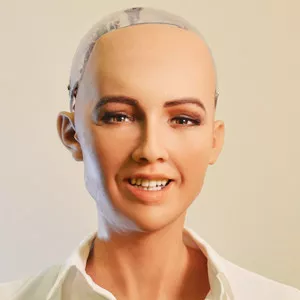
As of today, AI has invaded all spaces of human endeavor. Mechanics, mechatronics, smart devices, our smartphones – all of it is infiltrated with AI. But this AI is what most scientists call ‘weak AI’. It cannot really think. It has a predefined algorithm and then it uses that algorithm to capture inputs and ‘learn’ about new scenarios as per its algorithmic definitions. This AI cannot work without human input and can certainly not take over the world. It can however carry out some actions that are equivalent to evolution as the AI at the Facebook research Center developed their own language to communicate. However, this evolution still does not mean that the AI is “thinking”. It is just evolving its learning based on a preprogrammed code. It is nothing like human beings where discretion is a thing. Even the famous robot AI, Sophia is but a weak AI – a little better than SIRI and google assistant but that is all there is to it. It is not a self-thinking, free-willed machine.

Sophia the Robot – Keynote Speaker | London Speaker Bureau
Sophia, the robot

Researchers have tried hard to create strong AIs with a completely different set of ethical concerns – the main obviously being how would such machines live with humans if they are free to think – but have failed so far. And believe it or not, strong AIs might really not be a thing for at least another 50-100 years at the very least. Maybe even a couple of centuries after that.

So, if you’ve watched the movie Prometheus or Covenant and are scared of the possibility of David being a reality, grab a cup of coffee and relax. By the way, both the movies are really good!

Alien: Covenant, a review by guest columnist David 8 | by Charles Evans |  Medium
David-8 from the movie Prometheus.

Where to Look for an Internship

Hunting for internships? Read the Article to Know Where to Look!
Once you know your interests and prospects. You can start hunting for internships opportunities. Here is how you can start!

Job sites

Websites like Internshala and Linkedin have many jobs and internship listings. Research well! Look for the internship titles you’re interested in, and narrow result down by location, size, industry company rating, pay and more. To get relevant updates in your inbox, create a job alert.

Internships and Job fair

Your college, as well as other students organization often organise career and internship fairs- make sure to attend them as they allow you to connect face-to-face with hiring decision-makers.

Leverage Your Network

Getting a personal recommendation can make all the difference in your internship search, so make sure to reach out to friends, family, colleagues, classmates, professor and alumni to see if they know anyone hiring. Another great strategy is to look up the companies you’re interested in and reach out to employees there for an informational interview – don’t underestimate yourself!

Cold Mailing companies

If you have a dream company in mind but they don’t have any relevant internship you can always try writing them a letter of interest in hopes that they will either contact you when one opens or even create a position for you. It’s a longshot, but worth a try.

Put a word on your social media

Job hunts are as dynamic as technology-you don’t have to stick to the above mentioned traditional methods of job hunting! Put a word on your Instagram stories, make a post on Linked ln and Facebook. opportunities present themselves in the most unexpected places!

Data Science

A deep dive into the course revolutionising business worldwide.

What is Data Science?

According to Wikipedia Data Science is an interdisciplinary field that uses scientific method, processes, algorithms and system to extract insights from structured and unstructured data.

There is an humongous amount of data being generated every minute and so, industries need experts who can solve problem fast.
Currently, many popular universities across the world offer postgraduate programs specialising in Data Science.

Why is Data Science is important for students and businesses?

The importance of data Science brings together the domain expertise from programming, mathematics, and statistics to create insights and make sense of data. When we think about why data science is increasingly becoming important, the answer lies in the fact that the value of data is soaring heights.
Data science is high in demand domain and explains how digital data is transforming businesses and helping them make sharper and critical decisions. So data that is digital is ubiquitous for people who are looking to work as a data scientist.

Is Data Science a good career?

Data scientists are in constant demand because it is a data-heavy world! Data scientists are a new growing breed of professionals, highly in demand today.
Data science has been called “the sexiest job of the 21st Century” by Harvard Business Review. The Scope of Data science is getting more popular in recent times. Data scientists are professionals who can simplify big data through coding and algorithms and turn it into a problem-solving solution for the business.

What Will I Study?

A chance to study subject like
• Machine learning
• Data analytics
• Business analysis
• Data visualisation
• Cloud computing
• Database systems
• Internet technology
• Algorithm

What Exams Do I Need To Take?

Most of the universities in the United States prefer students to undertake the GRE/GMAT exam.
Many universities in Australia, Canada, UK, Ireland and New Zealand assess the student based on their academic background and may not ask for GRE/GMAT scores.

Career Opportunities?

Being one of the most sought – after courses in these days, Data Science is a field to ripe opportunities for you, not to mention handsome remuneration.

Career option after data science
• Business Intelligence Developer
• Data Scientist
• Marketing Analyst
• Statistician
• Quantitative Analyst

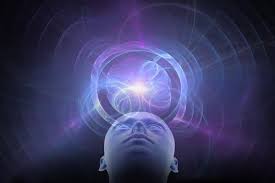
What Is Hypnotherapy?

Hypnotherapy is an adjunctive technique that utilizes hypnosis to aid in the treatment of specific symptoms or health conditions. Hypnotherapy works by inducing a hypnotic state marked by waking awareness that allows people to experience detached external attention and to focus on inner experiences. It is sometimes used as part of a treatment plan for phobias and other anxiety disorders. It is also sometimes used for pain management, weight loss, smoking cessation, and a variety of other applications. Formal explorations in the therapeutic uses for hypnosis began in the late 1700s but did not gain scientific credibility until much more recently. Modern researchers have further explored how hypnosis can be used, which conditions it can treat, and how effective it may be compared to other treatments.

What Hypnotherapy Can Help With

There are many different reasons why a person might want to try hypnotherapy. Research suggests that some possible applications include:

  • Chronic pain conditions
  • Dementia symptoms
  • Nausea and vomiting related to chemotherapy
  • Pain during childbirth, dental procedures, or surgery
  • Skin conditions, such as psoriasis and warts
  • Symptoms of irritable bowel syndrome (IBS)
  • Symptoms of attention-deficit/hyperactivity disorder (ADHD)

Hypnotherapy may also be used by licensed physicians and psychologists in the treatment of conditions like anxiety disorders, depression, eating disorders, and post traumatic stress disorder (PTSD).

Benefits of Hypnotherapy

Some people may experience dramatic results with hypnotherapy. In other cases, people may simply feel very relaxed. Some of the benefits of hypnotherapy may include:

  • Awareness: Some people remain fully aware during the entire experience. They recall everything that happens and are even able to have conversations while under hypnosis. Other people may experience states of relaxation that are so deep that they may even feel detached from what is happening.
  • Focus: Most of the time, we are distracted by our surroundings. Whether the TV is blaring, your kids are demanding attention or your spouse wants to talk, it can be difficult to fully focus on yourself. Our conscious minds are also cluttered. You may be worried about paying a bill, concerned about an upcoming project, or planning tonight’s dinner. The therapy session is intended to break through these day-to-day concerns and allow you to focus completely on the problem at hand.
  • Relaxation: In the hypnotic state, you are deeply relaxed. Your conscious mind is quieted, allowing your unconscous mind to deeply focus on your issue. You are also calmer, and therefore more receptive to facing your problems or fears.

Most hypnotherapists utilize a series of calming messages, such as “you are safe” and “no one can harm you” to reassure their clients that during hypnosis they can objectively face their problems without having a panicked reaction.

Effectiveness

The effectiveness and impact of hypnotherapy can vary based on the individual and how the treatment is used. Hypnotherapy has been shown to have some degree of efficacy for certain applications, particularly:

  • Pain reduction and control during dental procedures and childbirth
  • Reduction in nausea and vomiting in individuals being treated for cancer with chemotherapy
  • Reduction in the severity of symptoms associated with irritable bowel syndrome (IBS)

While it may help people cope with problems related to stress and anxiety, it may be best applied when used in conjunction with first-line treatments such as cognitive behaviour therapy (CBT) and medications.

Things to Consider

While hypnotherapy is generally safe and well-tolerated, that does not mean that it doesn’t pose some potential risks, such as: 

  • Hypnotherapy can produce false or distorted memories in some cases.
  • People who are very suggestible may experience a decreased sense of personal control while under hypnosis.
  • Some people can experience side effects such as anxiety, headaches, or dizziness.
  • Hypnotherapy may not be appropriate for people who are experiencing symptoms of psychosis such as hallucinations and delusions

Common Misconceptions

Hypnotherapy is still considered controversial, as many mental health professionals dispute its effectiveness. There are a number of myths and misconceptions about hypnotherapy that can affect how people view this therapeutic tool.

  • Hypnotherapy is often confused with stage hypnosis. Stage hypnotists are performers who are excellent at reading people. They seekextroverts who will put on a great show for the crowd. Whether or not their subjects are truly hypnotized is debatable, but they are willing to go along with the sometimes outrageous suggestions of the stage hypnotist.
  • Hypnotherapy doesn’t cause you to forget what happened. You will remember the things that occur during your hypnotic state, you will not be asleep or unconscious, and you will be able to break the hypnotic trance at any time.
  • Hypnotherapy doesn’t cause you to lose control. During hypnotherapy, you remain in control. It is not possible for anyone to force you to do anything against your will, even under hypnosis. You will be tuned in to the work at hand, and so may not pay attention to your surroundings, but you will always be in charge of your own actions, behaviors, and statements.
  • Being hypnotizable doesn’t mean you are less intelligent. While some people believe that they cannot be hypnotized, research suggests that most people are hypnotizable to a certain degree. Only about 10% of people are difficult or impossible to hypnotize.

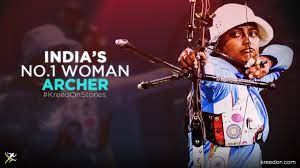
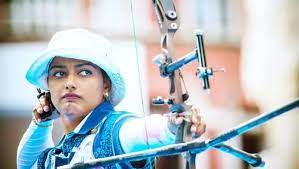
DEEPIKA KUMARI – INDIAN ARCHER!!!

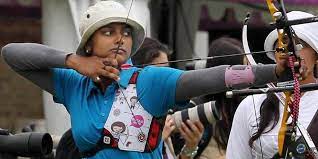
Everyone in the world have some unique talent. The talent to do something vary from person to person. Yes, I believe I have the talent of writing articles. I would say this is my unique talent. Likewise, we haven’t heard a lot about the so called unpopular games. Archery is not as famous a cricket. But Archery is a wonderful sport. The people who has interest in this is also low. This game needs a free and concentrated mind. In this game, concentration plays a major role. Let me ask you a question? Do you know the name of any archers in India? Have you heard of Deepika Kumari? I would say I have heard her name and now I know about her a little bit by writing this article. Come on! Let’s see about Deepika Kumari.

Deepika Kumari Mahato was born on 13th June 1994 in Ranchi, Jharkand. Her father, Shivnarayan Mahato, is an auto-driver and her mother Geeta Mahato, a nurse at Ranchi Medical College. Her interest in Archery came from hitting the mangoes with stones. Many of us did this, but this has laid the strong foundation for her archery career. Deepika’s family was financially unstable and they cannot buy her new equipments to practice. So she used bamboo bow and arrow. After that her cousin helped her to develop and improve her talent.

DEEPIKA KUMARI

DEEPIKA’S PROFESSIONAL CAREER:

  • She made her breakthrough in 2005, by entering the Arjun Archery academy run by Wife of Jharkand Chief Minister Arjun Munda.
  • Her professional career started in 2006 by joining Tata Archery Academy in Jhamsedpur. After being sent there, she had uniform and professional equipments and she praticed hard. She only returned home after three years, by winning Cadet World Championship title in November 2009. She is the one to get first medal for India in Archery.
  • Deepika became the second women to win the World Archery Competition held in 2006.
  • She won the 11th Youth World Archery Championship in 2009 at her age of fifteen.
  • In 2010 Common Wealth Games, She won two medals, one in individual event and the other in team event. In the same year, she was awarded Outstanding performance at CWG in the women’s catergory at the Sahara Sports ceremony.
  • In the 2010 Asian games, she lost in the individual Archery game to a North Korean player in the Bronze-level playoffs. But as a recurve team defeated Taipei of China in the Bronze-level playoffs.
  • In 2012, She won her first Word Cup individual stage, held in Turkey.
  • In London Olymbics 2012, She lost to Amy Oliver of Britain in the opening rounds due to relatively high fevers and winds.
  • In July 2013, she won the gold medal in Archey World Cup stage 3 held at Mendellin.
  • In September 2013, she won silver in the FITA Archery World Cup.
  • In 2015, in Stage 3 Archery world Cup, she won bronze in the individual event. She won team Silver with her teammates in the same World Cup.
  • In November 2015, she won a bronze medal in the Asian Championship with Jayanth Taldukar in the Recurve Mixed Team event.
  • In April 2016, at the first stage of the World Cup in Shangai, Deepika equaled the Ki-Bo-Bae’s world record of (686/720) in the women’s recurve event.
  • In November 2019, Deepika Kumari secured an Olympic quota at the Continental Qualification Tournament being held on the sidelines of the 21st Asian Archery Championships in Bangkok.
  • She won three gold medals In Stage Three World Cup held in Paris 2021.
  • She recorded the 13th triple gold and became the 11th archer to achieve the feat – in the 15-year history of the Hyundai Archery World Cup.

In 2017, a Biographical Documentry called Ladies First, flimed the life of Deepika Kumari. This movie won at London Independent Festival and was screened in  Mallorca Film Festival in October 2017. This movie has also been submitted in Short Documentary category at Oscars.

Deepika Kumari - Wikipedia
PadmaSri awarded by Hon’ble Pranab Mukerjee.

AWARDS WON BY DEEPIKA KUMARI

  • 2012 – Arjuna Award by the Government of India
  • 2014 – FICCI Sportsperson of the Year Award
  • 2016 – Padmasri by the Government of India
  • 2017 – Young Achievers award which is felicitated by Vogue.

Read more;

https://en.wikipedia.org/wiki/Deepika_Kumari

Indian princess who married a Korean King – Heo hwang ok

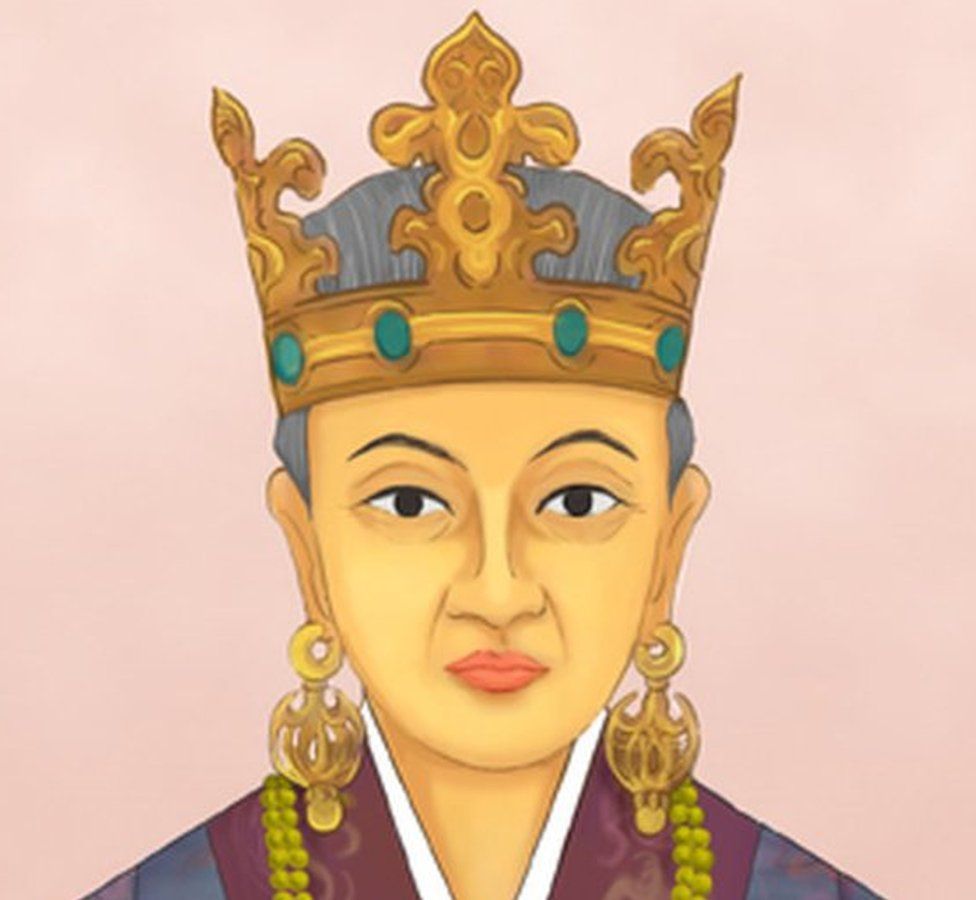
The Indian princess who became a South Korean queen - BBC News

Ayodhya, which is best known as the birthplace of the Hindu god Ram. Also, however, holds special significance for some South Koreans – many believe they can trace their ancestry to the city. This belief comes from several historical Korean stories, which tell the story of an Indian princess – Suriratna – who married a South Korean king and started a dynasty.

Legends say, Princess Suriratna, also known as Heo Hwang-ok, went to Korea in 48 AD, some 2000 years ago, and started the Karak dynasty by marrying a local king. Some Chinese-language texts claim that the then King of Ayodhya had a dream where God ordered him to send his 16-year-old daughter to South Korea to marry King Kim Suro.

Queen Hwang-ok was the princess of the “Ayuta” kingdom, according to Samguk Yusa (Memorabilia of the Three Kingdoms), a popular South Korean book of fables and historical stories. The royal pair was successful. They had a total of 12 sons and lived to be over 150 years old. While children in Korea generally adopt their father’s surname, the queen was disappointed that her offspring would not be able to bear her surname. As a result, King Suro allowed two of their sons to keep her name (Heo), which is still used today.” According to historians, the couple’s descendants number more than six million, or nearly 10% of the South Korean population.

People from the Karak dynasty have also preserved the rocks that are said to have been used by the princess during her sea voyage to Korea to keep her boat stable.

An anthropologist named Kim Byung-mo Ayuta appeared to confirm the widely held belief that Ayuta was actually Ayodhya, as the two names are phonetically similar.

An agreement was signed to develop Ayodhya and Gimhae as sister cities in 2000.

Then in 2001, more than 100 historians and government representatives, including the North Korea ambassador to India, unveiled Queen Hwang-ok’s memorial on the west bank of the River Saryu in Ayodhya.

In 2016, a Korean team presented the Uttar Pradesh Government with a proposal to expand the memorial. On the eve of Diwali, South Korean first lady Kim Jung-sook lay the foundation stone for the enlargement and beautification of the current memorial on November 6, 2018. She paid her respects at the Queen Heo Memorial, attended a ground-breaking ceremony for the memorial’s upgrade and beautification, and joined the current Chief Minister of Uttar Pradesh, Yogi Adityanath, at an elaborate Diwali celebration in Ayodhya that included cultural shows and the lighting of 300,000+ lights on the banks of the Saryu River.

As per reports, every year, hundreds of South Koreans visit Ayodhya for paying homage to their legendary queen Heo Hwang-ok.

AWESOME ASSAM

Assam is is a state in northeastern India, south of the eastern Himalayas along the Brahmaputra and Barak River valleys. Assam covers an area of 78,438 km^2. The state is bordered by Bhutan and Arunachal Pradesh to the north; Nagaland and Manipur to the east; Meghalaya, Tripura, Mizoram and Bangladesh to the south; and West Bengal to the west via the Siliguri Corridor, a 22 kilometres wide strip of land that connects the state to the rest of India. Assamese is the official and most commonly spoken language of the state, followed by Bengali, which is official in the Barak Valley and Bodo which is official in Bodoland Territorial Region.

Assam is known for Assam tea and Assam silk. The state was the first site for oil drilling in Asia. Assam is home to the one-horned Indian rhinoceros, along with the wild water buffalo, pygmy hog, tiger and various species of Asiatic birds, and provides one of the last wild habitats for the Asian elephant. The Assamese economy is aided by wildlife tourism to Kaziranga National Park and Manas National Park, which are World Heritage Sites. Dibru-Saikhowa National Park is famed for its feral horses. Sal tree forests are found in the state which, as a result of abundant rainfall, look green all year round. Assam receives more rainfall than most parts of India; this rain feeds the Brahmaputra River, whose tributaries and oxbow lakes provide the region with a hydro-geomorphic environment.

Assamese Culture is traditionally a hybrid one developed due to assimilation of ethno-cultural groups of Austric, Dravidian, Tibeto-Burman and Tai origin in the past. Therefore, both local elements or the local elements in Sanskritised forms are distinctly found.

The modern culture has been influenced by events in the British and the post-British era. The language was standardised by American Baptist Missionaries such as Nathan Brown, Dr. Miles Bronson and local pundits such as Hemchandra Barua with the form available in the Sibsagar (Sivasagar) District (the ex-nerve centre of the Ahom Kingdom).[citation needed]

Increasing efforts of standardisation in the 20th century alienated the localised forms present in different areas and with the less-assimilated ethno-cultural groups (many source-cultures). However, Assamese culture in its hybrid form and nature is one of the richest, still developing and in true sense is a ‘cultural system’ with sub-systems. Many source-cultures of the Assamese cultural-system are still surviving either as sub-systems or as sister entities, e.g. the; Bodo or Karbi or Mishing. It is important to keep the broader system closer to its roots and at the same time focus on development of the sub-systems.

Some of the common and unique cultural traits in the region are peoples’ respect towards areca-nut and betel leaves, symbolic (gamosa, arnai, etc.), traditional silk garments (e.g. mekhela chador, traditional dress of Assamese women) and towards forefathers and elderly. Moreover, great hospitality and bamboo culture are common.

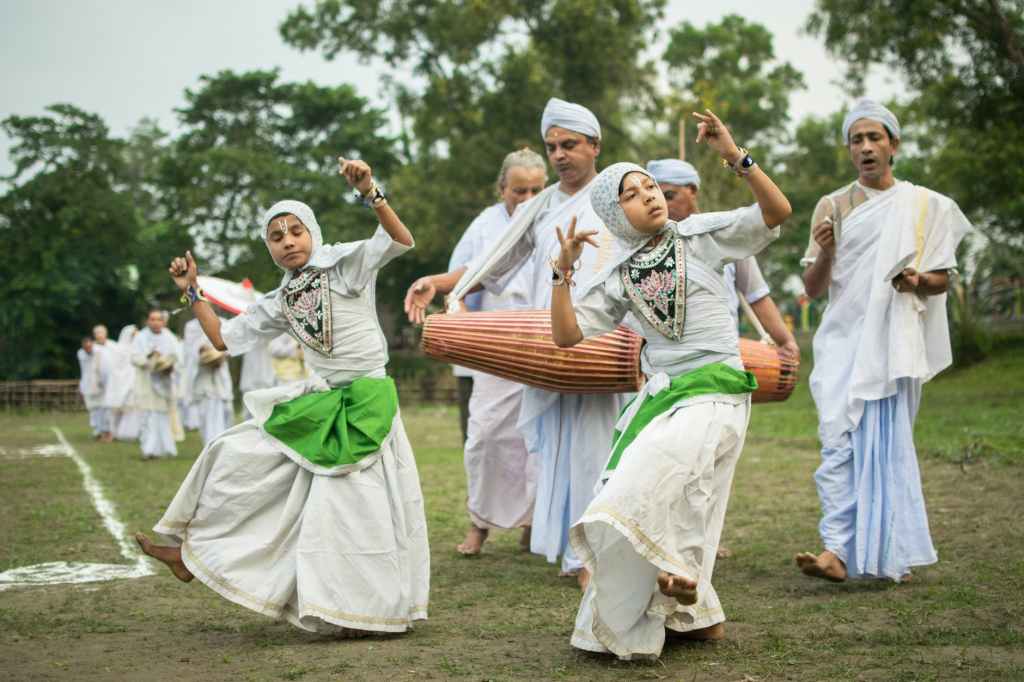
Bihu is the most popular folk dance of Assam. Bihu dances are performed by young boys and girls during the Bihu festivities which represent youthful passion, reproductive urge, and joy.It is characterized by brisk dance steps, and rapid hand movement. Dancers wear traditionally colorful Assamese clothing.


HOW TO IMPROVE YOUR EYESIGHT ?

Does Wearing Eyeglasses improve Eyesight?

1.Get enough key nutrients and minerals

Nutrients A, C, and E, just as the mineral zinc, contain cell reinforcements that can help forestall macular degeneration. It’s a condition wherein the macula — the piece of the eye that controls focal vision — disintegrates.

Food hotspots for these significant supplements incorporate an assortment of bright vegetables and organic products, for example,

  • carrots
  • red peppers
  • broccoli
  • spinach
  • strawberries
  • sweet potato
  • citrus

Food sources wealthy in omega-3 unsaturated fats, like salmon and flaxseed, are likewise suggested for better eye wellbeing.

Eat These 5 Foods to Improve Your Eyesight | Auntyfaith.com

2.Don’t fail to remember the carotenoids

A couple of different supplements are additionally keys to further developing visual perception. Among them are lutein and zeaxanthin, which are carotenoids found in the retina. You can likewise discover them in verdant green vegetables, broccoli, zucchini, and eggs.

Lutein and zeaxanthin can likewise be taken in supplement structure. These carotenoids assist with securing the macula by further developing shade thickness in that piece of the eye, and retaining ultraviolent and blue light.

Low levels of carotenoids linked to Parkinson's disease risk and  progression: RCT

3.Stay fit

Indeed, practice and keeping a sound weight can help your eyes, not simply your waistline. Type 2 diabetes, which is more normal in individuals who are overweight or stout, can make harm the small veins in the eyes.

This condition is called diabetic retinopathy Trusted . A lot of sugar flowing in your circulatory system harms the fragile dividers of your corridors. Diabetic retinopathy causes the tiny supply routes in your retina — the light-touchy back piece of the eye — to spill blood and liquid into the eye, hurting your vision.

Free Vector | Stay fit illustration

4.Follow the 20-20-20 principle

Your eyes buckle down during the day and need a break from time to time. The strain can be particularly serious on the off chance that you work at a PC for extended lengths all at once. To facilitate the strain, keep the 20-20-20 standard.

That implies like clockwork, you should quit gazing at your PC and take a gander at something 20 feet away for 20 seconds.

5.Quit smoking

You realize smoking is terrible for your lungs and your heart, also your hair, skin, teeth, and pretty much every other body part. That incorporates your eyes, as well.

RESOURCES:

1.https://versanthealth.com/blog/top-8-ways-to-improve-vision-over-50/

2.https://www.healthline.com/health/how-to-improve-eyesight

Knowing the Atlantic

Continuing from the last article on Pacific, let’s move on to the next ocean- the Atlantic.

Photo by Roberto Nickson on Pexels.com

Hope you remember the acronym- PAISA

  1. Pacific
  2. Atlantic
  3. Indian
  4. Southern
  5. Antarctic

These oceans are arranged in the decreasing order of their sizes.

The Atlantic is the second largest ocean in the whole world with an area of about 106,460,000 km2(source: Wikipedia). It lies between the Americas in the west and Europe and Africa in the east. The equatorial counter current divides the ocean into two equal parts latitudinally and the Mid Atlantic Ridge divides the ocean into two parts longitudinally(It is how the Mid Oceanic Ridge gets its name). The ocean has very few trenches and it is why the ocean is expanding(at a rate of 2-5 cm/year). Continental shelves are found in the areas of Newfoundland, southernmost South America, and north-eastern Europe. Though continental shelves are, in themselves, wonderful fishing grounds and petroleum and gas reserves, the coast off Newfoundland and Bahia Blanca(off the coast of Southern America- Brazil) are meeting points of warm and cold currents. It makes them even better fishing grounds as the amount of Phytoplankton increases in the ocean. It also leads to the formation of fog in the area that makes navigation difficult.

The Atlantic ocean is the saltiest major ocean with a salinity of 33-37 parts per million. Maximum salinity occurs in the subtropical regions. Though the heavy rainfall makes the salinity of the region around the equator lowest, in general salinity decreases as one moves to the poles. The poles also experience higher salinity though, because of the fresh water being occupied in the form of glaciers, decreasing the overall amount of fresh water. The Northern Atlantic clockwise ocean circle and the counter-clockwise South Atlantic ocean circle are the two gyres in the ocean. The flow of ocean currents in the northern hemisphere form Sargasso sea(the world’s only sea without any continental coast). The sea is surrounded by Gulf Stream, North Atlantic drift (and by extension the Canaries Current) and North Equatorial currents. Earthquakes and a few active volcanoes are found along the Mid Atlantic Ridge. The temperature decreases as we move towards the poles (generally) but is influenced by warm ocean currents in some places. Eg. The Norwegian sea ports are functional throughout the whole year as the ocean doesn’t freeze (the warm ocean current – The North Atlantic drift).

This is all about the Atlantic Ocean. I have included all that I label off as important for our general knowledge. But do let me know in the comments if I missed something. Next in the series, as you can all guess, is our Indian ocean-the only ocean to be named after a country.

Advantages And Disadvantages Of Online Learning

Online learning, like other educational techniques, offers advantages and disadvantages. Decoding and comprehending these positives and negatives will assist institutes in developing ways for more effective class delivery, guaranteeing a continuous learning journey for students.

Discover Everything You Need To Know (Good And Bad) About  Online Education

The term “new normal” has become one of the most commonly used expressions in the aftermath of the epidemic. The growing usage of online learning resources is the new normal in education. The COVID-19 epidemic has prompted new methods of learning. Educational institutions all around the world are turning to online learning platforms to help them continue the process of educating pupils. The new normal is a changed vision of education, with online learning at its heart. Digital learning has now emerged as an essential resource for students and schools all around the world. For many educational institutions, this is a whole new method of teaching that they have had to adapt to. Online learning is currently used not only to study academics, but also to learn extracurricular activities for students. The demand for online learning has increased substantially in recent months and will continue to do so in the future.

As with most teaching methods, online learning also has its own set of positives and negatives. Decoding and understanding these positives and negatives will help institutes in creating strategies for more efficiently delivering the lessons, ensuring an uninterrupted learning journey for students.

What Are The Advantages Of Online Learning?

1. Efficiency :- Online learning allows teachers to provide courses to students in a more efficient manner. Online learning includes a variety of materials such as videos, PDFs, and podcasts, which teachers may use into their lesson plans. Teachers may become more efficient instructors by expanding the lesson plan beyond standard textbooks to include internet resources.

2. Accessibility Of Time And Place :- Another advantage of online education is that it allows students to attend classes from any location of their choice. It also allows schools to reach out to a more extensive network of students, instead of being restricted by geographical boundaries. Additionally, online lectures can be recorded, archived, and shared for future reference. This allows students to access the learning material at a time of their comfort. Thus, online learning offers students the accessibility of time and place in education.

3. Affordability :- Another advantage of online learning is that it saves money. When compared to traditional schooling, online education is considerably more inexpensive. This is due to the fact that online learning reduces the costs of student transportation, food, and, most significantly, real estate. Furthermore, all course or study materials are available online, resulting in a paperless learning environment that is both more cheap and environmentally friendly.

4. Improved Student Attendance :- Since online classes can be taken from home or location of choice, there are fewer chances of students missing out on lessons.

5. Suits A Variety Of Learning Styles :- Every kid has a unique learning experience and learning style. Some pupils like to study visually, while others prefer to learn through audio. Similarly, some kids flourish in the classroom, while others prefer to learn alone and are easily distracted by large groups. With its variety of options and resources, the online learning system may be customized in a variety of ways. It is the most effective method for creating a perfect learning environment tailored to the needs of each learner.

What Are The Disadvantages Of Online Learning?

Disadvantages of Online Learning - YouTube

1. Inability To Focus On Screens :- One of the most difficult aspects of online learning for many students is the inability to focus on a screen for extended periods of time. With online learning, pupils are more likely to be quickly sidetracked by social media or other sites. As a result, it is critical for professors to maintain their online lessons concise, engaging, and interactive in order to keep students focused on the subject.

2. Technology Issues :- Another significant issue with online classes is access to the internet. While internet coverage has increased by leaps and bounds in recent years, a continuous connection with adequate speed remains a challenge in smaller cities and villages. There may be a loss of consistency in learning for the child if pupils or teachers do not have a continuous internet connection. This is harmful to the educational process.

3. Sense Of Isolation :- Being in the company of their peers may teach students a lot. However, there are little physical encounters between students and professors in an online class. This frequently leads to a sense of isolation among the kids. In this case, it is critical that the school provide for other modes of communication between students, classmates, and teachers. This includes online chats, emails, and video conferencing, which allow for face-to-face connection and reduces feelings of isolation.

4. Teacher Training :- Online learning necessitates that teachers have a fundamental grasp of how to use digital forms of learning. However, this is not always the case. Teachers may have a very rudimentary grasp of technology. They may not even have the required resources and tools to conduct online lessons at times. To address this, it is critical for schools to spend in training instructors on the most recent technological advancements so that they can conduct their online lessons smoothly.

5. Manage Screen Time :- Many parents are concerned about the health risks of their children spending so much time looking at a screen. One of the most serious issues and drawbacks of online learning is the rise in screen time. Students may acquire improper posture and other physical issues as a result of sitting slumped in front of a screen. A excellent approach would be to offer kids frequent pauses from the computer in order to rejuvenate their minds and bodies.