Feminism in India

Ideally, what should be said to every child, repeatedly, throughout his or her school life is something like this: ‘You are in the process of being indoctrinated. We have not yet evolved a system of education that is not a system of indoctrination. We are sorry, but it is the best we can do. What you are being taught here is an amalgam of current prejudice and the choices of this particular culture. The slightest look at history will show how impermanent these must be. You are being taught by people who have been able to accommodate themselves to a regime of thought laid down by their predecessors. It is a self-perpetuating system. Those of you who are more robust and individual than others will be encouraged to leave and find ways of educating yourself — educating your own judgements. Those that stay must remember, always, and all the time, that they are being moulded and patterned to fit into the narrow and particular needs of this particular society.

Doris Lessing, The Golden Notebook

Feminism in India is a set of movements aimed at defining, establishing, and defending equal political, economic, and social rights and opportunities for women in India. It is the pursuit of women’s rights within the society of India. Like their feminist counterparts all over the world, feminists in India seek gender equality: the right to work for equal wages, the right to equal access to health and education, and equal political rights.Indian feminists also have fought against culture-specific issues within India’s patriarchal society, such as inheritance laws.

The history of feminism in India can be divided into three phases: the first phase, beginning in the mid-19th century, initiated when reformists began to speak in favor of women rights by making reforms in education, customs involving women; the second phase, from 1915 to Indian independence, when Gandhi incorporated women’s movements into the Quit India movement and independent women’s organisations began to emerge; and finally, the third phase, post-independence, which has focused on fair treatment of women at home after marriage, in the work force, and right to political parity.

Despite the progress made by Indian feminist movements, women living in modern India still face many issues of discrimination. India’s patriarchal culture has made the process of gaining land-ownership rights and access to education challenging. In the past two decades, there has also emerged a trend of sex-selective abortion. To Indian feminists, these are seen as injustices worth struggling against and feminism is often misunderstood by Indians as female domination rather than equality.

As in the West, there has been some criticism of feminist movements in India. They have especially been criticized for focusing too much on privileged women, and neglecting the needs and representation of poorer or lower caste women. This has led to the creation of caste-specific feminist organizations and movements

According to Maitrayee Chaudhuri, unlike the Western feminist movement, India’s movement was initiated by men, and later joined by women. But feminism as an initiative by women started independently a little later in Maharashtra by pioneering advocates of women’s rights and education: Savitribai Phule, who started the first school for girls in India (1848); Tarabai Shinde, who wrote India’s first feminist text Stri Purush Tulana (A Comparison Between Women and Men) in 1882; and Pandita Ramabai, who criticized patriarchy and caste-system in Hinduism, married outside her caste and converted to Christianity (1880s). The efforts of Bengali reformers included abolishing sati, which was a widow’s death by burning on her husband’s funeral pyre, abolishing the custom of child marriage, abolishing the disfiguring of widows, introducing the marriage of upper caste Hindu widows, promoting women’s education, obtaining legal rights for women to own property, and requiring the law to acknowledge women’s status by granting them basic rights in matters such as adoption.

The 19th century was the period that saw a majority of women’s issues which came under the spotlight and reforms began to be made. Much of the early reforms for Indian women were conducted by men. However, by the late 19th century they were joined in their efforts by their wives, sisters, daughters, protegees and other individuals directly affected by campaigns such as those carried out for women’s education. By the late 20th century, women gained greater autonomy through the formation of independent women’s own organisations. By the late thirties and forties a new narrative began to be constructed regarding “women’s activism”. This was newly researched and expanded with the vision to create ‘logical’ and organic links between feminism and Marxism, as well as with anti-communalism and anti-casteism, etc. The Constitution of India did guarantee ‘equality between the sexes,’ which created a relative lull in women’s movements until the 1970s.

Link
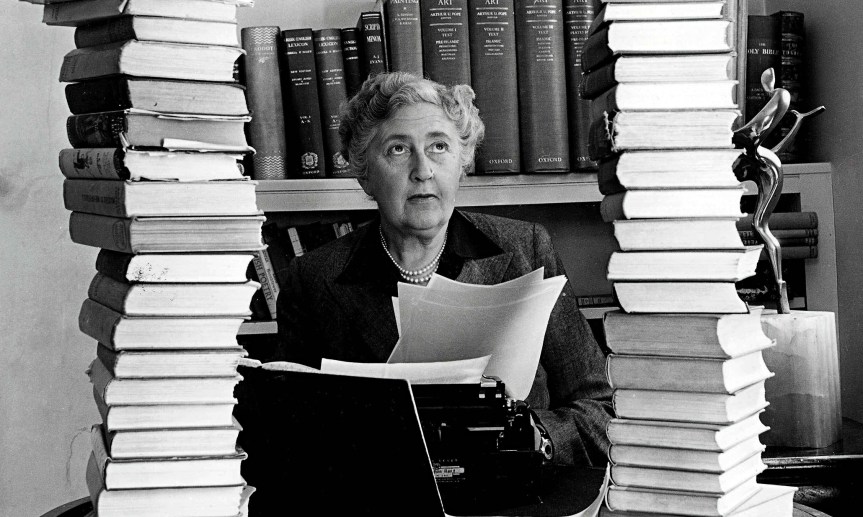
Agatha Christie’s Hercule Poirot

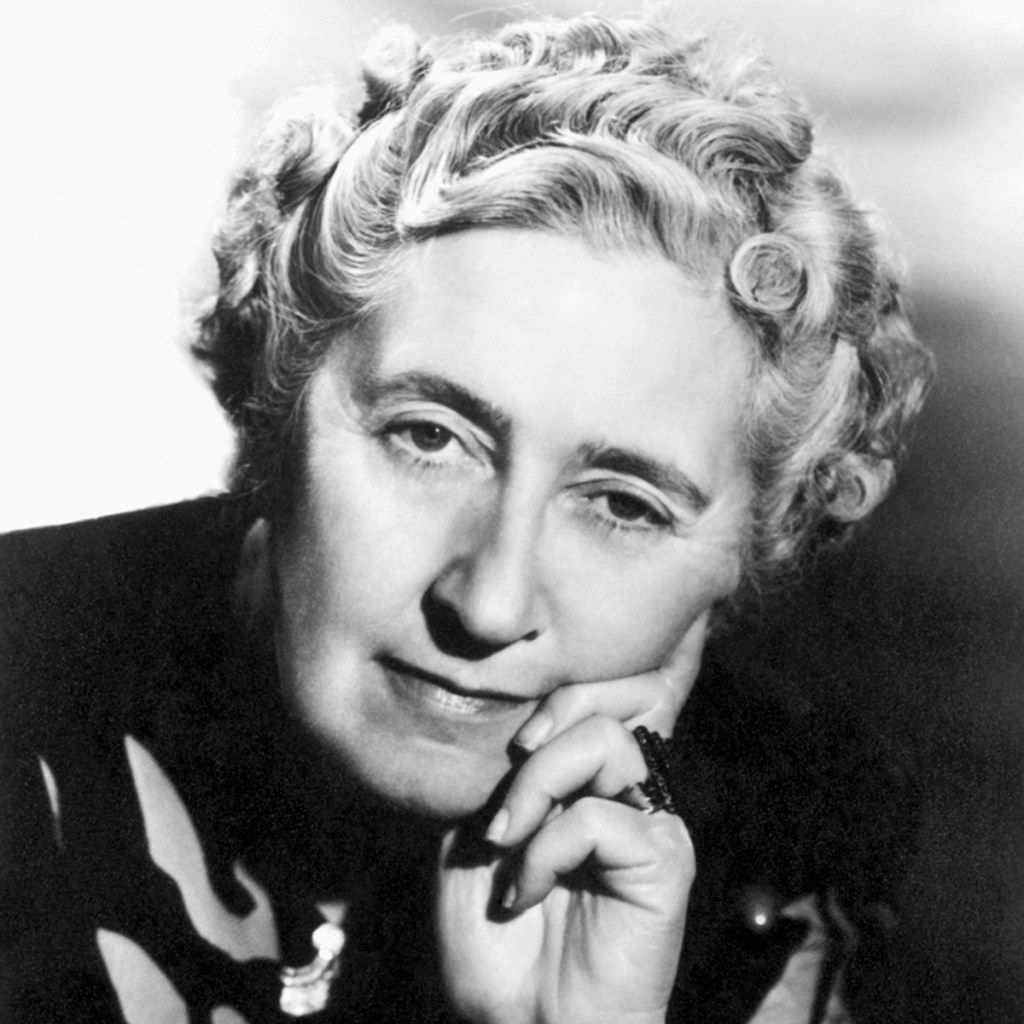
Agatha Christie is an English writer who is famous for her murder mysteries. Dubbed as the ‘Queen of crime’, she is the most widely published author of all time and in any language, outsold only by the Bible and Shakespeare. She is the author of 80 crime novels and short story collections, 19 plays and six novels written under the name of Mary Westmacott. Her play ‘Mousetrap’ is considered to be the longest running play. She has sold over a billion copies in English and another billion in 100 foreign countries. Her first novel ‘The Mysterious Affairs at Styles’, was written towards the end of First World War. In it she created Hercule Poirot, the little Belgian detective who was destined to become the most popular detective in crime fiction since Sherlock Holmes. Agatha Christie was made a Dame in 1971. She died in 1976, since then, a number of books have been published posthumously.

Here are the top 3 Hercule Poirot Books and their blurbs:

3. Death on the Nile

“It often seems to me that’s all detective work is, wiping out your false starts and beginning again.”

“Yes, it is very true, that. And it is just what some people will not do. They conceive a certain theory, and everything has to fit into that theory. If one little fact will not fit it, they throw it aside. But it is always the facts that will not fit in that are significant.”

Agatha Christie’s most daring travel mystery. The tranquillity of a cruise along the Nile is shattered by the discovery that Linnet Ridgeway has been shot through the head. She was young, stylish and beautiful, a girl who had everything – until she lost her life. Hercule Poirot recalls an earlier outburst by a fellow passenger: ‘I’d like to put my dear little pistol against her head and just press the trigger.’ Yet in this exotic setting’ nothing is ever quite what it seems…

2. Murder on the Orient Express

“The impossible could not have happened, therefore the impossible must be possible in spite of appearances.”

Murder on the Orient Express is undoubtedly one of Agatha Christie’s greatest mystery novels. Just after midnight, a snowdrift stops the Orient Express in its tracks. The luxurious train is surprisingly full for the time of the year, but by the morning it is one passenger fewer. An American tycoon lies dead in his compartment, stabbed a dozen times, his door locked from the inside. Isolated and with a killer in their midst, detective Hercule Poirot must identify the murderer – in case he or she decides to strike again.

1. The Murder of Roger Ackroyd

“The truth, however ugly in itself, is always curious and beautiful to seekers after it.”

Known for its startling reveal, this is the book that changed Agatha Christie’s career. Roger Ackroyd was a man who knew too much. He knew the woman he loved had poisoned her first husband. He knew someone was blackmailing her – and now he knew she had taken her own life with a drug overdose. Soon the evening post would let him know who the mystery blackmailer was. But Ackroyd was dead before he’d finished reading it – stabbed through the neck where he sat in the study.

Reference Link:

INDEPENDENCE

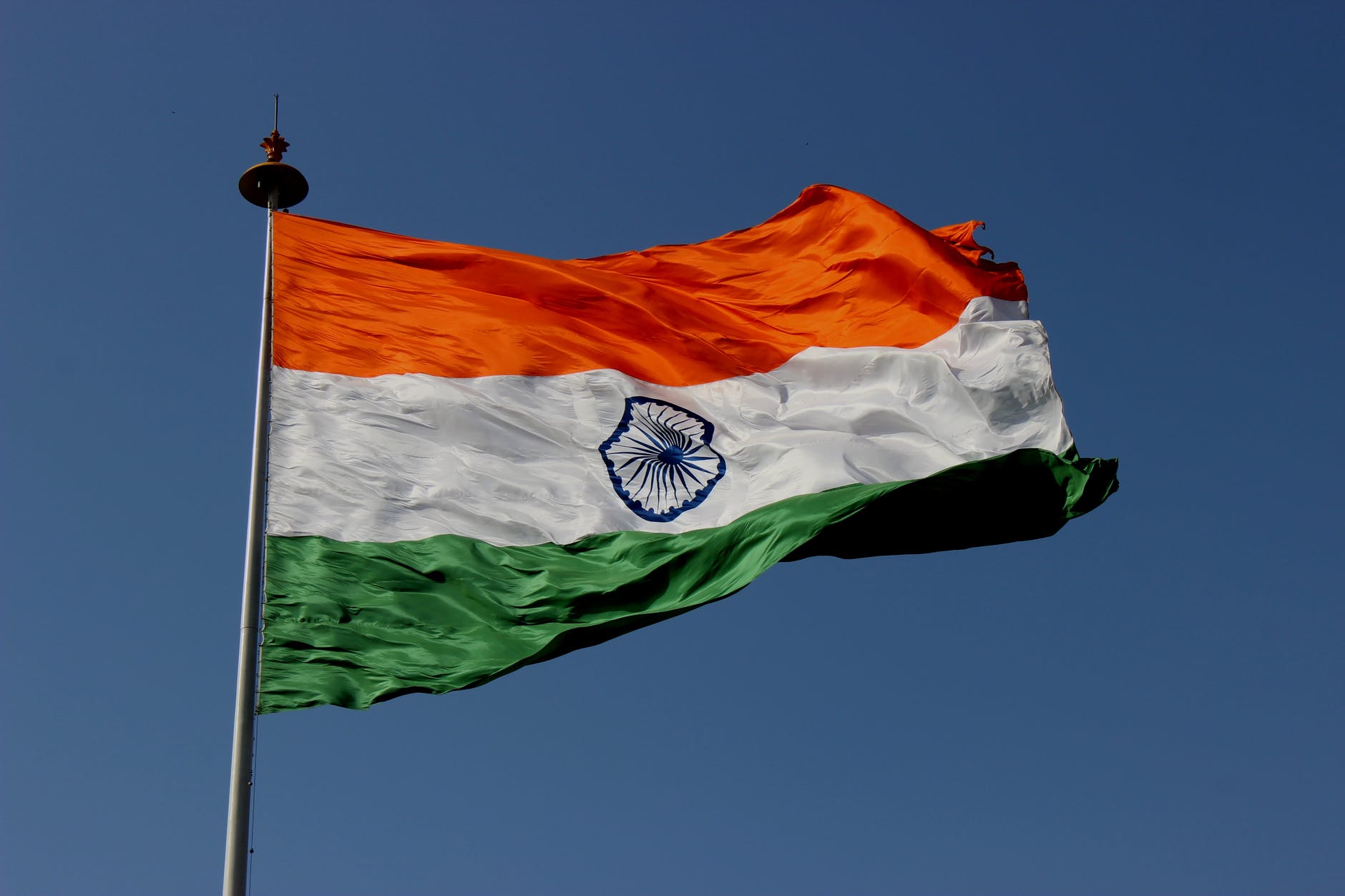
We remember the day with the sacrifices of our brave Indian freedom fighters. When India got independent, our first Prime Minister, Pandit Jawaharlal Nehru Unfurled, our tricolor national flag at Red Fort and Lahori Gate in Delhi. From that day and onward, this day celebrated as an independent day. The honor of the day’s solemn occasion, many programs dedicated at Red fort-like march past by our Indian soldiers, 21 gunshots are fired for the beginning of events and cultural activities by school students. Kite flying has also done as the tradition of Independence Day celebration, with kites of various sizes, shapes, and colors filling in the sky. Later on, from the year 1974, all the chief minister of respective State unfurled the National flag. We soonly update Paragraph on Independence day in hindi and Bengali.

Another contemporary relevance of the independence day as Anniversary of the partition of the subcontinent into countries, India and Pakistan. Our country is recognized as the largest democracy in the world. On this day, the Indian Independence Act 1947 was passed by the UK Parliament, which transferred legislative sovereignty to the Indian nation.

Photo by Alok Uniyal on Pexels.com

One of the most memorable days in Indian history is 15th August. It’s the day on which the Indian sub-continent got independence after a long struggle. India only has three national festivals that are celebrated by the whole nation as one. One being the Independence Day (15th August) and the other two being Republic Day (26th January) and Gandhi Jayanti (2nd October). After independence, India became the largest democracy in the world. We fought very hard to get our independence from the Britishers. In this essay on Independence Day, we are going to discuss the history and importance of Independence Day.

History of Our Independence DayFor almost two centuries the Britishers ruled over us. And the citizen of the country suffered a lot due to these oppressors. British officials treat us like slaves until we manage to fight back against them.We struggled for our independence but work tirelessly and selflessly under the guidance of our leaders Jawahar Lal Nehru, Subhash Chandra Bose, Mahatma Gandhi, Chandra Shekhar Azad, and Bhagat Singh. Some of these leaders choose the path of violence while some choose non-violence. But the ultimate aim of these was to drive out the Britishers from the country. And on 15th August 1947, the long-awaited dream come true.Why We Celebrate Independence Day?To relive the moment and to enjoy the spirit of freedom and independence we celebrate Independence Day. Another reason is to remember the sacrifices and lives we have lost in this struggle. Besides, we celebrated it to remind us that this freedom that we enjoy is earned the hard way.Apart from that, the celebration wakes up the patriot inside us. Along with celebration, the young generation is acquainted with the struggles of the people who lived at that time.

Activities on Independence Day

Although it’s a national holiday the people of the country celebrate it with great enthusiasm. Schools, offices, societies, and colleges celebrate this day by organizing various small and big events.

Every year at Red Fort the Prime Minister of India host the national flag. In the honor of the occasion, 21 gunshots are fired. This is the begging of the main event. This event is later on followed by an army parade.The school and colleges organize cultural events, fancy dress competitions, speech, debate, and quiz competition.Importance of Independence DayEvery Indian holds a different viewpoint about Indian Independence. For some, it’s a reminder of the long struggle while for youngsters it stands for the glory and honor of the country. Above all, we can see the feeling of patriotism across the country.The Indian’s celebrate Independence Day with a feeling of nationalism and patriotism across the country. On this day every citizen echoes with festive feeling and pride in the diversity and unity of the people. It’s not only a celebration of Independence but also of the unity in diversity of the country.

10 TIPS TO END A CONVERSATION

1. I’d better get going.

2. I have to rush off now.

3. Let’s meet up again son, bye for now.

4. Let’s get together soon. Take care.

5. You have been amazing

6. It was wonderful to talk with you. I must be going

7. It was great to see you again.

8. Sorry I’ve gotta go

9. Its been good talking to you

10. I look forward seeing you again soon.

20 OTHER WAYS OF SAYING NO

1. That’s not going to work for me.

2. I would love to, but I cant

3. No thanks, I wont be able to make it

4. Not this time

5. Regrettably, I am not able to

6. May be another time.

7. My schedule is literally tight. May be another time.

8. I’m not able to commit to that right now

9. My heart doesn’t want to say no but my mind knows that I’d not be up to this plan.

10. The plan sounds fun but I’m not available.

11. That sounds a little off to me.

12. I am already taken

13. That’s really kind of you asking me for the plan but I am in for another one.

14. Sounds great, but I cant commit.

15. Rats! Would’ve loved to.

16. I’m slammed.

17. If only it worked.

18. Another time might work.

19. I’m resting now.

20. No, thank you but it sounds lovely.

SOME OF THE BEST QUOTES FROM THE BOOK: THE QUICK AND EASY WAY TO EFFECTIVE SPEAKING

1. “ Successful communication depends upon how well the speaker can make his talk a part of the listeners and the listeners a part of the talk”

2. “The chief cause of your fears of public speaking is simply that you are unaccustomed to speak in public”

3. “ If you want to interest your listeners then don’t begin with an introduction. Begin by leaping right into the heart of your story.”

4. “The best way for a speaker to endear himself to an audience is to play himself down.”

5. “ The audience must feel that there is a message being delivered straight from the mind and heart of the speaker to their minds and their hearts.”

6. “The ability to speak clearly precedes the ability to move others to action.”

7. “ You cant project your personality in a talk to others by using reasons alone; you have to release to them how deeply you yourself believe on what you say.”

8. “ You will never know what progress you can make unless you speak, and speak and speak again.”

See the World through books!

As the current pandemic has got us all confined in our house, a lot of dreams of travelling around the world has been crushed. So instead, how about I take you on a world tour via books!

However, this book tour will happen over a series of 7-8 days, so pack up your luggage accordingly. 

This tour begins with the largest continent – Asia. 

( PLEASE NOTE THAT THESE ARE SOME OF THE MANY COUNTRIES IN ASIA, THOSE THAT ARE MISSING WILL HAVE THEIR OWN PART IN THE NEXT BLOG OR SO AND THIS BLOG HAS NO PREJUDICE AGAINST ANY COUNTRY OR COUNTRIES.) 

Afghanistan

  • 1) Born under a million shadow – Andrea Busfield.
  • 2) A Thousand Splendid Suns – Khaled Hosseini.
  • 3) The places in between – Rory Stewart.
  • 4) A Thousand Rooms of Dreams and Fear – Atiq Rahimi.
  • 5) The Patience Stone – Atiq Rahimi.

Armenia 

  • 1) Passage to Ararat – Michael J. Arlen.
  • 2) The Sandcastle Girls – Chris Bohjalian.
  • 3) Armenian Golgotha – Grigoris Balakian.

Azerbaijan 

  • 1) Mirror of the Invisible World: Tales from the Khamseh of Nizami.

Bahrain  

  • 1) City of Strangers – Andrew Gardner.

Bangladesh

  •  1) A Golden Age – Tahmima Anam
  • 2) The Black Coat- Neamat Imam
  • 3) Banished! – Han Dong

Bhutan

  • 1) Buttertea at sunrise – Britta Das
  • 2) The Kingdom at the centre of the world: Journeys into Bhutan – Omair Ahmad
  • 3) The Circle of Karma – Kunzang Choden.

China

  • 1) Soul mountain – Gao Xingjian.
  • 2) The April 3rd Incident – Yu Hua.
  • 3) The Art of War – Sun Tzu.

India

  •  1) The God of Small things – Arundhati Roy.
  • 2) The White Tiger – Aravind Adiga.
  • 3) The Inheritance of Loss – Kiran Desai.
  • 4) A Suitable boy – Vikram Seth.
  • 5) Midnight’s Children – Salman Rushdie.
  • 6) A Fine Balance – Rohinton Mistry.
  • 7) Sea of Poppies – Amitav Ghosh.

Indonesia

  • 1) This Earth of Mankind – Pramoedya Ananta Toer.
  • 2) Man Tiger: A Novel – Eka Kurniawan.
  • 3) Durga/Umayi -Yusuf Bliyarta Mangunwijaya.

Japan

  • 1) Norwegian wood – Haruki Murakami.
  • 2) Convenience store women – Sayaka Murata. 
  • 3)Kafka on the shore – Haruki Murakami. 
  • 4) Strange Weather in Tokyo – Hirami Kawakami. 
  • 5) The Memory Police – Yöko Ogawa.
  • 6) Killing Commendatore – Haruki Murakami.
  • 7) Manazuru – Hiromi Kawakami.

South Korea

  • 1) Kim Ji-young, Born 1982 – Cho Nam-ju.
  • 2) The Vegetarian – Han Kang.
  • 3) Human Acts: A Novel – Han Kang.
  • 4) The White book – Han Kang.
  • 5) The Hen Who Dreamed She Could Fly – Sun-mi Hwang.
  • 6) If I Had Your Face – Frances Cha.
  • 7)Pachinko – Min Jin Lee.

Thailand

  • 1) Sightseeing – Rattawut Lapcharoensap.
  • 2) Four Reigns – Kukrit Pramoj.
  • 3) Bangkok wakes to Rain – Pitchaya Sudbanthad.

Pakistan

  • 1) Train to Pakistan – Khushwant Singh.
  • 2) The Wandering Falcon – Jamil Ahmad.

Saudi Arabia

  • 1) Girls of Riyadh – Rajaa Alsanea.

Myanmar

  • 1) The Glass Palace – Amitav Ghosh.

Iran

  • 1) The Man who snapped his fingers: Fariba Hachtroudi.

(PLEASE NOTE, THAT ABOVE MENTIONED BOOKS ARE JUST SOME OF THE MANY BOOKS THAT ARE EITHER PUBLISHED BY OR WRITTEN ABOUT THAT COUNTRY.)

MAJOR LEARNING LESSON FROM THE BOOK- TALK LIKE TED

1. The speaker must love and should be genuinely passionate about his topic, if the speaker himself is not inspired by what he is speaking then it cant inspire others. So always choose the topic which you would love to speak about.

2. No one wants to hear the same boring and old stuff. People want something new, thus reveal information that’s completely new to your audience, and they will be your devoted listener.

3. Deliver jaw dropping moment in your presentation. Share something by which your audience will get surprised because that moment makes your presentation remarkable.

4. Don’t try to make your talk too long or too short that the audience cant even get what you have to say. According to the author, the ideal length of a talk should be 18 minutes. Because it forces you to say only what is important.

5. The best way to teach the heart and soul of your audience is to tell them stories, especially your own stories. Because they will only listen to what you are saying only if they feel familiar and connected to what you have to say.

Mental Health

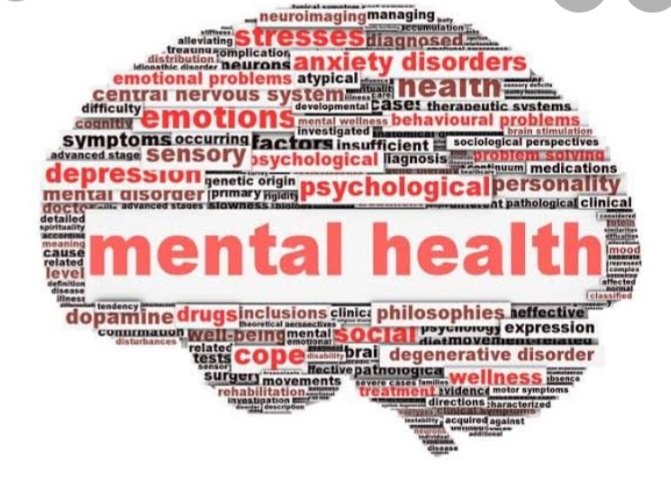
We human beings often tend to pay less attention to our mental health than our physical one, but we all should understand its heavy importance and admit the fact that they can be equally or even more dangerous than the physical issues so one should take immediate help of doctor or councilor in case some abnormalities or issues arises.

Importance of mental health :

Mental and physical health are equally important components of overall health. Mental illness, especially depression, increases the risk for many types of physical health problems, particularly long lasting conditions like stroke, type 2 diabetes and heart disease. Similarly, the presence of chronic conditions can increase the risk for mental illness.

Some mental illnesses :

Mental illnesses are among the most common health conditions in the united states.

* More than 50% will be diagnosed with a mental illness or disorder at some point in their lifetime.

* 1 in 5 children,either currently or at some point during their life, have had a seriously debilitating mental illness.

Causes of mental illness :

There is no single cause for mental illness. A number of factors can contribute to risk for mental illness, such as

* Early adverse life experiences such as trauma or a history of abuse.

* Experiences related to other ongoing medical condition, such as cancer or diabetes

* Biological factors, such as genes or chemical imbalances in the brain.

* use of alcohol or recreational drugs.

Types of mental illness :

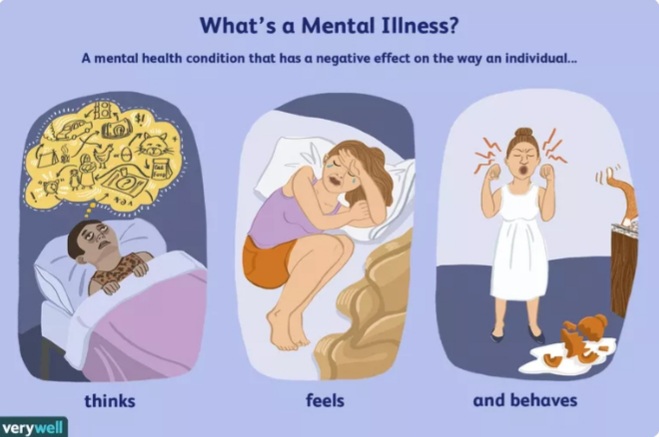
People can experience different types of mental illnesses or disorder and they can often occur at the same time.Mental illness can occur over a short period of time or be episodic. This means that the mental illness comes and goes with discrete beginnings and ends. Mental illness can also ongoing or long term.

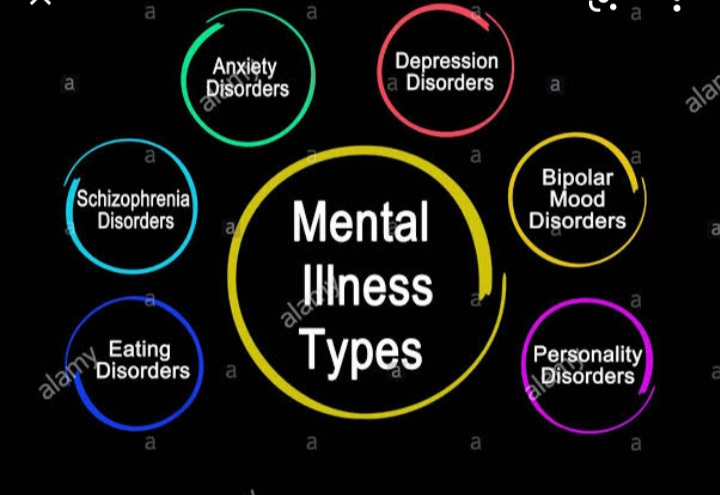
There are more than 200 classified types of mental illness. Some of the main types of mental illness and disorders are listed below; however; this list is not exhaustive.

Anxiety Disorders :

People with anxiety disorders respond to certain objects or situations with fear and dread or terror. Anxiety disorders include generalized anxiety disorder, social anxiety, panic disorders and phobias.

Hyperactivity Disorder :

It is one of the most common childhood mental disorders. It can continue through adolescence and adulthood. People diagnosed with ADHD may have trouble paying attention, controlling impulsive behaviors or be overly active.

Disruptive Behavioral Disorders :

It involves a pattern of disruptive behaviors in children that last for atleast 6 months can cause problems in school, at home and in social sitauations.Behavioral symptoms can also continue into adulthood.

Depression and other mood disorders :

While bad moods are common and usually pass in a short period, people suffering from mood disorders live with more constant and severe symptoms. People living with this mental illness find that their mood impacts both mental and psychological well- being, nearly evry day and often for much of the day.

Eating Disorders :

Eating disorders involve obsessive and sometimes distressing thoughts and behaviors including

* Reduction of food intake

* overeating

* Feelings of depression or distress

* concern about weight, body shape, poor self image

Personality Disorders :

People with personality disorders have extreme and inflexible personality traits that cause problems in work, school or social realtionships. Personality disorders include antisocial personality disorder and borederline personality disorder

Substance use Disorders :

Substance use disorders occur when frequent or repeated use of alochol and or drugs causes significant impairment, such as health problems, disability, and failure to meet major responsibilities at work, school, or home. Substance use problems can be fatal to the user or others. Exsmples include drunk driving fatalities and drug overdoses.

In this busy world our brain gets a lot stressed and its very important that we should take due care of it, some of the practices which will help us to do better with our mental health are:

  1. Yoga plays a great role in keeping our mind calm and also helps us to focus and concentrate on things. It also helps us deal with tough situations and gives us the strength to stay away from negativity.
  2. Exercising regularly is a key to healthy body and we all know that a healthy body and a healthy mind goes hand in hand, so we must ensure that we exercise daily to keep ourselves fit.
  3. The environment that we stay in also the company with which we spend time also plays a major role we should be extremely aware while selecting our company and in case we are not able to adjust we should walk away.
  4. Food is the fuel and is of immense importance we should ensure that we are not nutrient deficient also we should ensure that we intake enough amount of water daily.

Self – confidence

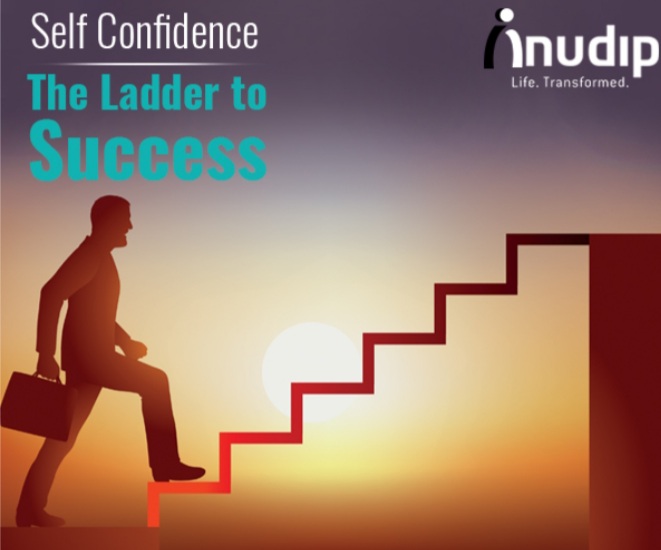
Self- confidence is a feelung of trust in one’s abilities, qualities, and judgment.children with a healthy sennsr of self-confidence are able to feel good about themselves and knoe that they deserve respect from others.
Confidence can be a tough thing to build up. We’ve put together some handy tips to help you put.


TIPS FOR BUILDING SELF – CONFIDENCE :


There are number of things you can do to build your confidence. Some of them arejust small changes to your frame of mind; others you’ ll have to work on fora big longer to make them familiar habits.


1.LOOK AT WHAT YOU’VE ALEADY ACHIEVED:


It is easy to lose confidence if you believe you haven’t achieved anythkng. Make a list of all the things you’ re proud of in your life, whegger it’s getting a good mark on an exam or learning to surf. Keep the list close by and add to it whenever you do something you’ re proud of. When you’re low in confidence,pull out the list a use it to remind yourself if all the awesome stuff you’ ve done.


2.SET SOME GOALS :


Set some goals and set out the steps you need to take to achieve them. They don’t have to be big goals; they can even be things like baking a cake or planning a nighy out with friends. Just aim for some achievements that you can tick off a list to hrlp you again confidence in your ability to get stuff done.


3.THINK OF THINGS YOU’RE GOOD AT :


Everyone has strengths and talents. What are yours? Recoginising what you’re good at,and trying to build on those things,will help you to build confidence in your own abilities.


4.TALK YOURSELF UP :


You’re never going to feel confident if you have negative commentary running through your mind telling you that you’re no good. Think about your self- talk and how that might be affecting your self- confidence. Treat yourself like would your bestfriend and cheer yourself on.


5.GET A HOBBY :


Try to find something that you’re really passionate about. It could be photography, sport, knitting or anything else! When you’ve workef out your passion, commit yourself to giving it a go.chances are, if you’re intetested or passionate about a certain activity, you’re more likely to be motivated and you’ll build skills more quickly.


Confidence helps us feel ready for life’s experiences. When we’re confident, we’re more likely to move forward with people and opportunities no back away from them. And if things don’t work out at fisrt , confidence helps us try again. It is the opposite when confidence is low.

Self- confidence is a feeling of trust in one’s abilities, qualities, and judgement. Some of the many causes of low self- esteem may include. Unhappy childhood where parents were extremly critical. Poor academic performance in school resulting in a lack of confidence.

AIM OF EDUCATION IS TO BUILD CHARACTER

The aim of education should be building of character and not merely injecting of information.

– Pranab Mukherjee.

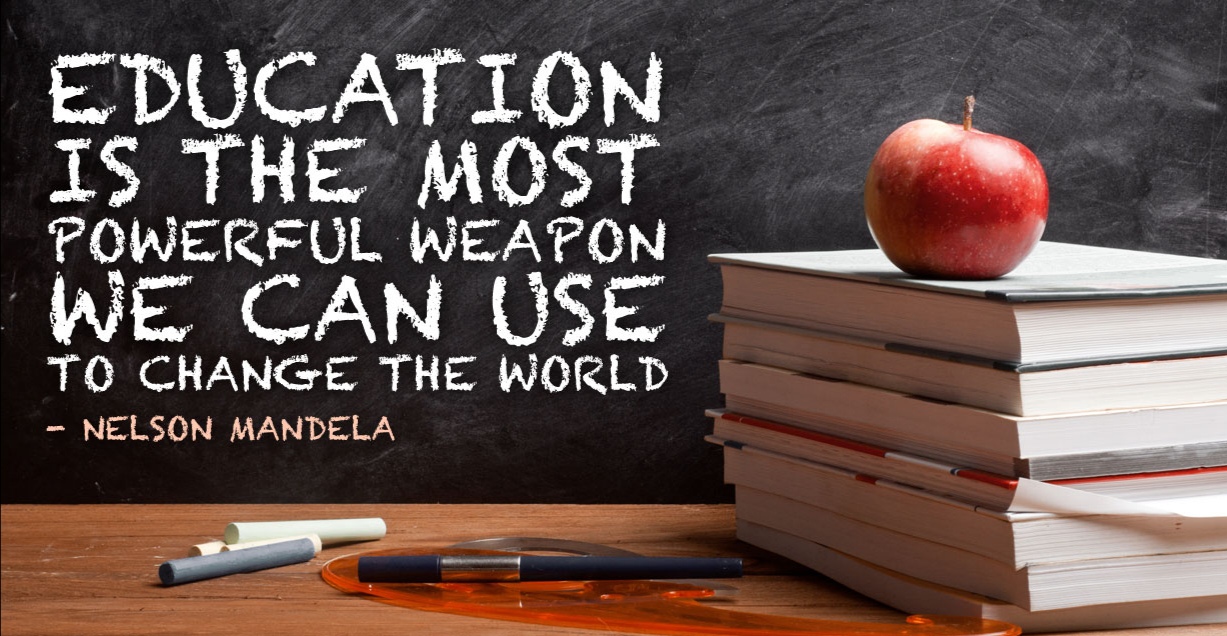
Education is a learning process that enables students and adults in a school community to understand, care about and act on core ethical values.

Learn the value of respect, justice, civic virtue and citizenship, and responsibility for not only themselves but also for others.

Education gives us the knowledge we need to know what dangers in society are and how to deal with them properly.

Intelligence plus character – that is the goal of true education. The complete education gives one not only power of concentration but worthy objectives upon which to concentrate.

– Martin Luther King Jr

Important aim of teaching should be producing students with good moral and skills for life.

Confidence and resilience are two character traits that are essential for success in the workplace.

As we all know, we faces various challenges after school life. We do not comfort with our good grade but we feel comfort with the character traits like confidence and resilience.

People with Confidence deals with well interview and prospect the more responsibility the within a job or any role.

People with resilience character, deals with failure rejection and various unseen obstacles in life. They face problems rather than wasting time on worrying about Minor failures. They always try to keep growing.

Education is the key to build characters

Producing students with good grades are not enough for them to face various kinds of challenges in their life. Good grapes are not going to help them for their fruitful life. But preparing students with good ethics, good Morals, social skills and life skills are really going to help them for their future challenges.

In today’s world the schools are focusing on student and forces them for good grades in academic. Parents also want their child to gain good grades in academics. but in future only good return are not going to work anymore. A person with with good grades and without any social or soft skills or ethics they faces competitions only.

Thus, focusing on building character is also very important for us.

To Grow Mentally and physically

Growing mentally and growing physically are two completely different things. Growing mentally refers to a person’s psychological growth the way we think and deal with different situations, and by what methods we develop and disseminate information. Growing up physically refers to a person’s physical growth like increased height, strength, and health. It can also refer to the development of your brain.

” The key to success is to keep growing in all areas of life mental emotional, spiritual as well as physical.” A healthy body can help your mind stay strong.when your body isn’t fit, it’s tougher to make challenging decisions.
Some of the tips will help you to improve both simultaneously.


ENRICH YOUR MIND :


keep challenging yourself to learn new things. By doing this, will gain more knowledge about things around you, and you will learn how to utilize things in a better way. Don’t let yourself get stuck in one place, either mentally or physically. Be proactive, curious, conscious and informed about the world.


Use your brain more often by doing brain exercises:


Exercising your brain means using it more. Generally the brain takes part in everything we do, but there are some types of activities which are specifically exercise our brains. Activities like doing puzzles, playing games like chess or scrabble, solving numerical problems, studying difficult topics and changing your dexterity, spatial reasoning and logic. Doing these mental exercises daily can sharpen your mind , and it can be an excellent way to strengthens neural links in your brain.


CONSUME NUTRIENTS THAT ARE GOOD FOR BRAIN:


Take in nutrients which are good for your brain. Foods that have antioxidants like vitamin c,e,b etc are good for the brain.consuming almonds and apple juice is also good for sharpening the brain.

THINK CRITICALLY :


when we hear, read or work on something, It is very important than we question everything and pay attention to details.such an approach can improve our thinking ability because it requires more brain work than mere observations.


DO PHYSICAL EXERCISES :


A healthy body means a healthy mind; regular exercise has a positive influence our brains function. The brain takes in nutrients from the blood, which makes the brain healthier. Physical exercise is essential for enhancing mental power .


EAT HEALTHY FOODS :


spend some time to examine which kinds of food bring you up and which foods bring down. Creating a diet plan can make you feel good, and gives you a sense of self-development. This will boost your sense of success.


GET BETTER SLEEP AND TAKE NAPS:


Get as much sleep as you need, around Seven or eight hours, every night. While sleeping well does not guarantee good health, it does help you to maintain many vital functions. Perhaps most importantly sleep helps you recover from the wear and tear of daily life. Major healing functions in the body such as tissue repair, music and mental growth occur almost exclusively during sleep.


SPEED TIME WITH PEOPLE :


Build a good support system with the people around you. Whether it’s your family, friends, or something else, find a group of people who are willing to support you in any circumstances. This increases flexibility and helps to provide perspective in the midst of stress and discomfort.


STAY AWAY FROM DRUGS AND ALCOHOL :
using cigarettes, alcohol, and illegal drugs damage your mental and physical health. Decreasing mental and physical stability produces” false” emotions.


FIND A GOOD LISTENER :


Find someone who is eager to listen to you, who you can talk to openly and freely. This can help you in relieving stress and anger and can heal you mentally, which ultimately has an impact on your physical health.


LAUGH MORE :


Laughter is the best medicine for human health. Human increases dopamine, and it improves memory and health.


GET RID OF BAD HABITS THAT HURT YOUR CONFIDENCE :


If you have a habit of smoking too much, drinking alcohol too much, spending too much time online, or a different habit that’s hurting your confidence, take steps to eradicate them. Study books, watch good films, play games, watch dances, and listen to songs; do the things that make you feel relaxed. Many studies suggest that watching TV and using a computer late at night is bad for your health.


STAR YOUR DAY BY THINKING ABOUT ONE GOOD THING YOU CAN DO :


Generally, it’s just a matter of deciding to do something good. Develop the habit of finding a good deed to do each day. Set aims and goals and follow through with them to attain them. By setting goals and gradually working to attain them , you will grow mentally.

Bibliophilism: Throughout history till now

Photo by Karolina Grabowska on Pexels.com

Books are been our great friend for ages from Rome philosophers to modern novelists, comics, and manga or magazines! We as humans encounter so many changes with the evolution of books and their uses but what remains common in all of them is “books always feed us with information! Whether it is fun, important, tragic, or simply someone’s insights!”. Many people consider book their best friends (YES! we are bibliophiles . . . love for books called bibliophilism ) because it doesn’t behave different with others and always gives but never takes anything most importantly always be with you. Many fear what will happen with books as time goes and video and voice media starts replacing it in every zone books were used in profusion, but this fear is just a piece of fake news because now there is evident data on how books are more famous and popular than before! Thanks to e-books and these new video audio that are easily reachable to the masses and makes them curious so much so that they have to come to books at last resort to satisfy their curiosity, and there is no doubt books leave no stone unturned doing so!

So how does all this begins?

Photo by Alari Tammsalu on Pexels.com

Before the famous Gutenberg bible which is mass-produced by some metal type in Europe, each book used to be written by different people, and each book was uniquely written designed, and bound which used to give a lot more information about the ideological and religious beliefs of that period!

But this is the beginning of “what we call books” but to know how all this started we have to go back to clay tablet scrolls, and sheets of papyrus. Clay tablets were used by Mesopotamia back in the 3rd millennium BCE, they used to keep it very safe. To date, we have nearly found 20,000 such clay tablets. These tablets were used till the 19th century in some countries including Germany, Chile, the Philippines, and the Sahara Desert. From Egypt papyrus and clay tablets Romans used to write and erase through stylus !.in Asia people used to write on bones. Papermaking has traditionally been traced to China about 105 CE and traditional printing started in the 15th century. One thing which throughout the time stick with books are get “ban” as they are very influential, so authorities always wanted to control it.

Influence of books

Photo by Alejandro Avila on Pexels.com

Books have fascinating subject through time one who studies books is called bibliophile. It is known as former us president Roosevelt used to read one book a day !. most expensive book in history is the codex from Leonardo da Vinci which is bought by Bill Gates. According to a study book, readers have very fewer chances of Alzheimer’s than any other person in old age

Books in our modern world today expanded their reach and places from paperback to e-books are excellent for nature too as it is said from one tree we can make 50 books! And innovation in the field of books like digital book designing, 3d books, etc. is such an example. We are seeing nowadays it’s an affirming factor saying books not going anywhere any soon!

hey! how you guys think about your best friend .. BOOKS 🙂 pls comment down below and tell us which book you loved the most or reading RN ! till the next time , sayonara :).

Fiction – A defense Mechanisms for the Bibliophiles

Photo by Maria Gulyaeva on Pexels.com

 Fiction is an illusion of the real world and the stories depict us as the reflection of the society, where the characters narrate somewhere in the minds of the readers and make them feel as if it’s their own story portrayed.

As an ardent bibliophile, I get fantasized reading those fictional books which have those themes of love, trust, rebounding, etc. certain books in popular fiction namely as such, Funny Boy, The Handmaid’s Tale, have these feministic approaches applied in it.

Profoundly, fiction and the fictional characters showcase in the books is the harsh reality of society which is dwelled up in sugary coated form and presented to the readers.

     Whether it is taking the example of the well-known melancholic romantic classic novel: “The Wuthering Heights” where the story doesn’t only show us a typical class distinction love story but also gives us the real facts about the medieval 18th century of the Victorian age.

    Factually the 18th-century novel is still loved by the readers and left an imprint of so-called the situation of women at that time.

                 Any fiction is a source of information of age and transfers the knowledge to the global readers of all generations. Decade by decade those stories remain like a classic grandma’s tale whoever reads it. Those fictional characters emotionally get connected with the readers and give them a sense of realization of their situation.

              The depth of fictional stories is such that it gets attached to the readers and makes them feel that they are among them. The power of Arjie (in THE FUNNY BOY) made the readers feel that how a 12yr old Gay boy feels, how he was perplexed and abashed within his own identity and how Arjie made his readers feel his pain. Many readers like Arjie who battle with their identity crisis every day, got a realization that one must be never ashamed of themselves, rather one should be proud of who one is and their originality is the best and purest unique thing which makes them beautiful in there own way.

The youngsters in general, who live a non-plussed life, often prefer to live in these fictional worlds and engross themselves in these stories like a dreamer who wanders on an unknown island without any purpose but finds a destination end.

           The readers live the story when they read those stories, the philanthropic deeds of the characters make a reader see the real world. Fictional stories have always been the best media through which writers sends this message to their readers that, the world is still a beautiful place to live and one must never lose hope like Harry Potter who had a miserable childhood but when he went to the school of Hogwarts, his life became beautiful and reason to live.

       The inevitable vague ideas and situations are also portrayed beautifully. Fiction is like an ocean which is vast as such precious and the characters are the mermaid which is still a mystery and the stories are like pearls that are present somewhere but lost in the ocean.

     Metaphor is that the relevancy of the fictional books is sometimes not conveyed to the outer world and misunderstood by many of the readers, but still, the beauty lies within the oceanic, fictional book.

SCIENCE AND TECHNOLOGY

Science and technology play a huge role in our society as well as in our lives. Nowadays we all are surrounded by technology and are dependent on it for everything we do. Especially after this pandemic everything is in virtual mode and is completely based on technology. We live in the technological era where gadgets are of outmost importance to us. A gadget is simply a human made device which is programmed to reduce human effort and does a piece of job easily without any hassle.

In this fast-growing world we human beings are always surrounded by machines and gadgets for every need of ours starting from the time we get up in the morning till we again go to bed we even use gadgets while we are asleep such as air conditioner, insect repellent and many more. Science is a boon for us, but in the other hand as everything has its own merits and demerits there are also people who do use science for a bad cause. Technology is good but it is advisable to keep this technology out of the reach of children as otherwise they will not tend to learn things and will prefer to take the help of science to solve a particular existing problem this may affect their growth.

IMPORTANCE OF SCIENCE AND TECHNOLOGY :


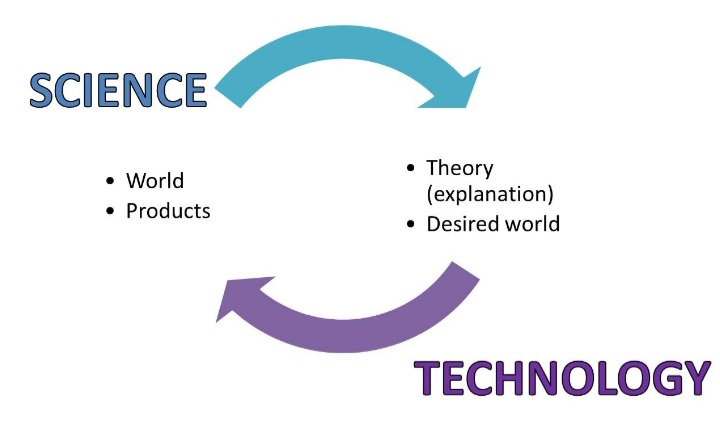
Technology, science and knowledge are important in modern contemporary society. Essential questions include the following : How does science and technology produce new products, new ways of living and new nutritious? Why is new technology and knowledge so fundamental to us in the ways through which we imagine the future?


Technology, knowledge and science are fundamental in modern contemporary society. The understanding of how social, cultural and material elements influence the production of new practices, new ways of under of contemporary postmodern society. Studies of technology and science provides students with insight into how different processes of knowledge are initiated and progressed, and how innovative technological processes are developed employed and increase in importance.
In this manner, students will be provided with the academic basis for working with detailed analyses of different forms of technologies and process of knowledge within business life or industry and commerce, research work , political development, management of knowledge and innovation.


THE RELATIONSHIP BETWEEN SCIENCE AND TECHNOLOGY :


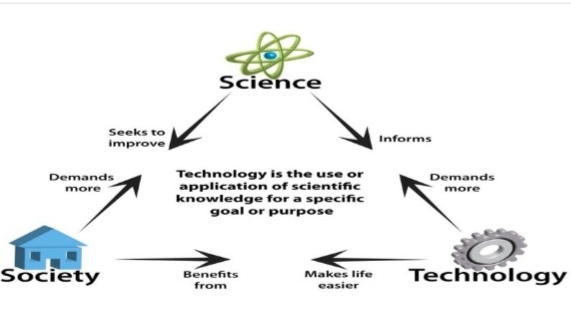
Science , technology and innovation each represent a successively larger category of activities which are highly interdependent but distinct. Science contributes to technology in at least six ways.

  1. New knowledge which serves as a direct source of ideas of new technological possibilities.
  2. Source from tools and techniques for more efficient engineering design and a knowledge based for evaluation of feasibility of designs
  3. Research instrumentation, laboratory techniques and analytical methods used in research that eventually find their way into design or industrial practices, often through intermediate disciplines.
  4. Practice of research as a source for development and assimilation of new human skill and capabilities eventually useful for technology.
  5. Creation of a knowledge base that becomes increasingly important in the assessment of technology in terms of its wider social and environmental impacts
  6. Knowledge base that enables more efficient strategies of applied research, development, and refinement of new technologies.

THe ROLE OF SCIENCE AND TECHNOLOGY


Teaching technological literacy, critical thinking and problem- solving through science education gives students the skills and knowledge they need to succeed in school and beyond.

SCIENCE AND TECHNOLOGY USED IN SOCIETY :


Science and technology have had a major impact on society, and their impact is growing. By making life easier, science has given an the chance to pursue societal concerns such as ethics, aesthetics, education and justice to create cultures, and to improve human conditions.