Right to repair is the movement started by the activist and oragination all around the world. Joe -Biden ,US president ,signed an executive order on Federal Trade Commission to institute rules to curb anticompetitive restrictions that limit consumers’ ability to repair gadgets on their own terms. The Uk too had introduced this .
The agenda of the movement is to get compinies to make spare parts of the gadget and the consumers can repair them rather than replacing the product.
Large tech compinies like Apple, Microsoft,Amazon and Tesla are opposing the movement stating that its opening up their intellectual property to third party to repair them.
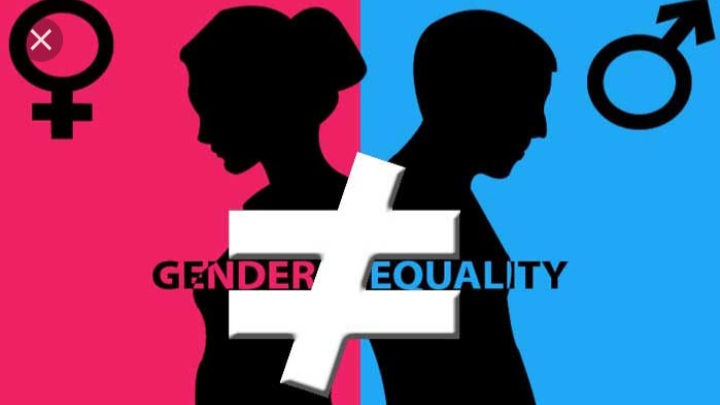
Discrimination is the state when all individuals are not treated equally and not given equal rights. Every individual in the community yearns for equal status, opportunities, and equal rights. People generally say these days that everyone is treated equally but they are not. Discrimination usually exists because of cultural differences, geographical differences, and gender. Inequality on the basis of gender is something that is not appreciated, but it is seen many times in many companies. There are many areas where equal opportunities are not provided to women.
We are in the 21st century, and even now, women are not treated equally as men. It is generally believed that women are more talented than men, and it has been proved many times, but society is not yet ready to accept this fact. Gender equality is the term used when equal opportunities in the fields of politics, economics, education, and health are provided to both men and women.
As per the World Economic Forum’s gender gap ranking, India holds the rank 108 out of 149 countries. The rank should be a major concern in the country as it signifies the immense gap between the opportunities given to women when compared to men. The structure in India is such that women are neglected in many fields like education, health, finance, etc. They are just limited to household chores which should not be the scene here. There are many places in India where women are considered as a burden and they are not allowed to go to school and study as well. Also, a preference for sons prevails in many areas in India.
The seven important forms of gender inequality :
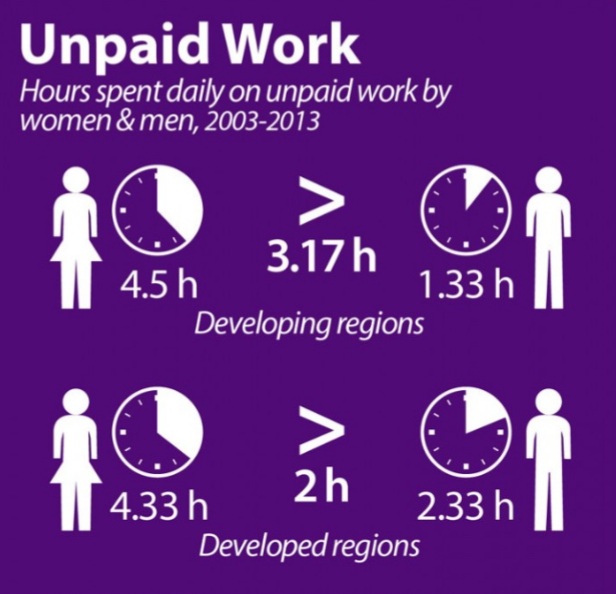
1 . Women works Longer than Men :
In most of the societies the male – stream is the main stream who argues that women have comparative advantage in household non- market production, like cooking and cleaning for the family that cant be called emotional and personal caring work. Based on this thinking, household jobs are then asymmetrically distributed. Women are more valued in home. Men are specialised in market- baesd production. Thus, being the bread- earners, males enjoy both power and status.
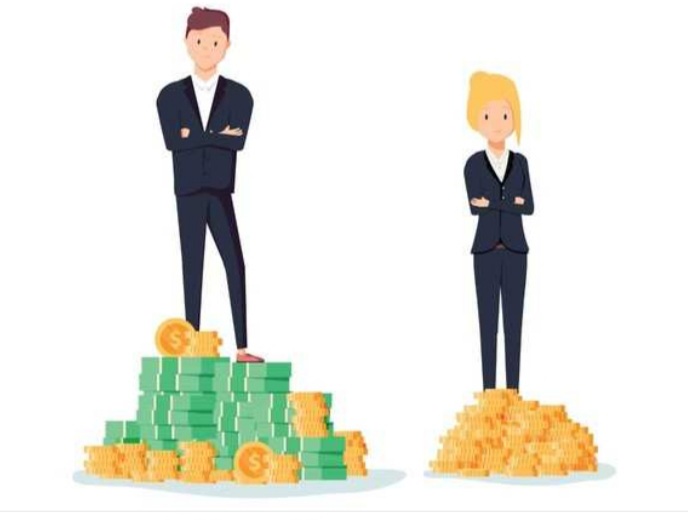
2. Inequality in Employment and Earnings :
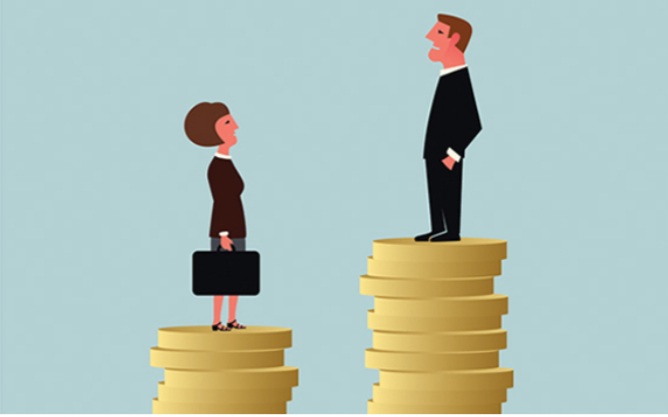
Historically, men have greater participation in work outside home than women. But women ( particularly of poor households) share unequally household duties in addition to economic production. Thus they work longer than males. This kind of ‘ division of labour’ may be seen as the ‘ accumulation of labour’ on women, as described by Amartya sen. Household activites are often viewed as ‘ sedentary activites’ which require less ‘ calore’ to gain energy.
3. Ownership Inequality :
A case of social inequality. Let us turn to another kind of inequality, called ownership inequality a classic case of social inequality. In most of the societies, ownership over property and means of production rests mainly on male members . The law of inheritance provides such ownership rights on male child. Such denial coming out of hierarchical dualism within the family not only reduces the voice of women but also prevents them from participating in commerial, economic and social activites.
This kind of social deprivation means absence or lack of capability or because of ‘capability deprivation’, women are subject to various kinds of exploitation and unfreedoms. Social inequality distorts the process of development. Unfortunately, ownership inequality in any country is not of recent origin. In her earlier life, a woman comes under the influence of her father, then husband as she enters a married life and finally, under sons ownership right over property is skilfully avoided. A telugu proverbs corraborates this understanding: ” Bringing up a daughter is like watering a plant in anothers courtyard.”
4. Survival Inequality :
Another crudest from of gender disparity is the unusally high mortality rates of women , though biologically, women live longer than men! Thus more boys than girls are born evrywhere leading to a ‘ deficit’ of women and a ‘ surplus’ of men. In developed countries beacuse of absence of gender bias in health care and nutrition, women outnumber men. In Europe and in north America, 105 or more girls are born per 100 boys. Such high female- male genderd survival rate in different age groups.
5. Gender Bias in the Distribution of Education and Health :
Health and education are the major forms of human capital are realted to economic development . Human capital gets accumulated as a society advances in education . The contribution of human capital towards Japan’s remarkable economic progress attracts our attention . Improvement in health capital also improves the return to investments in education .
However, one finds a huge education and health gaps between developed and developing countries. In recent times, despite a large increase in econoc advancement on times, despite a large increase in economic advancement in asia and africa, these countries lag far behind the developed countries in terms of educational attainment particularly in respect of women’s education. Gender disparity not only hindrrs economic progress but also exacerbates social inequality.
6. Gender Inequality in Freedom Expression :
Let us talk about gender inequality beyond economic issues or factors. Women are not only subject to income or asset inequality but also in terms of freedom and power deprivation of women goes beyond one’s imagination. They lack not only economic freedom at home because of absence of autonomy in house hold decisions, limited or poor wages earned but also lack any freedom in airing opinions over education of children.
In some backward poor societies the right of women giving options is completely denied. Such un – freedoms, however, are not uncommon even among the educated elites who enjoy enormous power and authority in the male domined society. Historically , this sort of law socioeconomic status of women has been continuing nowasdays.
7. Gender Inequality in Respect of viloence and victimisation :
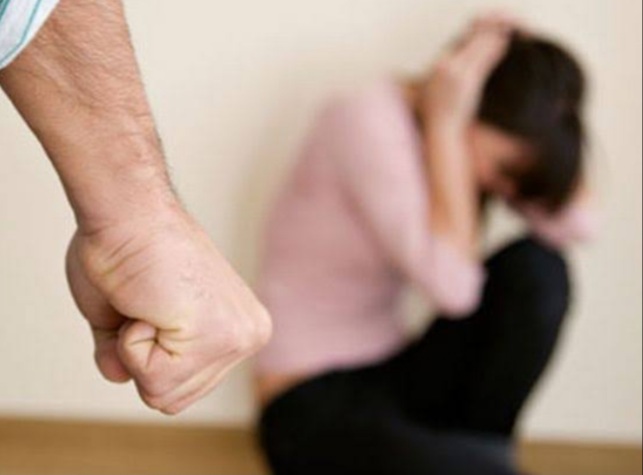
Finally, anti – female bias starts before the girl child is born and this attitide of the society a female member carries throughout her life. It is because of the unequal sharing of income, property, household benefits . Women are subject to both physical and sexual violence – the oppsite of freedom, and an extreme form of coercion. This is common for both poor and not too much uncommon in rich countries as well as among rich people. One in three women in the word is beaten or raped during her life times.
Dowry harassement is considered as an ‘ instrumental use’ of violence. Dowry death is the most serious form of domestic violenece. Wife beating is not uncommon. Sexual violence is an obnoxious form of human rights violation.
Specifically, public health can contribute to reducing health inequities by integrating health equity considerations into policy and programs, collebrating with other sectors to address inequities engaging with communities to support their efforts to adress inequities, identifying the reduction of health inequities.
Reducing inequality requires transformative change. Greater efforts are needed to eradicate ectreme poverty and hunger and invest more in health, education, social protection and decent jobs especially for young people, migrants and other vulnerable communities.
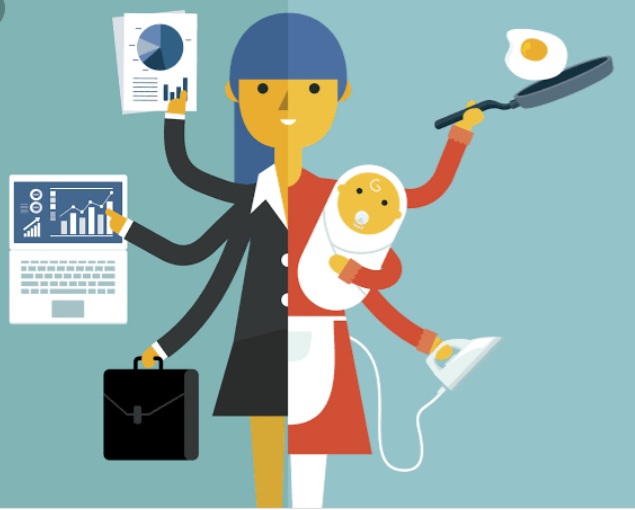
We should understand that women are the part and parcel of any family. When it comes to flexibility, they can manage their home and offices at the same time. If equal opportunities are not given to them, they will be led down and won’t be able to achieve big milestones which they are obviously capable of.
Good communication is very important to convey what is there in the mind. Whatever language, communicating in a understandable way is very important. communication today is very important both in the business world and in private life.
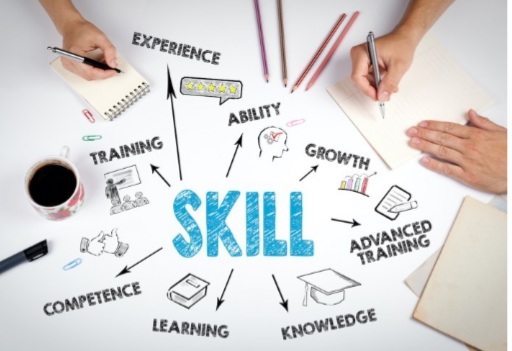
Even though the person is good at skills and is capable of doing things better, lack of communication degrades the skills and brings a negative mark on the person which is a bad thing for the individual.
Top 5 communication skills and How to improve them
Developing strong communication skills is essential when it comes to building a successful careee. Communication skills play a key role in your private life too. These 5 skills are absolutely necessary for sucessful commuincation in the workplace or private life.
1. Listening :
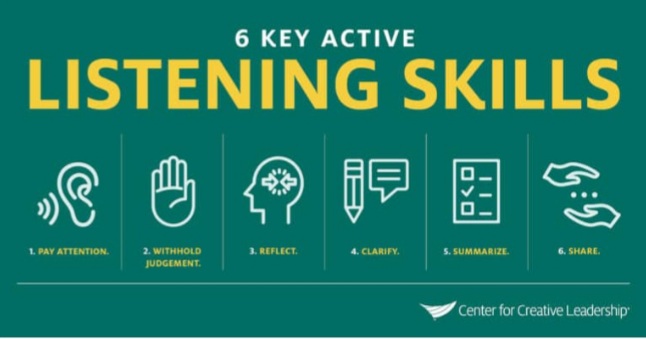
Listening is one of the most important aspects of communication. Successful listening is not just and understanding of spoken or written information, but also an understanding of how the speaker feels during communication. If a speaker can see and feel that someone is listening and understanding that can help build a stronger, deeper realtionship between interlocutors.
Careful listening can also create an environment in which everyone feels safe to express ideas, opinions and feelings, or plan and solve problems in a creative way.
2. Straight talking :
Conversation is the basis of communication, and one must not neglect its importanc. Even a simple, friendly conversation with colleafues can build mutual trust and even detect problems before they become serious. A healthy does of chatting with and unknown person can lead to a business opportunity . Be accessible and friendly because then you will be able to talk to almost anymore.
3. Non- verbal communication :
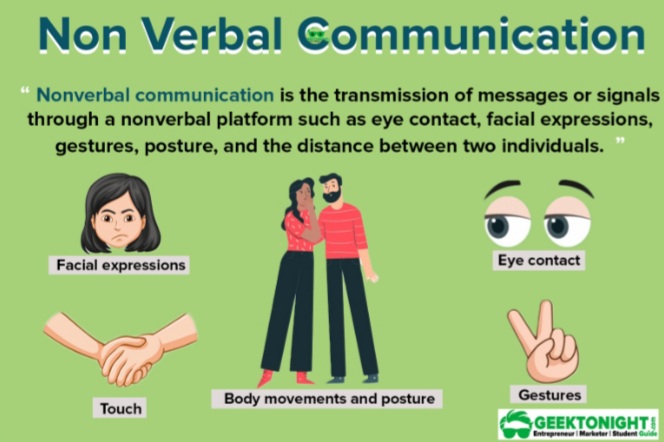
When we talk about things that matter to us then we send a lot of nonverbal messages. Non verbal signals are wordless communication, body position, facial experssion, hand movements, gestures, eye contact, attitude and tone of your voice, muscle tension and the way you breathe. The way you look, listen create, react, gesture , speaks far more about feelings than words will ever be able to.
4. Stress Management :
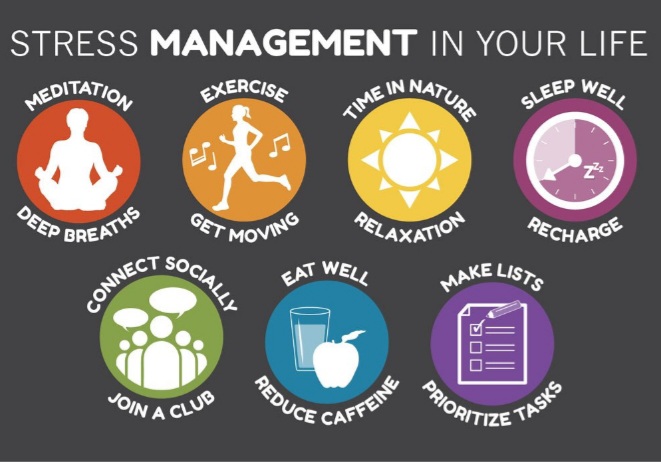
In small quantities, stress can be very useful and encouraging for work . However, when the stress becomes constant and completely begins to take effect, it can affect communication, clarity of opinion and appropriate behavior and action. When you are under stress you may misunderstand other people, send confusing nonverbal signals, and use funny patterns of behavior.
5. Emotion control :
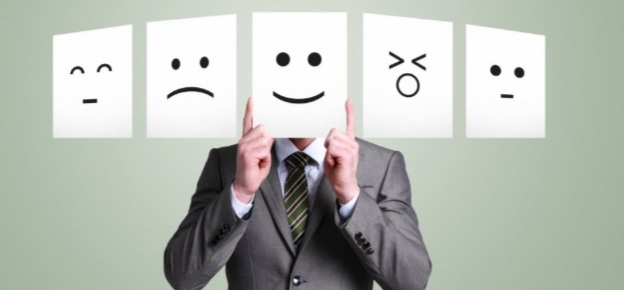
In communication, feelings play an important role. Making decisions more often affects the way you feel than the way you think. Gudided by emotions, your nonverbal behavior affects the understanding of other people and how others understand and perceive you. Control of emotions provides you with tools to understand others, yourself and the messages you send. Though recognizing feelings makes it simple, many people have strong feeling like anger, sorrow, or fear being pushed under the carpet.
Importance of communication :
Communication thus helps understand people better removing misunderstanding and creating clarity of thoughts and expression. The communication brings people together, closer to each other. The communication is an important management function closely associated with all other managerial functions.
Everybody has their own way of communicating. It is influenced by cultural background, the way someone was raised, their gender, their temperament, and much more. At that point true communication may become utterly impossible. Sometimes we may have a difficult time understanding anothers feelings , needs and habits.
* communication serves four major functions with a group of organization :
* control
* Motivational
* Emotional expression
* Information
* communication serves five major purposes :
* to inform
* to express feelings
* to imagine
* to influence and
* to meet social expectations
For example:
For instance, if an individual is going to an interview with great confidence. An individual who is good at different kinds of skills, and also good at executing them and he is lack of communication skills. As the person is not a good communicator, the person faces difficulty in explaining the things to the other person which is known to him. Instantly, this brings a bad impression on the person and a negative mark will be marked on him. The negative mark has a lot to do with. The negative mark can also lead to the rejection of the person in the interview.
Being knowledgeable is very important to achieve certain goals in life, attaining good communication skills and being a good communicator is also equally important to achieve high in the life. Being a good communicator is not A big deal. It is so easy as the lifestyle. Any individual can be good communicator if he communicates all the time with other people in the possible way.
Education is very important in every individual’s life as it is very important for the living. The person who is educated will be well treated by the society and will you have good potential wherever he or she goes. Education as the extra energy to the individual’s life and a moles the individuals character into a good one. It is very important to be educated as the competition in the world is comparatively very high.
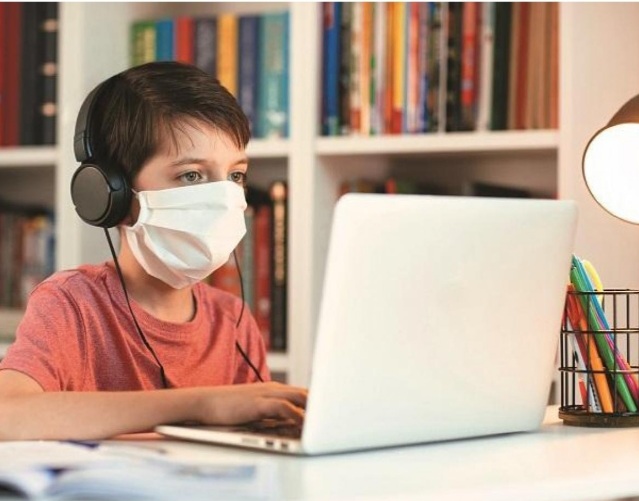
Online classes are the greatest and the biggest task to all the students. It is so difficult for all the students to understand the topics in a detailed manner. Even though the students try their level best to understand the topics during the online class, it is only the 50% of learning but the topics are not understood properly but the students and face lots of difficulties.
It is also equal difficult to conduct exams to all mine because it’s exams are connected through online then there is a chance formal practices. Basically, students commit malpractices during exams in a view to get good marks but not about the knowledge. So,many of the students commit malpractices.
Ways to improve the education system
* skill – based learning :
As of now , the education system is such that everyone is forced to study science and math. If this system can be revamped to identify the strengths of a student, then they can be given appropriate training in the chosen field. This will ensure that the child shines in that particular field.
* Rural Education :
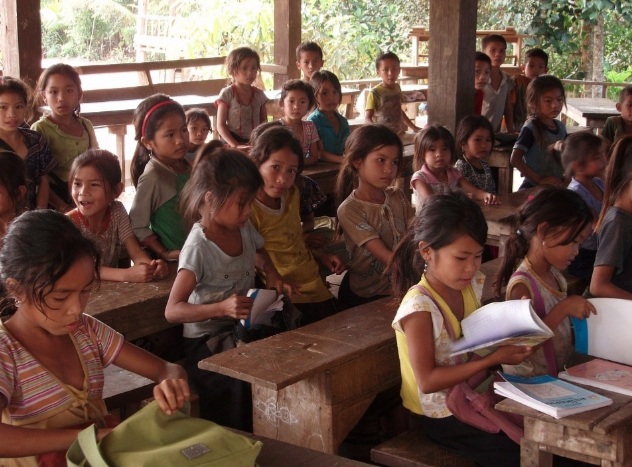
As the sad thing about the Indian education system is the fact that its focus is only on urban clusters. There are hardly any decent centres of learning in the rural areas. This is especially true in terms of higher education. If a country has to actually develop, urban and rural development have to go hand in hand.
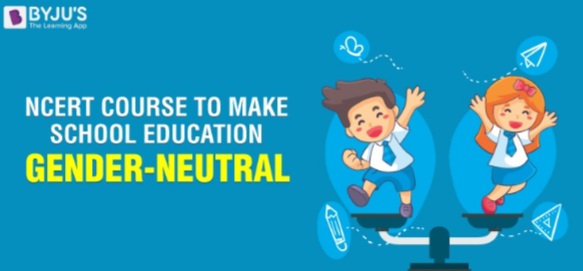
* Gender Neutral Education :
The education system has always favoured men over the fairer sex. The major change that must be brought about is to involve women in the same. Particularly subjects that are now considered to be the strength of men alone ( like carpentry, engineering, etc). Should be made more accessible to women. Pioneer women in these fileds should be given due encouragement and appreciation.
* Teacher Training :
India has a very good quality of dedicated teachers. However, the sad fact here is the fact that after they join this service, they receive little or no training. In such a situation, giving them periodic training will not just ensure that they are updated with the changing times, but will also improve the entire education scene of the country by leaps and bounds.
* Infrastructure :
As in every other sector, the indian education sector is one that suffers from the acute death of infrastructure. Most of the government schools do not even have proper chairs, tables, restrooms, let alone a playground, libraries and laboratories. Thus ,the first step in revamping the education scene in the country should begin with improving the infrastructure so that the students are given an evironment where they can learn to the best of their abilities.
* subsidising professional courses :
It is a sad reality that many meritorious students are not able to afford professional corses because of the sheer expense involved in the same. This is all the way truer in case of students from the general category who do not have access to many scholarships. In such a situation subsidising the cost professional education will ensure that the same is within the reach of deserving students from the lower and lower middle class strata of the Indian society.
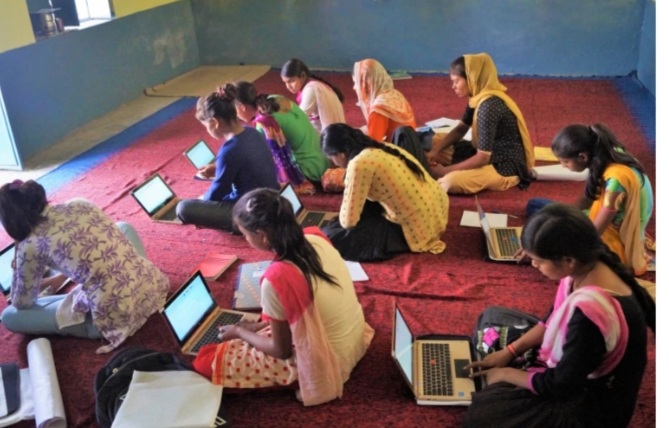
* Basic computing In Rural Areas :
On one hand , India is a land of IT giants; on the other, rural India is completely digitally ill- equipped, in a sitiation like this, the first change that the education system must bring forward is to start free computing classes for skill development in rural areas. Only then will rural Indian move in the same pace as that of the urban Digital India and the country embark on the journey of development.
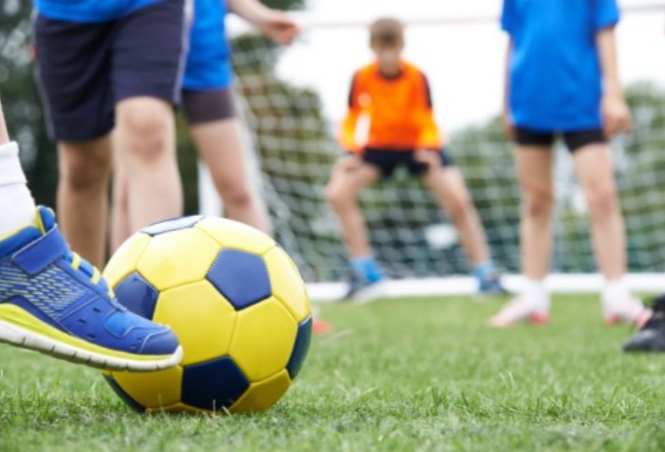
* Make sports compulsory :
One of the main reasons for the alarming rise in suicide amongst students in the country is the fact that they cannot handle stress. That in turn is because they are subjected to too much mental pressure. By making sports compusory it can be ensured that all the students indulge in some sort of some physical activity. This will lead to their mind performance better and enable them to grasp their theory lessons well.
* Educate parents :
Most of the times it is seen that the children’s woes centre atound that of their parents. In the Indian scenerio, parents are the ones who force their wards into a career they do not like. As a result students do not excel and upon failing to meet their parents expectations, they suffer from a number of mental health issues. To prevent such a thing from happening, the first step that must be taken is to educate the parents about the different carrer options that are available to the students and the possible scope of future in them.
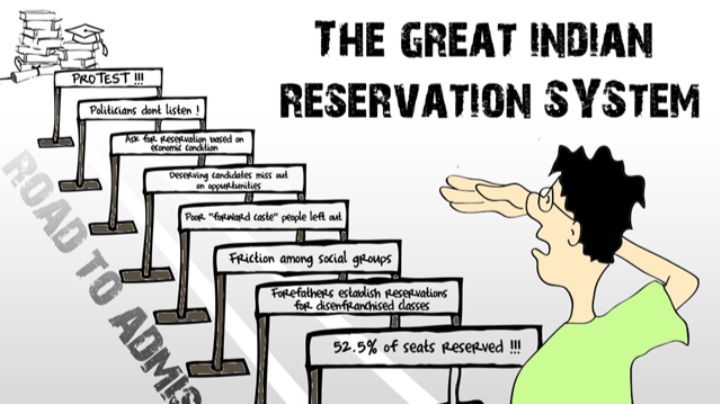
* Remove The Reservation system :
The reservation system in India has been so obsessed with providing the best of opportunities to the reserved that it misses out on many opportunities for the ones who actually deserve the same. This results in not just personal loss for certain people but also brain drain for the entire country and fosters a massive loss to the nation’s economy.
Today’s education system may be good to score marks, but fails to retain the knowledge once students have completed their examinations. This leads to young minds being stifled at an age when they should be asking questions, learning and gaining knowledge, and developing a thirst for more knowledge.
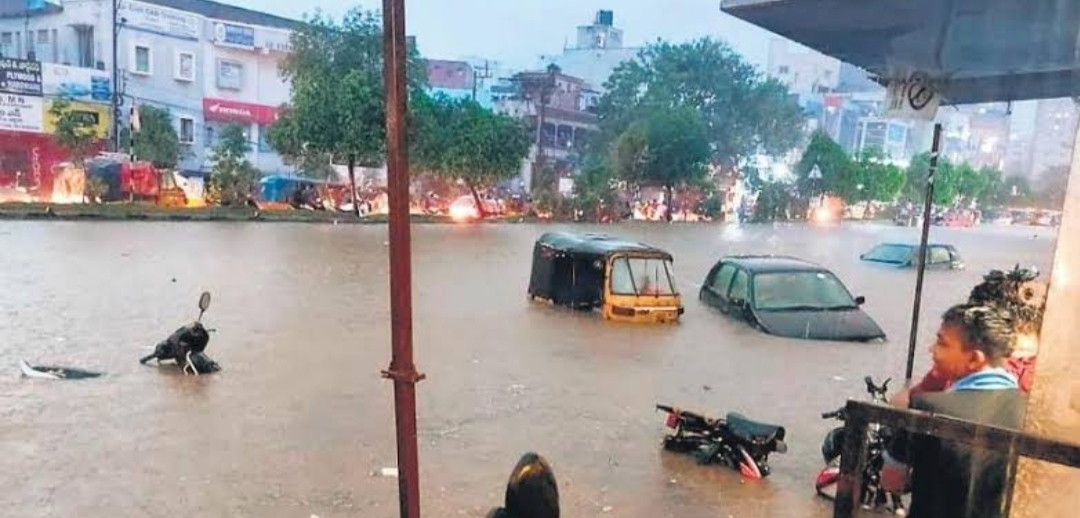
Delhi, UP, Uttarakhand and Himachal to Receive Heavy Rainfall Next Five Days.
The India Meteorological Department (IMD) has predicted heavy to very heavy rainfall at some places of North India, including Delhi, Uttar Pradesh, Himachal Pradesh, Uttarakhand, during the next 5 days.
The department has also issued an orange alert in Rajasthan and Jammu and Kashmir. It also issued a yellow alert in Himachal Pradesh and Uttarakhand, which are facing heavy losses due to cloudburst. The Metrological department issued a red alert for Madhya Maharashtra and Goa.
The prediction are taken at a time when monsoon has entered in most of the states of the country.
Following are the meaning of the color of the alert issued by authorities::
Green Alert: It means there is no danger as there is no chance of rain.
Yellow Alert: This alert means that there will be rainfall and weather will remain unclear
Orange Alert: This means that there is a full possibility of rainfall and thunderstorms. So one should not go out unless it is absolutely necessary.
Red Alert: Red Alert means warning of dangerous weather. Through this alert, people are warned against going out of their homes.
The moisture-laden winds are advancing from the Bay of Bengal towards all parts of the country due to changes in conditions that promote the advancement of these winds.
What did this POSH Act refer to ? So it commonly referred to, an Indian law enactment with the objective of making workplaces safer for women by preventing, prohibiting and redressing acts of sexual harassment against them in the workplace.
Why this act was needed ?The need for such legislation was observed first time by the Supreme Court, in Vishaka v State of Rajasthan. Sexual harassment at a workplace is considered violation of women’s right to equality( article 14 and 15) , life ( article 21) and liberty ( article 19(1)g) . It creates an insecure and hostile work environment, which discourage women’s participation in work, thereby adversely affecting their social and economic empowerment and the goal of inclusive growth. So there was much need for legislation against this sexual harassment at working place.
What is the objective behind POSH 2013 ? The Sexual Harassment of Women at Workplace (Prevention, Prohibition and Redressal) Act 2013 (“the Act”) was enacted with the objective to provide protection against sexual harassment of women at workplace and for the prevention and redressal of complaints of sexual harassment and for matter connected therewith or incidental thereto , that was mentioned under section 2(o) of the act .
What is sexual harrassment? Section 2(n) discribe a sexual harassment as unwelcome acts or behavior (whether directly or by implication) namely, physical contact and advances, a demand or request for sexual favors, making sexually colored remarks, showing pornography, any other unwelcome physical, verbal or non-verbal conduct of sexual nature .
Can a touch to women amount to sexual harrament ?
a women can commit sexual harrassment on another women ?
So both the question were answered in Shanta Kumar vs CSIR , where Delhi high court held that “undoubtedly, physical contact or advances would constitute sexual harassment provided such physical contact is a part of the sexually determined behaviour. a physical contact which has no undertone of a sexual nature and is not occasioned by the gender of the complainant may not necessarily amount to sexual harassment.
What are the offensive circumstances in which sexual harassment is done ?
The Act also provides the circumstances under which an act may amount to sexual harassment under section 6(2) . These are:
(i) implied or explicit promise of preferential treatment in her employment; or
(ii) implied or explicit threat of detrimental treatment in her employment ; or
(iii) implied or explicit threat about her present or future employment status; or environment for her; or
(iv) interference with her work or creating an intimidating or offensive or hostile work
(v) humiliating treatment likely to affect her health or safety.
Where the problem would be redressed under POSH : so section 4 provides for setting up of Internal Complaints Committee at every office of the organisation or institution, having more than 10 employees, to hear and redress complaints pertaining to sexual harassment. Section 11 reads that , The committee has to complete the inquiry within a period of 90 days. As per section 12, The committee can give certain interim reliefs to the aggrieved woman during the pendency of the inquiry.
What if the complaint by said victim is Mala fide ? case of filing of false or malicious complaint or false evidence the committee may recommend to the employer or District Officer to take action in accordance with the provisions of service rules or where no such service rules exist, in such manner as prescribed in Rule 10 of the Rules
Is identity of a women victim disclose ? No according to section 16 of posh 2013 , There is a prohibition on publication of identity of the aggrieved woman, respondent, witnesses, contents of the complaint, inquiry proceedings or recommendations of the committee, except information regarding the justice secured to any victim of sexual harassment.
In last what would be the punishment for accused ? When the employer fails to constitute an Internal Committee or breaches provisions of this Act or any rules made thereunder, they shall be punishable with fine of fifty thousand rupees (INR 50,000).
The kalpilesh temple belgaun,karnataka where lies the replica of the original sculpture.On the ceiling of this 11th -12th century Chalukyan Era temple is the unique sculpture depicting lord Krishna with 5 crawling posture coming out of one head and one pair of arms.It is said each posture is indicative of 5 elements- land ,water,air,Fire and space while the two hands convey light and darkness.This wonderful sculpted art piece is a subtle expression of life-each aspect of creation having different characteristics merge together as the part of same creation.
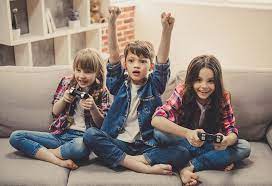
Video gaming has become a popular activity for people of all ages. Many children and adolescents spend large amounts of time playing them, although no one should have more than two hours total of screen time in a day. Video gaming is a multi-billion dollar industry, bringing in more money than movies and DVDs combined. Video games have become very sophisticated and realistic and some games connect to the Internet, which allow children and adolescents to play online with unknown adults and peers.
While some games have educational content, many of the most popular games emphasize negative themes. They promote the killing of people or animals, the use and abuse of drugs and alcohol, criminal behavior, disrespect for the law and other authority figures, sexual exploitation and violence towards women, racial, sexual and gender stereotypes, and foul language obscenities and obscene gestures. Examples of video games not acceptable for children because they have these themes include the popular ones Grand Theft Auto, Call of Duty, and Mortal Kombat.
There is growing research on the effects of video games on children. Studies of children exposed to violence have shown that they can become immune or numb to the horror of violence, imitate the violence they see and show more aggressive behavior with greater exposure to violence. Studies have also shown that the more realistic and repeated the exposure to violence, the greater the impact on children. Children and adolescents can become overly involved and even obsessed with video games, leading to poor social skills, time away from family time, school work and other hobbies, lower grades, reading less, exercising less, becoming overweight, and having aggressive thoughts and behaviors.
So how can you, as a parent, protect your child against these types of video games? First, you can check the Entertainment Software Rating Board ratings to learn about the game’s content. Every video game will actually have a label on the front to tell you what type of game it is. If it says M for mature, it’s not for your child.
Play the video games with your child to experience the game’s content and know exactly what your child is playing. Set clear rules about the game’s content for both playing time in and outside of your home. Strongly warn your children about the potential serious dangers of Internet contacts and relationships while playing online. There are a lot of online predators that will look for children specifically playing video games and this can lead to them meeting in real life. Finally, remember that you are a role model for your child. Make sure the video games you play as an adult are ones that you would want your child to play.
If you are concerned as a parent that your child is spending too much time playing video games or your child starts becoming obsessed with aggressive or violent video games, make sure you set some limits. You’re not allowed to play games for one hour after all the homework is done and encourage your child to participate in other activities so they’re not drawn to those video games. By being aware of what games are out there, you can help your child make appropriate decisions about gaming no matter where your child plays.
Vitamins and minerals are very important for everyone to be fitter and healthier. It is very important to consume the food which is rich in vitamins and minerals. And there are many side effects of not consuming vitamins and minerals like vitamin deficiency. Vitamins and minerals are good source of energy.
Nutrients are very important to consume and have good cause. An individual must prefer nutritious food than the junk food. It is very important to eat the fruits and vegetables rather than eating the high calorie food.
Many of the people does not include those fruits and vegetables in their diet. When they do not include the fruits and vegetables it leads to the malnutrition sometimes.
Types of vitamins :
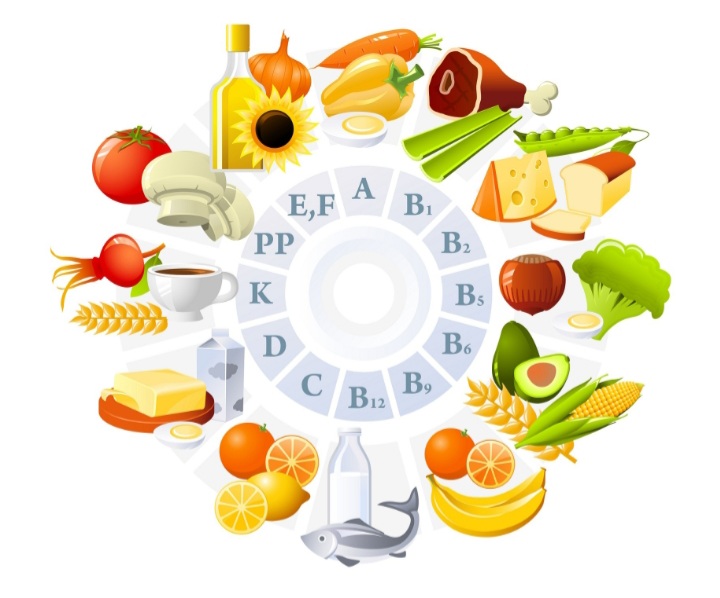
There are 13 essential vitamins. They are vitamins A,C,D,E,K, and the B vitamins (thiamine, riboflavin, niacin, pantothenic acid , biotin,B6, B12, and folate). Vitamins have different jobs to help keep the body working properly. Some vitamins help you resist infections and keep your nerves healthy, while others may help your body get energy from food or help your blood clot properly.
Food sources :
* vitaminD from fatty fish, fish liver oils, fortified milk products, and fortified cereals.
* vitamin B12 from meat, fish, poultry milk, and fortified breakfast cereals. Some people over age 50 have trouble absorbing the vitamin B12 found naturally in foods. They may need to take vitamin B12 supplements and eat foods fortified with this vitamin.
* calcium is a mineral that is important for strong bones and teeth, so there are special recommendations for older people who are at risk for bone lkss. You can get calicium from milk and other dairy, some forms of tofu, dark green leafy vegetables, soyabeans, canned sardines and salmon with bones, and calcium – fortified foods.
* Magnesium is found in foods containing dietary fiber, such as green leafy vegetables, whole grains, legumes, and nuts and seeds. Breakfast cereals and other fortified foods often have added magnesium. It is also present in tap, mineral, or bottled drinking water.
* pottasium is found in fruits, vegetables, meat, and dairy foods. Foods high in potassium include dried apricots, lentils and potatoes. Adults get a lot of their potassium from milk, coffee , tea and other nonalcoholic beverages.
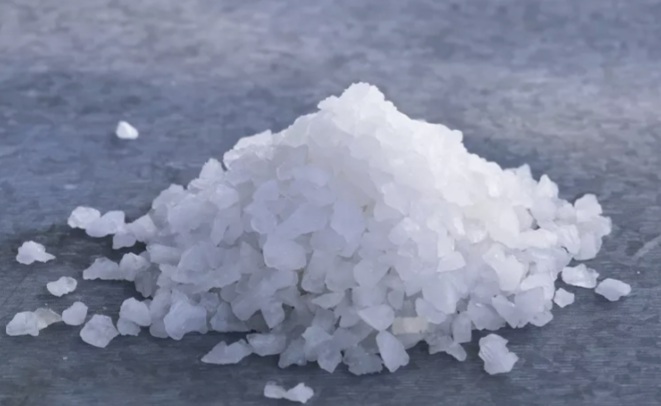
* preparing your own meals at home without using a lot of processed foods or salts will allow you to control how much sodium you get.
* vitamin B6 is found in a wide variety of foods . The richest sources of vitamin B6 include fish, beef liver, potatoes and other starchy vegetables, and fruit ( other than citrus).
* vitamin A can be found in products such as eggs and milk. It can also be found in vegetables and fruits, like carrots and mangoes.
* vitamin C is found in some of the best fruits and vegetables. Citrus fruits, tomatoes, and potatoes can be large source of vitaminC
* vitamin E can be found in nuts like peanuts and almonds and can be found in vegetable oils, too. It can also be found in green vegetables, like broccoli and spinach.
* vitamin B1 in meat- especially pork- and fish. It’s also in whole grains and some fortified breads, cereals, and pastas.
* vitamin B2 in eggs and organ meat, such as liver and kidneys, and lean meat. It is found in green vegetables, like asparagus and broccoil.
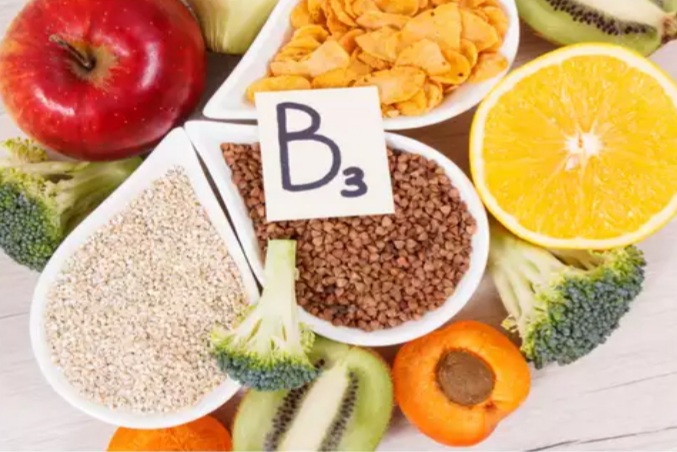
* vitamin B3 can be found in some types of nuts, legumes, and grains. It can also be found in poultry , beef, and fish.
* vitamin K can be found in many foods including green leafy vegetables, like spinach and kale and in some fruits, such as blueberries and figs . It can also be found in cheese, eggs and different meats.
* Folate can be found in vegetables and fruit, such as broccoli brussel sprouts, spinach, and oranges. It can also be found in nuts ,
Most of the teenagers consume junk food instead of eating the healthy food that is the fruits and vegetables. The junk food contain some preservatives in it and they’re also rich in fats and carbohydrates which are not so good. Doing a mistake is acceptable but doing the mistake even after knowing the truth is a bad one. So, all the teenagers must know the need of the situation and must bring the awareness among the people who are addicted to the junk food. They must motivate the people who are in it all the time.
Because of a “wobble” in the moon’s orbit, which is acting in concert with climate change-fueled rising sea levels, every coast in the United States is experiencing fast-growing high tide floods.
New research published recently in the journal Nature Climate Change by NASA and the University of Hawaii warns that future changes in the moon’s orbit might result in record flooding on Earth in the next decade.
Researchers discovered flooding in American coastal towns may be many times worse in the 2030s, when the next moon “wobble” is projected to begin, by mapping the National Oceanic and Atmospheric Administration’s (NOAA) sea-level rise scenarios, flooding thresholds, and astronomical cycles. They predict major infrastructure damage and community displacement as a result of the water.
While the study emphasizes the grave position that coastal towns are in, the lunar wobble is a natural phenomenon that was first documented in 1728. The moon’s orbit causes periods of greater and lower tides every 18.6 years, although they aren’t harmful in and of themselves.
“Earth’s typical daily tides are suppressed during half of the Moon’s 18.6-year cycle: high tides are lower than usual, and low tides are higher than normal,” NASA says. “Tides are magnified in the second part of the cycle, with high tides getting higher and low tides getting lower. High tides are only going to get higher as the world’s sea level rises. As a result, half of the 18.6-year lunar cycle reduces the influence of rising sea levels on high tides, while the other half increases it.”
Scientists, on the other hand, are more alarmed this time. The next high tide floods are anticipated to be more severe and frequent than ever before as sea levels rise owing to climate change, compounding already dire projections.
In 2019, the National Oceanic and Atmospheric Administration (NOAA) reported around 600 such floods. After another decade of sea-level rise, scientists predict three to four times that amount in the mid-2030s.
Based on the current study, these floods will emerge more often throughout the country and can occur in clusters lasting over a month, depending on the moon, Earth, and sun’s locations. Floods might occur as frequently as every day or every other day during certain alignments.
“Low-lying regions around sea level are becoming increasingly vulnerable and suffering as a result of rising floods, and the situation is only going to get worse,” NASA Administrator Bill Nelson said. “Coastal flooding on our coasts and throughout the world will continue to be exacerbated by the Moon’s gravitational pull, increasing sea levels, and climate change.”
Almost all of the United States’ continental coasts, as well as Hawaii and Guam, are likely to be affected. By the end of the century, sea-level rise is anticipated to have rendered hundreds of thousands of square kilometers of coastline untenable, displacing over 100 million people globally.
Researchers hope that their findings will spur more focused efforts to avert as many harmful effects on the environment and people’s welfare as possible before it becomes too late. While high tidal floods may not include as much water as hurricanes, their regularity poses a serious threat.
“What will have an impact is a cumulative effect over time,” said lead author Phil Thompson. “A firm cannot operate with its parking lot underwater if it floods 10 or 15 times each month. People lose their employment as a result of their inability to get to work. Sewage ponds have become a public health concern.”
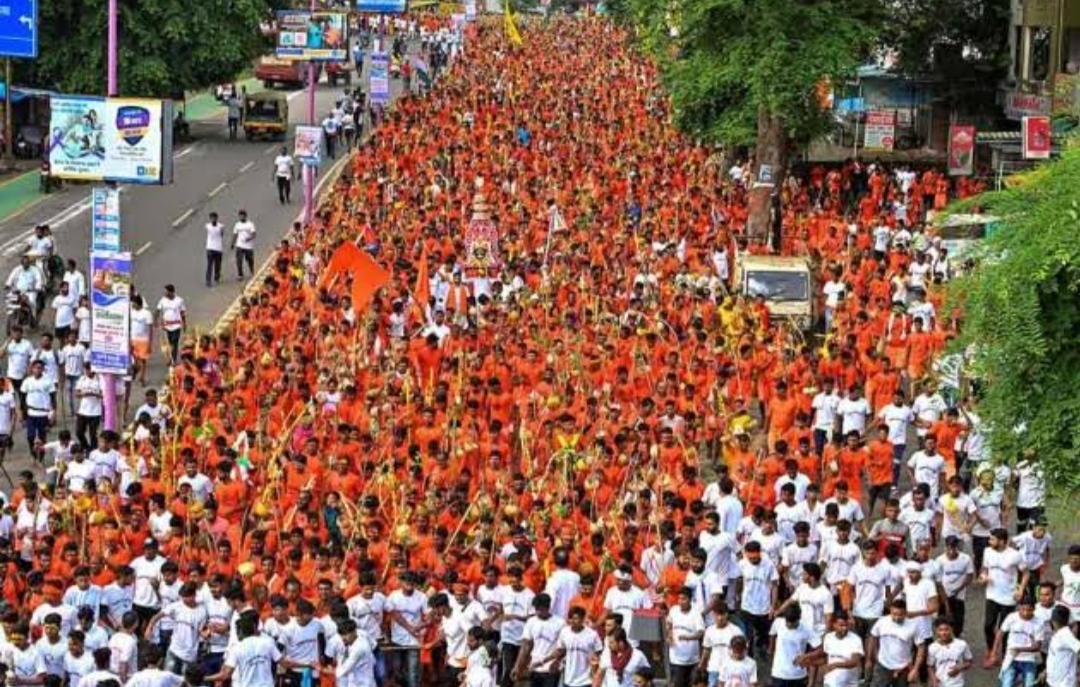
The Kanwar Yatra is the annual pilgrimage of the devotees of Shiva known as Kanvaria; to Hindu pilgrimage places like Haridwar, Gaumukh and Gangotri in Uttarakhand and Sultanganj in Bihar to fetch the holy waters of the Ganges River to pour it on various Shiva temples in India.
Kanwar Yatra: UP CM requests Uttarakhand govt to allow entry into Haridwar for some devotees.
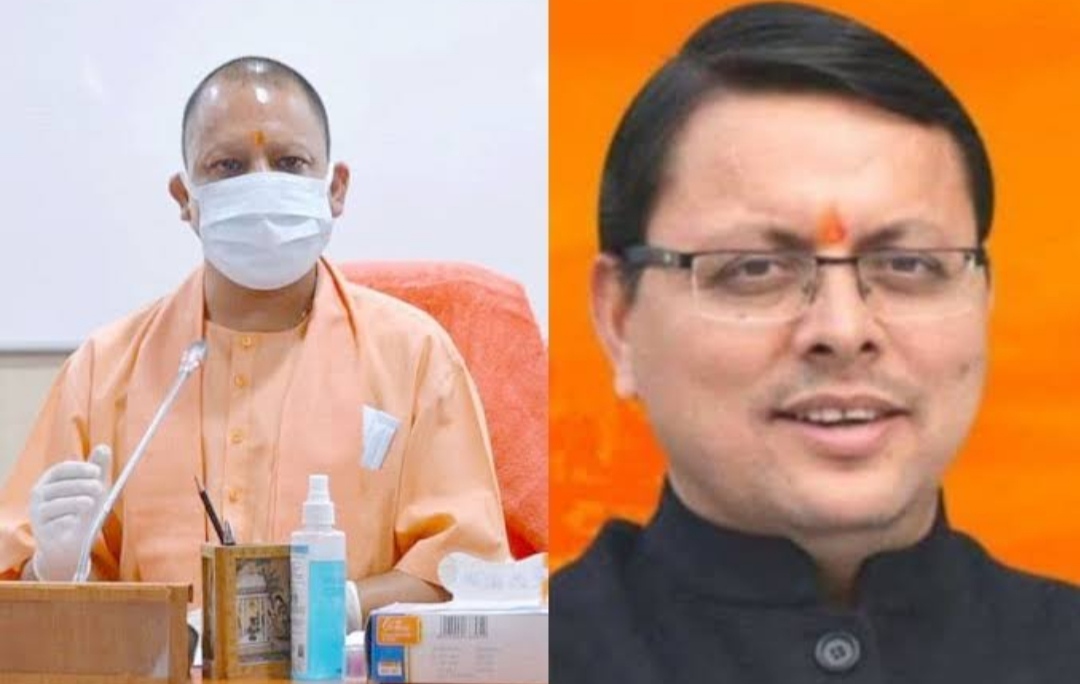
UP CM Adityanath has requested his counterpart in Uttarakhand, Pushkar Singh Dhami, to allow some devotees from UP to travel to Haridwar for the Kanwar Yatra.
The Uttarakhand government has decided to call off the annual Kanwar Yatra for the second year in a row in view of the Covid-19 pandemic. This decision was taken by CM Pushkar Singh Dhami on Tuesday.
At the same time, the Uttar Pradesh government decided to go ahead with the pilgrimage with strict curbs. CM Yogi Adityanath directed officials to ensure that devotees are allowed to take part in the Kanwar Yatra only after they attain a negative RT-PCR test report.
UP CM Adityanath was requested by Uttarakhand CM to allow a limited number of devotees from the state to visit Haridwar for the Kanwar Yatra.
Jour de la Bastille, the national day of France is commonly known as Bastille Day in English. Every year on 14th July France celebrates her national day. On this day France celebrates the storming of the Bastille as a national holiday. Bastille was a military fortress and prison. The Bastille symbolized the tyranny of the French monarchy especially King Louis XVI.
France used to celebrate this day very enthusiastically but from 2020 this celebration holds back. As in 2020 for the first time since 1945, authorities have called off the annual military parade along the Champs-Elysees in Paris due to the Covid-19 outbreak. Only 2,000 soldiers – half the usual number were gathered at the Place de la Concorde. In 2020 French Macron tweeted “This July, we will pay tribute to those who have put all their strength, all their skills, all their humanity against the virus.”
This year, France celebrated her national day with a traditional national military parade but firework has been canceled due to the pandemic and concerns over the Delta variant. This year the theme of the parade is “Winning the Future” highlighting “the French’s will to overcome health crisis-related difficulties”. The occasion reveals the army’s anticipation role “thanks to high technology (…) able to prevent crisis and imagine fights from the future”. This year, French President Emmanuel Macron wishes to express “The [Nation’s] affection for the army” and pay tribute to the women and men “who chose to fight for France and shown a sense of commitment and availability like no other”.
Fall of Bastille
The Bastille was built in the 1300s during the Hundred Years’ War against the English. It was designed to protect the eastern entrance to the city of Paris. And later used as a French state prison and a place of detention for important persons during the 17th and 18th centuries by the reign of Louis XVI.
During the time of the American Revolution, America and France worked together. France helped America with the aim to end England’s power in the American colonies. A lot of money was spent in the war and consequences were paid by the people of France suffering from starvation, unemployment, and tensions in the country.
In 1789, there was an economic crisis and tensions in France, the people of France were frustrated and angry with the cruel behavior of kings and elites, and clergies. The Bastille was a symbol of the tyranny of king and queen. The revolutionaries, more than 1000 people most of them were craftsmen and store owners of the Paris marched towards the Bastille on 14th July 1789. They demanded that the military leader (governor de Launay) of Bastille surrender the prison and hand over the gunpowder but he refused and due to this crowd become angry. The revolutionaries managed to enter the courtyard and began to try and break into the main fortress. The soldiers started firing and the fight begins. But an interesting or turning point of this fight was when soldiers joined the side of the crowd. And the military leader surrendered the fort to the revolutionary. Governor de Launay was killed, some prisoners were released (only seven prisoners were inside) and Bastille was razed and mixed in the soil. The storming of Bastille led to a series of events that led to overthrew of King Louis XVI and the French Revolution. The people who took part in the storming of Bastilles were considered heroes during the revolution and took the title “Vainequeurs de la Bastille” meaning “winners of the Bastille”.
The date 14th July represents the unity of French people
The date of the fall of Bastille 14 July is celebrated today as the French National Day. In France, it is called the “The National Celebration” or The Fourteenth July”.
It’s a weekend and you’re wondering how you should spend your time. Maybe go out with friends , or maybe just stay in and read something, or maybe just be locked up in a prison cell. What’s wrong? The last one sounds odd ? Is it not how many people are spending their weekends or maybe everyday of their lives ?
Stan Swamy , 84 year old Jesuit priest, Tribal rights activist based in Jharkhand ,suffering from Parkinson’s disease , died a few days back after being on ventilator for 2 days. He had been lodged in Tihar jail since a year under the stringent charges of UAPA [ Unlawful Activities (Prevention) Act ]. Since he was suffering from Parkinson’s disease , it became difficult for him to carry on his normal day to day activities. It took NIA 50 days to render his request for a sipper and a straw. Yes 50 days. For a straw and a sipper.
Stan Swamy , had worked for Adivasi community and their land and labour rights for decades. He had also questioned the non implementation of 5th schedule of constitution which had led to setting up of Tribes Advisory Coucil with members solely of adivasi communities. He had also raised his voice against indiscriminate arrests of thousands of young adivasis and labelling them as “Naxals”.
Stan Swamy was arrested last year in relation to the Bhima Koregaon case along with many other activists.A brief context to the case – on January 1, 2018 , thousands of Dalits had gathered in Pune to commemorate 200 years of the Battle of Bhima Koregaon — which was won by the British Army (comprising many Dalit soldiers) against Peshwas in 1818.The quiet gathering soon turned violent with many activists being blamed for having instigated and having Maoist links with CPI( M ).
After contracting the corona virus, which further added to his derailing health , he was admitted in the hospital but lost the battle of life before even trying to win the battle of justice.
Human Rights lately sound like a hoax. Despite the fact , that India hasRights of Persons with Disabilities Act ,2016 which protects disabled convicts of torture and discriminatory behaviour in prisons , Stan Swamy was not provided the very basic facilities . India is also signatory to UNCRPD – UN Convention on Rights of Persons with Disabilities, which imposes positive obligation on authorities,including prison staff to ensure that the disabled prisoners are treated equally.
Sudha Bhardwaj, prominent activist , lawyer from Chhattisgarh , also is logded in jail since 2018 in relation to the Bhima Koregaon case and has been refused bail multiple times.
Umar Khalid , activist and former JNU student is also locked up in jail in relation with Delhi riots case under stringent UAPA .
Recently , Pinjra Tod activists, Natasha Narawal and Devangana Kalita were finally released on bail after spending a year in jail. What is most worrisome regarding these cases and many others , is that people have been deprived of their basic fundamental rights. Supreme Court in many of its past judgments has reiterated the right of the accuse of BEING HEARD. Every accused in considered innocent unless proven guilty. And for that purpose BAIL is a very integral part of the process. Bail is the norm , Jail is exception.
How beautiful the sky is , how melodious is the chirping of the birds, how fun it is to catch up with friends at that chai ki dukaan , and how peaceful freedom is. Sadly for some, it’s just a dream.
Every country in the world have some other the problems, like that India also have some problems. In this blog, we are going to discuss, some major problems in India like the , educationsystem, unemployment, poverty, basic sanitation, and pollution.
EDUCATION SYSTEM
Every education system will have both theoretical and practical knowledge. Both theoretical and practical knowledge are important. In India’s education system consist of 90 percent theoretical knowledge and 10 percent practical knowledge. Every student needs practical and skilled knowledge, because they are the one who help student to live in the real world. Every sector whether it is agriculture or IT needs skilled workers not theoretical workers. Students in India often study to score marks not knowledge.
UNEMPLOYMENT
According to a survey, 6.9 percent of people in India are unemployed. Nowadays, unemployment become common among youngsters. Unemployment is the state at which person who is able to work but fails to get one. Why there is unemployment in India? The unemployment rate is high in India because there are more job seekers than the job requirement. Due to covid-19 pandemic many people lost there jobs because of the national wide lock down and shut down of some companies. There is high competition for every job in India because of the high population. India stands at 86th position in unemployment in the world. The government of India must take the necessary steps to eradicate unemployment. This is very serious problem in the society.
POVERTY
Poverty is another major problem for a country. As of now, 13.7 percent of people in India live below the poverty line. People who earn less than 1060 rupees in rural and 1286 rupees per month in urban comes under the poverty line. 80 percent of the poor people live in villages only. 43 percent of the people belongs to Scheduled Caste(SC) and Scheduled Tribes(ST). The maximum people living below the poverty line are found in Bihar, Madhya pradesh, Uttar pradesh and rajasthan only. People under the poverty line declined from 37 percent in to 13.7 percent in 2021. Experts suggest that it will decline by 5 percent in 2025.
POLLUTION
Pollution is the serious problem for all countries in the world. As of now, India stands 5th position in world’s most polluted countries. Delhi is the most polluted city in India, Breathing air in Dehli is like breathing 35 cigarettes at a time. There are many types of pollution such as water pollution, air pollution, land pollution and noise pollution. sewage water is main reason for water pollution in India. Ganga and yamuna are the most polluted rivers in India. Vehicle horns and construction sounds are main reason for noise pollution. Government needs to take care of these following problems.
BASIC SANITATION
Sanitation is another big problem in India. According to a survey, more than 700 million people don’t have the access to toilets at there home. In slums people don’t have a toilet at all. Many rural schools don’t have toilet facilities because of that parents don’t send there daughter to school. We should be thankful government because under the Swach Bharat Abhiyan government built 12 million toilets for the people.
Biological warfare, also known as germ warfare, is the use of biological toxins or infectious agents such as plagues, bacteria, viruses, insects, and fungi with the intent to kill, harm or incapacitate humans, animals or plants as an act of war.
Deadliest bio weapon
Bacillus Anthracis (Anthrax)
Bacillus anthracis bacteria, which causes anthrax, is one of the most deadly agents to be used as a biological weapon. It is classified by the US Centres for Disease Control and Prevention (CDC) as a Category A agent, posing a significant risk to national security.
when it is actually started ?
One of the first recorded uses of biological warfare occurred in 1347, when Mongol forces are reported to have catapulted plague-infested bodies over the walls into the Black Sea port of Caffa (now Feodosiya, Ukraine), at that time a Genoese trade centre in the Crimean Peninsula.
Biological warfare is distinct from warfare involving other types of weapons of mass destruction (WMD), including nuclear warfare, chemical warfare, and radiological warfare. None of these are considered conventional weapons, which are deployed primarily for their explosive, kinetic, or incendiary potential
Biological weapons may be employed in various ways to gain a strategic or tactical advantage over the enemy, either by threats or by actual deployments. Like some chemical weapons, biological weapons may also be useful as area denial weapons. These agents may be lethal or non-lethal, and may be targeted against a single individual, a group of people, or even an entire population. They may be developed, acquired, stockpiled or deployed by nation states or by non-national groups. In the latter case, or if a nation-state uses it clandestinely, it may also be considered bioterrorism.
With the onset of World War II, the Ministry of Supply in the United Kingdom established a biological warfare program at Porton Down, headed by the microbiologist Paul Fildes. The research was championed by Winston Churchill and soon tularemia, anthrax, brucellosis, and botulism toxins had been effectively weaponized. In particular, Gruinard Island in Scotland, was contaminated with anthrax during a series of extensive tests for the next 56 years. Although the UK never offensively used the biological weapons it developed, its program was the first to successfully weaponize a variety of deadly pathogens and bring them into industrial production. Other nations, notably France and Japan, had begun their own biological weapons programs.
How to stop bio weapon ?
Elements of preparedness include vaccinating military personnel against anthrax and other diseases caused by biological weapons; developing methods for the rapid detection of biological threat agents; developing and stockpiling vaccines and antimicrobial drugs that could be used to protect the public against diseases
When the United States entered the war, Allied resources were pooled at the request of the British, and the U.S. established a large research program and industrial complex at Fort Detrick, Maryland in 1942 under the direction of George W. Merck. The biological and chemical weapons developed during that period were tested at the Dugway Proving Grounds in Utah. Soon there were facilities for the mass production of anthrax spores, brucellosis, and botulism toxins, although the war was over before these weapons could be of much operational use.






















 Eduindex
You must be logged in to post a comment.