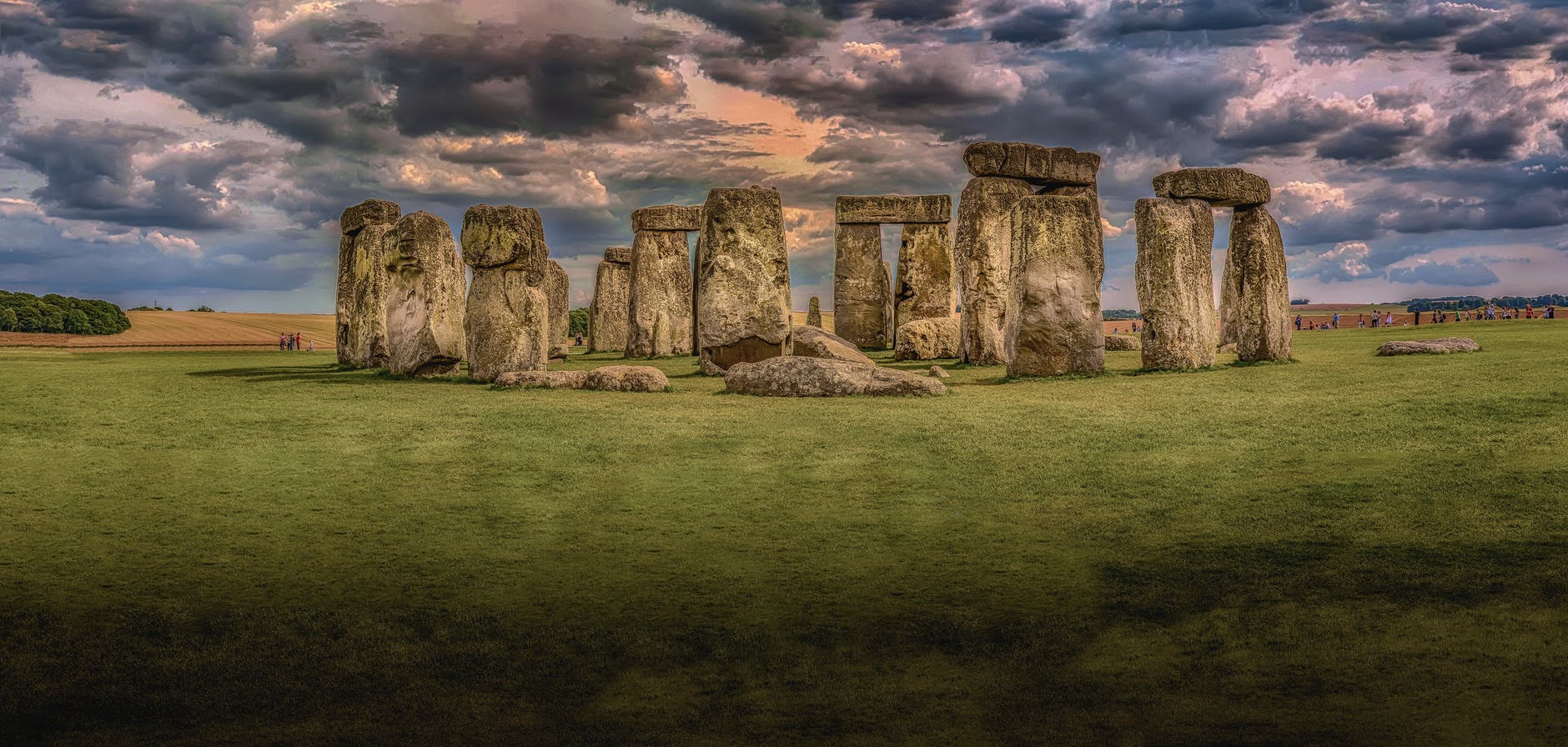
Ritual Burdens

The Story of Ni Ketut Kasih

Ni Ketut Kasih is a widow who lives in a small village in Bali, Indonesia. She is a proud mother of four children and the grandmother of twelve grandchildren. She’s lived her whole life surrounded by the complex cadences and mandates of the Balinese ritual calendar with events such as temple observances, holy days, festivals, etc. happening nearly every other day, and for many years Ketut has faced a specific kind of difficulty with the stress and anxiety surrounding her ritual obligations as the village’s ceremonial leader. 

She anticipates and prepares for the ceremonies and rituals far in advance, repeatedly assessing the state of her family’s preparations because of her position in her community as priestess. She finds her mind overrun by thoughts of failure and worry as she also reminisces the stresses of her childhood when her father was taken as a prisoner of war and she was forced to leave her schooling in order to look after her family. 

When the worries get too much, Ketut has a “fit”, she could disappear from home leaving her family and wander off to far places acting out in alarming ways such as undressing herself in the market or challenging others to a fight.  When her situations get beyond the support her family could give her, they take her to the state psychiatry hospital or give her the medications prescribed for her manic-episodes. She generally recovers quite fast and experiences long stretches of peace and quiet before another financial obligation or ritual evokes more stress, causing another episode. 

Ketut’s response to the stressors caused by familial, ritual or financial obligations raises questions about the purpose of these rituals and the psychological cost it brings for the those that execute and organize it. Ketut’s case exhibits a unique assemblage of stressors such as cultural obligations, childhood trauma, and neurobiology overlay to trigger cyclic manic-depressive episodes. This shows us the impact of individual paradigms of suffering and the requisite connotations which make ritual burdens excruciating on mental health.

Familial Support- Both a Stressor and Strength 

In an intricate but compelling discourse, it’s seen that Ketut’s family has always acted as both a stressor and strength throughout the course of her life. Meeting her extended family tends to elicit feelings of shame if rituals are improperly carried out and anger or envy over financial differences between family relations, however, her immediate kin provide a shield of support by actively avoiding labeling or stigmatizing her diagnosis in any way. 

During times when she calls herself as sakit jiwa, or mentally ill, her family unwaveringly does not call her gila, or crazy. Despite the fact that she’s been institutionalized many times for her manic-episodes, the family chooses to normalize Ketut’s experiences and in evading to merge her symptoms with herself, her family accentuates the temporary nature of her illness and this provides a sense of continuity to her daily life. 

The “Burden” Paradox of the Balinese Ritual

The term “ritual density” is used to describe the frequency of rituals/ceremonies within any particular culture. The Balinese culture is known to be one of the most ritually dense cultures in the world. The Balinese ritual calendar is 210 days long and full of cyclic events. An integral part of the Balinese ritual customs is the sesajen, or offerings. In the documentary, Ketut and her family talk about the practice of ngayah, “pledging oneself to god by making ritual offerings.” This idea shows us that the importance given to the preparation of these offerings in not only just the tangible result of the product but also the manifestation of the devotional method in which it was made in the end product. 

In Balinese culture, the etiology of illness and healing of a wide variety of personal and family diseases and problems are often interpreted as a result of inadequately done, forgotten or neglected rituals. Because of this, many families go into debt in order to ensure that a ceremony is performed in an appropriate and well-timed manner in order to avoid such kind of troubles. Thus, in making offerings and performing rituals correctly, many Balinese women take it upon themselves to ensure the well-being of their families and their communities. The extensive female labor and female leadership in consolidating sometimes hundreds of family members involved in ritual preparations may speak to the esteemed and valued role that women play in Balinese spirituality. 

Understanding the herculean task of physical labor, time, emotional and monetary investment, and spiritual strength required to make these offerings and fulfill familial obligations, combined with the importance of ritual in Balinese families and communities emphasizes how ceremonies aren’t just culturally elaborate celebrations, but also culturally evident stressors that strain pre-existing weaknesses or cause an illness episode in the likes of individuals such as Ketut. Thus, it becomes a matter of irony that the rituals meant to shield and encourage the purity, peace and balance of the community can also result in significant mental pressure for an individual.

VENTRILOQUISM AND ME..


Ventriloquism, also referred to as throwing the voice, is a special way of using one’s voice to create an effect such that the sound seems to come from somewhere else, a body part other than the speaker’s mouth or a different person or object. The word is a Latin re-creation of engastrimythos, the Greek word for speaking through one’s abdomen, by combining “Venter” (stomach) and “Loqui” (to speak). For a ventriloquist, the trick to winning the audience is to have his dummy play the leading role as if it had a mind of its own. The ventriloquist displays virtuosity often by pretending to argue with the dummy—which sounds witty and mischievous—while pretending to lose the argument. In so doing, the ventriloquist stages the illusion that his dummy is somewhat out of control.

MEANING OF VENTRILOQUISM:

The art or practice of speaking, with little or no lip movement, in such a manner that the voice does not appear to come from the speaker but from another source, as from a wooden dummy.

I AND VENTRILOQUISM:

There will be a dummy in this act where both the voices are controlled by the ventriloquist. I just love ventriloquism, because even I am a ventriloquist.I use a monkey figure to do the act. That gives me really fun and sometimes the  dialogues make me laugh but I control and move ahead with the dialogues.Well,It’s a bit difficult to manage both the voices but I do enjoy to do that.I personally performed many shows here and there in My college and school. 

HOW IT IS DONE?

Ventriloquism—altering your voice to make it sounds like it’s coming from somewhere else—is familiar to most as entertainment. Performers beguile audiences by making their voices seem like they belong to a dummy (or some other figure like Lamb Chop), chatting with their playful, inanimate partner.

IS IT EASY?

It may have something to do with the fact a good ventriloquist makes it appear so easy.Some people believe to learn ventriloquism, all you must do is master how to talk without moving your lips. That is not true. Lip control is only one aspect of ventriloquism.

WARLI PAINTINGS – Indigenous Age-old Tribal Art

Origin of Warli, it’s history and significance, how to read the paintings, and few fun facts about Warli Paintings will be discussed here!

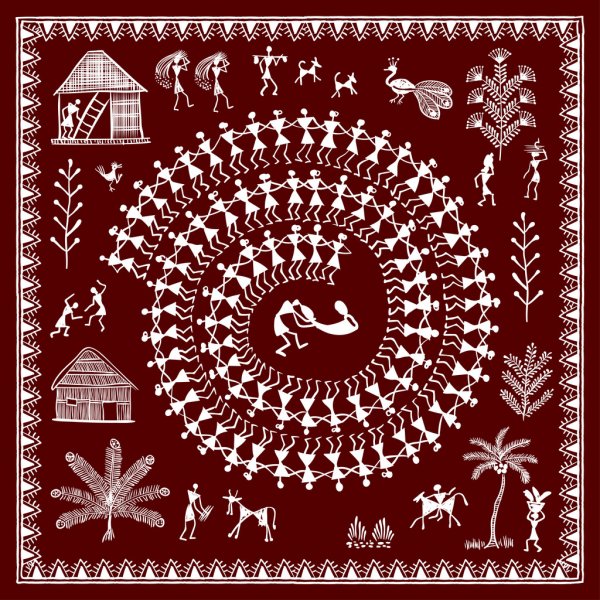
Warli painting is a tribal form of art and one of the famous Indian Fork Art, traced back to 10th Century AD. These paintings use a set of basic geometrical figures and common shapes like lines, circles, triangles etc, which represents the Mother Nature. Warli is the name of the largest tribe found on the northern outskirts of Mumbai, in Western India

Yashodhara Dalmia, in her book ‘The Painted World of the Warlis’, claims that Warli tradition goes way back to 2500 or 3000 BCE. 

Warli painting, being a Tribal and sacred art, originates from North Sahyadri ranges encompassing Dahanu, Talasari, Palghar, Mokhada and Jowhar which is situated in the state of Maharashtra. Warli paintings were drawn by woman on the occasion of the marriage ceremony.

White colour is mostly used for painting with occasional use of yellow and red dots and they are painted on an austere mud base. The white colour is made by putting together rice paste and water with gum acting as a binding agent. Bamboo stick with one end chewed was used as a paint brush. They are usually painted on an austere mud base or on mud walls of the houses.

These paintings serve as a medium of expressing and depicting the social and religious aspirations for the local people. Unlike most traditional art forms, warli was/is not used to depict mythological characters or images of deities but to show the respect towards Mother Nature.

Maharashtra is known for its Warli folk paintings. 

EVOLUTION OF THE WARLI PAINTING

At present, the background of the painting has been replaced from mud walls to paper or fabric for show casing in exhibitions. The simple yet beautifully delicate patterns and the intricate geometric patterns of the walri style is quite popular among home decors and fashion designers due to the certain appeal to the contrasts of the colour. Warli Art was first discovered in the early seventies dating as early as the 10th century A.D. 

Jivya Soma Mashe, the artist in Thane district has played a great role in making the Warli paintings more popular. He has been honoured with a number of national and central level awards for his paintings. In the year 2011, he was awarded Padmashree

Believed that Warli paintings invoke powers of the Gods and represent a sense of togetherness.

HOW TO READ WARLI PAINTINGS

Circles represent the Sun and the Moon while Triangles represent mountains, trees, while human along with animal bodies are drawn with inverse triangles joining at the tip. The upward facing triangles represents the male while downward represents the females. The squares represent a sacred enclosure for the mother goddess symbolizing fertility. A straight line is never seen in Warli art. One of the central aspects depicted in many Warli Paintings is the Tarpa dance. Tarpa means a trumpet like instrument is played in turns by the villagers. The participants entwine their hands and move in a circle around the Tarpa player.

Warli art to some extent makes one think of being environmentally conscious and finding joy in simple things of life. Warli people worshipped Nature and were dependent on nature for food and water supplies. They did not believe in disrupting nature or taking more than needed. The Warli people believe in harmony between nature and man and these beliefs are often reflected in their paintings.

Coca-Cola India launched a campaign featuring Warli painting in order to highlight the ancient culture and represent a sense of togetherness. The campaign was called “Come Home on Deepawali” and specifically targeted the modern youth. The campaign included advertising on traditional mass media, combined with radio, the Internet, and out-of-home media.

FACTS:

  •  It is a folk style of painting
  • This art form symbolizes importance of nature, wildlife, and the balance of the universe.
  • Warli also painting covers day to day activities of village people like dancing, playing and performing puja.
  • Tarpa dance is the central aspect of every Warli paintings

International Youth Day

 Nelson Mandela once said “The youth of today are the leaders of tomorrow”. August 12th is celebrated as the International Youth Day. The Youth Day was declared by the UN in 1999, to recognise and shed some light upon  the issues faced by the youth of different countries. 

International Youth Day is celebrated with the help of awareness campaigns, community concerts and events in the youth club, etc. to bring into attention the difficulties faced by the youth. The UN decides a theme for Youth Day every year. “Transforming Food Systems: Youth Innovation for Human and Planetary Health” is the theme for this year. According to the UN, it aims to highlight the need for “inclusive support mechanisms that ensure that the youth continue to amplify efforts collectively and individually to restore the planet and protect life while integrating biodiversity in the transformation of the food system.”

The theme also includes discussion around the topics of poverty reduction, social inclusion, health care, biodiversity conservation and climate change. The ECOSOC Youth Forum highlighted the concerns of youth regarding the impact of Covid-19 pandemic. They emphasized the need for a more equitable food system and awareness about the healthiest and sustainable food options. The Youth Lead Innovation festival will be held to encourage the fresh and innovative approach of youth to find solutions to the ongoing problems. This year, events for the Youth Day will be held virtually. 


Problems faced by the Youth

The youth has always been an active part of the society. India has the highest youth population in the world. As per the Census of 2011, one-fifth of the population in India is its youth population. The youth have been a helping hand in the tough times of Pandemic, especially for those from the vulnerable age group. But the pandemic has affected the youth in terms of education and employment. 

The number of young people involved in the field of education or training and employment has gone down in the last fifteen years. Right now, 30% women and 13% male are not involved in these activities. In this highly competitive world, lack of job and educational opportunities is a major problem. Frustration and chaos builds up in their minds when they remain idle. It is extremely important to utilize their energy for the betterment. Training in skill based or vocational courses should be provided. Skills such as Leadership, Communication, Scientific Temperament should be developed among the youngsters. 

Youth is filled with immense energy and ambitions which should not be wasted. The youth of a country plays a key role in building a better future. Therefore it is important to provide them proper education and opportunities, so that they can pave the way for development.


5 reasons why reading is so important for a student to succeed

It seems so simple. Of course, students should learn to read. That’s been understood for generations. No one is going to argue against the importance of student literacy.

However, many don’t understand just how important student literacy and reading are to student development, starting at a very young age. Reports say that reading when young – even infants being read to by their parents – increases academic success down the road. However, many children enter kindergarten without the skills needed to read well. Helping students bridge that skills gap falls to those who have trained to become elementary school teachers. They play a significant role in the development of young minds in this vital area.

Here are some of the ways student literacy impacts a young mind:-

1.Self Esteem


This might be the most important area of all. The sooner students develop reading skills, the more they gain ground in the areas listed below. That leads to more assurance in how they speak and write and gives them the confidence of an expanded knowledge base. When students start to read about diverse people, distant places, and historical events at an early age, they become more creative and open. Also, those who have read a lot will naturally be asked to answer more questions – another confidence builder for a young student.

2.Improved Concentration


An emphasis on reading and student literacy helps develop higher levels of focus and concentration. It also forces the reader to sort things out in their own mind – including topics that might not be familiar to them at all (Paris at the end of World War II, for example, or another planet in a science fiction novel). This type of concentration on one topic – rather than trying to do many things at once – leads to better focus even after the book is put down.

3.Critical and Analytical Thinking Skills


The classic here is when a young reader becomes absorbed with a mystery book – Hardy Boys or Nancy Drew were examples for generations all over the world – and manages to solve the mystery in her head before the books reveal it. That’s a simple example of how reading helps students develop better critical and analytical skills, something that carries over even after they have put the book down.

4.Stronger Memory Skills


Think about reading. Even an elementary-age child with a relatively simple book must keep in mind a group of characters, the setting, and past actions. Reading helps to strengthen memory retention skills. That’s a powerful tool for young students – and older adults, as well.

5.Expanded Vocabulary

How many times do we all search for just the right word to express what we’re trying to say? Readers do that less. They have a larger vocabulary, and the words that young readers learn in a book will eventually make their way into their speech.

These are some of the most powerful ways that reading is important for student success. For those who have decided to teach children at the elementary school level, their impact on students in this vital area can resonate throughout the rest of their lives.

A GLANCE AT CORPORATE SUSTAINABILITY

INTRODUCTION

“Creating strong business and building a better world are the essential ingredients for long term success.”Corporate Sustainability is an evolving management paradigm for companies. While the concept understands the significance of profitability, it also reiterates the need for environmental protection and social equity.

FOUNDATION OF THE CONCEPT

Corporate Sustainability borrows elements from four main concepts.

Sustainable development

It is a broad concept that aims to balance economic growth and environmental protection. We cannot leave efforts for achieving sustainable development to the government only. Companies are the engines of economic growth. Therefore, they ought to be proactive in making consistent efforts towards achieving sustainable development. 

Corporate Social Responsibility (CSR)

CSR is a self-regulating business model. According to this concept, companies have an ethical obligation to respond to the needs of society. CSR is based on four theories-

Social Contract Theory

The theory revolves around the fact that individuals and organisations enter into various implicit and explicit contracts. When a company extracts resources from the environment, it enters into a contract. The contract is to be socially responsible towards the environment.

Social Justice Theory

This theory argues that in a fair society, all members hold equal importance. It also highlights the significance of social equity and justice. Hence companies must respond to the needs of all the people in a society.

Rights Theory

According to this theory, a company should respect the human rights of their employees and the local communities around them. It must behave ethically with them and ensure a safe working environment.

Deontological theory

The theory throws light on the golden rule that companies have a moral duty towards society. They should therefore listen, consider and respond to the needs of the society while framing strategies.

Stakeholder theory

A stakeholder is an individual or organisation that can affect or is affected by an organisation’s goals. This theory emphasizes that the stronger the relationship a company has with the external parties, the easier it is to achieve its business goals. Consequently, good external relationships help gain a competitive edge.

Corporate Accountability

There is a fiduciary relationship between a stakeholder and a company. Hence a company must be accountable for its actions to the stakeholders. Accountability refers to the legal or ethical responsibility to justify one’s actions. The ambit of Corporate Accountability extends to society as well. A company enters into various implicit and explicit contracts with society. Since a company gets its resources from society, therefore, it must be accountable for its actions. 

THE PILLARS OF CORPORATE SUSTAINABILITY

Three main pillars lay the foundation of Corporate Sustainability.

Environment pillar

Companies rely on society for getting resources. Some of these resources are non-renewable, some are renewable. Companies need to instill an understanding that renewable resources need time to get replenished or renewed. Therefore they should respect these natural cycles and should reform extraction processes. It would ensure that the resources get plenty of time for renewal. 

Social Pillar

Corporate Sustainability requires companies to recognize their impact on the people. This recognition can be in terms of committing to fair wages, showcasing ethical behavior and a safe working environment for employees. The Social Pillar promotes practices that help prosper the health, safety and well-being of the employees.

Economic Pillar

Each company faces intense pressure to earn immediate profits. But Corporate Sustainability encourages investment in technology for the future even if financial benefits show up later. The economic pillar is all about investment in creating technologies for the future. 

WHAT’S THE DIFFERENCE BETWEEN CSR AND CORPORATE SUSTAINABILITY?

CSR is a broader term than Corporate Sustainability. CSR often looks backwards to reflect on what the company has done in the past to contribute to society. On the other hand, Corporate Sustainability looks forward and aims to make efforts in the present to create future opportunities. CSR initiatives mainly target the opinion-forming groups like media while Corporate Sustainability targets the various stakeholders.

A PEEP INTO CORPORATE SUSTAINABILITY REPORTING

We have a concept called Green GDP to measure the economic growth of the countries. Green GDP is an accounting system that considers the environmental loss incurred during the process of economic growth. Thence countries can measure the environmental deterioration caused and can take measures to reduce it. Similar to this is the concept of Corporate Sustainability Reporting. It represents a potential mechanism to generate data and measure the contribution of companies towards achieving sustainable development.

THE FINAL THOUGHT

The vision of doing business is certainly changing over time. The government and stakeholders expect companies to make efforts for people and the environment. According to Global Risks 2020, climate change ranks first as a global risk. Societal risks like water crises and infectious diseases are also threatening. It expects air pollution to become a major cause of environmental mortality by 2050.
These facts highlight the urgent need for action. Corporate Sustainability provides a prospective solution to this. Therefore we need consistent efforts from the end of companies as they are the engines of economic development in a society.

#EDUCHAIN- BLOCKCHAIN IN EDUCATION

“If we teach today’s students as we taught yesterday’s then we rob them of tomorrow.” During the pandemic, technology facilitated education in the best way. Therefore the intertwining of blockchain and education #EdChain will certainly be really. Blockchain is an immutable, decentralised form of database that stores information. As the name suggests, it is a chain or a series of blocks that store data like the date, time and amount of transactions.

The most important feature associated with blockchains is security. Each block within a blockchain contains a hash of the previous block. Hashing makes it difficult to alter the blocks. Thus it ensures immutability. Incentivising miners ensures integrity as they disapprove malicious transactions. These mechanisms ensure the high security of data.

The intertwining of blockchain and education would help improve teaching and learning in various dimensions.

Decentralized control over data

Blockchain can store data related to students’ credentials. It can also store details like the skills or courses that students have learnt. Consequently, a centralized authority will not control this data. It would also enable the students to share this data with their prospective employers. Furthermore, students can store data related to both classroom learning and skill enhancement. It would ensure accuracy in the resumes. The security mechanisms of blockchain ensure the safety of the data. Students cannot alter past educational certificates stored on the blockchain so it would ensure accuracy. Blockchain also takes care of privacy. This is because blockchain would store the hash of the data rather than the data itself. Students can also encrypt data before storage at the option of the student. We already have many blockchain-powered applications that facilitate the record-keeping of digital credentials and intellectual property.

Ensuring accuracy

Students cannot alter their past educational certifications. Therefore, employers would get the most accurate information about their skills. This would also help find the perfect matches between employers and job seekers. A distributed ledger system like blockchain supports safe chronological academic records. By integrating transparency and accuracy blockchain can create a strong relationship between employers and job seekers.

Make learning engaging

Blockchain can also make learning more engaging. This would help us to move forward from the conventional tools of teaching and learning. Blockchain’s OpenSource framework is a tool that can enhance online teaching and learning. It would also facilitate the personal development of students. New technologies combined with blockchain can provide personalized learning. Consequently, we can customize the content to suit the needs of different students. We can also have gamified online education to make learning interesting.

Smart Contracts

Students can also enter into various Smart Contracts with the university through blockchain. These contracts can be related to various payments like tuition fees or examination fees. The contracts will provide convenience and safety of transactions at the same time. Smart Contracts in Blockchain can help automate administrative tasks. Additionally, this would also reduce overhead costs related to administrative tasks.

Efficacy in Selection

Blockchain would certainly reduce CV fraud by streamlining the data provided by the students. It can also make appropriate matches between employers and job seekers by suiting their requirements. Blockchain-based university diplomas would certainly be a good leap forward in the selection of job seekers

SUCCESSFUL INITIATIVES

Digital Credentials Consortium is an initiative that aims to enhance the record-keeping of digital academic credentials. The initiative started in 2018, intending to create a safe mechanism for storing digital academic credentials. It will enable the students to hold a lifelong record of their academic achievements. Students can easily share this data with the employer as well. The students will also get other benefits like safety, security and privacy. Moreover, they will not be required to pay fees to get copies of their credentials from the university. It would also benefit the educational institutions by managing records securely, eliminating the risk of identity fraud. Thence they can save the cost and time required in admin work. Subsequently, the employers would get the benefit of easy access to accurate records.
MIT is one of the leading institutions that has developed blockchain applications to streamline academic accreditation. It believes that the intertwining of blockchain in education can be used for various purposes.MIT Media Lab and Learning Machine’s Blockcerts is a platform. It allows educational institutions to incorporate blockchain accreditation in their programs. The University of Nicosia offers accredited courses through verified certificates on the blockchain. Southern New Hampshire University issues bachelor and diploma degrees in a digital format on the blockchain besides in a traditional paper format.

CONCLUSION

Educational technology has made good progress over the last 20 years but, there is a long way to go. Modern technologies like blockchain can facilitate progress effectively. According to the Gartner, 2019 CIO Survey around 2% of higher education respondents has already incorporated blockchain. On the other hand, 18% are planning to do so. However, 47% are not interested in incorporating blockchain in education. The possible reason behind this seems to be a wait and watch approach. Keeping in mind the hype and potential risks of blockchain respondents probably aim at playing safe. Record keeping is the most promising use of blockchain besides security and privacy. Overall we have numerous universities and enterprises aiming at enhancing education by intertwining blockchain with it. These universities use blockchain not only for record-keeping but also for teaching and learning purposes.

We need to have an accepting attitude towards change. Amalgamating technology in education may seem difficult. But it is the need of the hour. New technology can improve the existing methods by saving time and cost at the same time. Many universities have already explored this walk still we need more efforts in this regard. As they say, change is the only constant, so we need to be more receptive to this change.

Something about India

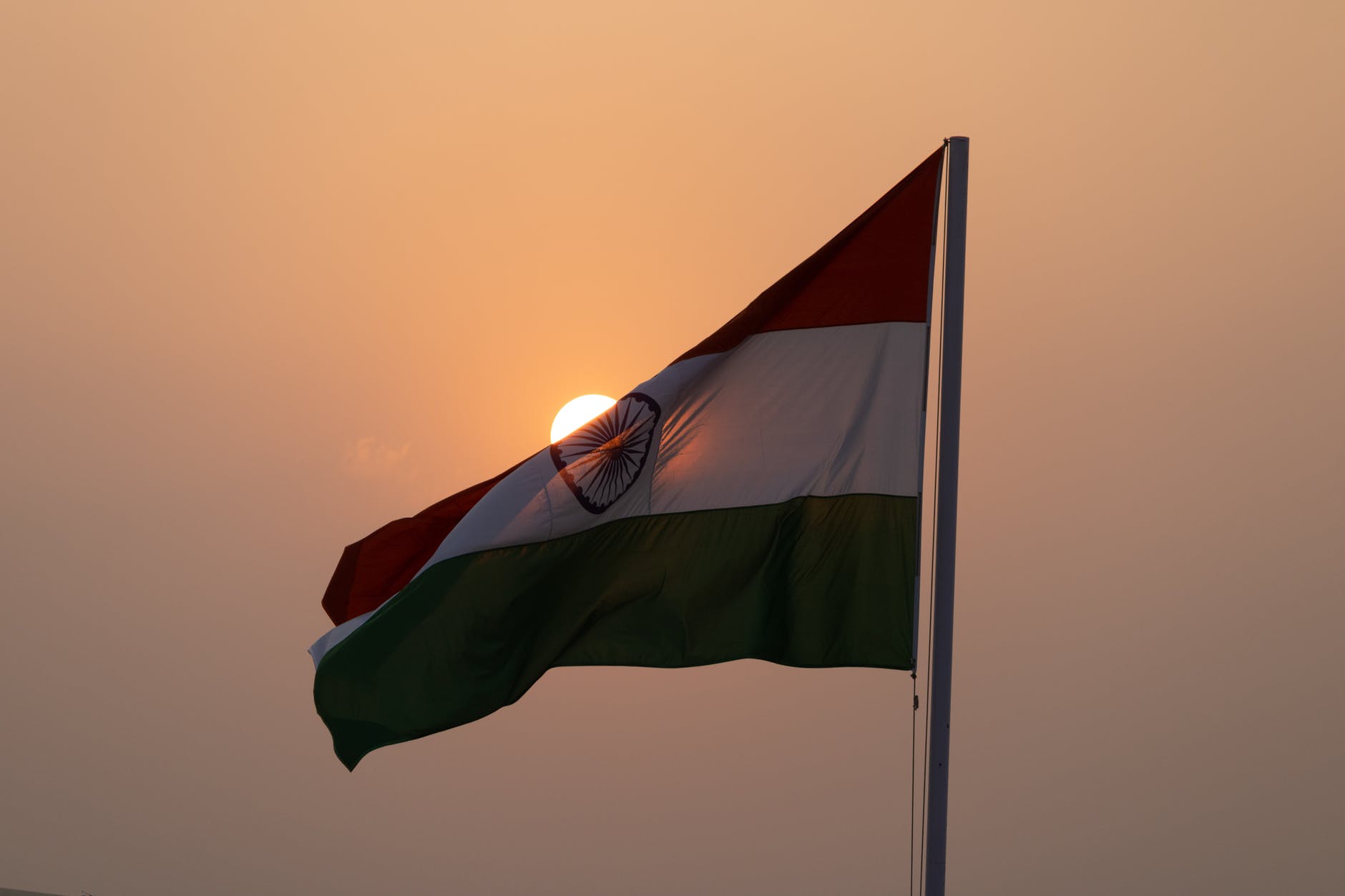
Photo by Still Pixels on Pexels.com

India is in her 75th year of independence and about to enter the 76th year. India- the 7th largest country by size, the 2nd most populous country and the world’s largest democracy. Celebrating our 75th Independence day, let us have a brief look on some interesting facts about India.

  1. India has, in the last 100000 years, not once invaded any country. She truly imbibes the spirit of ‘ Vasudhav Kutumbakam’ (‘The whole world is a family’).
  2. Algebra, Trigonometry and Calculus – prominent fields of study in mathematics finding their uses even in physics and all related fields, originated in India.
  3. The Baily Bridge- the highest bridge in the world,  located in the Ladakh valley between the Dras and Suru rivers in the Himalayan mountains, was built by the the Indian Army in August 1982.
  4.  Hinduism, Buddhism, Jainism, and Sikhism, followed by 25 percent of the world’s population, find their roots of origin in India.
  5. Jews and Christians have lived in India since 200 B.C. and 52 A.D. respectively. “Unity in diversity” forms the very foundation of India.
  6. The value of “pi” was first calculated by the Indian Mathematician Budhayana. He gave the concept of the Pythagorean Theorem in the 6th century, long before the European mathematicians.
  7. Quadratic Equations were used by Sridharacharya( 11th century). The largest numbers the Greeks and the Romans used were 106 whereas Hindus used numbers as big as 10*53 (i.e. 10 to the power of 53) (as early as 5000 BC- Vedic period)
  8. Ayurveda is the oldest school of medicine known to the whole world (founded by the father of medicine, Charaka, 2500 years ago.) , chess originated in India about 1500 years ago and yoga about 5,000 years ago.
  9. Bhaskaracharya had calculated the time taken by the earth to orbit the Sun hundreds of years before the astronomer Smart. (predicting it to be around 365.258756484 days.)
  10. India has the third highest number of billionaires (140 billionaires), after USA and China.
  11. India has the oldest cuisine in human history and the Indian tea dates back to 750 BCE.
  12. Shampooing is an Indian concept. (earlier herbs were used as shampoo)

Source: https://knowindia.gov.in/my-india-my-pride/interesting-facts-about-india.php

FACT Devices; Statcom and it’s working

FACT is an abbreviation for Flexible AC transmission system. A system composed of static equipment used for the alternating current (AC) transmission of electrical energy. It is generally a power electronics based system.

Series compensation – In this we connect the fact devices in series with power system. Here, the line impedance is modified, that means net impedance is decreased and increasing the transmittable active power.

Shunt compensation – It is used to improve the power factor. In this we connect the fact devices in parallel with power system. It also works as a controllable for the current source. Eg- Statcom (Static synchronous Compensator) and SVC (Static VAR compensator). They are further classified into two types –

  1. Shunt capacitive compensation: This method is used to improve the power factor. Whenever an inductive load is connected to the transmission line, power factor lags because of lagging load current. To compensate, a shunt capacitor is connected, which draws the current leading to the source voltage. The net result is an improvement in power factor.
  2. Shunt inductive compensation: This method is used either when charging the transmission line, or when there is a very low load at the receiving end. Because of very low, or no load–very low current flows through the transmission line. Shunt capacitance in the transmission line causes voltage amplification (Ferranti effect). The receiving end voltage may become double the sending end voltage (generally in case of very long transmission lines). To compensate, shunt inductors are connected across the transmission line. 

A few advantages of FACT devices are:
• Helps in improving power transfer capability
• Used for transient and dynamic stability improvement.
• Used for damping of power system oscillations.
• For better voltage regulation.
• For flexible operation and control of the system.

What is a Statcom?

The STATCOM (or SSC) is a shunt-connected reactive-power compensation device that can generate and/ or absorbing reactive power and in which we can vary the output to control the specific parameters of an electric power system. It is a solid-state switching converter capable of generating or absorbing independently controllable real and reactive power at its output terminals when it is fed from an energy source or energy-storage device at its input terminals.Voltage-source converter that, from an input of the voltage, produces a set of 3-phase AC-output voltages, each in phase with and coupled to the corresponding AC system voltage through a relatively small reactance.

How does a statcom work?

Now suppose we have a load connected to the grid; the load takes the power as P + jQ, where P is active power and Q is reactive power. Now we have to make the Q= 0. So that the power factor is always unity (PF = 1). For that, we connect statcom at the load, so that the reactive power is supplied by the statcom and active power is given by the Grid. This is how a statcom works for reactive power compensation.

The different softwares in which we can simulate and analyze FACT devices are:
• MATLAB
• PSCAD
• ETAP

Global Warming and it’s effect.

Global warming is the long-term heating of Earth’s climate system observed due to human activities, primarily fossil fuel burning, which increases heat-trapping greenhouse gas levels in Earth’s atmosphere.

Humans are increasingly influencing the climate and the earth’s temperature by burning fossil fuels, cutting down forests and farming livestock. This adds enormous amounts of greenhouse gases to those naturally occurring in the atmosphere, increasing the greenhouse effect and global warming.

Global warming doesn’t just mean warming, which is why “climate change” has become the favored term among researchers and policymakers. While the globe is becoming hotter on average, this temperature increase can have paradoxical effects, such as more frequent and severe snowstorms. Climate change can and will affect the globe in several big ways: by melting ice, by drying out already-arid areas, by causing weather extremes and by disrupting the delicate balance of the oceans.

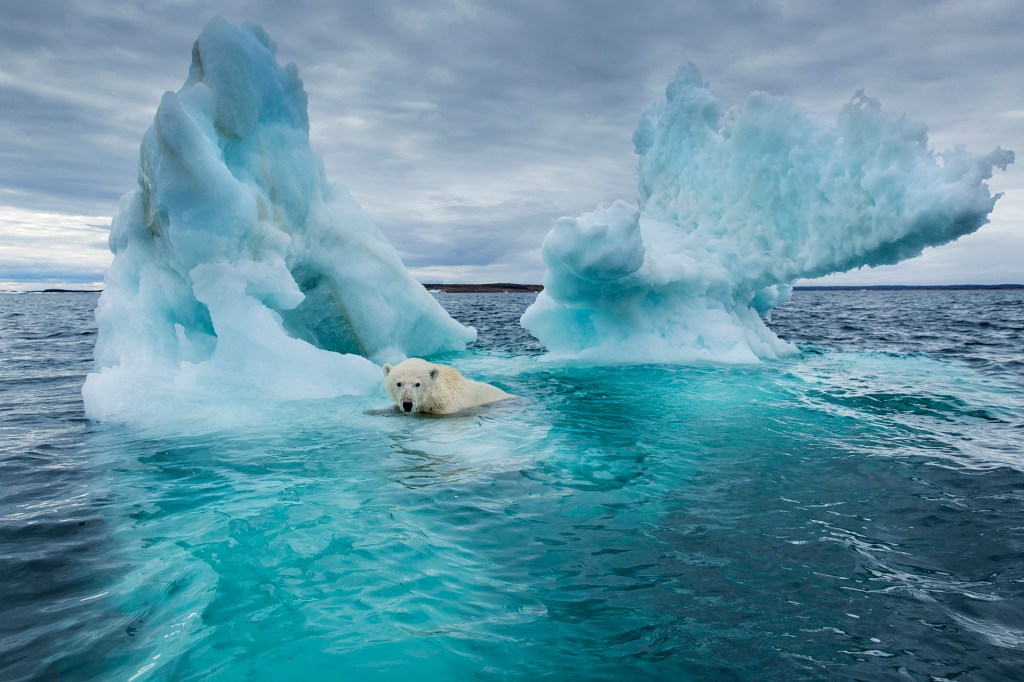
Canada, Nunavut Territory, Repulse Bay, Polar Bear (Ursus maritimus) swimming beside melting iceberg near Arctic Circle on Hudson Bay

The effects of global warming affect the humankind, plants and animals in numbers of ways. These effects, increase ocean levels, droughts and changed weather patterns.

Climate change can affect human health in two main ways: first, by changing the severity or frequency of health problems; and second, by creating unprecedented or unanticipated health problems or health threats in places where they have not previously occurred.

A reduction in yield and an increase in pests compromise food availability. This is aided by a loss of arable land and the need to implement irrigation systems when faced with a change in precipitation patterns. The long-term effects of global warming on this field can potentially cause famine.

Water scarcity is found in an increase magnitude around the world, affecting rich and specially poor countries. Nearly three billion people live in water scarce conditions, and this situation could worsen if current population growth trends continue.

Global warming affects us all. So, everyone must bring down his or her personal contribution.
Please spread the word about the effects of global warming, do your part and save the planet. 

The Rock cycle

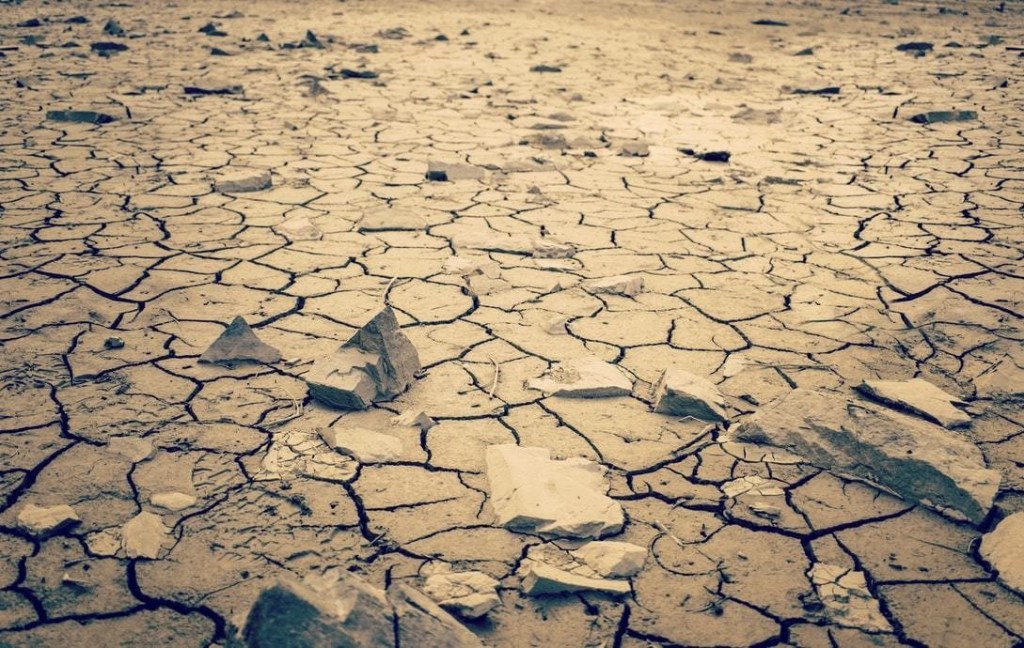
Photo by Anthony on Pexels.com

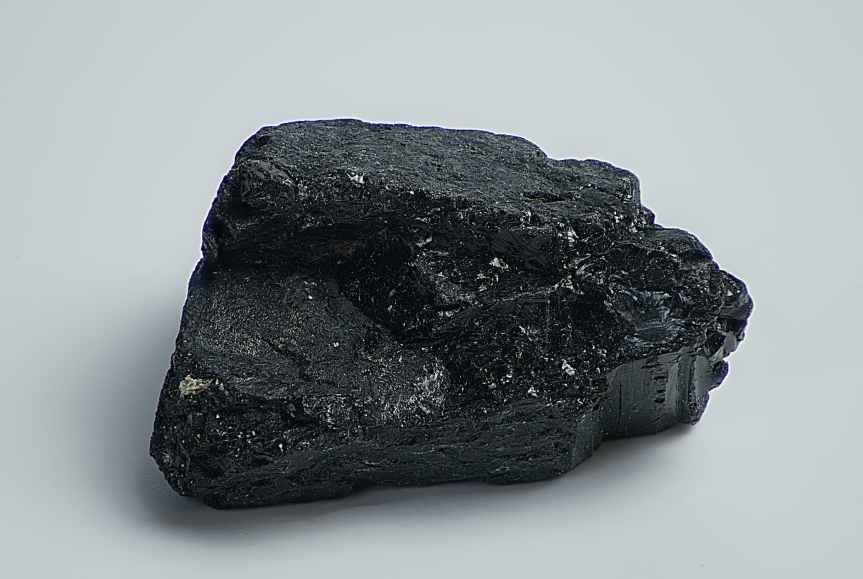
Look at all the rocks around you. They are a very important part of your existence, they form soils, are used in construction, for manufacturing substances, making medicines, cosmetics and soo much more. So you kinda get an idea, right?

Come, let us all today see the various kinds of rocks surrounding us and how they are formed.

There are 3 kinds of rocks-

  1. Igneous rocks- These are the most primary form of rocks and are formed when the molten lava cools and solidifies. They can be formed both inside the earth as well as the earth’s surface. When formed inside the surface of earth, they are known as intrusive igneous rocks (having a course structure with large mineral gains indicating they spent a large amount of time inside the earth’s crust) . Examples are granite and diorite. And when igneous rocks are formed on the earths crust they are known as extrusive igneous rocks. They have relatively small grains and very fine structure. Examples are rocks like basalt and obsidian.
  2. Sedimentary rocks- These rocks are formed from pieces of existing igneous or metamorphic rocks or biological material that undergo weathering and erosion and get deposited in the form of strata or layers. These are further sub-divided into three types- clastic, organic, and chemical . Clastic(eg.- sandstone) and organic rocks(eg.- coal) are formed due to weathering of rock into small fragments which are later transported to new places, or the biological materials like plants, shells, and bones that are compressed into rock. Chemical sedimentary rocks(eg- limestone) are the result of chemical precipitation. A chemical precipitate forms when the solution (usually water) evaporates and leaves the compound behind.
  3. Metamorphic rocks- When either the igneous or the sedimentary rocks are subjected to immense heat or pressure, metamorphic rocks are formed. They are of two types- foliated and non-foliated.  When the minerals line up in layers, they form foliated rock. (eg.- gneiss- made from granite). Non- foliated rocks follow the same procedure but they do not have the layered appearance of foliated rocks. Sedimentary rocks ( bituminous coal, for example) when provided enough heat and pressure, can turn into non-foliated metamorphic rocks (anthracite coal).

ROCK CYCLE

All the three types of rocks are inter-changeable into one another.

  1. The igneous rock can be subjected to intense heat and pressure and form metamorphic rock or be weathered and eroded to give rise to sedimentary rocks or it can even be subducted and melt to give way to magma and again form igneous rock .
  2. The sedimentary rocks can either be subjected to extreme conditions of temperature or pressure to form metamorphic rocks or subduct to form magma or even weather and erode to again from sedimentary rock.
  3. The metamorphic rocks can either erode to give rise to sedimentary rocks or subduct to form magma that can later form igneous rocks.

This is how the rock cycle in our surroundings work. Rocks are continuously weathered and eroded and subducted and exposed to high heat and pressure. Some of the forces that drive the rock cycle are-

  1. Plate tectonic
  2. Spreading ridges
  3. Subduction zone
  4. Continental collision
  5. Accelerated erosion

This is all in the article about rock process.

Book Review:The Fault In Our Stars


Written By John Green

“The marks humans leave are too often scars”

Summary-

When I saw this book my first impression was aaaah! another love story until I saw the movie “DIL BECHARA” by the late Sushant Singh Rajput then I was convinced I’ll buy this book and this was one of the best decisions I ever made

Plot-

The Story starts with a 17-year-old girl named Hazel Grace who is a cancer patient and uses an oxygen cylinder to breathe as she has thyroid cancer which has significantly spread to her lungs. She joins a cancer group for her moral support and shares their experience where she catches her eyes on a teenager named Augustus waters he was there to support their mutual friend Isaac who has a tumor in his one eye where Augustus invites her for a movie night and they share their cancer experience, Augustus reveals that he had cancer before Osteosarcoma which was removed after amputating his leg. And they share their favorite novel with each other Augustus gives her Princess of Dawn and Hazel recommends An imperial affiliation where she shares the story of the book with him it was about a girl who has cancer and she tells him it shares the same experience as the book explains with her, She speculates about the novel’s mysterious author, Peter Van Houten, who fled to Amsterdam after the novel was published and hasn’t been heard from since.

Augustus meets her and tells he found out the writer of the book and he is in Amsterdam and Hazel was happy and wanted to meet her but fate had another story, Hazel was admitted to the hospital because her lungs were filled with fluid, she was discharged after one week where she came to know Augustus was with her in the hospital for 8 days, Augustus gave her a letter by the writer where he invites her to Amsterdam, but it was nearly impossible as she wasn’t strong enough and her parents didn’t want to take any risk but one of the family friends told them to let her live her life, she flies to Amsterdam with her mom and Augustus and they finally went to meet the writer where they find the writer was nothing but drunkard which broke her hopes to know what really happened in the last of the book as the book was incomplete.

. At the end of the tour, Augustus and Hazel share a romantic kiss, to the applause of spectators. They head back to the hotel where they make love for the first and only time. The following day, Augustus confesses that while Hazel was in the ICU he had a body scan which revealed his cancer has returned and spread everywhere. They return to Indianapolis, and Hazel realizes Augustus is now the grenade. As his condition worsens he is less prone to his typical charm and confidence. He becomes vulnerable and scared but is still a beautiful boy in Hazel’s mind. As this change occurs, she ceases calling him Augustus and starts referring to him as just Gus, as his parents do. Hazel recognizes that she loves him now as much as ever. Augustus’s condition deteriorates quickly. In his final days, Augustus arranges a prefuneral for himself, and Isaac and Hazel give eulogies. Hazel steals a line from Van Houten about larger and smaller infinities. She says how much she loves Augustus, and that she would not trade their short time together for anything in the world.

Augustus dies eight days later.

The last pages of the book show that Augustus wanted the writer to write a book on Hazel and wanted him to disrespect Hazel when she meets him so he can write a sequel on her. Augustus was sending papers to him so he could write a story on her

The book ends with a quote by Augustus

“He says getting hurt in this world is inevitable, but we do get to choose who we allow to hurt us and that he is happy with his choice”


Co-operation is the Development of the Country

Co-operation 

The proverb “Unity is Propitious” is something we all know. Nehru said that “Co-operation” was the first step necessary for people to achieve equality. In this article we will look at the benefits of such a co-operation in detail.

Co-operation – Introduction

The purpose of the cooperative is to fully realize the “Single tree makes no forest”. The co-operative system was introduced in India by Frederick Nicholson Betts. He is also hailed as the “Father of the co-operative movement in India”. The law for these co-operative systems first came into force in India in 1940. It was in 1940 of the same year that the first co-operative movement was started in the village of Tirur in the Thiruvalluvar district.

The Movement and Purpose of the Co-operative

The work of the co-operative began to run with activities similar to those for towns and villages. They operate in the villages as the Primary Agricultural Cooperative Bank, the Central Cooperative Bank and its branches. Similarly in the cities Arbor Co-operative Bank and Labor Co-operative Bank are functioning. As such, there are more than 125 branches of the Co-operative Bank operating throughout Tamil Nadu. Similarly, there are about 4,600 start-up agricultural cooperative banks and about 23,000 co-operative banks.

The symbol, like the joining of the two hands of the co-operative societies, can be felt emphasizing their policy of uniting for the good of the people. 

Benefits of Co-operation

The truth is that “United we stand, divided we fall”. The benefits that people get from doing so are many. Poor farmers are able to benefit as start-up agricultural co-operative banks use a number of options, including five-year plans, to improve agriculture. Thus, the co-operation not only provides quality milk to all through dairy farms, but also benefits those who depend on cows. Similarly, the co-operative helps in earning a good income in the rural business of Kadar. The co-operative helps sugar mills, fertilizer companies and fishermen at various levels.

It is no exaggeration to say that the co-operative is a good friend of the people who helps to diversify the various industries including the farmers who have taken loans through the co-operative. If the town is pulled together, how many big chariots will come and get the beauty. The rise of the country is due to the co-operation that extends from the village to the town to help any poor simple people live upright. Let us rise and let our country rise! Long live the co-operation! Its missions to develop!

Why is it important to be all people educated in today’s time?

Whenever we think of education, it comes to our mind that education means acquiring knowledge. Education is something that makes a person strong with the mind. Education which imparts knowledge, skills, techniques, information to the people, Enables them to know their rights and duties towards their family, society and nation. It expands the vision and perspective to see the world. It develops the ability to fight against injustice, violence, corruption and many other evil elements in the society.

We have been getting education not from this age but from every age, the deities have also taken education to become capable of themselves. Education is that which does not look at caste, religion, or high and low. But in today’s time it is very important to be educated because today’s time has changed a lot from earlier times. Because in today’s time if we are not educated then it becomes difficult to face the world. If we are educated then we are intelligent and if we are not educated then we are not intelligent, not perfect, so the world thinks. Being educated is not just reading books. Education is what we get from our parents and teachers about our life and future. It is our right to give knowledge to every person, in today’s time, every person being educated enables them.

If we are not educated then we have to depend on someone and in today’s time it is very difficult to trust anyone. If we are educated then we ourselves will be intelligent. And knowledge is that which we can take at any age, we can ask anyone And if we have completed our studies, it does not mean that we have become knowledgeable, we know everything. Knowledge is that which no matter how much we read, it never diminishes, it keeps on increasing like wealth.

Education gives us knowledge of the world around us. It develops the attitude of looking at life in us. It is the most important element in the development of the nation. Without education, one would not discover new ideas. It means that one will not be able to develop the world because without ideas there is no creativity and without creativity the nation does not develop. Education is the most powerful weapon which we can use to change the perspective of the world. An educated person knows how to deal with different types of problems. Through the right education, a person can develop good moral values. It helps us to become a good human being.

Education helps a person to be able to read and write. Most of the information is communicated by writing. A man who has this ability to read is called a literate.

He can read books, newspapers, signs, and symbols. It also helps to read signboards in the street, at shops, bus, train and air stations. It also helps them in their day to day activities like banking, shopping, money transaction and many more.

Education is the best way for our country and society to move forward in the future. So that our society and country become self-dependent.

Clouds

All of us have looked at the clouds. Many of them appear white, sometimes fluffy, sometimes as thin as a wisp, sometimes black. Based on the color of clouds, we predict the weather for the day. But have you ever looked at all the clouds and wondered just how many different types of clouds we encounter everyday and we just categorize them as black and white.

Photo by paul voie on Pexels.com

So, today let us look at the categorization of various kinds of clouds that exist and see what they predict about our day.

Clouds are at the basic level subdivided into 3 categories-

  1. High clouds- They occur between 20,000-40,000 feet above the sea level. They mainly occur in a feathery form. (very high above the ground. Air has less molecules of water vapor as well as possible nuclei for cloud formation. Air molecules are scattered ). These clouds do not bring rainfall.
  2. Medium clouds- They occur in the range of 10,000-20,000 feet above the sea level. They occur as clusters of clouds and can bring rainfall and snow.
  3. Low clouds- Occur in the range of 6,500-10,000 feet. These clouds mainly block sunlight ans can cause light drizzle/mist. Ever seen clouds appear beneath you from a mountain top?

The high clouds have 3 kinds of cloud varieties-

  1. Cirrus- Thin, wispy, fibrous clouds that appear in bright blue sky are cirrus. They barely dim the sunlight though. They are made of tiny ice crystals that scatter the sunlight , thereby making the clouds appear orange or yellow, making for a beautiful sunrise or sunset.
Photo by Karolina Grabowska on Pexels.com

2. Cirrocumulus- Very high cumulus clouds that appear as white globular masses forming ripples.

Photo by Vinu00edcius Vieira ft on Pexels.com

3. Cirrostratus- A stratus cloud (horizontal layering with uniform base), it occurs in the from of a thin white sheet or veil and provides the sky a milky texture, making the sun/moon shine with a characteristic ‘halo’.

The ‘mid-level clouds have 3 varieties-

  1. Altocumulus- These are the wooly bumpy clouds that occur in layers. They look like waves in blue sky. Can cover the sky occasionally.
Photo by Lucas Pezeta on Pexels.com

2. Altostratus- These are denser grayish clouds and have a watery look.

3. Nimbostratus- ‘Nimbo’ means precipitating. These clouds are associated either with rain or snow and are dark-dull layered clouds.

Photo by Pixabay on Pexels.com

The low level clouds have 3 sub-types-

  1. Stratus- These are very low clouds. Uniformly grey, thick clouds, they cause light drizzle an dull weather. They also reduce aircraft visibility and are the cause of highland fog.
Photo by Andre Moura on Pexels.com

2. Cumulus-These are vertical clouds with rounded top and horizontal base and occur in humid tropical regions. Formed due to up-rising conventional currents. It ight appear grey against the sun but it is a fair weather cloud.

Photo by Pixabay on Pexels.com

3. Stratocumulus- These are rough, bumpy clouds and have waves more pronounced than Altocumulus cloud.

Photo by Lucas Pezeta on Pexels.com

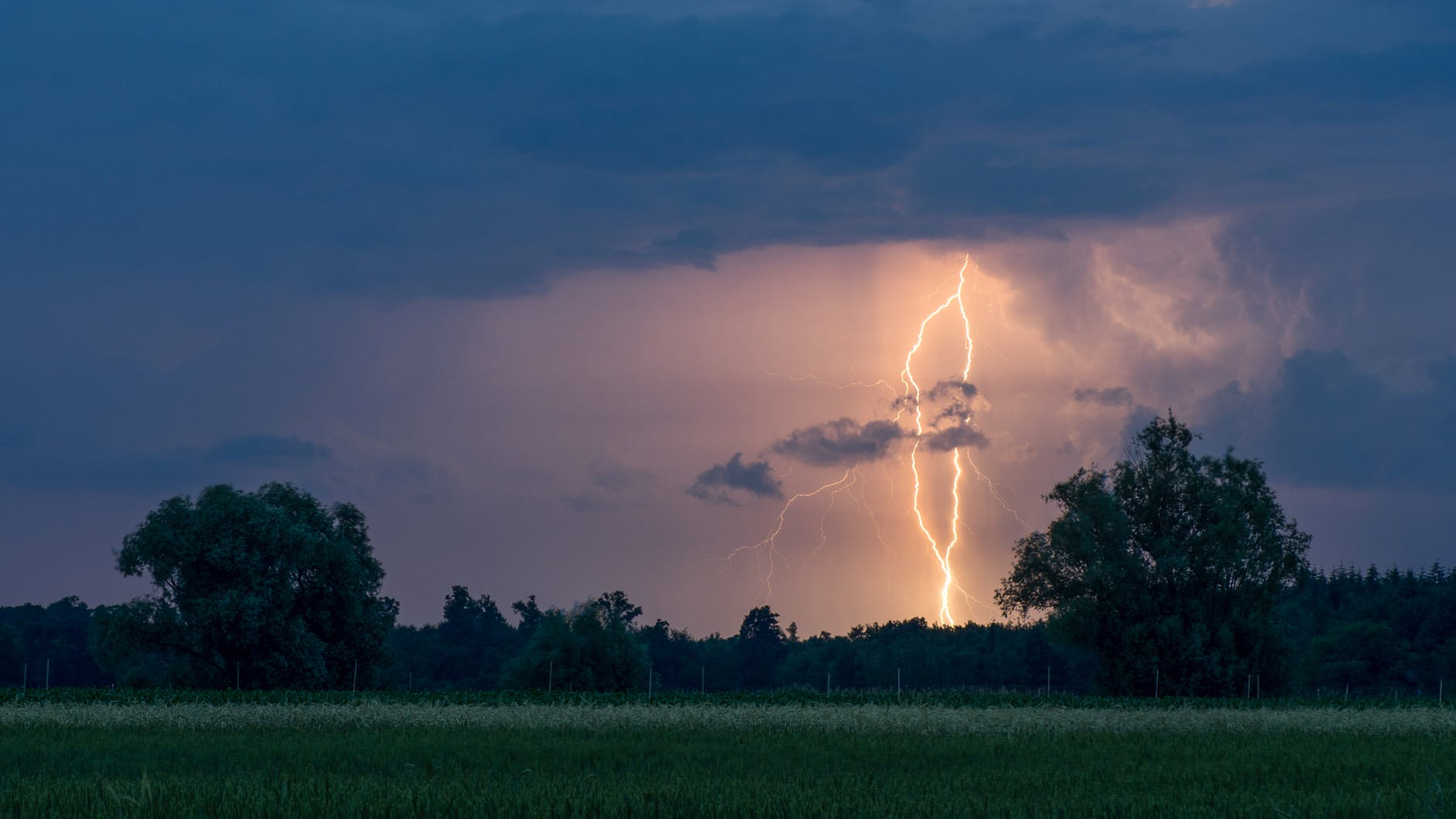
There is one another type of cloud associated with cyclonic conditions, lightening and thunderstorm, known as cumulonimbus cloud. These are overgrown cumulus clouds that are formed between 2,000-30,000 feet high. Formed in tropical afternoons, these are black in color and usually seen in equators and in sub-tropical regions(during summers).

Photo by Flash Dantz on Pexels.com

This is all about clouds. The next time you are on your rooftop, you have something to keep you busy and you can’t disagree, looking at clouds is interesting.