Gold in Tiny Amounts; Elixir?

All about gold nanoparticles

Precious metals like silver, gold, and platinum are all used in medicine to aid treatments as diverse as wound healing and cancer therapies. Gold nanoparticles (AuNPs) are small gold particles with a diameter of 1 to 100 nm which, once dispersed in water, are also known as colloidal gold.

Nanoparticles at a glance.

How did gold get to earth?

Gold, the shiny yellow metal prized for its beauty, malleability and used in many different industries, is actually created inside massive stars when they explode into a supernova. Here lies the history-

  • Gold, like most heavy metals, are forged inside stars through a process called nuclear fusion. In the beginning, following the Big Bang, only two elements were formed: hydrogen and helium. A few hundred million years after the Big Bang, the first stars were blazing away with their nuclear fires. These nuclear fires forced lighter elements together to make slightly heavier elements, and these nuclear reactions released a huge amount of energy.
  • Gradually, these early stars began making elements such as carbon, nitrogen, oxygen — working their way up through the periodic table towards iron. But there was still no gold in the Universe. Once these earlier stars ran out of light elements to burn, they kicked in on the heavier ones.
  • Finally, as they burnt silicon to make iron, they exploded as a supernova, and for a few short moments, each star would release as much energy as all the regular stars in that galaxy put together. In that cataclysmic explosion, for the first time, atoms of gold were manufactured — and then hurled out into the Universe, along with the other debris from that explosion.
  • On Earth, gold finally reached us some 200 million years after the formation of the planet when meteorites packed with gold and other metals bombarded its surface. During the formation of Earth, molten iron sank to its centre to make the core. This took with it the vast majority of the planet’s precious metals — such as gold and platinum. In fact, there are enough precious metals in the core to cover the entire surface of Earth with a four-metre thick layer.

Cancer treatment

Colloidal gold, the suspension of gold nanoparticles in liquid, has been used for hundreds of years, from staining glass in the Middle Ages to early experiments with photography in the Victorian era. But it was only 160 years ago that gold nanoparticles were given any serious scientific examination, when scientist Michael Faraday created the first pure sample of colloidal gold in his basement laboratory at the Royal Institute in London. Faraday’s early experiments were forays into what would ultimately become the fields of nanoscience and nanotechnology.

“Scientists have pioneered a revolutionary approach in the use of gold nanoparticles that could lead to the development of a new generation of broad-spectrum antiviral drugs.”

  • Targeted drug delivery is better than conventional drug therapy because these drugs target the main effected area, so it minimizes the side effects caused..
  • Gold nanoparticles have the ability of bio-imaging of the effected cancerous cells for therapy. Cancer DNA has a special 3D structure that has an affinity for gold, according to one study, and nanoparticles change color when that DNA is present. Simple, fast tests could detect cancer in 10 minutes.
  • Gold nanoparticles have unique physical, chemical properties and strong binding attraction for thiols, proteins, carboxylic acid and disulfides, so they have been extensively used in drug delivery for cancer therapy.

Alzheimer’s-

  • Illnesses associated with ageing are under the microscope too. Scientists are using gold nanoparticles to see the knot-like structures in the brain that cause Alzheimer’s and other neurodegenerative diseases. By labelling these structures–called amyloid fibrils–with gold they can see the knots more clearly and identify their weak spots for treatment.
  • Another global health problem shows promise for gold use in medicine. Tropical disease malaria, transmitted by mosquitoes, infected 219 million people in 2017 and killed 435,000. Nanoparticles used in rapid diagnostic tests are cheap to use, can give results in 15 minutes, and help doctors target treatment for malaria where it is most needed.
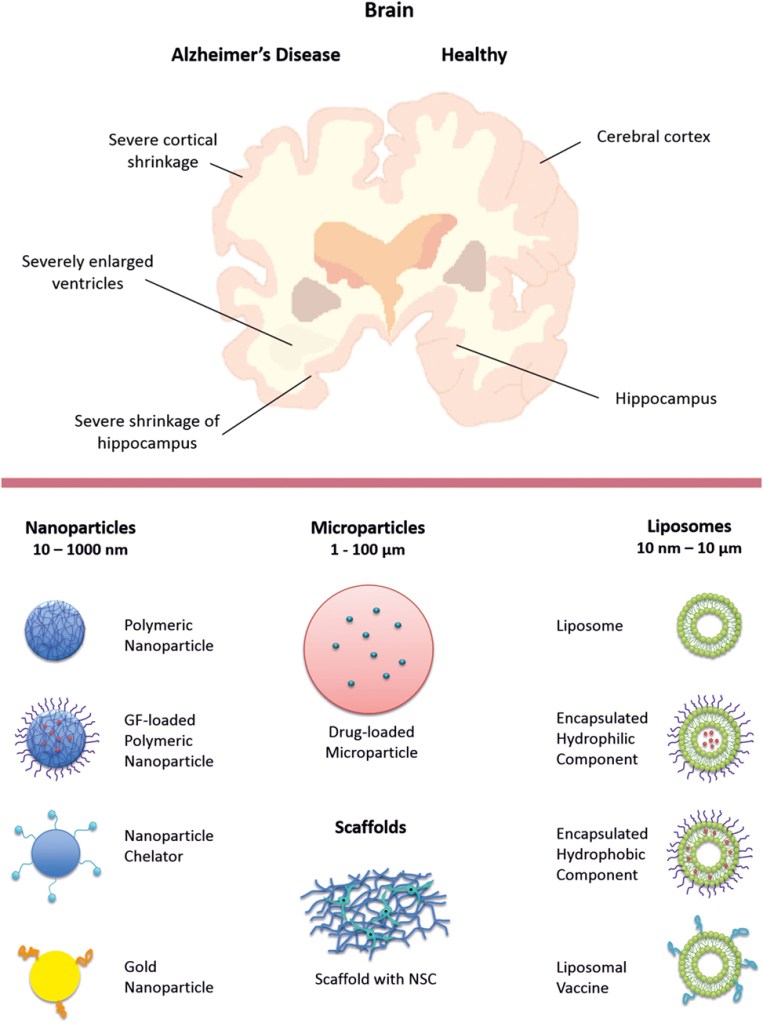
image description

Immunity

  • Immunotherapists are also harnessing the special properties of spherical nanoparticles to deliver a boost to the body’s immune system. Polymer-coated spheres of gold interact with B lymphocyte immune cells and can deliver drugs or vaccine to where it is most needed. In this way they hope to treat hard-to-reach brain tumors.
  • Going forward there is exciting potential for nanoparticles to help combat HIV and blood diseases. Medics use the gene editing tool CRISPR to deliver new genetic information to cells, but current methods can damage or even kill cells. Gold nanoparticles mounted with CRISPR can quickly cross the cell membrane into the nucleus to edit genes.

Thankfully, even though gold is a rare commodity compared to other metals, in microscopic quantities it can improve our lives immeasurably. Nanoparticles measuring billionths of a meter are used as tiny detectors to develop the most sensitive chemical tests.

Thank you!

← Back

Thank you for your response. ✨

Please rate our website(required)

Haaland will stay at Dortmund

Erling Haaland will remain at Borussia Dortmund as their search for a replacement for Jadon Sancho goes on, according to the club’s head of first-team football Sebastian Kehl.

Haaland is attracting attention from a whole host of top clubs after a stellar 2020-21 campaign at BVB, who he helped win the DFB-Pokal and finish fourth in the Bundesliga by scoring 30 goals in 32 domestic appearances.

However, Dortmund have repeatedly insisted that a prized asset will not be sold this summer, and Kehl reiterated that stance before their opening pre-season friendly against FC Giessen on Tuesday night.

The Norwegian striker has been heavily linked with Chelsea, but BVB have to plans to sanction his departure this summer.

Satyajit Ray: A Forgotten Beacon in Indian Cinema

-S Devasankar

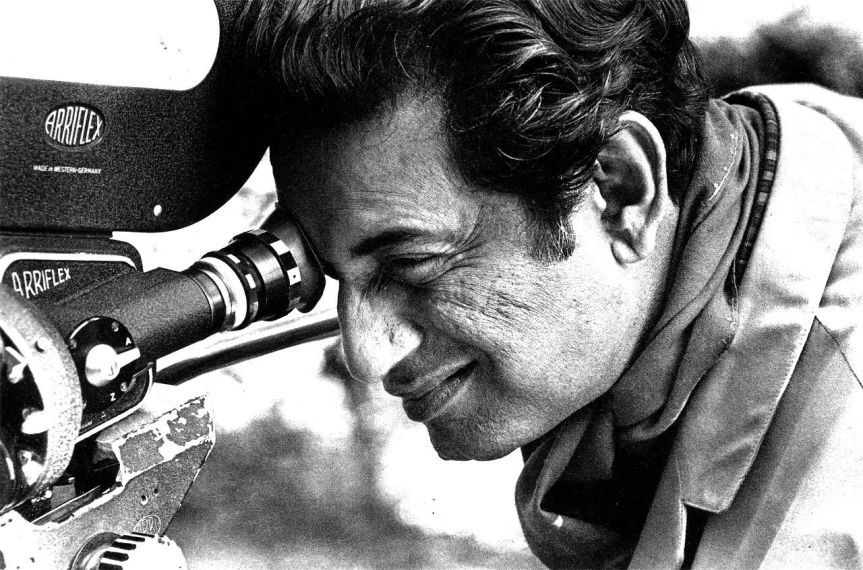
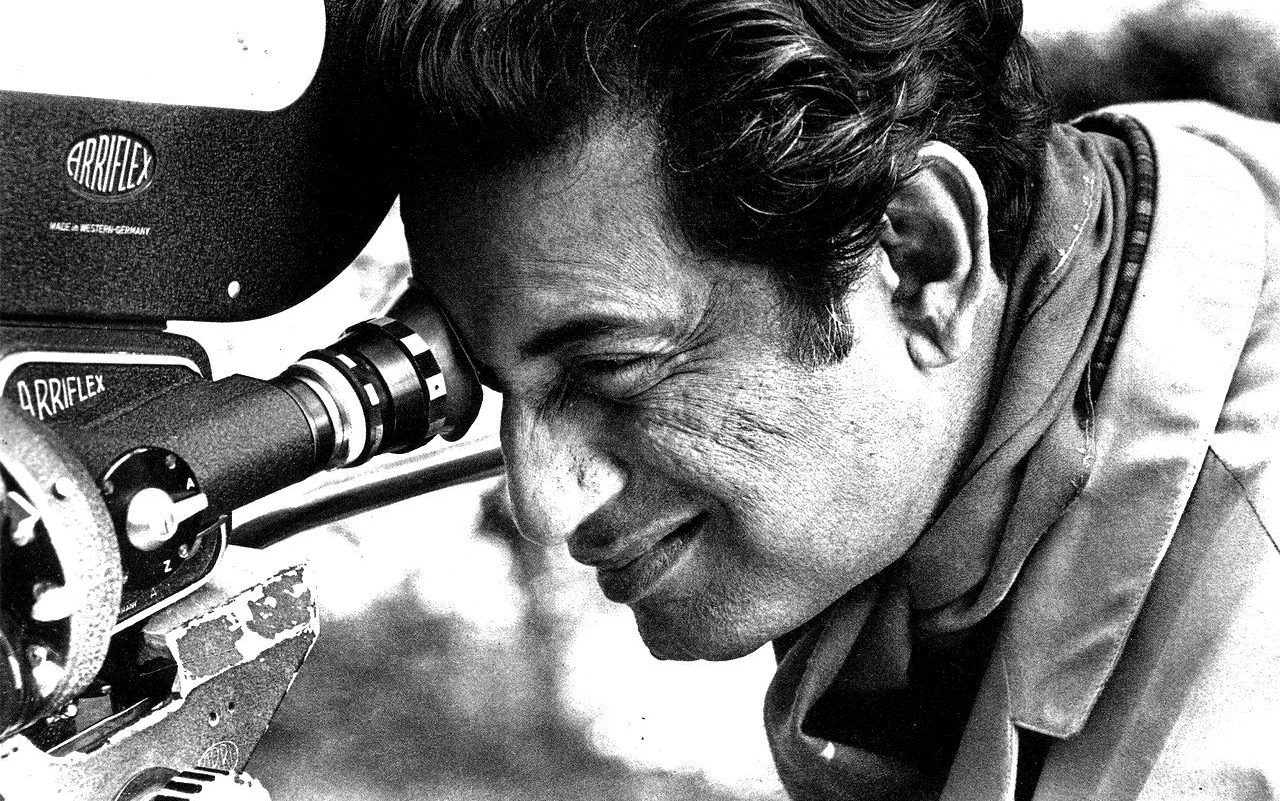
Satyajit Ray is a name that is familiar to most Indians. Or is it? Mr. Ray is one of India’s most decorated filmmakers of all time. In fact, he can be credited with bringing Indian cinema to the limelight with his very first movie: Pather Panchali. Martin Scorsese, the director of movies like The Wolf of Wall Street, Taxi Driver and The Irishman said that Pather Panchali was one of the first Indian movies that he had watched, and one that inspired him to make movies. He said the movie was “made by an Indian, for Indians” showcasing the intricate details of life in India. This, he said, helped him realize what Cinema is meant to be. What a target audience is supposed to be, and what story telling is. Ray is also an inspiration for many other directors like Wes Anderson, Christopher Nolan and Quentin Tarantino, who have, on several occasions, said this publicly.

Ray was not just a director, he was also a screenwriter, lyricist, author, essayist, calligrapher, magazine editor, music composer and much more. He was truly a jack of all trades. His works are still read and cherished by readers all over the world, especially ones like the Tales of Feluda, Professor Shanku, etc.

That being said, it is quite unfortunate that today, the man and his works have been forgotten. While people are aware that such a person existed, and that he was a director, they do not know of the extent of his contribution to Indian, or rather the world cinema, and to other forms of art, other than filmmaking.

But why is it so? Why is it that such a legend has been forgotten by the majority with the passing of time? The answer lies in the question. The passing of time. As time passed, cinema evolved. New movies came into existence, and the masterpieces by Satyajit Ray faded into the background.

Even then, they never ceased to exist. The works by Mr. Ray is well known among film enthusiasts, and they still try to promote the movies, especially the Apu Trilogy (viz. Pather Panchali, Aparajito and Apur Sansar).

Ray made sure to leave an impact on the world before he left it and the medium he chose for that was cinema. For his contributions to cinema, and his portrayal of India in the global stage, he was awarded an Honorary Academy in 1992.

This is not to understate his achievements in other fields of work that he engaged in. Ray excelled in all the fields he tried out, even leaving his marks in the fields of Magazine editing and calligraphy.

Ray can be considered as the best filmmaker India has produced till date, and it’s rather unfortunate that while many parts of the world remember his legacy, India has forgotten it.

Recently, an anthology titled RAY was released, based on 4 of Satyajit Ray’s short stories, namely Bipin Chowdhury’r Smritibhrom, Bahurupi, Barin Bhowmik-er Byaram, and Spotlight. Also, his first ever movie, in fact the entire Apu Trilogy has been renewed and is available in a leading OTT platform. Hopefully, these help to bring this legendary filmmaker, the man who told the story of India through a visual medium throughout the world for the first time, back to the forefront, and help get the recognition he deserves from the Indian audience.

How to delay periods naturally?

There are plenty of times in a life of woman when she doesn’t wish for her menstrual cycle to come because ofsome special vacation lined up. There are some pills which can help delay the flow of your periods. But it’s not everyone’s cup of tea, it may have some side effects. So, there are some all-natural, non-medical ways to delay your periods for a while.

Avoid eating spicy food because it increase the heat inside our body, which will trigger the period before date and if you want to delay your period, then you have to stop taking spicy food. But this method is not proven scientifically, it’s just a home remedy. You can not totally depend only on this method.

Start taking the lemon water. You just have too take one lemon and squeeze it in a glass of water. Start taking it before two or three days before your periods date.

Drinking more water. Water makes your period lighter, and helps in reducing heavy bleeding. Drinking more water with other remedies, make it effective in slowing down your period.

Cinnamon tea. Take two or three cinnamon stick, boil them in the water, and when water remains half the actual quantity. Your cinnamon tea is ready. Drink it twice a day before a week atleast.

Eating papaya and carrot. It’s safe and natural way to delay periods. Papayas are rich in carotene which triggers estrogen levels in the body leading to changes in the uterine blood flow.

French beans. Take the French beans, it’s easily available in the market, boil them in the water, take that water and add some lemon in it. Start drinking this water. It will help you.

Mustard seeds. Powder the mustard seeds and then add this powder to lukewarm milk, add some honey or you can add sugar also according to your taste. And then you have to take this mixture two or three times a day before the expected date can prove to be helpful. Antioxidant-rich chia seeds may be helpful in a similar manner.

Gram lentil. Fry some gram lentils, till they become soft. Now, grind them to make a thin powder. Now make a thick soup with this powder, and consume it daily.

Coriander seeds. Boil coriander seeds in the water, after boiling you can drink this water 2 or 3 times a day. Start this method before two or three weeks from the start date of your period.

Before applying any of these methods, consult your doctor. While these methods are safe to try, they may not be the most effective or work for everyone. These are not foolproof remedies, there can also be chances of irregular bleeding.

CORONAVIRUS: The government says people are not taking the third wave warning seriously, treating it like a forecast update

”The world is experiencing the third wave. In order to prevent India from being hit by the third wave, we have to work together. The Prime Minister said today there was no point in discussing when the third wave would hit India. There is a need to keep it at bay instead. The number of new infectious disease cases reported by India over the past 24 hours was 31,483. In the past 118 days, there have been fewer new cases. According to the Union Health and Family Welfare Ministry, the death toll in India rose by 2,020 in the last 24 hours to 4,10,784.

The union health ministry expressed concern over the violation of covid-19 standards on Tuesday, saying that people are treating third-wave warnings like a forecast update. A press briefing held by LAV Agarwal, joint secretary, the health ministry on July 18 revealed that approximately 73.4 percent of the new cases of covid-19 reported in July were from Maharashtra, Kerala, Tamil Nadu, Odisha and Andhra Pradesh.

A central team has been sent to 11 states and union territories, including Maharashtra, and Assam amid a rise in cases. He explained that when people discuss the third wave, they take it as a forecast update and do not understand its seriousness or the responsibilities associated with it.

In some states, a further increase in cases is occurring, such as in Manipur, Mizoram, Tripura, and Arunachal Pradesh. In other states, where cases are declining, the situation is still being observed in the form of a plateau. There have been repeated warnings about the imminent third wave of the pandemic, but travelers to hill destinations have not heeded these warnings. Earlier this week, a video from the KEMPTY Falls in Uttarakhand showed tourists not wearing masks and standing dangerously close to one another. There are several other images online that show tourists violating covid-19 safety norms.

It was announced on Monday that the Indian Medical Association had written to the central and state governments to warn them that the third wave of Coronavirus was inevitable and imminent. It was recommended that “tourist bonanzas, pilgrimages, and religious” wait until at least three more months, and that people follow the covid-19 protocols during this period.

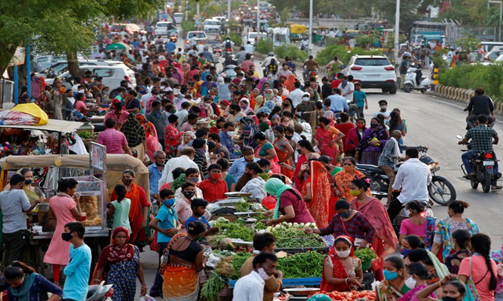
In his meeting with the chief ministers of North eastern states, Modi expressed concern about people not wearing masks and crowding hill stations and markets

The world is experiencing the third wave right now, said NITI Aayog member Dr. VK Paul, and India must take measures to ensure that it doesn’t experience the same.  

Indian National Anthem

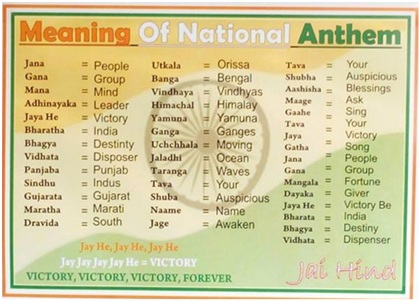
We have sung our national anthem since our childhood, Do we know the meaning behind it?

Indian National Anthem:

Jana-gana-mana-adhinayaka jaya he

Bharata-bhagya-vidhata

Panjaba-Sindhu-Gujarata-Maratha

Dravida-Utkala-Banga

Vindhya-Himachala-Yamuna-Ganga

uchchala-jaladhi-taranga

Tava Subha name jage, tave subha asisa mage,

gahe tava jaya-gatha.

Jana-gana-mangala-dayaka jaya he

Bharata-bhagya-vidhata.

Jaya he, Jaya he, Jaya he,

jaya jaya jaya jaya he.

Meaning of our National Anthem

The following is Tagore’s English rendering of the anthem:

Thou art the ruler of the minds of all people,
Dispenser of India’s destiny.
Thy name rouses the hearts of Punjab, Sind,
Gujarat and Maratha,
Of the Dravida and Odisha and Bengal;
It echoes in the hills of the Vindhyas and Himalayas,
mingles in the music of Jamuna and Ganges and is
chanted by the waves of the Indian Sea.
They pray for thy blessings and sing thy praise.
The saving of all people waits in thy hand,
Thou dispenser of India’s destiny.
Victory, victory, victory to thee.

Source:https://knowindia.gov.in/national-identity-elements/national-anthem.php

A simplified version:

You are the ruler of minds of people, let the victory be with you,

The dispenser of the destiny of India

Punjab, Sindh, Gujarat, Maratha, Dravid, Orissa, Bengal

There are echoes in hills of Vidhya, and the Himalayas and music is mingled in Yamuna, and Ganga which is chanted by foaming waves of Indian Sea

Wake up listening to the auspicious name of yours and pray for your blessings,

The saving of all the people is lying in your hands.

You are the one to impart well being to the people

the dispenser of the destiny of India

May you get victory, victory, and victory for you!

Source: https://www.mapsofindia.com/my-india/india/what-does-the-indian-national-anthem-jana-gana-mana-mean

Facts about our National Anthem

  • The song Jana Gana Mana is the National Anthem of India which was composed by Rabindra Nath Tagore, originally in Bengali.
  • It was adopted by the constituent assembly on January 24, 1950, in its Hindi version.
  • The song “Jana Gana Mana” was first published under the title “Bharat Vidhata” in Tattva Bodhini Patrika in January 1912.
  • The song was translated into English in 1919 with the title “Morning Song of India”.
  • The very first time it was sung at the Kolkata Session of Congress on 27 December, 1911.
  • It takes about 52 seconds for its total completion, while it takes 20 seconds for the first and last lines of the stanza.

🐘Elephants🐘:

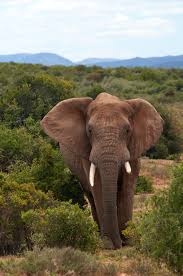
💫The elephant is the largest and one of the most powerful and intelligence animals. Even though blue whales are the largest animals for they grow up to 30 elephant reaches a height of 4 meters and a weight of 6 metric tones.

💫The most remarkable feature of the elephant is its tusks and trunk. The tusks, in fact, are two of its upper teeth that have grown on the outside and become enlarged. A tame or trained elephant uses its tusks to support heavy loads while wild elephants use them as weapons of attack. Tusks are made of ivory which is highly valuable. And it is for tusks that elephants are hunted down and killed. Even though Articles made of ivory are banned in most countries they are available in the black market, and this leads to elephant poaching.

💫The trunk is another intersection feature of the elephant. It serves as an arm and a hand for picking up twigs and leaves and pushing them into its mouth. The trunk is actually the elephant’s lengthened nose and upper lip. It is thick and well-protected on the outside but has a tender inside.

💫There are two kinds of elephants – the Asian elephant and the African elephant. The Asian elephant is relatively smaller than its African counterpart. While the Asian elephant is 2.75 meters tall and weight 3.5 metrics tons, the African is 3.5 meters tall and weight about 5 metric tons, and is darker than the Asian species. Moreover, the Asian elephant can be easily themed or trained and it sleeps lying down while the African elephant is wild and sleeps upright.

🐘facts about elephants🐘:

🔅They’re the world’s largest land animal. …

🔅You can tell the two species apart by their ears. …

🔅Their trunks have mad skills. …

🔅Their tusks are actually teeth. …

🔅They’ve got thick skin. …

🔅Elephants are constantly eating. …

🔅They communicate through vibrations. …

🔅Calves can stand within 20 minutes of birth.

🐘Quotes🐘:

🌟greatest glory in living lies not in never falling, but in rising every time we fall. -Nelson Mandela

🌟The way to get started is to quit talking and begin doing. -Walt Disney

🌟Your time is limited, so don’t waste it living someone else’s life. Don’t be trapped by dogma – which is living with the results of other people’s thinking. -Steve Jobs

🌟If life were predictable it would cease to be life, and be without flavor. -Eleanor Roosevelt

🌟If you look at what you have in life, you’ll always have more. If you look at what you don’t have in life, you’ll never have enough. -Oprah Winfrey

Sexual Harassment faced by the Women at Workplace

Sexual harassment is a worldwide problem faced by every woman at someplace and sometime in their life. Harassing any human being is just like an offense which goes against the human rights and gender equality. Harassing a woman has emerged from gender discrimination and is a strong interplay of masculinity, supremacy and sexuality. According to Article 14 of the Constitution “equality of status and opportunity” must be for every citizens weather it’s a male or a female, everyone is supposed to treat equally. Henceforth, living in a safe working place is the right of every woman. Our Indian Constitution suggests that it’s the right of every person to live a life which is free from discrimination, provocation, agony, etc. Sexual harassment of women is an uncivilized violation against right to equality and self-esteem. The basic root behind such harassment is our patriarchal society which considers man far more superior than females and violence against woman is acceptable. Sexual harassment creates an environment which often discourages females to take part in such jobs.


Now days, harassment at workroom is quite normal. Article 19(1) (g) of the Indian Constitution suggests that it is the fundamental right of women to pursue any profession or to carry any occupation. Such harassment erodes the notion of equality and opportunity. This ultimately brings a full stop at a person’s personal development as well as development of society. Sexual harassment of women is a serious problem and in a survey it was found that in every 12 minutes a women harassed at workplace but only in some case they file a complaint or complaint’s the concerned authority. All around the world we find sexual harassment is increasing day by day and it’s violating women’s right in addition to it sexual harassment is the imitation reflection of male dominant society. We live in a society where violence against women is abided by the patriarchal value. The harassment faced by the women here are not harmful one as compare to other offense. There was an act passed called The Sexual Harassment of Women at Workplace Act, 2013 which ensure a secured and healthy working place for women. Also, it aims to build an environment that provides equal opportunity and equality for women too. The arrival of such act was accommodating to contribute gender quality, liberty as well as equality in working circumstances. Security at workplace will ultimately results in economic development and wide-ranging growth of the country. Only few women accepts to do late night work and the reason behind it is the sexual assault they faced by the society. It has become our preconceive notion that if a women is working till late night the society can put forward question in her character but if a man work’s outside till late than he is considered as an hardworking dedicated man who is working so hard for his family.
We are still struggling to be a developed country and the basic ideology behind it is our outdated notion. If a female is harassed, tortured or embarrassed in public she is taught to accept it quietly without raising her voice and the reason behind it is our patriarchal society. Sexual harassment in workplace is not just a problem in India but it’s a global problem faced by every other working women. We all should keep in mind that we live in a free country where everyone is supposed to get equal respect and appreciation.

A Must Watch!

How many of you’ll miss going to theatres? and grabbing some popcorns and your favorite drink? I guess we all have.
Movies are considered to be the best source of entertainment. It is easily available to everyone. One can watch movies in theatres, at home on television, and with our technology one can also watch movies on their mobile phones and laptops. A Movie can stimulate a lot of feelings and emotions inside us and make us react despite knowing that it is not real, for example, crying during a sad scene, laughing during a comedy scene, or getting scared during a horror scene. We connect to movies in different ways and might adopt some things from them too. We all have our own genres when we talk about movies, like horror, comedy, romantic, patriotic, etc.

Here are some patriotic movies about sports, war, the freedom movement, etc.

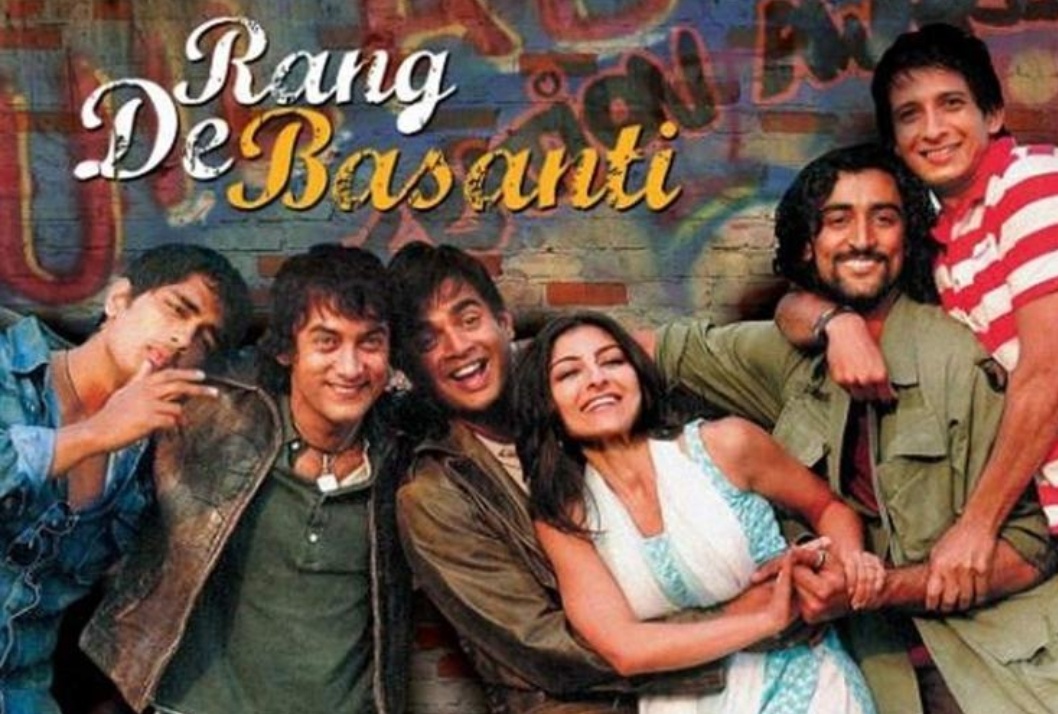
 • Rang De Basanti
Rang de Basanti is based on political issues. The movie made a remarkable impact on Indian Society and inspired many Indians.

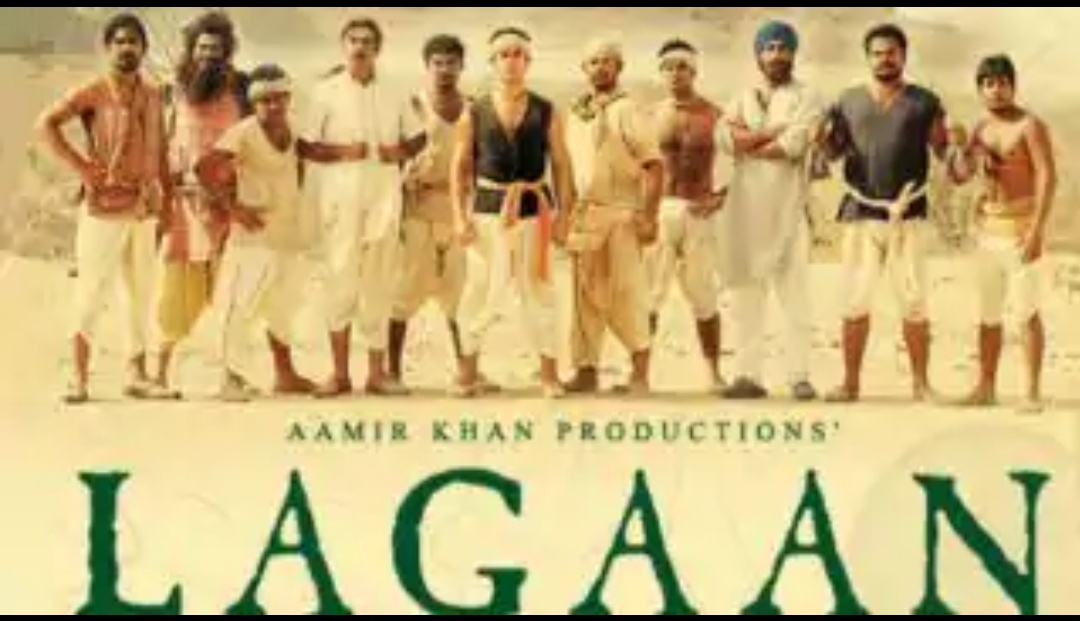
• Lagaan
Lagaan is an Oscar-nominated movie. The story of the movie is based on a true story. It is a must-watch if you love cricket.

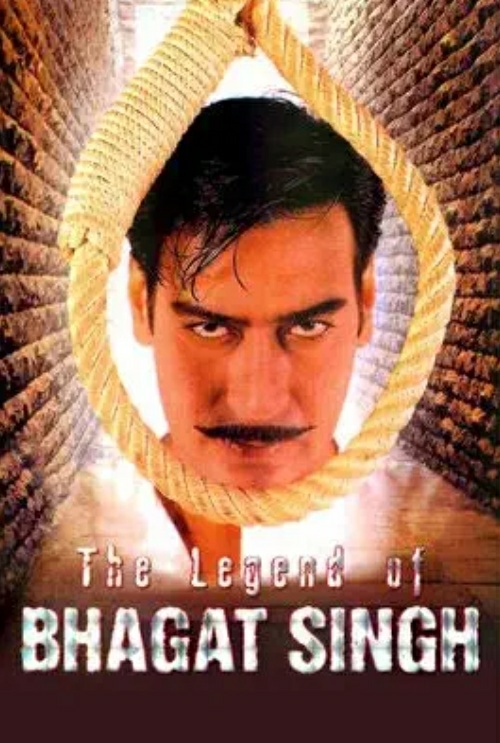
 • The Legend of Bhagat Singh
The legend of Bhagat Singh is about the most fearless freedom fighter of India. The role of Bhagat Singh is played by actor Ajay Devgan.

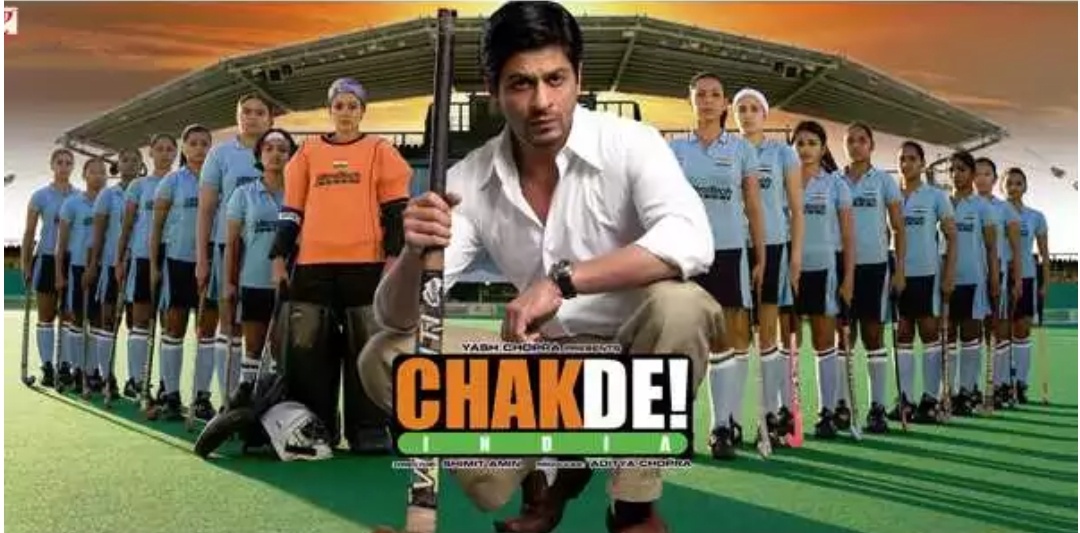
 • Chak De India
Chak De India is an iconic movie based on the national sport of India, hockey. This movie is definitely going to give goosebumps.

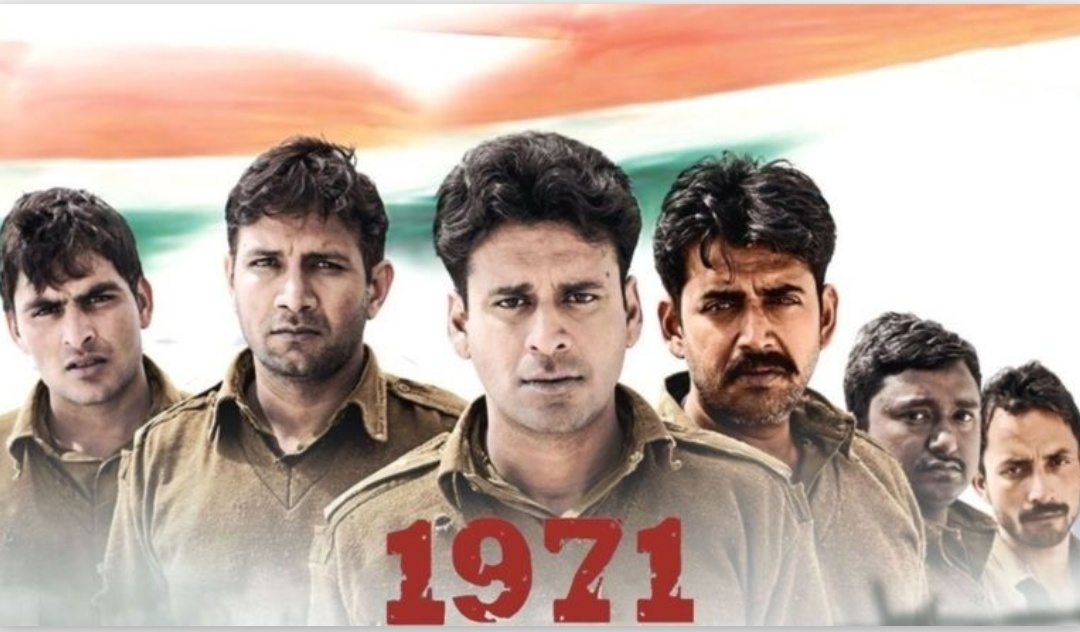
 • 1971
1971 is based on a true story starring Manoj Bajpai. It is based on war drama.

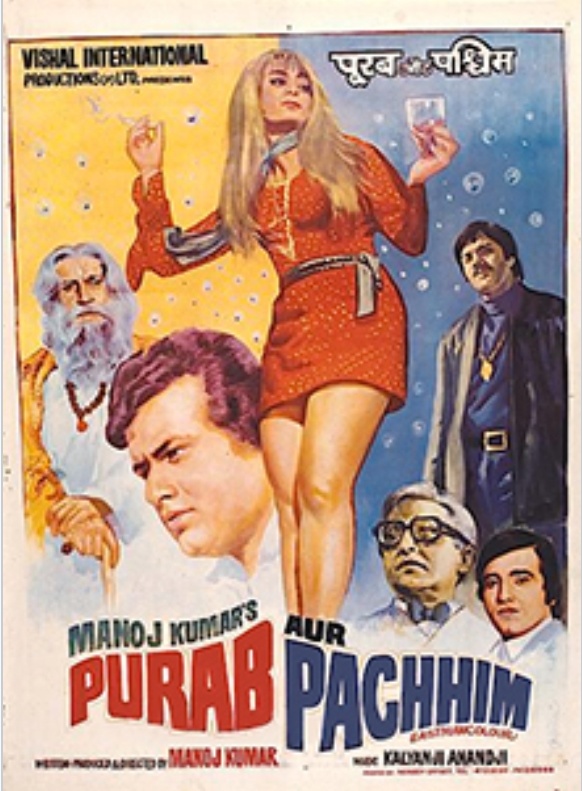
• Purab Aur Paschim
Purab Aur Paschim is a 1970 film starring Manoj Kumar and Saira Banu. The songs are as hit as the movie

 •  A Wednesday
A Wednesday is inspired by the 11 July 2006 Mumbai train bombings. It has received many awards. This movie can be viewed by all age groups.

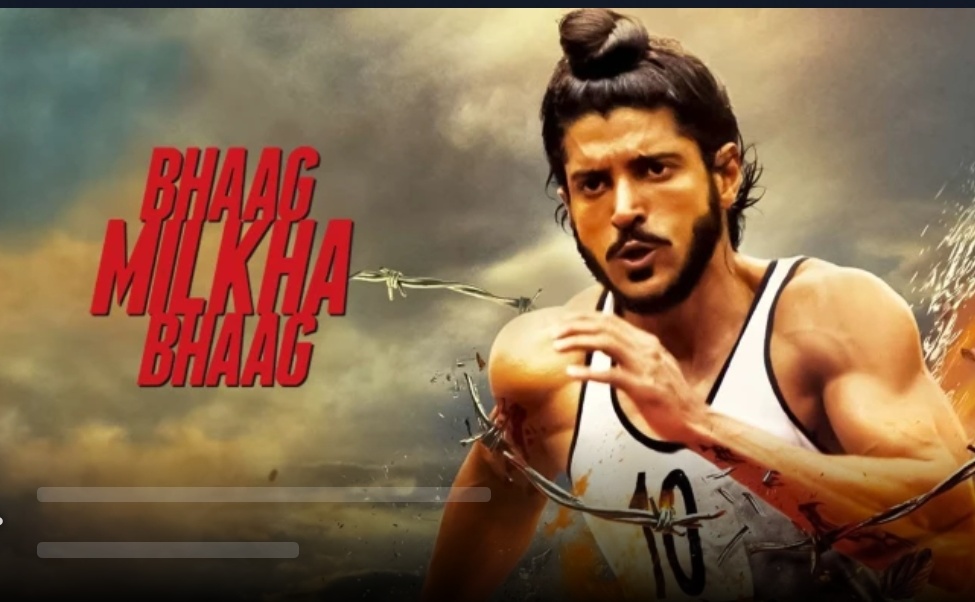
• Bhaag Milkha Bhaag
Bhaag Milkha Bhaag is based on sports starring Farhan Akhtar. The movie is based on the real story of, Milkha Singh, an Indian athlete.

 • The Ghazi Attack
The Ghazi Attack is based on true events from the Indo- Pakistani war. It is truly a patriotic movie showing the struggle and strength of the Indian Navy.

 • Uri: The Surgical Strike
Uri: The Surgical Strike is an iconic movie starring Vicky Kaushal. This movie attracted a lot of youngsters to join the Indian Army.

Corporate and Individual Social Responsibility

Social Responsibility is a form of responsibility that we owe to society being members of the same and partaking in activities that alter its natural flow. For example, by being a part of the natural environment, we owe the environment the restoration to offset the degradation conducted by mankind. In such a way, social responsibility is the accountability that we face towards society in all its aspects, to all its stakeholders. Indeed there exist various forms of social responsibility but two prominent ones are an individual and corporate social responsibility. It can be understood that much of the social responsibility activities can be considered under the same labels: one where the volunteers bring physical changes by cleaning the neighbourhood, distributing food and other necessities, securing funds and such for the needy, while the other where people advocate for the change and instil civic morals. While each indicates its own form of responsibility, the combination of both is what the present world needs to be ensured of sustainable development.

Corporate Social Responsibility is one of the keywords that underline an organisation’s social standpoint among various economic actors such as the government, consumers and certain types of investors. A responsible organization is bound to be more reliable because of its forward-thinking and ethical nature. Although the term was coined in the mid-1900s by Henry Bowen (the father of Corporate Social Responsibility) in his paper, the concept existed long before that. A few of the pioneers in the field of corporate social responsibility are Johnson & Johnson and Hershey’s. These responsibilities include:-

Economic Responsibility: This includes maintaining the satisficing amount of profits so that the business can
sustain enough to pay off their lenders, investors, creditors and employees. Legal Responsibility: The legal responsibility of a business includes complying with all the corporate bylaws, contracts with either another company or the government. An example of legal responsibility would be to adhere to the accounting compliance standards in reporting financial information. Ethical Responsibility: This consists of responsibilities outside the legal framework but matching the
company’s philosophy. For example, ensuring employees have a healthy work-life balance beyond the government-mandated levels.

Individual responsibility stems from the philosophy that holds each individual accountable for every action they take, which may have intended or unintended consequences for society. Hence, every individual has a responsibility towards the society that deems them ideal members of their community. Not only do we have the duties of controlling the negative spillover effects of our actions but we are required to step further and teach those ignorant of
these ideas the sense of responsibility. The UN suggests a list of actions that any and every individual could accomplish that can bring minor changes to the environment, called the “The lazy person’s guide to save the world”. The list is generated according to the individual’s willingness to pave the way for a sustainable future. Some of the individual responsibilities are using biodegradeable bags, donation to various charities, Use recyclable goods, segregation of trash, using renewable sources of energy etc. In this day and age it has become very important to uphold our social responsibilities.

HUMAN SETTLEMENTS

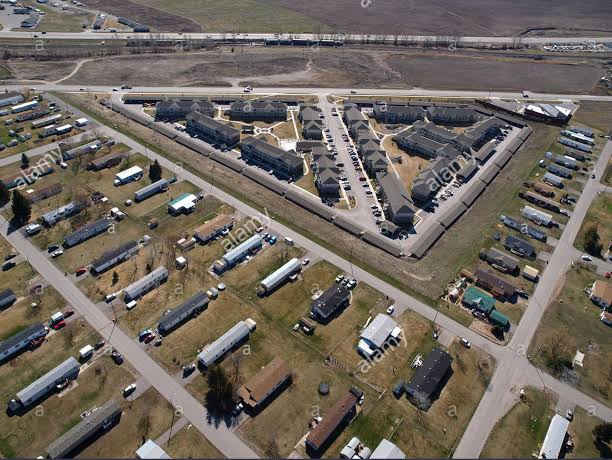
Human Settlement means cluster of dwellings of any type or size where human beings live.Thus, the process of settlement inherently involves grouping of people and apportioning of territory as their resource base. Settlements vary in size and type. They range from a hamlet to metropolitan cities.

Classification of Settlements

On the basis of occupation, settlements may be classified as rural and urban settlements.

Rural Settlements

Any settlement where most of the people are engaged in primary activities like agricultural, forestry, mining and fishery is known as a rural settlement. Most of the world’s settlement are rural, they are mostly stable and permanent. The most important and unique feature of rural settlement is the vast, open spaces with green, pollution – free environment.

Patterns of Rural Settlements

Rectangular pattern

Rectangular pattern of settlements are found in plain areas or valleys. The roads are rectangular and cut each other at right angles.

Linear pattern

In a linear pattern, the houses are located along a road, railway line and along the edge of the river valley or along a levee.

Circular or semicircular pattern

The pattern of settlement that is found around the lakes, ponds and sea coasts are called circular or semi circular pattern.

Star like pattern

Star shaped settlements develop in places where metalled and unmetalled road converged. In the star shaped settlements, houses are spread out along the sides of roads in all directions.

Triangular pattern

Triangular patterns of rural settlement generally develop at the confluence of rivers.

T-Shaped, Y-Shaped, Cross-Shaped or Cruciform settlements

T-shaped settlements develop at tri-junctions of the roads (T), while Y-shaped settlements emerge as the places where two roads converge with the third one. Cruciform settlements develop on the cross-roads which extend in all four directions.

Nebular pattern

The arrangement of roads is almost circular which ends at the central location or nucleus of the settlement around the house of the main landlord of the village or around a mosque, temple or church.

Urban Settlements

An Urban settlement is a concentrated settlement that constitutes or is part of an urban area. It is an area with high density of human-created structures. These geometrical patterns are usually in squares and rectangles and are well laid out.

Classification of Urban Settlements

Urban centres are classified as towns, cites, metropolitan cities, mega cities, conurbation, etc. , depending on the size and services available and functions rendered to it.

Town

A town is generally larger than a village, but smaller than a city. It has a population of less than 1 lakh. E.g. Arakkonam near Chennai

City

Cities are much larger than towns and have a greater number of economic functions. The population in cities are estimated to be more than 1 lakh. E.g. Coimbatore

Metropolitan cities

Cities accommodating population between 10 lakhs and 50 lakhs are metropolitan cities. E.g. Madurai

Megacities

Cities with more than 50 lakh population are called Megacities. E.g. Greater Chennai

Conurbation

A conurbation is a region comprising of a number of cities, large towns and other urban areas. E.g. Delhi conurbation

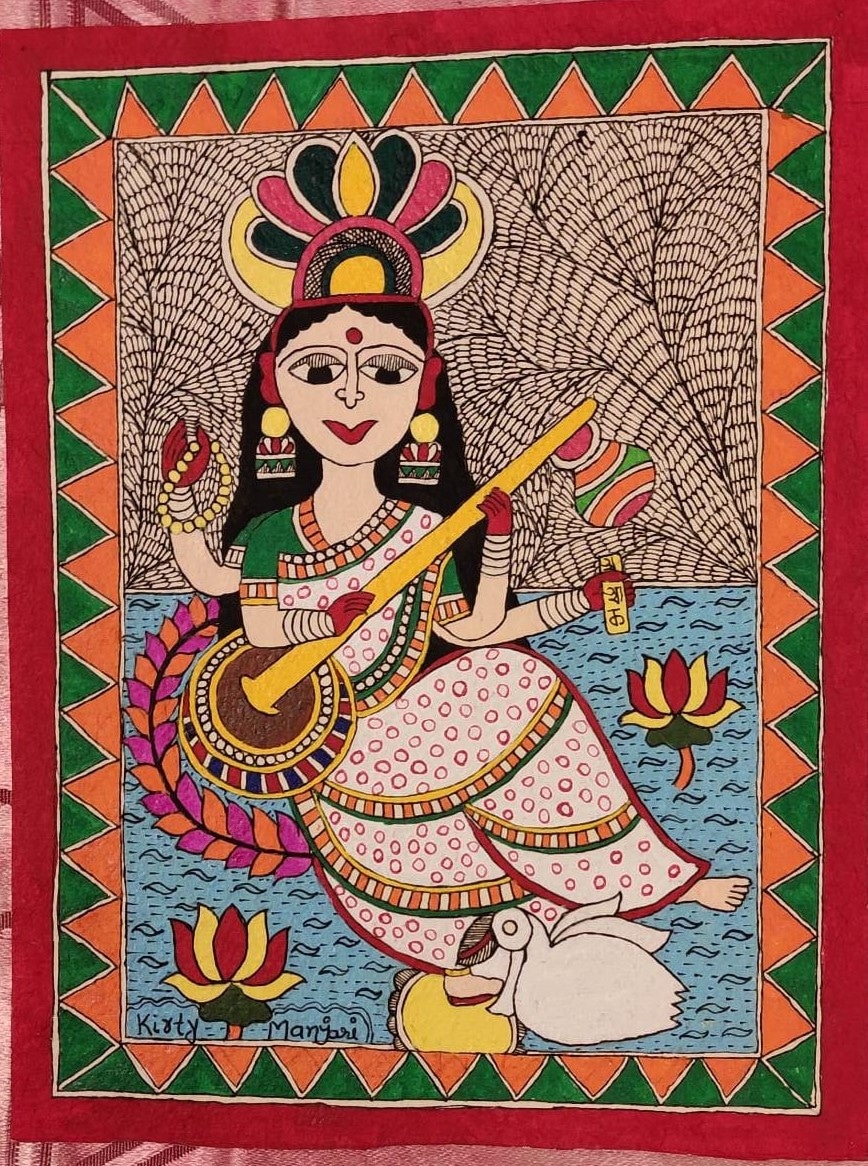
MADHUBANI ART

Madhubani Art (or Mithila painting) is a style of Indian painting, practiced in the Mithila region of the Indian subcontinent. This painting is done with a variety of tools, including fingers, twigs, brushes, nib-pens, and matchsticks and using natural dyes and pigments. It is characterised by its eye-catching geometrical patterns. There is ritual content for particular occasions, such as birth or marriage, and festivals, such as Holi, Surya Shasti, Kali Puja, Upanayana, and Durga Puja.

Madhubani painting (Mithila painting) was traditionally created by the women of various communities in the Mithila region of the Indian subcontinent. It originated from Madhubani district of the Mithila region of Bihar. Madhubani is also a major export center of these paintings. This painting as a form of wall art was practiced widely throughout the region; the more recent development of painting on paper and canvas mainly originated among the villages around Madhubani, and it is these latter developments that led to the term “Madhubani art” being used alongside “Mithila Painting.”

The paintings were traditionally done on freshly plastered mud walls and floors of huts, but now they are also done on cloth, handmade paper and canvas. Madhubani paintings are made from the paste of powdered rice. Madhubani painting has remained confined to a compact geographical area and the skills have been passed on through centuries, the content and the style have largely remained the same. Thus, Madhubani painting has received GI (Geographical Indication) status. Madhubani paintings use two-dimensional imagery, and the colors used are derived from plants. Ochre, Lampblack and Red are used for reddish-brown and black, respectively.

Madhubani paintings mostly depict people and their association with nature and scenes and deities from the ancient epics. Natural objects like the sun, the moon, and religious plants like tulsi are also widely painted, along with scenes from the royal court and social events like weddings. Generally, no space is left empty; the gaps are filled by paintings of flowers, animals, birds, and even geometric designs. Traditionally, painting was one of the skills that was passed down from generation to generation in the families of the Mithila Region, mainly by women. It is still practiced and kept alive in institutions spread across the Mithila region. Kalakriti in Darbhanga, Vaidehi in Madhubani, Benipatti in Madhubani district and Gram Vikas Parishad in Ranti are some of the major centres of Madhubani painting which have kept this ancient art form alive.

DIFFERENT STYLES OF MADHUBANI ART

Madhubani art has five distinctive styles:

  1. Bharni
  2. Katchni
  3. Tantrik
  4. Godna
  5. Kohbar

In the 1960s Bharni, and Tantrik styles were mainly done by Brahman women, who are ‘upper caste’ women in India and Nepal. Their themes were mainly religious and they depicted Gods and Goddesses paintings. People of lower castes included aspects of their daily life and symbols, the story of Raja Shailesh (guard of the village) and much more, in their paintings. Nowadays Madhubani art has become a globalised art form, so there is no difference in the work on the basis of the caste system. They work in all five styles. Madhubani art has received worldwide attention.

AWARDS WON BY MADHUBANI ARTISTS

Madhubani painting received official recognition in 1969 when Sita Devi received the State award by Government of Bihar. Mamta Devi from the village Jitwarpur has also got National Award. Jagdamba Devi from Bhajparaul, Madhubani was given Padma Shri in 1975 and the National Award to Sita Devi of Jitwarpur village near Madhubani. Jagdamba Devi’s foster son Satya Narayan Lal Karn and his wife Moti Karn are also well-regarded Mithila artists, and they won the National Award jointly in 2003. Sita Devi received the Padma Shri in 1981. Sita Devi was also awarded by Bihar Ratna in 1984 and Shilp Guru in 2006. In 1984 Ganga Devi was awarded by Padma Shri. Mahasundari Devi received the Padma Shri in 2011. Baua Devi, Yamuna Devi, Shanti Devi, Chano Devi, Bindeshwari Devi, Chandrakala Devi, Shashi kala Devi, Leela Devi, Godavari Dutta, and Bharti Dayal were also given the National award. Chandrabhushan (Rasidpur), Ambika Devi (Rasidpur), Manisha Jha were also given the National award. In 2020, Madhubani artist Dulari Devi won the Padma Shri for contributions to art.

The frailties of the Indian Criminal Justice system.

  • – Sankalp Dubey

In the United Kingdom, a well-known textbook on the foundations of criminal law methodically develops numerous theoretical basis for explaining what should be a crime – that it should include some harm, must be of a particular degree of gravity, and so on. But then, in a single passage, it deconstructs this structure by reminding us that, at the end of the day, criminal law and crimes are whatever the state says they are. This political linkage is probably more pronounced in India: A majority government creates the laws and controls the investigative apparatus, which means it may not only define what constitutes a criminal but also selectively pursue just those offences that it is concerned about, forgetting the rest.

Across India, chaos reigns.

To what end should those offences be pursued, you could wonder. In the end, the concept of “crime” is meaningless without the associated penalty. We are all trained to fear losing our liberty when we are imprisoned. However, it is sometimes overlooked that this punishment may only be imposed upon a conviction at the conclusion of a trial. As a result, there is a synergy between the crime, the investigation, and the accountability of those found guilty, which is referred to as the criminal justice system. And everywhere you turn in India, it’s in chaos.

The heinous events in the Indian state of Uttar Pradesh are only one illustration of how awful things may become. After a confrontation with police, a prominent mobster fled and was subsequently apprehended in another state. Meanwhile, the news was saturated with tales suggesting the accused’s corrupt ties to public officials. An “encounter” occurred when his party was returning to Uttar Pradesh, and the accused was shot and killed.

There had been a crime, perhaps multiple crimes. It was determined to pursue it by the State Police. However, there was no need to wait for a trial to convict and sentence the guilty; punishment was immediately administered by the police. So much so that one ex-Supreme Court Judge said the State’s version of events made it look as though it didn’t care whether or not the encounter account was believed.

The extremities in Uttar Pradesh

If the death of Vikas Dubey indicated a readiness to punish without a trial, Uttar Pradesh has also shown a readiness to condemn without a trial. It enacted a legislation allowing the publication of enormous hoardings including the names and personal information of anyone accused of destroying property during the anti-Citizenship Act rallies. But here’s the thing: all of this happened before a court found them guilty of their crimes. Rather than a judicial ruling, the authority to condemn was derived from the ability to make claims, which is entirely executive in nature. In this way, the cops took on the roles of judge, jury, and executioner.

Of course, there are cases when the state has chosen to pursue alleged criminal activity. Many times, it turns a blind eye to acts of violence, either indefinitely or for a lengthy period of time. When her relatives discovered her on September 14 in the hamlet of Hathras, Uttar Pradesh, she had been viciously abused and left to die. The same family did what any reasonable person would do: they called the cops and took their daughter to the hospital. Despite the obvious injuries, the police did not file a report for many hours, and even then did not mention the major crime of rape. Naturally, when the police refused to file this one instance of rape, they quickly recorded at least 19 cases involving an alleged conspiracy to utilise the incident for political objectives in order to cast the State in a negative light.

Disconnect between the government and the judiciary.

These examples from Uttar Pradesh merely help to highlight that there are definite, obvious patterns. The first is the widening chasm between the government and the judiciary in questions of criminal justice; the second is the boosting of executive authority as a result of this chasm; and the third is the judiciary’s predictable copying of executive-mindedness. As a result, I suggest, the criminal justice system will be transformed into a problem-solving system.

The 2019 Crime in India numbers reinforce a trend that has been seen for decades: our police appear to be super-efficient, but our courts appear to be super-slow. Let’s stick with Uttar Pradesh for a while. Its police have a case pending rate of just over 15%, whereas its courts have a case pending rate of just over 90%. (for IPC crimes). Worryingly, they aren’t the worst data available. This implies that, as police departments continue to add cases to their dockets year after year, the courts’ capacity to conduct trials and make judgements is deteriorating.

The inherent time gap between the incident and any potential punishment is exacerbated, and the role of courts in the criminal justice system is diminished. This gap, among other things, undermines the significance of any conviction based on a trial, since individuals move on and life moves on in virtually all circumstances. It’s impossible to say how much this inclination is amplified in an era dominated by the 24-hour news cycle.

How can a system bridge the gap between an incidence and a final decision? By gradually legitimising the concept of penalties without repercussions or accountability. All that counts is that the situation is solved and that we move on.

The president obtains more authority in this system where judges have less authority. The arrest, not the conviction, is the turning point in the criminal justice system. At times, victims do not even consider proving anything in court; all that counts is arrest and indefinite imprisonment, or even an encounter if the charge is serious enough. At the same time, the government wants to legalise pre-trial detention and incarceration while simultaneously granting itself new powers to punish without conviction, including asset forfeiture.

The presumption of innocence.

When judges attempt to reclaim some of their lost ground by imitating the suddenly popular branch, the transition is complete. At the time of bail, courts are more than willing to examine the facts in great detail. Furthermore, by utilising jail as a negotiating weapon to push wrongly accused individuals to pay amends, judges become more ready to assist in reaching settlements during this stage. Because even courts no longer have the time for the procedure, courts deliberately replace facts established during cross-examination of a witness with her unproven charges that the police opted to pursue. So long as the problem is fixed and a victim is pleased, the assumption of innocence can be ignored.

There has been a soothing background tune playing steadily throughout this outbreak and the spiralling devastation it has caused. This is the systematic disintegration of any criminal justice system worth its name across India, and its gradual replacement with a problem-solving system in which initial accusations and their handling by the executive branch become most important, and values like presumption of innocence and establishing truth through trials have long vanished. The fact that certain states are in the forefront of this growth may be viewed cynically as another indicator of their success that makes many others envy.

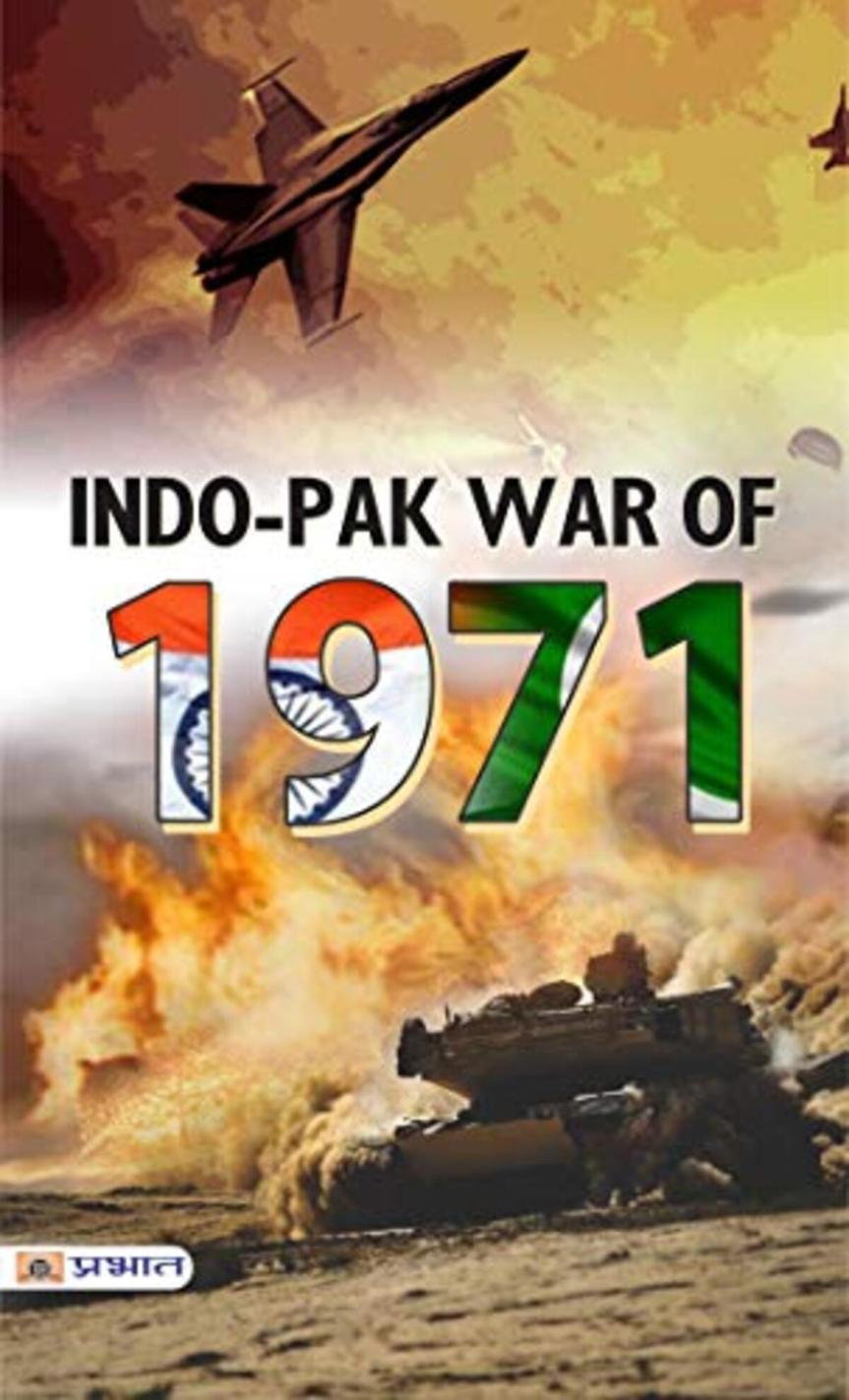
INDO-PAKISTANI WAR OF 1971

Ajay Devgan’s latest film BHUJ: The pride of India trailer was released on Monday. It’s basically based on the Indo-Pakistani war of 1971. The Indo-Pakistan war is one of the most glorious moments in Indian history.
The Indo-Pakistan war bears witness to the bravery and courage of the Indian army and the Indian civilians who helped them in so many ways.
So, let’s take an overview of those proudest moments.

INDO-PAKISTAN WAR 1971

BRIEF OF INDO-PAKISTAN WAR of 1971:-
The 1971 Indo-Pakistani war was a military confrontation between the Indian and Pakistani army during the Bangladesh Liberation War. It is one of the shortest wars in history, lasting only 13 days. During the war, the Indian and Pakistan armies clashed simultaneously in the eastern and western areas. The confrontation started when the Pakistani army launched its “CHENGIZ KHAN” operation and carried out air strikes on 11 Indian air stations.

CASUALITIES AND LOSSES:-
India had lost between 2500 and 3843 soldiers and between 9851 and 12000 soldiers had been wounded during the confrontation. Naval planes, frigates and several aerodromes in West India were also damaged during the war.
While up to 9,000 Pakistani soldiers were killed, 25,000 soldiers were violently wounded and 93,000 civilians, Razarks and soldiers were captured. India also destroyed the two destroyers of Pakistan, a minesweeper, a submarine, three patrol ships and seven gunboats. The main Pakistani port facilities in Karachi and various airfields were also destroyed during the clashes. A part of all these about 3 lakh to 3 crore civilians of Bangladesh was killed by Pakistani military and razarks.

RESULT OF THE WAR:-
The war ended when the eastern command of the Pakistani army signed the instrument of surrender with the Indian army on 16 December 1971 in Dhaka. As a result, the eastern Pakistan was declared as an independent nation named Bangladesh. But due to the brutality of the Pakistani army and Razakars, approximately 8 to 10 million people from Bangladesh fled and became a safe haven in India.

AWARDS AND HONOURS:-
The courageous Indian soldiers who fought valiantly on the battlefield were honored by the “PADAM VIR CHAKRA”.
PADAM VIR CHAKRA award recipients as follows:-

  1. Lance Naik Albert Ekka (Posthumously)
  2. Flying Officer Nirmal Jit Singh Sekhon (Posthumously)
  3. Major Hoshiar Singh
  4. Second Lieutenant Arun Khetarpal (Posthumously)

    Former Indian Prime Minister Indira Gandhi was also honored by the Bangladeshi government by posthumously awarding Bangladesh Swadhinata Sammanona on 25 July 2011.

Each time we read and hear the stories of the Indo-Pakistani war, it is given like a grumble. The Indo-Pakistani war is one of the proudest moments in Indian history that demonstrates to the world that we are no less than anyone else. I hope you all feel equally proud reading this blog as I feel about writing and researching about it.
Finally greet all the soldiers that protect us without blinking.
Have a good day and Happy Reading.


[If there are some mistake and misinformation in the blog so sorry about it and tell us to comment. All the information is taken from trusted sources. Thank you]

Harvest the rain, reap the gains

Rainwater is a life-giving resource, and without it, there’d be no life on earth. Its primary purpose is to give us water to drink. During a downpour, rain seeps into the ground to become part of rivers and lakes, or what is called ground water.

Rainwater harvesting is a technique of collection and storage of rainwater into natural reservoirs or tanks, or the infiltration of surface water into subsurface aquifers (before it is lost as surface runoff). One method of rainwater harvesting is rooftop harvesting. With rooftop harvesting, almost any surface – tiles,metal sheets,plastics – can be used to intercept the flow of rainwater and provide a household with water, conveniently accessible and available year – round.

General publications

There is a large and growing body of research and documentation on domestic Rainwater Harvesting (DRWH). Here we provide an overview of some introductory readings:

– Rainwater Harvesting Handbook (African Development Bank)

-Rainwater Harvesting in the Homestead (Peter Morgan)

Importance of Rainwater Harvesting

The importance of rainwater harvesting lies in fact that it can be stored for future use. Just as it can be used directly so also the stored water can be utilized to revitalize the ground level water and improve its quality. This also helps to raise the level of ground water which then can be easily accessible.

7 Different types of rainwater harvesting system

1. Water Butt

2. Direct – pumped

3. Indirect Gravity

4. Indirect pumped

5. Gravity only

6. Retention ponds

7. In – Ground Storage