NARCO-TERRORISM DANGER IN INDIA

 The theory of narco-terrorism stems from the realization that the two phenomena of drugs trafficking, and terrorism are inextricably linked, and that, as a result, a coordinated anti-drug and anti-terror policy can and must be employed to effectively combat both threats. Because of its nefarious partnership with terrorist groups, narcotic trafficking, which began as an organized cross-border crime, has now evolved into a menace to nation states. 
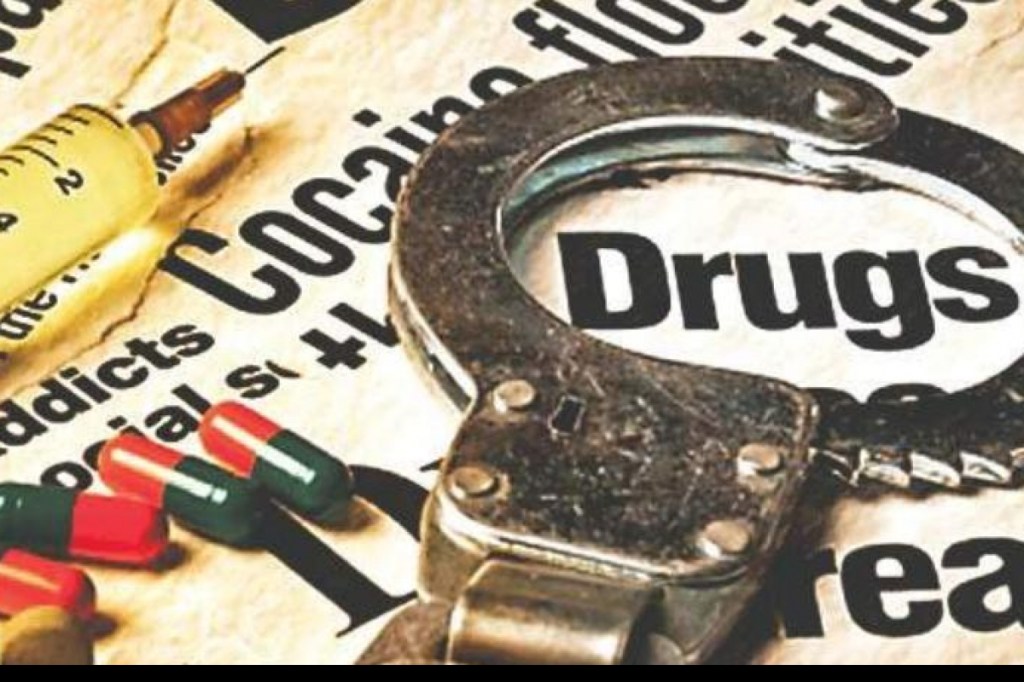
Although it has been known for decades that there is a relationship between the drugs trade and terrorist organizations, as suggested by the name narco-terrorism, the international focus on terrorism after September 11, 2001, has intensified the attention given to the issue of narco-terrorism.

The Golden Crescent is the world’s greatest illegal opium production. In 1999, Afghanistan and Pakistan alone accounted for over 6000 metric tonnes of total illegal output. Because of this high-level production, narco-terrorism is increasingly linked to the reigns of central and southeast Asia. India being the southern part of Asia  is concerned because these narcotics are a key source of money for Pakistani-sponsored terrorism in our nation. Also, India is the sole licit provider of opium to the international pharmaceutical sector, with an annual export income of roughly Rupees 209 crores in 1999. The economy of the Pak-Afghan border is based on poppy and cannabis cultivation. The drug money is being smuggled into the Indian money market in an unorganized but methodical way because of which financial institutions suffer. 

Because of illicit drug trafficking from Afghanistan and Pakistan poses a threat to India’s polity and economy. This issue requires serious attention from policymakers and law enforcement organizations before it is too late to intervene. Similar contention was also made by India’s home minister, Amit shah. He recently visited the National Forensic Sciences University (NFSU) in Gandhinagar to unveil the Centre of Excellence for Research and Analysis of Narcotic Drugs and Psychotropic Substances, which was established during Prime Minister Narendra Modi’s term as Chief Minister of the State of Gujrat. There he announced that India now faces the threat of narco-terror because of the rise of narcotics where drug traffickers and peddlers use drug money to promote their unlawful and disruptive operations. So to tackle this ongoing issue the Government has determined that narcotics would not be let into the nation, and that India will not be used as a transit point. He also mentioned that It is critical to put an end to this threat. 
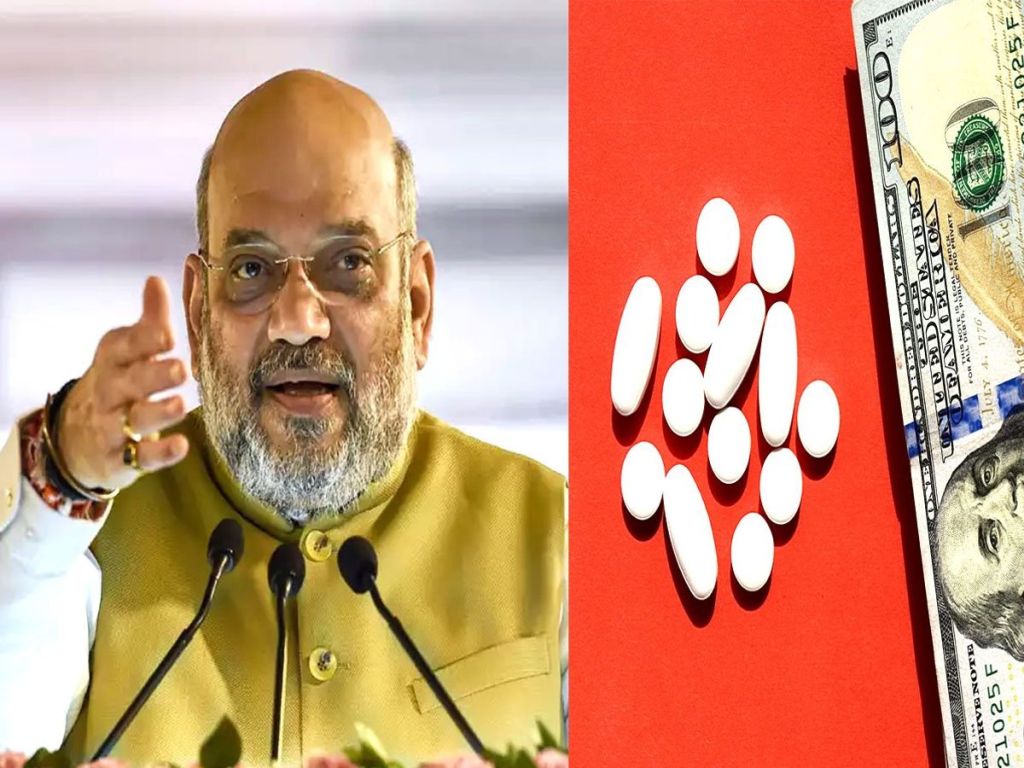
Talking about the inauguration he said that this Centre was chosen to be connected to Gujarat’s Forensic Science University when the government was constituted for the second time under Prime Minister Narendra Modi because to appreciate the university’s outstanding services, the union government had designated it as a national center of excellence. He further added that the administration emphasized the need of using scientific techniques to conduct faster and more effective criminal investigations. Therefore, Forensic science will play a significant part in this. He also commended the forensic science institution for its contributions to criminal investigations into cyber and drug-related crimes.

The theory of narco-terrorism stems from the realization that the two phenomena of drugs trafficking, and terrorism are inextricably linked, and that, as a result, a coordinated anti-drug and anti-terror policy can and must be employed to effectively combat both threats. Because of its nefarious partnership with terrorist groups, narcotic trafficking, which began as an organized cross-border crime, has now evolved into a menace to nation states. 

Although it has been known for decades that there is a relationship between the drugs trade and terrorist organizations, as suggested by the name narco-terrorism, the international focus on terrorism after September 11, 2001, has intensified the attention given to the issue of narco-terrorism.

The Golden Crescent is the world’s greatest illegal opium production. In 1999, Afghanistan and Pakistan alone accounted for over 6000 metric tonnes of total illegal output. Because of this high-level production, narco-terrorism is increasingly linked to the reigns of central and southeast Asia. India being the southern part of Asia  is concerned because these narcotics are a key source of money for Pakistani-sponsored terrorism in our nation. Also, India is the sole licit provider of opium to the international pharmaceutical sector, with an annual export income of roughly Rupees 209 crores in 1999. The economy of the Pak-Afghan border is based on poppy and cannabis cultivation. The drug money is being smuggled into the Indian money market in an unorganized but methodical way because of which financial institutions suffer. 

Because of illicit drug trafficking from Afghanistan and Pakistan poses a threat to India’s polity and economy. This issue requires serious attention from policymakers and law enforcement organizations before it is too late to intervene. Similar contention was also made by India’s home minister, Amit shah. He recently visited the National Forensic Sciences University (NFSU) in Gandhinagar to unveil the Centre of Excellence for Research and Analysis of Narcotic Drugs and Psychotropic Substances, which was established during Prime Minister Narendra Modi’s term as Chief Minister of the State of Gujrat. There he announced that India now faces the threat of narco-terror because of the rise of narcotics where drug traffickers and peddlers use drug money to promote their unlawful and disruptive operations. So to tackle this ongoing issue the Government has determined that narcotics would not be let into the nation, and that India will not be used as a transit point. He also mentioned that It is critical to put an end to this threat. 

Talking about the inauguration he said that this Centre was chosen to be connected to Gujarat’s Forensic Science University when the government was constituted for the second time under Prime Minister Narendra Modi because to appreciate the university’s outstanding services, the union government had designated it as a national center of excellence. He further added that the administration emphasized the need of using scientific techniques to conduct faster and more effective criminal investigations. Therefore, Forensic science will play a significant part in this. He also commended the forensic science institution for its contributions to criminal investigations into cyber and drug-related crimes.
Individualism versus Collectivism

Individualism stresses individual goals and the rights of the individual person. Collectivism focuses on group goals, what is best for the collective group, and personal relationships.

An individualist is motivated by personal rewards and benefits. Individualist people set personal goals and objectives based on self. Individualistic workers are very comfortable working alone and not part of a team.

The collectivist is motivated by group goals. Collectivistic people easily sacrifice individual benefit to recognize and strive for the team’s success. They believe maintaining social harmony, getting along with others, and meeting social expectations that have been set up by society over centuries.

In simple words, people from individualist cultures consider themselves as separate from others while people from collectivist cultures consider themselves connected to others.

In general, European and Western nations tend to be individualists while Asian and African typically collectivists.

This classification is common in education systems too. Taking an example, in USA schools and colleges you will almost never find group projects or assignments given to the students. Almost all of it will be individual work. But if we see in countries like India, most student assignments are group work based.

One big misconception is that individualism means a person is introverted and collectivism means a person is extroverted. This is in fact, wrong. A person from an individualist society can be extroverted and a person from a collectivist society can be introverted. This is because the two things are in no way related. While introverts enjoy being alone or with a small group of friends, an individualist person is self-reliant in doing their work. This individualist can do their assigned work all by themselves and then socialize with lots of people. 

Everyone falls somewhere on the individualist-collectivist spectrum. Even within a very collectivist culture, you will find people who are more individualist. Research has shown that people shift along this spectrum, leaning more collectivist or individualist depending on the situation. This is most common in countries and societies that don’t limit themselves to one form of culture and are open to both and practice the two on different occasions.

Recently, to find the answer to the most important question of the hour, “Why did COVID-19 hit some countries harder than others?”, a research was conducted. They found that the more individualistic a country was, the more COVID-19 cases and mortalities it had. They also found out that the more individualistic people were, the higher the chances they would not cooperate to take COVID prevention measures. Therefore, we can see here that although both cultures have its pros and cons, when it comes to the current circumstances that our world is in, it is important that we think of ourselves as part of society and prevent taking any personal action that could possibly harm others.

IDENTIFYING HUMAN REMAIN USING DNA TECHNOLOGYBACKGROUND


DNA stands for Deoxyribonucleic acid. Ever since this technology has paved its way it started
revolutionizing each and every possible field from the food medicines research and a lot more.
Every single individual has different genetic sequence and thus different DNA which is the
reason why this technology is used. The advent of DNA technology proved to be very
beneficial in the field of forensic science not only for providing criminal justice , determining
the parent of the child but also finding a missing person or even identifying the dead remains
of a person . Day in and day out we see innumerable catastrophic accidents happening over the
globe but when it happens it is usually not possible to determine the person because their
condition might have so deteriorated that all that would have left of them are ashes.

NEED

When these accidents happen it is the sole right of the family of the victim to get its body for
a proper funeral but without DNA technology it would not have been possible . Not only this
it is very difficult to find a missing person which can be resolved with the help of DNA
technology by with the help of DNA profile of the missing persons family.

Research

We all have heard of 9/11 one of the darkest day so far that ripped off the humanity from the
roots. Just a few days after that National Institute of Justice formed a panel making
recommendations on forensic technologies, policies, and procedures to help identify thousands
of victims who suffered death at the hands of the terrorists in the World Trade Center.
Identification of victims were made by comparing their remains DNA with the samples present
in their personal belongings or by with their biological family. These remains could be
collected over 10 months to get the DNA sequence. More than one fourth of the case were able
to be identified in this manner. US FBI formed CODIS (Combined DNA Index System) in which
they contained DNA profile of missing persons relative to find him. This technology was used
in India in 1992 to find the remains of the victims who suffered death in Rajiv Gandhi
Assassination. NIJ also formed model legislature for proper utilization of this technology in
any catastrophe .

Significance

DNA technology played an important role in the field of forensic mostly in
finding remains of a person . More the decayed remains of an individual more is the role of DNA technology. Although this technology requires a lot of funding and the body parts which
are in good condition can be identified using cheaper sources such as dental examination Xray
etc but when it comes to fragments of body they are no match to DNA technology.

Mental Health Awareness

Mental health is a major concern worldwide and India is not far behind in sharing this. If we evaluate developments in the field of mental health, the pace appears to be slow. Dr. Brock Chisholm, the first Director-General of the World Health Organization (WHO), in 1954, had presciently declared that “without mental health there can be no true physical health.” More than 60 years later, the scenario has not altered substantially. About 14% of the global burden of disease is attributed to neuropsychiatric disorders. The burden of mental disorders is likely to have been underestimated because of inadequate appreciation of the inter-play between mental illness and other health disorders. There remain considerable issues of priority-setting based on the burden of health problems and of addressing inequalities in relation to determinants and solutions for health problems.

Progress in mental health service delivery has been slow in most low- and middle-income countries. Barriers include the existing public-health priorities and its influence on funding; challenges to delivery of mental health care in primary-care settings; the low numbers of those trained in mental health care; and the lack of mental health perspective in public-health leadership. There have been numerous calls for invoking political will, for enhancing advocacy and for galvanizing community participation; all with scant improvement in outcomes.

Thus, it becomes now opportune to explore the paradigm of mental health awareness as a means of combating stigma, enhancing prevention, ensuring early recognition, and also stimulating simple and practical interventions within the community. Today there are opportunities in terms of growing acknowledgement of mental disorders as key targets of global health action, as well as of leveraging new technologies particularly internet, big data and cell phones in amplifying simple field interventions found successful in primary care and other echelons.

Mental health awareness campaigns have yielded positive outcomes. Some of the strategies undertaken to target awareness and address stigma around mental illness include participation by family members, sensitization to treatment and social inclusion. Lack of knowledge about the mental illnesses poses a challenge to the mental health care delivery system. Research has highlighted the role of community-based systems in low-income countries and has also yielded positive results in creating awareness, thereby impacting participation.

Awareness and health literacy are two sides of the same coin. Stigma and discrimination are negative consequences of ignorance and misinformation. There are a few studies which have measured mental health literacy in the Indian context. One study found mental health literacy among adolescents to be very low, i.e. depression was identified by 29.04% and schizophrenia/psychosis was recognized only by 1.31%. Stigma was noted to be present in help-seeking.

These findings reinforce the need to increase awareness of mental health. Mental health literacy is a related concept which is increasingly seen as an important measure of the awareness and knowledge of mental health disorders. Health literacy has been described as “ability to access, understand, and use the information to promote and maintain good health.” Mental health literacy encompasses recognition, causes, self-help, facilitation of professional intervention, and navigating the information highway. Attitudes which hinder recognition and appropriate help-seeking can be counter-acted by information which is already readily available in the public domain. There are plenty of examples of awareness positively impacting mental health outcomes like the Norwegian campaign to reduce the duration of untreated psychosis.

The utterly butterly delicious story of Amul

Over the years, Amul, one of the most beloved brands of our country, has become the taste of India, just as its tagline claims. Every Indian millennial has grown up listening to the jingles of its many dairy products, and the Amul girl, the brand’s mascot in the polka-dotted dress, has become a nostalgia-evoking symbol. Amul has truly come a long way since its founding in 1946.

The beginning

Amul was formed as a part of a cooperative movement against Polson Dairy in Anand, Gujarat, which procured milk from local farmers of Kaira District at very low rates and sold it to the then Bombay government. Everyone except the farmers benefited from this trade. The farmers took their plea to Sardar Patel, who had advocated farmers’ cooperatives since 1942. The result was the formation of the Kaira District Co-operative Milk Producers’ Union Limited in Anand.

The union started pasteurising milk produced by a handful of farmers for the Bombay Milk Scheme and grew to 432 farmers by the end of 1948. The rapid growth led to problems including excess production that the Bombay Milk Scheme couldn’t accommodate. To solve this issue, a plant was set up to process all that extra milk into products such as milk powder and butter.

Amul is born

The late Dr. Verghese Kurien, rightly called the Milkman of India, was Amul’s true architect. His journey at Amul began in 1949 when he arrived in Anand to manage a dairy as a government employee. He went from helping farmers repair machinery to revolutionising India’s dairy industry with the White Revolution (or Operation Flood), the largest dairy development programme in the world.

The new dairy with the milk processing plant was ready for operation in October 1955, the year that also saw a breakthrough in dairy technology —buffalo milk was processed to make products for the first time in the world. The word ‘Amul’, derived from ‘Amulya’, which means ‘precious’ or ‘priceless’ in Sanskrit, was used to market the range of milk products developed by the Kaira Union. It is also an acronym for Anand Milk Union Ltd.

Dr Kurien had a vision. He wanted to offer small-scale dairy farmers quality-control units and centralised marketing, which were missing at the time in the dairy economy. Thus, the Gujarat Cooperative Milk Marketing Federation (GCMMF) was created in 1973 to market milk and all milk products produced by six district cooperative unions in Gujarat. GCMMF is the largest exporter of dairy products in India and Amul is the umbrella for all of its products.

Awards, accolades, and a global presence

Over the years, Amul, together with GCMMF, has won numerous awards. Some of these include the Rajiv Gandhi National Quality Award, 1999; the Golden Trophy for Outstanding Export Performance, 2009-10; Best Marketing Campaign, 2014; and World Dairy Innovation Award, among many others. Amul earned recognition all over the world when GCMMF  introduced it on the Global Dairy Trade (GDT) platform, where only the six top dairy players across the world sell their products.

More than a mere slogan

Amul’s famous slogan, which is now a part of its logo, was created in 1994 by Shri Kanon Krishna of a Mumbai-based advertising agency called Advertising and Sales Promotion (ASP). According to Amul, the Taste of India slogan is more than just corporate positioning or advertising jargon. This slogan lends meaning to the brand’s never-ending commitment to taking quality food and products to the rural man, which he otherwise couldn’t have afforded.

The Butter Girl

Amul did not always have the round-eyed moppet as its mascot. The Butter Girl was born in 1966 when Sylvester daCunha, the then MD of the advertising agency handling Amul butter’s account, created her for its campaign. It was a pleasant change from the dull, corporate ads that the previous agency had come up with. Being a seasoned marketer himself, Dr Kurien gave daCunha complete creative freedom to create and release the ads without taking the company’s permission. 30 years later, the Utterly Butterly Girl still wins hearts wherever she is, whether on a billboard or on the packet of butter.

Amul is not just a brand; it is also a movement that represents farmers’ economic freedom. The name is now a household term that is here to stay, and the chubby-cheeked Amul girl will continue to cast a spell on the public.

JAGNNATH RATH YATRA (PURI)

OVERVIEW :-

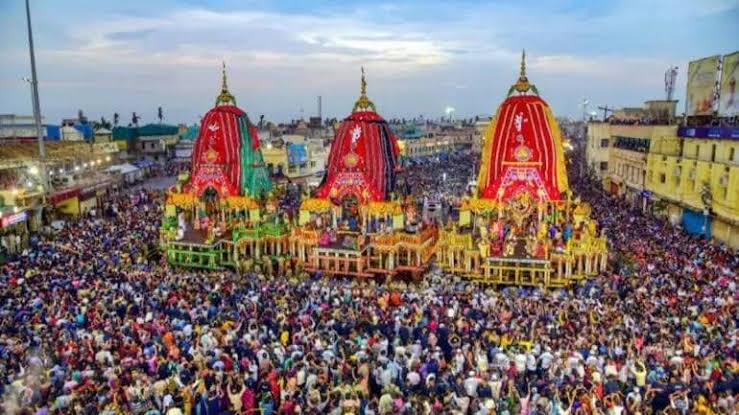
Rath Yatra or more commonly known as Jagnnath Rath Yatra is a Holy festival of Hindus celebrated every year in the Puri district of Odisha in India. Every year lakhs of tourists from India as well as from different parts of the world visit Puri to celebrate this festival. This Rath Yatra is considered as the oldest Rath Yatra not only in India but all over the world. This Rath Yatra is dedicated to the deities – Lord Jagannath, Lord Balbhadra and Lordess Subhadra. 

Lakhs of Devotees attend Jagnnath Rath Yatra every year.

DESCRIPTION OF THE FESTIVAL :-

This festival is celebrated annually on Ashadha Shukla Paksha Dwitiya i.e., on the second day of the bright fortnight of Ashadha month according to the Hindu calender. The deities of the Jagnnath temple, Puri main temple – Jagannath, Lord Balbhadra and Lordess Subhadra are placed on their chariots from their respective positions in the temple. These chariots are built and decorated every year. The devotees of Jagnnath built these chariots.

Chariots (Raths) used in Jagnnath Rath Yatra.

The Rath Yatra starts from Jagnnath Temple and the first destination of it is Gundicha Temple named after King Indradyuman’s Queen. The chariot of Lord Jagnnath (named Nandighosa) waits for a while to pay tribute to Bhakta Salabega at his crematorium which is situated on the way of Rath Yatra.

This place has a story related to saving of Jagnnath Temple from the revenge of Ocean by the grace of Shri Kabir Saheb Ji. He had promised to Kaal that he will be going to save the Jagnnath Temple from the Ocean at any cost and he eventually succeeded in his efforts and saved the Jagnnath Temple.

Chariot DetailsJagannathBalabhadraSubhadra
Name of ChariotNandighosha (ନନ୍ଦିଘୋଷ)Taladhwaja (ତାଳଧ୍ୱଜ)Darpadalana (ଦର୍ପଦଳନ)
Alternates name of ChariotGarudadhwaja, KapiladhwajaLangaladhwajaDevadalana, Padmadhwaja
Number of wheels161412
Total Number of wooden pieces used832763593
Height44′ 2″43′ 3″42′ 3″
Length and breadth34’6″ x 34’6″33′ x 33′31’6″ x 31’6″
Colours of the canopiesRed, Yellow(yellow associated with Vishnu)Red, Bluish greenRed, Black(Black associated with the Goddess)
GuardianGarudaVasudevJayadurga
CharioteerDarukaMataliArjuna
Flag nameTrailokyamohiniUnnaniNadambika
Flag emblemPalm Tree
Name of Horses1.Shankha
2.Balahaka
3.Suweta
4.Haridashwa
1.Tribra
2.Ghora
3.Dirghasharma
4.Swornanava
1.Rochika
2.Mochika
3.Jita
4.Aparajita
Colour of HorsesWhiteBlackRed
Name of Chariot RopeSankhachuda NaginiBasuki NagaSwarnachuda Nagini
Accompanying deityMadanmohanRamakrishnaSudarshana
Gatekeepers (Dvarpala)1. Jaya
2. Vijaya
1.Nanda
2.Sunanda
1.Ganga
2.Jamuna
Nine parshvadevata (Subsidiary deities)1. Panchamukhi Mahabir (Hanuman)
2. Harihara
3.Madhusudana (Vishnu)
4. Giridhar (Krishna)
5. Pandu Narasingha
6. Chitamani Krishna
7. Narayana (Vishnu)
8. Chatra Bhanga Rabana (Rama)
9. Rama seated on Hanuman
1. Ganesha
2. Kartikeya
3. Sarvamangala
4. Pralambari (Balarama)
5. Halayudha (Balarama)
6. Mrityunjaya (Shiva)
7.Natamvara(Shiva)
8.Mukteshwar (Shiva)
9. Sheshadeva
1. Chandi
2. Chamunda
3. Ugratara
4. Banadurga (Durga)
5. Shulidurga (Durga)
6. Varahi
7. Shyamakali
8. Mangala
9. Vimala
Reference taken from Wikipedia

SUNA BESHA :-

Suna Besha Ceremony at Jagnnath Temple

Suna Besha is the ceremony organized after the chariots of all the deities return back to the main temple after staying for about a week at the Gundicha Temple. In this ceremony, they are worshiped on the chariot and attired in gold ornaments. This ceremony started way back in 1460 by the King Kapilendra Deb when he returned victorious from the war and donate gold to the Jagnnath Temple.

Lord Jagannatha returns to his main abode just before Devshayani Ekadashi and after the completion of Suna Besha, Lord Jagannatha goes to sleep for four months.

Links:-

POLO : THE FORGOTTEN GAME

The role of sports programs in promoting academic success, health and fitness, responsible social behaviors and self confidence among young people and how such programs could be expanded to reach those in great need. While sports can encourage good study habits as well as the expression of ethical behaviors such as fair play, integrity, sportsman spirit and compassion and the result can be counterproductive if these values are not modelled by parents and coaches. Polo has been referred to as “the sport of kings”. This sports requires more energy and enthusiasm , youth is the best age to begin participating in it. It is more than just a game; it is something to be enjoyed with all of one’s heart. Only when we enjoy what we are doing can we contribute our full potential to it.

Polo is not only for men, but women can also play it, and there is an equal increase in that. many people have a passion for this sport but they abandon their dreams because they do not receive enough support and encouragement from their family. polo is an expensive sport where one has to spend money to buy horses and the clothing’s etc.  There are many sponsors who are ready to spend for the expenses, if the person financially not stable. There are numerous corporate entities eager to assist players. Most major cities have academies, including the Rajasthan Polo Club in Jaipur, the Greater Mahalaxmi Race Course in Mumbai, and the Jindal Academy in Noida. If there are people who can help them financially, there will be a large number of young people who want to play.

This game, like any other, has more risk factors. Only when the person is on top of the horse and maintains proper posture and balance will he be able to play smoothly. It necessitates greater concentration, as the player must maintain a keen focus on the ball, his opponents, and then ride the horse; all in all, it is extremely dangerous. When it comes to risk factors, young people find it more exciting because they enjoy adventure, and in this game, the player must be both mentally and physically active. A major issue for at-risk youth is that they have not had the kinds of experiences that success in life necessitates, such as personal discipline and the ability to persevere. Athletics can be an effective tool for teaching life lessons.

Polo helps to improve your balance, coordination, and motor function. When hitting a ball with a mallet on a moving horse, hand-eye coordination is put to the test to the fullest. According to research, polo has numerous cardiovascular and muscle conditioning benefits. Power to your muscles and a lower risk of injury come from your core, which is strengthened by polo. According to research, an hour of activity can burn the same amount of calories as a 30-minute jog or cycle. Increased ride speed and duration will increase the intensity of your workout and burn more calories.

It is critical to raise awareness among young people that participation in sports promotes their healthy development. It is critical that these awareness campaigns begin at home, where parents should teach their children the value of playing games and encourage them in any way they can. In schools, students have one period allotted to them outdoor where they can play whatever games they want. However, not a single school provides students with polo guidance, despite the fact that these students are more familiar with cricket and football. This could be because polo is played on the top of a horse, and as a result, schools may not be able to discuss it, proper guidance that is what needed. So, just like any other sport, polo should be well known among students, and let us hope for a world where there are children who are as enthusiastic about polo as they are about cricket and football.

Technology- boon or bane

What is technology

Technology refers to an innovation of an idea which helps the human race to develop and make their life easy. Technology doesn’t mean only virtual things, it also includes some materialistic innovation and items. Telephone, smartphone, internet television, satellite, and many more are examples of technology.  Technology makes one’s life smooth and easy. Earlier people had to use their hands to pull water from wells. Time changed, people started to use pulli and then the motor pump  took place. The need of society brings the change in technology. Nowaday we have so many innovations and techs which help us to do our work even in our personal zone.

How it is important

Imagine one month without your phone, iron press, grinder in kitchen, geyser  in bathroom, fan and air conditioner in rooms- how do you feel. Yes, you can adjust for one day but you feel discomfort somehow. The activities you can perform easily with this stuff you find difficult to do. 

Even in the medical world business field, corporate sectors, law firms and many other professional areas depend on technical society. Technology saves lives and increases the human living ratio. We develop technology for the benefit of society but when it goes to the wrong hands the technology nature becomes destructive. We should always focus on the ethical use of technology. 

Technology evolution

Nothing is permanent in the world. Everything is temporary.  Things evolve and change their nature. As the same with technology. Technology evolves and changes according to the needs of society.

Necessity is the mother of innovation. 

 From Invention of bulb to invention of LED, from pulley to motor pumps, from super computer to smartphone- technology evolves for good and bad for both. The need of society leads to the change of technology. 

Boon or advantage

Technology has many advantages in different fields.

  1. Technology in education sector:

During the pandemic we all are house arrested to save ourselves from COVID-19 virus. Education of the students was at high risk of neglect. But technology helps us to continue our academic activities through online classes. Assessment evaluation, learning,  celebration and other activities are conducted through the internet. Technology plays an important role in the education sector in academic and non academic activities.

  •  Technology in Medical 

Technology saves many lives and gives hope to the hopeless people. Innovation in the medical sector has become a boon for humanity. Nanotechnology is one of the best examples of technology in medical science. During the pandemic doctors also come on internet platforms for the concern and prescription for their patience. It is only possible with the help of technology.

  • Technology in Corporate sector

Nowadays the corporate sector also works with innovation. Technology helps to collect data, analyze and interpret the data- all the work is based on technology. Computers help to do all the work of the corporate world. They work with technology on innovation. Due to the pandemic all the things scheduled online. Only technology makes it possible.

  • Technology in Judiciary sector

Judiciary is one of the important sectors. Judiciary works for justice so it is important that the judiciary must be technology strong. The Judiciary sector also started the use of information and communication technologies in their processing, hearing and conducting examination. Pandemic also creates opportunities to raise the use of technology in the judiciary. 

  • Technology in household 

Robotic vacuum cleaners and humanoid robots are the new technology. They take care of your house as humans do. They need to charge once a day. Humanoid robots not only follow the command but also make decisions when they felt needed with the help of artificial intelligence.  

Disadvantage or bane

  • Increase in crime rate

Technology becomes the bane when it is in the wrong hands. We all are aware about the cases in which technology plays a vital role to commit a crime. Ict technology connects people but we are not aware about the intentions of other people.

  1. Negative impact on Environment 

Most of the technology is based on the waves. For setting up the plants forest and cultivation land are getting spoiled. Chemicals and other plants pollute the water and air. Our nature is degrading because of technology. We should try to use them to the limit to save nature.

  • Less social interaction

Social media is one part of virtual technology. But here is a question that we are really connected to each other. Youngsters spend most of their time on social media but they are not that energetic. They don’t want to go outside and meet people. Social interaction is limited  to smartphones and applications.

  • Addiction of technology

We all are really addicted to technology. We need them for my survival. We found ourselves nothing without technology. 

  • Destructive nature of technology

In the war, use of technology could be more destructive in nature. Army fought for their nation. But when the war is about supremacy and technology becomes the tool. Then the technology is considered bane for society.

Use of  Nuclear technology in world war against Japan is one of the best examples to prove that technology is dangerous in itself.

Conclusion

Technology is really useful and helpful for the development of society. Technology brings changes and innovation makes our life easy. We don’t need to do as much hard work as earlier. But if technology gets in the wrong hands it is also very destructive for human existence. Ethical use of technology only brings prosperity and wealth in society. Technology is a boon as well as bane for human.

Online Vs. Traditional Learning

Modern technology has infiltrated the education sector and as a result, many college students now prefer taking online classes, as opposed to attending the traditional regular classes. This is because online classes are convenient for such students, and more so for those who have to both work and attend classes.

As such, online learning gives them the flexibility that they needed. In addition, online learning also gives an opportunity to students and professionals who would not have otherwise gone back to school to get the necessary qualifications. However, students who have enrolled for online learning do not benefit from the one-on-one interaction with their peers and teachers. The essay shall endeavor to examine the differences between online classes and the traditional classes, with a preference for the later.

Differences between online classes and traditional classes

Online classes mainly take place through the internet. As such, online classes lack the regular student teacher interaction that is common with traditional learning. On the other hand, learning in traditional classes involves direct interaction between the student and the instructors .

This is beneficial to both the leaner and the instructors because both can be able to establish a bond. In addition, student attending the traditional classroom often have to adhere to strict guidelines that have been established by the learning institution. As such, students have to adhere to the established time schedules. On the other hand, students attending online classes can learn at their own time and pace.

One advantage of the traditional classes over online classes is that students who are not disciplined enough may not be able to sail through successfully because there is nobody to push them around. With traditional classes however, there are rules to put them in check. As such, students attending traditional classes are more likely to be committed to their education

Another advantage of the traditional classes is all the doubts that students might be having regarding a given course content can be cleared by the instructor on the spot, unlike online learning whereby such explanations might not be as coherent as the student would have wished.

With the traditional classes, students are rarely provided with the course materials by their instructors, and they are therefore expected to take their own notes. This is important because they are likely to preserve such note and use them later on in their studies. In contrast, online students are provided with course materials in the form of video or audio texts

They can also download such course materials online. Such learning materials can be deleted or lost easily compared with handwritten class notes, and this is a risk. Although the basic requirements for a student attending online classes are comparatively les in comparison to students attending traditional classes, nonetheless, it is important to note that online students are also expected to be internet savvy because all learning takes place online.

This would be a disadvantage for the regular student; only that internet savvy is not a requirement. Students undertaking online learning are likely to be withdrawn because they hardly interact one-on-one with their fellow online students or even their instructors. The only form of interaction is online. As such, it becomes hard for them to develop a special bond with other students and instructors. With traditional learning however, students have the freedom to interact freely and this helps to strengthen their existing bond.

Conclusion

Online learning is convenient and has less basic requirements compared with traditional learning. It also allows learners who would have ordinarily not gone back to school to access an education. However, online students do not benefit from a close interaction with their peers and instructors as do their regular counterparts. Also, regular students can engage their instructors more easily and relatively faster in case they want to have certain sections of the course explained, unlike online students.

Real motivation ?

What works for others might not work for you. But way to reach that is given to everyone and that too is different for everyone.

You might have seen a small video of that people romanticizing their life, living a happy wonderful life and a life full of everything that “one needs and must have”. Well, it is only that what you want to know or something they are trying to show you and wanted you too see. The only “good” of their life.

Suppose you have seen a video in which there is a person who is waking up early in the morning, exercising, going for a walk, eating healthy food and enjoying their life’ along with that they were having a room full of cute stuff. You get motivated and decided to work on yourself same as “that” person does, for couple of days you have been waking up in early in the morning, doing some sort of exercise and trying to be healthy and improve ourselves, you also tries to decorate you room with all beautiful stuff.

WHAT IS IT REAL.

It is Just a small part of their life.

Did they show the whole life of them in just a 15-20 second video, NO is is just to show their good habits to the world? There are many who with these such king of video tries to motivate themselves by showing that part of their life to the world.

Even the person who was in that video has bad days we all do right, so if you are feeling down, it is ok to feel that way, we are human it is natural to have ups and down.

Financial burden.

In any video you saw a person who is having a room (separate one), good lightning, beautiful stuff, various equipment’s and many more thing.

But what if it is costly for us, it will be burden on us seeing that that way. So, try to live your life YOUR WAY.

“Life is not about having everything. It’s about finding meaning in everything.” – Joel Randymar

Motivational

It is true fact that these videos are motivational and by watching them we fell much more motivated that we try to improve ourselves, to get a better version of yourself. What good is that by watching those people you try to work little hard on yourself by living healthy life. Its is not you just have to eat healthy food items you can somehow eat something unhealthy. At times it will uplift your mood sometimes.

A better version to ourselves

BY watching these videos, you get motivated and starting working on yourself slowly-slowly you many changes for better not at one shot.

Just be yourself and enjoy your life make changes frequently and enjoy your life peacefully. You will get motivated only when you really want to get motivated

DO NOT FOLLOW ANY TRENT DO AND MAKE ATREND FOR YOURSELF.

“Challenge yourself with something you know you could never do, and what you’ll find is that you can overcome anything.” – Anonymous

Top 10 Reasons Why You Need To Eat purple and orange sweet potatoes!

What You Should Know About the Purple Sweet Potato | Southern Living

Introduction

  • Sweet potatoes is not only considered a “superfood”, but in fact, it is something which is full of important vitamins and minerals and can have a very positive effect on your health.
  • This vegetable is highly rich in nutrition. If taken for breakfast, it can provide energy to work until the evenings, especially for those who toil in fields. This is owing to the low glycemic index which causes the insulin to mix with the bloodstream slowly
  • In India, these crops are widely grown in hilly or tribal areas of the eastern part, as weather conditions there are suitable for tuber growth.
  • sweet potatoes can be regularly consumed by people with diabetes in limited quantities.
  • Dr Nedunchezhiyan,principal scientist at the Indian Council of Agriculture Research (ICAR) – Central Tuber Crops Research Institute (CTCRI), Bhubaneshwar, along with other researchers at the institute, developed and launched two new varieties of sweet potatoes — Krishna (Purple colour) and Sona (Orange colour). These varieties are rich in anthocyanin and beta carotene, he says.
  1. Purple and orange  help prevent Vitamin A deficiency

These are a natural and abundant source of beta-carotene and Vitamin A. Vitamin A is essential in helping the body fight off infections, and remain resistant to any further infections.

2.   Purple Sweet potatoes can also help manage diabetes

Sweet potatoes contain essential fibers and magnesium that play critical and a vital role in the prevention and management of diabetes. The vegetables also have a moderately low glycemic index that also aids in the regulation of blood glucose levels.

3.   Purple Sweet potatoes can help manage stress levels

Sweet potatoes are an important source of magnesium, whose deficiency has been reported to be linked with a higher risk of depression, stress and anxiety. Thus, sweet potatoes can replenish the body’s magnesium levels and help alleviate the symptoms of depression and anxiety-related behaviors in individuals.

4.purple Sweet potatoes can help protect/prevent/manage cancer

Sweet potatoes contain beta-carotene, a carotenoid, which is significant in protecting men from developing prostate cancer. In addition, extracts from different parts of sweet potatoes have been shown to accelerate the death of breast, gastric, colorectal, and prostate cancers, limiting the growth and spread of these cancers.

5.Purple Sweet potatoes are good for digestion

These Sweet potatoes contain significantly high amounts of fibers, which are essential in promoting a well-functioning digestive tract, as well as preventing constipation.

6.purple Sweet potatoes can help in regulating blood pressure

These contain considerable amounts of both magnesium and potassium, both of which are essential in the fight against hypertension. They also help regulate the blood pressure, which reduces the chances of individuals suffering from cardiovascular diseases.

7.orange Sweet potatoes are important for good vision

 orange Sweet potatoes contain high amounts of vitamin A, C, and E, all of which are integral in promoting good vision. Deficiency of vitamin A results in night blindness, total blindness, as well as malformation of the retina. Deficiency in vitamin C is mostly associated with the development of cataracts.

8.   These contain antimicrobial properties

Sweet potatoes and their extracts possess antimicrobial activities, which can be used in the prevention and treatment of a variety of bacterial pathogens and infections.

9.      Purple and orange Sweet potatoes can help in weight management

The fiber in sweet potatoes can help in maintaining satiety, as well as reducing the overall weight of an individual. The more full you feel throughout the day, the less you will snack, which will help you manage your weight effectively.

10.purple Sweet potatoes can help guard against ulcers

Studies on the extracts from sweet potatoes have shown that the vegetable has chemicals that can help heal wounds and ulcers in the stomach. Thus, dietary consumption of sweet potatoes can be an effective treatment plan against major types of ulcers including ethanol and aspirin-induced ulcers.

Conclusion

Purple and orange sweet potatoes are packed with vitamins, minerals, enzymes, antioxidants, and fiber. All of these nutrients are essential for our health and the optimal functioning of our bodies. These contain an extremely high amount of vitamin C and B

Eating Purple and orange sweet potatoes is a great idea if you want to improve your cardiovascular and digestive health. Incorporate sweet potatoes into your diet and watch how it affects you in a positive way!

reference-https://krishijagran.com/health-lifestyle/sweet-potato-here-s-why-you-should-include-this-healthy-vegetable-in-your-diet/

Bahrain Receives Consignment of GI Certified Fazil Mango Variety from West Bengal

Mango - Wikipedia
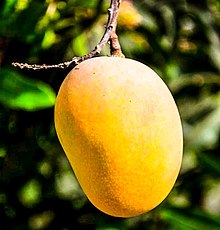
  • The commerce ministry declared that a consignment of GI certified Fazil mango variety sourced from the Malda area of West Bengal was shipped to Bahrain. The GI tag ensures that growers receive a premium price for their product so that no other company may use the name to sell similar products.

What is a GI Tag?

  • A geographical indication (GI) tag is applied to an agricultural, natural, or manufactured product (handicrafts and industrial items) that originates from a certain geographic area. Generally, a name like this offers a sense of quality and uniqueness, which is largely due to its place of origin.
  • In India, registered GIs products include Darjeeling tea, Tirupathi laddu, Kangra paintings, Nagpur orange, and Kashmir pashmina.
  •  A week-long Indian mango promotion program was held in Bahrain in June 2021, with 16 kinds of the fruit on display, including three GI certified Khirsapatin and Lakshmanbhog (West Bengal) and Zardalu (Bihar).
  • APEDA, in collaboration with Farmer Producer Organizations (FPOs), traders, exporters, agricultural scientists, the Uttar Pradesh government, and other institutions, had organized a meet to promote agricultural crop exports and adherence to global practices.

MOVIE REVIEW – JERSEY

Jersey

A Movie that connects us to the storyline and has an impact on us will always remain close to our hearts. Jersey is one such kind of movie. The movie holds multivarious emotions encountered by a person. The character described is relatable to every middle-class soul who is sacrificing their dreams to comfort and take care of their family. Scene-by-scene narration is done well and the pain we feel gradually makes us feel that we are dragged into the story. Lighting, picturization and visual effects add beauty to the eyes of the beholder.

“Passion is energy. Feel the power that comes from focusing on what excites you” – Oprah Winfrey.

The lead is full of liveliness while he is playing cricket. He moves forward with the dream of playing for the country leaving behind all the criticisms. His passion makes him energetic, self-confident, and strong. The lead lady is in love with the fire in his eyes. She is strong, independent and clear about her choices in life. Both of them have portrayed their role in the finest way. They both support and believe each other in every phases of their life.

“A perfect marriage is just two imperfect people who refuse to give up on each other “ – Kate Stewart.

Marriage is not about dependence on a man or love him based on his money. It’s about loving each other by the way they are. The detailing of their love in an undetailed way is such a bliss to watch. People believe that the intimacy of a relationship starts to fade away after marriage. In spite of his downfall, pain the hero never shows his vexation towards his partner. The heroine may seem lost in the midst of managing the family. But her emotions rekindle when she sees him pursuing his passion again.

“Fathe’s Love will always remain imprinted in the heart of a son”

A Mother’s affection teaches the child to be happy with what is present. A  Father’s affection can push limits of the boundary to satisfy their wishes and pursue the kid’s dreams. The relationship between a father and child is trivialized by society. A child accepts his father for who he is. His father is a hero no matter where he works and how much he earns. These emotions are excellently captured in Jersey. There is a scene where he is not able to afford his son’s wish. The pain in his eyes has personified the emotions in a realistic way.

“Where words fail, music speaks”

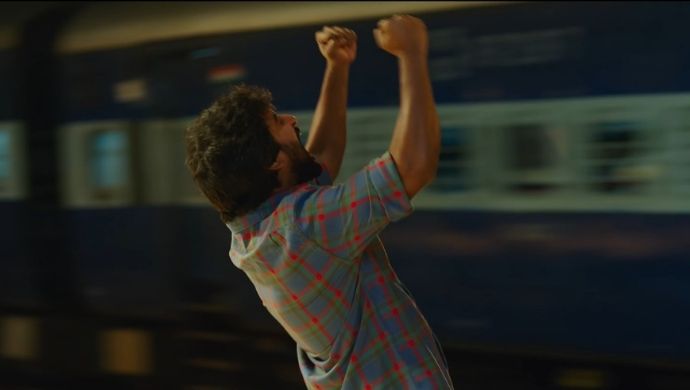
Music has a major contribution in bringing out emotions in a surreal manner. The pleasure of romance and triumph of victory are sublimely expressed through the songs. The background score at the points where the hero gets a second chance to pursue his dreams and screams at a local station, makes us realize his intense pain. The lyrics blend with the music and turns into a soothing experience. The movie is undoubtedly a magnum opus for everyone who worked in it.

https://www.imdb.com/title/tt8948790/

Poultry farming

Poultry farming is defined as rearing and breeding of avian species for the purpose of egg and meat.Chicken occupy 90 percent of the total poultry.

The term poultry includes chicken,ducks,geese, turkeys, pigeons and Guinea fowls.The poultry industry with its production in the form of eggs and meat is of particular importance in providing a balanced diet for the human population.Proper management of poultry includes methods of hatching, rearing, housing, sanitation, prevention of diseases and a sound marketing system.

Silver resolution

The increase in egg production brought about the ‘Silver Resolution’ in the area of animal husbandry.There are more than hundred breeds of fowls.The fowls are classified on the basis of their utility to man.They are:

⭐meat type

⭐Egg type

⭐Dual type

Advantages of cross breeds

⚫Cross breeds lay more number of eggs

⚫The eggs produced are larger in size

⚫They yield more meat

Nutritional value

Eggs and meat are good sources of protein.Eggs also contain calcium, Phosphorus,sodium, vitamins B1,B12 and D.

Housing of birds

In free range farming,the poultry are allowed to roam around freely during the day.They are confined in a cage only in the nights.Intensive farming involves growing birds in small cages that are just large enough for them to feed and lay eggs.Animal welfare activists discourage this method as this does not provide sufficient space for the bird to move or spread its wings.

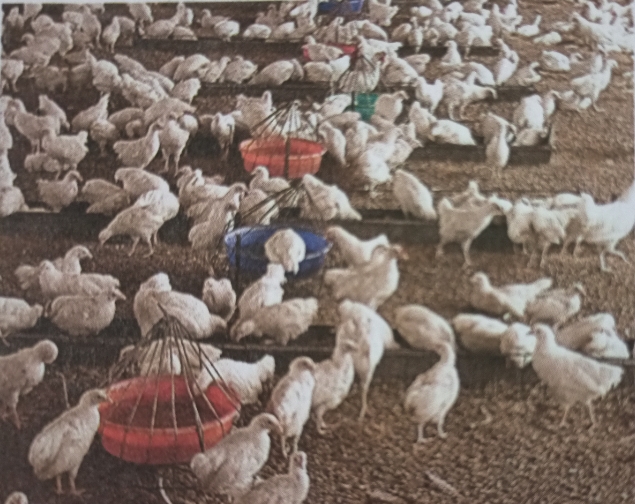
Birds that are reared for meat are also grown in large coops or houses that protect them from predators.Broilers are young chicken that are grown only for their meat.

Poultry feed

Poultry diets are composed of a mixture of cereal grains,soya bean meal,fish meal,bone meal, wheat bran, ground nut cake,barley,oats,maize,animal by product meal etc.,Trace minerals such as zinc,iron,copper iodine,Manganese and selenium must be included in the poultry feed.

Poultry disease

Poultry are often affected by diseases and attacked by predators like cats,dogs and foxes.Some of the common diseases are tick fever, tuberculosis,fowl cholera,fowl pox and flu.

Disease control

Poultry diseases can be controlled by vaccination, isolation of affected birds, improving the sanitary conditions, removing dampness through exposure to sunlight.Fewding poultry with a well balanced diet will prevent them from the developing deficiency diseases.

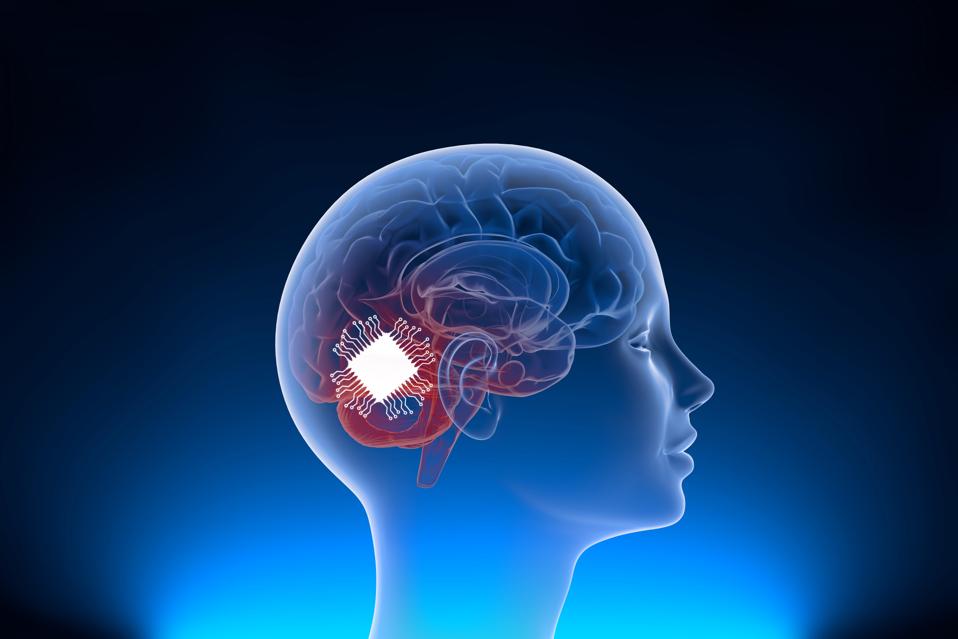
Neuralink – connecting the human brain to technology

Neuralink is a controversial chip that binds together humankind with artificial intelligence. Surgically implanted into one’s brain, it can connect the brain to technology by reading neuron signals. This means that people can operate their phones and computers directly with their brain. The chip also gives one access to all public knowledge in the world. Designed for people with brain disorders and other medical problems, the chip can help cure neurological conditions like Alzheimer’s, dementia and spinal cord injuries.

At first glance, it seems like this is the technology of the future, giving paralysed people the platform to easily carry out the same actions as the non-paralysed. However, the chip also gives rise to a few practical and ethical problems. Even if it assured to be safe by experts, there is still a chance that it could potentially be dangerous for certain bodies, something which no one can fully predict. Furthermore, another factor to consider is that the chip may only be accessible to those with money, which can be unfair to those who are mentally disadvantaged and do not have the means to pay.

A representation of the peak of the technological world, this tiny device may be the key to curing major medical problems, but its success is yet to be determined.