Zoo

The world is a huge place to see. It consists of so many living organisms that it is impossible to see each and every one of them. Especially for human beings, who are fascinated very much by animals. For the same reasons, zoos were created so that humans can interact better with animals. In other words, a zoo is a facility that has animals, birds, and reptiles of all kinds. They are confined to space where they are given food and medical facilities. The government has given strict guidelines to maintain a zoo. This is done keeping in mind the animal’s safety. In addition, zoos are made breeding grounds for animals to protect their species.

Benefits of Zoo

Zoos were made to bring wildlife closer to humans. It gave humans a better and up-close view of them. This allows various researchers and scientists to note the behavioral pattern of the animals. It helps them in their studies and discover new things. In addition, zoos are a great source of entertainment for kids. They love visiting zoos and interacting with animals. This helps them learn practical knowledge about the animal. It also gives them exposure to wildlife and widens their knowledge. Furthermore, zoos give us easy access to rare animals. Had it not been for zoos, we would have never been able to see what some animals looked like. We enjoy their behavior and it also creates awareness about the extinction of the rare species. Similarly, zoos are a safe breeding ground for animals. They ensure the animal breeds so they never go extinct. This helps in creating a good balance. Moreover, the zoos ensure the animals get all the nutrition in their bodies to lead a healthy life. This is beneficial as the animal may not get guaranteed meals in the forests.

Disadvantages of Zoo

While the zoo is a great place for entertainment, it is also very exploitive. It takes advantage of the poor animals to make a profit off them. The zoos keep animals in very bad conditions. It takes unethical methods just to create revenue.

Furthermore, zoos are very unfair to animals. They take the animals out of their natural habitats just for the sake of human entertainment. Why would the animals be put into cages as humans want them to? They are voiceless creatures who are being forced to live in poor conditions. Imagine putting humans into cages so animals could come to see them. It sounds inhumane the other way around but not when we do the same to animals.

Most importantly, zoos do not take proper care of exotic animals. They bring them over in their facility despite knowing that they cannot survive in that climate. Some zoos do not take enough precautionary measures to keep the animals safe. This has resulted in so many deaths of animals that it seems cruel.

In short, though zoos are very helpful to humans and animals to an extent. They must be monitored constantly to ensure the animals are safe. The unethical zoos must be shut down at once to prevent any further loss of animals.

FIRING THE BLAME BULLET

The popular game PUBG has weapon attachments that reduces weapon recoil. It makes life easier for the players. Recoil is the backward movement of a gun when a bullet is discharged. It is helpful to know which attachments help players to shoot better and more effectively without hurting themselves in the process due to the tremendous force at which the shots are fired.

In real life when we point the gun at someone, how badly are we affected?

Well fortunately for us, in India, there exists some tight Gun laws except for the water guns’ kids play with during Holi and Gangsters. Hence here I talk about the abstract gun which fires the Bullets of Blame on others. Pointing finger at anybody who is in sight, was my favorite thing to do in any situation.

The blaming gun can also point upwards or inwards. When it points upwards, we blame the Creator for being unintelligent or uncaring or even non-existent. When it points inwards, we beat ourselves down with self-recrimination, “I am good-for-nothing,” ending up unnecessarily with inferiority complex.

How many of you, like me; are blamers? How many of you, when something goes wrong, the first thing you want to know is whose fault it is? Well Hello there, I’m the former winner of the Miss Blamer Pageant and the magnitude to which I blamed others with respect to everything that went wrong in my life was comical.

I’m in my house. I have on white slacks and a pink sweater. I’m drinking a full cup of coffee in my kitchen. I drop it on the tiled floor. It goes into a million pieces and splashes up all over me. And a millisecond after it hit the floor, right out of my mouth comes this: “DAMN YOU CHINA!” For purposefully making these cups so shiny and slippery. Now my entire kitchen is infected by the tiny pieces of ceramic (China clay). The kitchen has to be quarantined until I clean it up…or somebody else cleans it up, never mind.

Now as I have aged, I realized- I’d rather it be my fault than no one’s fault. BUT WHY? Cause it gives me some semblance of control. Blame is simply the discharging of discomfort and pain. It has an inverse relation with accountability. What is the difference? Well accountability by definition is a vulnerable process wherein I confide to you, “Hey my feelings were really hurt by the things you said/did.” Blaming is simply a way to express anger.

People who blame a lot seldom have the tenacity and grit to actually hold people accountable because we spend all of our energy raging for 15 seconds and figuring out whose fault something is. Blaming’s very corrosive in relationships and it’s one of the reasons we miss our opportunities for empathy. Because when something happens and we hear the story, we’re not really listening, we’re in the place where I was – making the connections as quickly as we can about whose fault it was.

SO, DO I START BLAMING MYSELF FOR EVERYTHING?!

In the spiritual path, self-blame is the most dangerous thing. Firstly, stop blaming yourself and others. We don’t have to point the gun at others or our own heads. Let us drop the gun and never pick it up, ever again.

Secondly, we need to come out of the Destiny’s Illusion. Never focus on what you can’t do, focus on what you can do. If we keep on focusing on what we can do- Then even if you believe in destiny, it will be a good one for you. Blaming your destiny will close doors to all the wonderful opportunities waiting for you.

A child runs a race with his full speed & energy and yet comes last in it. Losing the race was not his fault but taking part in the wrong race is definitely a mistake worth correcting. To simplify- Making a mistake is not your fault but doing it without your interest in it, is a mistake that can be rectified.

To solve the problem, we need; not a blaming bullet, but a helping hatchet. Not a blaming finger but a helping hand. Making mistake is in our nature. Acceptance of mistake shows our culture and correcting the mistake is progress. I do accept that spilling that damn coffee was my fault, however damn you CHINA for making the cup which broke and spread on the entire floor leaving my kitchen dangerous to walk on freely. * Gun drop * I meant MIC DROP…..phew!

Human Physiology

Human physiology is the study of how the human body functions. This includes the mechanical, physical, bioelectrical, and biochemical functions of humans in good health, from organs to the cells of which they are composed. It serves as the foundation of modern medicine. The human body consists of many interacting systems of organs. These interact to maintain homeostasis, keeping the body in a stable state with safe levels of substances such as sugar and oxygen in the blood. Each system contributes to homeostasis, of itself, other systems, and the entire body. Some combined systems are referred to by joint names. For example, the nervous system and the endocrine system operate together as the neuroendocrine system

As a discipline, it connects science, medicine, and health, and creates a framework for understanding how the human body adapts to stresses, physical activity, and disease. Human physiology is closely related to anatomy, in that anatomy is the study of form, physiology is the study of function, and there is an intrinsic link between form and function. The study of human physiology integrates knowledge across many levels, including biochemistry, cell physiology, organ systems, and the body as a whole.

History of Human Physiology

The study of human physiology began with Hippocrates in Ancient Greece, around 420 BCE, and with Aristotle (384–322 BCE) who applied critical thinking and emphasis on the relationship between structure and function. Galen (ca. 126–199) was the first to use experiments to probe the body’s functions. The term physiology was introduced by the French physician Jean Fernel (1497–1558).In the 17th century, William Harvey (1578–1657) described the circulatory system, pioneering the combination of close observation with careful experiment. In the 19th century, physiological knowledge began to accumulate at a rapid rate with the cell theory of Matthias Schleiden and Theodor Schwann in 1838, that organisms are made up of cells. Claude Bernard (1813–1878) created the concept of the milieu interieur (internal environment), which Walter Cannon (1871–1945) later said was regulated to a steady state in homeostasis.

Study of human physiology

The major systems covered in the study of human physiology are as follows:

  • Circulatory system – including the heart, the blood vessels, properties of the blood, and how circulation works in sickness and health.
  • Digestive/excretory system – charting the movement of solids from the mouth to the anus; this includes study of the spleen, liver, and pancreas, the conversion of food into fuel and its final exit from the body.
  • Endocrine system – the study of endocrine hormones that carry signals throughout the organism, helping it to respond in concert. The principal endocrine glands – the pituitary, thyroid, adrenals, pancreas, parathyroids, and gonads – are a major focus, but nearly all organs release endocrine hormones.
  • Immune system – the body’s natural defense system is comprised of white blood cells, the thymus, and lymph systems. A complex array of receptors and molecules combine to protect the host from attacks by pathogens. Molecules such as antibodies and cytokines feature heavily.
  • Integumentary system – the skin, hair, nails, sweat glands, and sebaceous glands (secreting an oily or waxy substance).
  • Musculoskeletal system – the skeleton and muscles, tendons, ligaments, and cartilage. Bone marrow – where red blood cells are made – and how bones store calcium and phosphate are included.
  • Nervous system – the central nervous system (brain and spinal cord) and the peripheral nervous system. Study of the nervous system includes research into the senses, memory, emotion, movement, and thought.
  • Renal/urinary system – including the kidneys, ureters, bladder, and urethra, this system removes water from the blood, produces urine, and carries away waste.
  • Reproductive system – consisting of the gonads and the sex organs. Study of this system also includes investigating the way a fetus is created and nurtured for 9 months.
  • Respiratory system – consisting of the nose, nasopharynx, trachea, and lungs. This system brings in oxygen and expels carbon dioxide and water.

RECYCLE YOURSELF, BECOME AN ORGAN DONOR

To understand about Organ Donation, it is initially important to understand about Organ Transplants. A transplant is a medical procedure where one person’s dysfunctional organ or tissue is replaced by that of a healthy person, thus restoring its function and health. In certain cases, despite major advances in medical science, transplant is the one and only alternative. Transplants drastically improve the quality of life of the patient and give them another chance to live. The need for organ donors has never been greater. More than half a million Indians are estimated to be in dire need of an organ transplant.

Did you know, In India every year nearly:

  • 500,000 people die because of non-availability of organs
  • 200,000 people die of liver disease
  • 50,000 people die from heart disease
  • 150,000 people await a kidney transplant but only 5,000 get one
  • 1,000,000 lakhs people suffer from corneal blindness and await transplant

Yet, less than a thousand transplants from deceased donors are performed each year – an incredibly small and insignificant number compared to the statistics around the world. Some of these people will find a living donor, who will donate an organ to them. The rest will probably die, waiting for an organ. Among all organs in our body, liver is the only organ which has the ability to regenerate, or grow back (a transplanted segment of a liver can grow to normal size within a few months).

A transplant takes place only if there is an organ available from a donor. While most organs that are transplanted are from deceased donors, patients may also receive organs from living donors. Living persons can donate a kidney, portions of the liver, lung, pancreas, intestines, blood, and still continue to live a normal life. For organ recipients, a transplant often means a second chance at life. Most important organs such as the heart, pancreas, liver, kidneys and lungs can be transplanted to those whose organs are failing. For some, an organ transplant means no longer having to be dependent on costly routine treatments to survive. It allows many recipients to return to a normal lifestyle. For instance, a cornea or tissue transplant means the ability to see again or the recovery of mobility and freedom from pain.

There are two ways a person may become eligible to be an organ donor:

  • Individuals who suffer severe brain damage may be candidates for organ donation. Before declaring death, a physician will perform a series of tests to determine the donor’s brain function. If the physician determines that all brain activity has ceased (a condition known in the medical community as “brain death”. Brain death is NOT coma. Coma is a state of deep unconsciousness, where the brain continues to function and the person can breathe on his/her own, without the help of a ventilator. Thus, unlike brain death, in a coma, the brain still has the capacity to heal. If there is activity in the brain, the person will not be declared brain dead), the patient becomes eligible to provide life to those on the transplant waiting list by donating their loved one’s heart, lungs, liver, kidneys, pancreas or small intestine.
  • After all lifesaving measures have been exhausted and it is determined that there will not be a meaningful recovery for the patient, the family – knowing their loved one’s wishes – decides to remove life sustaining measures such as the ventilator. Many families know that their loved one did not want to live in such a state and opt to let their loved one pass peacefully. This patient may be eligible to provide lifesaving organs to those on the waiting list for a lifesaving gift as well.
NOTTO taking steps towards saving lives: Prof. Vimal Bhandari ...

What makes organ donation difficult in India?

Finding a donor match is difficult to begin with. In India, this challenge is compounded by bureaucratic hurdles and lack of awareness.

  • The first challenge is red-tapism and lengthy paperwork. According to existing rules, if the potential donor is not related to the person who needs the organ, the transplant needs to be approved by a state-level committee or by a hospital committee that includes government officials.
  • The next challenge is that it is often difficult for family members to accept their loved one is brain dead. On a life support system, the person looks like he/she is sleeping. The fact that body is warm to touch and the heart is beating makes it difficult for  doctors to convince the family members to donate the organs of their relative. Even if the family is ready to donate organs, superstitions and misconceptions become impediments.
  • Another problem is that there are too few surgeons and hospitals equipped for transplants. Ventilators for preserving the organs of a brain dead person and intensive-care unit personnel trained to manage such situations are prerequisites for a transplant.

Here are a few facts to clear up common misconceptions:

  • Organ donation does not disfigure the deceased donor’s body. There is a single incision made through which organs are retrieved and it is ensured that the body is given back to the family in the most respectful manner.
  • Healthy organs should be transplanted as soon as possible from the donor to the recipient. Organs must be removed as soon as possible after the determination of brain death, while circulation is being maintained artificially. Tissues may be removed within 12 to 24 hours.
  • The donor’s family doesn’t have to bear any expenses for organ or tissue donation. All costs pertaining to the organs transplant surgery will be handled by the recipient’s family or the organ transplant program.
  • Organ donation waiting lists are made according to the severity of the illness, blood type, and time spent waiting in every hospital.
  • Unlike in many western countries, where an adult is asked to make a choice if he she wants to be a donor. But in India, the choice is left to the family. After a person carrying a donor card dies, the family still needs to approve the donation of organs. So, if you intend to be an organ donor, it is imperative that you inform your family about your wish.
  • There are very few medical conditions that would automatically disqualify you from donating any organs or tissues.

One organ donor can donate upto twenty five different organs and tissues for transplantation. This can save up to nine lives. Lets help make a difference by giving the gift of life.

Machine learning to improve organ donation rates and make better ...

Blood donation

Blood donation refers to a practice where people donate their blood to people so it helps them with their health problems. Blood is one of the most essential fluids of our body that helps in the smooth functioning of our body. If the body loses blood in excessive amounts, people to get deadly diseases and even die. Thus, we see how blood donation is literally life-saving which helps people. It is also a sign of humanity that unites people irrespective of caste, creed, religion and more.

World Blood Donor Day

In order to raise awareness about this life-saving procedure, the world observes 14th June as Blood Donor Day. It promotes blood donation and urges people to save lives by donating blood. Furthermore, this day is quite an important day as it makes people about safe blood. People need to know the basics to be able to donate blood. For instance, there are certain criteria one must fulfill to donate blood. Not everyone knows that. Thus, this day helps in doing so Most importantly, on this day, the WHO organizes a campaign that invites people to donate blood. A person eligible to donate blood must fall in the age bracket of 17-66 years of age. They must weigh more than 50 kgs and have sound health. People suffering from diseases like diabetes, hypertension and more cannot donate blood. Therefore, on World Blood Donor Day, they also appreciate blood donors for their contribution to making the world a better place.

Benefits of Blood Donation

As we all know by now, blood donation has a lot of benefits. Why a person requires blood has various reasons. It may be an illness or also an accident, nonetheless, it is important. The blood that we donate helps a person in need. It enhances their health condition and makes them overcome their critical situation. In other words, blood donation does not simply help that specific person but also contributes to a responsible gesture towards society. Moreover, it also enhances the health of the donor. As the cell depletion allows a way for production, not new cells that freshen our body system. Furthermore, it also revitalizes our body for better health. Next up, a single blood donation helps at least three people in need. Thus, imagine how one donation can make a difference in so many people’s lives. In addition, blood donation makes the work of blood banks easier. It stabilizes their collection which helps other people get blood urgently. The demand is still higher than the supply in blood banks, so we must donate more and more of it to help people.

Other than that, blood donation also helps us know about our bodies. As a blood donation requires a preliminary health check-up, we get a complete diagnosis. It makes us aware of the levels of iron, hemoglobin, cholesterol and more. Thus, we see that blood donation is an important procedure in saving human life. It is a great initiative that must be encouraged everywhere.

Surrogacy

What is Surrogacy

Surrogacy refers to a contract in which a woman carries a pregnancy “for” another couple. Number of infertile couples from all over the World approach India where commercial surrogacy is legal. Although this arrangement appears to be beneficial for all parties concerned, there are certain delicate issues which need to be addressed through carefully framed laws in order to protect the rights of the surrogate mother and the intended parents.

The ever-rising prevalence of infertility world over has led to advancement of assisted reproductive techniques (ART). Herein, surrogacy comes as an alternative when the infertile woman or couple is not able to reproduce. Surrogacy is an arrangement where a surrogate mother bears and delivers a child for another couple or person. In gestational surrogacy, an embryo, which is fertilized by in vitro fertilization, is implanted into the uterus of the surrogate mother who carries and delivers the baby. In traditional surrogacy, the surrogate mother is impregnated with the sperms of the intended father artificially, thus making her both genetic and gestational mother. Surrogacy may be commercial or altruistic, depending upon whether the surrogate receives financial reward for her pregnancy.

Commercial surrogacy is legal in India, Ukraine, and California while it is illegal in England, many states of United States, and in Australia, which recognize only altruistic surrogacy. In contrast, countries like Germany, Sweden, Norway, and Italy do not recognize any surrogacy agreements. India has become a favourite destination of fertility tourism. Each year, couples from abroad are attracted to India by so-called surrogacy agencies because cost of the whole procedure in India is as less as one third of what it is in United States and United Kingdom (10-20 lakhs).

Is Surrogacy Profitable for All

At a glance, surrogacy seems like an attractive alternative as a poor surrogate mother gets very much needed money, an infertile couple gets their long-desired biologically related baby and the country earns foreign currency, but the real picture reveals the bitter truth. Due to lack of proper legislation, both surrogate mothers and intended parents are somehow exploited and the profit is earned by middlemen and commercial agencies. There is no transparency in the whole system, and the chance of getting involved in legal problems is there due to unpredictable regulations governing surrogacy in India.

Although in 2005, ICMR issued guidelines for accreditation, supervision, and regulation of ART clinics in India, these guidelines are repeatedly violated. Frustration of cross border childless couples is easily understandable who not only have to cope up with language barrier, but sometimes have to fight a long legal battle to get their child. Even if everything goes well, they have to stay in India for 2-3 months for completion of formalities after the birth of baby. The cross border surrogacy leads to problems in citizenship, nationality, motherhood, parentage, and rights of a child. There are occasions where children are denied nationality of the country of intended parents and this results in either a long legal battle like in case of the German couple with twin surrogate children or the Israeli gay couple who had to undergo DNA testing to establish parentage or have a bleak future in orphanage for the child. There are incidences where the child given to couple after surrogacy is not genetically related to them and in turn, is disowned by the intended parent and has to spend his life in an orphanage.

If we look upon the problem of surrogate mothers, things are even worse and unethical. The poor, illiterate women of rural background are often persuaded in such deals by their spouse or middlemen for earning easy money. These women have no right on decision regarding their own body and life. In India, there is no provision of psychological screening or legal counseling, which is mandatory in USA. After recruitment by commercial agencies, these women are shifted into hostels for the whole duration of pregnancy on the pretext of taking antenatal care. The real motive is to guard them and to avoid any social stigma of being outcast by their community. These women spend the whole tenure of pregnancy worrying about their household and children. They are allowed to go out only for antenatal visits and are allowed to meet their family only on Sundays. The worst part is that in case of unfavorable outcome of pregnancy, they are unlikely to be paid, and there is no provision of insurance or post-pregnancy medical and psychiatric support for them. Rich career women who do not want to take the trouble of carrying their own pregnancy are resorting to hiring surrogate mothers. There are a number of moral and ethical issues regarding surrogacy, which has become more of a commercial racket, and there is an urgent need for framing and implementation of laws for the parents and the surrogate mother.

Two Types of Surrogacy

A traditional surrogate is a woman who donates her own egg and then carries the pregnancy. The surrogate’s egg is fertilized through artificial insemination with the sperm of the father or a sperm donor. Traditional surrogates are genetically related to the baby because their own eggs are donated.

A gestational surrogate is not biologically related to the child she carries. Gestational carriers become pregnant through the process of in-vitro fertilization, where an embryo created from the gametes (sex cells) of the intended parents are implanted in the uterus for the gestational period of 40 weeks.

Altruistic Surrogacy

In the approach of altruistic surrogacy (where no payment for a baby is made; only those to cover pregnancy costs), it is evident that willing surrogates would be acting in the Post-Conventional Level, at Stage Six. An altruistic surrogate performs the miraculous task of carrying a baby, then delivering and handing it over to the intended parents. To accomplish such a difficult venture requires compassion, a sense of self-worth and self-sacrifice. This is evident in the case of parents Luke and Amanda, whose surrogate mother Lisa displayed an awe-inspiring act of kindness through carrying their baby. This act illustrates Lisa’s characteristics of Stage 6 – despite the controversy the pregnancy may have caused, she was able to act upon her own morals to surrender a baby to deserving parents.

Conclusion

It seems ironical that people are engaging in the practice of surrogacy when nearly 12 million Indian children are orphans. Adoption of a child in India is a complicated and a lengthy procedure for those childless couples who want to give a home to these children. Even 60 years of Independence have not given a comprehensive adoption law applicable to all its citizens, irrespective of the religion or the country they live in as Non-Resident Indians (NRIs), Persons of Indian Origin (PIOs) or Overseas Citizens of India (OCIs). As a result, they resort to the options of IVF or surrogacy. The Guardian and Wards Act, 1890 permits Guardianship and not adoption. The Hindu Adoption and Maintenance Act, 1956 does not permit non-Hindus to adopt a Hindu child, and requirements of immigration after adoption have further hurdles.

There is a strong need to modify and make the adoption procedure simple for all. This will bring down the rates of surrogacy. Altruistic and not commercial surrogacy should be promoted. Laws should be framed and implemented to cover the grey areas and to protect the rights of women and children.


Global Diplomacy: The United Nations.

  • The name “United Nations” appears true only in books but in reality it seems like a contest for nations to prove their dominance and power individually. The diplomacy comes off to be biased. The World today is owned by corporate and the UN follows through. The actual role of united nations should be to rise above the competition and work as ONE UNITED PLANET towards climate change, global pandemic, poverty and financial slavery.

Though it is non-arguable that UN has helped bring forward issues like Women Empowerment, Poverty, Health, Education, etc. on a global platform. The real question is, are these issues solved or they have been piled upon by newer issues day by day.

But on a positive note, the UN has made progress in its peace making strategies and providing financial and healthcare aids to the countries in need. If not for this organisation then there would have not been a diplomatic relationship between nations and war would be the ultimate solution to all inter-nation problems.

Just because a medicine has side-effects does not mean it cannot be used for treating the illness in hand. Similarly, it is easy for anybody to make war but only the united front can make peace and prosperity!

  • The UN came from the minds of some of the renowned politicians of the western countries. When the super power nations felt their security and peace was under threat they collaborated with like-minded ones against the equally powerful nations. Powerful only in military and vengeance and the greed to conquer. According to human psychology (basic), a man desires power more than water for thirst.

From all the glorifications I read about this organisation, UN rose from the ashes of the war like a phoenix bird. Very beautiful and powerful bird- a phoenix-their tears have healing powers. One can say that United Nations came into existence to act as the panacea to diseases like violence, death and fading humanity.

But is the origin really important to determine its worth in the present scenario is something to ponder upon. Today UN works for a cause which it was originally built upon; irrespective of its results, – promotion of peace with its symbol the white dove soaring high, its wings flapping, freeing itself from the shackles of slavery of power, money, greed and hate.

Born in times of desperate times it can be regarded as an invention by man in the time of dire need. As we all know – “NECESSITY IS THE MOTHER OF ALL INVENTIONS!”

  • The UN Security Council consists of 5 permanent members and 10 temporary members all with a right to vote however only the permanent five have the right to veto. The word itself suggests that the council was made to resolve the security concerns of nations and to make peace among them.

 Today, the Council responds to three types of situations:

  • (1) chemical, biological, radiological and nuclear weapons proliferation; (2) international conflict; and (3) intra-state conflict. More recently, the Council has also developed a (4) cross-cutting and (5) quasi-legislative agenda.

The above decisions and powers in the hands of the council sounds safe however it is not the situation in reality. There has to be an expansion of the members instead of giving all the authority in the hands of the few. This will help in avoidance of partiality or constant disagreement that has been happening since the council has been formed. Though it has never successfully managed to make any notable reforms , it is one of our best option to resolve the security threats and war like situations in many countries and their estranged borders.

  • Human rights are the rights we are all entitled to irrespective of the place of birth or the time of birth. The core of United Nations is built upon the protection and service towards human rights and its associated freedoms. However due to international politics and superpower nations greed to stay on top of others and world domination has endangered the human rights of developing and under developed nations. Human rights have become a selective freedom provided to only those who can afford it without any restrictions. In my country citizens think that they are not worthy of having human rights as they think only the rich and developed nations are fortunate enough to have human rights that too the basic one’s. In recent events of racism ad discrimination on the basis of colour and financial status, what is the united nations enforcing laws to stop the fights  to avail basic human rights. People have to come on streets and protest later developing into riots in order to practise their rights and enjoy the freedom of being born as a human on this planet.
  • The united nations in the past has failed in crisis management because of the disagreement between it’s member nations and security councils. Due to the interference of the security council the  situation was aggravated rather than being put out or quite down. Rather than focusing on the crisis at hand it focuses on the political relations of that country with the members of the united nations and then it takes the necessary actions that too not quick or decisive but slow and of poor quality. However by putting the past back the united nations can improve on its crisis management skills by being in constant touch with the country and states local administration and education people on a personal and more localised manner rather than representing it as a political agenda or foreign policy which puts the civilians in a mind-set of confusion and feeling of unsafe and non trustable environment.
  • Today a question arises on the future of the United Nations and will it still prevail in the modern world where people are becoming rather too aware and will want a more secular council, one which works one which provides solutions, one which is actually true to its purpose of being formed.
  • During the 2020 Global Pandemic the true face of UN is being put to test and how it acts now to maintain peace among nations will say a lot about its existence in the future or will it be left to be just pages in history textbooks.

Just wishing for once if we had leaders who cared about the upliftment of the entire nation and not just the name of their political agenda and parties. The world needs educated and selfless leaders and hopefully in the future with my generation in the front we will represent a better council than these old ways and barbaric wars.

Does Pandemics Reset Humanity?

Outbreak of novel corona virus toward the year’s end 2019 have halted the entire world on the wheels, the infection is in discriminatory to such an extent that it did not separate any nation whether created like China, Europeans, Canada and creating like India. It Would never look whether you are rich, a clergyman, a spouse of a president , a poor a matured or a kid. its pace is spreading to such an extent that inside two or multi month it became pandemic started from a city in china.

A virus, which is catastrophic too, has arrive at all over the world however something important called to be HUMANITY is absent and escaped the reach of masses. a contamination of a virus could enter , go starting with one individual then onto the next however Humanity which can be spread , learn develop , rehearsed is elusive and battling for worldwide effort. like the notorious COVID-19. we have seen mayhem everywhere throughout the world , the major on are talked about however list are perpetual in the decade.

To settle on reset humankind, we should comprehend the significance of the term pandemic uninvolved of different terms episode, plague. A flare-up is spreading a malady in a specific region, plague is spreading for huge scope in a nation and pandemic is a worldwide scale occasion of spreading the sickness. for example Covid 19 began as flare-up in Wuhan area, China and turned as pestilence when complete China is affected, at last WHO declared it as Pandemic when rest of the world like Spain, USA, India, Korea are affected and nonstop spreading.

Out of enduring have risen the most grounded souls; the most monstrous characters are burned with scars As statement expressed, pandemic like covid 19 brought sufferings financially( workforce deficiencies, low gracefully) socially( self separation) assemble quality towards greater condition cordial. With pandemics diminishing carbon dioxide outflows into air because of low transportation and gracefully, expanded force slices because of increment request on the way towards sustainable power source, expanded disengagement towards developing of greens at homes is only resetting needs of people.

These difference in needs are not constrained to condition just, yet in addition monetarily, low interest prompts builds quality and diminishing costs, political objective of social prosperity with most noteworthy need, Individually, expanded communication with family, diminished relocation and upgraded asset usage, broadly, expanded social reconnaissance for containing the pandemics, low loan fees for money related help, universally, common exchange on social circle than financial circle.

Does pandemics reset humanity and priorities in the end always

With serious outcomes, danger of national security, loss of jobs, day pay misfortune for normal .laborers, increment clinical expenses on isolation, increase everyday costs by social removing are on one hand, where worldwide reaction of protectionism by restricting air travel from specific nations, lock down of vacationer puts because of pandemic impacts the nations severely.  After the Spanish influenza in 1918, with huge loss of populace, the recharged intrigue has given to wellbeing segment with expanded innovative work for immunizations, observing for tainted. Be that as it may, it doesn’t halted the expanded industrialization with helpless sanitation urban bunches. Be that as it may, in contemporary world, the nations like India, endemic with pandemic like intestinal sickness which is significant reason for high number of passing’s, government has started different plans like Mission Indradhanush for immunization, swachh bharat for sanitation has demonstrated outcome by decreasing the quantity of cases and force of spread. Despite the fact that the changed needs like intestinal sickness free India ought to go with increment wellbeing spending plans, framework, specialist persistent proportion where India must core interest.

As Hegel said in his persuasive strategy, each proposal have absolute opposite and join produce blend, Pandemics like Covid 19 resets the needs, resetting mankind required long haul endeavors from political and individual on equivalent balance. Worldwide settlements, for example, International Treaty on Climate, Refugees, Epidemics ought to be followed in letter and soul, innovative work ought to keep the worldwide norms, customary qualities, for example, Korean welcome of welcome, Indian Namaste ought to be advanced.

SHOR IN THE CEREBRAL CORTEX

The Krakatoa volcanic eruption in Indonesia created the loudest sound ever reported at 180 dB in the year 1883. Do you know what’s louder than that? My mind thinking, producing thoughts faster than the blink of an eye. ‘Writer must be some mad scientist solving scientific equations in her brain’, one might think. On the contrary, the equations my brain analyses are the thousand possibilities of one single situation.

Everyone is looking at me. They are talking about me. Is it my hair? Is it the shirt I’m wearing? I think the world knows about that one time when I mispronounced the word ‘laminate’ as ‘lemonade’ in 6th grade. This is it. Life gave me lemons and the lemonade I made is SOUR.

An organ made of soft tissues and approximately two clenched fists in size has the power to make and break one’s life is a big accusation on our Brains. But who is to be blamed then?

I would like to someday adopt a Fish and a Cat and a Dog. But what if the cat eats the fish and the dog chases the cat and then they all flee my house and I’m left alone with my thoughts again. You would call it unnecessary paranoia and you would be right. I don’t really reside in my body; I’m simply paying rent to it. This rented house of mine has two windows, I call them my eyes. I guess my mind is the prison and I’m never going to get out of it.

I’m a visitor inside my brain and now my thoughts have chained me to my bed and I’m stuck. Hello, is anybody there, you got keys to my cell?

Wait a minute there is nobody here miles and miles away then who really locked the cell from outside? I give it one small push and it opens with a creak. The door to my prison was never locked? I was staying there voluntarily!

The Brain is powerful. How many doors in your life, you think are locked but aren’t? How many times have you been stuck in the mental prison of overthinking? Something that really had a simple solution. There is an old African line that says, ‘When there is no enemy within, the enemy outside can do us no harm.’ Cerebral Cortex is that part of the brain which produces thoughts, the capability of imagining things beyond reality. It is the strongest force in your life. It will force its opinions on you – ‘you are not good enough’, ‘you cannot do it’, ‘what will they say about you?’,’ stop, you are not made for this.’

Dear Mind of mine, thank you for your opinions but every overthinking thought you produce is equivalent to nothing. We bring it to life with the attention we give it. Stressful thoughts knock on our doors and we tell them ‘STAY OUT’. But that makes them knock louder.

BUT HOW DO I CONTROL AND DESTROY THOSE THOUGHTS?

The secret is – don’t mind the mind. This is the natural state of existence. This is the law of universe. In Science, the first law of Thermodynamics states that, ‘You cannot create or destroy energy but you can transfer it from one thing to another.’ Thoughts will arise and yes you will fill them but you don’t have to fight, control or defeat you mind. Just stay neutral in between those thoughts and it will dissolve into silence. A peaceful state of mind.

Or we can order a pizza and transfer the energy we spend on overthinking into the process of eating this slice of cheesy heaven. But why does the circle pizza come in a square box? And why is a slice of pizza triangle? Did mathematicians invent the pizza? Is pizza the SYMBOL OF ILLUMINATI?! WHAT IF…..and just like that the writer fell into her rabbit hole of overthinking and the Shor (noise) in her Cerebral Cortex was louder than the Shor in her city.

Global warming

Global warming  is a term almost everyone is familiar with. But, its meaning is still not clear to most of us. So, Global warming refers to the gradual rise in the overall temperature of the atmosphere of the Earth. There are various activities taking place which have been increasing the temperature gradually. Global warming is melting our ice glaciers rapidly. This is extremely harmful to the earth as well as humans. It is quite challenging to control global warming; however, it is not unmanageable. The first step in solving any problem is identifying the cause of the problem. Therefore, we need to first understand the causes of global warming that will help us proceed further in solving it. In this essay on Global Warming, we will see the causes and solutions of Global Warming.

Causes of Global Warming

Global warming has become a grave problem which needs undivided attention. It is not happening because of a single cause but several causes. These causes are both natural as well as manmade. The natural causes include the release of greenhouses gases which are not able to escape from earth, causing the temperature to increase. Further, volcanic eruptions are also responsible for global warming. That is to say, these eruptions release tons of carbon dioxide which contributes to global warming. Similarly, methane is also one big issue responsible for global warming.

After that, the excessive use of automobiles and fossil fuels results in increased levels of carbon dioxide. In addition, activities like mining and cattle rearing are very harmful to the environment. One of the most common issues that are taking place rapidly is deforestation.

So, when one of the biggest sources of absorption of carbon dioxide will only disappear, there will be nothing left to regulate the gas. Thus, it will result in global warming. Steps must be taken immediately to stop global warming and make the earth better again

Global Warming Solutions

As stated earlier, it might be challenging but it is not entirely impossible. Global warming can be stopped when combined efforts are put in. For that, individuals and governments, both have to take steps towards achieving it. We must begin with the reduction of greenhouse gas. Furthermore, they need to monitor the consumption of gasoline. Switch to a hybrid car and reduce the release of carbon dioxide. Moreover, citizens can choose public transport or carpool together. Subsequently, recycling must also be encouraged For instance, when you go shopping, carry your own cloth bag. Another step you can take is to limit the use of electricity which will prevent the release of carbon dioxide. On the government’s part, they must regulate industrial waste and ban them from emitting harmful gases in the air. Deforestation must be stopped immediately and planting of trees must be encouraged.

In short, all of us must realize the fact that our earth is not well. It needs to treatment and we can help it heal. The present generation must take up the responsibility of stopping global warming in order to prevent the suffering of future generations. Therefore, every little step, no matter how small carries a lot of weight and is quite significant in stopping global warming.

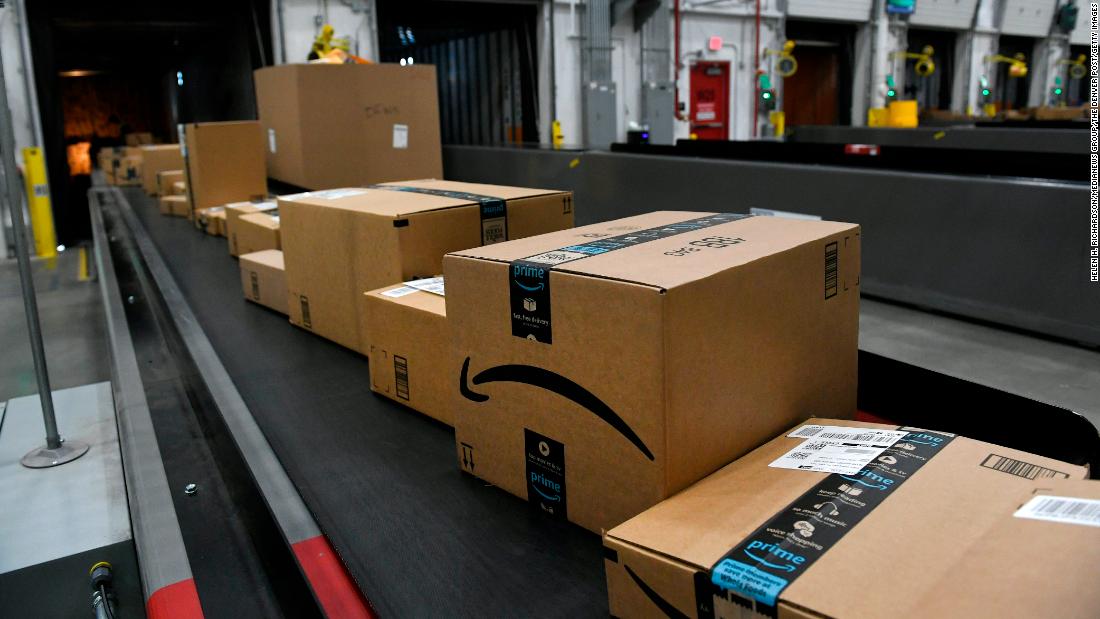
Who delivers the Amazon cardboard boxes???

Cardboard boxes that have been used for generations and thrived in the age of e-commerce continue to flourish or could the cardboard box be facing a new challenger? Cardboard boxes are a very big deal within the U.S. The United States is the Saudi Arabia of trees. Someone’s going to make the first box and that’s almost inevitably a mill generally in the Southeast United States. China certainly doesn’t have trees and India the extent they do have trees they’re not necessarily the right types of trees and shouldn’t be dedicated towards making boxes for us. The box business grew rapidly up through 1999 when the U.S. coordinated box market had its peak shipment. Starting in the early 2000s the U.S. corrugated box market faced multiple economic obstacles.

The great recession dragged on box demand and even after the recession demand continued to slow for commodity like soda and for the boxes that transport them. The move to digital devices also coincided with a drop in demand for copy paper and newsprint. But box makers found a grace in e-commerce sales and Amazon sale specifically which were growing at mostly integer rates within the recession and post-recession years. Those e-commerce sales have become a significant market for the containerboard industry. In 2018 told a U.S. e-commerce sales were estimated to be $512 billion almost 50 percent higher than in 2015. Amazon captured 48 percent of those sales. Most estimates are that e-commerce accounts for about 10 percent of the U.S. box market. Amazon accounts for close to 5 percent of U.S. box demand. By our estimates they are clearly the single largest box user in the US. International Paper with a third of the market I think does closer to 50 percent of all the amazon boxes evidently they got a bit more share than perhaps some of the smaller players.

Amazon's incredible, vanishing cardboard box - CNN

Amazon said they deal with most of the big box makers across the U.S. according to analysts. Those manufacturers include International Paper, WestRock, Packaging Corporation of America and Georgia-Pacific. Some investors were turning to these companies as a way to invest in the e-commerce giant without having to purchase Amazon’s pricey stock. People didn’t really start talking about buying International Paper or WestRock as a secondary investment in Amazon till about the last five years. Despite the boost from e-commerce sales the box business still isn’t growing all that much. And since 2018 their stocks have mostly underperformed the S&P 500. In 2018, 69 percent of International Papers total revenue came from the box business and that sales volume has been mostly flat for the past five years. Although the big producers sold less boxes in 2018 than in 2000, industry consolidation has dramatically narrowed the fields.

The handful of big players remaining are based in Memphis, Tennessee, Atlanta, Georgia and Lake Forest, Illinois. Analysts have told CNBC that substantial industry mergers have made it easier to collectively hike prices and those price increases have helped drive revenue. There are portions of the business that are in indisputable secular decline but if you’re in the brown part of the business, making these boxes, that’s been some very welcome growth. But those extra boxes piling up on people’s doorsteps have led to a backlash from disgruntled customers who are sick of receiving golf ball sized products in supersized boxes. It used to be that you’d order a toothbrush and it would come in three giant boxes and you’d say to yourself, what is this? Well, Amazon is trying to rectify that by using fewer boxes and using other types of packaging where appropriate. With e-commerce packaging underfire Amazon decided to change the way they do shipping. In 2008, Amazon introduced the Frustration Free Packaging program. It aims to reduce the extra packaging created when retail packaged products are placed inside Amazon boxes to be shipped. Instead, products certified in the program that are roughly the size of a blender or larger need to be packaged in their own ready to ship boxes. And those boxes also need to be made of 100 percent recyclable materials. For customers that means that the packaging is easy to recycle and the box is easy to open without all the excess packaging materials.

Use That Pile of Empty Amazon Boxes to Do Something Wonderful ...

Amazon offered vendors an incentive of a dollar per shipment to modify their packaging. And starting August 1st 2019 Amazon is charging a $1.99 penalty for each product shipped that needs to be reboxed. And basically the point of this deadline is for Amazon to get out of the business of packaging. They want their vendors to send them boxes that Amazon doesn’t have to touch or rebox. Over the last two years we have invented two different kinds of flexible mailers. One is the blue and white all plastic mailer. We’ve recently launched in the last six, eight months a paper padded mailer that’s actually fully recyclable with the paper stream. Amazon said they made about 10 million shipments using the paper padded mailer and depending on the month the plastic mailer is used about 20 to 30 percent of the time. So really when we come down to deciding if the product is of the size it can go on a mailer, it’s not likely to be damaged by going in the mailer, the mailer is always the better fitting option and frankly is easier for the customer to choose to recycle than breaking down a corrugate box. We’re driving in that direction for many different reasons. But those plastic mailers generally are not accepted in municipal recycling programs and you’ll need to bring them to a store that accepts plastic bags. The latest stats from the EPA show that corrugated boxes were recycled at a rate of 92 percent in 2015 while plastic bags, sacks and wraps were recycled at a rate of 13 percent in 2015.

AMAZON E-COMMERCE SELLERS, IT'S TIME TO REVIEW YOUR ADVERTISING ...

When you think about what is the greatest pain point for the consumer after having it get there safely arrive on time people are concerned about receiving something that is plastic or made a poly because of the environmental concerns. Some waste management companies say plastic packaging also causes problems for the recycling systems. Plastic mailers get caught in the recycling machinery slowing down the process and raising the costs for recyclers and sometimes contaminating entire bundles. Until Scotty on the Enterprise can beam the products from the warehouse to your living room I think Amazon’s going to be good for the corrugated business. I think there’s going to be noise I think you’re going to have challenges from time to time where people say, “Should we try and the plastic pouch?”, in the long run plastic is going to be on the wrong side of history. Because Amazon is a market leader in the U.S. e-commerce sector any move away from cardboard to plastic mailers could signal a shift for the entire industry. The corrugated box could be about to undergo a major facelift. We’re seeing some major trends among consumers and what they’re expecting from e-commerce and the first one is actually this desire for increased engagement with the package. In 2015, Amazon partnered with Universal Pictures and Illumination Entertainment to ship orders in bright yellow delivery boxes featuring cartoon characters from the movie Minions. The boxes promoting the movie and a special Amazon U.R.L. dedicated to shopping for merchandise from the film.

Un-Fair and Un-Lovely.

How empowering was it to watch Indians hold the “BLACK LIVES MATTER” placard in one hand supporting the protests in the United States and with the other hand applying a cream of poisonous chemicals to their naturally gifted skin. In this black and white world why do we hate brown? From the soil that gives birth to plants to the earthen pots which store our precious waters to the wood that burns into the flames of tomorrow’s ashes -brown is everywhere.

Beta dhoop me mat khelo, tan ho jaaoge!”, yells the Indian parent while some family in the Europe takes their sons and daughters to play on the beach and get some tan. A land that prays Lord Krishna who is described to be as dark as the thunderous rain clouds and yet portrays him blue because anything is better than black anything is better than brown anything is better than dark.

Etymologically speaking, the Sanskrit word ‘Krishna’ means black or dark. At times, it is also translated as “all attractive”. According to Vedas, Lord Krishna is a dark-skinned God. Even in traditional patta chitras (cloth art) in Odisha, Lord Krishna and Vishnu are always shown having black skin. 

50,000 years ago when our ancestors migrated from the North to the African and Asian continents, they were exposed to the UV rays of the Sun which is saturated at the equator and the tropic of Capricorn. Those days’ sunscreens were not invented hence due to evolution and the wonderful science of human body’s biology it produced melanin under the skin which acted as a natural sun screen. Skin creating its own protective layers, how cool is that?

But we as Indians would rather prefer skin burns and skin cancers than having a healthy skin. When my mother read the matrimony classified newspapers for my elder sibling’s marriage, her face falls down as she looks at those advertisements. No no-hold your horses, it’s not what you are thinking, everybody is progressive nowadays, nobody is asking for dowry. All they ask is – “seeking a fair bride for my son”, “fair and handsome boy with a fit body”, “girl should be white toned and open minded”, “boy should not be dark and not restrict our daughter from wearing her choice of clothing.” (no dowry).

To parents who are afraid because log kya kahenge? Maa lets not look for brides or grooms who are fair, let’s look for individuals who treat people fairly. Let’s not buy besan (gram flour) for face masks rather let’s lather some potatoes in them and fry it in oil as we watch the fair besan turn into a beautiful crispy brown tasty pakodas (fritters). Fairness creams or home remedies for instant glow neither teach us to be a human with a clean heart, a heart free from the ignorance. Instead of handing a tube of glow and lovely to your loved one’s let’s make them stand in front of the mirror holding their head high because any shade is beautiful any shape is beautiful any scar is beautiful. Before teaching to love others let’s start by loving ourselves. It’s time we realise love comes in all shapes and shades, it’s time we loved all shapes and shades.

Forget snow white, I’m chocolate brown, I will write my own fairy-tale. A tale of every brown Indian girl and boy who is torn apart by the expectations of society and yet stands proud with a personality and smile beautiful than any white skinned magazine covers. To every Bollywood song that calls the actress “Gori” I would like to say – “Gore Rang Pe Na itna Gumaan kar. Gora Rang Do Din mein Dhal Jaayega” – don’t show such pride of your fair skin, the fairness will fade in time. What will remain is the virtues, beliefs, kindness and opinions .

Changing the name from fair to glow will not enlighten the young minds but it will give light to the years of colourism and discrimination to continue its course in every generation to come. Brown is beautiful and so is every colour ever discovered.

Diet

We have grown up listening to the term ‘balanced diet’ in science. It refers to a diet that has all the essential nutrients and minerals that will keep us healthy. Having a balanced diet has been encouraged by our childhood. After all, it is important in keeping our health well.A person intakes appropriate amounts of proteins, minerals, and nutrients in a balanced diet. It is quite necessary for the smooth functioning of our body. If we consume a balanced diet regularly, we will always remain healthy. It lessens any chances of falling ill. Moreover, a balanced diet also boosts our immunity system.

Importance of a Balanced Diet

Most people believe that a balanced diet is definitely the key to a healthy lifestyle. It is rightly believed as even scientists say so. When we always consume a balanced diet, we will maintain our physical as well as mental health. A balanced diet must contain the proper foods that are consumed in apt quantities. A perfect balanced diet is composed of carbohydrates, proteins, fats, minerals, high fiber content, vitamins, and more. Moreover, nowadays the trend of junk food is here to stay. People are not taking a balanced diet rather eating all sorts of harmful foods. It is more important than ever to tell people about the importance of a balanced diet. You cannot merely exercise and expect your body to stay fit. A balanced diet is crucial for that.

Most importantly, it is called a ‘balanced’ diet because it requires all the foods to be eaten in a balanced manner. For instance, if you intake large amounts of carbohydrates and a little amount of protein, then that will not be called a balanced diet, even if you are eating the right foods. The balance needs to be maintained for that.

How to Have a Balanced Diet?

One can always adopt a healthy lifestyle by starting to consume a balanced diet. Firstly, one must definitely increase the amount of liquid to consume in a day. Fluids are very important for the human body to function healthily. As almost 80% of our body is filled with water, we need it for good metabolism. Thus, start with drinking at least two to three liters of water every day. Moreover, try cutting down on the consumption of tea, coffee, alcohol, and other such addictive liquids. Furthermore, one must always eat fresh vegetables and fruits. As fresh fruits and vegetables are great sources of fiber and vitamins, we must consume them for good body growth. Try to avoid eating deep-fried or overcooked food as it loses all its nutrients. The balanced diet must have the five essential elements, i.e. bitter, sour, sweet, pungent and salty. Also, the emphasis is on fresh fruits because the processed or packed ones do not have nutrients.

Most importantly, always chew your food patiently. Do not just swallow it after chewing for four-five times. This way your food won’t get digested properly. Savor the food slowly and steadily. Next, do not eat in excess. You must know when to draw the line and stop when you don’t have the appetite. Therefore, we see how a balanced diet will keep you healthy and fit. It will improve the quality of your life and keep all the illnesses away.

The conflict of Kashmir…

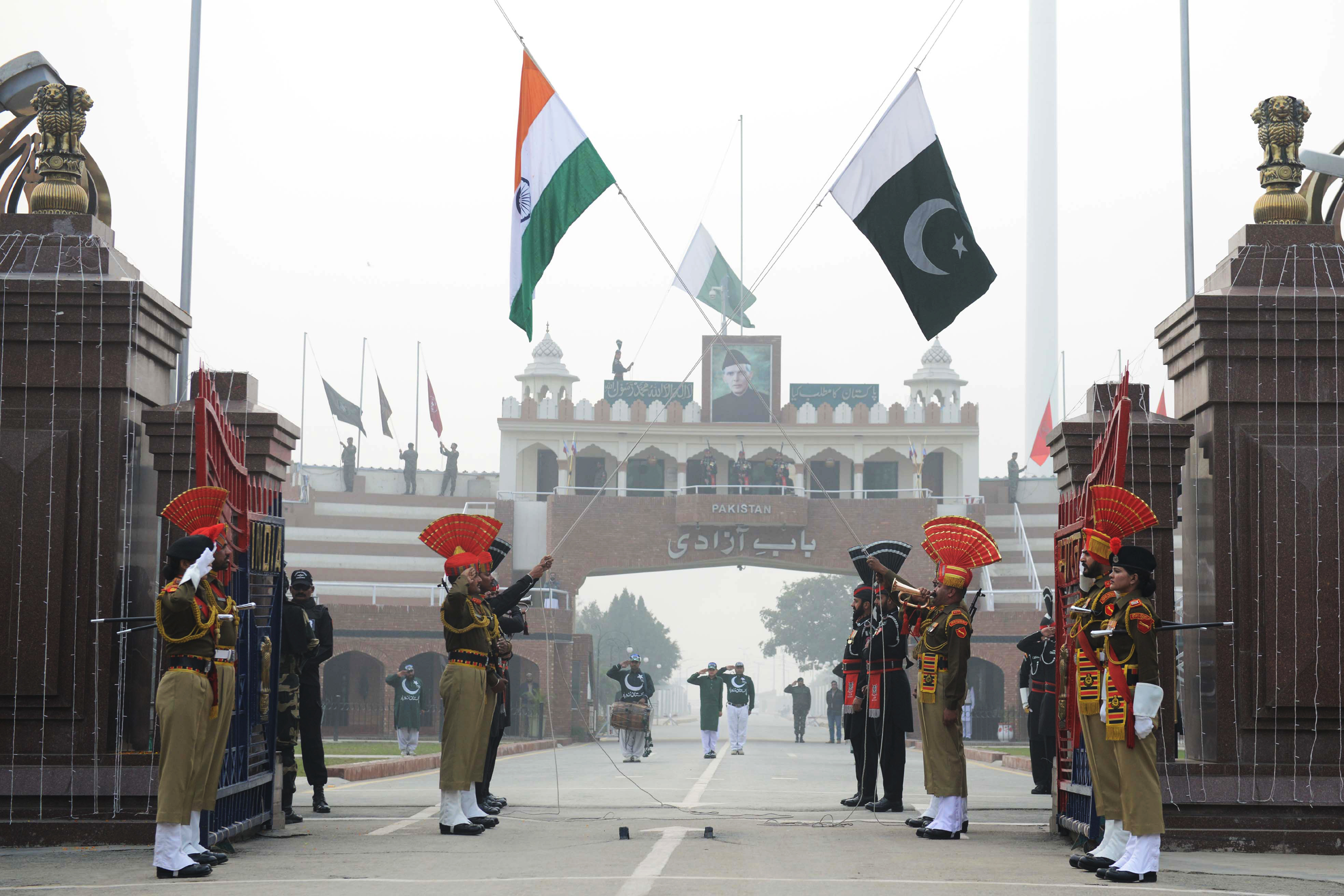
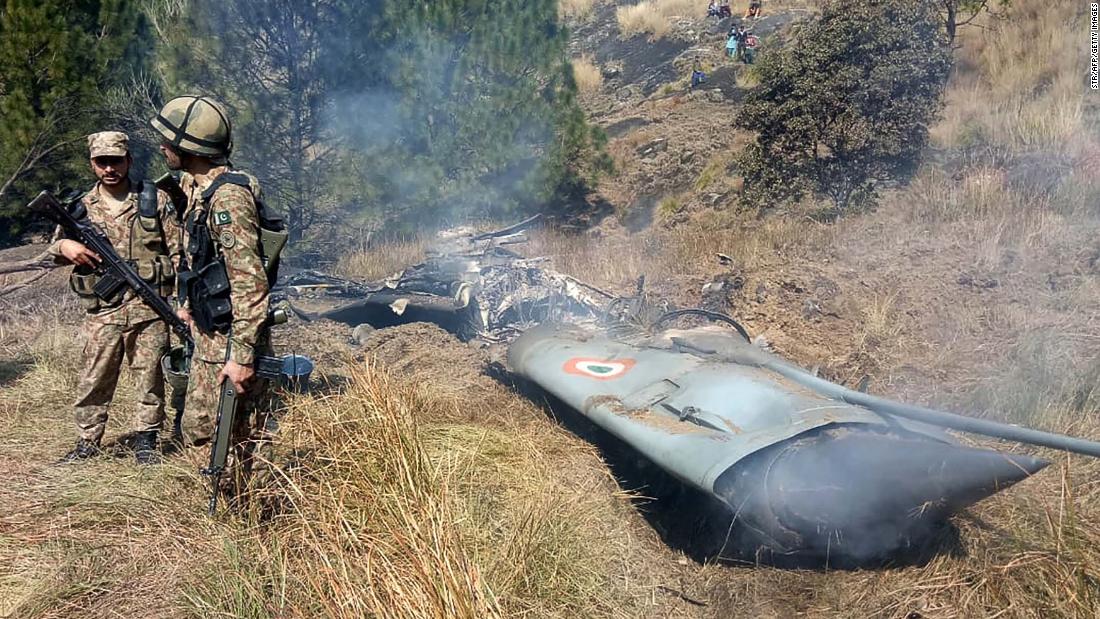
On February 14th 2019, a suicide bomber attacked a convoy of Indian security forces. “We’re getting reports of multiple casualties in a roadside…” He killed at least 40 Indian soldiers here in Kashmir. “The deadliest attack the region has seen this century.” The bomber was part of an Islamic militant group based in Pakistan. “Jaish-e-Mohammed claimed responsibility for that attack.” 12 days later, India carried out airstrikes in Northwestern Pakistan. Then Pakistan shot down at least one Indian aircraft around here. “The most serious escalation in years.” Kashmir is one of the most disputed places on Earth. Over the course of 70 years, it’s been at the center of three wars fought between two massive armies. It’s heavily occupied by more than half a million Indian troops and a deadly collection of militias and terrorist groups.

How Memory of Indian Partition Is Preserved Across Borders | Time
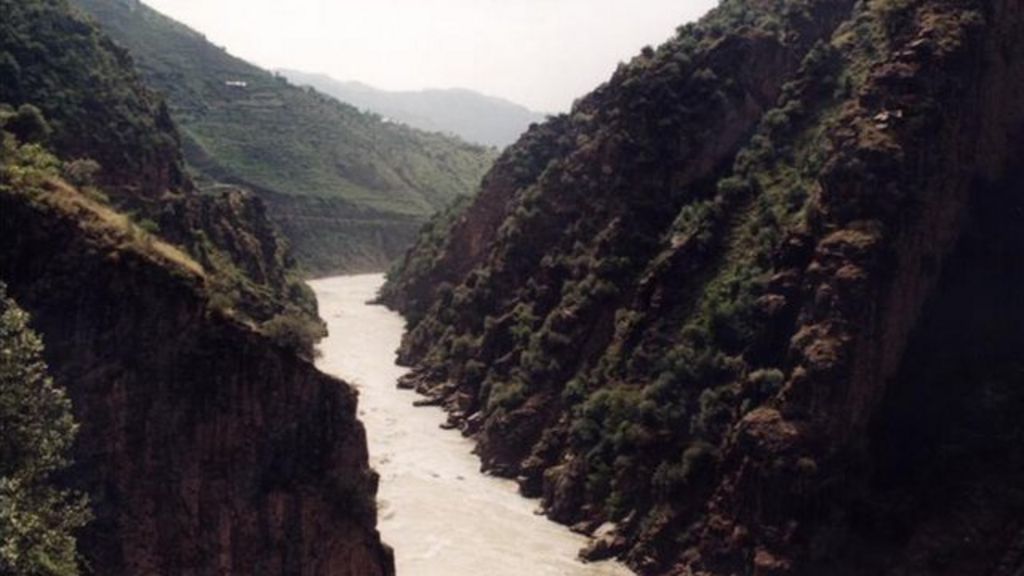
Kashmir is the stage for the relentless conflict between India and Pakistan. But focusing on the two countries can obscure what’s really at stake: The voice of Kashmiris who are caught in a vicious cycle of violence. Kashmir is one of the most strategic places in the world, where 3 powerful countries collide: India, Pakistan, and China. China invaded and took this slice of Kashmir from India. And was given this one by Pakistan. India and Pakistan control these parts, but lay claim to more. This region is at the center of a brutal conflict over these disputed borders. So it’s important to start when they were being drawn. In the mid-1800s, India was a patchwork of several hundred provinces and princely states under British rule. A century later, when British India won independence, the British left and hastily decided to split the region into two. These areas would be a new Muslim-majority country, Pakistan. And this would be the mostly Hindu, but secular, India. The partition was bloody. “Communal hatred flares up within the Punjab.” “1 million people become refugees overnight.” “They flee from savagery and butchery that has never been exceeded, even in India’s stormy history.” Amid the chaos, some princely states were given the choice to join either country. In most cases, the ruling monarchs followed the will of their people. But this state, called “Jammu & Kashmir” was different. It was right along this new border and had a Muslim-majority population, but was ruled by a Hindu monarch. When asked to pick a side, the ruler chose to stay neutral Fearing that the monarch would join India, the Kashmiri population rebelled here in 1947 Armed tribesmen from Pakistan soon joined the fight.

India and Pakistan in Kashmir border skirmish - BBC News
The monarch turned to India for military help and in exchange agreed to join them, which sparked the first Indo-Pakistan war in Kashmir. “Continuing thus increased the threat to world peace and brought the dispute to the eye of the United Nations . The UN Security Council brokered a ceasefire in 1949, which established this line with Pakistan controlling this side and India this one. It also asked Pakistani tribesmen to withdraw and Indian troops to follow, so that Kashmir could hold a direct vote to decide its own future. But neither held up their end of the deal. Pakistan argued that Kashmir’s Muslim-majority population rightfully belonged with them. While India insisted that Kashmir was handed over to them by the Hindu monarch. So they doubled down and added Kashmir to their constution. Both countries continued to tighten their grip around it for many years . “Kashmir. Fighting is going on and heavy casualties in men and equipment have been inflicted on the aggressor.”

India-Pakistan: Latest news on Kashmir crisis
In 1965, the second India-Pakistan war broke out in Kashmir. Thousands of people were killed between the huge armies on both sides. A ceasefire ended the war, but didn’t change this line. Kashmir was kept divided and occupied. And another war broke out in 1971. This time the focus wasn’t in Kashmir — it was in East Pakistan. Here, India helped rebels fight for independence and dealt Pakistan a devastating defeat. This region became a new country, Bangladesh, and Pakistan lost its eastern half. This made Kashmir more important than ever: It became one of the most militarized places on Earth, as India and Pakistan deployed planes, tanks, artillery, and soldiers along the Line of Control. On the political front, in ’87, India reportedly rigged an election, declaring a pro-India party as the winner. Now this was a big turning point for many Kashmiris, who felt they were again denied the chance to vote. Thousands took to the streets in Indian-controlled Kashmir to protest the occupation. But India met the movement for independence with harsh resistance. Which quickly escalated to more violence.
“In January security forces opened fire on demonstrating separatists, turning a two-year old struggling movement into a full-blown popular uprising.” “More than 600 people are killed in clashes between troops and separatists.” Kashmiri militias, just like the Jammu and Kashmir Liberation Front, started recruiting Muslim youth to fight for independence. And increasingly attacked the Indian military. Pakistan saw an opportunity in this insurgency. They helped introduce a new kind of militant group: Radical Islamic fighters who fought for a more pro-Pakistan Kashmir. By the mid ’90s, these groups dominated the insurgency. India responded with incredible military force, deploying 500,000 troops to Kashmir. And they cracked down on militants and protestors. Unarmed civilians were killed and many more were forced to flee the violence. And in ’98 the stakes were raised yet again. “Today India conducted three underground nuclear tests.” “Pakistan today successfully conducted five nuclear tests.” Kashmir became a battleground between two nuclear-armed nations and another war broke out in 1999. “More evidence of the attacks being launched on the Indian-controlled area of Kargil.” “The past two days have seen a number of the fiercest fighting thus far .” “Militant Muslim fighters have also crossed over into some parts of Indian-ruled Kashmir.” The 1999 war ended with another ceasefire, but that did not stop either country.

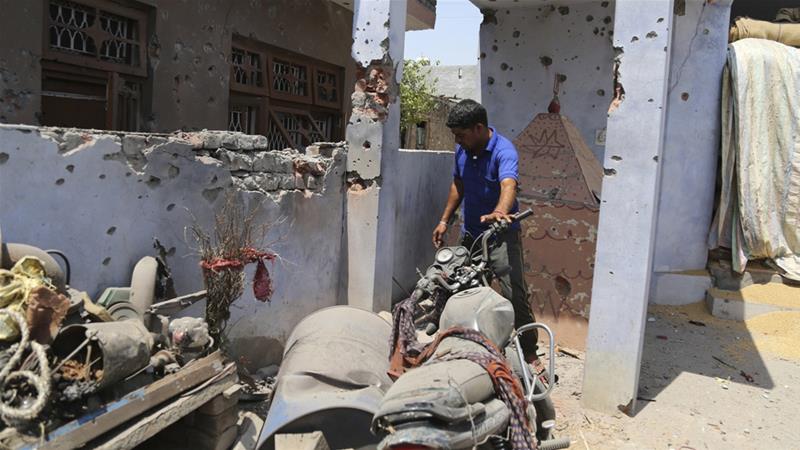
India-Pakistan cross-border shelling hits Kashmir | News | Al Jazeera

Over the years, Pakistan’s militant groups got bolder and launched terror attacks in Kashmir and outside of Kashmir. In 2001, members of Lashkar-e-Taiba bombed India’s parliament building in New Delhi killing 14 people. And in 2008, 10 militants from the same group killed 174 people and wounded 300 in Mumbai. Meanwhile, Indian military cracked down in Kashmir, firing bullets and pellets on unarmed protesters. Leaving hundreds wounded and blind. This is the vicious cycle of violence. The Indian Army’s crackdown drives some Kashmiris to join Pakistani-backed militant groups, who carry out violence against the Indian forces. It’s a cycle that Kashmiri civilians are stuck in the middle of. Which brings us back to 2019. The suicide bomber was 19-year old Adil Ahmed Dar from Pulwama, Kashmir. According to his parents, in 2016, Indian police officers stopped him and humiliated him by forcing his face into the ground. The same year he was shot in the leg at a protest. The next year, Dar left home with his brothers, to join Jaish-e-Mohammed, a Pakistani-supported militia that radicalized him and trained him to be a suicide bomber. A year later, he drove explosives into an Indian military convoy. For more than 70 years India and Pakistan have driven a cycle of violence, retaliation, and exploitation in Kashmir. But beneath it all is the Kashmiri’s wish to make a choice. A wish that continues to be suppressed, again and again, by violence.

U.S. Defense Economy…

The police, obviously, they’re not in the business of of profiting from private acquisitions. We’ve seen extensive lobbying from defense industries who produce educational videos for police who were spending hundreds of millions of dollars to directly lobby Congress for defense spending, but also for these police programs. The police also have their own lobbying organizations that work toward security budgets and equipment for local law enforcement. The National Fraternal Order of Police is one of them and has lobbied in favor of federal grants that are responsible for the militarization of police. It’s really a variety of Homeland Security grants administered by the cops office, the home, the Department of Homeland Security, etc., that have allowed departments to directly purchase military grade equipment. And this has been essential to stimulating a domestic law enforcement market for military contractors. In some cases, the folks who provide the equipment actually directly assist police departments in making these grants. There’s even a Web site that is sponsored by these defense contractors and other providers of police equipment to aid departments in the production of these grant proposals. This whole industry grew significantly during the War on Drugs campaign in the 1970s.

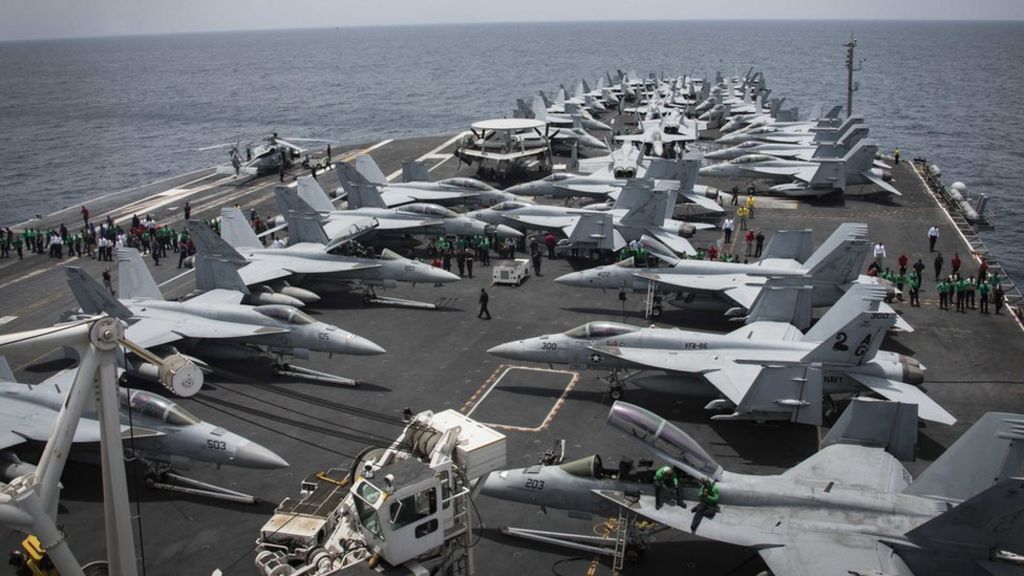
Iranian threats 'put on hold', says US defence chief - BBC News
Congress passed a law that focused on incorporating cooperation between the military and the local law enforcement, particularly related to countering drug crimes and the war on drugs. Right. That was sort of the first connection between the military and domestic law enforcement. In 1989, Congress passed the National Defense Authorization Act, temporarily allowing the Department of Defense to transfer excess military equipment to federal and state agencies. The program continued until the 1997 National Defense Authorization Act expanded it to include local law enforcement and made it permanent under a new name. The 1033 program that began a massive transfer of military equipment to local police departments free of charge as long as they paid for shipping and maintenance. That 1033 program was the congressional authorization that allowed police departments to basically go online. There were catalogs of of weapons and vehicles and aircraft and watercraft and any kind of military surplus military equipment was available for the asking. And it was at no cost to law enforcement agencies.

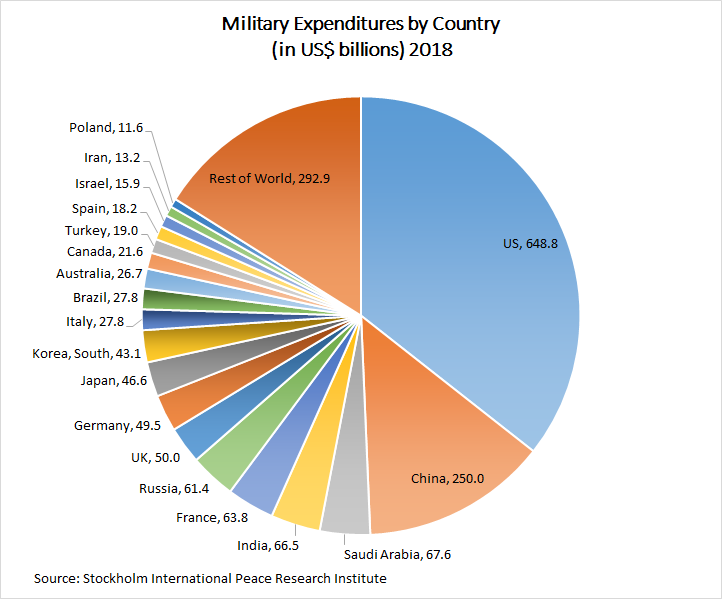
Military budget - Wikipedia
Departments may purchase shotguns that are placed in police vehicles as a routine matter, and some departments are purchasing a variety of less lethal weaponry with their own resources. But when we see sniper equipment, armored vehicles, large amounts of body armor, this is often the result of federal spending. Since its inception, over 11,500 domestic law enforcement agencies have taken part in the ten thirty three program, receiving more than 7.4 billion dollars in military equipment. What you end up seeing is as a result of the 1033 program, local law enforcements continue to ramp up what we call special task force, like SWAT teams, gang task force, drug task force. Right. That all utilize this excess military material. In July 2014, Congressman Alan Grayson proposed that legislation to limit the transfer of certain weapons through the 1033 program. The amendment was met with immense opposition failing on a bipartisan vote of 62 to 355.
The people who voted not to change the 1033 program received 70 percent more money in campaign contributions from the defense sector than those who wanted restrictions. One of the really troubling developments about the involvement of the federal within the direct subsidy of purchases of militarized equipment is that this is often really about creating a new marketplace for defense contractors instead of really putting questions of public safety first. Besides providing free military equipment, the federal government also allows the police to purchase new equipment using their own funds. Under the 1122 program, it also gives local police departments the same discounts enjoyed by the federal government. We’ve seen instances across the country where local governing bodies, like boards of selectmen and mayors and city councilors are often unaware that tax dollars have been expended to acquire these kinds of military weapons and military vehicles. What makes both 1033 and 1122 programs so powerful is the lack of clear oversight and accountability.

Trump says 'revved up' economy will fund $54bn rise in military ...
The 1122 program, as an example , isn’t a grant or transfer program and thus isn’t required to be monitored by the federal . Meanwhile, the 1033 program has put lethal weapons within the hands of officers who haven’t any justifiable need for such equipment. We’ve seen instances reported of some small towns, even some college and university police departments that were acquiring military grade weapons with none demonstrable need for the utilization of these or the acquisition of these weapons. After the events in Ferguson, the Obama administration sought to tighten the 1033 program with additional requirements and restrictions after months of confrontations on America’s streets. President Obama today banned the federal government from giving some types of military equipment to local police. We’ve seen how militarized gear can sometimes give people a sense like there’s an occupying force as against a force that’s a part of the community that’s protecting them and serving them. And this led to calls in Congress to eliminate 1033 and eventually measure an executive order by the Obama administration to place some limits on the type of equipment that could be used, things like bayonets and turreted armored vehicles.
The Obama administration also required police agencies to justify purchases of equipment considered potentially lethal. President Trump, however, rescinded all of those measures within two years in office. Obama administration made some efforts to increase accountability in auditing of this. But even then, the restrictions and oversight were quite limited. Under the Trump administration, there’s even less evidence of any oversight. Any sense that we know how this equipment is being used or whether or not officers are being properly trained and how to use it. In some cases, equipment transfer through these programs has simply vanished due to a lack of oversight and poor bookkeeping.

Maximising the economic benefit of Australia's defence projects ...

There’ve been a number of situations where there have been audits of local police departments to try to figure out what they’ve done with this equipment. And these departments have been unable to provide adequate records. We don’t know if this is a local sheriff taking home camping supplies or if this is about, you know, stuff that’s really gone missing, has been resold or has just simply been lost. Oftentimes, the militarization of the police force might be what’s distracting them from their original purpose, protecting our communities.