India is close to getting its first taste of 5G for the masses. Prime Minister Narendra Modi is set to announce 5G network services in the country on October 1 during the sixth edition of the IMC (Indian Mobile Congress) event. Now, Indian telecom player Vodafone Idea has announced that it will also launch and demo its new cloud gaming capabilities at the event.
Reliance Jio is set to bring in its 5G plans by Diwali in India, around the period of October 22 – 26. The service will initially be available in four Indian cities. These are Delhi, Mumbai, Kolkata and Chennai Reliance Jio has also announced that other cities in the country will also get access to 5G services in a phased out manner by December 2023.
Airtel has announced that the telecom operator will rollout 5G services in eight Indian cities starting today. While Airtel hasn’t clarified which eight cities these are, expect metro cities like Mumbai and Delhi to be included. Airtel has also announced that it will bring 5G connectivity all across India by March 2024
However, Vodafone Idea did not announce any 5G-related developments during the launch.
Stress is a natural part of life, and like many things, it’s important to learn how to manage it. If you’re suffering from stress, here are some helpful tips for coping:
Find a hobby
If you’re looking for a way to manage stress and unwind, a hobby can be an excellent option. It doesn’t have to be something specific or intense; you could simply enjoy doing something that inspires you every day.
Whatever it is that makes your heart race with excitement, there’s probably an outlet for it in your life—if not now then at some point in the future. Taking up knitting or painting might seem like an odd choice when you’re stressed out by midterms and finals, but these activities can become routine sources of relaxation as well as hobbies!
When we were kids growing up, many of us were fond of playing sports: football or baseball games were favorite pastimes at our houses during the summer months because they gave us something physical (and occasionally competitive) to do together after school hours were over. Nowadays however there are plenty other ways for parents and kids alike alike enjoy getting involved together outside on weekends – whether through volunteering with community organizations like Habitat For Humanity; going camping together on family camping trips; taking part in organized activities such as dance lessons where everyone learns new moves together while having fun at once too 🙂
Build a daily routine
The first step to managing stress is building a daily routine. A morning routine, afternoon routine and evening routine are all good places to start.
Make sure you have your coffee (or tea) before 7:30 AM. This will help you get going in the morning and prevent late-night cram sessions later on in the day when you’re tired or distracted by something else that needs doing.
Get through at least one workout session per week—even if it’s just walking around campus for 30 minutes with friends or playing basketball with teammates after class! Exercise helps burn off energy so that mentally challenging tasks don’t seem insurmountable anymore; moreover, exercise has been shown to reduce anxiety levels as well as improve moods overall.* Go grocery shopping once per week rather than buying food from convenience stores because they tend to have higher prices than supermarkets do; however replacing fast food with healthy alternatives like salads instead of burgers will save money while still providing nutritious meals throughout each day.* Try not using social media sites like Facebook or Twitter too frequently either during lunch breaks at work because this causes users’ lives outside office hours become blurred together into one giant blur which makes everything seem more difficult than before since now there’s no separation between work life & personal life anymore.
Eat healthy food
Eating a balanced diet is key to managing stress. It helps you feel more energized and less tired, which can help you avoid getting sick or stressed out by hunger pangs. If possible, eat a healthy breakfast every morning—this will give you the energy boost that makes it easier for you to get through your day!
If eating junk food is something that stresses out your stomach (and let’s be honest here: who doesn’t love pizza?), try finding healthier snacks like fruit salad bites or even granola bars instead of sugary ones. The key here is moderation; no one should ever eat too much junk food because this will only make them feel worse afterwards.
Get in touch with your family
Stress is a normal part of life and as such, it’s important to find ways to manage your stress. One way you can do this is by talking with your family about how they can help.
Family members are a great source of support when it comes to helping you manage stress—and they may not even realize how much they’re helping! If you have parents or siblings who live nearby, consider asking them if they’d like some help managing their own lives and those around them. You could even offer up some of your time (or money) in exchange for their assistance so that everyone benefits from their efforts together.
Get enough sleep
Sleep is important for learning and memory.
It’s also linked to stress reduction.
Getting enough sleep can help reduce your stress levels, which will make you more productive at school or work.
Go for a walk
You can get away from the stress of school by going for a walk.
Go for a walk alone or with friends if you’d like, but don’t worry about being seen—the point of walking is just to move your body, not impress others. Listen to music while you walk (or listen in silence), and try to take in some fresh air too. Take your dog for a long walk around the neighborhood; they’ll love it! If possible, try walking at least 10,000 steps each day—that’s equivalent to running one mile per hour continuously for 30 minutes straight! When I was younger and had more energy than I do now as an adult who’s trying everything she can think of not only stay healthy but also keep fit at age 55+.
Listen to music
Music is a great way to relax and de-stress. You can listen to any music you like, but try not to choose something that’s too hard or fast. Music can also help you focus on what’s important in your life, which will help keep things in perspective when they get overwhelming.
Music can also help with sleep! I recommend listening before bed because it helps calm your mind enough so that it doesn’t keep tossing and turning at night because of all the stressors going through your head during the day (or even week).
Meditate
Meditating is a great way to relax and unwind. It can help you deal with stress, anxiety and depression, improve your memory and creativity, even slow down the aging process.
If you’re new to meditation or have never tried it before there are plenty of ways that beginners can begin:
Sit comfortably in a comfortable position (sitting or lying down).
Close your eyes if possible – this might help you focus better on what you are doing (most people choose not to cover their eyes).
Start by breathing normally through both nostrils for one minute without counting the breaths or trying anything else at first; this will help clear any thoughts from your mind so that when they come back again later on during meditation they won’t distract us from our task at hand which is meditating.
Talk to someone about your stressors
Talking to someone about your stressors is an important part of managing them. You can talk to your friends and family, but it’s also helpful to talk about the stressors with a therapist or counselor. If you feel comfortable talking about this issue with a doctor, go for it! The same goes for religious leaders, coaches and mentors who have experience dealing with similar issues in their own lives. And if none of these people are available yet, teachers are usually willing to listen when students come seeking guidance from them (or even just want advice on how they should handle their own problems).
Few more steps to encounter stress
Stress can be caused by a variety of factors including work-related issues, relationships with friends and family members or even just having too much on your plate at once. In order to manage stress effectively there are some steps that you can take:
Start taking breaks from time to time during the day (even if only for 5 minutes). This will help you relax and recharge so that when you return back into work mode again; everything feels fresh again.
Try getting outdoors more often during the day so that there’s less time spent indoors where all these feelings tend to accumulate over time because there isn’t much else going on besides watching TV shows while eating pizza as opposed being outside enjoying nature around us all… You get what I mean? 🙂
I hope this article has given you some useful tips for managing your stress. Remember that the best way to deal with a stressful situation is to stay calm and take action. Use our tips above and find something that helps you relax, like giving yourself time away from your responsibilities or getting some exercise – anything will do.
India is home to some of the most stunning natural attractions and historical sites in the world. With so many places to visit and things to do, it’s hard to know where to start. But if you want something off-the-beaten path, these 10 destinations are sure to satisfy your wanderlust.
1. Goa
Vagator Beach, Goa
Goa is a popular tourist destination in India and has been attracting visitors for years. It’s known for its beaches, which are clean and have plenty of space to relax on them.
Goa also has great food, music and culture. The best way to experience all this is by staying at an airbnb or other bed & breakfast type place that hosts travelers from around the world!
2. Kerala
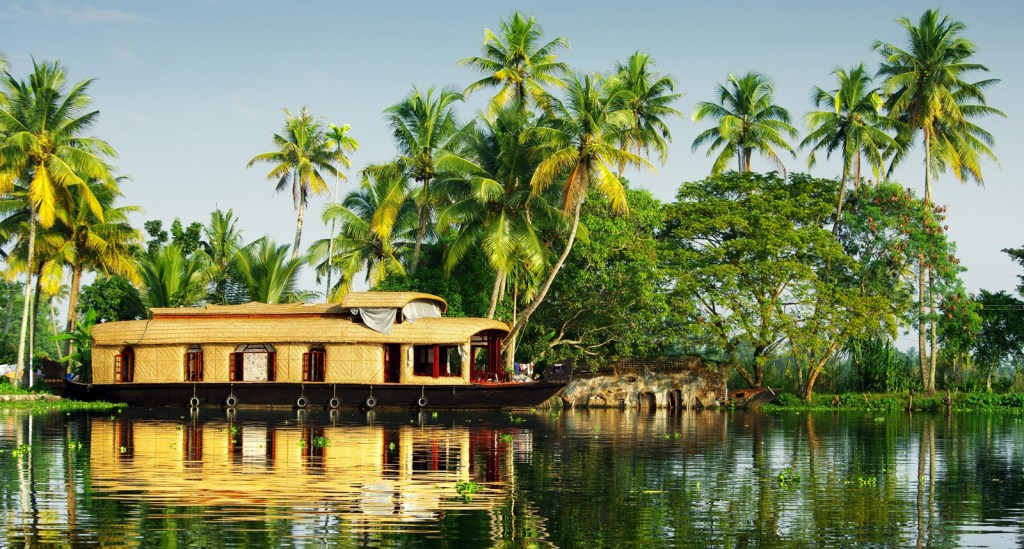
Kumarakom, Kerala
Kerala is a beautiful place to visit in India. It has many beaches, backwaters and historical sites. One of its most famous attractions is the backwaters of Alleppey that are home to some interesting wildlife sanctuaries. The state also has many temples which are a must-see during your trip here.
3. Andaman and Nicobar Islands
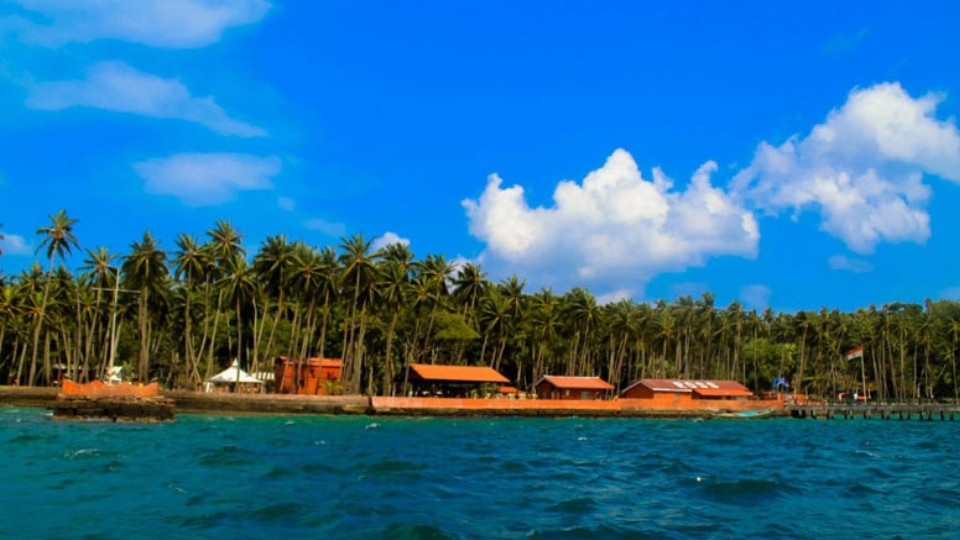
Andaman
The Andaman and Nicobar Islands are located in the Bay of Bengal, just off India’s coast. These islands are a part of India and home to many different tribes. The islands have a great climate for relaxation, as well as beaches with white sand.
4. Pondicherry
Serenity beach, Pondicherry
Pondicherry is a city in the union territory of Puducherry. It was formerly known as Pondicherry and it is located on the Coromandel Coast, India’s east coast, which is known for its beaches and resorts. The city has an old-world feel to it with buildings that date back to French rule over India during the 19th century.
Pondicherry has many beaches where you can go swimming or just relax on your day off from work.
5. Leh Ladakh
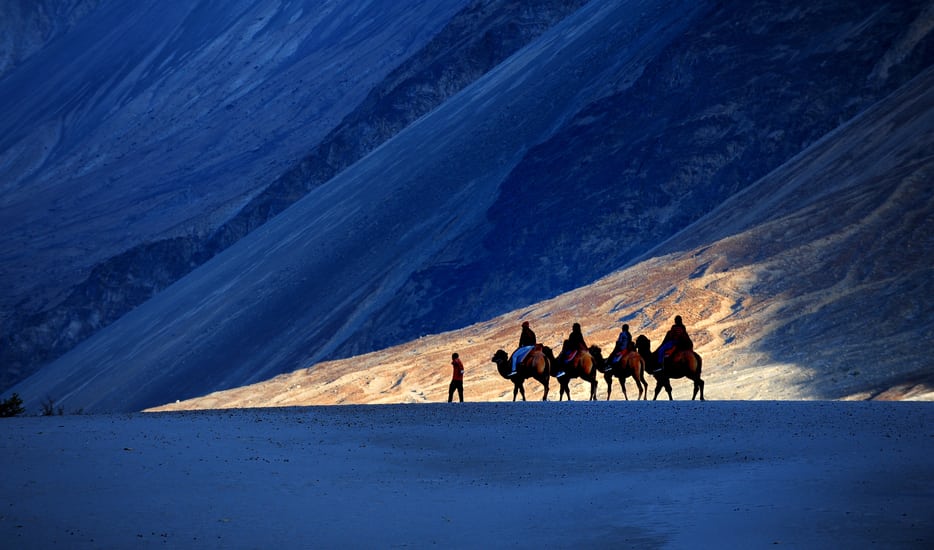
Nubra Valley, Ladakh
Leh Ladakh is a cold desert in the Himalayas, close to the Chinese border. It’s a great place to visit if you want to see the mountains and enjoy some hiking or trekking. There are many places where you can go for this activity, but one of them is called “Nubra Valley”. In this valley there are many different things that you can do: horseback riding (on horses), skiing down from a mountain peak or just walking around looking at all those beautiful views.
6. Rajasthan
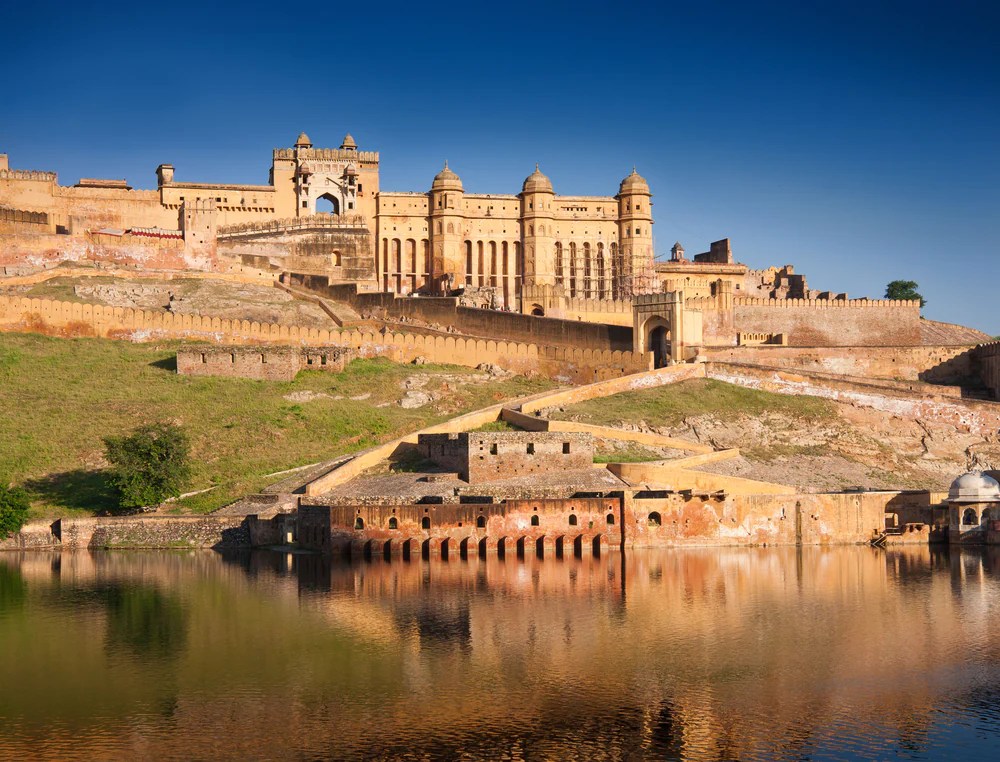
Amer fort, jaipur
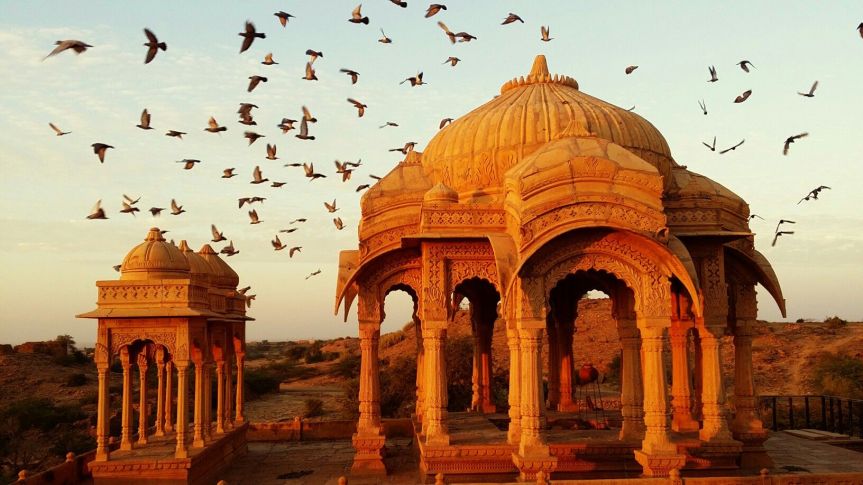
Rajasthan is a state in northern India. It has a desert climate, but it’s also known for its palaces and forts. The city of Jaipur is home to several of these attractions, including the Amber Fort and Jantar Mantar Observatory. It also has many lakes, some famous (Lake Pichola) and some not so much (Kumbhalgarh). Some people visit these lakes during wintertime because they’re warm then; others go there in summer because it looks like an ice skating rink. There are plenty of temples as well: we’re talking about hundreds of them.
7. Darjeeling
The Kanchenjunga
Darjeeling is a hill station in West Bengal. The city is located on the foothills of the Himalayas and offers panoramic views of the plains below.
The town has been known for its tea plantations since 1834 when it was first discovered by British colonists. It’s also a popular destination for trekkers, who can choose from several trails to explore this beautiful area along with its rich history and natural beauty.
8. Varanasi
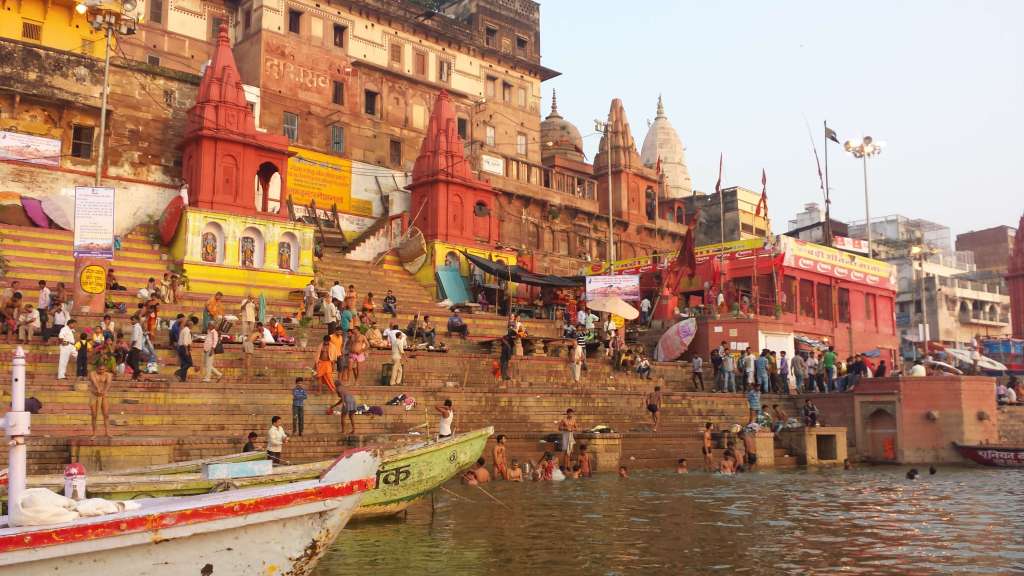
A ghat in varanasi
Varanasi is a religious, cultural and historical city located on the banks of River Ganges. It has been called one of the most sacred places in India as it’s believed that Lord Shiva resided here for some time before passing away.
The city is known for its ghats (steps leading down to the river), temples and food which are all part of its rich history. Varanasi offers tourists everything they need during their stay – from budget accommodation options to luxury hotels & resorts offering everything from pampering spa treatments to yoga classes at sunrise. Not only this but there are plenty of things to do when you visit Varanasi including visiting one or more ghat sites where pilgrims perform rituals during monsoon season when temperatures rise up high enough so visitors can bathe in freezing waters without getting cold feet.
9. Rishikesh
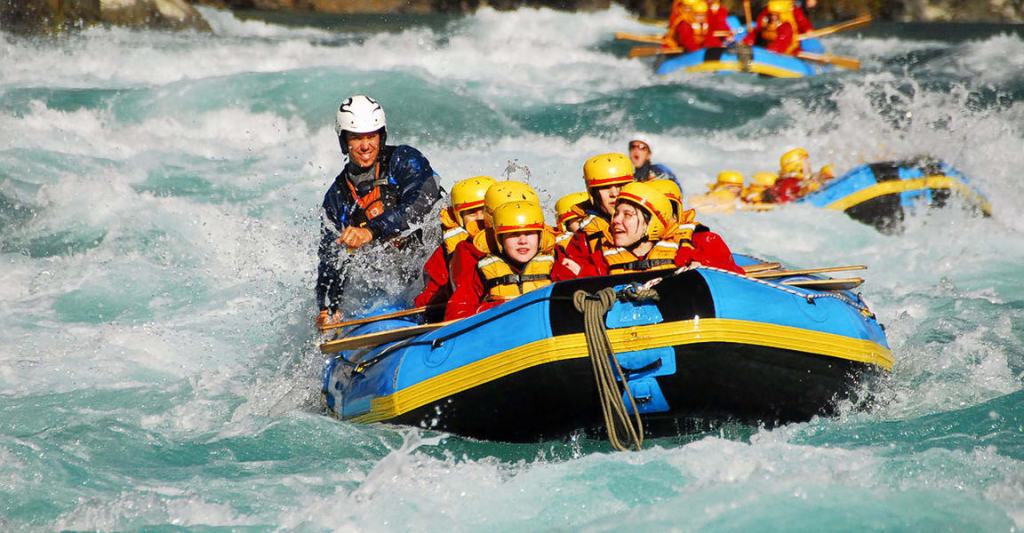
Rafting in Rishikesh
Rishikesh is full of amazing sights—from its spectacular natural surroundings to its historic temples and churches. Other sights include Lakshman Jhula Bridge built between 1822–1823 across River Ganges near Yamuna Sagar Lake during British rule; Vishwanath Temple dedicated specifically because he was considered Hindu god Vishnu’s favorite son; Kedarnath Temple built by King Bhagwan Nand Lal in memory of his father who died while building this temple during his lifetime. River rafting and other fun activities are organised here.
10. Gulmarg, Jammu and Kashmir
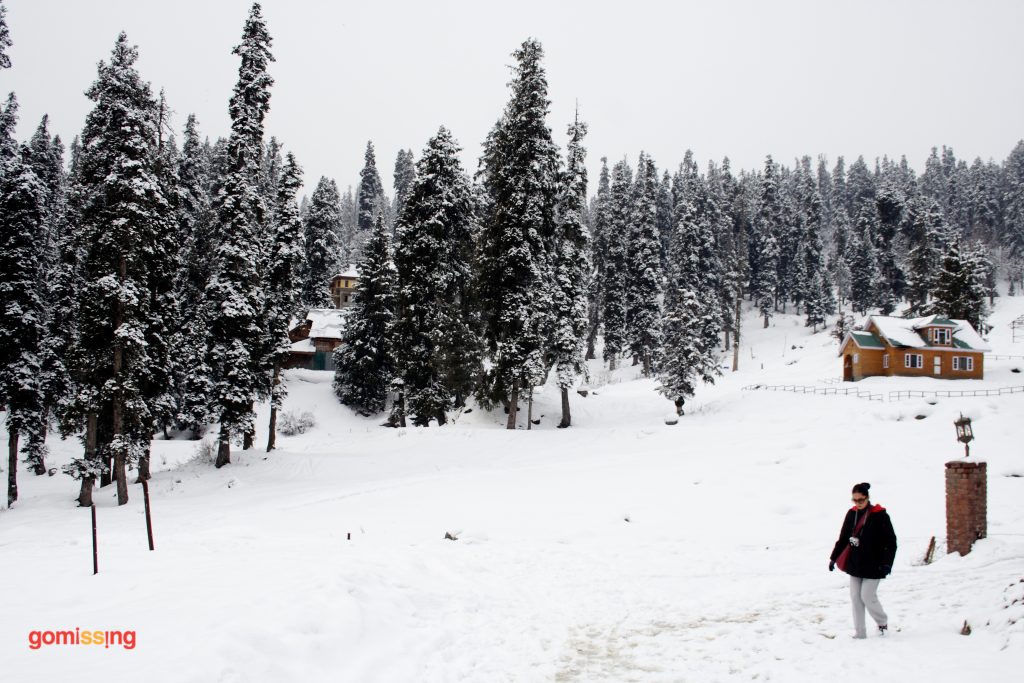
Gulmarg Golf Club area
Gulmarg is a ski resort in Kashmir, located at an altitude of 11,500 feet. It is one of the oldest and most popular tourist destinations in Jammu and Kashmir. The area has 300 km of pistes that can be reached by cable cars or snowshoes. Gulmarg also hosts many other activities like skiing, heli-skiing, snowboarding and more.
These are just a few of the travel destinations in India that you can experience and enjoy.
The Indian IT sector continues to charge ahead on its trajectory of growth and transformation, with SaaS (Software as a Service) setting the stage for the next wave of disruption, according to a study.
India is home to about 100-plus unicorns across different segments with an accelerated pace of entrepreneurship and is rapidly emerging as a hub for SaaS start-ups, cited the study by EY and CII, titled “India: The next global SaaS capital.”
Over 80 per cent of the SaaS promoters feel there is the need to build a robust talent pool, according to the EY-CII study. While the landscape is mainly driven by small and medium businesses with a focus on large enterprises, SaaS companies in the SMB market are structured very differently from those catering to the enterprise market.
“Macro-economic environment notwithstanding, the funding activity in the first two quarters of this year surpassed the funding activity in 2021 – which was a breakout year with over $4.3 bn in funding for SaaS start-ups,” said EY India.
According to other reports, the Indian SaaS market is expected to grow multi-fold by 2025, accounting for almost seven to ten per cent of the global SaaS market, from 2-4 per cent at present.
Led by Freshdesk and Zoho Corporation, India now has 18 SaaS unicorns as compared to one in 2018, with India being the third largest SaaS ecosystem globally, after the US and China. The number of SAAS companies in the country have more than doubled in 2021 as compared to 2019 and the funding too increased from $2.6 billion in 2019 to $6 billion in 2021.
According to the EY-CII report, SaaS providers are also doubling down on their customer acquisition, retention, and success strategies by upselling and cross selling to existing customers. The study also pointed towards the need for skill development in areas like product management and design to cater to the growing talent demand in the SaaS industry.
India shares geographical boundary with eight countries namely Pakistan, Afghanistan, China, Nepal, Bhutan, Bangladesh and Sri Lanka. Since the inception of our foreign policy, India has aimed at building trust with its neighbors. It aims at peaceful friendly relations and mutual economic development by enhanced trade and investments.
•Pakistan: Improving relations with Pakistan has been among top priorities in Indian foreign policy. After the visit of Pakistan former Prime Minister Parvez Musharaff in 2004, there has been a vacuum in our talks. It seems that radical groups in Pakistan took undue advantage of this vacuum and consequently there has been increased reports of cross-border terrorism activities. 26/11 attack is an unwashable strain on the fabric of friendship between India and Pakistan. But as it is said that ‘time heals all wounds’. The recently elected Narendra Modi led National Democratic alliance government’s attitude is worth appreciation. Indian Prime minister invited his Pakistani counterpart in his swearing in ceremony in New Delhi. This is a clear indication that both Nations are willing to take their relations on newer heights. In this aspect changed outlook India should try to adopt a sustainable foreign policy towards Pakistan. Smaller initiatives like Indo-Pak trade fair at Jalandhar, Punjab (India) needs to be encouraged. Healthy trade relations will help both sides equally.
•Nepal: Since the birth of democratic institution in Nepal, India has increasingly tried to have good relations with Nepal. Currently a joint hydro power project is being built on Sharda River. This power plant is thought to mutually help both India and Nepal with respect to electricity production and irrigation facilities. From the environmental perspective, there are a number of Tiger reserves along Indo-Nepal border. Both countries have identified their importance and are helping each other to sustain the existing ones and creating new ones. •China: China being manufacturing hub of world, is strategically very important to India. In fact China has become a role model for development. India needs to build strong trade relations with China. Increasing Foreign Direct Investment caps in various sectors has been one such step of India to invite investors from abroad.Apart from these bilateral relations, India has been active on various other forums as well which provides for greater engagement with its neighbors. For example India has been one of the pioneering advocate of TAPI (Turkmenistan, Afghanistan, Pakistan and India). This project aimed at bringing gas from Gulf countries and distribute it in TAPI countries.
India is an active member in BRICS (Brazil, Russia, India China and South Africa). BRICS is emerging a one of the significant union in world. BRICS nations represent 40 per cent of world population and has approximately sixteen trillion dollars as its Nominal Gross Domestic Product (GDP). BRICS nation contributes around eighteen per cent of world economy. The recent BRICS summit held at Brazil in July 2014. One of the German intellectual has rightly said that ‘For economic development of a nation, peace with its neighbors is a pre-requisite’. India not only recognizes this statement but also conforms to it. Going by the mood of current Indian government in India, Union government too knows the importance of its neighbors. If India wants to be a super-power then maintaining friendly relations with its neighbors is a first step of ladder in this direction.
India has always wanted friendly ties with its neighbours, there can be no debate around it. We want to live in harmony and peace.
Demography is the study of human population dynamics. Population is shaped by a number of factors including fertility, mortality, migration and urbanization. Significant demographic changes have been shown in many parts of the world. The world population growth has been decelerating since 1970s. Fertility rates in more developed countries (MDCs) have been showing a declining trend, whereas an increasing one in the less developed countries (LDCs). Mortality rates have gone down in both MDCs and LDCs due to medical advancement. Consequently, the population of the countries with low fertility rates aged more quickly, and the world population growth will be concentrated in those developing countries where fertility rates remain high. Uneven population growth among nations accelerated the migration of people across nation borders and the growth of cities. The changes of these interrelated factors with their causes and problems of each of the factors will be discussed, followed by some possible plans and opportunities that may benefit from these changes.Human birth rate (natality) is the fertility expressed as the average number of live births per thousand populations per year. Since not all age groups in a population have equal fertility, demographers often use more specialized measures of birth rates that relate to age groups.Human mortality rate is the average number of individuals who die per thousand populations per year.
Again, demographers often use more sensitive measures, for different mortality rates. Both the very young and the very old segments of the population have higher mortality rates than are found in other age groups.Human population shows uneven or clumping pattern of distribution on earth. The density of human population in a village, district, city, province, country or any area can be obtained by dividing the total number of persons living in the given region by the total land area of that region.The average number of people per square unit of land area tells us how dense or sparse is the population in a giver, area. The average population density of the world is calculated about 27 persons per square kilometre.insurance agents to determine life insurance rates.
These early demographic studies were mostly concerned with mortality. However, in the 19th century, studies showed that there was a decline in the number of births, and researchers began to study fertility as well as mortality. These studies led to the idea of “differential fertility.” Differential fertility suggests that different groups within a population have different numbers of children due to factors, such as religion, cultural attitudes, poverty, and employment. Migration of people is the last main factor in demographic studies. It is these three variables (mortality, fertility, and migration) that contribute to population change.Demographers gather data mainly through government censuses and government registries of births and deaths. However, these sources can be inaccurate depending on the precision of government records. Demographers also gather data indirectly through surveying smaller groups within a population. These samples are then examined using statistical models to draw conclusions about the whole population.
Demography is changing us as we are older societies, we’re living longer. How the generations balance each other out, how that affects education and health care.
The aim of the Criminal Justice System is to punish the guilty and protect the innocent. Although the broad contours of the Criminal justice system are seldom codified, these can be inferred from different statutes, including the Constitution and judicial pronouncements. In a democratic civilized society, the Criminal Justice System is expected to provide the maximum sense of security to the people at large by dealing with crimes and criminals effectively, quickly and legally. More specifically, the aim is to reduce the level of criminality in society by ensuring maximum detection of reported crimes, conviction of the accused persons without delay, awarding appropriate punishments to the convicted to meet the ends of justice and to prevent recidivism.In this article, we shall be discussing the history and evolution of the system, the institutions, along with various perspectives of the constitutional aspect of rights of citizens, efforts for reforms, and delivery of justice.
Criminal law, including all matters included in the Indian Penal Code, Criminal procedure, including all matters included in the Code of Criminal Procedure feature under the concurrent list of the 7th Schedule as entries-1, and 2 respectively.Certain exceptions are also provided under two provisions(Entry-1, and 2) of the 7th Schedule. For example, offences against laws with respect to the matters specified in List-I or List-II of the 7th Schedule of the constitution, excluding the use of naval, military or air forces or any other armed forces come under this category.
•The Criminal Justice System in India follows the legal procedures established by the British during the pre-independence era. •An Indian Penal Code (IPC) defining crime and prescribing appropriate punishments was adopted in 1860, prepared by the first Law Commission of India. •It was developed in line with the English criminal law. •Code of Criminal Procedure was enacted in 1861 and established the rules to be followed in all stages. This was amended in 1973. •The NN Vohra Committee, set up in 1993, observed increasing criminalization of politics, talked of the unholy nexus. •It was an effort to push the reforms in the criminal justice system. •In 2000, the Government of India formed a panel headed by the former Chief Justice of Kerala and Karnataka, Justice V.S. Malimath, to suggest an overhaul of the century-old criminal justice system. •In 2003, the Justice Malimath Committee submitted a report with 158 recommendations. •The Committee opined that the existing system “weighed in favour of the accused and did not adequately focus on justice to the victims of crime.”
The entire existence of an orderly society depends upon the sound and efficient functioning of the Criminal Justice System. The law of the land has to be in tune with the demands of the changing times and nature of complexities in offences. There should be a broader dialogue among all the stakeholders for effective provisions so that the interest of justice is served and served right, where no innocent suffers prejudice, exclusion leading to miscarriage of justice. Similarly, the rules and procedures established by law need to reach the common man, and the role of civil society in this endeavour is paramount. Further, there is a need to streamline the police reforms, beef up the forensic evidence-based investigation, and prioritize advanced scientific analysis which must be strengthened and upgraded, catering to the demands of the present times. The infrastructural challenges confronting the judiciary must be addressed to facilitate the process of ensuring justice.
The criminal justice system, like any system designed by human beings, clearly has its flaws.
The environment plays a significant role to support life on earth. But there are some issues that are causing damages to life and the ecosystem of the earth. It is related to the not only environment but with everyone that lives on the planet. Besides, its main source is pollution, global warming, greenhouse gas, and many others. The everyday activities of human are constantly degrading the quality of the environment which ultimately results in the loss of survival condition from the earth.There are hundreds of issue that causing damage to the environment. But in this, we are going to discuss the main causes of environmental issues because they are very dangerous to life and the ecosystem.
Pollution – It is one of the main causes of an environmental issue because it poisons the air, water, soil, and noise. As we know that in the past few decades the numbers of industries have rapidly increased. Moreover, these industries discharge their untreated waste into the water bodies, on soil, and in air. Most of these wastes contain harmful and poisonous materials that spread very easily because of the movement of water bodies and wind. Greenhouse Gases – These are the gases which are responsible for the increase in the temperature of the earth surface. This gases directly relates to air pollution because of the pollution produced by the vehicle and factories which contains a toxic chemical that harms the life and environment of earth. Climate Changes – Due to environmental issue the climate is changing rapidly and things like smog, acid rains are getting common. Also, the number of natural calamities is also increasing and almost every year there is flood, famine, drought, landslides, earthquakes, and many more calamities are increasing.
Development recognises that social, economic and environmental issues are interconnected, and that decisions must incorporate each of these aspects if there are to be good decisions in the longer term.For sustainable development, accurate environment forecasts and warnings with effective information on pollution which are essential for planning and for ensuring safe and environmentally sound socio-economic activities should be made known.
Early times the Indian subcontinent appears to have provided an attractive habitat for human occupation. Toward the south it is effectively sheltered by wide expanses of ocean, which tended to isolate it culturally in ancient times, while to the north it is protected by the massive ranges of the Himalayas, which also sheltered it from the Arctic winds and the air currents of Central Asia. Only in the northwest and northeast is there easier access by land, and it was through those two sectors that most of the early contacts with the outside world took place.
Within the framework of hills and mountains represented by the Indo-Iranian borderlands on the west, the Indo-Myanmar borderlands in the east, and the Himalayas to the north, the subcontinent may in broadest terms be divided into two major divisions: in the north, the basins of the Indus and Ganges (Ganga) rivers (the Indo-Gangetic Plain) and, to the south, the block of Archean rocks that forms the Deccan plateau region. The expansive alluvial plain of the river basins provided the environment and focus for the rise of two great phases of city life: the civilization of the Indus valley, known as the Indus civilization, during the 3rd millennium BCE; and, during the 1st millennium BCE, that of the Ganges. To the south of this zone, and separating it from the peninsula proper, is a belt of hills and forests, running generally from west to east and to this day largely inhabited by tribal people. This belt has played mainly a negative role throughout Indian history in that it remained relatively thinly populated and did not form the focal point of any of the principal regional cultural developments of South Asia. However, it is traversed by various routes linking the more-attractive areas north and south of it. The Narmada (Narbada) River flows through this belt toward the west, mostly along the Vindhya Range, which has long been regarded as the symbolic boundary between northern and southern India.
India’s movement for Independence occurred in stages elicit by the inflexibility of the Britishers and in various instances, their violent responses to non-violent protests. It was understood that the British were controlling the resources of India and the lives of its people, and as far as this control was ended India could not be for Indians.
On 28 December 1885 Indian National Congress (INC) was founded on the premises of Gokuldas Tejpal Sanskrit School at Bombay. It was presided over by W.C Banerjee and attended by 72 delegates. A.O Hume played an instrumental role in the foundation of INC with an aim to provide Safety Valve to the British Government. A.O Hume served as the first General Secretary of INC. The real Aim of Congress is to train the Indian youth in political agitation and to organise or to create public opinion in the country. For this, they use the method of an annual session where they discuss the problem and passed the resolution. The first or early phase of Indian Nationalism is also termed as Moderate Phase (1885-1905). Moderate leaders were W.C Banerjee, Gopal Krishna Gokhale, R.C Dutt, Ferozeshah Mehta, George Yule, etc. Moderates have full faith in British Government and adopted the PPP path i.e. Protest, Prayer, and Petition. Due to disillusionment from Moderates’ methods of work, extremism began to develop within the congress after 1892. The Extremist leaders were Lala Lajpat Rai, Bal Gangadhar Tilak, Bipin Chandra Pal, and Aurobindo Ghosh. Instead of the PPP path, they emphasise on self-reliance, constructive work, and swadeshi. With the announcement of the Partition of Bengal (1905) by Lord Curzon for administrative convenience, Swadeshi and Boycott resolution was passed in 1905.
ONE INDIVIDUAL MAY DIE; BUT THAT IDEA WILL, AFTER HIS DEATH, INCARNATE ITSELF IN A THOUSAND LIVES.
How will the evolution of the web have an effect on Financial Services? This is a question that puts many financial institutions in peril but is it really something that will put banks out of business?
What is Web 3.0?
Web 3.0 is a new evolution phase that is coming into reality. The web as we know, is evolving into something more secure with more opportunities and various features. A lot of people don’t understand Web 3.0 and are scared of it. This will be a massive change on how we see the internet and how we will use it. It is going to be a decentralized platform and it will be individualized wherein you can customize your internet browsing experience.
The Royal Bank of Canada is utilizing millions of data points to train its own AI, resulting in fewer client calls and faster application delivery. Meanwhile, BNY Mellon, the world’s largest cross-border payments service provider, improved its fraud prediction accuracy by 20%. By researching real-time market data within nanoseconds, AI and high-performance computing (HPC) are combining to provide better and faster trading intelligence.
What does this mean for Financial Services?
Web 3.0 is transforming the finance sphere slowly into a decentralized place. Basically, you don’t need a financial institution governing your transaction or authorizing them. The transaction will only be initiated by you and reaches the receiver, in a matter of moments, without any middlemen. Using cryptocurrency, you can make transactions over blockchain that eliminates that bank server from between. Cryptos are digital assets that let users transact directly without a payment service provider in the intermediary, which means that they enable new forms of capital. Although Bitcoin remains comparatively low now, it still may provide effective money governance by preserving and protecting the data or memory of what our money represents. Then there is the unparalleled manipulation of fiat money. We can observe how central banks have significantly extended their balance sheets since the GFC and the ongoing pandemic COVID-19.
DeFi
DeFi is short for decentralized finance where there are no middlemen between you and the receiver. The transaction will be on the blockchain where the transaction time is reduced from time of hours/days, to moments that you can count on your hands. With DeFi, you can perform all transactions and services that are offered by traditional banks, without the bank in between. Now, you might wait for your transaction to be passed through because your bank should allow it and then it has to pass through the bank’s server.
DeFi uses cryptocurrency as the main currency because they are programmed using blockchain technology. There is a huge difference between CeFi and DeFi.
Effect on Financial Services
Undoubtedly, Web 3.0 has opened its doors for infinite opportunities and many FinTechs are utilizing them while traditional institutions are being left behind. These organizations are investing in their technology and its improvement in this rapidly changing market. These FinTechs’ major part of investment is into AI which are being programmed to understand the different problems faced by people and able to give out the solutions in a matter of seconds. This dependance on AIs is being constantly improved which are learning from their own errors and giving better and more efficient solutions. A survey by NVIDIA , according to it, nearly 83% of finance service professionals say that AI is essential for the companies’ success. It is also said that AI can improve company growth by 20%.
Conclusion
Web 3.0 is bringing so many opportunities while improving the present technology and organizations that are utilizing it will not be taking rest anytime soon. This technology is just going to become better and better. Every single day that we see this technology step up just shows that we are not done with technology, it can be better and more efficient and these companies are proving that to use everyday. Web 3.0 is showing more freedom of speech and thoughts than the present restricted web 2.0, decentralization is going to put back the control back in the hand of the User.
“Where there is life, there is growth
Where there is age, there is evolution.”
~Charles Darwin
Thank you so much for reading this article. I have added information from different websites and I thank them for their view on this topic. Do leave comments on different aspects of Web 3.0 that you think will change us.
The links to pages that helped me understand Web 3.0 better:
Photos are memories that you can visit every time you look at them. It could be on your phone, in a frame, or on your camera itself. With the advance in technology, we are able to take photos in mobiles at par with traditional DSLRs. The technology doesn’t stop evolving and it is amazing to see the quality of photos improve over time. But you want to take photos better, better composition and with a better angle. So what kind of equipment can enhance your photography to the next level?
1: A Camera
Of course, you cannot buy camera gear if you don’t have a camera. You don’t need to invest heavily into the camera but don’t cheap out on it either. Instead, buy a decent camera that you can use without worrying about the price. A camera is great around the house with family or with friends when out on a trip. It captures various memories for you to relish after your trips. It is an investment for your hobby. Of course, don’t buy a camera that is too advanced because it will be expensive as well as very hard to handle.
Now a tripod is an investment. You need a sturdy tripod to shoot clear and sharp pictures. It also helps you with taking photos of places if you can’t hold it steady. If you want to improve your photography level, a tripod helps a lot. If you want to shoot a cinematic scene or take a long time lapse of sunrise/sunset/full moon nights or any shot that requires a long time for the camera to be held steady, a tripod enhances the stillness. There are many tripods in the market and Amazon also became one of the tripod sellers with their own brand.
Different Tripod sizes
3: Memory Cards
Buying a memory card is essential for a DSLR camera. The camera uses the memory card to load photos onto. This memory card holds your memories until you pass it onto your computer. It is the delivery guy for your treasure. Due to its petite size, hold it carefully and store it with caution. You get memory card boxes for a few bucks that hold them carefully for you to transfer.
Now you know your way around your camera. You can switch from different modes and know when to change your ISO, shutter speed and also your aperture. You take beautiful shots and amazing photos but you want to improve your video shots and take them with more precision and cinematically.
4: Lens
You keep taking photos but you don’t feel the spark or the connection you had with your shots, you have reached the end with your current lens. No matter how many shots you can take with your kit lens ( The lens that comes with the camera), there’s only so much you can do. It’s time to take a new lens to explore more with your camera. Your lens has more to do with the shots you want to take than with which lens you have to purchase. As a beginner, it’s always appreciated to ask your mentor or a friend who has been in photography a long time for advice on new lenses.
Now, you have all the equipment but if you don’t have the basic accessories, then how do you move the equipment from your home to the different places? Checklist these all items with the above ones so you don’t damage your equipment and carry them safely without any worries.
Camera Bag: You can purchase the camera bag while purchasing your camera and it’s pretty standard. You can carry your camera with your kit lens and it’s a nice place to hold your memory cards too.
Lens Cleaner: A lens cleaner is an absolute necessity if you are carrying around multiple lenses. It includes a lens cleaning liquid, a microfiber cloth and a small brush. Clean the dust with the brush, then apply the liquid and finish it up with the microfiber cloth
Sensor Cleaner: A sensor cleaner is also needed because you will be changing lenses on the camera when you are out and about. If the sensor has dust on, use the sensor cleaner to clean it and get it ready for the next shot.
Congratulations! You have the basic camera gear and the necessary skills to improve your Photography and Videography game! Remember, you don’t become the best instantly. Keep taking photos, keep taking shots, they may not always work but you will improve over time. Take your time, and don’t stop clicking!
For decades, filmmakers have tackled the sensitive and emotionally-driven theme of World War II in an array of noteworthy and poignant pictures. These moving and oftentimes brutal depictions of the horrors, shocking realities, and devastating impacts of the violent war seem to deeply touch audiences across the world. Production studios continuously harness tales of this frightening and monumental period of history with gripping and heartbreaking stories, and moviegoers can’t help but be drawn to them. The most shocking stories are showed in light, reminding us that world wars were truly the most horrifying times, a person could live through. Some of Hollywood’s most talented and esteemed visionaries have ventured into the touching and difficult subject, crafting memorable and thought-provoking results, and frequently winning Best Picture Oscars as a result. Here is a list of brilliantly made war movies you mustn’t miss out on
The Pianist
The Pianist is based on the Holocaust memoir of Polish-Jewish pianist and composer Władysław Szpilman, depicting his struggles to survive the destruction of the Warsaw ghetto of World War II. The emotionally-moving picture has a deep connection with Polanski, as he escaped from the Kraków Ghetto after the death of his mother and ended up living in a Polish farmer’s barn until the war’s end.
Hacksaw Ridge
Hacksaw Ridge focuses on the World War II experiences of pacifist combat medic Desmond Doss who, as a Seventh-day Adventist Christian refused to use or carry a weapon or firearm of any kind. The film was based on the 2004 documentary The Conscientious Objector, and after initially turning down the project twice, Gibson finally agreed and was tasked with creating a concoction of violence and faith. Andrew Garfield powerfully portrays Doss, and the biopic features the additional talents of stars like Sam Worthington, Teresa Palmer and Vince Vaughn. Upon reading the screenplay for the first time, Garfield revealed he was moved to tears. The Oscar-nominated drama garnered universal acclaim upon its release, earning praise for both Gibson’s directing and Garfield’s moving performance.
Schindler’s List
Spielberg’s deeply personal masterpiece is perhaps the most moving war film ever made. All the more so with the knowledge that it was based on the true story of Oskar Schindler, who originally set out to make his fortune by exploiting cheap Jewish labour in Krakow.However, as Schindler witnesses the unfolding horror of the Holocaust, his motivation changes and he bribes Nazi leaders to keep his employees out of the extermination camps, saving more than 1,100 lives. The winner of seven Oscars, Schindler’s List does full justice to Thomas Keneally’s source novel and remains just as powerful and relevant today.. Liam Neeson delivers the performance of a lifetime as Schindler, and appears alongside the gifted Ralph Fiennes and Ben Kingsley.
Dunkirk
Dunkirk, which depicts the Dunkirk evacuation of World War II through the perspectives of the land, sea, and air. The outstanding ensemble cast features some of cinema’s finest performers like Kenneth Branagh, Cillian Murphy, and Tom Hardy, and the drama was portrayed with very little dialogue, as Nolan wanted to create suspense with the stunning cinematography and music. The filmmaker conceived the premise of the war flick in the mid-1990s, when he and his wife sailed across the English Channel, following the path of many small boats in the Dunkirk evacuation.
Saving Private Ryan,
Saving Private Ryan, which is set during the Invasion of Normandy and follows a group of U.S. soldiers who go behind enemy lines to retrieve a paratrooper whose brothers have been killed in action. The gripping film stars a myriad of distinguished leads including Tom Hanks, Edward Burns and Matt Damon and was partially inspired by the Niland brothers, four American brothers from New York who served in WWII, with only two surviving. On why he repeatedly returns to the subject, Spielberg revealed, “I think that World War II is the most significant event of the last 100 years; the fate of the Baby Boomers and even Generation X was linked to the outcome. Beyond that, I’ve just always been interested in World War II.” The Oscar-winning Saving Private Ryan is frequently cited as influential in the war and action film genre, and is credited with renewing World War II interest in the media.
Casablanca
Classic Hollywood movie is considered one of the finest films ever created. The 1942 romantic drama Casablanca famously features Hollywood icons Humphrey Bogart and Ingrid Bergman, centring on a cynical American expatriate who must decide whether he wants to help his former lover and her fugitive boyfriend escape the Nazis in French Morocco. The iconic picture was based on an original play by writer Murray Burnett, who drew inspiration after traveling to Vienna in 1938.Since Casablanca’s premiere, its popularity has only continued to grow, with Burnett once calling it, “true yesterday, true today, true tomorrow.”
Grave of the Fireflies
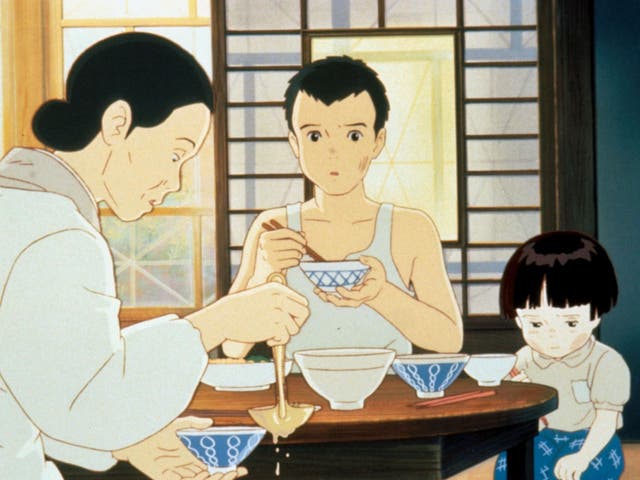
Heartbreaking and thought-provoking anime from Studio Ghibli about brother and sister Japanese orphans desperately trying to survive in the dying days of the war. A haunting anti-war statement almost without peer, adapted from the story by Akiyuki Nosaka and based on his own experiences in the firebombed city of Kobe.
Inglourious Basterds,
Inglourious Basterds, telling an alternate history story of two plots to assassinate Nazi Germany’s leadership: one planned by a group of Jewish U.S. soldiers and the other by a French Jewish theater owner. Tarantino spent over a decade creating the script, and viewed the project as his masterpiece-in-the making and his best work thus far. He described the men of the picture as “not your normal hero types that are thrown into a big deal in the Second World War.” The famed director wanted the character of Hans Landa portrayed by a native German-speaking actor and cast Austrian Christoph. Tarantino was worried the part was unplayable, but Waltz delivered an Oscar-winning knockout performance as the ruthless SS officer
Letters From Iwo Jima
A companion piece to Eastwood’s Flags of Our Fathers, which told the story of the battle for Iwo Jima from the American perspective, this is the better of the two films, told from the viewpoint of the Japanese. The film marks the culmination of Eastwood’s growth as an artist, as he eloquently and movingly humanises the Japanese soldiers fighting against near impossible odds.Letters from Iwo Jima is stunning, depicting a group of soldiers even more bound by tradition and honour than their American counterparts, trapped in an unwinnable war and dreaming only of home.
There are endless varieties of indoor plants to choose from, and if you’ve never cared for a plant before, you might have no idea which one to choose. Factor in that some plants are much harder to care for and require a lot of attention, and it’s even more of a challenge. If you want to spruce up your home with a little greenery but you’re new to plant parenthood and want to stick to plants that are more forgiving and low-maintenance, here’s what you need to know, from which plants to buy to how to keep them alive and happy
You don’t need a ton of time, space or even light to grow your own indoor garden, either. In fact, some plants prefer a low level of light and infrequent watering. If you live in an apartment or home with little natural light or just want something a bit more low maintenance, there are many houseplants for you to choose from.
Jade Plant
Succulents are always an indoor houseplant go-to thanks to their sturdiness and ability to survive with little to no water. This one has a defined look with plush oval leaves and a substantial height In fact; a jade plant can grow to be 3-6 feet tall. It’s a slow grower, though, so this won’t happen overnight. Like many succulents, jade plants need a lot of bright, indirect sunlight.
Aloe
As long as it gets a lot of really bright light, the Hedgehog Aloe is pretty resilient. Aloe plants grow in nutrient-poor conditions, so they’re very good at assimilating and holding onto their nutrients.Aloe is happiest in the brightest windows, so stick it in a space that faces the sunset.
Snake Plant
snake plants are tall, dark, and handsome. In addition to being able to withstand pretty much any living conditions, snake plants are also really powerful air purifiers.they can pretty much take whatever you throw at them, so they’ll be fine in slightly darker and more humid rooms.
Parlor Palm
Bright filtered light is best for this lush palm plant, but it can adapt to low light if necessary. In terms of watering, make sure you avoid over-watering your parlor palm. Keep it in a warmer spot and give it the occasional misting for good measure.
Bamboo
Like air plants, that can actually grow without soil. Simply place the stalks in a vase full of water with pebbles or marbles at the bottom. And if your bamboo starts to get too big for its container, just upgrade to a new one with a similar set-up—no actual reporting required.
Snacking refers to the intake of foods during the day other than your main meals. Snacks typically consist of smaller food portions distributed between meals. While research on whether snacking aids weight loss is mixed, some evidence suggests that increasing your meal frequency through snacking may help manage hunger and improve blood sugar regulation. By planning ahead and focusing on nutrient-rich foods, snacks may support your weight management goals by managing hunger and keeping you satisfied between meals. Think of a healthy snack as a mini-meal. It should be more than just a handful of popcorn or a bag of chips. Like a meal, it should contain some protein, carbs, and healthy fats. Bonus points for fibre, as that helps fill us up and slows digestion leaving you feeling fuller longer. Here are some options for healthy snacking you can switch to-
1. Mixed nuts
Nuts are an ideal nutritious snack, providing the perfect balance of healthy fats, protein, and fiber.Aside from being tasty; they’re linked to numerous health benefits and very filling. There are plenty of nuts you can choose from, including walnuts, almonds, Brazil nuts, hazelnuts, pine nuts, macadamia nuts, cashews, and pistachios. Because they don’t require refrigeration, they’re a great choice for snacking on the go.
2. Kale chips
Kale is incredibly healthy, as it’s loaded with fiber and antioxidants like beta carotene, lutein.It’s also a good source of minerals, such as calcium and phosphorus. It has a lower level of oxalic acid, an anti-nutrient that impairs calcium absorption, than many other leafy greens .Pairing kale with olive oil not only makes more delicious and crispy chips but also a more balanced and filling snack.
3. Protein smoothie
A protein smoothie can be a filling snack for when you need something substantial until your next meal.They’re an easy and convenient way to increase your protein intake. You can add just about any other ingredient to the mix, from fruits and veggies to healthy fats like avocado, nut butter, or chia seeds, for a nutrient-rich snack.
4. Oatmeal
Oatmeal is a truly versatile snack that you can enjoy hot or cold — at home or on the go. Oats are a nutritious whole grain that provides a good amount of fiber and higher protein content compared with other cereals.What’s more, you can satisfy your sweet tooth with oatmeal topped with fruit, cinnamon, cocoa powder, and chocolate chips, or go for a savory version by adding eggs, avocado, and veggies like mushrooms or tomatoes.
5. Cucumber slices with hummus
Cucumber’s fresh flavour and crunchy texture go very well with the rich creaminess of hummus. Hummus is typically made from chickpeas, tahini, olive oil, and garlic. Thus, it provides a mix of plant-based protein, fibre, and heart-healthy fats. You can also pair them with some whole grain crackers or pretzel sticks for a heartier snack.
When your next craving hits, aim for whole foods that add nutrition to your day instead of highly processed, less nutritious options.Having some healthy choices in reach can help you stay satisfied, add more nutrients to your diet, and support weight management. Healthy snacking can be benifically in all aspects of life , so start making choices of what you intake.
Once considered a niche diet, veganism has gone mainstream — so much so that the number of people following a vegan diet has increased by 350% in the last decade. By definition, veganism is a way of living in which people exclude, as much as possible, all forms of animal exploitation and cruelty.
At first glance, a vegan diet may seem complicated or overly restrictive. Many of my clients who are considering switching over to a vegan diet are initially worried about finding suitable vegan alternatives to their favourite meals. Yet, most find that once they get a few basics down, the transition is less difficult than they initially expected.
According to the Vegan Society, the term “vegan” was coined back in 1944 by a small group of vegetarians who broke away from the Leicester Vegetarian Society in England to form the Vegan Society. In addition to refraining from eating meat, they chose not to consume dairy, eggs, or any other products of animal origin The term “vegan” was chosen from the combination of the first and last letters of “vegetarian.” By 1949, the first definition of veganism had been born. It has changed slightly over the years to become what it is known as today. Many people use the term “vegan” to refer exclusively to diet. However, by this latest definition, veganism extends beyond eating a plant-based diet.
Those who identify as vegans typically aim to exclude animal exploitation or cruelty in all aspects of their lives, including the clothes they wear, the cosmetics they use, and the leisure activities they take part in .As a result, many vegans avoid purchasing wool coats, leather furniture, or down pillows and comforters. They may also opt to visit animal sanctuaries instead of going to zoos, the circus, or animal petting farms.
Reasons people go vegan
Health-Some people choose a vegan diet for its potential health benefits. Diets high in meat — especially red meat — have been linked to cancer, heart disease, and type 2 diabetes .On the other hand, plant-based diets have been linked to a lower risk of developing or prematurely dying from these diseases. Lowering your intake of animal products in favour of more plant-based options may also improve your digestion and reduce your risk of Alzheimer’s disease .A vegan diet can also help minimize the side effects linked to the antibiotics and hormones used in modern animal agriculture .Finally, vegan diets appear to be especially effective at helping people lose unwanted weight. Several studies link a vegan diet to a lower likelihood of obesity
Moral ideals-Ethical vegans strongly believe that all creatures have a right to life and freedom. They view all animals as conscious beings that, just like humans, wish to avoid pain and suffering .Because of this, ethical vegans are opposed to killing an animal in order to eat its flesh or wear its fur or skin. Vegans are also opposed to the psychological and physical stress that animals may endure as a result of modern farming practices — for instance, the small pens or cages that animals typically live in and rarely leave between their birth and slaughter.
Environment
People may also choose to avoid animal products in an attempt to limit their environmental impact. According to recent data, animal agriculture heavily contributes to greenhouse gas emissions (GHGEs), which cause climate change.Meat eaters are thought to be responsible for 2–2.5 times more GHGEs than people following a vegan diet. Ruminant animals, such as cattle, sheep, and goats, appear to emit the largest amount of greenhouse gases per gram of protein they deliver. Therefore, diets that reduce or totally eliminate dairy also produce significantly fewer GHGEs.
Foods that vegans eat
Avoiding animal products doesn’t restrict you to eating salads and tofu alone. There’s a wide variety of delicious foods you can eat on a vegan diet.
Beans, peas, and lentils: such as red, brown, or green lentils; chickpeas; split peas; black-eyed peas; black beans; white beans; and kidney beans
Soy products: such as fortified soy milk, soybeans, and products made from them, such as tofu, tempeh, and natto
Nuts: such as peanuts, almonds, cashews, and their butters
Seeds: such as sunflower seeds, sesame seeds, and their butters, as well as flaxseed, hemp seeds, and chia seeds
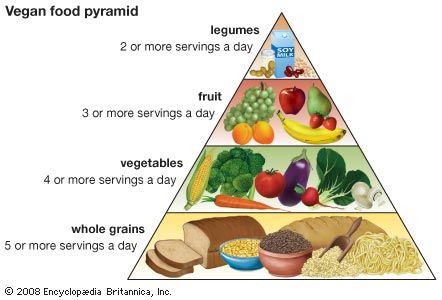
Whole grains: such as quinoa, whole wheat, whole oats, and whole grain brown or wild rice, as well as products made from these foods, such as whole grain bread, crackers, and pasta
Starchy vegetables: such as potatoes, sweet potatoes, corn, squash, beets, and turnips
Nonstarchy vegetables: such as broccoli, cabbage, asparagus, radishes, and leafy greens; these may be raw, frozen, canned, dried, or pureed
Fruit: such as apples, pears, bananas, berries, mango, pineapple, oranges, and tangerines; these may be purchased fresh, frozen, canned, dried, or pureed
Other plant-based foods: such as algae, nutritional yeast, fortified plant milks and yogurts, and maple syrup
There’s a good chance that many of the dishes you currently enjoy either already are vegan or can be made vegan with a few simple adjustments.For instance, you can swap meat-based main dishes for meals containing beans, peas, lentils, tofu, tempeh, nuts, or seeds.
Transitioning to a vegan diet is easier than most people think. That said, it does require a little additional nutrition knowledge.So if you’re interested in making the switch, consider seeking advice from a registered dietitian specializing in plant-based diets to make sure you’ve got your basics covered.Depending on your knowledge, budget, and culinary skills, you may also want to consider taking certain supplements to ensure you’re providing your body with all the nutrients it need
























-5.jpg?q=50&fit=crop&w=750&dpr=1.5)










 Eduindex
You must be logged in to post a comment.