KERALA , GOD’S OWN COUNTRY

Kerala is a state on the Malabar Coast of India. It was formed on 1 November 1956, following the passage of the States Reorganisation Act, by combining Malayalam-speaking regions of the erstwhile regions of Cochin, Malabar, South Canara, and Travancore. Spread over 38,863 km ^2, Kerala is the twenty-first largest Indian state by area. It is bordered by Karnataka to the north and northeast, Tamil Nadu to the east and south, and the Lakshadweep Sea[16] to the west. With 33 million inhabitants as per the 2011 census, Kerala is the thirteenth-largest Indian state by population. It is divided into 14 districts with the capital being Thiruvananthapuram. Malayalam is the most widely spoken language and is also the official language of the state.


CULTURE –

The culture of Kerala is composite and cosmopolitan in nature and it is an integral part of Indian culture. It is a synthesis of Aryan, Dravidian, Arab, and European cultures, developed over millennia, under influences from other parts of India and abroad. It is defined by its antiquity and the organic continuity sustained by the Malayali people. It was elaborated through centuries of contact with neighbouring and overseas cultures. However, the geographical insularity of Kerala from the rest of the country has resulted in the development of a distinctive lifestyle, art, architecture, language, literature and social institutions. Over 10,000 festivals are celebrated in the state every year. The Malayalam calendar, a solar sidereal calendar started from 825 CE in Kerala, finds common usage in planning agricultural and religious activities. Malayalam, one of the classical languages in India, is Kerala’s official language. Over a dozen other scheduled and unscheduled languages are also spoken. Kerala has the greatest consumption of alcohol in India.

MUSIC –
The development of classical music in Kerala is attributed to the contributions it received from the traditional performance arts associated with the temple culture of Kerala. The development of the indigenous classical music form, Sopana Sangeetham, illustrates the rich contribution that temple culture has made to the arts of Kerala. Carnatic music dominates Keralite traditional music. This was the result of Swathi Thirunal Rama Varma’s popularisation of the genre in the 19th century. Raga-based renditions known as sopanam accompany kathakali performances. Melam; including the paandi and panchari variants, is a more percussive style of music: it is performed at Kshetram-centered festivals using the chenda. Panchavadyam is a form of percussion ensemble, in which artists use five types of percussion instrument. Kerala’s visual arts range from traditional murals to the works of Raja Ravi Varma, the state’s most renowned painter. Most of the castes and communities in Kerala have rich collections of folk songs and ballads associated with a variety of themes; Vadakkan Pattukal (Northern Ballads), Thekkan pattukal (Southern Ballads), Vanchi pattukal (Boat Songs), Mappila Pattukal (Muslim songs) and Pallipattukal (Church songs) are a few of them.

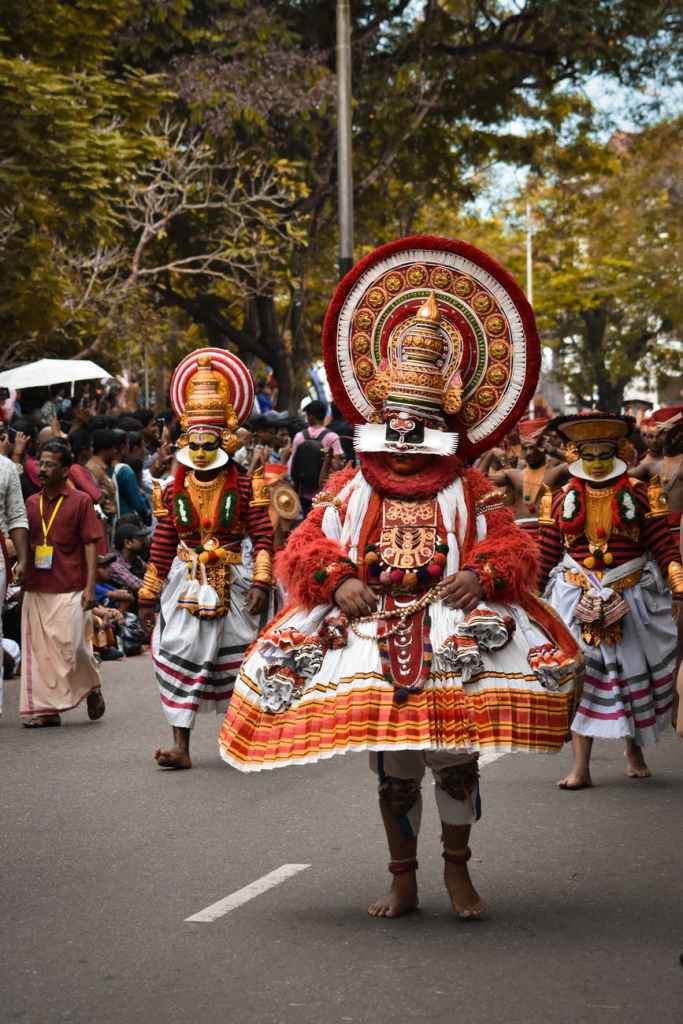
DANCE – Kerala is home to a number of performance arts. These include five classical dance forms: Kathakali, Mohiniyattam, Koodiyattom, Thullal and Krishnanattam, which originated and developed in the temple theatres during the classical period under the patronage of royal houses. Kerala natanam, Thirayattam, Kaliyattam, Theyyam, Koothu and Padayani are other dance forms associated with the temple culture of the region. Some traditional dance forms such as Oppana and Duffmuttu were popular among the Muslims of the state, while Margamkali and Parichamuttukali are popular among the Syrian Christians and Chavittu nadakom is popular among the Latin Christians.

TOURISM –
Kerala’s culture and traditions, coupled with its varied demographics, have made the state one of the most popular tourist destinations in India. In 2012, National Geographic’s Traveller magazine named Kerala as one of the “ten paradises of the world” and “50 must see destinations of a lifetime”. Travel and Leisure also described Kerala as “One of the 100 great trips for the 21st century”. In 2012, it overtook the Taj Mahal to be the number one travel destination in Google’s search trends for India. CNN Travel listed Kerala amongst its ’19 best places to visit in 2019′.

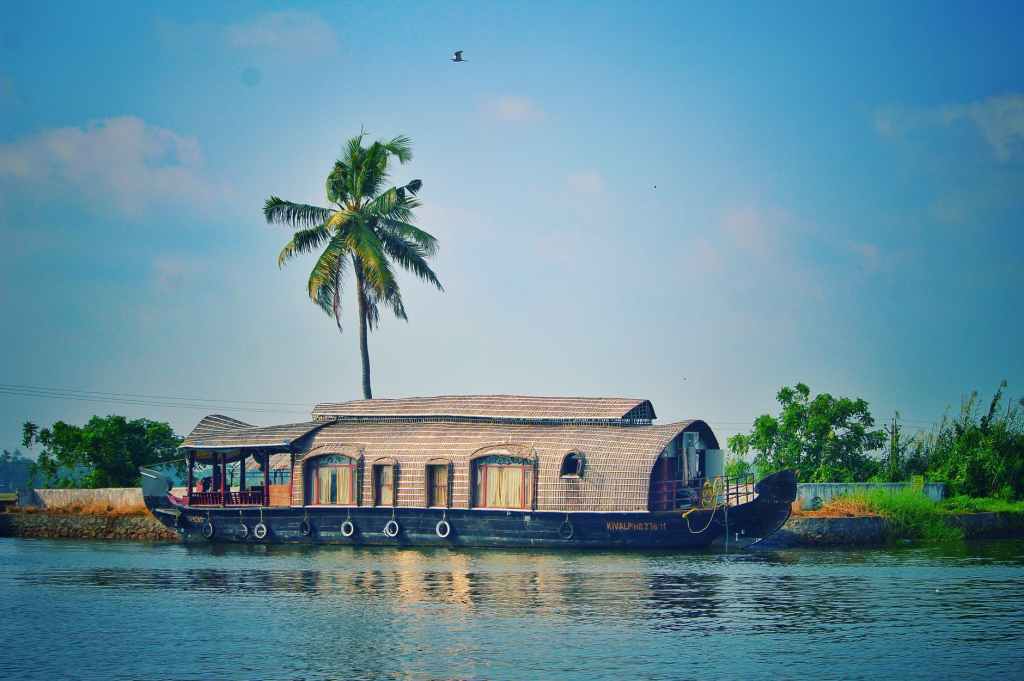
Kerala’s beaches, backwaters, lakes, mountain ranges, waterfalls, ancient ports, palaces, religious institutions and wildlife sanctuaries are major attractions for both domestic and international tourists. The city of Kochi ranks first in the total number of international and domestic tourists in Kerala. Until the early 1980s, Kerala was a relatively unknown destination compared to other states in the country. In 1986 the government of Kerala declared tourism an important industry and it was the first state in India to do so. Marketing campaigns launched by the Kerala Tourism Development Corporation, the government agency that oversees the tourism prospects of the state, resulted in the growth of the tourism industry.
The Japanese Language and why learning it can be hard

With the sudden increase in the Japanese Economical might after the second world war and its steady cultural impact due to technology, manga and cartoons, people have been more interested in Japanese culture than ever. Japan is still a largely conservative society with modernity picking up steadily despite an ageing population. But assimilating into that society can be hard. The most important reason being the difficulty a non-native shall face in learning their language.

Modern Japanese is a fairly new language – just like modern Italian, French, Mandarin or Hindi. Before the Meiji restoration, every part of Japan had a local language that was similar to but nor exactly the way in which Japanese speak it today. Ancient and Medieval Chinese led to the formation of the script that the Japanese used. The Meiji restoration meant that Japanese as spoken in the court of Kyoto was exported to all provinces and the need for a new script was needed. This led to creation of three scripts in the modern times – the Kanji or the Old Japanese – the one influenced by ancient and medieval Chinese characters. The next are the two modern scripts – Hiragana script that is used to express vernacular terms and words in the vocabulary while the Katakana script is used to write words borrowed from other countries. For example AC and Fridge or refrigerator will be written in Katakana while Fuji, Tokyo etc will be written in Hiragana.

Now, the Japanese language unlike English, Hindi and Arabic is a phonetic language. That means that it does not have standard alphabets with vowels and consonants that then group together to form words but rather sounds that make the alphabets of the language. So, both the Hiragana and Katakana scripts have 72 characters each. And writing or using even these characters has to follow some non-standard rules of phonetics.

Finally, Japanese is a language with a very strict emphasis on seniority. While this exists in most other languages as well – except Roman languages like English, in languages like Hindi and North Indian Bhojpuri, Nepali Hindi, Tamil etc., it is only about the addition of suffixes to the root word or in languages like Urdu, there is no such seniority needed because all the people are addressed in a high degree of respect. Japanese however might have different words that have the same meaning but suit different situations – casual, formal or with elders.

Finally, please don’t say goodbye to a Japanese guy. That is considered rude. The better expressions are see you soon or take care.

Arigatou Gozaimasu! ありがとうございます

Happy Learning!

Don’t Judge a Book By It’s Cover

Why we all always give more importance to our looks, is it really that important? is someone’s appearance is more important than his or her actual nature?

Why does people judge someone by their looks and come up with an conclusion based on someone’s external appearance without even knowing them. People forgot that the “appearance can be deceptive”.
If someone is comfortable with simple cloths and no make-up look, if he or she love to live that way then why others are so curious about that. It doesn’t matter that, what we wear or how we look it is not gonna affect our talent anyways.
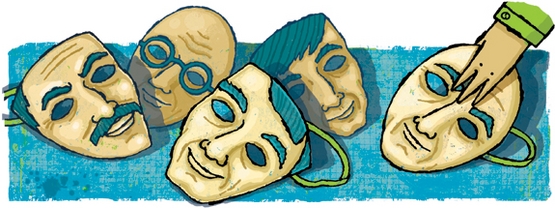
Take of the mask and face yourself, looks or appearance can’t hide your true nature for longer. Remember we were born to be real not to be perfect, be yourself even if you live for a day.

Appearance valued to much in our society and on every point people will judge you based on your appearance but, don’t give many thoughts thinking what others will say, if I wore this or if I look like this, what will others say, peoples will gonna talk behind your back no matter what you do, how you look, they gonna criticize you all the time, just live on your own way it’s your anyways and remember only one thing that, “kuch toh log kahenge, logonka kam hai kehna, chodo bekar ki baton main kahin beet na jaye raina” and keep going.

No matter who you are, how you look, your skin colour, your appearance it doesn’t matter, being beautiful has nothing to do with your outer looks or appearance, it’s about your nature, your character and how you treat others. Everyone sees what you appear on outside, but they don’t know that a person becomes more attractive not by their looks but by their act of kindness, love, respect, honesty and loyalty they show. They will judge you but after knowing your kind nature they can’t stop themselves from loving you. Always remember that the appearance for small time but your nature is for lifetime.

Sometimes we come across some people who love to live simple, who don’t give more importance to their outer look but their inner beauty emerges only when we converse with them and get to know them better.

Judging a person does not define who they are, also your self confidence didn’t come from your appearance, certainly not your appearance!!

Let’s learn not to judge a book by it’s cover and let’s try to understand and know someone based on their inner beauty not on their appearance because APPERANCE CAN BE DECEPTIVE.

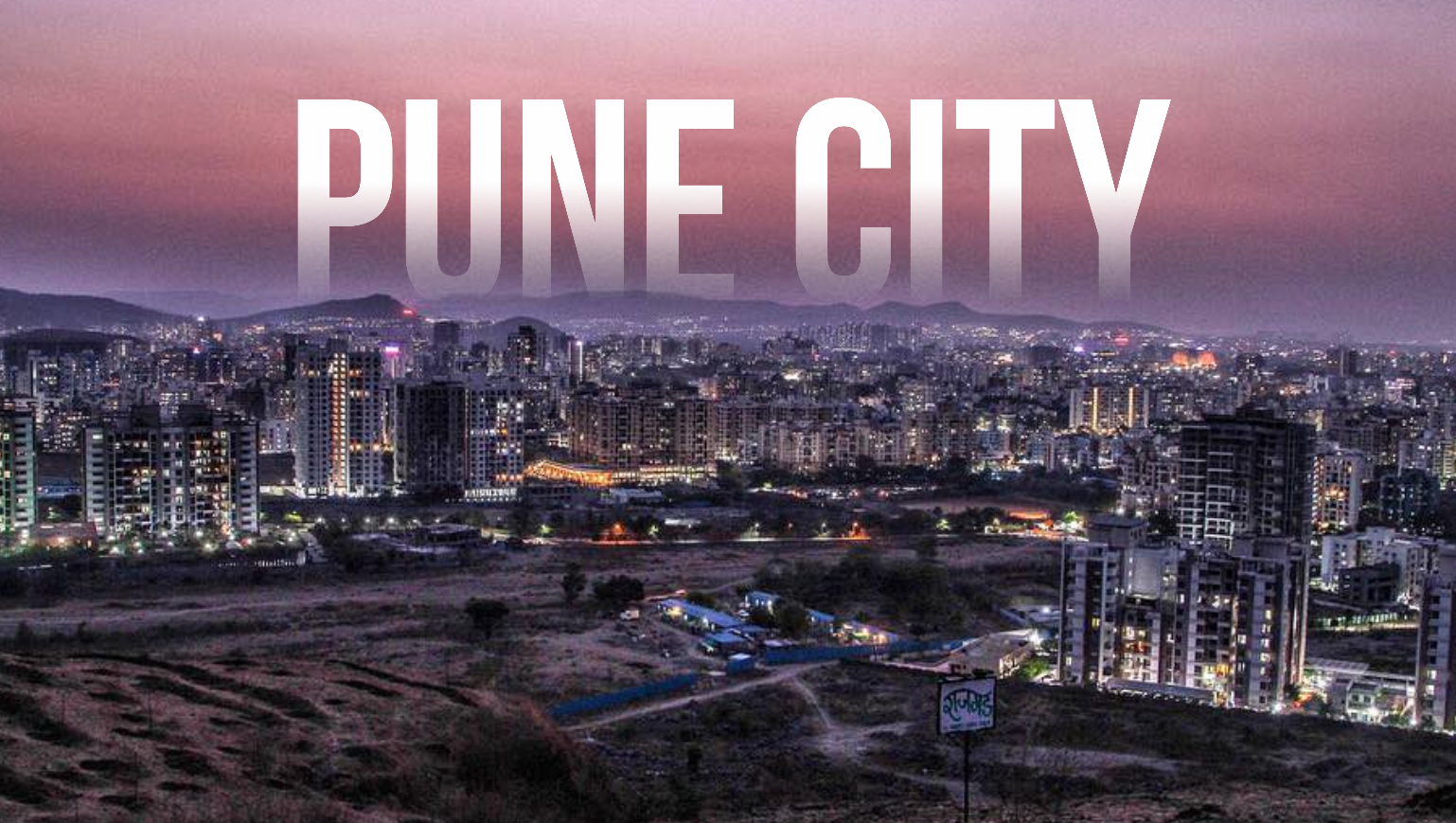
The most interesting things about Pune

For new-comers Pune may appear to be arrogant, rude and not-so-friendly, but after spending some time in Pune you will realize that they are actually sweet, a bit arrogant but kind. When you login in Pune you can’t logout.
For them who wants to live in Pune, here are some most interesting things about Pune you should know.

Pune, formerly known as Poona is the second-largest city of Maharashtra, after Mumbai and eighth-most populous city in India.

India’s first indigenously-run girl’s school was started in Pune by Savitribai Phule along with her associate Fatima Sheikh.

Pune is widely regarded as the second major “IT hub of India” and the top “automobile and manufacturing hub of India”
Pune is where Badminton originated in India.

Pune has 21 engineering colleges, which is highest in the world in a given city. There are many popular and old institutes in Pune and because of this in our Marathi language we called Pune as “ Shikshanache Maherghar ” it means Hometown of Education.

Pune has the highest number of software companies in India.

Beside this Pune has some unique things that you will only see in Pune.

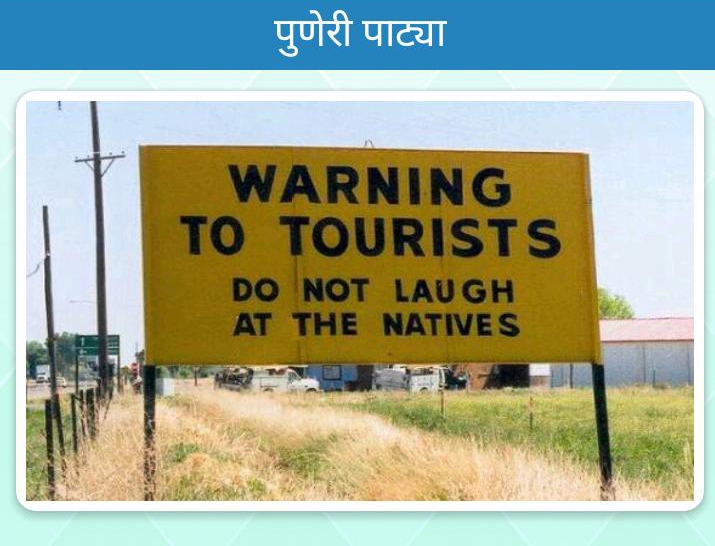
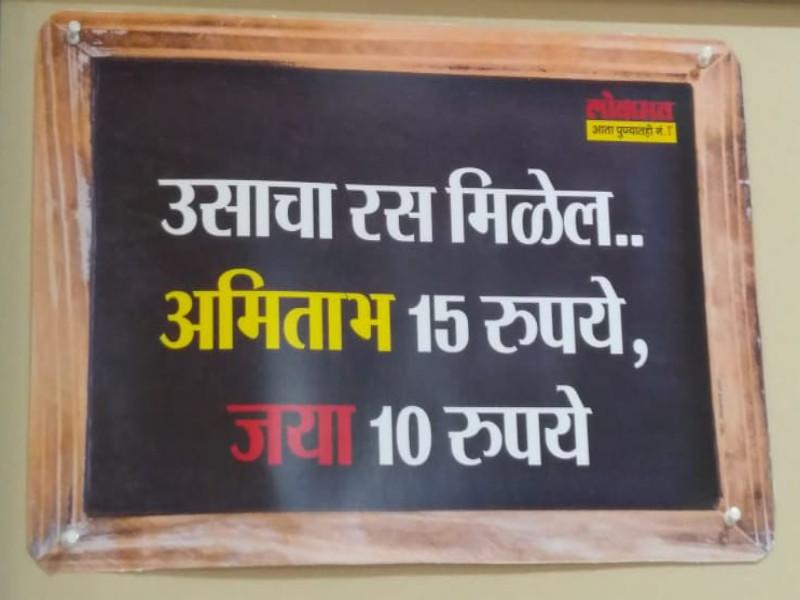
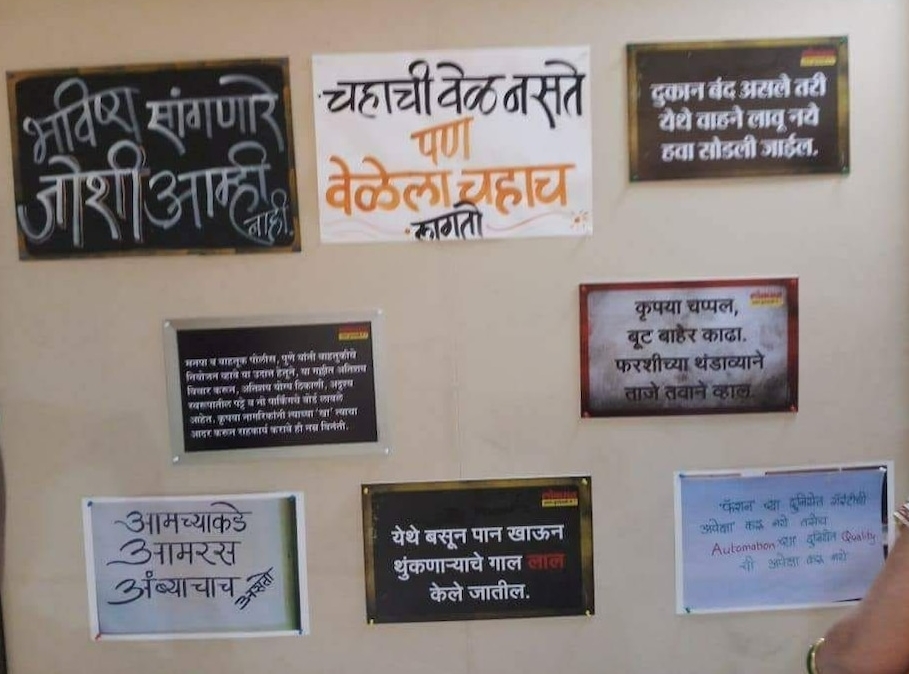
1. Puneri Patya

People who mostly come from outside the city come across those ubiquitous Puneri Patya, which are known for their bluntness and arrogance, while they appear funny to the uninitiated. A typical Punekar thinks and acts as though they have the sole right to educate people in their own ways. A Punekar believes in calling a spade a spade. They want order and discipline around them, which is absent when it comes to traffic though. They don’t want to repeat the same thing to visitors or passers-by. Hence, the Patya culture has been thriving in Pune dishing out advice, warnings and at times, threats to those who have not adopted the city’s culture.
From this unique way of expressing their thought we can say that Punekars love to educate others and finding the mistakes of other peoples.
Being a Punekar myself, I never found these Patya strange. However, some people from other cities always made fun of these signages. It seems pun is part of Pune’s life as these signages indicate.

2. Puneri Misal

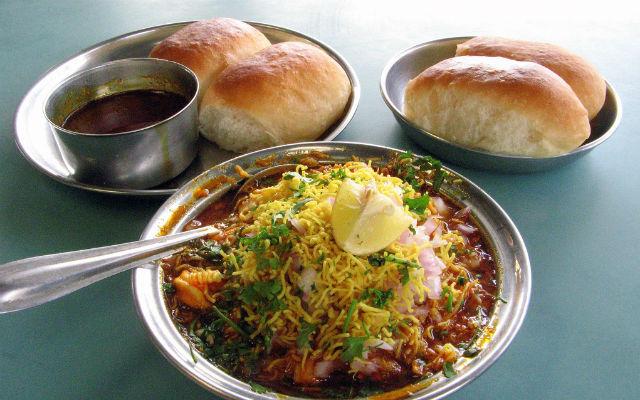
Famous Puneri Misal you should definitely try if you are traveling to Pune. Misal is like full time meal for Punekars, they can eat Misal all day without getting bored. Misal the local spicy snack of Punekars. It is the all time favourite dish of Punekars and you would find every restaurant and even the smallest hotel at the corner serving them.

3. No work between 1pm to 4pm

In Pune during some time in afternoon like about 2 hours from 1pm to 4pm you will notice that every shop even the smallest one at nook is closed.
Outsiders an those who are new at Pune think this habit of Punekar a bit weird, outsiders find it strange that almost all shops are closed for some hours in the afternoon since their owners take a nap during that time.

4. Puneri Chaha

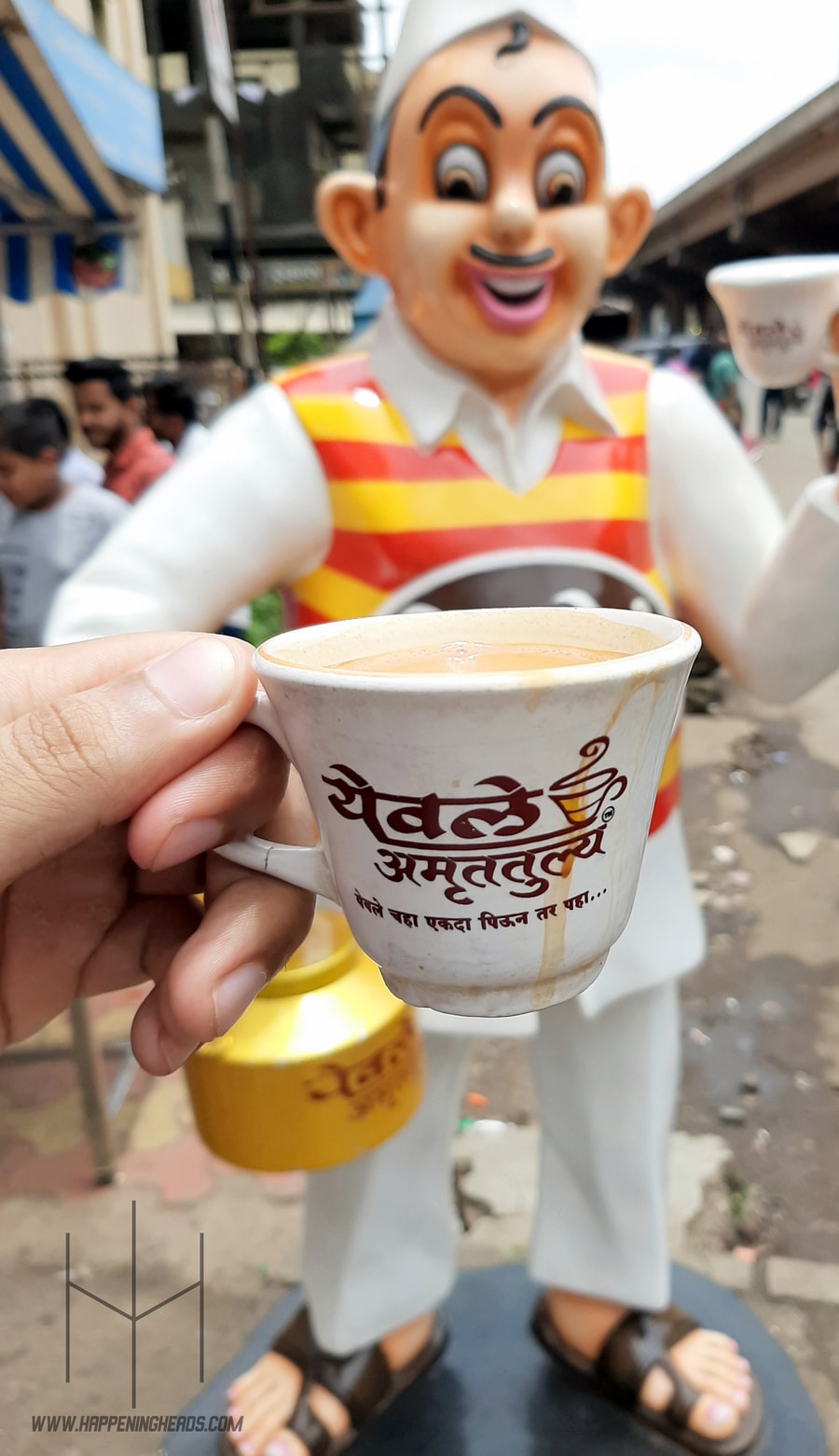
Pune’s most favourite and famous tea destination “Yewale Amruttulya”. You will find it strange that, a tea shop is as famous as Starbucks. Many people travel far away just to taste “Yewale Amruttulya”, you have to stand in long lines just to taste a tea.

Traffic Rules and Regulations

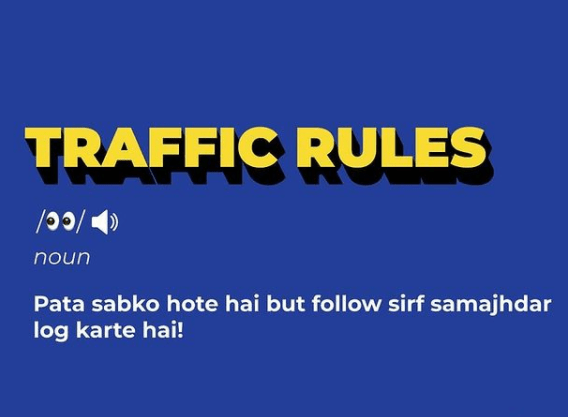
What are traffic rules?

I feel like both pedestrians and the drivers should be disciplined and obey all the rules and regulations. So, I request every citizen of this country to follow these do’s and don’t listed down below for pedestrians and drivers, respectively.

DO’s for pedestrians:

  • DO walk in a straight line down the sidewalk.
  • DO stop at crosswalks and pay attention to the signals.
  • DO pay attention to your surroundings when walking, especially at night and alone.
  • DO take the time to enjoy your walk even if you are in a hurry… look around and see.
  • DO smile if you happen to make eye contact with another human being.

DON’Ts for pedestrians

  • DON’T stop randomly on the sidewalk without checking that people are right behind you.
  • DON’T jaywalk without looking.
  • DON’T wear headphones and have your music turned up so loud you can’t hear what’s happening on the street.
  • DON’T cut across the sidewalk to get to a shop or something without looking behind you.
  • DON’T walk into things while your head is down looking at your phone… trust me, it happens!

DO’s while driving

  • Do always wear a helmet while riding a 2 wheeler.
  • Do always wear a seat belt. ±Do follow the speed limit.
  • Do be courteous towards other drivers and riders.
  • Do give pedestrians the right-of-way in crosswalks.
  • Do make room for bicycles. ±Do pay attention while driving, even if you are familiar with the area. A surprising number of accidents take place only blocks away from home!
  • Do use indicators.
  • Always keep to the left.
  • Do keep a safe distance.
  • Do always carry the important papers and your driving license.
  • Do drive cautiously in severe weather.
  • Do plan your long route journeys in advance. Take proper gaps in between.

DON’Ts while driving

  • Don’t drive alcohol and drive, and don’t get in a car with a driver who has been drinking or using drugs.
  • Don’t talk on your cell phone and drive at the same time. If you need to make or answer a call, pull over at a safe place and then resume your journey.
  • Don’t let your emotions and frustrations get the best of you. Don’t engage in road rage, no matter how irritating another driver might be to you.
  • Don’t tailgate other cars, pass on shoulders, run stoplights or stop signs, or break any other rules on purpose.
  • Don’t drive if you are underage.
  • Don’t overtake suddenly.
  • Don’t use brakes suddenly.
  • Don’t overspeed over potholes.

Noise Pollution- Causes, Effects & more

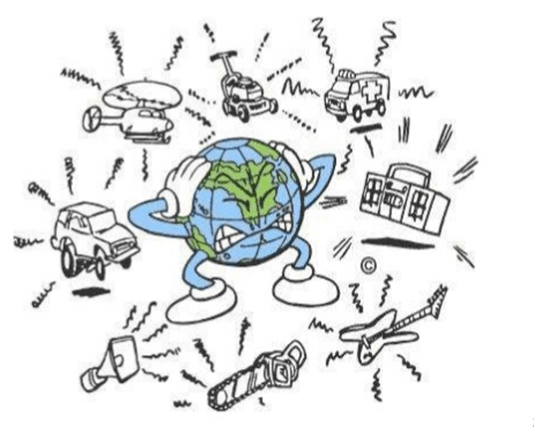
Noise is usually defined as unwanted sound or a sound without value that causes discomfort to the listener. Noise is usually measured in units of decibels and is denoted by dB.

1. On human beings:-

Mental health

Exposure to intense levels of noise can cause personality changes and violent reactions. Noise has also been shown to be a factor that attributed to violent reactions. 
Psychological health effects from noise include depression and anxiety stress. Individuals who have hearing loss, including noise induced hearing loss, may have their symptoms eased with the use of hearing aids. Individuals who do not seek treatment for their loss are 50% more likely to have depression than their aided peers. These psychological effects can lead to detriments in physical care as reduced self-care, work-tolerance, and increased isolation.

Physical health

Exposure to loud sound or longer exposure causes threshold shift. Noise-induced threshold shifts are seen as a notch on an audiogram from 3000 to 6000 Hz, but most often at 4000 Hz.
Exposure to loud noises, either in a single traumatic experience or over time, can damage the auditory system and result in hearing loss and sometimes tinntius as well. Noise induced hearing loss is sometimes unilateral and typically causes patients to lose hearing around the frequency of the triggering sound trauma.

2. On animals:-

Marine animals

Two main reasons that make an environmental impact of noise in marine life a grave are – 1. Noise travels much more in water, covering greater distances than it would do on land while travelling though air, and secondly because the marine life is extremely sensitive to noise pollution and an absence of any mechanism to safeguard them against it, underwater noise pollution disrupts marine life in more serious ways.

The deaths can occur because of haemorrhages, changed diving pattern, migration to newer places, and damage to internal organs and an overall panic response to the foreign sounds. There is also a disruption in normal communication between marine animals because of underwater noise pollution. This means animals prone to noise pollution cannot call their mates, look for food or even make a cry for help under such circumstances.

Birds

Anthropogenic noise, emitted from the oil and gas compressors, is becoming a global issue. The idea of the study was to measure the stress levels of the birds compared to the distance they were nesting with the oil and gas compressors.

So much so that they were showing Post Traumatic Stress Disorder-like (PTSD) symptoms. In the birds, their corticosterone levels were relatively low. And that isn’t exactly what you would expect to see in a high-stress situation. This is likely to be what was happening with the birds. It triggered health defects such as stunted growth, issues with their reproduction, and fewer feathers on the birds. Their ability to hear predators also seemed to be jeopardised because of the noisy surroundings.

Preventive measures to reduce noise pollution

  • Factories should be established away from the settlements.
  • Settlements should be located 20 kms away from the mining areas and coal areas.
  • Explosives should be not used in mountainous, forest and mining areas.
  • Use of horn in public places should be banned.
  • The sound of musical instruments should be controlled to desirable limits.
  • The use of sound amplifiers of high power should be banned in religious events.
  • The use of sound absorber tiles should be encouraged in the construction of multi-storeyed buildings.
  • In industrial, commercial and hospital buildings, adequate soundproof systems should be installed.
  • Intensive plantation should be made in the entire building complex.
  • Planting green trees along the roadside reduces the intensity of noise pollution.
  • Protective tools should be provided for workers.
  • Legal provisions should set limits on noise and control over noise pollution.

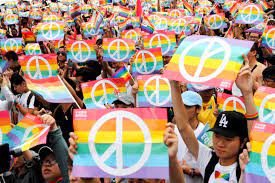
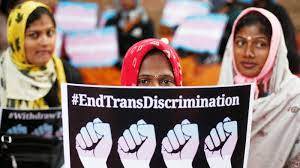
PROBLEMS FACED BY LGBT COMMUNITY

The expression “LGBT” represents lesbian, gay, bisexual and trans gender. A lesbian is lady drawn to another ladies. Gay is a man drawn to another man. Bisexual individuals are drawn to more than one gender. A transgender individual is somebody whose sex personality varies from the one they were appointed upon entering the world. Individuals in the LGBT people group are battling for equivalent rights and acknowledgment. Trans individuals, particularly, face a ton of trouble in discovering acknowledgment. Individuals in the LGBT people group are peered downward on constantly. While lesbians, gay and bisexual individuals are reluctant to inform their families about their sexuality.

They are not acknowledged in the public eye. Others ridicule them. “LGBT” terms are regularly used to affront somebody. “Gay” is frequently utilized as a revile/curse term which isn’t right. Somebody’s identity shouldn’t be utilized as reviling/cursing word.

Consistently, an enormous number of LGBT individuals face gigantic issues identified with brutality, joblessness, separation, destitution and absence of medical care. Biased individuals have issues with the manner in which individuals from the LGBT people group lead their lives. These individuals, I accept, are being juvenile. There are a few group who claims themselves as LGBT ally however the extremely next second they crack lame and sexiest jokes on them.

However, there are individuals who genuinely support LGBT people group. Be that as it may, of individuals have ill-conceived notion about them. They accept that LGBT individuals shouldn’t be permitted in home. I believe If school make their understudies mindful about the LGBT people group, we would not deal with such issues.

RESOURCES:

1.https://www.youthkiawaaz.com/2018/01/dont-ever-be-afraid-to-show-off-your-true-colours/

2.https://www.livemint.com/Sundayapp/sAYrieZdZKEybKzhP8FDbP/Being-LGBT-in-India-Some-home-truths.html

Terrorism

Terrorism is a criminal act that seeks to instil terror in ordinary people. It is a danger to mankind. It covers anybody or any organisation who spreads violence, such as riots, burglaries, rapes, kidnappings, fights, bombs, and so on. Terrorism is a cowardly act. Terrorism is also unrelated to religion. A terrorist is a terrorist, regardless of whether he or she is Hindu or Muslim.

Types of Terrorism

Terrorism is classified into two types: political terrorism, which causes widespread alarm, and criminal terrorism, which involves abduction for ransom money. Political terrorism is even more dangerous than criminal terrorism since it is carried out by well-trained individuals. As a result, it becomes difficult for law enforcement organisations to apprehend them in a timely manner.

Terrorism spreads at both the national and international levels. Regional terrorism is the most violent type of terrorism. Because terrorists believe that dying as a terrorist is precious and holy, they are prepared to go to any length. All of these terrorist organisations are formed for a variety of reasons.

Causes of Terrorism

There are several major causes of terrorism, including rapid population growth, politics, social and economic problems, dissatisfaction with the country’s system, a lack of education, corruption, racism, economic inequality, and linguistic differences. Terrorism is used as a weapon to show and justify one’s point of view. The most well-known riots are those between Hindus and Muslims, although there is a distinction between caste and terrorism.

The Effects Of Terrorism

Terrorism instils fear in individuals, and as a result, people in the country feel insecure. Terrorist attacks damage millions of products, take the lives of thousands of innocent people, and slaughter animals. After witnessing a terrorist attack, disbelief in mankind grows, giving rise to another terrorist. There are several forms of terrorism in various areas of the country and throughout the world.

Today, terrorism is not just a concern in India, but also in our neighbouring nation, and governments all over the world are working hard to combat it. The September 11, 2001, terrorist attack on the World Trade Center is widely regarded as the world’s biggest. Osama bin Laden attacked the world’s tallest skyscraper, resulting in millions of injuries and the deaths of thousands of people.

Terrorist Attacks in India

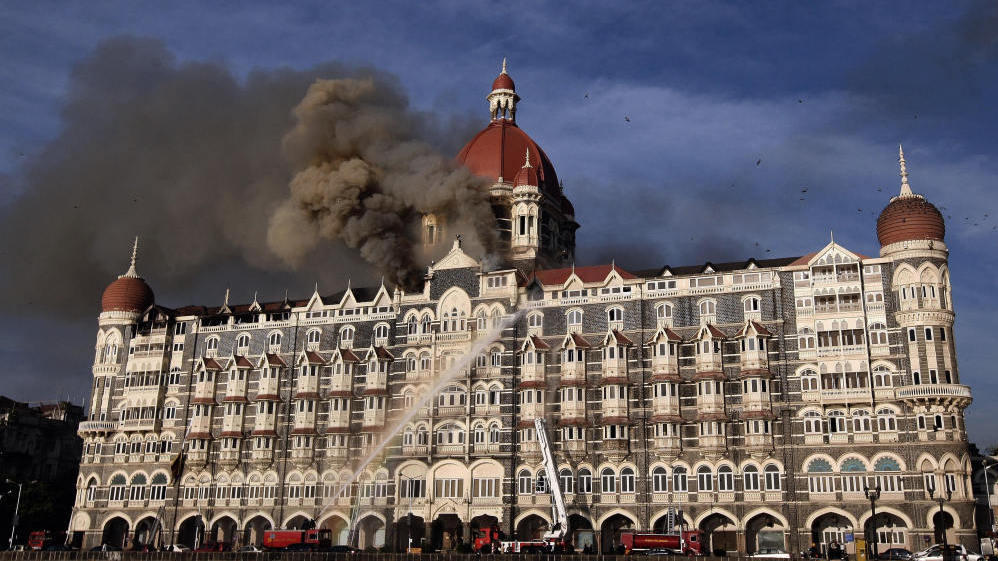
India has suffered several terrorist attacks which created fear among the public and caused huge destruction. Here are some of the major terrorist attacks that hit India in the last few years: 1991 – Punjab Killings, 1993 – Bombay Bomb Blasts, RSS Bombing in Chennai, 2000 – Church Bombing, Red Fort Terrorist Attack,2001- Indian Parliament Attack, 2002 – Mumbai Bus Bombing, Attack on Akshardham Temple, 2003 – Mumbai Bombing, 2004 – Dhemaji School Bombing in Assam,2005 – Delhi Bombings, Indian Institute of Science Shooting, 2006 – Varanasi Bombings, Mumbai Train Bombings, Malegaon Bombings, 2007 – Samjhauta Express Bombings, Mecca Masjid Bombing, Hyderabad Bombing, Ajmer Dargah Bombing, 2008 – Jaipur Bombings, Bangalore Serial Blasts, Ahmedabad Bombings, Delhi Bombings, Mumbai Attacks, 2010 – Pune Bombing, Varanasi Bombing.

The recent ones include 2011 – Mumbai Bombing, Delhi Bombing, 2012 – Pune Bombing, 2013 – Hyderabad Blasts, Srinagar Attack, Bodh Gaya Bombings, Patna Bombings, 2014 – Chhattisgarh Attack, Jharkhand Blast, Chennai Train Bombing, Assam Violence, Church Street Bomb Blast, Bangalore, 2015 –  Jammu Attack, Gurdaspur Attack, Pathankot Attack, 2016 – Uri Attack, Baramulla Attack, 2017 – Bhopal Ujjain Passenger Train Bombing, Amarnath Yatra Attack, 2018 Sukma Attack, 2019- Pulwama attack.

Agencies fighting Terrorism in India

To combat terrorism in India, many police, intelligence, and military institutions have created specific agencies. In India, major anti-terrorism agencies include the Anti-Terrorism Squad (ATS), the Research and Analysis Wing (RAW), and the National Investigation Agency (NIA).

Conclusion

Terrorism has evolved into a worldwide concern that must be addressed at the outset. Terrorism cannot be handled only by law enforcement forces. People all across the world will need to band together to combat the rising menace of terrorism.

Floods in Maharashtra

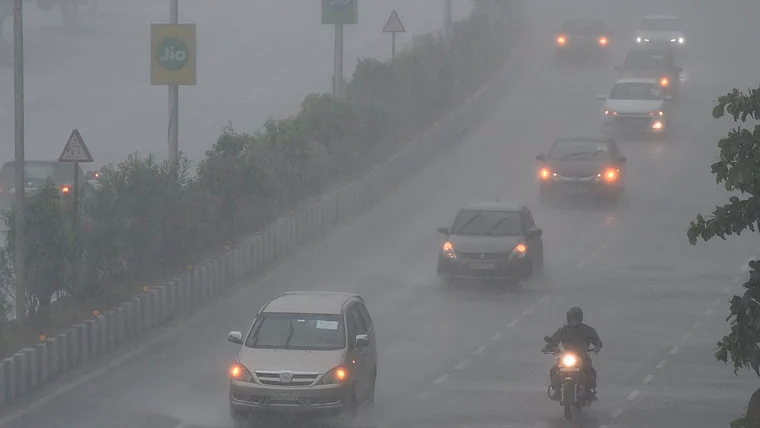
Navi Mumbai Weather Update: As rain lashes city, NNMC shares monsoon  estimates for Vashi, Belapur, Nerul and Airoli
when it rained,
after days, after months,
after years, I felt alive
when the rain touched,
my cheeks, they blushed,
and grinned. As they do,
when they meet a long-lost friend
i wanna go out and say hi,
say that it’s been rough,
without you,
but I can’t.
me grinning and blushing,
and dancing hands in hands,
in rain, would bring back wounds,
the ones that are healed,
the ones that are to be healed.

Climate change is real!

Maharashtra has been dealing with two disasters; Floods in the midst of this ongoing pandemic. These floods have posed a grave threats to all the people.

Maharashtra witnessed high-intensity floods due to the incessant rains over the past few weeks. At least 209 people have died due to the floods in Maharashtra and eight still remain missing. A total of 4,34,185 people from eight districts have been evacuated to safer places, as rescue operations continue.1Among the 209 fatalities, the Satara district reported 46 deaths, followed by 35 in Ratnagiri, 15 in Thane, seven in Kolhapur, four in Mumbai, three in Pune, four in Sindhudurg and two each in eastern Maharashtra’s Wardha and Akola districts.

A total of 3,221 animals have died. Meanwhile, the floodwater has entered the roads and fields, submerging many areas of the Sangli district in Maharashtra making it hard for people to commute from one place to another.

Heavy rainfall in Maharashtra has caused flooding in several areas of the state, including Kolhapur. Houses, roads, and commercial establishments remained partially submerged in floodwater in Kolhapur on Monday.

MUMBAI: Despite the fact that the rains have lessened this week after last week’s torrential downpour, Mumbai has already received 93 percent of the season’s average rainfall. The average rainfall for this season is 2205.8 mm, with 2052.7 mm recorded at the Santacruz observatory. There are two more months of monsoon left to cover the remaining 7% of the seasonal rain target.
While there were no rains at the IMD’s Colaba observatory, the Santacruz observatory recorded 4.3mm of rain, which is considered light rain. Significant weather systems, such as the offshore trough from Karnataka to Kerala’s coast, as well as the low pressure region, have become less prominent, according to IMD sources.
Most of the season’s rainfall so far has been recorded in a heavy rain spell restricted to just a few hours.
This resulted in significant water logging, as well as the loss of life and property. Since the start of the monsoons, IMD’s Santacruz observatory has recorded 235mm of rain on July 17-18, and 253mm on July 16-17. A total of 231.3mm fell in a 24-hour period between June 9 and 10. The IMD has issued a green alert till Thursday, indicating only light to moderate rain activity.

In these past months,

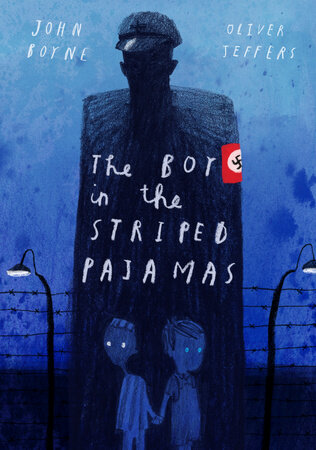
Book review for ‘the Boy in the stripped Pyjamas’: A heartbreak but not a very real story

The holocaust is for sure a topic that as discussed as infamous it can be. It is as much a tragic story as a fact that can make any person grip in fear of what a human is capable of becoming.

Bruno is a 9-years old boy in Berlin during the Second World War and his father a member of the Nazi party, soon promoted to office the Auschwitz camp at the personal orders of the Fuhrer.

Sad and missing his friends, Bruno spots a pale boy in pyjamas with a lot of people on the other side of the fence. Bruno meets this boy, Shmuel whom he quickly befriends. Shmuel informs Bruno that he lived on this side of the fence with his grandfather, brother and father. And to the merry of both boys, they share the same birthday and age.

Shmuel grows pale and lean everyday and Bruno starts to sneak him food. They talk and share their lives while Bruno does not really understand what is going on the other side of the fence.

One day, Shmuel informs Bruno that his father is missing and everyone in his family is desperate to find him. That evening, Bruno removes his clothes, pulls up the stripped pyjamas Shmuel offers him and crosses the fence to search for Shmuel’s father.

Both the kids are spotted by guards who ask them to participate in the march. The march ends in a closed room which Bruno assumes is the place to sleep and sit together. He holds Shmuel’s hands and whispers to him that they shall be friends for life.

Bruno is missing and only his clothes are found near the camp fence. His father, deducing what must have happened is broken and offers himself to the now invading Allied armies.

This fictional story that forms the plot of the book, “The boy in the stripped Pyjamas” by Irish author John Boyne. The book quite metaphorically illustrates the fact that the adults were really not concerned with what is happening under their noses while the kids were just been broken, separated by fences and lines drawn between races.

The Boy in the Striped Pajamas (Deluxe Illustrated Edition) by John Boyne:  9780399559310 | PenguinRandomHouse.com: Books

However, and quite correctly, the historians have argued that this book has several historical inconsistencies that might make a reader believe that concentrations camps were way more lax than they really were. No one, let alone a kid was left off work to let him have the time to meet, talk to and enjoy another human being’s company.

Auschwitz: Concentration Camp, Facts, Location - HISTORY
An actual picture from the Auschwitz Camp

At the end, the author expresses his belief in humanity by stating,

Of course, all of this happened a long time ago and nothing like that could ever happen again. Not in this day and age.

Happy reading!

ONE STATE MANY WORLDS


Karnataka is a state in southwest India with Arabian Sea coastlines. The capital, Bengaluru (formerly Bangalore), is a high-tech hub known for its shopping and nightlife. To the southwest, Mysore is home to lavish temples including Mysore Palace, former seat of the region’s maharajas. Hampi, once the medieval Vijayanagara empire’s capital, contains ruins of Hindu temples, elephant stables and a stone chariot.

Originally known as the princely State of Mysore, Karnataka was formed on 1st November 1956 and is located in the South-Western region of India. Close to the Arabian Sea and the Laccadive Sea, Karnataka is known for its beautiful yet unpopulated beaches and rich culture.

Karnataka is the largest state in South India and sixth largest in India. The state is in the south western region of India. It was formed on 1 November 1956, with the passage of the States Reorganisation Act. Originally known as the State of Mysore , it was renamed Karnataka in 1973. The state corresponds to the Carnatic region. Its capital and largest city is Bangalore.

Karnataka is bordered by the Arabian Sea to the west, Goa to the northwest, Maharashtra to the north, Telangana to the northeast, Andhra Pradesh to the east, Tamil Nadu to the southeast, and Kerala to the south. It is the only southern state to have land borders with all of the other 4 southern Indian sister states. The state covers an area of 191,976 square kilometres , or 5.83 percent of the total geographical area of India. It is the sixth largest Indian state by area. With 61,130,704 inhabitants at the 2011 census, Karnataka is the eighth largest state by population, comprising 31 districts. Kannada, one of the classical languages of India, is the most widely spoken and official language of the state. Other minority languages spoken include Urdu, Konkani, Marathi, Tulu, Tamil, Telugu, Malayalam, Kodava and Beary. Karnataka also contains some of the only villages in India where Sanskrit is primarily spoken

The economy of Karnataka is the fourth-largest of any Indian state with ₹16.99 trillion in gross domestic product and a per capita GDP of ₹231,000 . Karnataka has the nineteenth highest ranking among Indian states in Human Development Index.

The diverse linguistic and religious ethnicities that are native to Karnataka, combined with their long histories, have contributed immensely to the varied cultural heritage of the state. Apart from Kannadigas, Karnataka is home to Tuluvas, Kodavas and Konkanis. Minor populations of Tibetan Buddhists and tribes like the Soligas, Yeravas, Todas and Siddhis also live in Karnataka. The traditional folk arts cover the entire gamut of music, dance, drama, storytelling by itinerant troupes, etc. Yakshagana of Malnad and coastal Karnataka, a classical dance drama, is one of the major theatrical forms of Karnataka. Contemporary theatre culture in Karnataka remains vibrant with organisations like Ninasam, Ranga Shankara, Rangayana and Prabhat Kalavidaru continuing to build on the foundations laid by Gubbi Veeranna, T. P. Kailasam, B. V. Karanth, K V Subbanna, Prasanna and others. Veeragase, Kamsale, Kolata and Dollu Kunitha are popular dance forms. The Mysore style of Bharatanatya, nurtured and popularised by the likes of the legendary Jatti Tayamma, continues to hold sway in Karnataka, and Bangalore also enjoys an eminent place as one of the foremost centres of Bharatanatya.

Karnataka also has a special place in the world of Indian classical music, with both Karnataka (Carnatic) and Hindustani styles finding place in the state, and Karnataka has produced a number of stalwarts in both styles. The Haridasa movement of the sixteenth century contributed significantly to the development of Karnataka (Carnatic) music as a performing art form. Purandara Dasa, one of the most revered Haridasas, is known as the Karnataka Sangeeta Pitamaha (‘Father of Karnataka a.k.a. Carnatic music’). Celebrated Hindustani musicians like Gangubai Hangal, Mallikarjun Mansur, Bhimsen Joshi, Basavaraja Rajaguru, Sawai Gandharva and several others hail from Karnataka, and some of them have been recipients of the Kalidas Samman, Padma Bhushan and Padma Vibhushan awards. Noted Carnatic musicians include Violin T. Chowdiah, Veena Sheshanna, Mysore Vasudevachar, Doreswamy Iyengar and Thitte Krishna Iyengar.

Gamaka is another classical music genre based on Carnatic music that is practised in Karnataka. Kannada Bhavageete is a genre of popular music that draws inspiration from the expressionist poetry of modern poets. The Mysore school of painting has produced painters like Sundarayya, Tanjavur Kondayya, B. Venkatappa and Keshavayya. Chitrakala Parishat is an organisation in Karnataka dedicated to promoting painting, mainly in the Mysore painting style.

Saree is the traditional dress of women in Karnataka. Women in Kodagu have a distinct style of wearing the saree, different from the rest of Karnataka. Dhoti, known as Panche in Karnataka, is the traditional attire of men. Shirt, Trousers and Salwar kameez are widely worn in Urban areas. Mysore Peta is the traditional headgear of southern Karnataka, while the pagadi or pataga (similar to the Rajasthani turban) is preferred in the northern areas of the state.

Rice and Ragi form the staple food in South Karnataka, whereas Jolada rotti, Sorghum is staple to North Karnataka. Bisi bele bath, Jolada rotti, Ragi mudde, Uppittu, Benne Dose, Masala Dose and Maddur Vade are some of the popular food items in Karnataka. Among sweets, Mysore Pak, Karadantu of Gokak and Amingad, Belgaavi Kunda and Dharwad pedha are popular. Apart from this, coastal Karnataka and Kodagu have distinctive cuisines of their own. Udupi cuisine of coastal Karnataka is popular all over India.

Kannada is the official language of the state of Karnataka, as the native language of 66.5% of its population as of 2011 and is one of the classical languages of India. Other linguistic minorities in the state were Urdu , Telugu , Tamil , Marathi , Hindi , Tulu , Konkani , Malayalam and Kodava Takk .

Kannada played a crucial role in the creation of Karnataka: linguistic demographics played a major role in defining the new state in 1956. Tulu, Konkani and Kodava are other minor native languages that share a long history in the state. Urdu is spoken widely by the Muslim population. Less widely spoken languages include Beary bashe and certain languages such as Sankethi. Some of the regional languages in Karnataka are Tulu, Kodava, Konkani and Beary.

Kannada features a rich and ancient body of literature including religious and secular genre, covering topics as diverse as Jainism (such as Puranas), Lingayatism (such as Vachanas), Vaishnavism (such as Haridasa Sahitya) and modern literature.

VIBRANT GUJARAT

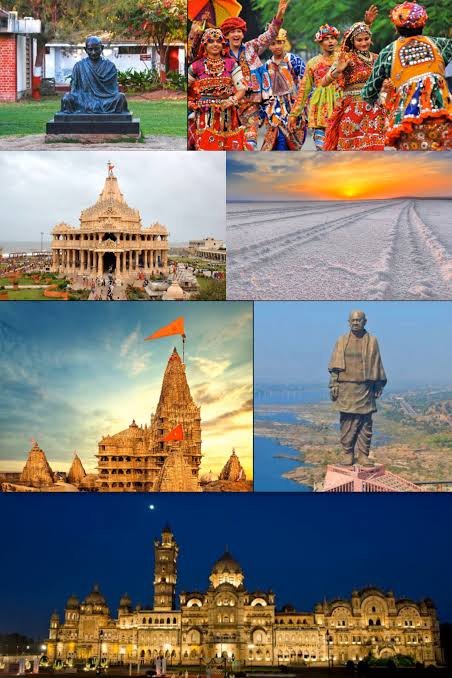
Gujarat is a state on the western coast of India with a coastline of 1,600 km – most of which lies on the Kathiawar peninsula – and a population of 60.4 million. It is the fifth-largest Indian state by area and the ninth-largest state by population. Gujarat is bordered by Rajasthan to the northeast, Dadra and Nagar Haveli and Daman and Diu to the south, Maharashtra to the southeast, Madhya Pradesh to the east, and the Arabian Sea and the Pakistani province of Sindh to the west. Its capital city is Gandhinagar, while its largest city is Ahmedabad. The Gujarati people of India are indigenous to the state, and their language Gujarati, is the state’s official language. The economy of Gujarat is the fifth-largest in India, with a gross state domestic product GSDP of ₹18.5 trillion and has the country’s 11th-highest GSDP per capita of ₹216,000 . Gujarat ranks 21st among Indian states in human development index. The state traditionally has low unemployment and is widely considered one of the most industrially developed states of India and a manufacturing hub.

The state encompasses some sites of the ancient Indus Valley Civilisation, such as Lothal, Dholavira and Gola Dhoro. Lothal is believed to be one of the world’s first seaports. Gujarat’s coastal cities, chiefly Bharuch and Khambhat, served as ports and trading centres in the Maurya and Gupta empires, and during the succession of royal Saka dynasties from the Western Satraps era.[citation needed] Along with Bihar, Mizoram and Nagaland, Gujarat is one of four Indian states to prohibit the sale of alcohol. The Gir Forest National Park in Gujarat is home to the only wild population of the Asiatic lion in the world

Gujarati food is primarily vegetarian. The typical Gujarati thali consists of rotli or bhakhari or thepala or rotlo, dal or kadhi, khichdi, Bhat and shak. Athanu (Indian pickle) and chhundo are used as condiments. The four major regions of Gujarat all bring their own styles to Gujarati food. Many Gujarati dishes are distinctively sweet, salty, and spicy at the same time. In the Saurashtra region, chhash (buttermilk) is believed to be a must-have in their daily food.

Gujarati folk music, known as Sugam Sangeet, is a hereditary profession of the Barot, Gadhvi and Charan communities. The omnipresent instruments in Gujarati folk music include wind instruments, such as turi, bungal, and pava, string instruments, such as the ravan hattho, ektaro, and jantar and percussion instruments, such as the manjira and zanz pot drum.

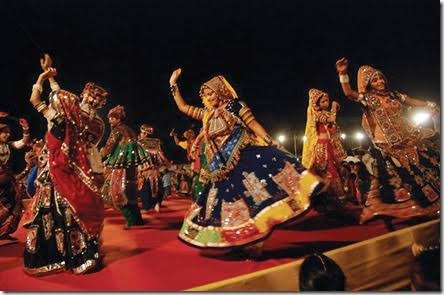
The folk traditions of Gujarat include bhavai and raas-garba. Bhavai is a folk theatre; it is partly entertainment and partly ritual, and is dedicated to Amba. The raas-garba is a folk dance done as a celebration of Navratri by Gujarati people. The folk costume of this dance is chaniya choli for women and kedia for men. Different styles and steps of garba include dodhiyu, simple five, simple seven, popatiyu, trikoniya (hand movement which forms an imagery triangle), lehree, tran taali, butterfly, hudo, two claps and many more. Sheri garba is one of the oldest form of garba where all the women wear red patola sari and sing along while dancing. It is a very graceful form of garba. Makar Sankranti is a festival where people of Gujarat fly kites. In Gujarat, from December through to Makar Sankranti, people start enjoying kite flying. Undhiyu, a special dish made of various vegetables, is a must-have of Gujarati people on Makar Sankranti. Surat is especially well known for the strong string which is made by applying glass powder on the row thread to provide it a cutting edge.

Gujarat’s natural environment includes the Great Rann of Kutch and the hills of Saputara, and it is the sole home of pure Asiatic lions in the world. During the historic reigns of the sultans, Hindu craftsmanship blended with Islamic architecture, giving rise to the Indo-Saracenic style. Many structures in the state are built in this fashion. It is also the birthplace of Mahatma Gandhi and Sardar Vallabhbhai Patel, great iconic figures of India’s Independence movement. Amitabh Bachchan is currently the brand ambassador of Gujarat Tourism.

Gujarat has a variety of museums on different genres that are run by the state’s Department of Museums located at the principal state museum, Baroda Museum & Picture Gallery in Vadodara, which is also the location of the Maharaja Fateh Singh Museum. The Kirti Mandir, Porbandar, Sabarmati Ashram, and Kaba Gandhi No Delo are museums related to Mahatma Gandhi, the former being the place of his birth and the latter two where he lived in his lifetime. Kaba Gandhi No Delo in Rajkot exhibits part of a rare collection of photographs relating to the life of Mahatma Gandhi. Sabarmati Ashram is the place where Gandhi initiated the Dandi March. On 12 March 1930 he vowed that he would not return to the Ashram until India won independence.

MUSIC – A GOOD COMPANION!!!

We may live in different place, different state, different country but we a got together by music. Would you agree if say like that? Yes, music is a good companion which helps us to express our feelings. It may be any form of music but we may feel accompanied with music rather than being lonely. Let me tell you about how music has an great effect on us.

Music is something that we enjoy as a part of our life. It accompanies us from birth to death. During our childhood, our parents and grandparents used to sing songs to make us sleep. Crying is a kind of music. When we woke up, we can hear the birds chirpping and trees rustling which is the most lovely feel in the morning. Music is everywhere, all we need is to open our ears to listen to it.

One who knows to create music on their own with musical instruments is called a Musician. The different music instruments include – Percussion, Brass, String, woodwind and keyboard. Brass music instruments are played using mouth. Those instruments include Trombone, Trumpet etc. String music instruments give rythym to music and those instruments include Guitar, Veena, Violin etc.

Some musical instruments

Percussion musical instruments gives main beat and feel to the song and those include Drums, Tabla, Dolak etc. Woodwind instruments are made of wood and they are also played using mounth like brass instruments and these instrument include Flute. The keyboard consists of keys which has high pitches.When you add another voice to an instrument, it is called singing and is a vital part of the music. When people who play different instruments come together to play them together, it is called a band.

There are different genres of music such as rock, pop, classical, blues, jazz, R&B, hip-hop, etc. All of these genres of music are characterized by how the instruments work together. Rock music is often louder and is played using percussion and string instruments. In Jazz music, Saxophone is very popular. In this modern world, the newest genres of music is electronic dance music (EDM) which consists of loud percussive beats and is very popular to young people.

We all have our favorite music director, singer, band, etc. Music is a universal language that unite people regardless of boundaries. This has the sense of familiarity among the people. Eventhough, we don’t understand the meaning of the lyrics of a song, we like it because of the tune and voice. Music is not just a sound but a communicable language which makes feel good. I love to hear music when am alone. But I used to play music when I am with my friends and family and it unites us very much. Listening to your favourite song can completely uplift your mood if you are feeling down. Everybody has their own kind of music that they love, which is why it is special to us all in our own unique ways.

Unique Music Quotes With Images In English - Premium Quotes Only

My best advice for you is to enjoy the music when you are alone and enjoy more than that when you are with your family. This feel cannot be explained in words and you’ll understand by experiencing it. Often hear songs; make everyone around you happy. Be happy; lead a helathy life.

Read more;

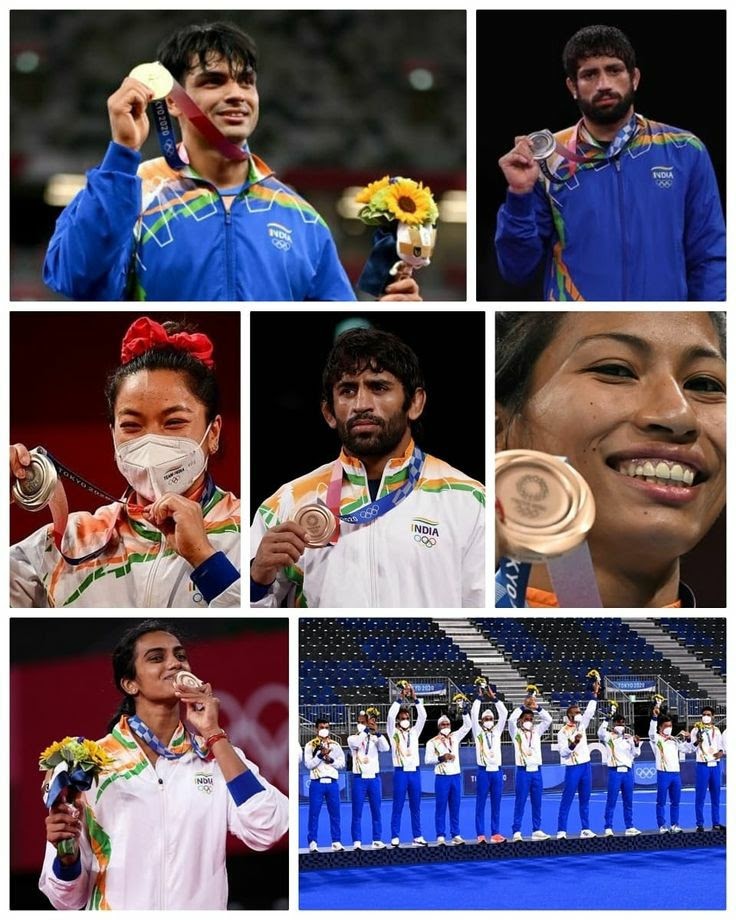
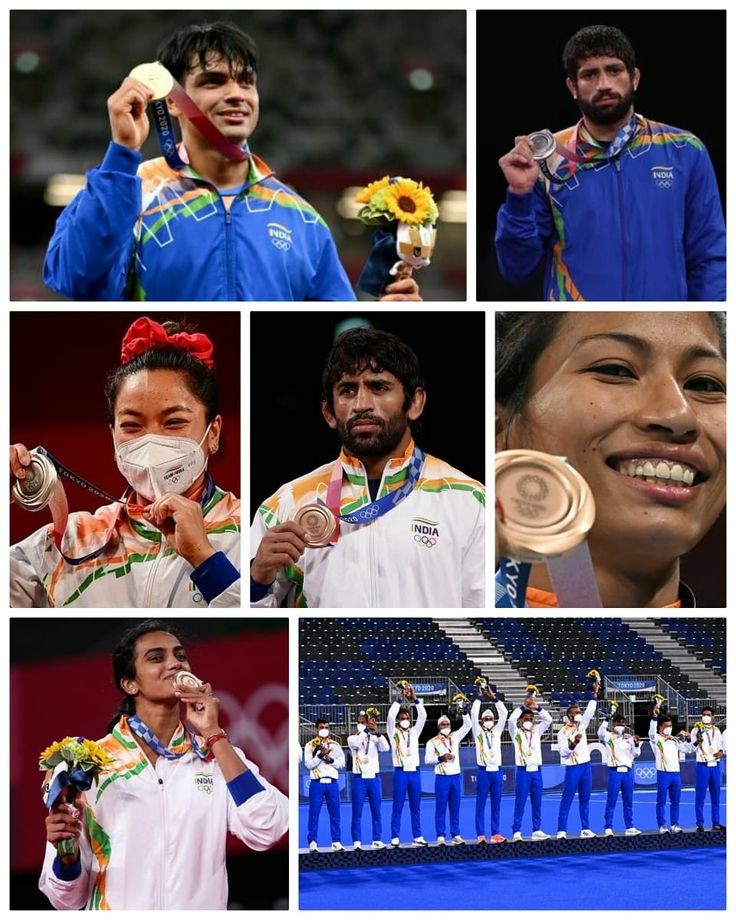
India’s medal in Tokyo Olympic 2020

India Medal Tally Tokyo Olympics – 1 Gold, 2 Silver, 4 Bronze, Medal table is given here. Check the Tokyo Olympic Medal tally for India from here. Tokyo Olympic 2020 is organized in Japan this year. Players from all around the world are performing to win medals for their country. India already has broken its previous record of 6 medals in a single Olympic as they have won 7 medals on Tokyo Olympic 2021 already.

India finished 48th on the medal tally in Tokyo, its highest ranking in over four decades (if one were to go by the total number of medals, India would have actually finished 33rd. However, ranking is done primarily based on gold medals won). The previous best in this period was the 51st rank finish at Beijing in 2008, when India won three medals, including Abhinav Bindra’s gold.India has finished significantly higher in the era in which it used to win gold in hockey, but that time is not really comparable both because of the dozens of countries that have come into being since then and the expansion in the number of sports and hence medals. In Moscow, for instance, India finished at 23rd rank but with just a solitary medal, the hockey gold. A repeat of that at Tokyo would have placed India at joint 63rd, a measure of how different the two eras are.In London 2012, India had finished 57th despite winning more medals than in Beijing because the medal table ranks countries by gold, silver and bronze in that order and India didn’t win a gold in London. In Rio in 2016, the medal tally crashed to just two and so did the ranking to 67th. From there, it’s now gone up nearly 20 places.

The saven warriors

1gold, 2 silver, 4 bronze – India produced it’s richest-ever medal haul and the finest performance of all time at the 2020 Tokyo Olympics, which ended on Sunday. Here are the men and women of steel and thunder who made India proud and gave the nation something to cheer about in these dark times of a deadly pandemic.

1.neeraj chopra

There were bigger names with better records in Tokyo. But while most succumbed to the pressure of the big stage, the 23-year-old boy from Haryana’s Panipat district relished and revelled in the moment. Following his golden throw, millions became emotional on hearing the national anthem at the Olympics for the first time since Beijing 2008. A fitting climax to the story of Neeraj Chopra, who chanced upon the sport while trying to lose weight and who overcame a clutch of injuries to give Indian athletics its greatest moment on the world’s biggest sporting stage .

GameAthleteMedal
Javelin throwneeraj chopraGold

2.Saikhom Mirabai chanu

Much was expected from Mirabai Chanu at Rio 2016. She flopped, failing to make a single clean and jerk lift. The pressure to deliver was crushing at Tokyo 2020. But coached by Vijay Sharma, the amiable 26-year-old from Manipur made light work of the heavy weights to clinch a silver with a smile in the 49kg category. Redemption had never been more satisfying and sweeter for the woman who picked up logs to gather winter fuel for her family as a child.

Game AthleteMedal
Weight Lifting (49 Kg Women)Mirabai ChanuSilver

3.Ravi Kumar Dahiya

He was ranked world no. 4. But in the run-up to the Olympics, the focus was hardly ever on the 23-year-old Olympic debutant from Sonipat. Unmindful, Kumar produced a performance of stunning audacity and endurance while trailing 2-9 against opponent Nurislam Sanayev in the semis. Desperate to get out of his iron grip, the Kazakh bit him badly in his forearm but Dahiya wouldn’t let go till the tide was turned. Dahiya fought hard but lost in the final to become India’s second silver medal-winning wrestler after Sushil Kumar. A fiercely determined athlete, he could well improve upon his medal colour in 2024.

GameAthleteMedal
Wrestling (57 KG)Ravi Kumar DahiyaSilver

4.Men’s team ( hockey)

None of them was born when India last won an Olympic medal in hockey. But nothing, not even a potentially morale-sapping 7-1 loss to Australia, could stop captain Manpreet Singh’s boys from their tryst with the podium. The defeat spurred them to deliver one superlative performance after another, resulting in a bronze playoff. The match against Germany was for the ages. You can keep watching India’s 5-4 triumph for the rest of your lives. But this team holds the promise of many more wins to come.

GameAthleteMedal
HockeyIndian Hockey TeamBronze

5.pv sindhu

In the early stages in Tokyo, she looked below her best. But like a finely-tuned precision instrument, Pusarla Venkata Sindhu hit the perfect notes as the tournament peaked. She simply swatted aside Chinese He Bing Jiao 21-13, 21-15 in the bronze medal playoff to add a second Olympic medal in her kitty. When it’s PV Sindhu, once is not enough.

GameAthleteMedal
Women’s Singles BadmintonPV SindhuBronze

6.Lovlina Borgohain

Covid-19 affected her preparation. But the tall pugilist from Assam tried to make the best of the situation. She lifted LPG cylinders, worked in the paddy fields to keep fit. In Tokyo, Lovlina showed the world she could fearlessly box with the best. Five feet, nine inches tall, she used her long reach to devastating effect to fashion an amazing medal story.

GameAthleteMedal
Women’s Welterweight BoxingLovlina BorgohainBronze

7.Bajrang punia

Wrestler Bajrang Punia, also in his debut appearance at the quadrennial event, beat Kazakhstan’s Daulet Niyazbekov in the men’s 65kg freestyle wrestling playoff to claim the bronze medal. Punia, who belongs to Khuddan village in Jhajjar district, pinned Kazakhstan’s Daulet Niyazbekov.It was India’s sixth medal of the Tokyo Olympics – equalling their best-ever haul at a single edition of the Olympics.

GameAthleteMedal
Wrestling (65 Kg)Bajrang PuniaBronze

for more sports news related to Olympics visit the site link given below 👇

https://youtube.com/c/Olympics

https://youtube.com/c/TheLallantop

THE SOUL OF INCREDIBLE INDIA – ODISHA

Odisha , formerly Orissa , is an Indian state located in Eastern India. It is the 8th largest state by area, and the 11th largest by population. The state has the third largest population of Scheduled Tribes in India. It neighbours the states of West Bengal and Jharkhand to the north, Chhattisgarh to the west, Andhra Pradesh to the south, and a very negligible border with Telangana to the southwest. Odisha has a coastline of 485 kilometres along the Bay of Bengal. The region is also known as Utkala and is mentioned in India’s national anthem, “Jana Gana Mana”. The language of Odisha is Odia, which is one of the Classical Languages of India.

The ancient kingdom of Kalinga, which was invaded by the Mauryan emperor Ashoka (which was again won back from them by king Kharavela) in 261 BCE resulting in the Kalinga War (The lethal war with Kalinga transformed the vengeful Emperor Ashoka into a stable and peaceful emperor, and he became a patron of Buddhism), coincides with the borders of modern-day Odisha. The modern boundaries of Odisha were demarcated by the British Indian government when Orissa Province was established on 1 April 1936, consisting of the Odia-speaking districts of Bihar and Orissa Province. The first of April is celebrated as Utkala Dibasa. Cuttack was made the capital of the region by Anantavarman Chodaganga in c. 1135, after which the city was used as the capital by many rulers, through the British era until 1948. Thereafter, Bhubaneswar became the capital of Odisha.

The economy of Odisha is the 16th-largest state economy in India with ₹5.33 lakh crore in gross domestic product and a per capita GDP of ₹116,614 . Odisha ranks 32nd among Indian states in human development index.

CUISINE –
Odisha has a culinary tradition spanning centuries. The kitchen of the Shri Jagannath Temple, Puri is reputed to be the largest in the world, with 1,000 chefs, working around 752 wood-burning clay hearths called chulas, to feed over 10,000 people each day.

The syrupy dessert Pahala rasagola made in Odisha is known throughout the world. Chhenapoda is another major Odisha sweet cuisine, which originated in Nayagarh. Dalma (a mix of dal and selected vegetables) is widely known cuisine, better served with ghee.

The “Odisha Rasagola” was awarded a GI tag 29 July 2019 after a long battle about the origin of the famous sweet with West Bengal.

DANCE –
Odissi dance and music are classical art forms. Odissi is the oldest surviving dance form in India on the basis of archaeological evidence. Odissi has a long, unbroken tradition of 2,000 years, and finds mention in the Natyashastra of Bharatamuni, possibly written c. 200 BC. However, the dance form nearly became extinct during the British period, only to be revived after India’s independence by a few gurus.

The variety of dances includes Ghumura Dance, Chhau dance, Jhumair, Mahari dance, Dalkhai and Gotipua.

TOURISM –
The Lingaraja Temple at Bhubaneswar has a 150-foot high deula while the Jagannath Temple, Puri is about 200 feet high and dominates the skyline. Only a portion of the Konark Sun Temple at Konark in Puri district, the largest of the temples of the “Holy Golden Triangle” exists today, and it is still staggering in size. It stands out as a masterpiece in Odisha architecture. Sarala Temple, regarded as one of the most spiritually elevated expressions of Shaktism is in Jagatsinghpur district. It is also one of the holiest places in Odisha and a major tourist attraction. Maa Tarini Temple situated in Kendujhar district is also a famous pilgrimage destination. Every day thousands of coconuts are given to Maa Tarini by devotees for fulfilling their wishes.

Odisha’ s varying topography – from the wooded Eastern Ghats to the fertile river basin – has proven ideal for evolution of compact and unique ecosystems. This creates treasure troves of flora and fauna that are inviting to many migratory species of birds and reptiles. Bhitarkanika National Park in Kendrapada district is famous for its second largest mangrove ecosystem. The bird sanctuary in Chilika Lake (Asia’s largest brackish water lake). The tiger reserve and waterfalls in Simlipal National Park, Mayurbhanj district are integral parts of eco-tourism in Odisha, arranged by Odisha Tourism.

Daringbadi is a hill station in the Kandhamal district. It is known as “Kashmir of Odisha”, for its climatic similarity. Chandipur, in Baleswar district is a calm and serene site, is mostly unexplored by tourists. The unique specialty of this beach is the ebb tides that recede up to 4 km and tend to disappear rhythmically.

In the western part of Odisha, Hirakud Dam in Sambalpur district is the longest earthen dam in the World. It also forms the biggest artificial lake in Asia. The Debrigarh Wildlife Sanctuary is situated near Hirakud Dam. Samaleswari Temple is a Hindu temple in Sambalpur city, dedicated to the goddess known as ‘Samaleswari’, the presiding deity of Sambalpur, is a strong religious force in western part of Odisha and Chhattisgarh state. The Leaning Temple of Huma is located near Sambalpur. The temple is dedicated to the Hindu god Lord Bimaleshwar. Sri Sri Harishankar Devasthana, is a temple on the slopes of Gandhamardhan hills, Balangir district. It is popular for its scenes of nature and connection to two Hindu lords, Vishnu and Shiva. On the opposite side of the Gandhamardhan hills is the temple of Sri Nrusinghanath, is situated at the foothills of Gandhamardhan Hill near Paikmal, Bargarh district.

In the southern part of Odisha, The Taratarini Temple on the Kumari hills at the bank of the Rushikulya river near Berhampur city in Ganjam district. Here worshiped as the Breast Shrine (Sthana Peetha) and manifestations of Adi Shakti. The Tara Tarini Shakti Peetha is one of the oldest pilgrimage centers of the Mother Goddess and is one of four major ancient Tantra Peetha and Shakti Peethas in India. Deomali is a mountain peak of the Eastern Ghats. It is located in Koraput district. This peak with an elevation of about 1,672 m, is the highest peak in Odisha.

The share of foreign tourists’ arrival in the state is below one percent of total foreign tourist arrivals at all India level.