Religion in 21st Century: Survival or Revival

Ever Since the history of mankind religion existed although their purposes differ in many ways. The first religion that came into existence as of known today is the Hinduism, we understand this from different Vedas which were said to existent from around the 5th CE. From the very beginning of religion, there was a structured system keeping different people at different levels giving them no space to breath or escape. This system was widely prevalent and as communications and technologies grew more people started to adopt it, keeping the structure rigid to cross. Not just Hinduism but religions such as Islamism, Christianity, Judaism and the list is exhaustive in terms of their structural and rigid norms which only favors a certain category of people. 

The question here we have to ask is that, what has changed so much in religion that now everyone and anyone is following it? How the human beings who believed in Science could believe in religion after all these decades? The answers to these questions are very simple and unbelievable. “Not much” is the best answer to the first question. Religion has remained the same across times, across thousands of years even when human beings evolved and became better and best versions of themselves. Even when human beings could fly, they choose to believe in religion, Why?

Answering these questions would need us to go through lots of facts and understanding of not just how religion have adapted and changed mankind but also about human behaviors too. Human beings are creatures with a mind which cannot always be rational. Even though we outsmart the whole animal kingdom with our brain, it is the very thing which makes us lose our rational and believe in things which might not even have any sources or valid resources to back with. 

Human beings simply were taught to believe in a divine power which will save them through prayers, donations and disturbing sacrifices. These people were groomed from a very young age to believe in it, that even when we don’t know we unintentionally call out god’s name, like it was stuck to our tongues. Dogmatic beings wrote scriptures which have no valid evidence or sustainable outcome to begin with, and these were forced upon children from a very young age, not giving them the choice of becoming who they want to be devoid of their religious identity so much that even before someone could find their own selves, they learn their religious identity completely nullifying who we actually are. 

People chose to believe in lies when truths are bitter, this can be deciphering the fact that people need someone to always save them, to always cry for help, to always turn for beliefs and if one day someone argues that this is not real with evidence or facts resonating their statements, human beings won’t believe it as such or their rationality won’t be a match to their savior who they haven’t seen or which science have no answer too. 

These patterns in human behavior’s make it impossible for religion to fade away from peoples lives. Although this cannot be said for everyone. Recently there has been a decline in the number of people actively following religion, people have come to grasps with certain loopholes in them and calling them out for more people to come out of the trances they were forced to believe in. Most of who are actively calling them out are women who were forced into always being the submissive gender throughout all the religions across the world. The sufferers were always women, wailing women depicted across pictures stereotyping their roles as potential nurturers and never letting them out of their cycle. Women were forced into crowd control actively pursued by these religions, always putting the burden on women. 

Different Feminist movements took into terms these issues and addressed them in various waves, making people and specifically women of their rights. This led to a downfall in the religious followers of many religions across the globe. Added to this was the problem with many religions believing in law of the nature and condemning homosexual relations. This put many religions at a potential risk of losing their followers. Religion wasn’t ready to let their walls down and accommodate people and factions into them. They held their walls so high that it choked its own people and these people turned against each other, questioning the viability of the religion.

Sleeping is Important !!!

Sleeping is a state of mind which occurs naturally, repetitively and is often characterized by altered consciousness. Sleeping is a very important yet neglected component of ones physical and mental well being. Our body repairs itself when we’re sleeping. Having a good sleep for at least 8 hours have several health benefits.
Sleeping has a direct effect on concentration, productivity, performance and cognition. Lower sleep patterns lead to memory loss, lack of concentration, fatigue, mood swings, irritability etc. With lack of sleep, it is difficult to remember details because it is sleep that enables us to learn and memorise stuff. A good sleep on the other hand provides better performance, more energy, faster speed, better coordination and better mental performance and functioning.
Lack of sleep also causes the person to have an unhealthy lifestyle. This can lead to heart diseases or hyper tension. Getting adequate sleep enables the body to regulate the blood pressure. Less sleep leads to increased blood pressure which can cause strokes, cardiac problems etc. Adequate sleep boosts the immune system of the body. Inadequate sleep and a consequent lowered immunity are welcoming signs for acute diseases.
The mental wellbeing of an individual is very much affected by his sleeping habits. A proper sleep is a mood booster. While we are asleep, our brain processes our emotions. Lack of sleep causes and individual to have more negative thoughts than positive one. Over the years, through researches, it has been found that lack of sleep causes depression in individuals. Depression may lead to morbid thoughts or suicidal tendencies. Insomnia is a condition wherein an individual persistently finds it difficult to fall and stay asleep.
Sleep is also related to social and emotional intelligence. Those people who suffer from lack of sleep on daily basis start to develop a poor emotional intelligence. They fail to recognise or acknowledge emotions or expressions of others. The level of empathy also declines in these individuals.
Sleeping properly leads to a steadier blood glucose. When we’re in deep sleep, the amount of glucose in our blood falls. People with proper sleep are less likely to develop type 2 diabetes. Regular adequate sleep also controls weight. When we’re well-rested, we’re less hungry. Being sleep deprived messes with the hormones in the brain leptin and ghrelin that are responsible for controlling appetite.
Since it is evident that sleeping is more important than we think, here are some ways one can improve his/her sleeping practices.
• The first and foremost thing to do is to have a consistent sleeping pattern. Going to bed at different times every night is a common habit for many people. However, these irregular sleeping patterns could interfere with sleep because they interrupt the body’s circadian rhythm. Going to bed at the same time every night helps the body clock predict when to induce sleep.
•Turning off the lights prior to going to sleep is also helpful. Light influences the circadian rhythm, which helps the brain and body judge when it is night time. The catch is to keep the room dark.
•Avoiding unhelpful habits like taking caffeine or using blue light emitting devices at night is very helpful. These days, our exposure to blue light has increased significantly. This has an effect on our sleeping pattern. The key is to stop using electronic gadgets at least one hour prior to going to sleep.

https://www.webmd.com/sleep-disorders/benefits-sleep-more

https://www.medicalnewstoday.com/articles/322928#21-ways-to-fall-asleep

The Amazon

The forest is a peculiar organism of unlimited kindness and benevolence that makes no demands for its sustenance and extends generously the products of its life activity; it affords protection to all beings, offering shade even to the axe-man who destroys it.

– Gautama Buddha

Today , let’s feel the presence of fresh air , waterfall , trees , flora and fauna . Being a citizen of a country , which is well known for its resources , different species, mixed economy and different cultures. It is important for us to see the world of flora and fauna.

Well you get to know by the heading , today we are gonna talk about THE AMAZON’S which is well known for its vast species .

Introduction .


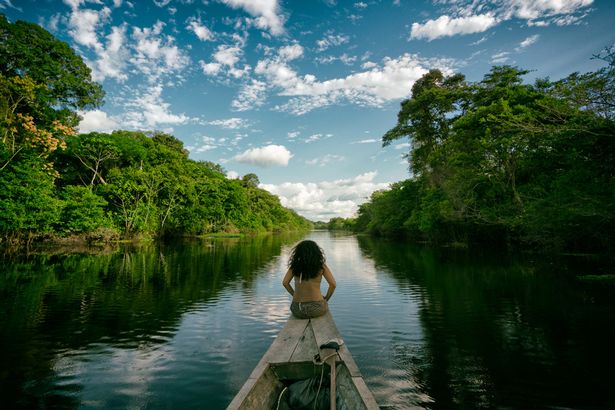
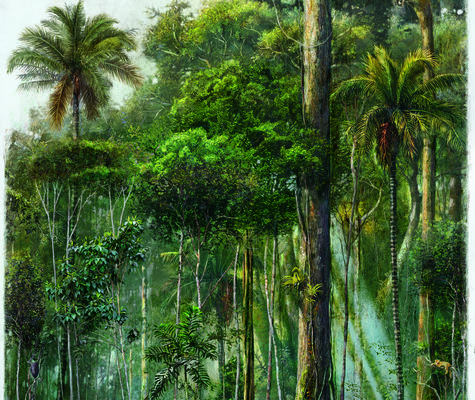
The Amazon jungle or Amazonia, is a moist broadleaf tropical rainforest in the Amazon biome that covers most of the Amazon basin of South America. This basin encompasses 7,000,000 km2 (2,700,000 sq mi), of which 5,500,000 km2 (2,100,000 sq mi) are covered by the rainforest. This region includes territory belonging to nine nations and 3,344 formally acknowledged indigenous territories.

The majority of the forest is contained within Brazil, with 60% of the rainforest, followed by Peru with 13%, Colombia with 10%, and with minor amounts in Bolivia, Ecuador, French Guiana, Guyana, Suriname, and Venezuela. Four nations have “Amazonas” as the name of one of their first-level administrative regions, and France uses the name “Guiana Amazonian Park” for its rainforest protected area. The Amazon represents over half of the planet’s remaining rainforests, and comprises the largest and most biodiverse tract of tropical rainforest in the world, with an estimated 390 billion individual trees divided into 16,000 species.

The name Amazon is said to arise from a war Francisco de Orellana fought with the Tapuyas and other tribes. The women of the tribe fought alongside the men, as was their custom. Orellana derived the name Amazonas from the Amazons of Greek mythology, described by Herodotus and Diodorus.

Flora and Fauna.

Wet tropical forests are the most species-rich biome, and tropical forests in the Americas are consistently more species rich than the wet forests in Africa and Asia.

This constitutes the largest collection of living plants and animal species in the world.

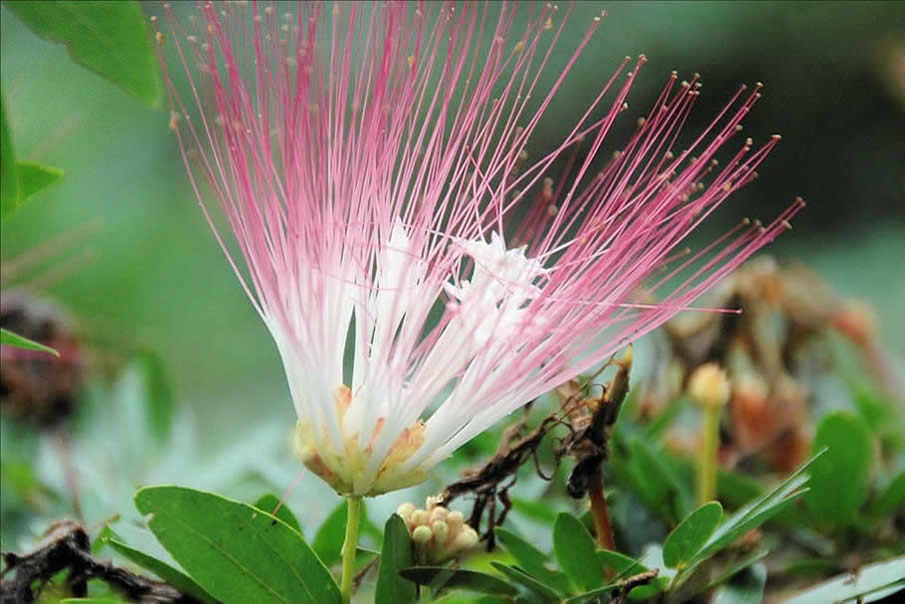
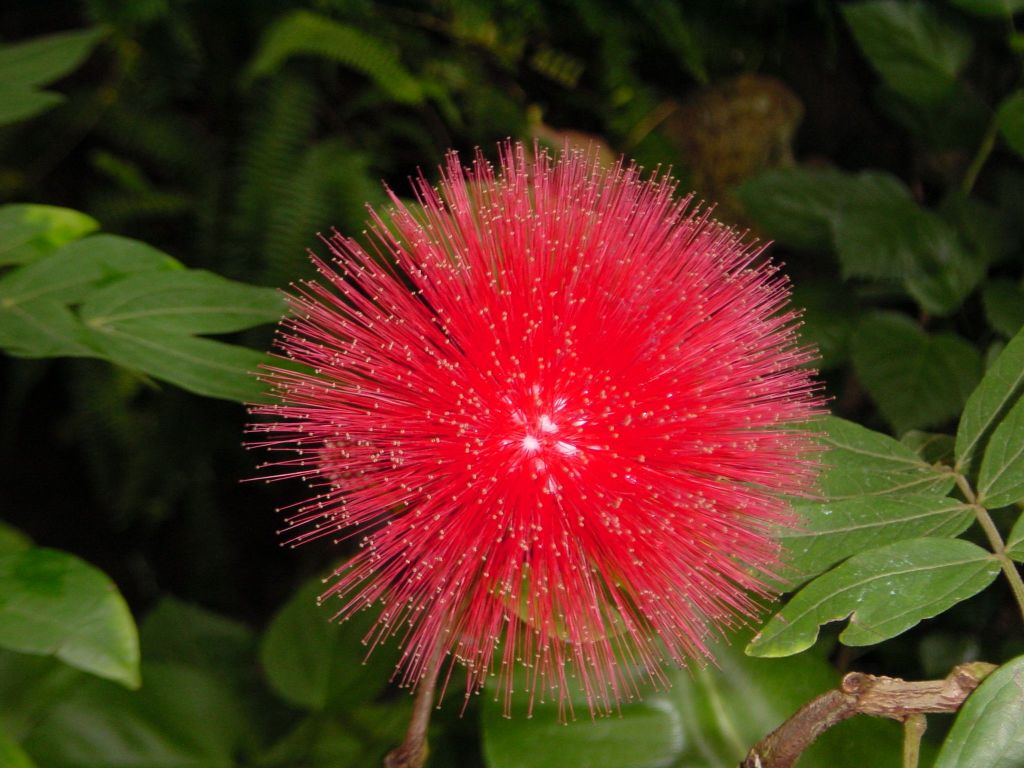
The region is home to about 2.5 million insect species, tens of thousands of plants, and some 2,000 birds and mammals. To date, at least 40,000 plant species, 2,200 fishes, 1,294 birds, 427 mammals, 428 amphibians, and 378 reptiles have been scientifically classified in the region.

The biodiversity of plant species is the highest on Earth with one 2001 study finding a quarter square kilometer (62 acres) of Ecuadorian rainforest supports more than 1,100 tree species.

Human impact on Amazon jungle.

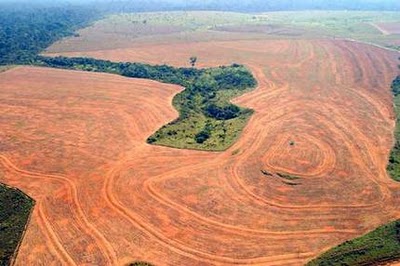
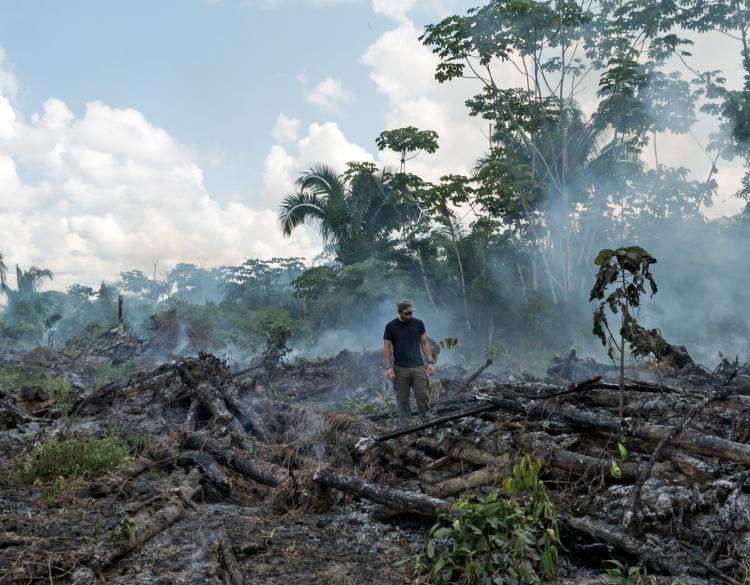
The human impact on the Amazon rainforest has been grossly underestimated according to an international team of researchers. … They found that selective logging and surface wildfires can result in an annual loss of 54 billion tonnes of carbon from the Brazilian Amazon, increasing greenhouse gas emissions.

Lead researcher Dr Erika Berenguer from Lancaster University said: “The impacts of fire and logging in tropical forests have always been largely overlooked by both the scientific community and policy makers who are primarily concerned with deforestation. Yet our results show how these disturbances can severely degrade the forest, with huge amounts of carbon being transferred from plant matter straight into the atmosphere.”

The second author, Dr Joice Ferreira from Embrapa in Brazil, said: “Our findings also draw attention to the necessity for Brazil to implement more effective policies for reducing the use of fire in agriculture, as fires can both devastate private property, and escape into surrounding forests causing widespread degradation. Bringing fire and illegal logging under control is key to reaching our national commitment to reducing carbon emissions.”

The forest is not a resource for us, it is life itself. It is the only place for us to live.

-Evaristo Nugkuag Ikanan

Link

Secrets of Area-51

Area-51 is a highly protected, secured and restricted part of the USA for many years. America didn’t accept that there is a place called Area-51 in their country until 2003. America didn’t reveal what actually happens inside that place. That place is highly protected from outside world. In September 20, 2019, a wierd thing happened in Area-51. People crowded in millions and protested against the government that Aliens should be protected from humans. They planned to get inside the Area-51 and see what was inside it. They said there should be aliens inside and humans were torturing the aliens and the people were going to save the aliens.

First of all, a funny Facebook event called ‘Storm Area-51’ was arranged to get into Area-51 and see what actually happens there. They believed that there were aliens inside Area-51.

What exactly is Area-51?

After World war1, the government of USA panned to test their weapons and bombs in a very big open place. They chose a desert called Nevada in the USA. They divided the desert into 30 areas each of square shape. In each area, they used to test specific weapon that they are preparing to use in World war 2. The advantage for the USA is that this place is located in the middle of a desert so that any nation can’t find that place and also even an American citizen has to travel many kilometres and cross high security to get into that place. So literary it was impossible for anyone to know what happens inside that place.

Even after the World war 2, there prevailed a cold war between the USA and Russia. The USA continued to test their weapons in that place and maintained their secretive nature. Among the areas from Area-1 to Area-30, there was Area-15. Near to Area-15, there was also a big lake initially. After the lake had gone dry, the government decided to build an underground place called Area-51 so that the inside of that area won’t be visible from outside. The interesting thing is, even when seeing from the top nothing will be visible except a flight landing strip. There are no road facility or train facility to go there. The only transport in and out is through flight.

People in the USA were gone mad to know what was inside Area-51. There was a hill called ‘Challenger cliff’ that was few kilometres far from Area-51. People tried to see Area-51 from the top of that hill. But no one knew what’s inside. They could see only the outside of it. Knowing this, the government made that hill as a restricted area. Nearly for a range of 30 kilometres around the Area-51, no one could enter there. The security was that high. Seeing that the government makes fights to go in and out of that area and keeping it that secured, people were curious to know what was inside. This continued for many years. The government keeps quiet about this till now.

We will continue this reading journey check “Secrets of Area-51 – Part2”. That’s our next blog.

Afghanistan- A war-torn nation

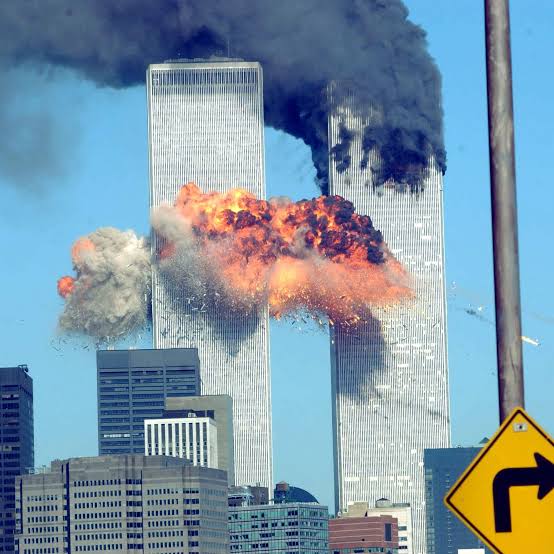
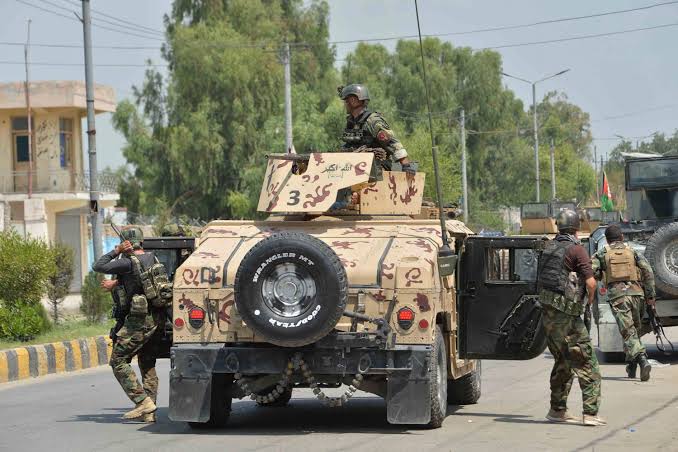
With Al-Qaeda militants carrying out coordinated attacks on American soil,also known as 9/11 Attacks and Taliban government refusing to hand over the main culprit behind these attacks ‘Osama Bin Laden’. A war was declared by US and it’s allies against terrorism and Afghanistan was invaded in 2001.

US tried it’s best to avoid the mistakes done by British & Russia (then USSR),it gained some success by driving out the Taliban government and killing the Terrorists. This whole operation have costed US more than $800 billions and more than 2300 soldiers lives. While on the other side, Afghan civilians had been caught in between this war and have suffered at the hands of both US & Terrorists (Al-Qaeda & Taliban) .

There is a popular saying about Afghanistan – ‘The Graveyard Of Empires’ for those who have tried to conquer it. Afghanistan is tough to rule, not only because of its terrain but also of the hostilities between the different tribes present there.

US Navy seals carried out a mission code-named ‘Operation Neptune Spear’ and killed Laden on 2nd May 2011 in Pakistan. US thought that by killing Laden they had achieved their goal but they were mistaken.

India aided in the overthrow of the Taliban-led government and has been the largest regional provider of humanitarian and reconstruction aid in the country. India have provided over $3 billion in assistance and every year it continues to do so.

Challenges ahead for Afghanistan and it’s neighbours

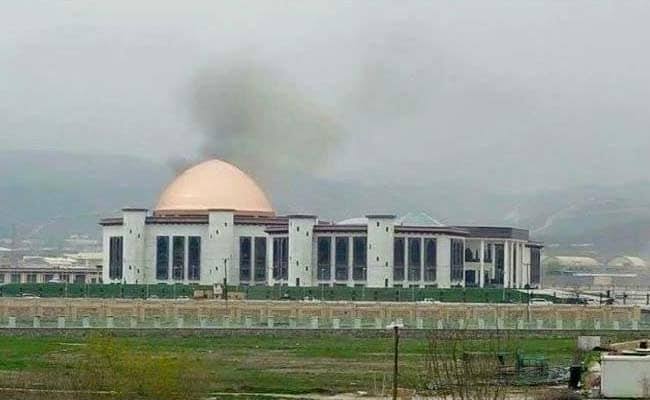
Taliban is slowly gaining pace and have formed alliance with other terror outfits to overthrow the present government. Civil war is not far, after US withdrawal. Fight is going on between Afghan security forces supported by civilians against the Taliban.

There’s little hope that Taliban will agree on the terms mentioned in peace talks . War-torn Afghanistan is now at the same stage before US invasion and onus now is on China,india,pakistan,Iran to maintain peace and provide stability in the Afghanistan.

North Korea- 8 weird truths

Hello all! We are going to see 8 weird truths and facts about North Korea and their President Kim Jong Un. These may be shocking, funny, alerting and also bad. The are news like economy of North Korea is dipping. But their President don’t care about his people and the people are struggling in the nation where they cannot rise their voices against the government. Let’s go into the topic.

1. Pleasure squad

This squad was originally named as “joy squad” by the father of Kim Jong Un. This “joy squad” was created by Kim’s father for Kim’s grandfather. Normally a father won’t tolerate or accept this kind of behaviour or character from his child. But Kim’s grandfather accepted that and congratulated him for that deed. After 1983, the joy squad became a regular thing for them and today many college students and school students are selected to entertain the North rulers. And the girls are forced to be in that ‘pleasure squad’.

2. Arresting whole family

Normally in any country if a person does a crime, he would be arrested and put to jail. But in North Korea, the accused, his father, his grandfather and all the men in their family are put to jail. The reason that Kim gives for this rule is that the elders should raise the children in the right way.

3. Restrictions for Kim’s wife

Kim not only makes all these rules for the people of North Korea but also for his own wife. His wife is from a rich family and also a very good singer. Hearing her voice, Kim loved her and married her. After marriage, Kim erased the whole history of his wife. He restricted her to go to her parents’ home. He destroyed all the CD collections of her songs. He renamed her.

4. Permissions for migration

In India, during this Covid-19 pandemic situation, we are getting e-pass to migrate from one place to other. This situation is only during pandemic. But in North Korea, this is a normal and strictly followed rule. The citizens should get permission from the government before leaving to any other places within the country.

5. News

Unlike the breaking news, flash news and other ordinary news that we hear in India, there is no such thing in North Korea. The news that the people hear is telecasted by channels owned by the government alone. There is no internet in the country. This means that the government can create a news for the public, also they can hide a news from them. Kim’s sister manages all these news that are telecasted to the public.

6. School syllabus

There are only 2 subjects for school students. One is Maths and the other is Social Science. Social science is structured in a way that it only covers the good things that Kim and his family did to the people.

7. Kim’s expenses

People in North Korea are starving without food and essential items for life. But Kim’s expenses are much higher. He drinks coffee imported from Brazil that costs around 7000 Indian Rupees. He loves music. So he bought speakers and music systems for 44 crores. He build a threatre in which 1000 people can sit and watch a movie. That is not for public use. He alone sits there and watches movies. There are many articles written on that. Apart from all that, Kim goes extreme in buying Bullet trains. During the rule of Kim’s father, there were 24 such trains, which was increased to 90 during Kim’s rule. That costs around 135 million USD. All these useless expenses costed the poverty for the people.

8. Trendy dresses

If any people wear a trendy dress and comes out, they will be arrested by the ‘fashion police’ and put to jail. Not only the person, but all the men in his/her family. There are also restrictions for hair cut.

Seeing all those happenings in North Korea, we can understand the importance and power of “Right to speak”.

IS VACCINE DISCRIMINATION A BARRIER TO GLOBAL TRAVEL?

Who doesn’t love travelling? Travelling is all about collecting moments and exploring the world with comfort. Especially in the times of covid, where people are home bound, there is an eager need to travel and enjoy the freedom instead of staying at home because Beyond discovery, travel broadens our understanding of the planet, other species, and cultures, and assists us in becoming better global citizens. Apart from it, many people and students are home stuck who wanted to go abroad to pursue education and get back to their respective jobs in the other countries but are stuck due to pandemic. However, many countries have opened their doors for the Indian citizens to travel in their countries but the basic requirement to travel is vaccination.

 As well all know that in India Covaxin, produced in-house by Bharat Biotech in Hyderabad, and Covishield, manufactured by the Serum Institute of India in Pune, are presently being used in  coronavirus inoculation program. The WHO has approved the covishield but covaxin is yet to approve. So, there are the bunch of Indian citizens who are skeptical about the approval of covaxin and hence for now, they can’t travel abroad until and unless the vaccine is not approve by world health organization. Therefore, many people are of the opinion that the test should be the main basis to travel abroad and not the jabs. 

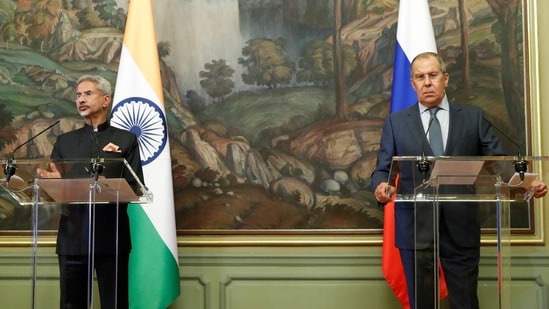
 Recently, S Jaishankar, the Union’s external affairs minister, said on Friday that international travel based on coronavirus (Covid-19) testing is “good enough,” despite the fact that some nations have made vaccination mandatory, and that a deal must be reached. He said after meeting with his Russian colleague, Sergey Lavrov, during a joint news conference that “People who are tested before foreign travel and tested on arrival is a good enough foundation for travel, but other countries have recently added the problem of vaccination,”

 India has previously demanded that each EU member state do so independently. Consider granting a similar exemption to those who have received Covid-19 vaccines in India, such as Covishield and Covaxin, and accepting the immunisation certificate obtained through the Cowin site. According to Jaishankar, he and Lavrov discussed how visitors from their respective nations are not “discriminated against” and how “understandings” about Indian and Russian travel to one other’s countries may be established. The continuing Covid-19 epidemic, according to the external affairs minister, has allowed Russia and India to display the strength of their collaboration, with the development of Sputnik vaccine being one of them. The Russian foreign minister also stated that both Russia and India are opposed to vaccine politicization, and that he is “sure” that the majority of nations would follow suit. 

Russia’s foreign minister, Sergei Lavrov, also stated that Russia is willing to discuss the possibility of coordinating their actions related to vaccinated citizens, including certification of those who have been vaccinated, and that they can reach an agreement in this area that will serve as an example to other countries.

The Journalism and mass media

The Journalism and mass media is the  graduates work nationwide and worldwide at newspapers and magazines and in advertising, branding, broadcast news, social media, marketing, media research, photojournalism, publication design, public relations, radio, and other areas.

The Journalism is the activity of gathering, assessing, creating, and presenting news and information. It is also the product of these activities. Journalism can be distinguished from other activities and products by certain identifiable characteristics and practices.

There are five types,

  • investigative,
  • news,
  • reviews,
  • columns,
  • feature-writing.

The Rules Of Journalism

#1: Ask questions.

The  journalist’s greatest assets is their natural curiosity. Start with the famed five W’s (and one H), then ask some more. Asking “why?” is what gets you the good stuff.

#2: Dig for the story.

If you think you’ve got the whole story, dig around some more. The most fascinating parts of the story are often just under the surface.

#3: Master the language.

As a journalist, language is your main tool. Read as much as you can and as often as you can, research odd words and archaic sayings, look at what’s behind etymology. Learn the patterns behind language and how to use them.

#4: Spelling matters.

Double-check if you aren’t sure about spelling or style (especially in the case of names), and read through messages and articles thoroughly before sending either.

#5: Know thy publication.

Before you pitch, know a publication’s style, editorial staff and content. Publications are usually more than happy to provide back-issues. If you can’t find writer’s guidelines, send a short introductory email requesting them.

#6: Contacts are your career.

Contacts (and your reputation with said contacts) are your entire career. Editors, sources and interviewees are all vital parts of the journalistic process. Without them, you’d be screwed.

#7: Once it’s off the record, keep it that way.

Trusted sources will tell you all sorts of juicy, fascinating, scandalous and personal things in your career as a journalist, often off the record. Shut up about it.

#8: Three is a golden number.

Mind the rule of threes: Have at least three reliable, corroborating sources for every fact; three interviewees for every article; and read through a piece at least three times before you sit down to change a comma – that’s at least.

#9: Rejection is opportunity.

Getting a story rejected means you’ve just opened up a line of communication with a new editor – congratulations. Pitch again. Rejection also gives you a chance to sell the story elsewhere: Sometimes rejection just means it’s not right for them

#10: Editors are teachers.

You can learn a hell of a lot from the experience of your editors, and when given the chance you should. They braved the journalistic battlefield before you, so you can trust their edits and advice. Usually, they’re right.

#11: Mind the word count.

Yes, you can do that in the assigned word count, and the editor will either make you add or cut if you don’t. Here, they always know better. (Remember this piece of key-advice from The Elements of Style and repeat it as your daily editing mantra: Omit unnecessary words.)

#12: Deadlines are holy.

Deadlines exist for a reason: Never skip out on a deadline unless you are incapacitated or dead. If you have to, let your editor know beforehand and have a damn good reason. Then, don’t do it again. Compare deadlines to menstrual cycles: If you skip one, you might just be stressed. If you skip several, you’re in trouble.

#13: Know the law.

Journalism can take you to some strange places. Make sure you know the law and what side of it you’re standing on at all times.

#14: Always do your research.

Make sure that your research is flawless and that you can always match which source gave which fact. Cross-reference, find first-hand information and do your background research before requesting, planning or conducting an interview.

#15: Have it outlined.

Have the skeleton of your idea outlined and ready by the time you pitch the idea. That way you have all the information ready, and it makes your job – and theirs – easier. Your outline should include the article’s proposed headline, the article’s sub-headers and sections (you can write down facts as key-words here) and who you will interview.

#16: Keep and file everything.

Keep prior notes, interviews, sources, tapes, the lot: You never know when you’ll need it, and you probably will.

#17: Guard your vices.

Many great journalists have been crippled or completely destroyed by their vices – and it can be almost anything: Overworking, coffee, manic exercising, painkillers or heavier drugs. Whatever yours is, keep it in check or risk your job.

#18: Burnout is a rabid, fanged monkey.

Burnout is a myth, until you’re there. It’s a mental and physical size of your writing engine, and if you don’t find your way to unwind you’ll get there a lot quicker.

The Mass media refers to a diverse array of media technologies that reach a large audience via mass communication. … Broadcast media transmit information electronically via media such as films, radio, recorded music, or television.

The types of mass media include Newspapers, Radio, Television, Internet, Magazines and more,

  • What is Mass Media?
  • Journalism.
  • Social Media.
  • Films.
  • Television.
  • Radio.
  • Advertising.
  • Public Relations.
  • Books, Magazines, Newspapers and Journals.

RULES OF MASS MEDIA

  • The Privacy Act works to guarantee privacy to individuals and controls how personal information is used. Defamation in the written form (libel) or the spoken form (slander) is illegal in the United States.
  • Section 315 (Equal Time Rule) ensures that broadcast media cannot favor any one candidate over another by granting one more time than another. The Fairness Doctrine ensured that radio stations offered equal time to opposing viewpoints.
  • The Freedom of Information Act grants the public, including the news media, access to many government documents. The Digital Millennium Copyright Act, established in 1998, extended existing copyright laws to encompass and protect information online.

Spiti Valley

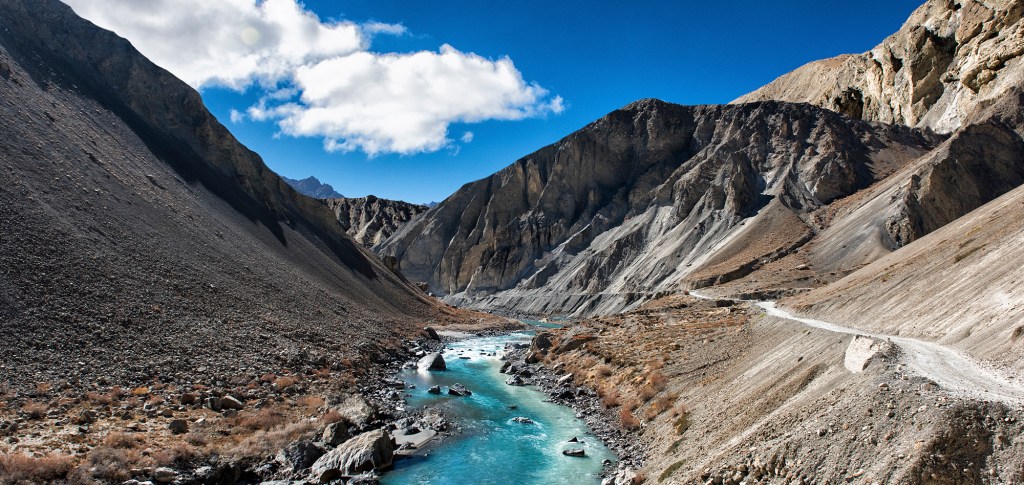
Spiti Valley is a cold desert mountain valley located high in the Himalayas in the north-eastern part of the Northern Indian State of Himachal Pradesh namely the state of Lahaul & Spiti. The name “Spiti” means “The middle land”, i.e. the land between Tibet(Xizang) and India. Spiti is sometimes considered as an extension of Ladakh as both regions share similar geography, cultures and even the ruling Royal Family.

The local population follow Vajrayana Buddhism similar to that found in the nearby Tibet and Ladakh. It is different from Therawada Buddhism found in many South East Asian countries. The valley and surrounding region is one of the least populated regions in the country and is the gateway to the northernmost reaches of the nation. Along the northern route through Manali or Keylong via the Rohtang Pass or Kunzum Pass respectively. The state’s capital is Kaza, which is situated along the Spiti river.

The Lahaul and Spiti district is surrounded by high mountain ranges. The Rohtang Pass, at 13,054 feet (3,979 m), separates Lahul and Spiti from the Kullu Valley Kunzum Pass cuts of Lahaul and Spiti from each other. There is a road that connects the two divisions, but is cut off frequently in winter and spring due to heavy snowfall in the area. The Whole state is difficult to access throughout Winter, so the ideal months to visit are summer and monsoon although the road through Kinnaur is open throughout most of the year.

Chandtratal Lake

Culture

Spiti valley is a research and cultural center for Buddhists. Highlights include the majestic Key Monastery and Tabo Monastery which is one of the oldest monasteries in the world and a favorite of the Dalai Lama. The Pin Valley is also home to other different Buddhism sect.

Places to See

Key Monastery

The include:

  • Dhankar Lake
  • Hikkim Village which has the highest altitude post office in the world.
  • Kaza
  • Kibber
  • Pin Valley National Park
  • Nako
  • Tabo
  • Chandratal Lake
  • Langza village
  • Komik village
  • Mud Village
  • Gue Village

Truth behind sinking of Titanic

On 10 April 1912, when the largest ocean liner in service at that time, RMS Titanic, started its maiden voyage from Southampton, it was a new beginning in the history. With at least 2,224 people on board, including a number of prominent personalities, the luxury ship that nicknamed as ‘Millionaire’s Special’ was en route to New York City on that day.

Designed to be the epitome of style and safety, the vessel featured many advanced luxury and safety features. Moreover, the ‘unsinkable’ RMS Titanic was commanded by a senior captain, 62-year-old Captain Edward Smith, again ensuring the safety of the vessel and its passengers.

However, the destiny of this spectacular ship was already made. On the 14th of April, the world witnessed what could easily be considered as its most deadly civilian maritime disaster – the sinking of the great Ship Titanic. On that fateful night, at ­­around 11.40 PM Titanic struck an iceberg off the coast of Newfoundland and began to sink.

Over the course of the next few hours, people witnessed the biggest catastrophe to hit the world, and at 2.20 AM on the morning of the 15th, the biggest ship that the world had seen settled to the bottom of the North Atlantic.

The sea, the sinking of the ship and the cold weather were enough to take the lives of 1517 passengers and crew on board. Just 706 of them survived the ordeal to tell the horrific and sad tale to the world.

Why the ‘unsinkable’ Titanic sunk?

2,200 Passengers, a brave priest, and a ship named Titanic | Faith Magazine

As the news of the Titanic disaster reached land, there was shock and outrage directed against several issues that possibly led to the accident. Many legends and conspiracy theories arose almost immediately after the accident on those who died and survived, and also on the reasons behind the sinking of the vessel.

How did the Titanic sink in spite of having the best technical design available at the time seemed a mystery for a long time? This was the question that baffled many scientists and engineers for days after the disaster.

Immediately after the sinking, the investigations into the matter began and in fact, two separate inquiries had been set up – one by the United States Senate and the other by the British Board of Trade.

The U.S inquiry was headed by Senator William Alden Smith and the British one by Lord Mersey. The surviving passengers and the very crew who managed to escape from the clutches of death gave their versions of the tragedy and the investigations were concluded quickly, though the initial questioning and detail gathering took more than a few months.

The results of the investigations revealed that many of the safety measures and regulations of the international maritime were outdated and required a second look. The ship itself was found short on a few of the standards

reference-https://www.insider.com/titanic-secrets-facts-2018-4

Water- Scarcity or Abundance

Water is the most valuable and important natural resource which is essential for our survival. However, there is over consumption of freshwater due to different factors. This crisis of water scarcity is most visible in India as well as in other developing countries. Water is also important for our body but here we are only going to talk about Water as a natural resource.  

What is Water Scarcity 

Is their scarcity or abundance of water in India? A clear answer to this question is Scarcity. Now what is it? Water Scarcity is the lack of freshwater resources to satisfy water demands. It is manifested by partial or no satisfaction of expressed demand, economic competition for water quantity or quality, disputes between users, irreversible groundwater depletion, and negative effects on the environment. 

It affects every continent and was categorized in 2019 by the World Economic Forum as one of the largest global risks with respect to its potential impact over the next decade. 

One-third of the global population (2 billion people) live under situations of severe water scarcity at least one month of the year. 

Half a billion people in the world affected by severe water scarcity all year round. 

Half of the world’s largest cities have been facing water scarcity. 

How is the water scarcity measured? 

  • The absolute minimum water requirement for domestic usage is 50 liters per person per day, though 100-200 liters is often recommended. 
  • Considering the needs of agriculture, industry and energy sectors, the recommended minimum annual per capita requirement is about 1700 cubic meters
  • If a country like India has only about 1700 cu. meters water per person per year, it will experience only occasional or local water distress. 
  • If the availability falls below this threshold level, the country will start to experience periodic or regular water stress. 
  • If the water availability declines below 1000 cu. meters, the country will suffer from chronic water scarcity. Lack of water will then start to severely affect human health and well-being as well as economic development. 
  • If the annual per capita supply declines below 500 cu. meters, the country will reach the stage of absolute scarcity

What is the status of water availability in India? 

  • India receives 4000 bcm (billion cubic meters) rainfall each year. Out of this, 1869 bcm remains after evaporation = The actual availability is only 1137 bcm. 
  • Even in that 1137 bcm of water, there is a lot of temporals as well as regional variations in the availability. 
  • For instance, on the one side, there are water surplus states such as Uttar Pradesh, Himachal Pradesh and on the other side, there are water scarce states such as Maharashtra (Vidarbha, Beed), Karnataka, Tamil Nadu, Rajasthan and parts of Gujarat. 
  • Moreover, some states that are known to be water abundant such as Punjab, Haryana have their own issues. 

What is the recent water crisis in India? 

  • Maharashtra is facing a water crisis of unprecedented proportions. After years of drought, the river currents have ebbed, water in dams and reservoirs have depleted and over-exploitation of groundwater has raised concerns regarding the long-term availability of water. 
  • Meanwhile, media reports claim IT firms in Chennai are asking employees to work from home. The reason is that they don’t have enough water to sustain their operations. It hasn’t rained for almost 200 days in the city and it may not get adequate rain to get over the water crisis for the next 3 months. 
  • In North India, the people of arid Thar Desert of Rajasthan are spending Rs. 2500 for getting 2500 litres of water which they share with their cattle. 
  • With Punjab facing the threat of desertification and the state struggling to break away from the wheat-paddy cycle, farmers in the state have been adopting a decade-old scheme to utilise underground pipeline system for irrigation. 
  • In light of this crisis, Central government on its part has created a Jal Shakti Ministry under a full-fledged cabinet minister to resolve the water crisis but a lot more needs to be done. 

Transportation in India.

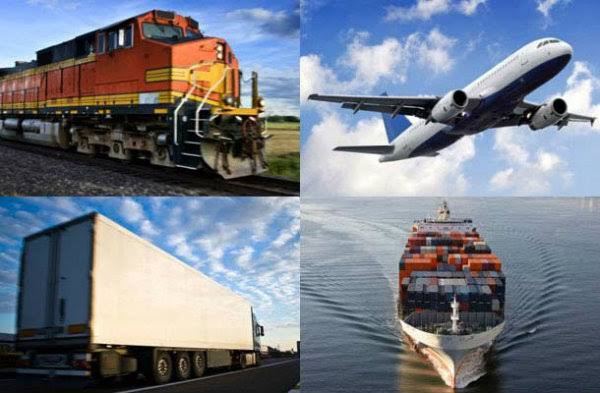
India’s transport sector is large and diverse; it caters to the needs of 1.1 billion people. In 2007, the sector contributed about 5.5 percent to the nation’s GDP, with road transportation contributing the lion’s share.

Good physical connectivity in the urban and rural areas is essential for economic growth. Since the early 1990s, India’s growing economy has witnessed a rise in demand for transport infrastructure and services.

However, the sector has not been able to keep pace with rising demand and is proving to be a drag on the economy. Major improvements in the sector are therefore required to support the country’s continued economic growth and to reduce poverty.

Roads. Roads are the dominant mode of transportation in India today. They carry almost 85 percent of the country’s passenger traffic and more than 60 percent of its freight. The density of India’s highway network — at 0.66 km of roads per square kilometer of land – is similar to that of the United States (0.65) and much greater than China’s (0.16) or Brazil’s (0.20). However, most roads in India are narrow and congested with poor surface quality, and 33 percent of India’s villages do not have access to all-weather roads.

Rural Roads-A Lifeline for Villages in India: Connecting Hinterland to Social Services and markets

Railways. Indian Railways is one of the largest railways under the single management. It carried some 19.8 million passengers and 2.4 million tonnes of freight a day in year 2009 and is one of the world’s largest employer. The railways play a leading role in carrying passengers and cargo across India’s vast territory. However, most of its major corridors have capacity constraint requiring capacity enhancement plans.

Ports. India has 13 major and 199 minor and intermediate ports along its more than 7500 km long coastline. India’s seaborne foreign trade being 95% by volume and 67% by value, the ports play a very significant role in improving foreign trade in a growing economy. These ports serve the country’s growing foreign trade in petroleum products, iron ore, and coal, as well as the increasing movement of containers. Indian ports handled cargo of 850 million tonnes and about 9.0 million TEU container traffic in year 2010. Over the last decade, the average annual growth rate of port cargo volume has been about 10%.. The future potential for port sector, particularly container ports is huge considering that the container traffic is projected to grow to 40 million TEU by 2025. Inland water transportation also remains largely undeveloped despite India’s 14,000 kilometers of navigable rivers and canals.

Aviation. India has 128 airports, including 15 international airports. Indian airports handled 142 million passengers in 2010-11 and 1.6 million tonnes of cargo in year 2009-10. The CAGR for the domestic passenger and freight growth over the last decade has been 14.2% and 7.8% respectively. The dramatic increase in air traffic for both passengers and cargo in recent years has placed a heavy strain on the country’s major airports. Passenger traffic is projected to grow more than 15% annually over 2011-13 and it is estimated that the aviation industry, currently 9th largest in the World, will require 30 billion USD investment in the next 15 years to keep pace with the growing demand.

Urban Transport. India is experiencing rapid urbanization with the present urbanization levels at 30% translating to a population of roughly 340 million living in urban areas. The number of million plus cities is presently at 42 and the urban economy accountd for roughly 60% of the GDP. Motorisation rates in India are in double digits as in most developing economies. Only about 20 cities out of 87 cities with a population in excess of 500,000 and state capitals have any kind of organized transport and only 3-4 cities could lay claim to a mass rapid transit system. The share of public transport in cities with population sizes over 4 million has declined from 69% to 38% between 1994 to 2007. Accident and fatality rates are one of the highest in the world affecting primarily the poor and vulnerable without their own means of transport.

Transport infrastructure in India is better developed in the southern and southwestern parts of the country.

The major challenges facing the sector are:

• India’s roads are congested and of poor quality. Lane capacity is low – majority of national highways are two lanes or less. A quarter of all India’s highways are congested. Many roads are of poor quality and road maintenance remains under-funded. This leads to the deterioration of roads and high transport costs for users.

• Rural areas have poor access. Roads are significant for the development of the rural areas – home to almost 70 percent of India’s population. Although the rural road network is extensive, some 33 percent of India’s villages do not have access to all-weather roads and remain cut off during the monsoon season. The problem is more acute in India’s northern and northeastern states which are poorly linked to the country’s major economic centers.

• The railways are facing severe capacity constraints. All the country’s high-density rail corridors face severe capacity constraints. Also, freight transportation costs by rail are much higher than in most countries as freight tariffs in India have been kept high to subsidize passenger traffic.

• Urban centers are severely congested. In Mumbai, Delhi and other metropolitan centers, roads are often severely congested during the rush hours. The dramatic growth in vehicle ownership during the past decade – has reduced rush hour speeds especially in the central areas of major cities.

• Ports are congested and inefficient. The average annual growth of cargo volume in the ports in the last decade was close to 10%, However, capacity utilization in some of the major ports remain as low as 58-60% Both bulk and containerized traffic is expected to grow at a much faster pace in future and by some estimate the container traffic is projected to grow to about 4.5 times of the current volume by 2025. India’s ports need to significantly ramp up their capacity and efficiency to meet this surging demand.

• Airport infrastructure is strained. . Air traffic has been growing rapidly leading to severe strain on infrastructure at major airports, especially in the Delhi and Mumbai airports which account for more than 40 percent of nation’s air traffic.

Kang Yatze

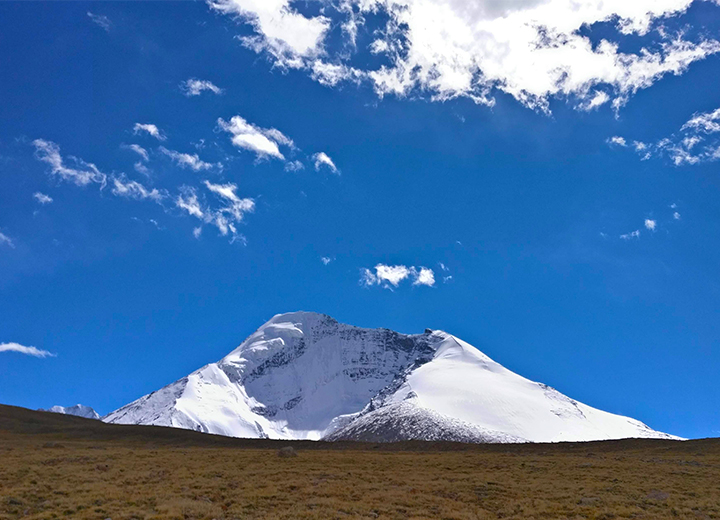
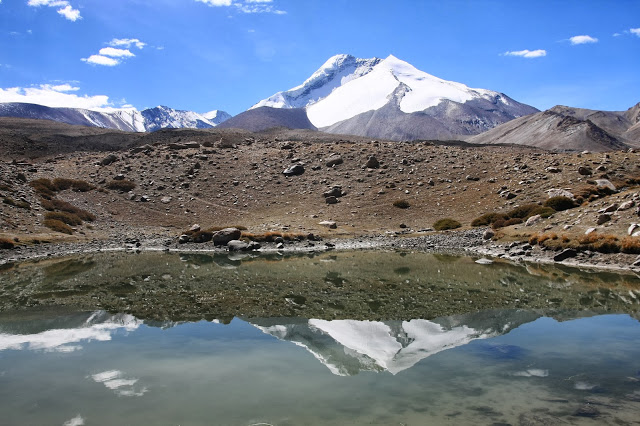
Kang Yatze or Kang Yatse (elevation 6,496 metres (21,312 ft)) is a mountain located at the end of the Markha Valley in the Himalayas in Ladakh. It is located in the Hemis National Park, not long away from the capital Leh.

The mountain has two summits. The true eastern summit is higher at 6,400 m but requires an extremely technical traverse across a knife-edge ridge for the mountaineers wishing to conquer it. The lower western peak (Kang Yatze II) is easier and more frequently climbed, although it is lower at about 6270m.

Kang Yatze II

The lower peak is mainly done from mid-June till September end. There are two approach routes to this peak. One is from Chilling and trekking through the Markha Valley, passing the villages of Skyu, Markha and Hankar. There is another approach that starts from the village of Shang-Sumdo and steeply climbs up the Markha Gorge passing by the campsite of Chyuskirmo, Lartsa and then climbing the Gongmaru La(Pass), a 5130 meter high pass to reach Nimaling. This peak is easier compared to the main lower western peak and does not require any technical mountaineering skills. From the very top, distant peaks of East Karakoram ranges are visible on a clear day.

Kang Yatze I

Kang Yatze I or the Eastern summit requires an intermediate Camp to be set up. The climb to Camp 1 is a short one but over a steep scree and cliffs zone. There is an alternative route following the Glacier where Camp 1 can be set as well. From Camp 1, the climb gets technical. The last 500 meters of the peak is very steep and mandatory fixed ropes.

https://www.bikatadventures.com/Home/Itinerary/Kang-Yatse-II-Trek

LIBRARIES: A BOON TO THE SOCIETY

THE HARD COPY OF LIBRARY

According to WIKIPEDIA, “A library is a collection of materials, books or media that are easily accessible for use and not just for display purposes. It is responsible for housing updated information in order to meet the user’s needs on a daily basis. A Library provides physical (hard copies documents) or digital access (soft copies) materials, and may be a physical location or a virtual space, or both. A library’s collection can include printed materials and other physical resources in many formats such as DVDs, CDs and Cassette as well as access to information, music or other content held on bibliographic databases.”

IMPORTANCE OF LIBRARIES TO MAN

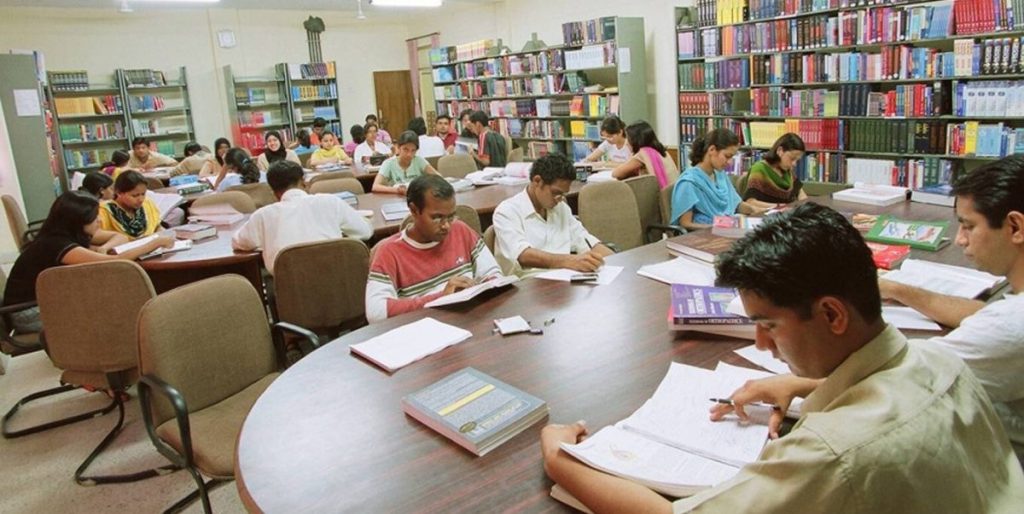
Libraries are said to be the storehouse of culture. If a man is to be known by the company he keeps, society is to be known by the number of good libraries it has. Man’s craving for knowledge is eternal. He wants to know more; he wants to enjoy more. But he cannot always move about for various reasons. He goes to a library and reads books of his choice. Libraries preserve books of various types, old and new. There are also periodicals and daily papers to meet the demands of the people. In all ages, libraries have been considered to be the best medium of public instructions.

The doors of library are exposed to everyone for rewarding the requirement for information. They are run by the government, schools, colleges, and universities. The society members of the neighbouring locality can visit these libraries to boost their information and complete their research.

TYPES OF LIBRARIES

There are different types of libraries, such as public libraries, circulating libraries, private or personal libraries. Of these, public libraries are most important. These are financed either by Government or by public institutions. All readers are allowed to read here. These libraries have two sections-lending and reference. Books are lent out to those who deposit money. Others are allowed to sit a id read books during the period, these are kept open. As libraries spread education, the Government of India have taken up a scheme to establish rural libraries for the benefit of rural people. They sanction annual grants to these libraries in cash or kind. In these libraries, books are stocked to suit the half-literate people of villages.

A FRIEND IN NEED

Government-managed libraries are well equipped and well manned. Only technical men are employed here to help the readers. Quite a large number of scholars, students and members of the public daily attend such libraries for reading and making notes. There are public libraries organised by public institutions. These libraries cater to the needs of a large number of people living in particular localities. Students of schools and colleges also utilise these libraries and derive benefit from them. But these libraries are in bad shape. Government grants to these libraries are not adequate. Public-spirited men now-a-days, are rare. Development of libraries is an important task of a welfare Government. Common people and students get opportunities to read in these libraries. In our country where the percentage of illiteracy is high, these libraries help in expanding the facilities for reading. Public libraries and rural libraries do a lot of good to the localities where they are established. Now the Government has established primary unit libraries, town libraries etc. The Government gives regular grants for the purchase of books and equipment. But still the grants are not adequate. However, they help the public libraries to satisfy the needs and aspirations of the local people.

CONCLUSIONS

So, if we can see deeply a library Builds and helps to connect Community, it Provide Access to the full range of information resources needed to live, learn, govern, and work. It Promote Literacy to both children and adults. It Protect Your Rights to read and offers freedom of information gathering and sharing. People becomes innovative and smart in the company of library, which enhances creation and collaboration.

Introduction about different Schools, Colleges, Universities

Every student wants to join a dream college or university.

After schooling, we desire to join a top college or university for the security of our feature

Is a college the same thing as a university? What does “liberal arts” mean? Why are some colleges called public and others private? Here are the basics of the types of colleges.

Let me know about NIT AGARTALA

Institute is committed to developing highly competent young Engineers, Scientists, and Management Professionals to cater to the ever-increasing techno-managerial needs of national and international standards fulfilling professional ethics and societal commitment.

MISSIONS

• To produce techno-managerial human resources in line with global needs, offering a state-of-the-art facility, research, and engineering and allied disciplines.

• To enhance the effectiveness of technical education with innovative systems and devising a mechanism to facilitate the application of research findings to solve real problems of industries/academics.

• To nurture and sustain an academic ambience conducive to the development of intellectually capable and committed professionals so that effective growth is obtained for the region’s economic development and the nation as a whole.

• To establish as the corridor of higher education for the South East Asian countries.

EDUCATION SYSTEM

Presently the Institute offers eight UG courses and PG courses in several fields along with Post Doctoral Fellowships. This Institute is autonomous under NIT being act passed by the parliament.

The Institute recently introduced a new curriculum in IITs where more elective subjects are being offered to make the system flexible. Previously, the Institute used to follow the mark based system of evaluation, but have been switching over to a credit-based system to keep track of the global evaluation methods. Industrial training, Undertaking projects are parts of the education system and students are also encouraged to take various activities for social development through NSS and NCC.

Initiatives

The Institute recently has been converted from State Engineering College to National Institute of Technology. The total seats have been increased from 250 to 420 for the academic session 2007-2008. Recently three Under Graduate courses has been introduced in Electrical & Electronics Engineering, Transportation Engineering and Production Engineering. The Civil Engineering Department will start a PG programme in Structural Engineering to fulfil the requirement of the State. The nonresidential campus is to be made residential with the reopening of two boys hostels and one girl’s hostel for the students admitted for the session 2007-2008. A master plan is under preparation for 335 acres of land where a new campus will be built with modern facilities for the overall requirement of the Institute. The Institute is getting a 33 VK dedicated power supply through Tripura State Electricity Corporation Limited for uninterrupted power supply in the campus. The R. D. Department of Govt. of Tripura took total renovation work of the existing buildings after conversion to NIT. The Institute has also obtained a grant of 12 crore rupees from DoNER for the development of infrastructures like the extension of the Library Building, an extension of the Academic Building, the Centralized Computer Centre, a new water treatment plant and boys and girls common room. The campus is now totally connected through Wi-Fi with WiMAX wireless backbone and all e-journal facilities are available in the digital library of NIT Agartala.