Geneva gear mechanism

Photo by Pixabay on Pexels.com

Geneva Gear Mechanism The main component of this machine will be the Geneva mechanism (or Maltese Cross). The Geneva drive or Maltese cross is a gear mechanism that translates a continuous rotation into an intermittent rotary motion. Geneva mechanism, also called Geneva Stop, is one of the most commonly used devices for producing intermittent rotary motion, characterized by alternate periods of motion and rest with no reversal in direction. Geneva Mechanisms are widely used in motion picture film projectors to intermittently advance film through a film gate having a projection aperture.

Geneva wheels having the form of the driven wheel were also used in mechanical watches , but not in a drive, rather to limit the tension of the spring , such that it would operate only in the range where its elastic force is nearly linear. If one of the slots of the driven wheel is occluded, the number of rotations the drive wheel can make is limited. In watches, the “drive” wheel is the one that winds up the spring, and the Geneva wheel with four or five spokes and one closed slot prevents overwinding (and also complete unwinding) of the spring. This so-called Geneva stop or “Geneva stop work” was the invention of 17th or 18th century watchmakers.

Other applications of the Geneva drive include the pen change mechanism in plotters , automated sampling devices, banknote counting machines, and many forms of indexable equipment used in manufacturing (such as the tool changers in CNC machines; the turrets of turret lathes , screw machines , and turret drills; some kinds of indexing heads and rotary tables ; and so on). The Iron Ring Clock uses a Geneva mechanism to provide intermittent motion to one of its rings.

https://www.google.com/url?sa=t&source=web&rct=j&url=https://en.m.wikipedia.org/wiki/Geneva_drive&ved=2ahUKEwjk-4-A8cTxAhUBzTgGHYauAmIQFjAWegQINhAC&usg=AOvVaw3mUfN64GEwu-zOLehlQRKm

https://www.google.com/url?sa=t&source=web&rct=j&url=https://www.britannica.com/technology/Geneva-mechanism&ved=2ahUKEwjk-4-A8cTxAhUBzTgGHYauAmIQFjAbegQIJRAC&usg=AOvVaw2E6FO5PKeRc-rRWb_BW9wi

Procrastination

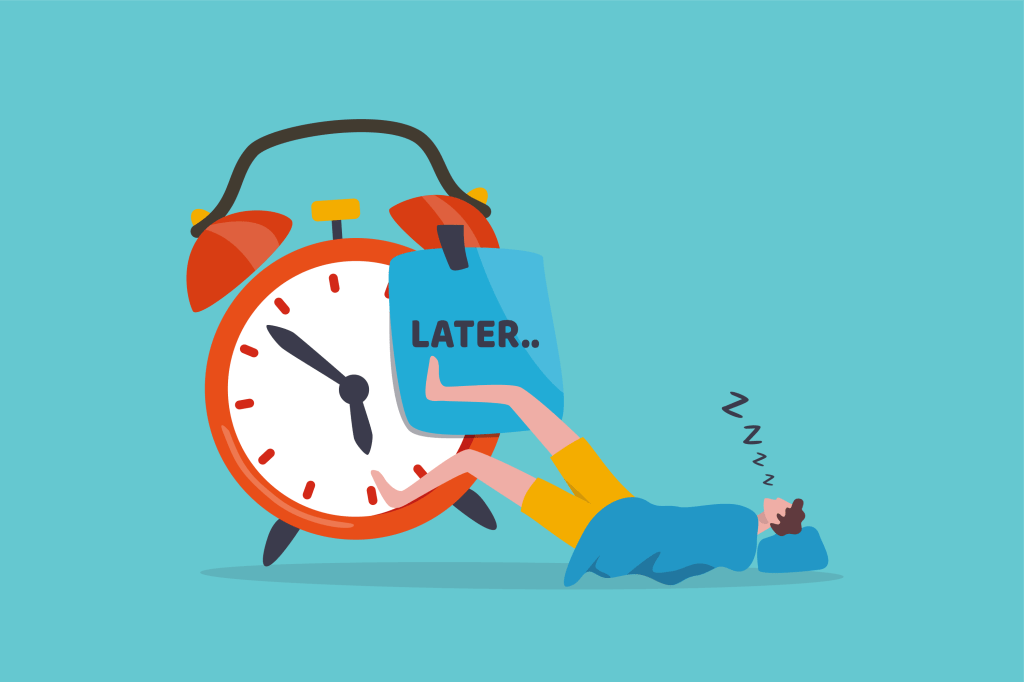
Ah! I’ll do it later.

If there is one habit that can easily be regarded as a “disease” it would have to be our habit of procrastination. Procrastination is a habit wherein a person keeps delaying a task that should be a priority and focus on the tasks that are clearly not that important.

It is often believed that a person delays the task because he/she is lazy but that is not the case. Laziness involves unwillingness to do the task but procrastinating has a larger scope. We often procrastinate when we feel we do not have the potential to complete the said task on time or at all. There is a little voice inside us that often says that we are not up for it so let’s delay it. I am sure everyone can relate to this. We often find ourselves putting off assignments that require a lot of time and effort. In fact we delay it so much that after a certain point it starts to feel more like a burden and that is the time we think we would have been better off if we just did the task on the first day. This feeling does not go away until the task the completed. The reason I called it a disease is because it is hard to cure. You procrastinate in doing one task and the next thing you know you have a list of tasks to do in the end moment.

Dr. Piers Steel, a professor of motivational psychology at the University of Calgary and the author of “The Procrastination Equation: How to Stop Putting Things Off and Start Getting Stuff Done.” has accurately said that procrastination is “Self-harm”. If you think that delaying stuff only affects your time management skills then you are wrong. Procrastination has adverse effects on your mood, your potential and of course your ability to complete anything on time let alone the important tasks. The more you put off doing things the more you start to doubt your potential. You develop the fear of failure. You have the constant fear that you won’t be able to it and so you keep on delaying until a time comes when you have to do it in a hurry and half-heartedly, which is definitely a blow to your potential abilities. And so you do it more because you don’t trust your capabilities.

Your emotions are also take a giant hit in the process. You are constantly irritated and everything around you makes you unhappy. We humans always focus about having a good mood for a short period of time rather than thinking about long term. So we slowly start to procrastinate until we are in a good mood without thinking of the long term consequences. The worst part about this is the self blame that is followed by low self-esteem. This not only has an impact on your emotions and your brain but your entire body suffers.

Procrastination might sound like a normal thing involving putting off tasks but it has a deeper impact which is clearly not healthy. You know you are gonna have to do the task so why not just start with doing it. If you feel low in the middle just switch to easier tasks but don’t give up on the important ones. Once you start prioritizing you will feel your schedule changing and you will feel lighter in the long run. So, next time you feel like procrastinating just think about the consequences and that would be enough to get you started and with time you will get over it completely.

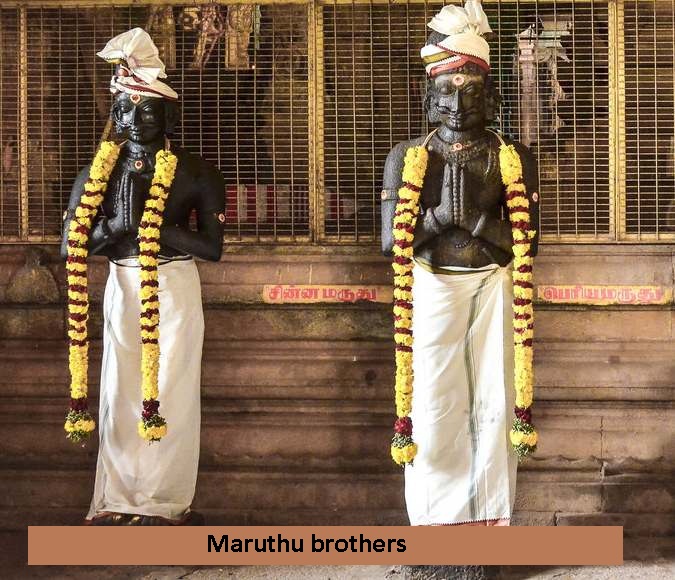
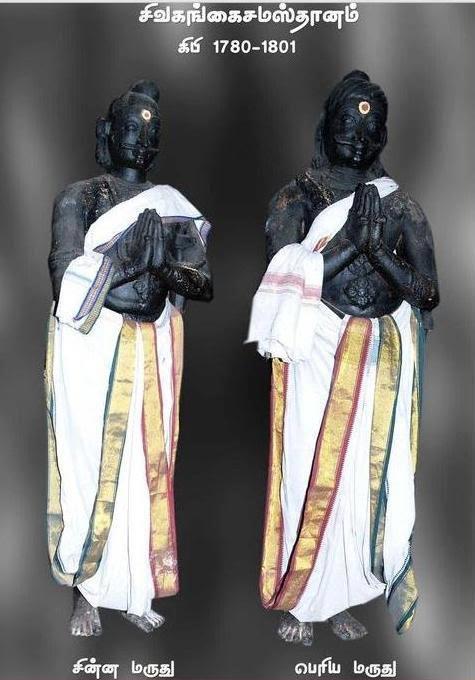
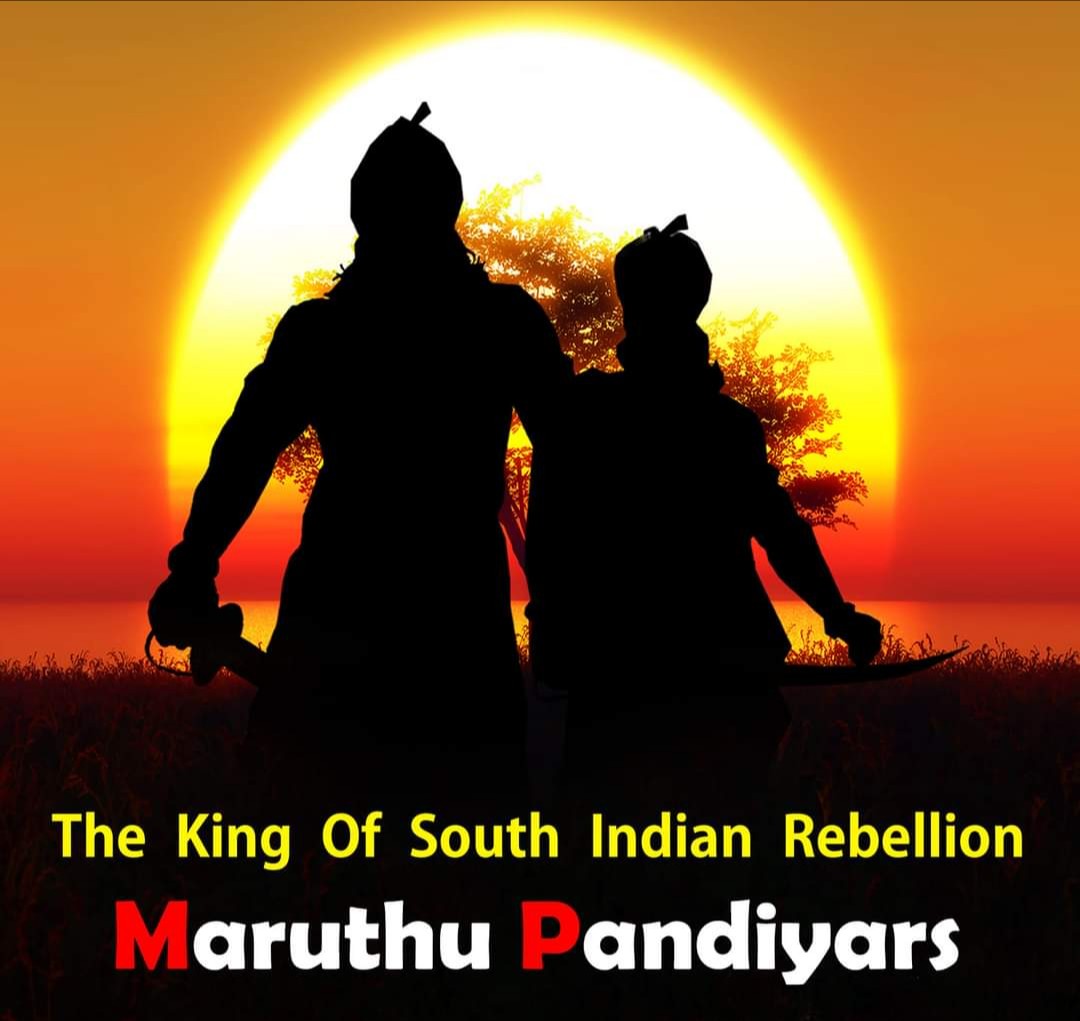
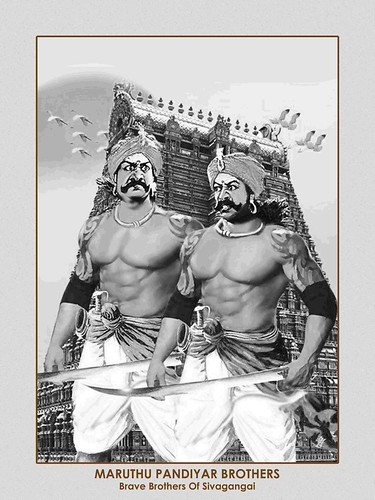
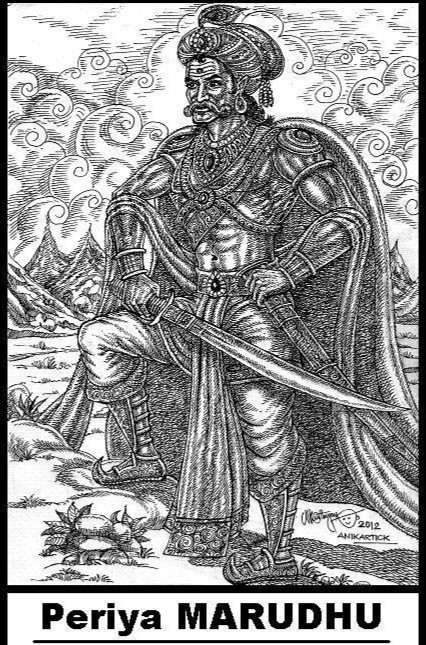
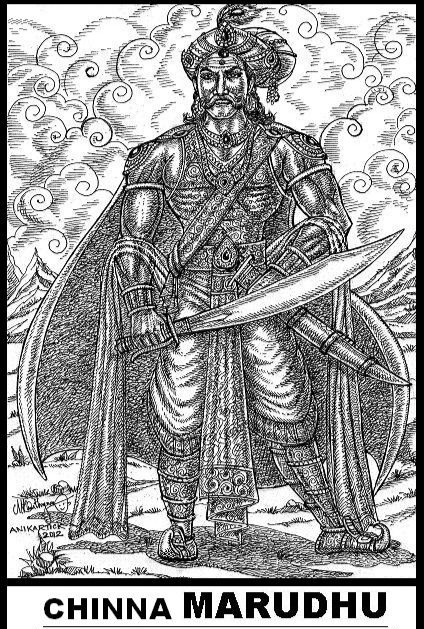
The Maruthu Brothers (Periya Maruthu &Chinna Maruthu)(1748-1753)

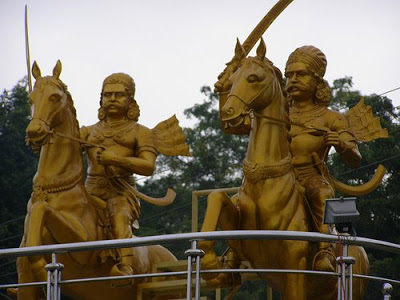
Periya Maruthu or Vella Maruthu (1748-1801) and his younger brother Chinna Maruthu (1753-1801)were able generals of Muthu Vadugar of sivagangai.After Muthu Vadugar’s death in the Kalaiyar Kovil battle Maruthu brothers assisted in restoring the throne to velunachiyar .In the last year’s of the eighteenth century Maruthu Brothers organised resistance against the British.After the death of Kattabomman,they worked along with his brother Oomathurai.They plunded the granaries of the Nawab and caused damage and destruction to company troops.

Rebellion of Maruthu Brothers (1800-1801)

Despite the suppression of Kattabomman’s revolt in 1799, rebellion broke out again in 1800.In the British records it is referred to as the second palayakkarar war.It was directed by a confederacy consisting of Maruthu Pandyan of Sivagangai,Gopala Nayak of Dindugal,Kerala Verma of Malabar and Krishnaappa Nayak and Dhoondaji of Mysore .In April 1800 they meet at Virupachi and decided to organise an uprising against the company.The uprising,which broke out in Coimbatore in June 1800,soon spread to Ramanathapuram and Madurai.The company got wind of it and declared  war on Krishnaappa Nayak of Mysore ,Kerala Varma of Malabar and othres.The Palayakkarars of Coimbatore,Sathyamangalam and Tarapuram were caught and hanged.In February 1801 the two brothers of Kattabomman,Oomathurai and Sevathaiah , escaped from the palayamkottai prison to Kamudhi,from where Chinna Maruthu took them to Siruvayal his Capital.The fort at Panchalamkurichi was reconstructed in record time.The British troops under Colin Macaulay retook the fort in April and the Maruthu brothers sought shelter in Sivagangai.The English demanded that the Maruthu pandyars hand over the fugitives (Oomathurai and Sevathaiah).But they refused.Colonel Agnew and Colonel Inners marched pandyars issued a Proclamation of Independence which is called Tiruchirappalli proclamation.

Proclamation of 1801

The proclamation of 1801 was an early call to the Indians to unite against the British, cutting across region ,caste ,creed and religion.The Proclamation was pasted on the walls of the Nawab’s palace in Tiruchirappalli fort and on the walls of the Srirangam temple .Many Palayakkarars of Tamil country rallied together to fight against the English.China Maruthu collected neraly 20,000 men to challenge the English army.British reinforcement were rushed from Bengal,Ceylon and Malaya .The rajas of Pudukottai, Ettayapuram and Thanjavur stood by the English split the forces of the palayakkarars soon.

Fall of sivagangai

In May 1801,the English attacked the rebels in Thanjavur and Tiruchirappalli .The rebels went to Piranmalai and Kalayarkoil.They were again defeated by the forces of the English.In the end the superior military strength and the able commanders of the English company prevailed.The rebellion failed and Sivagangai was annexed in 1801.The Maruthu brothers were executed in the fort of Tirupathur near Ramanathapuram on 24 October 1801.Oomathurai and Sevathaiah were captured and beheaded at Panchalamkurichi on 16 November 1801.Seventy -three rebels were exiled to Penang in Malaya.Though the Palayakkarars fell to the English,their exploits and sacrifices inspired later genarations .Thus the rebellion of Maruthu brothers,whish is called South Indian Rebellion,is a landmark event in the history of Tamilnadu.

Carnatic Treaty,1801

The suppression of the palayakkarars rebellions of 1799 and 1801-1801 resulted in the liquidation of all the local chieftains of Tamilnadu.Under the terms of the Carnatic Treaty of 31 July 1801,the British aasumed direct control over Tamilagam and the palayakkarar system came to an end with the demolition of all forts and disbandment of their army.

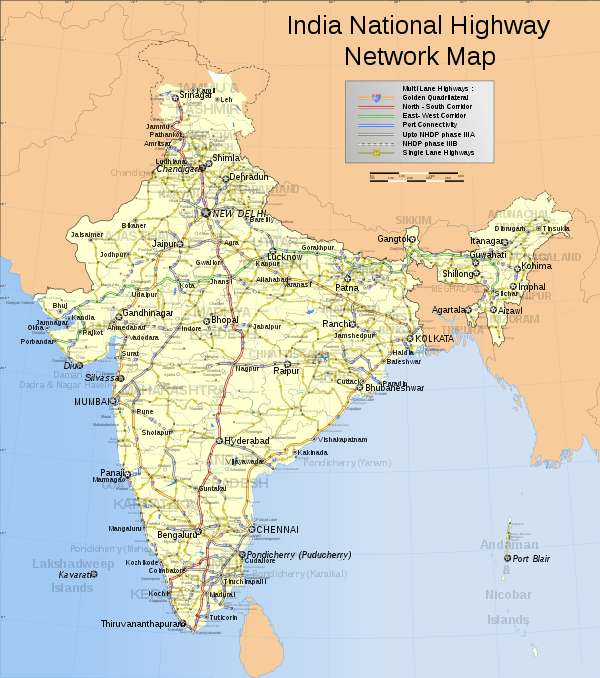
ROADS IN INDIA

India has one of the largest road networks in the world, aggregating to about 54.7 lakh km. The growing importance of road transport over rail transport is mentioned below:

  1. The construction cost of roads is much lower than that of railway lines.
  2. Roads can cover more geographically harder locations that cannot be done by the railways.
  3. Roads can negotiate higher gradients of slopes and can be easily built-in traverse mountains such as the Himalayas.
  4. Road transport is economical.
  5. It also provides door-to-door service
  6. Road transport provides links between railway stations, air and seaports.

In India, roads are classified in the following six classes according to their capacity.

Golden Quadrilateral Super Highways

Golden Quadrilateral is a network of Highways connecting India’s four top metropolitan cities, namely Delhi, Kolkata, Chennai, Mumbai. These highway projects are being implemented by the National Highway Authority of India (NHAI).

National Highways

The National highways are a network of trunk roads that are laid and maintained by the Central Public Works Department (CPWD). The historical Sher-Shah Suri Marg is called National Highway No.1, between Delhi and Amritsar.

State Highways

Roads linking a state capital with different district headquarters are known as State Highways. These roads are constructed and maintained by the State Public Works Department (PWD).

District Roads

These roads connect the district headquarters with other places of the district. These roads are maintained by the Zila Parishad.

Other Roads

Rural roads, which link rural areas and villages with towns, are classified under this category. These roads received special impetus under the Pradhan Mantri Grameen Sadak Yojana.

Border Roads

Border Roads Organisation constructs and maintains roads in the bordering areas of the country. This organisation was established in 1960 for the development of the roads of strategic importance in the northern and north-eastern border areas.

Roads can also be classified on the basis of the type of material used for their construction such as:

  • Metalled roads may be made of cement, concrete or even bitumen of coal. These are all-weather roads.
  • Unmetalled roads go out of use in the rainy season.

Common Man’s Woes During Monsoons.

Monsoons play an important role in our lives and they play a very crucial role in life of farmers. Without monsoons crops will not get sufficient water and hence, the agricultural sector will be badly hit.

Only wet regions may become wetter as climate changes – Physics World

But for the common man, monsoon can become a serious menace at times. Especially, since the recent floods in many metropolitans cities have revealed the lack of effort on part of authorities to solve the problem. The drains overflowed and laid bare the claims of civic societies about their preparedness. They claimed to have cleaned the drains way before the monsoons had hit but the truth is that they failed miserably. One of the causes behind this chaos is lack of strict laws and accountability of officials and the Ministries responsible for tackling the floods. The Government formulate, pass and implement strict laws regarding accountability for the projects launched to relieve people of their distress.

The poor and common man have to face the consequences of their responsibility. At times, car’s engine stop working due to flooding of water on roads. Also, the government should take an initiative to vigil these societies, so that from next season onwards, the problems are resolved and the common man get some relief.

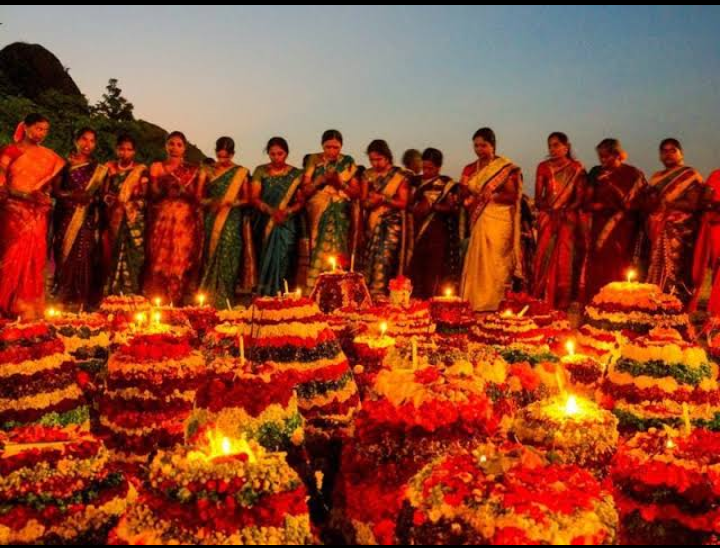
Bathukamma festival

Hello guys !!!

Iam going to write about bathukamma festival today.

This festival takes place in Telangana,and some parts of Andhra Pradesh.

Bathukamma is a floral festival celebrated every year.It is gloriously celebrated for nine days starting from bhadrapada pournami.

The 9-day festivities will wind up on “Saddula Bathukamma” or “Pedda Bathukamma” festival on Ashwayuja Navami, popularly known as Durgashtami which is two days before Dussehra.

Bathukamma festival is also called the festival of life ,celebrated to thank Goddess Parvati for her blessings for the crop harvest and income she helped generate this current year and again ask her blessing for the next year also.

Women dress up in sarees and girls dress up in lehanga,half saree .They wear various types of accessories and jewelry .

People of all ages come together and enjoy this festival merrily.They make various prashads(sweet)daily during this 9 day period and attain puja.

Flowers from each region are used in making the floral stack and the women gather around these stacks and sing songs and dance happily.

The folk songs sung here are very special and the graceful and cheerful dances uplifts the whole atmosphere and participating in this festival will always leave you with beautiful memories.

They enjoy this festival together with everyone which brings people closer to each other and brightens the mood and vibe of the whole place.

From telanganatourism.gov.in

Each day has a special and unique bathukamma which are listed below:

  • Day 1: Angili pula Bhathukamma
  • Day 2: Attukula Bhathukamma
  • Day 3: Muddappappu Bhathukamma
  • Day 4: Nanbiyyam Bhathukamma
  • Day 5: Atla Bhathukamma
  • Day 6: Aligina Bhathukamma (alaka Bhathukamma)
  • Day 7: Vepakayala Bhathukamma
  • Day 8: Venna muddala Bhathukamma
  • Day 9: Saddula Bhathukamma brothers bring flowers to mother and sisters to do bathukamma. – wikipedia

This festival depicts our culture and tradition.This festival reminds to us that we should never forget our roots ,our culture, our traditions and reminds us of the beauty of our culture.

Thankyou^^

Featured pic taken from:
https://bhoopalapally.telangana.gov.in/festival/bathukamma/

AIDS

Acquired Immune Deficiency Syndrome (AIDS) is a chronic disease. It is caused by the infection of Human Immunodeficiency Virus (HIV). The virus attacks the immune system, causing a potential life threat. Initially, the infected person may not show any or negligible symptoms like dry cough, chills, nausea, fever, body aches, and loss of appetite. A prolonged period with no symptoms may make it seem normal, but over time, the virus interferes more with the immune system, which makes the body much vulnerable to infections and results in tumors and tuberculosis. Such symptoms which show up later are said to be Acquired Immune Deficiency Syndrome (AIDS). Abnormal weight loss can be seen in this stage.

Causes of AIDS

The cause of AIDS is HIV infection. The virus copies its RNA into the host cell’s DNA, altering the genetics of the body. This ability of the Human Immunodeficiency Virus (HIV) makes it a retrovirus. HIV targets and destroys the White Blood Cells (WBCs). The white blood cells are known as the immunity cells as they fight against any foreign bodies such as viruses, bacteria, fungus, or any other infections and diseases. As the WBCs weaken, the overall immune system gets disturbed and weak, resulting in the inability of the body to fight against any disease.

How Does the Virus Transmit?

HIV is mainly transmitted from unprotected sexual intercourse through genital, oral, or rectal parts. The body fluids released during sexual activity transmit the virus from one infected body to the healthy body. Other than that, it can also transmit through pre-natal and blood.

In the case of blood, using the same needles as used on HIV positive person on a healthy person can easily infect the person. Even, transfusion of blood of an HIV-infected person into the body of a healthy person transmits the virus.
In pre-natal transmission, the virus is transmitted through the mother to the baby during pregnancy, during delivery, or through breastfeeding.

Treatment

AIDS is a lifelong disease that neither has a cure nor vaccine. But it can be treated and prevented. People have the misconception that HIV can even spread with minimum touch or contact with the infected person, without any sexual contact necessarily. It is important to have protected sex to prevent HIV and other sexually transmitted diseases. After all, prevention is better than cure.

It is advised to have safe sex and wear condoms by any of the partners, be it male or female. It not only prevents unplanned pregnancy but also safeguards against HIV and other sexually transmitted diseases (STDs).
It is better to get tested for HIV routinely and to have a restricted number of partners to have sex with.

Stigma Related to AIDS

Many people still have the misconception that AIDS is contagious and often maintain a distance from people with AIDS. There have been various instances where people with AIDS are not accepted socially. They are often not offered jobs or terminated from their jobs after finding their disease.

Many cultures and religions discourage the use of condoms as they believe it is a barrier to the natural process. Such ill practices contribute to the spread of such diseases.

Conclusion

HIV is not a contagious disease; however, it is life-threatening. Being bullied or secluded by people makes it much tougher for HIV patients to survive. They are already suffering, and discrimination against them makes them mentally suffer more than they are already suffering physically due to the underlying disease.

HIV-positive patients can lead healthy and normal life with proper treatment, love, and affection. It is important to create awareness among people regarding AIDS. Educating them about the fatality and the importance of getting tested on a regular basis for HIV is crucial.

MEDICAL TERMINATION OF PREGNANCY (AMENDMENT) BILL 2021

Context: Recently, the Rajya Sabha passed the Medical Termination Pregnancy (Amendment) Bill, 2021.

● The Bill seeks to amend the Medical Termination of Pregnancy Act, 1971.

● This Act covers abortions in India. It had been amended in 1975 and 2002.

●This is an important Bill that seeks to enhance the reproductive rights of women in india .

● Before the enactment of this legislation, abortion was prohibited under Section 312 of the Indian Penal Code.

According to this MTP Act, 1971, a pregnancy may be medically terminated by a registered medical practitioner:

  1. Where the length of the pregnancy does not exceed twelve weeks (for this, the opinion of one doctor was required).
  2. Where the length of the pregnancy has exceeded twelve weeks but does not exceed 20 weeks. In this case, for the abortion to take place, two doctors must be of the opinion that the continuation of the pregnancy would impair the mental and/or physical health of the mother, and/or that if the child were to be born, it would suffer from serious physical or mental abnormalities causing it to be handicapped.
  3. The law also required minor pregnant women to get written consent from the guardian for the abortion to be allowed.

Provisions:

Termination due to Failure of Contraceptive Method

Under the Act, a pregnancy may be terminated up to 20 weeks by a married woman in the case of failure of contraceptive method or device. The Bill allows unmarried women to also terminate a pregnancy for this reason.

Opinion Needed for Termination of Pregnancy:

• Opinion of one registered medical practitioner (instead of two or more) for termination of pregnancy up to 20 weeks of gestation.

• Opinion of two registered medical practitioners for termination of pregnancy of 20-24 weeks of gestation.

• Opinion of the State-level medical board is essential for a pregnancy to be terminated after 24 weeks in case of substantial foetal abnormalities.

Medical Boards:

Every state government is required to constitute a Medical board

These Medical Boards will consist of the 5 members:

(i) a gynaecologist

(ii) a paediatrician

(iii) a radiologist or sonologist

(iv) any other number of members, as may be notified by the state government.

Upper Gestation Limit for Special Categories:

It enhances the upper gestation limit from 20 to 24 weeks for special categories of women which will be defined in the amendments to the MTP Rules and would include survivors of rape, victims of incest and other vulnerable women (like differently-abled women, minors) etc.

Confidentiality:

The “name and other particulars of a woman whose pregnancy has been terminated shall not be revealed”, except to a person authorised in any law that is currently in force.

Benefits:

Termination in Case of Anomaly:

A number of foetus abnormalities are detected after the 20th week, often turning a wanted pregnancy into an unwanted one.

Helps Special Category Women:

The law will help the rape victims, ill and under-age women to nd unde terminate the unwanted pregnancy lawfully.

Beneficial for Unmarried Women:

The Bill also applies to unmarried women and therefore, relaxes one of the regressive clauses of the 1971 Act, i.e., single women couldn’t cite contraceptive failure as a reason for seeking an abortion.

Allowing unmarried women to medically terminate pregnancies and a provision to protect the privacy of the person seeking an abortion will bestow reproductive rights to the women.

Abortion laws across the world:

Abortion laws vary across the world. It is learnt that around 60 countries prescribe gestational limits.

• 52 % including France, the UK, Austria, Ethiopia, Italy, Spain, Iceland, Finland, Sweden, Norway, Switzerland and even Nepal, allow for termination beyond 20 weeks on the diagnosis of foetal abnormalities.

● Some countries go beyond even these limits with laws in 23 countries-Canada, Germany, Vietnam, Denmark, Ghana, and Zambia-allowing for abortion at any time during the pregnancy on the request of the mother.

●Recently, Argentina became both the largest Latin American country and the third South American country to legalize abortion.

Challenges:

Viability of the Foetus:

● A key aspect of the legality governing abortions has always been the ‘viability’ of the foetus.

● Viability implies the period from which a foetus is capable of living outside the womb.

● As technology improves, with infrastructure up-gradation, and with skilful professionals driving medical care, this ‘viability’ naturally improves.

• Currently, viability is usually placed at about seven months (28 weeks) but may occur earlier, even at 24 weeks.

Thus, late termination of pregnancy may get in conflict with the viability of the foetus.

Preference for a Male Child:

The preference for a male child keeps sex determination centres in bussiness in spite of their illegal status. There are concerns that a more liberal abortion law can aggravate this state-of-affairs.

Change of Choice:

The current Bill does not consider factors such as personal choice, a sudden change in circumstances (due to separation from or eath of a partner), and domestic violence

Medical Boards:

●The present healthcare budgetary allocation makes setting up a board across the country, both financially and practically impossible.

● Access to the board by pregnant women in remote areas of the state is a matter of concern.

●No time limit set to respond to the requests.

● The board will subject women to multiple examinations before allowing her to terminate her pregnancy. This is a violation of right to privacy and right to live with dignity.

Way Forward

●Though Medical Termination of Pregnancy (Amendment) bill 2021 is a step in the right direction, the government needs to ensure that all norms and standardised protocols in clinical practice to facilitate abortions are followed in health care institutions across the country.

●Along with that, the question of abortion needs to be decided on the basis of human rights, the principles of solid science, and in step with advancements in technology.


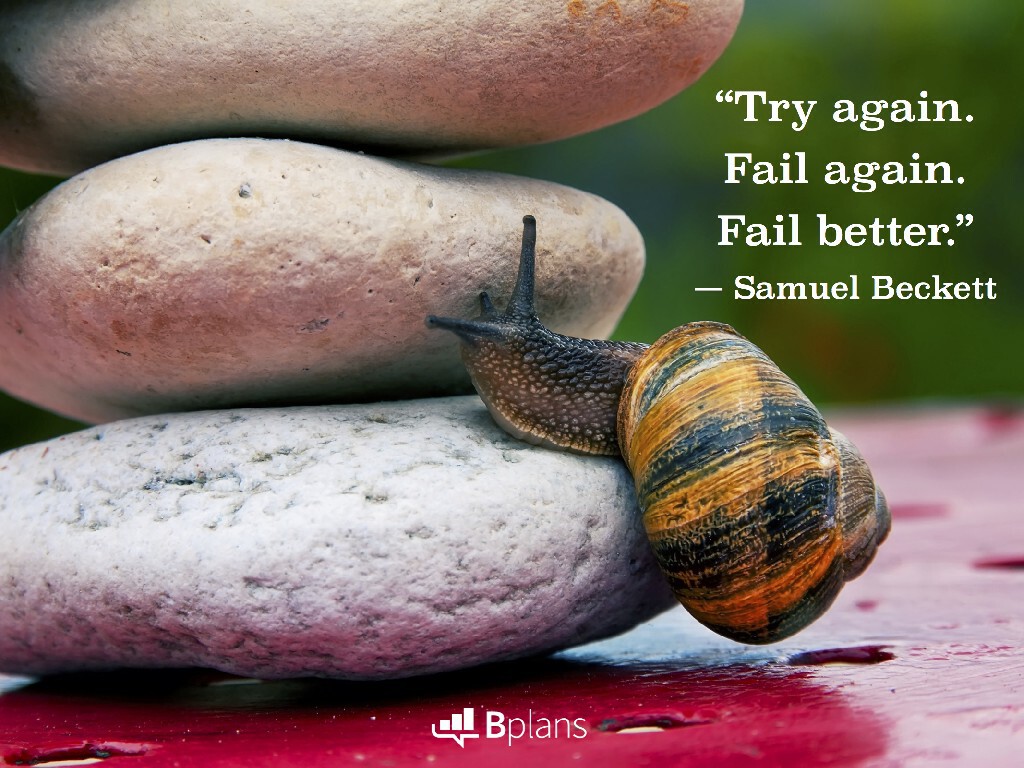
FAILURES: REGRESSIVE OR PROGRESSIVE ?

“The only difference between success and failure is ability to take action.”….. Alexander Graham Bell

WHAT IS A FAILURE?

According to Wikipedia, “FAILURE is the state or condition of not meeting a desirable or intended objective, and may be viewed as opposite of success.”

In another definition of “ FAILURE is the act of falling short of a goal of a person, who hasn’t achieved what they set out to. It is a cessation of proper functioning or performance or rather a decline in strength or effectiveness.”

HOW IS IT DIFFER WITH SUCCESS?

Your action in your field of work, in your niche, in your desired goal of life, actually work like a decisive factor. If you feel harassed, defeated, exhausted, and give up pursuing, your efforts are bound to hang in the hands of destiny. These things leave you to procrastinate. Start moving away from the active zone and surrender to a gloomy laziness and here begins your downfall.

Now if you see this entire act in opposite train, you are able to penetrate and grip the reason of failure. You reschedule and reprogram your activity. You put more organised, alive and determined endeavour and keep faith within yourself, you are bound to hug success.

FAILURES ARE OUR BEST TEACHERS.

They are stepping stones to success, or to put it in other Words, they are the pillars of success. Since failures teach us to introspect or peep within, they make us think of our weaknesses and flaws and learn lessons from them and vow not to repeat these mistakes again in life. In this way they are a mirror to our real personality and provide scope for upgrading ourselves. Failures may discourage, depress, or demoralize. Most do shake a person’s confidence at least for some time but nor for ever. The real strength of a man comes out only when he faces the ups and downs of life with patience and perseverance.

BE OPTIMISTIC

Men of courage face each rejection courageously and come out unharmed and unblemished. Failures and sufferings bring out the best of human beings. They learn that life is not a bed of roses only; it is full of challenges, obstacles and obstructions which can be set aside with persistent hard work and repeated efforts. To achieve anything in life one has to be aggressive, as nothing is achieved by being passive or pessimistic. Fear of failure may be a hindrance for some people, but to any daring person, it is just an illusion. You may think something is standing in your way, but there is nothing there.

You have an opportunity to do your best and conquer success. If it turns out that your best was not good enough, you’ll just have to look back and say, maybe I was too afraid to try, it was not good enough. There is nothing wrong with that, but nevertheless, a great eye-opener.

HOW DOES IT WORK LIKE A PROPELLING FACTOR?

Failure always made me try harder the next time. Think positive. and find fuel in failure’ is a sound advice. Failure will surely get you closer to where you want to be. The greatest discoverers had to face hundreds of failures before the final answers were found. The inventors, researchers and pathfinders had to encounter manifold hardships and opposition. But were they deterred by failures? Many often could not taste success but left great legacy to be followed by others to seek inspiration and take up their half-finished work. The world would not have progressed and the march to civilization would have halted if failures could dampen the spirit of the people. It is, therefore, advisable not to be discouraged by failures but to develop positive attitude to life, that obstacles are bound to be there. Only commitment to your mission must be steadfast.

SO…..NEVER GIVE UP

Therefore, when failures appear awfully incontrollable and life appears miserable, one has to remember “The end part of every night is the darkest one and then comes the dawn.” Thus, when nothing appears to work out in the desired way and all roads seems to lead to failures, one has to just remember the advent of the dawn. Therefore, we shouldn’t drop hope but keep on trying till we achieve. No one knows, that the final round exertion may declare one a champion.

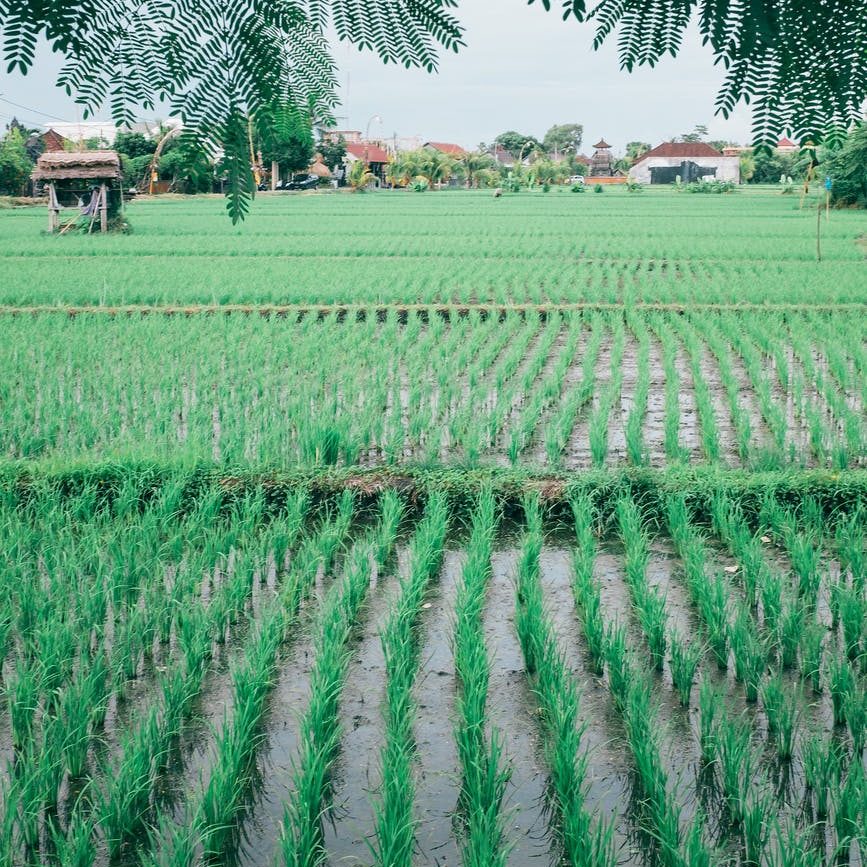
CONCEPT OF CULTIVATION IN INDIA

AGRICULTURE has been the backbone of Human existence since time immemorial.The Agricultural practices carried out in india are still largely traditional.In the years of its independence,india has made immense progress toward food security.India’s Green revolution Technology invloves production of crop and its irrigation.Agriculture employed more than 50% of the indian work force and has contributed 17-18%to country’s GDP.This is the most vital Sector for human survival.The economic contribution of Agriculture to india’s GDP is Steadily declining with country’s broad based economic growth.But still,it plays a significant role in the overall socio-economic fabric of india.Farmer refers to the person who engages in the activity of Growing crops and Various farming related occupations such as Sericulture,Verimiculture and Agro-forestry,it invloves fishers,livestock rearers, poultry,gardeners,Planting labourers etc.

INDIAN AGRICULTURE AND ITS IMPORTANCE:

Before the mid-1960s,India relied on imports and food aid to meet domestic requirements.However,two years of severe drought in 1965 and 1966 made india to to reform its agricultural policy.This formed india’s Green revolution with better farming knowledge to improve productivity.The State of Punjab led india’s green Revolution and is known to be the Country’s BreadBasket.With agricultural policy success in wheat,india’s green revolution spread to rice,farmers innvoated tube-wells,to harvest ground water.Agricultural Scientist MS SWAMINATHAN has played a vital role in the Green revoulution in 2013.

Organic farming considered to be the Traditional practice of harvesting with ancestral practices and cultivating procedures.The primary aim of this Organic farming is to help soil to get healthy through biological wastes ,organic wastes and bio-Fertilizers.Organic farming is a sytem that avoids use of synthetic inputs like pesticides,Fertilizers and chemicals, that relys on the techniques like Crop rotation ,Organic Waste ,Farm Manure and crop residues for Plants Protection and nutrients required for its Utilization.The need for this farming is a natural balance between life and property of existence.

Organic farming is based on the Following principles:

  • Soil is a living entity and gives good fertility for plant growth
  • Nature provides all the neccesities and don’t use any external agents
  • The health of soil and its structure is maintained as it is believed to be the most important medium

since india has Traditionally been practicing organic Farming and there is regulatory body that ensures the quality.National Programe on organic production (NPOP) regulates domestic and export markets.As the entire theme of organic farming revolves around healthy,living soil crop residue management.It ensures optimum productivity without fertility loss.Some strategies to consider for Organic farming are :

RAIN WATER HARVESTING:

Rain water harvesting is an important step in organic farming that is the only source of irrigation are seasonal rains,local ponds,percolation tanks,lakes and wells.Farm ponds must be dug and cultivation is practiced.

SOIL ENRICHMENT:

Soil must be enriched to the maximum extent.The golden rule here is to circulate the crop residue,cattle Droppings,and other biological waste back to the field to attain and enrich fertility of the soil.Bio-nutrients,Bio-fertilizers,compost pits must be used.

TEMPERATURE MANAGEMENT:

Inspite of the increasing temparature and ill-effects of global warming this is a important consideration.The soil must be kept and covered to protect it from heat. Trees and bushes has to be planted on the banks.

MODERN CULTIVATION AND ITS ADVANTAGES:

Modern Agricultural systems , Modern machines can control the hard work of farmers.Modern farming was very successful in meeting a growing demand for food by the world’s population.Yields of primary crops such as rice and wheat increased dramatically with the general population growth.This boost in food production has been mainly to scientific advances and new crop varities with the use of pesticides and fertilizers and the construction of large irrigation systems.

The main Motto of Modern agricultural systems have been developed to obtain the highest yields and to get economic profit.It also has a concept of Monoculture,where only one crop is grown alone in a field .Monoculture makes it easier to sow seed,control weeds and harvest.Irrigation technolgies include supply of water to crops during times of dry weather in the place where natural rainfall is not sufficient for growing most of the crops.Modern culture has taken advantage of several more recent crop breeding techniques.

MODERN FARMING METHODS:

AEROPONICS SYSTEM:

This process of growing plants in air or mist environment without the utilize of soil as medium.It is a subset of Hydroponics and grows by suspending plant roots in the air and misting them with nutrient water.This uses liquid nutrient result as a growing medium and essential mineral to maintain plant growth.These are cost effective since won’t have to spend money on irrigation channels.

AQUAPONICS SYSTEMS:

Aquaponics is a closed loops system that relies on the acquaculture and agriculture for fertilization.While fish waste accumulates in the water and provides the nutrients essential for plant growth,the plants naturally clean the water.It benefits by using all the normal fertilizer sources from fish waste.Efficient,Sustainable and extremely productive.These are some important modern farming methods that have been in practice in recent times all over the world.Cultivation has its Importance within a sustainable and healthy environment.

THANK YOU !

Demonetisation- Pros & Cons

Demonetisation is a condition where in the Central Bank of a country withdraws the previous currency notes of certain denomination as the official mode of payment. It occurs when there is a change in national currency. The current form of money is removed from circulation and new notes are introduced in the market.

History of Demonetisation in India

The first wave of demonetisation in India occurred back in the year 1946 on the notes of Rs 1000 and Rs 10,000 which was done to stop unaccounted money. Out of 143 crores of money being circulated in the market only 134 crores were collected by the government and rest 9 crores were not exchanged hence demonetized. The government didn’t receive much profit and it turned out to be more like a currency conversion drive.

The second wave of demonetisation was seen during the year 1978 when the government decided to recall the reintroduced notes of Rs. 1000, Rs. 5000 and Rs. 10,000 from the market since the country was going through a rough time.

The third wave of demonetisation was in 2016.

2016 DEMONETISATION:

On 8th November 2016, the Prime Minister of India, Narendra Modi announced the demonetisation of existing higher denomination currency that is Rs. 500 and Rs. 1000 within four hours of time. It was also declared that new Rs. 500 and Rs. 2000 notes will be issued soon.

Aim: The main agenda of this act was to cut down the shadow economy and diminish the use of illicit and counterfeit cash used to fund illegal activities and terrorism.

India wanted to curb corruption, promote cashless transactions, promote digitalisation and increase transparency in all the legal transactions occurring within the country.

Implementation: 50 days of time was given to people to exchange their demonetized notes for the new notes at banks i.e. until 30th December 2016. But new notes couldn’t be printed fast enough and caused millions of Indians cashless or standing in queues for hours each day to receive only small sums of money.

The imposition of daily limits on cash withdrawals from ATMs, weekly limits on withdrawals from bank accounts and checking the source of cash deposits in the banks helped the government to carry out the process. Demonetisation caused prolonged shortage of cash in the weeks that followed and also caused a large disruption in the economy.

PROS

Majority of Indians would deny that there were no benefits derived from demonetisation. Only, the problem for general public increased. But this is not the complete truth.

  • Eradication of black money– It helped the government to track people who were having large sums of unaccounted cash. After demonetisation, they had only two options- either reduce it to zero or to deposit it in their bank accounts and pay taxes on them. It was the main motive and biggest advantage behind this step that it is going to affect the corrupt practices. The government claimed that large sums of black money were kept hidden by tax evaders and demonetisation has helped it uncover the huge amount of unaccounted cash. According to estimates made by RBI during the demonetisation drive, people had deposited more than rupees 3 lakh crores worth of black money in the bank accounts.
  • Reduction in illegal activities– Huge sum of money especially in 500 and 1000 denominations were used in several illegal activities like terrorism, money laundering, Naxalites, gambling and also inflating the prices of major assets of the economy. But, after this step there was shortage of funds for these organisations to run. So, this reduced the illegal activities occurring within India or outside, that was occurring with help of Indian currency.
  • Cashless economy– This step had made possible in transforming India into a cashless economy. The proportion of hard cash had reduced and with help of digital payment modes like- Paytm, credit cards, debit cards, etc made the transformation possible. It even increased the transparency in the financial sector.
  • Reduction in government liability– For those people, who choose not to disclose the money, now that money was worthless. Thus, it reduced the governments liability to that extent. It reduced the risk and liability of handling liquid cash as compared to soft money and was much easier than hard cash. As every currency is government’s liability to pay and with fall in hard currency circulation, it reduced the liability.
  • Closure of shell companies– After the ban, approximately 2.24 lakh companies were closed which did not do any work for 2 years. Also, 3 lakh directors were disqualified. The purpose of these firms was to evade taxes.
  • Rise in tax revenue– When people started depositing their unaccounted cash into their accounts, they had to pay a significant amount of tax penalties on that money and even other taxes had increased considerably. Different taxes had increased the tax revenue of government. And, this revenue was used towards the betterment of the society.

CONS

  • Fall in GDP– This action of the government has directly affected the growth of the cash driven economy of India. The GDP of India fell from 8.01% of 2015-16 to 7.11% of 2016-17. This was because of the less availability of cash. It effected the primary working of every industry like production and manufacturing, even the banking department as they could not lend loans to the citizens.
  • Daily wagers– A large part of Indian economy includes people working on the daily wage purpose. They lost their jobs and couldn’t meet their daily expenses.
  • Agriculture Industry– It has affected the agriculture industry as the farmers are not able to purchase fertilizers and seeds to harvest. Most of the Indian population is indulged in the agriculture sector. In the agriculture sector the transactions are on cash basis and due to demonetisation they faced a lot of problem.
  • It impacted all sectors– All sectors came to a halt temporarily. Even the stock market, the investors and started withdrawing money from it, by selling the temporarily slump in the market. The real estate business had a massive loss as it mostly worked on black money.

Conclusion

As mentioned above, the primary aim of demonetisation was to a) weed out black money and b) introduce and promote the concept of digitalisation as a preventive measure against corruption.

The government had estimated that a sum of 3 lakh crore or 20% of demonetised banknotes would be removed from circulation in the market. 

However, according to the 2018 report from the Reserve bank of India approximately 99.3% of the demonetised banknotes that is ₹15.30 lakh crore of the ₹15.41 lakh crore that had been demonetised, were deposited to the banking system. This implies that banknotes of worth ₹10,720 crore were not deposited.

Hence, analysists concluded that the government had failed to achieve the motive of eradicating black money from the market. However, it succeeded in promoting digital transactions and electronic payments. The shortage of cash led to a sudden increase in electronic payments, usage of m-wallets etc. By April 2018, it was observed that the number of digital transactions had doubled. Apps like Paytm, BHIM, GPay gained a lot of new users during this period. 

Moreover, an increase in the tax revenue was also observed but studies show that there hasn’t been any substantial rise in the number of tax payers or direct tax collection due to demonetisation.

In addition to this, the GDP fell from 7.5 to 5.7 by June 2017 as it was extremely difficult for all sectors of the economy to recover from the losses and hardships that resulted from the flawed implementation process.

Due to the unavailability of cash, all the manufacturing and service industries experienced an unforeseeable halt which led to a decrease in the industrial output. The agricultural sector took a huge hit as it was heavily dependent on cash for purchase of seeds and other resources which inevitably led to an increase in the prices of crops. Henceforth, the workers employed in these sectors also suffered. According to a report from Centre for Monitoring Indian Economy, 406.5 million were employed in September-December 2016. Post demonetisation, the number fell to 405 million in January-April 2017.

To conclude, Demonetisation was a bold move, although sudden and could have been a revolutionary move to combat corruption if implemented properly. The long-term aim of the government was to curb corruption and promote cashless transactions.

However, reports say that it failed to remove black money from the market. As a result of unavailability of cash, it succeeded in promoting cashless transactions but only for a short period of time.

Due to the flawed implementation process, the major contributors of the economy took a huge hit which some of the sectors still haven’t recovered from. Hence, we can say that the cons outweigh the pros and demonetisation failed not only as a measure taken to eradicate illegal practices in India but also caused major inconvenience to the general public and different sectors of the economy.

It could have been a huge success if a practical plan that dealt with all possible consequences was made beforehand as it affected all aspects and participants of the economy and hence, a back-up plan for all contingencies was a must. Also, the involvement of bankers and government officials in corrupted acts during the implementation of demonetisation slowed down the movement. Hence, diligent participation could have boosted the process.

“Boys don’t cry”

Ever heard a mom telling their young boy to “stop crying like a girl”. The mother would just be trying to make the boy stop crying. But, don’t you think a better approach to making the child stop crying would be listening to the problem and saying it will be fine.

Practices like these in our society have made men think that they have to act strong. Masculinity is considered strong and being feminine is weak.

What we forget in all this is that men just like women have emotions. but, they are forced to hide these feelings because then they won’t be considered “man enough”. Showing emotions is not a sign of weakness but that is how our society sees it.

“men are strong”

“women are weak”

A lot of the time guys feel pressured to act a certain way because of our society. They feel if they don’t act man enough they will be bullied. A lot of guys say things like, “why are you acting like a girl” or, “Stop acting gay” to the sensitive guys.

 So, to avoid that a lot of men act bad to “fit in” even if they aren’t like that in real life. It is considered “cool” to make sexist, racist, anti-feminist jokes because that is how their friends are going to accept them.

Is being called a girl or gay something to take offense for?

 Acknowledging emotions does not make people “weak”.

 Men who make fun of other men for being sensitive are the men who follow toxic masculinity. They are the ones that need to change their mentality.

Did you know that suicide rates in men are higher than in women?

 This mainly happens because men are forced to act strong even when they are struggling. Whereas, women tend to communicate their problems with their friends, family or even take help from a therapist.  But, when it comes to men they think they have to be strong and masculine. So, when they struggle they tend to think that there is no way out of their situation. 

If you are a man reading this. You don’t have to pretend to be strong. It is fine to struggle. Every human being has ups and downs in their life.

Something that will help you deal with those ups and downs is talking to people. Admit you have an issue, sometimes talking to people about problems is the only solution needed.

We as a society need to encourage men to open up. Parents need to start talking to their sons as much as they talk to their daughters. If you have a brother, make sure you talk to him and let him know you are there for him. Getting boys to open up from an early age is really important.

We need to change the very idea of being strong. Being strong means accepting who you are, accepting your vulnerability, not being afraid to show your emotions, and standing up for what you believe in.

Can working long hour affects our heart ?

“Working long hours is a major risk factor for heart-related ailments, almost equivalent to having diabetes and hypertension together,” said a doctor


In May 2021, the World Health Organization (WHO) found that long working hours have been increasing deaths from heart disease and stroke. In the pandemic, this has become a more pressing issue, as working from home has caused people to spend long hours in front of their computer screens. The report by WHO and ILO found that this work-related burden is particularly significant in men.  According to Dr Kumar Narayanan, consultant cardiac electrophysiologist at Medicover Hospitals Hyderabad, the link between mental stress and heart disease is well established. “Nowadays, not only are working hours excessively long, but stress at work has escalated exponentially. Work timings are also often unhealthy, extending into odd hours as people work across time zones in a globally-linked world. All this leads to harmful stress responses in the body, along with unhealthy diet, sedentariness, smoking and inadequate sleep.”
Weighing his thoughts on this, Dr P C Mondal, a senior consultant intervention cardiologist and HOD at Kolkata’s Apollo-Gleneagles Hospital said while patients with pre-existing cardiovascular diseases (especially heart failure) and those with coronary risk factors (diabetes, obesity) are at an increased risk of severe disease and mortality from COVID-19(especially older patients), there may also be the development of new cardiovascular implications (including cardiomyopathy/myocarditis/Acute Coronary Syndromes) in patients without pre-existing cardiovascular diseases.
 
What are the things that one needs to know –

1. Avoiding a diet rich in fats, salt, low fiber, junk and fast foods.
2. Exercising more.
3. Lowering the consumption of tobacco, or completely stopping it.
 
“Psychosocial stress includes job-related stress due to long working hours, persistent stress, high work demands, and job insecurity,” he said, adding: “All these factors over a period of 25 years lead to the same level of risk of heart attacks as people who smoke and do not exercise.”
Summing it up, Dr Ulhas M Pandurangi, chief of division of cardiac electrophysiology and pacing at Arrhythmia-Heart Failure Academy, Chennai, noted: “Stress can tax the heart dearly. It is clear — working long hours is a major risk factor for heart-related ailments, almost equivalent to having diabetes and hypertension together.”


Foods which are good for a healthy heart –
 
1. Eat fish high in omega-3s such as salmon, tuna etc
2. Healthy nuts like almonds or walnuts
3. Berries containing phytonutrients such as blueberries, strawberries etc
4. Oats are the comfort food nutrient powerhouse.
5. Fruits like orange and papaya.
6.  Dark chocolates
7. Legumes
8. Vegetables like spinach, broccoli etc. 

Java vs JavaScript

Java:


Developed by Sun Microsystems, Java is a class-based programming language. It is a standalone language that is executed in JVM( Java Virtual Machine) that allows Java programs to run on any platform.
Java with its secured environment and great compatibility has emerged as one of the best programming languages. The language is favored by enterprises too. More than 90 percent of Fortune 500 companies use Java for building applications and back end systems. This is why large enterprises these days hire Java developer for creating custom-tailored web applications.


JavaScript:


JavaScript is an interpreted high-level programming language that helps to make web applications more interactive and responsive. According to Stack Overflow’s 2018 Developer Survey, JavaScript is the most popular language among developers for the sixth year in a row.
Unlike Java, JavaScript is simple to learn. That’s why it is used everywhere for web development. JavaScript can easily be used with other languages within different types of web applications.
What’s similar between Java and JavaScript?
Before you proceed further to read more on Java vs JavaScript, let’s have a quick look at the major similarities shared by the two

Java vs JavaScript: What’s the Difference?


Java is an Object-Oriented Programming language that is platform-independent because it gets executed in the Java Virtual Machine (JVM). On the other hand, JavaScript is an object-oriented scripting language that helps to create dynamic HTML pages. Java vs JavaScript has become a hot topic of discussion these days.
Purpose
While Java is used for all server-side development, JavaScript is primarily used for writing client-side scripts for tasks such as JS validation and interactivity.
Applications run differently
When we talk about Java vs JavaScript, then it’s important to know how these applications run. The applications created either using Java or JavaScript run entirely differently. Java develops applications that can run in a browser or virtual machine whereas applications made using JavaScript can run on a browser only.
Usability
Java applications are used in a number of places which include, Android applications, creation of the desktop applications, development of banking and financial apps. However, the use of JavaScript is limited to making web apps more interactive and creative. It also renders help in creating animations in HTML.
Compiled vs Interpreted
Java is a compiling language whereas JavaScript is an interpreted scripting language. These two languages run differently. While Java code is compiled into bytecode and run on Java Virtual Machine, whereas JavaScript is interpreted directly by a browser in the syntax in which the code has been written.
Key benefits of using Java
Java is a general-purpose programming language that is object-based and class-based. It is a high-level language that supports multi-threading. Java continues to deliver its prominent services in the field of software development. Major advantages that Java offers to the users include,
Platform-independent
One of the most important features of Java is that it is a platform-independent language. All Java programs can be compiled independently of the platform. The programs are compiled in the bytecode thus allowing the programs to run on any platform that has a JVM installed in it. You can use Java to create programs that can run across desktops, mobiles, and embedded systems.
Multi-Threading
Java is an object-oriented programming language that can perform several tasks at the same time. As it supports multi threading so Java has the capability to perform several tasks simultaneously.
Robust and Secure
Java offers a secured environment for the development of applications. It prevents the attack of viruses and keeps a check on the misuse of resources. It implements exception handling to remove errors and to reduce the risk of crashing.
Dynamic and Extensible
Java is a dynamic language. All the classes, objects, methods and libraries in Java are dynamically linked in Java. This extensible language supports various functions that are written in other languages such as C and C++.

Eve teasing: A Judicial Perspective

The verbal or physical abuse or harassment of women in public places such as streets, public transit, parks, and other places where people gather, as well as making lewd gestures like winking, whistling, or staring is defined as eve teasing.

Haryana government recently conducted a survey on eve teasing which highlights that the maximum reports related to eve teasing occurs when females return or travel to schools, college and their respective workplace. However, a different study on eve-teasing suggests that only 10% of such cases are reported in the police station. The major reason of such less reporting is that our society doesn’t pay head to such incidents and ignore the victim by saying ‘they just touched or winked at you. What’s the harm in it? They didn’t commit any severe offences.’

But well they did and it’s high time that women as well as the society should be aware of the legal rights relating to eve-teasing so that innocent victims do not commit suicide or are murdered because as seen in various studies such incidents happen when harassment went unreported. 

WOMEN’S RIGHTS AND LIABILITIES WITH REGARD TO EVE TEASING

  • The apex court of India ‘the supreme court’ when dealing with Vishakha vs state of Rajasthan provided us with guidelines relating to the act amounting to sexual harassment which includes the following:-

1. Undesired sexually determined behavior, either directly or indirectly

2. any type of bodily contact or advances

3. any demand or request for sexual favors

4. statements that are sexually oriented

5. any sexually harassing physical, verbal, or nonverbal activity, such as showing pornography or making obscene jokes.

 Anyone who is experiencing such acts or witnessing someone who is suffering the above-mentioned rules amounting to sexual harassment can submit a complaint in the court or police station. 

  • Furthermore, eve teasing also includes stalking which means An individual’s repeated harassment or threatening behavior, such as following a person, showing up at their home or workplace, making harassing phone calls, leaving written messages or items, or vandalizing their property is now included in the Indian law under Section 354D of Indian penal code which provides imprisonment to the stalker up to 3 years. 

Hence, The persistent, unwelcome involvement of one person with another, for any reason, can be declared illegal and punishable if the behavior causes a person to fear violence or anguish, or disrupts their mental peace.

  • Indian penal code, 1860 provides few sections which deals with the protection of women’s dignity against the behavior that degrades women’s dignity which are as follows:-

SECTION 294 OF IPC

Under section 294 of ipc, If someone conducts any obscene activities in a public area, or sings, recites, or utters any indecent song or lyrics in a public place, or even a spot close to a social setting which annoys the other will be punished with imprisonment upto 3 months, fine or both  under this act. This section is not gender specific so anyone might be a victim or perpetrator. 

SECTION 509 OF IPC

this section is known as eve-teasing section which states that anybody who has the intent to insult a woman’s modesty by uttering any phrase, producing any sound, gesture, or displaying any object with the intent that such gesture or words are heard by the woman or intrudes upon her seclusion will  be penalised with a year in prison or a fine.

SECTION 292 OF IPC

Section 292 deals with the act of showing obscene or pornographic images, booklets to a female will be fined Rs. 2000 and sentenced to two years in prison. Furthermore, if the offender repeated this offence, he will be sentenced to up to five years in prison and a fine of Rs. 5000.

SECTION 354 OF IPC 

Under this section, If a person knowingly assaults or uses illegal force against a woman in order to offend her modesty, will be imprisoned minimum for 1 year but can extend up to 5 years and fine. The subparts of this section are as follows:-

  1. SECTION 354A 

Sexual harassment is now an explicit offence under Section 354A of the Indian Penal Code, owing to the Criminal Law (Amendment) Act, 2013.

This act increased the imprisonment upto 3 years and fine and both of any offender who passes any derogatory remarks or makes obscene gestures towards a female thus, invading her privacy.

2. SECTION 354B

This section deals with disrobing which states that Any individual who uses unlawful force against a woman with the intent of disrobing her or forcing her to be naked is responsible under this provision. The punishment given to the offender will be minimum of 3 years but upto 7 years is acceptable. 

3. SECTION 354C

It deals with the act of voyeurism which simply means sexual fascination of watching other people participate in sexual behaviors such as undressing, sexual intercourse, or other actions that are normally considered private will be held liable minimum for 1 year but can extend to 3 years and fine. 

  • Moreover, Eve-teasing is deemed unconstitutional since it infringes on a person’s right to privacy by prying into his or her private life. thus, breaching fundamental right to life provided by our indian constitution( Article 21)  because it undermines a woman’s dignity as well as her self-respect.

Thus, there is an urgent need to address this rapidly rising problem and it can only be done by realizing how dangerous and evil ‘eve teasing’ can be if it is not stopped at an early age and what ill effects it leaves on the person experiencing it. The society mainly females should be aware of the rights and liabilities relating to eve teasing so that they can stand up against it even if the society doesn’t support them and bring a change in this society.