WATER CONSERVATION

INTRODUCTION

Water is one of the natural resources available on earth. 97% of water is filled in the oceans in the form of salt water. These are useless to drink. Of the remaining 3% of water, 2% water is found as icebergs in the polar region of Antarctica. These are also useless for human consumption. The remaining 1% is water available for human consumption only. Even though water is a renewable source through the hydrological cycle in nature, the functioning of the cycle is disturbed due to a few reasons.

1)Overconsumption

2) Climatic changes affecting the monsoons.

As we know that water is being polluted by various sources. Therefore, we have to conserve water and minimize water pollution on earth. Even low-volume drinking water is concentrated in certain areas rather than evenly distributed over land. Due to the increase in population and volatile agricultural activities, water quality and quantity have declined. The prevalence of droughts has increased. Therefore it is the right time to conserve water.

Many methods have been adopted to conserve water for a long time. Water is collected from many sources for domestic, agricultural, and industrial purposes. These include drinking water wells, borewells, ponds, rivers, irrigation lakes, and supply canals. Groundwater exploitation has also increased with the use of electric pump sets, resulting in further deterioration of water availability. Over the past 2 to 3 decades, groundwater availability has declined sharply, and many irrigation wells and bore wells have dried up. Rainwater harvesting is essential to recharge and maintain groundwater balance.

METHODS OF WATER CONSERVATION

There are several methods for conserve water. They are

Drip irrigation:- Drip irrigation is a popular micro-irrigation system used in agriculture. Through this system, water is delivered in the form of a drop to the plant roots. This can save water and nutrients.

Seepage pits:- It is possible to collect rainwater by digging seepage pits in one corner of each farm on farmland.

Check dams:- Check dams are constructed at suitable places where water is supposed to be overflowing and is wasted.

Rainwater harvesting:- Rainwater harvesting is the best method of collecting rainwater or recharging the under groundwater with rainwater.

SIMPLE TIPS FOR WATER CONSERVATION

First, we must stop wasting water in our homes. If everyone follows all these steps, we can prevent pollution on earth and conserve drinking water. Our government has set up several schemes to prevent pollution and water conservation. We must fulfill our responsibility by following the rules given below.

1.We need to avoid shower baths and tub baths. It is better to use buckets. We should minimize the use of more water as much as possible.

2.We should minimize the use of electricity because the power plants consume tons of water. We need to plant more trees.

3.Washing machines and dishwashers should be loaded fully before using them.

4.Water the plants during the morning and evening. This can reduce the evaporation of water.

5.Rainwater harvesting is one of the best methods to conserve water.

BENEFITS OF WATER CONSERVATION

It minimizes the effects of drought and water shortages. Even though our need for fresh water sources is always increasing because of population and industry growth, the supply we have stays constant. Even though water eventually returns to Earth through the water cycle, it’s not always returned to the same spot, or in the same quantity and quality. By reducing the amount of water we use, we can better protect against future drought years.

It guards against rising costs and political conflict. Failing to conserve water can eventually lead to a lack of an adequate water supply, which can have drastic consequences. These include rising costs, reduced food supplies, health hazards, and political conflict.

It helps to preserve our environment. Reducing our water usages reduces the energy required to process and deliver it to homes, businesses, farms, and communities, which, in turn, helps to reduce pollution and conserve fuel resources.

It makes water available for recreational purposes. It’s not just swimming pools, spas, and golf courses that we have to think about. Much of our freshwater resources are also used for beautifying our surroundings—watering lawns, trees, flowers, and vegetable gardens, as well as washing cars and filling public fountains at parks. Failing to conserve water now can mean losing out on such uses later on.

It builds safe and beautiful communities: Firefighters, hospitals, gas stations, street cleaners, health clubs, gyms, and restaurants all require large amounts of water to provide services to the community. Reducing our usage of water now means that these services can continue to be provided.

CONCLUSION

As human beings, it is our responsibility to conserve water and prevent water pollution. We can’t imagine our life without water. Water is an essential element of all living things. We need to conserve water to provide good quality water for our future generations.

Dinman Hardoul Singh

Dinman Hardoul Singh or Lala Hardoul is a Hindu folk deity of Bundelkhand in India. He was the prince of Orchha and the son of maharaja Vir Singh Deo and the brother of Jhujhar Singh. He was born in 1664 and died in 1688 at the age of 24. A temple of Hardoul in Bundelkhand is a centre for pilgrims and according to local beliefs he is still alive and is worshipped as a deity.

He is sometimes considered to be a nephew of Alha and Udal of Mahoba (see Alhakhand), however Alha and Udal were Banaphars during Chandela rule, where as Lala Hardoul was a Bundela.

Local legend states that prince Hardoul, was resented by Jhujhar Singh (Hardoul’s elder brother) who suspected his wife of having an extra-marital affair with Hardoul. Jhujhar ordered his wife to poison Hardoul in order to prove her innocence, with Hardoul willingly accepting it.[1]

The legend further goes that when Jhujhar’s (now the king) sister asked for aid in getting her daughter married; he sarcastically asked her to seek the help of the dead Hardoul. The dead prince is then said to have not only attended the wedding but served the guests as well.[1]

It is still believed by the local people that Hardoul attends weddings he is invited to and people leave him a wedding card to seek his blessings

The legend of Lala Hardoul is popular locally and is performed as street theatre in Bundelkhand. Chundri Odhasi Mahro Bir (also released as Lala Hardaul) is a 2012 Indian historical drama film, based on the folklore, directed by Nishant Bhardwaj and produced by Cair Saangri.[3] It stars Sachendra Choubey as Hardaul, Divyanka Tripathi as Padmavati (the queen and wife of Jhujhar Singh) and Devendra Bhagat as the king Jhujhar Singh.

How to keep yourself healthy post covid-19

HOW TO KEEP YOURSELF HEALTHY POST COVID-19 

Post covid-19 care:- After recovering from coronavirus infections, it is still an important thing to follow a Healthy lifestyle. After covid-19 infection, it’s important to take adequate precaution from any viruses and even fungus.

Here are 6 things you can do after recovering from coronavirus infection:- 

  • Exercise consistently:-  Exercise might seem trouble When you are recovering, and your body is weak. But gradually bringing it to your lifestyle will make you both physically and mentally strong. You can try yoga as well. 
  • Have a nutritious diet:- Another basic way to speed your recovery is to have a nutritious meal. Coronavirus makes your body weak and opens the body to a ton of stress. Medecine can also debilitate your body. Does try to have a well organised eating regime. Add organic products ,vegetables,eggs and safe poultry to compensate for the lost appetite.
  • Ask for help:- You should understand that you need proper care and rest. That’s why I seek help whenever you need as it will help you to recover in a proper way. You need to conserve your energy and battle fatigue, accept the fact that your body needs enough time to recover.
  • Try puzzle or memory exercises :- Coronavirus is also known to damage the memory cells. In order to get back to your memory, invest some time in playing daily puzzles, memory games and exercise to rack your brain. Formulate ways in which you can invigorate the mind. The goal is to be gradual yet accomplish something for your brain cell each day.
  • Monitor your alarming signals:- Whether it is breathlessness or a niggling headache. It is important to pay attention to any such alarming symptoms and warning that your body is giving you. Inform your doctor as soon as possible if any such issue turns up. Do not tremble. 
  • Give yourself sometime:- Do not expect a sudden bounce back to your previous life as soon as you tested negative. Give yourself some time and gradually move to your old routine. Remember you just fought a devastating illness. Be consistent yet move gradually towards your daily activities rather than just diving straight in.

Stress

Stress is the response of an individual towards an event which is beyond his/her ability to cope. When faced with a challenging or threatening situation, an individual undergoes stress. Stress is not necessarily bad, in fact term eustress is used to describe the stress that is good for an individual. This is the least level of stress which actually helps a person to achieve peak performance and managing problems. If however, this stress starts growing inside, it causes body’s wear and tear. It is called distress and it is this stress that is unhealthy for an individual.
Stress is caused by external events. These events are called stressors. Some examples of stressors are: crowding, examination pressure, bad relationships etc.
Individuals responses towards a stressor varies from one another. It largely depends on perceived events and how they are interpreted. Past experiences often help in dealing with stress. If an individual has handled a similar stressful situation well in the past, he/she is more likely to do the same in the present. The opposite also stands true. An individual who beliefs that he/she is in control of the situation, often experience less stress than those who have no such sense of personal control. Self confidence is a key in overcoming stress.
When faced with stress, our body produce a stress reaction. It can be physical, emotional or behavioural or a mixture of all. The first reaction is usually the physiological one, wherein adrenal glands release hormones responsible for fight or flight response. During stress, a hormone named cortisol is also released in our body which provides energy. Emotional reactions may include negative feelings like fear, anger, anxiety or depression. Behavioural reactions however depend on individuals that whether they choose flight response (forget everything and run) or fight response (face everything and rise).
How an individual responds to a stressor aslo depends on the nature of stress. The intensity and complexity of a stressor as well as whether it is predictable or not influences the nature of response it induces. It has been observed that stress which is intense, prolonged, complex and unpredictable have a more negative effect on people in comparison to the stress which is less intense, short lived and predictable.
There are various types of stress. Physical stress relates to the stress that is related to our body. It is much easier to deal with than the psychological stress which generates in our minds. This psychological stress is very subjective and unique to the person experiencing it. It includes frustration and internal conflicts. Social pressure, life events and daily hassles or experience of traumatic events also contribute to psychological stress.
Stress has various adverse effects on an individual. Emotional effects like mood swings, anxiety, depression, increasing tension, decreasing confidence are very common. Physiological effects include increased heart rate, slow digestion, hypertension etc. People may even suffer from mental overload and loose their ability to make sound decisions. Poor concentration, disrupted sleep patterns, reduced work performance are some other effects of stress.

Emerging Tuition Centers.

School, well known as temple of knowledge, providing us with basic growth foundations like character, discipline and development.

It is a body/ institution, which accentuates us to the peak. Today, the gravest issue, mushrooming today, i.e., Emerging Tuition Centers, has been highlighted.

How can home tutors make a student successful in future?

As we all know, ‘ change is the law of nature’ . The paradigm of educational institution has been shifted from school to tuition. About 95% students go to tuition centers. There is nothing wrong for, today competition is as lovelier in our school as once character was and everybody wants to excel. Tuition centers contain duster of pioneers, providing the students a readymade matter and tailored course, thus making them competent.

As we all know that according to Charles Darwin ;

“The theory of survival of fittest”….

prevails, hence, no student want to leave any stone unturned on their part to attain success, may it leads to their negligence the pertinence of schools and school teachers.

The flip side of these tuition centers can’t be neglected, once student enter into the nexus of tuitions, he looses his main tools- charm, self practice and value of teachers. Also, he tries to distract other students and tries to show his smartness but not every time has the same result in competence, every child joins tuition but not all succeed.

As we know that ;

Horse can be taken into river but can’t be forced to cross it”.

The burden of tuitions gnawing the minds of students could only be shifted by only focusing on school education. Parents also should feel their responsibility towards their child’s education which can’t be merely solved by tuition centers.

Hence, at length we can say that tuition centers can prove fruitful as long as they solve the purpose, otherwise wastage of time is not required with pace. Tuition centers can be avoided as we already know the fact that ;

Genius are never made, they are born alike M.K Gandhi, A.P.J. Abdul Kalam, Narendra Modi grew their dignity by themselves.

Signs you’re not getting enough protein

Protein is an essential part of a healthy diet and not consuming enough can cause serious health problems. Here is what you need to know about the signs and symptoms of protein deficiency and how much protein you need each day

As children, we often saw our elders fetch tins and boxes of “proteins” or “protein-rich” biscuits to add to the milk we drank. Almost all “energy powders” that were spooned into the milk we drank added proteins to our diets. Now, as grown-ups, we see serious bodybuilders and sportspersons, fitness enthusiasts, marathoners – all talking about the protein supplements that they take. 

What is the importance of proteins

Protein is a complex macronutrient which are found in certain foods, such as animal products and legumes. In its most basic form, a protein is a string of amino acids that create the building blocks for the physical parts of your body, including muscles, bones, skin, hair, nails, and organs. Protein deficiency, also called hypoproteinemia, is usually tied to overall low protein intake.

Signs and symptoms of protein deficiency

Protein deficiency can cause a range of symptoms, which can vary based on the severity of the deficiency.

In mild cases of protein deficiency – Increased appetite, weakness and fatigue

In moderate cases of protein deficiency- Muscle atrophy, brittle nails, hair thinning

In severe cases of protein deficiency-  Stomach bloating, liver failure, stunted growth and porous bones.

Causes of protein deficiency

Protein deficiency is most commonly associated with malnutrition and an inadequate protein intake. The amount of protein you need depends on your age, health, and activity level. The recommended daily allowance (RDA) is a minimum of 0.36 grams per pound of body weight, so 54 grams of protein a day for someone who weighs 150 pounds. 

Who all are at risk of protein deficiency

1. Adults who are aged over 50

2. People who doesn’t consume animal proteins. However, they still can get enough proteins from plant sources such as soy, pea, pulses etc.

How to increase protein intake

  • By consuming protein rich foods like Nuts and seeds such as almonds, pistachios, cashews, and flax seeds
  • Legumes, such as lentils and beans 
  • Eggs and seafood, like fish or shrimp
  • Animal meat
  • Dairy products

The average adult under age 65 is recommended to take 0.8 grams of protein per kilogram of body weight per day. Therefore, someone who weighs 68 kilograms (150 pounds) should have about 54 grams of protein per day. 

Menstruation- A social taboo

INTRODUCTION

Menstruation is the natural part of the reproductive cycle in which blood from the uterus exits through the vagina. It is a natural process that first occurs in girls usually between the age of 11 and 14 years and is one of the indicators of the onset of puberty among them. Taboos surrounding menstruation exclude women and girls from many aspects of social and cultural life. Some of these are helpful, but others have potentially harmful implications.

MENSTRUAL SYMPTOMS

Not every woman will experience the same premenstrual symptoms. Common symptoms include breast swelling and tendernesstensionbloatingacne breakoutsleg, back, or stomach crampingpremenstrual syndromeSome women may confuse the symptoms of menstruation with those of early pregnancy, as they can be similar. These include a missed period, breast tenderness or swelling, nausea, frequent urination, and tiredness.

Premenstrual syndrome

Some women report feeling the symptoms of premenstrual syndrome (PMS). This very common condition can include symptoms such as:rapid changes in moodinsomniadizzinessbloatingsocial withdrawaldifficulty concentratingbreast tendernesstirednessThese symptoms can vary in severity. Other symptoms may include joint or muscle pain, headaches, fluid retention, constipation, and diarrhea. PMS may be caused by changes in hormone or serotonin levels.

MENSTRUAL CYCLE PROBLEMS

Women may at times experience problems or irregularities in their menstrual cycle. Common problems include:

Amenorrhea: This refers to the absence of a menstrual cycle for at least 90 days. Contributing factors amenorrhea period include pregnancy, breastfeeding, eating disorders, excessive exercising, and stress.

Dysmenorrhea: This is sometimes severe menstrual pain. Possible causes include uterine fibroids, endometriosis, and excessive levels of a hormone called prostaglandin.

Abnormal uterine bleeding: This term includes any vaginal bleeding not considered normal for a menstrual period. This might include bleeding between periods or after sex, any vaginal spotting, unusually heavy or prolonged menstrual bleeding, and postmenopausal bleeding.In early pregnancy, some women will also experience what is referred to as implantation bleeding, as a result of the embryo attaching to the uterine wall. Implantation bleeding can be expected around 10 to 14 days after conception.Implantation bleeding occurs as light, brown spotting and not the typical bright, red flow of a menstrual period. Implantation bleeding is short-lived and, for most women, requires no treatment.

TIPS TO MAINTAIN MENSTRUAL HYGIENE

1.Change your pad every four hours

If you use sanitary pads to soak the flow during your periods, remember to change it often. Ideally, changing it every four hours is good. If not every day, do this on the first two days when the flow is heavier. On others too, don’t wear the same pad for more than eight hours.

2.Clean reusable pads properly

There are sanitary napkins that can be reused for several menstrual cycles. If you use one of these, ensure that you clean them thoroughly after every use so that there are no germs and there is no scope of infection. Follow the instructions given and don’t reuse them after the said number of uses.

3.Keep your vaginal area clean

It is important to keep your vaginal area clean especially during periods when there is blood flow from the body. Use warm water and diluted soap to wash the area. You can also use recommended vaginal washes available in the market to keep yourself clean. If, however, they irritate your skin or vagina, discontinue the use and speak to a doctor. The vagina also has a self-cleaning mechanism, so these washes aren’t really necessary for most women.

4.Never use two pads simultaneously

No, two is not better than one. Some women who experience heavy flow, tend to use two sanitary pads at one go to control the flow and prevent staining of clothes. This, however, is a bad idea as it can cause infections in the vaginal region. Stick to one and keep changing it often if the flow is more.

5.Wear comfortable, clean underwear

While changing your sanitary pad is essential, it is also important to wear something comfortable during these days. Tight thongs or underwear made of fabric that doesn’t allow your skin to breathe will also lead to infections. Stick to clean and comfortable cotton knickers that do not stick to your skin.

DOWRY SYSTEM

INTRODUCTION

The dowry system in India refers to the durable goods, cash, and real or movable property that the bride’s family gives to the groom, his parents and his relatives as a condition of the marriage.

CAUSES OF DOWRY SYSTEM

1.Greed Factor – dowry demands often is exemplary of the collective greed of the society. Extortion in the name of social standing, compensation for the cost of groom’s education, his financial stability is a key feature of Indian marriages. Demands are put forward shamelessly and are expected to be met with silence. Threats of withdrawing the proposal looms on the bride’s family’s head at the cost of losing face in the community, and portions of the agreed upon sum is often demanded before the actual ceremony.

2. Society Structure – the dowry system is largely the manifestation of the patriarchal nature of the Indian society where men are considered superior to women in aspects of physical and mental capabilities. With the backdrop of such societal structure, women are often considered second-tier citizens, fit to assume only domesticated roles. Such perceptions are often associated of them being treated as a burden in economic terms first by the father and then by the husband. This feeling is further compounded by the dowry system which fuels the belief that girl child is a potential cause of drain of family finances.

3.Social Status of Women – the inferior social standing of women in Indian society is so deep-rooted in the psyche of the nation, that this treatment of them as mere commodities is accepted without question, not only by the family but by the women themselves. When marriage is viewed as the ultimate achievement for women, evil practices like dowry takes its roots deeper in the society.

4.Illiteracy – lack of formal education is another cause for the prevalence of the dowry system. A large number of women are deliberately kept from schools either due to certain superstitions or from the belief that educating girls will take away from their eligibility as good wives.

5.Propulsion Towards Adhering to Customs – Indians value traditions a lot and they tend not to question customs. They follow traditions blindly and provide dowry because it is the norm handed down through generations.

EFFECTS OF DOWRY SYSTEM

The following are problems pertaining to marriage and family dowry which are effecting our society seriously. So look at the effects of the dowry system on our women’s life.

Domestic violence against women

Dowry is not a one time process. It keeps continuing after marriage as well. A few greedy families harass married women to bring more dowry or in case of failure to meet dowry demands. As a result, the in-laws family does fight with her, beat her hard, or even they kill her. Every day many women harassment cases are registered due to dowry. In some cases, married women commit to suicide due to continuous harassment, some are burned or injured badly by in-laws family. Dowry deaths are found predominantly in Pakistan, India, Iran, Bangladesh, and a few more countries in the world.

Financial burden

It is a big financial burden on our society. The bride’s family starts collecting goods and saving money for dowry on her marriage from the day she takes birth. In many cases, her parents have to take borrow money from relatives and friends, a loan from the bank, and even sell their property for doing just her marriage. An average middle class spent 20 lakhs (2 million) on girl marriage.

Waste of money

Yes, it is totally a waste of money. People don’t spend money as much money on their child’s education and career as they spend on dowry and marriage expenses. An average gathering of 300 to 1000 guests in normal Indian marriage and bride family take care of all these meals, sitting and comforts. It is also another type of dowry. We can save this money to the bank or use it for their education

Encourage to gender discrimination and female foeticide

A girl’s parents get separated from her precious child forever but still, we need dowry along with her. This is not fair and encourages gender discrimination. Our society gives more preference to the boy child. Dowry culture also encourages female foeticide due to gender inequality and most families can’t afford wedding expenses.

PREVENTION OF DOWRY SYSTEM

The following are some important steps to eradicate dowry which we and our Government will need to take together.

All Groom need to take step up and “say no to dowry”. Boys need to convince their parents that they will not take or give dowry. They should have the confidence to earn their living. They should do a simple marriage without doing extra expenses and show-off.

Educate your daughter so she can become self-dependence and starts getting some earning which will help her financially and build confidence and self-esteem. A well-educated girl is also able to make her own decision and fight against any violence.

The government needs to implement the dowry law strictly. However the dowry prohibition act is already a presence in every county, but people don’t follow because it is not enforced strictly. Giving and taking dowry is illegal in some countries and he shall be punishable. The government needs to amend the law and describe marriage expenses level, identify the culprit and punish them hard, and solve out dowry cases very quickly so that culprit can go to jail.

Say ‘No’ to those greedy grooms. Yes, stay away and don’t make any relation with those greedy people who ask you for giving dowry. Make everything clean before marriage to avoid further issues. If still, they pressurize you for giving dowry, you can take strong action against them.

Social awareness activities. The social awareness campaigns can also help to educate the people and get rid of this dowry tradition. It is the result of awareness, people have started doing simple marriages without taking/giving dowry.

DOWRY LAWS IN INDIA

The Dowry Prohibition (DP) Act 1961

This legislation prohibits the request, payment or acceptance of a dowry, “as consideration for the marriage”. Here “dowry” is defined as a gift demanded or given as a precondition for a marriage. Gifts given without a precondition are not considered dowry, and are legal. Asking or giving of dowry can be punished by an imprisonment of up to six months, a fine of up to Rs. 15000 or the amount of dowry (whichever is higher), or imprisonment up to 5 years.

Dowry and Indian Penal Code

Apart from the Dowry Prohibition (DP) Act 1961, the menace of dowry has been covered in three sections of Indian Penal Code viz. Section 406 {recovery of the Streedhan}, Section 304-B {Dowry deaths} and Section 498-A {cruelty on the basis of demand of dowry}. However, there are some major issues with these laws as discussed under.

CONCLUSION

The dowry system is a social stigma that can be removed with all our contributions and awareness. It is in our blood so it will take more time to clean. Don’t make any daughter’s father poor or borrower. Our desires are never going to fulfill with other money and things.

GLOBAL WARMING

lNTRODUCTION

Global warming is a term almost everyone is familiar with. But, its meaning is still not clear to most of us. So, Global warming refers to the gradual rise in the overall temperature of the atmosphere of the Earth. There are various activities taking place which have been increasing the temperature gradually. Global warming is melting our ice glaciers rapidly. This is extremely harmful to the earth as well as humans. It is quite challenging to control global warming; however, it is not unmanageable. The first step in solving any problem is identifying the cause of the problem. Therefore, we need to first understand the causes of global warming that will help us proceed further in solving it. 

CAUSES OF GLOBAL WARMING

Global warming has become a grave problem which needs undivided attention. It is not happening because of a single cause but several causes. These causes are both natural as well as manmade. The natural causes include the release of greenhouses gases which are not able to escape from earth, causing the temperature to increase. Further, volcanic eruptions are also responsible for global warming. That is to say, these eruptions release tons of carbon dioxide which contributes to global warming. Similarly, methane is also one big issue responsible for global warming.

After that, the excessive use of automobiles and fossil fuels results in increased levels of carbon dioxide. In addition, activities like mining and cattle rearing are very harmful to the environment. One of the most common issues that are taking place rapidly is deforestation. So, when one of the biggest sources of absorption of carbon dioxide will only disappear, there will be nothing left to regulate the gas. Thus, it will result in global warming. Steps must be taken immediately to stop global warming and make the earth better again.

EFFECTS OF GLOBAL WARMING

The greenhouse gases will stay in the atmosphere for many years since hundreds years ago. However, the effect that global warming will cause on earth are extremely serious. There are many effects that will happen in the future if global warming continues. That includes polar ice caps melting, economic consequences, warmer waters and more hurricanes, spread of diseases and earthquake. First effect is polar ice caps melting. As the temperature increase, the ice at the North Pole will melt. Once the ice melt the first effect will be raise on sea levels because the melting glaciers become oceans. According to the National Snow and Ice Data Center “if the ice melted today the seas would rise about 230 feet”. It affects many low lying areas such as the Netherlands. In future, the Netherlands will be cover by water once the North Pole is melted. However, it is not going to happen so fast but the sea level will continue to rise.

Another effect is the species loss of habitat. Species that include polar bears and tropical frogs will be extinct due to climate change. Besides, various birds will migrate to other places because animals are not like humans. They cannot adapt the habitat that changes their living or temperature. Next effect is more hurricanes will occur and economic consequences still affect as well. Hurricane causes damage to houses and government need to spend billions of dollars in damage and people need places to stay or have been killed. Once a disaster happens many people have died and diseases happen. Diseases are more serious because it can spread to other people very fast and more people will get the disease and the disease maybe come more serious because of different weather.

SOLUTIONS TO GLOBAL WARMING

As stated earlier, it might be challenging but it is not entirely impossible. Global warming can be stopped when combined efforts are put in. For that, individuals and governments, both have to take steps towards achieving it. We must begin with the reduction of greenhouse gas. Furthermore, they need to monitor the consumption of gasoline. Switch to a hybrid car and reduce the release of carbon dioxide. Moreover, citizens can choose public transport or carpool together. Subsequently, recycling must also be encouraged.

For instance, when you go shopping, carry your own cloth bag. Another step you can take is to limit the use of electricity which will prevent the release of carbon dioxide. On the government’s part, they must regulate industrial waste and ban them from emitting harmful gases in the air. Deforestation must be stopped immediately and planting of trees must be encouraged. In short, all of us must realize the fact that our earth is not well. It needs to treatment and we can help it heal. The present generation must take up the responsibility of stopping global warming in order to prevent the suffering of future generations. Therefore, every little step, no matter how small carries a lot of weight and is quite significant in stopping global warming.

Way More to Go..!!

 “Don’t try to squeeze into a glass slipper. Instead, shatter the glass ceiling.”

Priyanka Chopra

PC..

Priyanka Chopra the name we all heard, An idol to us how did she managed to make such an impact to the people who knows her…well here are some of the fundamentals which she followed and everyone around her knows about and follows her: –

Below are the some of the motivating lessons which Priyanka Chopra taught us. Never try to settle for less for yourself unless it harms others.

Being confident and competed

Priyanka was never confident earlier. She believes in that no one is born confident it is what people need to develop within themselves, which will lead them to a long way. When she was on the stage for beauty pageants, she knew she was not confident, but she was competent. She did not let that come to her face. And when she won, she asked the judges there were more beautiful girls why choose me? They replied you were confident.

Explored more out of life

Suppose if the Priyanka we knows now as a actress, author, entrepreneur, and an idol was an aeronautical engineer; could it be possible for us to know her then? Wasn’t being an aeronautical engineer dream of her, then why did she choose this path in her carrier?

                      Though it was a dream of her to be an aeronautical engineer she tries to explore more in her life, she tried to get the more out of it, she believed in that there never is a point in life where you should stop yourself from gaining more knowledge.

Set high standards

She believed in that, no one’s opinion (societies opinion) is going to define your dreams. You must set a high standard for yourself and try to break even that high standard even higher. She believed everyone should fight for their dreams because no one else is going to do that for them. They are your dreams the standard which you sat try to achieve it and reach that high standard. Do not let others decide your opinion.

Hated failures

What is a success without failure but doing the same mistakes again and again she hated it she tried to not let the same mistake happen twice?

Various choices to be make

Throughout in our life’s we come to various situations where we have to make choices time to time to look for our priority but what if both the choices were an equal priority for you. She believes, in life at times you have to make a choice only but if the given both options are your priority choose them and work for it.

Never forget the roots

She believed in we all should never forget the root the place where we came from, all the happiness, hardship, sadness, sorrow which made us what we are today. Because that is what made us what we are today

“No one can tell you how much you can do. You have to set your own standards”

Priyanka Chopra

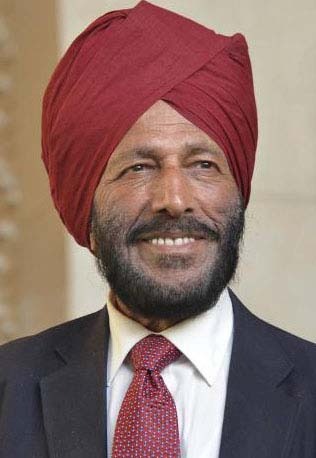
Journey of the Flying Sikh

Flying Sikh Milkha Singh dies of Covid

Overview and Early Life 

Milkha Singh, a legend in the history of Sports and Athletics was an Indian track and field sprinter born on 20th November, 1929. He was born in a Sikh family in Govindpura, a village 10 km from Muzaffargarh city in Punjab Province. He had 14 other siblings, eight of them died during the partition of India. Milkha was orphaned during the partition, when his parents were killed by a Muslim mobs in violence. He witnessed the killings. 

After seeing the deadly situation in Punjab, he decided to escape and came to Delhi, India in 1947 and lived with the family of his married sister for a short period of time. He was imprisoned in Tihar Jail for travelling in Train without ticket. His sister, Ishvar helped him in getting released. He spent his further some time at Refugee Camp , at Purana Quila and at a resettlement colony in Shahdara, both in Delhi.  

Milkha was discontented with his life and decided to become a dacoit, but was instead persuaded by his brother, Malkhan, to attempt to the recruitment to the Indian Army. He successfully gained entrance on his fourth attempt, in 1951, and while stationed at the Electrical Mechanical Engineering Centre in Secunderbad he was introduced to athletics. He had run the 10 km distance to and from school as a child and was selected by the army for special training in athletics after finishing sixth in a compulsory cross-country run for new recruits.  Singh has acknowledged how the army introduced him to sport, saying that “I came from a remote village, I didn’t know what running was, or the Olympics”.  

International Career      

He was introduced to athletics and sports when he was recruited in Indian Army, at the Electrical Mechanical Engineering Centre in Secundarbad. He represented India in the 200 and 400 m competitions held in Olympics at Melbourne in 1956. In 1958, Singh set records for the 200m and 400m in the National Games of India, held at Cuttack,  and also won gold medals in the same events at the Asian Games. He then won a gold medal in the 400m (440 yards at this time) competition at the 1958 British Empire and Commonwealth Games  with a time of 46.6 seconds. This latter achievement made him the first gold medalist at the Commonwealth Games from independent India. Before Vikas Gowda won the gold in 2014, Milkha was the only Indian male to have won an individual athletics gold medal at those Games. 

Jawaharlal Nehru tried to convince Milkha Singh to set aside his memories of his past during the Partition era, to focus on the to race successfully in 1960 against Abdul Khaliq in Pakistan, where a post-race comment by the then General Ayub Khan led to him acquiring the nickname of The Flying Sikh. At the 1962 Asian Games, held in Jakarta, Singh won gold in the 400m and in the 4 x 400m relay. He attended the 1964 Olympic Games in Tokyo, where he was entered to compete in the 400m, the 4 x 100m relay  and the 4 x 400m relay. He did not take part in either the 400m or the 4 x 100m relay and the Indian team of Milkha Singh, Makhan Singh, Amrit Pal and Ajmer Singh were eliminated when they finished fourth in the heat stages of the 4 x 400m. 

There have been claims that Singh won 77 of his 80 races, but these are spurious. The number of races in which he participated is not verified, nor is the number of victories, but he lost a 400m race at the 1964 National Games in Calcutta to Makhan Singh and he did not finish first in any of his four races at the 1960 Olympic Games or the aforementioned qualification races at the 1956 Olympics. 

Singh’s time in the 1960 Olympics 400m final, which was run on a cinder track, set a national record that stood until 1998 when Paramjit Singh exceeded it on a synthetic track and with fully automatic timing that recorded 45.70 seconds. Although Singh’s Olympic result of 45.6 seconds had been hand-timed, an electronic system at those Games had determined his record to be 45.73. 

Later Life  

Milkha was promoted from the rank of sepoy to junior commissioned officer in recognition of his successes in the 1958 Asian Games.  He subsequently became Director of Sports in Punjab Ministry of Education, a post he retired from in 1998. 

Milkha was awarded the Padma Shri, India’s fourth-highest civilian award, following his success in 1958. In 2001, he turned down an offer of the Arjuna Award from the Indian government, arguing that it was intended to recognize young sports people and not those such as him. He also thought that the Award was being inappropriately given to people who had little notable involvement as active sports people at all. He said that “I have been clubbed with sportspersons who are nowhere near the level that I had achieved” and that the award had become devalued. While sharing his wealth of experience in a college in Goa on 25 August 2014, he also said, “The awards nowadays are distributed like ‘prasad’ in a temple. Why should one be honored when he or she has not achieved the benchmark for the award? I rejected the Arjuna I was offered after I received the Padma Shri. It was like being offered an SSC [secondary school] certificate after securing a Masters degree.” 

All of Singh’s medals have been donated to the nation. They were displayed at the Jawaharlal Nehru Stadium in New Delhi and later moved to a sports museum in Patiala, where a pair of running shoes that he wore in Rome are also displayed. In 2012, he donated the Adidas shoes that he had worn in the 1960 400m final to be sold in a charity auction organized by actor Rahul Bose. 

Milkha was admitted to the intensive care unit at Fortis Hospital in Mohali on 24 May 2021 with pneumonia caused by COVID-19. His condition was, for a while, described as stable, but he died on 18 June 2021 at 11:30 PM IST. His wife, Nirmal Kaur, had died a few days earlier on 13 June 2021, also due to COVID-19.  

Introduce Yourself (Example Post)

Are you confused?
Every morning waking up and not being able to pull up the socks that you planned the night before and leaving you behind with disappointment? Are you thinking it’s that only me doing so? Questions questions and questions but no clue of answers. This is a mere task of controlling your mind. All you have to do is not look at the clock so to pass the time that you’ve set prior to be in your study table but to complete it before time.
Confusion will be a part but should be the last thought before you go to bed.

tonmoyeesaikia047733's avatarSite Title

This is an example post, originally published as part of Blogging University. Enroll in one of our ten programs, and start your blog right.

You’re going to publish a post today. Don’t worry about how your blog looks. Don’t worry if you haven’t given it a name yet, or you’re feeling overwhelmed. Just click the “New Post” button, and tell us why you’re here.

Why do this?

  • Because it gives new readers context. What are you about? Why should they read your blog?
  • Because it will help you focus your own ideas about your blog and what you’d like to do with it.

The post can be short or long, a personal intro to your life or a bloggy mission statement, a manifesto for the future or a simple outline of your the types of things you hope to publish.

To help you get started, here are a few…

View original post 210 more words

Test Championship Final (Day-1)

Southampton 18-06-2021

India vs New Zealand: Play was called off on Day 1 due to rain without a ball being bowled in Southampton.

The opening day of the WTC Final was called off because of inclement weather without a single ball being bowled. 
The toss was delayed as rain held firm since the beginning, with the players turning into spectators till late in the evening. 
As the day progressed, rain stopped and players stepped out to take a stroll and observe the situation, which didn’t improve much.
Finally, BCCI confirmed via tweet that Day 1 would be called off. BlackCaps revealed that 98 overs would be bowled on Day 2.
Hopefully we’ll have some cricket under our belt.

CHILD MARRIAGE

INTRODUCTION

Child marriage usually refers to a social phenomena practised in some societies in India , where a young child (usually a girl below the age of fifteen) is married to an adult man. A second form of practice of child marriage is that in which the parents of the two children (the girl and boy) arrange a future marriage. In this practice, the individuals (the boy and girl) do not meet one another until they reach the marriageable age, when the wedding ceremony is performed. As per law, the marriageable age is 21 for males and 18 for females. However, if any partner(s) engages in marriage at a younger age, (s)he can ask for the marriage to be declared void / annulled.

REASONS FOR CHILD MARRIAGE

Poverty

Low level of education of girls

Lower status given to the girls and considering them as financial burden

Social customs and traditions

EFFECTS OF CHILD MARRIAGE

Girls who get married at an early age are often more susceptible to the health risks associated with early sexual initiation and childbearing, including HIV and obstetric fistula. Young girls who lack status, power and maturity are often subjected to domestic violence, sexual abuse and social isolation. Early marriage almost always deprives girls of their education or meaningful work, which contributes to persistent poverty. Child Marriage perpetuates an unrelenting cycle of gender inequality, sickness and poverty. Getting the girls married at an early age when they are not physically mature, leads to highest rates of maternal and child mortality

GOVERNMENT AND NGO INITIATIVES

Framing laws against child marriages

Increasing access to girls education

Changing harmful cultural norms

Supporting community programs

Maximizing foreign assistance

Providing young women with economic opportunities

Addressing the unique needs of child brides

Evaluating programs to determine what works

CHILD MARRIAGE ACT

CHILD MARRIAGE ACT, 2006

Child marriage has been an issue in India for a long time. Because of its root in traditional, cultural and religious practises it has been a hard battle to fight. Child marriage is also associated with other problems like dowry and child widowhood. It is also associated with malnutrition, poor health of mothers and high fertility and hence over-population. The following is an overview of the act.

According to the act a child is a male who has not completed twenty one years of age and a female who has not completed eighteen years of age. Child marriage is a contract between any two people of which either one or both parties is a child. Child marriage that took place before or after this act can be made void by the person who was a child at the time of marriage. But the marriage must be voided before the person who was a child completes their second year of maturity.A court can decree that if it is the husband that is asking for a void of marriage then he or his family are responsible to pay for the maintenance of the girl until she is remarried. The amount of maintenance is to be determined by the district court. If there were any children born of the marriage, it is the court’s discretion as to where the child shall reside, with which parent, and how visits will be organised all in the best interest of the child. The court may also decide for one of the parties to provide maintenance for the child. Every child conceived before the voiding of the marriage is considered a legitimate child.

If a male adult above eighteen years contracts a child marriage shall be punishable unto two years imprisonment and/or a fine with may extend to Rs. 1 lakh. The same punishment will be given to person who performs, conducts or directs a child marriage. Unless proved otherwise, the parents or guardian of the child are considered to have failed to prevent the child marriage and hence are also held accountable.

There are certain situations in which a child marriage is deemed void even without a petition from one of the parties. If a child was detained away from her/his parents or guardians, forced to go to a different place, sold into marriage, or made to marry after which they are used for immoral purposes or trafficked then that marriage is considered to be null and void. The court has the power after the application of an officer or any person to issue an injunction prohibiting a suspected child marriage against any person, including a member of an organisation or an association of people. The court may also act against a suspected child marriage on its own motion but must provide the person/association with time to respond to the injunction. Ignoring a notice or injunction is a punishable offence. If the marriage is still carried out after the injunction, it is automatically voided.

The act calls for the instatement of a Child Marriage Prohibition Officer, who is responsible for ensuring no child marriage takes place in their jurisdiction by approaching the courts for an injunction, collecting evidence against people, creating awareness about the negative effects of child marriage, collect data concerning child marriages, etc. A child marriage prohibition officer is deemed a public servant in this act. Rules of this act are to be made by the respective state governments. The act calls for the Hindu Marriage Act, 1955 to be amended to meet its provisions as well as the repeal of The Child Marriage Restraint Act, 1929.

Writing Fails!

“Writing is powerful, but it can also be terrifying.”

  • Writer’s Doubt, The Book

Writing can be complex if not done in a particular fashion or without a set of rules. Not only writing, but also all other tasks follow a pattern which we are expected to follow, in order to be more efficient. Let us know some ‘Writing Fails’ through a step by step approach.

Writing Too Much!

Sometimes, we lose balance and exceed the word count just because we suddenly feel the need to say it all. But we must remember that maintaining the word count and explaining your point in fewer words is what we call creativity.

Giving Too Many Descriptions!

When writing, sometimes we tend to give too much description to a particular facet of the story which makes reading a boring task. We must remember to provide short and elaborate description that is relevant to the context instead of allotting an entire page for the description of a single object.

Providing Too Many Supporting Characters!

While writing, we tend to come up with too many supporting characters because we feel the need to introduce the relatives and the close ones of the protagonist in the story. But that only ends up making the story boring. Imagine having to introduce each and every member of the household and remembering each and every name! Grrrhh. You are sure to mess up!

Writing Without Understanding The Topic Fully!

A common mistake that comes with a simple solution. Only choose topics that you are acquainted with, instead of going for alien topics. However, if you do wish to go for such topics then it is advisable to go for appropriate research and read more and more, because when you read, can you write. ‘Books are our best friends’. They won’t judge us on the basis of our incomplete knowledge. So, don’t hesitate to open your friend at least once before beginning to write. Know your topic fully!

Compromising On The ‘Creativity’ Factor!

Sometimes, writers tend to just provide messages simply without incorporating any form of creativity. I do understand that according to them, it is good for readers to grasp the concept faster. However, some amount of creativity in the content is always welcome. Using some interactive, humorous, innovative, and indirect way of explaining the concept will glue the readers more to your content instead of simple imparting. In short, the message conveyed here is to incorporate creativity in your ‘content’ even if the topic is ‘straightforward’. That is what is termed as Talent, isn’t it?

Writing Anything!

Another mistake in the list that needs to be amended. Yes! You are allowed to write anything but there are certain limits to that as well. You are not permitted to write vulgar or aberrant content that could arouse the mob. You are not permitted to write on highly controversial topics or criticize any important leader or an organization through your content (unless you yourself are a public figure). Thus, you must select only relevant topics which you feel would leave an ‘impact’ and not those which could leave ‘aggression’. It is good to not select topics that are highly subjective because humans carry differing perspectives which could perhaps clash or collide in the future. Topics or genres should pertain to universal acceptance. Fiction is a great example for widely accepted genre. You could try your hands on that.

Writing Once In A Month!

Another grave mistake that reduces your efficiency in the task. Some people state that they are out of time and thus, are unable to write. I do understand that managing the daily chores and schedules is a tough job but then if, after a month or so, you decide to write a book, then sorry fellas! You can’t be efficient in that. You need to practice daily in order to open the windows of your mind to creative imagination. Not writing for an entire month and then suddenly claiming to write a book in the next, isn’t actually right because then it will be difficult to maintain a word count and lengthy manuscripts would seem a hard task to write! So, one must write frequently!

Thus, I would conclude stating that writing needs to follow a set of rules in order to make it escalate at a higher level of creativity and imagination. Now that you know some of the writing fails, vow to never repeat them, get your pen and notebook out and start writing as soon as possible!

Thank You For Reading!