

Music Therapy – an aid to healing
Music heals, we all agree with that, don’t we? Not only does it uplift our mood and make us feel good, but also has proven health benefits. Music can boost the brain’s production of ‘dopamine’ – the hormone which helps us feel pleasure and ‘endorphins’ – the hormone that reduces stress and pain. Music eases anxiety, depression, reduces the feeling of pain, stimulates memories, and well – this list isn’t all-inclusive. These health benefits have given birth to ‘Music therapy’ – where music is used to address the physical, emotional/psychological; behavioural, cognitive, social, and spiritual needs of an individual or a group of people.
About music therapy and music therapists-
Music therapy is a burgeoning field and has grown a lot in the past few years playing a great role in all facets of healing. It is a clinical and evidence-based method of using music to accomplish individual goals carried on by a credentialed professional who helps the client form a therapeutic relationship with music. These music therapists are certified and trained in an approved music therapy program. They usually belong to the field of music and have the knowledge and skill to use music to heal people and stimulate or relax their feelings.
Types of Music Therapy –
The two broad types of music therapy are receptive and active (also called creative/expressive music therapy) music therapy. Receptive music therapy involves listening to music, which can be live or recorded. The feelings, thoughts, and ideas post listening to the music may then be discussed among the client and the therapist. Receptive music therapy helps majorly in inducing relaxation, reducing anxiety and pain. On the other hand, active music therapy is where the client, along with the music therapist, indulges in any kind of music-making. It can be composing a song, rapping, drumming, or song improvisation. This type of music therapy is associated with benefits like improving brain structure and function in infants.
Benefits of Music therapy –
Music therapy is extremely beneficial for people suffering from emotional health issues such as grief, anxiety, and depression. It also benefits people who address rehabilitative needs after a stroke, a traumatic head injury, or with chronic conditions like Parkinson’s or Alzheimer’s disease. Music therapy also helps in reducing the symptoms of psychological disorders like schizophrenia. Music therapy has no age bar, and you do not necessarily have to be sick to enjoy its benefits. This is because music therapy can also be used as a tool for self-improvement and personal growth, as it has also proven to improve self-expression and communication skills. It boosts immunity, enhances intelligence, IQ, and learning. It also helps control negative aspects of our personalities like worry, prejudice, and anger. It also has some amusing benefits like improving memory and focusing attention and also can enhance physical coordination and development. Overall, music therapy can increase positive feelings like calmness, confidence, emotional intimacy, and empowerment.
One important thing to note is that relying on only music therapy for the treatment of serious health conditions might not be enough. However, combining it with medications and other necessary tools in a treatment plan as guided by the health expert can help the patient manyfold.
CRISPR the genetic scissor: Alluring or repelling?

The marvels of human discovery has no bounds. From reaching the moon to creating vaccines, man has always been on the lookout for creating an impact, be it influential or destructive. CRISPR is one such discovery which can revolutionize treatment of diseases. When man landed on moon, people talked about how we may corrupt it. When he created vaccines, people talked about how it may kill instead of curing. Discoveries are followed by heavy criticism. Sometimes, these can be ignorant ramblings. Sometimes, a warning of the inevitable. So, when CRISPR was discovered, critics implied that it may lead to the extinction of an entire species! Is it a useless rambling or a warning?
What is CRISPR?
CRISPR is a gene editing technique which allows us to edit our very origin, the DNA. In simple words, just like using a CTRL C, CTRL V and DEL on our computers, CRISPR allows to us to delete defective gene, copy a good gene and allows us to paste it in place of the mutated gene. Instead of taking care of the aftermaths of a disease causing mutated gene, we now cut it altogether and thus eliminate the disease altogether. Indeed a genetic scissor.
The silver lining of all this is that, it is extremely efficient, fast and cost conservative. Yes, hearing about gene cutting and editing, you could’ve been convinced that it isn’t for the common man. But no, you are gravely mistaken. In fact the reason some people consider it a curse is because of its affordability and efficiency, which when misused, can cause some serious irrevocable damage to the chain of lives.
The science behind
If you do not want to get into the details, then you may very well skip this heading and move onto to the next. But let me tell you, devil’s in the details! Much like a coded computer program our genes are essentially coded patterns of chemicals: adenosine(A), cytosine(C), guanine(G) and thymine(T). Our DNA is a specific arrangement of 6 billion of these chemical building blocks. Just like how a single error in the computer program can disrupt its functionalities, a single error in arrangement of A,C,G,T results in genetic diseases. 1 error among 6 billion and everything breaks into chaos. Read more here.
For instance, lets consider sickle cell anemia where our body doesn’t have enough healthy red blood cells as some of the cells become ‘sickle’ shaped leading to shortage of blood flow. The sickle shape is occurs when A is replaced with T. Without CRISPR, a person suffering from sickle cell anemia has a 15% chance of curing it by bone marrow transplantation, a costly solution. With CRISPR, all we have to do is correct the error. Cut the additional T, prepare a healthy A, and insert it in the place of the second T. Voila, you are now free of sickle cell anemia with your pockets not emptied!
The ethical concerns
The major concern revolving around CRISPR is the aftermaths it may cause. While trying it rectify a genetic error, we may by mistake create a new one by cutting excessive DNA, or pasting a different one. An individual impaired with such unintended consequences of CRISPR, not only suffers himself, but can also pass it to his/her generations due to gene-drive. Gene drive is preferentially inherited by all offspring which in turn can pass it on to their offspring.
CRISPR is actively being used to modify genes of animals and insects. We can now design plants with higher yields and with higher nutritional content, animals which are susceptible to diseases, and even mosquitoes which are rendered sterile. This can lead to the extinction of the entire mosquito species. This can disrupt the entire food chain as a species whose food source was the extinct species, will now be endangered too, setting off a chain reaction.
Designer Babies?
With CRISPR science fiction can come to reality. CRISPR allows us to modify our genes. Genes are who we are. So it literally allows us to modify who we are! Genetically editing human embryo instead of kids or adults, can result in creating the ‘ideal’ baby. Genes which promote increased muscle strength, brain activity can be pasted which allows babies born to be more healthy and intelligent.
You know where this can lead to and the increased concern this can provide. With CRISPR additionally being cost effective, who is to say no to a healthier intelligent baby? This leads to unnatural selection, defying Darwin’s evolutionary natural selection model, producing a race of superhumans. Even though the CRISPR on human embryos is highly disallowed, some may try to misuse it, causing devastating effects.
Concluding remarks
The world is moving at an alarming pace. Who knew 20 years ago that you can communicate across seas with just one click on the phone. While as alarming as it maybe, it has also lifted people up, proving that advancements do more good than bad, forcing us to go with the flow. It is up to the ethics of humankind to keep the good-bad balance and make sure that advancements not only improve the lifestyles of humans, but also the compassion in our hearts, for we are nothing but borrowed fragments of compassion, left by our ancestors.
Compassion isn’t about giving solutions, it is about giving all the love you’ve got.
-Cheryl Strayed
Space – The Final Frontier And The Future Of Humankind

The future of humankind lies in the stars above. Humankind was born 3 million years ago. So 3 million years evolve from wood tools to stone and then to iron and then to the age we live in right now. Technology, however, is progressing at a breakneck pace. The technological developments we are making now are comparable to thousands of years of evolution across the eons.
In 1969, humankind first lay its feet on another extraterrestrial object, the Moon. It was the single greatest achievement of humankind across the ages, and that day will forever revolutionize humankind and technology. Now, we have a thousand times the technology we had when we went to the moon. And in another 10 years, the scientific development will exponentially shoot up so that we would soon be able to travel to the nearby planets in our solar system like its neighboring city.
So, what can we see in the future in our generation? In the next 100 years, we could expect a city on Mars, on the moon, and factories all across the solar system. Asteroids are a big source of precious metals which are rare on Earth. This will mean there would be many mining companies that would employ people to travel to the asteroid belts to mine for these minerals. Engineers, manual laborers, and scientists would be hired by the masses at a very young age to feed minerals into these companies.
A new career altogether in itself will arise. They will be the Astro-charters who will design the course for the spaceships to travel throughout the solar system. Traveling in space requires a lot of hard calculations, which not everyone is sought out for. This will be like the sailors in the sea. There will also be a boom in space tourism where tourism companies will pop up like weeds which will offer people to the deepest reaches of the solar system to show them the beauty of the universe. There will also be many colonies on the moons of various gas giants like Jupiter and Neptune. These will be the centers of research and outposts for refueling for further deep space missions.
Scientists who specialize in physics and chemistry will be in the utmost demand by most of these companies. They will hire them because they will be able to chart courses for the spaceships and know where to mine what. They will have a deep understanding of space and where asteroids are to be found. They will also be used to develop better materials and faster engines to travel safer and faster. Material scientists will also be employed in the masses to develop safer equipment for the people who travel in deep space. There will be a lot of cosmic radiation in space. This will means that the human body will be exposed to cancer-causing radiation. It is, thus, necessary to protect against these harmful radiations.
Space laborers will also be a common thing in the future. Laborers will be needed to control the spaceships and manage equipment and minerals’ movement from one place to another. In addition, they will be educated on the basics of physics, electronics, and the physical sciences.
Science will get a huge boost because of the plentiful funding which many companies will provide to venture even deeper into space. Astrobiology and astrochemistry will also gain more importance than it has now. In addition, they will be needed to develop better farms that can function in deep space to provide food for the travelers.
Astronomy would be a prevalent subject that even small children will know about as that would be the most important part of the future. No job would function without astronomy in the future.
A bright and adventurous future is expected for humankind. Humankind will then venture off into other extrasolar systems to make colonies and further the reaches on humanity’s touch.
Anne with an E | a masterful retelling
 Based on Lucy Maud Montgomery’s popular series Anne of Green Gables, Netflix’s Anne with an E was incredibly well-received. The show follows the story of the adoption of orphan Ann(e). She is wide-eyed, optimistic, dramatic, and we’re here for it. She is the harbinger of joy and color in the otherwise unexciting lives of Marilla and Matthew Cuthbert. The books follow her misadventures, her friendships, and her purple prose. More lighthearted than the show, the books generally focus on Anne’s development as a character and the change in the mindset of the people of Avonlea towards orphans.
The show, on the other hand, tackles several social issues such as racial prejudice, sexism, slavery, something the books shy away from. It also vividly portrays the trauma that Anne previously experienced while working as a “nanny”, as well as how that affected her as a young girl.
While the show takes generous liberties with the narrative, it does so in an extremely refined manner. Text-to-screen adaptations tend to fail spectacularly on this front, with the adaptations being borderline unwatchable. The creators remain true to the characters with everyone having their own arcs.
Even when adding new plot points and characters, it makes sure that they are well-developed and not hasty additions made to fill a quota or made to call the show “original”.
Both the book series and the show have left an everlasting impact on me. They are both perfect coming-of-age stories, with the show adapting the narrative to fit the modern context.
The Internet
The internet has revolutionized the way people communicate with each other across the world. The internet is a world wide web of computers exchanging information with each other through telecommunication satellites and leased lines. Initially started as a defence project of the U. S. Government in 1968, the Internet’s usage has grown rapidly as a preferred medium of communication to the public at large.
It has three main uses—as a means of communication, as a mammoth storehouse of information of any kind, and as a new medium of commerce for buying and selling goods. Software applications like e-mail, chat, instant messaging and video conferencing have brought people living in far off places together in a virtual world where distances do not matter anymore. Numerous websites and search programmes can dig out any information at a click from a large variety of sources. Electronic commerce applications enable buying and selling of goods through virtual shopping centres and auctions.
It has become so popular because it provides information, communication and entertainment in an economical and attractive manner. People are rapidly opting for the internet in homes, offices and cyber cafes. The internet is changing lives in a way that telephone and television did long time ago. The world is truly becoming a global village.

To kill a mockingbird- Book review

A book relevant at all times through all ages.
You might have read the book at some point in your life. Either due to pressure from others (including google) or due to curiosity. And when you read it you have absolutely no regret you did so. You are left with nothing but inspiration, a new outlook on life, and love for everyone no matter how many times you read it.
The book is through the viewpoint of jean louise and is set in 1930s America. A time of trial and tribulation for the American people due to the great American economic depression. However, the beauty of the book is such that even in such times, in a time of no money, no support, when you feel that the entire worlds burden is on you, even at that time you can still be good, do the right thing and set an example. The book is not just relevant to the Americans, but to every race of the world. Every part of world has a society hierarchy, be it on the basics of colour, ancestors, job, caste, religion, sex or money. The book gives an example of America at a time when racism and woman oppression was quite prevalent in the country, and slavery was just starting to be condemned. The mindset of Atticus finch, his values and beliefs in a town where everyone, even his family were pro racisms and sexism, is quite inspirational. Because of his ethical and not his physical ability, he acts as an unconventional hero and role model. The entire novel shows the theme of morality, very difference from our modern-day movies where heroes are defined on their physical capabilities and looks.
The books highlights the fact that everyone has the capability to change and do the right thing, no matter how bad they are or what has happened in their past. Mrs Dubose for example, is a recovering morphine addict, who suffered and had the constant urge to use the drug, even when her health had given her away and made her despicable. Even a person like her had the will to do the right thing and she decided that during the last stages of her life, she is not going to hold on to the drug. She wanted to be liberated from a thing that had caused her so much of damage, and indeed she did. The book captures the essence of innocence and how just by following your gut instinct a person can come to know whether a thing is right or wrong. This innocence, however, prevails only in a child who is not subjected to the senseless rules and mannerisms of the society. Most of the people, while growing up, succumb to these mannerisms and idiosyncrasies of the society, in an effort to fit in. The few who resist this grow up to be like Atticus finch, not being xenophobic or homophobic but instead changing the mindset of the society and uplifting others. Everyone takes something different from the other, from this book, based on their life experience.
The book is a good teacher to our country India, which is one of the most diverse countries of the world in all aspects, be it colour, religion, caste, languages and beliefs. Our country is divided among itself in a variety of ways. Dowry, the need for a male child, oppression of woman, and superstition are still prevalent in rural areas of the country. However, one thing that is faced by most of India is interfaith marriages and casteism. A country this diverse is bound to have such problem. Understanding and overcoming the peculiar beliefs of people to not marry a person out of their religion or even in their religion but of a different caste is one thing that our country can learn from the lesson of equality the book teaches us. People can live together and follow different religion. Atticus finch is all the social workers who help the needy, all the teachers, and guardians who set good moral standards for their children, all the lawyers who fight for woman injustice and equality, Atticus finch can be the growing population of LGBTQ community and animal lovers.
Everyone is equal. You are a human being and so are the people around you. Hence, before you judge anyone, step into their shoes and see their perspective. And remember, kill all the bluejays you want, if you can, but it’s a sin to kill a mockingbird.
Second home!
Do u know which is your second home? Of course we all do,our school life,our priceless moments! Everyone is longing to get back to their childhood,even when you’re reading this at the moment ,you got an instant click in your mind,a slideshow of your wonderful memories feels the same…..am I right?
School days are the best where there is no work pressure,no worrying of earning money but full time of learning happily through playing & enjoying life according to our wish. It’s a boon.
School days are the happiestttt,countless memories are tangled with those days,can never ever be replaced by anything! We can see the purest form of us,the real us during our childhood, sometimes we need to think and get cherished ourselves to keep the innocence in the experienced ,dark society!
Friends-one of the best relations,they were the one who made our school life unforgettable,without them…nothing would have happened! Though we fight,have gossips,angry for a while,we still love each other, still feel like we are the one -united always. We can’t find true friends like school friends and they remain the same forever,that was the place where we’re all connected and bonded with true love & care !
Listed out some of those amazing moments,
Sleeping with books
Act like being silent when principal passes by
Grabbing & sharing lunch boxes
Bunking class by making excuses for pee and drinking water
Crazy talks, kiddings,sightings,being enough naughty
Excitement of entering into a new class year
Borrowing bits, asking for answers during exams
Hiding behind friends while teacher asks a question
Getting kicked out from maths class for forgetting homework at home(lies)
Making cute excuses to the teacher
Used to fight for silly things with our friends like window seat/pen/food etc
Wanting to become the in charge of class
That moment of feeling proud when gets an appreciation from teacher
Plans to do a group study but ends up having fun and food
Playing xo,pen fight passionately as if it’s an Olympic event and many more……etc
We learned,we played,
We cried,we laughed,
We won,we lost,
We fought,we thought…..
Years went over, when I returned back to school
Found our names were still scribbled on walls,benches,canteen tables….
Wishing to become a child again,
Still missing and longing for those unforgettable moments!
With love,
Neharika!
Apoptosis- A potential target for cancer therapy
Introduction
The avoidance of apoptosis by cancer cells is a prominent characteristic of cancer. Since apoptosis inhibition is at the heart of tumour growth, the clearing of malignant cells and retaining a definite number of healthy cells involves tumour-cell death. Cellular death pathway targeting provides some possible therapeutic targets for all cancers. The most obvious strategy for cancer treatment is to concentrate on lesions, particularly apoptosis in tumour cells, which eliminate cell death.
Apoptosis is an essential component of normal development. For keeping normal physiological processes between cell proliferation and cell deaths, homeostatic balance is essential. Aberrant control of apoptotic mechanisms is one of the main characteristics of cancer growth and development. Apoptosis can be activated by triggering two different molecular pathways, a pathway of the extrinsic, a death receptor or a mitochondrial pathway, intrinsic pathway also called apoptotic cascade. Extrinsic pathways from outside the cells are activated by pro-apoptotic receptors, such as CD95 and TNF-related ligands inducing apoptosis (TRAIL) interacting with specialised cell surface death receptors. Mitochondrial (intrinsic) pathways induce the transcription of or the post-translational activation of BH3 proapoptotic B-cell leukaemia / lymphoma 2 (Bcl-2) family proteins from the inside of the cell, as a result of extreme cell pressure such as DNA or cytoskeleton damaging apoptotic protease-activating factor-1 (Apaf-1) and assemblies of Cytochrome c activate caspase 9. This caspase activates the effector 3, 6 and 7 caspases, which perform apoptosis. Latest development of different therapeutic methods that interfere with apoptosis and are commonly used or studied for cancer treatment are becoming popular. It induces cancer cell death or enhances the response to certain cytotoxic medicines of cancer cells and CCs. Some of them are still in preclinical and clinical trials such as caspase activators, apoptosis modulators or agents targeting apoptosis-related proteins. Future methods for targeting apoptotic pathways in cancer patients with promising application are also seen.
Therapeutically inducing apoptosis strategies
The progressive pre-clinical or early clinical development of many therapeutic approaches inducing apoptosis are seen. The research processes two styles from a mechanical perspective of separate approach: (a) specifically separating tactics induce apoptosis, which is here called pro-apoptotic; and (b) survival-signalling techniques that modulate this to promote apoptosis, which is called permissive approach.
Proapoptotic approach:
Apoptin. A promising tumour killing technique
Apoptin (VP3) is a cell used when sparing normal cells and killing only tumour cells. The chicken anaemia virus is a source of 14,000 proteins. Latest evidence shows that this molecule induces apoptosis in which Caspases are included. Apoptin is very much shown, in vitro findings, that it is active against cancer cells without induction of natural toxicity Cells. The basic effect of it being this tumour killing only could be clarified by nuclear tumour cell location of the protein, activity requirement, whereas the protein in normal cells are Cytoplasm localised. In addition, apoptin is also active and potentially chemo resistant in genetically disrupted cells such as p53, Bcl-2 or tumour cells that express BCR-ABL. Apoptin is under progress in tumour cells in vivo in gene therapy strategies. Multiple injections of adenovirus into healthy rats or nude mouse have not been found toxic in preclinical studies. Furthermore, antitumor effects in the nude s.c. mouse were observed, hepatoma in human beings. These findings, however, remain preliminary and more preclinical work is needed with human cells to ensure safety and evaluate apoptin ‘s potential as an anti-cancer compound better.
Apoptosis was examined for the development and treatment of cancer by attempting to determine its function in chemotherapy cytotoxicity caused by agents. Cytotoxic agents frequently lead to apoptotic by only a fraction of the cells. A significant portion of cells must be recruited into apoptosis to allow maximum use of apoptosis as a mechanism for anti-neoplastic agent response. The only regularly used cytotoxic agents that have been shown to induce apoptosis in breast cancer cells are paclitaxel (Taxol ®). Another of such cytotoxic agents is cyclophosphamide, and furthermore cytosine arabinoside is also used. Quantitative measurements of apoptotic cells were performed by controlling the binding of the phosphatidylserine-binding protein (FITC)-labelled annexin V into cellular cells.
Inhibitor of apoptosis protein (IAP)
The genome of baculoviruses was the original founder of IAPs because of their capacity in infected host cells to inhibit apoptosis. Re-based on the survival and XIAP of recent attempts to use IAPs to obtain anti-cancer treatment. In vitro experiments showed that the anti-apoptotic function of the proteins was inhibited by caspases-3, -7, and -9. As these cases have shown to be important in vitro for chemical apoptosis aimed at its natural inhibitors, the IAPs have been identified as a possible means of increasing chemosensitivity. In fact, NSCLC cells inhibited up to 70 per cent of surviving mRNA expression with the use of the oligonucleotide 4003, resulting in etoposide sensitization of cancer cells. Additionally, the downregulation of XIAP in ovarian cancer cells with wild type p53 by adenoviral antisense expression has caused apoptosis. These promising findings have led to clinical trials using anti-sense IAPs being mapped. The IAPs’ function may be more complex than the in vitro data initially suggested. Indeed, in NSCLC patients c-IAP1, c-IAP2, and XIAP had no precedented response to chemotherapy responses, unlike most of the expected multiple in vitro trials. Moreover, in patients with non-Hodgkin’s lymphoma and AML, there were no variations in reaction to chemical therapy between survivin-positive and negative instances. Furthermore, XIAP expression was not associated and did not have any relation with the apoptotic index of NSCLC patients but was inversely related to tumour growth. In this group of patients, higher XIAP expression has been predictively converted into a considerably longer overall survival. In addition, the nuclear localisation of survivor has shown positive effects on prognosis in a recent study of gastric cancer patients. These findings verified that it may mean that limitless ODN survival inhibition may not be desirable both within the cytoplasm and the nucleus. It is possible that the IAPs are engaged in apoptosis inhibition by the blocking of caspase but also other essential functions including proliferating. These conflicting results can be clarified. In addition, the net effect of IAPs can depend on their interaction with the control molecules Smac / DIABLO, HtrA2 and Factor1 associated with XIAP, an antagonist of the XIAP apoptotic operation. Therefore, while it is potentially promising, additional functional research and IAP interactions are required to better utilise them as goals for anti-cancer therapy.
BH3 Mimetics
There is a common consensus that BH3-only proteins are essential for apoptosis, promulgating inherent and extrinsic pathways of cell death. Based on the blocks of the sequence homology called BH domains, proapoptotic members from the BCL-2 family may be further identified. Only one domain, in general called the α-helical BH3 region is available for all BH3 protein. This preserved BH3 domain played a key role in the treatment of cancer. Three BCL-2 protein subgroups: BH3 (BCL-2 homology 3), BCL-2, BCL-2-associated X-protein (BAX), and the BCL-2 antagonist-killer (BAK), interacting on one another on the mitochondrial membrane, activate the pathway. This is the basis of three distinct groups. BH3-only proteins have been shown to achieve two mechanisms by transmitting signals to induce apoptosis, and only BH3-proteins inducted by transcriptional or post-translational cytotoxic stress. The neutralisation of antiapoptotic BCL-2 proteins or direct activation of BAK and BAX 47 is a clear way to understand the previous mode of action, both structurally and functionally, and hence the goal for production of pharmaceuticals. By attaching its hydrophobic groove by adding four hydrophobe residues it antagonises the BCL-2 antiapoptotic protein family members. Members such as cell-death antagonist BCL-2 and NOxa bind to their anti-apoptotic brothers, while other proteins such as BIM, tBID and PUMA only neutralise other anti-apoptotic agents.
miRNA
The miRNAs (MiRNAs) is a small endogenous class of 18 to 25 nucleotide length non-encoding RNAs which modify gene expression by mRNA degradation or mRNA deletion. The mature-miRNA products are produced by sequential processing by the ribonucleases Drosha and Dicer1 from a longer primary miRNA (pri-miRNA) transcript. miRNAs are known to inhibit thousands of target genes, since the objective mRNA needs only partial complementarity. Thus, one miRNA can target at the same time to a complexity of mRNAs, and several miRNAs can control the expression of one particular mRNA. The alteration of miRNAs includes a varying variety of human diseases, including cancer, by natural mechanisms miRNA are involved in number of process, including cell growth, differentiating, proliferating, apoptosis, and stem cells self-renovation. The de-regulation of miRNA also induces apoptosis avoidance, involving tumorigenesis and pharmaceutical resistance. The functioning of aberrated miRNAs, which are closely linked to the apoptosis mechanism, will act as oncogenes (OncomiRs) or tumour suppressors (TSmiRs) during tumour induction and progression. Manipulation of the levels of miRNA expression affecting apoptosis genes and pathways may also be a clinical approach to develop successful cancer treatment. Furthermore, because cancer cells frequently display a distinct trend for miRNA expression, novel profiles of altered miRNA expression may be useful for tumour-diagnosed molecular biomarkers, disease-specific outcome predictions and tumour-aggression evaluations. Therefore, numerous anti-cancer therapies are being designed to recover miRNA behaviours and rebuild gene regulation networks or drug sensitivity. A number of miRNAs were associated with drug resistance, some of them linked to apoptosis. Deregulation of miR-214 is a frequent phenomenon in ovarian cancer in human beings and it has been shown that miR-214 mainly targets PTEN / Akt pathways and promotes cell survival and cisplatin tolerance. It’s also recognised that the let-7 miR family plays an essential part in a number of cellular functions including opioid sensitivity modulation. The miRNA let-7a, aimed at caspase-3 in human cancers, was over-expressed and demonstrated resistance to a range of drugs, including doxorubicin, paclitaxel and interferon-gamma, which are caspase-3-dependent. Let-7e was up-regulated with improved tolerance to doxorubicin in some ovary cancer cell lines. Conversely, let-7i has been documented as uncontrolled in ovarian cancer resistant to chemotherapy, and the reintroduction of let-7i could sensitise ovarian resistant cell line to platinum-based chemotherapy. The cause of apoptosis induced by the chemo preventive agent curcumin has been shown to be the downregulation of miR-185 in a non-small cell-lung cancer cell line which increased its direct target expression, Caspase-10. The effect on miRNA expression profiles was thus studied by anti-cancer drugs that modulate apoptosis cell proliferation and could help predict the resistance to apoptosis. This will help prevent needless morbidity and represent a new class of biomarks to allow customised care through the awareness of possible miRNAs involved in apoptosis resistance.
Blebbishield Formation
The development of blebbishields is one method used by cancer stem cells to resist apoptosis. The emergency system is enabled to rescue the stem cells in apoptotic cancer. The apoptotic blebs merge together into a formed sphere called blebbishields. Cells undergoing blebbishield development display visual symptoms of apoptosis, but the reaction is prevented and ends in cells living. Serpentine filopodia formation due to endocytosis are involved in blebbishield formation to avoid complete apoptotic reaction. Apoptosis normally results in secondary necrosis from a lack of ATP, blebbishields by activating glycolysis are able to prevent secondary necrosis. In order to ensure clinical effectiveness, cancer stem cells must be blocked to survive in parallel to treatments by apoptosis. A variety of possible candidates were identified including inhibitors of caspase, Smac mimetics and inhibitors of the translation at an internal ribosome entrance site (IRES). IRES translation is regulated by antiapoptotic proteins, such as cIAP-2, and XIAP. IRES translation facilitates survival by converting the cIAP-2, which enflames the mechanism and moves the antiapoptotic to the proapoptotic equilibrium towards antiapoptotic survival. Hemming IRES translation will prevent blebbishield formation from being started. N-Myc is an IRES translation goal intended to avoid the development of blebbishield.
Conclusion
Apoptotic approach to seeking alternative anti-cancer drugs is intriguing, since it is not unique to the form of cancer. In both the extrinsic and intrinsic pathways of cancer there are various mutations that cause cells to evade apoptosis, which is a distinctive characteristic of cancer. A more general cancer cure will also include the opportunity to target and activate apoptotic tract. Many compounds extracted from plants that are not toxic to healthy cells are particularly promising compounds to cause apoptosis.
6 months to Farmers protest

Various farmer’s unions and opposition parties are observing ‘Black day’ on May 26th Wednesday marking 6 months of the farmers’ protest that started on 9 August 2020. A nationwide protest day has been organized with the support of various political parties.
The protest started against three ordinances that were passed by the parliament and signed by the President. They are (i) The Farmers Produce Trade & Commerce (Promotion & Facilitation) ordinance 2020 (ii)The farmers (Empowerment & Protection) Agreement on Price Assurance & Farm services ordinance 2020 (iii) The Essential Commodities( Amendment) ordinance 2020.The current provisions of law restrict farmers from selling their produce outside their notified APMC markets where the government set MSP will be given. Also, farmers are supposed to sell their produce only to registered licencees of the state government. The APMCs are maintained by the state government and they charge a percentage as tax. The new law relaxes these restrictions and allows farmers to sell their produce outside mandis and to all traders(including those without licenses) like corporates on a contract basis.
The protest arises mainly on four aspects of the new laws; Trade area, trader, market fee, and dispute resolution. The majority of the Indian farmers are less educated and not well versed in the legalities of contracts. Farmers can be easily manipulated and tricked into contracts with corporates as most farmers cannot afford legal advisors. Secondly farmers fear the system of Minimum Support Price (MSP) may end eventually as APMCs may decline. The corporates can provide high prices in the initial years diverting the whole market to themselves till a stage where APMCs decline and later they will be the sole body deciding prices in the market.
The protest grew over the months with support from different parts of the country. Farmers from Punjab and Haryana marched to Delhi where they were blocked at the check posts. Many organizations came forward to help them. And several leaders have sent letters to the government asking them to repeal the laws. Amidst the strong protest, the government stayed the implementation of the laws for 18 months. But the farmers stayed adamant on their need and asked for a complete repeal of the laws.
Peaceful protests in Hisar that led to the release of arrested farmers have further fuelled the protest and black flags were hoisted at various protesting sites as a symbol of their dissent. Due to COVID restrictions, the protest is now carried out at a slow pace. Almost 12 political parties have extended their support to the cause. They are Congress, TMC,NCP,DMK,Shiv Sena,Samajwadi Party,JMM,RJD,CPI,CPM and others.The farmers are determined to protest until they achieve their goal.
Twitter Facebook going to be banned! Why and from when?
It seems the two big social media giants, Facebook and Twitter are soon going to be banned: A group of news reports are estimating that the two big social media giants which are Facebook and Twitter may face a ban in India if they will be failed to comply with the new intermediary guidelines made for social media platforms.
The Ministry of Electronics and Information Technology gave a three-month deadline to the big organisations to accept the guidelines given to them by Ministry till May 25, but till now only Koo the Indian social media platform similar to Twitter, none have accepted them. As per an official of government ,if any of these social media platform will fail to accept these Guidelines they might risk losing status as social media platforms. The government can also take action against them as per the law of the land for not following the rules.

The rules will be effective from May 26. Although whatever happens, but Indian users will still be able to use these social media platforms. It is being estimated by some experts that it is not likely that government would strictly enforce all provisions unless it would be seriously required as social media platforms will always have an option to move to court and challenge the government. Also the government wouldn’t wish that social media platforms move to court as they might fear being embarrassed in court as the guidelines sound unconstitutional.
Besides, the Centre was also expected to issue a set of FAQs to explain about these guidelines that how they are being implemented. However, those have not been released till and there is also a huge possibility of the deadline being extended to give more time to the Ministry of Electronics and IT department to figure out the nuances. Also there are extremely low possibilities that government would impose a ban on these US companies because of the dominance of US government in world.
The government had also set 50 lakh registered users as the threshold for defining ”significant social media intermediary”, which means that large players like Twitter, Facebook and Google would have to comply with additional norms. When the government announced these guidelines in February it said that the rules will be implemented instantly, although the significant social media platforms(having large no. of users) will have an extra time of three months for complying these guidelines. These significant social media platforms will be also required to publish a monthly compliance report revealing the details of complaints received and action taken by them. They will also be required to have a physical contact address in India published on its website as well as on it’s mobile app.
Basically the new guidelines were meant to make social media platforms (Facebook, Twitter Instagram, Whatsapp) responsible for the content it is having. For example- Social media companies will have to remove posts related to nudity within 24 hours only. However they won’t be asked to disclose the content of any message. Also the users will be informed and explained the cause in case social media platforms remove any content of users on their own. They will be required to give a valid explanation behind that.
Problems of Dowry System
DOWRY SYSTEM

The giving of gifts or money (otherwise known as a dowry) to a groom on behalf of the bride’s family is common practice in India, a marital tradition which dates back centuries. The dowry buys into people’s pride and desire to “save face” and the system (and exactly what is given) has substantial consequences for families and women in general. The financial restraints a dowry can place on a girl’s family coupled with the increasing abuse of the tradition on the part of the groom or his family has seen public perception of dowry giving change, with the government now stepping in to regulate its practice.
The giving of gifts or money (otherwise known as a dowry) to a groom on behalf of the bride’s family is common practice in India, a marital tradition which dates back centuries. The dowry buys into people’s pride and desire to “save face” and the system (and exactly what is given) has substantial consequences for families and women in general. The financial restraints a dowry can place on a girl’s family coupled with the increasing abuse of the tradition on the part of the groom or his family has seen public perception of dowry giving change, with the government now stepping in to regulate its practice.
DOWRY IN INDIA
In India, it has its roots in medieval times when a gift in cash or kind was given to a bride by her family to maintain her independence after marriage. The trend in present India, with its booming economy, is now encouraging ever-higher bride prices among all socioeconomic strata. But the rising bride price has brought with it an increase in violence against women.
CAUSES OF DOWRY SYSTEM
- It is a tradition
- Greedy Groom families demand it
- Bride family want to give it
- To build a reputation in society
- Illiteracy
- Ignorance of anti-dowry laws
There are a lot of causes of dowry system in our society but the main reasons are:
Yes, dowry is a marital tradition that is coming for the last centuries when the bride’s parents give needful things at her daughter’s marriage so she can survive well. But now we have become mandatory for everyone. Either you have money or not but you will have to give dowry on her girl marriage. The dowry tradition still continues and increasing day by day.
A groom’s family asks to bride parents what things will you give before or on marriage? Because their boy is doing a good job, they have good property, their boy is doing a good business, they have a nice reputation in the society or more reason for demanding it. If her parents are agreed then the bride and groom get married, otherwise no relation is made. However, all these matters are discussed before their engagement or initially.
Every parent wants their girl to go to a rich family. They find a guy who has a good job, business, or good income sources. We can say that the bride’s parents find a boy who is in their level (economically and socially) or even up. To fill this gap the bride’s family doesn’t hesitate from giving dowry.
Both the bride and groom’s family think if they will give dowry on marriage it will increase their reputation and people will talk good about them. In a simple world, dowry is given for show-off as well. People compare themselves to each other. If they can give dowry then why not us? Our wrong thoughts are also boosting the dowry.
Another cause of dowry system, lack of education (Illiteracy) in a society. The dowry problem is more in undeveloped or developing countries compared with developed countries. If a girl or woman will be well educated and working then why anybody need to give dowry? The old thinking people or illiterate persons are more interested in receiving dowry.
Dowry Prohibition Act is ineffective or people don’t care about this law because it is not implemented effectively. Even maybe people don’t know about the dowry act which is enacted to prevent the giving or taking of a dowry. You may have to go to jail or fill a big fine for it.
EFFECTS OF DOWRY SYSTEM
1. Short Term Effects of Dowry System – these effects of the dowry system are immediate and are a permanent fixture in the daily news.
a. Injustice towards girls – dowry bears a huge financial obligation for the bride’s family. As a consequence, a girl child is viewed a possible source of drain on the family’s finances, ultimately an onus. This view evolves into gigantic proportions taking the shape of infanticides and feticides of girl child. Girls are often marginalized in the areas of education where boys of the family are given preference.
b. Violence against women – contrary to hopeful parents, dowry is often not a one-time pay up. Demands are continuously made by the husband’s family who consider the girl’s family as a never ending source of finance. Inability by the girl’s family often leads to verbal abuse, domestic violence and even deaths. Brides being burned by the in-laws are hardly a novelty in this country. Continuous physical and mental torture instigates women to go into depression and commit suicide. 2016 figures indicate that in India, 20 women die every day due to dowry related issues.
c. Economic burden – getting a girl married is associated with a hefty amount of money by Indian parents due to direct or subtle demands for dowry by the groom’s family. Families often borrow heavily, mortgage properties leading to major decline in economic health.
d. Gender inequality – the idea of paying dowry in order to get a girl married generates an increased sense of inequality among the genders, placing men superior to women. Young girls are kept from schools while their brothers are given access to education. They are regarded incompetent for roles other than housework and are often discouraged from taking up jobs. Their opinions are suppressed, not valued or ignored more often than not. Physical and behavioral restrictions are imposed on girls that are completely natural for boys.
2. Long Term Effects of Dowry System – the short term effects lead to the following long-term consequences
a. Gender imbalance – the much abhorred practices like abortion of female fetuses and killing of girl babies have resulted into an unnaturally skewed child sex ratio (CSR) in India. In states like Haryana and Rajasthan where these practices are most prevalent, the CSR stands at 830 girls per 1000 boys. This in turn leads to peculiar practices like polyandry and an increase in violence against women.
b. Loss of self-esteem in women – in a country which has experienced centuries of inferior attitude towards women, it is very hard to maintain a high level of self-regard if you are a woman. Naturally, women themselves are bound in the shackles of an idea that they are incapable of any contributions to the society. Their sense of self-worth hits rock bottom and they are increasingly subjugated to injustice.
c. Status of women –practices like dowry are social evils and a huge deterrent towards improvement of social status of women in India. Inferiority of women has been impressed upon the minds of the nation time and again by the demands of dowry.
HOW TO PREVENT DOWRY
1. Down’ Prohibition Act 1961: the Government enacted Dowry Prohibition Act on 20th May 1961. The provision of this Act was enforced since July 1st, 1961. The Act permits presents in the form of ornaments, clothes and other articles not exceeding Rs. 2000/- in value.
According to this Act, if a person receives a dowry for the benefit of wife or her successors, then it is necessary for that person to transfer that dowry to his wife. If the person concerned does not do so he is liable to be punished for an imprisonment of 6 months and a fine of Rs.5000/-.
2. Non – Legislative measures to abolish the dowry practice
Special efforts are to be made by every institution to motivate people to act for the effective implementation of legislative measure to combat the menace of dowry system from our society. Hence non- legislative measures are also required to abolish the dowry system.
3. Propaganda and publicity against dowry:
Modern media like T.V Radio, movies news papers and internet should make propaganda against dowry practice by launching various anti dowry practice by launching various anti dowry programs to convince people that the practice of dowry is not only illegal but also unethical. Social consciousness about the ill effects of dowry system needs to be aroused.
4. An appeal to the idealism of the Youth:
Youths are the only ray of hope to combat effectively the menace of dowry system. They must be given moral value based education to broaden their minds and widen their outlook. They must be inspired to take initiative towards its actual abolition by rejecting dowry for the marriage. Besides, women must be given vocational education to perpetuate the inequality of the sexes. They should take a pledge to boycott those boys who ask for dowry to marry them.
5. Role of voluntary organization:
The role of voluntary organizations in this regard is very significant. They should come forward to work for the abolition of dowry system. They should make propaganda against the evils of dowry. The workers of these organizations should help the victims of dowry harassment and get them justice. These organizations should make aware of their address to the people through advertisement so that victims can appeal them for their help to get justice.
CONCLUSION
The dowry system, which started as a noble gesture, has now degenerated into something reprehensible, which cannot be encouraged, not at the cost of one’s daughter’s future. One can understand the need of the boy’s side to a certain extent if the girl’s side is in a position to help but the greed is totally unacceptable. let us remember that, and not send our daughters to the wolves; they are better off with us. And for that we must ensure quality education for them.
What is Yellow Fungus? Know causes, effects, prevention and more.
The second tide of coronavirus is finally slowing down with daily cases in India dropping to below 2 lakhs. But new fungal infections are followed by its result. The most recently reported one is the deadly “yellow fungus”. After Black and White fungus, cases of yellow fungus appear in U.P. First case of yellow fungus was reported in Ghaziabad. The 45-year-old patient, who is undergoing treatment, is suffering from yellow fungus as well as black and white fungus. Yellow fungus is known to be more dangerous because it originates internally, which makes it more difficult to detect and treat.
Symptoms of yellow fungus
• Weight loss
• Sunken eyes
• Failure of organs
• Wound heal slowly
• Permanent death of cells
• Leakage of pus
• Malnutrition
Causes of yellow fungus
Yellow fungus is mainly caused by a lack of hygiene. Poor hygienic people are more tend to be affected by this deadly infection. Humidity levels below 30-40 per cent can also stimulate the growth of fungus. Dull and old food can also lead to the growth of this virus. Remove old food and faecal matter in and around your house to help prevent the growth of bacteria and fungus.
Treatment of yellow fungus
The only known treatment till now for this infection is Amphotericin B injection, which is an antifungal drug. It is also used in the treatment of black fungus.
Precautions to take
• Keep your house and surroundings clean.
• Do not consume dull and old food.
• Check the humidity in the room often. Too much humidity promotes the growth of yellow fungus. Start to maintain cross ventilation.
• To avoid complications of the yellow virus, covid-19 patients should begin their treatment as soon as possible.
Understanding black fungus
This disease is caused by a kind of mould called ‘micromycetes, present in our surroundings. The infection affects those who are highly immunocompromised and have diabetes. Another cause of its growth is that to deal with COVID-19 patients, steroids are used to lessen the inflammation in the respiratory tracts. Such patients have been detected to be more prone to get this infection. Moreover, people with pre-existing morbidity such as diabetes, impaired kidney function or cancer are at higher risk of getting infected and they need to be very carefull.
The onset of white fungus
White fungus or ‘aspergillosis’ affects people with low immunity and comorbidities such as diabetes. Over usage of steroids is yet a factor in the onset of this disease. Unlike yellow and black fungus, this variant affects numerous parts of the body such as the nail bed, skin, stomach, kidney, brain and reproductive organs.
So, stay informed and alert of health changes arising due to the Covid-19 infection and keep in touch with a doctor.Whether it is about symptoms or side-effects, it is crucial to be doubly sure, so that you don’t run into crisis in any way. The only thing one must do, while dealing with Covid-19 at home, is to be in continual touch with a trusted doctor. If there are any serious symptoms, including low oxygen concentration, chest pain, and more, then it’s necessary to take immediate action. As we know, prevention is better than cure anyway.
Worst hit pandemics thorough ages
The novel Coronavirus has created a catastrophe in the entire world bringing it down to its knees with cases counting more than 16.7Cr, (as per the data provided by Wikipedia).
It’s not the first time that a pandemic has engulfed this large number of people from around the world. History has records of many deadly diseases creating havoc in the world.
Human civilizations have evolved and developed continually, causing population bursts. With no efficient knowledge of sanitation and hygiene, and poor health facilities people have unknowingly created fertile situations for the growth of these deadly infections.
The Centers for Disease Control and Prevention (CDC) has defined a pandemic as “an epidemic that has spread over several countries or even continents. Pandemics usually affect large segments of the population”.
Here’s a list of the worst hit pandemics through history.
Plague of Justinian, 541-542
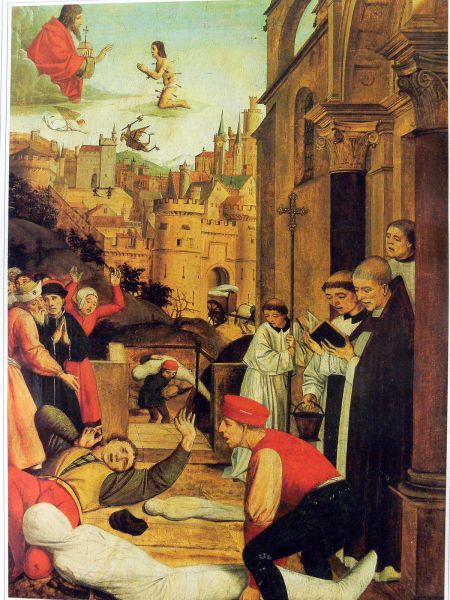
Source pic- Wikipedia
The plague of Justinian was the worst pandemic recorded in history caused by the fatal bacterium called Yersinia pestis.
The plague was brought to Constantinople, the capital of the Byzantine Empire, in 541 CE from Egypt. During the time Egypt was paying a tribute to Emperor Justinian in grains.
The plague-laden fleas infected the rats eating grains.
This lethal disease spread like a forest fire across Europe, Asia, North Africa, and Arabia killing an estimated 30 to 50 million people, almost half of the world’s population.
Black Death (1347-1351)
This was a global bubonic plague that hit Europe in 1347-1351, astonishingly taking a toll of 200 million in just 4 years.
It was a type of plague that was spread via the bite of infected rat fleas.
This plague caused religious, socio-economic upheaval with a profound impact on European history. The bacterium that caused this was the same that brought the Plague of Justinian.
During this time the sailors that had came to Europe were required to stay on their ship for 30 days, which was known as “Trentino” in Venetian law. Later, the Venetians increased the forced isolation to 40 days or a “quarantino”. From here quarantine word was introduced which is now in great implementation.
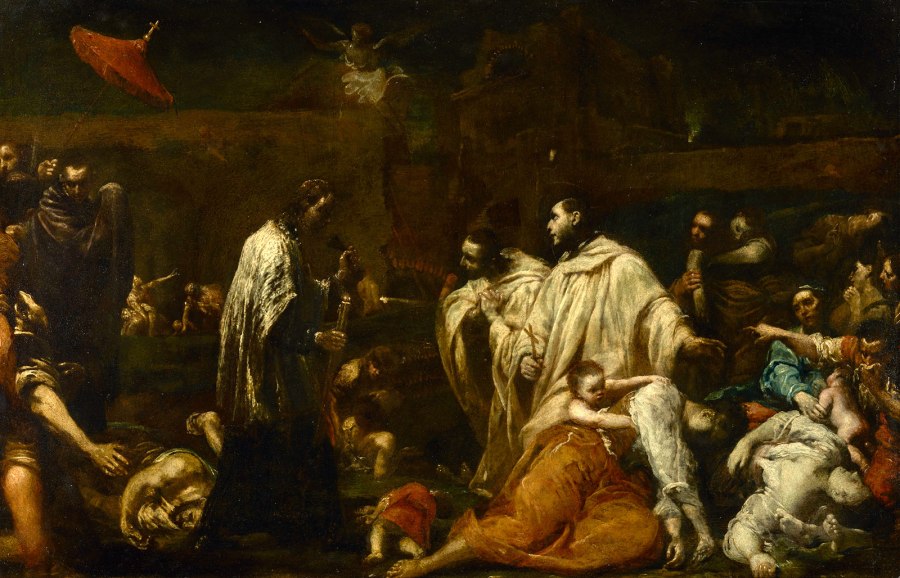
Source pic- Britannica
Spanish Flu 1918:
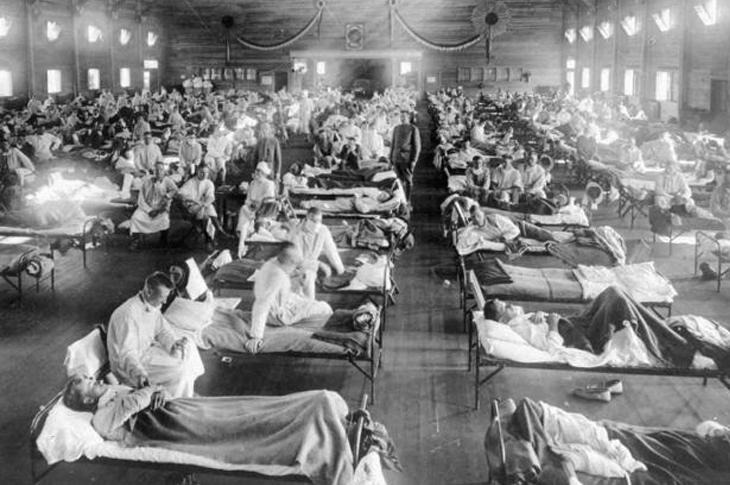
Spanish flu was the most severe and devastating influenza pandemics that the world ever witnessed. Also known as the 1918 influenza pandemic, it infected 500 million people – about a third of the world’s population at the time – in four successive waves.
Though the flu engulfed Europe, America, and parts of Asia, the exact place and cause of its origin are unknown to this day.
Some say that the flu showed itself in the military camp in Kansas, and from the US it spread to Europe when the troops traveled east in World War I.
Though the name is Spanish flu the pandemic did not originate in Spain, the British Medical Journal referred to the virus as “Spanish flu” because Spain was hit hard by the disease.
Small Pox 15th Century:
Smallpox has been estimated to have killed over a 500 million people.
It was in 1980 that the World Health Organization declared smallpox to be eradicated.
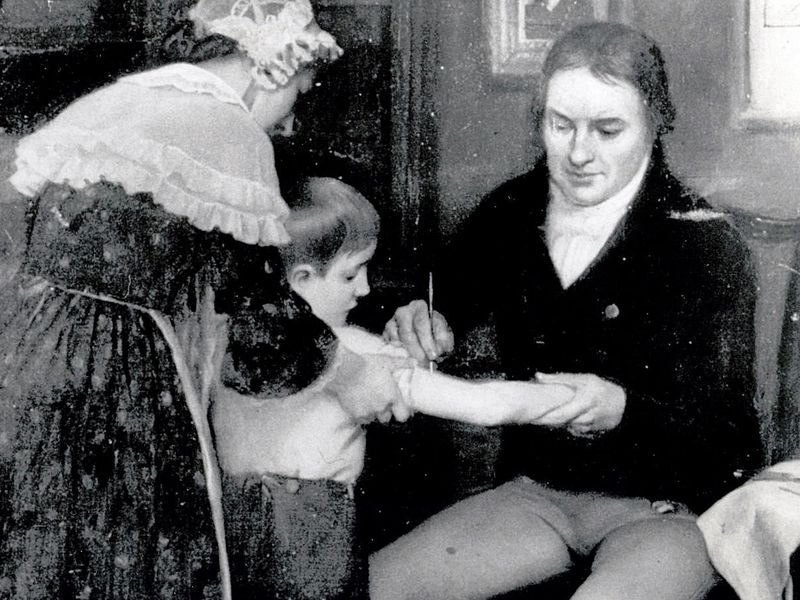
source pic- Smithsonian Magazine
Smallpox became the first death-dealing pandemic whose vaccine was developed in the late 18th-century, by a British doctor named Edward Jenner.
Edward Jenner observed that some local milkmaids were not exposed to the harsh virus and just showed mild symptoms which were called “cowpox”. Edward then decided to extract a small sample of milkmaid’s pus and inject it into the arm of a young boy named James Phipps. After that, he exposed the boy to the smallpox virus, and to his amazement, the boy showed no illness. This was the first vaccine ever discovered in history.
Social Media Giants to be banned in India?

Is this true that Twitter, WhatsApp, Facebook and Instagram will be banned in India from 26th May 2021?
- In February 2021, the Central government of India came up with a new set of IT rules and regulations. These rules imply authority over social media by appointment of compliance officials, giving their name and contact address in India, complaint resolution, monitoring of objectionable content, compliance report and removal of objectionable content. As per sources, some platforms have demanded six months deadline to take up this matter in the US Headquarters and wait for their decision . Currently only Koo App has complied with the new rules and is ahead of the deadline. The question here is what if these platforms do not comply with the new IT rule? If the government plans on banning these platforms, is our individual rights at risk?
- It’s important to know the sub section(1) of section 79 of IT Act. The IT Act gives protection to social media companies and web services by making them “intermediaries”. This means they are not responsible for user content. So here the government means that if any Social Media company fails to adhere to the new rules then they might lose the protection that the “intermediaries” have.
- As per data cited by the government, India has 53 crore WhatsApp users, 44.8 crore YouTube users, 41 crore Facebook subscribers, 21 crore Instagram clients, while 1.75 crore account holders are on microblogging platform Twitter. Koo has close to 60 lakh users, making it a major social media intermediary under the new guidelines. Many Indian are upset with this news but as of now all the social media apps are working in India so let’s wait for further information.
Source:
- India Today- http://https://www.indiatoday.in/technology/features/story/will-india-ban-whatsapp-facebook-twitter-from-may-26-unlikely-but-it-is-complicated-1806863-2021-05-25
- Free Press Journal- http://https://www.freepressjournal.in/viral/facebook-twitter-to-stop-operating-in-india-from-tomorrow-as-new-govt-rules-come-into-effect-twitterati-mourn-with-memes
 Eduindex
You must be logged in to post a comment.