Importance of Music in Student's Life

If I ask you what is music for you? Your answer must be entertainment, time pass or just a hobby. Sometime,  we don’t understand the importance of small things and avoid them without thinking. We listen to music just for entertainment or for refreshing our mind but we have never given a thought about why we feel refreshed after listening to good music. It plays an important role in a Student’s life, work professionals and even housewives. According to various researchers, music students have higher academic exam score than their non-musical peers.

How it helps in concentration?

With no doubt it improves one’s mood and thus it helps students to focus better in their studies. It provides motivation and an urge to learn more. It makes the students positive and most likely to memorise clearly which indirectly boosts memory formation.

Not just for students it is helpful for working professionals as well. They listen to their favourite songs when they feel tired or when they don’t find any motivation to work during their working hours. It helps them concentrate more after with an optimistic approach.

Not just students and employers, housewives also feel better after listening to their favourite track. They make their work joyful by playing songs at the side of the table and runs their daily errands by humming their favourites.

Science behind correlation between music and brain

  • Studies have shown that music produces several positive effects on a human’s body and brain. Music activates both the left and right brain at the same time, and the activation of both hemispheres can maximize learning and improve memory.
  • Music is a way to process emotions and strengthen oneself from being overwhelmed.
  • It triggers the release of a chemical called dopamine in a part of the brain called the striatum which helps one feel good.
  • Research has shown that listening to music can reduce anxiety, blood pressure, and pain as well as improve sleep quality, mood, mental alertness, and memory.

Improve your performance

 Music is found to help people perform better in high pressure situations. Studies show that it changes a student from coal to diamond under pressure. For instance there was a research done where basketball player were pressured  and didn’t perform well in the match but the other team which was also under pressure but listened to music before coming to the court performed very well.This is how music plays a very  significant role in a student’s as well as in a human life.This is how music plays a very  significant role in a student’s as well as in a human life.

 Music is found to help people perform better in high pressure situations. Studies show that it changes a student from coal to diamond under pressure. For instance there was a research done where basketball player were pressured  and didn’t perform well in the match but the other team which was also under pressure but listened to music before coming to the court performed very well.This is how music plays a very  significant role in a student’s as well as in a human life.This is how music plays a very  significant role in a student’s as well as in a human life.

 We now understand, that music and memory are strongly linked together in the brain, and that music can be beneficial for studies.Not just the rap or upbeat music but classical music has been proved to be the most effective in treating insomnia and helps one from spending thousands on sleep-inducing meds.


Not just the rap or upbeat music but classical music has been proved to be the most effective in treating insomnia and helps one from spending thousands on sleep-inducing meds.



Low-Maintenance Houseplants to grow

There are endless varieties of indoor plants to choose from, and if you’ve never cared for a plant before, you might have no idea which one to choose. Factor in that some plants are much harder to care for and require a lot of attention, and it’s even more of a challenge. If you want to spruce up your home with a little greenery but you’re new to plant parenthood and want to stick to plants that are more forgiving and low-maintenance, here’s what you need to know, from which plants to buy to how to keep them alive and happy

You don’t need a ton of time, space or even light to grow your own indoor garden, either. In fact, some plants prefer a low level of light and infrequent watering. If you live in an apartment or home with little natural light or just want something a bit more low maintenance, there are many houseplants for you to choose from.

Jade Plant

Succulents are always an indoor houseplant go-to thanks to their sturdiness and ability to survive with little to no water. This one has a defined look with plush oval leaves and a substantial height In fact; a jade plant can grow to be 3-6 feet tall. It’s a slow grower, though, so this won’t happen overnight. Like many succulents, jade plants need a lot of bright, indirect sunlight.

Aloe

As long as it gets a lot of really bright light, the Hedgehog Aloe is pretty resilient. Aloe plants grow in nutrient-poor conditions, so they’re very good at assimilating and holding onto their nutrients.Aloe is happiest in the brightest windows, so stick it in a space that faces the sunset.

Snake Plant

snake plants are tall, dark, and handsome. In addition to being able to withstand pretty much any living conditions, snake plants are also really powerful air purifiers.they can pretty much take whatever you throw at them, so they’ll be fine in slightly darker and more humid rooms.

Parlor Palm

Bright filtered light is best for this lush palm plant, but it can adapt to low light if necessary. In terms of watering, make sure you avoid over-watering your parlor palm. Keep it in a warmer spot and give it the occasional misting for good measure.

Bamboo

Like air plants, that can actually grow without soil. Simply place the stalks in a vase full of water with pebbles or marbles at the bottom. And if your bamboo starts to get too big for its container, just upgrade to a new one with a similar set-up—no actual reporting required.

Snake plant
Parlor Palm
Jade plant
Aloe
Bamboo

Low-Maintenance Houseplants to grow

There are endless varieties of indoor plants to choose from, and if you’ve never cared for a plant before, you might have no idea which one to choose. Factor in that some plants are much harder to care for and require a lot of attention, and it’s even more of a challenge. If you want to spruce up your home with a little greenery but you’re new to plant parenthood and want to stick to plants that are more forgiving and low-maintenance, here’s what you need to know, from which plants to buy to how to keep them alive and happy

You don’t need a ton of time, space or even light to grow your own indoor garden, either. In fact, some plants prefer a low level of light and infrequent watering. If you live in an apartment or home with little natural light or just want something a bit more low maintenance, there are many houseplants for you to choose from.

Jade Plant

Succulents are always an indoor houseplant go-to thanks to their sturdiness and ability to survive with little to no water. This one has a defined look with plush oval leaves and a substantial height In fact; a jade plant can grow to be 3-6 feet tall. It’s a slow grower, though, so this won’t happen overnight. Like many succulents, jade plants need a lot of bright, indirect sunlight.

Aloe

As long as it gets a lot of really bright light, the Hedgehog Aloe is pretty resilient. Aloe plants grow in nutrient-poor conditions, so they’re very good at assimilating and holding onto their nutrients.Aloe is happiest in the brightest windows, so stick it in a space that faces the sunset.

Snake Plant

snake plants are tall, dark, and handsome. In addition to being able to withstand pretty much any living conditions, snake plants are also really powerful air purifiers.they can pretty much take whatever you throw at them, so they’ll be fine in slightly darker and more humid rooms.

Parlor Palm

Bright filtered light is best for this lush palm plant, but it can adapt to low light if necessary. In terms of watering, make sure you avoid over-watering your parlor palm. Keep it in a warmer spot and give it the occasional misting for good measure.

Bamboo

Like air plants, that can actually grow without soil. Simply place the stalks in a vase full of water with pebbles or marbles at the bottom. And if your bamboo starts to get too big for its container, just upgrade to a new one with a similar set-up—no actual reporting required.

Snake plant
Parlor Palm
Jade plant
Aloe
Bamboo

Is the online teaching mode a worthy substitute for the offline teaching mode?

“If we want to reach real peace in this world, we should start educating children”

-Mahatma Gandhi

Pandemic times are desperate times for the people everywhere in the world. The vicious disease disrupted not only the social life of individuals but it also destabilized the mental peace and well -being for many. The sudden shutdown following the virus outbreak has brought about several changes around the globe. One of the most significant change among them is the shift from offline teaching mode to online teaching. In a country like India where a large section of the population still has not got access to the basic digital devices, the adoption of online education was highly experimental. But, the realization that “better to have something than not having them at all” led the government to take this giant step.

Online learning mode is the need of the hour because it helps to ensure productive usage of time by the younger generation who otherwise would have lost the purpose of life during these desperate ages. In the present scenario, stepping out of the houses is considered extremely dangerous and online learning provides children an opportunity to widen their knowledge within the safety of their houses. The availability of several platforms which provide access to certified courses from universities around the world is an added advantage. Widespread access to knowledge without any boundaries has helped the students to choose their area of interest rather than sticking on to the limited scope of school curriculum. The provision of recorded classes either at free of cost or at negligible costs help students to upskill themselves without stepping out from their comfort zones. Online repositories and digital libraries also make the scope of online learning mode wider.

            Even though online teaching has got all these wider applications, it is subject to some limitations. The most significant limitation is that it is devoid of the physical presence of teachers and students, which reduces the effectiveness of the process to a great extent. The increasing number suicides among student population brings out the fact that virtual learning fails to provide psychological support, which the traditional schooling structure offers. As the students do not have the opportunities for relationship building, most of them lack social skills. Tests and examinations conducted in online mode is more like a test of honesty and self-discipline than tests of knowledge. Digital divide and socio -economic inequalities further worsens the problem. Among primary level students, parents play a more important role than teachers in case of online learning, which increases the disparity as many adults are still illiterate and incapable of supporting their children in our nation. Apart from this schools also functioned as a means for implementing social security schemes of government like mid-day meal scheme which got disrupted.

            The offline learning could easily cover up all the above stated limitations of online learning. The presence of teachers and friends will make the learning experience lively. Rather than imparting knowledge it lightens up the wisdom among younger population. It teaches students to face failure, the worth of sharing and to care for their fellow beings. The educational institutions play an important role in shaping the character of each individual because they function as a living library where we could see a wide range of individuals from whom students could adopt moral values for life. It also helps teachers to ensure that children have understood what they have taught through regular tests. The schools narrow the gap between rich and poor and ensure all are getting equal access to education through government support.

            Right to education is a fundamental right as per Indian constitution. Pandemic should not be an obstacle in ensuring that right. Thus, online teaching mode could be used as a supplement for facilitating access to education, but not a substitute. Idle mind is a devil’s workshop. Online mode of teaching helps to ensure that students are not left idle during the pandemic times. It could lend a hand for lifting children from the helplessness and despair created by the disease. This brigs to the conclusion that online teaching could be adopted to meet the current needs but not as a substitute for offline teaching. Ultimately the aim of education is to uplift the students from the darkness of ignorance by shedding the light of knowledge.

Is the online teaching mode a worthy substitute for the offline teaching mode?

“If we want to reach real peace in this world, we should start educating children”

-Mahatma Gandhi

Pandemic times are desperate times for the people everywhere in the world. The vicious disease disrupted not only the social life of individuals but it also destabilized the mental peace and well -being for many. The sudden shutdown following the virus outbreak has brought about several changes around the globe. One of the most significant change among them is the shift from offline teaching mode to online teaching. In a country like India where a large section of the population still has not got access to the basic digital devices, the adoption of online education was highly experimental. But, the realization that “better to have something than not having them at all” led the government to take this giant step.

Online learning mode is the need of the hour because it helps to ensure productive usage of time by the younger generation who otherwise would have lost the purpose of life during these desperate ages. In the present scenario, stepping out of the houses is considered extremely dangerous and online learning provides children an opportunity to widen their knowledge within the safety of their houses. The availability of several platforms which provide access to certified courses from universities around the world is an added advantage. Widespread access to knowledge without any boundaries has helped the students to choose their area of interest rather than sticking on to the limited scope of school curriculum. The provision of recorded classes either at free of cost or at negligible costs help students to upskill themselves without stepping out from their comfort zones. Online repositories and digital libraries also make the scope of online learning mode wider.

            Even though online teaching has got all these wider applications, it is subject to some limitations. The most significant limitation is that it is devoid of the physical presence of teachers and students, which reduces the effectiveness of the process to a great extent. The increasing number suicides among student population brings out the fact that virtual learning fails to provide psychological support, which the traditional schooling structure offers. As the students do not have the opportunities for relationship building, most of them lack social skills. Tests and examinations conducted in online mode is more like a test of honesty and self-discipline than tests of knowledge. Digital divide and socio -economic inequalities further worsens the problem. Among primary level students, parents play a more important role than teachers in case of online learning, which increases the disparity as many adults are still illiterate and incapable of supporting their children in our nation. Apart from this schools also functioned as a means for implementing social security schemes of government like mid-day meal scheme which got disrupted.

            The offline learning could easily cover up all the above stated limitations of online learning. The presence of teachers and friends will make the learning experience lively. Rather than imparting knowledge it lightens up the wisdom among younger population. It teaches students to face failure, the worth of sharing and to care for their fellow beings. The educational institutions play an important role in shaping the character of each individual because they function as a living library where we could see a wide range of individuals from whom students could adopt moral values for life. It also helps teachers to ensure that children have understood what they have taught through regular tests. The schools narrow the gap between rich and poor and ensure all are getting equal access to education through government support.

            Right to education is a fundamental right as per Indian constitution. Pandemic should not be an obstacle in ensuring that right. Thus, online teaching mode could be used as a supplement for facilitating access to education, but not a substitute. Idle mind is a devil’s workshop. Online mode of teaching helps to ensure that students are not left idle during the pandemic times. It could lend a hand for lifting children from the helplessness and despair created by the disease. This brigs to the conclusion that online teaching could be adopted to meet the current needs but not as a substitute for offline teaching. Ultimately the aim of education is to uplift the students from the darkness of ignorance by shedding the light of knowledge.

Contemporary anarchism

Anarchism is a process whereby authority and domination is being replaced with non-hierarchical, horizontal structures, with voluntary associations between human beings. It is a form of social organisation with a set of key principles, such as self-organisation, voluntary association, freedom, autonomy, solidarity, direct democracy, egalitarianism and mutual aid. Based on these principles and values, anarchism rejects both a capitalist economy and a nation state that is governed by means of a representative democracy. It is a utopian project that aspires to combine the best parts of liberalism with the best parts of communism. At its heart is a mix of the liberal emphasis on individual freedom and the communist emphasis on an equal society. Let’s unpack this a bit. The etymology of the term traces back to the Greek word “anarkhia”, which means “without rulers” or “without authority”. It stands for the absence of domination, hierarchy and power over others.

Whenever public protests ignite into violent behaviour, the mainstream media are often quick to refer to “anarchy” and to “anarchists”. Those who are referred to as anarchists are protesters who burn tyres or engage in battles with the police. In this narrative, anarchists are lawless hooligans and anarchy is about chaos and pointless violence. The political philosophy of anarchisms emerged in the mid-19th century – as part of the thought of Enlightenment. Key anarchist thinkers include Pierre-Joseph Proudhon, William Godwin, Peter Kropotkin, Mikhail Bakunin, Emma Goldman, and Max Stirner. Proudhon is credited as the first self-proclaimed anarchist and is often seen as the founder of classic anarchist thinking. In particular, he developed the concept of spontaneous order in society, where organisations can emerge without central or top-down coordination.

The most common definitions of anarchism stress two points; first, anarchists are opposed to any form of coercive authority; following from this, anarchists are opposed to state power and seek to destroy it. But even this basic definition ignores the important distinction between anarchists who emphasize collective action rather than individualism, or who avoid any strategies focused on the state (even its destruction. The last stand of traditional anarchism, which reached its high point in Spain during the 1930s, suffered a devastating defeat at the hands of Franco’s fascists and the criminal policies of the Stalinized Communist Party. A once vibrant international anarchist movement was in ruins by the end of the Second World War. In the United States, political repression and Red Squad terror decimated the anarchist ranks more than a decade earlier. Small, isolated groups of anarchists survived, but never again reached the influence once attained during the Spanish Civil War.

After World War II, anarchist groups and federations reemerged in almost all countries where they had formerly flourished—the notable exceptions being Spain and the Soviet Union—but these organizations wielded little influence compared to that of the broader movement inspired by earlier ideas. This development is not surprising, since anarchists never stressed the need for organizational continuity, and the cluster of social and moral ideas that are identifiable as anarchism always spread beyond any clearly definable movement.

Anarchist ideas emerged in a wider frame of reference beginning with the American Civil Rights Movement of the 1950s, which aimed to resist injustice through the tactic of civil disobedience. In the 1960s and ’70s a new radicalism took root among students and the left in general in the United States, Europe, and Japan, embracing a general criticism of “elitist” power structures and the materialist values of modern industrial societies—both capitalist and communist. For these radicals, who rejected the traditional parties of the left as strongly as they did the existing political structure, the appeal of anarchism was strong. The general anarchist outlook—with its emphasis on spontaneity, theoretical flexibility, simplicity of life, and the importance of love and anger as complementary and necessary components in both social and individual action—attracted those who opposed impersonal political institutions and the calculations of older parties. The anarchist rejection of the state, and the insistence on decentralism and local autonomy, found strong echoes among those who advocated participatory democracy. The anarchist insistence on direct action was reflected in calls for extra parliamentary action and violent confrontation by some student groups in France, the United States, and Japan. Anarchists also took up issues related to feminism and developed a rich body of work, known as anarcha-feminism, that applied anarchist principles to the analysis of women’s oppression, arguing that the state is inherently patriarchal and that women’s experience as nurturers and caregivers reflects the anarchist ideals of mutuality and the rejection of hierarchy and authority.

The most prevalent current in anarchist thinking during the last two decades of the 20th century (at least in the United States) was an eclectic, countercultural mixture of theories reflecting a wide range of artistic, literary, political, and philosophical influences, including Dada, Surrealism, and Situationism; the writers of the Beat movement; the Frankfurt School of Marxist-oriented social and political philosophers—especially Herbert Marcuse—and post-structuralist and postmodern philosophy and literary theory, in particular the work of the French philosopher and historian Michel Foucault.

Contemporary anarchism has some important differences, but also a great deal of continuity, with historical anarchism. Where it focuses on building an alternative in the “interstices” of capitalism, it accommodates to, rather than challenges, capitalism; and where it fetishizes street tactics, it generates more press than tangible success in either building the struggle or in challenging the state.But struggle teaches, and those anarchists most engaged in struggle and most concerned with finding the most effective means of winning a better world are looking for alternative ideas to make sense of the crises around us. Marxists and these anarchists should stand shoulder-to-shoulder in every aspect of struggle, whether fighting evictions, the far right, or budget cuts. And serious revolutionaries must consider what tactics will strengthen the movement and its chances of victory. Foolish acts of vandalism by unaccountable individuals only serve to disrupt and weaken the movement, and the best anarchists recognize this.

Contemporary anarchism

Anarchism is a process whereby authority and domination is being replaced with non-hierarchical, horizontal structures, with voluntary associations between human beings. It is a form of social organisation with a set of key principles, such as self-organisation, voluntary association, freedom, autonomy, solidarity, direct democracy, egalitarianism and mutual aid. Based on these principles and values, anarchism rejects both a capitalist economy and a nation state that is governed by means of a representative democracy. It is a utopian project that aspires to combine the best parts of liberalism with the best parts of communism. At its heart is a mix of the liberal emphasis on individual freedom and the communist emphasis on an equal society. Let’s unpack this a bit. The etymology of the term traces back to the Greek word “anarkhia”, which means “without rulers” or “without authority”. It stands for the absence of domination, hierarchy and power over others.

Whenever public protests ignite into violent behaviour, the mainstream media are often quick to refer to “anarchy” and to “anarchists”. Those who are referred to as anarchists are protesters who burn tyres or engage in battles with the police. In this narrative, anarchists are lawless hooligans and anarchy is about chaos and pointless violence. The political philosophy of anarchisms emerged in the mid-19th century – as part of the thought of Enlightenment. Key anarchist thinkers include Pierre-Joseph Proudhon, William Godwin, Peter Kropotkin, Mikhail Bakunin, Emma Goldman, and Max Stirner. Proudhon is credited as the first self-proclaimed anarchist and is often seen as the founder of classic anarchist thinking. In particular, he developed the concept of spontaneous order in society, where organisations can emerge without central or top-down coordination.

The most common definitions of anarchism stress two points; first, anarchists are opposed to any form of coercive authority; following from this, anarchists are opposed to state power and seek to destroy it. But even this basic definition ignores the important distinction between anarchists who emphasize collective action rather than individualism, or who avoid any strategies focused on the state (even its destruction. The last stand of traditional anarchism, which reached its high point in Spain during the 1930s, suffered a devastating defeat at the hands of Franco’s fascists and the criminal policies of the Stalinized Communist Party. A once vibrant international anarchist movement was in ruins by the end of the Second World War. In the United States, political repression and Red Squad terror decimated the anarchist ranks more than a decade earlier. Small, isolated groups of anarchists survived, but never again reached the influence once attained during the Spanish Civil War.

After World War II, anarchist groups and federations reemerged in almost all countries where they had formerly flourished—the notable exceptions being Spain and the Soviet Union—but these organizations wielded little influence compared to that of the broader movement inspired by earlier ideas. This development is not surprising, since anarchists never stressed the need for organizational continuity, and the cluster of social and moral ideas that are identifiable as anarchism always spread beyond any clearly definable movement.

Anarchist ideas emerged in a wider frame of reference beginning with the American Civil Rights Movement of the 1950s, which aimed to resist injustice through the tactic of civil disobedience. In the 1960s and ’70s a new radicalism took root among students and the left in general in the United States, Europe, and Japan, embracing a general criticism of “elitist” power structures and the materialist values of modern industrial societies—both capitalist and communist. For these radicals, who rejected the traditional parties of the left as strongly as they did the existing political structure, the appeal of anarchism was strong. The general anarchist outlook—with its emphasis on spontaneity, theoretical flexibility, simplicity of life, and the importance of love and anger as complementary and necessary components in both social and individual action—attracted those who opposed impersonal political institutions and the calculations of older parties. The anarchist rejection of the state, and the insistence on decentralism and local autonomy, found strong echoes among those who advocated participatory democracy. The anarchist insistence on direct action was reflected in calls for extra parliamentary action and violent confrontation by some student groups in France, the United States, and Japan. Anarchists also took up issues related to feminism and developed a rich body of work, known as anarcha-feminism, that applied anarchist principles to the analysis of women’s oppression, arguing that the state is inherently patriarchal and that women’s experience as nurturers and caregivers reflects the anarchist ideals of mutuality and the rejection of hierarchy and authority.

The most prevalent current in anarchist thinking during the last two decades of the 20th century (at least in the United States) was an eclectic, countercultural mixture of theories reflecting a wide range of artistic, literary, political, and philosophical influences, including Dada, Surrealism, and Situationism; the writers of the Beat movement; the Frankfurt School of Marxist-oriented social and political philosophers—especially Herbert Marcuse—and post-structuralist and postmodern philosophy and literary theory, in particular the work of the French philosopher and historian Michel Foucault.

Contemporary anarchism has some important differences, but also a great deal of continuity, with historical anarchism. Where it focuses on building an alternative in the “interstices” of capitalism, it accommodates to, rather than challenges, capitalism; and where it fetishizes street tactics, it generates more press than tangible success in either building the struggle or in challenging the state.But struggle teaches, and those anarchists most engaged in struggle and most concerned with finding the most effective means of winning a better world are looking for alternative ideas to make sense of the crises around us. Marxists and these anarchists should stand shoulder-to-shoulder in every aspect of struggle, whether fighting evictions, the far right, or budget cuts. And serious revolutionaries must consider what tactics will strengthen the movement and its chances of victory. Foolish acts of vandalism by unaccountable individuals only serve to disrupt and weaken the movement, and the best anarchists recognize this.

Public Policy relevancy with Social welfare Programmes

Source: Shutterstock

Public Policy is new tool of Government to solve socio economic problems through several policies such as Agriculture Policy, Labour Policy, Health Policy, Education Policy, Wage Policy, Industrial Policy and Foreign Policy etc. Government view public policy as a dependent variable and study as to how society is evolving and Political system shaping the nation.

The field of public policy has emerged comparatively in beginning as traced in early 1950s. The concept of public policy was originated in 1951 from the publication of Harold Lasswell. According to Thomas R Dye, Public Policy is what Government will choose to do or not to do. In indian context, public policy could be government rules and Programmes in the form of political system of laws, ordinance, court decision, executive orders, decisions or even unspoken understanding  of what is to be done.

Paul Appleby, the essence of public administrative decision policy defined as a purposed course of action of an individual a group, an Institution or government to realize a specific objective or purpose, within a given environment. The process of public policy flows both top to bottom and bottom to top or even simultaneously. The policy process is viewed from higher level as execution of Policy and viewing meta Policy meaning  progressive.

After independence, India did not carry a specific structural path for economic development. It was decided that economic development must be based on social, political growth that transmutes human advancements. India adopted the Socio – economic development model in which major areas were industries and agriculture. Planning commission (now NITI Aayog) for the purpose of development initiatives adopted in a five year plan as a major development plan. structure policies Public policy developed as academic pursuit in the 1950s. However, Public Policy was very much evident in 1940, stimulating Government activities and academic organizations. Study of government, policy, Social Science involves political Science, public administration, economics and management.

Dimock stated public policy as “deciding at any time or place what objectives and substantive measures should be chosen in order to deal with particular problems”. Public Policy process structure to maximize and utilize all resources to overcome the catastrophic events. Public Policy is a continuous process, furiously working towards  acquiring best outcomes. Righteous and accurate conditioning helps to bring desired aims. The process requires transparency, decentralization, and effective policy implementation. Public Policy Process is significant to change nation economic, social, and political representation especially in the Case of developing nations.

According to Chandler and Plano, treated public Policy as ” the strategic use of resources to alleviate national problems  or governmental concerns”. Freeman and Sherwoods stated that it is the Public answer to the interest in refining the circumstances. Robert linebewy  emphasized on “it is what governments do and fail to do for their citizens”. Anderson expresses it,” policy is being made as it is being administered as it is being made”.

 Understanding of Public Policy

Source: iass.potsdam.de

 The Public Policy process is a kind of Physics  equation that if finding a small error will cost the huge problem, also diffuses the whole processing mechanism. Public policy processes require pointed manifestation at each level. Hogwood and Gunn (Policy Analysis for the Real World, 1984) concluded nine vital Stages in the policy process: Agenda Setting, object screening issue defining , forecasting alternatives, objectives & priorities, policy implementation, monitoring and control, policy maintenance, succession and termination, these all required for successful policy. As we are aware, policy making is a complex and dynamic strategy, it requires certain tools to resolve the real world problem of economic, financial, economic, social problems. Public Policy enacted by the government or its executives with the help of civil Societies, media, and pressure groups.

 In the Context of public policy process Lindblom stressed on a highly relative and plasticity decision making system characterised by compromise, incrementalism and continual adjustment. Public policy process is conceptualized as in sequence or stages ( Benson, Jordan, 2015). There are (1) sequence follows as – i) Problem emergence 2) agenda setting 13) Consideration of policy options, &) Decision making 5) implementation 6) evaluation (Jordan and Adelle, 2012).

A policy can be simple or complex, explicit or implicit, discretionary or detailed, private or public qualitative and quantitative. Government does not set advisory principles;  it is the Supreme Court who decides and provides new interpretations of the articles of constitution to curve out the new Policy.

Nature of public policy covering wide portion of its activities such as socio- economic development, women empowerment, child labour, equality, education and so on. Nature of Public policy foremost needs Policy making closely related to decision-making. Decision making includes an identification of a problem, sharp analysis, and the ability to see alternatives. Policies have specific goals, It is absolute to expect a policy to indicate the direction towards. where actions are required. The choices of policies or its objectives are frequently mesmerized. Thus, goals and objectives depend on the values of the policy makers. Planning or formulation is a key component to move forward in the public policy process. Administrators must maintain a planner to know the portion of resources, investments because goals cannot be achieved without having proper planning. Policy Analysis is most significant to rectify any problem in process; it is a technique to use in Policy Process. Basically used for problem assessment and monitoring. Before the decisions, Similarly, Policy Management is also familiar with implementation. It deals with policy making and policy preparation process, it ensures it is producing good quality policies.

 Thus, goals and objectives depend on the values of the policy makers. Planning or formulation is a key component to move forward in the public policy process. Administrators must maintain a planner to know the portion of resources, investments because goals cannot be achieved without having proper planning. Policy Analysis is most significant to rectify any problem in process; it is a technique to use in Policy Process. Basically used for problem assessment and monitoring. Before the decisions, Similarly, Policy Management is also familiar with implementation. It deals with policy making and policy preparation process, it ensures it is producing good quality policies.

 Policy management should be considered as a loose point or giving no importance, it is an Icebreaker of Public Process, if you assess anything wrong at this stage, there will be high chance to “trash in” the policy. That is why policy analysis and policy management is interdependent. 


Public Policy relevancy with Social welfare Programmes

Source: Shutterstock

Public Policy is new tool of Government to solve socio economic problems through several policies such as Agriculture Policy, Labour Policy, Health Policy, Education Policy, Wage Policy, Industrial Policy and Foreign Policy etc. Government view public policy as a dependent variable and study as to how society is evolving and Political system shaping the nation.

The field of public policy has emerged comparatively in beginning as traced in early 1950s. The concept of public policy was originated in 1951 from the publication of Harold Lasswell. According to Thomas R Dye, Public Policy is what Government will choose to do or not to do. In indian context, public policy could be government rules and Programmes in the form of political system of laws, ordinance, court decision, executive orders, decisions or even unspoken understanding  of what is to be done.

Paul Appleby, the essence of public administrative decision policy defined as a purposed course of action of an individual a group, an Institution or government to realize a specific objective or purpose, within a given environment. The process of public policy flows both top to bottom and bottom to top or even simultaneously. The policy process is viewed from higher level as execution of Policy and viewing meta Policy meaning  progressive.

After independence, India did not carry a specific structural path for economic development. It was decided that economic development must be based on social, political growth that transmutes human advancements. India adopted the Socio – economic development model in which major areas were industries and agriculture. Planning commission (now NITI Aayog) for the purpose of development initiatives adopted in a five year plan as a major development plan. structure policies Public policy developed as academic pursuit in the 1950s. However, Public Policy was very much evident in 1940, stimulating Government activities and academic organizations. Study of government, policy, Social Science involves political Science, public administration, economics and management.

Dimock stated public policy as “deciding at any time or place what objectives and substantive measures should be chosen in order to deal with particular problems”. Public Policy process structure to maximize and utilize all resources to overcome the catastrophic events. Public Policy is a continuous process, furiously working towards  acquiring best outcomes. Righteous and accurate conditioning helps to bring desired aims. The process requires transparency, decentralization, and effective policy implementation. Public Policy Process is significant to change nation economic, social, and political representation especially in the Case of developing nations.

According to Chandler and Plano, treated public Policy as ” the strategic use of resources to alleviate national problems  or governmental concerns”. Freeman and Sherwoods stated that it is the Public answer to the interest in refining the circumstances. Robert linebewy  emphasized on “it is what governments do and fail to do for their citizens”. Anderson expresses it,” policy is being made as it is being administered as it is being made”.

 Understanding of Public Policy

Source: iass.potsdam.de

 The Public Policy process is a kind of Physics  equation that if finding a small error will cost the huge problem, also diffuses the whole processing mechanism. Public policy processes require pointed manifestation at each level. Hogwood and Gunn (Policy Analysis for the Real World, 1984) concluded nine vital Stages in the policy process: Agenda Setting, object screening issue defining , forecasting alternatives, objectives & priorities, policy implementation, monitoring and control, policy maintenance, succession and termination, these all required for successful policy. As we are aware, policy making is a complex and dynamic strategy, it requires certain tools to resolve the real world problem of economic, financial, economic, social problems. Public Policy enacted by the government or its executives with the help of civil Societies, media, and pressure groups.

 In the Context of public policy process Lindblom stressed on a highly relative and plasticity decision making system characterised by compromise, incrementalism and continual adjustment. Public policy process is conceptualized as in sequence or stages ( Benson, Jordan, 2015). There are (1) sequence follows as – i) Problem emergence 2) agenda setting 13) Consideration of policy options, &) Decision making 5) implementation 6) evaluation (Jordan and Adelle, 2012).

A policy can be simple or complex, explicit or implicit, discretionary or detailed, private or public qualitative and quantitative. Government does not set advisory principles;  it is the Supreme Court who decides and provides new interpretations of the articles of constitution to curve out the new Policy.

Nature of public policy covering wide portion of its activities such as socio- economic development, women empowerment, child labour, equality, education and so on. Nature of Public policy foremost needs Policy making closely related to decision-making. Decision making includes an identification of a problem, sharp analysis, and the ability to see alternatives. Policies have specific goals, It is absolute to expect a policy to indicate the direction towards. where actions are required. The choices of policies or its objectives are frequently mesmerized. Thus, goals and objectives depend on the values of the policy makers. Planning or formulation is a key component to move forward in the public policy process. Administrators must maintain a planner to know the portion of resources, investments because goals cannot be achieved without having proper planning. Policy Analysis is most significant to rectify any problem in process; it is a technique to use in Policy Process. Basically used for problem assessment and monitoring. Before the decisions, Similarly, Policy Management is also familiar with implementation. It deals with policy making and policy preparation process, it ensures it is producing good quality policies.

 Thus, goals and objectives depend on the values of the policy makers. Planning or formulation is a key component to move forward in the public policy process. Administrators must maintain a planner to know the portion of resources, investments because goals cannot be achieved without having proper planning. Policy Analysis is most significant to rectify any problem in process; it is a technique to use in Policy Process. Basically used for problem assessment and monitoring. Before the decisions, Similarly, Policy Management is also familiar with implementation. It deals with policy making and policy preparation process, it ensures it is producing good quality policies.

 Policy management should be considered as a loose point or giving no importance, it is an Icebreaker of Public Process, if you assess anything wrong at this stage, there will be high chance to “trash in” the policy. That is why policy analysis and policy management is interdependent. 


12 amazing performances by child actors

Most of the times, artforms are considered as the medium for adults. But there are some films which proved it is not so. There are some great films were told from the perspective of children. From simple life lessons to biggest events in world history, all these films have amused the viewers by the stunning performances of child actors. When we experience such great performances from children, the impact is several times bigger.

Let us check such films:

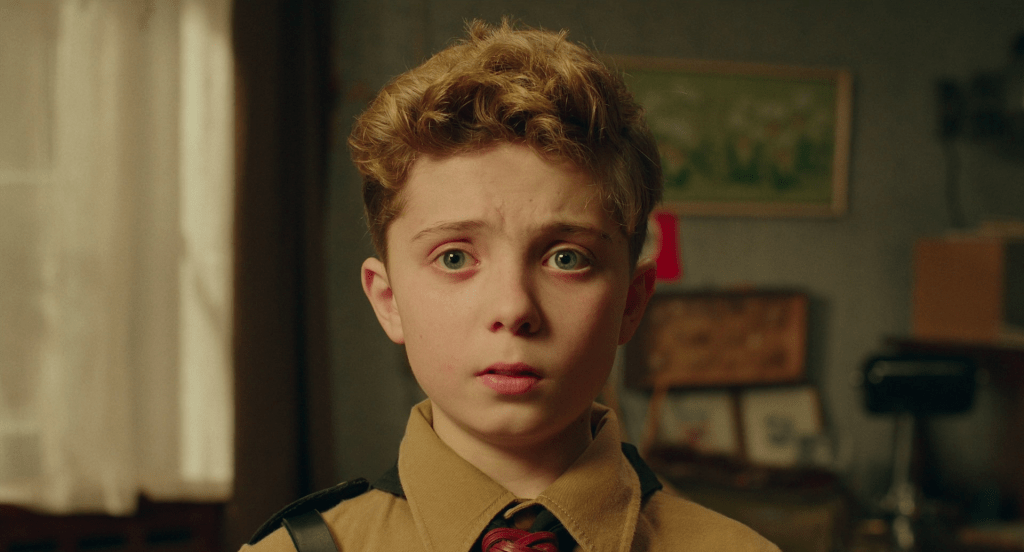
Jojo rabbit

Jojo Rabbit is a 2019 comedy-drama film written and directed by Taika Waititi, adapted from Christine Leunens’s 2008 book Caging Skies. Roman Griffin Davis portrays the title character, Johannes “Jojo” Betzler, a ten-year-old Hitler Youth member who finds out that his mother (Scarlett Johansson) is hiding a Jewish girl (Thomasin McKenzie) in their attic. He must then question his beliefs while dealing with the intervention of his imaginary friend (Waititi), a fanciful version of Adolf Hitler with a comedic stance on the politics of the war.

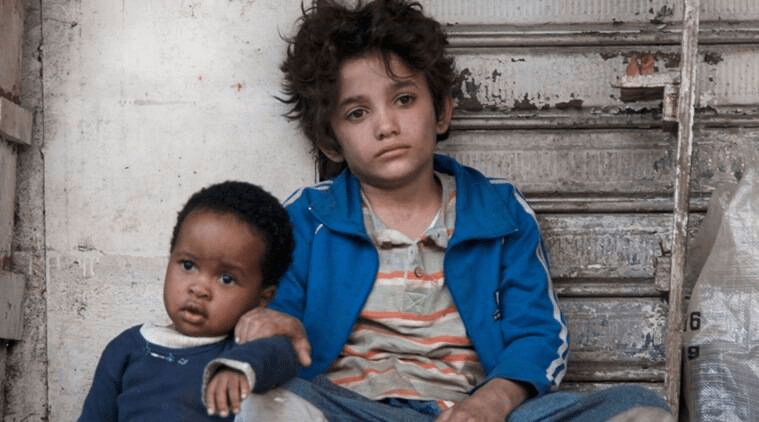
Capernaum

Capernaum is a 2018 Lebanese drama film directed by Nadine Labaki and produced by Khaled Mouzanar. The film stars Syrian refugee child actor Zain Al Rafeea as Zain El Hajj, a 12-year-old living in the slums of Beirut. Capernaum is told in flashback format, focusing on Zain’s life, including his encounter with an Ethiopian immigrant Rahil and her infant son Yonas, and leading up to his attempt to sue his parents for child neglect.

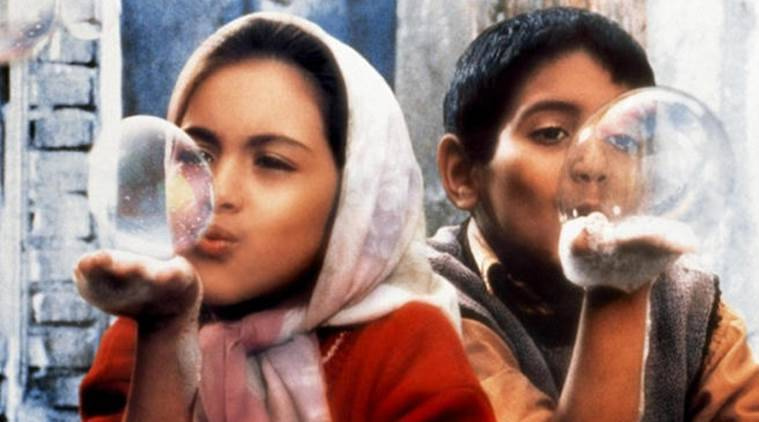
Children of heaven

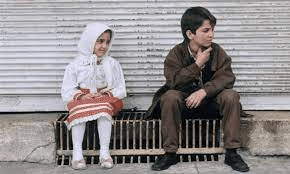
Children of Heaven is a 1997 Iranian family drama film written and directed by Majid Majidi. It deals with a brother and sister, and their adventures over a lost pair of shoes. It was nominated for the Academy Award for Best Foreign Language Film in 1998.

The white balloon

The White Balloon is a 1995 Iranian film directed by Jafar Panahi, with a screenplay by Abbas Kiarostami. The film is on the BFI list of the 50 films you should see by the age of 14. The film is about a brother and sister and has several intense scenes.

Machuca

Machuca is a 2004 Chilean film written and directed by Andrés Wood. Set in 1973 Santiago during Salvador Allende’s socialist government until shortly after General Augusto Pinochet’s military coup in 1973, the film tells the story of two pupils: Gonzalo Infante comes from a rich family with a European background, while Pedro Machuca comes from an indigenous background and lives in very poor conditions. They meet at an elite, English-language Catholic school, where the director, Father McEnroe, is developing a social integration project.

Belfast

Belfast is a 2021 British coming-of-age drama film written and directed by Kenneth Branagh. The film chronicles the life of a working-class Ulster Protestant family from the perspective of their nine-year-old son Buddy during The Troubles in Belfast, Northern Ireland. Buddy’s father Pa works overseas in England, while the family—Ma, elder brother Will, and paternal grandparents Granny and Pop—live in Belfast.

Tare Zameen par

Taare Zameen Par (transl. Stars on land), also known as Like Stars on Earth in English, is a 2007 Indian Hindi-language drama film produced and directed by Aamir Khan. The film stars Khan himself, along with Darsheel Safary. The film explores the life and imagination of Ishaan (Safary), an 8-year-old dyslexic child. Although he excels in art, his poor academic performance leads his parents to send him to a boarding school. Ishaan’s new art teacher Nikumbh suspects that he is dyslexic and helps him to overcome his reading disorder.

Kakka muttai

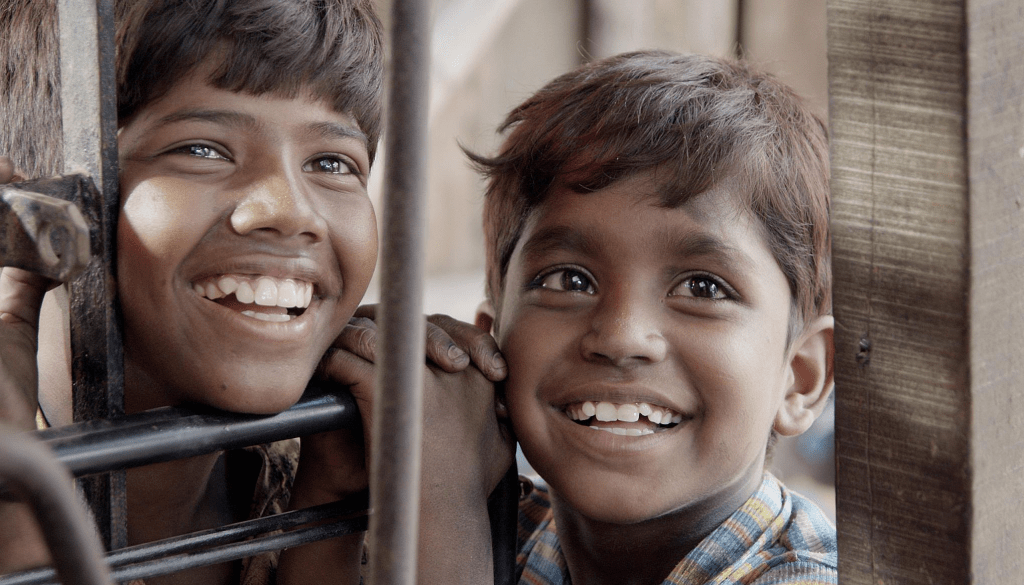
Kaaka Muttai is a 2015 Indian Tamil-language comedy-drama film written, directed and filmed by M. Manikandan. The film’s storyline revolves around two slum children of Chennai, whose desire is to taste a pizza.

Life is beautiful

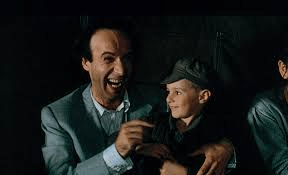
Life Is Beautiful is a 1997 Italian movie directed by and starring Roberto Benigni, who co-wrote the film with Vincenzo Cerami. Benigni plays Guido Orefice, a Jewish Italian bookshop owner, who employs his fertile imagination to shield his son from the horrors of internment in a Nazi concentration camp.

 Cinema paradiso

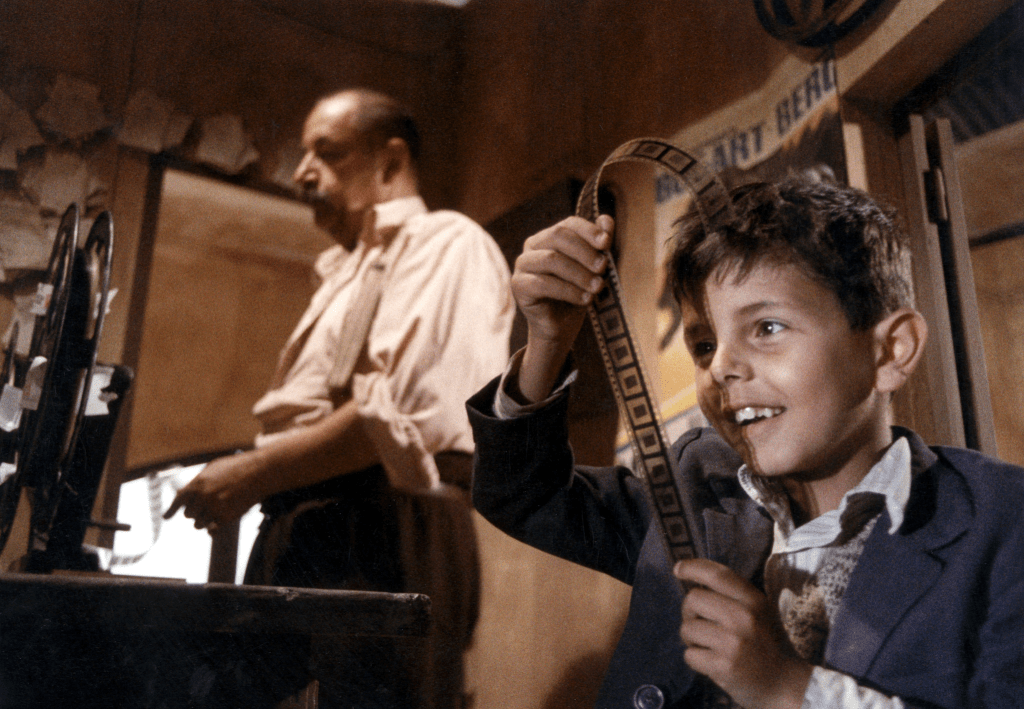
Cinema Paradiso is a 1988 coming-of-age drama film written and directed by Giuseppe Tornatore. Set in a small Sicilian town, the film centers on the friendship between a young boy and an aging projectionist who works at the titular movie theatre.

Central station

Central Station is a 1998 Brazilian–French drama film directed by Walter Salles and starring Fernanda Montenegro and Vinícius de Oliveira. The screenplay, adapted by João Emanuel Carneiro and Marcos Bernstein from a story by its director Walter Salles, tells the story of a young boy’s friendship with a jaded middle-aged woman

Sixth sense

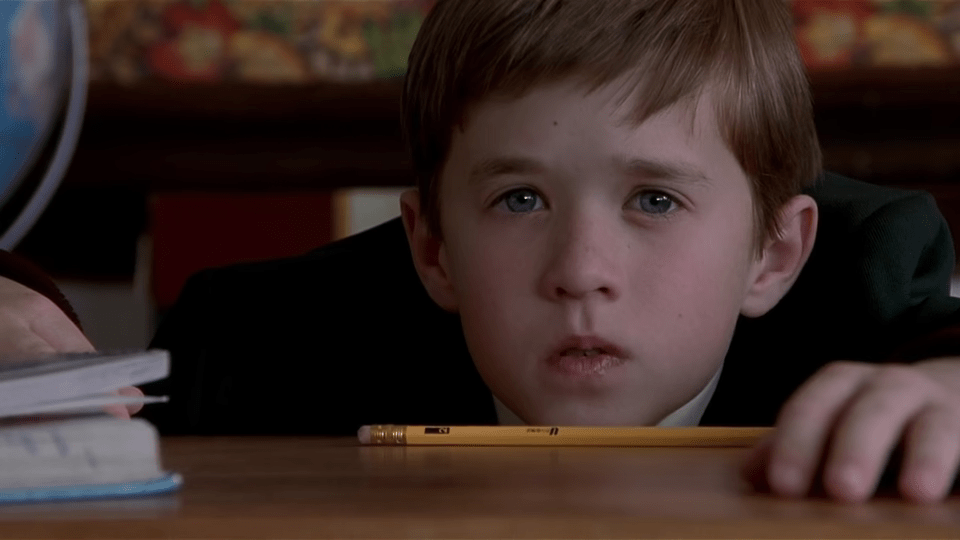
The Sixth Sense is a 1999 American supernatural psychological thriller film written and directed by M. Night Shyamalan. It stars Bruce Willis as a child psychologist whose patient (Haley Joel Osment) can talk to the dead. The film established Shyamalan and introduced the cinema public to his traits, most notably his affinity for surprise endings

12 amazing performances by child actors

Most of the times, artforms are considered as the medium for adults. But there are some films which proved it is not so. There are some great films were told from the perspective of children. From simple life lessons to biggest events in world history, all these films have amused the viewers by the stunning performances of child actors. When we experience such great performances from children, the impact is several times bigger.

Let us check such films:

Jojo rabbit

Jojo Rabbit is a 2019 comedy-drama film written and directed by Taika Waititi, adapted from Christine Leunens’s 2008 book Caging Skies. Roman Griffin Davis portrays the title character, Johannes “Jojo” Betzler, a ten-year-old Hitler Youth member who finds out that his mother (Scarlett Johansson) is hiding a Jewish girl (Thomasin McKenzie) in their attic. He must then question his beliefs while dealing with the intervention of his imaginary friend (Waititi), a fanciful version of Adolf Hitler with a comedic stance on the politics of the war.

Capernaum

Capernaum is a 2018 Lebanese drama film directed by Nadine Labaki and produced by Khaled Mouzanar. The film stars Syrian refugee child actor Zain Al Rafeea as Zain El Hajj, a 12-year-old living in the slums of Beirut. Capernaum is told in flashback format, focusing on Zain’s life, including his encounter with an Ethiopian immigrant Rahil and her infant son Yonas, and leading up to his attempt to sue his parents for child neglect.

Children of heaven

Children of Heaven is a 1997 Iranian family drama film written and directed by Majid Majidi. It deals with a brother and sister, and their adventures over a lost pair of shoes. It was nominated for the Academy Award for Best Foreign Language Film in 1998.

The white balloon

The White Balloon is a 1995 Iranian film directed by Jafar Panahi, with a screenplay by Abbas Kiarostami. The film is on the BFI list of the 50 films you should see by the age of 14. The film is about a brother and sister and has several intense scenes.

Machuca

Machuca is a 2004 Chilean film written and directed by Andrés Wood. Set in 1973 Santiago during Salvador Allende’s socialist government until shortly after General Augusto Pinochet’s military coup in 1973, the film tells the story of two pupils: Gonzalo Infante comes from a rich family with a European background, while Pedro Machuca comes from an indigenous background and lives in very poor conditions. They meet at an elite, English-language Catholic school, where the director, Father McEnroe, is developing a social integration project.

Belfast

Belfast is a 2021 British coming-of-age drama film written and directed by Kenneth Branagh. The film chronicles the life of a working-class Ulster Protestant family from the perspective of their nine-year-old son Buddy during The Troubles in Belfast, Northern Ireland. Buddy’s father Pa works overseas in England, while the family—Ma, elder brother Will, and paternal grandparents Granny and Pop—live in Belfast.

Tare Zameen par

Taare Zameen Par (transl. Stars on land), also known as Like Stars on Earth in English, is a 2007 Indian Hindi-language drama film produced and directed by Aamir Khan. The film stars Khan himself, along with Darsheel Safary. The film explores the life and imagination of Ishaan (Safary), an 8-year-old dyslexic child. Although he excels in art, his poor academic performance leads his parents to send him to a boarding school. Ishaan’s new art teacher Nikumbh suspects that he is dyslexic and helps him to overcome his reading disorder.

Kakka muttai

Kaaka Muttai is a 2015 Indian Tamil-language comedy-drama film written, directed and filmed by M. Manikandan. The film’s storyline revolves around two slum children of Chennai, whose desire is to taste a pizza.

Life is beautiful

Life Is Beautiful is a 1997 Italian movie directed by and starring Roberto Benigni, who co-wrote the film with Vincenzo Cerami. Benigni plays Guido Orefice, a Jewish Italian bookshop owner, who employs his fertile imagination to shield his son from the horrors of internment in a Nazi concentration camp.

 Cinema paradiso

Cinema Paradiso is a 1988 coming-of-age drama film written and directed by Giuseppe Tornatore. Set in a small Sicilian town, the film centers on the friendship between a young boy and an aging projectionist who works at the titular movie theatre.

Central station

Central Station is a 1998 Brazilian–French drama film directed by Walter Salles and starring Fernanda Montenegro and Vinícius de Oliveira. The screenplay, adapted by João Emanuel Carneiro and Marcos Bernstein from a story by its director Walter Salles, tells the story of a young boy’s friendship with a jaded middle-aged woman

Sixth sense

The Sixth Sense is a 1999 American supernatural psychological thriller film written and directed by M. Night Shyamalan. It stars Bruce Willis as a child psychologist whose patient (Haley Joel Osment) can talk to the dead. The film established Shyamalan and introduced the cinema public to his traits, most notably his affinity for surprise endings

Body shaming is nothing less than a crime.

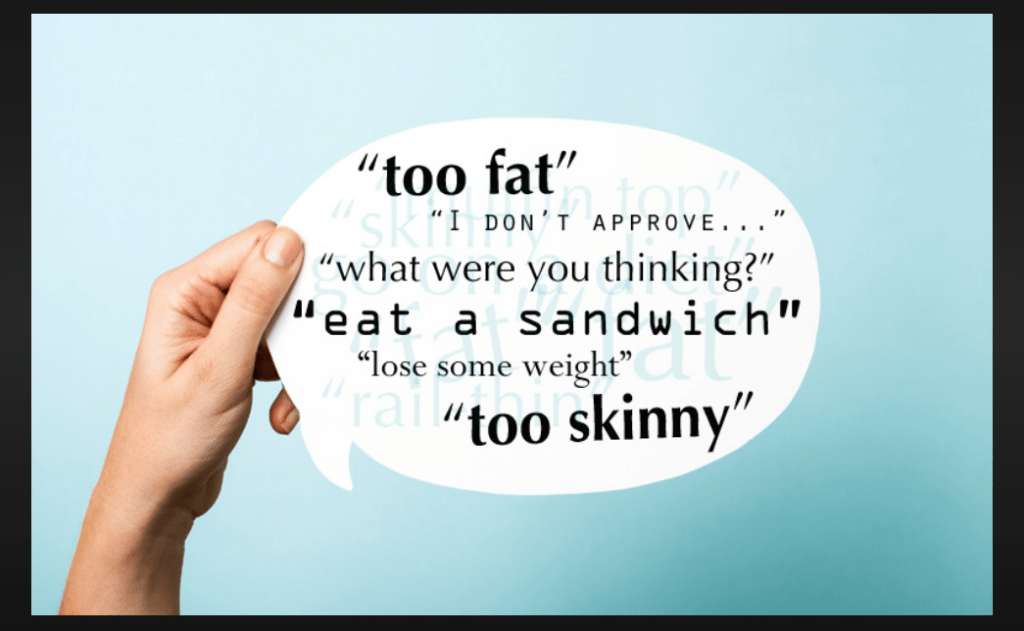
‘Look at her she is so fat.’ ‘look at him , is so dark and skinny.’ ‘ just look at that girl she is so short .’

Ever heard these? I hear them daily and it’s either about my self or a group of people or a person talking , to be more clear gossiping about some one else.

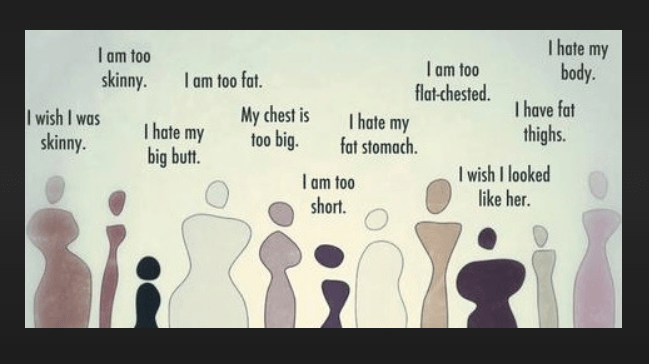
So the society expects one to be perfect ,like fair color, good height and slim and fit ,but are every one built in the same way? of course no , just like all the five fingers of our hand are different ,every human being is different and beautiful in their own ways.

If a girl is dark the whole society gives advices ,how to become fair ,if she or he is fat they are given advices about how to reduce weight , if skinny then how to increase their weight, if short ,how to become tall , I just keep wondering if the society has problem with every one’s appearance ?

From my personal experience , I can tell you that I faced such things , I was bullied in my school by my classmates , my friends and even my relatives bullied for my appearance , I could not tolerate them and even I cried due to that , and used to be envious of others for their personalities. I too wanted to achieve what they had and for that I used to skip meals some times and due to that I would feel more hungry than ever and used to over eat. As the time passed I started to accept my body and for my health and fitness , I took healthy steps in my life and started exercising and developing good healthy food habits.

I understood that everyone is beautiful in their own ways and its something that everyone has to accept , I understood that this bullying and body shaming is not good , not for your mental neither for your physical health, body shaming can lead to mental health issues , people start to overthink and worry about their appearance and in order to look perfect and beautiful they will choose faster and dangerous ways , like trying to reduce fat in just a week or trying to increase height and all this is really dangerous for one’s health and can lead to other dangerous consequences.

People of every gender and of all ages must deal with body shaming , it not a big issues , but this can damage one’s mental health the one at whom we are laughing at , whom we are body shaming, or mocking, this may also lead to emotional damage and trauma and depression.

So who are the culprits behind this , one is the society and the other is we ourselves , the product advertisers are the main ones for creating a pain point and then offering a solution to it, making ourselves think that we are not worthy and if we are not of certain skin tone ,height or weight and all , secondly we have ourselves to blame because we do not believe in ourselves and our bodies and we do not treat them well , we do not accept ourselves for how we are and then all this leads to a solution to overcome our issues and that too in a quick and unhealthy way ,leading to more disasters .

I just want the society to accept everyone as they are and to appreciate everyone’s personality since its unique for everyone and to stop body shaming or bullying . Society can be more beautiful if we accept people how they are and try not to change their appearance and instead help build confidence with in them about how unique they are and how to accept and love your body . Not only the society but firstly you yourself have to accept your body and treat it in a proper way and you have to love yourself the way you are , because self love comes first and you have to your first priority.

Body shaming is nothing less than a crime.

‘Look at her she is so fat.’ ‘look at him , is so dark and skinny.’ ‘ just look at that girl she is so short .’

Ever heard these? I hear them daily and it’s either about my self or a group of people or a person talking , to be more clear gossiping about some one else.

So the society expects one to be perfect ,like fair color, good height and slim and fit ,but are every one built in the same way? of course no , just like all the five fingers of our hand are different ,every human being is different and beautiful in their own ways.

If a girl is dark the whole society gives advices ,how to become fair ,if she or he is fat they are given advices about how to reduce weight , if skinny then how to increase their weight, if short ,how to become tall , I just keep wondering if the society has problem with every one’s appearance ?

From my personal experience , I can tell you that I faced such things , I was bullied in my school by my classmates , my friends and even my relatives bullied for my appearance , I could not tolerate them and even I cried due to that , and used to be envious of others for their personalities. I too wanted to achieve what they had and for that I used to skip meals some times and due to that I would feel more hungry than ever and used to over eat. As the time passed I started to accept my body and for my health and fitness , I took healthy steps in my life and started exercising and developing good healthy food habits.

I understood that everyone is beautiful in their own ways and its something that everyone has to accept , I understood that this bullying and body shaming is not good , not for your mental neither for your physical health, body shaming can lead to mental health issues , people start to overthink and worry about their appearance and in order to look perfect and beautiful they will choose faster and dangerous ways , like trying to reduce fat in just a week or trying to increase height and all this is really dangerous for one’s health and can lead to other dangerous consequences.

People of every gender and of all ages must deal with body shaming , it not a big issues , but this can damage one’s mental health the one at whom we are laughing at , whom we are body shaming, or mocking, this may also lead to emotional damage and trauma and depression.

So who are the culprits behind this , one is the society and the other is we ourselves , the product advertisers are the main ones for creating a pain point and then offering a solution to it, making ourselves think that we are not worthy and if we are not of certain skin tone ,height or weight and all , secondly we have ourselves to blame because we do not believe in ourselves and our bodies and we do not treat them well , we do not accept ourselves for how we are and then all this leads to a solution to overcome our issues and that too in a quick and unhealthy way ,leading to more disasters .

I just want the society to accept everyone as they are and to appreciate everyone’s personality since its unique for everyone and to stop body shaming or bullying . Society can be more beautiful if we accept people how they are and try not to change their appearance and instead help build confidence with in them about how unique they are and how to accept and love your body . Not only the society but firstly you yourself have to accept your body and treat it in a proper way and you have to love yourself the way you are , because self love comes first and you have to your first priority.

The lights that don’t lie- The case of the radium girls

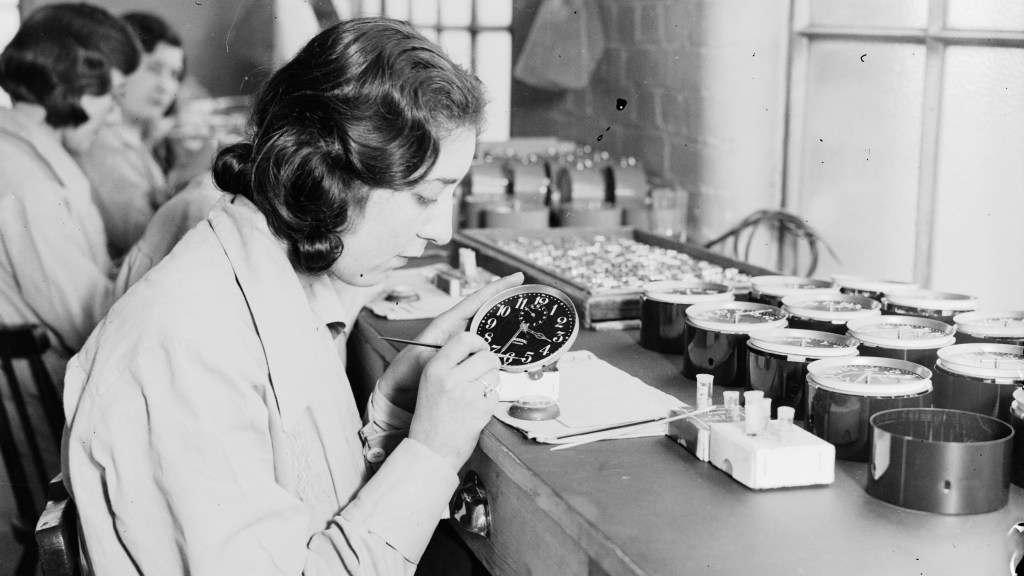
With war declared, hundreds of working-class women flocked to the studio where they were employed to paint watches and military dials with the new element radium, which had been discovered by Marie Curie a little less than 20 years before. Dial painting was “the elite job for the poor working girls”; it paid more than three times the average factory job, and those lucky enough to land a position ranked in the top 5% of female workers nationally, giving the women financial freedom in a time of burgeoning female empowerment. Radium’s luminosity was part of its allure, and the dial painters soon became known as the “ghost girls” — because by the time they finished their shifts, they themselves would glow in the dark. They made the most of the perk, wearing their good dresses to the plant so they’d shine in the dance halls at night, and even painting radium onto their teeth for a smile that would knock their suitors dead.

What’s more, the painters ingested the radioactive substance as part of their job. Because some of the watch dials on which they worked were extremely small, they were instructed to use their lips to bring their paint brushes to a fine point. When they asked about radium’s safety, they were assured by their managers that they had nothing to worry about.Of course, that wasn’t true. Radium can be extremely dangerous, especially with repeated exposure. Marie Curie suffered radiation burns while handling it, and she eventually died from radiation exposure.

It wasn’t long before the “Radium Girls” began to experience the physical ravages of their exposure. Among the first was Amelia (“Mollie”) Maggia, who painted watches for the Radium Luminous Materials Corp. Maggia’s first symptom was a toothache, which required the removal of the tooth. Soon the tooth next to it also had to be extracted. Painful ulcers, bleeding and full of pus, developed where the teeth had been. Maggia died on September 12, 1922, of a massive hemorrhage. Doctors were puzzled as to the cause of her condition. In growing numbers, other Radium Girls became deathly ill, experiencing many of the same agonizing symptoms as Maggia. For two years their employer vociferously denied any connection between the girls’ deaths and their work. Facing a downturn in business because of the growing controversy, the company finally commissioned an independent study of the matter, which concluded that the painters had died from the effects of radium exposure.

In 1925 a pathologist named Harrison Martland developed a test that proved conclusively that radium had poisoned the watch painters by destroying their bodies from the inside. The radium industry tried to discredit Martland’s findings, but the Radium Girls themselves fought back. Many knew that their days were numbered, but they wanted to do something to help their colleagues still working with the deadly substance. Ingested radium had subsequently settled in the women’s bodies and was now emitting constant, destructive radiation that “honeycombed” their bones. It was literally boring holes inside them while they were alive. It attacked the women all over their bodies.

In 1927, a smart young lawyer named Raymond Berry accepted their case, and Grace (along with four colleagues) found herself at the canter of an internationally famous courtroom drama. The women had been given just four months to live, and the company seemed intent on dragging out the legal proceedings. The New Jersey radium girls’ case was front-page news, and it sent shockwaves across America.

It was the mid-1930s: America was in the grip of the Great Depression. Catherine and her friends , victims of this heinous poisoning, were shunned by their community for suing one of the few firms left standing. Though close to death when her case went to court in 1938, Catherine ignored her doctors’ advice and instead gave evidence from her deathbed. In doing so, and with the help of her lawyer, Leonard Grossman, she finally won justice not only for herself, but for workers everywhere.

The radium girls’ case was one of the first in which an employer was made responsible for the health of the company’s employees. It led to life-saving regulations and, ultimately, to the establishment of the Occupational Safety and Health Administration, which now operates nationally in the United States to protect workers. . The women also left a legacy to science that has been termed “invaluable.”

The lights that don’t lie- The case of the radium girls

With war declared, hundreds of working-class women flocked to the studio where they were employed to paint watches and military dials with the new element radium, which had been discovered by Marie Curie a little less than 20 years before. Dial painting was “the elite job for the poor working girls”; it paid more than three times the average factory job, and those lucky enough to land a position ranked in the top 5% of female workers nationally, giving the women financial freedom in a time of burgeoning female empowerment. Radium’s luminosity was part of its allure, and the dial painters soon became known as the “ghost girls” — because by the time they finished their shifts, they themselves would glow in the dark. They made the most of the perk, wearing their good dresses to the plant so they’d shine in the dance halls at night, and even painting radium onto their teeth for a smile that would knock their suitors dead.

What’s more, the painters ingested the radioactive substance as part of their job. Because some of the watch dials on which they worked were extremely small, they were instructed to use their lips to bring their paint brushes to a fine point. When they asked about radium’s safety, they were assured by their managers that they had nothing to worry about.Of course, that wasn’t true. Radium can be extremely dangerous, especially with repeated exposure. Marie Curie suffered radiation burns while handling it, and she eventually died from radiation exposure.

It wasn’t long before the “Radium Girls” began to experience the physical ravages of their exposure. Among the first was Amelia (“Mollie”) Maggia, who painted watches for the Radium Luminous Materials Corp. Maggia’s first symptom was a toothache, which required the removal of the tooth. Soon the tooth next to it also had to be extracted. Painful ulcers, bleeding and full of pus, developed where the teeth had been. Maggia died on September 12, 1922, of a massive hemorrhage. Doctors were puzzled as to the cause of her condition. In growing numbers, other Radium Girls became deathly ill, experiencing many of the same agonizing symptoms as Maggia. For two years their employer vociferously denied any connection between the girls’ deaths and their work. Facing a downturn in business because of the growing controversy, the company finally commissioned an independent study of the matter, which concluded that the painters had died from the effects of radium exposure.

In 1925 a pathologist named Harrison Martland developed a test that proved conclusively that radium had poisoned the watch painters by destroying their bodies from the inside. The radium industry tried to discredit Martland’s findings, but the Radium Girls themselves fought back. Many knew that their days were numbered, but they wanted to do something to help their colleagues still working with the deadly substance. Ingested radium had subsequently settled in the women’s bodies and was now emitting constant, destructive radiation that “honeycombed” their bones. It was literally boring holes inside them while they were alive. It attacked the women all over their bodies.

In 1927, a smart young lawyer named Raymond Berry accepted their case, and Grace (along with four colleagues) found herself at the canter of an internationally famous courtroom drama. The women had been given just four months to live, and the company seemed intent on dragging out the legal proceedings. The New Jersey radium girls’ case was front-page news, and it sent shockwaves across America.

It was the mid-1930s: America was in the grip of the Great Depression. Catherine and her friends , victims of this heinous poisoning, were shunned by their community for suing one of the few firms left standing. Though close to death when her case went to court in 1938, Catherine ignored her doctors’ advice and instead gave evidence from her deathbed. In doing so, and with the help of her lawyer, Leonard Grossman, she finally won justice not only for herself, but for workers everywhere.

The radium girls’ case was one of the first in which an employer was made responsible for the health of the company’s employees. It led to life-saving regulations and, ultimately, to the establishment of the Occupational Safety and Health Administration, which now operates nationally in the United States to protect workers. . The women also left a legacy to science that has been termed “invaluable.”