How India Generate Money for the Growth of Economy

Source: VectorStock

Government of India adopted mixed economy strategy after the independence from British Colonialism. A mixed economy is a system which comprehend the blending elements of market economies with the elements of planned economies with the hint of free market with state intervene such as with private enterprise and public enterprise.

A mixture of markets with state intervention referring to capitalist market economies with strong regulatory oversight, intervening policies and governmental provision of public services.”  This type of economy is apolitical in nature and holding the same substance of private and public enterprise.

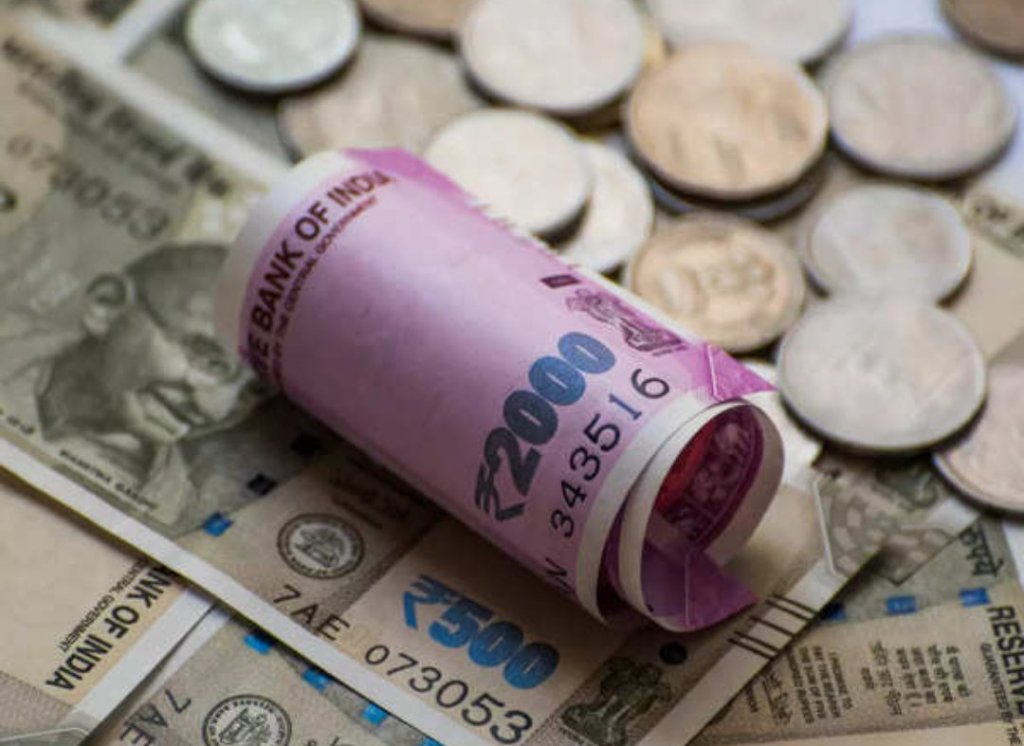
In Western world, capitalist economy containing more dominance of private ownership with profit seeking enterprise and accumulation of capital as consider it fundamental driving force for the growth. In such system, markets are tend to flatulent between government and regulatory control which influence indirect macroeconomics influence through fiscal and monetary policies. India has mixed economy culture since independence. The second Five Year Plan infused the economy of socialist pattern for India. Planned Development yielded the socialist strategy for economic planning and Development of public sector. As India adopted mixed economy, Economic planning associated with capitalistic framework. Indian economy augment in Monopoly trends support mixed economy, predominance of
Source: Economic Times

markets mechanism which create the prevalence of markets for goods; this determined the demand and supply created private ownership of production.

Since the mid 1980s, India has opened up its markets through economic reform. Several industrial policies, Indian economy provided space for private sector but before 1980 the participation of private sectors in economy was very low. Indian economy started to become mixed economy in 1980s and India’s International trade started at large scale.

There are few reasons that why India inclined towards mixed economy and got the base of liberalization, pravitalisation and globalization and switching from agrarian economy. The low growth rate of the economy of India before 1980 which was stagnant from 3 to 3.5% from 1950s to 1980s while per capital income averaged 1.3%. At the same time, Pakistan grew by 5% Thailand by 9%, South Korea by 10%. Before 1990s, only four and five working license were given to steel, electrical, power and communication. License owners large enterprises.

A huge power sector emerged as state owned enterprises made large losses. Income taxes and custom department become inefficient in checking tax evasion. Infrastructure investment was poor because of the public sector monopoly. License Raj established the irresponsible bureaucracy and corruption in the enterprises and corruption flourished in this system.
Source: PaperTyari

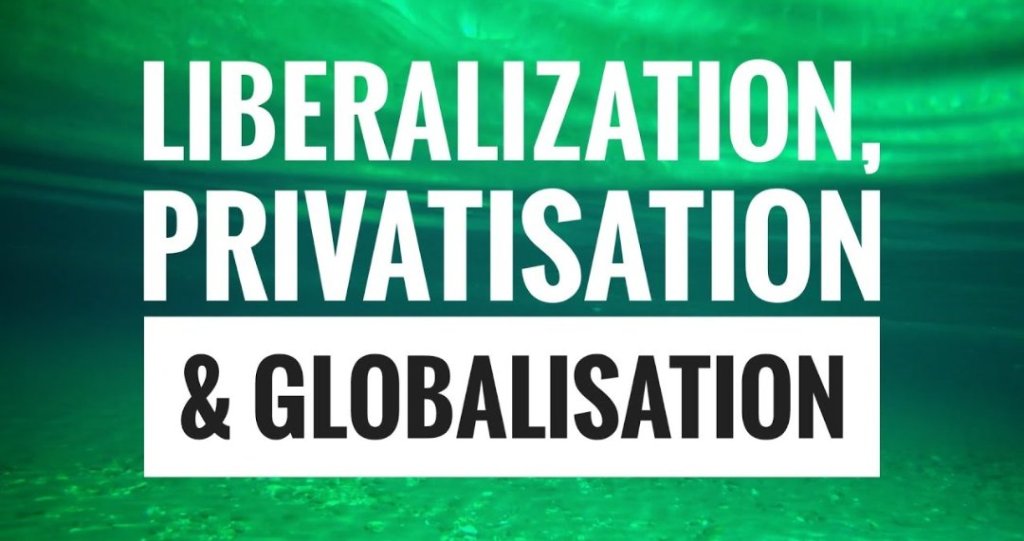
In 1990, Prime minister PV Narasimha Rao, with Finance Minister Manmohan Singh initiated the Economic Liberalization in 1991. Reforms vanished license Raj, reduced tariffs and interest rates and ended many public monopolies, allowing Foreign investment in many sectors. Through the Economic Reform of 1991, Indian economy introduced liberalization privatization and Globalization as part of Structural Programme.

Liberalization has equated a change of reorganization of institutional space; it is a relationship of economies in the direction of market principles. Liberalization create jobs, increase competition, Private companies buys land and develop cities.

Privatization reduce the government’s political interference. It improve the efficiency of profit incentive; improve operational efficiency in order to reduce their costs and improve on profits. Produce good quality products and provide better services and reduce wastages and utilize the resources.

Globalization encourages producers and consumers to benefit from division of labor. More free market movement between countries. Gains from the sharing of ideas skills technologies across national borders. Opening up of capital markets allows developing countries to borrow money to over a domestic savings gap. Increased awareness among consumers of inequality and climate change. Competition pressure from Globalization may improved the governance.

How India Generate Money for the Growth of Economy

Source: VectorStock

Government of India adopted mixed economy strategy after the independence from British Colonialism. A mixed economy is a system which comprehend the blending elements of market economies with the elements of planned economies with the hint of free market with state intervene such as with private enterprise and public enterprise.

A mixture of markets with state intervention referring to capitalist market economies with strong regulatory oversight, intervening policies and governmental provision of public services.”  This type of economy is apolitical in nature and holding the same substance of private and public enterprise.

In Western world, capitalist economy containing more dominance of private ownership with profit seeking enterprise and accumulation of capital as consider it fundamental driving force for the growth. In such system, markets are tend to flatulent between government and regulatory control which influence indirect macroeconomics influence through fiscal and monetary policies. India has mixed economy culture since independence. The second Five Year Plan infused the economy of socialist pattern for India. Planned Development yielded the socialist strategy for economic planning and Development of public sector. As India adopted mixed economy, Economic planning associated with capitalistic framework. Indian economy augment in Monopoly trends support mixed economy, predominance of

Source: Economic Times

markets mechanism which create the prevalence of markets for goods; this determined the demand and supply created private ownership of production.

Since the mid 1980s, India has opened up its markets through economic reform. Several industrial policies, Indian economy provided space for private sector but before 1980 the participation of private sectors in economy was very low. Indian economy started to become mixed economy in 1980s and India’s International trade started at large scale.

There are few reasons that why India inclined towards mixed economy and got the base of liberalization, pravitalisation and globalization and switching from agrarian economy. The low growth rate of the economy of India before 1980 which was stagnant from 3 to 3.5% from 1950s to 1980s while per capital income averaged 1.3%. At the same time, Pakistan grew by 5% Thailand by 9%, South Korea by 10%. Before 1990s, only four and five working license were given to steel, electrical, power and communication. License owners large enterprises.

A huge power sector emerged as state owned enterprises made large losses. Income taxes and custom department become inefficient in checking tax evasion. Infrastructure investment was poor because of the public sector monopoly. License Raj established the irresponsible bureaucracy and corruption in the enterprises and corruption flourished in this system.

Source: PaperTyari

In 1990, Prime minister PV Narasimha Rao, with Finance Minister Manmohan Singh initiated the Economic Liberalization in 1991. Reforms vanished license Raj, reduced tariffs and interest rates and ended many public monopolies, allowing Foreign investment in many sectors. Through the Economic Reform of 1991, Indian economy introduced liberalization privatization and Globalization as part of Structural Programme.

Liberalization has equated a change of reorganization of institutional space; it is a relationship of economies in the direction of market principles. Liberalization create jobs, increase competition, Private companies buys land and develop cities.

Privatization reduce the government’s political interference. It improve the efficiency of profit incentive; improve operational efficiency in order to reduce their costs and improve on profits. Produce good quality products and provide better services and reduce wastages and utilize the resources.

Globalization encourages producers and consumers to benefit from division of labor. More free market movement between countries. Gains from the sharing of ideas skills technologies across national borders. Opening up of capital markets allows developing countries to borrow money to over a domestic savings gap. Increased awareness among consumers of inequality and climate change. Competition pressure from Globalization may improved the governance.
Healthy snacking to switch to.

Snacking refers to the intake of foods during the day other than your main meals. Snacks typically consist of smaller food portions distributed between meals. While research on whether snacking aids weight loss is mixed, some evidence suggests that increasing your meal frequency through snacking may help manage hunger and improve blood sugar regulation. By planning ahead and focusing on nutrient-rich foods, snacks may support your weight management goals by managing hunger and keeping you satisfied between meals. Think of a healthy snack as a mini-meal. It should be more than just a handful of popcorn or a bag of chips. Like a meal, it should contain some protein, carbs, and healthy fats. Bonus points for fibre, as that helps fill us up and slows digestion leaving you feeling fuller longer. Here are some options for healthy snacking you can switch to-

1. Mixed nuts

Nuts are an ideal nutritious snack, providing the perfect balance of healthy fats, protein, and fiber.Aside from being tasty; they’re linked to numerous health benefits and very filling. There are plenty of nuts you can choose from, including walnuts, almonds, Brazil nuts, hazelnuts, pine nuts, macadamia nuts, cashews, and pistachios. Because they don’t require refrigeration, they’re a great choice for snacking on the go.

2. Kale chips

Kale is incredibly healthy, as it’s loaded with fiber and antioxidants like beta carotene, lutein.It’s also a good source of minerals, such as calcium and phosphorus. It has a lower level of oxalic acid, an anti-nutrient that impairs calcium absorption, than many other leafy greens .Pairing kale with olive oil not only makes more delicious and crispy chips but also a more balanced and filling snack.

3. Protein smoothie

A protein smoothie can be a filling snack for when you need something substantial until your next meal.They’re an easy and convenient way to increase your protein intake. You can add just about any other ingredient to the mix, from fruits and veggies to healthy fats like avocado, nut butter, or chia seeds, for a nutrient-rich snack.

4. Oatmeal

Oatmeal is a truly versatile snack that you can enjoy hot or cold — at home or on the go. Oats are a nutritious whole grain that provides a good amount of fiber and higher protein content compared with other cereals.What’s more, you can satisfy your sweet tooth with oatmeal topped with fruit, cinnamon, cocoa powder, and chocolate chips, or go for a savory version by adding eggs, avocado, and veggies like mushrooms or tomatoes.

5. Cucumber slices with hummus

Cucumber’s fresh flavour and crunchy texture go very well with the rich creaminess of hummus. Hummus is typically made from chickpeas, tahini, olive oil, and garlic. Thus, it provides a mix of plant-based protein, fibre, and heart-healthy fats. You can also pair them with some whole grain crackers or pretzel sticks for a heartier snack.

When your next craving hits, aim for whole foods that add nutrition to your day instead of highly processed, less nutritious options.Having some healthy choices in reach can help you stay satisfied, add more nutrients to your diet, and support weight management. Healthy snacking can be benifically in all aspects of life , so start making choices of what you intake.

Healthy snacking to switch to.

Snacking refers to the intake of foods during the day other than your main meals. Snacks typically consist of smaller food portions distributed between meals. While research on whether snacking aids weight loss is mixed, some evidence suggests that increasing your meal frequency through snacking may help manage hunger and improve blood sugar regulation. By planning ahead and focusing on nutrient-rich foods, snacks may support your weight management goals by managing hunger and keeping you satisfied between meals. Think of a healthy snack as a mini-meal. It should be more than just a handful of popcorn or a bag of chips. Like a meal, it should contain some protein, carbs, and healthy fats. Bonus points for fibre, as that helps fill us up and slows digestion leaving you feeling fuller longer. Here are some options for healthy snacking you can switch to-

1. Mixed nuts

Nuts are an ideal nutritious snack, providing the perfect balance of healthy fats, protein, and fiber.Aside from being tasty; they’re linked to numerous health benefits and very filling. There are plenty of nuts you can choose from, including walnuts, almonds, Brazil nuts, hazelnuts, pine nuts, macadamia nuts, cashews, and pistachios. Because they don’t require refrigeration, they’re a great choice for snacking on the go.

2. Kale chips

Kale is incredibly healthy, as it’s loaded with fiber and antioxidants like beta carotene, lutein.It’s also a good source of minerals, such as calcium and phosphorus. It has a lower level of oxalic acid, an anti-nutrient that impairs calcium absorption, than many other leafy greens .Pairing kale with olive oil not only makes more delicious and crispy chips but also a more balanced and filling snack.

3. Protein smoothie

A protein smoothie can be a filling snack for when you need something substantial until your next meal.They’re an easy and convenient way to increase your protein intake. You can add just about any other ingredient to the mix, from fruits and veggies to healthy fats like avocado, nut butter, or chia seeds, for a nutrient-rich snack.

4. Oatmeal

Oatmeal is a truly versatile snack that you can enjoy hot or cold — at home or on the go. Oats are a nutritious whole grain that provides a good amount of fiber and higher protein content compared with other cereals.What’s more, you can satisfy your sweet tooth with oatmeal topped with fruit, cinnamon, cocoa powder, and chocolate chips, or go for a savory version by adding eggs, avocado, and veggies like mushrooms or tomatoes.

5. Cucumber slices with hummus

Cucumber’s fresh flavour and crunchy texture go very well with the rich creaminess of hummus. Hummus is typically made from chickpeas, tahini, olive oil, and garlic. Thus, it provides a mix of plant-based protein, fibre, and heart-healthy fats. You can also pair them with some whole grain crackers or pretzel sticks for a heartier snack.

When your next craving hits, aim for whole foods that add nutrition to your day instead of highly processed, less nutritious options.Having some healthy choices in reach can help you stay satisfied, add more nutrients to your diet, and support weight management. Healthy snacking can be benifically in all aspects of life , so start making choices of what you intake.

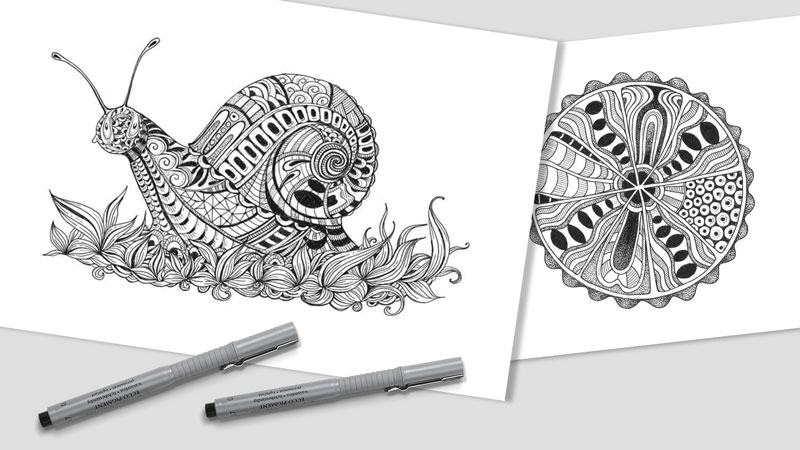
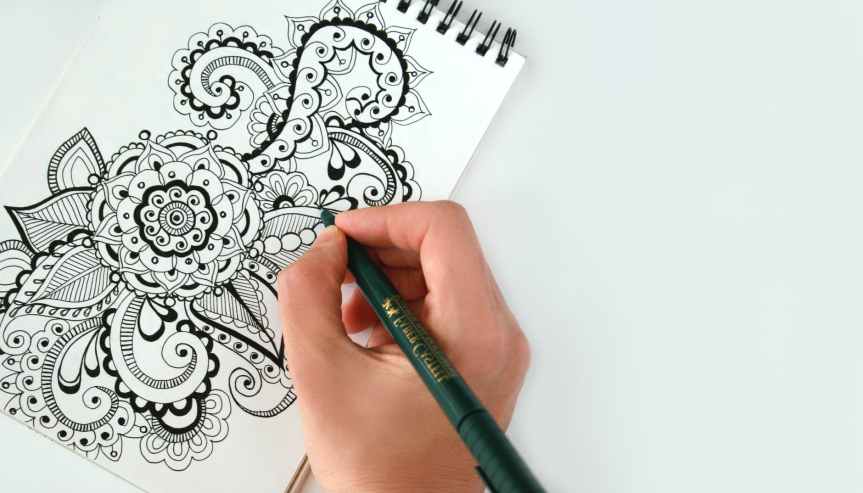
Doodling

Doodles are a common means of expression in today’s world. From Google’s daily doodles to Instagrammers’ daily posts, it is hard to pass an internet day without seeing a single doodle. Also, we all would have drawn a doodle at least once, while attending a bore lecture or during a uninteresting seminar.  More than those cartoons we see there are several other dimensions for a doodle. For some it is a stress buster and for some others it is a means of earnings. In this post, let us read more about doodles.

What is doodle?

A doodle is a drawing made while a person’s attention is otherwise occupied. Doodles are simple drawings that can have concrete representational meaning or may just be composed of random and abstract lines, generally without ever lifting the drawing device from the paper, in which case it is usually called a scribble.

It is generally associated with toddlers and as a means of increasing hand coordination. Typical examples of doodling are found in school notebooks, often in the margins, drawn by students daydreaming or losing interest during class.

Impacts of doodle

Effects on memory

According to a study published in the scientific journal Applied Cognitive Psychology, doodling can aid a person’s memory by expending just enough energy to keep one from daydreaming, which demands a lot of the brain’s processing power, as well as from not paying attention. Thus, it acts as a mediator between the spectrum of thinking too much or thinking too little and helps focus on the current situation. The study was done by Professor Jackie Andrade, of the School of Psychology at the University of Plymouth, who reported that doodlers in her experiment recalled 7.5 pieces of information (out of 16 total) on average, 29% more than the average of 5.8 recalled by the control group made of non-doodlers.

Comprehension skills

Doodling has positive effects on human comprehension as well. Creating visual depictions of information allows for a deeper understanding of material being learned. When doodling, a person is engaging neurological pathways in ways that allow for effective and efficient sifting and processing of information. For these reasons, doodling is used as an effective study tool and memory device.

As a therapeutic device

Doodling can be used as a stress relieving technique. This is similar to other motor activities such as fidgeting or pacing that are also used to alleviate mental stress. According to a review of over 9,000 submitted doodles, nearly 2/3 of respondents recalled doodling when in a “tense or restless state” as a means to reduce those feelings. Scientists believe that doodling’s stress relieving properties arise from the way that the act of doodling engages with the brain’s default mode network.

Types of doodling:

Zentangle

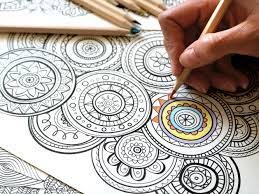
The Zentangle Method is an easy-to-learn, relaxing, and fun way to create beautiful images by drawing structured patterns. We call these patterns, tangles. You create tangles with combinations of dots, lines, simple curves, S-curves and orbs. These simple shapes are the “Elemental Strokes” in all Zentangle art.

Mandala

Mandala painting is a symbolic picture of the universe, the circle that represents wholeness, totality, infinity, timelessness, and unity. Mandala is famously known as a spiritual and ritual symbol in many Asian cultures.

Zendoodling

Zendoodling is the art of drawing designs using structured patterns or “Zentangle.” When you draw a Zen doodle, you’re creating a work of art, but you’re also deliberately creating a mood, focus, and state of mind.

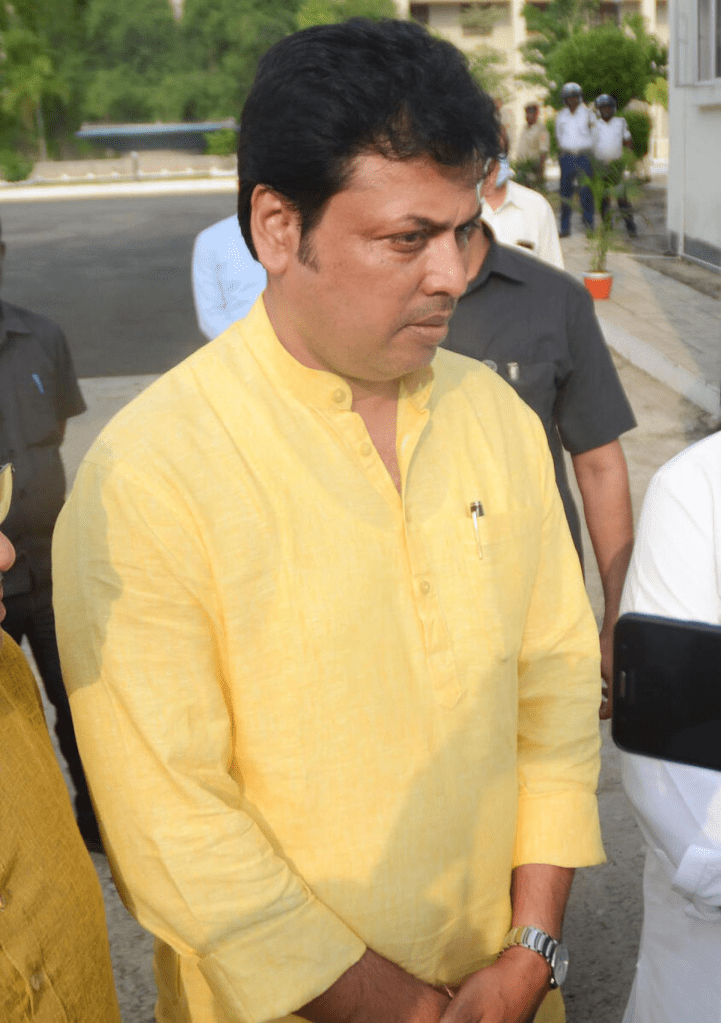
BJP changes Tripura CM

BJP leader Biplab Kumar Deb after submitting his resignation as CM of Tripura to State Governor Satyadev Narayan Arya in Agartala.

BJP made Rajya Sabha MP Manik Saha the new Chief Minister of Tripura, succeeding Biplab Kumar Deb who resigned earlier on Saturday. Dr. Saha, the BJP’s State president, was elected the legislature party leader at a meeting at the Chief Minister’s official residence soon after Mr. Deb tendered his resignation to Governor S.N. Arya.

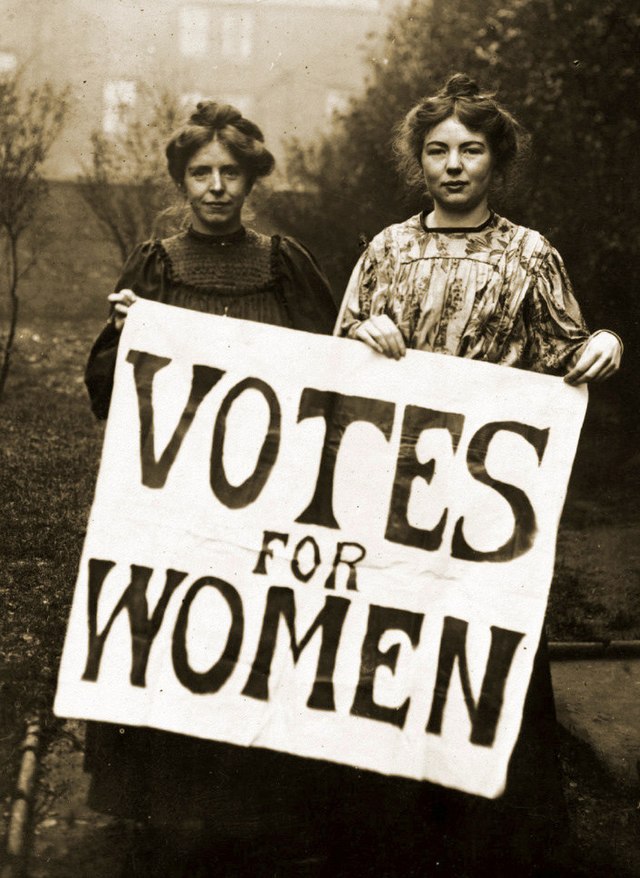
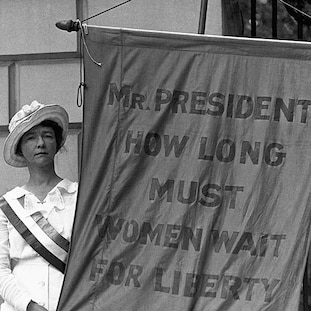
The women’s suffrage movement

The Nineteenth Amendment to the US Constitution was ratified on August 18, 1920. It declares that “The right of citizens of the United States to vote shall not be denied or abridged by the United States or by any State on account of sex. Congress shall have power to enforce this article by appropriate legislation. “The amendment, which granted women the right to vote, represented the pinnacle of the women’s suffrage movement, which was led by the National American Woman Suffrage Association (NAWSA).In their decades-long struggle for female enfranchisement, women’s rights advocates met with strong opposition from anti-suffrage activists.

The women’s suffrage movement has its origins in the Seneca Falls Convention of 1848, the first women’s rights convention ever held in the United States. Approximately three hundred activists, female and male, gathered to discuss the condition of women and to devise strategies for achieving social and political rights for women. Though women’s suffrage was a topic of debate at the convention, it was not the main goal of the movement at this early stage, and the convention’s resolution demanding women’s suffrage was the only resolution that was not passed unanimously.

The first women’s suffrage organizations were created in 1869. Susan B. Anthony and Elizabeth Cady Stanton founded the National Woman Suffrage Association (NWSA), while Lucy Stone, Julia Ward Howe, and Henry Blackwell founded the American Woman Suffrage Association (AWSA). These two rival groups were divided over the Fifteenth Amendment, which guaranteed African American men the right to vote. The AWSA supported the Fifteenth Amendment, while the NWSA opposed it because it did not include suffrage for women. In 1890, the two competing organizations were merged into the National American Woman Suffrage Association (NAWSA).

During the 1870s, suffragists (women’s suffrage activists) began attempting to vote at polling places and filing lawsuits when their attempts were rejected. This drew attention to the women’s rights movement, particularly after Susan B. Anthony was arrested and put on trial for voting in the 1872 presidential election. Suffragists hoped that the lawsuits would work their way up to the Supreme Court, and that the justices would declare that women had a constitutional right to vote. In 1875, the Supreme Court, rejected women’s suffrage, ruling that the US Constitution did not confer the right of suffrage to anyone.

After the Supreme Court ruling, leaders of the women’s rights movement adopted other strategies for securing universal suffrage. Activists began organizing a drive to pass a constitutional amendment guaranteeing women the right to vote. The National American Woman Suffrage Association launched a campaign to achieve victories at the state level, in the hopes that if enough states allowed women the right to vote, federal legislation would follow. These efforts were so successful that by the time of the ratification of the Nineteenth Amendment, over half of all states had already granted limited voting rights to women.

The Nineteenth Amendment

In January, 1878, Republican Senator Aaron A. Sargent of California formally introduced in the Senate a constitutional amendment to guarantee women the vote. The bill languished in committee until 1887, when it finally went up to a vote, and was defeated. Not until 1914 was another constitutional amendment for women’s rights considered, and again rejected, by the Senate.

Though the movement for women’s suffrage was well-organized and gaining momentum by the early twentieth century, it met with strong opposition from some sectors of US society. Brewers and distillers were opposed to female enfranchisement because they assumed that women would vote for the prohibition of alcoholic beverages, while businesses that employed children feared that women would vote to eliminate child labour. Anti-suffrage organizations sprang up all over the country to oppose the drive for female enfranchisement. Anti-suffrage activists were not just men; indeed, many upper class women joined the movement, arguing that politics was a dirty business that would sully the moral and spiritual authority of women

The National American Woman Suffrage Association in 1900, launched an effort to link the drive for female suffrage to the US war effort in the First World War. Though many of her fellow suffragists were anti-war pacifists, Catt made the controversial decision to support the war and to thereby portray the women’s suffrage movement as patriotic. The effort was a success; in his 1918 State of the Union address, President Woodrow Wilson declared his support for female enfranchisement.

On August 18, 1920, Congress ratified the Nineteenth Amendment, which guaranteed the right to vote to all US citizens regardless of sex. The Nineteenth Amendment represented a major victory and a turning point in the women’s rights movement.

The women’s suffrage movement

The Nineteenth Amendment to the US Constitution was ratified on August 18, 1920. It declares that “The right of citizens of the United States to vote shall not be denied or abridged by the United States or by any State on account of sex. Congress shall have power to enforce this article by appropriate legislation. “The amendment, which granted women the right to vote, represented the pinnacle of the women’s suffrage movement, which was led by the National American Woman Suffrage Association (NAWSA).In their decades-long struggle for female enfranchisement, women’s rights advocates met with strong opposition from anti-suffrage activists.

The women’s suffrage movement has its origins in the Seneca Falls Convention of 1848, the first women’s rights convention ever held in the United States. Approximately three hundred activists, female and male, gathered to discuss the condition of women and to devise strategies for achieving social and political rights for women. Though women’s suffrage was a topic of debate at the convention, it was not the main goal of the movement at this early stage, and the convention’s resolution demanding women’s suffrage was the only resolution that was not passed unanimously.

The first women’s suffrage organizations were created in 1869. Susan B. Anthony and Elizabeth Cady Stanton founded the National Woman Suffrage Association (NWSA), while Lucy Stone, Julia Ward Howe, and Henry Blackwell founded the American Woman Suffrage Association (AWSA). These two rival groups were divided over the Fifteenth Amendment, which guaranteed African American men the right to vote. The AWSA supported the Fifteenth Amendment, while the NWSA opposed it because it did not include suffrage for women. In 1890, the two competing organizations were merged into the National American Woman Suffrage Association (NAWSA).

During the 1870s, suffragists (women’s suffrage activists) began attempting to vote at polling places and filing lawsuits when their attempts were rejected. This drew attention to the women’s rights movement, particularly after Susan B. Anthony was arrested and put on trial for voting in the 1872 presidential election. Suffragists hoped that the lawsuits would work their way up to the Supreme Court, and that the justices would declare that women had a constitutional right to vote. In 1875, the Supreme Court, rejected women’s suffrage, ruling that the US Constitution did not confer the right of suffrage to anyone.

After the Supreme Court ruling, leaders of the women’s rights movement adopted other strategies for securing universal suffrage. Activists began organizing a drive to pass a constitutional amendment guaranteeing women the right to vote. The National American Woman Suffrage Association launched a campaign to achieve victories at the state level, in the hopes that if enough states allowed women the right to vote, federal legislation would follow. These efforts were so successful that by the time of the ratification of the Nineteenth Amendment, over half of all states had already granted limited voting rights to women.

The Nineteenth Amendment

In January, 1878, Republican Senator Aaron A. Sargent of California formally introduced in the Senate a constitutional amendment to guarantee women the vote. The bill languished in committee until 1887, when it finally went up to a vote, and was defeated. Not until 1914 was another constitutional amendment for women’s rights considered, and again rejected, by the Senate.

Though the movement for women’s suffrage was well-organized and gaining momentum by the early twentieth century, it met with strong opposition from some sectors of US society. Brewers and distillers were opposed to female enfranchisement because they assumed that women would vote for the prohibition of alcoholic beverages, while businesses that employed children feared that women would vote to eliminate child labour. Anti-suffrage organizations sprang up all over the country to oppose the drive for female enfranchisement. Anti-suffrage activists were not just men; indeed, many upper class women joined the movement, arguing that politics was a dirty business that would sully the moral and spiritual authority of women

The National American Woman Suffrage Association in 1900, launched an effort to link the drive for female suffrage to the US war effort in the First World War. Though many of her fellow suffragists were anti-war pacifists, Catt made the controversial decision to support the war and to thereby portray the women’s suffrage movement as patriotic. The effort was a success; in his 1918 State of the Union address, President Woodrow Wilson declared his support for female enfranchisement.

On August 18, 1920, Congress ratified the Nineteenth Amendment, which guaranteed the right to vote to all US citizens regardless of sex. The Nineteenth Amendment represented a major victory and a turning point in the women’s rights movement.

Actions of State and Non State Actors in Disaster Management

Source: lawwn

In contemporary time, Managing disasters is a highly dynamic, complex  and multifaceted affair. It is about to coordinated and contributions by a broad range of actors, including states, international organizations, non – governmental organizations, humanitarian organization, charities, private philanthropists, companies and affected local communities.

State Actors must perform some duties related to provide legitimacy to the operation, ensure coordination of various actors, provide information to needy agencies for Operation purpose, determine sufficient deputation of para military yo ensure smooth rescue and relief operation. Proper post disaster rescue and relief operation.

Contribution of Specialized Agencies in Disaster Management

There are several agencies apart from NDRF that play an significant role in Disaster management and hence they maintained in ‘standard operating procedure’ and prescribed definite role.

Civil Defence performance of some or all of the humanitarian tasks intended to protect the civilian population against the dangers and to help to recover from immediate effects of hostilities or disasters and also provide the conditions necessary for it’s survival.

Source: National Health Portal

Management of blackout measures; Rescue, medical services, including first aid and religious assistance, fire fighting are necessary components. Decontamination and take protective measures, emergency accommodation, emergency assistance in the restoration and repair indispensable public utilities. Assistance in preservation of essential objects for survival and complementary activities necessary to carry out any task.

Civil Defence Act 1968, is organized in areas and zones which are tactically and strategically considered vulnerable from the point of aggressive opposite side. Civil Defence activities are restricted to 225 categorized towns spread over 35 States/Union Territories. Civil Defence is primarily organized on voluntary.

The immediate response of any calamity comes straight to Police station. Their immediate help and responsibility is to communicate the information and Provide rescue efforts with whatever resources are available. In disaster management if police is first responder they need to fully equipped with effective resources. Police should involved in the preparation of the local Crisis/Disaster Plan.

The role of home guards is to serve as an auxiliary to the police in the maintenance of internal security, help the community in any kind of emergency such as fire, cyclone, earthquake, epidemic etc help in maintenance if essential services, promote communal harmony and assist the Administration in protecting weaker sections, participation in socio economic and welfare activities and perform Civil Defence duties.

Home guard facility not available in Kerala. Home guards act, rules of the states are the same. They are recruited across the section of the society whoever available for betterment of community. Home guards duties like any other public servant but not in the case of Civil Defence both are like voluntary corps.

Fire services have been set up by the state government with Union government providing technical and financial support. Fire services play prominent role in all types of disaster and fire related crisis. There is an urgent need to train and equip the fire to handle all types of crisis in any multi hazard crisis.

Armed forces have invariably played an important role in rescue and relief operation in all major disasters in the country. The contribution of Specialized NDRF battalions would reduce the pressure on the armed forces. Availability of highly trained dedicated and we’ll equipped human resources and their capability to play a vital role in rescue and relief during all major crises. They should be mobilized for creating a voluntary disaster task force at the local level.

 Contribution of Non State Actors

Non State Actors are those who are first respondents in case of Disaster and considered to perform few tasks like ensuring dissemination of information to the ground level. Promotion of government strategies and policies to counter disaster. Ensure community participation, the corporate or private player must come forward to support the victims financially with the use of corporate social responsibility.

Voluntary services like distributing food, clothes, helping the state in proper rehabilitation work. Full understanding of the disaster and subsequent policies of livelihood of survivors. To aware of human rights to help the survivors without any partisan view.

Actions of State and Non State Actors in Disaster Management

Source: lawwn

In contemporary time, Managing disasters is a highly dynamic, complex  and multifaceted affair. It is about to coordinated and contributions by a broad range of actors, including states, international organizations, non – governmental organizations, humanitarian organization, charities, private philanthropists, companies and affected local communities.

State Actors must perform some duties related to provide legitimacy to the operation, ensure coordination of various actors, provide information to needy agencies for Operation purpose, determine sufficient deputation of para military yo ensure smooth rescue and relief operation. Proper post disaster rescue and relief operation.

Contribution of Specialized Agencies in Disaster Management

There are several agencies apart from NDRF that play an significant role in Disaster management and hence they maintained in ‘standard operating procedure’ and prescribed definite role.

Civil Defence performance of some or all of the humanitarian tasks intended to protect the civilian population against the dangers and to help to recover from immediate effects of hostilities or disasters and also provide the conditions necessary for it’s survival.

Source: National Health Portal

Management of blackout measures; Rescue, medical services, including first aid and religious assistance, fire fighting are necessary components. Decontamination and take protective measures, emergency accommodation, emergency assistance in the restoration and repair indispensable public utilities. Assistance in preservation of essential objects for survival and complementary activities necessary to carry out any task.

Civil Defence Act 1968, is organized in areas and zones which are tactically and strategically considered vulnerable from the point of aggressive opposite side. Civil Defence activities are restricted to 225 categorized towns spread over 35 States/Union Territories. Civil Defence is primarily organized on voluntary.

The immediate response of any calamity comes straight to Police station. Their immediate help and responsibility is to communicate the information and Provide rescue efforts with whatever resources are available. In disaster management if police is first responder they need to fully equipped with effective resources. Police should involved in the preparation of the local Crisis/Disaster Plan.

The role of home guards is to serve as an auxiliary to the police in the maintenance of internal security, help the community in any kind of emergency such as fire, cyclone, earthquake, epidemic etc help in maintenance if essential services, promote communal harmony and assist the Administration in protecting weaker sections, participation in socio economic and welfare activities and perform Civil Defence duties.

Home guard facility not available in Kerala. Home guards act, rules of the states are the same. They are recruited across the section of the society whoever available for betterment of community. Home guards duties like any other public servant but not in the case of Civil Defence both are like voluntary corps.

Fire services have been set up by the state government with Union government providing technical and financial support. Fire services play prominent role in all types of disaster and fire related crisis. There is an urgent need to train and equip the fire to handle all types of crisis in any multi hazard crisis.

Armed forces have invariably played an important role in rescue and relief operation in all major disasters in the country. The contribution of Specialized NDRF battalions would reduce the pressure on the armed forces. Availability of highly trained dedicated and we’ll equipped human resources and their capability to play a vital role in rescue and relief during all major crises. They should be mobilized for creating a voluntary disaster task force at the local level.

 Contribution of Non State Actors

Non State Actors are those who are first respondents in case of Disaster and considered to perform few tasks like ensuring dissemination of information to the ground level. Promotion of government strategies and policies to counter disaster. Ensure community participation, the corporate or private player must come forward to support the victims financially with the use of corporate social responsibility.

Voluntary services like distributing food, clothes, helping the state in proper rehabilitation work. Full understanding of the disaster and subsequent policies of livelihood of survivors. To aware of human rights to help the survivors without any partisan view.

SAHAJ SABHARWAL – WRITES ON SOCIAL CAUSES AND STRIVE TO MAKE SOCIETY BETTER (YOUNG WRITER AND AUTHOR FROM INDIA)

Sahaj Sabharwal’s first book was not that very successful because many were not ready to support me. But again, he continued writing with the same passion and his second book showed some good results. So I would say that it is his passion and zeal to write better and believe in himself which has been the inspiration behind his every write-up. Here is a short interview with this buddy writer from Jammu and Kashmir, India. 


1. Tell us more about your background and journey.
I was a student of class seventh when I was in Delhi Public School, Jammu that I first started writing. And with that start, I published my very first book titled, “Poems by Sahaj Sabarwal” at the age of 17. The book is a collection of diverse poems based on the social issues and the life of the youth. 
Following that, I published my second book titled “Pedagogical Thoughts Made Facts” at the age of 19, which is again a book containing poetries, thoughts, quotes, stories, and articles aiming for bringing positivity in the lives of readers. Presently, I am pursuing Aeronautical Engineering from Tamil Nadu besides my interests in writing, rapping and blogging.
2. As a young writer, where does your inspiration for writing lie?
 
During my initial years into writing, I encountered severe, harsh criticisms from others. People were against the idea of a student publishing his own book at such a young age and should rather focus on studies and build a stable career. This is not something pleasant for anyone. I tried to turn such backlashes into an inspiration for me to do something better, something unique. And now I believe it is that feeling which has always inspired me to write and helped me achieve what I have now.
My first book was not that much successful because many were not ready to support me. But again, I continued writing with the same passion and my second book showed some good results. So I would say that it is my passion and zeal to write better and believe in myself which has been the inspiration behind my every write-up.
 
3. What prompted you to start writing along with your school studies?
When I was small, I wrote a poem for my mother on Mother’s Day. My mom loved it. Everyone was proud that I could write a beautiful poem with deep thoughts at such a young age. I would say it was this small incident that made me recognize my talent in writing. And then I started writing articles and poems, and that poem on my mother is also published in my first book. 
4. What is that one cause you care deeply about and why?
It is not quite possible to name just one cause because there are various social issues revolving around youth that need attention from society. There are children getting raped, students attempting suicide, and getting into addictions and these are just to name a few. 
 
The major reason behind these rising issues is the lack of proper education and awareness. Perpetrators do not realise that what they are doing is wrong, and victims usually are not aware of their rights. I would say that looking at these social causes and how youth is getting directly affected by them made me write these books.
5. If one wants to contribute and make a difference in social causes then how do you believe one can do it?
Some might argue that it is the responsibility of the government to make laws and prevent such issues. But, in reality, it is all in the hands of we individuals.
We can all contribute at our individual level, to our best capacity, and make small efforts to create a difference. For instance, I have been writing poems, articles, blogs, and rap songs, all based on social issues and with the aim to create awareness among people. Similarly, all of us can contribute in our way and, I believe, even the tiniest bit of contribution from someone can help.
We can take steps from educating at a larger scale to educating our family members at home. We can do social media campaigns and drives because, in this digital era, social media is a very powerful tool to create awareness. It might not always be quite successful, we might not be able to teach a large number of people. Just with hard work for years with God’s grace I am having around twelve thousand plus followers on instagram, thousands of followers on facebook, around a thousand on twitter and one thousand plus subscribers on youtube. It was not easy at all. In my childhood when I got motivated from successful personalities like Ronaldo and others, I was wondering to get just one hundred followers on instagram then when I reached there by posting good content then my next goal was to reach thousand then ten thousand and now I have goal to achieve blue tick ( verified creator ) as well as lakhs of followers. The hunger to achieve something will never end and should never end to continue to break my own records. I got that much inspired that how much successful people worked to reach from black coal to a unique and beautiful diamond. But even if one person benefits from it, then, I believe, it is quite a success and we thrive to achieve more.
6. Who is your role model and why?
We, as social animals, live in and learn from society. Our ideas and beliefs get socialized, which might be good while also bad at times. I consider society as my role model because it is from society that I learned everything and also continue to learn. 
I write on social causes and strive to make society better. The people surrounding us, each with their unique talent and charisma, motivate us to do better. So, I would say that society is my perfect teacher and also a perfect friend.
Biography –
Sahaj Sabharwal, a young writer, and an author was born on 17th March 2002. He lives in Jammu city, Jammu, and Kashmir, India. He has completed his schooling from Dps Jammu as a Non-Medical student. Now he is a student of Aeronautical Engineering. His hobbies include writing thoughts, listening to music, discovering new things, exploring the world, and writing and singing rap songs to mention but a few. He has been awarded many awards in poetry writing at the State level, National level, and International level. 
He mostly writes motivational thoughts and on topics related to social issues for spreading awareness among the people. His writings are regularly published in many newspapers, magazines, websites, anthologies, and other media platforms.
According to him,
” Be you, no need to update your view on society’s new view “
His aim in life is to invent/discover something new as a Scientist or Researcher. He wants to do something new, which is done by a few. He is an inspiration of his own. He is a successful author of the BOOKS – “Poems By Sahaj Sabharwal” & “Pedagogical Thoughts Made Facts”.
NAME -: Sahaj Sabharwal 
● Author of Books -: 
1.) Poems by Sahaj Sabharwal  
2.) Pedagogical Thoughts Made Facts
● Budding Author & Writer 
● Singer & Rapper
● Motivational Speaker 
● Social Worker
● Blogger & Influencer
Contact -: +917780977469
Twitter – Sahaj_Sabharwal
Instagram – @sahajsabharwal
Facebook – Sahaj Sabharwal Writer
YouTube – Sahaj Sabharwal Official

Tips to help you declutter

The idea of living a simple life with less stuff sounds attractive to many but seems almost impossible to get rid of stuff you have. They begin to feel overwhelmed, anxious, and defeated around the idea of owning less. That’s too bad. Learning how to declutter your home and as a result, decluttering your life, doesn’t need to be as painful as some make it out to be. And the benefits are numerous.

The Benefits of Decluttering from time to time.

  • Less to clean. Cleaning is already enough of a chore, but having to clean around things you have zero emotional attachment to (or worse, actively dislike) makes cleaning the house much more stressful.
  • Less to organize. Finding things suddenly become easier. Things don’t just “disappear” anymore. You can actually move around your home and enjoy the space, instead of moving around things that are in the way. You start to find your tiny house more spacious.
  • Less stress. Looking around at the clutter is a nausea-inducing sight once your home becomes cluttered enough. Wouldn’t it be nice to be able to look around and see a home you love? You can also do cleaning leisurely and not make rigorous plans.
  • Less debt. Spending less time shopping for material possessions and adding to the clutter means your wallet and bank accounts remain fuller, your credit cards’ statements are lower, and your home doesn’t get filled with costly things you don’t need.
  • More financial freedom. Decluttering, paired with minimalism, will help you build up savings to keep you protected in case of unexpected emergencies. Or you can spend it on invisible items like crypto or travel.
  • More energy for your greatest passions. With less debt, more financial freedom, and a clean home, you can now focus your energy on the things you enjoy instead of worrying about “Keeping up with the Joneses.” This will ultimately make you happier.

If you’re struggling and need guidance on how to declutter, you’ll need to get creative with your plans. Here are several interesting decluttering tips to get you started on decluttering your home:

  • Start with 5 minutes at a time. If you’re new to decluttering, you can slowly build momentum with just five minutes a day.
  • Give one item away each day. This would remove 365 items every single year from your home. If you increased this to 2 per day, you would have given away 730 items you no longer needed. Increase this number once it gets too easy.
  • Donate clothes you never wear. To identify them, simply hang all your clothes with hangers in the reverse direction. After wearing an item, face the hanger in the correct direction. Discard the clothes you never touched after a few months.
  • Create a decluttering checklist. It’s a lot easier to declutter when you have a visual representation of where you need to get started. You can use our decluttering checklist.
  • Take the 12-12-12 challenge. Locate 12 items to throw away, 12 to donate, and 12 to be returned to their proper home.
  • Take before and after photos of a small area. Choose one part of your home, like your kitchen counter, and take a photo of a small area. Quickly clean off the items in the photo and take an after photo. Once you see how your home could look, it becomes easier to start decluttering more of your home.
  • Get help from a friend. Have a friend or family member go through your home and suggest a handful of big items to throw away or give to someone else. If you defend the item and want to keep it, your friend has to agree with your reason. If they don’t agree, it’s time to get rid of it.
  • Use the Four-Box Method. Get four boxes and label them: trash, give away, keep, or re-locate. Enter any room in your home and place each item into one of the following boxes. Don’t skip a single item, no matter how insignificant you may think it is. This may take days, weeks, or months, but it will help you see how many items you really own and you’ll know exactly what to do with each item.

No matter which decluttering tip you choose to get started – whether it be one of these ten or one of countless others – the goal is to take your first step in decluttering your life with excitement behind it.

Removing clutter from our homes and our lives doesn’t need to be rushed or done in a single day. It’s something that can be done over time and may even need to be done on a semi-regular basis. As long as you start the process today, you’re further along than you were yesterday. Simple doesn’t mean sparse or boring. The opposite is true. With fewer mess and distractions, your home can become more peaceful. You can view your home as a space for rest and comfort, instead of a source of stress.

RBI and credit control

ReserveBankOfIndia (@RBI) / Twitter

RBI governor, Shaktikanth Das, on May 4 2022 revised the repo rates. On this context, let us look more about the credit control measures adopted by Reserve bank of India.

Reserve bank is the apex body to control the banking system in India. As we all know banks are the major link in money supply. Thus, RBI can control the money in the economy by controlling the banks. These policies are termed as monetary policy.

RBI could adopt either quantitative or qualitative methods.

Quantitative methods

Statutory Liquidity Ratio

Statutory Liquidity Ratio or SLR is the minimum percentage of deposits that a commercial bank has to maintain in the form of liquid cash, gold or other securities. It is basically the reserve requirement that banks are expected to keep before offering credit to customers. The SLR is fixed by the RBI and is a form of control over the credit growth in India.

The government uses the SLR to regulate inflation and fuel growth. Increasing the SLR will control inflation in the economy while decreasing the statutory liquidity rate will cause growth in the economy. The SLR was prescribed by Section 24 (2A) of Banking Regulation Act, 1949.

Cash Reserve Ratio

CRR is an essential monetary policy tool used for controlling the money supply in the economy, a regulation implemented in almost every nation by the Central Bank of that country.

CRR rate is the minimum percentage of cash deposits (as specified by RBI) that must be maintained by every commercial bank as per the requirement of the Central Bank.

Cash Reserve Ratio Rate is computed as a percentage of the net demand and time liabilities of each bank. Net Demand and Time Liability is reached with the total of the savings account, current account, and fixed deposit balances.

Bank rate

Bank rate is a rate at which the Reserve Bank of India (RBI) provides the loan to commercial banks without keeping any security. There is no agreement on repurchase that will be drawn up or agreed upon with no collateral as well. The RBI allows short-term loans with the presence of collateral. This is known as Repo Rate. Bank Rates in India is determined by the RBI. It is usually higher than a Repo Rate on account of its ability to regulate liquidity.

Open market operations

Open market operations refer to the selling and purchasing of the treasury bills and government securities by the central bank of any country in order to regulate money supply in the economy.

It is one of the most important ways of monetary control that is exercised by the central banks. Under this system, the central bank sells securities in the market when it wants to reduce the money supply in the market. It is done to increase interest rates. This policy is also known as the contractionary monetary policy.

Similarly, when the central bank wants to increase the money supply in the market, it will purchase securities from the market. This step is taken to reduce the rate of interest and also to help in the economic growth of the country. This policy is known as the expansionary monetary policy.

Qualitative methods

Margin Requirement:

Margin requirement refers to the difference between the current value of the security offered for loan (called collateral) and the value of loan granted. It is a qualitative method of credit control adopted by the central bank in order to stabilize the economy from inflation or deflation.

Rationing of Credit:

Rationing of credit refers to fixation of credit quotas for different business activities which is introduced when the flow of credit is to be checked particularly for speculative activities in the economy.

Moral Suasion:

The central bank makes the member bank agree through persuasion or pressure to follow its directives which is generally not ignored by the member banks. The banks are advised to restrict the flow of credit during inflation and be liberal in lending during deflation.

RBI and credit control

ReserveBankOfIndia (@RBI) / Twitter

RBI governor, Shaktikanth Das, on May 4 2022 revised the repo rates. On this context, let us look more about the credit control measures adopted by Reserve bank of India.

Reserve bank is the apex body to control the banking system in India. As we all know banks are the major link in money supply. Thus, RBI can control the money in the economy by controlling the banks. These policies are termed as monetary policy.

RBI could adopt either quantitative or qualitative methods.

Quantitative methods

Statutory Liquidity Ratio

Statutory Liquidity Ratio or SLR is the minimum percentage of deposits that a commercial bank has to maintain in the form of liquid cash, gold or other securities. It is basically the reserve requirement that banks are expected to keep before offering credit to customers. The SLR is fixed by the RBI and is a form of control over the credit growth in India.

The government uses the SLR to regulate inflation and fuel growth. Increasing the SLR will control inflation in the economy while decreasing the statutory liquidity rate will cause growth in the economy. The SLR was prescribed by Section 24 (2A) of Banking Regulation Act, 1949.

Cash Reserve Ratio

CRR is an essential monetary policy tool used for controlling the money supply in the economy, a regulation implemented in almost every nation by the Central Bank of that country.

CRR rate is the minimum percentage of cash deposits (as specified by RBI) that must be maintained by every commercial bank as per the requirement of the Central Bank.

Cash Reserve Ratio Rate is computed as a percentage of the net demand and time liabilities of each bank. Net Demand and Time Liability is reached with the total of the savings account, current account, and fixed deposit balances.

Bank rate

Bank rate is a rate at which the Reserve Bank of India (RBI) provides the loan to commercial banks without keeping any security. There is no agreement on repurchase that will be drawn up or agreed upon with no collateral as well. The RBI allows short-term loans with the presence of collateral. This is known as Repo Rate. Bank Rates in India is determined by the RBI. It is usually higher than a Repo Rate on account of its ability to regulate liquidity.

Open market operations

Open market operations refer to the selling and purchasing of the treasury bills and government securities by the central bank of any country in order to regulate money supply in the economy.

It is one of the most important ways of monetary control that is exercised by the central banks. Under this system, the central bank sells securities in the market when it wants to reduce the money supply in the market. It is done to increase interest rates. This policy is also known as the contractionary monetary policy.

Similarly, when the central bank wants to increase the money supply in the market, it will purchase securities from the market. This step is taken to reduce the rate of interest and also to help in the economic growth of the country. This policy is known as the expansionary monetary policy.

Qualitative methods

Margin Requirement:

Margin requirement refers to the difference between the current value of the security offered for loan (called collateral) and the value of loan granted. It is a qualitative method of credit control adopted by the central bank in order to stabilize the economy from inflation or deflation.

Rationing of Credit:

Rationing of credit refers to fixation of credit quotas for different business activities which is introduced when the flow of credit is to be checked particularly for speculative activities in the economy.

Moral Suasion:

The central bank makes the member bank agree through persuasion or pressure to follow its directives which is generally not ignored by the member banks. The banks are advised to restrict the flow of credit during inflation and be liberal in lending during deflation.

Speaking in Public

One of the hardest and easiest jobs to do is public speaking. If you are someone who is confident enough to speak in front of an audience, then it comes on the accessible side, which one will definitely enjoy doing. But if you are on the other side then, believe me, it is quite a task to do. I feel everyone is a victim of the brutal audience sitting over there, or the fear of going down to the stage and speaking in front of people, or sometimes one’s lack of preparation also causes some serious problems. Nevertheless, this can all be covered up.

There are some techniques which can be used to overcome the fear of the audience. These are as follows

  1. Know your content- This helps in getting an insight into what you are going to speak. Which in turn would also help to grasp the content in a better and effective way. This is the very basic step to feel confident while you are up there on the stage.
  2. Practice as much as you can- It is well said that practice makes a man perfect. Practising will make you feel easy with your content. It will familiarize you more with the content. You will get to know the different pitches, when you are supposed to speak in which pitch. Practising in front of a mirror is one of the most effective ways.
  3. Know your audience- Knowing your audience, what they expect from you can be a great help. One must know what type of audience they have and should prepare accordingly.
  4. Scan audience- Scanning for friendly faces in the audience and imagining the entire as the friendly one can also boost one’s easiness on the stage, and be extremely helpful.
  5. Redirecting Nervousness- Redirect your nervousness into bodily gestures, helps you look more engaging and confident about your content and the way you are explaining becomes attractive.
  6. Focus on the bright side- Try to be focused on the bright side of the picture. This would help in keeping away anxiety.
  7. Stay focused- Being calm and focused during all your time, while on the stage would be reflected in your performance.
  8. Keep a smile on your face- Keeping a smile unconditionally help you to feel ease at any given situation. This would be a good tip in keeping you away from the nervousness and anxiety one might face. This will give a satisfactory feeling that you are having a good time while being up there.