Psychological Disorders – Part 1

“What health needs is more sunlight, more candor, and more unashamed conversation.”

– Glenn Close

Introduction

The American Psychiatric Association’s diagnostic manual, the Diagnostic and Statistical Manual of Mental Disorders (DSM-5) defines mental disorder as a syndrome characterized by a clinically significant disturbance in an individual’s cognitive, emotion regulation, or behaviour that reflects a dysfunction in the psychological, biological, or developmental process underlying mental functioning. Mental disorders are usually associated with significant distress in social, occupational, or other important activities. Psychologists focus on behaviour rather than actions. Behaviour that is considered maladaptive and causes significant personal distress and interrupts daily functioning is mostly labelled as a disorder.

What is the DSM?
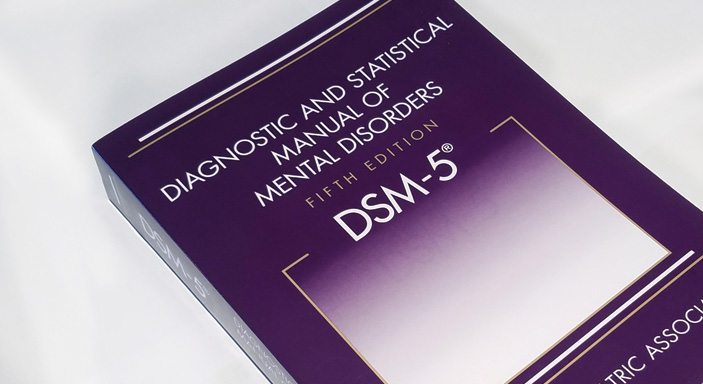
The DSM is a handbook that is used by health care professionals over the world as a guide to diagnosing mental disorders. It gives a list of descriptions and symptoms related to every recognized mental disorder. The way physicians have a list of symptoms to check for physical health issues to not diagnose things differently from other physicians, the DSM plays the same role for psychologists, it helps in keeping a common diagnosis to not create chaos and confusion.

MAJOR CATEGORIES OF DISORDERS IN DSM-5:

Neurodevelopmental Disorders

These consist of disorders that are usually diagnosed in infancy, childhood, or adolescence like Intellectual Disability, this developmental disorder is originally detected before 18 years of age. This includes limitations in intellectual functioning and adaptive behaviours. This disorder was formerly known as mental retardation. The test to check intellectual ability is the IQ test, if the IQ score is under 70, it points towards intellectual limitations. Limitations in adaptive behaviour can involve a lack of efficiency at everyday things such as self-care, social interaction, and other living skills.
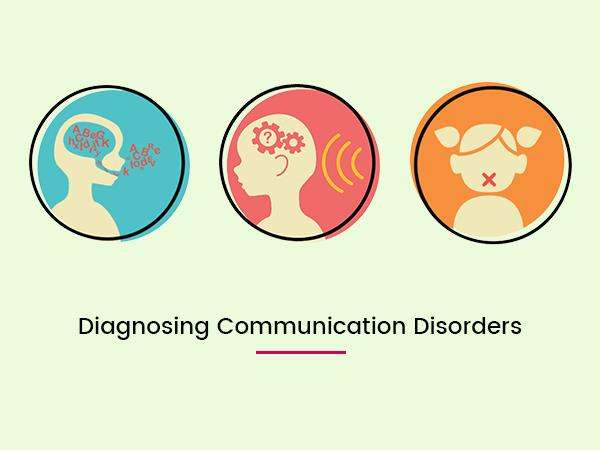
Communication Disorders are related to difficulty in the ability to use, understand, or detect language and speech. The DSM-5 further divides this disorder into four parts – language disorder, speech sound disorder, childhood-onset fluency disorder (stuttering), and social communication disorder.

Autism Spectrum Disorder includes persistent deficits in social interaction and communication. The DSM says that the symptoms for this must be noticed in the early developmental period and these symptoms should interfere in the important parts of life which include social and occupational functioning.
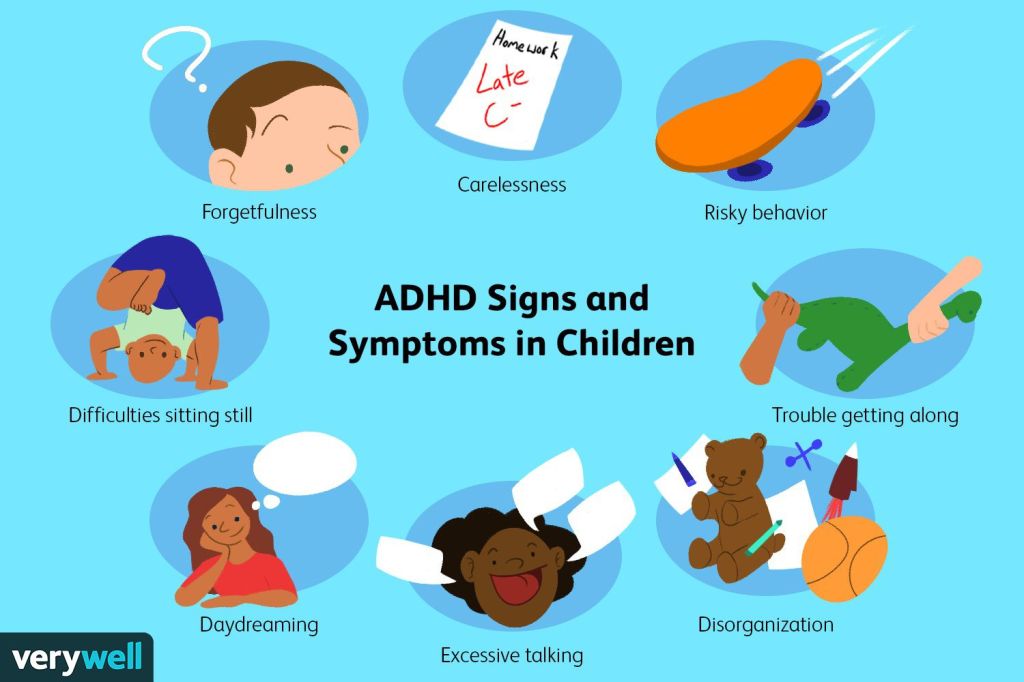
Attention-Deficit Hyperactivity Disorder (ADHD) consists of a persistent pattern of hyperactivity-impulsivity and/or inattention which interferes in the normal working during the day. This can show up at home, school, work, and social situations.

Bipolar Disorders

This disorder consists of a shift in mood from extremely elevated moods to a depressive period. The elevated moods are called mania or hypomania. Mania is the mood when there is a period of elevated, expansive, and irritable mood with increased activity and energy. This period is usually accompanied by excessive confidence. During this period, people tend to engage in activities that can have a negative long-term impact such as buying a mansion without considering the finances.

Depressive Episodes consist of feelings of depression or sad mood with a lack of interest in activities. It also includes feelings of guilt, fatigue, and irritability. People going through this period can experience difficulty in sleeping and also have suicidal thoughts.

Conclusion

It is very important to understand the depression is different from being sad and similarly being very happy is also different from mania. It should be noted that before assuming a disorder and starting medication, you should consult a psychologist and follow the treatment recommended by them. It should also be understood that if a child is showing signs of a neurodevelopmental disorder, you should take them to a doctor or a psychologist and should not brush it off and scold them for it.

References

NOTE: this is just the Part 1 of the Psychological Disorders series.
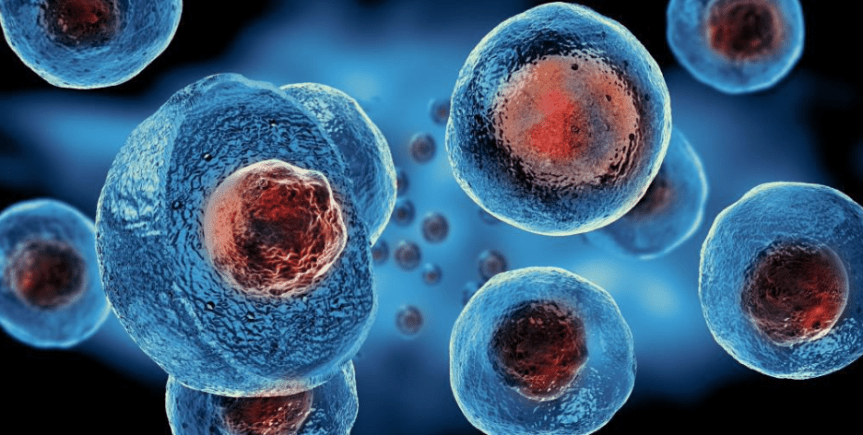
What is Regenerative Therapy?

Regeneration is the process of renewal, restoration and growth that, makes genomes, cells, organisms. It is basically the process in which an organism regrows its lost parts, so that original function is restored. This ability to regenerate differs in different groups. For example: lizards who lose all or part of their tails can grow new ones, Sharks continually replace lost teeth, spiders can regrow missing legs or parts of legs etc.
It is one benefit or advantage for animals in which they can immediately regrow the parts of body which may be involved in locomotion, reproduction which are one of the most important processes in the life.
On the other hand, Regenerative therapy or regenerative medicine can be defined as the process of replacing or regenerating human cells, tissues, or organs to restore or establish normal function. Regenerative Medicine refers to a group of biomedical approaches to clinical therapies that may involve the use of stem cells. Regenerative therapy may enable scientists to grow tissues and organs in the laboratory or in in-vitro conditions and safely implant them when the body is unable to heal itself. Also rather than a simple scar as a result of injury can regenerate, there are some human organs and tissues that can regenerate. These include liver, fingertips and endometrium. The cartilage cells divides more as we age.

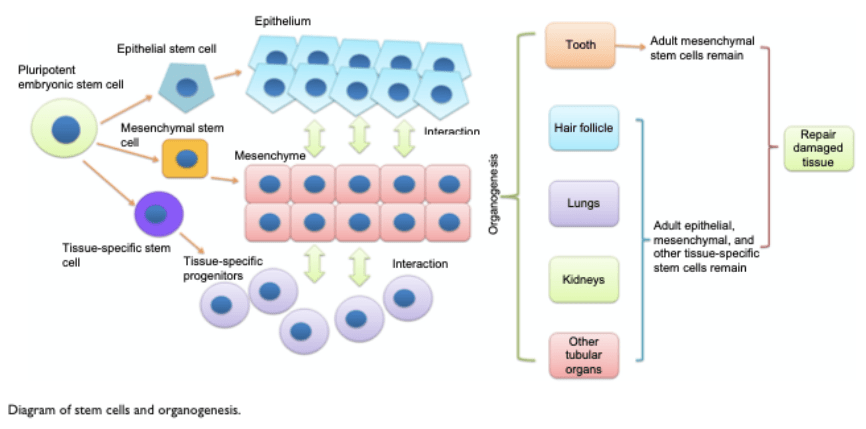
Veterinary medicine have been integral part and has been associated to the development of stem cell therapies. The large experimental animal models have always contributed large to the development of stem cell therapies and refinement of modern hematopoietic stem cell transplantation were noted nearly 5 decades ago. To restore the damaged cells, tissues, organs it is critical to understand the development mental process of specific tissues and them reproduce it. Stem cells play essential roles in organ developmental and tissue repair. Stem cells have always contributed to these experiments and are one of the most used techniques which are used in the field of developmental biology basically in regeneration of different important parts of our body like the bone regeneration or cartilage regeneration and may more. The embryonic stem cells differentiate into multipoint stem cells, including epithelial, mesenchymal, and other tissue- specific stem cells. Stem cells are actually the mesenchymal cell which are pluripotent in nature which means the cells basically are self replicating and are derived from human embryos or human fatal tissue and are known to develop tissues of the three primmer germ layers. Stem cells are present in our body in different types of tissues. A person’s body contains stem cells throughout their life and the body uses them when it needs them. Some parts of body has a regular presence and use stem cells like the bone marrow, dental pulp, adipose tissue, dermis, umbilical cord and the gut, in which the stem cells regularly divide to produce new body tissues for maintenance and repair. Developmental processes are initiated by interaction between these stem cells, resulting in the formation of highly specialised functional tissues and organs. The role of animal models or animal regeneration has a very important role to play in this human regenerative therapy. Right now also the researches on animal regeneration is carried out and works shows some human regenerative therapies can be carried out using them. Researches and advancements in this field which the stem cells and regenerative medicine continue to expand the knowledge of the basic biology and clinical applications of stem cells. Many of the pioneering developments in these fields of stem cells research have been achieved through collaborations of veterinary and human scientists. This review aims to provide an overview of the contribution of the large animal veterinary models in advancing stem cell therapies for both human and clinical veterinary patients may play in the future evolution of stem cell therapies for both human and animal patients will be explored.

Regenerative medicine implies replacement or regeneration of human cells, tissue or organs, to restore or establish normal function. Regenerative medicine or the human regenerative therapy is one of the major advancements in recent years which works on the principles of stem cell technology and tissue engineering in order to replace or regenerate human tissues and organs and restore their functions. This therapy has helped in the field as it can be used in the treatment of acute injuries, chronic diseases and congenital malfunctions. Many advances in regenerative medicine, including the basic and translational researches, have been developed and tested in experimental animals; pigs have played an important role in various aspects of this work. The value of pigs as a model species is being enhanced by the generation of specially enabling more sophisticated research to be performed and thus accelerating the clinical applications of regenerative medicine.

SUCCESSFUL STARTUP – OLA CABS ( YOUTH MOTIVATOR)

 A SUCCESSFUL STARTUP- OLA CABS

Youth Motivators


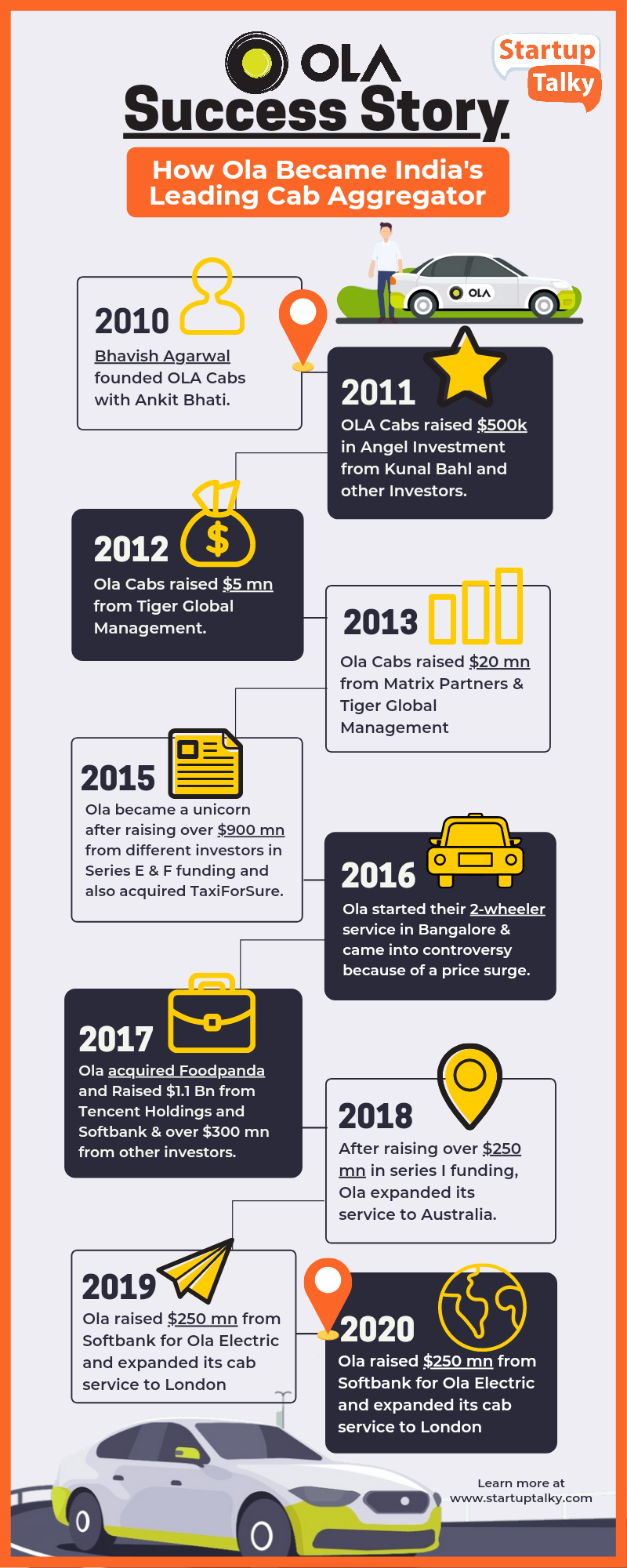
Ola Cabs, more popularly known as Ola, is just like any other plaza online, but more pointedly into furnish best Taxi services. Ola, which commence as an online cab aggregator in Mumbai, now resides in the Silicon Valley of India a.k.a. Bangalore, and is come out as a one of the fastest growing businesses in India, out-beating its competitors Uber & Meru.

Coming back to the man behind Ola; simple yet charming Bhavish, with the success of his prodigy has certainly become the talk of the town. But even after becoming a millionaire, he still prefers to not buy a car and take a cab (to set an example, we presume), certainly doesn’t goes down well with his wife. He believes that, such is a small price that every entrepreneur has to pay.

Anyways, when not crushing his competitors, one can catch Bhavish cycling, playing squash or doing what he loves the most – photography. He also maintains a largely popular photoblog!

OLA – COMPANY HIGHLIGHTS
Headquarter Bangalore
Founders/Owners Bhavish Aggarwal and Ankit Bhati
Sector Transportation
Founded December 2010
Revenue 2,544 crores INR ( US$360 million) 2019
Total Funding $4.3 billion
Valuation over $3.3 billion (March 2021)
Parent Company ANI technologies Pvt. Ltd.

Ola has simplified the process of cab booking. From easy payment options to keeping the passenger entertained on the go with ‘Ola Play’, Ola takes care of everything to ensure a smooth ride. Ola now also operates self-drive cars. Be it self-drive or cab hailing, Ola offers a wide range of cars to choose from depending on the number of travelers, budget, and convenience. For traveling within the city, one can hire shared taxis, autos, bikes, and even e-rickshaws through Ola.


One can opt for ‘Ola outstation’ to travel outside the city and ‘Ola rentals’ to rent a cab on an hourly basis. Ola has also launched ‘Ola select’, a subscription-based membership program that offers premium benefits on rides. ‘Ola pedal’, Ola’s bicycle-sharing service, is already a big hit in the IIT Kanpur and the IIT Madras campuses with over 500 cycles.

In 2016, Ola launched ‘Ola corporate’. When employees book their rides through Ola corporate, the fare is deducted from the company’s Ola corporate prepaid account. Hence, companies can easily track the travel expenses of their employees while ensuring their safety.


Ola also introduced Ola money. The products offered under Ola money are Ola money credit card, Ola money postpaidOla money mobile wallet, and Ola money hospicash. Ola hospicash is a collaboration between Ola and Religare health insurance that allows the policyholders to claim  Rupees.5000 per day in case of hospitalization.

Ola operates with transparency. The commission is given to drivers for every sale made. Ola is known to charge far less than many other cab operators. With the acquisition of FoodPanda in December 2017, Ola also forayed into the cloud kitchen segment.

Ola launched India’s first multimodal electric vehicle project on 26 May 2017. The project brought together industry experts and the Indian government to pioneer electric vehicles for the public and promote shared mobility in Nagpur. Ola is providing 200+ electric vehicles  for booking in Nagpur through its app. Established as a separate entity, Ola Electric Mobility Pvt. Ltd also reached the unicorn status with $250 million investment from SoftBank in July 2019.

Ola Electric raises $100 MN in debt financing from the Bank of Baroda in what is declared as the largest long-term debt financing agreement in the Indian EV industry. These proceeds, as the company mentioned, will go towards the funding and financial closure of the first phase of development of the manufacturing factory of its electric two-wheelers, which is based out of Chennai.

According to OLA’s December 2020 statement, the company had already announced that it would set up Phase 1 of the factory with investments amounting to Rs.2,400 crore.


LIVING WITH PARENTS

Here, if god exists, then Parents are it's another form of course! Parents are a beautiful gift to everyone on this earth, they are the one who bring us into this world, feed us, care for us and develop us.
Since childhood we live with our parents, we do schooling living with them, we learn from them. Aren't we lucky? We have parents who are with us. Many people in this world are either orphans since childhood or sometimes in certain circumstances they are not able live with their parents. Of course, we are lucky.
Normally after spending 17 years with parents under one roof, a time comes when a child becomes an adult, becomes mature, capable and responsible.
Till the age of 17 a child is in need of parents in order to survive, to develop, to gain basic maturity. But at or after 18 he/she doesn't need help of parents, he/she is capable of moving out in the world where he/she can learn, understand and survive on his/her own. This makes him/her a real survivor and an intellectual person. Unless he/she fails, he/she will not learn, cannot grow. This makes a child an adult.
In Indian society neither parents are ready to let go of their children after 18 to live on their own, nor children want to be independent from their parents. Children want freedom of their own, will of their own and decisions of their own, but they want to be economically dependent, don't want to earn money for themselves. Since, parents are feeding their adult child they want to control him/her in every means, they want their child to live according to them, they want to decide when their child will go, where he/she will go, whether he/she can go or not and many more things. Parents name it as the concern, love, affection and worry towards their children but it's hard to make them understand that the time has gone for being concerned, it's time to teach them to be concerned for themselves. So both parent and their children are responsible equally for this system.  
Parents should neither blame themselves if their children fail, nor credit themselves as for the success of their child.  Children too should neither blame nor credit their parents for anything they are achieving and facing. This change is very much in need to be accepted by Indian parents, not because we have to adopt western culture, or it's not that by doing this we are promoting western culture but the reality is here's where development starts, a child becomes capable of decision making for himself/herself.
Children after 18 should distance themselves from their parents, should make their dependency on parents minimum, should study as well as earn their living. This makes them self reliant, allows them to explore themselves, can learn from the challenges and difficulties and the most importantly they gain experiences from life which makes them a better person. All want to be free and live their life according to their own will and that is the real way of living. Nobody should control anyone after a certain age, not even parents.
After 18 somewhere and at some point the thinking, behavior and characters of parents and children do not match. Very rarely, parents in India are able to adjust themselves according to the time and it's demand. Most of the parents impose their mentality and thinking upon their child, because they are feeding him/her. Generation gap after 18 keeps on increasing because a child becomes mature and gains the capability to think and to understand everything, he/she can decide what's wrong and right for him/her.
When a child reaches at the age of 18 and parents at 38-40, neither a child is in need of parents from that point, nor parents are in need of their children. For parents, that's the time where they can live their life without worries.  For children, that's the time where he/she can grow, can settle himself/ herself, and can be a responsible person.
Parents in India should not take the right of children to choose their life partners too. Marriage is a sensitive topic. It should be left to children to find their own partner and marry on their own. Parents should not take the burden of getting their children married. Life can be as easy as one wants. Parents create a dilemma for themselves by taking unnecessary responsibilities of their children even if their kid is able to do that. Therefore it's better not to be a burden on the parents and should do all the stuffs on your own, for self development
When an individual turns 40-50 and their parents turns 75-80 in age, there's where again child and parents should live together under one roof, because after that age, parents need children, also it's the responsibility of children to take care of their parents at old age, spend time with them. 
Living with parents should be according to the need and demand of time and conditions. When both parents and children are not in need of each other they should not be together. This doesn't decrease love and affection towards each other because love is enormous.  Distance increases the value of love.
Then, life becomes beautiful and perfect without harming each other's freedom and thinking.

ETHICS

Ethics are fundamental principles or ideas that govern a person’s or a community’s activities. This is not a burden to bear, but rather a sensible and successful guide to life and advancement. Because ethics is a fundamental cornerstone on which an enlightened system is based, it is required in business, as well as academic institutions and societal organizations. Following legal laws and being ethical are frequently not synonymous. Emotions, like law, will stray from morality. The inhumane laws controlling apartheid and slavery in South Africa, as well as the practice of sati in India, are instances of unethical laws and customs.

When making decisions, ethics is crucial since it allows one to distinguish between what is right and wrong. Ethics also encompasses a person’s personal moral codes or ideals, which are more personal than codes of ethics.

Importance of Ethics:

The individual, the consumer, the employee, or the human social unit of society are the primary beneficiaries of ethics. Furthermore, ethics is important for the following reasons:

Creating Credibility: An organization that is thought to be driven by moral values is respected in society, even by individuals who have no knowledge of how it operates or what it sells. For example, Infosys is regarded as a company that practices good corporate governance and participates in social responsibility projects. This impression is widespread, even among those who have no idea what the company does.

Uniting People and Leadership: Employees respect and admire organizations that are values-driven. They’re the connecting thread that connects employees and decision-makers. This goes a long way toward bringing the organization’s behaviors together in pursuit of a single common objective or aim.

Improving Decision Making: A man’s fate is the sum of all of his decisions made throughout his life. The same is true for businesses. Values drive decisions. An organization that does not respect competition, for example, will be ruthless in its operations in order to eliminate its competitors and achieve a monopoly in the market.

Long-Term Gains: Organizations that are led by ethics and principles are successful in the long run, even if they appear to be losing money in the near term. In the early 1990s, the Tata Group, one of India’s largest commercial conglomerates, was assumed to be on the verge of bankruptcy, but this proved to be inaccurate. The Tata NANO car, made by the same company, was expected to fail and perform poorly, yet it is already gaining appeal.

Securing the Society: When it comes to securing the society, ethics frequently outperforms the law. The legal system is frequently discovered to be a silent observer, unable to safeguard society and the environment. Technology, for example, advances at such a rapid rate that by the time legislation is enacted, a newer technology with new hazards has supplanted the older. Lawyers and public interest lawsuits may not be very helpful, but ethics can.

Conclusion:

The study of ethics helps students to comprehend human behavior and decision-making. The importance of moral standards in society is highlighted in this paper’s discussion on ethics. Everyone must be conscious of how their activities, whether direct or indirect, affect others. Personal and professional ethics are intertwined and reveal a person’s personality. In any event, our actions and decisions determine how society perceives us. We must consider how others perceive us, our choices, and our actions. Negative ethical decisions are more likely to be observed and judged than positive ethical decisions. Every time an ethical circumstance comes, each individual has a unique obligation to make the appropriate and moral decision.

Molecular Basis of Ageing

Ageing is defined as the gradual deterioration of functional characteristics which are necessary for survival and the whole process of aging is termed as senescence in biological sense. In recent years, the processes and mechanisms of ageing and age-related diseases have also made progress. The scientific study of old age or the process of ageing is called as the gerontology and the biological aspect of process of aging or gerontology is called Biogerontology which is defined as the subfield of gerontology concerned with the biological aging process, its evolutionary origins, and potential means to intervene in the process. It involves interdisciplinary research on biological aging’s causes, effects and mechanisms. Lifespan is the length of time for which an organism lives and Life expectancy is the average period that a person may expect to live. It is found that genetic factors play roles in determining the longevity both within and between species.

Ageing is a complex biological process with complex mechanisms characterised by functional decline of tissues and organs, deterioration of functional characteristics, reduced adaptability and resistance, all contribute to an increase in the mortality caused by multiple chronic diseases. Ageing is divided into two types namely pathological and physiological ageing.

Pathological Ageing is defined as that type of aging in which people grow old with no significant antemortem cognitive impairment, and some of them may be high functioning. Physiological Ageing can be defined as that type of aging in which organism lead to senescence or the decline in the biological functions and organism’s ability to adapt to metabolic stress. The later one is the common ageing type in the human beings and most of the animals. As the process of ageing continues the susceptibility of the body towards different diseases increases like diabetes, muscle dysfunction, skin diseases etc. Ageing related disorders are really a serious threat to human health and reduce quality of life among elderly people.

CELL TYPES INVOLVED IN AGEING

Stem Cells
Stem cells are the cells which have the ability to perpetuate themselves as they are capable of continuous, repeated self-renewal divisions in order to maintain their population. A single stem cell can differentiate into or form different types of mature cell types. Stem cells are basically pluripotent cells characterized as undifferentiated and immature with the ability to self-renew.
Stem cell therapy is widely used in bone regeneration, organ regeneration and especially in cardiovascular regenerative medicine. This is done by regenerating various functional stem cells, with the potential function of regenerating various tissues and organs. Changes in cell cycle and a decline in the self-renewal ability of stem cells are closely related to aging. Decline of self-renewal factors contributes to stem cell aging. Although some changes in their function are intrinsic, more external factors can lead to impairment in their function. Physiological levels of ROS (Reactive oxygen species (ROS) are essential signaling molecules in many biological processes, wherein their level is tightly regulated. Excess ROS may cause apoptosis, premature senescence or unscheduled differentiation of stem cells) could regulate the balance between self-renewal and stem cell differentiation. High ROS levels could lead to DNA damage, shortening of telomeres and onset of premature ageing markers

Vascular Smooth Muscle Cells
According to the evidences it is said that senescent vascular smooth muscle cells have been observed in aging related diseases like diabetes mellitus which indicates that these cells contribute to aging. Aging results in a significant reduction of contractile vascular smooth muscle cells in focal patches along arterioles. Focal loss of contractile VSMCs occurs at a younger age due to the deficiency of senescence related protein which is called as caveolin-1. Age related contractile VSMC loss is not exacerbated by genetic depletion of insulin-like growth factor-1. The patchy loss of contractile VSMCs provides a cellular explanation for previous clinical studies showing focal micro-irregularities in retinal arteriolar responsiveness in healthy aged human subjects and is likely to contribute age-related retinal vascular complications.

Endothelial Cells
Endothelial cells have important functions in paracrine and endocrine actions, such as regulating vascular tension, maintaining blood circulation and neovascularization. Endothelial cells are essential part of the heart and vasculature. Senescence is closely related to endothelial cells. ROS (Reactive Oxygen Species) and inflammation play a role in the apoptosis of endothelial cells. Autophagy and exosomes containing harbor miRNAs which play a very important role in the course of a disease and also participate in the regulation of endothelial functions. Age related diseases are related to endothelial dysfunction and impaired autophagic activity.

Sustainable agriculture in India

Methodology:

  • Introduction
  • Sustainable agriculture in India
  • Need for sustainable agriculture
  • Methods for sustainable agriculture

INDRODUCTION –

Sustainable agriculture simply means doing agriculture efficiently with
the limited resources present without using the future generation
resources.

Sustainability shows the balanced use of resources. The excess usage
of the resources leads to the lack of the resources for the coming
generations. So, it is important to use all the resources in the right
and in the efficient way.

Sustainable agriculture in India

SUSTAINABLE AGRICULTURE IN INDIA –

Sustainable development is the management of the resources which
means the development of all with the help of the resources we have
and to use those in such a way that the resources used will be less but
the work done will be maximum which will save the resources for
future.

India ranks second worldwide in farm outputs. India is known for its
efficiency in agriculture from the Indus Valley Civilization.
Government of India is continuously working for the sustainable
development in the agriculture as most of the people’s occupation in India is farming.

Rashtriya Krishi Vikas Yojana was launched in 2007 for the overall
state agriculture development in India which aimed for the better
coordination and to produce a good quantity of crops with lesser
resources. Krishi megh program was also introduced after the Rashtriya Krishi
Vikas Yojana its main aim was to inculcate the knowledge of doing the
agriculture in an efficient way.

Inculcating education to farmers can change the production quality as
well as the production quantity.

NEED FOR SUSTAINABLE DEVELOPMENT –

Sustainable or we say the correct use of the resource will not only
save the excess usage of the resources but will also protect us from
the ill effects of the over usage of the resources.

Let’s see how

Water – So the excess usage of water in agriculture not only wastes
the water but also highly affects the fertility of the soil. Since due to
the over water in the soil the ground soil loses its grip and the fertile
soil flows away with the flowing water.

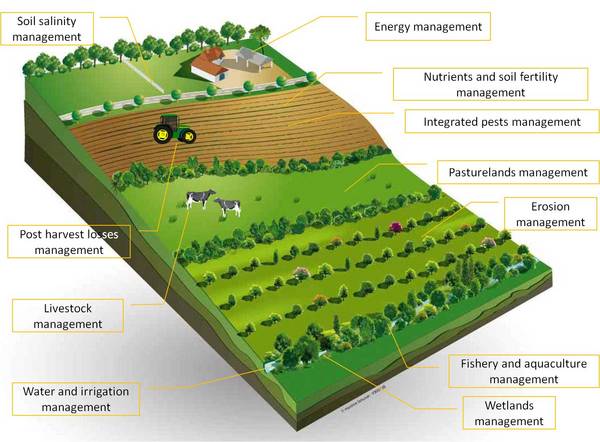
Sustainable agriculture management

Fertilizers – Fertilizers are used for the proper growth of the crops but
its excess usage destroys the crops.

For all this the right education is necessary. Sustainable agriculture helps in the good production of crops.

METHODS FOR SUSTAINABLE AGRICULTURE –

  • Proper usage of fertilizers.
  • Inculcate education of new technologies to farmers by
    organizing webinars.
  • Agroforestry
  • Contour Ploughing
    These are some of the efficient methods which are used and
    must be used for the sustainable agriculture.
  • Drop irrigation

References

Dr. B.R. Ambedkar

Indifferentism is the worst kind of disease that can affect people

Dr.Babasaheb Ambedkar

Dr. B. R. Ambedkar or Bhimrao Ramji Ambedkar or Babasaheb Ambedkar a well known Indian Jurist,Economist, Politician and Social reformer. We all know him beccause of the work done by him on the initial stage of our country’s development. But do you know more about his work and Protests he’s being part of? Do you know what his life story? Let’s dig into it more deeply.

Early Struggle

In the early life itself Ambedkar has faces a lot of discrimination issues. If we go for each belongingness it will difficult to reflect his journey.

Ambedkar was born on 14th April 1891 in Mhow town which is actually a military cantonment and currently is in Madhya Pradesh. He was the 14th number child in his family. His father Ramji maloji sakpal is an army officer in British East India Army, mother Bhimabai sakpal. His brothers Balaram, Anandrao and his sisters Tulasa and Manjula. Ambedkar is from Mahar(dalit) caste background which in the ancient time treated as untouchables and subjected to socio economic discriminations. At the age of 15 in 1906 he is married to Ramabai who is 9 yrs old. His marraige is taken place with the consideration of couple’s family choices and decisions.His wife died in 1933 due to long illness.After completing the draft of India’s contitution in the late 40’s ambedkar suffered with lack of sleep, neuropathic pain in his legs.When he went to Bombay there he met Sharada Kabir whom he married on 15th April 1948. After a while she adapted a name “Savita Ambedkar” and cared for him for the rest of his life.She is also called Mai and died on May 29,2003 at the age of 93 in Mumbai.

Dr. B.R. Ambedkar, Savita Ambedkar

After Ambedkar father’s retirement their whole family shifted to Satara. Just after that Ambedkar’s mother Bhimabai died due to illness because of which they are moved to their paternal aunt.Ambedkar is very fond of studies. Out of his all siblings he is the most intelligent one this is the reason he is selected for high school examinations.But on the other hand, in his village satara his family faces alot of discrimination issues. Because of his dalit cast ambedkar family members are not treated as an ordinary people for eg:

  1. They cant drink water from a single tap as used by everybody else.
  2. In school their children have to sit in a sack away from other children’s
  3. Whenever they want to drink water in school peon will give them water from a utensil far away from them so that utensil is untouchable by them.
  4. In case of medical emergencies they did not get any proper medication because the medical persons are not ready to touch them due to discrimination.
  5. The village people fully insult or boycott them from every single alternative to insult them.

The above examples are enough to understand the type of sufferer they have been. Still it will never become blockage for ambedkar determination towards his values to make a difference.

Education

In 1912 he obtained the degree in Economics and Political science from Bombay university. Meanwhile, he also worked as Private tutor, accountant and established an investment consulting business. In 1918 he became professor of political economy in the sydenham college of commerce and econimics in Mumbai. Over there also professor’s objected to share a jug with him. The discrimination which he faced in his town it never leave his path.

Opposition to Untouchability

Inspired by Dalit buddhist and campaigned against social discrimination towards dalit he is being part of many marches and movements. In 1927 he decided to launch active movements against untouchability. Marches for drinking water with a single tap and entering Hindu temples are his common initiated movements. Not only this the learnings from his childhood to his adult, the suffering that he faced all he compressed in establishing in India’s constitution. From importance of lower caste to importance of knowledge for female he implemented all of them in india’s constitution and made a drastic change in the history of the India.

But still the story of this fabulous person came to an end on 6 december 1956 due to his illness and medication side effects. After that as well the legacy he left behind against discrimination, for knowledge gaining and making dedication for making a difference is still effectful in this modern india.

FIRST AID

When a person is injured, the treatment given immediately is called first aid.
First aid can save people who meet with accidents. Everyone has to learn first aid.
After giving first aid, the patient must be taken to a hospital.

First aid refers to the emergency or immediate care you should provide when a person is injured or ill until full medical treatment is available. For minor conditions, first aid care may be enough. The decision to act appropriately with first aid can mean the difference between life and death.

The five main aims of first aid are to:

✓Preserve life.
✓Prevent the escalation of illness or injury.
✓Promote recovery.
✓Provide pain relief.
✓Protect the unconscious.

First Aid Kit

A first aid kit is a collection of supplies and equipment that is used to give medical treatment. There is a wide variation in the contents of first aid kits based on the knowledge and experience of those putting it together, the differing first aid requirements of the area where it may be used and variations in legislation or regulation in a given area.

Cuts

When there is bleeding due to a cut from a blade or knife, tie the wound with a clean wet cloth and take the person to a hospital. Don’t tie tightly.

Bleeding from nose

Apply a wet cloth to the nose to stop bleeding. If the bleeding doesn’t stop take the patient to a doctor.

Wounds

For a wound due to a fall or due to hitting against something, clean the wound by wiping it with clean, wet cotton or cotton cloth. Then clean it with dettol. Put some antiseptic ointment, put a gauge over it and cover it with a cloth. Take the person to a doctor if necessary.

Burns

When there is a wound due to fire, wash the wound gently in cold water. Apply antiseptic cream. Then see a doctor.

Swelling

When a person falls and gets hurt, there is a swelling of some part. Put ice on the swelling, swollen part will be less painful. Don’t bend or use force on the part which is swollen. Only if a bone is broken, there will be a swelling. So the person should be taken to a doctor as soon as possible.

Electric Shock

A person who receives an electric shock should not be touched immediately. The main switch should be put off. Then move the person away and make him comfortable. Give him a coffee or tea to drink. Take him to a doctor if necessary.

THE BUTTERFLY ORGAN – ‘THYROID’.

The thyroid gland is a 2 inch long, butterfly shaped organ located in the front lower part of the neck. It is responsible for the production, storage and release of two main hormones called Triiodothyronine (T3) and Thyroxine (T4).

The hypothalamus and the pituitary gland in the brain is responsible for the production of T3 and T4. The hypothalamus produces a TSH releasing hormone called thyrotropin-releasing hormone (TRH) that signals the pituitary gland to produce TSH. The release of TSH by the pituitary gland regulates the production of hormones in the thyroid gland i.e., T3 and T4.

In case of low T3 and T4 levels, the pituitary gland releases more of TSH, that stimulates the thyroid hormone to produce more of T3 and T4.

In case of high T3 and T4 levels, the pituitary gland reduces the release TSH, that makes the thyroid hormone produce less of T3 and T4.

The thyroid gland absorbs iodine from the blood and incorporate it into the thyroid hormones. These hormones are responsible for controlling the rate of metabolism in the body. The metabolic rate of the body influences the heart, muscle and digestive function, brain development and bone maintenance. The key to the thyroid hormone is the amount of iodine in our meal. The thyroid gland absorbs the iodine from the blood and incorporate it into the thyroid hormones.

In addition, there are other hormone-producing cells within the thyroid gland called C-cells. These cells produce calcitonin. Calcitonin plays a role in regulating calcium and phosphate levels in the blood, which is important for your bone health and maintenance.

In normal cases thyroid gland produces the exact number of hormones needed to keep the body’s metabolism running and in balance. However, there are several disorders. When the thyroid gland produces too much of T3 and T4, it leads to higher metabolism, excess weight loss, fast heart rate, high irritability/nervousness, muscle weakness and tremors, infrequent menstrual periods and sleep problems. This condition is caused by a hyperactive thyroid gland and hence is called hyperthyroidism. Whereas, when the thyroid gland produces lower amounts of T3 and T4, it leads to lower metabolism rate. Low metabolism leads to depression, weight gain, slower heart rate, fatigue, more frequent and stronger menstrual periods, forgetfulness, dry skin and hair, hoarse voice and intolerance to cold. This condition is caused by an under active thyroid gland and hence is called hypothyroidism.

Ozone hole over Antarctica

Methodology:

  1. Description of the problem.
  2. Cause of the problem.
  3. Analysis of the problem.
  4. Control of the problem.
    Introduction to the problem:
    The stratospheric ozone layer protects life on Earth by absorbing ultraviolet light, which
    damages DNA in plants and animals (including humans) and leads to sunburns and skin
    cancer. Prior to 1979, scientists had not observed atmospheric ozone concentrations below 220
    Dobson Units. But in the early 1980s, through a combination of ground-based and satellite
    measurements, scientists began to realize that Earth’s natural sunscreen was thinning
    dramatically over the South Pole each spring. This thinning of the ozone layer over Antarctica
    came to be known as the ozone hole.

    This is Dobson’s unit of the first observation on September 17, 1979 and the most recent one
    that is on October 12, 2018. The red region is showing the size of the ozone hole. It’s clearly
    visible in the above data that how in the past years the size of the ozone hole on Antarctica
    increased. Due to this hole on the ozone layer uv rays reaches down on the region of the
    Antarctica which result in the melting of glacier and due to which the sea-level increases and
    due to the increased sea-level cyclones, flooding, storms and other natural disasters occurs
    which highly affects the human lives on the earth.

NOTE:– The measurements were made from 1979–2004 by NASA’s Total Ozone Mapping
Spectrometer (TOMS) instruments; from 2005–2011 by the Royal Netherlands Meteorological
Institute’s Ozone Monitoring Instrument (OMI) (which flies on NASA’s Aura satellite); and from
2012-2019 by the Ozone Mapping Profiler Suite (OMPS) on the NASA/NOAA Suomi NPP
satellite. Red and yellow areas indicate the ozone hole.


Cause of the problem:
The ozone hole opened the world’s eyes to the global effects of human activity on the
atmosphere. Scientists found out that chlorofluorocarbons (CFCs)—long-lived chemicals that
had been used in refrigerators and aerosol sprays since the 1930s—had a dark side. In the
layer of the atmosphere closest to Earth (the troposphere), CFCs circulated for decades without
degrading or reacting with other chemicals. When they reached the stratosphere, however, their
behavior changed. In the upper stratosphere (beyond the protection of the ozone layer),
ultraviolet light caused CFCs to break apart, releasing chlorine, a very reactive atom that
repeatedly catalyzes ozone destruction.
The global recognition of the destructive potential of CFCs led to the 1987 Montreal Protocol, a
treaty phasing out the production of ozone-depleting chemicals. Scientists estimate that about
80 percent of the chlorine (and bromine, which has a similar ozone-depleting effect) in the
stratosphere over Antarctica today comes from human, not natural, sources.
Effect of CFCs, HCFC and VOCs on the Ozone layer

•Analysis of the problem:
Serious ozone depletion has been measured every Antarctic spring since the early 80’s. This
ozone depletion is considered to be a result of photo chemical reactions and cat- alytic cycles
resulting from anthropogenic halogen containing gases. In addition, the formation of Polar
Stratospheric Clouds (PSCs) facilitates ozone loss because reac- tive halogen species are
released by heterogeneous reactions on the surface of a PSC particle. Generally, Arctic ozone
depletion is less severe and shows larger variability than Antarctic loss because of the unstable
and warmer condition. However, the Arctic stratosphere has been becoming colder during past
decades and the Arctic ozone loss in the 2011 winter was comparable to Antarctic losses.
Ozone depletion is di- rectly/indirectly linked to the climate because the absorption of UV
radiation changes the temperature field. It is therefore important to quantify the loss for future
climate prediction.
Following picture is showing the concentration of the ozone layer by Dobson’s unit.


Control of the problem:
Ways to prevent the depletion of ozone layer are as follows:-
● Avoid the consumption of gases dangerous to the ozone layer.
● Minimise the use of vehicles.
● Use of any other eco-friendly chemical as a substitution of CFCs in the refrigerators.

Rulers of the Mughal empire.

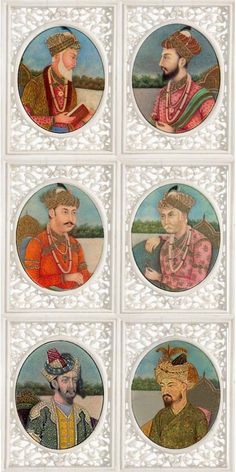
In India, the Mughal Empire was perhaps the best domain ever. The Mughal Empire administered countless individuals. India became joined under one guideline, and had extremely prosperous social and political years during the Mughal rule. There were numerous Muslim and Hindu realms split all through India until the organizers of the Mughal Empire came. There were a few men like Babar, grandson to the Great Asian victor Tamerlane and the vanquisher Genghis Khan from the northern district of Ganges, stream valley, who chose to take over Khyber, and at last, the entirety of India.

Babar (1526-1530):

the extraordinary grandson of Tamerlane and Genghis Khan, was the first Mughal sovereign in Quite a while. He went up against and crushed Lodhi in 1526 at the main skirmish of Panipat, thus came to build up the Mughal Empire in India. Babar governed until 1530, and was prevailed by his child Humayun.

Humayun (1530-1540 and 1555-1556):

the oldest child of Babar, succeeded his dad and turned into the second head of the Mughal Empire. He managed India for almost 10 years however was removed by Sher Shah Suri, the Afghan ruler. Humayun meandered for around 15 years after his loss. In the interim, Sher Shah Suri passed on and Humayun had the option to crush his replacement, Sikandar Suri and recapture his crown of the Hindustan. Nonetheless, before long, he kicked the bucket in 1556 at a youthful age of 48 years.

Sher Shah Suri (1540-1545):

was an Afghan chief who assumed control over the Mughal Empire in the wake of overcoming Humayun in 1540. Sher Shah involved the seat of Delhi for not over five years, but rather his reign end up being a milestone in the Sub-landmass. As a lord, he has a few accomplishments in his credit. He set up an effective policy management. He set up an income assortment framework dependent on the estimation of land. Equity was given to the everyday person. Various common works were completed during his short rule; planting of trees, wells and working of Sarai (hotels) for voyagers was finished. Streets were laid; it was under his standard that the Grand Trunk street from Delhi to Kabul was assembled. The money was additionally changed to finely printed silver coins called Dam. Notwithstanding, Sher Shah didn’t endure long after his increase on the seat and kicked the bucket in 1545 after a short rule of five years.

Akbar (1556-1605):

Humayun’s beneficiary, Akbar, was brought into the world in a state of banishment and was just 13 years of age when his dad kicked the bucket. Akbar’s reign holds a specific noticeable quality ever; he was the ruler who really invigorated the establishments of the Mughal Empire. After a progression of triumphs, he figured out how to curb the greater part of India. Regions not under the realm were assigned as feeders. He additionally embraced a placating strategy towards the Rajputs, henceforth diminishing any danger from them. Akbar was an incredible victor, yet a fit coordinator and an extraordinary manager too. He set up a large group of establishments that end up being the establishment of a managerial framework that worked even in British India. Akbar’s standard additionally stands apart because of his liberal approaches towards the non-Muslims, his strict advancements, the land income framework and his popular Mansabdari framework. Akbar’s Mansabdari framework turned into the premise of Mughal military association and common organization.

Akbar passed on in 1605, almost 50 years after his rising to the seat, and was covered outside of Agra at Sikandra. His child Jehangir then, at that point accepted the seat.

Jehangir:

Akbar was prevailed by his child, Salim, who took the title of Jehangir, signifying “Hero of the World”. He wedded Mehr-un-Nisa whom he gave the title of Nur Jahan (light of the world). He cherished her with dazzle enthusiasm and gave over the total reins of organization to her. He extended the realm through the expansion of Kangra and Kistwar and merged the Mughal rule in Bengal. Jehangir did not have the political endeavor of his dad Akbar. Be that as it may, he was a fair man and an open minded ruler. He strived to change society and was lenient towards Hindus, Christians and Jews. Be that as it may, relations with Sikhs were stressed, and the fifth of the ten Sikh masters, Arjun Dev, was executed at Jehangir’s orders for giving guide and solace to Khusrau, Jehangir’s defiant child. Craftsmanship, writing, and design succeeded under Jehangir’s standard, and the Mughal cultivates in Srinagar stay a suffering declaration to his imaginative taste. He passed on in 1627.

Shah Jahan:

Jehangir was prevailed by his second child Khurram in 1628. Khurram took the name of Shah Jahan, for example the Emperor of the World. He further extended his Empire to Kandhar in the north and vanquished the majority of Southern India. The Mughal Empire was at its apex during Shah Jahan’s standard. This was because of right around 100 years of unmatched thriving and harmony. Therefore, during this rule, the world saw the extraordinary advancement of expressions and culture of the Mughal Empire. Shah Jahan has been known as the “modeler ruler”. The Red Fort and the Jama Masjid, both in Delhi, stand apart as transcending accomplishments of both structural designing and workmanship. However regardless of anything else, Shah Jahan is recalled today for the Taj Mahal, the gigantic white marble sepulcher developed for his better half Mumtaz Mahal along the banks of the Yamuna River in Agra.

Aurangzeb:

Aurangzeb climbed the seat in 1658 and controlled preeminent till 1707. Along these lines Aurangzeb governed for a very long time, coordinating with Akbar’s reign in life span. However, lamentably he got his five children far from the regal court with the outcome that none of them was prepared in the specialty of government. This end up being exceptionally harming for the Mughals later on. During his 50 years of rule, Aurangzeb attempted to satisfy his aspiration of bringing the whole Sub-landmass under one principle. It was under him that the Mughal Empire arrived at its top in matter of region.

The Indus Valley Civilization

The Indus River Valley Civilization, 3300-1300 BCE, otherwise called the Harappan Civilization, stretched out from advanced upper east Afghanistan to Pakistan and northwest India.

Significant advancements of this civilization incorporate normalized loads and measures, seal cutting, and metallurgy with copper, bronze, lead, and tin.

Little is perceived about the Indus script, and subsequently, little is thought about the Indus River Valley Civilization’s establishments and frameworks of administration.

The progress probably finished because of environmental change and relocation.

Geology and time period

In 1856, British pilgrim authorities in India were occupied with checking the development of a railroad interfacing the urban communities of Lahore and Karachi in cutting edge Pakistan along the Indus River valley.

As they kept on working, a portion of the workers found many fire-prepared blocks stopped in the dry landscape. There were countless genuinely uniform blocks, which appeared to be very old. Regardless, the laborers utilized some of them to develop the street bed, ignorant that they were utilizing old antiques. They before long found among the blocks stone antiques made of soapstone, including multifaceted creative markings.

However they didn’t know it then, at that point, and however the main significant unearthings didn’t occur until the 1920s, these rail line laborers had stumbled upon the remainders of the Indus Valley Civilization, otherwise called the Harappan Civilization, after Harappa, the first of its destinations to be uncovered, in what was then the Punjab area of British India and is currently in Pakistan. At first, numerous archeologists thought they had discovered remnants of the old Maurya Empire, an enormous domain which overwhelmed antiquated India somewhere in the range of c. 322 and 185 BCE.

Prior to the unearthing of these Harappan urban communities, researchers imagined that Indian progress had started in the Ganges valley as Aryan migrants from Persia and focal Asia populated the area around 1250 BCE. The revelation of old Harappan urban communities agitated that origination and moved the course of events back another 1500 years,situating the Indus Valley Civilization in a completely unique natural setting.

Alleviation guide of Pakistan including the starting points of the Indus Valley realm, Mehrgarh, in the lower regions of a mountain pass. Guide shows Pakistan, Afghanistan, the northwest piece of India and Punjab, and part of the Arabian Sea.

Help guide of Pakistan including the starting points of the Indus Valley realm, Mehrgarh, in the lower regions of a mountain pass. Guide shows Pakistan, Afghanistan, the northwest piece of India and Punjab, and part of the Arabian Sea.

Alleviation guide of Pakistan. Picture kindness Wikimedia Commons.

Researchers are as yet sorting out data about this baffling civilization, however they have taken in an extraordinary arrangement about it since its rediscovery. Its starting points appear to lie in a settlement named Mehrgarh in the lower regions of a mountain pass in current Balochistan in western Pakistan. There is proof of settlement around here as right on time as 7000 BCE.

The Indus Valley Civilization is regularly isolated into three stages: the Early Harappan Phase from 3300 to 2600 BCE, the Mature Harappan Phase from 2600 to 1900 BCE, and the Late Harappan Phase from 1900 to 1300 BCE.

This guide shows the degree of the Indus Valley Civilization during the Mature Harappan Phase. Civilization is featured in brown in the space of current Pakistan and northern India. The remainder of the guide is green and is an incomplete guide of India and the region northwest of Pakistan.

This guide shows the degree of the Indus Valley Civilization during the Mature Harappan Phase. Progress is featured in brown in the space of advanced Pakistan and northern India. The remainder of the guide is green and is an incomplete guide of India and the region northwest of Pakistan.

Indus Valley Civilization in the Mature Harappan Phase (2600-1900 BCE). Picture civility Wikimedia Commons.

At its pinnacle, the Indus Valley Civilization may have had a populace of more than 5,000,000 individuals. The Indus urban communities are noted for their metropolitan arranging, a specialized and political cycle worried about the utilization of land and plan of the metropolitan climate. They are additionally noted for their prepared block houses, elaborate waste frameworks, water supply frameworks, and groups of huge, nonresidential structures.

The Indus Valley Civilization started to decay around 1800 BCE. Archeological proof shows that exchange with Mesopotamia, found to a great extent in present day Iraq, appeared to have finished. The high level seepage frameworks and showers of the extraordinary urban communities were worked over or impeded. Composing started to vanish, and the normalized loads and measures utilized for exchange and tax collection dropped out of utilization.

Metropolitan framework and design

By 2600 BCE, little Early Harappan people group had formed into huge metropolitan places. These urban areas incorporate Harappa, Ganeriwala, and Mohenjo-daro in cutting edge Pakistan and Dholavira, Kalibangan, Rakhigarhi, Rupar, and Lothal in current India. Altogether, in excess of 1,052 urban areas and settlements have been discovered, mostly in the overall locale of the Indus River and its feeders.

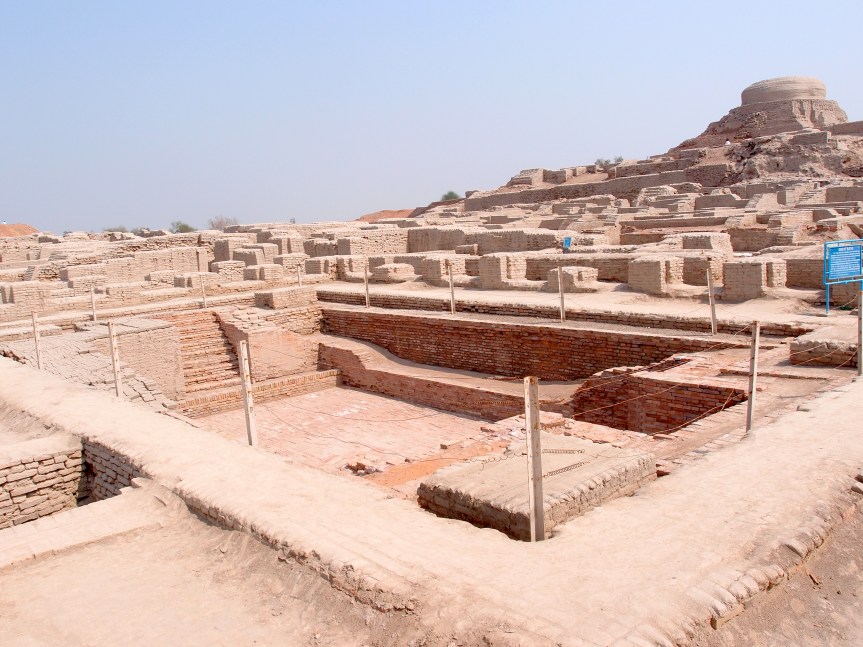
Mohenjo-daro is thought to have been underlying the twenty-6th century BCE; it became not just the biggest city of the Indus Valley Civilization however one of the world’s soonest major metropolitan communities. Found west of the Indus River in the Larkana District, Mohenjo-daro was quite possibly the most modern urban areas of the period, with cutting edge designing and metropolitan arranging.

Archeological remaining parts at the lower town of Lothal. The blocks are uniform in size and are dark earthy colored shaded. They are in a field of dead grass and are lined by low-lying green trees and bushes.

Archeological remaining parts at the lower town of Lothal. The blocks are uniform in size and are dark earthy colored hued. They are in a field of dead grass and are lined by low-lying green trees and bushes.

Archeological remaining parts at the lower town of Lothal, showing uniform fire-prepared blocks. Fire-prepared blocks will hold up to dampness, making them fit to building showers and sewers. Picture kindness Wikimedia Commons.

Harappa was a braced city in cutting edge Pakistan that is accepted to have been home to upwards of 23,500 inhabitants living in etched houses with level rooftops made of red sand and mud. The city spread more than 150 hectares—370 sections of land—and had sustained managerial and strict focuses of a similar sort utilized in Mohenjo-daro.

The two urban communities had comparative association and included strongholds, focal regions in a city that were vigorously sustained—ensured with protective military designs. Moreover, the two urban communities were arranged along the Indus River. This construction would have permitted those at the more significant levels of the structures in one or the other city to peer down the waterway and see into the distance.

The remaining parts of the Indus Valley Civilization urban communities show wonderful association; there were very much arranged wastewater seepage and garbage assortment frameworks and perhaps even open showers and silos, which are storage facilities for grain. Most city-inhabitants were craftsmans and shippers gathered in particular areas. The nature of metropolitan arranging proposes effective city governments that set a high need on cleanliness or strict custom.

Harappans exhibited progressed design with dockyards, silos, stockrooms, block stages, and defensive dividers. These huge dividers probably shielded the Harappans from floods and may have stopped military struggles. In contrast to Mesopotamia and Ancient Egypt, the occupants of the Indus Valley Civilization didn’t construct enormous, great designs. There is no convincing proof of royal residences or sanctuaries—or even of rulers, armed forces, or ministers—and the biggest designs might be storage facilities. The city of Mohenjo-daro contains the Great Bath, which may have been a huge, public washing and social region.

Colonialism

Expansionism or colonialism is an act of control, which includes the oppression of one individuals to another. One of the troubles in characterizing expansionism is that it is difficult to recognize it from colonialism. Every now and again the two ideas are treated as equivalent words. Like expansionism, colonialism additionally includes political and monetary power over a reliant domain. The historical underpinnings of the two terms, nonetheless, gives a few insights about how they vary. The term state comes from the Latin word colonus, which means rancher. This root helps us that the training to remember expansionism typically elaborate the exchange of populace to another region, where the appearances lived as perpetual pilgrims while keeping up with political loyalty to their nation of beginning. Colonialism, then again, comes from the Latin expression imperium, which means to order. Hence, the term dominion causes to notice the way that one nation practices control over another, regardless of whether through settlement, sway, or backhanded instruments of control.

The authenticity of expansionism has been a longstanding worry for political and moral savants in the Western custom. Essentially since the Crusades and the success of the Americas, political scholars have battled with the trouble of accommodating thoughts regarding equity and regular law with the act of European power over non-Western people groups. In the nineteenth century, the strain between liberal idea and pilgrim practice turned out to be especially intense, as territory of Europe over the remainder of the world arrived at its pinnacle. Amusingly, in similar period when most political rationalists started to guard the standards of universalism and correspondence, similar people actually safeguarded the authenticity of expansionism and dominion. One method of accommodating those obviously gone against standards was the contention known as the “edifying mission,” which recommended that a transitory time of political reliance or tutelage was important all together for “uncouth” social orders to progress to where they were fit for supporting liberal organizations and self-government.

The objective of this section is to break down the connection between Western political hypothesis and the task of imperialism. Subsequent to giving a more exhaustive conversation of the idea of imperialism, this passage will clarify how European masterminds advocated, legitimized, and tested political control. The third area centers around radicalism and the fourth segment momentarily talks about the Marxist custom, including Marx’s own safeguard of British expansionism in India and Lenin’s enemy of colonialist compositions. The fifth segment gives a prologue to contemporary “post-pilgrim hypothesis.” This methodology has been especially powerful in scholarly investigations since it causes to notice the different ways that postcolonial subjectivities are established and opposed through digressive practices. The last segment will present an Indigenous scrutinize of pioneer expansionism that arises both as a reaction to frontier practices of mastery and dispossession of land, customs and customary history and to post-pilgrim hypotheses of universalism. The objective of the passage is to give an outline of the tremendous and complex writing that investigates the hypothetical issues arising out of the experience of European colonization.

Expansionism is anything but a cutting edge wonder. World history is loaded with instances of one society slowly extending by consolidating a nearby area and settling its kin on recently vanquished region. The old Greeks set up settlements as did the Romans, the Moors, and the Ottomans, to give some examples of the most renowned models. Imperialism, then, at that point, isn’t confined to a particular time or spot. In any case, in the sixteenth century, expansionism changed unequivocally due to mechanical advancements in route that started to interface more far off pieces of the world. Quick cruising ships made it conceivable to arrive at far off ports and to support close ties between the middle and settlements. Hence, the advanced European frontier project arose when it became conceivable to get huge quantities of individuals across the sea and to keep up with political sway despite topographical scattering. This passage utilizes the term expansionism to depict the cycle of European settlement and political authority over the remainder of the world, including the Americas, Australia, and portions of Africa and Asia.

The trouble of characterizing expansionism originates from the way that the term is regularly utilized as an equivalent for government. Both expansionism and dominion were types of triumph that were relied upon to profit Europe financially and deliberately. The term imperialism is much of the time used to portray the settlement of North America, Australia, New Zealand, Algeria, and Brazil, puts that were constrained by an enormous populace of lasting European occupants. The term colonialism regularly portrays cases in which an unfamiliar government manages a domain without huge settlement; common models remember the scramble for Africa for the late nineteenth century and the American mastery of the Philippines and Puerto Rico. The qualification between the two, nonetheless, isn’t altogether reliable in the writing. A few researchers recognize states for settlement and provinces for monetary misuse. Others utilize the term expansionism to depict conditions that are straightforwardly represented by an unfamiliar country and difference this with colonialism, which includes backhanded types of mastery.

The disarray about the significance of the term government mirrors the way that the idea has changed after some time. Albeit the English word government was not ordinarily utilized before the nineteenth century, Elizabethans previously portrayed the United Kingdom as “the British Empire.” As Britain obtained abroad conditions, the idea of realm was utilized all the more as often as possible. Colonialism was perceived as an arrangement of military mastery and sway over regions. The everyday work of government may be practiced in a roundabout way through nearby congregations or native rulers who offered recognition, yet sway rested with the British. The shift away from this customary comprehension of realm was impacted by the Leninist examination of colonialism as a framework situated towards monetary abuse. As per Lenin, dominion was the essential and inescapable aftereffect of the rationale of collection in late private enterprise. Along these lines, for Lenin and resulting Marxists, government depicted a recorded phase of private enterprise instead of a trans-authentic act of political and military mastery. The enduring effect of the Marxist methodology is clear in contemporary discussions about American government, a term which generally implies American financial authority, whether or not such force is practiced straightforwardly or in a roundabout way (Young 2001).

Given the trouble of reliably recognizing the two terms, this passage will utilize imperialism as an expansive idea that alludes to the venture of European political control from the sixteenth to the 20th hundreds of years that finished with the public freedom developments of the 1960s. Post-imperialism will be utilized to portray the political and hypothetical battles of social orders that accomplished the change from political reliance to sway. This passage will utilize government as an expansive term that alludes to financial, military, political mastery that is accomplished without critical lasting European settlement.

  1. Normal Law and the Age of Discovery

The Spanish success of the Americas started a philosophical, political, and moral discussion about the utilization of military power to secure authority over unfamiliar terrains. This discussion occurred inside the system of a strict talk that legitimized military victory as an approach to work with the transformation and salvation of native people groups. The possibility of a “edifying mission” was in no way, shape or form the creation of the British in the nineteenth century. The Spanish conquistadores and pilgrims expressly defended their exercises in the Americas as far as a strict mission to carry Christianity to the local people groups. The Crusades gave the underlying stimulus to fostering a legitimate precept that supported the victory and ownership of unbeliever lands. While the Crusades were at first outlined as guarded conflicts to recover Christian grounds that had been vanquished by non-Christians, the subsequent hypothetical developments assumed a significant part in resulting endeavors to legitimize the success of the Americas. The center case was that the “Petrine order” to really focus on the spirits of Christ’s human run required Papal purview over fleeting just as profound issue, and this control stretched out to non-devotees just as adherents.

The transformation of the local people groups, be that as it may, didn’t give an unproblematic defense to the undertaking of abroad triumph. The Spanish success of the Americas was occurring during a time of change when humanist researchers inside the Church were progressively impacted by the regular law hypotheses of scholars like St. Thomas Aquinas. As per Pope Innocent IV, war couldn’t be pursued against heathens and they couldn’t be denied of their property essentially in light of their non-conviction. Affected by Thomism, Innocent IV presumed that power was real just in situations where unbelievers disregarded regular law. Nonbelievers had real domain over themselves and their property, however this territory was repealed in the event that they demonstrated unequipped for administering themselves as per rules that each sensible individual would perceive

THE FESTIVAL OF DIWALI AND HOW TO MAKE IT MEMORABLE FOR EVERYONE

India is a secular country. People of various religions reside here and all have different festivals to celebrate. All the festivals are celebrated with great joy and unity and people of some other religion celebrating festivals of another is not a rare sight.
One such festival is Diwali, also called Deepawali. It is a festival mainly celebrated among Hindus. It holds a good position in the list of important festivals for the people of the community. Not only adults, the children too wait eagerly all year round for the festival.
The celebrations not just start on the day of the festival but begin a couple of days before. People visit their relatives and neighbors and the exchange of sweets, utensils, and ornaments takes place. Dhanteras, Govardhan Puja, and Chotti Diwali are other small occasions that precede Diwali. People light up their homes, draw mesmerizing and colorful rangolis and decorate their houses. Children cannot wait to run outside and burst firecrackers with their friends after the puja. People dress up wearing new clothes and are all set to click pictures. A feast is prepared and people enjoy themselves to the fullest.
But what is the reason that these particular celebrations are made? Why not the occasion be celebrated some other way?
Well, there is a reason for that too. The festival of Diwali dates back to the time of Lord Rama. It is celebrated to mark the victory of good over evil. Also to celebrate the return of Lord Rama to Ayodhya after killing Ravana, to save his wife Sita. He then came back to Ayodhya to become an ideal king. For this, people spend the whole day decorating their homes and shops and colorful and sweets and chocolates are displayed outside shops.
Not only Lord Rama, but people also worship Goddess Lakshmi.
Over the years, Diwali has been celebrated with complete enthusiasm but a part of the celebration is causing harm to not just animals, but us also.
Firecrackers have been a big menace over the years. Cases of extreme burns and injuries can be seen in the news just a day after the festival.
Pollution is another problem. We already live in a highly polluted environment. Smokes from vehicles, less than the required number of trees are problems that are on the rise. On top of this, a lot of air pollution is added to the environment when firecrackers in such high numbers are burst. This pollution impacts the health of the kids and the elderly negatively.
Another issue which needs attention is the animals. Stray as well as pets. A lot of us have dogs at home or strays around us whom we love. Bursting of such high-sound firecrackers causes them stress. Some may even have heart attacks or are depressed for a long period. While pets can be soothed to some extent, it is the strays that suffer the most. Many of them get injured while wandering around a firecracker that has already been put on fire.
Wastage of money on these Chinese products is also one point. Most of the firecrackers are made in China and one should avoid using their products. Reasons are obvious and need no elucidation.
Diwali is an important festival, so why not make it enjoyable and memorable for everyone. Why not celebrate it safely to bring out the best memories possible of the festival!