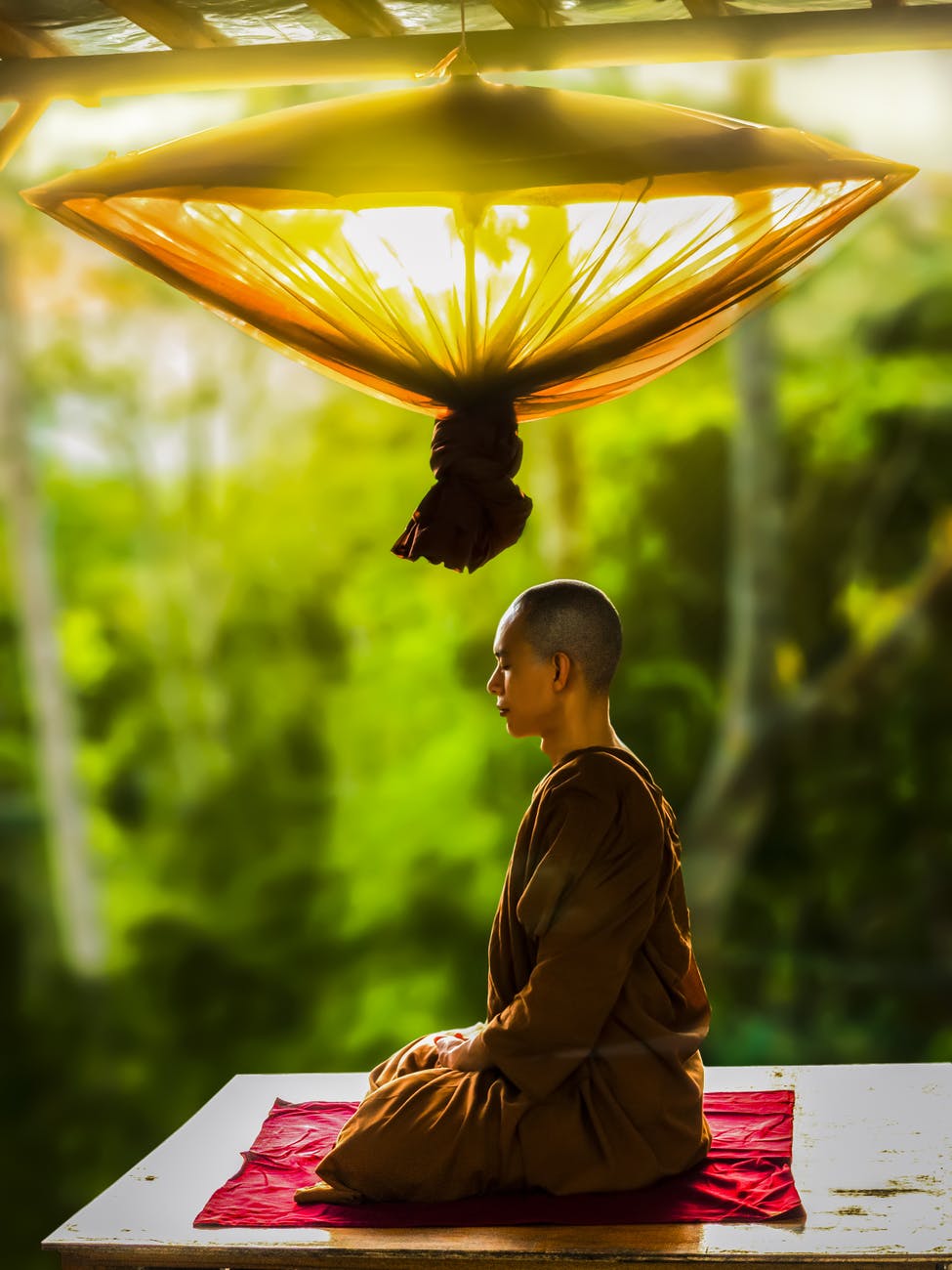
Stress: a social issue

We thrive on performance, competitiveness, and perfection in today’s culture, which leads to an insidious increase in stress. Stress produces harm that is frequently underestimated, and it is a social phenomena that should be thoroughly investigated and assessed.

What is Stress?

Stress is our bodies’ reaction to pressure. Stress may be caused by a variety of conditions or occurrences in one’s life. It is frequently triggered when we encounter something novel, unexpected, or threatening to our sense of self, or when we believe we have little control over a situation. We all react differently to stress. Our capacity to cope can be influenced by genetics, early life experiences, personality, and social and economic conditions. When we are stressed, our bodies create stress hormones, which cause us to fight or flee and activate our immune system. This enables us to react swiftly in risky circumstances.

This stress reaction can be beneficial at times: it can help us overcome anxiety or pain in order to run a marathon or make a speech, for example. When a stressful incident is done, our stress hormones typically return to normal soon, and there are no long-term consequences.

However, excessive stress might have a detrimental impact. It can keep us in a constant state of fight or flight, leaving us exhausted or unable to cope. This can have a long-term impact on our physical and emotional health.

Stress: The Bane Of Modern Existence

Our forefathers used to claim that “work is health,” but we now know that this is no longer the case. People are subjected to unprecedented levels of stress in today’s society and job. The symptoms of stress are everywhere, and the repercussions are diverse. The stress we feel on a daily basis is mostly produced by a number of phenomena that are inherent in today’s culture, including, but not limited to:

  1. Increased workload to boost productivity improvements
  2. Continuous pursuit of perfection;
  3. Obsession with winning;
  4. Balancing job, personal life, and family life;
  5. Significant shifts in attitudes and societal standards.

Stress affects all social groupings and age groups; no one can fully escape it. However, depending on their personal, psychological, professional, and health background, some people are more severely affected by its repercussions.

What is the source of our anxiety? Stress is the body’s natural reaction to everyday occurrences. There are several sources of stress and numerous strategies to deal with it. Fundamentally, stress is a human defensive mechanism, but it is critical not to allow it to take control.

Stress may originate from a variety of factors, including physical, psychological, emotional, social, and so on. A stressful occasion might be either joyous or sad (wedding, birth, travel, etc). (getting fired, going through a divorce, the loss of a loved one, etc.). The stimulus might be modest or large, and it can be brief or persistent. Because we do not all react the same way to stressors, it is critical to understand your stress triggers in order to effectively deal with them.

Signs of Stress:-

When confronted with a stressful circumstance, the human body responds by producing a variety of chemicals, including adrenaline. Stress can induce symptoms such as palpitations, a lump in the throat, worry, discomfort, and so on in its early stages. These symptoms are generally transient. Uncontrolled stress, on the other hand, may be damaging to one’s well-being and health over time; symptoms can then be physical, emotional, psychological, or behavioural in character. Here are a couple such examples:

  • sleep disorders
  • muscular tension
  • digestive disorders
  • irritability
  • agitation
  • depression
  • anxiety
  • burnout
  • increased isolation
  • relationship problems
  • work absenteeism
  • lower performance
  • loss of self-esteem

Aside from such obvious short-term consequences, stress leads to the development of a number of chronic illnesses, including heart disease, vascular disease, and cancer.

Obviously, stress has a bad impact. However, when correctly handled, it may have a positive impact. Indeed, it can assist to improve attention, contribute to creativity, enhance productivity, and aid in the development of new abilities. However, in order to do so, you must first learn to regulate and manage it.

How you might behave:-

  1. Withdraw from others or lash out at them
    be unable to make a decision or be flexible
    be moved to tears
  2. have difficulty falling or staying asleep
  3. encounter sexual issues
  4. More than usual, you smoke, consume alcohol, or use drugs.

How can you help yourself?
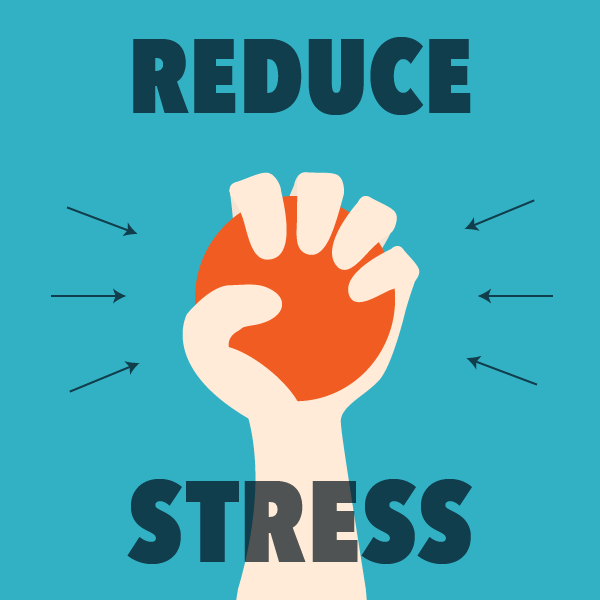
  1. Recognize when stress is a problem.
  2. Review your lifestyle.
  3. Build supportive relationships.
  4. Eat healthily.
  5. Be aware of your smoking and drinking.
  6. Exercise.
  7. Take time out.
  8. Be mindful.
  9. Get some restful sleep.
  10. Don’t be too hard on yourself.

Internship and its importance

Photo by Magnetme on Pexels.com

An internship is a professional learning experience that offers practical experience related to a particular field of study .it gives a student many opportunities such as work experience ,exploration of career, increase our network, gain confidence etc. internship may be paid or unpaid.

Generally , there is a exchange of services during a Internships. we do internships for many reasons such as work experience ,confidence etc. and company or the organization ,who are giving us internships also want something back from us. If they ae very satisfied and impressed from our work they also offer a full time job in there company .Internships can be of any duration like 1 month , 3 months or 6 months.

There are different types of internships ,an internship can be paid internship or unpaid. In paid, they give a particular stipend per month. internships may be part time or full time. that are flexible with students schedule. internships are very common in professional fields like engineering, medical, law , architectures and various fields.

Importance of internship

Getting internships is a very important part of starting our career.

  1. Career exploration :- Internship is best way to apply your all knowledge, study and skills in a real world experience.as we know studying theoretically in class is good but applying that knowledge in internship definitely helps in exploring career for our future that suits us perfectly.

2. Helps in gaining experience:- It helps us gaining a work experience before doing job.it gives an edge to a particular person who is doing internships than other candidates.it will not only helps in gaining experience but it will also boost our confidence for upcoming challenges and jobs. It also teach us how to work under pressure with deadlines, because of these challenges we will not get much difficulties in jobs.

3.Check our strength and weakness:- During an internship we will be also able to check our strengths and weaknesses we will be able to know whether we are able to cop up with our schedule, whether we are doing our work before deadline etc. git also helps one in realizing that doing job in this field will be good or not. whether we like it or not.

4. Increasing network connections:- An internship is a very valuable opportunity through which we can built strong connections .The more people we interact in the company or organization ,the more we learn and grow. The more network we will have, there will be more chance to get a descent job.

5.Resume:-Most companies before hiring us want us to have some professional work experience before that. we can loose a job opportunity we if have not done even a single internship before that.so if we have done Internship and we have told it in our resume. our resume becomes better and strong that the one who has not done any kind of internship. An internship will definitely boost our resume.

conclusion

Internships play a major role in shaping our career.it gives us exposure of real experience of working environment and also helps us to know about ourselves, our strength and weaknesses.

Indian places that looks like foreign

We all dream of traveling international but most of the time our pockets don’t allow so, here is the list of some famous places in India that looks like foreign destinations. These Indian cities will make you feel like as if you’re in abroad.

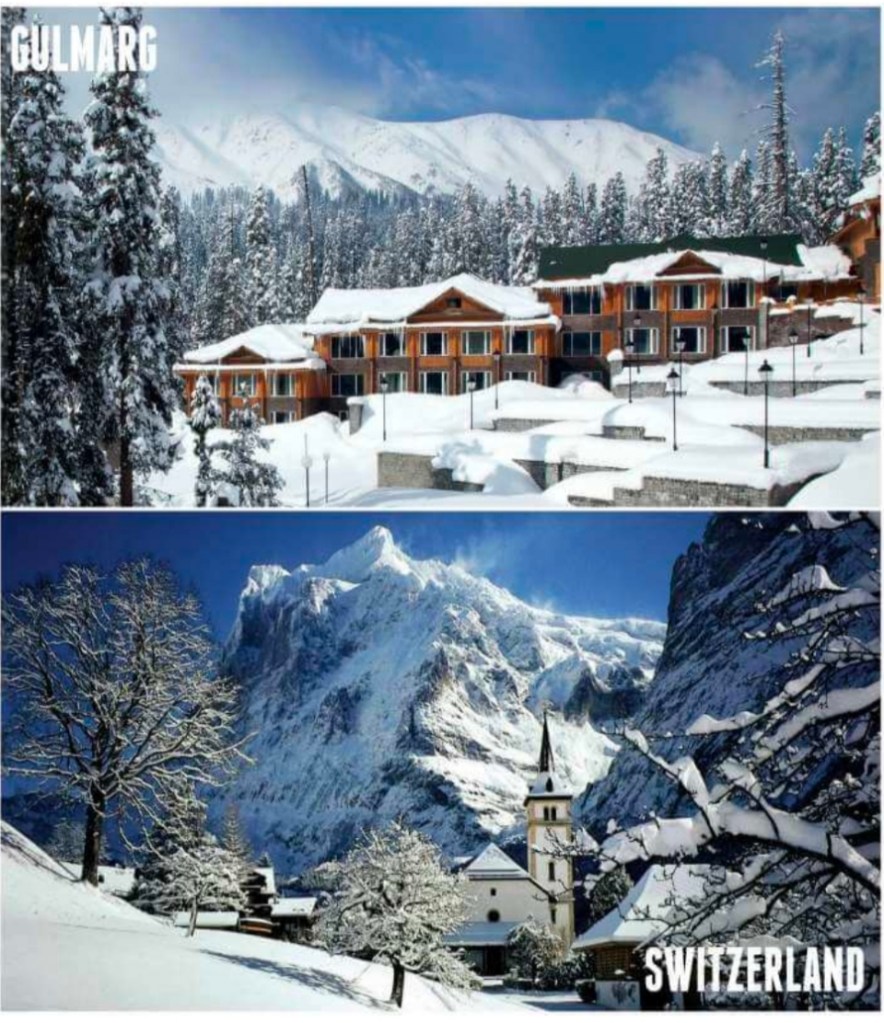
The scene of snow clad mountains at Gulmarg in Kashmir is quite similar to those in Switzerland. There’s no other place like Kashmir in the world! Kashmir is often referred as Paradise on earth.

Tulips in Srinagar will remind of you of Tulips in Amsterdam. If not the tulip fields of the Netherlands, you can still visit our own Tulip garden which is located in Srinagar. The best time to visit for the tulips is when they are in full bloom that is March-end and early April.

Hills of Alaska is quite similar to Auli of Uttarakhand. The Ski slopes of Uttarakhand and Sikkim in India are one of the best things to do.

Rolling hills in Scotland and Mandi in Himachal Pradesh, looks same.

Andaman and Nicobar Islands and Phi Phi Islands, Thailand. The Andaman and Nicobar islands of India, are as beautiful as the islands of Thailand. The Andamans are beautiful and have equally turquoise waters.

Valley of Flowers in Uttarakhand is in the same as that of Antelope Valley in USA.

Thar Desert in Jaisalmer and Sahara Desert in Morocco, Africa

Chitrakoot Falls in Chhattisgarh and Niagara Falls in Canada. In case you’ve been dreaming about visiting the Niagara Falls, you can visit Chitrakoot falls. The Chitrakote falls in the state of Chattisgarh, are the most beautiful falls in the monsoon – June to Sept. To see this waterfall, you don’t need to board a 16-hour long flight or make hole in your pocket.

Tea leaves at Munnar in Kerala and Boh Tea Plantation in Malaysia. The hill station in Munnar has around 50 tea gardens which have free entry. You can also visit the Tata Tea museum located on these hills. If you happen to be a tea lover too, then visiting a tea plantation should be on your list.

Alleppey in Kerala and Venice at Italy. The river is lined with trees and nature, seeing the sunrise from these boats will be the most beautiful experience.

The Bonneville Salt Flats of Utah vs The Rann of Kutch of Gujarat.

WHY TRUST YOUR INTUITION?

Should we always trust our intuition?. While some say yes and other say no, lets just go through what all goes into it.

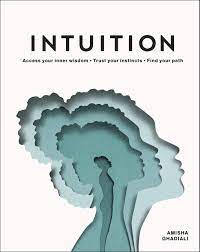
INTUITUION, GUT or INSTINCT is basically the “feeling or understanding that makes you believe or know that something is true without being able to explain why”. As it is so personal, that no one else can weigh it to tell that if it is correct or not. It is you who have to make the call for yourself. And by this, trusting your intuition means an ultimate act of trusting yourself.
REASONS TO TRUST YOUR INTUITION:

There ate many reasons why one have to trust their gut. Some safe reasons are

88% BELIEVE THAT THEIR INTUITION SERVES WELL: A study shows that when people are forced to choose between two options based on instinct alone, participants made the right call up to 90 percent of the time. Try to give your intuition a chance and make them a part of your life.

HELPS MAKE DECISION QUICKLY: Intuition plays an essential role for decision-making that too in this rapidly changing environment. When a person follows the mere gut, then the time taken for thinking, analyzing and processing cuts off and decisions are made in a shorter period of time.

CULTIVATE YOUR INTUITION IN A RIGHT WAY:

HAVE A CLEAR MIND: Being in a clear state of mind helps you recognize and process the information correctly. Mentally and physically clear away the clutter that resides within.

NOTICE SENSATIONS IN YOUR BODY: Intuitions are grounded within the sensations inside the body. So learn to recognize and understand what goes inside your body and try to act accordingly. Don’t be swept away by thoughts instead tune into your body where your intuition resides.

FOCUS: Keep your focus, if you find them shifting to other people and thing bring them back and keep your focus in place.

Remember that trusting your intuition is a journey which will repeat the above process at particular intervals of time.

IS INTUITION ALWAYS RIGHT?

Your purest intuitions are always right but those tinged by your own thoughts and emotions may only be partially correct or even completely wrong. So before following your intuition, make sure that they are not tinged by your emotions and are pure instinct.

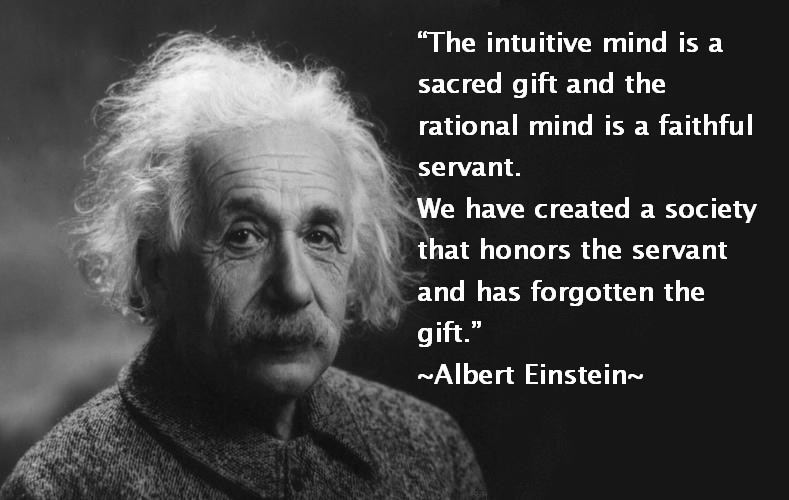
” THE ONE REAL VALUE THNG IS INTUITION “- ALBERT EINSTEIN

Beti Bachao, Beti padhao

-Aditi Raj

“don’t let life end before it even begins, save girl child

Beti Bachao Beti Padhao programme is a nationwide scheme which is purposefully launched to address the serious issue of decreasing girl child ratio in the nation as well as the society. This programme has also a major motive to empower every girl child in our country. This scheme has been successfully launched by the Indian Prime Minister Narendra Modi on 22nd of January at Panipat, Haryana. This scheme is to make people aware of the importance of girl child in the Indian society as well as bring some positive mindset in our country towards girl child. In our society, girls are treated like burden in our life who need to spend their whole life for their parents or husband.

However it is not true, girls occupy half of their population of the world. So that means they are equally need for the sustaining life in the earth. Since several years, girls have been treated as a domestic slave and are given food to eat, but she has no rights to speak over primary matters of the family. For infusing self confidence in girls, it is important that they are aware of their rights and rights to education is one of the most important right which a girl child should have equal access to. Population and poverty are other reasons why most of the Indian families stop their girl child from stepping towards higher education

Different NGOs have also joined hands and organize various campaigns to increase awareness about Beti Bachao Beti Padhao. Large hoardings and banners are placed at the popular locality in order to grab the attention of a larger audience.

Greenhouse effect

Greenhouse effect 

Abstract

Greenhouses affect the level of oceans and seas. Many environmental problems arise due to carbon dioxide excess in the environment. Reason of greenhouse effects is excess use of chemicals which release harmful gases.  Individuals can reduce the carbon footprints. Government can also take strict action against the companies who are responsible for degradation in the environment. 

Greenhouse effect

The greenhouse effect means increasing the level of gases in the earth’s atmosphere which leads to the warmness in the environment and an excess of the temperature of the environment. 

In the atmosphere there are three layers of exosphere, thermosphere, mesosphere, stratosphere and troposphere. 

There is an ozone layer above the stratosphere. It helps to protect from ultraviolet rays and maintain the temperature of the environment. Due to the pollution, the ozone layer starts depleting. The gases are trapped in the atmosphere and increase the warmth (by 3- 4 degree celsius) in the environment. 

 The gases which are responsible for the greenhouse effect are:

Carbon, nitrous oxide, methane, chlorofluorocarbons (CFCs) and water vapour.

Type of layers in atmosphere.

Causes of greenhouse effect

Over time human activities continue to develop. Humans want more and more from everything. Burning fossil fuel, deforestation for urbanisation and cultivation, progress in chemical factories, use of cfcs in cooling stuff of home appliances, overpopulation, farming, transportation, landfill and forestry smog and pollution, acidification of water bodies and industrial act effect  leads to climate change in the environment.

 According to the environmental experts and scientists only the United States of America produces 95% of the gases worldwide (5th assessment report on climate change). 

https://www.ipcc.ch/site/assets/uploads/2018/02/ipcc_wg3_ar5_summary-for-policymakers.pdf

Reference link of that report.

Impact of greenhouse effect 

  • Melting of polar ice – Due to the rise in temperature the polar ice starts melting. The level of oceans and seas increased, which led to floods and cyclones. 
  • Climatic extremes-  climatic extremes such as drought, excess rainfall , leads to threat to the life and wealth of an individual. An increase of co2 in the environment also affects the ecosystem of a particular place. Some fungi, pests and weeds are also deprived under warm water.
  • Impact on crops- our crops are also affected by the increasing of level co2 in the environment.  Co2 reduces the nutrient level of crops. It imbalanced the concentration of protein and other important and essential nutrients.
  • Health issues- warming the environment also increase the health risk of an individual. Malaria, cholra, dengue and now covid-19  all are result of increasing the temperature in the environment.
  • Migration of species- due to the change in the climate, many species have to migrate forcefully from their regions. The migration create the problem of sustaning and settlement.

Prevention from greenhouse effect

Reducing the emission of gases lead gcan prevent the greenhouse effect. International organisation also give some recommendations as follow

At individual level

  • Use of renewble energy- we should use solar panel for our household and small industries.
  • Use of public transport insist of private: Transportron also increase the level of co2 in the environment because of the combustion of dissel and petrol. So we should use public transport instead of private.
  • Afforestion- Go green , grow more trees. Trees and plants  consume the carbondioxide and release oxygen and make the environment cool in temperature.

at national level

  • India greenhouse programme- The programme provide standarized method and measure to use GHG emission.
  • The world resources (WRI)-  it was launched by 2013 and provide the companies knowledge of identify the emission, measure the use of GHG, establish the long and short terms goals.
  • National Action Plan on Climate Change (NAPCC) 2008.- The plan take initiative to work for the mitigation of green house gas emissuon that are causing change in climate.

conclusion.

The green house effect has cause by the emission of methane, nitrous oxide and carbondioxide. The level of increasing co2 in the environment can lead the warmth in the temperature. Due to the high temperature the polar ice are melting which leads flood and other climatic extreme. We should work at the rooth level to reduced the emission of co2 gasses.

Reference 

How to lose your hair in 10 days.

No, No, this is not a click bait. And no this is not sponsored by Kesh King.

Have you noticed that you have been losing a lot of hair recently. Well some can say it’s due to the changing weather, but don’t you think we are also forgetting a very generous contributor to this problem.

Yes I’m talking about stress. I know, such a cliched topic right. Stress. Sounds so normal. You guys would be like , ‘everyone has stress, nothing new about it’. But man, what a sad statement this is. The fact that everyone is going through some tough situation , is actually worrisome , don’t you think . Whether due to the pandemic, or some personal issues, or work stress . And the worst of them all is stressing over nothing, you know when everything is going well, and you begin to wonder, well , this ain’t right. I stress about stress before there’s even stress to stress about. What sort of sorcery is that!

Pin on Cartoons about Stress

The poor is stressing over money , so are the rich. Student is worried about her grades and the graduate is worried about getting a job. Many of us are stressed due to some financial difficulties and some due to personal or family issues. Many of us are losing sleep, and some of us are losing their hair ( yup, sacrificed a whole lot ). The worst thing about stress is that it’s involuntary. You often can’t help but fall into this trap. Having no control over things is both a boon and a bane. When you have the control , you can’t help but stress over how to solve an issue. When you don’t , you consider yourself completely helpless, and often worthless.

This is where the self destruction begins. Stressing over things makes you question your abilities, insecurities, and often leads you on to this dark path, one would never dare to walk on. How to come out of this ? How to tell yourself that stress , to a certain extent is okay, but when exceeds a certain limit, is lethal.

  1. Please, please make yourself a priority. I cannot stress this enough , that YOU matter the most. That’s it.
  2. Take a sheet of paper, and write down the things that are stressing you out. Think about the possible solutions you can come up for them. Cannot come up with a solution? Then buddy, try and move on. Let’s leave some things in the hands of time.
  3. Some things take time, don’t rush it.
  4. Trust your journey. You’ve reached till here, thank yourself and appreciate yourself.
  5. Dance it out . Yes this works. Don’t tell me that dancing to the tunes of Ishq tera tadpave ( what an irony ! ) or any other banger doesn’t make you happy. P.S. if you haven’t heard the song, just give it a shot.
  6. Start breathing. I mean I know everybody breathes, but this time feel it. And be thankful for it.
  7. Please talk to someone . A friend, therapist anyone. It might not help you get a solution, but at least will assure you that you’re not alone.

So where does this end ? The same place it began, in that beautiful mind of yours.

Turns out, it was some what of a click bait right . But hey, it worked 🙂

HOW TO BECOME AN ENTREPRENEUR

7 steps to Becoming an Entrepreneur:

STEP 1:Find The Right Business For You

Entrepreneurship is a broad term, and you can be an entrepreneur in just about any area. However, you will have to pick a field to work in and business to start. Find a business that won’t only be successful, but is something that you are passionate about. Entrepreneurship is hard work, so you want to focus your attention on something you care about.

STEP 2: Determine If You Should Get An Education

You don’t need to have any type of formal education to be an entrepreneur, but that doesn’t mean you should ignore education entirely. If you want to start a tech company, experience in business, computer programming and marketing could all be valuable. Also, some industries will likely require some type of education, such as your own accounting or law firm.

STEP 3:Plan Your Business

Before you begin your business, you need to have a business plan. A business plan lays out any objectives you have as well as your strategy for achieving those objectives. This plan is important for getting investors on board, as well as measuring how successful your business is.

STEP 4:Find Your Target Group/Audience

Not every business appeals to everyone. The age, gender, income, race and culture of your target group will play a large role in determining where you open up shop – or if you even need to have a physical address for business. Research which group fits your business model best, and then gear everything to attract that demographic.

STEP 5: Network

While networking is important in all fields, it may be most important for entrepreneurs. Networking is how you meet other people that might have skills you can use in your business. You can also find potential investors through networking to help get your business model off the ground. Your network can also support your business once you open, helping send new customers your way.

STEP 6: Sell Your Idea

Consumers want products, but they don’t always know which product to pick. Your job as an entrepreneur is to convince people that whatever you’re selling is the best option available. You’ll have to find out what makes your product unique and then sell it based off the value it adds.

STEP 7: Market

You should be focused on marketing before, during and after you start your business. You may have the best restaurant in the city, but nobody will visit if they don’t know it exists. Marketing is tricky, but if you should be able to focus your marketing efforts on your target audience. For example, millennials may be more likely to see an ad on social media than on a billboard downtown.

HERE ARE THE TOP 8 GOVERNMENT SCHEMES EVERY ENTREPRENEUR SHOULD BE AWARE OF:

1.Modified Special Incentives Package Scheme(M-SIPS)

2.The Venture Capital Assistance Scheme

3.Credit Guarantee

4.Raw Material Assistance

5.Infrastructure Development Scheme

6.MSME Market Development Assistance

7.Credit Linked Capital Subsidy For Technology Upgradation

8.Atal Incubation Centres(AIC)

10 RITUALS FOLLOWED IN A TRADITONAL HINDU WEDDING

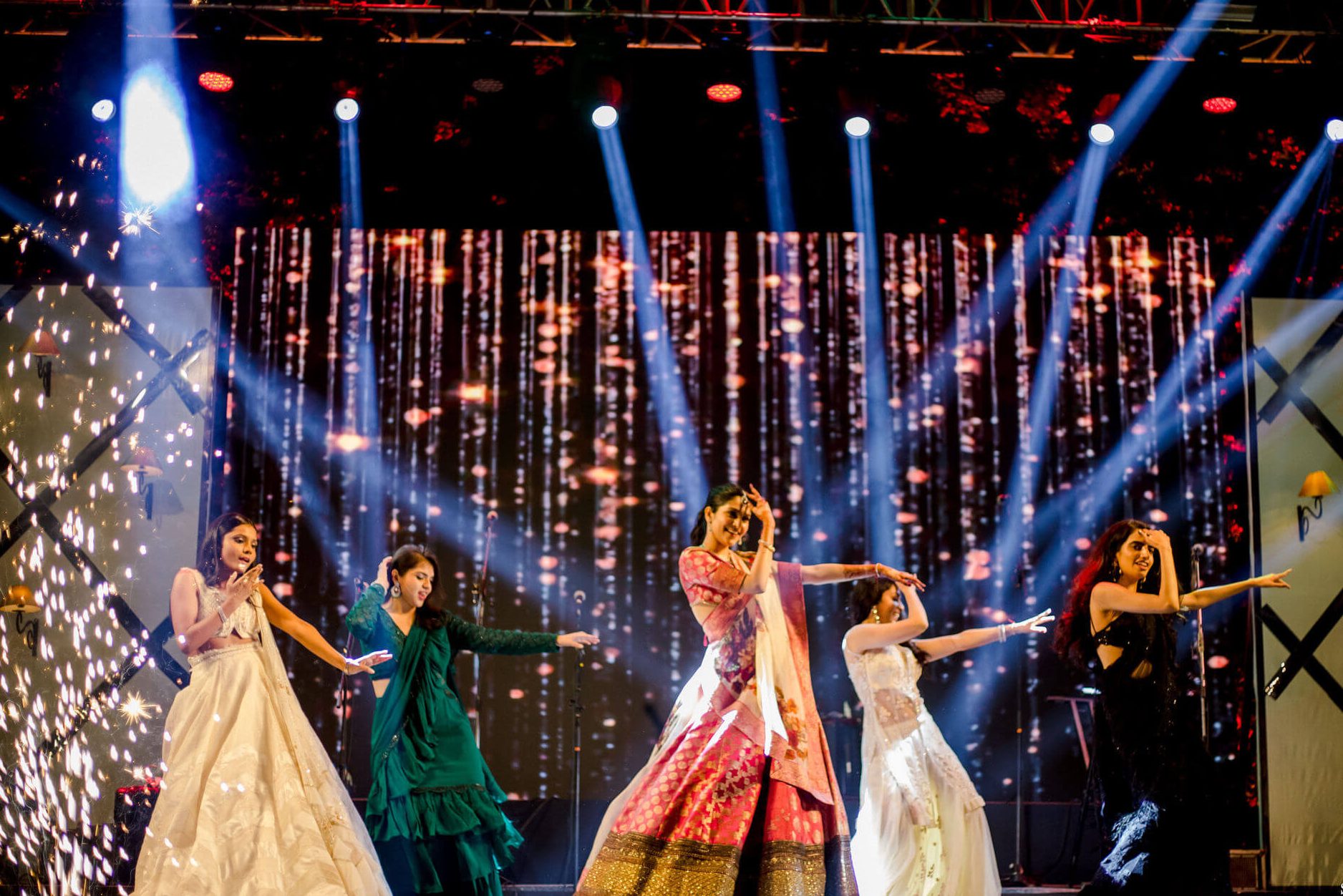
  • THE SANGEET DAY

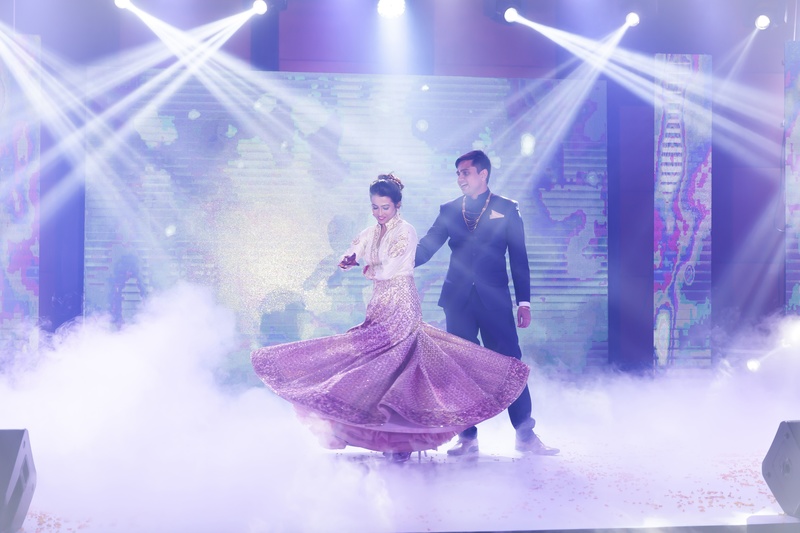
Before the day of wedding there is a gathering of relatives and close friends called sangeet. During this day everyone form bride as well as groom side performs dance, sings and enjoys the day. This event is a kick start of all due rituals need to be followed by the bride and groom before the wedding. The sangeet day is consider as a big celebration eve for Indians.

  • THE MEHNDI DAY

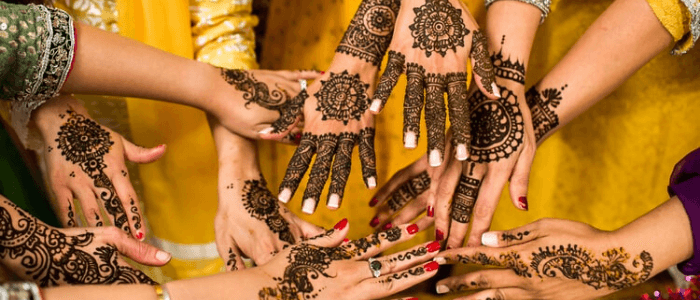
The mehndi ceremony is considered to a traditional party day. Only bride’s close female friends and relative are allowed to attend this function. This function generally takes place before a day of wedding. During this function, the henna mehndi paste is made, and temporary detail art designs are drawn on bride’s hand and feet. This same process can be done to groom’s hand and feet. It is common to hide each other’s name in the mehndi art, the relation is forever if groom finds his name in bride’s mehndi work.

  • THE DRESS CODE

Never expect an Indian bride in white gown in a Hindu wedding. Traditionally a bride wrap herself in a red colour saree or in a lehenga. Now a days bride prefers to wear lehnga with floral print. And do not forget the groom, they also have choices for their dress like, sherwani, suit, or a traditional dhoti kurta. Usually both bride and groom both wears same colour and printed dress on their wedding day can be said as twinning.

  • CELEBRATING THE GROOMS ARRIVAL

Arrival of the groom to the wedding venue is one of the biggest celebration in itself. This ceremony is traditionally called as the baraat or Vara yatra according to region. The family member, relatives as well as friends show their joy by dancing till the baraat reaches the venue. The groom is welcome with a plate carrying a little lamp (the arti) and tilak, a small dot on forehead is also done.

  • BRIDE’S FATHER GIVER HER AWAY

The bride is escorted to the mandap by her brothers or uncles. The moment the bride’s farther giver her to her new family this ritual is known as Kanyadaan. During this ceremony, the father places bride’s hand onto her soon to be husband’s hands as gesture of giving her away.

  • THE WEDDING MANDAP

The wedding mandap is temporary structure constructed for the couples to follow the remaining wedding rituals. The couple traditionally get together under the mandap by their parents.

  • THE FIRE AT CENTER OG MANDAP

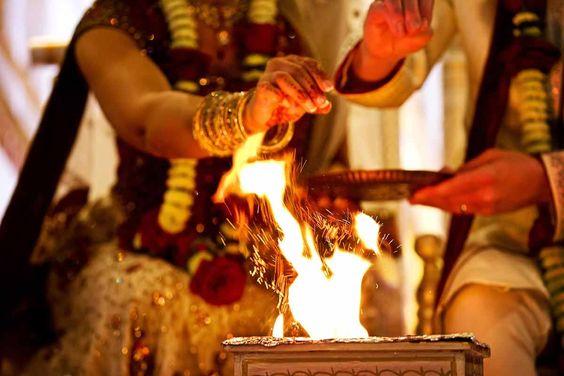
At the center of the mandap the fire is burn. A Hindu marriage is religious ceremony not a contract. As a sign of viability of the wedding the fire is said to be the witness of the ceremony. Couple walks 7 rounds around the fire keeping the dignity of 7 promises made to each other.

  • EXCHANGE OF FLORAL LOOP AND ENHANCNG BRIDE WITH MANGAL SUTRA

The floral loop traditionally names as Jai Mala is exchanged between the newlyweds. Both put this jai mala around the neck of each other. This ceremony symbolises both groom and bride welcome each other to their families. After this the groom tied a necklace around the bride’s neck made with black and gold beads. It is considering the mangal sutra is a blessing of the Hindu goddess of wealth “Lakshmi”.

  • SINDOOR TO BRIDE’S HAIR

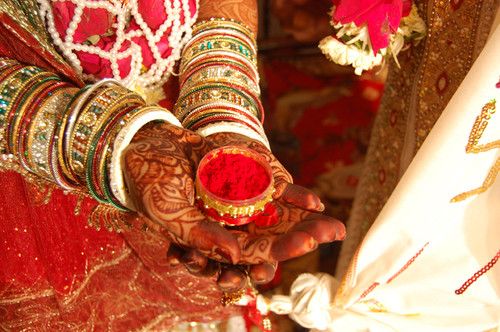
Sindoor a red or orange colour powder is applied on to the middle of bride’s hair by her husband, this symbolises her new status as a married woman.

  • THE VIDAI CEREMONY

Here the Hindu wedding ends up by sending off the bride to her new house. Not all farewell for brides ends up with smile and sparkle but also ends with tears and the memories of emotions. Vidai ceremony indicated that bride’s parents leaving all their rights from their daughter and giving her the final goodbye.

What is an Ode ?

John Keat , William Wordsworth , Thomas Gray , Alexander  Pope , Percy Bysshe Shelley etc are some renowned ode  poets of the past  centuries .

The word ode comes from two   Ancient Greek words ὁδός which means ” path or way ” and  word aeidein, which means to “sing or to chan“.

In English poetry ,

Ode is a poetic form that can be generalized as a formal address to someone or something.

M.H Abrams defined the ode as , ” a long poem that is serious in subject and treatment elevated in style and elaborate in its stanzaic structure .”

It is a structured poem praising or glorifying an event or individual, describing nature in lyric form  often  in ceremonial, and formal tone.

Originally  the Greek odes were pieces of poetry  performed with musical or without music  accompaniment , sung or recited . 

It is seen that an ode can be in the form of  sonnet or elegy. 

It is patterned in lyrical literary technique which is not very lengthy. The subject matter of the poem is highlighted in a serious but formal tone with elaborated patterns of stanzas.

 Besides addressing some animate or inanimate objects or abstract ideas , the ode is sometimes used to commemorate important public events.

 A salient feature of ode is its uniform metrical feet, but poets generally do not strictly follow this rule though use highly elevated themes.

Some examples of odes are 

Ode on Intimations of Immortality from Recollections of Early Childhood (By William Wordsworth),

Ode to the Confederate Dead (By Allen Tate),

The Progress of Poesy: A Pindaric Ode (By Thomas Gray,

Ode on a Grecian Urn (By John Keats), etc.

___________________________________________

 Structure of an Ode Poem 

An lyrical form poem , ode is traditionally divided into three stanzas:

• The strophe • the antistrophe • the epode 

Traditional odes are an example of lyric poetry, which means that they have a regular rhyme scheme, pertain to feelings or emotions and generally use only one speaker’s perspective. The characteristics of an ode vary depending on the time period and geographical location in which it was written. 

• The strophe. In a Greek ode, the strophe usually consists of two or more lines repeated as a unit. In modern usage, the term strophe can refer to any group of verses that form a distinct unit within a poem.

•The antistrophe. The second section of an ode is structured the same way as the strophe, but typically offers a thematic counterbalance.

The epode. This section or stanza typically has a distinct meter and length from the strophe and antistrophe, and serves to summarize or conclude the ideas of the ode.

Types of ode 

Traditionally ode is of three types 

Pindaric, 

Horatian, and

 Irregular or English ode 

Pindaric ode :-

Pindaric odes were performed with a chorus and dancers, and often composed to celebrate athletic victories.

The Pindaric is named for the ancient Greek poet Pindar, who is credited with innovating this choral ode form.

The ode contains  formal opening,( strophe,) with a complex  metrical structure, followed by an antistrophe, which mirrors the opening, and an epode, the final closing section of a different length and composed with a different metrical structure.

Best example of Pindaric ode is  William Wordsworth ‘s  poem “Ode on Intimations of Immortality from Recollections of Early Childhood” 

     There was a time when meadow, grove, and stream,

     The earth, and every common sight

                                To me did seem

                        Apparelled in celestial light,

     The glory and the freshness of a dream.

     It is not now as it hath been of yore;—

                          Turn wheresoe’er I may,

                            By night or day,

     The things which I have seen I now can see no more.

The Horatian ode :-

The Horatian ode, named for the Roman poet Horace.

This type of ode contains two or four lines stanzas that share the same metric rhyme scheme and length.

It is generally more tranquil and contemplative than the Pindaric ode.

 Less formal, less ceremonious, and better suited to quiet reading than theatrical production.

Best example of Horatio ode  is the Allen Tate poem “Ode to the Confederate Dead,” 

     Row after row with strict impunity

     The headstones yield their names to the element,

     The wind whirrs without recollection;

     In the riven troughs the splayed leaves

     Pile up, of nature the casual sacrament

     To the seasonal eternity of death;

     Then driven by the fierce scrutiny

     Of heaven to their election in the vast breath,

     They sought the rumour of mortality.

English  Ode ( Irregular Ode )

English ode is the type of ode which neither follows the Pindaric form nor the Horatian form .

It follows irregular versus structure and stanza pattern , hence also known as irregular ode . There is no formal rhyme scheme in this kind of ode .

 For example, 

Ode on a Grecian Urn” by John Keats ,  Percy Bysshe Shelley’s “Ode to the West Wind,” Robert Creeley’s “America,” Bernadette Mayer’s “Ode on Periods,” and Robert Lowell’s “Quaker Graveyard in Nantucket ”  are some examples of irregular ode .

An ode usually expresses feelings in a dignified and sincere manner with a formal tone of imagination and discursive expounding of philosophical ideas .

___________________________________________

Significance of ode 

In the  history of literature, odes are seen to hold elevated positions . 

Romantic poets used odes to celebrate their strongest sentiments and deepest administrations . Ode was a famous form of poetry in both 18 th and 19th centuries. 

Odes are usually written in appreciation or reflection. They are almost always written about a significant event, or someone or something that the poet admires and hence has its significance in the history of literature.

___________________________________________

State Governments offering internships; here are the details


Internships play a crucial part in students’ life. It provides students with an opportunity to apply their theoretical and practical knowledge in a real-life working environment. Not only that, but it also boosts the resume while gaining industrial experience. 

To help out students who want to be a part of the IT industry, mentioned below are some of the state government paid internships programs:-

1) Web and Application Design at Imagine, Panaji (Goa)

Students pursuing B.Tech/BE in information technology or who have completed B.Tech/BE in information technology can apply for this internship. In this internship, they will experience understanding and management of websites development. The 6 months paid internship will help students to have a corporate experience of web development.

2) Graphic Designer at Jabalpur (Madhya Pradesh) 

Students having a degree in Bachelor Computer Applications (BCA) or diploma in engineering, can apply for this internship. The duration of the internship is 2 months with some stipend. During the  2 months, internship students will learn about 3D graphics and animations. 

3) App Developer at Sagar (Madhya Pradesh)

Students having a background of B.E and B.Tech or having specialization in computer science can apply for this internship. It’s an IOS and Android app developing paid internship, with a duration of 4 months. 

4) IT and Computer Engineers at Jalandhar (Punjab)

Under this 6 months paid internship, interns will work as supporting engineers. It mandates to have a degree in B.E/B.Tech or a background in information technology/computer science. 

5) Statistical Analysis and Data Analysis at Jammu (J&K)

The 6 months paid internship will help students to gain experience in Data System designing, and collaborating with engineers/programs. It requires for the students to have specialization in B.Tech/B.SC/B.A or having a background in computer science or statistics or economics. 

INTERNATIONAL CHESS DAY 2021

International Chess Day is celebrated on July 20, every year as the founding day of World Chess Federation (FIDE). The concept of celebrating this was presented by UNESCO and this year marks FIDE’s 97th anniversary.

Chess is likely one of the oldest games of our era. It was invented in India in the fifth century and was then named “Chaturanga”. Later, the game moved to Persia, and when the Arabs invaded Persia, chess became an important part of the Muslim population’s existence, and it spread to Southern Europe from there. Chess took on its modern shape in Europe during the 15th century and evolved into a contemporary sport. Ever since then it has been a popular sport. Today, Chess competitions are held with fresh and interesting variations all around the world

Chess helps you increase your fluid intelligence and processing speed , elevates your creativity and enables you to enter a flow state , leads to better planning and strategy skills, and can improve the symptoms of ADHD (Attention Deficit Hyperactivity Disorder). Studies prove that Electronic chess may help stave off a panic attack when you play on the right level. Playing Chess also increases the effectiveness of any mental therapy.

Here are few recommendations of books and movies related to chess

Books

  • Chess 101 by Dave Schloss
  • Bobby Fischer teaches chess by Bobby Fischer
  • The steps method by Rob Brunia and Cor Van Wijgerden
  • Pandolfini’s Ultimate Guide to Chess by Bruce Pandolfini
  • Winning Chess strategy for Kids by Jeff Coakley
  • Tips for young players by Matthew Sadler
  • How not to play chess by Eugene A. Znosko-Borovsky
  • The art of checkmate by Renaud and Kahn

Movies , Documentaries and Series

  • Searching for Bobby Fischer (1993)
  • Magnus (2016)
  • Brooklyn Castle (2012)
  • Bobby Fischer Against the World (2011)
  • The Queen’s Gambit (2020)
  • Pawn Sacrifice (2014)
  • Queen of Katwe (2016)
  • Geri’s Game (1997)

How to meditate ?

Meditation Instructions:

You research to meditate by means of meditating. The silence and stillness you ride in meditation and the extended happiness and diminished stress you journey outdoor meditation are so desirable and welcomed that you naturally train your self how to go deeper into that silence and stillness every time you meditate.

Your First Meditation:

To start meditating, locate a area the place you can take a seat with ease and quietly. Then shut your eyes and do nothing for a minute or so. Thoughts can also come throughout that time, and that is okay. Then begin the audio beneath and play your mantra** at a whisper. Each time you hear your mantra, say it quietly inner barring transferring your tongue or lips. After one minute the audio will fade to silence. Then proceed announcing your mantra quietly internal for 4 greater minutes. If ideas come for the duration of that time, gently return to pronouncing your mantra quietly inside.

Daily Practice of Meditation:

  • Meditate each morning and each nighttime for 15-30 minutes. It is first-class to meditate earlier than you eat. Try to meditate in a quiet region however if you do now not have a quiet location to meditate that is okay. Noise is now not a barrier to meditating.
  • Sit quietly, shut your eyes, and do nothing for a minute or so. Thoughts will come and that is okay. It is herbal to have ideas at some stage in meditation. After a minute or so, in the identical herbal way that ideas come, and besides shifting your tongue or lips, quietly innerbeginpronouncing your mantra. Slowly repeat your mantra till you are accomplished meditating. When ideas come, gently return to pronouncing your mantra. When you end meditating, lay down and relaxation for 4-5 minutes.
  • At instances you may additionally be announcing your mantra unclearly, and that is okay. At instances you might also no longer be announcing your mantra at all, and alternatively your mantra may additionally be a feel or a feeling of your mantra, and that is okay. At instances all ideas and your mantra may additionally disappear and you can also truly be aware, and that is okay.
  • You may additionally go to sleep at some point of meditation, and that is okay. When you wake up after being asleep, meditate for a few extra minutes and then lay down and relaxation for 4-5 minutes.

Common Mistakes:

Do no longer TRY to meditate. Trying to meditate is the largest mistake humans make. During meditation, simply do nothing. It is very necessary to do truly nothing throughout meditation.

The advantages of meditation come from meditating regularly. The advantages come naturally over time, and there is nothing you can do to MAKE these advantages come. So keep away from searching for unique experiences or symptoms of development or failure with your meditation due to the fact that will block you from getting the advantages of meditation.

Meditation can make you happier, it can make you sense extra at ease and calmer, and it can assist you get alongside higher with others. You may additionally observe these modifications soon, or you may additionally meditate for six months earlier than you note any changes. So simply get in the addiction of meditating many times twice each and every day, and then be patient. Getting in the dependency of meditating normally is very important. And if you give up meditating, simply begin lower back meditating again.

Advanced Inner Peace Meditation:

Inner Peace Meditation is possibly the most tremendous meditation reachable today. We additionally furnish Advanced Inner Peace Meditation, which is even greater powerful.

After you have been meditating frequently twice a day for two years, you will then be eligible to begin Advanced Inner Peace Meditation. If you desire to begin Advanced Inner Peace Meditation in two years, you should fill out this shape now. Then in two years we will routinely ship you free directions for how to exercise Advanced Inner Peace Meditation.

Side Effects and Cautions:

There are facet outcomes to meditating. Immediately after meditating you can be greater inclined to recommendations and outdoor influences. So keep away from making selections or taking on matters of significance straight away after meditating.

If you discover that sitting quietly is hard for you, give up meditating. Instead strive strolling in nature, doing yoga, or exercising to relax.

If you locate that meditating is disturbing, upsetting, or disquieting for you, cease meditating and do no longer meditate any more.

Finally, meditation is now not for fixing serious emotional or psychiatric problems. So if you assume you would possibly have such problems, do no longer attempt to repair them by way of meditating however as an alternative get expert help.

China Unveils Maglev Train, “Fastest Ground Vehicle Globally”

China: Using electro-magnetic force, the maglev train “levitates” above the track with no contact between body and rail.

Beijing: 

China unveiled a maglev train capable of a top speed of 600 kph on Tuesday, state media said.

The maximum speed would make the train, self-developed by China and manufactured in the coastal city of Qingdao, the fastest ground vehicle globally.

Using electro-magnetic force, the maglev train “levitates” above the track with no contact between body and rail.

China has been using the technology for almost two decades on a very limited scale. Shanghai has a short maglev line running from one of its airports to town.

While there are no inter-city or inter-province maglev lines yet in China that could make good use of the higher speeds, some cities including Shanghai and Chengdu have started to conduct research.

At 600 kph, it would only take 2.5 hours to travel from Beijing to Shanghai by train – a journey of more than 1,000 km (620 miles).

By comparison, the journey would take 3 hours by plane and 5.5 hours by high-speed rail.

Countries from Japan to Germany are also looking to build maglev networks, although high costs and incompatibility with current track infrastructure remain hurdles to rapid development.

UNICEF

UNICEF, also known as the United Nations Children’s Emergency Fund, is a United Nations agency responsible for providing humanitarian and developmental aid to children worldwide. The agency is among the most widespread and recognizable social welfare organizations in the world, with a presence in 192 countries and territories. UNICEF’s activities include providing immunizations and disease prevention, administering treatment for children and mothers with HIV, enhancing childhood and maternal nutrition, improving sanitation, promoting education, and providing emergency relief in response to disasters.

UNICEF is the successor of the United Nations International Children’s Emergency Fund (UNICEF), created on December 11, 1946, in New York, by the U.N. Relief Rehabilitation Administration to provide immediate relief to children and mothers affected by World War II. The same year, the U.N. General Assembly established UNICEF to further institutionalize post-war relief work. In 1950, its mandate was extended to address the long-term needs of children and women, particularly in developing countries. In 1953, the organization became a permanent part of the United Nations System, and its name was subsequently changed to its current form, though it retains the original acronym.

UNICEF relies entirely on voluntary contributions from governments and private donors. Its total income as of 2018 was $5.2 billion, of which two-thirds came from governments; private groups and individuals contributed the rest through national committees. It is governed by a 36-member executive board that establishes policies, approves programs, and oversees administrative and financial plans. The board is made up of government representatives elected by the United Nations Economic and Social Council, usually for three-year terms.

UNICEF’s programs emphasize developing community-level services to promote the health and well-being of children. Most of its work is in the field, with a network that includes 150 country offices, headquarters and other facilities and 34 “national committees” that carry out its mission through programs developed with host governments. Seven regional offices provide technical assistance to country offices as needed, while its Supply Division—based in Copenhagen and New York—helps provide over $3 billion in critical aid and services.

In 2018, UNICEF assisted in the birth of 27 million babies, administered pentavalent vaccines to an estimated 65.5 million children, provided education for 12 million children, treated four million children with severe acute malnutrition, and responded to 285 humanitarian emergencies in 90 countries. UNICEF has received recognition for its work, including the Nobel Peace Prize in 1965, the Indira Gandhi Prize in 1989 and the Princess of Asturias Award in 2006. During the 2020 COVID-19 pandemic, UNICEF, along with the World Health Organization and other agencies, published guidance about healthy parenting.

TORE HATTREM, PRESIDENT OF UNICEF

GOVERNANCE OF UNICEF

UNICEF relies on country offices to help carry out its work through a unique program of cooperation developed with the host government. The programs last five years and seek to develop practical strategies for fulfilling and protecting the rights of children and women. Regional offices guide this work and provide technical assistance to country offices as needed. Overall management and administration of the organization take place at its headquarters in New York City.

Guiding and monitoring all of UNICEF’s work is an executive board made up of 36 members who are government representatives. The board establishes policies, approves programs and decides on administrative and financial plans and budgets. Its work is coordinated by the bureau, comprising the president and four vice-presidents, each officer representing one of the five regional groups. These five officers are elected by the executive board annually from among its members, with the presidency rotating among the regional groups on an annual basis. As a matter of custom, permanent members of the Security Council do not serve as officers of the executive board.

The office of the secretary of the executive board helps maintain an effective relationship between the executive board and the UNICEF secretariat, and organizes field visits by board members.

SOCIAL POLICY OF UNICEF

UNICEF aims to reduce child poverty and give all children an equitable chance in life. Together with partners, we help level the playing field for disadvantaged children, including those uprooted by war and violence.

1.Child poverty

UNICEF calls for all Governments to recognize child poverty as a national policy priority and protect children from its most devastating effects. We support countries’ efforts to assess both monetary and multidimensional child poverty – measures of poverty and deprivation that go beyond income – and to address them through policies, programmes and budgets.
 

2.Social protection

UNICEF helps countries strengthen and expand social protection systems that support the well-being of all children, especially those most at risk of discrimination and exclusion. This includes supporting the development and expansion of national cash transfer programmes, and strengthening social protection systems so that all families gain access to health care, education and social welfare, even in the face of humanitarian crises.  
 

3.Public finance for children

UNICEF supports national and local governments to mobilize, allocate and improve the utilization of public financial resources to deliver more equitable and sustainable social services and contribute to better results for children.
 

4.Local governance

UNICEF helps build the capacity of local governments – in both urban and rural contexts – to generate local data, plan and organize services, prepare for emergencies, budget equitably and monitor the impact of interventions on children.