Everything about Procrastination

We all procrastinate Procrastination is the act of putting off work for no particular reason. Some guides and experts say that you’re procrastinating when you’re not doing a task that needs to be accomplished by a certain deadline.  That’s a false definition. It implies that we’re not procrastinating as long as we get the work done. If that’s true, most people don’t procrastinate. Which is of course not true.  In fact, a recent study with 2,219 respondents showed that 88% of all people admit to procrastinating at least one hour a day. That’s more accurate. Why? Because we all delay or postpone a task for no good reason. Sometimes, we start a task or project, but we end up delaying the work. We don’t get it done.

Examples of Procrastination

When you delay work for a good reason, you’re not procrastinating. What’s a good reason? When your work improves with the delay. Think of someone who needs to write a report but runs into a new challenge that must be included in the report. One can argue that the work will be better by spending more time on researching the new challenge. However, most of our work does not get better by delaying it. If you want to go to the gym, your performance will not be better tomorrow. It will probably be worse because of entropy.  Until four days before the exam. That’s when the exam comes close, which is when most students start panicking. Now, most of us form this behavior in college and remain working this way long after we’re graduated. In the workplace, we procrastinate in the same way. How often have you delayed work on a project until the last minute? Again, this pattern is not only limited to education and work. In our personal lives, we do the same. When are you submitting your yearly income taxes? Exactly, on the last day. Will we do a better job with our taxes on the last day? Probably not. I argue that we’re even more likely to make mistakes because of the time pressure.  Some people say that they love deadlines and claim that’s what fuels them to do good work. I know journalists who swear by it. But it’s not a sustainable way of living and working. When you’re close to your deadline, and you haven’t done anything, you experience more stress. While stress may improve your concentration, it also has negative effects on your long-term well-being. Long-term, or chronic stress, can lead to depression, anxiety, heart disease, high blood pressure, abnormal heart rhythms, heart attacks, obesity, eating disorders, and a handful of other health problems1. Procrastination is not a problem we should take lightly.

Benefits of Stopping Procrastination

Procrastination is an inner struggle that can seriously destroy our overall well-being. There are three main benefits to beating procrastination:

1. Lower Anxiety

The more we procrastinate, and the longer we wait to get started with important things, the more anxiety and stress we have. Doing work is never easy. And if you wait until tomorrow, you will only feel more anxious about getting started. If you overcome procrastination and take immediate action, you will get things done. You remove the anxiety from that task before it gets to you.

Higher self-discipline

Research shows that procrastination is not only a time-management problem. One of the biggest reasons we procrastinate is low self-discipline. The main benefit of beating procrastination is that you automatically increase your self-discipline. 

Better Work

People who don’t procrastinate accomplish better work. When you work with less stress, anxiety, and high self-discipline, you give yourself the chance to do better work. 

Tips To Stop Procrastinating

  1. Know your time: This is one of the most effective techniques to identify how much time we waste. If we want to stop wasting our time, we need to be aware of how we spend our time first.
  2. Perfectionism destroys Productivity: This is a common trap ambitious people fall in. When you try to be perfect, you’re more likely to procrastinate.
  3. Disconnect from Internet: A big aspect of beating procrastination is to avoid distractions. One of the biggest distractions is the internet. It’s good to disconnect at times.
  4. Sleep Well: Sleep is a big part of getting things done. When you’re tired, you’re more likely to put off tasks. 
  5. Exercise: Exercising is a perfect way to test yourself. If you can exercise consistently every week, it’s a good sign you’ve beaten procrastination. 
  6. Improve Self-Confidence: Improve your self-confidence so you are more likely to get things done. Believe in your ability to figure things out. 
  7. Write Daily: Writing every day is another example of self-discipline. Just like exercise, if you can write for your own purposes every day, you’ve beaten procrastination.

Books to help you stop procrastinating

  1. Man’s Search for Meaning by Victor Frankl:  Viktor Frankl was a psychiatrist before the war. His ability to observe the behavior of his fellow prisoners in Auschwitz resulted in Man’s Search For Meaning. This unique book describes how we choose our attitude in any given set of circumstances. Even during the horrible conditions of a concentration camp, humans can endure the suffering and find meaning in living because of inner decisions.
  2. A Manual for Living by Epictetus: A Manual For Living is exactly what the title says it is. This book also gives you a larger perspective on humanity. People have always had problems with self-confidence, family, work, other people, etc. In a way, nothing has changed. And that’s pretty comforting.
  3. Mindset: The New Psychology of Success by Carol Dweck: Life is about solving problems and finding solutions. If you always look at the risks and consequences of everything, you might play it safe, but you’ll also never grow. Carol Dweck’s book is one of my favorite books about developing the mindset you need to succeed in life.
Anxiety and its effect on health.

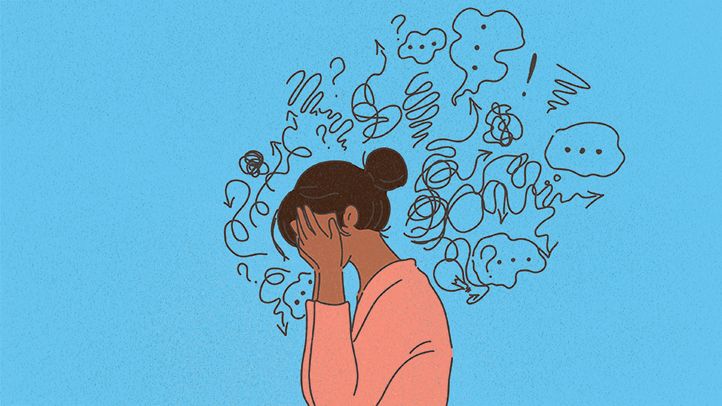
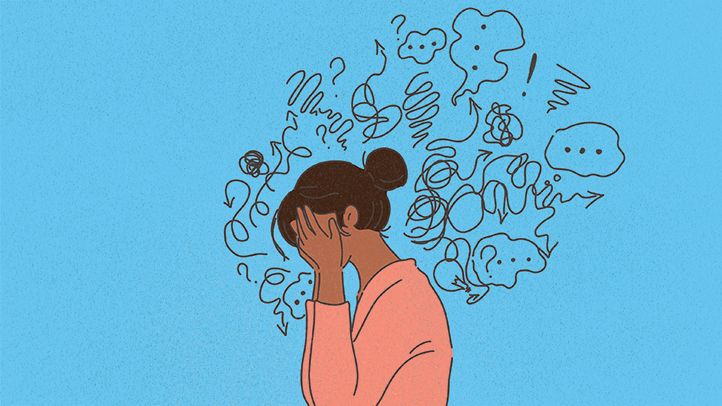
Anxiety is your body’s natural response to stress. It’s a feeling of fear or apprehension about what’s to come. The first day of school, going to a job interview, or giving a speech may cause most people to feel fearful and nervous.

But if your feelings of anxiety are extreme, last for longer than six months, and are interfering with your life, you may have an anxiety disorder. However, people with anxiety disorders frequently have intense, excessive and persistent worry and fear about everyday situations.

Anxiety is just the exaggerated response of body to a situation that is out of one’s comfort zone, when this response lasts for so long this is when you need to address the issue and look for a medical professional.

Symptoms of Anxiety disorder

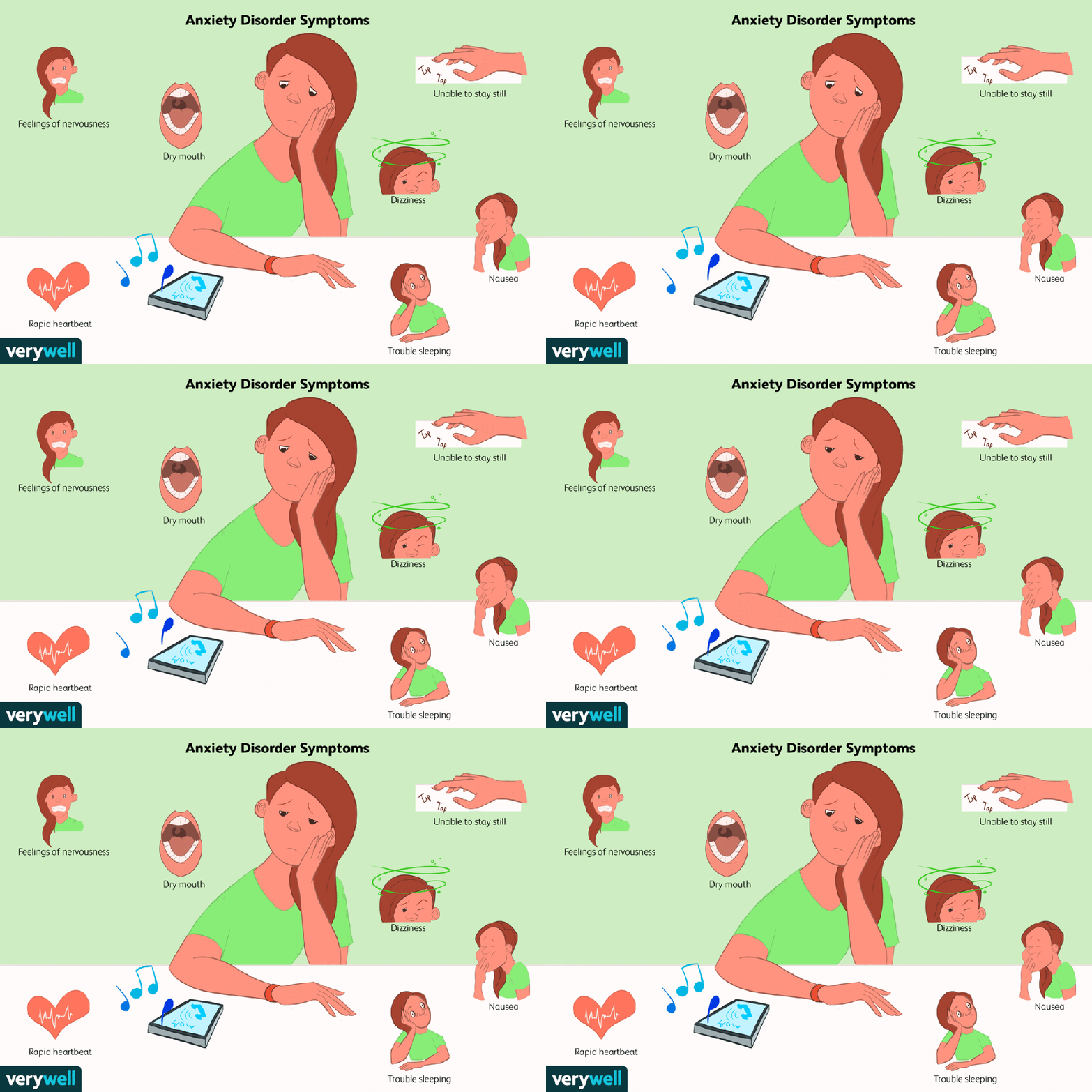
  • Signs and symptoms of anxiety may be physical, emotional and behavioral such as nervous habits, compulsions and cognitive including racing thoughts, worries, obsessions. Many of these signs and symptoms are similar to the body’s normal “fight-or-flight” response to danger.
  • Children and adolescents may have symptoms of anxiety either similar to or quite different from those of adults, depending on the specific diagnosis and age of the individual.
  • There also seem to be gender-related differences in how many men and women experience and show anxiety.
  • While obsessive-compulsive disorder (OCD) used to be classified as an anxiety disorder, it is now grouped with other compulsive disorders.
  • Posttraumatic stress disorder (PTSD) has been reclassified as a trauma-related disorder instead of an anxiety disorder.
  • Generalized anxiety disorder (GAD) is an anxiety disorder that is characterized by excessive worries that interfere with the person’s life in some way.

Types of Anxiety disorder

Anxiety disorders are differentiated based on the type of object or situation that causes fear, anxiety, or avoidance as well as the thought patterns associated with the fear or anxiety. 

The most common anxiety disorders are specific phobias. Specific phobias are an excessive fear of a specific object or situation, such as spiders i.e.arachnophobia, heights as in acrophobia, flying, or closed spaces i.e.claustrophobia. Most people are aware that their fears are excessive, but they often feel powerless to control them. Sometimes a phobia may start after a traumatic event for example, being stuck in a small space; seeing someone injured by an animal, but the symptoms are related to the fear and not related to re-experiencing the trauma (for example, the symptoms don’t better fit a post-traumatic stress disorder diagnosis.

Coping Strategies

Try these when you’re feeling anxious or stressed:

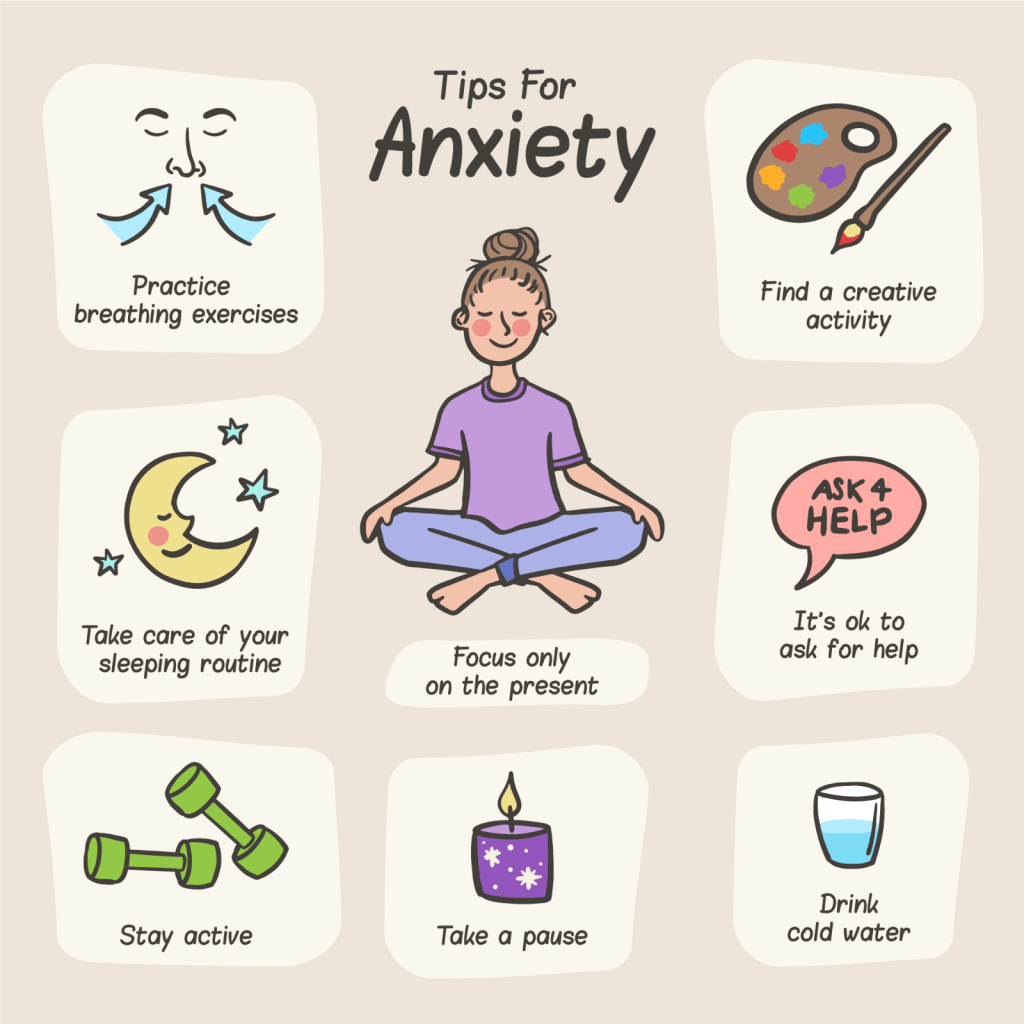
  • Take a time-out. Practice yoga, listen to music, meditate, get a massage, or learn relaxation techniques. Stepping back from the problem helps clear your head.
  • Eat well-balanced meals. Do not skip any meals. Do keep healthful, energy-boosting snacks on hand.
  • Limit alcohol and caffeine, which can aggravate anxiety and trigger panic attacks.
  • Get enough sleep. When stressed, your body needs additional sleep and rest.
  • Exercise daily to help you feel good and maintain your health. 

Anxiety and movement

Anxiety is the brain’s way to inform that you are stressed. Stressed not about particularly something big and important, but maybe just about tomorrow. Sometimes it is a reaction to a past experience, sometimes it is because you are going to experience something for the first time and sometimes it is just hormonal. And the hormonal one is pretty common in adolescents. Another reason for anxiety might be that it is simply genetic. Genetic depression and anxiety have long been subject to clinical research.

Whatever the reason behind this unwanted fear and apprehension be, it is often paralysing. It takes away the brain’s capacity to deduce the right action at that point in time. And that is the most hated part about it. Because anxiety is probably one of the most natural of brain’s reactions and yet is one of the most decapacitating ones.

But the trouble is – we, as people must complete what we have to despite the anxiety we possess. And more importantly, we as people must let our mind stay healthy and hence not push that anxiety away by simply asking it to go away because we are too ‘privileged’ to have it.

So, what is the better way out? Well, perhaps, a constructive overwork on it – communication. Writing down a journal, drawing, music, watching a movie, reading a book etc. or simply speaking to someone. Communication is the better way to reduce anxiety.

Suppressing anxiety may lead to depression, over stressing and a sharp fall in productivity – maybe even some constructive thoughts might become seldom.

How to Cope With Anxiety and Depression | Everyday Health

So, as a note, accept your emotions and communicate. That is the better way through.

Therapy For Anxiety Disorder

[Bhoomika Saini]

In some cases, medications have a role in treating anxiety disorders. But for many, therapy—alone or in combination with medication—is the most effective treatment option. The reason being that therapy, unlike medication, gives you the tools to manage the anxiety yourself, now and in the future.

Different therapeutic techniques have been developed to treat anxiety and have evolved over time from psychoanalytic approaches to the newest cognitive behavioral therapies.

Understanding Anxiety Disorders

About 19% of U.S. adults and 31% of adolescents age 13 to 18 experience anxiety each year, according to the National Institute of Mental Health (NIMH).

There are several major types of anxiety disorders that can be treated using therapeutic approaches.

  • Panic disorder
  • Obsessive-compulsive disorder (OCD)
  • Phobias
  • Generalized anxiety disorder (GAD)
  • Social anxiety disorder (SAD)
  • Post-traumatic stress disorder (PTSD)

Regardless of the specific disorder, the underlying processes that drive them often follow a similar pattern. People with anxiety tend to react to unpleasant thoughts, feelings, and situations in a more extreme way and may try to manage those reactions by avoiding triggers. Unfortunately, this type of avoidance only serves to reinforce fears and worries. Most modern types of therapy address negative thinking and avoidance to help you manage your anxiety.

Types of Therapy for Anxiety

The goal of all therapeutic approaches is to help you understand why you feel the way you feel, what your triggers are, and how you might change your reaction to them. Some types of therapy even teach practical techniques to help reframe your negative thinking and change your behaviors.

Anxiety disorders differ considerably, so therapy is tailored to your specific symptoms and diagnosis. It can be conducted in an individual, family, couple, or group setting. How often you meet with your therapist and for how long will depend on your specific symptoms and diagnosis.

Psychiatrists, psychologists, and other mental health professionals use several types of anxiety therapy. The choice of therapy also depends on your diagnosis and the severity of your symptoms.

Cognitive Behavioral Therapy

Cognitive behavioral therapy (CBT) is the most widely-used therapy for anxiety disorders. Research has found it to be effective in treating SAD, GAD, phobias, and panic disorders, among other conditions.

The premise of CBT is that your thoughts—not your current situation—affect how you feel and subsequently behave. So, the goal of CBT is to identify and understand your negative thinking and ineffective behavior patterns and replace them with more realistic thoughts and effective actions and coping mechanisms.

During this process, your therapist acts like a coach teaching you helpful strategies. For example, you might do a lot of “black-and-white” thinking, where you assume that things are all bad or all good. Instead, you would replace those thoughts with the more realistic perception that there are many shades of grey in between.

It takes practice to use these strategies. Once you start to recognize your anxiety and your triggers, you can learn to apply the coping skills that you learn in CBT to manage fear, panic, and worry.

Exposure Therapy

Exposure therapy is one of the most common CBT methods used to treat a variety of anxiety disorders, including specific phobias, SAD, and PTSD. The basic premise behind exposure therapy is that if you’re afraid of something, the best way to conquer it is head-on.

During exposure therapy, your therapist will slowly introduce you to anxiety-producing objects or situations. This is often done using a technique known as “systematic desensitization,” which involves three steps:

  1. Relax: Your therapist will teach you relaxation training to help combat your anxiety. Examples of relaxation training include progressive muscle relaxation, deep breathing, meditation, and guided imagery.
  2. List: Create a list of your anxiety-provoking triggers, ranking them in terms of intensity.
  3. Expose: In this final step, you’ll gradually work your way through your listed anxiety-provoking objects or situations, using the relaxation techniques when necessary.

There are several ways your psychologist may choose to expose you to your anxiety-provoking stimuli. Here are the most common:

  • Imaginal exposure: In this type of exposure, you’ll be instructed to vividly imagine your anxiety-provoking object or situation.
  • In vivo exposure: In this method, you’ll face your anxiety-provoking object or situation in real life. So with this type of exposure, a person with social anxiety might be instructed to give a speech in front of an audience.
  • Virtual reality exposure: In some cases, virtual reality can be used when in vivo exposure isn’t possible. Virtual reality therapy uses technology to combine elements of in vivo and imaginal exposure. This method has proven especially helpful for soldiers and others who live with PTSD.

Dialectical Behavioral Therapy

Dialectical behavior therapy (DBT) is a highly effective type of CBT. Originally used to treat borderline personality disorder (BPD), DBT is now used to treat a variety of conditions, including anxiety.

DBT focuses on helping you develop what seems like a “dialectical” (opposite) outlook, acceptance, and change. During DBT treatment, you’ll learn to both accept your anxiety all the while actively working to change it. It’s similar to the notion of loving yourself the way you are, while still trying to change yourself for the better.

DBT treatment teaches four powerful skills:

  • Mindfulness: Connecting with the present moment and notice passing thoughts (like anxiety) without being ruled by them
  • Distress tolerance: Managing your anxiety when faced with a stressful situation
  • Interpersonal effectiveness: Learning how to say no, or ask for what you need
  • Emotion regulation: Managing anxiety before they get out of control

Acceptance and Commitment Therapy

Acceptance and commitment therapy (ACT) is another form of therapy that has been shown effective for a variety of anxiety disorders. ACT involves identifying your values in life and then acting in ways that match your values.

Art Therapy

Art therapy is a non-verbal, experience-oriented therapy. It involves either using visual art (such as painting, drawing, sculpting) to express and process emotion or using art to practice mindfulness and relaxation. Although it can be provided as a standalone therapy, it’s commonly used in combination with other treatment methods such as CBT.

Being a newer form of therapy, more research is needed to confirm its effectiveness in reducing anxiety symptoms.

Psychoanalytic Therapy

According to this Freudian model, anxiety symptoms reflect unconscious conflicts. The purpose of psychoanalytic therapy is to resolve them. In psychoanalysis, you and your therapist examine your thoughts, fears, and desires to better understand how you view yourself and to reduce your anxiety. This is one of the most intensive forms of treatment; it can take years to identify patterns in your way of thinking.

The terms “psychoanalysis” and “psychodynamic therapy” are often used interchangeably, but psychoanalysis is actually a subset of psychodynamic therapy.

Interpersonal Therapy

Interpersonal therapy (IPT) focuses on social roles and relationships. In IPT, you’ll work with your therapist to identify any interpersonal issues you may have, such as unresolved grief, conflicts with family or friends, changes in work or social roles, and problems relating to others. You’ll then learn healthy ways to express emotions and ways to improve your communication with others.

Although originally developed to treat major depression, IPT may be used if your anxiety relates primarily to your relationships with other people, as is the case with SAD.

What to Expect From Therapy

A common misunderstanding about therapy is that you’ll immediately start to feel better. Sometimes this is the case. But much of the time, you feel worse before you start feeling better. Surprisingly, feeling worse is often a sign of progress. And if you think about it, that makes sense.

When you make the decision to enter into therapy, it’s often because you haven’t been able to work through your anxiety on your own. Therapy involves exploring your anxiety and the reasons behind it in a deeper, more meaningful way. This can cause a temporary spike in your anxiety.

Therapy should never be thought of as a quick fix. It’s a process that’s unique to each individual. The type of therapy you need, the skills, that you learn, and how long you’re in therapy depends entirely on the type of anxiety you have and the severity of your symptoms.

It’s important to understand that though the process won’t always feel good, it will be completely worthwhile in the end.

How to Make the Most of Therapy

Trying to make a change can be a challenge. Being in therapy for anxiety is no exception. However, if you are persistent, you should see improvement.

Here are a few ways to make the most of your therapy—and actually see some results:

  • Don’t pretend to be OK
  • Ask questions
  • Tell your therapist anything and everything
  • Do the work outside your sessions
  • Focus on your goals
  • Practice healthy lifestyle choices
  • Make sure you have a social support system
  • Reduce stress in your life that makes your anxiety worse

In this way, you can see that putting in an effort and being present throughout the therapy process will have the biggest impact on how well it works for you.

Have you been struggling from social media anxiety?

Maybe you may have been a modest social media user prior to the lockdown, but do you find yourself hooked to your phone, browsing Instagram and Facebook constantly for updates and seeking out on Whatsapp for news or a connection because of the COVID-19 issue swept over our lives? You could be struggling from social media stress without realising it.

First and foremost, recognise that this is an unusual reaction to an unprecedented circumstance. The overwhelming bulk of us have rarely been subjected to a pandemic, let alone one which necessitates such restraint. Our brain wants to make any sense of the confusion — it’s a natural human need — and we do it by gathering more and more content; therefore, the constant browsing on social media platforms.

It’s a method of relieving stress. Many make use of social media to relieve the psychological stress that has built up. People are anxious because the future appears to be ambiguous right now. It is not anxiousness with a specific objective in mind. It is a dispersed anxiousness caused by uncertainty. This type of anxiety requires a continual diversion in order to be kept under control.

As a result, we resort to social media because of its addictive qualities of providing something which captures our interest every few moments, every time we browse.

How does it affect us?

What began as a diversion strategy has evolved into a vicious mood loop in which all information, fact and fiction, serves to increase our anxiety, resulting in mood swings and irritation. It has been thoroughly investigated in study, which discovered that excessive media use dramatically increased social media anxiety and tiredness, which subsequently resulted in heightened stress.

What can we do to avoid feeling anxious as a result of social media?

  1. To combat FOMO, do this test: turn off your phone for two hours. Sure, you will have the want to glance at it every few moments, but resist. We don’t actually lose out on much by avoiding social media for a few hours, but it seems like we do since we are constantly overwhelmed with incoming news at all times.Our minds are constructed by nature to filter material so that we may apply selective attention; nevertheless, we are currently eroding that filter, that may have long-term consequences for cognitive performance.
  1. Recognize and accept your addiction. There is no point in denying that you may be hooked to social media since that is how it is built. You’re not the only one. Accepting, on the other hand, is the very first step towards reclaiming control. Remind yourself that this is a ‘fix’ every time you go for the phone. 
  1. Encourage surfing. Our impulses, especially the ones that cause us to pick up our phones, occur in waves, with each wave ranging around 20-30 minutes, regardless of whether we indulge in it or not. When you sense the need to indulge in these kind of activity, you may feel powerless if you don’t, but remember that the impulse will fade away.

When we are deprived of exterior stimuli such as socialising, commuting to work and vacationing, it is normal to resort to social media for enjoyment. But keep an eye on whether you’re just using or allowing it to dominate you.