TOP 5 AYURVEDIC HERBS

HEALTH BENEFITS OF HERBS.


‘Every plant is a medicine but we don’t have
proper knowledge to discover them

HEALTH BENEFITS OF HERBS


INTRODUCTION:
The number of medicinal herbs vary according to the
books and authors, till date 500+ medicinal plants are
known by the scientist which are capable of curing
anything counting from common flue to cancer because


HEALTH BENEFITS OF HERBS
nature has answer to every question and solution to
every problem.Humans are engaged with herbal solution from ancient
age, it is so much aged that our ancestral species
Neanderthals were also part of it. The most ancient
recorded book on medicines and magic formula is
Atharva veda .
Now, so far we can conclude that consuming various
species of herbs will not only build our health but can
also make up our chances of living longer.

BASIL:


BASIL:
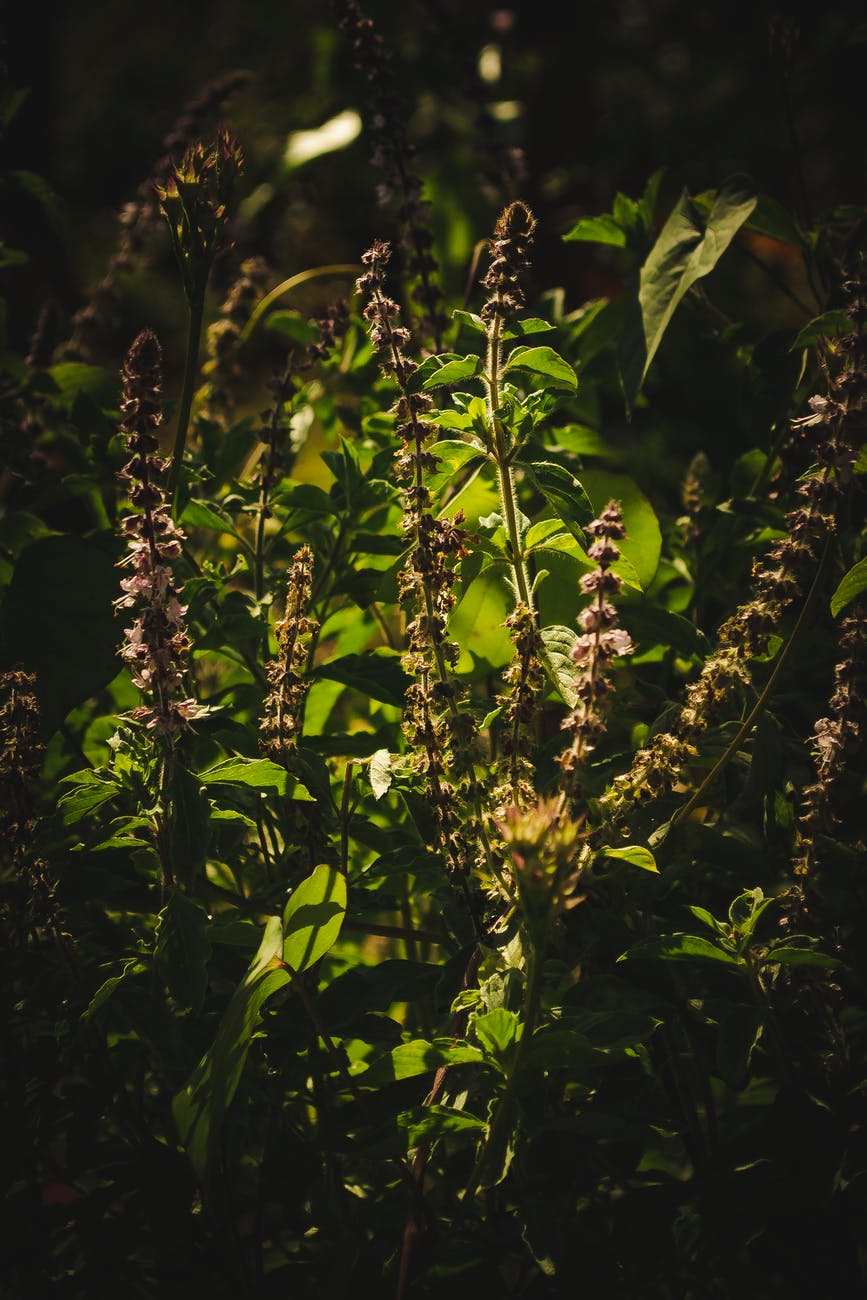
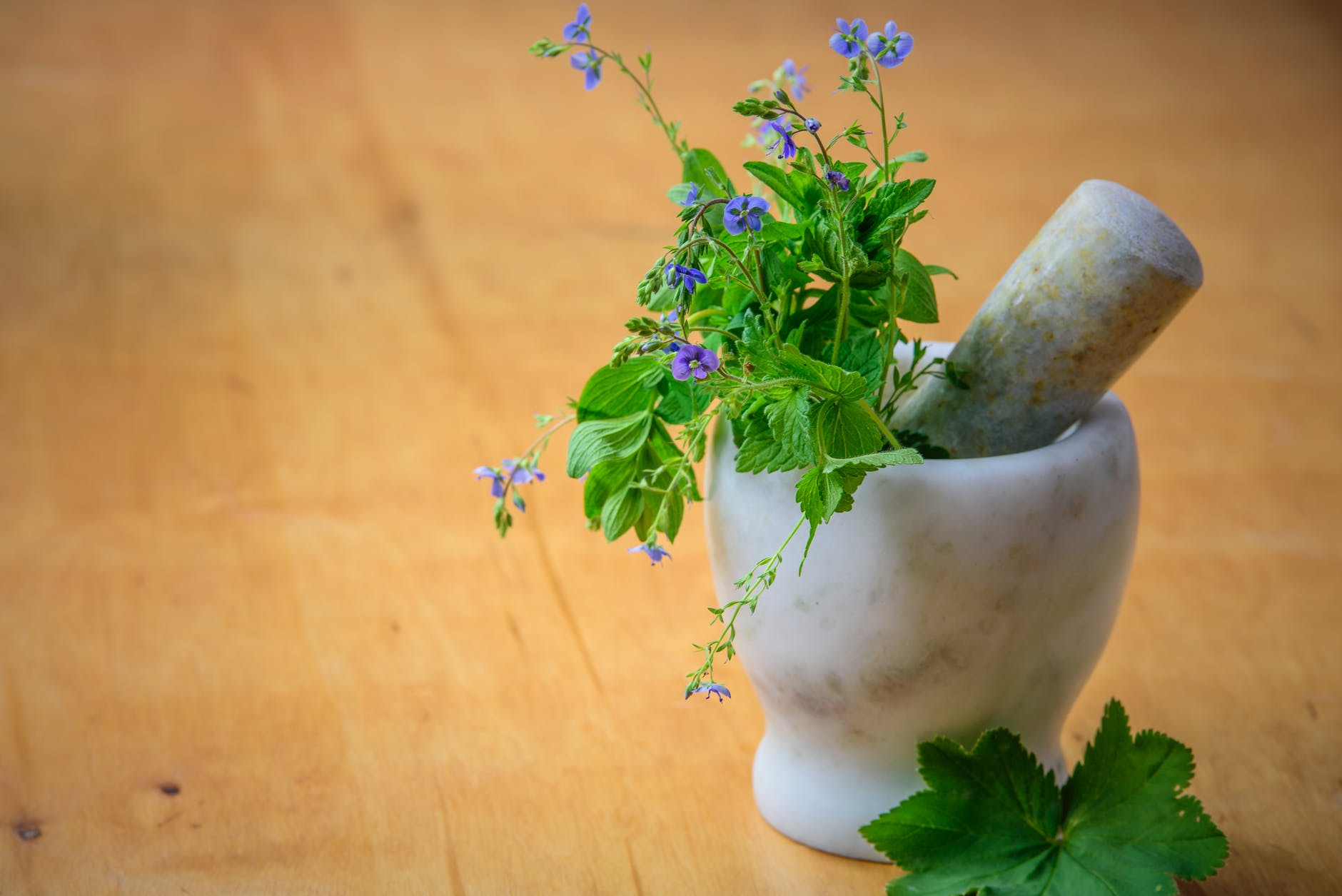
Basil leaves

BASIL
Starting with a very known herb to Indians that is basil
plant. According to hindu culture basil also known as
tulsi is a holly plant and in many other religion it is
considered as one of the lucky plant. Keeping our
believes aside basil is a magical and flavoursome plant
identified by purple green leaves with bushy structure,
originated in Asia and Africa. These are popularly used
for seasoning and making of tea due to its aroma.

HEALTH BENEFITS OF BASIL


HEALTH BENEFITS OF BASIL
There are very potential benefits of extracted basil.

  1. Very precious benefit is, it prevents certain cancers,
    including breast cancer, colon and pancreas.
  2. It relaxes blood capillaries, prevent blood pressure
    and blood sugar level.
  3. Used as insect repellent.
  4. Reduce memory loss.
  5. Reduce depression
    So, adding up basil leaves in your diet is not a bad
    idea.

PEPPER MINT:
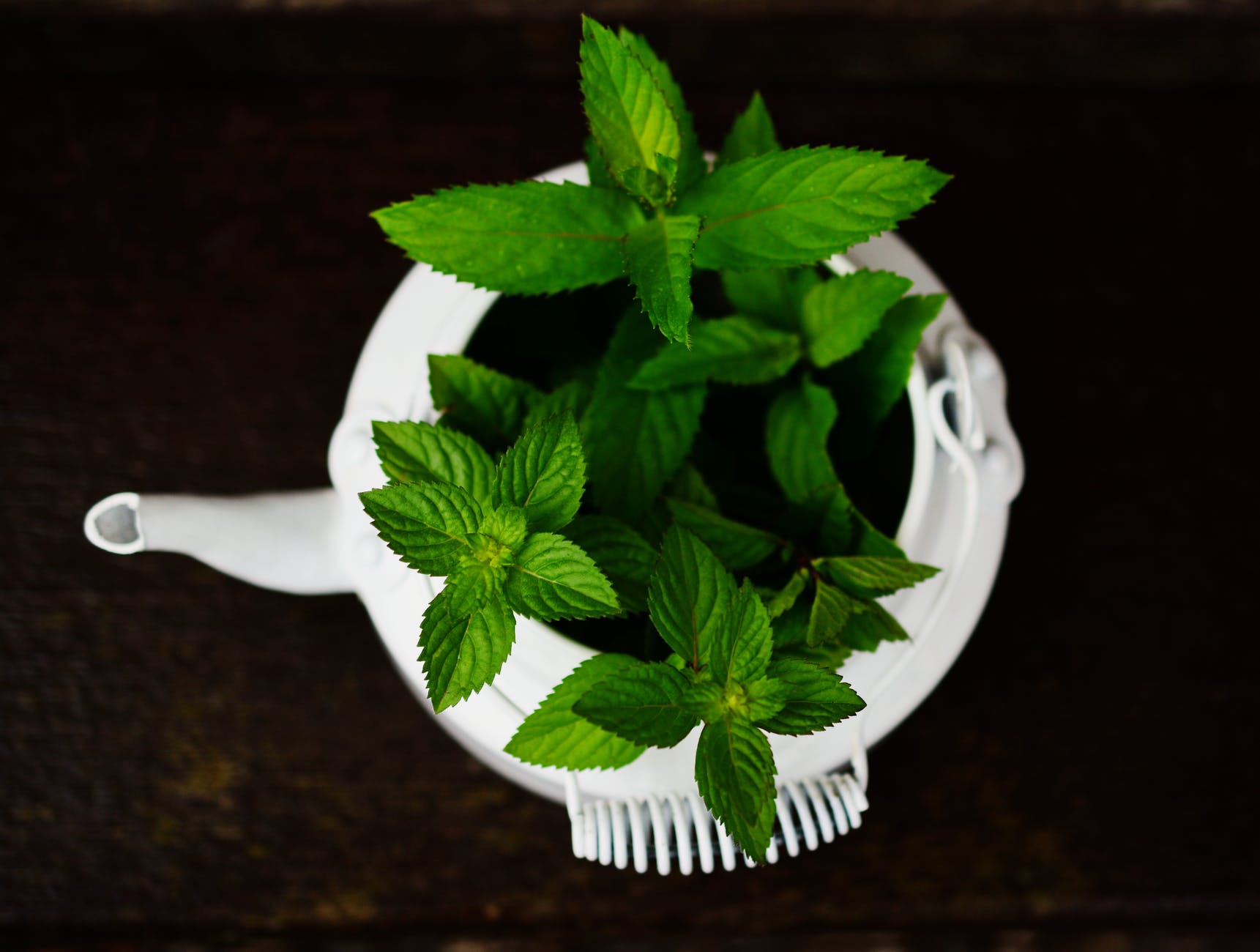
Pepper mint known for its aroma and widely used as
mouth freshener, and is very popular in its mint family.
Characterised by it’s long stem and bright green,
slightly fuzzy leaves.

HEALTH BENEFITS OF PEPPER MINT


HEALTH BENEFITS OF PEPPER MINT.
Usually people are fond of pudinah wali chai [pepper
mint tea]. Other than that it has many health benefits
such as

  1. It was traditionally used to treat colic and digestive
    upset
  2. But it can readily be used if you have cold, running
    nose and stuffy nose.
  3. Combining pepper with teaspoon of honey can be a
    great cough syrup curing your sore throat.
    PEPPER MINT
  4. Pepper mint is also favourable for headache and
    migraine.
  5. Most used item of peppermint is pudinhara to cure
    diabetes and stomach inflammation.

ROSEMARY:

ROSEMARY:

The rosemary herb also known as Rusmary in hindi.
Characterised by its deep green colour on the top and
silver white underneath,. These are popular for their
taste, aroma and nutritional value. The rosemary herb
has been in use as a food seasoning material and as a
natural medicine for over a million years now

HEALTH BENEFITS OF ROSEMARY

.
HEALTH BENEFITS OF ROSEMARY
It was initially used as memory booster but now it has
many known health benefits;

  1. Nutrients present in rosemary helps in stimulating
    the human immune system, improving the
    circulation of blood in the system.
  2. It has anti-inflammatory components and also
    reduce risk of asthma attack
  3. Throat congestion, respiratory allergies ,cold, sore
    throat, bronchial asthma and flu can be reduced by
    rosemary extract.

LAVENDER:
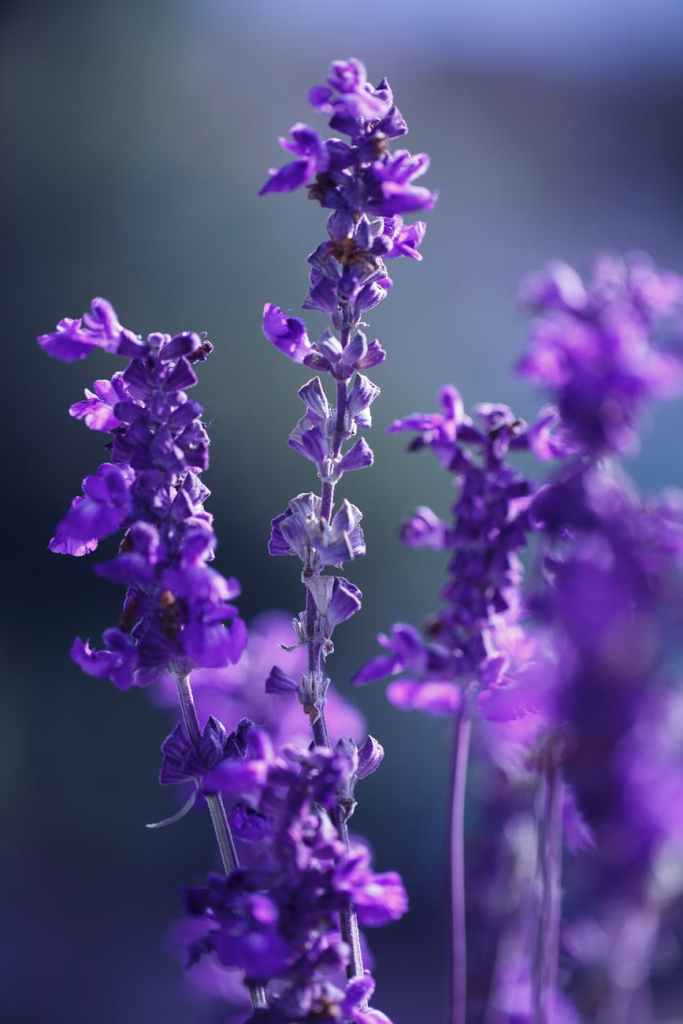
Lavender.

LAVENDER
There could be very few people who haven’t heard
about lavender at least once in life. Very known for its
scent, but do it have health benefit? Yes it do! It is
identified by its beautiful bluish purple flowers often
used for decoration, perfumes and medicines.

HEALTH BENEFITS OF LAVENDER


HEALTH BENEFITS OF LAVENDER
Many of the scientist have not yet tested lavender at
its extreme but there are many experienced proof since
old age.

  1. Lavender oil is believed as an antiseptic, antiinflammatory and can be used on minor burns
  2. It helps digestive problems.
  3. Lavender is used to relieve pain such as headache,
    sprain, toothache and soreness.
  4. It also cures fungal skin infections.
  5. Lavender is also used as a home remedy for hair
    loss.

OREGANO:

oregano

Characteristics of Oregano is a short, shrubby herb with
small, deep-green leaves. The leaves have a kind of soft
and almost fuzzy texture. Oregano is bold, deep and
strong in flavour and the fresh herb is considerably
stronger than in its dried form. It is deeply herbaceous
and slightly similar to thyme with faint mint-like
undertones.

HEALTH BENEFITS OF OREGANO


HEALTH BENEFITS OF OREGANO
The impressive health benefits of oregano include its
ability to protect the immune system, prevent the onset
of chronic diseases and further benefits are Oregano

  1. Rich in Antioxidants.
  2. May Help Fight Bacteria.
  3. Could Have Anti-Cancer Properties.
  4. May Help Reduce Viral Infection.
  5. Could Decrease Inflammation.
  6. Easy to Add to Your Diet
Health Benefits Of Natural Medicines.

NATURE’S MEDICINES.

The plant world is an immense store of active chemical compounds. Nearly half = the medicines we use today are herbal in origin, and a quarter contains plant extracts or active chemicals taken directly from plants. Many more are yet to be discovered, recorded and researched; only a few thousand have been studied. Across the globe, the hunt will always be on to find species that could form the bases of new medicines. Humans have always used plants to ease their pains. They imbued them with magical powers and then gradually learnt to identify their properties. We can now enjoy the benefits of herbal medicines because, over thousands of years, our ancestors discovered which plants were medicinally beneficial and which were highly toxic.

Thousands of years ago, the ancient Egyptians discovered simple ways to extract and use the active ingredients within plants. Egyptian papyrus manuscripts from 2000 B.C. record the use of perfumes and fine oils, and aromatic oils and gums in the embalming process.

In ancient Greece in the 5th and the 4th centuries BC, Hippocrates, the father of medicine, was already recommending asparagus and garlic for their diuretic qualities, poppy as a way of inducing sleep and willow leaves to relieve pain and fever. In the 1st century AD, another Greek doctor, Dioscorides, established the first collection of medicinal plants. His treatise on the subject was translated into Arabic and Persian. Centuries later, his work was also used by the Muslim scholars who influenced great universities of the period, particularly at Montpellier, Europe’s most famous centre for the study of botany.

As a result of trade with Africa and Asia, the Western world’s store of herbal medicines was enriched by the inclusion of camphor, cinnamon, ginger, ginseng, nutmeg, sandalwood, turmeric and henna. For a long time, however, the use of both local plants and those with more distant origins was based on more or less fanciful beliefs. Throughout the Middle Ages herbal medicine consisted of a mixture of magic, superstition and empirical observation. From the Renaissance onwards, scientists and their scientific studies, discoveries and inventions came to the fore, rejecting alchemists’ elixirs and other magical remedies. Local plants were carefully collected and widely used to make infusions, decoctions and ointments. These plants make up the major part of the traditional cures that we have inherited.

Chandan or sandalwood sticks.

History behind Nature’s Medicines:

In the late 1700s, Carl Wilheim Scheele, a gifted Swedish chemist, obtained tartaric acid from grapes, citric acid from lemons and malic acid from apples. The techniques that he and his contemporaries used led to the isolation of the first purified compounds from plants that could be used as drugs. First came the isolation of morphine from the opium poppy in 1803, then caffeine from coffee beans in 1819, quinine from cinchona bark and colchicines from meadow saffron both in 1820 and atropine from deadly nightshade in 1835.

Image Source -google.

One tree that generated considerable interest among scientists was the willow. In the early 1800s, chemists from Germany, Italy and France began the search for the compounds responsible for the acclaimed pain-relieving effects of its bark. In 1828, the German pharmacist, Johann Buchner, was the first to obtain salicin, the major compound in a pure form. In 1838, the Italian chemist, Raffaele Piria also obtained salicylic acid from the bark by various chemical processes. But these early compounds caused blisters in the mouth, and stomach upsets when ingested. In 1853, a French chemist, Charles Frederic Gerhardt, synthesised a modified form of salicylic acid-acetylsalicylic acid. But still it wasn’t further modified form developed for more than 40 years until a German chemist, Felix Hoffman, working for Bayer, rediscovered Gerhardt’s compound. Hoffman gave it to his father who suffered from arthritis and reported the beneficial effects.

Bayer decided to market the acetylsalicylic acid as a new drug for pain relief and patented the compound acetylsalicylic acid in 1899. At last from the willow, the first modern drug was born and, with 12000 tons of aspirin sold every year throughout the world, it has kept its number one position.

From the 1930s onwards, advances in chemistry have made it much easier to reproduce the active ingredients in plants. But plants will continue to have a medicinal importance in their own right. Their active constituents may be slightly modified to improve their efficiency or to reduce their undesirable effects, but they are still vital for the treatment of disorders such as cancers and heart diseases or as a means of combating malaria. And they remain the essence of herbal medicine-an area that has still not been fully understood and explored.

Mental Health

We human beings often tend to pay less attention to our mental health than our physical one, but we all should understand its heavy importance and admit the fact that they can be equally or even more dangerous than the physical issues so one should take immediate help of doctor or councilor in case some abnormalities or issues arises.

Importance of mental health :

Mental and physical health are equally important components of overall health. Mental illness, especially depression, increases the risk for many types of physical health problems, particularly long lasting conditions like stroke, type 2 diabetes and heart disease. Similarly, the presence of chronic conditions can increase the risk for mental illness.

Some mental illnesses :

Mental illnesses are among the most common health conditions in the united states.

* More than 50% will be diagnosed with a mental illness or disorder at some point in their lifetime.

* 1 in 5 children,either currently or at some point during their life, have had a seriously debilitating mental illness.

Causes of mental illness :

There is no single cause for mental illness. A number of factors can contribute to risk for mental illness, such as

* Early adverse life experiences such as trauma or a history of abuse.

* Experiences related to other ongoing medical condition, such as cancer or diabetes

* Biological factors, such as genes or chemical imbalances in the brain.

* use of alcohol or recreational drugs.

Types of mental illness :

People can experience different types of mental illnesses or disorder and they can often occur at the same time.Mental illness can occur over a short period of time or be episodic. This means that the mental illness comes and goes with discrete beginnings and ends. Mental illness can also ongoing or long term.

There are more than 200 classified types of mental illness. Some of the main types of mental illness and disorders are listed below; however; this list is not exhaustive.

Anxiety Disorders :

People with anxiety disorders respond to certain objects or situations with fear and dread or terror. Anxiety disorders include generalized anxiety disorder, social anxiety, panic disorders and phobias.

Hyperactivity Disorder :

It is one of the most common childhood mental disorders. It can continue through adolescence and adulthood. People diagnosed with ADHD may have trouble paying attention, controlling impulsive behaviors or be overly active.

Disruptive Behavioral Disorders :

It involves a pattern of disruptive behaviors in children that last for atleast 6 months can cause problems in school, at home and in social sitauations.Behavioral symptoms can also continue into adulthood.

Depression and other mood disorders :

While bad moods are common and usually pass in a short period, people suffering from mood disorders live with more constant and severe symptoms. People living with this mental illness find that their mood impacts both mental and psychological well- being, nearly evry day and often for much of the day.

Eating Disorders :

Eating disorders involve obsessive and sometimes distressing thoughts and behaviors including

* Reduction of food intake

* overeating

* Feelings of depression or distress

* concern about weight, body shape, poor self image

Personality Disorders :

People with personality disorders have extreme and inflexible personality traits that cause problems in work, school or social realtionships. Personality disorders include antisocial personality disorder and borederline personality disorder

Substance use Disorders :

Substance use disorders occur when frequent or repeated use of alochol and or drugs causes significant impairment, such as health problems, disability, and failure to meet major responsibilities at work, school, or home. Substance use problems can be fatal to the user or others. Exsmples include drunk driving fatalities and drug overdoses.

In this busy world our brain gets a lot stressed and its very important that we should take due care of it, some of the practices which will help us to do better with our mental health are:

  1. Yoga plays a great role in keeping our mind calm and also helps us to focus and concentrate on things. It also helps us deal with tough situations and gives us the strength to stay away from negativity.
  2. Exercising regularly is a key to healthy body and we all know that a healthy body and a healthy mind goes hand in hand, so we must ensure that we exercise daily to keep ourselves fit.
  3. The environment that we stay in also the company with which we spend time also plays a major role we should be extremely aware while selecting our company and in case we are not able to adjust we should walk away.
  4. Food is the fuel and is of immense importance we should ensure that we are not nutrient deficient also we should ensure that we intake enough amount of water daily.

The Nightingale Of India

“As long as I have life, as long as blood flows through this arm of mine, I shall not leave the cause of freedom…I am only a woman, only a poet. But as a woman, I give to you the weapons of faith and courage and the shield of fortitude. And as a poet, I fling out the banner of song and sound, the bugle call to battle. How shall I kindle the flame which shall waken you men from slavery…”

Introduction

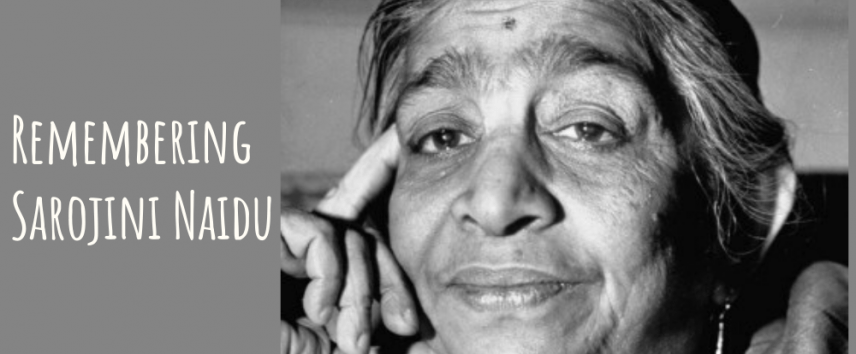
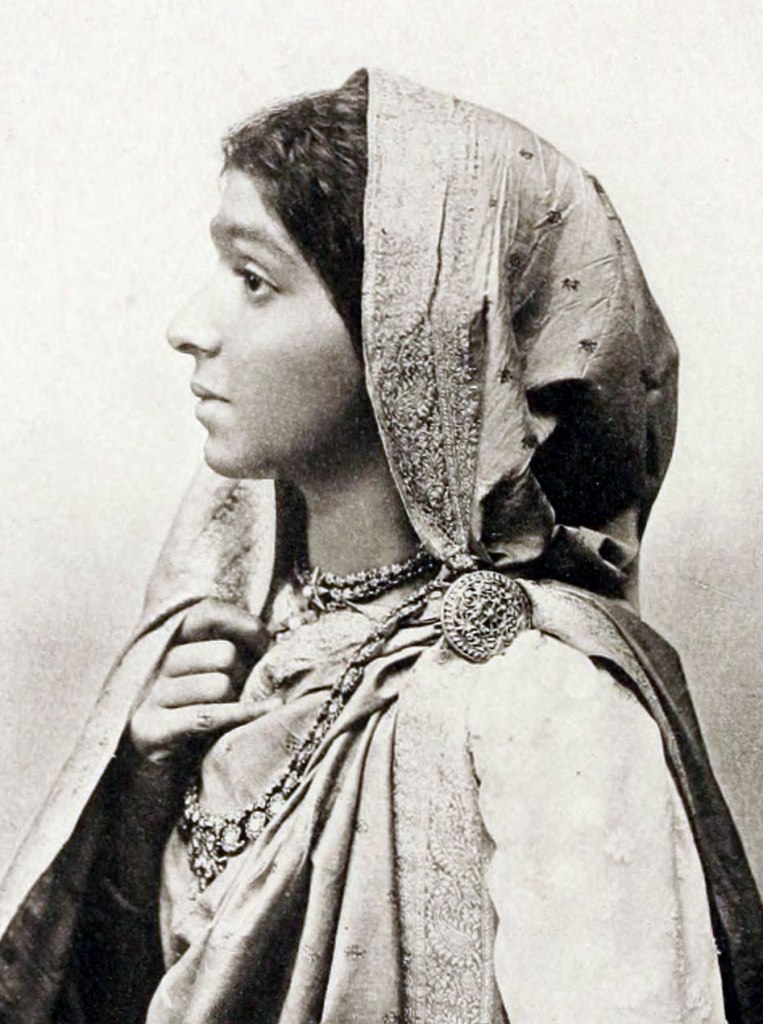
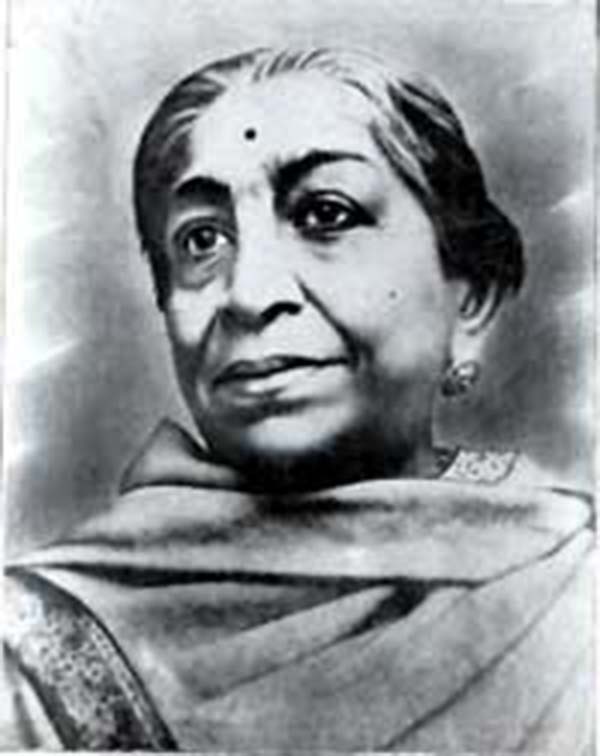
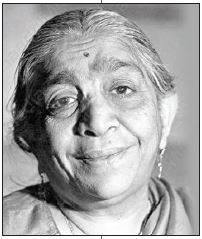
She was an Indian political activist and poet. A proponent of civil rights, women’s emancipation, and anti-imperialistic ideas, she was an important figure in India’s struggle for independence from colonial rule. Naidu’s work as a poetess earned her the sobriquet ‘the Nightingale of India’, or ‘Bharat Kokila’ by Mahatma Gandhi because of colour, imagery and lyrical quality of her poetry.

Birth and death

Born in a Bengali family in Hyderabad, Naidu was educated in Madras, London and Cambridge. Following her time in England, where she worked as a suffragist, she was drawn to Indian National Congress’ movement for India’s independence from British rule. She became a part of the Indian nationalist movement and became a follower of Mahatma Gandhi and his idea of swaraj. She was appointed as the President of the Indian National Congress in 1925 and later became the Governor of the United Provinces in 1947, becoming the first woman to hold the office of Governor in the Dominion of India.

Naidu’s poetry includes both children’s poems and others written on more serious themes including patriotism, romance, and tragedy. Published in 1912, “In the Bazaars of Hyderabad” remains one of her most popular poems. She married Govindarajulu Naidu, a general physician, and had five children with him. She died of a cardiac arrest on 2 March 1949.

Work

“Tell me no more of thy love, papeeha,
Wouldst thou recall to my heart, papeeha,
Dreams of delight that are gone,
When swift to my side came the feet of my lover…”

– A Love Song From The North by Sarojini
Naidu

1905: The Golden Threshold, published in the United Kingdom.
1912: The Bird of Time: Songs of Life, Death & the Spring, published in London.
1917: The Broken Wing: Songs of Love, Death and the Spring, including “The Gift of India” (first read in public in 1915) .
1919: Muhammad Jinnah: An Ambassador of Unity.
1943: The Sceptred Flute: Songs of India, Allahabad: Kitabistan, posthumously published.
1961: The Feather of the Dawn, posthumously published, edited by her daughter, Padmaja Naidu.
1971:The Indian Weavers.

After India attained independence, she became the first woman Governor of an Indian state, Uttar Pradesh. She served as governor till she passed away in March 1949, when she was working late in office.

As a Feminist

“Sarojini Naidu inspired the Indian Renaissance Movement and had a mission to improve the life of Indian woman.”

Bappaditya Bandopadhyay

Sarojini Naidu played an important role in women’s rights struggle in India. She helped in shaping Women’s Indian Association in 1917 with Annie Besant and others. The Association sought equal rights including the right to vote and represent. She presented the need to include more women in the Congress and in the freedom struggle. During 1918, British and Indian feminists including Naidu set up a magazine called “Stri Dharma” to present international news from a feminist perspective.

Link

The Origin of Buddhism .

We are what we think. All that we are arises with our thoughts. With our thoughts, we make the world.
Peace comes from within. Do not seek it without.

Lord Buddha

Introduction.

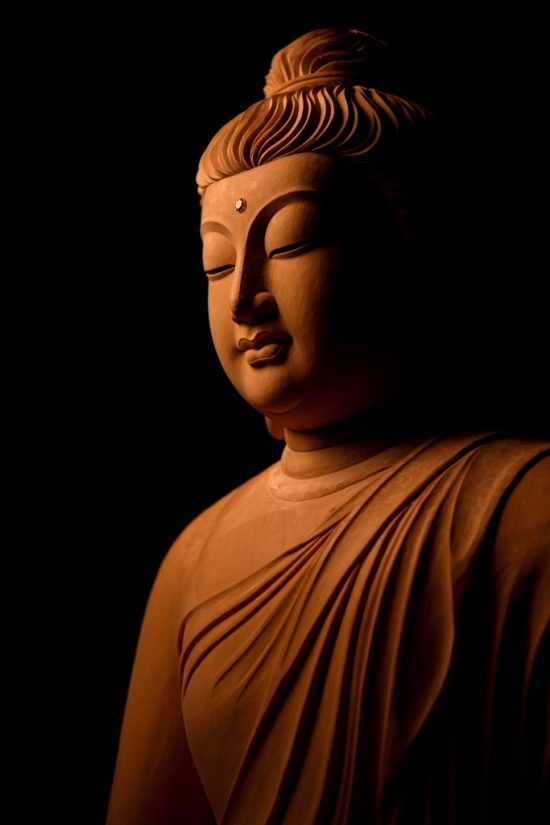
He was a spiritual personality . An ancient teacher and enlightened many . A founder of world religion Buddhism . He was popularly known as Gautama Buddha (also known as Siddhattha Gotama or Siddhārtha Gautama or Buddha Shakyamuni ) .

The Enlightened One who rediscovered an ancient path to release clinging and craving and escape the cycle of birth and rebirth. He taught for around 45 years and built a large following, both monastic and lay. His teaching is based on his insight into the arising of duḥkha (the unsatisfactoriness of clinging to impermanent states and things) and the ending of duhkha—the state called Nibbāna or Nirvana (extinguishing of the three fires).

Buddhism

Buddhism, one of the major religions and philosophical systems of southern and eastern Asia and of the world. Buddha is one of the many epithets of a teacher who lived in northern India sometime between the 6th and the 4th century before the Common Era.

The title buddha was used by a number of religious groups in ancient India and had a range of meanings, but it came to be associated most strongly with the tradition of Buddhism and to mean an enlightened being, one who has awakened from the sleep of ignorance and achieved freedom from suffering.

According to the various traditions of Buddhism, there have been buddhas in the past and there will be buddhas in the future. Some forms of Buddhism hold that there is only one buddha for each historical age; others hold that all beings will eventually become buddhas because they possess the buddha nature (tathagatagarbha).

According to Buddhist doctrine, the universe is the product of karma, the law of the cause and effect of actions, according to which virtuous actions create pleasure in the future and nonvirtuous actions create pain.

Your work is to discover your world and then with all your heart give yourself to it.

Lord Buddha

History

Gautama Buddha ( born c. 6th–4th century BCE, Lumbini, near Kapilavastu, Shakya republic, Kosala kingdom [now in Nepal]—died, Kusinara, Malla republic, Magadha kingdom [now Kasia, India]).

Buddha is one of the many epithets of a teacher who lived in northern India sometime between the 6th and the 4th century before the Common Era.

Learnings from Gautama Buddha.

1. “Three things cannot be hidden: the sun, the moon and the truth.”

2. “You will not be punished for your anger; you will be punished by your anger.”

3. “You can search throughout the entire universe for someone who is more deserving of your love and affection than you are yourself, and that person is not to be found anywhere. You, yourself, as much as anybody in the entire universe, deserve your love and affection.”

4. “We are shaped by our thoughts; we become what we think. When the mind is pure, joy follows like a shadow that never leaves.”

5. “Believe nothing, no matter where you read it, or who said it, no matter if I have said it, unless it agrees with your own reason and your own common sense.”

Link

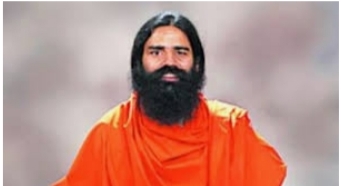
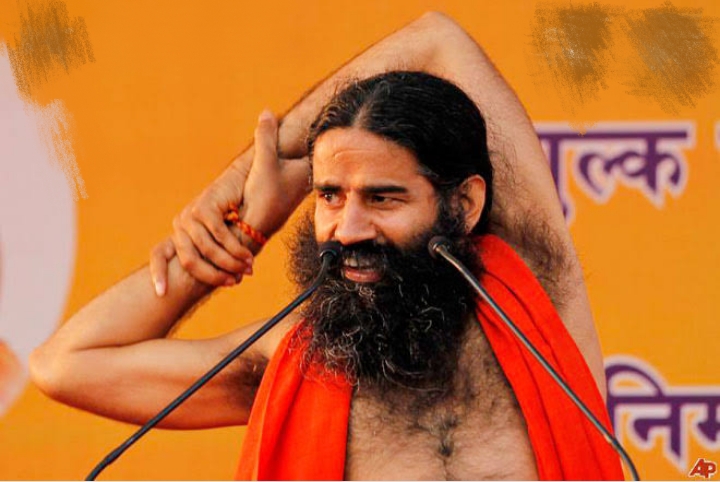
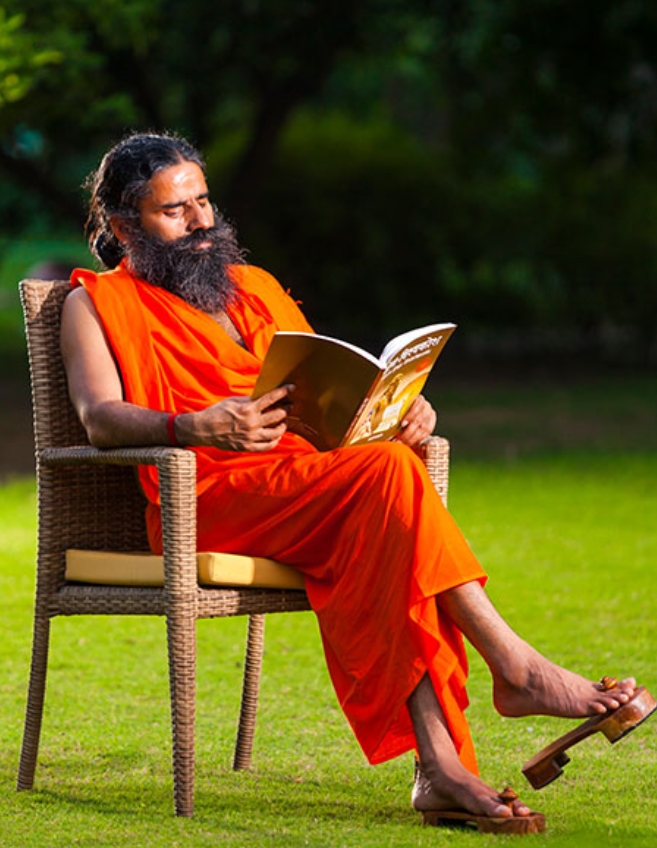
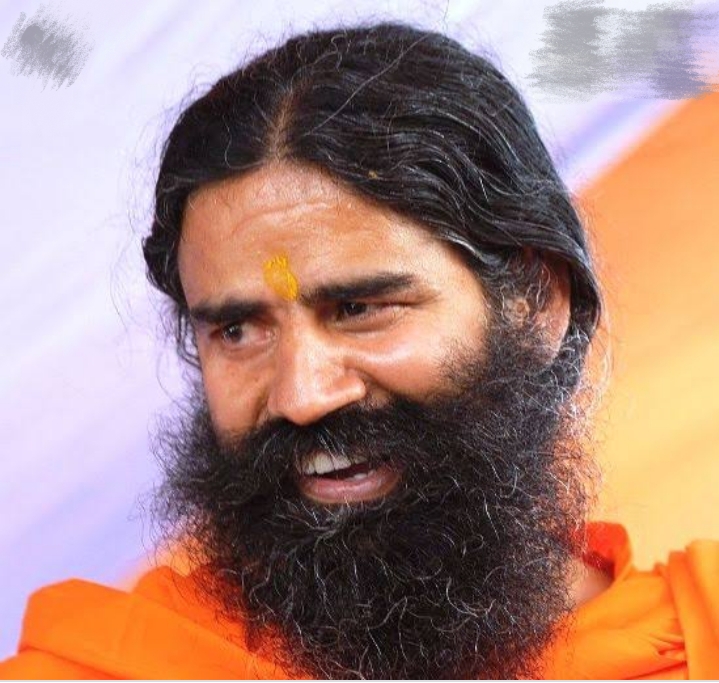
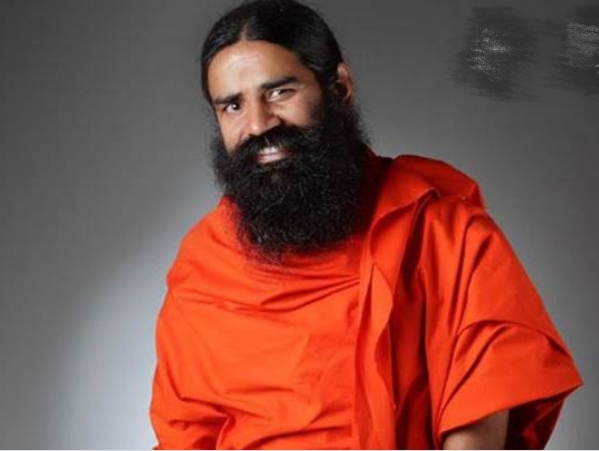
Yog Guru Baba Ramdev

Swami Ramdev, popularly known as Baba Ramdev was born in 1965 in Alipur in the Mahendragarh district in the state of Haryana. He is famous for popularizing yoga among Indians through the medium of television and his mass yoga camps. Baba Ramdev is an Indian spiritual leader and a renowned yoga teacher. His yoga camps are attended by thousands of people and he has taught yoga to several celebrities including Amitabh Bachchan and Shilpa Shetty.

Baba Ramdev was born as Ramkrishna Yadav. His father was Ram Nivas Yadav and his mother named Gulabo Devi. He attended school till class eight in Shahjadpur in Harayana and then joined a gurukul in Khanpur village to study yoga and Sanskrit. Ultimately he renounced worldly life and became a Sanyasi (took to monastic living) taking on his present name. He later travelled to the Jind district and joined the Kalva gurukul and offered free yoga training to villagers across Harayana.

After becoming a ‘Sanyasi’ he spent many years undertaking a study of ancient Indian scriptures and also practiced intense self-discipline and meditation. During this time he started offering free yoga lessons to disciples and realized the need to popularize this ancient art among the Indians. He went on to establish the Divya Yoga Mandir Trust in 1995 and became a popular yoga guru over the years. His fame reached new heights when he started appearing in a television program aimed at promoting yoga and he gained a large following. He is also the founder of Patanjali Yogpeeth, an institution for promoting the practice of yoga and ayurveda.

He read a book called ‘Yogik Sadhan’, written by Aurobindo Ghosh and was deeply influenced by it after that he decided to renounce the worldly ways of life and adopt Sanyas. He was initiated into the ascetic order by Swami Shankerdevji Maharaj and after becoming a sanyasi, Ramkrishna Yadav adopted the name “Baba Ramdev”.

Baba Ramdev’s educational shows have been broadcast on many religious TV channels like Aastha, and other TV channels like Zee Network, Sahara One and India TV; and the swami holds many yoga camps across the country and even abroad.

In 2007 the KIIT University (Kalinga Institute of Industrial Technology) awarded the swami with an honorary doctorate degree for his contribution towards popularizing the Vedic science of yoga.

In December 2006 the press reported that Swami Ramdev had claimed that he had found a way to use yoga to cure AIDS. As a result of these press reports the Indian Union Health Ministry sent him a cease and desist order and threatened legal action if he did not stop making these false claims. Other claims of the Baba include being able to cure cancer of the liver, breast, prostrate, uterus and brain (including brain tumours) by practising seven breathing exercises; Ramdev allegedly has documentary evidence for the same.

Baba Ramdev preaches that God resides in every human being and that the body is a temple of God. The swami believes in Vasudaiv Kutambakam (the whole World is one family) and does not support discrimination on the basis of caste, creed and religion. One of the most essential beliefs of Baba Ramdev is that showing true love and compassion towards all living things is true worship.

The Swami has taught many elements of the Indian scriptures such as the Ashtadhyayee, Mahabhashya and Upanishads and has set up many gurukuls in Ghashera, Kishangarh, and Mahendragarh in India. The yoga guru also teaches “Pranayama”; which is series of breathing exercises that were a part of the ancient Indian system of yoga. The Baba’s educational show is broadcast on TV with a total viewer ship of millions. People who watch his TV show’s have given examples of how they have been cured from diseases such as diabetes, high blood pressure, arthritis, stomach ailments, thyroid problems, heart diseases and cancer after practising yoga and breathing exercises prescribed by the Baba.

Swami Ramdev has even claimed that he was paralytic before he took up yoga, and since has been completely cured. Baba Ramdev has been conducting Yoga Science camps all across the country and abroad and even spent a month in London teaching Pranayama and Yoga.

Swami ji promoted Yoga & Ayurveda at higher pedestal and enthusiastic to bring India forward as world’s spiritual and economic super power. His expertise & knowledge are being admired by one and all in India and abroad. 

For his divine and excellence services to the welfare of mankind, he was felicitated by the Prime Minister Narendra Modi Ji as a National Icon, Tarun Kranti. He received several prestigious awards namely Padma Vibhushan, Surya Ratna and Mahaveer Award. Swami Ji has been conferred with recognized honors. Among, the few are: Surya Ratna, Mahveer Award from United Kingdom, Chandrashearendra Saraswati National Eminence Award, Mahamahopadhyaya globoil India Award. Swami ji is honored from British House of Commons, Legislature of state of New Jersey, USA, ASSOCHEM’s 5th Global Knowledge Millennium Summit, Brand Ambassador of Yoga by Government of Haryana. Swami Ji is honored and celebrated 30 June 2007 as Swami Ramdev Day by Nassau County.
Swami Ji was as “Most Creative Business People of 2016”, and “5th India’s 50 Most Powerful People” by American Business Magazine and India Today Magazine respectively.