PATRIOTISM

“The greatest patriotism is to tell your country when it is behaving dishonorably, foolishly, viciously.” ― Julian Barnes, Flaubert’s Parrot

Patriotism means love of one’s motherland. The attachment to one’s motherland is as innate as one’s affection for one’s parents. Man’s first loyalty is to himself, then to his family and then to his own country. India is a land of many cultures, traditions, and languages. But Indians stand as one whenever there is a threat to the integrity of India. They stood up unitedly at the time of the Chinese aggression. Recently it has been proved during the Kargil war in Kashmir. Thus, patriotism brings out the qualities of unity, service and sacrifice. Patriotism encourages the noble quality of self- sacrifice for the cause of one’s country.

Gitanjali 35

Where the mind is without fear and the head is held high;
   Where knowledge is free;
   Where the world has not been broken up into fragments by narrow domestic walls;
   Where words come out from the depth of truth;
   Where tireless striving stretches its arms towards perfection;
   Where the clear stream of reason has not lost its way into the dreary desert sand of dead habit;
   Where the mind is led forward by thee into ever-widening thought and action
   Into that heaven of freedom, my Father, let my country awake…………BY RABINDRANATH TAGORE

Patriotism, however, sometimes develops a false national pride. The people of a particular geographical area have intolerance for the people of other areas. They even nurse evil feelings and enmity and go to war. This is not real patriotism. We know the horrors of war due to aggressive patriotism.

We have to shed mutual bickering, shed the difference of being high or low and develop the sense of equality and banish untouchability. We have to restore the conditions of Swaraj prevalent prior to British rule. We have to live like the children of the same father.- Sardar Vallabhbhai Patel

Patriotism is a noble virtue when love of one’s country does not lead to the hatred against other nations. One’s love of one’s country should expand itself into a love for all world. Narrow patriotism reeds passions and prejudices and so it is despicable. It brings hatred and wars. True patriotism must seek peace and prosperity of e world. It must be free from narrowness and meanness. It is Possible to combine patriotism with love for the people of the world. Thus, patriotism may least to international brotherhood.

Men, money and material cannot by themselves bring victory or freedom. We must have the motive-power that will inspire us to brave deeds and heroic exploits. -Netaji Subhash Chandra Bose
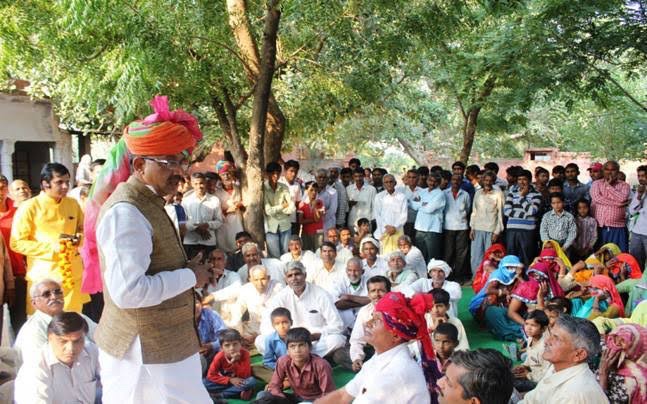

Evolution of Panchayati Raj System in India.

Since the beginning of India’s foundation, Panchayats have been the pillar of Indian rural set up. According to Mahatma Gandhi, development and governance in India should not be in big cities and towns but in rural areas and small villages because majority of Indian population resides in villages.

A Panchayati Raj meeting in India. Picture Credits: India Today.

The Panchayati Raj system in India derives its existence from Indian Constitution under Part IX under the head The Panchayats. When power is taken away from Central and State Governments and given to local government, it is called decentralisation.

Most of our Indian states like Uttar Pradesh, Maharashtra are internally very diverse. There is thus a need for power sharing within these states. Federal power sharing in India needs another tier of government, below that of the State governments. This is the rationale for decentralisation of power. Thus, this resulted in a third-tier of government, called local government. People have better knowledge of problems in their localities.

The need for decentralisation was recognised in our constitution. Since then there have been several attempts to decentralise power to the level of villages and towns. Panchayats in villages were set up in all states. An independent institution called the State Election Commission has been created in each state to conduct Panchayat elections.

A major step towards decentralisation was taken in 1992. The Constitution was amended to make the third-tier of democracy more powerful and effective. Now it is constitutionally mandatory to hold regular elections to local government bodies.

Now it is constitutionally mandatory to hold regular elections to local government bodies. Seats are reserved in the elected bodies and the executive heads of these institutions for the Scheduled Castes, Scheduled Tribes and Other Backward Classes. At least one-third of all positions are reserved for women. The State governments are required to share some powers and revenue with local government bodies. The nature of sharing varies from State to State.

Rural Local Governments is popularly known by the name panchayati raj. Each village or a group of villages in some states have a gram panchayat. This is a council consisting of several ward members often called panch, and a president or sarpanch. They are directly elected by all the adult population living in that ward or village. It is the decision making body of the entire village. The Panchayat works under the overall supervision of the gram sabha. All the voters in the village are its members. It has to meet at least twice or thrice in a year to approve the annual budget of the gram panchayat and to review the performance of the gram panchayat.

The local government structure goes right up to the district level. A few gram panchayats are grouped together to form what we call as a panchayat samiti or block or mandal. The members of this representative body are elected by all the panchayat members in that area. All the panchayat samitis in a district together constitute the zilla parishad.

Despite of the many flaws, Panchayats have contributed a lot maintaining the rule of law inside villages and educating the rural population about various different matters pertaining to their interests.

ALL THAT GLITTERS IS NOT GOLD

The line “all that glitters is not gold” occurs in William Shakespeare’s well-known play The Merchant of Venice”. It comes as a shock to Prince of Morocco when he, led by the exterior glitter of gold, chooses the gold casket and loses the lottery of caskets. The line has since then become a proverb. It means, in simple words, that appearances are deceptive. The seemingly beautiful and valuable object may turn out to be something most ugly and worthless.

Therefore, like all proverbs, ‘all that glitters is not gold contains the time-tested truth. It enjoins upon us to be cautious in our approach while judging the worth of a person or object. We should not be led by external appearance. A seemingly good apple may be rotten at the centre. A person may smile and smile, and yet prove to be a villain. An extremely beautiful face of a woman may hide her ugly, vicious character. A charming Cleopatra often proves to be a siren.

It is, of course, human to be attracted by good and beautiful persons and things. When a young man falls in love or goes to select a life partner, he is first tempted or repulsed by the outward appearance of the girl. If he does not pause and judge the real character of the girl, he is destined to rue and suffer for his choice throughout his life. So, it is equally true in the case of a girl in the choice of her would- be husband.

There is a beautiful story in the Bible which warns us against falling in to the seemingly attractive exterior. Eve gets attracted to the beautiful and yet forbidden fruit of knowledge (an apple). She fails to resist the temptation of tasting it. The moment she and Adam eat the forbidden fruit, they are thrown out of the Paradise forever. They bring upon them and their progeny (the whole mankind) endless sufferings in many forms.

In our modern world of glitter and glamour, there are many temptations around us. Most of us get attracted to glittering cars and bikes, gadgets and products of several kinds. Youngsters force their parents to buy them, which land their parents in vicious debt circles. The young men and women realise quite late how some of these attractive gadgets tell upon their health and ruin their careers.

Advertisements on the screen and in newspapers often coax people to buy things which are neither worth their money nor as useful as claimed. Most of us are misled by the utility of some products as they are advertised by some beautiful actresses, popular actors or other celebrities.

The Amazon

The forest is a peculiar organism of unlimited kindness and benevolence that makes no demands for its sustenance and extends generously the products of its life activity; it affords protection to all beings, offering shade even to the axe-man who destroys it.

– Gautama Buddha

Today , let’s feel the presence of fresh air , waterfall , trees , flora and fauna . Being a citizen of a country , which is well known for its resources , different species, mixed economy and different cultures. It is important for us to see the world of flora and fauna.

Well you get to know by the heading , today we are gonna talk about THE AMAZON’S which is well known for its vast species .

Introduction .


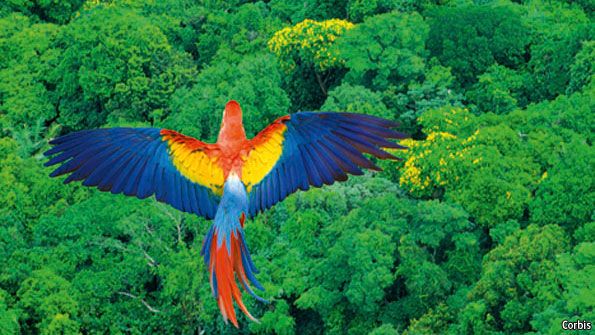
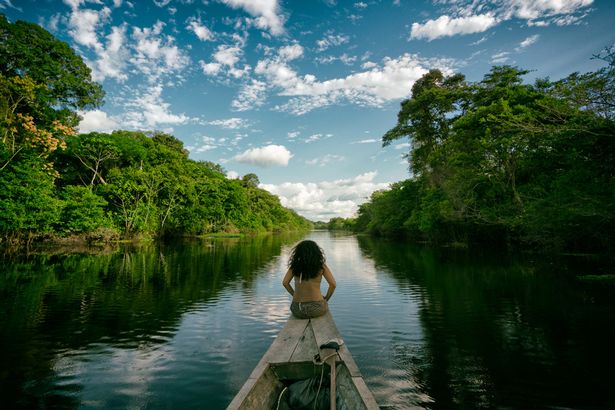
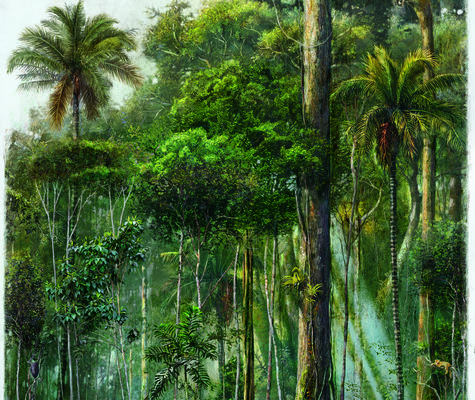
The Amazon jungle or Amazonia, is a moist broadleaf tropical rainforest in the Amazon biome that covers most of the Amazon basin of South America. This basin encompasses 7,000,000 km2 (2,700,000 sq mi), of which 5,500,000 km2 (2,100,000 sq mi) are covered by the rainforest. This region includes territory belonging to nine nations and 3,344 formally acknowledged indigenous territories.

The majority of the forest is contained within Brazil, with 60% of the rainforest, followed by Peru with 13%, Colombia with 10%, and with minor amounts in Bolivia, Ecuador, French Guiana, Guyana, Suriname, and Venezuela. Four nations have “Amazonas” as the name of one of their first-level administrative regions, and France uses the name “Guiana Amazonian Park” for its rainforest protected area. The Amazon represents over half of the planet’s remaining rainforests, and comprises the largest and most biodiverse tract of tropical rainforest in the world, with an estimated 390 billion individual trees divided into 16,000 species.

The name Amazon is said to arise from a war Francisco de Orellana fought with the Tapuyas and other tribes. The women of the tribe fought alongside the men, as was their custom. Orellana derived the name Amazonas from the Amazons of Greek mythology, described by Herodotus and Diodorus.

Flora and Fauna.

Wet tropical forests are the most species-rich biome, and tropical forests in the Americas are consistently more species rich than the wet forests in Africa and Asia.

This constitutes the largest collection of living plants and animal species in the world.

The region is home to about 2.5 million insect species, tens of thousands of plants, and some 2,000 birds and mammals. To date, at least 40,000 plant species, 2,200 fishes, 1,294 birds, 427 mammals, 428 amphibians, and 378 reptiles have been scientifically classified in the region.

The biodiversity of plant species is the highest on Earth with one 2001 study finding a quarter square kilometer (62 acres) of Ecuadorian rainforest supports more than 1,100 tree species.

Human impact on Amazon jungle.

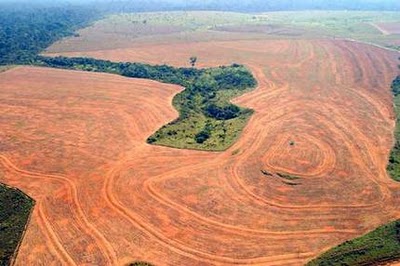
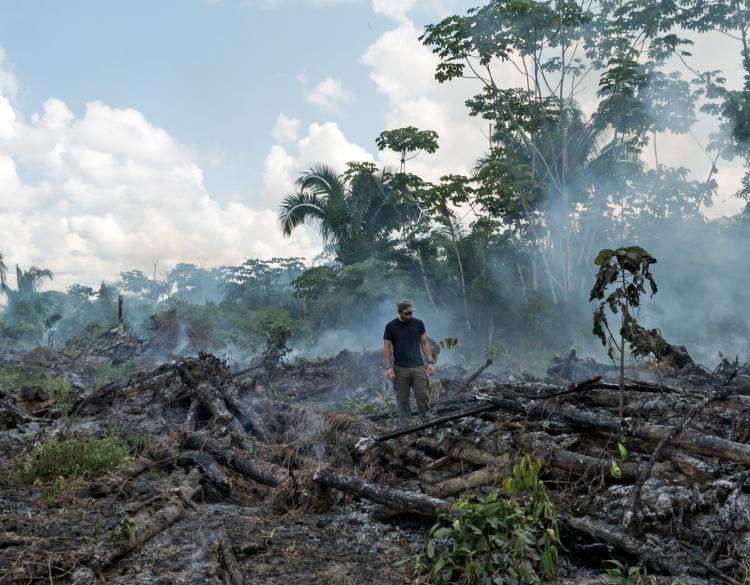
The human impact on the Amazon rainforest has been grossly underestimated according to an international team of researchers. … They found that selective logging and surface wildfires can result in an annual loss of 54 billion tonnes of carbon from the Brazilian Amazon, increasing greenhouse gas emissions.

Lead researcher Dr Erika Berenguer from Lancaster University said: “The impacts of fire and logging in tropical forests have always been largely overlooked by both the scientific community and policy makers who are primarily concerned with deforestation. Yet our results show how these disturbances can severely degrade the forest, with huge amounts of carbon being transferred from plant matter straight into the atmosphere.”

The second author, Dr Joice Ferreira from Embrapa in Brazil, said: “Our findings also draw attention to the necessity for Brazil to implement more effective policies for reducing the use of fire in agriculture, as fires can both devastate private property, and escape into surrounding forests causing widespread degradation. Bringing fire and illegal logging under control is key to reaching our national commitment to reducing carbon emissions.”

The forest is not a resource for us, it is life itself. It is the only place for us to live.

-Evaristo Nugkuag Ikanan

Link

Baltic Countries and their economic transformation

Baltics, also known as the Baltic States is comprised of three countries including Latvia, Lithuania, and Estonia. The three countries are situated on the eastern shores of the Baltic Sea. In 1991 the regional governments of Lithuania, Latvia, and Estonia declared independence from the Union of Soviet Socialists Republics (USSR). Three countries have a collective population of just over 6 million. The three have been one of the better examples which have been progressing well after the breakup of the USSR. Many other former Soviet republics have been suffering the disarray of corruption and political instability.

In 2002 Baltic countries applied for membership in the European Union (EU) and by May 2004 all the three countries joined the EU. They also gained membership in NATO by March 2004.

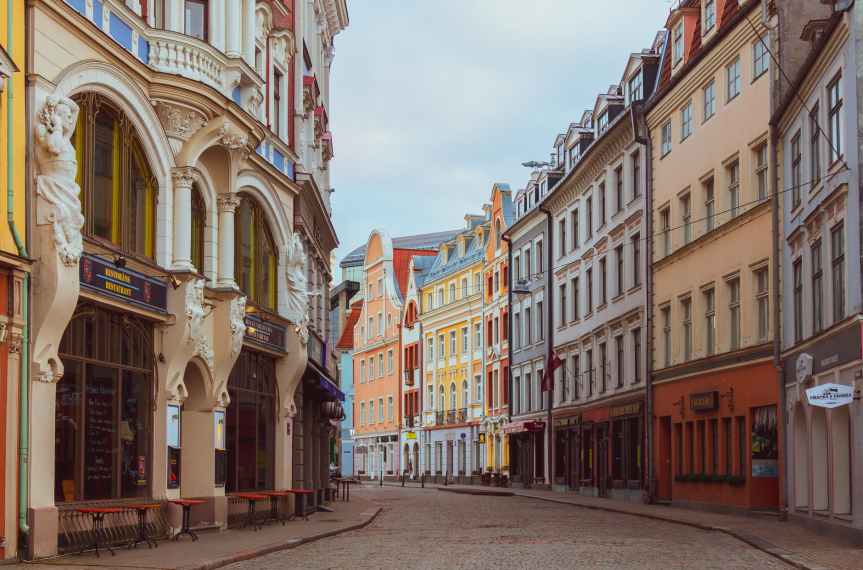
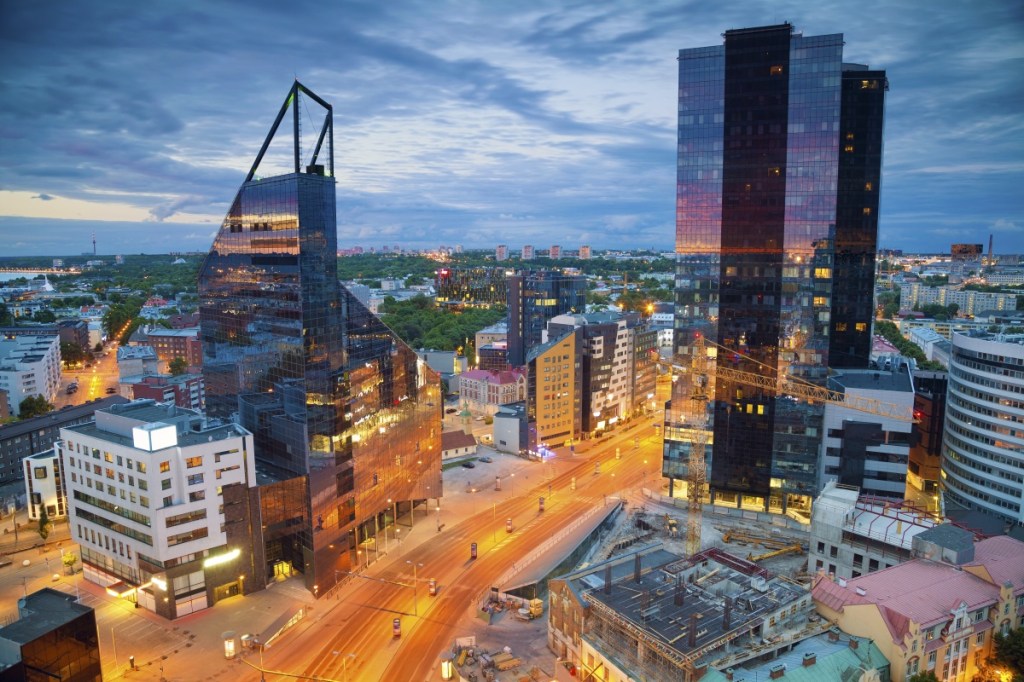
Downtown Tallinn

Baltic independence in 1991

It’s truly astounding how the three countries have developed since 1991. None of them were independent since 1940. The three countries had large Russian minorities and many Soviet soldiers were still stationed there. There were no major national institutions and banking infrastructure with a crumbling economy. There was a growing homegrown national moment against the ruling government since the 1980s. The homegrown fronts won the republican parliamentary election against the ruling party in early 1990 and were allowed to govern but with limited power. The Russian president at that time, Boris Yeltsin had not contested their newly declared independence in 1991. The Baltic also witnessed no violence when the three governments had declared their independence.

The three nations also had almost no natural resources, unlike USSR which was resource-rich. They were still in a very vulnerable situation with a small population and no military of their own. Even though the countries were linguistically distinct with different languages, but people in all three countries had a united drive to strive for a better future. The three had implemented reforms with a shared vision. The governments of the three shared many policies, ideas, and experiences. The Baltic States also valued their new independence with a lot of enthusiasm and didn’t take it for granted. The other ex- USSR countries often had to ask for assistance from Russian Federation and also formed new alliances with the Russian government. Baltic countries on the other hand tried to stay away from joining the post-Soviet Commonwealth of Independent States. In the subsequent years, all the three countries adopted radical economic policies and Estonia was the first mover and Latvia and Lithuania would follow suit. In 1994 Estonia introduced a flat income tax at just 24 percent and the other two also implemented the policies. Currently, Lithuania has a tax rate of just 15 percent which is one of the lowest. With early and fast deregulation and privatization, the Baltic countries were able to capture a large amount of foreign direct investment. Estonia also radically transformed its public sector with various digitalization implementations and less reliance on paperwork. Latvian and Lithuania’s transformation in this area was not as drastic but after some time both of them followed Estonia’s footsteps.  Transparency International ranks Estonia No. 17, Lithuania 37, and Latvia 42 out of 175 countries on its Corruption Perception Index for 2020. This is a commendable ranking considering they all the three are a relatively new entrant to the EU and many other EU countries have lower ranks than the three.

Success attributions

The success can also be attributed to the generous support that the three countries received from the international community and funds granted by the EU, World Bank, and the IMF. In 2008 Baltic suffered from the global economic crisis. The three soon adopted the Euro as their currency to avoid any future liquidity freeze issues that they experienced at that time. The economies al the Baltic rebounded quickly and due to good monetary measures, the three have a very low public debt. Baltic governments have also made swift progress in the Education sector and the three have attained commendable rankings in the Program for International Student Assessment (PISA) of the Organization for Economic Cooperation and Development (OECD). Estonia has done a very commendable task in this area with top 10 rankings in many assessments.  But the Baltics also face many challenges with population loss due to low birth rate and emigration. Proximity and hostility with Russia still is a challenge that the tiny nations have to endure.        

Media Bias: the shoddy practice

Media Bias is a term used to describe biases and personal prejudices of a journalist in the selection of events that will be reported and the manner in which they’ll be reported.

In earlier times, every media organisation had a political backing, that is, funded by any political party or group. It was only with late 19th century and early 20th century, journalists began to feel the need for a truth and unbiased reporting.

Types of Media Bias:

A) Bias by Omission

This is one of the methods in which journalists wipe out one side of the story or series of facts over a period of time.

B) Bias by Selection of Sources:

In this method, journalists usually approach those sources who will favour their own prejudices. Both sides of a story aren’t given any importance.

C) Bias by Story Selection.

This mostly happens when a media organisation is funded by a political party. In this, journalists only highlight those issues and stories that pertain to one political party. For example, only talking of achievements of a political party and ignoring its failures.

D) Bias by Placement.

This means where an editor places the story and how much they consider the story is important. For example, if a news organisation is supporting a certain political party and there’s a humanitarian crisis in any city because of that political party, in this case, news editor would place the story at the end so that it gets less importance.

E) Bias by Spin.

In this, reporters and journalists give their own “subjective comments” to a factual story and make it appear before the public their own way. These interpretations can be harmful as they divert the minds of public from actual facts.

Some examples of Media Bias:

A) Ethnic Bias:

This is the form of bias which includes racism, nationalism or xenophobia. For example, western media’s portrayal of India as a poverty stricken country with no toilets. Yes, India suffers with poverty but the western media made it look like it’s the only thing India is all about.

B) Corporate Bias:

Media is also extremely biased at times when reporting about corporate misconduct. This is because some media channels are funded by big industrialists and business people.

C) Class Bias

Media houses are extremely bias when it comes to class. Higher class cases are handled with dignity whereas oppressed classes are treated with lack of respect and humanity.

D) Religious Bias

Certain media houses favour one religion according to their own religious ideologies and thus even start supporting or give a biased reporting when their religious community is doing something wrong.

E) Political Bias

Probably the most famous form of bias in which a media house supports a political party right from the beginning of covering their political campaigns to trying to hide their political mismanagements.

Journalists must separate fact from opinions and do an unbiased reporting for a better transportation of news information to the public. This way it would also be able to hold the system responsible.

Corruption In India

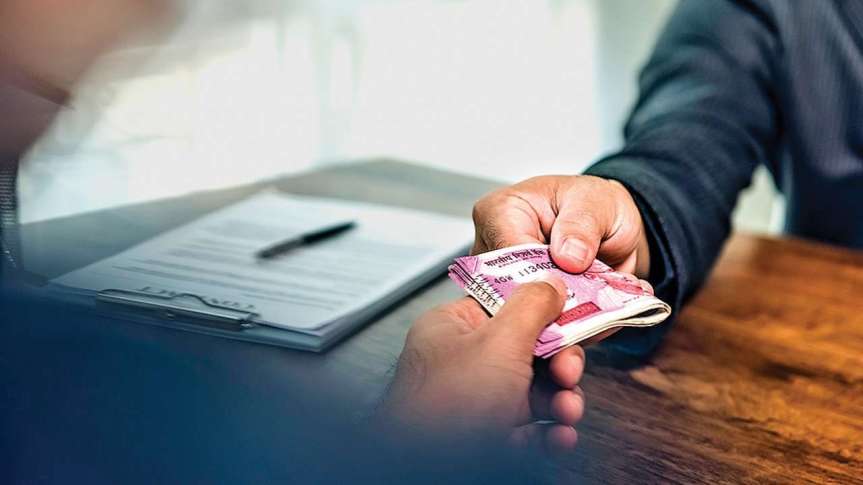
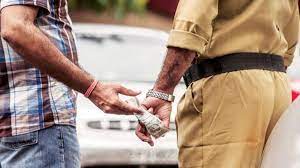
Corruption has been in Indian society in some shape or another since time immemorial. Our opportunistic politicians, who have already done more harm to our country, are at the root of corruption. People who labour on the basis of correct ideals are acknowledged and seen as silly in today’s culture. Corruption in India is caused by the collaboration of bureaucrats, politicians, and criminals. Previously, bribes were paid to have the wrong things done, but now bribes are paid to get the right things done at the appropriate time. Furthermore, because respected individuals are participating in it, corruption has become something respectable in India. Social corruption such as under-weighing of products, adulteration in culinary items, and different types of bribery have persisted in society.

In today’s world, if a person wants a government job, he must pay lakhs of rupees to higher officials, even if he meets all of the eligibility criteria. In any office, one must either offer money to the employee in question or arrange for work to be done through other means. Adulteration and duplicate weighing of products occur in the food and civil supply departments by unethical workers who defraud consumers by jeopardising people’s health and life. Officers charge money in property tax assessments even if the house is built properly according to government norms and regulations.

In India, political corruption is at its highest. The primary source of concern is that corruption is weakening the political body and undermining the supremacy of the law that governs society. Politics is now solely for criminals, and criminals are designed to be in politics. Elections in several sections of the country have become connected with a slew of illicit activity. Threatening voters to vote for a specific candidate or physically preventing voters from entering polling booths – particularly weaker sectors of society such as tribals, Dalits, and rural women – occurs often in numerous parts of the country. The government has boosted the compensation of M.P.s from Rs.16, 000 to Rs.50, 000, a 300 percent increase over the previous salary. However, many of them are dissatisfied with the raise and want the government to increase the wage to a much greater amount. This clearly demonstrates how politicians are always out for monetary gain and are unconcerned about the wellbeing of the people. One of the most common types of corruption is tax evasion. It is usually practised by government officials and politicians, resulting in the buildup of black money, which lowers people’s morale.

MAJOR REASONS RESPONSIBLE FOR CORRUPTION-The nature of the human being is the most significant component. People in general have an insatiable desire for luxury and comforts, and as a result, they become involved in any dishonest activity that results in monetary or material gain. Moral and spiritual qualities are not prioritised in the educational system, which is largely to blame for the degeneration of society. Employees are paid extremely little, and as a result, they are obliged to generate money in illicit ways. The penalties placed on criminals are insufficient. Political leaders have absolutely ruined society. They live a lavish lifestyle and are unconcerned about society. The people of India have not been woken or enlightened. They are afraid to speak out against anti-social elements in society.

MEASURES– The Right to Information Act (RTI) provides all necessary information about the government, such as what the government does with our tax payments. This act gives you the right to ask the government about any problem you’re having. The Central Vigilance Commission is another effective anti-corruption tool (CVC). The Government established it to advise and guide Central Government entities in the areas of vigilance. If there are any instances of corruption or complaints about them, they can be filed to the CVC. CVC also bears the obligation of raising public awareness about the dangers of bribery and corruption. The establishment of special courts for expedited justice can be a tremendous benefit. There should not be a long period of time between the filing of a case and the delivering of a verdict. Strong and strict rules must be adopted, leaving no room for the guilty to flee. In many circumstances, personnel choose corrupt methods out of necessity rather than choice. Some people believe that the earnings they are paid are insufficient to feed their families. They would not be forced to accept bribes if they were paid more. The one thing that must be ensured is the correct, fair, and unbiased application of numerous anti-social legislation in order to take strong, deterrent, and prompt legal action against offenders, regardless of their political influence or financial strength. To combat the threat, firm and decisive efforts must be taken, and an environment must be established in which decent, patriotic intellectuals can come forward to serve the country with pride, virtue, and honesty for the benefit of the people of India.

CHILD TRAFFICKING

Introduction

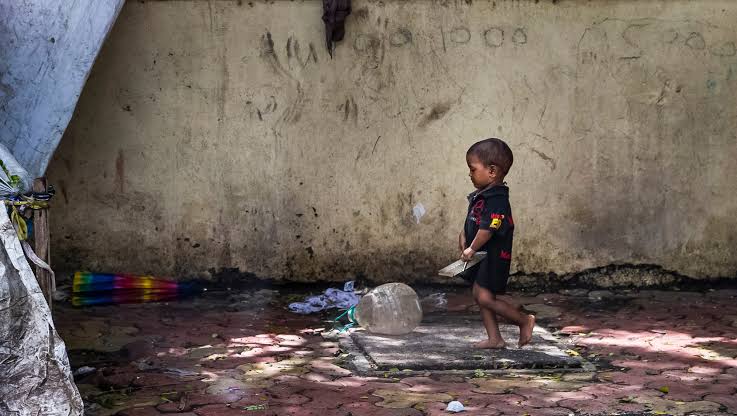
In India child trafficking is a very serious issue. This is happening because there are a number of people who fall under the poverty level category and it is usually this demographic that is subject to child trafficking. The majority of the country’s trafficking problem is internal. This means that usually the most unprivileged families and disadvantaged people of the countries like the Dalits, religious minorities, tribal community members, and girls from different minority groups etc have to face this. Due to poor socio-economic situations, people take advantage of the poor parents and thereby leaving their children into such trafficking rings. The parents from these poor backgrounds assume that the children are going to live in better conditions but in reality, the children are kidnapped and taken advantage of.

What is child trafficking

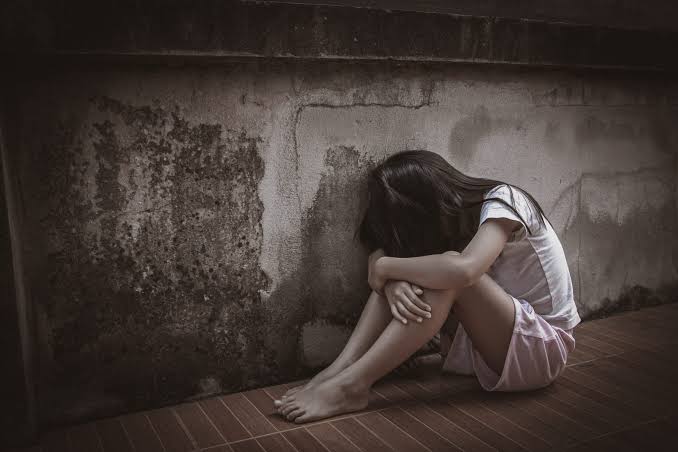
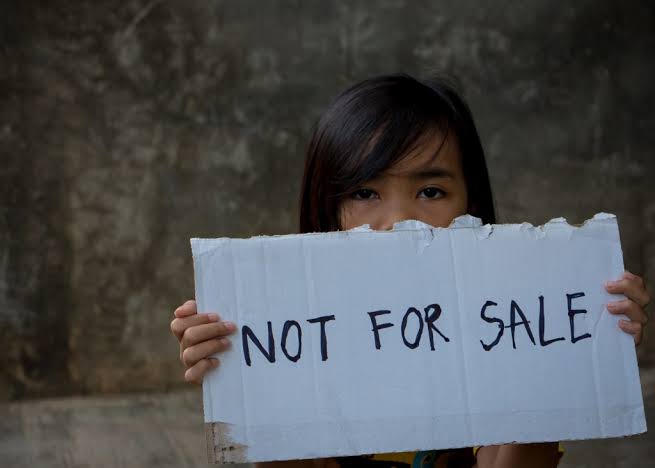
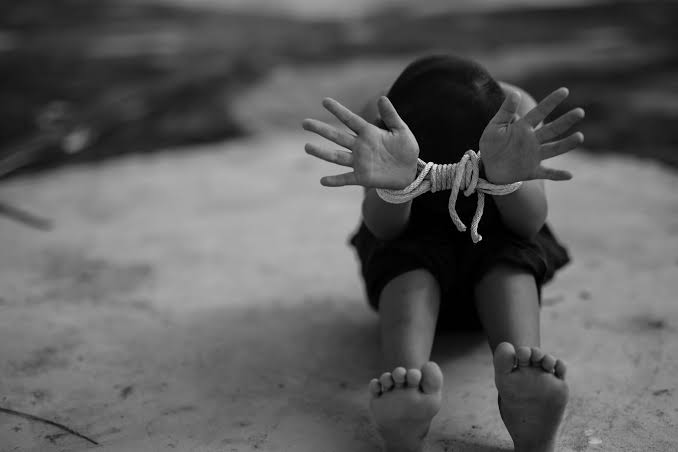
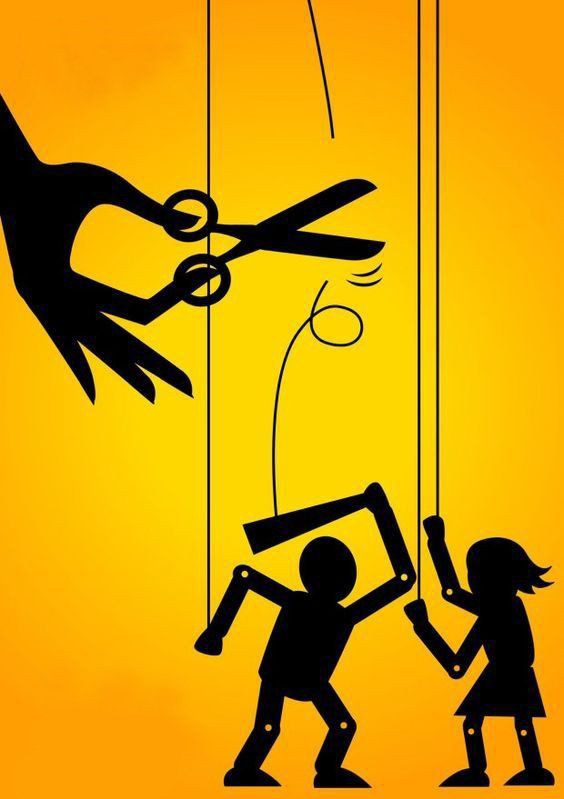
Child trafficking is a practice where children are taken away from their family and later they are forced to beg on streets, do some form of work, used for sex or simply sold.

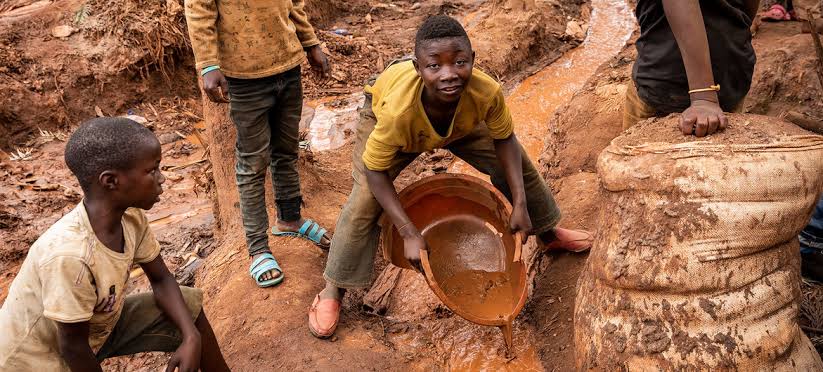
Child trafficking is linked to demand for cheap labour, especially where the working conditions are poor. Children are forced to do many dangerous stunts and also in illegal situations. Such works include slavery, domestic labour, sexual exploitation or prostitution, drug couriering and being turned into child soldiers. Those children are exposed to many dangerous situations like working in hazardous environments. Many are also denied the chance to reach their full potential because they don’t get an education or have the freedom to make their own choices. Children become separated from their families. They are left without protection and are easy prey for traffickers to exploit either by force or with false promises.

How many children are affected by child trafficking?

It is estimated that almost 21 million people are trapped in forced labour or slavery among which one in every four people are under the age of 18.

Almost 5.5 million children are victims of child trafficking around the world. They suffer violence, exploitation and abuse – ending up in work, forced marriage, prostitution, begging and armed recruitment.

Causes of child trafficking

Poverty
Poverty is one of the main causes of child trafficking. Poor parents were sometimes forced to abandon their children in the hands of traffickers assuming that they would lead a happy life.

Humanitarian Crises
Child trafficking is particularly prominent in areas struck by natural disasters.The countries where human rights are violated have a higher rate of child trafficking.

Lack of Education
Illiteracy and the lack of education make families more vulnerable to traffickers.

Absence of Birth Registration
The children whose births were never registered are the most threatened.

Lucrative Activity
Child trafficking is extremely lucrative.

International Adoption
International adoption is very common among infertile couples. Traffickers and dishonest adoption agencies take these advantages and they don’t get much trouble finding potential clients.

Use of Children
Children are sold for the purposes of sexual exploitation, begging, soliciting, or for forced marriages. Their life comes to risk while doing construction work, working in factories, or are employed as domestic servants. Children are given a substantial sum of money to parents waiting to adopt.The sale of child organs is also a very infamous practice done by the traffickers. To earn a good living, many children agree to sell one of their kidneys for money.

Prevention of child trafficking

1. Foster the spread of education.
2. Spread awareness among parents and communities. …
3. Strict laws in place to prevent child trafficking. …
4. Encouraging business to not use child labour. …
5. We must support NGOs like Save the Children in the fight against trafficking.

http://www.ilo.org/ipec/facts/lang–en/index.htm

http://www.un.org/en/events/childlabourday

@track2traininginstitute @track2trainingseminar @edunewsnetwork @track2trainingservice

A society that can breach the stereotype in India .

I never feel confined by gender, by labels, by expectations, by stereotypes. I’m free to be myself.

Princess Nokia

Introduction

During the last two decades it is said that to be a women is the most precious gift a human can have . To be able to give birth to another human being that lives inside precisely 9 months at most .

But their is another dispute that a women can only be a insider . That can fulfill the needs of the dominant society.

Isn’t these two statements are contradictory. In first one a women is a precious gift and in another she can only fullfill one’s needs but only in four walls .

Aren’t they human or a thing that can only live under the roof of men for living ?

Women have always played an important role in the society . Even in the ancient times , they were considered as an equal with the men . So what change , the air , the water , the life style or the mindset . We can also say that the stereotype mindset in society .

Years and years before people grew their ego and think about their individual benefits. Women lead life with virtue , wisdom and respect .

When it start

It was all not same as it was now , their were times when women rule the nation . But due to the foreign invasion , women suffer immensely . At the mediaeval times , women came to be confined within the four walls of the house .

Mediaeval period also known as ‘DARK AGE ‘ as very few women’s were found to be a ruler at that period . It was the period when women brought to the deeds where they made to be inferior to men .

They were raped and brutally killed by the demons who think they can dominate them .

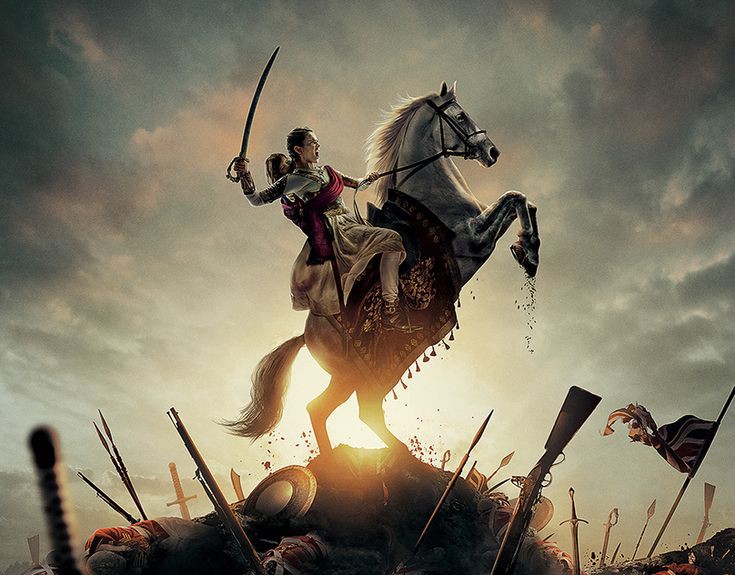
Rani Padmavati, Jodha Bai, Gulbadan Begum, Nurjahan, Jahan Ara , Mumtaj Mahal, Razia Sultan , Jija Bai are some of the women who fought for their right , safety , people , family and love also saved many .

“And one day she discovered that she was fierce, and strong, and full of fire, and that not even she could hold herself back because her passion burned brighter than her fears.”

– Mark Anthony

Modern era

It’s a century of love , reliability , equality and most important individuality .

Then why women are always compared to the men . Why they questioned when they are innocent . ( Well not all are innocent and victim , just for those who are ) .

I do believe that men and women are different . Their differences doesn’t make them weak . It’s just a perspective and view of people that make them vulnerable .

But do women care , it’s their own life not to say that anyone means ANYONE can come and stamp their ‘so called ’ rules on them . Not against the male gender but to those who think they can dominate and lock them in four walls .

Not to say, if women lock men in four wall room . So what will happen to them . Umm. Let’s think , they run like a horse at the time when the room unlocked .

If OJO -MOJO can’t stay in their rooms can’t OLLE do the same . Yes she can , also kick their humpy dumpy bum.

Let’s end the topic and eat some more . It’s a 21st century donot let someone walk on you , you can stand for yourself .

“Don’t let anyone speak for you, and don’t rely on others to fight for you.”

– Michelle Obama

This editorial is written under one’s perspective . Neither against any gender nor in favour .

Right to Information as a tool to Fight against Corruption

Our ruling party has declared the battle against corruption to be a top priority. However, corruption is still widespread in the country, with numerous cases of political and bureaucratic corruption, public funds theft, fraudulent procurement practices, and judicial corruption. It is the abuse of authority and money by governments and individuals for personal gain, such as lobbying or diverting funds intended for public welfare into private sectors.

Corruption is a problem that, like a weed in a crop, threatens government transparency and citizen accountability. However, where there is a problem, there is also a solution: RTI.

Yes, Information is power but not by itself. Information, on the other hand, is an essential first step in the exercise of economic and political power. Changes in who can do what are brought about through opening up information channels.

In India, the government passed the landmark Right to Information Act in 2005 after a statewide movement driven by grassroots and civil society organizations. Since then, social activists, civil society organizations, and ordinary citizens have used the Act to effectively combat corruption and increase government transparency and accountability.

Right to Information laws give citizens the legal right to access information stored by their governments, bringing much-needed transparency to the government’s otherwise opaque operations. More than 80 countries have now passed such legislation, with the number expanding every year. The RTI Act of India is widely regarded as a robust and effective statute. Over the last six years, ordinary Indian residents have used the RTI to demand a wide range of information from their government.

The RTI Act of 2005 was enacted by the Government of India to provide transparency to an environment riddled with intrigue, secrecy, and corruption. This law has been used quite effectively by Indian citizens to bring about both large and little changes. The RTI Act has profoundly altered the power dynamic between the government and the governed, bringing together individuals who wield state authority in any form on the one hand, and millions of people who are impacted by the state’s decisions and operations on the other. No other law in India’s statute book allows citizens so much ability to question any public authority in the country in such a straightforward manner. And every citizen needs to take advantage of this power which is given to them by asking questions to their government by filing RTI requests, rather than assuming that they are answering us because it is their right to inquire.

CHILD LABOUR

INTRODUCTION
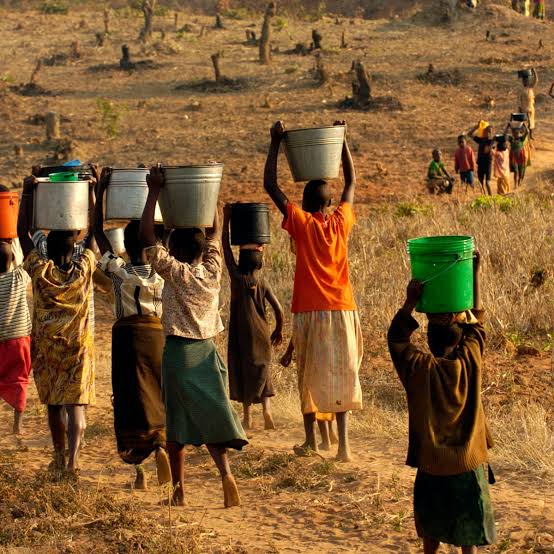
The best phase of human life is childhood. It is the most innocent phase of our life. In this stage human foundations are laid for successful adult life. In this phase we spend the most cosy, carefree and tension free lifestyle. We pass our time by playing, and leading a tensionless fun life. But there are many children who spend their life supporting themselves instead of spending it in a carefree and fun-loving manner because for them learning and playing are scared and tormented. They are controlled & tortured by others.

They want to get out from this dark world but they are forced to stay in this world. This is the true story of the child labour. Child labour is term that we all heard about in news or in movies.

Child labour is a crime. In some underprivileged families who are suffering from poverty, children are forced to work from a very early age to support themselves economically because they expect their kids to take responsibilities of working and provide food for them.
Industries and individuals take the advantage of their poverty and employ children to put them to work at very low payables.

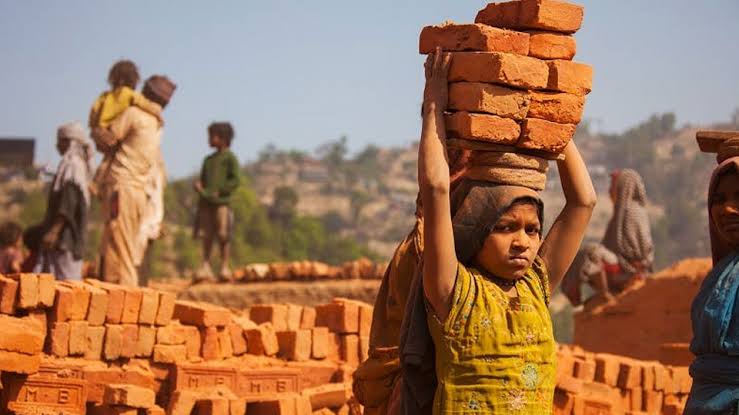
They are forced to work for long hours in dangerous factories. Sometimes they are forced to carry heavy loads that weigh even more than their body weight.

Then comes some individuals’ who hire children in their house for domestic help. They are so rude that when the children make a single mistake they beat them and torture them physically.

Those children do not get proper food to eat or clothes to wear. Sometimes they are made to starve and given worn-out clothes to wear. This is the story of many children who are suffering in this cruel world.
The average age for a child to be appropriate to work is considered 15 years or more, below this age limit won’t be allowed to indulge in any work forcefully.
Child labour takes away the kid’s opportunity of having a normal childhood a proper education and physical and mental wellbeing in some countries. It is illegal, but still now it is practiced in many countries.

CAUSES OF CHILD LABOUR
The main reasons for the ever-growing child labour are poverty and lack of education.
The parents think that their children are money-making machines. To earn more money by getting sympathy from other people they carry infants on the street begging.
Then when they grow up, they take them and eventually sell them to employers.This is a sickness that is rampant across the length and breadth of India
But other than poverty and lack of education, many other reasons are also responsible for child labour.
Firstly, it is common in those countries where unemployment is more than poverty. When the families are unable to earn enough money to support their lifestyle they put the children to work so they can have enough money to survive.
At the same place if the adults
are unemployed. The younger ones have to go to work. When people are illiterate then it is very common that they will send their children to work. This is because being uneducated all they care about is short term results due to which they send children to work even if the earning is less to survive their present . This destroys the future of children. They also remain uneducated and later after growing up when they start their own family they repeat the same thing as their parents did i.e., sending their children to work at an early age.

WORST CONDITION FACED BY CHILD LABOUR

India is in the second-highest number of child labour after Africa.
The worst employment bfir children is bonded child labour which is also known as slavery for lifetime.
Indian Parliament passed an act on the bonded labour system in 1976 but in spite of this act people still keep on practicing this system. It is estimated that almost 10millions children are victims of the bonded child labour. They work as domestic servants in India. Apart from India, almost 55 millions of children are hired across the world for bonded child labour.
The children are sold to money lenders as a payment of the money borrowed by their parents which they failed to return.
Children living in streets, instead of going to school, work in streets as a beggar, or selling flowers. This also is an example of child labour of different category. They are made to stay without eating food for many days so that people feel sad for them and give some.
Nowadays child labour couples who abuses child has become one of the greatest maladies across the world.
Every year the number of child abuse increases especially in the case of the girl child.This usually happens when someone abuses a girl at home, then to hide this fact her family sell her to an employer or money lenders as domestic help or the girl gets married to a man older than her age.

ERADICATION OF CHILD LABOUR
To eradicate child labour we should formulate some efficient solutions which will save our children. The future of other countries dealing with these social issues will also get enhanced. With the help of this one can create several unions that work to prevent child labour solely. It would help the children to indulge in this work and punish those who make them do it.
Stakeholders must take responsibility
Increased access to education
Provide support for children
Improve economic growth
Engage with the Sustainable Development Goals

@track2traininginstitute @track2trainingseminar @edunewsnetwork @hariyaliinsitute

curbing the corruption.

Politics is an art of making your selfish desires fulfilled, seems like national interest.

Universal Adult Franchise is a rule in India in which people above 18 years of age vote for their political parties, but the process of election is not heedless, indeed it requires money. According to the rules of election board, the parties indulged in election, cannot spend beyond 1 lakh, but this rule is known to few. Knowing this one ponders, the source from where these political parties fulfill their avarice, is ‘ We’ , the people who elect them.

Legal but corrupt | WRM in English

Elections are held once in 5 years in any state and with their onset, many political parties usher in with their symbols, slogans, rallies making clear their vision about the future of the country. In shout, they indirectly demand votes from us, indeed a handsome amount of money. Many builders, businessmen send them a hefty amount of money so that political parties can hide their illegal works. This money is used, indeed wasted in hiring thugs or given to younger boys and girls or for advertisement so that the party could win. This whole process gnaws the backbone of the honest and fair election system of India.

Corruption prevails in every government sector and no government sector or process is hurdle free or result oriented.

At length, it can be said that :

‘The citizens need to be vigilant and wise enough, to curb the roots of corruption within political parties.

It is important for citizens to be aware’.