Instagram Business And Its Secrets

World is a five letter word holding entire adventures within it. Instagram is just another world and it is flourishing as one of the top social media platforms. A gallery of smiles, luxurious outings, good moments and pretentious good moments of a million of people, the application also serves as the stage for every artist and talent in the hidden alleys by provided them the boost to come out and display their capabilities and business potential.
The application, often criticized for its contribution to building up toxic body images, beauty standards, luxurious fantasies, toxic egoism, teen inferiority complex and social media addiction is undoubtedly filled with positivity if one tries to find it in the right places.

How did instagram became a brewing pot of new businesses?

During first few months of the covid outbreak, the shopping industry had suffered a huge loss. Offline shopping was out of reach and non essential items were barred from delivery. The online applications served the needs of the people and therefore, in the absence of any other option, online platforms became the only choice for the consumers.
However, this later became a more permanent and prevalent trend with the gradual relaxation on the non essential items. With the huge choices of options available for the people, going out was not being missed. Low prices, new items, discounts and quick delivery made it convenient for almost every household to manage their expenses.

When all of it was happening, somewhere in each home, social media platforms became the major source of social interaction. Online classes,webinars,video calls, vent posts, counseling, support, emotion and mental health management campaigns were on their peak (and still are). The main shift which occurred was rooted to one main cause. If social interaction, counseling could be carried out on social media, then why not shopping?!
Instagram business owners are well aware of how diverse and creative the instagram is as a potential business platform. The creative minds used the time to present an entire online bazaar for the users with the most unique, well designed and fresh items.
According to a research conducted by Statistica,14% of the people had to say that their choice of product was only available online which made them choose online over offline.

Instagram is an application which is often used by the people to derive inspiration and ideas . People follow celebrities and influencers for their styles, writers for their writings, artists for their art, designers for their unique designs, stationary addicts for their journal decoration, interior decorators for their work and the list goes on. Instagram runs on visually rich, aesthetic, luxurious, attractive and satisfying images. Every shopping site runs on this visual satisfaction but however, the trend has been going on in instagram not long after its launch.

How Can A Business Establish Itself On Instagram?

•Whenever anyone scrolls through google to search for instagram business tactics, VISUALLY AESTHETIC IMAGES, pops up on the lists without fail. The more creative your post is, the more audience you get. Instagram is all about the glitters and what makes the businesses successful is that, they turn the glitters into gold. Catchy quotes, glimpse of your products, interesting information on it and right editing can make wonders the business owner.
If the person is aware of how much demand his product can receive on the platform, he will be presenting it in best way possible.
For example: If a person wants to start with a customized clothing business, he has to be aware of the trending styles and material. Satin dresses, for example, are doing rounds all over instagram


Interaction is another key. Unlike typical online shopping websites where the product is all which matters, instagram users have a keen interest on knowing more about a business owner. Especially if the business is a unique handmade business of any sort . The more reels and posts you make displaying the process of making products, packaging or even having causal conversations by going live, increases your chances of gaining a bigger audience. Interacting with people in the comment section and sending direct messages to new followers, asking them to check out your page are some other good options.

#Hashtags. The right hashtags help you to reach your targeted audience on instagram.


Consistency Is The Key to the business growth. It applies to everything we do in life afterall. Online businesses have grown so large in numbers that the competition is unimaginable. If you have the good product, someone has a better product of the same kind. If you have great ideas, someone has greater ideas and consistent actions to make it known to the people. But, how will you survive in this race? Its simple. Its consistency. Know your ideas and work on it everyday. If you have no new collection, interact with your audience or just share a picture of your work space. Consistency on your balance of ideas and actions make success a reality . Dedicating time to your business everyday assists you largely in the growth of your online business.

Instagram is often perceived with a cynical perspective due to sharp difference in reality and the visuals which are presented on the platform. Most of the people undoubtedly try to be the perfectionist in order to sell their ideas or themselves in exchange of likes, followers and views. However, everything can be utilized if a positive approach is adopted towards it. Same goes for instagram.

Covid impact on Children

‘The new normal’ a phrase you have offen listened to, and had became used to nowadays. Everything has changed the way we live, the way we interact, the way we meet, the way we chill. Our whole world has shrinking to just our electronic gadgets and our house. Even though everything is opening slowly but still, it is not the same as it was before covid.

Effect on children

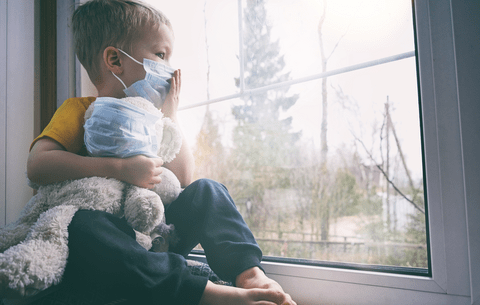
One of the worst effected during this ‘new normal’ times are the children. They are not able to go out and play, not able to interact with their friends and teachers, not able to enjoy outdoor meals.As they used to before covid.

Now, their eyes are getting strained due to online class, they are becoming insocial, have become a night own. They have actually lost their whole routine. They have lost their speaking skills, have became addictive to social media. They have ultimately started losing the main essence of their childhood.

This is a really important issue, it should be treated with at most seriousness, as they number of children facing mental problems has increased drastically since, the out break of the covid.

It is the responsibility of the parents and teachers to observe their child’s behavior, if the are behavior has become rude or they are getting irritated or frustrated on small things or has stopped or reduced their interaction with you. Then it is certainly a matter of concern.

Ultimately this article is not to scare you, but to bring out the genuine problems of the children in this difficult time.

The Covid-19 Survivor

                                                               (Photo: Shutterstock)

They have been to the edge and back. Some survived, some died, and some struggled with isolation. This Covid-19 has messed up with everyone’s mind. The best thing that you can do is don’t let it take over your mind because if your mind gives up, then your body will give up too.

This story is of a guy named Danish Akhtar, 24 years old, from a district named Koderma in Jharkhand, who tested covid positive a month back. He never ever dreamt of getting covid positive. It was like a nightmare for him. He used to cough so much that his throat and chest would literally burn. He got the virus from his friend who in turn tested positive. His friend got infected from his father who condition was very critical. With so much things happening around, Danish was too shocked. His mental state has also deteriorated. A cool and fun- loving guy like him would be in such a state, this itself was shocking for his family and friends. Having reported chronic cough and fever, he was taken to the local -government hospital and was there for 14 days. He was only let out once he tested negative for the virus. His friends and family supported him a lot. Initially, he was blank but his inner will help him a lot to recover. “And yet I would turn away”, says Danish.

After he got back from hospital, the destiny had something else in store for him. The very next day his father started having symptoms of the virus (fever, body ache, loss of smell, etc.). Danish started blaming himself for his father’s condition. The guilt was clearly visible in his eyes. But he didn’t give up. He used to stay awake and took great care of his father. Days passed, taking care and praying to Allah for his father’s recovery. At last, after 14 days, he took his father to the hospital for the covid test and to everyone’s happiness, he tested negative. Danish was exhausted, delirious, ecstatic, sleepless but also grateful to Allah.

Now all Danish wants to do is put the whole ordeal behind him as just one bad dream. His advice to those currently infected is, “Be prepared for a tough battle. Don’t let covid mess up with your mind. No matter what, don’t give up.”

Woh Din

When you are wasting another important year of your life but this time it’s isn’t your fault.

Now it’s been more than a year, the students haven’t seen the colleges and schools, even some of the students are now gonna start their second year in colleges but still they don’t even know how their college campus look like. It is the most hurtful thing that we are spending our most beautiful years of life like this, infront of the laptop and smartphone screens. When the lockdown started I was studying in first year and now I’m third year engineering student, I still don’t know how my classroom, classmates and faculty members look like in real life.

The “Woh Din” which were supposed to filled with joy, happiness, fun with friends and lots of travel are ending with “ Am I audible? Yes sir”. In this lockdown many students suffered and some are still suffering from stress, anxiety and demotivation, besides some are just enjoying it like holidays. Lockdown and the online mode education is pretty nice, just enjoy your time with family, learn new things and many more, until then, the thoughts of future knocks at the door.

While the students are struggling to learn through online mode, the teachers and the colleges are mostly focusing on how they can complete the syllabus as early as possible, teachers are also want to help the students and they are doing their best from their side but everything have some advantages and disadvantages like this, online education also have it’s own disadvantages and advantages.

First we thought that the world is testing our patience but, even the nicest person has it’s limit and now we all have had enough of this, we are too young to dealing with all this but we haven’t given up, but now we really want our college life back, those cafeteria talks, waiting for your friends in parking lot, computer lab fun, bunking class and hanging out with your friends, campus rides and many more.

Now we all are going to complete 2 years, while fighting against this covid19 situation and online mode, in this period we all have experienced a lot of good and bad things like, the time we spent with our family. Similarly, we all struggled with lack of oxygen cylinders, hospital beds and most important is FOOD and after all this time we want is to end this “ Mask-World ”. Hope it will really end very soon and we all will get our old life back with No-Mask and the colleges will start soon, hope the world will come to it’s oldself very soon. But until then please give mental support to them who are suffering from depression and those who are tested covid positive.

And last but not the least please stay home and don’t worry this time also will pass very soon.

Take care.


Role of IBC in the credit sector


                                                                (Photo: SignalX)
As per the Reserve Bank of India (RBI), India’s banking sector is sufficiently capitalized and well – regulated. Credit, market and liquidity risk studies suggest that Indian banks are generally resilient and have withstood the global downturn well. The Indian economy is a mixed economy. It is known to be the world’s sixth largest in terms of nominal GDP. The legal environment plays a vital role in the economic development of a country.

After GST, IBC is the second most crucial reform in the legal setting of India. It was implemented through an act of Parliament. The law was necessitated due to huge pile up of non-performing loans of banks and delay in debt resolution. Insolvency resolution in India took 4.3 years on an average against other countries such as U.K (1 year) and U.S.A (1.5 years), which is sought to be reduced besides facilitating the resolution of big-ticket loan accounts. Two years on the IBC has succeeded in a large measure in preventing corporates from defaulting on their loans. The IBC process has changed the debtor-creditor relationship. A number of major cases have been resolved in two years, while some others are in advanced stages of resolution. 

With a strict 180+90 days ‘resolve-or-liquidate’ diktat, the Code has received commendation, not only from the Indian Industry, but from the global fraternity, including The World Bank and IMF, and has materially contributed to India’s 30 place jump in 2018’s Ease of Doing Business ranking. IBC truly enforces the concept of ‘creditor in control’ instead of ‘debtor in possession’, and maximize value recovery potential corporate debtors.  “Capitalism without Bankruptcy is like Catholicism without Hell,” said Frank Borman, renowned astronaut and erstwhile chairman of a failed US airline. As such, the institutions established by the state should promote freedom to start a business (entry), to run the business (level playing field) and to exit/discontinue the business. The reforms of the 1990s focused on freedom of entry (dismantling the license-quota raj) and then, from the beginning of this century, the focus shifted to freedom of continuing business. The third leg, which is freedom to exit, has now been provided in the shape of the IBC, to provide a mechanism to stressed businesses to resolve insolvency in an orderly manner.

The IBC seeks to consolidate scattered and unstructured jurisprudence on insolvency prevalent in various Acts, like the Presidency Towns Insolvency Act, 1909, Sick Industrial Companies Act, 1985, Limited Liability Partnership Act, 2008, Companies Act, 2013, etc. On the positive side, we have witnessed that debtors were reconciling with the ‘creditor in control’ scenario, with the committee of creditors (CoC) becoming all- powerful in the resolution process.

It was the first time that the government and Reserve Bank of India were on the same page for effective resolution of the problem of bad debt and improving overall financial discipline in the way business is conducted in India. As Nelson Mandela said, “I never lose; I either win or I learn.” The jury is still out on the IBC even though the World Bank has acknowledged the efforts.

WHAT IS INSOLVENCY AND BANKRUPTCY CODE, 2016?

“In One line we can say that in case of a default by the equity owners to meet their debt obligations, control is transferred to the creditors and equity owners take a back seat.”

The insolvency and Bankruptcy code, 2016 (IBC) is the bankruptcy law in India and whose aim is to consolidate the existing framework by creating a single law for insolvency and bankruptcy and amend the laws relating to the entities in India with the time being enforce. The consolidation of laws in India is not a new concept like GST was framed by consolidating 17 laws into one. This code was introduced in Lok Sabha in December 2015. It was passes by Lok Sabha on 5 May 2016. 

The purpose of this act can be divided into the following two goals:

 1. Making sure that the insolvency proceedings can be completed within a minimum amount of time.

 2. Making sure that the financial risks to the foreign investors is decreased.
Its primary goal was to consolidate insolvency resolution process for LLPs. Companies, individuals and partnerships.
 That being said, the purposes of these codes, being a part of The Companies (Amendment) Act 2017, are the following:

 1.  Establishing and amending the laws associated with reorganizing and resolving the insolvency of entities like partnership firms, individuals and corporate persons.

 2.  Providing resolution in a time bound manner.

3.  Promoting entrepreneurship in India.

4.  Maximizing the availability of credit in the Indian market.

5.  Establishing Insolvency and Bankruptcy Board in India.

The four pillars of supporting institutional infrastructure, to make the Insolvency and Bankruptcy Process work efficiently are:

  1. The regulator – The Insolvency and Bankruptcy Board of India (IBBI)
  2. Adjudicating Authority (AA):
    1. National Company Law Tribunal (NCLT) – For Corporate, i.e., Companies and Limited Liability Partnerships
    2. National Company Law Appellate Tribunal (NCLAT) will act as Appellate Authority.
    3. Debt Recovery Tribunal (DRT) – For Individuals and Unlimited Partnership Firms
  3. A private industry of Insolvency Professionals (IPs) with oversight by private Insolvency Professional Agencies (IPAs)
  4. A private industry of Information Utilities (Ius)

THE ROUTE TO THE IBC

The main objective of the act is to consolidate and amend the laws relating to reorganization and insolvency resolution of corporate persons, partnership firms and individuals in a time bound manner for maximization of value of assets of such persons, to promote entrepreneurship, availability of credit and balance the interests of all the stakeholders including alteration in the order of priority of payment of Government dues and to establish an Insolvency and Bankruptcy Board of India, and for matters connected therewith or incidental thereto.

IBC provides for a time-bound process to resolve insolvency. When a default in repayment occurs, creditors gain control over debtor’s assets and must make decisions to resolve insolvency. When a default in repayment occurs, creditors gain control over debtor’s assets and must make decisions to resolve insolvency. Under IBC, debtor and creditor both can start ‘recovery’proceedings against each other.


It is a comprehensive Code enacted as the Preamble states, to

“consolidate and amend the laws relating to reorganization and insolvency resolution of corporate persons, partnership firms and individuals in a time bound manner for maximization of value of assets of such persons, to promote entrepreneurship, availability of credit and balance the interests of all the stakeholders including alteration in the order of priority of payment of Government dues and to establish an Insolvency and Bankruptcy Board of India, and for matters connected therewith or incidental thereto”.

The Preamble clearly states that the legislative intent to incorporate this code is

Firstly, to remove the ambiguity that had been prevailing in the previous legislations;

Secondly, to prevent unnecessary delays and to ensure fast dismissal of matters, i.e., within 180 days;

Thirdly, to prevent loss to corporate creditors due to depreciation of assets of the insolvent company;

Fourthly, to establish a balance among the interests of the various stakeholders, and

Lastly, to create a common forum to deal with such matters.

IMPACT OF IBC

The Covid-19 pandemic has been driving corporate failures around the world, including in India. The global financial news reveals an increase in bankruptcies due to the Covid-19 induced global lockdowns. While the bankruptcies are unfortunate, a recognition of the bankruptcies facing companies in the face of the collapse and an efficient resolution of such bankruptcies (which will allow both the companies and creditors involved to move along) is vital to rejuvenating the economy.

 In the light of the Covid-19 pandemic and business failures globally, it is important that financially distressed companies can still access the credit market thanks to a strong bankruptcy system and survive under stressed scenarios. Using a panel of 33,845 non-financial firms for the period of 2008-19 and by exploiting a difference-in-differences analysis, a study has been undertaken revealing the impact of the IBC policy on the availability of long- and short-term financing for, and the cost of, credit of distressed firms as compared to their non-distressed counterparts. As in most emerging markets, India’s debt market is dominated by state-owned banks and the domestic credit to private sector by banks (percentage of GDP) is 50 per cent in 2019 compared to a world average of 90.5 per cent (Source: World Development Indicators). Recent statistics from World Bank’s Doing Business Data show the creditor rights index in India improving from 6 in 2014 to 9 in 2019 compared to the world average of 5.67 in 2019.

Bose et al. (2021) study shows that after the introduction of the IBC reform, the access to long-term debt increased by 6.3 per cent, short-term debt increased by 1.4 per cent, while the cost of borrowing declined for distressed firms. This is the first study that provides evidence on the impact of the IBC policy on the “credit channels” of distressed firms. The enactment of the code has helped to enforce discipline in the country’s credit culture. IBC has created a credit culture that discourages defaults. There has been a change in the business culture as well: there is now an understanding that when things go wrong, companies will not get an automatic rescue package from the taxpayer funds. The objective of IBC was to create conditions so that credit could be generated from the domestic market and investments drawn from the international market. In order to achieve those objectives, it was necessary to create a culture of deterrence against default. The practice of dragging lenders to court to delay the repayments of outstanding loans is slowly coming to an end. India’s Insolvency and Bankruptcy Code is ensuring that lenders get repaid on time and this is making India a more attractive investment destination.

IBC has played a great role in macroeconomic objectives providing India a strong stand in the global platform. After the enactment of the code, the FDI has substantially increased. In 2012-13, the FDI of India was 34298 US$ Million and just after enactment of the code it rose to 61463 US$ Million in 2017-18 which is growing by approximately 80%. There has been an increase in Mergers and Acquisitions activity in the country. It also led to the establishment of Information Utilities (IUs) which further accelerated the development of the credit market of India.

In previous, no law prevented the operational creditors but under the code, there is a provision that the operational creditors (domestic as well as international) have right to file suit against the default. Thus, the code provides right to the foreign creditors which will enhance the economic transactions of India and others.

 MEASURES TAKEN DUE TO COVID

The global COVID-19 pandemic and its consequential lockdown are having an economic ripple effect on the business of Indian citizens. To mitigate its impact, in the last tranche of economic reforms, the Central Government made numerous changes upon the Insolvency and Bankruptcy Code, 2016 (“IBC”), and its adjudicatory processes, which will have wide-ranging ramifications. In exercise of its powers under Section 4 of the IBC, the Central Government has raised the threshold for invoking insolvency to Rs 1 crore from the existing Rs 1 lakh. This provision will relegate MSMEs to civil remedies for debt recovery and may have an effect of excluding it under the IBC. At this cost, the amendment may have successfully addressed the issue of frivolous recovery claims initiated under the grab of insolvency processes due to the seemingly low original threshold of rupees one lakh.

The government has come up with IBC 2020 to streamline the CIRP, protect last-mile funding, and boost investment in financially distressed sectors. The changes put a threshold condition for initiating CIRP by the financial creditors, who are allottees under a real estate project. It also imports safeguards for successful bidders, the corporate debtors, and its assets from the offenses of the former promoters or management.

India took decades to implement such an effective insolvency regime and improve its global ranking of doing business. It promotes entrepreneurship and tries to balance the interest of the various stakeholders.

CONCLUSION

Resolving insolvency in a strict time bound manner is an important challenge for any country to maintain a healthy and robust economic system. This study has made an attempt to understand and analyze the impact of the IBC on the credit sector of the economy. The study emphasizes the fact that IBC is a big step in the direction of resolving the issues of Non-Performing Assets and hence will act to the rescue of banks which have been facing a lot of difficulties due to corporate defaults. The number of companies that have benefitted from this law is large, there has been improvement in the speed as well as the success rate of the resolution process.

There is still a long way to go ahead and as the saying goes,

“We have to acknowledge the progress we made, but understand that we still have a long way to go. That things are better, but still not good enough.”


Legal and policy challenges in space technology


                                                           (Photo: Outlook India)

History is agreed upon as an uninterrupted process in time and space.”

India before independence was very different from the India that we see today. Of course, it is common knowledge that pre 1947 India consisted of modern day, Pakistan and Bangladesh. The after-independence chase of India faced major developments and changes that we can see today. India has an impressive array of achievements in the development of space transport as well as aviation industry for various applications. From a humble beginning with a small RH 75 rocket in the sixties to the successful launch of PSLV-D2 with 804 kg IRS-P2 in October, 1994, the Indian space programme has made remarkable progress through a well-integrated, self-reliant programme. On the other hand, the civil aviation industry of India has emerged as one of the fastest growing industries in the country during the last three years. India has become the third largest domestic aviation market in the world and is expected to overtake UK to become the third largest air passenger market by 2024.

Every country’s success depends upon its government. The way it handles the whole economy largely affect its economic environment. In such a globalized environment, the governmental policies act as the key factor in determining its real success, be it in field of aviation, space technology or any other. The government however has reviewed its aviation policies from time to time and tried to make it friendlier however it lagged in certain jurisprudence. In the recent past, the outlook of the government of India has undergone substantial change. It has tried to adopt emerging trends and include different terminologies, ownership of private companies, more new projects, financing, hassle free management and its operations. The government has increased its investment in this sector. Moreover, it has tried to devise the privatization method to solve many problems attached to this sector. Privatization is needed for solving the problem of “distressed state syndrome”. The complete or partial privatization will give positive impact on efficiency, productivity and profitability. Trends of privatization is rising all around the world and it is important to analyze all consequences and specific results, which will be helpful to understand better difficulties and structural changes.

During the COVID time, there was a dramatic drop in demand for passenger air transport. This threatened the viability of many firms, putting many jobs at stake. While the aviation industry has often been a target of government policies, the COVID-19 crisis has precipitated a new suite of loans, loan guarantees, wage subsidies and equity injections, raising concerns about efficient use of public resources. The COVID-19 crisis has hit hard to the economy.

Although the aviation and space sector contribute a lot to the economy, however every coin has two sides. The other side of the story is that we have grown, but grown at the cost of our mother nature. The question that we need to dwell into is: “Do we belong to this earth or does this earth belong to us”. Commercial aviation is experiencing dramatic growth in various regions throughout the world but at the cost of what. It is leading to the pollution of the environment. Over the past 50 years global demand for air travel has risen by 9 per cent per annum. The environmental impact it has caused is very degrading. This has become a cause of concern.

INVESTMENT

According to the data released by Department for Promotion of Industry and Internal Trade (DPIIT), FDI inflow in India’s air transport sector (including air freight) reached US$ 2.79 billion between April 2000 and June 2020. The government has allowed 100% FDI under the automatic route in scheduled air transport service, regional air transport service and domestic scheduled passenger airline. However, FDI over 49% would require government approval.

India’s aviation industry is expected to witness Rs. 35,000 crore (US$ 4.99 billion) investment in the next four years. The Indian Government is planning to invest US$ 1.83 billion for development of airport infrastructure along with aviation navigation services by 2026.

Key investments and developments in India’s aviation industry includes:

  • In October 2020, Zurich Airport International signed the concession agreement for the development of Jewar Airport on the outskirts of Delhi. The agreement has granted Zurich Airport International the license to design, build and operate Noida International Airport (NIAL) for the next 40 years.
  • In October 2020, the Airports Authority of India (AAI) announced plan to upgrade runways at seven airports across the country by March 2022.
  • In January 2020, IndiGo became first Indian carrier to have an aircraft fleet size of 250 planes and became the first airline to operate 1,500 flights per day.
  • In December 2019, AAI announced its plans to set up India’s first three water aerodromes in Andaman & Nicobar.
  • As of December 2019, France-based Safran Group planned an investment of US$ 150 million in a new aircraft engine maintenance, repair and overhaul (MRO) unit in India to cater to its airline customers.
  • AAI plans to invest Rs. 25,000crore (US$ 3.58 billion) in next the five years to augment facilities and infrastructure at air transport.

THE NEED FOR SPACE LEGISLATION

What we can sketch out is that there’s a greater need for space legislation. With no legal obligation, the dream of ‘DIGITAL INDIA’ can’t be achieved. A robust legal regime would instill investor confidence, attract FDI and new technologies, reduce administrative and regulatory uncertainties, provide clarity on stamp duty, registration requirements, insurance, transfer of property, contractual obligation, space debris liability and intellectual property rights concerning space-related issues, and flourish space entrepreneurship by providing a level playing field to the private entities. 

The policymakers need to resolve the following issues in virtue of requisite space legislation:

·       Single Independent Regulator – In contradiction to the present multiple ministries, agencies and departments, namely, the Ministry of Home Affairs, the Department of Space, the satellite divisions of Department of Telecom, the Department of Telecommunications, the Telecom Engineering Centre, the Network Operation and Control Centre, the Ministry of Defense, and the Ministry of Defense, a single independent regulator is required to perform regulatory processes including the issuance of a place in orbit to launch a satellite and/or rocket, mandatory licenses to launch it, spectrum to communicate with it, and clearance for the technology and/or space equipment to be used. 

·       Space debris – Space debris or space junk encompasses both man-made and natural (meteoroid) particles that enhance the probability of disastrous collision that may cause damage to space vehicles. Although there is no specific international treaty or convention dealing with the imposition of liability, some long-standing guidelines were issued by NASA, on ‘how to deal with space debris’ which were later adopted by the UN General Assembly and COPUOS. However, well-defined provisions on liability of the launching state need to be formulated to reduce the persisting or potential conflicts among countries.

·       Security measures – With the rising threats to national peace and security by potential space and cyber warfare possibilities, countries need to invest adequately in adopting cyber and military security measures. Rules and regulations on lines with the Data protection laws need to be formulated to ensure that adequate cyber security measures are in place.

·       Granting of license – The process for granting a license is yet to be developed, but section 5 of the Bill envisages that there will be eligibility criteria, and a fee to pay, without giving any detail or indication as to what those criteria or fees might be. In particular, it sets out the obligation to provide a financial guarantee or insurance, which essentially addresses the broader liability question and the principles of liability that flow under the international space regime.

·        Intellectual property rights- Section 25 of the Bill states, Any invention, or other form of intellectual property rights, developed, generated or created during the course of any space activity shall be protected by any law for the time being in force, with the primary objective of safe guarding national security. such a provision might deter the potential participation of the private sector in the Indian space industry and thus needs to be looked into by the policymakers to enable innovation in the space industry.    

CONCLUSION

“Without your involvement you can’t succeed. With your involvement you can’t fail.”

Well said by APJ Abdul Kalam.India’s aviation and space transport are largely untapped with huge growth opportunities. It’s the need of the hour to grab these opportunities and the government should deeply involve in this process by making key changes in its policy and legal framework. A single policy should be adopted. In aviation industry, a lot of digital transformation is required. A big vision and strategy are needed to get through stormy waters. Cost pressure should be taken into account. New technology should be adopted. With the increase in competition and entry of private players, only the companies who do best will be able to survive. On the other hand, in space industry, policy changes are needed to make the space sector more accessible to private players. There’s a need of single space legislation. Changes are needed in New Space India Limited (NSIL). Last year, the finance minister announced the opening up of the ISRO’s facilities to the country’s private sector as part of its COVID-19 special economic stimulus. This was an early but a commendable step. Many a thing have changed since COVID.

As it is said, “Every cloud has a silver lining.” We should also hope for the best. It is at these times when the government was able to realize its incapability and failure and hopefully it has started considering legal and policy aspect that needs deeper consideration


Covid-19 : a travel and tourism wrecker

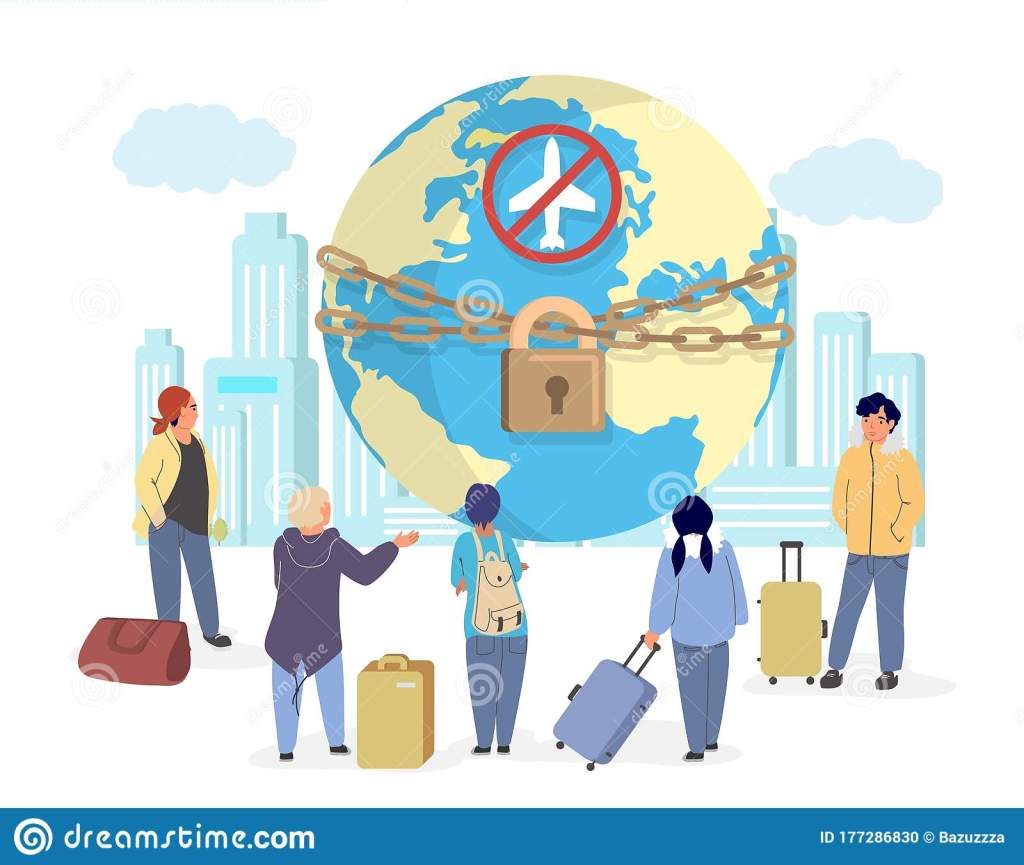
In the past decades, tourism has experienced continued growth and became one of the fastest growing economic sectors globally. The sector witnessed a 59% growth over the decade in international tourists’ arrivals from 1.5 billion 2019 compared to 880 million in 2009. Globally, the industry contributed to $8.9 trillion to the global GDP in 2019 equaling a contribution of 10.3%. However, the strong growth has been halted in 2020 amid the Covid-19 pandemic. With airplanes on the ground, hotels closed and travel restrictions implemented, travel and tourism became one of the most affected sectors since the very start of the virus spread. The pandemic has cut international tourist arrivals in the first quarter of 2020 to a fraction of what they were a year ago.

Closing borders, tourism & travel ban

Countries all over the world applied travel restrictions to limit the coronavirus spread. Airport closures, the suspension of flights, and nationwide lockdowns are just some of the measures that countries are implementing in an effort to contain the pandemic. After the spread of the pandemic in the first two quarters of 2020, at least 93% of the global population lived in countries with coronavirus-related travel restrictions, with approximately 3 billion people residing in countries enforcing complete border closures to foreigners.

The decline of International Tourists during the Pandemic

The number of international tourist arrivals has been growing remarkably in the last decade and still sustained growth throughout the last years; in 2017 arrivals reached a total of 1.3 billion globally, 2018 reaching 1.4 billion and 1.5 billion in 2019. In 2020, due to the severe impact of the COVID-19 Pandemic, international tourism went down by 65% in the first half of 2020 when compared with 2019 figures.In May 2020, the majority of the UNWTO (World Tourism Organization) tourism experts expect to see signs of recovery by the final quarter of 2020 but mostly in 2021.

Covid-19 and Airline Failures

The International Air Transport Association (IATA) financial outlook released in June showed that airlines globally are expected to lose $84.3 billion in the year of 2020 for a net profit margin of -20.1%. It also stated that revenues will fall by 50% to $419 billion from $838 billion in 2019. In 2021, losses are expected to be cut to $15.8 billion as revenues rise to $598 billion. IATA’s Director General and CEO, stated that “Financially, 2020 will go down as the worst year in the history of aviation. On average, every day of this year will add $230 million to industry losses. In total that’s a loss of $84.3 billion”. What’s shocking is witnessing how many airlines have failed during the coronavirus pandemic. And even for airlines that are still in business, the situation is severely difficult. The second-largest carrier in South America, Avianca Holdings survived the Great Depression – but not coronavirus. The airline filed for Chapter 11 bankruptcy protection in May.

Hospitality Sector Hit by the Lockdown

The lockdown due to the pandemic has affected the tourism industry across the globe, and the hotel sector is among the hardest hit. Global hospitality data company STR compared 2020’s first quarter status to 2019 figures, hotel occupancy rates dropped as much as 96% in Italy, 68% in China, 67% in UK, 59% in US. There’s no doubt that the hotel industry has witnessed a severe impact by the pandemic and the lockdown status.

Balancing the Return of Tourism Revenues and Safety

As of July 2020, the EU opened borders to tourists from 15 different countries leaving the U.S. off the list. Health officials developed a plan to classify accepted countries based on how the country is performing in controlling the coronavirus. A country is considered under control when they have a number close to or below the EU average for new coronavirus cases over the last 14 days and per 100,000 inhabitants. On 15 June, the European Commission launched ‘Re-open EU’, a web platform that contains essential information allowing a safe relaunch of free movement and tourism across Europe. The platform will provide real-time information on borders, available means of transport, travel restrictions, public health, and safety measures.

The Return of Tourism Globally

With lockdowns ending around the world, many countries have started to ease border restrictions and reopen for international tourists. Although many governments are still advising against “nonessential” international travel, a host of popular destinations have eased their Covid-19 border restrictions and are readily welcoming tourists back:

– The European Commission has released guidelines for how its Member States can start to ease coronavirus travel restrictions and enable tourism to begin again

– Destinations like Dubai, the Maldives, Egypt, Lebanon, Croatia, Kenya, Tanzania and Jamaica have already opened their doors to foreign visitors again, while Thailand hope to reopen soon

While tourism is slowly returning in some destinations, most members of the UNWTO Panel of Tourism Experts expect international tourism to recover only by the second half of 2021, followed by those who expect a rebound in the first part of next year.

However, there are still concerns over the lack of reliable information and deteriorating economic environment which are indicated as factors weighing on consumer confidence, especially with the potential new limits on travel as world comes to grips with second Covid-19 wave. The concerns over the waves of coronavirus brought on by returning vacationers are wreaking havoc on the world’s tourism industry.

Alpha through Kappa: Why COVID is unlikely to subside soon.

2020 January – the whole world was scared by the idea of a new virus overtaking all of humanity. There were lockdowns followed by a host of other measures – some very severe, some probably less by governments all over the world. The idea that most doctors and scientists presented was isolation, quarantine and social distancing.

A survey conducted by researchers in England and published by Springer suggests that about 93% participants did not adhere to the covid protocols strictly and 47% of them did so intentionally. The research also statistically established a strong correlation between non-adherence to the COVID guidelines and vulnerability to COVID-19 itself.

Now, COVID is a disease that has no known cure except for a host of vaccines that were prepared in a great show of human endeavour. However, the vaccines were created keeping in mind the initial variants of COVID-19. The world and the governments all over were scared of the simple numbers of May 2020, which are simple given the numbers the world is facing today. The increase in numbers is however not in the same geographic location as the previous spikes, but the unfortunate thing is that it took place in larger population groups, in groups where social and economic security is not guaranteed effectively or at all by the government to all people and in groups where non-adherence to even simpler rules is more common than the previously infected groups. India, Brazil and the US – all three fall under this category. While some may argue various reasons for breaching the covid norms in their respective country or might even blame the governments for the failure, which it must be, but the fact remains that the consequences include a higher infectivity and hence increased death rates. But is that all? Well, no.

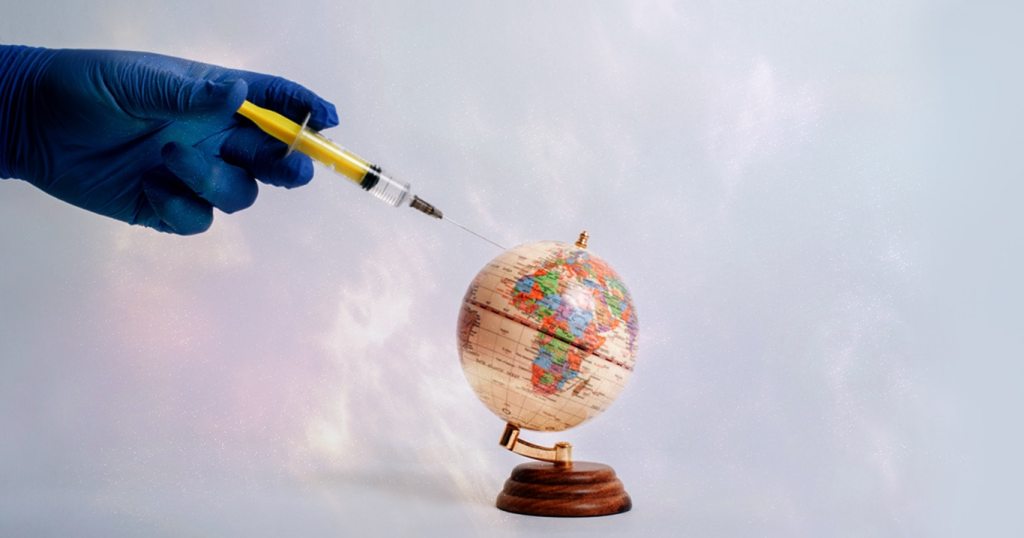
Scientist claim that an infectious virus is suppressed when the herd immunity thresh-hold is reached. The best number to reach is 80% of the population. However, in cases of Israel, the government reopened the country after 58% population was inoculated. If the herd immunity is not achieved, the virus gets enough time to mutate and as covid has quite effectively proven, these mutations are not always good. This means that the slow pace of vaccination in countries like India (I say slow given the huge population the country has), Brazil and even slower and probably negligible rates in the poorest nations gives the virus a strong and assured method to mutate and evolve. Most pharma giants and as many countries like Germany too have shown a greater interest in trading the vaccines commercially rather than quickly addressing the possibility of a stronger covid wave every time the poorest nations are denied vaccines. The richer countries indeed need to save their revenue. But a middle ground must be found otherwise the savings of revenue and the vision of a strong pharma market might lead to a civil breakdown like the one towards which protests in Brazil had pointed towards.

More variants are appearing, more people are being infected every day. The vaccinated nations of Israel, US and the UK are back to masks and social distancing. Is the COVID wave going anywhere? Well, probably no. And let us wait for the xhi or phi variant. And then maybe a greek god appears to take the virus away.

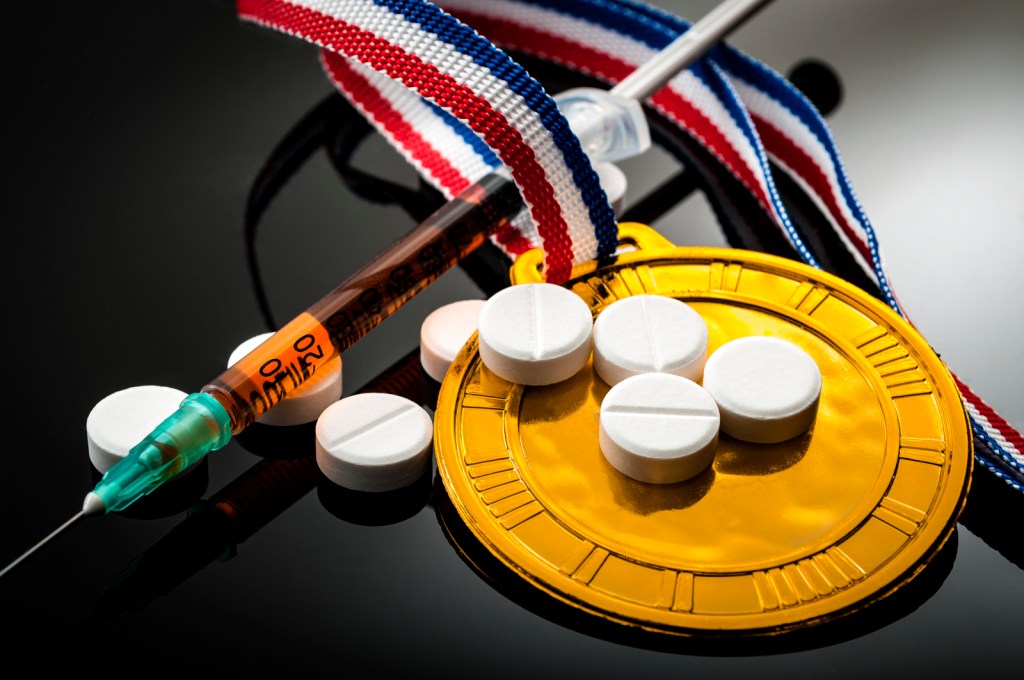
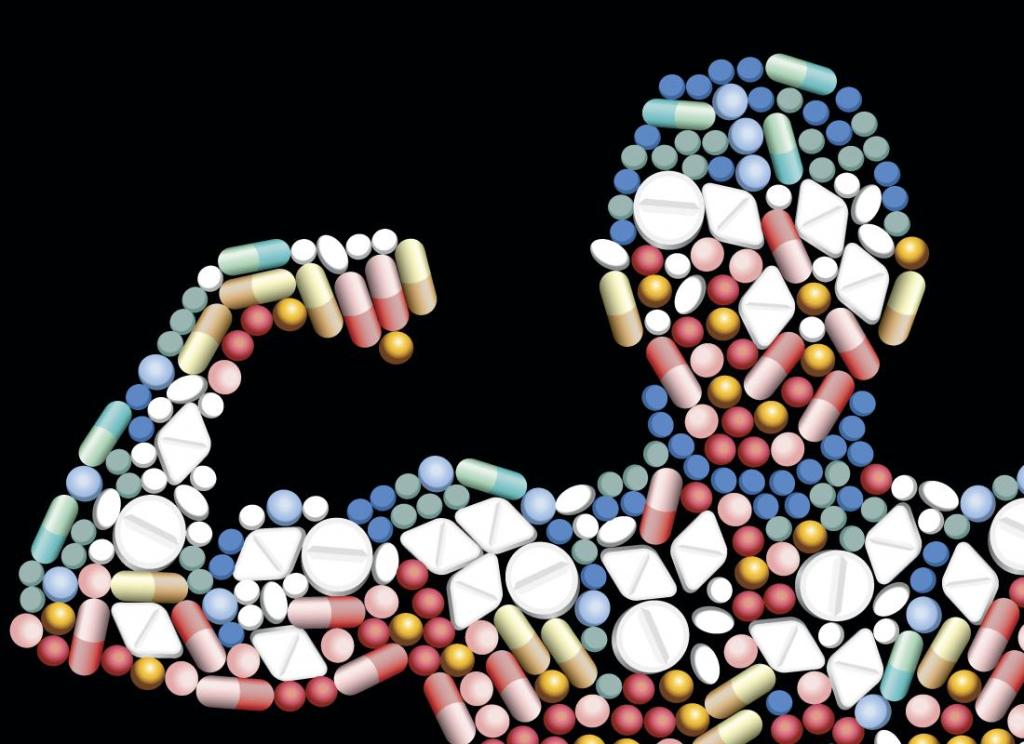
Doping – How is it Affecting Sports?

“Science has learned recently that contempt and indignation are addictive mental states. I mean physically and chemically addictive. Literally! People who are self-righteous a lot are apparently doping themselves rhythmically with auto-secreted surges of dopamine, endorphins and enkephalins. Didn’t you ever ask yourself why indignation feels so good?”

~ David Brin

Introduction

Doping in sport is a widespread problem not just among elite athletes, but even more so in recreational sports. In scientific literature, major emphasis is placed on doping detection, whereas detrimental effects of doping agents on athletes’ health are seldom discussed. Human growth hormone also increases muscle mass, although the majority of that is an increase in extracellular fluid and not the functional muscle mass.

The term doping is widely used by organizations that regulate sporting competitions. The use of drugs to enhance performance is considered unethical, and therefore prohibited, by most international sports organizations, including the International Olympic Committee.

History

According to the World Anti-Doping Agency (WADA), the term “doping” probably comes from the Dutch word “dop,” an alcoholic beverage made of grape skins that was used by Zulu warriors to make them stronger in battle.

Ancient Greek athletes used special diets and stimulating potions to improve performance, and 19th century endurance athletes indulged in strychnine, caffeine, cocaine and alcohol.

The American specialist in doping, Max M. Novich, wrote: “Trainers of the old school who supplied treatments which had cocaine as their base declared with assurance that a rider tired by a six-day race would get his second breath after absorbing these mixtures.”[8] John Hoberman, a professor at the University of Texas in Austin, Texas, said six-day races were “de facto experiments investigating the physiology of stress as well as the substances that might alleviate exhaustion.”

Effects of doping in sports

It builds muscle but causes abnormal growth, heart disease, diabetes, thyroid problems, hypertension, blood cancers and arthritis. Other adverse effects include joint pain, muscle weakness, visual disturbances, enlarged heart and diabetes.

Other side effects include:

  • Heart palpitations.Heart rhythm abnormalities.
  • Weight loss.
  • Tremors.
  • Mild high blood pressure (hypertension)
  • Hallucinations.
  • Stroke.
  • Heart attack and other circulatory problems.
  • Constipation.Skin rash or dermatitis.
  • Diarrhea.
  • Dizziness.
  • Drowsiness.
  • Dry mouth.
  • Headache.
  • Insomnia.

UFC ( Ultimate Fighting Championship ).

In December 2013, the UFC began a campaign to drug test their entire roster randomly all year-round. Random testing, however, became problematic for the promotion as it began to affect revenue, as fighters who had tested positive would need to be taken out of fights, which adversely affected fight cards, and therefore pay-per-view sales.

According to Steven Marrocco of MMAjunkie.com, about 31% of UFC fighters subjected to random testing since the program first started have failed due to using performance-enhancing drugs. That is approximately five failed tests for every sixteen random screenings.

From July 2015, the UFC has advocated to all commissions that every fighter be tested in competition for every card. Lorenzo Feritta, who at the time was one of the presidents of the UFC, said, “We want 100 percent of the fighters tested the night they compete”. Also, in addition to the drug testing protocols in place for competitors on fight night, the UFC conducts additional testing for main event fighters or any fighters that are due to compete in championship matches.

Link

Prevent covid from impactig your credit score

 – Since the beginning of March, COVID-19 has turned millions of Americans’ financial situations upside down.

While the economy is showing signs of recovery, many Americans are still unemployed and having to dip into their savings to cover basic living costs. To that end, the question remains: How do you protect your credit score? Read on for some tips.

• Contact your lender aas soon as possible if you can’t make a payment. On-time payments are the largest factor affecting your credit score. Many lenders continue to offer emergency support such as deferral or forbearance options that may allow you to reduce or suspend payments for a fixed period. However, if those terms are set to expire soon, you should “call your lender to discuss what options are available,” says Rod Griffin, senior director of consumer education and advocacy for the credit reporting agency Experian.

• Look for ways to boost your credit score. If you have limited credit history, building credit can be challenging. Experian’s free tool, Experian Boost, can help raise your FICO score instantly by giving you credit for on-time utility, phone and streaming service payments.

This type of alternative financial data, known as “consumer-permissioned data,” allows you to manage your data with confidence and qualify for better credit. In fact, two out of three Experian Boost users see an increase in their credit score with an average increase of about 12 points. That’s enough to make a significant difference when applying for a loan or any type of credit.

• Consider getting a balance transfer credit card or one with an introductory offer. Handled responsibly, this actually has the potential to increase your credit score while either buying you time to pay off your debts or getting a “welcome bonus” of perhaps hundreds of dollars. If you’re looking for personalized credit card options, tools like Experian CreditMatch can help you get the right card based on your financial profile.

• Pay attention to your utilization ratio. Your credit score is based on your total balance-to-limit ratio (a.k.a. “utilization rate”). Adding a new credit card increases your total available credit. As long as your total credit balance remains the same, you’d be decreasing your utilization rate, which can potentially boost your credit score. Be sure to transfer balances to the card with lower interest and be mindful of temporary low interest rates.

While any balance can cause scores to decline, you should keep your utilization under 30 percent, both overall and on individual accounts. Shooting for a top credit score? “Keep your utilization in the single digits, or even better, pay your credit card balances in full each month,” says Griffin.

• Fight fraud by checking your credit report regularly.According to the Federal Trade Commission., there’s been a huge jump in attempted credit – and debit-card fraud since the pandemic hit; consumers have lost more than $100 million to COVID-19-related fraud

Bioterrorism

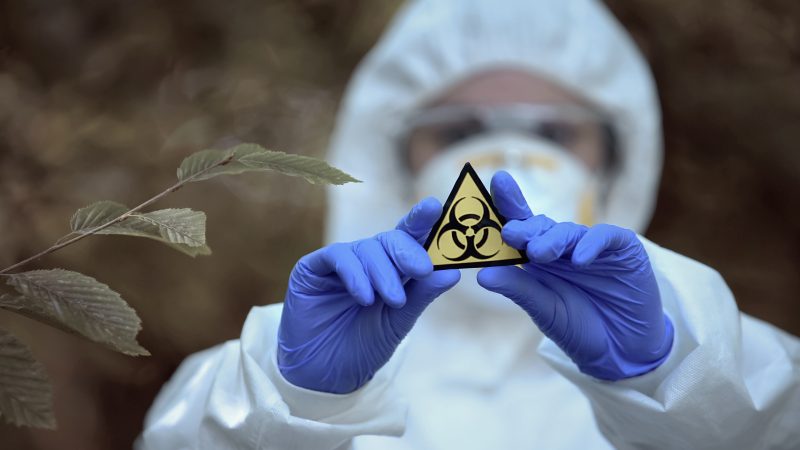
From the past two decades , it is stated that the threat of biological warfare is not a myth but a harsh reality of the world . Due to the outbreak , we can recognise the high risk and consequences of bioterrorism.

This editorial provides you the overview of bioterrorism , it’s symptoms , causes , measures and impact on humans in present scenario .

Introduction

A bioterrorism attack is the deliberate release of viruses, bacteria, or other germs to cause illness or death. These germs are often found in nature. But they can sometimes be made more harmful by increasing their ability to cause disease, spread, or resist medical treatment.

Biological agents spread through the air, water, or in food. Some can also spread from person to person. They can be very hard to detect. They don’t cause illness for several hours or days. Scientists worry that anthrax, botulism, Ebola and other hemorrhagic fever viruses, plague, or smallpox could be used as biological agents.

Despite patchy intelligence, France started its own biological weapons programme in the early 1920s. It was headed by Auguste Trillat, an inventive German-educated chemist who envisioned and tested the sustained virulence of airborne pathogens.

The goal of bioterrorism is usually to create fear and/or intimidate governments or societies for the purpose of gaining political, religious, or ideological goals. Bioterrorism may have a different effect on societies than would weapons such as explosives.

Symptoms

The symptoms of exposure to a biological agent might include sore throat, fever, double or blurred vision, rash or skin blisters, exhaustion, difficulty talking, confusion, descending muscle weakness, nausea, abdominal pain, vomiting, diarrhea, and coughing.

History

Historically, biological weapons have been a threat to humans for many centuries. At those times, very crude methods such as fecal matter, animal carcasses, etc. were used to contaminate water sources, but now the concentrated forms of biological agents such as dried spores and genetically modified organisms are available, which are fatal even in minute quantity.

During the Indo-Pakistan war of 1965, a scrub typhus outbreak in north-eastern India came under suspicion. India’s defense and intelligence outfits were alert to the outbreak of pneumonic plague – well known in biological warfare – in Surat and Bubonic plague in Beed in 1994, which caused several deaths and sizeable economic loss.

Prevention

There are some points that you need to consider during the outbreak :

  • If you become aware of a suspicious substance, quickly get away.
  • Cover your mouth and nose with layers of fabric that can filter the air but still allow breathing. Examples include two to three layers of cotton such as a t-shirt, handkerchief or towel.
  • Depending on the situation, wear a face mask to reduce inhaling or spreading germs.
  • If you have been exposed to a biological agent, remove and bag your clothes and personal items.
  • Follow official instructions for disposal of contaminated items.
  • Wash yourself with soap and water and put on clean clothes.
  • Contact authorities and seek medical assistance. You may be advised to stay away from others or even to quarantine.
  • If your symptoms match those described and you are in the group considered at risk, immediately seek emergency medical attention.
  • Follow the instructions of doctors and other public health officials.
    Avoid crowds.
  • Wash your hands with soap and water frequently.
  • Do not share food or utensils.

Link

REVENGE TRAVEL and an INEVITABLE THIRD WAVE

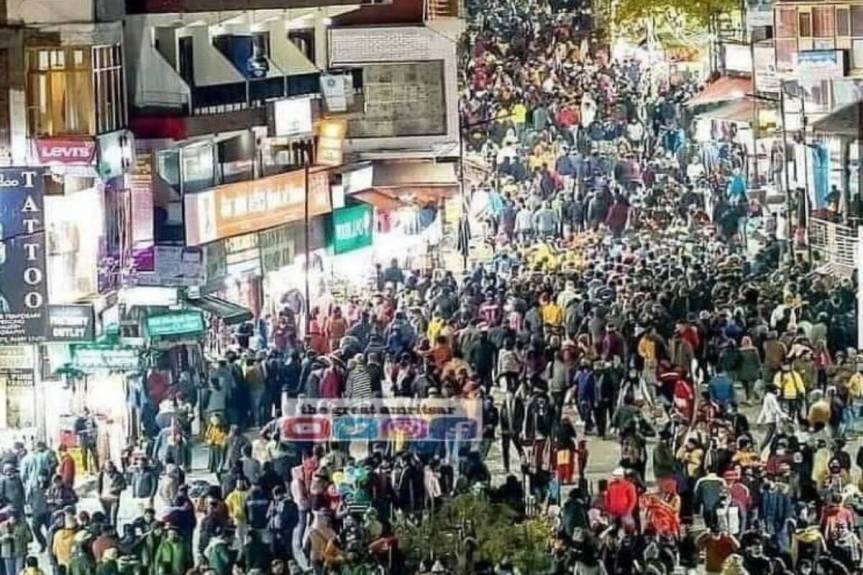
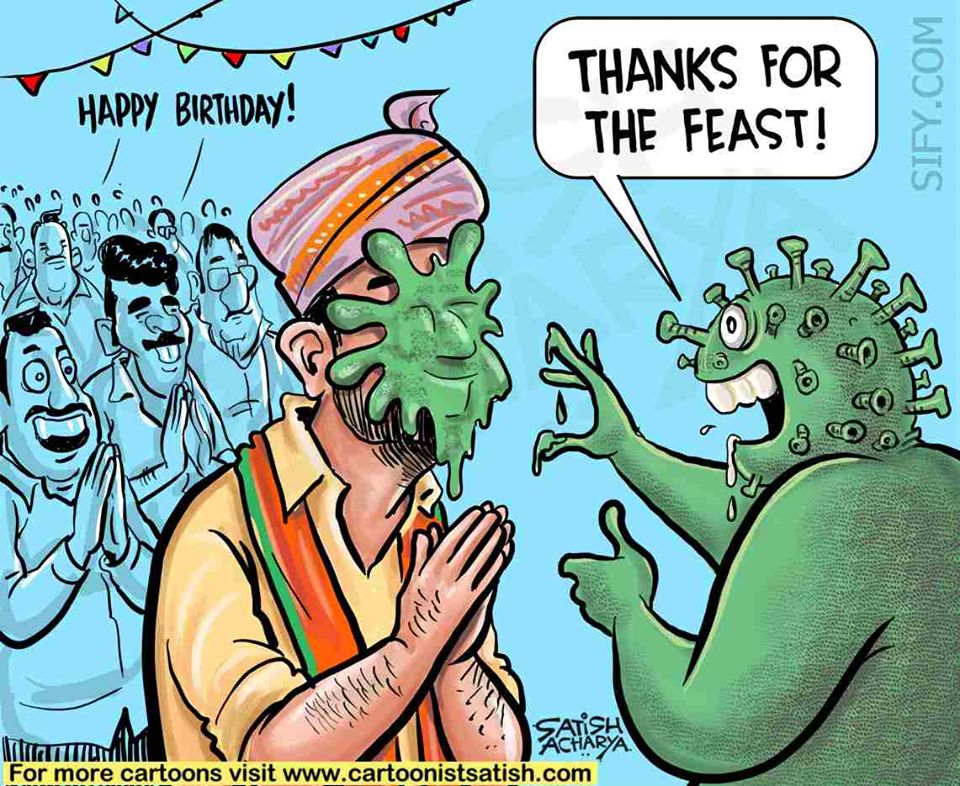
It wasn’t a few weeks back that there was a massive outcry among general public, demanding hospital beds, oxygen cylinders, remdesivir and what not; and now the hot topic has turned into lack of hotel rooms. Indian government was ultimately the scapegoat at the hands of citizens who needed to channelise their vulnerability, fair enough. As the second wave was terminating, owing to the endurance and earnest work of the government, an abominable mass of citizens rush to “celebrate” this conquest by vacationing in Manali, paving way for the third wave of Covid.

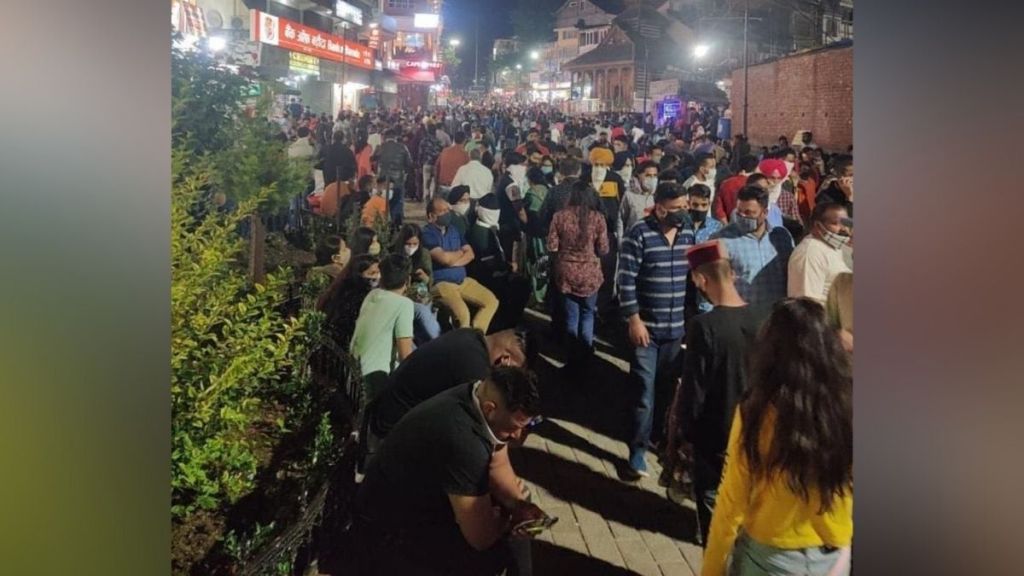
Crowded Manali

Not only Manali, crowds can be seen flooding the streets of other hill stations as well; Shimla, Mussourie, Nanital etc. There is a term for this phenomenon, which accurately captures the true sentiments- ‘REVENGE TRAVEL’. This term signifies the anguish of people who had to follow the lockdown rules and stay at home during the pandemic and that too for their own safety, but now are rushing to travel like animals let loose.

Someone said it right, education is no substitute for intelligence as is proven by the abhorrent crowd risking thousands of innocent lives along with theirs. A 5 year old boy who didn’t even has shoes for his feet was seen roaming on the streets of Dharmshala, schooling adults to wear masks, while the tourists shamelessly ignored his plea. This is a clear dichotomy of how wealth and education never ensure a sound and reasonable mind.

When the third wave strikes, the same mass would shamelessly play blame game and accuse government for the current situation. Based on the statistics, health ministry has warned the citizens to be prepared not only for the third wave, but the fourth one as well. If people are ignorant enough to forget the consequences and death toll from second wave, another pandemic is just inevitable.

IS VACCINE DISCRIMINATION A BARRIER TO GLOBAL TRAVEL?

Who doesn’t love travelling? Travelling is all about collecting moments and exploring the world with comfort. Especially in the times of covid, where people are home bound, there is an eager need to travel and enjoy the freedom instead of staying at home because Beyond discovery, travel broadens our understanding of the planet, other species, and cultures, and assists us in becoming better global citizens. Apart from it, many people and students are home stuck who wanted to go abroad to pursue education and get back to their respective jobs in the other countries but are stuck due to pandemic. However, many countries have opened their doors for the Indian citizens to travel in their countries but the basic requirement to travel is vaccination.

 As well all know that in India Covaxin, produced in-house by Bharat Biotech in Hyderabad, and Covishield, manufactured by the Serum Institute of India in Pune, are presently being used in  coronavirus inoculation program. The WHO has approved the covishield but covaxin is yet to approve. So, there are the bunch of Indian citizens who are skeptical about the approval of covaxin and hence for now, they can’t travel abroad until and unless the vaccine is not approve by world health organization. Therefore, many people are of the opinion that the test should be the main basis to travel abroad and not the jabs. 

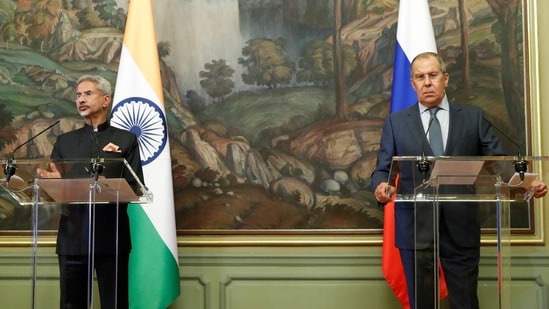
 Recently, S Jaishankar, the Union’s external affairs minister, said on Friday that international travel based on coronavirus (Covid-19) testing is “good enough,” despite the fact that some nations have made vaccination mandatory, and that a deal must be reached. He said after meeting with his Russian colleague, Sergey Lavrov, during a joint news conference that “People who are tested before foreign travel and tested on arrival is a good enough foundation for travel, but other countries have recently added the problem of vaccination,”

 India has previously demanded that each EU member state do so independently. Consider granting a similar exemption to those who have received Covid-19 vaccines in India, such as Covishield and Covaxin, and accepting the immunisation certificate obtained through the Cowin site. According to Jaishankar, he and Lavrov discussed how visitors from their respective nations are not “discriminated against” and how “understandings” about Indian and Russian travel to one other’s countries may be established. The continuing Covid-19 epidemic, according to the external affairs minister, has allowed Russia and India to display the strength of their collaboration, with the development of Sputnik vaccine being one of them. The Russian foreign minister also stated that both Russia and India are opposed to vaccine politicization, and that he is “sure” that the majority of nations would follow suit. 

Russia’s foreign minister, Sergei Lavrov, also stated that Russia is willing to discuss the possibility of coordinating their actions related to vaccinated citizens, including certification of those who have been vaccinated, and that they can reach an agreement in this area that will serve as an example to other countries.

A computer screen: the new classroom of the modern age?

The outbreak of COVID-19 affected all sections of society since the first case recorded in China in late 2019. People were asked to quarantine themselves in their homes to prevent the spread of this virus. Despite its negative effect on other sectors, the pandemic was a boon for a few viz online shopping sites and also a rapid increase was seen in e-learning as compared to the traditional classroom method of education.

Even before COVID-19, there was already a high growth and adoption in education technology, with investments in e-learning apps reaching a value of $18.66 billion in 2019 and the overall market for online education is projected to reach $350 billion by 2025. The pandemic however challenged the education system across the world and forced educators to shift to an online mode of teaching overnight. Many academic institutions that were earlier reluctant to change their traditional approach were left with no alternative option but to shift entirely to e–learning. Whether it was language learning apps, virtual tutors, tools for video conferencing or online learning software, all had a significant surge in its usage since the pandemic hit.

While some believe that the unplanned move to online learning – with no training and little preparation – will result in a poor user experience, others believe that a new hybrid model of education will emerge, with significant benefits. There have already been successful transitions amongst many universities. The Imperial College, London started offering a course on the science of coronavirus, which is now the most enrolled class launched in 2020 on the site coursera. The e-learning method offers teachers an efficient way to deliver lessons to students. Videos, PDFs, podcasts, can be used as a part of lesson plan. By extending the lesson beyond traditional textbooks to include online resources, teachers are becoming more efficient educators. The online learning system, with its range of options, can be personalized in many ways. Some students are visual learners, while some prefer to learn through audio. Similarly, some students thrive in the classroom, and others are solo learners. It is the best way to create a perfect learning environment suited to the needs of each student.

There are, however, challenges to overcome. Some students without reliable internet access and/or technology struggle to participate in digital learning; this gap is seen across countries and between income brackets within countries. While internet penetration has grown in leaps and bounds over the past few years, still in smaller cities, a consistent connection with decent speed is a problem. Without a consistent internet connection for students or teachers, there can be a lack of continuity in learning. This is detrimental to the education process. Online learning also requires teachers to have a good understanding of digital forms of learning. However, this is not the case. Very often, teachers have a very basic understanding of technology. To combat this, it is important for schools to invest in training teachers with the latest technology updates so that they can conduct their classes seamlessly.

Parents and students are also concerned about the health hazards of spending hours staring at a screen. This increase in screen time is one of the biggest disadvantages of online learning taking a toll on students ‘eyesight. Sometimes students also develop bad posture and other physical problems due to staying hunched in front of a screen.

Major world events are often an inflection point for rapid innovation – a clear example is the rise of e-commerce post the SARS pandemic (2002-2004). While we have yet to see whether this will apply to e-learning post-COVID-19, it is one of the few sectors where investment hasn’t dried up. What has been made clear through by this pandemic is the importance of disseminating knowledge across borders, companies, and all sections of society. If online learning technology can play a role here, it is incumbent upon all of us to explore its full potential. From chalks and blackboards to smart boards to laptops -the education sector has jumped the boundaries of a school wall…the journey has just begun.

Universal destruction

How could it be possible that when the time gets worse we often ignore the vulnerable?

Nikhil Meshram

We are living in the world , where no one can intrude . A life , where you can’t touch the one you want . A life, where one has to stay away from his own . A life , where no one can go in one’s home . Yes , it’s a life we are living ‘ A life of a LOG’ .

Coronavirus , I believe it’s not a new word in your dictionary . This eleven letter word creating a massive destruction all over the world . I know you are well aware but the real question is , are you following the protocols properly?

Firstly let’s get some knowledge about coronavirus.

The origin .

The recent outbreak began in Wuhan, a city in the Hubei province of China. Reports of the first COVID-19 cases started in December 2019.

Coronaviruses are common in certain species of animals, such as cattle and camels. Although the transmission of coronaviruses from animals to humans is rareTrusted Source, this new strain likely came from bats, though one study suggests pangolins may be the origin.

However, it remains unclear exactly how the virus first spread to humans.

Some reports trace the earliest cases back to a seafood and animal market in Wuhan. It may have been from here that SARS-CoV-2 started to spread to humans.

Coronaviruses are a group of viruses that can cause disease in both animals and humans. The severe acute respiratory syndrome (SARS) virus strain known as SARS-CoV is an example of a coronavirus. SARS spread rapidly in 2002–2003.

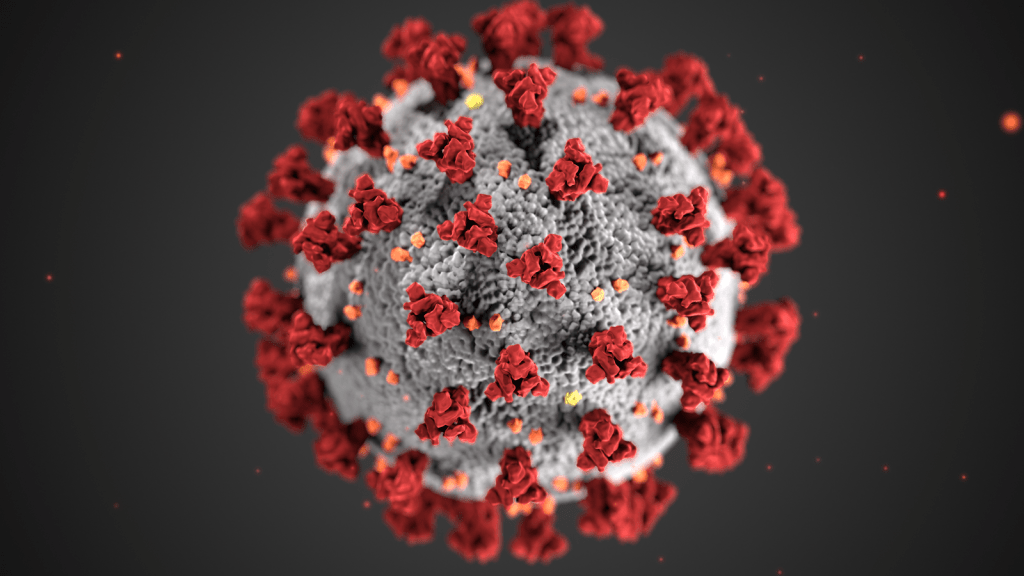
The new strain of coronavirus is called severe acute respiratory syndrome coronavirus 2 (SARS-CoV-2). The virus causes coronavirus disease 19 (COVID-19).


Around 80%Trusted Source of people with COVID-19 recover without specialist treatment. These people may experience mild, flu-like symptoms. However, 1 in 6 peopleTrusted Source may experience severe symptoms, such as trouble breathing.

The new coronavirus has spread rapidly in many parts of the world. On March 11, 2020, the World Health Organization (WHO)Trusted Source declared COVID-19 a pandemic. A pandemic occurs when a disease that people are not immune to spreads across large regions.

It’s okay take a deep breath . Yes, it’s a lot to take in but we all know how china played with the whole world .

The protocols.

  • Wear masks ,
  • Wash hands ,
  • Use sanitizers ,
  • Social distancing , etc,.

Is it important to follow protocols ?

You say NO , I say ‘if you want to die you can easily ignore the protocols ’ . Well I don’t want to die , I have my whole 20s , 30s and so on…… .

According to the survey, people have been moving around freely, meeting different social groups and attending gatherings, going to malls and markets. This indicates that a pandemic fatigue has set in after after a year of restrictions on movement, social distancing and strict mask wearing norms.

Well , if you are saying this is what following protocols is than I am happy to stay home rather than chilling around like a monkey . Like really , a monkey also has a common sense that when to do chilling and when to fight for himself . What we are doing is putting masks in our pocket to showcase the world that I have one . Haha it’s kinda funny .

We long to return to normal, but **normal led to this**. To avert the future pandemics we know are coming, we MUST grapple with all the ways normal failed us. We have to build something better. I hope this piece, in showing what went wrong, helps.

Link :