EXISTENCE OR EXAMINATION

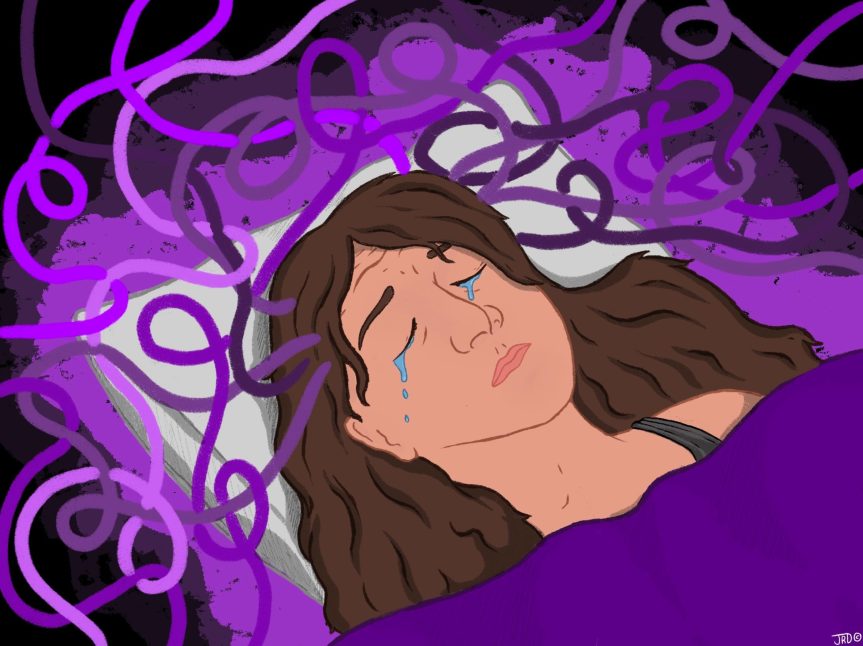
Amidst this deadly Covid-19 pandemic India is gearing up for conducting competitive examinations (JEE/NEET and final year examination) The commission has announced the dates for several competitive exams to be conducted in September and October. The real question is not if the students are prepared, but is India prepared for this? Despite imposing complete lock-down, especially in Maharashtra, the Covid-19 cases are increasing day by day and now the supreme court has given a verdict that exams should be conducted.This is totally unfair.There are lakhs of students who will appear for writing exams. It is not only putting students and teachers under risk but also their families. Is this worth taking the risk? Putting life under jeopardy to write exams.

The health minister is talking about taking precautions, but before that, what about people who have already been tested COVID positive? Many people are dying not because of the virus but because of a lack of proper health care facilities and treatment. No one can blame the people for raising their suspicion. With a public health care system is in a hodgepodge, many people are looking with doubt at the country’s attempts to battle with the pandemic. The lack of these stocks has decreased the Indian health care base, also, leading to an accelerated rise in COVID-19 crises in the country. At this time when even very advanced countries are striving to deal with this pandemic and due to a dense population, India’s incapacitated health care foundation is in many ways disadvantaged to deal with this pandemic. Today the record surged to 83,883 fresh corona-virus cases in the last 24 hours taking India’s COVID tally past the 38-lakh mark and Maharashtra continues to be the state hit hardest by the pandemic and followed by Delhi, Karnataka, Andhra Pradesh, and Tamil Nadu making India top 3rd Country affected and just some numbers behind Brazil.

The government should look for another solution or option other than making students appear for the examination in centers. What is the technology for then? Competitive exams should be conducted online with certain protocols. In that way, students will not lose their one year and they will be safe, and yes even though there can be certain technical problems in conducting exams online, but this is the better option rather than going to colleges. Offline exams may act as a great threat to health since the crowd of students in huge numbers at the examination center will make them prone to getting in contact with a corona positive person. The thermal screening of all persons entering the examination hall is no remedy. Another option is to cancel the final term exams while using the average of the marks secured in earlier terms as a substitute for the final semester examination scores. The government should realize that the situation can go out of control anytime, which is evident with the day to day spike in COVID cases despite lock down and on top of that now lakhs of students have to go and write exams. The government should reconsider this decision of giving priority to examination over life.

GDP: Why India’s growth rate is shrinking rapidly?

India’s economy posted the biggest contraction among major economies last quarter, with a recent surge in coronavirus infections weighing on the outlook for any recovery.

Gross domestic product shrank 23.9% in the three months to June from a year earlier, the Statistics Ministry said in a report Monday. That’s the sharpest decline since the nation started publishing quarterly figures in 1996, and was worse than any of the world’s biggest economies tracked by Bloomberg. The median estimate in a survey of economists was for an 18% contraction.

Once the world’s fastest-growing major economy, India is now on track for its first full-year contraction in more than four decades. While there are early signs that activity began picking up this quarter as lockdown restrictions were eased, the recovery is uncertain as India is quickly becoming the global epicenter for virus infections.

Economists had anticipated the economy shrinking anywhere between 15-25% while an ET Now Poll projected Q1FY21 GDP at -19% YoY.

As largely expected, agriculture was the only silver lining among all sectors as it grew by 3.4% in the April-June quarter.  

Manufacturing, construction and trade (hotels, transport, communication & services related to broadcasting) shrank by 39.3%, 50.3% and 47% during the quarter. Interestingly, governmetn expenditure during the quarter also contracted by 10.3% as per NSO figures.   

Let us find the reasons in this article that what are the reasons behind the decline in the Indian GDP

1. Sharp decline in overall demand:

Increment in the employment opportunities leads to further demand of the other products in the economy. Since last few months Indian economy is facing the problem of lower demand which ultimately trapped the whole economy.

2. Sharp fall in consumption

Consumption has accounted for 55-58% of GDP. Remember consumption is at the core of domestic demand in India. Indian economy experienced a sharp decline in private final consumption expenditure from 7.2% in the March quarter to 3.1% in the June.

3. Decline in investment

The value of declared investments in the same quarter is Rs 71,337 crore, which is also the lowest since September 2004. This is a big indication that industries are not yet confident in India’s economic future.

4. Poor condition of banking sector

The recent announcement of the mergers of the banks may further create the atmosphere of anarchy in the mind of the investors and depositors.

Are Online Classes Being Able To Replace Traditional Classrooms?

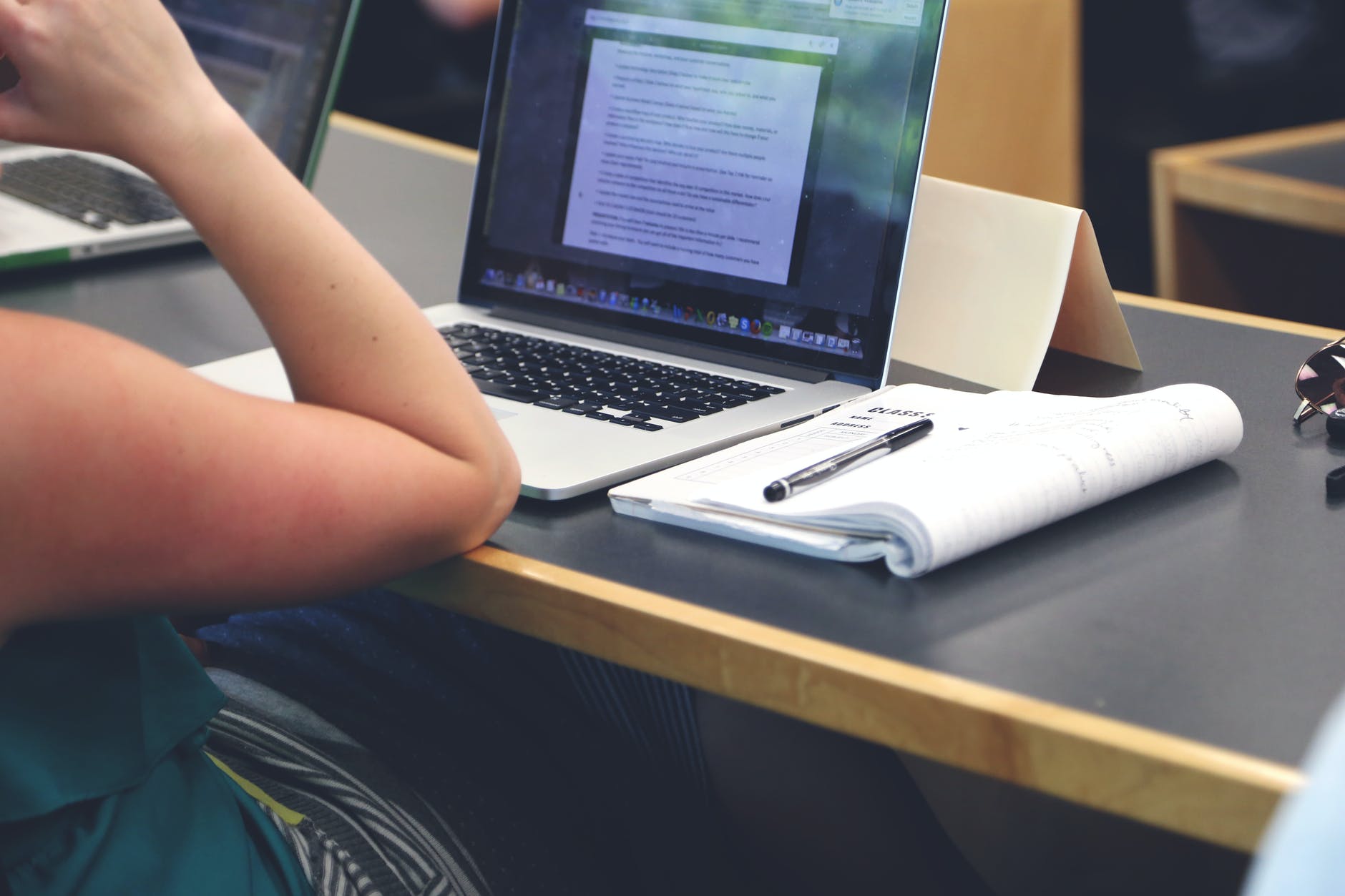
With the rise of the pandemic and the extended lockdown, educational institutions have been prompted to shift towards online teaching. While initially digital classrooms seem to be a great alternative, whether it can successfully replace traditional classroom teaching is a question yet to be answered. Online teaching has also posed a threat to students belonging to the economically backward sections of the society. In a country like India, a great percentage of students do not have the access to such means or find it difficult to avail those options.

Photo by Startup Stock Photos on Pexels.com

According to survey findings there is a noticeable change in behavior and habits following the forced lockdown among the school goers. The sleep cycle and sleeping pattern of nearly 50 per cent children have been disturbed. It also indicates that 13 per cent of children have no regular pattern of sleeping. As a result, 67 per cent of parents think that their child’s screen time has gone up by at least 50 per cent during the lockdown. Increased screen time is known to severely affect concentration levels and leading to insomnia and other sleep disorders. The fear of pandemic has affected children in the worst way, nearly 40 per cent of the children who were surveyed, have been known to have mental health and unaddressed anxiety issues.

Schools and Colleges have set timetable in such a way so that there are breaks in between classes but because of network connectivity issues, students have started logging in earlier, which have lessened the break times. A teacher said in an interview, “In the first month, things were fine but with time students are losing interest and a kind of boredom is setting in even for the bright kids. For students in senior classes or those who will appear for board exams there is pressure from teachers and parents which is taxing.” After attending classes online, many students are also sitting for online tuition or extracurricular activity classes.

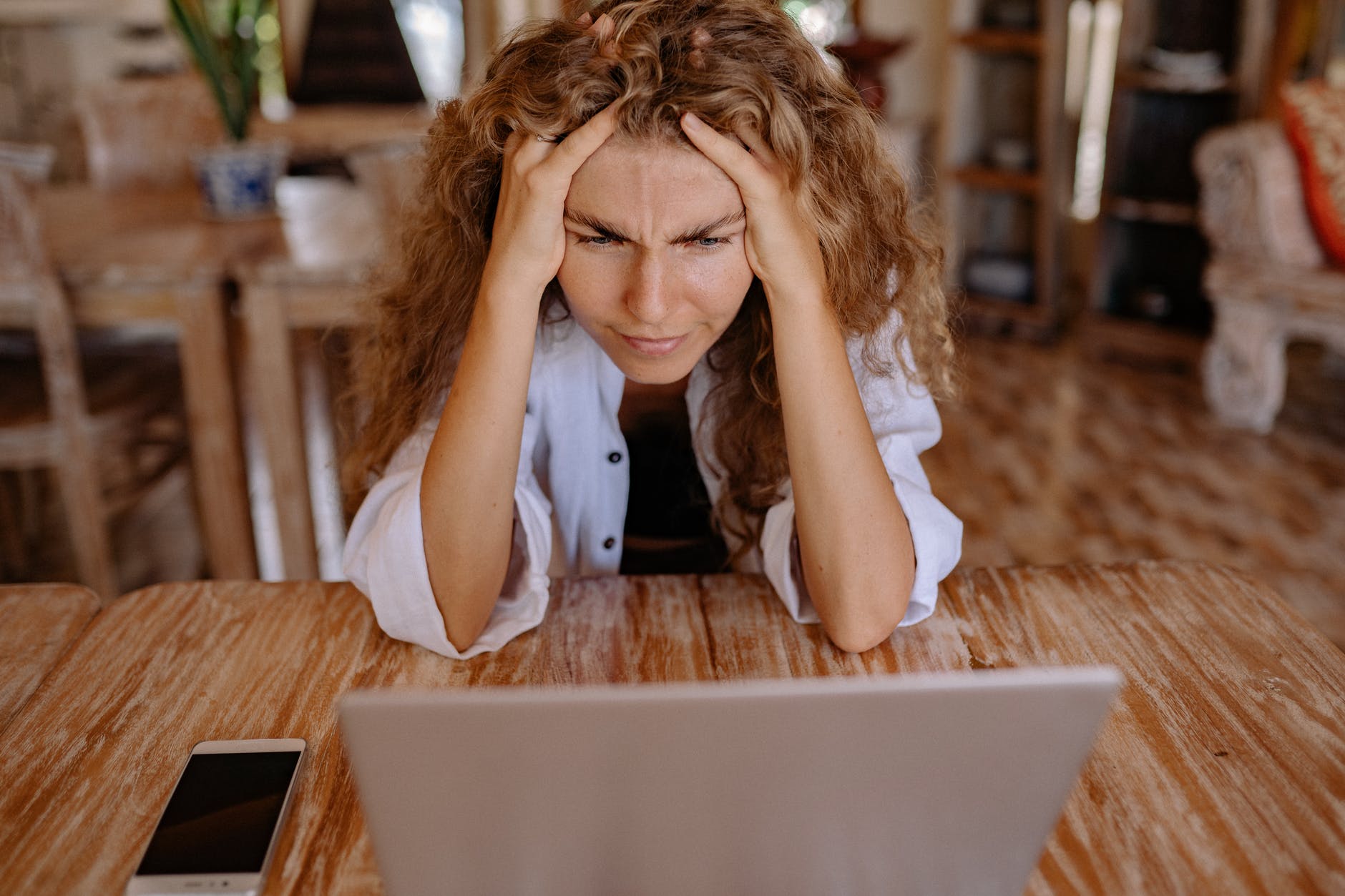
Teachers of many schools have reported that students have become “more subdued” in class and their energy levels have decreased than before. According to psychiatrists and teachers, months of being inside and attending classes from within the screen has made students “fatigued” and “demotivated.” Even students who are academically strong have not been responding in class like before, teachers said. They have observed that the “naughty and mischievous” ones who would always be up to some mischief in classrooms have become “quiet and subdued” during online classes.

Photo by Yan on Pexels.com

Psychiatrist Jai Ranjan Ram said to a newspaper, “Teachers are trying but online classes are not the same as what school was for children. No wonder they are feeling demotivated and fatigued. They have to attend continuous classes on the screen, at times not on laptops but on phones. All this while there is monotony of the same environment. It’s difficult to maintain a sense of well-being. In an online class the nuances of non-verbal communication are completely lost.”

Sneha Priya S, Co-Founder & CEO of SP Robotic Works, has said, “Covid has proven to be the turnstile for education in India. The current situation has unearthed the immense potential of platforms with experiential and interactive learning which engage children in practical tasks and logical reasoning.”

In a physical classroom, students and teachers would even discuss things not related to academics and eagerly share their experiences. While there are downsides, there are also some positive aspects to it. Educational institutions have been closed for months at a stretch. With online classes there is the possibility to catch up with studies. Many students feel that at least in an online mode there is some form of interaction which helps them in these trying times. Online classes have made possible for students and teachers to get back to their routines within safe conditions. They also provide students with something to look forward to everyday. But amidst the current social conditions, students long to go back to their campuses. As we adjust to the ‘new normal’ many young people who are at the beginning of their career are also uncertain of what challenges they might face in the future.

Final Year Exams: Supreme Court to Announce Verdict Tomorrow

University Grants Commission’s (UGC) had passed on a circular on July 6, regarding the conduction of the final term university examinations during the novel covid 19 pandemic. The Supreme Court will pronounce its verdict on the pleas challenging the UGC circular.

UGC had earlier approached universities to view and get the status about the exams. It received responses from about 818 universities (121 deemed universities, 291 private universities, 51 central universities, and 355 state universities). Out of the 818 universities, 603 have either conducted the examination or are planning to conduct it in some time. While 209 others have already conducted examination on either on-line or off-line mode and 394 are planning to conduct examination in on-line or off-line or in a blended hybrid mode towards August or September.

A bench headed by Justice Ashok Bhushan, R Subshash Reddy and MR Shah, had reserved its judgment for the matter on August 18. They will be pronouncing their judgement after a detailed hearing continuing for 2 days.

Last week, four states and Union territories – Maharashtra, Delhi, West Bengal and Odisha – had urged the apex court to give directions to the UGC to not impose examinations on lakhs of final year university students during the present condition. The court had concluded the hearing but deferred a judgement on the issue. Many states said they were not consulted before taking the decision regarding examinations and selecting the UGC guidelines. They have also said that the state governments have the power to take health related decisions in the interest of the people. The UGC Guidelines did not make sure of this and the opinion of the states were not taken into consideration while the guidelines were constructed.

Photo by Andrea Piacquadio on Pexels.com

A group of as many as 31 students from different universities across the country had approached the Supreme court and opposed the UGC circular dated 6 July. In that plea, the students have opposed the direction given to all universities in the country to finish taking the final year examinations before 30 September. The students have made a petition and requested for the examinations to be cancelled. They have suggested that the results of students could be calculated on the basis of their internal assessment or mid-term exams and past performance in previous years/semesters. In the petition it was requested that mark sheets of students should be issued before July 31. The petition was filed by students from across 13 states and one union territory. One of the students, among the 31 petitioners, who had tested positive for Coronavirus have asked for directions from the UGC about the examinations. He has asked the UGC to adopt the CBSE model and conduct an examination at a later date. This is specially for the students who are not satisfied with their marks and the assessment of the papers. The plea suggested that previously planned examinations should be cancelled, keeping in mind the interests and health of the students in such a situation of the country, when the number of cases were rising every day. All educational educations across India were closed for the past few months due to the pandemic situation and the lockdown. Most institutions have however started taking classes for intermediate students in the form of online classes/ lectures.

The Supreme Court will give its judgement and provide a verdict for the students, in a batch of petitions submitted for challenging the revised guidelines of the University Grants Commission (UGC) to conduct final year exams by September 30 of this year.

Covid-19 Impact on Indian Economy

Year of 2020 had been an omen for the entire world and India is no exception to dodge from this curse. Unemployment rose from 6.7% on 15 March to 26% on 19 April and then back down to pre-lockdown levels by mid-June. During the lockdown, an estimated 14 crore (140 million) people lost employment while salaries were cut for many others. More than 45% of households across the nation have reported an income drop as compared to the previous year. The Indian economy was expected to lose over ₹32,000 crore (US$4.5 billion) every day during the first 21-days of complete lockdown, which was declared following the corona virus outbreak. Under complete lockdown, less than a quarter of India’s $2.8 trillion economic movement was functional. Up to 53% of businesses in the country were projected to be significantly affected. Supply chains have been put under stress with the lockdown restrictions in place; initially, there was a lack of clarity in streamlining what an “essential” is and what is not. Those in the informal sectors and daily wage groups have been at the most risk. A large number of farmers around the country who grow perishables also faced uncertainty.

The Government of India announced a variety of measures to tackle the situation, from food security and extra funds for healthcare and for the states, to sector related incentives and tax deadline extensions. On 26 March a number of economic relief measures for the poor were announced totalling over ₹170,000 Cr. The next day the Reserve Bank of India also announced a number of measures which would make available ₹374,000 Cr. to the country’s financial system. The World Bank and Asian Development Bank approved support to India to tackle the coronavirus pandemic.

Businesses across the world namely hospitality, entertainment, aviation etc have seen a major negative impact. Various sports events such as IPL and Olympics have been postponed. Schools and colleges have been closed. The virus has also disrupted the functioning of various online giants such as Amazon. Countries such as USA, Italy and Spain are suffering the most since their death toll is very high. Factories, Restaurants, Pubs, Markets, Flights, Super Markets, Malls, Universities and Colleges etc. were shut down. Fear of corona virus has limited the movement of the individuals. People were not even going to buy the daily essentials and these all were somewhere impacting the economy of the world as a whole. The Organization for Economic Co-operation and Development (OECD)reveals that they have cut their expectation for global growth to 2.4% from 2.9%, and warns that it could fall as low as 1.5%.

India faces a huge decline in government revenues and growth of the income for at least two quarters as the coronavirus hits economic activity of the country as a whole. A fall in investor sentiment impacts privatization plans, government and industry. The lockdown in India will have a sizeable impact on the economy mainly on consumption which is the biggest component of GDP. India’s total electronic imports is equal to 45% that of China. Around 1/3rd of machinery and almost 2/5th of organic chemicals that India purchases come from China. For automotive parts and fertilisers China’s share in India’s import is more than 25%. Around 65 to 70% of active pharmaceutical ingredients and around 90% of certain mobile phones come from China to India.

On the upside, better news on vaccines and treatments, and additional policy support can lead to a quicker resumption of economic activity. On the downside, further waves of infections can reverse increased mobility and spending, and rapidly tighten financial conditions, triggering debt distress. The Geopolitical and trade tensions could damage fragile global relationships at a time when trade is projected to collapse by around 12 per cent.

Payment of Wages during Pandemic

‘If a free society cannot help the many who are poor, it cannot save the few who are rich’, quoted John F. Kennedy years before an epidemic like Covid-19 could have even been forecasted.

Starting from the Plague, a bacteria led pandemic to the Spanish Flu caused by a virus in 1918, the world has seen an invisible enemy mongering fear among the people. Though the epidemics did not change the patterns in people’s reactions but it outbreaks have certainly taught us about social distancing and responsibility. The response to the current pandemic, Novel Coronavirus Disease (COVID 19) has been no different. The current situation where the Government has been repeatedly asking people to be selfish about their loved ones and stay indoors is undoubtedly a decision in the public welfare as it stands as the only way to fight the issue. This infection with symptoms is frightening and can kill people in large numbers as evident in the developed countries but the epidemic is more threatening when thought of people it might affect without symptoms.

Looking back, the plague epidemic was certainly a major turning point in India’s public health system. The principles introduced were new then and vaccines developed turned the history of hospitalization in the country. But when it first came in Mumbai, there were only Social Service leagues and other voluntary organizations which did the work of supplying food and medicine to the needy. Thus, there was impression of hope and being taken care of even when the situation turned helpless.

The society is divided into sections and it is not unknown to anyone of the country. Even though the upper class can claim money not being important more than happiness, the lower class does not even know the meaning of happiness if there is no penny in the pocket. The lockdown period has pushed the lower class people, working under ‘no work, no pay’ policy to the extreme points of their lives so much that the deaths due to hunger can compete with the numbers of deaths due to the virus after a couple of months. The situation is similar to the Plague in a lot of ways, maybe it is time to change the principles and policies of the wage workers and mark it in the history once again.

Coronavirus pandemic is not a depression yet but it is a recession already. The country can easily fall back into a temporary economic crisis and technical point of actions can prevent permanent scars of depression. Compelling the payment of wages to the daily wage workers can be a measure that can instantly transform the social safety of the nation as once these workers lay off; there might be irreparable damages to the entire nation’s productive capacity.

The government has issued directions to the employers to pay wages on mere humanitarian grounds and, it is not only for the permanent workmen but for the contract workers as well. The Disaster Management Act, 2005 or the Epidemic Diseases Act, 1897 which specifically came into force after the epidemic in Mumbai does not guarantee any such direction to be in compliance with the statutory law. However, Central and State governments can take its measures accordingly and it is backed by the provisions. 

Though it has taken time but the Government has come up with ideas to deal with the situation. The government has strictly advised to support the country by paying wages without any consequential deduction in wages for this period. The direction is issued particularly for the casual or contractual workers. On non-payment, the employees can drive down morally to combat their fight. On such kind of a scene, India, as a country, would lose even if it manages to fight the virus.

But the circular is only an ‘advisory’ and has not been issued under any law, ultimately making it not binding on any person. As dealt in the judgment of Narendra Kumar Maheshwari v Union of India that any policy does not take the place of law. Even the legislation under the Disaster Management Act, 2005 does not prohibit any employer from terminating employees or to vary their terms of service. But it does mention securing employees as it requires them to be paid salaries in the course of business. There also lies a major difference between the terms, employees and workmen as pointed out in Dhrangadhra Chemical works Limited v State of Saurashtra. The matter stands important since a workman is entitled to retrenchment as well as other benefits unlike the employers irrespective of whether temporary or permanent. It is important to note that ‘natural calamity’ is not particularly defined in the Act and can be claimed to fall under the ambit of it.  

The migrants are stranded on roadways due to the current situation but hands of employers are tied as well and even though some might think but everyone cannot afford the same. Such a crisis is itself not compensated under loan forbearance.

In such a situation, the solution can be to adopt the idea of common law ‘lay off’ concept to pay 50% of wages so that their daily needs are at least met and also so that it can be done for a larger period to a bigger audience. The Government can also secure by adopting Canada’s plan to subsidize certain requirements and by giving them a privileged position by offering different schemes.

It is time that the country understands that we are all in this together. Without one section the other cannot sustain for long. Very evidently, when John F. Kennedy quoted, he might not have forecasted viruses or pandemics but he knew the world required to stand together for development.

Patent Pooling during COVID-19

The International Science Collaborations on COVID-19 has a new discussion on the table. The idea of patent pooling.

Costa Rica, one of the countries in the meeting suggested the inkling of pooling the rights to deal with the current pandemic through minimal or at times free, preferably affordable licensing to ensure that the outcomes of efforts by various countries which can be used by one another and especially by those countries which have limited economic resources to deal with this problem. This proposal had received full support from all the other countries except from the UK and the US.

Patent Pooling, according to World Intellectual Property Organisation (WIPO), is defined as an agreement made between two or more patent holders. The agreement licenses the patents to one another or any third party. The main idea is to share the intellectual property rights and also to have a hand in the product.

Generally, patents pooling is done with the objective for necessitating the complex technologies as complementary patents. It is believed to provide productive technical solutions. Such an idea was seen in work in regard to the vaccines which were produced in the present COVID-19 crisis.

The ‘Sewing Machine Combination” made in the year 1856 is recognised to be as the first modern patent pool done in the US.

Patent pooling structures were actively debated and implemented during the SARS outbreak of 2002-03. The same process was also seen during the H5N1 influenza outbreak of 2005, followed by the 2009 H1N1 influenza pandemic.

Patent pooling ensures innovation between companies by minimizing the potential legal issues which arise due to the use of protected concepts of the other. It lowers the transaction costs and allows better process efficiencies as businesses that hold these complementary patents. Such a pooling by effectively agreeing not to sue each other for infringement can result in better and new products in the marketplace.

The International steps towards patent pooling that were taken are the C-TAP, GISAID, MIPP, TRIPS and CBD.

The COVID-19 Technology Access Pool (C-TAP) which is hosted by WHO accumulates all the pledges of commitments made under the Solidarity Call to Action. It is done in order to voluntarily share COVID-19 health technology related data, knowledge and intellectual property.

Global Initiative to Sharing of All Influenza Data (GISAID) promotes the data of rapid sharing of the virus as seen in the case of all influenza viruses and the coronavirus capable of causing COVID19. This also includes genetic sequences data, related clinical data and also the epidemiological data which might be associated with human viruses to be endorsed in public. The geographical and species-specific data is noted. According to this data, in the recent times, around 49,781 genome sequences of the COVID virus have been shared and they have been shared voluntarily by the researchers from all over the world.

Medicines Patent Pool (MPP) has simplified the development of generic drugs. For tuberculosis, HIV and Hepatitis C by allowing them to be sold at an affordable price. MPP is a UN backed public health organisation. It works to increase the access of the drugs and also in the facilitation of development of these life-saving medicines especially for the low- and middle-income countries.

Trade Related Intellectual Property Regime (TRIPS) consents the countries to grant compulsory licences to the selected companies which would work to produce a patented product at the times of such emergencies.

Nagoya Protocol under Convention on Biodiversity (CBD) frames Article 2(e) in the protocol which includes the genetic sequence information. These information forms the basis of all ongoing researches and developments that take place for the COVID-19 treatment and prevention. The Protocol specifically requires the contracting parties to provide the options for access and benefit sharing when the resources could be used for commercial purposes. It indirectly provides the scope for patent pooling.

The concept of ‘patent pooling’ is practically new in India. It primarily focuses to have solutions for the affordable health care.

Indian Patents Act (IPA), 1970 does not either render for any provisions related to formation of such patent pools or provide any guidelines for the same. But at the same time, it neither restrains to create nor denies for the formation of patent pools.

Under this Act, the Central Government on its motion can set up a patent pool by acquiring the patents and inventions required in the public interest. Such an exception only exists in the hands of the authorities and thus, the pooling is particularly viewed as a restrictive practice by Competition Act, 2002 and is claimed to be anti-competitive in nature.

How to deal with whatssap messages in COVID 19 pandemic?

I came across a forwarded message on my WhatsApp. Take a look-

Group admin is requested to close group for 2 days as police can take action against admin & group members vide section 68, 140 & 188 if anyone even by mistake posts joke on corona. Everyone could be in trouble. Hence I draw the attention of group admin to take necessary steps.

This message claims that Supreme court of India made an order against sharing of information on social media regarding COVID-19 and if found guilty, WhatsApp admins will be watched by police.

During such pestilence, we must cover our ears along with mouth from masks to avoid such fake messeges. Using some intelligence, we can figure out what’s fake and what’s authentic.

The second part of the message reads-

Tonight 12 ( midnight) onwards Disaster Management Act has been implemented across the country. According to this update, apart from the Govt department no other citizen is allowed to post any update or share any forward related to Corona virus and it being punishable offence.

This message talks about the update from a goverment department. Before believing the message, you should ask- Which department? Is it mentioned? I searched some reliable sources to check the authenticity of this messege .

According to The Times of India fact check on April 7, 2020, the claims came out to be fake. Talking about the Disaster Management Act, 2005, it was invoked amid nationwide lockdown that was announced on 24 March 2020. But the act has no provisions which says only the government, and not the citizens can share COVID-19 updates/information. The Supreme Court, however, do mentions that “section 54 of the Disaster Management Act, 2005” provides punishment to a person who makes or circulates a false alarm or warning which may led to panic. Such persons shall be punished with imprisonment that may extend to an year or with fine.

This is just an example of one fake messege on WhatsApp. Every second tonnes of fake and misleading information is being shared on the social media. To which, I recommend that before sharing such doubtful, remember this breif saying- “When in doubt, check it out!”

During such situations, you should don’t share anything before you’re sure about it. Every misleading information call for trouble. Don’t create panic during such crucial times.

Right now all the efforts and attention of the government is in containment and mitigation of this pandemic, and the responsibility is on our shoulders to follow the instructions by the authorities and verify the information from a number of sources.

Who delivers the Amazon cardboard boxes???

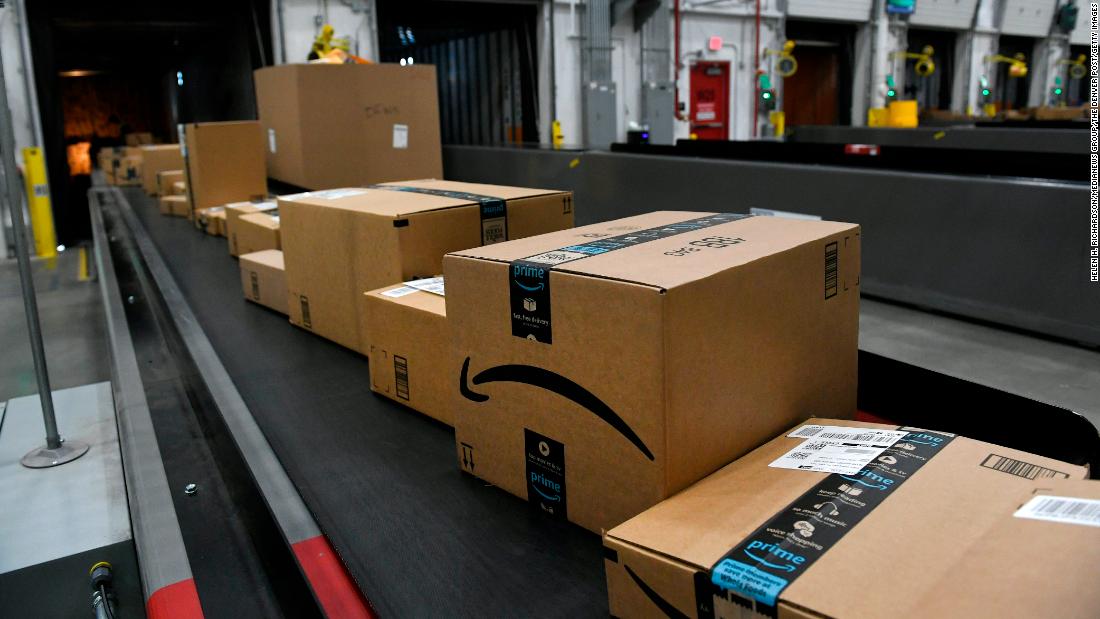
Cardboard boxes that have been used for generations and thrived in the age of e-commerce continue to flourish or could the cardboard box be facing a new challenger? Cardboard boxes are a very big deal within the U.S. The United States is the Saudi Arabia of trees. Someone’s going to make the first box and that’s almost inevitably a mill generally in the Southeast United States. China certainly doesn’t have trees and India the extent they do have trees they’re not necessarily the right types of trees and shouldn’t be dedicated towards making boxes for us. The box business grew rapidly up through 1999 when the U.S. coordinated box market had its peak shipment. Starting in the early 2000s the U.S. corrugated box market faced multiple economic obstacles.

The great recession dragged on box demand and even after the recession demand continued to slow for commodity like soda and for the boxes that transport them. The move to digital devices also coincided with a drop in demand for copy paper and newsprint. But box makers found a grace in e-commerce sales and Amazon sale specifically which were growing at mostly integer rates within the recession and post-recession years. Those e-commerce sales have become a significant market for the containerboard industry. In 2018 told a U.S. e-commerce sales were estimated to be $512 billion almost 50 percent higher than in 2015. Amazon captured 48 percent of those sales. Most estimates are that e-commerce accounts for about 10 percent of the U.S. box market. Amazon accounts for close to 5 percent of U.S. box demand. By our estimates they are clearly the single largest box user in the US. International Paper with a third of the market I think does closer to 50 percent of all the amazon boxes evidently they got a bit more share than perhaps some of the smaller players.

Amazon's incredible, vanishing cardboard box - CNN

Amazon said they deal with most of the big box makers across the U.S. according to analysts. Those manufacturers include International Paper, WestRock, Packaging Corporation of America and Georgia-Pacific. Some investors were turning to these companies as a way to invest in the e-commerce giant without having to purchase Amazon’s pricey stock. People didn’t really start talking about buying International Paper or WestRock as a secondary investment in Amazon till about the last five years. Despite the boost from e-commerce sales the box business still isn’t growing all that much. And since 2018 their stocks have mostly underperformed the S&P 500. In 2018, 69 percent of International Papers total revenue came from the box business and that sales volume has been mostly flat for the past five years. Although the big producers sold less boxes in 2018 than in 2000, industry consolidation has dramatically narrowed the fields.

The handful of big players remaining are based in Memphis, Tennessee, Atlanta, Georgia and Lake Forest, Illinois. Analysts have told CNBC that substantial industry mergers have made it easier to collectively hike prices and those price increases have helped drive revenue. There are portions of the business that are in indisputable secular decline but if you’re in the brown part of the business, making these boxes, that’s been some very welcome growth. But those extra boxes piling up on people’s doorsteps have led to a backlash from disgruntled customers who are sick of receiving golf ball sized products in supersized boxes. It used to be that you’d order a toothbrush and it would come in three giant boxes and you’d say to yourself, what is this? Well, Amazon is trying to rectify that by using fewer boxes and using other types of packaging where appropriate. With e-commerce packaging underfire Amazon decided to change the way they do shipping. In 2008, Amazon introduced the Frustration Free Packaging program. It aims to reduce the extra packaging created when retail packaged products are placed inside Amazon boxes to be shipped. Instead, products certified in the program that are roughly the size of a blender or larger need to be packaged in their own ready to ship boxes. And those boxes also need to be made of 100 percent recyclable materials. For customers that means that the packaging is easy to recycle and the box is easy to open without all the excess packaging materials.

Use That Pile of Empty Amazon Boxes to Do Something Wonderful ...

Amazon offered vendors an incentive of a dollar per shipment to modify their packaging. And starting August 1st 2019 Amazon is charging a $1.99 penalty for each product shipped that needs to be reboxed. And basically the point of this deadline is for Amazon to get out of the business of packaging. They want their vendors to send them boxes that Amazon doesn’t have to touch or rebox. Over the last two years we have invented two different kinds of flexible mailers. One is the blue and white all plastic mailer. We’ve recently launched in the last six, eight months a paper padded mailer that’s actually fully recyclable with the paper stream. Amazon said they made about 10 million shipments using the paper padded mailer and depending on the month the plastic mailer is used about 20 to 30 percent of the time. So really when we come down to deciding if the product is of the size it can go on a mailer, it’s not likely to be damaged by going in the mailer, the mailer is always the better fitting option and frankly is easier for the customer to choose to recycle than breaking down a corrugate box. We’re driving in that direction for many different reasons. But those plastic mailers generally are not accepted in municipal recycling programs and you’ll need to bring them to a store that accepts plastic bags. The latest stats from the EPA show that corrugated boxes were recycled at a rate of 92 percent in 2015 while plastic bags, sacks and wraps were recycled at a rate of 13 percent in 2015.

AMAZON E-COMMERCE SELLERS, IT'S TIME TO REVIEW YOUR ADVERTISING ...

When you think about what is the greatest pain point for the consumer after having it get there safely arrive on time people are concerned about receiving something that is plastic or made a poly because of the environmental concerns. Some waste management companies say plastic packaging also causes problems for the recycling systems. Plastic mailers get caught in the recycling machinery slowing down the process and raising the costs for recyclers and sometimes contaminating entire bundles. Until Scotty on the Enterprise can beam the products from the warehouse to your living room I think Amazon’s going to be good for the corrugated business. I think there’s going to be noise I think you’re going to have challenges from time to time where people say, “Should we try and the plastic pouch?”, in the long run plastic is going to be on the wrong side of history. Because Amazon is a market leader in the U.S. e-commerce sector any move away from cardboard to plastic mailers could signal a shift for the entire industry. The corrugated box could be about to undergo a major facelift. We’re seeing some major trends among consumers and what they’re expecting from e-commerce and the first one is actually this desire for increased engagement with the package. In 2015, Amazon partnered with Universal Pictures and Illumination Entertainment to ship orders in bright yellow delivery boxes featuring cartoon characters from the movie Minions. The boxes promoting the movie and a special Amazon U.R.L. dedicated to shopping for merchandise from the film.

Why Australia is least affected by recession!!!

America’s economy is approaching a big milestone. If it keeps humming until July 2019, it’ll be the longest expansion in U.S. history. It would be exactly one decade and one month old by then. But there’s another country with an even more impressive run It’s even called the ‘lucky country’ Three big lessons from Australia.

  1. Be smart.
  2. Be organized.
  3. Be lucky.

So, if I’ve got any advice for other countries, it’s try and be as lucky as Australia That luck has to do with Australia’s treasure trove of natural resources. You know Australia is on the other side of the world and sitting on tremendously valuable minerals right at the point where the Chinese economy is just around the corner and exploding. Australia and every one its natural resources were within the right geographic neighborhood even as the Chinese economy began to begin . And it just so happens that China did a big fiscal stimulus in 2008 and spent a great deal of money building new cities. So all of these resources were drawn from places like Australia. So that also served as a huge tailwind at a time when developed markets were in a whole lot of trouble.

What Currency Is Used In Australia | Australian Dollar : Compare ...

The year 2008 was a time of economic turmoil The Global Financial Crisis hit and markets crumbled around the world. But as it turns out this was also a year for Australia’s economic management to really show off At the time the government had a very helpful and very low level of debt. One reason? Pension reform in the 1990s. Australia set up a compulsory retirement system called the superannuation system. It requires employers put money into its employees’ retirement savings.

Since companies and citizens have to build up retirement savings, some of the financial burden to pay off pensions was taken off of Australia’s government As other economies reeled in the wake of the 2008 crisis, the Australian Government was then able to put money directly into people’s bank accounts This boosted consumer spending in order to stimulate growth In 2008, the Australian Government unlike some other developed market governments actually jumped in very quickly with fiscal stimulus, so that helped to kind of minimize the effect of the crisis The country’s numbers continued to look sluggish after the financial crisis. But they never quite dipped low enough or for long enough to satisfy the definition of a recession. It takes two quarters of negative growth to fall into a recession. Australia’s economy did post a couple of negative quarters since 2008, but no country’s perfect. Overall Australia’s economy has been managed pretty much in recent years partly due to a robust and stable financial institution.

Reserve Bank of Australia – Australia's LGBTQ Inclusive Employers

Australia has an independent financial institution and it is a very well-run financial institution . It also has a floating exchange rate and the exchange rate helped it adjust to international shocks. Australia’s economic reforms gave it flexibility in times of hardship. For example, floating the Australian dollar In 1983, Australia’s government moved the dollar onto a floating exchange rate This meant that the dollar would be valued by supply and demand instead of being subject to influence from its government or its central bank It allows the economy to react to shocks as well Typically when an economy is hit by some sort of negative shock. The currency will adjust. It will depreciate and that helps promote exports. Another reason behind Australia’s economic diary lies in its immigration policy. Since the late 1990s, Australia has seen growth in temporary migration, many arriving to the country on student or temporary work visas. The number of temporary migrants peaked in the year 2000. However a recent change to immigration law in 2018 gave visa applicants more hurdles to get through if they wanted to come to the country Even when our GDP per capital average incomes aren’t rising by much because the number of people continues to rise that means the total GDP continues to rise at even more rapid pace Part of that’s underpinned by much faster population growth Most experts think Australia’s economy remains strong in 2019, but it’s not without risks.

Australia’s suffering at the instant from pretty weak wage growth. That’s worrying a lot of people. There’s a lot of fear right now that China is hitting a wall. That will hit demand for Australian products. The good news is to the extent that the Chinese are buying commodities hopefully will find buyers from overseas for many of those commodities if the Chinese are not there The bad news is the rest of the world economy is not doing that well.

Australian economic growth slows, enters per capita recession ...

Day to Day Sings & Symptons…DAY 1 to 22

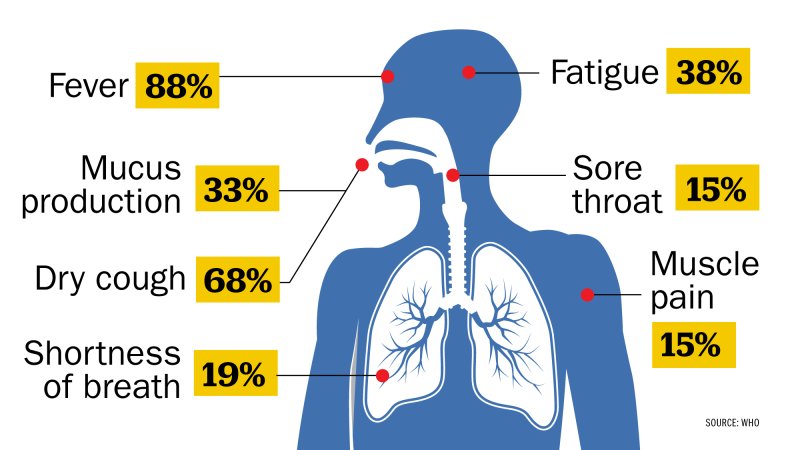
Day to Day Signs and Symptoms of Coronavirus DAY TO DAY SYMPTOMS OF COVID-19 Before proceeding, please note that this general overview is compiled for initial self-assessment only and should vary for each individual. If you are not feeling well, you ought to immediately consult a medical man to possess an accurate diagnosis and proper treatment of COVID-19. The typical daily symptoms are concluded from the study of 138 patients at Zhongnan Hospital of Wuhan University and another study involving 135 patients from Jinyintan Hospital and 56 patients from Wuhan Pulmonary Hospital.

Update: China reports 1,287 confirmed cases of new coronavirus ...

These symptoms are broken down into:

DAY 1 to DAY 2 the start symptoms are almost like the cold with a light pharyngitis and neither having a fever nor feeling tired. Patients can still consume food and drink as was common .

DAY 3 The patient’s throats start to feel a touch painful. Body temperature reads at around 36.5° celsius. Although it’s uncommon, other symptoms like mild nausea, vomiting or mild diarrhea are possible to set in.

DAY 4 Throat pain becomes more serious. Other symptoms like feeling weak and joint pain start to manifest. The patient may show a temperature reading between 36.5° to 37° celsius.

DAY 5 to DAY 6 Mild fever starts. The patients show a temperature reading above 37.2° celsius. The second most common symptom, dry cough, also appears. Dyspnea or breathing difficulty may occur occasionally. Most patients during this stage are easily feeling tired. Other symptoms remain about the same. These four symptoms are among the top five key indications of COVID-19 according to the final report of the initial outbreak conducted by the joint mission of China and WHO.

DAY 7 get more serious coughs and breathing difficulty. Fever can get higher up to 38° celsius. Patients may develop further headache and body pain or worsening diarrhea if there’s any. Many patients are admitted to the hospital at this stage.

DAY 8 to DAY 9 On the 8th day, the symptoms are likely to be worsened for the patient who has coexisting medical conditions. Severe shortness of breath becomes more frequent. Temperature reading goes well above 38°.

DAY 9 is that the average time when Sepsis starts to affect 40% of the patients.

DAY 10 to DAY 11 Doctors are ordering imaging tests like chest x-ray to capture the severity of respiratory distress in patients. Patients are having loss of appetite and should be facing abdominal pain. The condition also needs immediate treatment in ICU.

DAY 12 to DAY 14 For the survivors, the symptoms can be well-managed at this point. Fever tends to urge better and breathing difficulties may start to cease on day 13. But Some patients should be suffering from mild cough even after hospital discharge.

DAY 15 to DAY 16 Day 15 is the opposite condition for the rest of the minority patients. The fragile group must prepare for the possibility of acute cardiac injury or kidney injury.

DAY 17 to DAY 19 COVID-19 fatality cases happen at around day 18. Before the time, vulnerable patients may develop a secondary infection caused by a new pathogen in the lower respiratory tract. The severe condition may then lead to blood coagulation and ischemia.
DAY 20 to DAY 22 The surviving patients are recovered completely from the disease and are discharged from the hospital.

STAY HOME & STAY SAFE

Instagram Launches 'Stay Home' Story & Co-Watching Feature Amid ...

COVID-19 and its effect on students career

In his prophetic Ted talk on ‘The Next Outbreak’ in 2015, Bill Gates mentioned  the great danger posed to humankind by global epidemics as compared to nuclear war. Five years later, we are right in the middle of what may be termed as the greatest global crisis since the Second World War. Covid 19 pandemic has swept the globe and is perhaps going to be recorded in history as the most impactful and consequential event of this century. It has stretched capacities of governance , public , health , infrastructure etc.

The covid 19 started out as a health pandemic, has created  long-lasting changes to the way we live and work. As it continues to spread across the globe, many countries have decided to close the schools as part of a social distancing policy. However, these closure od educational institutions has affected the education of more than 1.5 billion children and youth worldwide due to the amid pandemic situation.

1.students re-evaluating their career choices

With a lot of uncertainty surrounding future educational prospects a report says that 63% students feel that their initial career plans have been severely affected due to Covid-19, while 42% students feel that they have been forced to reconsider their preferred career choices and are thinking of having a backup plan now. The ongoing pandemic has further triggered and put question marks about travelling overseas for education. A lot of students who were originally planning on studying at an overseas university are now likely to change their higher education plans.

With the Covid-19 pandemic has  impacted student’s career plans and according to a report its  seen that careers like medicine, life sciences and allied medicine are among the top 15 careers which students are looking at pursuing. The top five career choices of students include business management, computer applications and IT, entrepreneurship, medicine and design.

2. E-learning

With all the educational institutes being  closed, its one of the biggest test of online teaching and home-schooling amid the covid 19 situation In these testing circumstances due to impromptu closure, the biggest scourge and the blessings in disguise are the online learning platforms also known as eLearning. This online learning method is catering  to the growing demands of the students in the most efficient manner. The online learning platforms have seen a spur in the number of students who are enrolling in the plethora of courses they offer. From courses on various Government sector exams, technical courses to activities like painting and even dancing there is a unceasing list that is available to the students at the most affordable price. Technology and online learning platforms have become increasingly crucial and due to this college costs could dwindle tremendously as more students will like via online methods. 

Nevertheless we cant deny the fact that this pandemic has  widen the digital divide.A country like India, which is not new to eLearning but it should be kept in mind that closures of schools are likely to widen the learning gap between children from lower-income and higher-income families. While many parents with access to technology and internet are progressively turning to online education technology to keep their kids learning at home while some may not be able to. In a recent survey from India Welfare Trust, it has shed light on how children are bearing the impact of the unprecedented outbreak.

3.Graduates facing uncertainty

  • Unemployment -Students graduating from college in 2020, will have a tougher time finding their first job, unlike your immediate seniors, and its obvious that unemployment levels three months after graduation will be higher.
  • Job first, choice later -Students will  start off fast through by making more efforts and by taking risks. Salaries may be lower by nearly 20% and students may not find jobs in their preferred domain so its important to prioritise getting any job to gain work experience and shift domains once the market improves. It is advisable that working through unpaid internships or investing  your time in family business will be beneficial
  • Digital skills– The job market always changes after a major crisis. This time, the change is an increased focus on online, technology and digital skills that enable workers to contribute remotely. Whatever your line of education be, you are unlikely to be considered unless you demonstrate comfort with digital tools in your field of work.

In this time of crisis well rounded and effective educational practice is what is needed for capacity building of young minds .

Are products really ‘Made In China’ ???

Made in China. We’ve become accustomed to seeing the label on products manufactured in the world’s second biggest economy. But buying one of these products in China instead of say, the U.S., doesn’t guarantee you’re getting a better price. Chinese tourists have built a reputation for being big spenders abroad, spending a whopping $277 billion in 2018, much more than any other nationality. A lot of times, people think that purchasing something in China will be inexpensive, but that isn’t always the case. So how much of a difference are we talking? If we bring four products from four popular western brands to compare. Starbucks, H&M, Adidas store, a Godiva store. To keep things consistent, we will be using 2019’s average foreign exchange rate. The products compared are:

  1. A standard black t-shirt at H&M.
  2. Starbucks Grande Cappuccino.
  3. Godiva Chocolates.
  4. An Adidas hat.

Now let’s compare:

  1. The shirt at H&M is priced nearly the same in the U.S. and China.
  2. A Grande Starbucks cappuccino will cost you $4.63 in Beijing, but in Los Angles, California, $3.95.
  3. This case of Godiva chocolates, called Pearls, is priced at $7.24 in Beijing, but only $3.95 in LA.
  4. The Adidas hat will set you back $42.27 in China, nearly double the price of a similar hat in the U.S.

This experiment has made clear that pricing are complicated. So much so, that websites have popped up like the Mac Index, a site that compares Apple product prices from around the world. So many ads for Apple here in this area. According to an analysis done by Tech Insights, the cost to make an Apple iPhone 11 Pro is $490.50. Yet according to The Mac Index, the price to buy one is $1,318 in Japan, $1,477 in the U.S., $1,658 in Mainland China and more than $2,000 in Turkey and Peru. Prices vary across countries due to factors like demand, tariffs and tax refunds. And then there’s the supply chain: the network of people, organizations, activities, information and resources involved in the creation of a product.

close up of camera over black background
Photo by ATC Comm Photo on Pexels.com

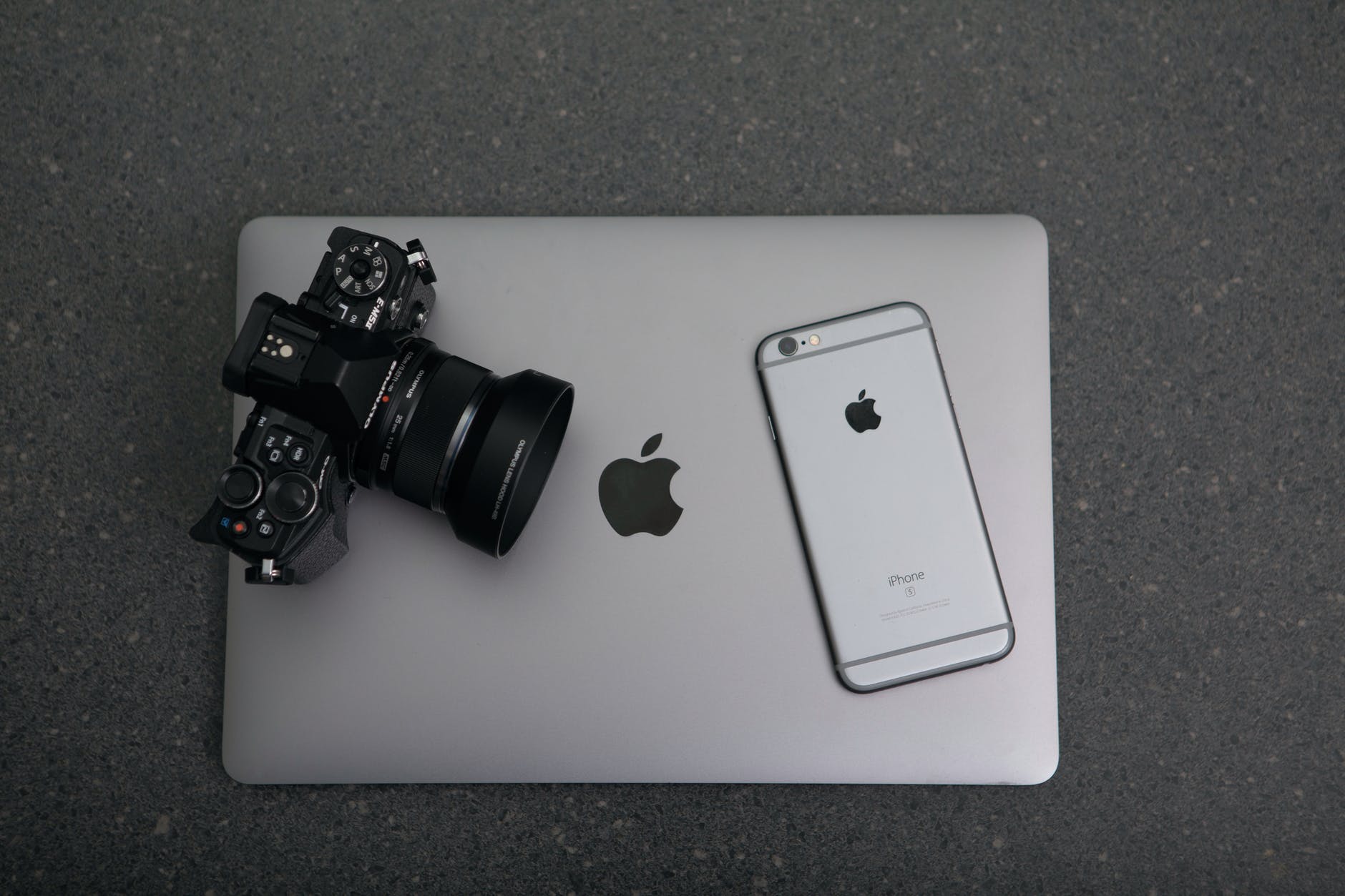
Apple’s current CEO Tim Cook is considered by some to be a mastermind in supply chain. He first joined Apple in 1998 with a mandate to clean up the company’s manufacturing and distribution. Over time, he closed factories and warehouses, instead opting for contract manufacturers in China. That’s great for Apple’s profit margins, but it’s certainly not praised by President Trump, who has asked Apple to make its products in the U.S. If, say, iPhone production was moved to the U.S., instead of China, different analyses show the price for the consumer could go up from anywhere from $30 or $40 to hundreds of dollars to even $30,000-100,000. That’s partially why, despite Apple pledging to invest more money in American manufacturing, it maintains China as its hub for making its gadgets.

american and chinese flags and usa dollars
Photo by Karolina Grabowska on Pexels.com

That’s Omar Slim, a senior portfolio manager at global asset manager, PineBridge. When you hear about made in this country or that country is really quite relative and it’s a simplification of things because it’s most likely made in a number of countries. Here’s an example. Let’s say we want to make lasagna for dinner. If Jeff cooks the ground beef and prepares the cheese, Sarah makes the tomato sauce and layers the ingredients into a pan; and Blair, who bought all the ingredients, puts it in the oven, who gets the credit for making the lasagna? Now, let’s apply that to Apple’s iPhone. While the phone might say ‘Made in China,’ some of its parts come from other parts of Asia, Europe and even the U.S. Even though an iPhone may be assembled in China, it’s still tariffed in China as a U.S. product because Apple is an American company. The brand makes that clear with by, ‘Designed by Apple in California. How they’re treated in terms of customs, they will be treated as a U.S. product. So regardless of where they come, it’s essentially a U.S. product. Same for Chinese products going into the U.S. and same for, for instance, European cars.

India simply cannot afford to boycott Made in China — Quartz India

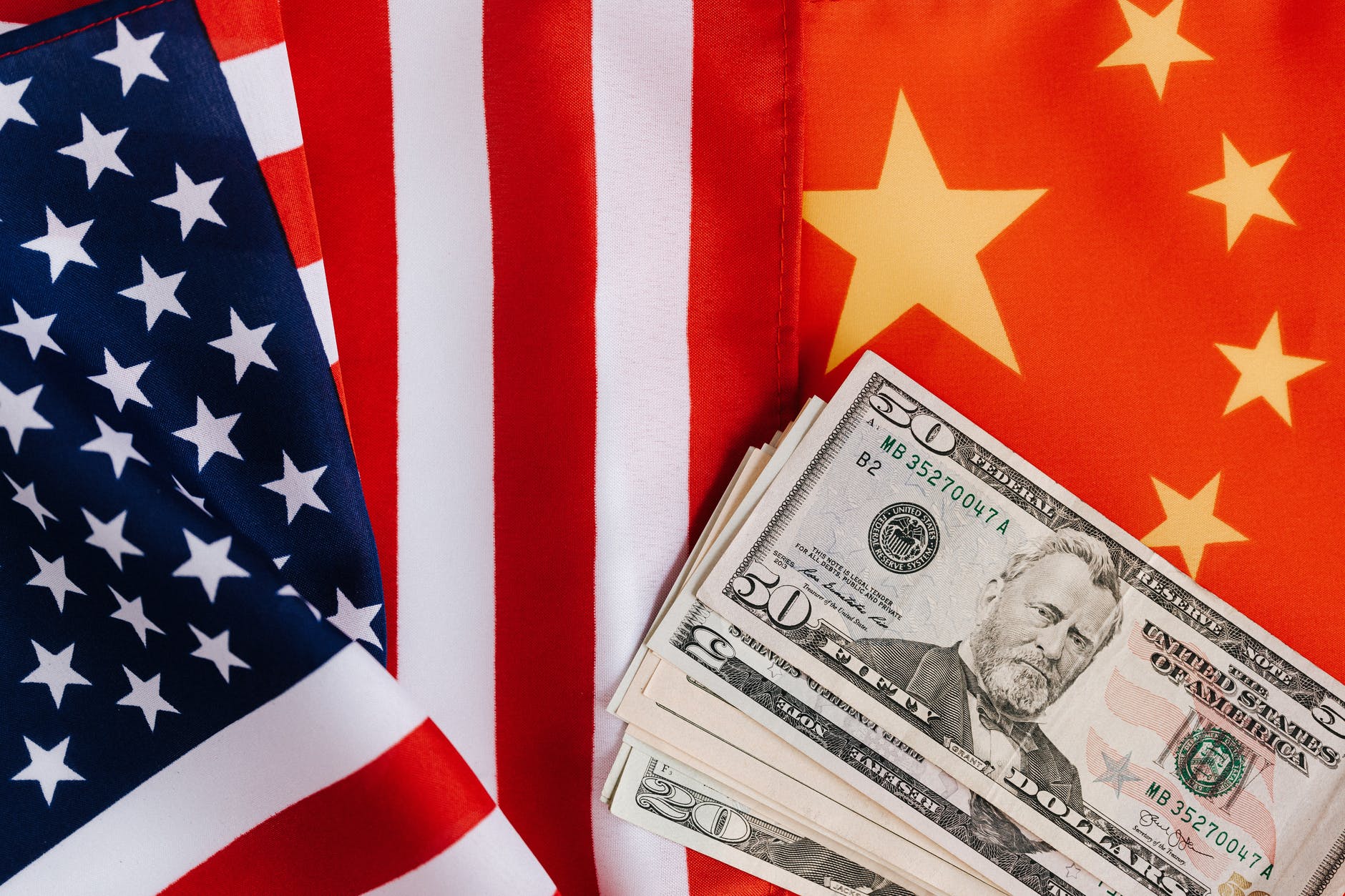
China became a popular manufacturing hub in the 1980s after it started to open to the world. It became known for its cheap labor costs, lax regulations and business-friendly environment. As China’s manufacturing sector grew, it took the crown from Germany as the world’s top exporter in 2010. While Made in China has become synonymous with cheap and low-quality products, China is hoping to change that. In 2015, it launched a Made in China 2025 initiative, which aims to shift its economy from low-end manufacturing to high-end, high-tech products. In 2017, Tim Cook said China lost its place as a low labor cost manufacturing nation many years ago. The U.S.-China trade war resulted in a tit-for-tat increase in tariffs on many products.

Petition · Political Parties: Boycott 'Made in China' products in ...

With increasing costs being passed on to consumers, many companies are looking to diversify their supply chain, instead of being so reliant on China. That sentiment has only grown, following the coronavirus pandemic’s hit on the global manufacturing industry. Along that supply chain, there will be some companies, that instead of manufacturing it in China, if they could, they could try to replace. In fact, companies including Apple, Microsoft and Google are reportedly looking into moving some of their hardware production from China to Vietnam or Thailand. But that might be harder than it sounds. The other countries will have a hard time to compete along with the fact that the infrastructure is shown that it’s quite good, along with the fact that in certain countries would not want to compromise the relationship with China.

70 Reasons that makes us Proud to be Made In India - Sanjay Dalmia

The reality today is that a product likely has many components which are sourced globally. A phone may be designed in the U.S, but its screen is sourced from South Korea, the sensors and microchips may be from Taiwan or Germany, with its assembly in China. So, the next time you see a product with the words, “Made in China,” remember that the full story is seldom pure, and never simple.

Vitamin D tips for home, COVID Lockdown

At present Corona, the virus is continuing its spread across the world with more than four million confirmed cases in 188 countries. Many people have lost their lives so far because of this pandemic. This is moving like a jet- one that may yet crash on those least able to cope. The best way to boost our immunity is healthy eating practices which may play a main role in determining our overall health during this pandemic period. All vitamins play a huge part in helping us maintain homeostasis and better health. In the age of “the virus” and many other bugs that seek to injure us, our immune system is called upon to soldier up and defends its home.  Many of are unaware of what does vitamin D dowhat are the benefits of vitamin D and so on. So here is an article on Vitamin D tips for home and everywhere.

Vitamin D

Vitamin D is also known as the sunshine vitamin, and the reason behind that nickname is that the primary source of vitamin D is the sun. Calcium and vitamin D should be combined to work correctly. Its primary functions are to protect and repair every bone structure which in return helps to grow immunity.

Vitamin D tips for home

Vitamin D is important. It acts differently than other vitamins. It acts like a hormone and every cell in your body has a receptor for Vitamin D. As it is an important component needed by our body we should start maintaining levels of vitamin D.

Bioavailability

Vitamin D can be activated by respiratory epithelial cells. Metabolism is directly involved in the immunity response to respiratory viruses.

Food enriched with Vitamin D

  • Salmon, Tuna, or fatty fish.
  • Orange juice
  • Egg yolks
  • Mushrooms
  • A supplement of cod liver oil
  • Yoghurt
  • Shrimp
  • Sardines

Fortified Food Sources of Vitamin D

Though there are very few foods which naturally contain Vitamin D, fortified products like milk, cereals, yoghurt and orange juice are readily available to boost your daily dosage. Vitamin D tips for the home include all these enriched foods which are easily available at home.

Supplements

There’s a big question in our heads that what are the supplements of vitamin D.

There’s no risk of your body making too much vitamin D from sun exposure, but always remember to cover up or protect your skin from sunburns. We are often told that if we don’t go a day call at the sun without sunscreen, we’ll eventually develop vitamin D deficiency, but that’s not gonna happen. Our bodies store vitamin D to such an extent, that you simply can go months without sun exposure in the least, and still not develop the deficiency. We surely get vitamin D through the exposure of our skin to short UV wavelengths (260-290), so blocking all UV seems to stop us from taking our daily vitamin D dosage right?

Well, actually no. which is because most folks don’t cover every inch of our exposed body with sunscreen. Maybe, we are really careful with our face, but are we that careful with the remaining of our body? Our ears, the rear of our neck, the rear of our knees? albeit we are at the start of the day, I don’t think most folks reapply on these areas throughout the day, so there’s no harm done, as far as vitamin D cares.

Deficiency Symptoms

  • Hair loss
  • Muscle and bone pain, Back pain
  • Getting sick often
  • Women, especially young, pregnant and breastfeeding.
  • Little exposure to sunlight
  • Darker skin tones
  • Depression and/or anxiety, mood swings
  • Hip, leg or pelvic stress fractures
  • Muscle pain or weakness
  • Bone pain and/or osteoporosis
  • Fatigue, general malaise

Benefits

  • Creates strong bones and teeth
  • Prevents depression
  • Helps with anxiety
  • Reduces the risk of cancer (different forms) and heart disease
  • Boosts immune function prevents colds and influenza
  • Boosts weight loss goals by suppressing appetite

Conclusion

Our immune system performs the task of protecting us from both foreign and domestic invaders.

Vitamin D promotes immunity by increasing the absorption of calcium from our diet via small intestines. It stimulates osteoclast activity (osteoclasts are cells within the bones responsible for bone restoration).

The Centers for Evidence-Based Medicine (CEBM), states that low vitamin D serum levels are the results of acute respiratory infection rates.

We need our lungs to be healthy and able to work properly. I think now you are clear with all the reasons and importance of conscientiously take your vitamins, get enough sunlight, nutritious diet, rest and exercise and be as healthy as you can.

Disclosure:

Consult a doctor for your health and supplements you take.

With the Covid-19 pandemic and everyone being indoors, we need to very carefully, get outside, and get some vitamin D from the sun. Vitamin D wards off depression and makes us happy. It also helps out immune systems, and various studies state that it can prevent flu.

However, we just can’t go out to a crowded park, or beach, and contribute to the pandemic. What we can do is go for walks in secluded places, go for walks early in the morning or at times when not many people are out. We can read in our back yards or front yard. We can do some gardening. Use a little sunscreen. Sunscreen can prevent skin cancer, and ageing your skin. Get outdoors anywhere, where there is not a bunch of people.

Acquire enough amount and start maintaining levels of vitamin D, with the help of our Vitamin D tips for home.

STAY SAFE AND HEALTHY!

Who Is Responsible If People Die From Coronavirus On A Reopened Campus?

The loss of lives that could have been otherwise avoided, will attract the most serious penalty and incrimination. Institutional authorities must keep this in mind as they consider the decision to open campus while the pandemic continues to pose threat to life.

Students wearing protective masks appear in the higher secondary school examinations of Madhya Pradesh Board of Secondary Education, during the fifth phase of ongoing COVID-19 lockdown, in Bhopal.

July is almost here, and the autumn semester is not far away. Are we in a position to reopen schools, colleges and universities? What are the implications if we do? Who suffers if COVID-19 attacks campus, and who is responsible if lives are lost?

To open or not to open. Worldwide, this brings together three major crises: a public health crisis, an economic crisis, and the long crisis of higher education. For instance, in the US, due to the high cost of college and the importance of residential education, it is likely that a number of small colleges will go bankrupt, large number of jobs will be lost, and the quality of education will almost invariably suffer. “A kind of a shock therapy,” predicts The Chronicle of Higher Education, “will permanently restructure the higher-education sector.”

Few things in recent history have foregrounded social inequalities as the education sector under the pandemic. Here in India, poor and rural students have suffered the most, lacking the infrastructure to participate meaningfully in online education. In the West, the heads of institutions for racial minorities have championed reopening, pleading that institutions are the safest places for them, as their poor home networks make them more vulnerable to the disease than on campus.

Almost everywhere, education experts have argued that rich and well-prepared students will do fine online, but students from weaker segments of society, including those with poorer academic preparation and lower familiarity with technology, are certain to suffer if on-campus instruction does not resume.

On the other hand, if the campus of a school or college opens and people die from contracting the virus, who holds the legal (to say nothing of the human) liability of such deaths?

The leadership of a number of American colleges are scrambling to get people to sign waivers. However, as the Chronicle has pointed out, this is a fantasy: “No waiver can resolve all those headaches, according to a dozen lawyers who work with colleges.” More than ever, in this circumstance, asking something to sign a waiver is essentially telling them: “I might be doing something that could do you harm.”

Hope Sarah Goldstein, a partner with Bryan Cave Leighton Paisner, told the Chronicle that an employer cannot ask employees to sign away future claims from workplace-related injuries covered by workers’ compensation. Waivers cannot annul liability. On the other hand, a disclosure can raise awareness and underscore communal responsibilities that must be held in a public-health crisis.

What about institutions in India? What are their responsibilities on event of COVID-related fatalities due to virus contracted on a reopened campus?

Dr Abhik Majumdar, a faculty member at the National Law University, Odisha, elaborates on a range of possibilities. The liability of an institution depends on whether or not it reopens following a government order; whether the order in question is mandatory or merely an authorisation given to institutions to reopen at their discretion; and whether the institution is a private or a state body.

If an institution opens contrary to government orders, Prof Majumdar points out, it will attract punishment under Section 3 of the Epidemic Diseases Act 1897, read with Section 188 of the Indian Penal Code 1860. Sections 269 and 271 of the Penal Code might also become applicable in such a situation. It is, however, unlikely to happen, as no institution will be so reckless as to flout governmental orders in the present situation.

It remains important to note, however, that if the government orders educational institutions to open, then liability in case of untoward incidents will lie mainly with the Government. Institutions may incur liability if they fail to adequately provide for safety measures such as dispensing masks, maintaining social distancing, and so forth.

In the last situation, if the government merely permits (as opposed to compelling) institutions to open at their own discretion, the institution becomes liable if their action leads to the spread of the disease and fatalities resulting from the spread. The nature of liability will depend on whether it is a private institute or a state body. In the first case, the institution may incur liability in tort law. It may also be liable under the Epidemic Diseases Act as mentioned earlier, if it is found deficient in implementing appropriate rules. State bodies’ liability features an added dimension. Any deficiency on their part cam be construed as a violation of the right to life under Article 21 of the Constitution.

Surabhi Singh, an alum of NLU Odisha and a current LLM student at the University of Toronto points out that under the current legal regime, State institutions run the risk of being sued for a violation of broader constitutional rights as they are an arm of the government, under writ jurisdictions of the Supreme Court as well as the respective High Courts. A writ jurisdiction is broad, and the relief granted by the courts can range from asking the institute to shut in person classes, award compensation to affected students, refund fees etc. “All of this is of course speculative,” she says, “but as a practicing lawyer I can foresee it being asked for from courts.”

However, Singh thinks that this writ-based relief is less likely with private institutions. Also, should some student fall sick and die, there is the risk of being sued for criminal negligence, which can implicate individual administrators of the institute concerned. Tort claims of negligence can also be made by the students who may claim damages. If the infection spreads through food or water, State based laws on food and water safety may apply.

Life, livelihood, and learning – or at least its best practice. It may seem like a lose-lose situation. This is, however, an extended emergency, and in the end, loss of lives that could have been otherwise avoided, will attract the most serious penalty and incrimination. Institutional authorities must keep this in mind as they consider the decision to open campus while the pandemic continues to pose threat to life.

SAIKAT MAJUMDAR