One Nation One Subscription (ONOS)

Daily writing prompt
What is one thing you would change about yourself?

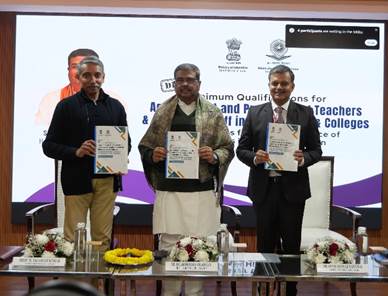
The Union Cabinet, chaired by Prime Minister Shri Narendra Modi, has approved One Nation One Subscription,  a new Central Sector Scheme for providing country-wide access to scholarly research articles and journal publication. The scheme will be administered through a simple, user friendly and fully digital process. This will be a “One Nation One Subscription” facility for the government higher education institutions and R&D laboratories of the central government.

A total of about Rs.6,000 crore has been allocated for One Nation One Subscription for 3 calendar years, 2025, 2026 and 2027 as a new Central Sector Scheme. One Nation One Subscription will build on and further enhance the scope and reach of the range of initiatives undertaken by the Government of India over the past decade in the domains of education, for maximizing access to quality higher education for the youth of India. This will supplement the ANRF initiative to promote research and development and foster a culture of research and innovation throughout government universities, colleges, research institutions, and R&D laboratories.

The benefits of One Nation One Subscription scheme will be provided to all Higher Educational Institutions under the management of the Central or State Government and Research & Development Institutions of the Central Government, through a national subscription coordinated by a central agency, namely the Information and Library Network (INFLIBNET), an autonomous inter-university centre of the University Grants Commission (UGC). This list covers more than 6,300 institutions, translating into nearly 1.8 crore students, faculty and researchers, who will be able to potentially avail benefits of One Nation One Subscription.

This is in line with the goals of Viksitbharat@2047, National Education Policy (NEP) 2020 and Anusandhan National Research Foundation (ANRF). The initiative will expand access to scholarly journals to a vast diaspora of students, faculty, researchers and scientists of all disciplines, including those in tier 2 and tier 3 cities, thereby promoting core as well as interdisciplinary research in the country. The ANRF will periodically review the usage of One Nation One Subscription and publications of Indian authors of these institutions.

The Department of Higher Education will have a unified portal “One Nation One Subscription” through which the institutions will be able to access the journals. The ANRF will periodically review the usage of One Nation One Subscription and publications of Indian authors of these institutions. The DHE and other Ministries having HEIs and R&D Institutions under their management shall be proactively conducting Information, Education and Communication (IEC) campaigns among students, faculty and researchers of these institutions about availability and method of access to One Nation One Subscription, resulting in improved usage of the facility across the country. The State Governments will also be requested to carry out campaigns at their level for maximizing usage of the unique facility by students, faculty and researchers of all government institutions.

*****
Bureau of Indian Standards addresses need for reliable, affordable medical assistive technology

Daily writing prompt
What is one thing you would change about yourself?

The Bureau of Indian Standards (BIS), India’s National Standards Body is addressing growing need for reliable and affordable medical assistive technology. The Bureau is developing standards for innovative products such as therapeutic footwear, portable ramps, braille displays, and fall detectors, which support individuals with disabilities and enhance their quality of life.

In line with the National Medical Device Policy, 2023, BIS is prioritizing standards development for 214 critical medical devices. These have been identified in consultation with the Department of Pharmaceuticals (DoP). It includes septal closure devices, plasma sterilizers, and phototherapy machines. The initiative is set for phased completion by December 2025.

The Bureau is also driving improvements in healthcare quality, safety, and reliability by developing robust medical device and service standards. By aligning with the Medical Devices Rules, 2017, and the National Medical Device Policy, 2023, BIS is proving to be instrumental in establishing a robust regulatory framework that prioritizes public safety while fostering innovation.

Output image

BIS has published over 1,700 standards for the medical sector, covering specialities such as cardiology, neurology, orthopaedics, ophthalmology, and more. Of these, around 1,200 standards specifically focus on medical devices critical to healthcare, including:

  • Life-saving devices: Cardiac pacemakers, heart valves, ventilators, and haemodialysis machines.
  • Advanced diagnostic tools: X-ray machines, CT scanners, MRI systems, and blood glucose monitors.
  • Assistive technology: Hearing aids, wheelchairs, Jaipur Foot, and tactile pathways for visually impaired individuals.

BIS standards in this sector ensure that Indian medical devices are safe, effective, and globally competitive. These efforts build trust among healthcare providers, consumers, and international stakeholders while solidifying India’s reputation as a leader in healthcare innovation.

Key Standards for Medical Devices:

Some of the key Indian Standards developed by BIS include:

  1. Cardiac Pacemakers: IS 13450 (Part 2/Sec 31): 2021
  2. Heart Valves: IS 17840
  3. Hip and Knee Implants: IS 12375
  4. Ventilators: IS 13450 (Part 2/Sec 12): 2023
  5. Infant Incubators and Radiant Warmers: IS 13450 (Part 2/Sec 19): 2023 for incubators and IS 13450 (Part 2/Sec 21): 2023 for radiant warmers
  6. Haemodialysis Machines: IS 13450 (Part 2/Sec 16) : 2019
  7. Infusion Pumps: IS 13450 (Part 2/Sec 24): 2019
  8. Advanced Diagnostic Tools:
    • X-ray and CT Machines: IS 7620 (Part 1) : 1986
    • MRI Systems: IS 13450 (Part 2/Sec 33) : 2018
    • Ultrasound Devices: IS 13450 (Part 2/Sec 37): 2019
    • ECG: Covered under IS 13450 (Part 2/Sec 25): 2018
  9. Monitoring Devices:
    • Blood Pressure Monitors: IS 13450 (Part 2/Sec 34): 2019
    • Blood Glucose Monitors: IS/ISO 15197: 2013
    • Pulse Oximeters: IS/ISO 80601-2-61: 2017

***

Global Cooperative Conference 2024 at Bharat Mandapam in New Delhi

Daily writing prompt
What is one thing you would change about yourself?

Prime Minister Shri Narendra Modi inaugurated the Global Cooperative Conference 2024 at Bharat Mandapam in New Delhi. Prime Minister Shri Narendra Modi also launched the United Nations’ International Year of Cooperatives 2025 and released a commemorative postal stamp. On this occasion, Union Home Minister and Minister of Cooperation Shri Amit Shah, the Prime Minister of Bhutan, the Deputy Prime Minister of Fiji, the President of International Cooperative Alliance (ICA), the Secretary of the Ministry of Cooperation, and several other dignitaries were present.

1.JPG

On this occasion, Union Home Minister and Minister of Cooperation Shri Amit Shah said in his address that the United Nations’ decision to observe 2025 as the International Year of Cooperatives is a timely step and will prove to be a blessing for millions of poor people and farmers worldwide. He added that the inauguration of the International Year of Cooperatives-2025 by Prime Minister Modi today and the hosting of the International Cooperative Conference of the ICA in India is a welcome step.

Shri Amit Shah said that Prime Minister Shri Narendra Modi three years ago gave the clarion call of “Sahkar Se Samriddhi” which reflects the essence of theme of this conference, which paved the way for the prosperity of millions of villages, women, and farmers. He said that in previous 3 years, many new activities have taken place in the cooperative sector of India, and after 75 years of independence, India’s cooperative movement has experienced a revival, bringing with it a new zeal.

Union Home Minister and Minister of Cooperation said that in next 3 years, through 2 lakh new Primary Agricultural Credit Societies (PACS), there will not be a single village panchayat in India without a cooperative society. He said that many steps have also been taken to make PACS modern, tech-enabled and economically-viable. He said that through 3 new cooperative bodies formed at the national level, the farmers of India will be able to increase their access to the domestic as well as global market. He said that National Cooperative Exports Limited (NCEL),  National Cooperative Organics Limited (NCOL) and Bharatiya Beej Sahakari Samiti Limited (BBSSL) will not only increase the participation of farmers in world trade in the coming days, but will also work to inspire cooperatives all over the World as to how a small farmer can reach all the markets of the World. Shri Shah said that Indian Farmers Fertiliser Cooperative (IFFCO), Krishak Bharti Cooperative (KRIBHCO) and Amul have set examples in the field of cooperatives all over the world and similarly these three cooperatives will also guide the people working in the cooperative sectors of the World.

2.jpeg

Shri Amit Shah said that after the formation of the Ministry of Cooperation three years ago, the entire legal framework of cooperatives has been strengthened, the White Revolution 2.0 and the Blue Revolution have also begun, in which the role of cooperatives is very important. He said that under the leadership of Prime Minister Modi, comprehensive changes have taken place in the last 3 years for the overall development of cooperatives. Shri Shah said that in the coming days, we are also going to build a cooperative university, through which trained and tech-enabled human resources will be created. In the “International Year of Cooperatives,” the Modi government will usher in new dimensions to India’s cooperative movement by introducing a new cooperative policy.

3.JPG

Union Home Minister and Minister of Cooperation said that in order to expand the reach of cooperatives, the Government of India is committed to connecting every village and farmer with the cooperative movement. He added that numerous efforts have been made to explore new areas and extend the scope of cooperatives.

Shri Shah stated that under the guidance of Prime Minister Modi, significant work has been done in the past three years to extend the reach of cooperatives to every individual and sector. He emphasized that the cooperative movement has opened several avenues for the empowerment of villages, farmers, women, and the underprivileged. Through this movement, the goal of “Sahkar se Samriddhi” envisioned by Prime Minister Modi, can be achieved in the coming times. He also said that the International Year of Cooperatives, inaugurated today by Prime Minister Shri Narendra Modi, will pave the way for the empowerment of millions of poor people, farmers, and women worldwide, enabling them to live with dignity and respect.

***

CREDAI to formalise its 14,000 members, says social security of labour crucial to real estate growth

Daily writing prompt
What is one thing you would change about yourself?

The real estate sector should look at a greater formalisation that will help the industry grow faster. This was stated by Union Minister of Commerce & Industry, Shri Piyush Goyal during his keynote address at the 25th Foundation Day of CREDAI (Confederation of Real Estate Developers’ Associations of India) in New Delhi today. He further urged the industry to engage the labour in formal employment, giving them the social security benefits of insurance (ESIC) and provident fund (EPFO). This will help in the number of employees getting reflected in annual reports and in national statistics. If social security, healthcare and post-retirement benefits are provided then the employees will align with the industry’s goals of enhancing their quality of work leading to better productivity and greater profits, he said. 

Photo by Alex Staudinger on Pexels.com

Commerce and Industry Minister also appealed to CREDAI to expedite formalisation of its 14,000 members. If everyone who works for CREDAI will receive salary through digital payment and if it is ensured that employees working in the ecosystem is a part of the national effort to meet the needs of the people, CREDAI’s contribution to employment will get recognised and rewarded, he said.

In his address, Shri Goyal raised the issue of environment pollution and urged CREDAI to consider setting up a team to study ways to adopt better construction techniques in the metropolitan cities of India. He further suggested the industry body to  take this up as a mission and report to the Government steps being taken in this direction. Adopting steel and precast fabrication will speed up construction benefitting the entire ecosystem. This can help in reducing AQI and pollution levels, he said.

Shri Goyal lauded CREDAI for its contribution to making India a powerhouse and also in its  journey towards Viksit Bharat and added that the industry has not only worked with brick and mortar to collectively prepare the nation for the future but has worked to provide opportunities and aspirations to the nation. Real estate contributes to the economy and jobs, he said.

Emphasising the difficulty citizens faced earlier in owning homes, Shri Goyal pointed out that a concerted effort has been undertaken in the last ten years to clean up processes, promote Ease of Doing Business and encourage businesses to expand. He also noted that bringing The Real Estate (Regulation and Development) Act (RERA) into effect in 2017 was a challenge, however, the regulations have enabled citizens to acquire homes without dispute. The Minister further highlighted CREDAI’s commitment to rectify the processes and pointed out that provisions like Goods and Services Tax (GST), RERA Act and efforts to eliminate irregular transactions have resulted in an organised growth of the real estate sector.

Hailing Prime Minister Shri Narendra Modi’s efforts to clean up the banking system, Shri Goyal noted that non-performing assets (NPAs) have decreased significantly and banks have strong credit portfolios with strong balance sheets, maintaining healthy profit each year. It shows how important the banking sector is for the real estate sector and for the economy to gain momentum in meeting the aspirations of the nation. As income levels rise, more people will take possession of their homes as they will be able to afford cheaper loans at  lower interest rates, he said.

Shri Goyal also spoke about affordable rental housing and announced that the Government would be engaging in discussions with the industry body to find ways to provide affordable rental to the citizens, besides working on the rehabilitations programme for slum dwellers. He said that affordable rental housing if made available would be able to stop the proliferation of slums in cities. Shri Goyal pointed out that aspects like parking lots and spaces for entertainment families should be looked into when planning layouts. He added that we need to recycle construction waste so that we move towards a circular economy as to be a net zero nation we have to begin from net zero localities and societies. 

Encouraging the industry leaders and participants to look for real estate opportunities abroad, Shri Goyal said that expanding the real estate footprint outside India will add to India’s exports and infrastructure services. He also urged the industry to expand its sector and the 250+ associate industries to make real estate a $1 trillion contributor to the nation.

***

Research Paper Editing Services

Daily writing prompt
Are you more of a night or morning person?

Research paper editing services offered by Eduindex.org are designed to assist students, researchers, and academic professionals in enhancing the quality of their research papers, dissertations, and academic articles. Their services focus on improving clarity, grammar, structure, and overall coherence of academic writing, helping to ensure that the final document is polished and ready for submission to journals, conferences, or academic institutions.

Eduindex.org offers a range of editing services, including:

  1. Grammar and Punctuation Check: Ensuring that the research paper adheres to proper grammar and punctuation rules, enhancing readability and professionalism.
  2. Structure and Organization: Reviewing the overall structure of the paper, ensuring logical flow, appropriate headings, and subheadings for easy comprehension.
  3. Clarity and Conciseness: Editing the content to make it clearer and more concise, removing redundant phrases and unnecessary jargon.
  4. Formatting: Ensuring the paper is formatted according to the required citation style (APA, MLA, Chicago, etc.) and meets specific institutional or publication guidelines.
  5. Referencing and Citations: Checking references and citations to ensure they are correctly formatted and consistent with the required style.
  6. Plagiarism Check: Providing a thorough plagiarism check to ensure the originality of the research paper.

How to Contact Eduindex.org for Research Paper Editing:

To make use of their professional editing services, you can reach out to the team at Eduindex.org by sending an email to editor@eduindex.org. You can share your research paper and any specific requirements or concerns you have regarding the editing process. The editorial team will respond with a tailored solution and discuss the next steps, including pricing and deadlines.

By availing of their editing services, researchers and students can ensure that their academic work is of the highest quality, increasing the chances of successful publication or submission.

Loganix: A Comprehensive Overview

Daily writing prompt
What are your feelings about eating meat?

Loganix is a prominent digital marketing agency that specializes in providing a wide range of SEO (Search Engine Optimization) and link-building services tailored to help businesses improve their online visibility. Since its inception in 2010, Loganix has established itself as a trusted name in the digital marketing industry, catering to agencies, businesses, and individuals looking for high-quality, scalable, and results-driven solutions.

Key Services Provided by Loganix

  1. Link Building Services
    Loganix offers premium link-building services that prioritize quality over quantity. These include:
    • Authority Links: Secure backlinks from high-authority websites, enhancing domain credibility.
    • Guest Posting: Placement of well-researched, valuable articles on reputable websites, driving referral traffic and boosting SEO.
    • Niche Edits: Adding contextual links to existing content on relevant websites, ensuring seamless integration and relevance.
  2. Local SEO Services
    Loganix provides robust local SEO strategies to help businesses dominate local search results. This includes:
    • Citation Building and Cleanup: Creating and maintaining accurate business listings across directories and correcting outdated or duplicate information.
    • Google Business Profile Optimization: Enhancing Google My Business profiles for better visibility in local map packs and search results.
    • Local Link Building: Targeting region-specific backlinks to increase local relevancy and authority.
  3. SEO Audits and Content Marketing
    Loganix helps businesses identify gaps in their SEO strategies through detailed audits. They also specialize in content creation and optimization to improve rankings and engagement.
    • SEO Audits: Comprehensive analysis of a website’s on-page, off-page, and technical SEO performance.
    • Content Creation: Delivering high-quality, SEO-optimized content tailored to target keywords and audience intent.
  4. White Label Services for Agencies
    Loganix serves as a white-label partner for digital marketing agencies, enabling them to offer top-tier SEO and link-building services under their branding. This allows agencies to scale their offerings without overburdening internal resources.

What Sets Loganix Apart?

  1. Commitment to Quality
    Loganix emphasizes building relationships with reputable sites and delivering high-value links, ensuring long-term SEO gains rather than quick, unsustainable fixes.
  2. Scalability and Customization
    The agency provides scalable solutions, making it a preferred choice for small businesses and large enterprises alike. Services are customizable to fit the specific needs and goals of each client.
  3. Transparent Reporting
    Loganix ensures complete transparency in its processes, providing clients with detailed reports outlining the progress and results of campaigns.
  4. Experienced Team
    With over a decade of experience, Loganix’s team is composed of seasoned SEO experts, content creators, and digital marketers dedicated to delivering measurable results.
  5. White-Hat Practices
    The agency strictly adheres to ethical SEO practices, ensuring compliance with Google’s guidelines and protecting clients from penalties.

Why Choose Loganix?

  • Proven Track Record: Loganix has worked with businesses across various industries, demonstrating consistent success in improving search rankings and online presence.
  • Tailored Strategies: Every business is unique, and Loganix crafts strategies that align with individual business objectives.
  • Cost-Effectiveness: Loganix delivers value for money by focusing on strategies that drive sustainable growth.

Industries Served

Loganix caters to a diverse range of industries, including:

  • E-commerce
  • Healthcare
  • Legal Services
  • Real Estate
  • Technology Startups
  • Digital Marketing Agencies

Conclusion

Loganix stands out as a reliable partner for businesses looking to enhance their digital footprint. With its focus on ethical practices, scalable solutions, and transparent processes, the agency has earned a strong reputation in the SEO and digital marketing space. Whether you’re a business owner seeking to dominate local search results or an agency looking to expand your service offerings, Loganix is well-equipped to meet your needs and deliver tangible results.

For more information, visit Loganix’s official website.

Gati Shakti Vishwavidyalaya held its 1st Court meeting in Rail Bhawan in New Delhi

Daily writing prompt
Name your top three pet peeves.

Gati Shakti Vishwavidyalaya (GSV) held its 1st Court meeting in Rail Bhawan in New Delhi today. Chairing the meeting, Sh. Ashwini Vaishnaw, Union Minister of Railways, Information & Broadcasting and Electronics & Information Technology said “GSV is set to emerge as the best university in India and World, in line with PM Shri Narendra Modi’s vision, with its focus on Industry-driven approach and employability-oriented courses for the entire transportation and logistics sectors, including railways, aviation, marine engineering, highways, shipping, logistics and defense sectors. He further said “All the newly-recruited officers of Indian Railway Management Service (IRMS) Officers shall undergo their probationary training designed by Gati Shakti Vishwavidyalaya, a combination of theoretical and practical experiences at CTIs and industry, resulting in an MBA degree from GSV. Further, new programs shall be added for Bridge and Tunnel Engineering, Aviation Operations, Maritime Infrastructure, Highway Engineering and for defense forces”.

This event was graced by Shri Satish Kumar Chairman & CEO, Railway Board, Shri V Uma Shankar, Secretary, Ministry of Road Transport and Highways, Shri Amardeep Singh Bhatia,Secretary, DPIIT, Vice-Chief of Army Staff Lt. Gen. NR Raja Subramani, Sunil Mathur,MD & CEO, Siemens India, Olivier Loison MD, Alstom India, Jaya Jagadish,MD, AMD India, Shri Sushil Kumar Singh, Chairman, Deendayal Port Authority, Prof. Manoj Choudhary,Vice-Chancellor, Gati Shakti Vishwavidyalaya, representatives of Ministry of Higher Education, Ports Shipping and Waterways, Civil Aviation, AICTE and the leading functionaries of Gati Shakti Vishwavidyalaya.

At the occasion, Prof. Manoj Choudhary Founding Vice-Chancellor, Gati Shakti Vishwavidyalaya presented a detailed progress and status report of the university since its inception on 06 Dec 2022. All the members wholesomely praised the huge strides and progress of GSV in such a short time, particularly its Industry-driven and innovation-led approach, focus and results achieved within such a short time, setting the foundation of a top-class university. The members of the Court offered several suggestions and collaborative inputs for future programs in highway engineering, ports infrastructure, artificial intelligence, green hydrogen and ports modernization, defense sectors logistics and supply chain, affiliating national academies in the infrastructure sectors, being a nodal center to other universities/institutions, infrastructure project management etc. The Annual Reports and Annual Accounts of the university were also approved to be tabled before the Parliament.

Gati Shakti Vishwavidyalaya (GSV) has quickly emerged as a game changer in the higher education sector, particularly for the transportation, logistics and infrastructure sectors. GSV Vadodara was established as a Central University through an Act of Parliament in 2022, for creating best in class manpower and talent for the entire transportation and logistics sectors. This Central University is sponsored by the Ministry of Railways, Govt. of India and is mandated to work across railways, shipping, ports, highways, roads, waterways, and aviation etc. Following a demand-driven curriculum and leveraging state of the art infrastructure of all the Centralized Training Institutes of Indian Railways, the GSV shall create a resource pool of professionals across technology, economics, management and policy comprising multidisciplinary teaching (bachelors/masters/doctoral), executive training and research. GSV shall also undertake training for Indian Railways probationers and serving officers. Being an Industry-driven and Innovation-led university, GSV has a very strong focus on collaborations with leading institutions and industries across the world.

****

Self-shocks turn crystal to glass at ultralow power density

Daily writing prompt
Who are your current most favorite people?

Researchers have shown that utilizing shallow power, a crystalline material called indium selenide can “shock” itself to a glassy phase. This transformation lies at the heart of memory storage in devices like CDs and computer RAMs. It uses a billion times less electricity than the traditional melt-quench process for converting crystal to glass, and the discovery might revolutionise data storage in gadgets ranging from cell phones to computers. 

Glasses function similarly to solids but lack the regular periodic arrangement of atoms. To avoid the glass from getting too organized, a crystal is liquefied (melted) and then rapidly chilled (quenched) during the manufacturing process. This melt-quench technique is also employed in CDs, DVDs, and Blu-ray discs, where laser pulses are used to rapidly heat and quench a crystalline material to the glassy phase in order to write data; reversing the process erases data. Computers use similar materials known as phase-change RAMs, in which information is stored depending on the high versus low resistance provided by the glassy and crystalline phases.

The difficulty is that these devices consume more power, particularly during the writing process. The crystals must be heated to temperatures exceeding 800oC and then rapidly cooled. If it is possible to convert the crystal directly to glass without using the intermediate liquid phase, the amount of power required for memory storage can be greatly reduced. 

 A team of researchers from the Indian Institute of Science (IISc), Bangalore, University of Pennsylvania School of Engineering and Applied Science (Penn Engineering), Pennsylvania and Massachusetts Institute of Technology (MIT), Harvard, USA discovered that when electric current was passed through wires made of indium selenide, a 2D ferroelectric material, long stretches of the material transformed into glass. These breakthrough findings were published in the journal Nature. The research was supported by ANRF (erstwhile SERB) established through an Act of Parliament: ANRF, Act 2023.

The scientists unearthed that when a continuous current is passed parallel to the material’s 2D layers, they slide against each other in various directions. This results in the formation of many domains – tiny pockets with a specific dipole moment enclosed by defective regions that separate the domains. When multiple defects intersect in a small nanoscopic region, like too many holes punched in a wall, the structural integrity of the crystal collapses to form glass locally. 

These domain boundaries are like tectonic plates. They move with the electric field, and when they collide against each other, mechanical (and electrical) shocks are generated akin to an earthquake. This earthquake triggers an avalanche effect, causing disturbances far away from the epicentre, creating more domain boundaries and resulting glassy regions, which in turn spawns more earthquakes. The avalanche stops when the entire material turns into glass (long-range amorphisation). 

Prof. Nukala points out that multiple unique properties of indium selenide – its 2D structure, ferro electricity and piezoelectricity – all come together to allow this ultralow energy pathway for amorphisation through shocks. He further emphasized that the current findings will unlock a wider range of phase-change memory (PCM) applications.

Glass InSe PR2_Akanksha Jain

***

Success of ‘Sagarmanthan’ to Build Consensus for Partnerships of a Prosperous Future of Humanity

Daily writing prompt
Who are your current most favorite people?

The Prime Minister Shri Narendra Modi shared his message on the successful organising of the maiden maritime event – Sagarmanthan, The Ocean’s Dialogue – being held at the national capital. PM Modi called for success of Sagarmanthan to build consensus for partnerships of a prosperous future of humanity.

In his message sent from Camp Office in Nigeria, the PM Modi shared, “Our vision for a free, open and secure maritime network – be it the Indian Ocean or the Indo Pacific region – is finding resonance across the world. The ‘Indo Pacific Oceans Initiative’ envisions marine resources as a key pillar for growth for nations. This dialogue on oceans further strengthen the rules-based world order and enhance peace, trust and friendship between nations. As we strive to realise the vision of a Viksit Bharat by 2047, dialogues such as Sagarmanthan are invaluable to build consensus, partnerships and most importantly, a prosperous future. With the collective efforts of all stakeholders, I am confident that these discussions will resonate far and wide, paving the way toward a brighter, more connected future.”

Highlighting India’s rich maritime legacy & steps to build the sector, the PM Modi shared, “India’s maritime tradition goes back several millennia and is among the richest in the world. The thriving port cities of Lothal and Dholavira, the fleets of the Chola dynasty, the exploits of Chhatrapati Shivaji Maharaj are great inspirations. Oceans are a shared heritage for nations and societies, as well as the lifeline for international trade. Today, the security and prosperity of nations is intimately connected to oceans. Recognising the potential of oceans, several transformative steps have been taken to bolster India’s maritime capabilities. Over the last decade, guided by the vision of ‘Ports of Prosperity,’ ‘Ports for Progress’ and ‘Ports for Productivity,’ we have doubled the capacity of our ports. By enhancing port efficiency, reducing turnaround times and strengthening last-mile connectivity through expressways, reducing turnaround times and strengthening last mile connectivity through expressways, railways and riverine networks, we have transformed India’s shoreline.”

Acknowledging the pioneering role for transformation of maritime sector, the Union Minister of Ports, Shipping & Waterways, Shri Sarbananda Sonowal thanked the Prime Minister for his generous words for the success of the maiden edition of Sagarmanthan – The Oceans Dialogue. On PM Modi’s message, the Union Minister Sarbananda Sonowal said, “Under the dynamic leadership of Prime Minister Shri Narendra Modi ji, India has been witnessing a transformational experience in the maritime sector. The message by the Prime Minister Modi ji encapsulates the very essence that this maiden maritime thought leadership forum – Sagarmanthan – aims to achieve. In his own words, Modi ji shared the framework to a ‘Viksit Bharat’ based on how ‘collaboration and effort can yield the tools and direction we need to ensure prosperity.’ I, on behalf of all whose tireless effort has led to this wonderful forum, want to extend deepest appreciation to the most popular leader of the world, Narendra Modi ji, for his visionary message of rich wisdom, insight & sense for the success of ‘Sagarmanthan – The Oceans Dialogue’.”

****

Atal Innovation Mission unveils fourth cohort of Community Innovator Fellows supported by Capgemini, India

Daily writing prompt
Who are your current most favorite people?

The Atal Innovation Mission (AIM), NITI Aayog marked a significant milestone today with the formal recognition of its fourth cohort of Community Innovator Fellows (CIFs). This year, the program has been further strengthened with the support of Capgemini India, marking a key partnership in fostering grassroots innovation across the country. The CIF initiative continues to empower local innovators, enabling them to address community-specific challenges through creative and sustainable solutions.

In conjunction with the cohort recognition, AIM commenced a two-day intensive bootcamp aimed at equipping these CIFs with the necessary skills and knowledge to scale their innovative solutions as part of AIM’s continued commitment to fostering grassroots innovation and promoting an entrepreneurial ecosystem across India, particularly in underserved regions. AIM, through its Atal Community Innovation Centers (ACIC) program has envisaged to serve the unserved/underserved areas of the country and provide support to every grassroots innovator and work towards accelerating the pathway to reach SDGs 2030.

The CIF Program is a one-year intensive initiative designed to provide aspiring innovators from all socio-economic backgrounds with the infrastructure, training, and mentorship necessary to scale their ideas and build sustainable businesses. Each Fellow is hosted at an Atal Community Innovation Center, where they receive entrepreneurial, SDG-focused, and life skills training while working on solutions tailored to their community’s unique challenges.

Speaking during the keynote address, Mission Director AIM, Dr.Chintan Vaishnav while applauding the program’s role in empowering innovators from Tier 2 and Tier 3 cities said, “The Community Innovator Fellows are uniquely positioned to address community-level problems with solutions that are both relevant and sustainable. This program is aspiring to create a model of excellence, where innovation meets purpose and where community-centric ideas drive national progress.”

He further highlighted the importance of initiatives like the CIF Program in advancing solutions to community level challenges in critical sectors.

Capgemini India, a global leader in consulting, technology services, and digital transformation, is supporting this cohort by providing grants of INR 1 lakh each to 15 CIFs, helping them scale their innovative solutions. SRF Foundation is leading the program’s implementation in collaboration with AIM and Capgemini.

The event witnessed profound insights from distinguished speaker Dhanashree Page, Head of Operations, Digital Inclusion – CSR at Capgemini India. In her address, she emphasized the power of collaborative partnerships in fostering local innovation and driving societal progress. She remarked, “The CIFs represent the hope and creativity of India’s grassroots innovators. By empowering these individuals, we are enabling real, scalable solutions that can transform communities and drive sustainable change,” She said.

Dr. Suresh Reddy, Lead CSR & Director at SRF Foundation, spoke about the significant impact of social entrepreneurship in solving community challenges. “Today’s event showcases the commitment and ingenuity of the CIFs. They are truly the brightest minds in India, using their innovation to address critical local issues,” he said. “We, at SRF Foundation, remain committed to supporting such transformative initiatives and ensuring that their impact reaches every corner of the country.”

The event culminated with the presentation of grants to the CIFs, marking the beginning of their entrepreneurial journey as they work to scale their ideas and make a tangible impact in their communities.

 *****

All India Institute of Ayurveda (AIIA) organises orientation Program ‘Samskara 2024’ for freshly inducted Post Graduates

Daily writing prompt
Who are your current most favorite people?

All India Institute of Ayurveda (AIIA) welcomed its 9th batch of postgraduate scholars with a traditional orientation program, ‘Samskara 2024’. The 15-day program commenced with a swearing-in ceremony, where 85 newly admitted students took the Shishyopanayan Pledge.

Prof. (Dr.) Tanuja Manoj Nesari, former Director of AIIA, was the chief guest, while Prof. (Dr.) Sujata Kadam, Director (I/C), AIIA, presided over the event. Other dignitaries who graced the occasion  included Dean PhD Prof. (Dr.) Mahesh Vyas, Dean PG Prof. (Dr.) Yogesh Badwe, Advisor Academic Activities Prof. (Dr.) Anand More, and other faculty members.

Addressing the gathering, Chief Guest Prof. (Dr.) Tanuja Manoj Nesari extended her best wishes to the new students, saying, “I expect this batch to create history in the future.” She emphasised AIIA’s unique selling proposition (USP)—valuing exceptional education and transformative journeys.

AIIA Director (I/C) Prof. (Dr.) Sujata Kadam encouraged students, saying, “Just as gold is refined through numerous tests, these three years will transform you into refined gold, making your journey extraordinary. I expect you to emerge as the best students from this institution.”

The 9th batch consists of 85 students selected from across India who cleared the All India AYUSH Postgraduate Entrance Test (AIAPGET) conducted by the National Commission for Indian System of Medicine (NCISM) under the Ministry of Ayush, Government of India.

Established in 2017, AIIA has treated over 27 lakh patients and attends to more than 2000 patients daily.

****

India-Australia Cooperation in field of Public Administration and Governance Reforms

Daily writing prompt
Name your top three pet peeves.

On the second day of his visit to Namsai district, Union Minister Dr. Jitendra Singh reviewed the district’s performance under the Aspirational District Programme (ADP). Emphasizing collaboration, convergence, and competition, he underscored the transformative impact of Prime Minister Narendra Modi’s vision and said, PM Modi has made Northeast an essential part of India’s mainstream growth story.

The Minister noted that before 2014, the region often felt alienated from the rest of the country. Today, it stands as an integral part of India’s cultural and developmental landscape. Citing examples such as youth from the North East excelling in the tourism and aviation industries, Dr. Jitendra Singh stressed the strides made in fostering a sense of belonging and national integration.

Highlighting good practices in Namsai, he pointed out initiatives such as integrating Anganwadi Centres with schools to improve early childhood education and health outcomes and the innovative “Pehli Sawari” ambulance service for newborns. Such ideas, he said, are worth replicating across other aspirational districts.

Dr Jitendra Singh appreciated the fact that the Namsai district has emerged as a beacon of progress under the Aspirational District Program (ADP), showcasing remarkable improvements across various sectors, including health, education, and infrastructure. The district’s composite score has surged from 35.8 in April 2018 to 54.0 in March 2024, reflecting a 37.64% improvement. This leap has propelled Namsai from the 97th position to the 12th among 112 districts, earning it accolades and substantial rewards under the Sustainable Development Goals – Empowered Action Group (SDG-EAP).

WhatsApp Image 2024-11-18 at 4.03.18 PM.jpeg

The health sector in Namsai has witnessed transformative changes. The district has achieved a 100% conversion of sub-centres and Primary Health Centres (PHCs) into Health and Wellness Centres (HWCs). Additionally75% of PHCs now comply with Indian Public Health Standards (IPHS), and 70% of specialist services are available in district hospitals. However, challenges remain, such as the acute shortage of General Duty Medical Officers (GDMOs) and nurses, and the absence of radiologists in the district hospital.

Maternal and child health indicators have also shown significant progress. The percentage of pregnant women receiving four or more antenatal care check-ups has increased from 35.46% in April 2018 to 81.3% in March 2024, and institutional deliveries have surged from 46.7% to 117%. The district has also achieved a remarkable 119% immunization rate for children aged 9-11 months.

Namsai’s education sector has made strides in improving literacy and school infrastructure. The district, which has a predominantly rural population with 76% dependent on agriculture, has focused on enhancing government schools, which cater to 67% of the student population. The literacy rate has improved, but it still lags behind state and national averages.

Key initiatives include the renovation of 27 old school buildings, construction of additional classrooms, and provision of computer labs in five government higher secondary schools. The district has also addressed basic amenities, ensuring functional toilets in 81% of schools and drinking water facilities in 98% of schools. The innovative e-fencing software has been implemented to monitor attendance and reduce absenteeism.

The district’s progress is a result of collaborative efforts involving various stakeholders. Significant projects include the construction of a laboratory building and an OPD building under Corporate Social Responsibility (CSR) initiatives, the establishment of model Anganwadi Centres, and the provision of modern diagnostic equipment for district hospitals and Community Health Centres (CHCs). The “Pehli Sawari” initiative, funded by Indian Oil Corporation Limited (IOCL), provides free ambulance services for institutional deliveries, further enhancing maternal health outcomes.

Agriculture and Infrastructure: Addressing Challenges and Leveraging Potential

Agriculture remains a critical sector for Namsai, with 74% of the population engaged in farming. The district faces challenges such as inadequate irrigation facilities, exploitation by middlemen, and low productivity of local livestock. However, the fertile plains and excellent road connectivity offer significant potential for agricultural diversification and agro-based industries.

WhatsApp Image 2024-11-18 at 4.03.19 PM.jpeg

Infrastructure development has also been a priority, with 100% household electrification, improved road connectivity under the Pradhan Mantri Gram Sadak Yojana (PMGSY), and enhanced access to potable water and sanitation facilities.

Namsai’s journey under the ADP serves as a model for other aspirational districts. The district’s comprehensive approach, focusing on health, education, and infrastructure, coupled with collaborative efforts, has yielded significant improvements. As Namsai continues to address its challenges and leverage its potential, it stands as a testament to the transformative power of targeted development programs.

WhatsApp Image 2024-11-18 at 4.03.17 PM.jpeg

Dr. Jitendra Singh’s visit not only showcased the achievements of Namsai but also highlighted its potential as a model for other districts. The Minister emphasized that such targeted developmental efforts demonstrate how collaboration and innovative practices can overcome challenges and drive inclusive growth.

As Namsai continues its journey of progress, its story serves as an inspiration for aspirational districts across India. The Minister’s visit has reignited focus on leveraging local potential and ensuring equitable development, aligning with the government’s vision of a self-reliant and inclusive India.

***

Ease of Living for the Pensioners through Digital Empowerment: DLC (Digital Life Certificate) Campaign 3.0

Daily writing prompt
Name your top three pet peeves.

Jeevan Pramaan is the vision of the Prime Minister, Shri Narendra Modi for Digital Empowerment of Pensioners. All key stakeholders – Pension disbursing banks, Department of Pensions and Pensioners Welfare, Controller General of Defence Accounts, Ministry of Railways, Department of Telecom, Department of Posts, IIPB, UIDAI and Pensioners Welfare Associations are working with whole of government approach to realise the vision of Digital Empowerment of Pensioners.

Department of Pensions and Pensioners Welfare launched the Nation-wide Digital Life Certificate Campaign 3.0 for Digital Empowerment of Pensioners at National Media Center, New Delhi on 6th November 2024. The DLC Campaign 3.0 is being held in 800 cities/ towns of India from November 1-30, 2024. 1575 camps have been held from November 1-17, 2024 in 800 cities/districts, 1.8 lac postmen deployed across the country.

In this campaign, the Department of Pension & Pensioners’ Welfare is putting all efforts to create awareness amongst all pensioners regarding DLC-Face Authentication technique by way of banners / posters placed strategically in offices and all Bank Branches / ATMs. All Banks have created a team of dedicated staff at their branches having downloaded the desired apps in their smart phones who are using this technology extensively for submission of Life Certificates by the pensioners. In case, the pensioners are not able to visit the Branches due to old age/illness/weakness, the Bank officials are also visiting their homes/hospitals for the above purpose.

The Pensioners’ Welfare Associations are extending their full support to the Campaign. Their representatives are motivating the pensioners to visit the nearby Camp locations and submit their DLCs. The officials from Department of Pension & Pensioners’ Welfare are also visited major locations through-out the Country to assist pensioners in use of various digital modes to submit their Life Certificates and monitoring the progress very closely.

As a result, Digital Life Certificate (DLC) Campaign 3.0 has made remarkable progress by the end of 2nd second week, achieving significant milestones in its mission to bring convenience and accessibility to pensioners across the nation. The campaign has successfully generated over 77 lacs Digital Life Certificates by the end of 2nd week of launch of the 3.0 Campaign, out of which about 1,77,153 pensioners above 90 years old and 17,212 pensioners between 80 – 90 years category could submit their DLCs from the comfort of their home/locations/offices/branches. This incredible momentum underscores the commitment of our pensioners, banking institutions, and government agencies towards a digitally empowered India. A lot of excitement has been observed amongst all the stakeholders, particularly sick / very old pensioners at all the locations.

Key highlights of the campaign include:

  • Mega Camps: As part of the Campaign, 4 Mega camps have been organized, 2 in Delhi (4-5 November), 1 in Bengaluru (8 November) and 1 in Hyderabad (12 November) involving all stakeholders. Secretary PPW participated in all these camps and encouraged pensioners to adopt digital modes of submission of LCs.
  • Bank-wise Achievements: SBI and PNB are leading the Campaign by generating more than 9 lacs DLCs by the end of 2nd week of the month-long Campaign, while Canara Bank and Central Bank of India registered impressive performances by generating 1 lacs and 57,000 DLCs respectively.
  • State-Wise Progress: Maharashtra led the way with over 10 lacs certificates generated, followed by Tamilnadu and West Bengal 6 lacs each. Uttar Pradesh has also done well with more than 5 lacs DLCs.
  • Departmental Contributions: The Defence Department stood out with a 21 lacs DLCs, while the Telecom Department generated an impressive 3.1 lacs DLCs. Civil Departments also contributed significantly with over 3.4 lacs certificates generated.
  • IPPBs Performance: IPPB generated 4.4 lacs DLCs by the end of 2nd week of the campaign. IPPB has played key role in delivering doorstep delivery of services.
  • Face Authentication: Advanced authentication methods such as Face Recognition contributed to 24 lacs certificates, making up 34% of the total DLCs generated. There is 204 times increase in DLCs submitted through Face Authentication under DLC Campaign 3.0.

This campaign is a testament to DoPPW’s unwavering commitment to harnessing digital tools for the benefit of every pensioner. All stakeholders extended their full support to this campaign. This momentum shall continue to make DLC Campaign 3.0 a historic success.

***

IIT Ropar’s Role in Shaping a Self-Reliant Bharat Highlighted at VIVIBHA 2024

Daily writing prompt
Do you or your family make any special dishes for the holidays?

IIT Ropar proudly participated in VIVIBHA 2024, a distinguished three-day national conference organized by Bharatiya Shikshan Mandal (BSM) at SGT University, Gurugram. Themed “Vision for Viksit Bharat,” the event celebrated India’s rich cultural legacy while highlighting pioneering research and innovations that are shaping a self-sustaining nation.

The IIT Ropar TIF – AWaDH stall garnered considerable attention, particularly from Shri Dharmendra Pradhan, Union Minister of Education, who interacted with the team to explore the showcased innovations. Prof. Rajeev Ahuja, Director of IIT Ropar, also extended his support. In a significant achievement, AWaDH was awarded the Best Stall in the Academia category, recognizing the excellence and societal impact of its presented research.

As part of the “Research to Realisation” exhibition, the IIT Ropar Technology and Innovation Foundation – AWaDH Agriculture and Water Technology Development Hub showcased its transformative technologies that promote sustainable solutions in agriculture, water management, and environmental conservation. Key innovations on display included Moohsense: An AI-driven livestock management system; Digital Entomologist: A biodiversity monitoring tool; Nanobubble Technology for Water Purification; Air Sense: Advanced air quality sensors, and Soil Health Monitoring System: Precision farming tools for improved productivity.

VIVIBHA 2024’s focus on integrating Bharat-centric research with India’s vibrant cultural heritage closely aligns with AWaDH’s mission. The event reaffirmed the commitment to bridging tradition with cutting-edge technologies for a sustainable and prosperous future.

***

‘One Day One Genome’ initiative to harness the microbial potential of India

Daily writing prompt
What’s the hardest decision you’ve ever had to make? Why?

The Department of Biotechnology (DBT) and Biotechnology Research and Innovation Council (BRIC) introducesthe ‘One Day One Genome’ initiative to showcase the enormous microbial potentialof India. Shri.Amitabh Kant, India’s G-20 Sherpa and Former CEO NITI announced the launch of ‘One Day One Genome Initiative’ on the 1st foundation day of BRIC held in National Institute of Immunology (NII), New Delhi on 9th November 2024

‘One Day One Genome’ initiative will highlight the unique bacterial species found in our country and emphasize their critical roles in environment, agriculture and the human health.Microorganisms are crucial for our ecosystem. They play an important role in all biogeochemical cycles, soil formation, mineral purification, degradation of organic wastes and toxic pollutants along with methane production. Cumulatively they help to maintain the homeostasis in our planet. In agriculture, they help in nutrient cycling, nitrogen fixation, maintaining soil fertility, controlling pest and weeds and stress responses. Microorganisms symbiotically associate with plants and help them in nutrient and water uptake. They are indispensable part of human body. There are much more microbial cells than the number of human cells in a human body. They are essential for our digestion, immunity and even mental health. All infectious diseases are mainly caused by pathogenic microorganisms on the other hand non-pathogenic microorganisms are indispensable for our defense against infectious diseases.

Genome sequencing will allow the visualization of the hidden potential of the microbial world to the community at large. Sequencing data can be analyzed to identify the genome encoded capacities for various important enzymes, antimicrobial resistance, bio active compounds etc. Research in this field will lead to the benefit of better protection and management of our environment, development in agriculture and improvement in human health.

This initiative coordinated by Biotechnology Research and Innovation Council-National Institute of Biomedical Genomics (BRIC-NIBMG) an institute of the Department of Biotechnology.This initiative aims a release a fully annotated bacteriological genome isolated in the country freely available to the public. This will be complemented with a detailed graphical summary, infographics and genome assembly/annotation details. These documents will thus give an idea about the scientific and industrial use of these microbes. Consequently, microbial genomics data will become more accessible to the general public, scientific researchers and thereby stimulate discussions; innovations directly benefit the entire community and ecosystem.

***