The United Nations Institute for Training and Research is pleased to announce its 2025 portfolio of educational and training programmes, offered in partnership with world-class universities. These programmes, taught by UN experts and distinguished practitioners in their fields, offer flexible formats and a diverse array of learning opportunities, designed to equip diplomats, government officials, and professionals with the skills and knowledge needed to advance their careers.
Master’s ProgrammesComprehensive master’s degrees designed to provide in-depth knowledge in diplomacy and international relations, available in hybrid, online, or in-person formats. ● M.A. in Digital International Relations and Diplomacy In partnership with EU Business SchoolStart: October, January, April (In-person, Geneva, Full-time) | Deadline: Rolling Learn More >
● M.A. in International Affairs and DiplomacyIn partnership with Open University of Catalonia Start: 12 March 2025 (Online, Full-time or Part-time) | Deadline: 21 February 2025Learn More >
● Master’s Programmes in Diplomacy, International Law, Gender and DevelopmentIn partnership with the University for PeaceStart: July, August, September (Online, Hybrid, In-person, Full-time) | Deadline: April, June, August (Depending on the format) |See related certificates >Learn More >
● LL.M. in Public International Law In partnership with Sigmund Freud University ViennaStart: October 2025 (Online or In-person, Full-time) | Deadline: 14 April (Non-EU Citizens) / 31 August 2025 (EU/EFTA Citizens)Learn More >
● M.S. in International Affairs and Diplomatic PracticeIn partnership with Seton Hall UniversityStart: August 2025 (Online, Full-time) | Deadline: RollingLearn More > | Join the info session (4 February) >
● Professional Masters in Data Science and Artificial Intelligence ApplicationsIn partnership with the Asian Institute of TechnologyStart: August 2025 (Hybrid, Part-time)Learn More >
● MBA in Alternative Dispute ResolutionIn partnership with the University of BoltonStart: September 2025 (Online Part-time, with 1-week in Geneva)Learn More >
● MSc. Gender and Diplomatic PracticeIn partnership with the University of StirlingStart: September 2025 (In-person, Full-time or Part-time)Learn More >
● M.A. in International Leadership and Negotiation In partnership with Universidad Europea de Valencia Start date: 2025 TBC (Online, Full-time)Learn More >
* For programmes without confirmed deadlines, further details will be shared in upcoming communications.
Executive Diplomas Executive programmes for professionals seeking specialized knowledge in diplomacy, available in both in-person and online formats.
● Executive Diploma in Cultural Diplomacy, International Relations and Global GovernanceIn partnership with the Center for Cultural Diplomacy StudiesStart: 9 February 2025 (Berlin or Online, 10 days) | Deadline: 8 February 2025Learn More >
● Online Diploma in Multilateral Diplomacy Modules can also be taken separately as certified courses, with upgrade options toward the diploma.Start: 10 February/ 1 September 2025 | Deadline: 9 February/ 1 September 2025 (10 months)
Upcoming Courses Include:– The Art of Speechwriting- Overcoming Negotiation Deadlocks- United Nations Protocol- Public and Cultural Diplomacy- Cross-Cultural CommunicationLearn More >
● Executive Diploma in Anti-Corruption and Diplomacy In partnership with the International Anti-Corruption Academy Start: March 2025 | Deadline: 21 February 2025 (Online, 5 months)Learn More >
Immersion Programmes 5-day field visits in the world’s multilateralism capitals, receiving expert lectures, training workshops, multilateral conferences, private guided tours, access to UN institutions, and career development sessions.
● UN Geneva Immersion ProgrammeDates: February, May, July, August 2025Learn More >
● UN Nairobi Immersion ProgrammeDates: 17 March – 21 March 2025 Learn More >
● UN The Hague Immersion ProgrammeDates: 7 – 11 July 2025Learn More >
● UN New York Immersion ProgrammeDates: 4 – 8 August 2025Learn More >
● UN Vienna Immersion ProgrammeDates: 29 September – 3 October 2025Learn More >
APAAR ID Card, the One Nation One Student ID: The Ministry of Education in conjunction with the Government of India has introduced the APAAR ID program, which stands for “One Nation One Student ID Card.” This initiative is set to greatly benefit students by digitally consolidating their complete academic records, including degrees, scholarships, rewards, and other credits into a unified APAAR ID. If you have enrolled in a school or college, you will need to complete the One Nation One ID Registration at abc.gov.in and then access your APAAR ID in PDF format from the official website. This program is open to all students, allowing them to participate and complete their ABC Bank Registration on the official website.
In this article, we provide comprehensive information about the advantages of the ABC Card and include from abc.gov.in. It is important to obtain your One Nation One ID Card using this provided link, as it grants you access to a variety of benefits offered by the card. By pursuing different courses and developing skills, you can accumulate various rewards and credits through the ABC Card program.
The One Nation One Student ID, APAAR ID Card, is a significant step towards a more organized and accessible academic experience for students in India. By registering and downloading your APAAR ID Card, you can unlock various benefits and conveniently store your academic records. With thousands of institutes and millions of students already benefiting from this program, it’s a promising development in the education sector.
APAAR ID Card 2025: One Nation One Student ID Overview
Student Mobility, Academic Flexibility, Unified Student ID and Easy Transfers
Total Registered Students
2 Crore + Students
How to Register
Using Mobile Number
Details Required
Aadhar Card Number, Mobile Number, University Name
Apaar Id Full Form
APAAR ID stands for Automated Permanent Academic Account Registry. This system aims to create a unique and permanent identification number for every student in India, storing their academic records securely and digitally. While online applications aren’t yet available, it’s important to be aware of the initiative and its future developments.
Use of APAAR ID for students, parents and schools
APAAR ID will be unique nature and will work as One Nation, One Student ID giving identify to students across all use purpose and will be easy for transfer of students from one school to other school, state etc.
It will empower students with their own ID.
This unique ID will be lifelong and help in accessing the educational resources too.
APAAR ID will be useful for tracking educational progress and achievement of students;
APAAR ID will be useful for monitoring the dropout students and mainstreaming them.
APAAR ID will be gateway for accessing Digilocker ecosystem which will store digitally all achievements of students like exam results, holistic report card, health card, learning outcomes besides other achievements of students be it OLYMPIAD, Sports, Skill training or any field.
Students can use the credit score for their higher education or employment purpose in future.
APAAR ID will also be used for multiple use cases e.g., Entrance tests conducted by NTA, admissions, Scholarship disbursement, transfer of government benefit, issue of awards, recognition etc for students, teachers and other users.
APAAR ID Card Key Features
Preserving student achievements
Streamlines credit recognition
Enhance educational flexibility
Credit transfer across institutions
APAAR ID Card Registration Form
Government Initiatives: Explore how the Government of India and the Ministry of Education continue to introduce initiatives that benefit citizens.
Registration Process: Understand the significance of completing the APAAR ID registration and how to download the APAAR ID card for use.
APAAR ID Card Apply Online
There are two main ways to apply for an APAAR ID Card online:
1. Through the Academic Bank of Credits (ABC) website:
Click “Sign up” and enter your mobile number, address, and Aadhaar card details.
Agree to share your Aadhaar details with ABC for KYC verification.
If you have a DigiLocker account:
Log in using your credentials.
DigiLocker will ask for your consent to share your Aadhaar card details with ABC. Select “I agree.”
Enter your academic details: school/university name, class, course name, etc.
Submit the form.
Your APAAR ID card will be generated.
2. Through DigiLocker:
Open your DigiLocker account.
Search for “Education” in the categories.
Select “Academic Bank of Credits” service.
Choose “Create APAAR/ABC ID.”
Select your University and click “Generate APAAR/ABC ID.”
Your ID will be displayed. You can download it.
How to Download the ABC Card PDF
We have some exciting news to share with you! The Academic Bank of Credits, which was talked about in the National Education Policy (NEP), has been launched.
With this special portal, all students can sign up and enjoy the benefits of the ABC Card.
Here’s how to get your ABC Card PDF:
Follow the steps outlined in the ABC Card PDF Download Process.
After you’ve downloaded the APAAR Card PDF @ abc.gov.in, take a moment to check the details on it. Make sure your Name, APAAR ID, QR Code, and other information are correct.
Right now, thousands of schools and two crore (20 million) students have already signed up online for the ABC Card or APAAR ID Card. It’s a big deal!
APAAR ID Card: One Nation One ID Card Registration
We want to let you know that the ABC Bank registration through Digilocker is currently open, and we encourage all students to complete it to enjoy the benefits.
Here’s how to do it:
Use Digilocker to open an ABC Bank Account. You can then access your APAAR Card using your Mobile Number.
Provide your University Name, Academic Qualifications, and other required details.
Submit the form, and your APAAR Card will be generated.
Your ABC Card will be available online for you to download. You can use it for various services.
As an ABC Card Holder or APAAR Card user, you can also enjoy discounts and special offers available to students.
Instructions for Online APAAR ID Registration @ abc.gov.in
To complete your APAAR ID registration online at abc.gov.in, follow the steps below:
Visit the website mentioned above and wait for the homepage to load.
Click on the “Login” option and then select the “Signup” button.
Provide your Mobile Number and Aadhar Card Number to complete the registration process.
Next, choose your School or University and specify your Class or Course.
Submit the registration form, and your APAAR ID Card will be generated.
Download the card online and utilize it to access and manage your academic credits.
ABC ID Card Overview
The ABC ID Card, also known as APAAR ID, is a digital document issued by the Academic Bank of Credits (ABC) in India. It acts as a unique identifier for students, storing and managing their academic information in a central location. Here’s a quick overview: Purpose:
Serves as a digital record for students’ academic achievements, including:
Degrees
Diplomas
Certificates
Training details
Co-curricular accomplishments
Functions as a link to DigiLocker, a secure online document storage platform.
Streamlines the verification process for admissions or job applications by providing easy access to academic credentials.
Benefits:
Enhances student mobility: Enables seamless transfer of credits between or within higher education institutions.
Promotes flexibility: Allows students to pursue courses from various institutions and build their qualifications at their own pace.
Simplifies record management: Eliminates the need for physical documents and ensures secure storage of academic records.
Key Points:
Each student receives a unique 12-digit ID.
Information is stored in digital format on the ABC platform.
Students can access and manage their records through the user-friendly interface.
APAAR ID Card: One Nation One Student ID FAQ
Automated Permanent Academic Account Registry (APAAR) ID has sparked significant interest and raised numerous questions. This FAQ aims to address common queries regarding the APAAR ID, also known as “One Nation, One Student ID,” and provide a clear understanding of its purpose and implementation.
Q1: What is the APAAR ID, and why is it significant? A. The APAAR ID, or Automated Permanent Academic Account Registry ID, is a unique identification number assigned to students across India. It is part of the “One Nation, One Student ID” initiative under the National Education Policy (NEP) 2020. The APAAR ID is significant because it provides a lifelong identifier for students to track their educational journey and achievements, from pre-primary to higher education.
Q2: How does the APAAR ID work? A. The APAAR ID is a unique alphanumeric code linked to an individual student. It will be used to centralize and maintain a record of the student’s academic achievements, certificates, and other educational data throughout their academic career.
Q3: Is the APAAR ID linked to Aadhaar? A. Yes, the APAAR ID will be linked to the student’s Aadhaar ID, which is a unique identification number issued by the Indian government. However, it’s important to note that the APAAR ID does not replace the Aadhaar ID but complements it for educational tracking purposes.
Q4: Who will be assigned an APAAR ID, and what is the process for obtaining one? A. All students in both private and government schools will be assigned an APAAR ID. The process for obtaining an APAAR ID involves consent from parents. Schools will seek consent from parents before creating an APAAR ID for their child. Parents can choose to withdraw their consent at any time.
Q5: What information will be included in the APAAR ID? A. The APAAR ID will include a variety of academic data, including information about the student’s educational journey, achievements, certificates, and other relevant details. It may also include additional information such as the student’s blood group, height, and weight.
Q6: When will the APAAR ID be implemented, and is it mandatory for all students? A. The implementation of the APAAR ID is an ongoing process. State education departments have directed educational institutions to conduct meetings between teachers and parents to discuss the importance and relevance of the APAAR ID. While it is being actively encouraged, participation is not always mandatory, and parents have the choice to provide consent for their child’s APAAR ID.
Q7: How can parents and students ensure the security of their data linked to the APAAR ID? A. The government has assured that student data linked to the APAAR ID will remain confidential and will only be shared with government agencies when deemed necessary. Parents and students should be vigilant about how their data is handled and ensure it is used solely for educational purposes as intended.
Q8: Can students or parents access and update information linked to the APAAR ID? A. Students and parents may have the option to access and update certain information linked to the APAAR ID, but this will depend on the specific policies and systems in place at the educational institutions and government agencies handling the APAAR ID.
Q9: How will the APAAR ID benefit students and the education system? A. The APAAR ID is expected to benefit students by providing a unified record of their academic journey, making it easier to access and share educational credentials and achievements. For the education system, it streamlines the management of student data and can assist in assessing educational progress and needs more efficiently.
Q10: Are there any concerns or criticisms regarding the APAAR ID? A. While the APAAR ID initiative has garnered support, it has also raised concerns about data privacy, consent, and the potential for misuse of student data. Some individuals and organizations have raised questions about the implementation and the need for clear policies to protect student information.
A child starts its learning journey from a play school followed by primary, secondary, any other higher/professional or vocational education with multiple touch points involving many entities (schools, college, universities, education boards, sports academy, financial institutions etc.). In the current scenario, all these entities maintain their records in isolation, creating multiple and duplicate information for each student having its own way to become accessible to the individual. This leads to nothing but chaos, confusion, no way to track dropouts and increased efforts at every stage and for every stakeholder but most importantly for the student.
Public Digital Platform for Education could be envisaged as unifying isolated systems into a combined Platform with a unique number where all the entities through consent-based mechanism supported by new age technologies would interact with the data available across entities. Thus, helping the student with a consolidated view of their education journey foremost but also making it easier for other stakeholders involved within the education system and even outside it.
What is Personal Education Number (PEN) ? :
Personal Education Number or “PEN” is an initiative to create a unique identification number across all the Education platforms. PEN would be issued to 5 key personas (Learners, Parents, Teachers, Administrators and Community Members) interacting through 3 generalized scenarios: Learn, Help Learn and Manage Learn as defined in National Digital Enterprise Architecture (NDEAR).
PEN would contain minimum set of essential parameters (like name, date of birth, gender, email, phone etc.) validating the association of personas to the education sector to uniquely identify an academician or an entity.
PEN would facilitate unifying of existing digital assets and applications part of the federated system.
It would act as a permanent reference number in the entire persona lifecycle at different learning stages including pre-primary, primary, secondary, senior secondary, graduate, post-graduate, upskilling etc.
PEN can also facilitate building of national core registries such as student, teacher, counsellor, entities etc. as identified in NDEAR.
Most importantly, it would benefit the personas by providing a unified view of digital assets from diverse federated systems. Stakeholders would be able to share the digital academic assets like UPI model which uses mobile number linked to various kinds of financial accounts for making transaction. On the similar lines PEN linked with multiple registration numbers can be used for availing different services including employment, education, scholarship, credit transfer, loans, examinations, admissions, Passport/Visa etc.
Why Not Aadhaar and other Identifiers ? :
Aadhaar can be enlisted as an attribute for PEN rather than a unique identifier as it might not always be available for everyone part of the education system like NRIs, foreign nationals, organizations etc. Also, due to the legal frameworks associated with Aadhaar, it can’t be made a mandatory parameter for educational services. Similar is the case with other identifiers like Health ID, Passport, PAN etc.
Way Forward
Although generating identification numbers for such a huge population can be a daunting task, it can be implemented if done in a phased manner. In the initial phase, the focus can be on existing class 10th passed students and teachers for whom the database is readily available and slowly it can be cascaded down further for rest of the population. The new entrants can be easily considered by providing tools and creating policies & procedures.
Integrating social work into environmental and social issues is a growing necessity as the interconnectedness of human well-being and environmental health becomes increasingly evident. Social workers are uniquely positioned to address the social dimensions of environmental challenges, such as climate change, natural disasters, and pollution, which disproportionately affect vulnerable populations. By incorporating ecological perspectives into their practice, social workers can advocate for sustainable policies, educate communities about environmental risks, and help individuals and groups adapt to changing conditions. This integration fosters a holistic approach to problem-solving, emphasizing both human rights and environmental justice to create resilient communities.
Moreover, social workers can play a pivotal role in bridging the gap between grassroots movements and policy-making to address systemic inequities exacerbated by environmental degradation. For instance, they can work with marginalized communities to amplify their voices in decision-making processes, ensuring equitable access to resources like clean water, safe housing, and renewable energy. By collaborating with environmental scientists, policymakers, and community leaders, social workers contribute to sustainable development initiatives that prioritize social equity. This interdisciplinary approach not only addresses immediate social and environmental crises but also promotes long-term solutions that align with the principles of social justice and environmental stewardship.Social work is crucial in addressing multifaceted issues such as environmental sustainability, health, and gender inequality. Recent studies by scholars like MM Ogbanga have shown how social work can contribute to solving complex challenges faced by communities, particularly in regions affected by environmental and socio-economic crises.
Flooding and Housing Health Impacts in Rivers State, Nigeria Ogbanga’s research on the impacts of flooding in Ahoada East and West Local Government areas highlights how natural disasters exacerbate health and housing issues. Social workers play a pivotal role in disaster response, from aiding in community recovery to providing counseling and support to affected individuals.
Gender and Unemployment in the Niger Delta Another critical study addresses how oil exploration has worsened gender disparities and unemployment. Social work can be instrumental in advocating for policies that ensure gender equality and offer employment opportunities for marginalized groups.
Energy Poverty and Sustainability Challenges Energy poverty is another significant issue in Nigeria, especially in rural communities. Social work interventions that address this challenge include advocacy for better energy access and environmental sustainability.
The Role of Communication Skills in Social Work Effective communication is vital in social work practice, and Ogbanga’s work emphasizes how enhancing communication skills can better support communities facing social challenges.
Climate Change and Feminist Environmentalism The intersection of climate change and feminist environmentalism in the Niger Delta demonstrates how social workers can use gender-sensitive approaches to address climate change’s disproportionate impacts on women.
Through these and other studies, social work integrates into a broader framework of social justice, community resilience, and sustainable development, proving its relevance in addressing today’s global challenges. Whether addressing the aftermath of flooding, gender inequalities, or the challenges posed by environmental degradation, social workers are central to fostering adaptive responses and building sustainable futures for vulnerable populations.
For further exploration of these issues, check out the works by Ogbanga and others in journals like Nigerian Journal of Agriculture, Food and Environment, International Journal of Social Science and Humanities Research, and African Journal of Political Science and International Relations.
Referenecs
Amadi, L., Igwe, P., & Ogbanga, M. (2016). Talking Right, Walking Wrong: Global Environmental Negotiations and Unsustainable Environmental Consumption. International Journal of Research in Environmental Science, 2(2), 24-38.
Amadi, L. A., Ogbanga, M. M., & Agena, J. E. (2015). Climate change and feminist environmentalism in the Niger Delta, Nigeria. African Journal of Political Science and International Relations, 9(9), 361-371.
Briggs, N. D., Okowa, W. J., & Ndimele, O. M. (Eds.). (2013). The Economic Development of Rivers State: In Commemoration of Port Harcourt Centenary Celebration: 2013. Rivers State Economic Advisory Council/Onyoma Research Publications.
Bukie, B. F., & Ogbanga, M. M. (2024). Correctional Institutions (Prison) Congestion and the Health Implication of Inmates in Nigeria.
de Lima, G. N., Zuñiga, R. A. A., & Ogbanga, M. M. (2023). Impacts of Climate Change on Agriculture and Food Security in Africa and Latin America and the Caribbean. In Climate Change and Health Hazards: Addressing Hazards to Human and Environmental Health from a Changing Climate (pp. 251-275). Cham: Springer Nature Switzerland.
Nwakanma, E., & Ogbanga, M. M. Assessing disaster preparedness and Indigenous disaster management systems of at-risk communities in Isoko-South LGA of Delta State, Nigeria.
Ogbanga, M. M. (2024). Communication skills in social work. EduPedia Publications Pvt Ltd.
Ogbanga, M. M., & Bukie, B. F. (2024). Traditional Institutions and Conflict Resolution in Nigeria: A Social Work Analysis.
Ogbanga, M. M., & Sharma, S. N. (2024). Climate Change and Mental Heat. Eduindex
Uzobo, E., & Ogbanga, M. M. (2017). The Role of Civil Registration and Vital Statistics in the Attainment of Selected Sustainable Development Goals in Nigeria. Indian Journal of Sustainable Development, 3(2), 1-10.
Uzobo, E., Ogbanga, M. M., & Jackson, J. T. C. B. (2014). Socio-cultural factors and attitudes affecting the health status of rural communities: a study of Danmusa, Katsina State, Nigeria. Int J Sci Res, 3(3), 837-844.
Natural Resources and Domestic and International Conflicts
Q35
Hydrocarbon Resources
Q37
Issues in International Trade
Q38
Government Policy
Q39
Other
Q4
Energy
Q40
General
Q41
Demand and Supply • Prices
Q42
Alternative Energy Sources
Q43
Energy and the Macroeconomy
Q47
Energy Forecasting
Q48
Government Policy
Q49
Other
Q5
Environmental Economics
Q50
General
Q51
Valuation of Environmental Effects
Q52
Pollution Control Adoption and Costs • Distributional Effects • Employment Effects
Q53
Air Pollution • Water Pollution • Noise • Hazardous Waste • Solid Waste • Recycling
Q54
Climate • Natural Disasters and Their Management • Global Warming
Q55
Technological Innovation
Q56
Environment and Development • Environment and Trade • Sustainability • Environmental Accounts and Accounting • Environmental Equity • Population Growth
India, a land of ancient knowledge and rich tradition, has always been a beacon of innovation and discovery. From pioneering advancements in mathematics and astronomy to groundbreaking contributions in various fields of science, the country’s legacy of intellectual achievement is unmatched. On August 15, 2022, Prime Minister Narendra Modi, from the ramparts of the Red Fort, reminded the nation of this proud legacy and the critical role that Research and Development (R&D) would play in shaping India’s future. As he addressed the nation, he emphasized the importance of nurturing R&D capabilities, particularly during Amrit Kaal, and called for a renewed focus on innovation with the inspiring slogan, “Jai Anusandhan.”
This call for a vibrant R&D ecosystem resonated with the goals outlined in the National Education Policy (NEP) 2020, which identifies research as a fundamental driver of educational excellence and national progress. The policy seeks to cultivate a robust research culture that not only enhances academic quality but also accelerates India’s growth on the global stage.
In alignment with this vision, Union Cabinet has approved the One Nation One Subscription (ONOS) scheme on 25th Nov 2024. This initiative seeks to break down barriers to knowledge by providing all students, faculty, researchers, and scientists across the nation’s government higher education institutions (HEIs) and central government R&D centres with access to international scholarly journals and articles. The goal is to ensure that India’s academic and research communities are equipped with the best global resources, fostering innovation and enhancing the quality of research across disciplines.
The ONOS scheme is a cornerstone of India’s ambition to become a self-reliant and developed nation by 2047. This initiative is a key component of the Viksitbharat@2047 vision. This roadmap envisions India’s emergence as a leading global power driven by cutting-edge research, technological advancement, and self-sustained progress. Through such initiatives, India is preparing to build on its rich legacy of knowledge, positioning itself at the forefront of global innovation and discovery.
ONOS Scheme Overview:
The scheme’s objective is to provide all eligible students, faculty, researchers, and scientists with access to top-tier international research articles and journals. It covers more than 6,300 government-managed higher education institutions and central government-managed research and development institutions across the country.
The scheme provides:
• Access to more than 13,000 scholarly journals from 30 major international publishers.
• Benefits about 1.8 crore students, faculty, and researchers across disciplines such as STEM (Science, Technology, Engineering, Mathematics), Medicine, Social Sciences, Finance & Accounts, etc.
• Inclusive access to research for institutions in tier 2 and tier 3 cities, ensuring equitable access to knowledge.
Key Objectives and Goals:
Access to Scholarly Knowledge: The scheme provides access to high-quality scholarly journals and publications across various fields. This aims to democratise access to knowledge to enhance the research capabilities of students, faculty, and researchers.
Inclusion of Diverse Institutions: The scheme ensures that institutions, regardless of their geographic location—in urban centres or remote areas—have access to world-class research resources. This is crucial for advancing core and interdisciplinary research in the country.
Global Research Participation: It aligns with the goals of Viksitbharat@2047, helping India to emerge as a global leader in research and development by enabling its academic and research institutions to engage with international scholarly communities.
Implementation Details:
National Subscription via INFLIBNET: The entire subscription process will be centrally coordinated by INFLIBNET (Information and Library Network), an autonomous inter-university centre under the University Grants Commission (UGC). INFLIBNET will manage the distribution of digital access to these journals, ensuring a seamless experience for users.
Digital Access: Journals will be accessible entirely through a digital platform, ensuring convenience and ease for all users. This approach minimises administrative complexities and makes access available on-demand.
Government Allocation: A total of ₹6,000 crore has been allocated for the PM-ONOS initiative, covering three years—2025, 2026, and 2027. The funding will cover the subscription charges for all participating institutions across the three-year period. Further, ONOS will also provide central funding support of Rs. 150 Crore per year for beneficiary authors to publish in selected good quality Open Access (OA) journals.
Funding and Financial Strategy:
The ₹6,000 crore allocated for ONOS ensures smooth implementation of ONOS from 1st January 2025 to 31st December 2027
ONOS phase I, starting from 1 January 2025, will provide access to over 13,000 journals for more than 6,300 government academic and R&D institutes including central and state-govt universities and colleges. This translates to nearly 1.8 Crore students, faculty and researchers getting access to high quality research publications.
The subscription charges for journals from 30 publishers under ONOS Phase I will be centrally paid by INFLIBNET, covering payments from library consortia, HEIs, and R&D institutions under central ministries. Independent subscriptions will continue for resources not included in Phase I.
This phase will establish the program’s framework and ensure that key research resources are made available to a large number of institutions across India.
Payment of Article Processing Charges (APC) to publishers for selected high quality research publications of the researchers from these participating institutions have also been envisaged in this phase.
Experience of ONOS phase I will be used for designing subsequent phases of ONOS.
Further Enhancements and Features:
Synergy with Existing Initiatives: The ONOS scheme will complement the existing Anusandhan National Research Foundation (ANRF), which is designed to promote R&D activities across India. ONOS will facilitate easy access to international research materials, supporting the foundation’s goal of fostering research and innovation across government-managed institutions.
Discounts on Article Processing Charges (APCs): One of ONOS’s significant features is the discounts on Article Processing Charges (APCs). Journals typically levied these charges for publishing research articles. By negotiating lower APCs with publishers, the scheme will help Indian researchers publish their work in high-quality journals without incurring heavy financial costs.
Conclusion
The One Nation One Subscription initiative is a game-changing scheme for India’s research ecosystem. By providing digital access to over 13,000 journals from 30 international publishers, it will bridge gaps in research infrastructure across India. Through its phased implementation, the scheme will significantly contribute to enhancing India’s academic and research excellence, fostering innovation, and helping the country emerge as a global hub for scientific research. By leveraging existing consortia initiatives of 10 central government Ministries and Departments as well as initiatives of many government higher education institutions, an unifying approach through the one nation one subscription will democratise knowledge dissemination and empower a new generation of researchers and students, providing them with the resources they need to excel.
ONOS is a key part of a broader vision to transform access to knowledge in the country. As the first step in a multi-pronged approach, it expands access through the widely used subscription model. The other steps focus initially on promoting Indian journals and repositories and then introducing new research evaluation methods that consider both journal metrics and factors like innovation and entrepreneurship.
Union Minister for Home Affairs and Cooperation, Shri Amit Shah, will preside over a book release function on 2nd January 2025 in New Delhi as the Chief Guest. Union Minister for Education, Shri Dharmendra Pradhan will be the Guest of Honour. Eminent authors, academicians, officials of the Ministry and other dignitaries will also be present at the event
The book, titled ‘Jammu Kashmir and Ladakh: Through the Ages’ seeks to present the story of Jammu Kashmir and Ladakh. The title attempts to document the story of Jammu Kashmir and Ladakh from a perspective and format that enables an overview for both the subject specialist and those less conversant. It is presented in seven sections that cover over three thousand years of the region’s history. Each illustration selected for inclusion has been done with care, being representative of an age, its importance and contribution to the larger historical canvas of Indian history. Published in Hindi and English, this book is the result of collaborative efforts of the National Book Trust, India, and the Indian Council of Historical Research.
Union Minister for Education, Shri Dharmendra Pradhan, released the draft UGC (Minimum Qualifications for Appointment & Promotion of Teachers and Academic Staff in Universities and Colleges and Measures for the Maintenance of Standards in Higher Education) Regulations, 2025, today in New Delhi. He also inaugurated ‘Pushpagiri’, the new auditorium of UGC. Shri Sunil Kumar Barnwal, Additional Secretary, Ministry of Education; Prof. M. Jagadesh Kumar, Chairman, UGC; heads of the institutions, academicians, officials of the Ministry and other dignitaries were also present at the event.
Shri Dharmendra Pradhan, while addressing the audiences said that these draft reforms and guidelines will infuse innovation, inclusivity, flexibility and dynamism in every aspect of higher education, empower teachers and academic staff, strengthen academic standards and pave the way for achieving educational excellence. He congratulated the team of UGC for their efforts in formulating the Draft Regulations and Guidelines in sync with the ethos of NEP 2020.
The Minister mentioned that the Draft Regulations, 2025, have been placed in the public domain for feedback, suggestions, and consultations. He expressed confidence that the UGC will soon publish the Draft Regulations, 2025, in their final form, driving transformations in the education system and propelling the country towards Viksit Bharat 2047 through quality education and research.
Shri Pradhan also complimented the UGC for honouring the unparalleled intellectual heritage of Odisha by naming their newly constructed auditorium ‘Pushpagiri.’ He noted that it is a matter of great pride and personal delight for him. He highlighted how Pushpagiri in Jajpur, Odisha, was a cradle of knowledge and a symbol of enlightenment. He commended the UGC for this laudable step in reappropriating Bharat’s intellectual heritage and values in the 21st century. Additionally, he expressed hope that this state-of-the-art auditorium would emerge as a hub for vibrant intellectual discourses, shaping bright futures.
Shri Sunil Kumar Barnwal, in his address, said that these regulations will significantly enhance the quality of teaching and learning in the higher education institutions. He also mentioned how the Ministry is committed to supporting their effective implementation across the country.
About the Regulations
The Draft UGC (Minimum Qualifications for Appointment & Promotion of Teachers and Academic Staff in Universities and Colleges and Measures for the Maintenance of Standards in Higher Education) Regulations, 2025 will give flexibility to universities in appointing & promoting teachers and academic staff in their institutions.
The draft regulations and guidelines are available for public consultation, inviting comments, suggestions and feedback from stakeholders at:
• Flexibility: Candidates can pursue teaching careers in subjects they qualify for with NET/SET, even if different from their previous degrees. Ph.D. specialisation will be prioritised.
• Promoting Indian Languages: The draft Regulations encourage the use of Indian languages in academic publications and degree programmes.
• Holistic Evaluation: It aims to eliminate score-based short-listing, focusing on a broader range of qualifications, including “Notable Contributions.”
• Diverse Talent Pool: Creates dedicated recruitment pathways for experts in arts, sports, and traditional disciplines.
• Inclusivity: Provides opportunities for accomplished sportspersons, including those with disabilities, to enter the teaching profession.
• Enhanced Governance: Revises the selection process for Vice-Chancellors with expanded eligibility criteria with transparency.
• Simplified Promotion Process: Streamlines the criteria for promotions, emphasising teaching, research output, and academic contributions.
• Focus on Professional Development: Encourages continuous learning and skill enhancement for teachers through faculty development programs.
• Enhanced Transparency and Accountability: Promotes transparent processes for recruitment, promotion, and addressing grievances.
The Department of School Education and Literacy is implementing an integrated centrally sponsored scheme for School education – Samagra Shiksha. The scheme treats school education holistically, without segmentation from pre-primary to class XII and is in accordance with the Sustainable Development Goal for Education (SDG-4). The scheme provides support for the implementation of the RTE Act.
The Scheme has been aligned with the recommendations of the National Education Policy (NEP) 2020.
Under Samagra Shiksha, financial assistance is provided to States and UTs for undertaking various activities for Universalization of School Education including opening/strengthening of new schools up to senior secondary level, construction of school buildings and additional classrooms, development/strengthening of school infrastructure in northern border areas under Vibrant Village Programme, setting up, up-gradation and running of Kasturba Gandhi Balika Vidyalayas, construction of hostels for PVTGs under PM-JANMAN, setting up of Netaji Subhash Chandra Bose Avasiya Vidyalayas, construction of hostels under Dharti Aaba Janjatiya Gram Utkarsh Abhiyan for uncovered ST population, free uniforms to eligible children and free textbooks at elementary level, transport allowance, and undertaking enrolment and retention drives. Special training for age-appropriate admission of out-of-school children and residential as well as non-residential training for older children, seasonal hostels/residential camps, special training centres at worksites, transport/escort facility are also supported to bring out of school children to the formal schooling system including support to complete their education through NIOS/SIOS. Under the student-oriented component for the children with special needs, financial assistance is provided for identification and assessment of children with special needs, aids and appliances, braille kits and books, appropriate teaching learning material and stipend to girl students with disability etc.
Achievements of Samagra Shiksha
From 2018-19 to 2024-25
Activities
Achievement*(2018-19 to 2024-25)
Number of schools upgraded
3656
New Residential schools/hostels
242
Number of schools strengthen including additional classrooms
80105
Schools covered under ICT & Digital initiatives including Smart Schools
138802
Schools covered under Vocational Education
9477
Number of KGBVs upgraded from class VIII to X
313
Number of KGBVs upgraded from class VIII to XII
2303
Construction of separate Girl’s toilets
35457
*Works completed in the Financial Year 2018-2019 till 2024-2025 (till November)
# Source: PRABANDH
PM SCHOOLS FOR RISING INDIA (PM SHRI)
The centrally sponsored PM SHRI (PM ScHools for Rising India) scheme was approved by Cabinet on 7 September, 2022. Under the scheme there is provision of setting up of more than 14500 PM SHRI Schools by strengthening the existing schools from amongst schools managed by Central government/State/UT Government/local bodies. PM SHRI schools showcase the implementation of the National Education Policy 2020 and emerge as exemplar schools over a period of time, and also offer leadership to other schools in the neighbourhood. The total cost of the project will be Rs. 27360 crore spread over a period of 5 years which includes central share of Rs. 18128 crore.
A total of 33 States/UTs including KVS & NVS have signed the Memorandum of Understanding (MoU) with Ministry of Education for implementation of PM SHRI Scheme. Selection of PM SHRI schools is done through Challenge Mode wherein Schools compete for support to become exemplar schools.
A total of 12,084 schools have been selected from 32 States/UTs along with KVS/NVS in 1st, 2nd, 3rd & 4th phase of selection of PM SHRI Schools through the transparent challenge method out of which 1329 schools are Primary, 3340 schools are Elementary, 2907 schools are secondary and 4508 schools are senior secondary.
PM SHRI Scheme is being implemented by saturating all the components such as Bala feature and Jadui Pitara, Support at Pre-school Education, Child Friendly Furniture, Outdoor Play Materials etc. in Primary and Elementary Schools and Furniture, Fully equipped integrated Science Lab/Physics Lab/Chemistry Lab/ Biology Lab, Smart Classrooms, Computer Lab/ ICT Lab, Atal Tinkering Lab, Skill Lab, School Innovation Councils, Playground with well-equipped sports facilities etc. for secondary and senior secondary schools.
PM POSHAN
The Government has approved the Centrally Sponsored Scheme ‘Pradhan Mantri Poshan Shakti Nirman (PM POSHAN)’ for providing one hot cooked meal in Government and Government-aided Schools from 2021-22 to 2025-26. The Scheme is being implemented by the Ministry of Education. Under the Scheme, there is a provision of hot cooked meal to children of pre-schools or Bal Vatika (before class I) in primary schools also in addition to eligible children of classes I to VIII. The Scheme is implemented across the country covering all the eligible children without any discrimination of gender and social class. The main objectives of the PM POSHAN Scheme (earlier known as Mid-Day Meal Scheme) are to address two of the pressing problems for majority of children in India, viz. hunger and education by improving the nutritional status of eligible children in Government and Government-aided schools as well as encouraging poor children, belonging to disadvantaged sections, to attend school more regularly and help them concentrate on classroom activities.
The Scheme has been aligned with NEP 2020 in 2021 through:
a) Tithi Bhojan – A community participation programme in which people provide special food to children on special occasions/festivals.
b) Development of School Nutrition Gardens in schools to give children first-hand experience with nature and gardening. The harvest of these gardens is used in the scheme providing additional micro nutrients. iv.) Social Audit of the scheme is made mandatory in all the districts.
c) Special provision is made for providing supplementary nutrition items to children in aspirational districts and districts with high prevalence of Anaemia.
d) Encouraging cooking competitions to promote ethnic cuisine and innovative menus based on locally available ingredients and vegetables.
e) Involvement of Farmers’ Producer Organizations (FPO) and Women Self Help Groups in the implementation of the scheme.
4. ULLAS
A Centrally Sponsored Scheme, ULLAS – Nav Bharat Saaksharta Karyakram, is an educational initiative implemented from FY 2022-23 to 2026-27. ULLAS, which stands for Understanding of Lifelong Learning for All in Society, aligns with the National Education Policy (NEP) 2020 and aims to provide educational opportunities to adults aged 15 and above who have missed formal schooling. The scheme is implemented in a hybrid mode, States/UTs have flexibility in offline, online, or combined approaches. The scheme has five components, namely: (i) Foundational Literacy and Numeracy, (ii) Critical Life Skills, (iii) Basic Education, (iv) Vocational Skills, and (v) Continuing Education.
ULLAS works under the inspiring vision of making Bharat ‘Jan Jan Saakshar’, driven by Kartavyabodh (a sense of duty), utilizing Singapore school platforms and community engagement through volunteerism. The scheme aims to achieve universal literacy by encouraging community participation, inclusivity, and leveraging technology, ultimately empowering every citizen with the ability to read, write, and engage meaningfully in society. The scheme has a total outlay of Rs. 1037.9 crore over the period of five years, out of which Central Share is Rs. 700 crore and State Share is Rs. 337.90 crore.
Major Achievements under ULLAS – Nav Bharat Saaksharta Karyakram:
• ULLAS Mobile App launched on 29.7.2023 during Akhil Bhartiya Shiksha Samagam held at Bharat Mandapam, New Delhi.
• More than 2 crore learners and 39 lakh volunteer teachers have been registered under ULLAS till now.
• A total number of 1,11,03,397 learners have appeared in Foundational Literacy and Numeracy Assessment Test and a total number of 88,89,654 learners have been declared as certified literates through Foundational Literacy and Numeracy Assessment Test so far.
• Ladakh has become the first administrative unit which is fully literate under ULLAS by the LG of Ladakh on 24.06.2024.
• National Literacy Week was celebrated from September 1st to 8th, 2023, concluding on International Literacy Day, with approximately 3 crore participants. The 2024 National Literacy Week saw an even larger turnout, with over 4.8 crore participants. The literacy day was celebrated on 8th September 2024, with Vice President of India as the Chief Guest.
• Institutions such as UGC, AICTE, and NCTE are actively engaging their resources in supporting the ULLAS scheme in a comprehensive manner. Directions have been issued to teachers and students for their robust involvement in the scheme.
• Joint letter was issued by Secretary, DoSEL and Secretary, Skill Development & Entrepreneurship on 10 October 2023 for linking neo-literates to skill education through JSS.
• To facilitate the accomplishments of selected neo-literates and volunteer teachers from States/UTs, the Department conducted two-day ULLAS Mela on 6th and 7th February, 2024 inaugurated by Union Minister for Education, Shri Dharmendra Pradhan.
• Primers in 26 languages were released during the ULLAS Mela.
• Various training programmes are being conducted continuously in various States/UTs.
• Media and digital presence of ULLAS is expanding, with a focus on nationwide awareness and effective implementation strategies. Facebook page and You Tube Channel of ULLAS – Nav Bharat Saaksharta Karyakram have been created. Adult Learning lessons are being broadcasted on DTH Channel No. 14 in 29 official languages.
• A total of Rs. 35.60 crore (Central Share) has been released to the States and UTs so far for the year 2024-25. A total of Rs. 159.67 crore has been released to State/UTs under the scheme so far.
5. NATIONAL MEANS-CUM-MERIT SCHOLARSHIP SCHEME (NMMSS)
The Central Sector Scheme ‘National Means-cum-Merit Scholarship Scheme’ is being implemented with the objective to award scholarships to meritorious students of economically weaker sections to arrest their drop out at class VIII and encourage them to continue their education at secondary stage. One lakh fresh scholarships are awarded to selected students of class IX every year and their continuation/renewal in classes X to XII for study in State Government, Government-aided and Local body schools under the scheme. The amount of scholarship is Rs. 12000 per annum.
Government has approved continuing the Scheme from FY 2021-22 to 2025-26 with total allocation of Rs.1827 crore.
Achievements under the scheme
Under the scheme, 250089 scholarships have been sanctioned at an expenditure of Rs. 300.10 crore during the year 2023-24. During the current project year, i.e., 2024-25, NSP has been operational since 30.06.2024 and the last date for registration of scholarship applications was 15.11.2024. The last date for L1 or Level 1 verification (by Institute Nodal Officer) was 30.11.2024 and L2 or Level 2 verification (by District Nodal Officer or DNO) was 15.12.2024. Applications which are finally verified on NSP are considered for sanction of scholarship in a project year for the preceding academic year.
6. PM-JANMAN
Pradhan Mantri Janjati Adivasi Nyaya Maha Abhiyan (PM- JANMAN) has been launched by Prime Minister Shri Narendra Modi on 15 November 2023. The Abhiyan targets development of 75 Particularly Vulnerable Tribal Groups (PVTGs) residing in 18 states and UT of Andaman and Nicobar Islands. The Abhiyan envisages saturation of basic facilities, including Education, in these villages by adopting whole of Government approach in convergence with line ministries. M/o Tribal Affairs (MoTA) is the nodal ministry for implementation of PM JANMAN. Ministry of Education is one of the participating Ministries in the Abhiyan and PM-JANMAN is being implemented in convergence with Samagra Shiksha Scheme of this Department.
• For 2023-24 an amount of Rs. 24217 lakh have been approved for 100 hostels with the financial release of Rs. 57.6 crore.
• For 2024-25 an amount of Rs. 4500 lakh have been approved for 19 hostels.
• In 2024-25 a supplementary PAB was held under which 75 hostels were sanctioned with an amount of Rs. 18,899 lakh.
7. DA JGUA
Dharti Aaba Janjatiya Gram Utkarsh Abhiyan (DA-JGUA) has been introduced to improve the socio-economic conditions of tribal communities through interventions in health, social infrastructure, livelihood and education. The scheme aims at holistic and sustainable development of tribal populations in villages through convergence of schemes. DA JGUA scheme has a run over period from 2024-25 to 2028-29, in education the schemes target construction of 1000 hostels under Samagra Shiksha during the period. For 2024-25, Rs. 1102.19 crore has been approved for 304 hostels.
8. NATIONAL TEACHERS’ AWARDS (NAT)
National Teacher’s Award 2024 is conferred by President of India every year on 5th September. Each award carries a certificate of merit, a cash award of Rs. 50,000 and a silver medal. The purpose of the National Teachers’ Award is to celebrate the unique contribution of teachers in the country and to honour those teachers who, through their commitment and dedication, have not only improved the quality of education but also enriched the lives of their students.
The awardees are selected through a rigorous transparent and online three stages, i.e., District, State and National level selection process by the Department of School Education and Literacy.
The applicants are evaluated based on the evaluation matrix consisting of two types of criteria: Objective criteria and Criteria based on performance
These criteria includes initiatives to improve learning outcomes, innovative experiments undertaken, organisation of extra and co-curricular activities, use of Teaching Learning Material, social mobility, ensuring experiential learning, unique ways to ensure physical education for students, etc. The selection procedure for NAT-2024 involved a two-step process:
Evaluation by Preliminary Search-cum Screening Committee for initial shortlisting of nominees and
Committee of ‘Jury’ for selection of awardees from the shortlisted nominees.
Important initiatives of the Department for 2024
1. Foundational Literacy and Numeracy
1.1 The National Education Policy 2020 has stipulated that attaining foundational literacy and numeracy for all children must become an immediate national mission. Toward this end, the Department of School Education & Literacy has launched a National Mission called “National Initiative for Proficiency in Reading with Understanding and Numeracy (NIPUN Bharat)” by the Government on 5th July 2021 to ensure that every child in the country necessarily attains foundational literacy and numeracy by the end of Grade 3 by 2026-27.
1.2 The Foundational Literacy and Numeracy Assessment Test (FLNAT) as part of the ULLAS – Nav Bharat Saaksharta Karyakram was on 17th March 2024, across 23 states. The assessment comprises three subjects: Reading, Writing, and Numeracy. This test is developed to evaluate the foundational literacy and numeracy skills of registered non-literate learners. A total of 1,11,03,397 learners have appeared in FLNAT out of which 88,89,654 learners have been declared as certified literates so far.
2. PARAKH and PARAKH Rashtriya Sarvekshan
2.1 In pursuance of the recommendations of the National Education Policy (NEP) 2020, National Assessment Centre, PARAKH (Performance Assessment, Review, and Analysis of Knowledge for Holistic Development) has been setup by the Ministry of Education under the National Council of Educational Research and Training (NCERT) for establishing norms, standards, and guidelines for student assessment and evaluation across all school boards.
2.2 PARAKH has also been entrusted with the responsibility of carrying out the next round of PARAKH Rashtriya Sarvekshan 2024 (earlier known as NAS). The survey was held on 4th December 2024 across the country and will help to assess the competencies developed by students at the end of foundational, preparatory and middle stages (i.e., Students currently in 3rd, 6th and 9th Grades) and help to take remedial measures. Development, testing, finalization of the test items and survey tools have been developed by PARAKH, NCERT. The administration of the test in the sampled schools has been done by CBSE in collaboration with the respective States/UTs. Around 23 lakh students from approximately88 thousand schools participated in the Sarvekshan.
2.3 A key initiative of PARAKH is the conceptualization of the Holistic Progress Card (HPC) for all four levels of school education. HPC is a comprehensive document of the learners’ progress captured across several curricular and co-curricular elements based on their performance on the competency-based and multidisciplinary activities.
2.4 PARAKH has developed HPC at the Foundational, Preparatory, Middle and Secondary stages to strengthen the implementation of a Competency Based Assessment Framework model.
3. Multilingualism
3.1 National Education Policy (NEP) 2020 emphasizes the importance of languages (Mother tongue-based education and multilingualism) and a holistic approach to education that values and preserves the linguistic heritage of our country and fosters a sense of pride in its linguistic diversity. NEP 2020 recommends that wherever possible, the medium of instruction until at least Grade 5, but preferably till Grade 8 and beyond, will be the home language/mother tongue/local language/regional language. Thereafter, the home/local language shall continue to be taught as a language wherever possible.
3.2 National Curriculum Framework for Foundational Stage (NCF-FS) has emphasised the use of the child’s mother tongue, home language, local language, or regional language for teaching-learning at the foundational stage. It is important to provide children with comprehensive reading and writing skill, including both letter recognition and the ability to understand and interpret written text in their mother tongue, local language, or the language spoken at home. Keeping this in view, a total of 104 Primers in Indian Languages have been developed and released, out of which twenty-five new primers in various Indian languages were also released during Bharatiya Bhasa Utsav held on 11/12/2024.
4. Textbooks
4.1 As a follow-up to the National Curriculum Framework for School Education introduced in August 2023 and under the guidance of National Syllabus and Teaching Learning Material Committee NCERT has developed Learning Teaching Material (LTM) for Balvatika (Jaadui Pitara), Grade 1 (Languages and Mathematics), Grade 2 (Languages and Mathematics), Grade 3 (Languages, Mathematics, The World Around US, Arts, Physical Education and Well-being) and Grade 6 (Languages, Mathematics, Science, Social Science, Skill Education, Arts, Physical Education and Well-being) in print and digital form. These textbooks are also available in three languages viz., Hindi, English and Urdu.
4.2 Textbooks of grades 4, 5, 7 & 8 are under development.
4.3 Textbooks of grades IX and XI will be developed during 2025-26 while Textbooks of grades X and XII will be developed during 2026-27.
4.4 Major features of textbook developed are competency-based and age-appropriate content; fostering critical thinking and problem solving; integration of interdisciplinary and multidisciplinary approaches; inclusion of digital resources; emphasis on cultural rootedness and Indian knowledge systems etc.
4.5 NCERT’s annual textbook printing has expanded from 5 crore to 15 crore books to meet demand.
4.6 Textbooks are being prepared in all scheduled Indian languages and made accessible via online platforms.
5. Integrated Teacher Education Programme
5.1 The four-year Integrated Teacher Education Programme (ITEP) has been introduced in 64 multidisciplinary institutions as envisioned in the NEP 2020. ITEP is a 4-year integrated dual major bachelor degree in Education as well as a specialized subject in arts, science, physical education etc. The aim is to develop passionate, motivated, qualified, professionally trained, and well-prepared teachers.
5.2 Admission for the ITEP is carried out by the National Testing Agency (NTA) through the National Common Entrance Test (NCET) which was last held on 10th July 2024.
6. NPST & NMM
6.1 The National Mission for Mentoring (NMM), as envisaged in Para 15.11 of NEP 2020, aims to create a large pool of outstanding professionals willing to provide mentoring to school teachers. These potential mentors, regardless of age or position, will contribute towards realizing the 21st-century developmental goals of our nation.
6.2 The Department launched the NMM – The Bluebook on 9th March 2024. The Braille Version and Audio version of NMM – The Bluebook were released on 29.07.2024 on the occasion of 4th anniversary of NEP, 2020.
6.3 The National Professional Standards for Teachers (NPST), as envisioned in Para 5.20 of the National Education Policy (NEP) 2020, aims to enhance the personal and professional development of teachers by providing clear expectations and guidelines for performance improvement.
6.4 The Department launched the NPST Guiding Document on 9th March 2024. The Braille Version and Audio version of NPST Guiding Document were released on 29.07.2024 on the occasion of 4th anniversary of NEP 2020.
Steps taken to improve learning outcomes in schools
National Assessment Centre, PARAKH (Performance Assessment, Review, and Analysis of Knowledge for Holistic Development), NCERT under the aegis of Ministry of Education, is implementing several strategic initiatives to enhance learning outcomes and competencies in schools across India in collaboration with the States and UTs.
A key initiative of PARAKH is the conceptualization of the Holistic Progress Card (HPC) for all the four levels of school education. HPC is an integrative and comprehensive document of the learners’ progress captured across several elements based on their performance on the competency-based assessment activities. PARAKH has developed the Holistic Progress Cards at the Foundational, Preparatory, Middle and Secondary stages to strengthen the implementation of a Competency Based Assessment Framework model.
Another core initiative of PARAKH has been the conduction of PARAKH Rashtriya Sarvekshan 2024 (earlier known as National Achievement Survey- NAS) on December 4, 2024 covering approximately 23 lakh students in 87,619 schools across the country. This nationwide survey will help assess the learning competencies at the end of the foundational, preparatory, and middle stages of schooling (i.e. students currently in Grades 3, 6, and 9).
The primary objective of this survey is to establish a baseline for the national benchmark of student competencies, allowing for a detailed understanding of learning levels across different states, regions, and socioeconomic backgrounds. By gathering sample data on student achievement, PARAKH can identify specific competencies where students may be struggling and design targeted interventions to support these learning needs. This approach enables the creation of focused action plans that can be tailored to address the diverse educational landscapes of India’s school system.
Post-assessment, PARAKH will collaborate with state and district-level educational authorities to implement targeted interventions based on the survey findings.
Teacher training is another significant aspect of the steps taken to improve learning competencies. By equipping teachers with effective tools and methodologies for competency-based education, PARAKH seeks to ensure that classroom instruction meets the evolving demands of 21st-century education.
Steps to improve percentage of CWSN children in Schools
Under Samagra Shiksha, there is a dedicated component for Inclusive Education (IE) for Children with Special Needs, to ensure full equity and inclusion such that all children with special needs are able to fully participate in regular schools. The scheme aims to look at education of CwSN in a continuum from pre-school to class XII. The scheme covers all CwSN with one or more disabilities as mentioned in the Schedule of disabilities of Rights of Persons with Disabilities (RPwD) Act, 2016.
Through the IE component, various provisions are made available for CwSN such as identification and assessment camps (at block level), student specific interventions @ Rs. 3,500 per CwSN per annum for support. In addition, to encourage girl children with disabilities to attend schools, stipend for girls with special needs @ Rs.200 per month for 10 months (Rs. 2,000 per annum) through Direct Benefit Transfer is provided. Further, individualized support is also provided through resource centres at block level to cater to the unique learning needs of CwSN.
For early screening and identification of CwSN, Prashast, a Disability Screening Checklist for Schools’ booklet and mobile app covering 21 disabilities, including the benchmark disabilities as per the RPwD Act 2016, facilitates early screening and identification of CwSN leading to their certification and provisions of IE interventions under Samagra Shiksha.
Schools are being made more disabled friendly by incorporating barrier free features in their designs. Another recent initiative of SS has been to provide disabled friendly toilets. So far, 58.5% government schools have been equipped with ramps and handrails and 31.1% schools have CwSN friendly toilets. The Accessibility Code for Educational Institutions in consultation with stakeholders and Office of Chief Commissioner for Persons with Disabilities was notified on January 10th, 2024.
The Department notified the Pupil Teacher Ratio (PTR) for special teachers in general schools vide Notification No. S.O. 4586 (E) dated 21.09.2022 (published on 29.09.2022).
NCERT textbooks have been converted into Indian Sign Language (ISL): Till date 4250 plus ISL videos related to curricular content for classes I to VII, glossary words in psychology, history, geography, Urdu, economics have been produced and are being continually disseminated through DIKSHA portal and PM eVidya (One Class, One Channel), DTH TV Channels, on regular basis to ensure coherent access of these e-Contents.
Central Board of Secondary Education (CBSE) being sensitive to the needs of CwSN students provides several exemptions/concessions as defined in The Rights of Persons with Disabilities Act – 2016 such as issuing authority of Medical Certificate, facility of Scribe and compensatory time, appointment of Scribe and related instructions, fee and special exemptions for class X like exemption from third language, flexibility in choosing subjects, alternate questions /Separate Question and special exemptions for class XII like flexibility in choosing subjects, separate question paper and questions in lieu of practical component.
Steps taken to bring equivalence amongst different State School Boards in curriculum & assessment
The Government of India endeavours to create a more equitable, standardized, and effective education system across the country, so that all students, regardless of their state or board, have access to similar assessment standards. The PARAKH has been set up as a constituent body under the NCERT for establishing norms, standards, and guidelines for student assessment and evaluation across all school boards to bring about equivalence in curriculum, assessment practices, and examination formats across the boards in the country. The PARAKH has taken following steps for promoting equivalence among school boards:
National Consultative Meeting: The first national meeting with 26 school education boards from 30 States/UTs focused on school assessment practices and board equivalence.
Regional Workshops: PARAKH conducted a series of five-day regional workshops across the country in the Western, Northern, Eastern, North-Eastern, and Southern regions. These workshops involved discussions on school assessments and ways to standardize practices between boards.
Study of Question Papers: A study was conducted by the PARAKH on question papers from different boards to analyze their assessment patterns. Guidelines were then drafted to ensure better alignment and equivalence across boards.
Workshops for Equivalence Finalization: Workshops were organized to finalize findings from the question paper study and discuss the report on equivalence. Several key boards participated to review and implement the final guidelines.
V.Sharing the Report on Equivalence: Workshops were held to share the findings of the equivalence study aiming for a more inclusive and comprehensive assessment framework.
Standardization of Question Paper Templates: PARAKH initiated workshops on standardizing question paper templates across boards. The workshops focused on improving question paper design and assessment quality, aligning with the National Education Policy (NEP 2020). Special emphasis was placed on training master trainers from different states to further train teachers on effective question paper design.
APAAR ID – Status of Roll out in different States/UTs
APAAR empowers students to accumulate and store their academic accomplishments, facilitating seamless transitions between institutions for the pursuit of further education. The APAAR ID simplifies the processes of credit recognition and transfer right from the school level, thereby streamlining academic progression and recognition of prior learning.
APAAR Registration Process
Step 1: Verification: Visit the school to verify demographic details
Step 2: Parental Consent: Obtain parental consent if the student is a minor
Step 3: Authentication: Authenticate identity through the school
Step 4: ID Creation: Upon successful verification, the APAAR ID is created and added to DigiLocker for secure online access
As on 17 December 2024, more than 7 crore APAAR IDs have been generated and validated, ensuring unique tracking of student progress.
Building awareness amongst states on climate change & global warming via Eco Clubs for Mission LiFE
The National Education Policy (NEP) 2020 emphasizes the critical importance of integrating environmental awareness and sustainability principles into school curricula. The Policy aims to sensitize students to environmental / climate change concerns and inculcate among students the values, attitudes, behaviour and skills essential to address environmental challenges, thus preparing them to contribute to a sustainable future.
In alignment with this vision, Eco Clubs serve as a critical platform within schools, providing students with the opportunity to develop practical skills and knowledge for the responsible use of natural resources. Through participation in activities such as optimizing water usage, minimizing waste generation, recycling, and conducting plantation drives, students learn sustainable practices that they can implement both within and beyond the school environment. Eco Clubs empower students to act as environmental ambassadors, extending their impact to their families and communities by promoting sound environmental behaviour, such as reducing single-use plastics, conserving water, and participating in eco-friendly initiatives. Through these engagements, students gain a profound understanding of the shared responsibility to preserve and protect our planet, thereby advancing NEP 2020’s objective of nurturing environmentally conscious citizens for a sustainable India. Activities of Eco clubs for Mission LiFE are supported through Samagra Shiksha. A sum of Rs. 744 crore (approx.) has been allocated to the States / UTs under AWP&B for 2024-25.
The activities of Eco Clubs have been integrated with Mission LiFE, leading to their renaming as “Eco Clubs for Mission LiFE.” All the activities of Eco Clubs have been aligned with the seven themes of Mission LiFE (Save Energy, Save Water, Say No to Single Use Plastic, Adopt Sustainable Food Systems, Reduce Waste, Adopt Healthy Lifestyles and Reduce E-waste). As part of this initiative, summer camps were organized starting on June 5, 2024 (World Environment Day), in recognition of World Environment Day, covering seven core themes of Mission LiFE. These camps saw active participation from over 11 crore individuals, including students, teachers and community members. As a best practice, during the camps, school teachers, students and community members from states like Chhattisgarh, Kerala and Tamil Nadu engaged in seed ball preparation, later dispersing these seed balls over degraded lands during the monsoon season as a measure against desertification.
During Shiksha Saptah, observed from July 22 to 28, 2024 as a run up to the 4th anniversary of NEP 2020, one day was designated as “Eco Clubs for Mission LiFE” Day. As of November 11, 2024, notable achievements of Eco Clubs for Mission LiFE Day are the establishment of 1.46 lakh new Eco Clubs for Mission LiFE [part of the 100 Days’ Action Plan of Department of School Education & Literacy (DoSEL)], establishment of more than 1 lakh School Nutrition Gardens (also part of the 100 Days’ Action Plan of DoSEL), the planting of 5.18 crore saplings under the #EkPedMaaKeNaam initiative with a total participation of 6.75 crore individuals, encompassing students, teachers and community members. Schools conducted these tree plantation drives from 27.07.2024 to 30.09.2024 covering the monsoon season.
Increasing of material cost for procurement of ingredients under PM Poshan Scheme
On the basis of inflation index provided by the Labour Bureau, the material cost for procurement of ingredients (pulses, vegetables, oil, spices & condiments, fuel) for cooking meals for Bal Vatika and Primary classes under PM Poshan Scheme has been increased to Rs. 6.19 per child per day from Rs. 5.45 (increase of Rs. 0.74 per child) and to Rs. 9.29 per child per day from Rs. 8.17 (increase of Rs. 1.12 per child) for upper primary classes w.e.f. December 2024. These rates for material cost are the minimum mandatory rates. States/UTs are free to contribute more from their own resources.
Status of framing of Rules under the Right of Children to Free and Compulsory Education (Amendment) Act, 2019 [RTE (Amendment) Act, 2019]
The rules under the Right of Children to Free and Compulsory Education (Amendment) Act, 2019 has been amended vide Gazette notification G.S.R.777(E) dated 16th December, 2024 by providing for regular examination in the 5th & 8th class at the end of academic year. If a child fails to fulfil the promotion criteria, he/she shall be given additional instruction and opportunity for re-examination within a period of two months from the date of declaration of results. If the child appearing in the re-examination fails to fulfil the promotion criteria again, he shall be held back in fifth class or eight class, as the case may be.
Opening of new KVs & JNVs
The Cabinet Committee on Economic Affairs, chaired by the Prime Minister, on 4th December 2024, has approved the opening of 85 new Kendriya Vidyalayas (KVs) under Civil / Defence sector across the country and the expansion of one existing KV i.e., KV Shivamogga, District Shivamogga, Karnataka to facilitate increased number of Central Government employees by adding two additional Sections in all the classes under the Kendriya Vidyalaya Scheme (Central Sector Scheme).
The Cabinet Committee on Economic Affairs, chaired by the Prime Minister on 4th December 2024, has approved the setting up of 28 Navodaya Vidyalayas (NVs) in the uncovered districts of the country under the Navodaya Vidyalaya Scheme (Central Sector Scheme).
Registration for the flagship initiative of Prime Minister Shri Narendra Modi, Pariksha Pe Charcha (PPC), concluded with a record-breaking over 3.5 crore participation from students, teachers and parents. This is a nationwide movement to transform exam-related stress into a festival of learning and celebration. The 8th edition of PPC 2025 has set an unprecedented milestone in terms of registrations from students, teachers, and parents across India and abroad. This remarkable response underscores the growing resonance of the program as a true Jan Andolan.
The online registration for PPC 2025 was hosted on the MyGov.in portal, from 14 December 2024 to 14 January 2025. The program’s immense popularity highlights its success in addressing the mental well-being of students and fostering a positive outlook towards examinations.
The interactive event, organized annually by the Department of School Education and Literacy under the Ministry of Education, has become a much-anticipated celebration of education. The 7th edition of PPC in 2024 was held at Bharat Mandapam, Pragati Maidan, New Delhi, in a town hall format and received widespread acclaim.
In line with the spirit of PPC, a series of engaging school-level activities commenced on 12 January 2025 (National Youth Day) and will continue till 23 January 2025 (Netaji Subhash Chandra Bose Jayanti). The activities aim to foster holistic development and inspire students to celebrate examinations as an Utsav. These activities include:
• Indigenous games sessions
• Marathon runs
• Meme competitions
• Nukkad Natak
• Yoga-cum-meditation sessions
• Poster-making competitions
• Inspirational film screenings
• Mental health workshops and counselling sessions
• Performances by CBSE, KVS, and NVS students
Through these activities, PPC 2025 reinforces its message of resilience, positivity, and joy in learning, ensuring that education is celebrated as a journey rather than a pressure-driven task.
Union Minister for Education, Shri Dharmendra Pradhan, launched the registration portal for the 3rd edition of Kashi Tamil Sangamam (KTS). The Minister, while addressing a press conference, announced that KTS 3.0 will commence on 15th February 2025 in Varanasi, Uttar Pradesh. This 10-day-long event will conclude on 24th February 2025, he added. The portal, kashitamil.iitm.ac.in – hosted by IIT Madras, will accept registrations till 1st February 2025, he added.
Secretary, Ministry of Education, Shri Sanjay Kumar; Principal DG, PIB, Shri Dhirendra Ojha; Additional Secretary, Higher Education, Ministry of Education, Shri Sunil Kumar Barnwal; Chairman, Bhartiya Bhasha Samiti, Shri Chamu Krishna Shastry, and other officials also attended the Press Conference.
Shri Pradhan, while interacting with the media, said that the inseparable bonds between Tamil Nadu and Kashi are set to come alive through Kashi Tamil Sangamam 3.0.
The Minister highlighted that Kashi Tamil Sangamam, a brainchild of Prime Minister, Shri Narendra Modi, is an inspirational initiative to celebrate the timeless bonds between Tamil Nadu and Kashi, strengthen the civilisational links and further the spirit of Ek Bharat Shrestha Bharat.
Shri Pradhan said that Kashi Tamil Sangamam will be a celebration of one of India’s most revered sages—Maharishi Agasthyar. Maharishi Agasthyar’s legacy is deeply woven into India’s cultural and spiritual fabric, Shri Pradhan highlighted. His intellectual brilliance is the bedrock of Tamil language and literature as well as our shared values, knowledge traditions and heritage, he added.
Shri Pradhan said, that this year, Kashi Tamil Sangamam holds a special significance as it is coinciding with the Mahakumbh, and it is also the 1st Sangamam after the ‘Pran Pratishtha’ of Shri Ram Lalla in Ayodhya.
With Maharishi Agasthyar as the central theme and Mahakumbh and Shri Ayodhya Dham as the backdrop, Kashi Tamil Sangamam 3.0 will offer a divine experience and bring Tamil Nadu and Kashi—the two timeless centres of our civilisation and culture, more closer than ever, he said.
Shri Pradhan encouraged people of Tamil Nadu to participate in Kashi Tamil Sangamam 3.0 wholeheartedly.
An exhibition on the different facets of Sage Agasthyar and his contributions to world of Health, Philosophy, Science, Linguistics, Literature, Polity, Culture, Art, particularly to Tamil and Tamil Nadu, etc. and Seminars, workshops, book release, etc. will be organised at Kashi during KTS 3.0. Competitions and other awareness programs in Tamil Nadu prior to KTS 3.0 will be organised in a befitting manner in major cities of India and abroad where there is considerable Tamil diaspora.
This year, the government has decided to bring around 1000 delegates from Tamil Nadu under five categories/groups: (i) Students, Teachers, and Writers; (ii) Farmers and Artisans (Vishwakarma Categories); (iii) Professionals and Small Entrepreneurs; (iv) Women (SHG, Mudra Loan beneficiaries, DBHPS Pracharaks); and (v) Start-up, Innovation, Edu-Tech, Research. This year, an additional group of around 200 students of Tamil origin studying in various CUs will be a part of this event to enliven the bond between Kashi and Tamil Nadu. Participation of youth in all categories will be encouraged this year.
The duration of the tour will be 8 Days (4 for travel, 4 at site). The first group will leave Tamil Nadu on 13th February 2025 and the last group will return to Tamil Nadu on 26th February 2025.
The objective of the Kashi Tamil Sangamam is to rediscover, reaffirm, and celebrate the age-old links between Tamil Nadu and Kashi—two of the country’s most important and ancient seats of learning.
Kashi Tamil Sangamam is being organized by the Ministry of Education, Govt. of India in collaboration with other ministries including Culture, Textiles, Railways, Tourism, Food Processing, I&B etc. and the Govt. of UP. The programme aims to provide an opportunity for scholars, students, philosophers, traders, artisans, artists and people from other walks of life from the two regions to come together, share their knowledge, culture and best practices and learn from each other’s experience. It also aims to make the youth aware and experience cultural oneness. The endeavour is in sync with NEP 2020’s emphasis on integrating the wealth of Indian Knowledge Systems with modern systems of knowledge. IIT Madras and BHU are the two implementing agencies for the programme.
The Government has so far celebrated the Kashi Tamil Sangamam on two occasions earlier; i.e., for one month in 2022 and for a fortnight in 2023 and around 4000 delegates from Tamil Nadu have been a part of this event. In both the editions of KTS, there were overwhelming responses from people of Tamil Nadu and Uttar Pradesh. IIT Madras will be the sender institution and BHU the receiving institution, as in the earlier editions. IIT Madras will call for applications for participation through a portal, which was launched today.
KTS 2.0 was inaugurated by Prime Minister Shri Narendra Modi at Varanasi on 17th December, 2023, with the first-ever real-time, app-based translation of a part of the Prime Minister’s speech in Tamil for the benefit of visiting Tamil delegates.
Jammu, Jan 14, 2025: Sahaj Sabharwal, a celebrated author, social media influencer, and motivational speaker from Jammu, proudly represented Jammu and Kashmir at the prestigious Viksit Bharat Young Leaders Dialogue 2025, held at Bharat Mandapam, New Delhi, on January 10th, 11th, and 12th. The event, organized by the Ministry of Youth Affairs and Sports, featured the Hon’ble Prime Minister Shri Narendra Modi, who addressed 3,000 select youth leaders chosen from over 30 lakh participants nationwide.
Sahaj Sabharwal was invited as a Special Invitee – Youth Icon, providing him with a platform to share his valuable insights and inspire young leaders. The dialogue, centered around ten core themes for India’s progress, focused on the nation’s vision to become a Viksit Bharat by 2047. Sahaj’s participation served as a beacon of motivation for the emerging leaders, encouraging them to contribute innovative ideas for the nation’s development.
A multi-talented individual, Sahaj has authored three impactful books—Poems by Sahaj Sabharwal, Pedagogical Thoughts Made Facts, and Anecdote. As a content creator, singer, rapper, blogger, and vlogger, Sahaj has collaborated with over 150 brands and garnered widespread recognition for his contributions to literature, social work, and motivational speaking. His aim remains to make India proud through his work, while empowering youth to take active roles in society.
During the event, Sahaj had the privilege of interacting with key national figures such as Shri Mansukh Mandaviya, Minister of Labour and Employment, Minister of Youth Affairs and Sports Rakshatai Khadse, Ritesh Agarwal (CEO of OYO Rooms), international cricket coach Jonty Rhodes, and Prime Minister of India, Narendra Modi. These interactions enriched Sahaj’s experience, adding new perspectives and knowledge to the overall discourse.
The Viksit Bharat Young Leaders Dialogue serves as a crucial initiative to empower youth in shaping India’s future through leadership and civic engagement. With Sahaj Sabharwal representing Jammu and Kashmir, the region continues to showcase its rich talent and potential on the national stage.
India’s education sector is undergoing a transformation, with an urgent demand for skilled faculty and researchers. According to the HRD Ministry’s report, over 14,500 faculty positions remain unfilled across leading institutions, including IITs and IIMs. Addressing this gap, IIM Bodh Gaya invites applications for its PhD program starting July 2025, offering an unparalleled opportunity for aspiring scholars to lead in academia and industry.
Beyond Academia: The Real Power of a PhD
A PhD equips scholars with more than just academic credentials. Graduates often step into leadership roles in multinational corporations, government advisory boards, think tanks, and research organizations. The degree hones critical thinking, analytical rigor, and innovative problem-solving skills, making PhD holders indispensable in shaping sustainable business practices, public policy, and global strategies.
IIM Bodh Gaya’s PhD Program: Where Excellence Meets Opportunity
Launched in 2020, the PhD program at IIM Bodh Gaya provides world-class training in eight specializations:
Marketing
Economics
Finance and Accounting
Information Technology and Analytics
Operations Management and Quantitative Techniques
Human Resource Management and Organizational Behaviour
Business Communication
Strategy Management
The program is designed to foster cutting-edge research in a supportive environment, backed by a team of experienced faculty and state-of-the-art resources, including advanced analytics tools and well-stocked libraries.
Competitive Scholarships and Global Exposure
A key highlight of IIM Bodh Gaya’s PhD program is its financial support. Scholars receive a stipend starting at ₹50,000 per month, increasing to ₹60,000 post-comprehensive exams—one of the highest among IIMs. Additionally, the program ensures global exposure through specialized training at IIM Bangalore and collaboration opportunities with QS 200-ranked international universities.
Eligibility and Application Details
To be eligible, candidates must meet one of the following criteria:
A Master’s degree with 60% marks or equivalent.
Professional qualifications such as CA, ICWA, or CS with 60% marks or equivalent.
A Five-year Integrated Master’s degree program with 60% marks.
A Four-Year Bachelor’s degree in Engineering with 65% marks or equivalent.
Candidates should also have valid scores in CAT (2022/23/24), GRE, GMAT, GATE, JRF (UGC/CSIR), or the IIMB Test. Applications close on March 31, 2025.
Why Choose IIM Bodh Gaya?
Pursuing a PhD at IIM Bodh Gaya is more than an academic endeavor—it’s a gateway to global opportunities and impactful research. With exceptional financial aid, a nurturing research ecosystem, and unmatched international exposure, IIM Bodh Gaya empowers scholars to become changemakers in their fields.
If you’re ready to redefine your career and make a lasting impact, apply to IIM Bodh Gaya’s PhD program today. Visit their website for more details and take the first step toward unlocking a future of excellence.
Look for the “Submit Journal for Indexing” or “Index Your Journal” section on the homepage or the navigation menu.
Step 2: Prepare the Required Details
Before submitting, ensure you have the following journal information ready:
1. Journal Information
Full Name of the Journal
ISSN (Print and/or Online)
Domain/Field of Study
Frequency of Publication (e.g., Monthly, Quarterly)
Year of Inception
2. Editorial Details
Name of the Publisher
Editorial Board Information (including Editor-in-Chief and team members)
Contact Information (email and phone number)
3. Publication Details
Number of Issues Published to Date
Average Number of Articles Published Per Issue
Open Access Status (Open Access or Subscription-Based)
4. Journal Website
URL of the journal’s official website
Direct links to archives, author guidelines, and policies
5. Indexing History
List of existing indexing platforms where the journal is already listed (if applicable)
6. Supporting Documents
Sample PDF of Published Articles
Scanned Certificate of ISSN Registration
Any other accreditation or recognition certificates
Step 3: Fill Out the Submission Form
Access the submission form on Eduindex.
Provide the requested details accurately and ensure all required fields are filled.
Step 4: Submit Supporting Documents
Upload the required documents, such as ISSN certificates or sample articles, to validate your journal’s authenticity.
Step 5: Pay Indexing Fees
Some indexing platforms may charge a fee for processing. Verify the fee structure on the Eduindex website and complete the payment if necessary. The payment link is given on the right sidebar on the top. Support Eduindex News.
Step 6: Review and Confirm Submission
Double-check all provided details before final submission.
Once verified, click on the “Submit” button.
Step 7: Wait for Approval
Eduindex will review your journal details and validate the information.
The review process may take several days to weeks, depending on the volume of submissions.
Step 8: Receive Confirmation
Once approved, you’ll receive a confirmation email with indexing details.
Your journal will then be listed on Eduindex’s platform, enhancing its visibility and credibility.
Benefits of Indexing with Eduindex
Increased Visibility: Your journal becomes discoverable by a broader academic audience.
Credibility Boost: Indexed journals are perceived as more reliable and reputable.
Citation Impact: Indexed articles often receive higher citations.
Global Reach: Expand your journal’s readership across the globe.
Start your submission today and elevate your journal’s standing in the academic community!
Chatwith.tools is a cutting-edge platform that enables businesses, educators, researchers, and individuals to build, deploy, and manage custom AI chatbots tailored to their specific needs. The platform leverages advanced AI technologies to deliver instant, accurate, and context-aware responses, enhancing user engagement, productivity, and overall experience.
Key Features
1. Customizable Chatbots
Design your chatbot to align with your specific domain or industry needs.
Integrate specialized knowledge bases or datasets to make the chatbot an expert in your chosen area.
Personalize chatbot behavior, tone, and branding to maintain consistency with your organizational identity.
2. Instant Answers
Provides instant, accurate responses to user queries.
Reduces the time spent on repetitive questions, allowing you to focus on more complex tasks.
Powered by advanced AI models for context-aware and natural language processing.
3. User-Friendly Interface
Easy-to-navigate dashboard for creating and managing chatbots.
No coding skills required – the platform offers a drag-and-drop or simple configuration setup.
Suitable for both beginners and advanced users.
4. Integration Capabilities
Seamless integration with popular platforms like websites, apps, and messaging services (e.g., WhatsApp, Messenger, Slack).
API support for custom integrations into existing software or systems.
Compatible with CRMs, eCommerce platforms, and learning management systems (LMS).
5. Advanced AI and Machine Learning
Built on state-of-the-art natural language understanding (NLU) technologies.
Learns and adapts over time to improve response accuracy.
Supports multiple languages, making it ideal for global applications.
6. Analytics and Reporting
Access detailed analytics on chatbot performance, user interactions, and frequently asked questions.
Insights help improve chatbot efficiency and user satisfaction.
Real-time feedback and monitoring to ensure optimal operation.
7. Affordable and Scalable
Flexible pricing plans to suit different needs – from startups to large enterprises.
Scalable architecture to handle growing user interactions without performance issues.
Use Cases
1. Customer Support
Automate responses to FAQs.
Provide 24/7 support, ensuring customer queries are resolved promptly.
Free up human agents for more complex or sensitive issues.
2. Education and E-Learning
Enable interactive learning experiences by answering student questions instantly.
Assist with course navigation, resource recommendations, and academic inquiries.
Support remote learning programs with multilingual chat capabilities.
3. E-Commerce
Improve user experience by guiding customers through product catalogs.
Handle queries about shipping, returns, and payments.
Recommend products based on user preferences and past behavior.
4. Healthcare
Provide preliminary medical advice or information on symptoms.
Guide patients to appropriate services or specialists.
Share appointment schedules or reminders.
5. Research and Academia
Help researchers navigate vast knowledge bases.
Answer specific technical or scholarly questions with precision.
Facilitate collaboration by summarizing complex topics in real-time.






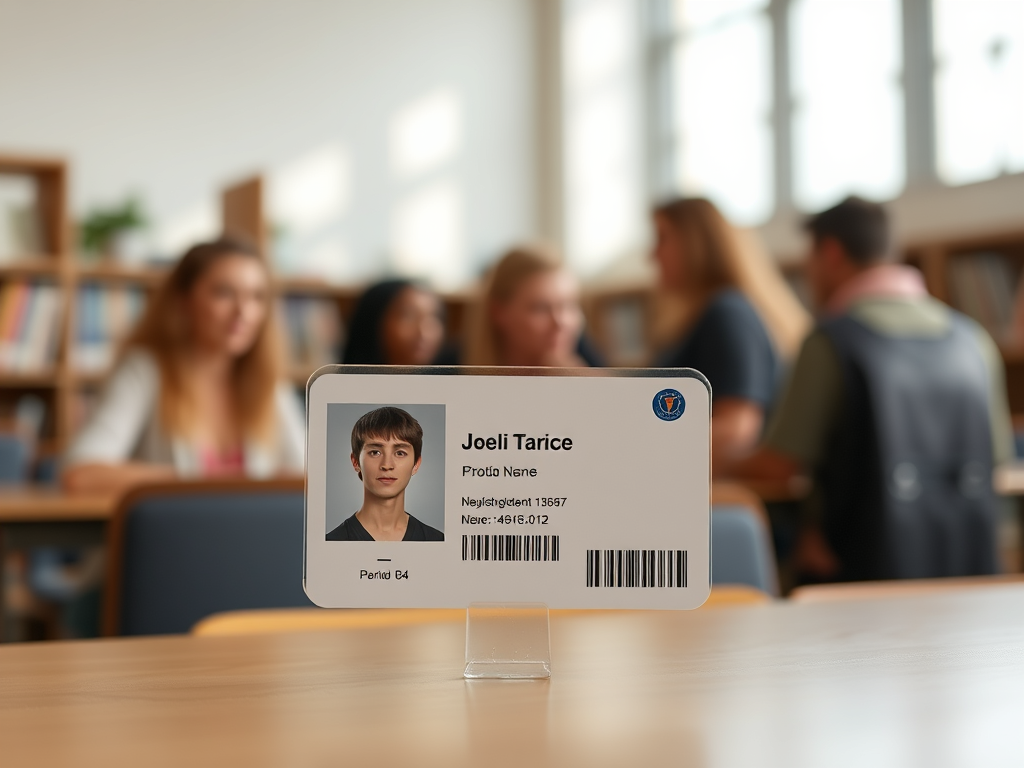
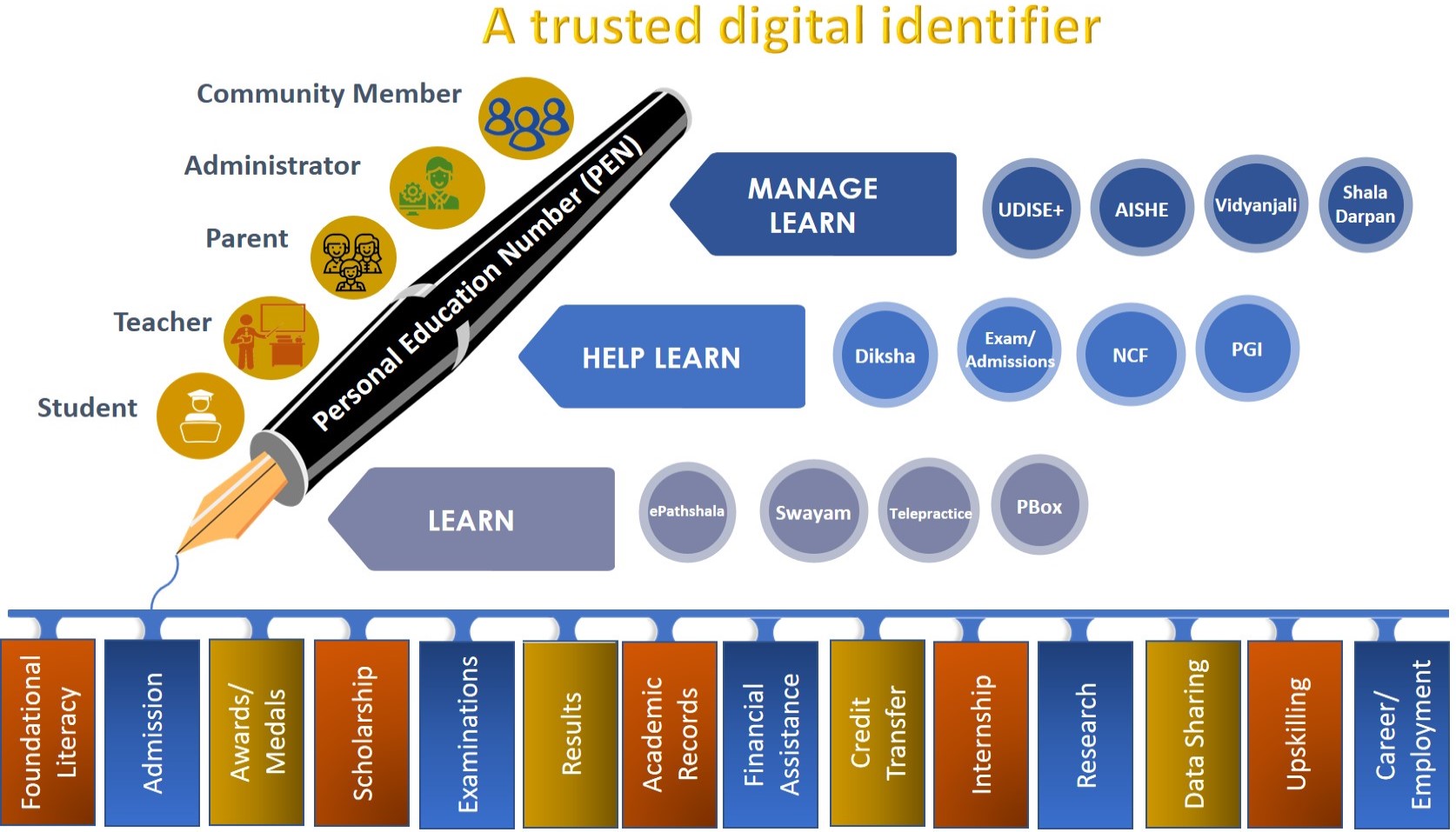


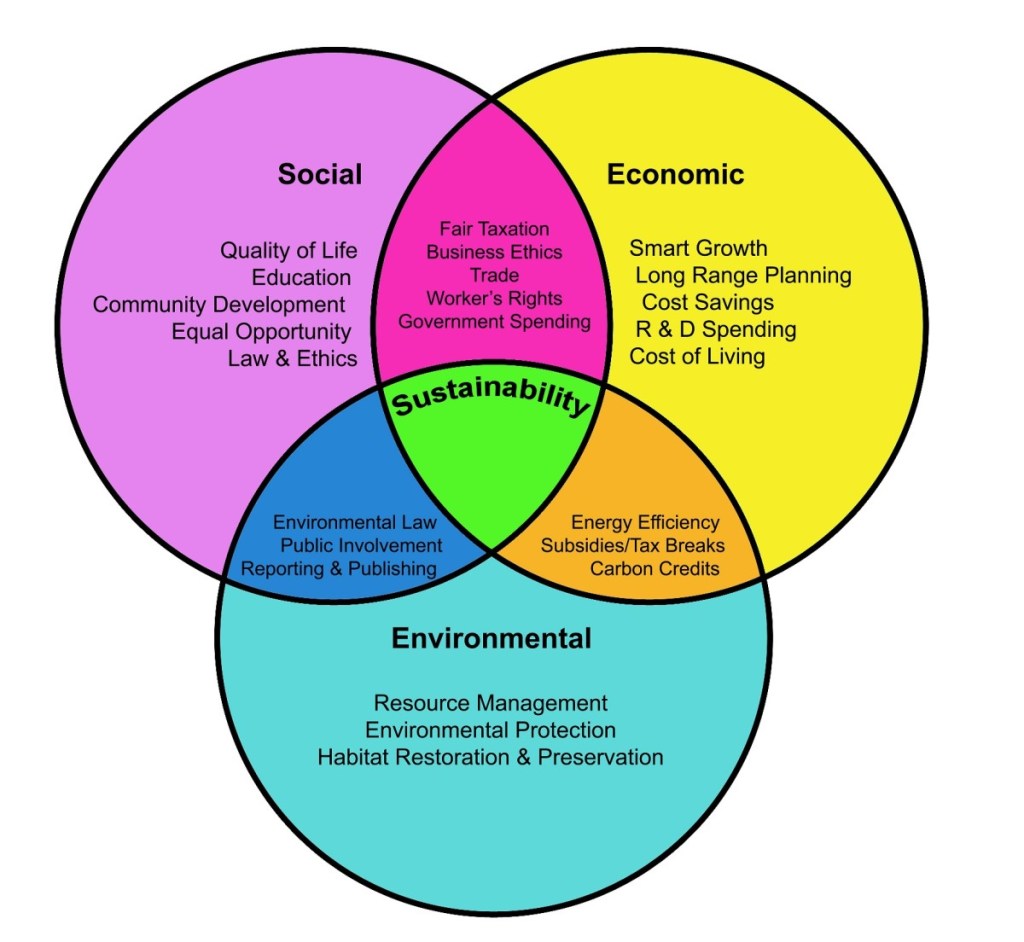


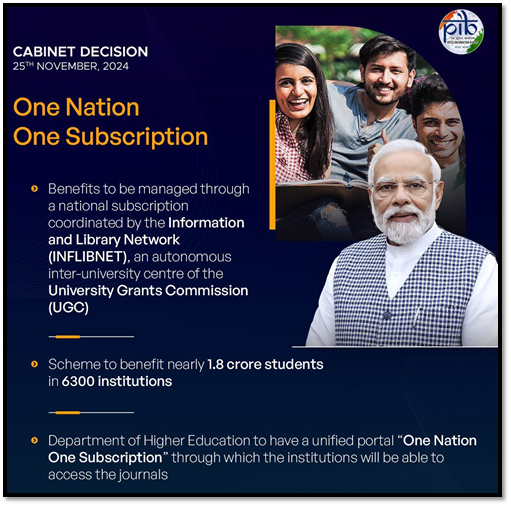 National Subscription via INFLIBNET: The entire subscription process will be centrally coordinated by INFLIBNET (Information and Library Network), an autonomous inter-university centre under the University Grants Commission (UGC). INFLIBNET will manage the distribution of digital access to these journals, ensuring a seamless experience for users.


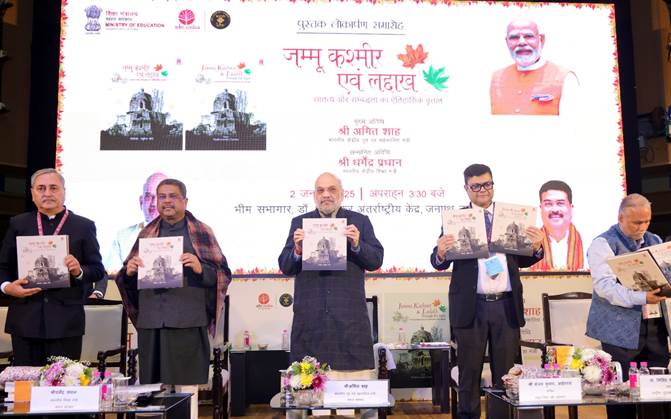

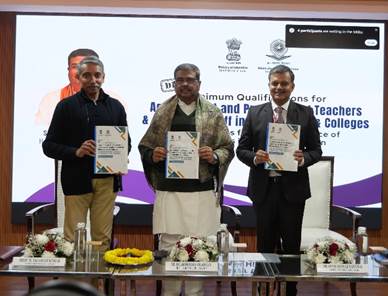
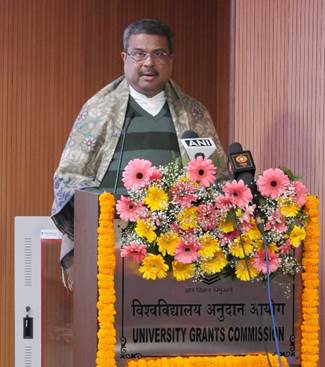
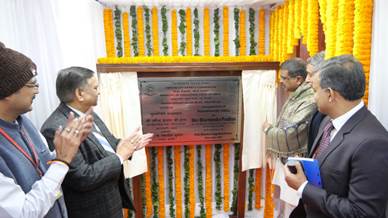
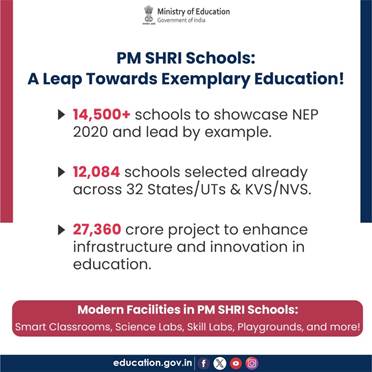
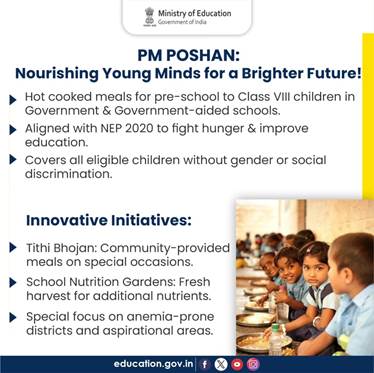
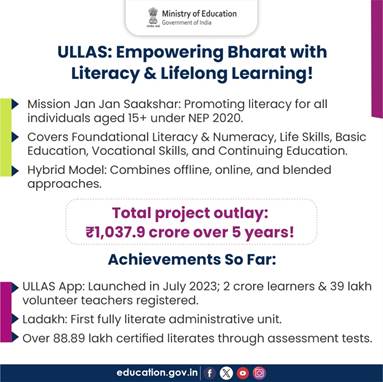
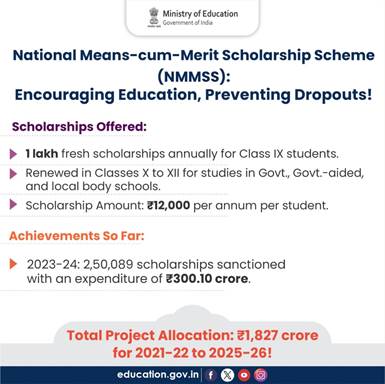
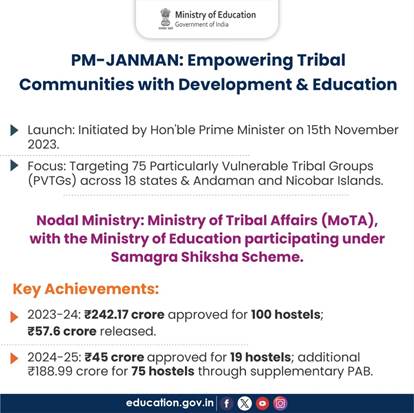
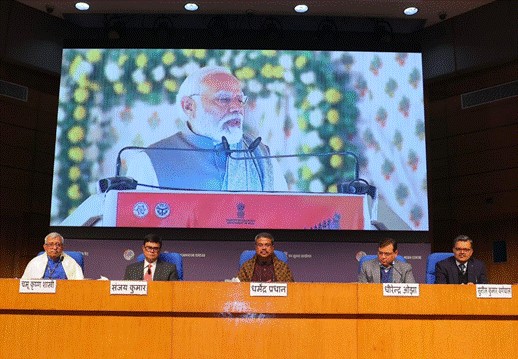
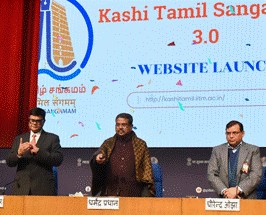
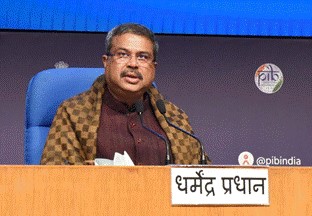




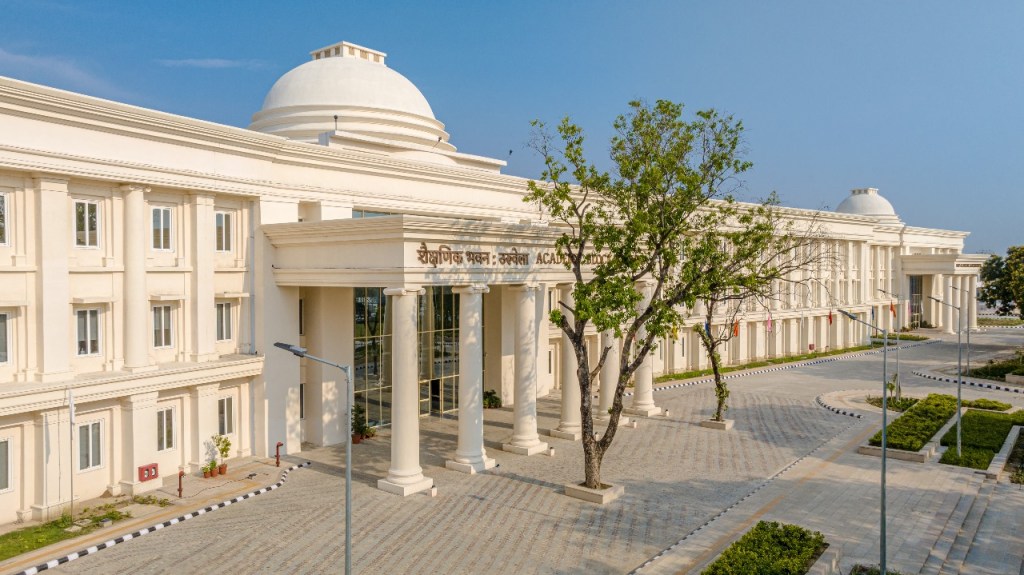






You must be logged in to post a comment.