Forgotten Inventions by Indian sages

Many modern-day scientists see themselves as the first to create all the technological advancements we use today. Yet many of the so-called discoveries are nothing more than re-inventions created by examining the knowledge of the ancients. Many things related to science and invention have their origins in the thoughts and imagination of the sages of Ancient India. Indian culture has evolved over the ages by India’s ancient Rishis, who at the banks of its holy rivers had ‘discovered’ the Vedic literature – the very foundation of Indian civilization. The term ‘Rishi’ originally denoted the composers and singers of Vedic hymns. However, the Rishi is also a ‘sage’ to whom the Gods revealed the Vedas (knowledge of the eternal truths about the Creator, His creation and means to preserve it).Some lost works of science by Indian sages are-

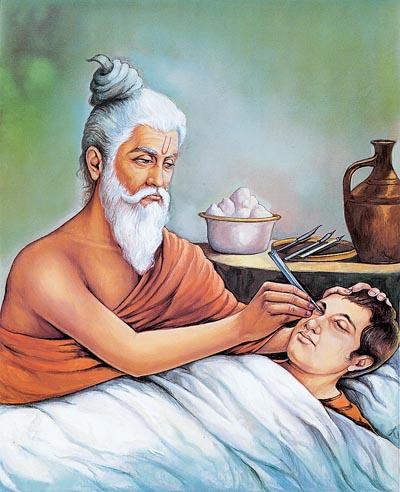
Acharya Sushruta – Father of Surgery

Acharya Sushruta was a great Indian Physician and was known to be as the Father of Surgery or Father of Plastic Surgery. The Sushruta Samhita is one of the most important survived ancient texts on medicine and it is considered a foundational text of Ayurveda. He was the world’s first surgeon who performed complicated surgeries 2600 years ago.The Sushruta Samhita has 184 chapters containing descriptions of 1,120 illnesses, 700 medicinal plants, 64 preparations from mineral sources and 57 preparation based on animal sources. It describes thoroughly the surgical techniques of making incisions, extractions of foreign body or particles, how to probe, excisions, tooth extraction, how to remove prostate gland, dilation of Urethral stricture, vesicolithotomy, hernia surgery, how to do C-section (Caesarian for baby delivery), laparotomy, management of intestinal obstruction, perforated intestines and accidental perforation of the abdomen with protrusion of omentum and the principle of fracture management. He also classified the eye diseases including cataract surgery.It is interesting to note that when surgery was not even heard and performed by the other parts of the world, here Sushruta was performing Rhinoplasty and many other challenging operations.
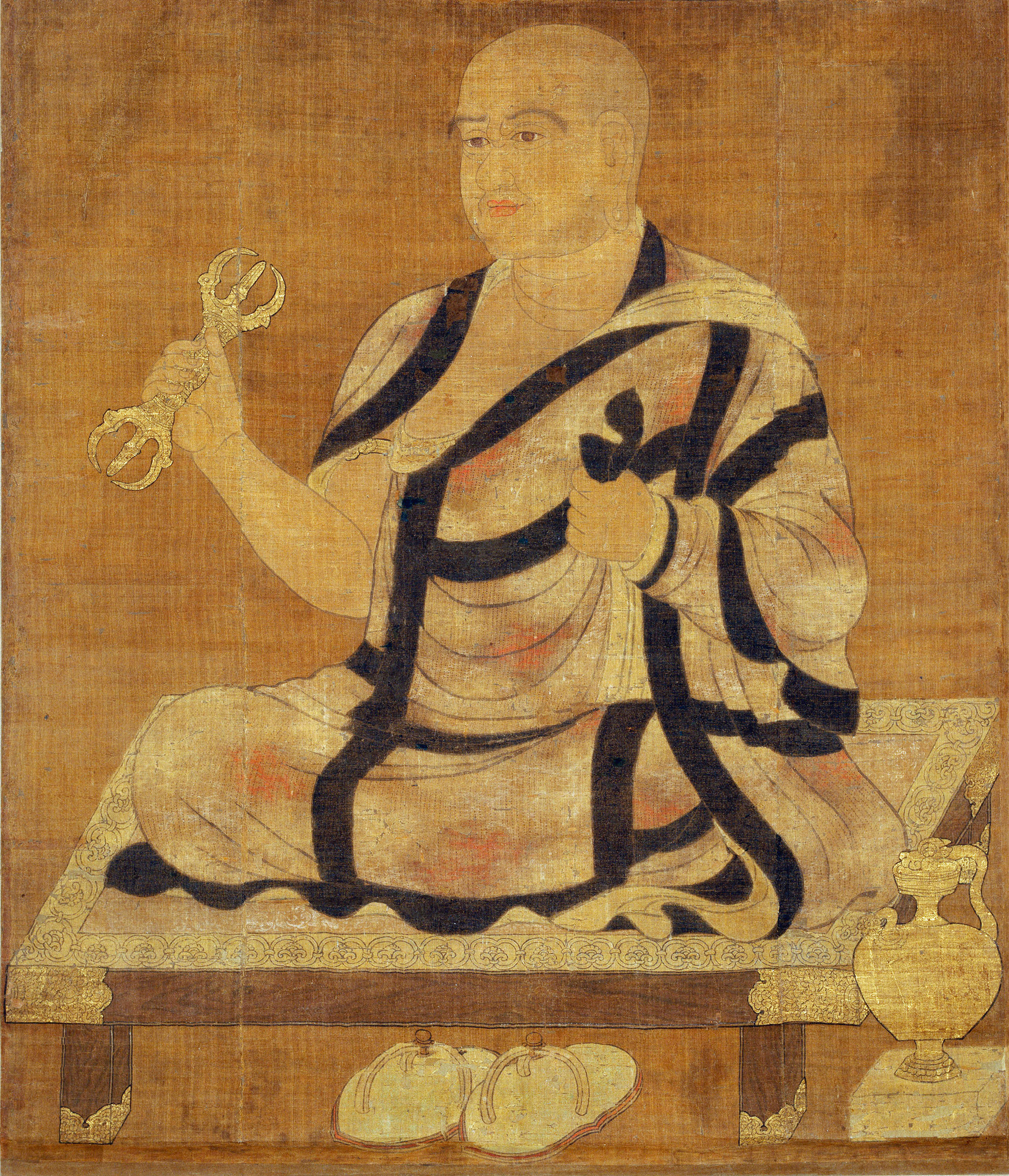
Panini – Father of Linguistics

Panini was an ancient Sanskrit philologist, grammarian and a received scholar in ancient India. He is considered as First Descriptive Linguist and is known as the Father of Linguistics. He is well known for his text Astadhyayi, a Sutra on Sanskrit grammar. He analyzed the noun compounds which is still been followed in the theories of the Indian language. Panini’s comprehensive and scientific theory on grammar is conventionally taken to mark the start of Classical Sanskrit.The Astadhyayi is the oldest linguistic and grammar text of any language and of Sanskrit surviving in its entity. His rules have a reputation for perfection – he described the Sanskrit morphology completely. Panini made use of technical metalanguage consisting of syntax, morphology and Lexicon. This metalanguage is organized according to a series of Meta – rules, some of which are explicitly stated while others can be deduced.The Astadhyayi consists of 3,959 sutras in eight chapters. This text attracted many of the ancient authors to upgrade their text in terms of Language.

Acharya Nagarjuna – Master of Chemical Science

Nagarjuna was a great Indian metallurgist and alchemistHe did his research for around 12 years in the field of chemistry and metallurgy. Textual masterpieces like “Ras Ratnakar”, “Rashrudaya” and “Rasebdramangal” are his renowned contributions to the science of chemistry. He also discovered the alchemy of transmuting base metals into gold. He did his experiments especially on mercury. He distinguished between the metals and the sub metals and also between solvents and soluble. He stated that Mercury could dissolve all metals. He also invented the processes of “Distillation” and “Calcinations”. He was the first person in the planet to use a Mercury as medicine. He found five types of mercury: red and grey were good; yellow, white or multi colored had so much of bad qualities and this should use as a medicine after several treatments.Alchemist or today what we called as Chemist was the Gifts for Nagarjuna. He made several discoveries which was the path to the other discovers to lead in this field.
Baudhayana – Discovered Pythagoras Theorem

Baudhayana was a great Mathematician, who was also called a priest. He is the author of the Sulba Sutra which contained several important mathematical results. He discovered the several concepts in mathematics which was later rediscovered by the other scientist in the western world. The value of the pie was discovered by him. Today all know how to use the pie and where to use (calculating the area and the circumference of a circle). He also discovered Pythagoras Theorem in Sulba Sutra. He provided how to find a circle whose area is the same as that of a square. The other theorems includes the diagonals of rectangle bisect with each other, diagonals of rhombus bisect at right angles, area of square formed by joining the mid points of a square is half of original.The mathematics given in the Sulba Sutras is there to enable the accurate construction of altars needed for sacrifices. It is clear from the writing that Baudhayana must have been a skilled craftsman. He was a great Practitioner.

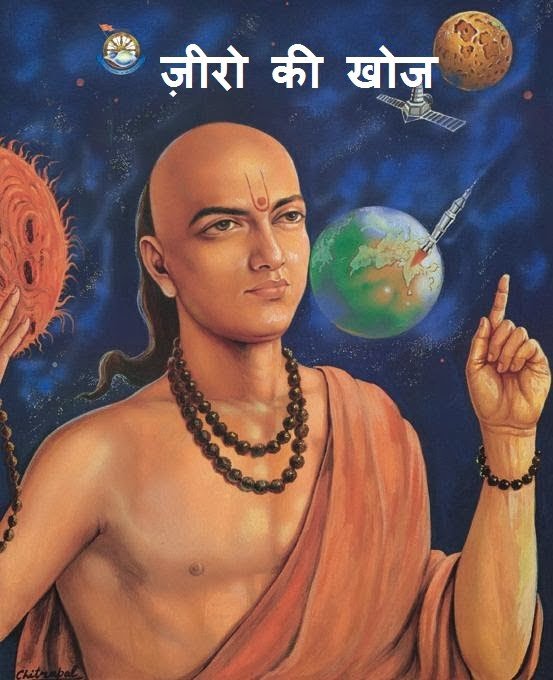
Acharya Aryabhata – Motions of the Solar System

Acharya Aryabhata was the first mathematician astronomer from the classical age of Indian mathematics and Indian astronomy and is not an unknown name. His major work on Aryabhatiya was very successful. It is extensively referred in the Indian mathematical literature and has been survived to modern times.

Acharya Aryabhata correctly stated that the earth rotates about its axis dailyr. He also stated that the motion of the stars are being observed just because the earth is rotating. He was also succeeded in explaining the geocentric model of the Solar System. The positions and periods of the planet was calculated relative to uniformly moving points. He stated that the Mercury and Venus move around the earth at the same speed as of the sun. He was also succeeded in explaining eclipses in terms of shadows cast by and falling on earth. He also mentioned Units of Time or the Sidereal rotation that earth takes 23 hours, 56 minutes and 4.1 second to complete one revolution and the sidereal year has 365 days, 6 hours, 12 minutes and 30 seconds which in turn adds an extra one day every after four years which is called a leap year.Calendric calculation which was devised by him is still being used in India for Practical purposes for fixing the Hindu calendar. India’s first satellite Aryabhata and the lunar crater Aryabhata are both named in his honor.
Maharishi Bharadwaj –Invention of the First Airplane of Earth

In 1875, the Vymaanika Shaastra, a 4th Century BC text written by Sage Bharadwaj was discovered in a temple in India. The book greatly deals with the operation of ancient vimanas and included information on steering, precautions for long flights, protection of the airships from storms and lightning and how to switch the drive of solar energy or some other form of energy.

One of the chapter will reveal the secrets of constructing aeroplanes that cannot be broken or cut, that is indestructible, that is fire resistant. It also deals with the secret of making planes motionless and invisible. It also describes how to defeat the enemy planes etc. as per the Sage Bharadwaj the vimanas were classifies as per the Yugas. During the period of Krita Yuga, Dharma was establishes firmly. The pushpak Vimana which was used by Ravan was an Aerial vehicle. He used this vehicle to kidnap Sita from jungle and took him to his Kingdom Srilanka. Ramayana was during the Treta Yug in which the Vimanas were highly discovered. During this period “Laghima” gave them the power to lighten their vehicle do they can travel freely in the air.In present Kaliyuga both Mantra and Tantra Shakti are almost vanished from the earth and so the ability to control vehicle has also been gone. Today the artificial vehicles are built which is called as Kritaka Vimanas.

https://pravase.co.in/gyan-detail/86/indian-sages-scientist-invention-in-science-medicine
Yoga asanas to help relieve back pain

Practicing yoga for even a few minutes a day can help you gain more awareness of your body. This will help you notice where you’re holding tension and where you have imbalances. You can use this awareness to bring yourself into balance and alignment. We hardly sit with a straight back or take any effort to improve our body posture. This imbalance in the alignment results in back pain. Sedentary lifestyle and lack of exercise are other reasons for a back ache but it’s not too late. You can get rid of back ache with yoga asanas.

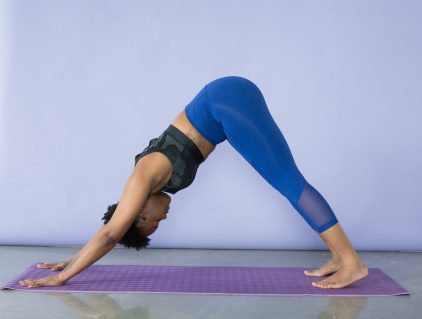
Adho mukha svanasana (Downward facing dog)

Adho mukha svanasana or the downward dog position is one of the best known yoga poses. This asana is for your entire body. It boosts your metabolism, clears your mind, stretches your ankles and calves, strengthens your bones and is an excellent pose to get relief from back pain.

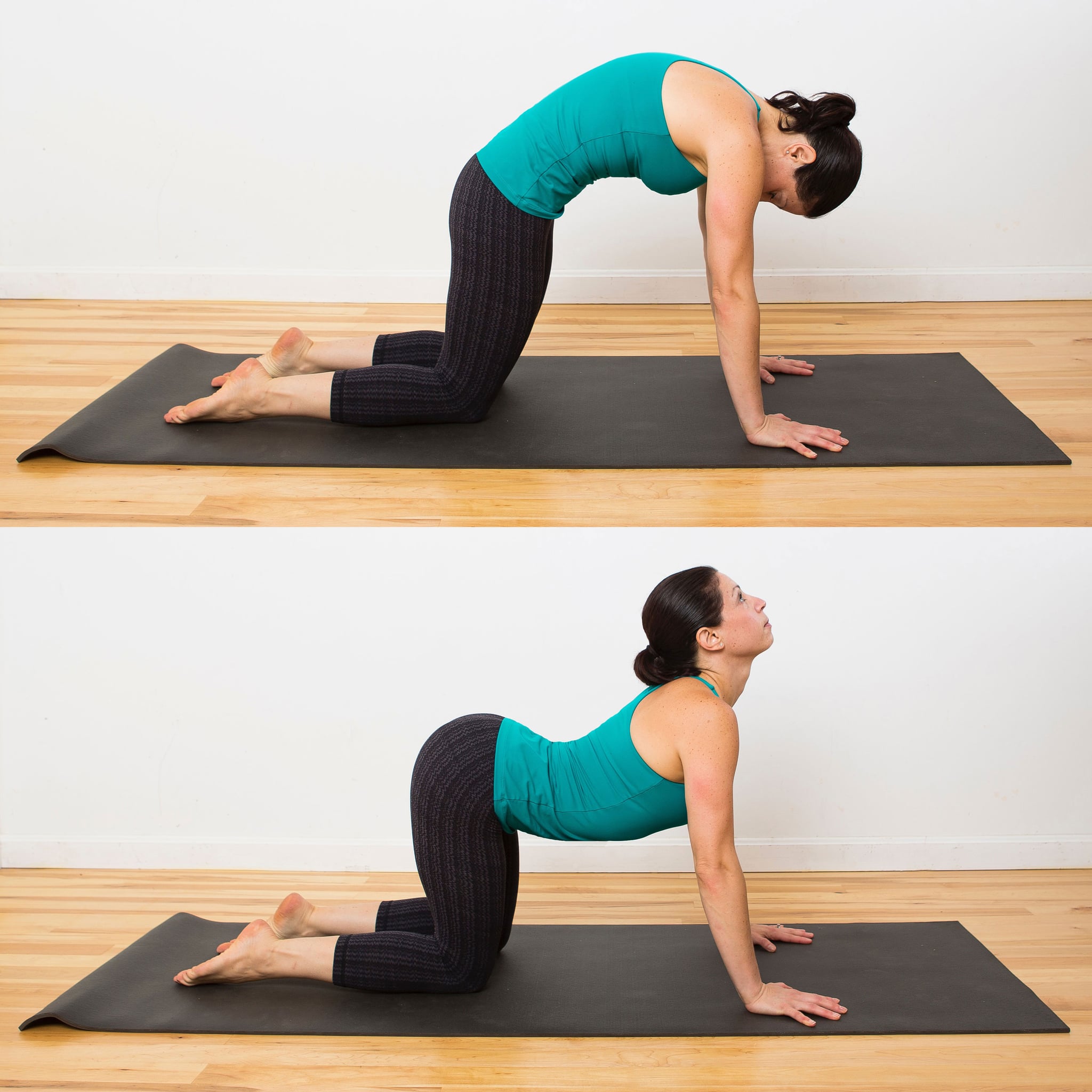
Marjaryasana (cat/cow pose)

Cat/cow pose massages your spine and relieve the stress. This pose keeps your back healthy and limber. It is also effective in improving your mental stability. It allows for a nice flexion and extension of the spine, promotes mobility, and it also helps to just relieve any tension in the lower back.Cat/cow also helps you get familiar with what your neutral spine is—not too arched and not too rounded—which can help improve posture.

Paschimottanasana (Seated forward bend)

The seated forward bend or paschimottanasana stretches your spine and eases lower back pain. It provides relief from neck pain and stiffness, eases PMS symptoms, stimulates liver, improves digestion and reduces fatigue

Salabhasana (Locust Pose)

Locust pose or salabhasana improves your core strength, stretches your spine and strengthens your legs. It will open your chest, improve your digestion and stimulates kidneys. Do not do this if you suffered an injury to your shoulders, arms or back recently

Trikonasana (Triangle Pose)

The triangle pose or trikonasana strengthens your spine, legs, shoulders and chest. It also improves your body alignment and stretches your hamstrings and calves.

Bhujangasana(Upward-Facing Dog)

If you experience back pain when bending forward, this is an especially helpful move since it stretches your low back. This also works to activate the muscles around the spine, which better supports painful areas

Shashankasana (Child’s Pose)

This gentle forward fold is the perfect way to relax and release tension in your neck and back. Your spine is lengthened and stretched. Child’s Pose also stretches your hips, thighs, and ankles. Practicing this pose can help relieve stress and fatigue.

Yoga is such an efficient way to help your body and mental health. It is also very easy, but make sure you follow instructions and try out increate asana to avoid pulling a muscle! You can start a home practice with as little as 10 minutes per day. You can use books, articles, and online classes to guide your practice. Once you learn the basics, you can intuitively create your own sessions.

Should Indians in the Diaspora demand reparation for indentureship?

 INVITATION TO 103rd ZOOM PUBLIC MEETING

By Staff Reporter


The Indian indenture system was a scheme of bonded servitude in which more than one million Indians were transported to labour in European colonies, as a substitute for slave labor, following the abolition of slavery in the early 19th century. The system was used in the British Empire from 1833, in the French colonies from 1848, and in the Dutch Empire from 1863.  British Indian indentureship lasted until the 1920s. It resulted in the development of a large Indian diaspora in the Caribbean, East and South Africa, Réunion, Seychelles, Mauritius and Fiji. 


Indentured labourers were recruited to work on sugar, cotton and tea plantations, and on rail construction projects. They were contracted with false promises and misinformation. Some of them were kidnapped, “enslaved” and compelled to work on the plantations where they suffered all kinds of human rights violations, abuse and exploitation. Should there be reparations to the descendants of Indian indentureds for crimes committed against their forebears who were duped into leaving India, underpaid and cheated for their labour, jailed, beaten and robbed of the land that they were promised?


Indentureship is one of the subjects included at the Centre for Reparation Research (CRR) at The University of the West Indies (UWI). The CRR’s mission is threefold: (1) to promote research on the legacies of colonialism, native genocide, enslavement and indentureship in the Caribbean, and how to bring justice and positive transformation to these legacies; (2) to promote education at The UWI and across Caribbean school systems on the legacies of colonialism, enslavement and native genocide and the need for justice and repair; and (3) to promote advocacy for reparatory justice by building a capacity for consultancy to CARICOM, Caribbean states, the UN and other relevant institutions, public-awareness raising, and supporting activism for reparatory and decolonial justice from grassroots to governments. 


Please join us THIS SUNDAY for a joint CRR (UWI), ICC & AGI ZOOM Public Meeting, May 22, 2022 at (1.00 p.m. Belize), (3.00 p.m. New York/Eastern time), (3.00 p.m. Trinidad/Atlantic time), (3.00 p.m. Guyana), (4.00 p.m. Suriname), (8.00 p.m. England), (9.00 p.m. South Africa), (Mon 12.10 a.m. India, ND), (Mon 7.00 a.m. Fiji).


TOPIC:


Should Indians in the Diaspora demand reparation for indentureship?


SPEAKERS:


PROF. VERENE SHEPHERD (UWI) – Director of the Centre for Reparation Research (CRR), University of the West Indies (UWI). Vice-Chair of The CARICOM Reparation Commission. 


PROF. DAVID DABYDEEN (UK) – Director of the Ameena Gafoor Institute (AGI). Former Professor, University of Warwick & Director, Yesu Persaud Centre for Caribbean Studies.


DR. KUMAR MAHABIR (Trinidad) – Director of this weekly Sunday ZOOM programme. Anthropologist, university lecturer, and author of an oral history of indentureship The Still Cry.


ASHOOK RAMSAAN (Guyana) – President of Indian Diaspora Council (IDC). Activist in the New York as well as the global Indian Diaspora community of People of Indian Origin (PIO).


DR. MAURITS S. HASSANKHAN (Suriname) –  Researcher and former Head of the History Department at Anton de Kom University. Co-author of the Historical Database in Suriname.


LENROY THOMAS (St. Vincent) – Co-Founder of the SVG Indian Heritage Foundation. Researched records at the National Archives, UK. Author of Stories from our Indian Elders


DR. AKSHAI MANSINGH (Jamaica) – Dean, Faculty of Sport, UWI. Senior Lecturer in Sports Medicine. Consultant Orthopaedic Surgeon. Justice of the Peace, Director, Cricket West Indies 


KIRU NAIDOO (South Africa) – Writer based in Durban with a keen interest in workers’ histories and women’s voices during indentureship. Bangladesh Market remains his centrepiece


PROF. KHAL TORABULLY (Mauritius) – Writer, poet, semiologist, and author of 25 books in French, English and Creole. Devised a theoretical framework to include slavery and indenture


PROF FARZANA GOUNDER (Fiji) – Linguist and lecturer; author of Indentured Identities, and co-editor of Women, Gender, and the Legacy of Slavery and Indenture (2021).  


ARLEN HARRIS (India) –  Award-winning filmmaker with over 30 years’ experience working mainly for British broadcasters such as Channel 4, Channel 5, ITV and BBC TV and Radio.


Followed by Q&A 


Join Zoom Meeting by touching or clicking on this link:

https://us02web.zoom.us/j/87802803663


Meeting ID: 878 0280 3663

No Passcode Needed


Live-streamed on the YouTube channel of the Indo-Caribbean Cultural Centre

https://www.youtube.com/user/dmahab


Hosted by www.indocaribbeanpublications.com + https://ameenagafoorinstitute.org

WhatsApp +1 868 756 4961 or +1 868 381 0386

dmahabir@gmail.comindocaribbeanstaff@gmail.com


Please SHARE.   


#Reparation #Slavery #Indentureship #Girmitiya #Trinidad #Guyana #Suriname #StVincent #Mauritius #Fiji #Caribbean #SouthAfrica #Indo-Caribbean #AsianIndians #IndianDiaspora #GlobalIndians #PeopleofIndianOrigin 


What a filibuster is.

Traditionally, the Senate filibuster was reserved for only the most controversial issues, but its use has escalated in recent years, often slowing business in the chamber to a halt. Some lawmakers acknowledge that the filibuster, which has effectively set a 60-vote super­majority requirement for passing legis­la­tion in the Senate, could doom many of the propos­als they have cham­pioned, including meaningful reforms on issues ranging from health care to climate change to gun control. Behind this dysfunc­tion, the filibuster also has a troubling legacy: it has often been used to block civil rights legislation intended to combat racial discrimination.

As advocates push for pro-democracy legislation, calls for eliminating the filibuster have grown louder. In his remarks at the funeral of civil rights hero and congressman John Lewis in July 2020, former President Barack Obama called the filibuster a “Jim Crow relic,” arguing that the procedure should be eliminated if it is used to block voting reforms. Others note that certain types of legislation are already exempt from the fili­buster’s super­majority require­ment and argue that a similar exemp­tion should be made for voting rights.The stakes were raised in March 2021, when the For the People Act — a comprehensive democracy reform bill — was passed by the House of Representatives and introduced in the Senate, where the filibuster may determine its fate. Whether through elimination or reform, the filibuster cannot be allowed to impede the expansion of Ameican democracy or the rights of all eligible voters.

What is the filibuster?

The filibuster is a 19th-century procedural rule in the Senate that allows any one senator to block or delay action on a bill or other matter by extending debate. While a final vote in the Senate requires a simple majority of 51 votes, a supermajority, or 60 votes, is needed to start or end debate on legislation so it can proceed to a final vote. Therefore, even if a party has a slim majority in the Senate, it still needs a supermajority to even move forward with legislation a tall task for a hyper-partisan Washington. The House of Representatives does not use the filibuster. Instead, a simple majority can end debate.

How can the filibuster rule be changed?

Senators have carved out exceptions to the filibuster rule before.One option to do so is called “going nuclear” — when senators override an existing rule, such as the number of votes needed to end debate. This is usually done by lowering the threshold needed to end a filibuster to 50 votes.In 2017, then-Senate Majority Leader Mitch McConnell, R-Ky., eliminated the filibuster for Supreme Court nominees, clearing the way for then-President Donald Trump’s first nominee to be confirmed.

Why a call for change now?

In the last 50 years, the filibuster has been used more and more to kill major legislation. And with Biden’s agenda stalled, Democrats are calling for a carve out to pass voting rights legislation. In the last year, at least 19 states passed 34 laws restricting access to voting, according to the Brennan Center for Justice. If the threshold to end debate on a bill is lowered to 50 votes, for instance, Democrats could end debate on their voting reform bill and eventually move to a final vote, with Vice President Kamala Harris serving as a tie-breaking vote in the 50-50 Senate to pass the legislation. Incidentally, Harris, as president of the Senate, would play a key role in any potential rules change. She would be expected to occupy the chair and preside over any rule change action.

What’s the differ­ence between “talking” and “silent” fili­busters?

Filibusters traditionally involved long speeches in which a senator attempted to block a vote from proceeding by refusing to yield the floor. To stage such a “talking” fili­buster, a senator would hold the floor by stand­ing and talking for as long as they could, sometimes overnight. This was popularized in the 1939 film Mr. Smith Goes to Wash­ing­ton. The longest filibuster ever recor­ded, by South Caro­lina Sen. Strom Thur­mond in opposition to the Civil Rights Act of 1957, lasted for more than 24 hours. But since the early 1970s, senators have been able to use a “silent” filibuster. Anytime a group of 41 or more senators simply threatens a filibuster, the Senate majority leader can refuse to call a vote.

How has the fili­buster changed over time?

The use of the filibuster, once reserved for only the most controversial issues, has increased dramat­ic­ally in recent years along­side grow­ing polar­iz­a­tion in Wash­ing­ton. There have been more than 2,000 fili­busters since 1917; about half have been in just the last 12 years. Crit­ics argue that this increased use has slowed busi­ness in the Senate to a halt, often entangling the cham­ber in proced­ural maneuv­er­ing instead of substant­ive debate and, ulti­mately, lawmak­ing.

9 World war movies that are a must watch

For decades, filmmakers have tackled the sensitive and emotionally-driven theme of World War II in an array of noteworthy and poignant pictures. These moving and oftentimes brutal depictions of the horrors, shocking realities, and devastating impacts of the violent war seem to deeply touch audiences across the world. Production studios continuously harness tales of this frightening and monumental period of history with gripping and heartbreaking stories, and moviegoers can’t help but be drawn to them. The most shocking stories are showed in light, reminding us that world wars were truly the most horrifying times, a person could live through.  Some of Hollywood’s most talented and esteemed visionaries have ventured into the touching and difficult subject, crafting memorable and thought-provoking results, and frequently winning Best Picture Oscars as a result. Here is a list of brilliantly made war movies you mustn’t miss out on

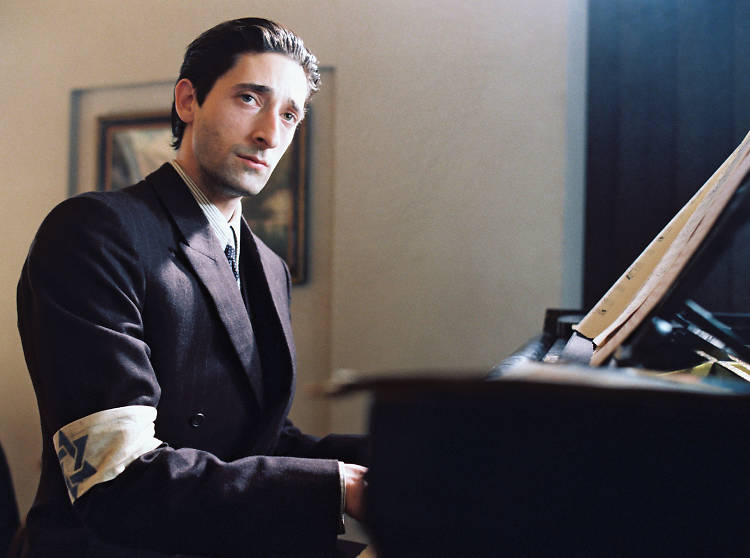
The Pianist

The Pianist is based on the Holocaust memoir of Polish-Jewish pianist and composer Władysław Szpilman, depicting his struggles to survive the destruction of the Warsaw ghetto of World War II. The emotionally-moving picture has a deep connection with Polanski, as he escaped from the Kraków Ghetto after the death of his mother and ended up living in a Polish farmer’s barn until the war’s end.

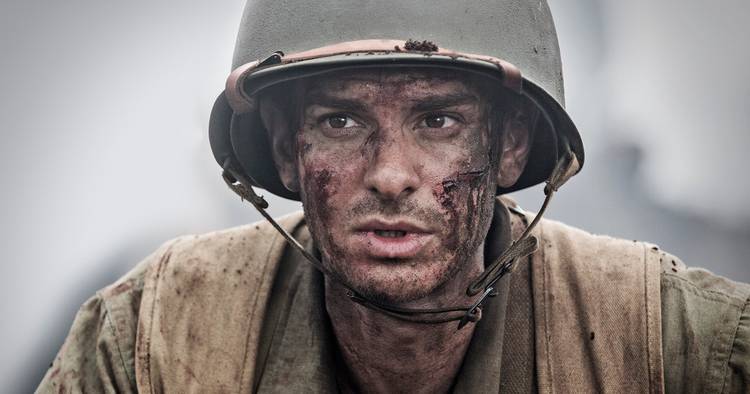
Hacksaw Ridge

Hacksaw Ridge focuses on the World War II experiences of pacifist combat medic Desmond Doss who, as a Seventh-day Adventist Christian refused to use or carry a weapon or firearm of any kind. The film was based on the 2004 documentary The Conscientious Objector, and after initially turning down the project twice, Gibson finally agreed and was tasked with creating a concoction of violence and faith. Andrew Garfield powerfully portrays Doss, and the biopic features the additional talents of stars like Sam Worthington, Teresa Palmer and Vince Vaughn. Upon reading the screenplay for the first time, Garfield revealed he was moved to tears. The Oscar-nominated drama garnered universal acclaim upon its release, earning praise for both Gibson’s directing and Garfield’s moving performance.

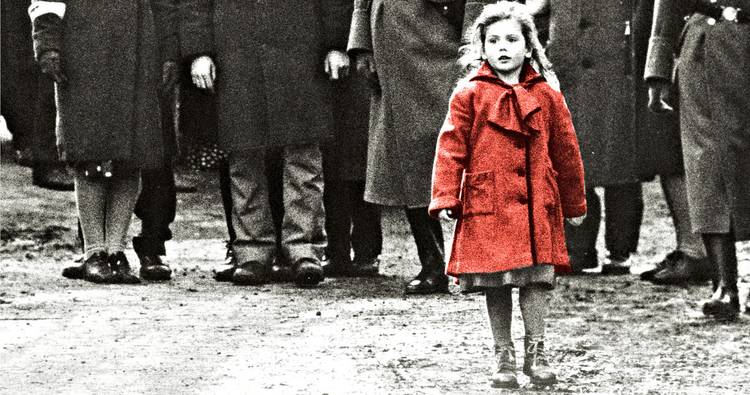
Schindler’s List

Spielberg’s deeply personal masterpiece is perhaps the most moving war film ever made. All the more so with the knowledge that it was based on the true story of Oskar Schindler, who originally set out to make his fortune by exploiting cheap Jewish labour in Krakow.However, as Schindler witnesses the unfolding horror of the Holocaust, his motivation changes and he bribes Nazi leaders to keep his employees out of the extermination camps, saving more than 1,100 lives. The winner of seven Oscars, Schindler’s List does full justice to Thomas Keneally’s source novel and remains just as powerful and relevant today.. Liam Neeson delivers the performance of a lifetime as Schindler, and appears alongside the gifted Ralph Fiennes and Ben Kingsley.

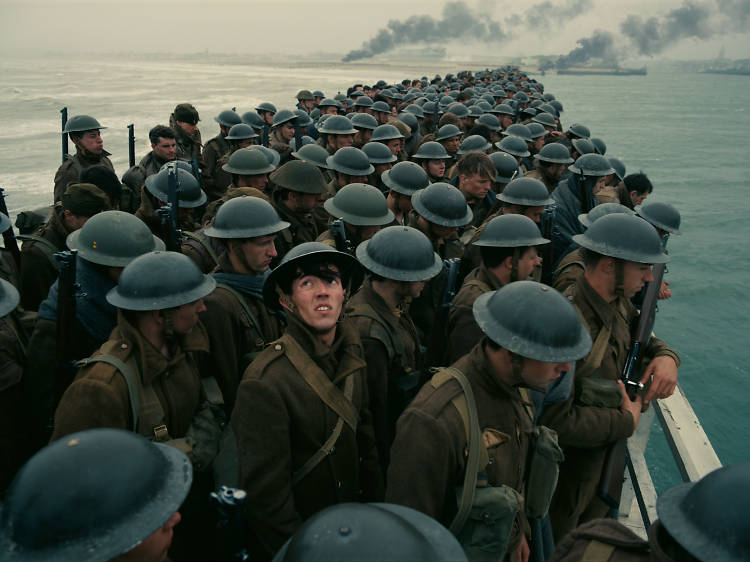
Dunkirk

Dunkirk, which depicts the Dunkirk evacuation of World War II through the perspectives of the land, sea, and air. The outstanding ensemble cast features some of cinema’s finest performers like Kenneth Branagh, Cillian Murphy, and Tom Hardy, and the drama was portrayed with very little dialogue, as Nolan wanted to create suspense with the stunning cinematography and music. The filmmaker conceived the premise of the war flick in the mid-1990s, when he and his wife sailed across the English Channel, following the path of many small boats in the Dunkirk evacuation.

Saving Private Ryan,

 Saving Private Ryan, which is set during the Invasion of Normandy and follows a group of U.S. soldiers who go behind enemy lines to retrieve a paratrooper whose brothers have been killed in action. The gripping film stars a myriad of distinguished leads including Tom Hanks, Edward Burns and Matt Damon and was partially inspired by the Niland brothers, four American brothers from New York who served in WWII, with only two surviving. On why he repeatedly returns to the subject, Spielberg revealed, “I think that World War II is the most significant event of the last 100 years; the fate of the Baby Boomers and even Generation X was linked to the outcome. Beyond that, I’ve just always been interested in World War II.” The Oscar-winning Saving Private Ryan is frequently cited as influential in the war and action film genre, and is credited with renewing World War II interest in the media.

Casablanca

Classic Hollywood movie is considered one of the finest films ever created. The 1942 romantic drama Casablanca famously features Hollywood icons Humphrey Bogart and Ingrid Bergman, centring on a cynical American expatriate who must decide whether he wants to help his former lover and her fugitive boyfriend escape the Nazis in French Morocco. The iconic picture was based on an original play by writer Murray Burnett, who drew inspiration after traveling to Vienna in 1938.Since Casablanca’s premiere, its popularity has only continued to grow, with Burnett once calling it, “true yesterday, true today, true tomorrow.”

Grave of the Fireflies

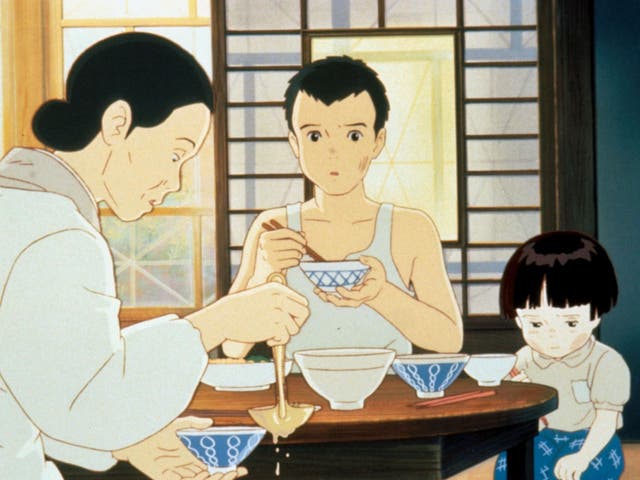
Heartbreaking and thought-provoking anime from Studio Ghibli about brother and sister Japanese orphans desperately trying to survive in the dying days of the war. A haunting anti-war statement almost without peer, adapted from the story by Akiyuki Nosaka and based on his own experiences in the firebombed city of Kobe.

Inglourious Basterds,

Inglourious Basterds, telling an alternate history story of two plots to assassinate Nazi Germany’s leadership: one planned by a group of Jewish U.S. soldiers and the other by a French Jewish theater owner. Tarantino spent over a decade creating the script, and viewed the project as his masterpiece-in-the making and his best work thus far. He described the men of the picture as “not your normal hero types that are thrown into a big deal in the Second World War.” The famed director wanted the character of Hans Landa portrayed by a native German-speaking actor and cast Austrian Christoph. Tarantino was worried the part was unplayable, but Waltz delivered an Oscar-winning knockout performance as the ruthless SS officer

Letters From Iwo Jima

A companion piece to Eastwood’s Flags of Our Fathers, which told the story of the battle for Iwo Jima from the American perspective, this is the better of the two films, told from the viewpoint of the Japanese. The film marks the culmination of Eastwood’s growth as an artist, as he eloquently and movingly humanises the Japanese soldiers fighting against near impossible odds.Letters from Iwo Jima is stunning, depicting a group of soldiers even more bound by tradition and honour than their American counterparts, trapped in an unwinnable war and dreaming only of home.

9 World war movies that are a must watch

For decades, filmmakers have tackled the sensitive and emotionally-driven theme of World War II in an array of noteworthy and poignant pictures. These moving and oftentimes brutal depictions of the horrors, shocking realities, and devastating impacts of the violent war seem to deeply touch audiences across the world. Production studios continuously harness tales of this frightening and monumental period of history with gripping and heartbreaking stories, and moviegoers can’t help but be drawn to them. The most shocking stories are showed in light, reminding us that world wars were truly the most horrifying times, a person could live through.  Some of Hollywood’s most talented and esteemed visionaries have ventured into the touching and difficult subject, crafting memorable and thought-provoking results, and frequently winning Best Picture Oscars as a result. Here is a list of brilliantly made war movies you mustn’t miss out on

The Pianist

The Pianist is based on the Holocaust memoir of Polish-Jewish pianist and composer Władysław Szpilman, depicting his struggles to survive the destruction of the Warsaw ghetto of World War II. The emotionally-moving picture has a deep connection with Polanski, as he escaped from the Kraków Ghetto after the death of his mother and ended up living in a Polish farmer’s barn until the war’s end.

Hacksaw Ridge

Hacksaw Ridge focuses on the World War II experiences of pacifist combat medic Desmond Doss who, as a Seventh-day Adventist Christian refused to use or carry a weapon or firearm of any kind. The film was based on the 2004 documentary The Conscientious Objector, and after initially turning down the project twice, Gibson finally agreed and was tasked with creating a concoction of violence and faith. Andrew Garfield powerfully portrays Doss, and the biopic features the additional talents of stars like Sam Worthington, Teresa Palmer and Vince Vaughn. Upon reading the screenplay for the first time, Garfield revealed he was moved to tears. The Oscar-nominated drama garnered universal acclaim upon its release, earning praise for both Gibson’s directing and Garfield’s moving performance.

Schindler’s List

Spielberg’s deeply personal masterpiece is perhaps the most moving war film ever made. All the more so with the knowledge that it was based on the true story of Oskar Schindler, who originally set out to make his fortune by exploiting cheap Jewish labour in Krakow.However, as Schindler witnesses the unfolding horror of the Holocaust, his motivation changes and he bribes Nazi leaders to keep his employees out of the extermination camps, saving more than 1,100 lives. The winner of seven Oscars, Schindler’s List does full justice to Thomas Keneally’s source novel and remains just as powerful and relevant today.. Liam Neeson delivers the performance of a lifetime as Schindler, and appears alongside the gifted Ralph Fiennes and Ben Kingsley.

Dunkirk

Dunkirk, which depicts the Dunkirk evacuation of World War II through the perspectives of the land, sea, and air. The outstanding ensemble cast features some of cinema’s finest performers like Kenneth Branagh, Cillian Murphy, and Tom Hardy, and the drama was portrayed with very little dialogue, as Nolan wanted to create suspense with the stunning cinematography and music. The filmmaker conceived the premise of the war flick in the mid-1990s, when he and his wife sailed across the English Channel, following the path of many small boats in the Dunkirk evacuation.

Saving Private Ryan,

 Saving Private Ryan, which is set during the Invasion of Normandy and follows a group of U.S. soldiers who go behind enemy lines to retrieve a paratrooper whose brothers have been killed in action. The gripping film stars a myriad of distinguished leads including Tom Hanks, Edward Burns and Matt Damon and was partially inspired by the Niland brothers, four American brothers from New York who served in WWII, with only two surviving. On why he repeatedly returns to the subject, Spielberg revealed, “I think that World War II is the most significant event of the last 100 years; the fate of the Baby Boomers and even Generation X was linked to the outcome. Beyond that, I’ve just always been interested in World War II.” The Oscar-winning Saving Private Ryan is frequently cited as influential in the war and action film genre, and is credited with renewing World War II interest in the media.

Casablanca

Classic Hollywood movie is considered one of the finest films ever created. The 1942 romantic drama Casablanca famously features Hollywood icons Humphrey Bogart and Ingrid Bergman, centring on a cynical American expatriate who must decide whether he wants to help his former lover and her fugitive boyfriend escape the Nazis in French Morocco. The iconic picture was based on an original play by writer Murray Burnett, who drew inspiration after traveling to Vienna in 1938.Since Casablanca’s premiere, its popularity has only continued to grow, with Burnett once calling it, “true yesterday, true today, true tomorrow.”

Grave of the Fireflies

Heartbreaking and thought-provoking anime from Studio Ghibli about brother and sister Japanese orphans desperately trying to survive in the dying days of the war. A haunting anti-war statement almost without peer, adapted from the story by Akiyuki Nosaka and based on his own experiences in the firebombed city of Kobe.

Inglourious Basterds,

Inglourious Basterds, telling an alternate history story of two plots to assassinate Nazi Germany’s leadership: one planned by a group of Jewish U.S. soldiers and the other by a French Jewish theater owner. Tarantino spent over a decade creating the script, and viewed the project as his masterpiece-in-the making and his best work thus far. He described the men of the picture as “not your normal hero types that are thrown into a big deal in the Second World War.” The famed director wanted the character of Hans Landa portrayed by a native German-speaking actor and cast Austrian Christoph. Tarantino was worried the part was unplayable, but Waltz delivered an Oscar-winning knockout performance as the ruthless SS officer

Letters From Iwo Jima

A companion piece to Eastwood’s Flags of Our Fathers, which told the story of the battle for Iwo Jima from the American perspective, this is the better of the two films, told from the viewpoint of the Japanese. The film marks the culmination of Eastwood’s growth as an artist, as he eloquently and movingly humanises the Japanese soldiers fighting against near impossible odds.Letters from Iwo Jima is stunning, depicting a group of soldiers even more bound by tradition and honour than their American counterparts, trapped in an unwinnable war and dreaming only of home.

Is the online teaching mode a worthy substitute for the offline teaching mode?

“If we want to reach real peace in this world, we should start educating children”

-Mahatma Gandhi

Pandemic times are desperate times for the people everywhere in the world. The vicious disease disrupted not only the social life of individuals but it also destabilized the mental peace and well -being for many. The sudden shutdown following the virus outbreak has brought about several changes around the globe. One of the most significant change among them is the shift from offline teaching mode to online teaching. In a country like India where a large section of the population still has not got access to the basic digital devices, the adoption of online education was highly experimental. But, the realization that “better to have something than not having them at all” led the government to take this giant step.

Online learning mode is the need of the hour because it helps to ensure productive usage of time by the younger generation who otherwise would have lost the purpose of life during these desperate ages. In the present scenario, stepping out of the houses is considered extremely dangerous and online learning provides children an opportunity to widen their knowledge within the safety of their houses. The availability of several platforms which provide access to certified courses from universities around the world is an added advantage. Widespread access to knowledge without any boundaries has helped the students to choose their area of interest rather than sticking on to the limited scope of school curriculum. The provision of recorded classes either at free of cost or at negligible costs help students to upskill themselves without stepping out from their comfort zones. Online repositories and digital libraries also make the scope of online learning mode wider.

            Even though online teaching has got all these wider applications, it is subject to some limitations. The most significant limitation is that it is devoid of the physical presence of teachers and students, which reduces the effectiveness of the process to a great extent. The increasing number suicides among student population brings out the fact that virtual learning fails to provide psychological support, which the traditional schooling structure offers. As the students do not have the opportunities for relationship building, most of them lack social skills. Tests and examinations conducted in online mode is more like a test of honesty and self-discipline than tests of knowledge. Digital divide and socio -economic inequalities further worsens the problem. Among primary level students, parents play a more important role than teachers in case of online learning, which increases the disparity as many adults are still illiterate and incapable of supporting their children in our nation. Apart from this schools also functioned as a means for implementing social security schemes of government like mid-day meal scheme which got disrupted.

            The offline learning could easily cover up all the above stated limitations of online learning. The presence of teachers and friends will make the learning experience lively. Rather than imparting knowledge it lightens up the wisdom among younger population. It teaches students to face failure, the worth of sharing and to care for their fellow beings. The educational institutions play an important role in shaping the character of each individual because they function as a living library where we could see a wide range of individuals from whom students could adopt moral values for life. It also helps teachers to ensure that children have understood what they have taught through regular tests. The schools narrow the gap between rich and poor and ensure all are getting equal access to education through government support.

            Right to education is a fundamental right as per Indian constitution. Pandemic should not be an obstacle in ensuring that right. Thus, online teaching mode could be used as a supplement for facilitating access to education, but not a substitute. Idle mind is a devil’s workshop. Online mode of teaching helps to ensure that students are not left idle during the pandemic times. It could lend a hand for lifting children from the helplessness and despair created by the disease. This brigs to the conclusion that online teaching could be adopted to meet the current needs but not as a substitute for offline teaching. Ultimately the aim of education is to uplift the students from the darkness of ignorance by shedding the light of knowledge.

Body shaming is nothing less than a crime.

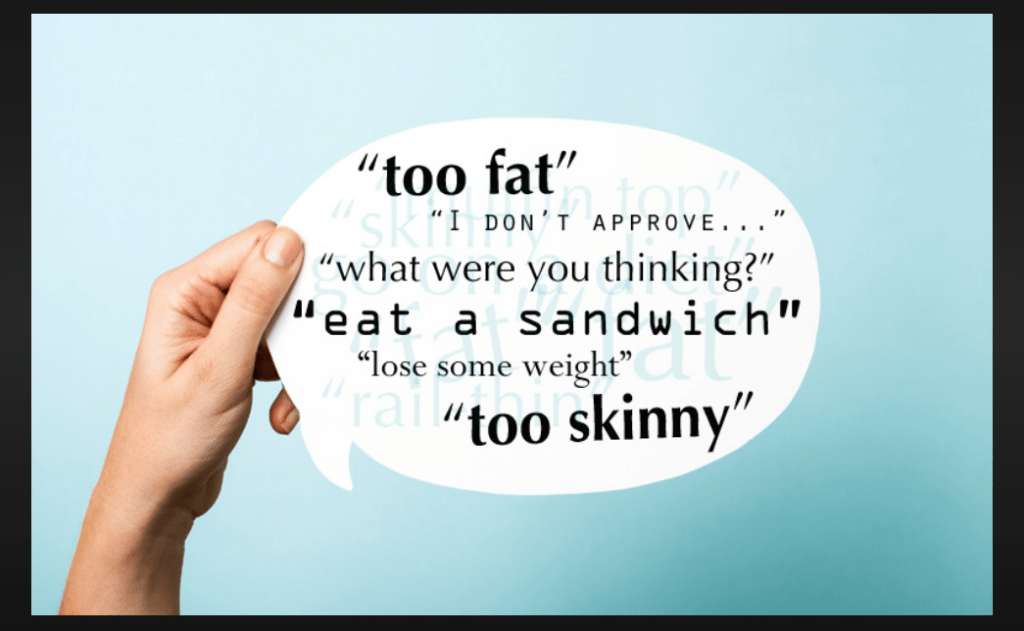
‘Look at her she is so fat.’ ‘look at him , is so dark and skinny.’ ‘ just look at that girl she is so short .’

Ever heard these? I hear them daily and it’s either about my self or a group of people or a person talking , to be more clear gossiping about some one else.

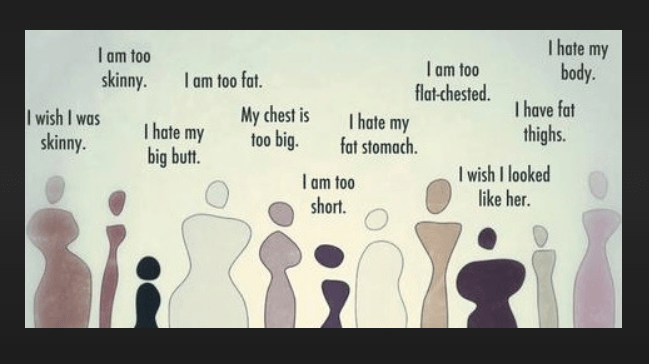
So the society expects one to be perfect ,like fair color, good height and slim and fit ,but are every one built in the same way? of course no , just like all the five fingers of our hand are different ,every human being is different and beautiful in their own ways.

If a girl is dark the whole society gives advices ,how to become fair ,if she or he is fat they are given advices about how to reduce weight , if skinny then how to increase their weight, if short ,how to become tall , I just keep wondering if the society has problem with every one’s appearance ?

From my personal experience , I can tell you that I faced such things , I was bullied in my school by my classmates , my friends and even my relatives bullied for my appearance , I could not tolerate them and even I cried due to that , and used to be envious of others for their personalities. I too wanted to achieve what they had and for that I used to skip meals some times and due to that I would feel more hungry than ever and used to over eat. As the time passed I started to accept my body and for my health and fitness , I took healthy steps in my life and started exercising and developing good healthy food habits.

I understood that everyone is beautiful in their own ways and its something that everyone has to accept , I understood that this bullying and body shaming is not good , not for your mental neither for your physical health, body shaming can lead to mental health issues , people start to overthink and worry about their appearance and in order to look perfect and beautiful they will choose faster and dangerous ways , like trying to reduce fat in just a week or trying to increase height and all this is really dangerous for one’s health and can lead to other dangerous consequences.

People of every gender and of all ages must deal with body shaming , it not a big issues , but this can damage one’s mental health the one at whom we are laughing at , whom we are body shaming, or mocking, this may also lead to emotional damage and trauma and depression.

So who are the culprits behind this , one is the society and the other is we ourselves , the product advertisers are the main ones for creating a pain point and then offering a solution to it, making ourselves think that we are not worthy and if we are not of certain skin tone ,height or weight and all , secondly we have ourselves to blame because we do not believe in ourselves and our bodies and we do not treat them well , we do not accept ourselves for how we are and then all this leads to a solution to overcome our issues and that too in a quick and unhealthy way ,leading to more disasters .

I just want the society to accept everyone as they are and to appreciate everyone’s personality since its unique for everyone and to stop body shaming or bullying . Society can be more beautiful if we accept people how they are and try not to change their appearance and instead help build confidence with in them about how unique they are and how to accept and love your body . Not only the society but firstly you yourself have to accept your body and treat it in a proper way and you have to love yourself the way you are , because self love comes first and you have to your first priority.

The lights that don’t lie- The case of the radium girls

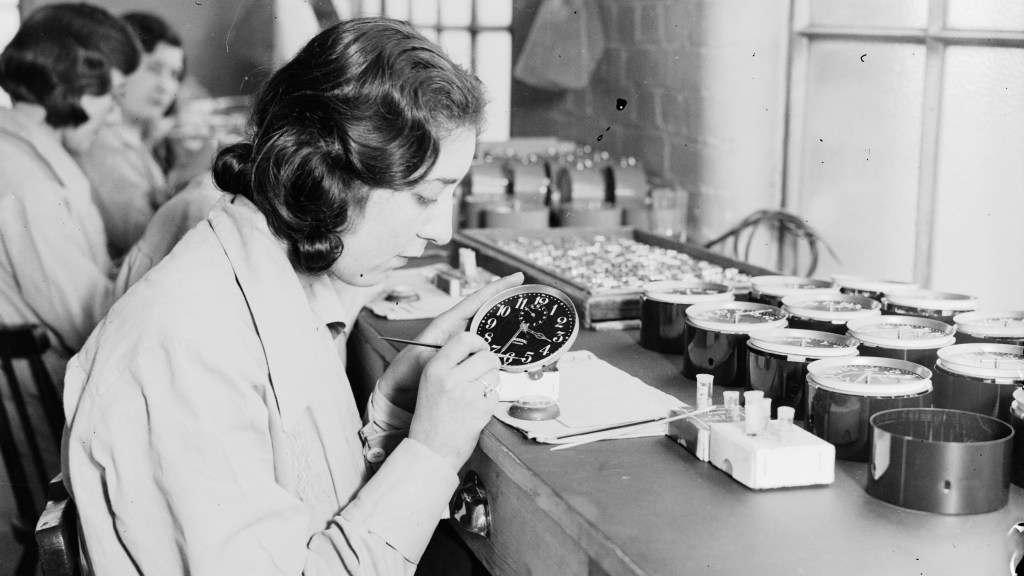
With war declared, hundreds of working-class women flocked to the studio where they were employed to paint watches and military dials with the new element radium, which had been discovered by Marie Curie a little less than 20 years before. Dial painting was “the elite job for the poor working girls”; it paid more than three times the average factory job, and those lucky enough to land a position ranked in the top 5% of female workers nationally, giving the women financial freedom in a time of burgeoning female empowerment. Radium’s luminosity was part of its allure, and the dial painters soon became known as the “ghost girls” — because by the time they finished their shifts, they themselves would glow in the dark. They made the most of the perk, wearing their good dresses to the plant so they’d shine in the dance halls at night, and even painting radium onto their teeth for a smile that would knock their suitors dead.

What’s more, the painters ingested the radioactive substance as part of their job. Because some of the watch dials on which they worked were extremely small, they were instructed to use their lips to bring their paint brushes to a fine point. When they asked about radium’s safety, they were assured by their managers that they had nothing to worry about.Of course, that wasn’t true. Radium can be extremely dangerous, especially with repeated exposure. Marie Curie suffered radiation burns while handling it, and she eventually died from radiation exposure.

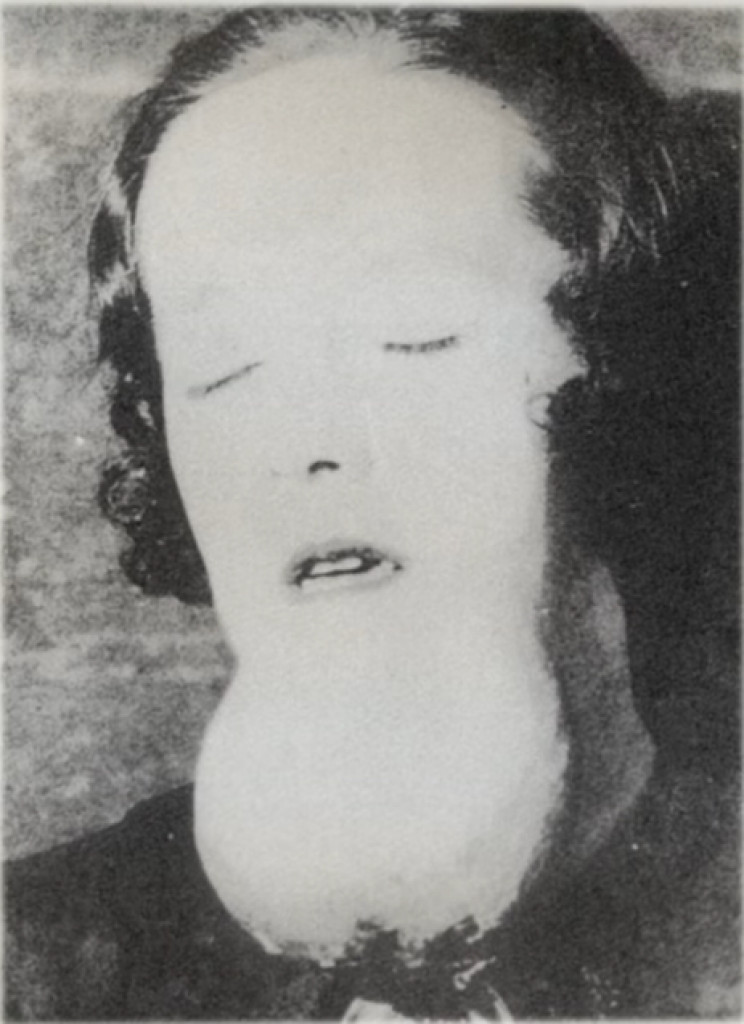
It wasn’t long before the “Radium Girls” began to experience the physical ravages of their exposure. Among the first was Amelia (“Mollie”) Maggia, who painted watches for the Radium Luminous Materials Corp. Maggia’s first symptom was a toothache, which required the removal of the tooth. Soon the tooth next to it also had to be extracted. Painful ulcers, bleeding and full of pus, developed where the teeth had been. Maggia died on September 12, 1922, of a massive hemorrhage. Doctors were puzzled as to the cause of her condition. In growing numbers, other Radium Girls became deathly ill, experiencing many of the same agonizing symptoms as Maggia. For two years their employer vociferously denied any connection between the girls’ deaths and their work. Facing a downturn in business because of the growing controversy, the company finally commissioned an independent study of the matter, which concluded that the painters had died from the effects of radium exposure.

In 1925 a pathologist named Harrison Martland developed a test that proved conclusively that radium had poisoned the watch painters by destroying their bodies from the inside. The radium industry tried to discredit Martland’s findings, but the Radium Girls themselves fought back. Many knew that their days were numbered, but they wanted to do something to help their colleagues still working with the deadly substance. Ingested radium had subsequently settled in the women’s bodies and was now emitting constant, destructive radiation that “honeycombed” their bones. It was literally boring holes inside them while they were alive. It attacked the women all over their bodies.

In 1927, a smart young lawyer named Raymond Berry accepted their case, and Grace (along with four colleagues) found herself at the canter of an internationally famous courtroom drama. The women had been given just four months to live, and the company seemed intent on dragging out the legal proceedings. The New Jersey radium girls’ case was front-page news, and it sent shockwaves across America.

It was the mid-1930s: America was in the grip of the Great Depression. Catherine and her friends , victims of this heinous poisoning, were shunned by their community for suing one of the few firms left standing. Though close to death when her case went to court in 1938, Catherine ignored her doctors’ advice and instead gave evidence from her deathbed. In doing so, and with the help of her lawyer, Leonard Grossman, she finally won justice not only for herself, but for workers everywhere.

The radium girls’ case was one of the first in which an employer was made responsible for the health of the company’s employees. It led to life-saving regulations and, ultimately, to the establishment of the Occupational Safety and Health Administration, which now operates nationally in the United States to protect workers. . The women also left a legacy to science that has been termed “invaluable.”

Healthy snacking to switch to.

Snacking refers to the intake of foods during the day other than your main meals. Snacks typically consist of smaller food portions distributed between meals. While research on whether snacking aids weight loss is mixed, some evidence suggests that increasing your meal frequency through snacking may help manage hunger and improve blood sugar regulation. By planning ahead and focusing on nutrient-rich foods, snacks may support your weight management goals by managing hunger and keeping you satisfied between meals. Think of a healthy snack as a mini-meal. It should be more than just a handful of popcorn or a bag of chips. Like a meal, it should contain some protein, carbs, and healthy fats. Bonus points for fibre, as that helps fill us up and slows digestion leaving you feeling fuller longer. Here are some options for healthy snacking you can switch to-

1. Mixed nuts

Nuts are an ideal nutritious snack, providing the perfect balance of healthy fats, protein, and fiber.Aside from being tasty; they’re linked to numerous health benefits and very filling. There are plenty of nuts you can choose from, including walnuts, almonds, Brazil nuts, hazelnuts, pine nuts, macadamia nuts, cashews, and pistachios. Because they don’t require refrigeration, they’re a great choice for snacking on the go.

2. Kale chips

Kale is incredibly healthy, as it’s loaded with fiber and antioxidants like beta carotene, lutein.It’s also a good source of minerals, such as calcium and phosphorus. It has a lower level of oxalic acid, an anti-nutrient that impairs calcium absorption, than many other leafy greens .Pairing kale with olive oil not only makes more delicious and crispy chips but also a more balanced and filling snack.

3. Protein smoothie

A protein smoothie can be a filling snack for when you need something substantial until your next meal.They’re an easy and convenient way to increase your protein intake. You can add just about any other ingredient to the mix, from fruits and veggies to healthy fats like avocado, nut butter, or chia seeds, for a nutrient-rich snack.

4. Oatmeal

Oatmeal is a truly versatile snack that you can enjoy hot or cold — at home or on the go. Oats are a nutritious whole grain that provides a good amount of fiber and higher protein content compared with other cereals.What’s more, you can satisfy your sweet tooth with oatmeal topped with fruit, cinnamon, cocoa powder, and chocolate chips, or go for a savory version by adding eggs, avocado, and veggies like mushrooms or tomatoes.

5. Cucumber slices with hummus

Cucumber’s fresh flavour and crunchy texture go very well with the rich creaminess of hummus. Hummus is typically made from chickpeas, tahini, olive oil, and garlic. Thus, it provides a mix of plant-based protein, fibre, and heart-healthy fats. You can also pair them with some whole grain crackers or pretzel sticks for a heartier snack.

When your next craving hits, aim for whole foods that add nutrition to your day instead of highly processed, less nutritious options.Having some healthy choices in reach can help you stay satisfied, add more nutrients to your diet, and support weight management. Healthy snacking can be benifically in all aspects of life , so start making choices of what you intake.

Healthy snacking to switch to.

Snacking refers to the intake of foods during the day other than your main meals. Snacks typically consist of smaller food portions distributed between meals. While research on whether snacking aids weight loss is mixed, some evidence suggests that increasing your meal frequency through snacking may help manage hunger and improve blood sugar regulation. By planning ahead and focusing on nutrient-rich foods, snacks may support your weight management goals by managing hunger and keeping you satisfied between meals. Think of a healthy snack as a mini-meal. It should be more than just a handful of popcorn or a bag of chips. Like a meal, it should contain some protein, carbs, and healthy fats. Bonus points for fibre, as that helps fill us up and slows digestion leaving you feeling fuller longer. Here are some options for healthy snacking you can switch to-

1. Mixed nuts

Nuts are an ideal nutritious snack, providing the perfect balance of healthy fats, protein, and fiber.Aside from being tasty; they’re linked to numerous health benefits and very filling. There are plenty of nuts you can choose from, including walnuts, almonds, Brazil nuts, hazelnuts, pine nuts, macadamia nuts, cashews, and pistachios. Because they don’t require refrigeration, they’re a great choice for snacking on the go.

2. Kale chips

Kale is incredibly healthy, as it’s loaded with fiber and antioxidants like beta carotene, lutein.It’s also a good source of minerals, such as calcium and phosphorus. It has a lower level of oxalic acid, an anti-nutrient that impairs calcium absorption, than many other leafy greens .Pairing kale with olive oil not only makes more delicious and crispy chips but also a more balanced and filling snack.

3. Protein smoothie

A protein smoothie can be a filling snack for when you need something substantial until your next meal.They’re an easy and convenient way to increase your protein intake. You can add just about any other ingredient to the mix, from fruits and veggies to healthy fats like avocado, nut butter, or chia seeds, for a nutrient-rich snack.

4. Oatmeal

Oatmeal is a truly versatile snack that you can enjoy hot or cold — at home or on the go. Oats are a nutritious whole grain that provides a good amount of fiber and higher protein content compared with other cereals.What’s more, you can satisfy your sweet tooth with oatmeal topped with fruit, cinnamon, cocoa powder, and chocolate chips, or go for a savory version by adding eggs, avocado, and veggies like mushrooms or tomatoes.

5. Cucumber slices with hummus

Cucumber’s fresh flavour and crunchy texture go very well with the rich creaminess of hummus. Hummus is typically made from chickpeas, tahini, olive oil, and garlic. Thus, it provides a mix of plant-based protein, fibre, and heart-healthy fats. You can also pair them with some whole grain crackers or pretzel sticks for a heartier snack.

When your next craving hits, aim for whole foods that add nutrition to your day instead of highly processed, less nutritious options.Having some healthy choices in reach can help you stay satisfied, add more nutrients to your diet, and support weight management. Healthy snacking can be benifically in all aspects of life , so start making choices of what you intake.

The women’s suffrage movement

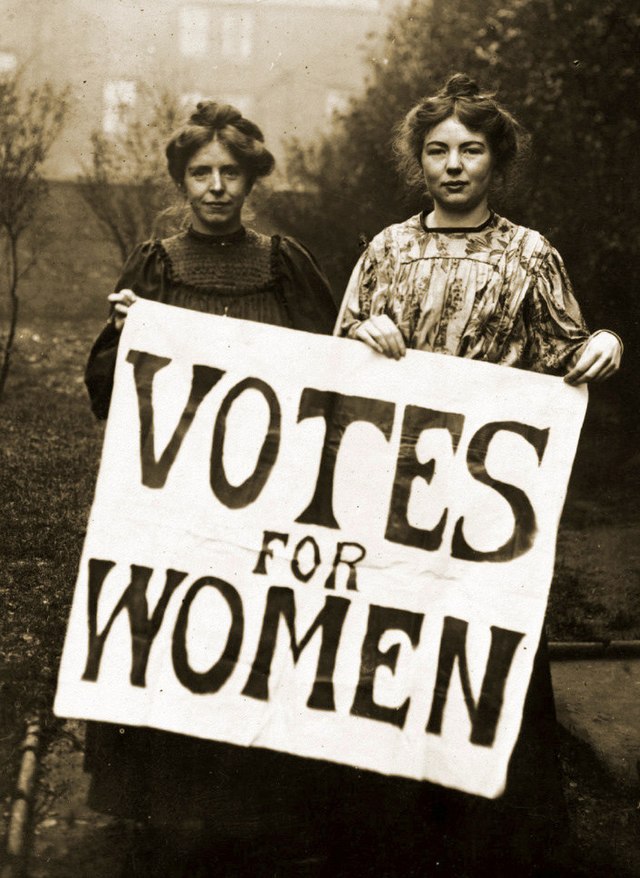
The Nineteenth Amendment to the US Constitution was ratified on August 18, 1920. It declares that “The right of citizens of the United States to vote shall not be denied or abridged by the United States or by any State on account of sex. Congress shall have power to enforce this article by appropriate legislation. “The amendment, which granted women the right to vote, represented the pinnacle of the women’s suffrage movement, which was led by the National American Woman Suffrage Association (NAWSA).In their decades-long struggle for female enfranchisement, women’s rights advocates met with strong opposition from anti-suffrage activists.

The women’s suffrage movement has its origins in the Seneca Falls Convention of 1848, the first women’s rights convention ever held in the United States. Approximately three hundred activists, female and male, gathered to discuss the condition of women and to devise strategies for achieving social and political rights for women. Though women’s suffrage was a topic of debate at the convention, it was not the main goal of the movement at this early stage, and the convention’s resolution demanding women’s suffrage was the only resolution that was not passed unanimously.

The first women’s suffrage organizations were created in 1869. Susan B. Anthony and Elizabeth Cady Stanton founded the National Woman Suffrage Association (NWSA), while Lucy Stone, Julia Ward Howe, and Henry Blackwell founded the American Woman Suffrage Association (AWSA). These two rival groups were divided over the Fifteenth Amendment, which guaranteed African American men the right to vote. The AWSA supported the Fifteenth Amendment, while the NWSA opposed it because it did not include suffrage for women. In 1890, the two competing organizations were merged into the National American Woman Suffrage Association (NAWSA).

During the 1870s, suffragists (women’s suffrage activists) began attempting to vote at polling places and filing lawsuits when their attempts were rejected. This drew attention to the women’s rights movement, particularly after Susan B. Anthony was arrested and put on trial for voting in the 1872 presidential election. Suffragists hoped that the lawsuits would work their way up to the Supreme Court, and that the justices would declare that women had a constitutional right to vote. In 1875, the Supreme Court, rejected women’s suffrage, ruling that the US Constitution did not confer the right of suffrage to anyone.

After the Supreme Court ruling, leaders of the women’s rights movement adopted other strategies for securing universal suffrage. Activists began organizing a drive to pass a constitutional amendment guaranteeing women the right to vote. The National American Woman Suffrage Association launched a campaign to achieve victories at the state level, in the hopes that if enough states allowed women the right to vote, federal legislation would follow. These efforts were so successful that by the time of the ratification of the Nineteenth Amendment, over half of all states had already granted limited voting rights to women.

The Nineteenth Amendment

In January, 1878, Republican Senator Aaron A. Sargent of California formally introduced in the Senate a constitutional amendment to guarantee women the vote. The bill languished in committee until 1887, when it finally went up to a vote, and was defeated. Not until 1914 was another constitutional amendment for women’s rights considered, and again rejected, by the Senate.

Though the movement for women’s suffrage was well-organized and gaining momentum by the early twentieth century, it met with strong opposition from some sectors of US society. Brewers and distillers were opposed to female enfranchisement because they assumed that women would vote for the prohibition of alcoholic beverages, while businesses that employed children feared that women would vote to eliminate child labour. Anti-suffrage organizations sprang up all over the country to oppose the drive for female enfranchisement. Anti-suffrage activists were not just men; indeed, many upper class women joined the movement, arguing that politics was a dirty business that would sully the moral and spiritual authority of women

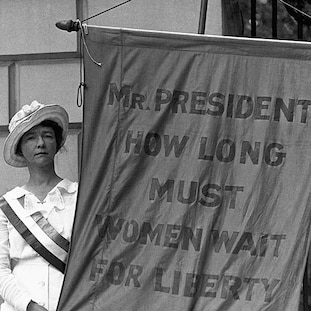
The National American Woman Suffrage Association in 1900, launched an effort to link the drive for female suffrage to the US war effort in the First World War. Though many of her fellow suffragists were anti-war pacifists, Catt made the controversial decision to support the war and to thereby portray the women’s suffrage movement as patriotic. The effort was a success; in his 1918 State of the Union address, President Woodrow Wilson declared his support for female enfranchisement.

On August 18, 1920, Congress ratified the Nineteenth Amendment, which guaranteed the right to vote to all US citizens regardless of sex. The Nineteenth Amendment represented a major victory and a turning point in the women’s rights movement.

The women’s suffrage movement

The Nineteenth Amendment to the US Constitution was ratified on August 18, 1920. It declares that “The right of citizens of the United States to vote shall not be denied or abridged by the United States or by any State on account of sex. Congress shall have power to enforce this article by appropriate legislation. “The amendment, which granted women the right to vote, represented the pinnacle of the women’s suffrage movement, which was led by the National American Woman Suffrage Association (NAWSA).In their decades-long struggle for female enfranchisement, women’s rights advocates met with strong opposition from anti-suffrage activists.

The women’s suffrage movement has its origins in the Seneca Falls Convention of 1848, the first women’s rights convention ever held in the United States. Approximately three hundred activists, female and male, gathered to discuss the condition of women and to devise strategies for achieving social and political rights for women. Though women’s suffrage was a topic of debate at the convention, it was not the main goal of the movement at this early stage, and the convention’s resolution demanding women’s suffrage was the only resolution that was not passed unanimously.

The first women’s suffrage organizations were created in 1869. Susan B. Anthony and Elizabeth Cady Stanton founded the National Woman Suffrage Association (NWSA), while Lucy Stone, Julia Ward Howe, and Henry Blackwell founded the American Woman Suffrage Association (AWSA). These two rival groups were divided over the Fifteenth Amendment, which guaranteed African American men the right to vote. The AWSA supported the Fifteenth Amendment, while the NWSA opposed it because it did not include suffrage for women. In 1890, the two competing organizations were merged into the National American Woman Suffrage Association (NAWSA).

During the 1870s, suffragists (women’s suffrage activists) began attempting to vote at polling places and filing lawsuits when their attempts were rejected. This drew attention to the women’s rights movement, particularly after Susan B. Anthony was arrested and put on trial for voting in the 1872 presidential election. Suffragists hoped that the lawsuits would work their way up to the Supreme Court, and that the justices would declare that women had a constitutional right to vote. In 1875, the Supreme Court, rejected women’s suffrage, ruling that the US Constitution did not confer the right of suffrage to anyone.

After the Supreme Court ruling, leaders of the women’s rights movement adopted other strategies for securing universal suffrage. Activists began organizing a drive to pass a constitutional amendment guaranteeing women the right to vote. The National American Woman Suffrage Association launched a campaign to achieve victories at the state level, in the hopes that if enough states allowed women the right to vote, federal legislation would follow. These efforts were so successful that by the time of the ratification of the Nineteenth Amendment, over half of all states had already granted limited voting rights to women.

The Nineteenth Amendment

In January, 1878, Republican Senator Aaron A. Sargent of California formally introduced in the Senate a constitutional amendment to guarantee women the vote. The bill languished in committee until 1887, when it finally went up to a vote, and was defeated. Not until 1914 was another constitutional amendment for women’s rights considered, and again rejected, by the Senate.

Though the movement for women’s suffrage was well-organized and gaining momentum by the early twentieth century, it met with strong opposition from some sectors of US society. Brewers and distillers were opposed to female enfranchisement because they assumed that women would vote for the prohibition of alcoholic beverages, while businesses that employed children feared that women would vote to eliminate child labour. Anti-suffrage organizations sprang up all over the country to oppose the drive for female enfranchisement. Anti-suffrage activists were not just men; indeed, many upper class women joined the movement, arguing that politics was a dirty business that would sully the moral and spiritual authority of women

The National American Woman Suffrage Association in 1900, launched an effort to link the drive for female suffrage to the US war effort in the First World War. Though many of her fellow suffragists were anti-war pacifists, Catt made the controversial decision to support the war and to thereby portray the women’s suffrage movement as patriotic. The effort was a success; in his 1918 State of the Union address, President Woodrow Wilson declared his support for female enfranchisement.

On August 18, 1920, Congress ratified the Nineteenth Amendment, which guaranteed the right to vote to all US citizens regardless of sex. The Nineteenth Amendment represented a major victory and a turning point in the women’s rights movement.

SAHAJ SABHARWAL – WRITES ON SOCIAL CAUSES AND STRIVE TO MAKE SOCIETY BETTER (YOUNG WRITER AND AUTHOR FROM INDIA)

Sahaj Sabharwal’s first book was not that very successful because many were not ready to support me. But again, he continued writing with the same passion and his second book showed some good results. So I would say that it is his passion and zeal to write better and believe in himself which has been the inspiration behind his every write-up. Here is a short interview with this buddy writer from Jammu and Kashmir, India. 


1. Tell us more about your background and journey.
I was a student of class seventh when I was in Delhi Public School, Jammu that I first started writing. And with that start, I published my very first book titled, “Poems by Sahaj Sabarwal” at the age of 17. The book is a collection of diverse poems based on the social issues and the life of the youth. 
Following that, I published my second book titled “Pedagogical Thoughts Made Facts” at the age of 19, which is again a book containing poetries, thoughts, quotes, stories, and articles aiming for bringing positivity in the lives of readers. Presently, I am pursuing Aeronautical Engineering from Tamil Nadu besides my interests in writing, rapping and blogging.
2. As a young writer, where does your inspiration for writing lie?
 
During my initial years into writing, I encountered severe, harsh criticisms from others. People were against the idea of a student publishing his own book at such a young age and should rather focus on studies and build a stable career. This is not something pleasant for anyone. I tried to turn such backlashes into an inspiration for me to do something better, something unique. And now I believe it is that feeling which has always inspired me to write and helped me achieve what I have now.
My first book was not that much successful because many were not ready to support me. But again, I continued writing with the same passion and my second book showed some good results. So I would say that it is my passion and zeal to write better and believe in myself which has been the inspiration behind my every write-up.
 
3. What prompted you to start writing along with your school studies?
When I was small, I wrote a poem for my mother on Mother’s Day. My mom loved it. Everyone was proud that I could write a beautiful poem with deep thoughts at such a young age. I would say it was this small incident that made me recognize my talent in writing. And then I started writing articles and poems, and that poem on my mother is also published in my first book. 
4. What is that one cause you care deeply about and why?
It is not quite possible to name just one cause because there are various social issues revolving around youth that need attention from society. There are children getting raped, students attempting suicide, and getting into addictions and these are just to name a few. 
 
The major reason behind these rising issues is the lack of proper education and awareness. Perpetrators do not realise that what they are doing is wrong, and victims usually are not aware of their rights. I would say that looking at these social causes and how youth is getting directly affected by them made me write these books.
5. If one wants to contribute and make a difference in social causes then how do you believe one can do it?
Some might argue that it is the responsibility of the government to make laws and prevent such issues. But, in reality, it is all in the hands of we individuals.
We can all contribute at our individual level, to our best capacity, and make small efforts to create a difference. For instance, I have been writing poems, articles, blogs, and rap songs, all based on social issues and with the aim to create awareness among people. Similarly, all of us can contribute in our way and, I believe, even the tiniest bit of contribution from someone can help.
We can take steps from educating at a larger scale to educating our family members at home. We can do social media campaigns and drives because, in this digital era, social media is a very powerful tool to create awareness. It might not always be quite successful, we might not be able to teach a large number of people. Just with hard work for years with God’s grace I am having around twelve thousand plus followers on instagram, thousands of followers on facebook, around a thousand on twitter and one thousand plus subscribers on youtube. It was not easy at all. In my childhood when I got motivated from successful personalities like Ronaldo and others, I was wondering to get just one hundred followers on instagram then when I reached there by posting good content then my next goal was to reach thousand then ten thousand and now I have goal to achieve blue tick ( verified creator ) as well as lakhs of followers. The hunger to achieve something will never end and should never end to continue to break my own records. I got that much inspired that how much successful people worked to reach from black coal to a unique and beautiful diamond. But even if one person benefits from it, then, I believe, it is quite a success and we thrive to achieve more.
6. Who is your role model and why?
We, as social animals, live in and learn from society. Our ideas and beliefs get socialized, which might be good while also bad at times. I consider society as my role model because it is from society that I learned everything and also continue to learn. 
I write on social causes and strive to make society better. The people surrounding us, each with their unique talent and charisma, motivate us to do better. So, I would say that society is my perfect teacher and also a perfect friend.
Biography –
Sahaj Sabharwal, a young writer, and an author was born on 17th March 2002. He lives in Jammu city, Jammu, and Kashmir, India. He has completed his schooling from Dps Jammu as a Non-Medical student. Now he is a student of Aeronautical Engineering. His hobbies include writing thoughts, listening to music, discovering new things, exploring the world, and writing and singing rap songs to mention but a few. He has been awarded many awards in poetry writing at the State level, National level, and International level. 
He mostly writes motivational thoughts and on topics related to social issues for spreading awareness among the people. His writings are regularly published in many newspapers, magazines, websites, anthologies, and other media platforms.
According to him,
” Be you, no need to update your view on society’s new view “
His aim in life is to invent/discover something new as a Scientist or Researcher. He wants to do something new, which is done by a few. He is an inspiration of his own. He is a successful author of the BOOKS – “Poems By Sahaj Sabharwal” & “Pedagogical Thoughts Made Facts”.
NAME -: Sahaj Sabharwal 
● Author of Books -: 
1.) Poems by Sahaj Sabharwal  
2.) Pedagogical Thoughts Made Facts
● Budding Author & Writer 
● Singer & Rapper
● Motivational Speaker 
● Social Worker
● Blogger & Influencer
Contact -: +917780977469
Twitter – Sahaj_Sabharwal
Instagram – @sahajsabharwal
Facebook – Sahaj Sabharwal Writer
YouTube – Sahaj Sabharwal Official

Tips to help you declutter

The idea of living a simple life with less stuff sounds attractive to many but seems almost impossible to get rid of stuff you have. They begin to feel overwhelmed, anxious, and defeated around the idea of owning less. That’s too bad. Learning how to declutter your home and as a result, decluttering your life, doesn’t need to be as painful as some make it out to be. And the benefits are numerous.

The Benefits of Decluttering from time to time.

  • Less to clean. Cleaning is already enough of a chore, but having to clean around things you have zero emotional attachment to (or worse, actively dislike) makes cleaning the house much more stressful.
  • Less to organize. Finding things suddenly become easier. Things don’t just “disappear” anymore. You can actually move around your home and enjoy the space, instead of moving around things that are in the way. You start to find your tiny house more spacious.
  • Less stress. Looking around at the clutter is a nausea-inducing sight once your home becomes cluttered enough. Wouldn’t it be nice to be able to look around and see a home you love? You can also do cleaning leisurely and not make rigorous plans.
  • Less debt. Spending less time shopping for material possessions and adding to the clutter means your wallet and bank accounts remain fuller, your credit cards’ statements are lower, and your home doesn’t get filled with costly things you don’t need.
  • More financial freedom. Decluttering, paired with minimalism, will help you build up savings to keep you protected in case of unexpected emergencies. Or you can spend it on invisible items like crypto or travel.
  • More energy for your greatest passions. With less debt, more financial freedom, and a clean home, you can now focus your energy on the things you enjoy instead of worrying about “Keeping up with the Joneses.” This will ultimately make you happier.

If you’re struggling and need guidance on how to declutter, you’ll need to get creative with your plans. Here are several interesting decluttering tips to get you started on decluttering your home:

  • Start with 5 minutes at a time. If you’re new to decluttering, you can slowly build momentum with just five minutes a day.
  • Give one item away each day. This would remove 365 items every single year from your home. If you increased this to 2 per day, you would have given away 730 items you no longer needed. Increase this number once it gets too easy.
  • Donate clothes you never wear. To identify them, simply hang all your clothes with hangers in the reverse direction. After wearing an item, face the hanger in the correct direction. Discard the clothes you never touched after a few months.
  • Create a decluttering checklist. It’s a lot easier to declutter when you have a visual representation of where you need to get started. You can use our decluttering checklist.
  • Take the 12-12-12 challenge. Locate 12 items to throw away, 12 to donate, and 12 to be returned to their proper home.
  • Take before and after photos of a small area. Choose one part of your home, like your kitchen counter, and take a photo of a small area. Quickly clean off the items in the photo and take an after photo. Once you see how your home could look, it becomes easier to start decluttering more of your home.
  • Get help from a friend. Have a friend or family member go through your home and suggest a handful of big items to throw away or give to someone else. If you defend the item and want to keep it, your friend has to agree with your reason. If they don’t agree, it’s time to get rid of it.
  • Use the Four-Box Method. Get four boxes and label them: trash, give away, keep, or re-locate. Enter any room in your home and place each item into one of the following boxes. Don’t skip a single item, no matter how insignificant you may think it is. This may take days, weeks, or months, but it will help you see how many items you really own and you’ll know exactly what to do with each item.

No matter which decluttering tip you choose to get started – whether it be one of these ten or one of countless others – the goal is to take your first step in decluttering your life with excitement behind it.

Removing clutter from our homes and our lives doesn’t need to be rushed or done in a single day. It’s something that can be done over time and may even need to be done on a semi-regular basis. As long as you start the process today, you’re further along than you were yesterday. Simple doesn’t mean sparse or boring. The opposite is true. With fewer mess and distractions, your home can become more peaceful. You can view your home as a space for rest and comfort, instead of a source of stress.