Chef creates ‘world’s most expensive burger’, sells it for ₹4 lakh.
A chef has created the ‘world’s most expensive burger’ and it sold for 5,000 euro, nearly ₹4.5 lakhs.
Robbert Jan de Veen of De Daltons diner in Voorthuizen, Netherlands took this interesting take on the everyday burger. He also shared an image of the dish on his Instagram page.
According to the official website of the diner, among other things, the burger is prepared using Beluga caviar, king crab, Spanish Paleta Iberico, white truffle, and English cheddar cheese. It also has a barbeque sauce that is made with one of the costliest coffee beans in the world, Kopi Luwak. Also, the bun is made with Dom Pérignon champagne dough and topped with gold leaf.
The burger was sold to Netherlands-based business conglomerate Remia International. It was then eaten by Rober Willemse, chairman of the Royal Dutch Food and Beverage Association.
The amount collected from the sale was donated to an NGO by Veen.
Property rights define the theoretical and legal ownership of resources and how they can be used. These resources can be both tangible or intangible and can be owned by individuals, businesses, and governments. In many countries, including the United States, individuals generally exercise private property rights or the rights of private persons to accumulate, hold, delegate, rent, or sell their property. In economics property rights form the basis for all market exchange, and the allocation of property rights in a society affects the efficiency of resource use.
Understanding Property Rights
Property is secured by laws that are clearly defined and enforced by the state. These laws define ownership and any associated benefits that come with holding the property. The term property is very expansive, though the legal protection for certain kinds of property varies between jurisdictions.Property is generally owned by individuals or a small group of people. The rights of property ownership can be extended by using patents and copyrights to protect:
Scarce physical resources such as houses, cars, books, and cellphones
Non-human creatures like dogs, cats, horses or birds
Intellectual property such as inventions, ideas, or words
Other types of property, such as communal or government property, are legally owned by well-defined groups. These are typically deemed public property. Ownership is enforced by individuals in positions of political or cultural power. Property rights give the owner or right holder the ability to do with the property what they choose. That includes holding on to it, selling or renting it out for profit, or transferring it to another party.
Acquiring Rights to a Property
Individuals in a private property rights regime acquire and transfer in mutually agreed-upon transfers, or else through homesteading. Mutual transfers include rents, sales, voluntary sharing, inheritances, gambling, and charity. Homesteading is the unique case; an individual may acquire a previously unowned resource by mixing his labor with the resource over a period of time. Examples of homesteading acts include plowing a field, carving stone, and domesticating a wild animal. In areas where property rights don’t exist, the ownership and use of resources are allocated by force, normally by the government. That means these resources are allocated by political ends rather than economic ones. Such governments determine who may interact with, can be excluded from, or may benefit from the use of the property.
Private Property Rights
Private property rights are one of the pillars of capitalist economies, as well as many legal systems, and moral philosophies. Within a private property rights regime, individuals need the ability to exclude others from the uses and benefits of their property. All privately owned resources are rivalrous, meaning only a single user may possess the title and legal claim to the property. Private property owners also have the exclusive right to use and benefit from the services or products. Private property owners may exchange the resource on a voluntary basis.
Private Property Rights and Market Prices
Every market price in a voluntary, capitalist society originates through transfers of private property. Each transaction takes place between one property owner and someone interested in acquiring the property. The value at which the property exchanges depends on how valuable it is to each party. Suppose an investor purchases $1,000 in shares of stock in Apple. In this case, Apple values owning the $1,000 more than the stock. The investor has the opposite preference, and values ownership of Apple stock more than $1,000.
Recently, we may heard about monkeypox, which took place in Texas, USA. Now, let’s have a brief intro about monkeypox.
A rare case of monkeypox was detected in Texas, marking the first such cases recorded in the state, the Centers for Disease Control and Prevention (CDC) said. “While rare, this case is not a reason for alarm and we do not expect any threat to the general public.”
Monkeypox belongs to the same family of viruses as smallpox. It is a rare but serious viral illness that is characterised by flu-like symptoms and swelling of the lymph nodes, which gradually progresses to a widespread rash all over the face and body.It spreads from one person to another via respiratory droplets.
The first case of monkeypox in humans was recorded in 1970 in the Democratic Republic of Congo during a period of intensified effort to eliminate smallpox.
Scientists have so far discovered two distinct genetic groups of monkeypox virus—Central African and West African.The most recent case detected in the US has been infected by the type of virus found in parts of West Africa, including Nigeria, CDC said.
The United Kingdom, Israel and Singapore have recorded cases of monkeypox in six passengers, all of whom were returning from Nigeria.
As you all guessed it already, yes, it is a section in a newspaper. So, what do you think exactly is the expansion of ‘opt ed’ and the meaning behind it? Before going deep into the answer, let’s know editorial page in a newspaper is a separate page that is fully devoted for public express their opinions through letters to the editor. This is important to know as Opt ed is often placed on the editorial page.
Opt ed column
What is Opt ed?
Opt ed is the abbreviation of the word opposite the editorial page. Opt ed is an article that often has the author expressing an opinion to create a discussion among the readers, this article is not affiliated with the media publisher. It is written by a person who is qualified enough to have an opinion. It is between 700 – 800 words. As it represents the clarity of thinking, it is very important for the person who is writing the opt ed to have a defined clarity on his or her opinion.
How to write one?
There are few suggestions to produce an effective opt ed article.
Ways to attract a reader
Catchy title
The title of the article should be appealing, as you have not got all the time of the reader. The reader should be pulled in to read the article just by looking at the title and be convinced that it’s worth his or her time to continue.
Start your article by addressing the issue
Instead of spending a paragraph to introduce the issue, it is better to get straight to the main point. As a lengthy introduction can tire the reader.
Make it look short
Sticking to the word limit is an important rule to be followed. Article will be more effective if it is short and clear. As lengthy-looking articles are often rejected by readers. In other words, sticking to the word limit decides whether the reader will pick the paper or not.
The opinion should belong to you
You should own the opinion that is being expressed. It is better not to be a ghost writer (a person writing someone else’s opinion). Owning the opinion is very important as the ghost writer may not always agree with your opinion, which will end with the article being not so effective and powerful.
Evidence
The article would be well built if your points or opinion on an issue is addressed with evidences. Placing more evidences on the article can give more clarity to the readers.
Knowledge
You should have significant knowledge on the issue that you are going to write about. Providing information regarding the topic with inaccuracy will land you and the newspaper organization that published on trouble. On the other hand, it will mislead the readers.
Do Opt ed writers get paid?
Before knowing the answer, let us know Opt ed writers are of two types – one that works when the newspaper organization approaches him or her to write an Opt ed article and the other is one of the readers (public) who approach the newspaper organization to get their article published on their newspaper columns. The first type of Opt ed writers get paid mostly while the second type often gets rewarded with publicity that adds to their market image.
As the UP Election are on the way all the political parties are on their way to lure the public towards them to getthe votes and to win the elections. Therefore a lot interviews and rallies have started taken place. India has just came out of the second wave of Covid-19 and somehow there were many political rallies lead to the boost in cases at some places.
Sadly the same thing is happening again and the rallies and political gatherings have started again. No one knows what can be the result of all this but as there are a chances of having a third wave of Covid-19 around October it is not something that leaders should be focusing on.
Among all this the role of media has became limited to promoting the government and several products only. The major news channels are not talking about the problems that may arise as the result of the actions taken by Government. Upon having a chance to interview they only end up asking silly questions like a 5 year old fro, prime minister and from chief minister as well.
The role of media is to ask questions on behalf of the public but it seems to do everything except that only.
what do you think about current media and what do you think about the government. please share your thoughts in the comments below.
Most people know that you can use Aloevera to soothe sunburns. However, this versatile plant has several other medicinal properties, making it one of nature’s best herbal remedies. Its vitamins, minerals, and phytonutrients make it ananti-inflammatory powerhouse. We can find Aloevera plant in everything from skin and hair care products to ointments, drinks.
There are 500 species of aloe vera, but Aloe barbadensis Miller, native to the Arabian peninsula, is the most widely available and most popular one. You can buy a small plant from farmers markets or small local growers, and let it grow, or buy a large plant and divide it as it gets even bigger.
Aloe vera needs a minimum of six hours of daily sunlight, so it’ll grow best in bright spots indoors (especially in the winter) or in a sheltered, sunny part of the garden. It can handle full sun, but it doesn’t need it. You can move the plant outside during summer, just make sure it receives the proper amount of light.
Aloe vera leaves are long and slightly curved with ragged edges. Inside, you’ll find a clear gel.
Use sharp, clean kitchen scissors or a knife, and cut a bottom leaf from the base of the plant. Place the cut aloe leaf into a small cup or glass, cut end down. You’ll notice a yellow sap seeping out—allow it to drain for 10 minutes before discarding it.
While not toxic in small quantities, this sap is bitter, has laxative properties, and can cause intestinal discomfort.
Once you get rid of the sap, it’s time to extract the aloe vera gel. Using a clean, sharp knife, trim the fleshy leaf’s top, bottom, and sides, then slice it horizontally, like filleting a fish. With a clean large spoon or a dull knife, gently scrape the mucilaginous gel into a container.
Aloe vera gel is known for its anti-inflammatory, skin protection, antibacterial, antiviral, antiseptic, and wound healing properties.
Monsoons not only give new life to nature, but also drape the surroundings in lively greens. While those used to city life might be unaware of such a thing, India boasts of places that turn lush green during the rainy season. If you are also interested to visit such places, here’s a list of places that turn beautifully green during the monsoons.
Top stunning places for your monsoon wishlist.
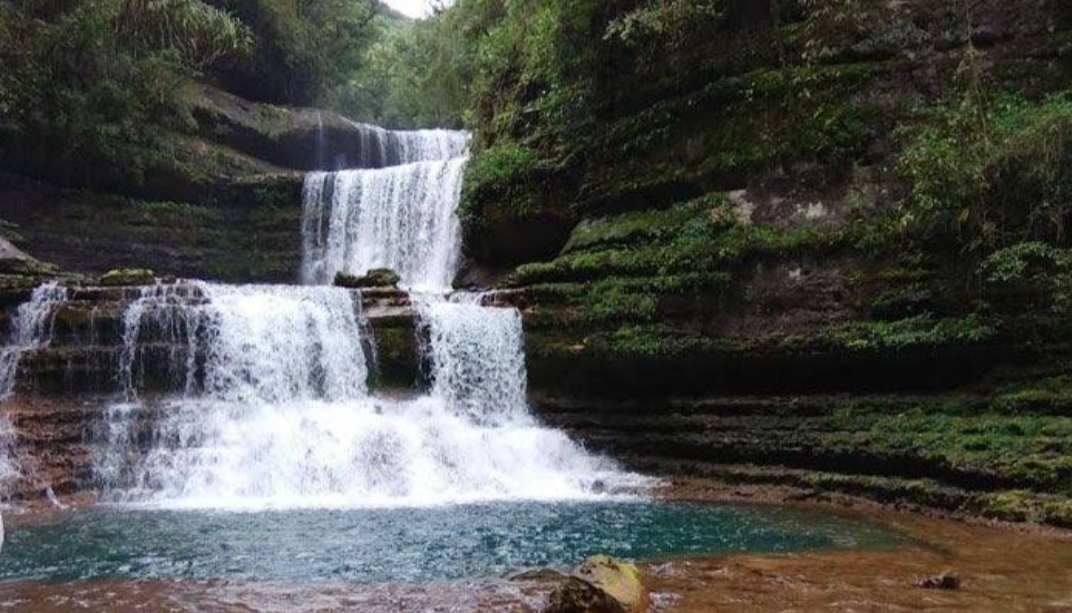
Cherrapunji, Meghalaya
Cherrapunji, being the second wettest place on Earth, boasts of pleasant weather throughout the year. When here, you might witness rains coming in with such velocity that you will be drenched in no time. And although it receives a huge amount of rainfall, the beauty of this place is that it does not get flooded. In fact, the place turns livelier during the rainy season, with sounds of chirping and humming of birds and insects, along with the thundering sound of rivers flowing at the bottom of the valley.
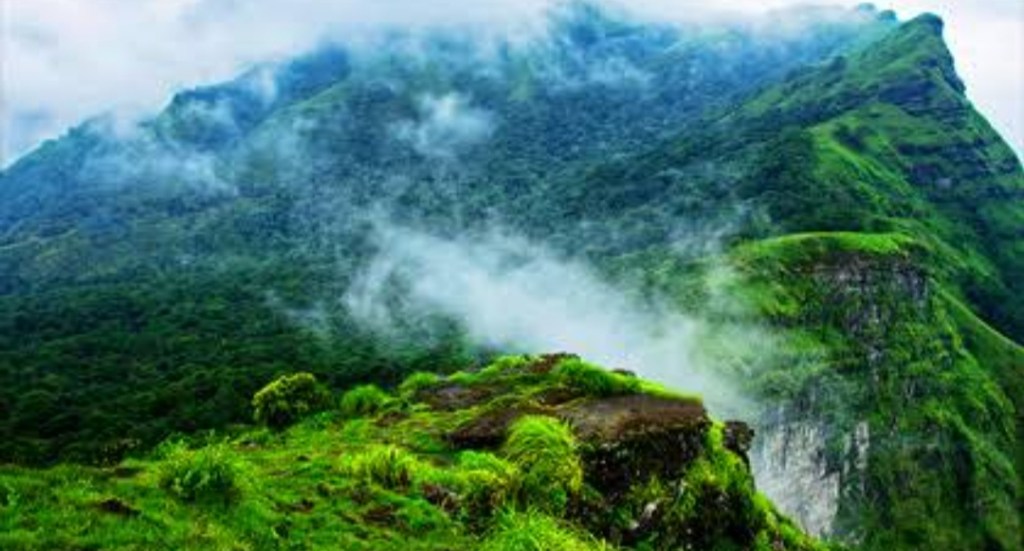
Chikmagalur, Karnataka
Chikmagalur is blessed with many attractions that turn magical during the monsoons. Sitting in the lap of Western Ghats, it is one of the places that you will make you crave for more. During this time, you can enjoy a drive to Charmadi Ghat near Chikmagalur; the drive will take you through the Western Ghats, home to many gorgeous waterfalls. Further, the spot is also dotted with tall mountains, vast tropical rain forests, and green valleys, all of which turn alive during the monsoons. You need to visit this spot during this time to believe it.
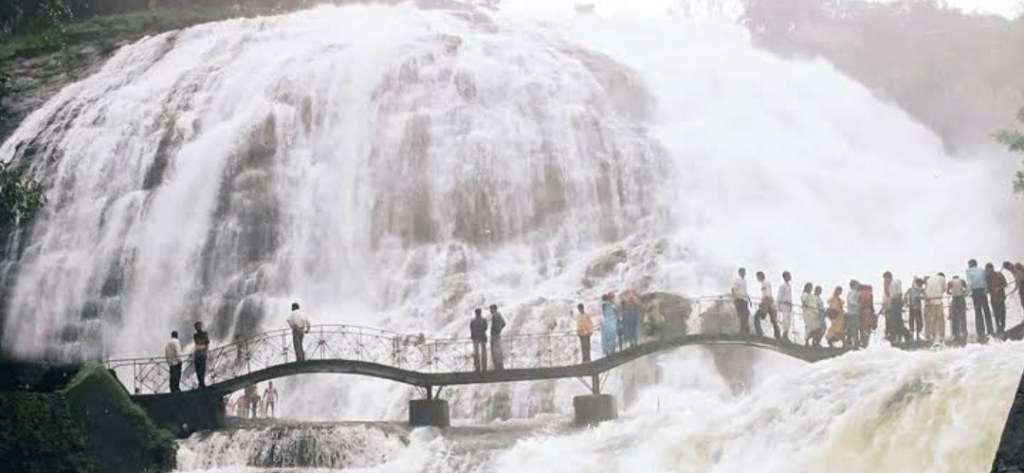
Bhandardara, Maharashtra
Monsoon is a very pleasant time in Bhandardara, as the Randha Falls and streams and lakes get drenched in monsoon rains. The landscape turns fresh, dewy, and green, making it a lovely spot to visit during this time. Further, Bhandardara being situated in the Sahyadri Mountains of the Western Ghats, it also turns into a haven for hikers and trekkers in and around Maharashtra. However, be sure to avoid the trails that turn slippery during the rains.
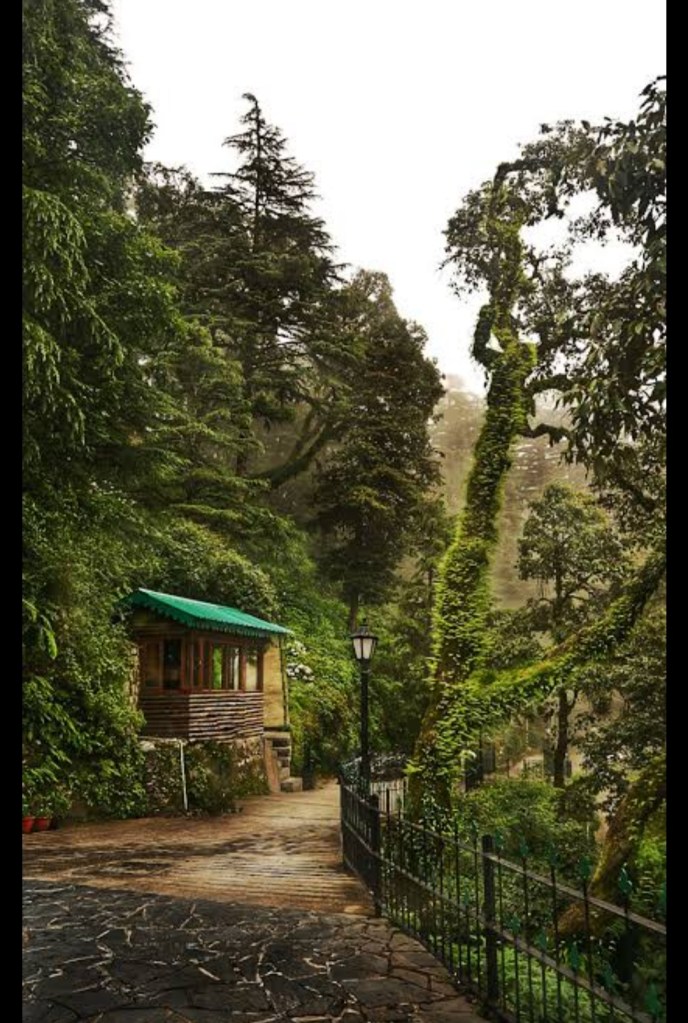
Mussoorie, Uttarakhand
During monsoons, Mussoorie turns greener than ever, and makes rains the best time to visit. The crowd too gets thinner at this time as compared to summers and winters. If you visit the Queen of Hills during the rainy season, you get the opportunity to witness the dreamlike setting of monsoon that brings out the best of Mussoorie. The beautiful landscapes, serene ambience, make this spot a must ‘green getaway’ during the rainy season.
Banswara, Rajasthan
Also known as the City of Hundred Islands, it’s a paradise of a place to visit during the monsoons. It got its name from the bans or bamboo trees that once grew in abundance here. Lush green hillocks, scenic surroundings, the presence of youthful lakes and rivers, make this spot so gorgeous that you will forget that you are in Rajasthan. When here, visit the lake banks and Mahi river dam that turn stunning during the rains, thereby making it a dreamy monsoon destination.
The significance of institutional credit in boosting provincial economy has been obvious to the Government of India directly from its beginning phases of preparation. In this manner, the Reserve Bank of India (RBI) at the demand of the Government of India, established a Committee to Review the Arrangements For Institutional Credit for Agriculture and Rural Development (CRAFICARD) to investigate these exceptionally basic viewpoints. The Committee was framed on 30 March 1979, under the Chairmanship of Shri B. Sivaraman, previous individual from Planning Commission, Government of India.
The Committee’s between time report, submitted on 28 November 1979, illustrated the requirement for another hierarchical gadget for giving full focus, intense course and directed concentration toward acknowledge related issues connected for country improvement. Its suggestion was arrangement of an exceptional advancement monetary foundation which would address these goals and arrangement of National Bank for Agriculture and Rural Development (NABARD) was endorsed by the Parliament through Act 61 of 1981.
NABARD appeared on 12 July 1982 by moving the agrarian credit elements of RBI and renegotiate elements of the then Agricultural Refinance and Development Corporation (ARDC). It was committed to the help of the country by the late Prime Minister Smt. Indira Gandhi on 05 November 1982. Set up with an underlying capital of Rs.100 crore, its settled up capital remained at Rs.14,080 crore as on 31 March 2020. Resulting to the amendment in the structure of divide capital among Government of India and RBI, NABARD today is completely possessed by Government of India.
VISION
Improvement Bank of the Nation for Fostering Rural Prosperity.
MISSION
Advance maintainable and evenhanded agribusiness and rustic improvement through participative monetary and non-monetary intercessions, advancements, innovation and institutional improvement for getting thriving.
Education is very important in every individual’s life as it is very important for the living. The person who is educated will be well treated by the society and will you have good potential wherever he or she goes. Education as the extra energy to the individual’s life and a moles the individuals character into a good one. It is very important to be educated as the competition in the world is comparatively very high.
Online classes are the greatest and the biggest task to all the students. It is so difficult for all the students to understand the topics in a detailed manner. Even though the students try their level best to understand the topics during the online class, it is only the 50% of learning but the topics are not understood properly but the students and face lots of difficulties.
It is also equal difficult to conduct exams to all mine because it’s exams are connected through online then there is a chance formal practices. Basically, students commit malpractices during exams in a view to get good marks but not about the knowledge. So,many of the students commit malpractices.
Ways to improve the education system
* skill – based learning :
As of now , the education system is such that everyone is forced to study science and math. If this system can be revamped to identify the strengths of a student, then they can be given appropriate training in the chosen field. This will ensure that the child shines in that particular field.
* Rural Education :
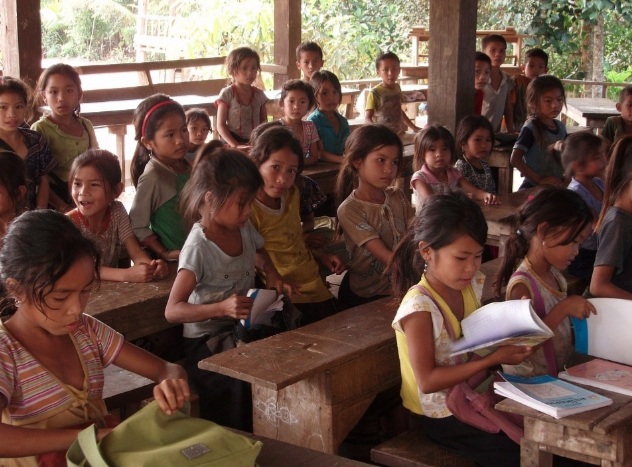
As the sad thing about the Indian education system is the fact that its focus is only on urban clusters. There are hardly any decent centres of learning in the rural areas. This is especially true in terms of higher education. If a country has to actually develop, urban and rural development have to go hand in hand.
* Gender Neutral Education :
The education system has always favoured men over the fairer sex. The major change that must be brought about is to involve women in the same. Particularly subjects that are now considered to be the strength of men alone ( like carpentry, engineering, etc). Should be made more accessible to women. Pioneer women in these fileds should be given due encouragement and appreciation.
* Teacher Training :
India has a very good quality of dedicated teachers. However, the sad fact here is the fact that after they join this service, they receive little or no training. In such a situation, giving them periodic training will not just ensure that they are updated with the changing times, but will also improve the entire education scene of the country by leaps and bounds.
* Infrastructure :
As in every other sector, the indian education sector is one that suffers from the acute death of infrastructure. Most of the government schools do not even have proper chairs, tables, restrooms, let alone a playground, libraries and laboratories. Thus ,the first step in revamping the education scene in the country should begin with improving the infrastructure so that the students are given an evironment where they can learn to the best of their abilities.
* subsidising professional courses :
It is a sad reality that many meritorious students are not able to afford professional corses because of the sheer expense involved in the same. This is all the way truer in case of students from the general category who do not have access to many scholarships. In such a situation subsidising the cost professional education will ensure that the same is within the reach of deserving students from the lower and lower middle class strata of the Indian society.
* Basic computing In Rural Areas :
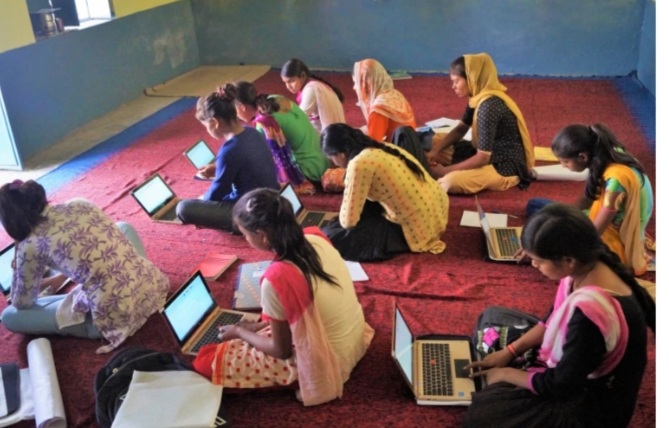
On one hand , India is a land of IT giants; on the other, rural India is completely digitally ill- equipped, in a sitiation like this, the first change that the education system must bring forward is to start free computing classes for skill development in rural areas. Only then will rural Indian move in the same pace as that of the urban Digital India and the country embark on the journey of development.
* Make sports compulsory :
One of the main reasons for the alarming rise in suicide amongst students in the country is the fact that they cannot handle stress. That in turn is because they are subjected to too much mental pressure. By making sports compusory it can be ensured that all the students indulge in some sort of some physical activity. This will lead to their mind performance better and enable them to grasp their theory lessons well.
* Educate parents :
Most of the times it is seen that the children’s woes centre atound that of their parents. In the Indian scenerio, parents are the ones who force their wards into a career they do not like. As a result students do not excel and upon failing to meet their parents expectations, they suffer from a number of mental health issues. To prevent such a thing from happening, the first step that must be taken is to educate the parents about the different carrer options that are available to the students and the possible scope of future in them.
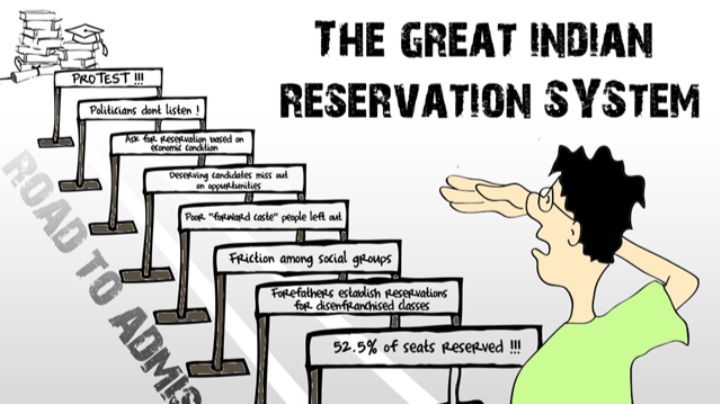
* Remove The Reservation system :
The reservation system in India has been so obsessed with providing the best of opportunities to the reserved that it misses out on many opportunities for the ones who actually deserve the same. This results in not just personal loss for certain people but also brain drain for the entire country and fosters a massive loss to the nation’s economy.
Today’s education system may be good to score marks, but fails to retain the knowledge once students have completed their examinations. This leads to young minds being stifled at an age when they should be asking questions, learning and gaining knowledge, and developing a thirst for more knowledge.
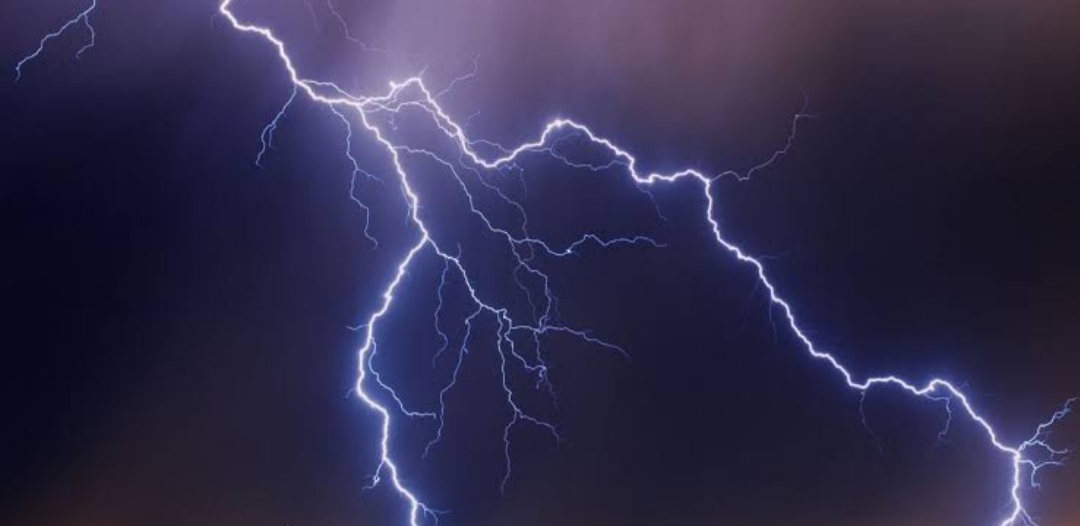
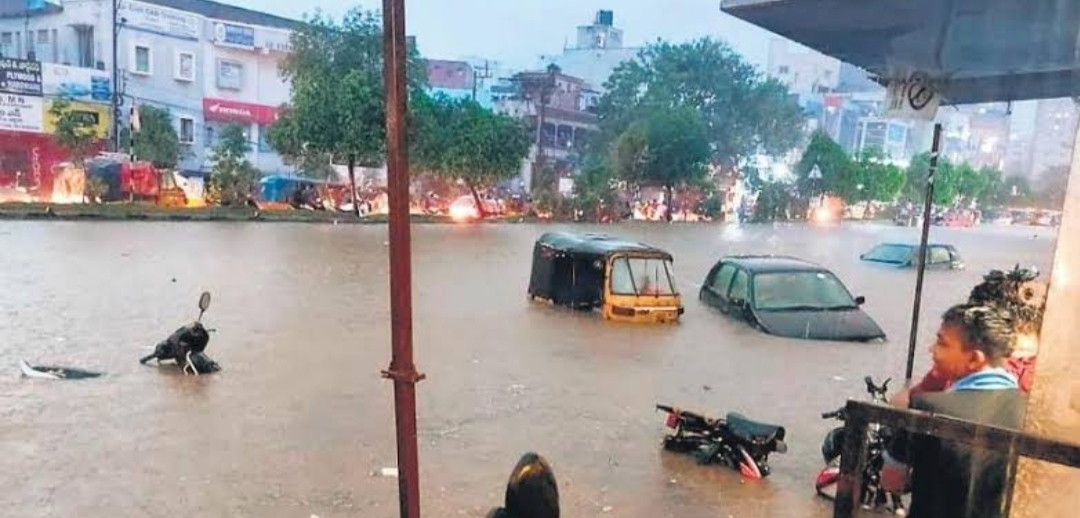
Delhi, UP, Uttarakhand and Himachal to Receive Heavy Rainfall Next Five Days.
The India Meteorological Department (IMD) has predicted heavy to very heavy rainfall at some places of North India, including Delhi, Uttar Pradesh, Himachal Pradesh, Uttarakhand, during the next 5 days.
The department has also issued an orange alert in Rajasthan and Jammu and Kashmir. It also issued a yellow alert in Himachal Pradesh and Uttarakhand, which are facing heavy losses due to cloudburst. The Metrological department issued a red alert for Madhya Maharashtra and Goa.
The prediction are taken at a time when monsoon has entered in most of the states of the country.
Following are the meaning of the color of the alert issued by authorities::
Green Alert: It means there is no danger as there is no chance of rain.
Yellow Alert: This alert means that there will be rainfall and weather will remain unclear
Orange Alert: This means that there is a full possibility of rainfall and thunderstorms. So one should not go out unless it is absolutely necessary.
Red Alert: Red Alert means warning of dangerous weather. Through this alert, people are warned against going out of their homes.
The moisture-laden winds are advancing from the Bay of Bengal towards all parts of the country due to changes in conditions that promote the advancement of these winds.
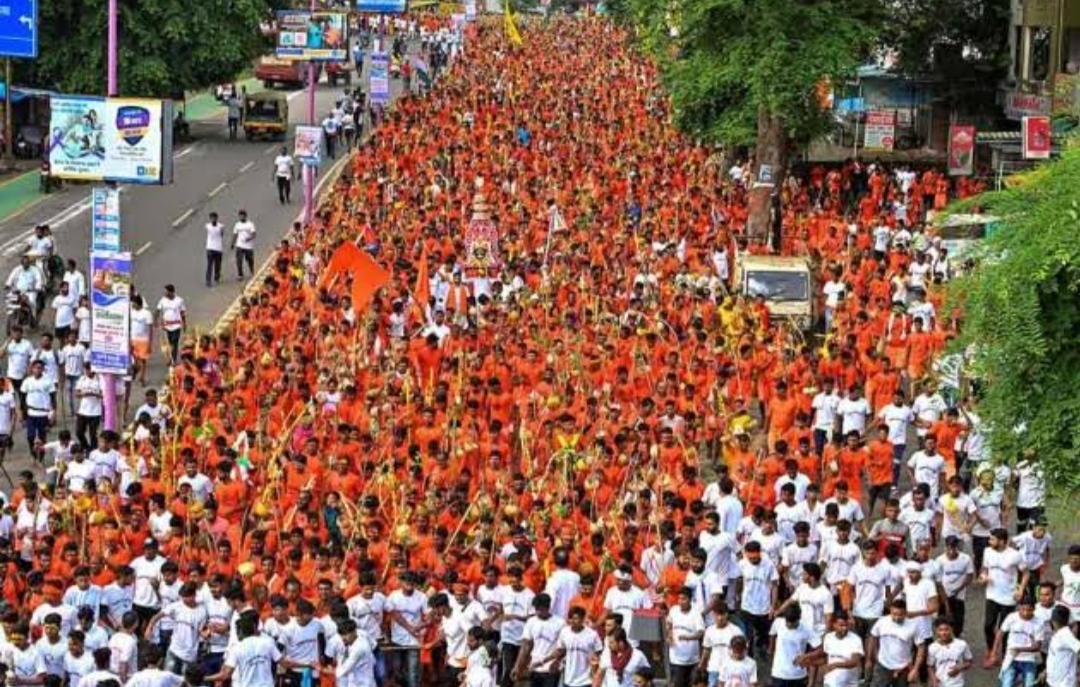
The Kanwar Yatra is the annual pilgrimage of the devotees of Shiva known as Kanvaria; to Hindu pilgrimage places like Haridwar, Gaumukh and Gangotri in Uttarakhand and Sultanganj in Bihar to fetch the holy waters of the Ganges River to pour it on various Shiva temples in India.
Kanwar Yatra: UP CM requests Uttarakhand govt to allow entry into Haridwar for some devotees.
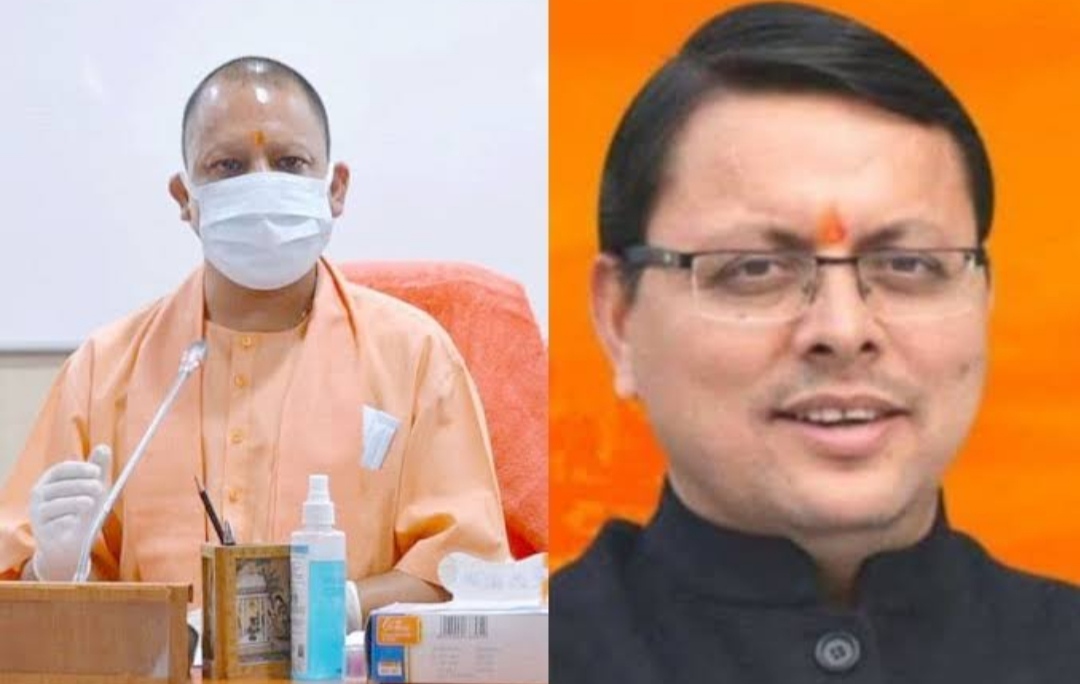
UP CM Adityanath has requested his counterpart in Uttarakhand, Pushkar Singh Dhami, to allow some devotees from UP to travel to Haridwar for the Kanwar Yatra.
The Uttarakhand government has decided to call off the annual Kanwar Yatra for the second year in a row in view of the Covid-19 pandemic. This decision was taken by CM Pushkar Singh Dhami on Tuesday.
At the same time, the Uttar Pradesh government decided to go ahead with the pilgrimage with strict curbs. CM Yogi Adityanath directed officials to ensure that devotees are allowed to take part in the Kanwar Yatra only after they attain a negative RT-PCR test report.
UP CM Adityanath was requested by Uttarakhand CM to allow a limited number of devotees from the state to visit Haridwar for the Kanwar Yatra.
“The unthinkable is that we’re distorting this atmospheric balance. We’re shifting the chemical balance so that we have more poisons in the atmosphere – ozones and acid rain on ground level – while we’re also changing the thermal climate of the earth through the greenhouse effect and – get this – simultaneously causing destruction of our primary filter of ultraviolet light. It’s incredible. Talk about the national-debt crisis – we’re piling up debts in the atmosphere, and the piper will want to be paid.”
~ Michael Oppenheimer
Introduction
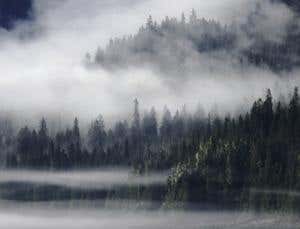
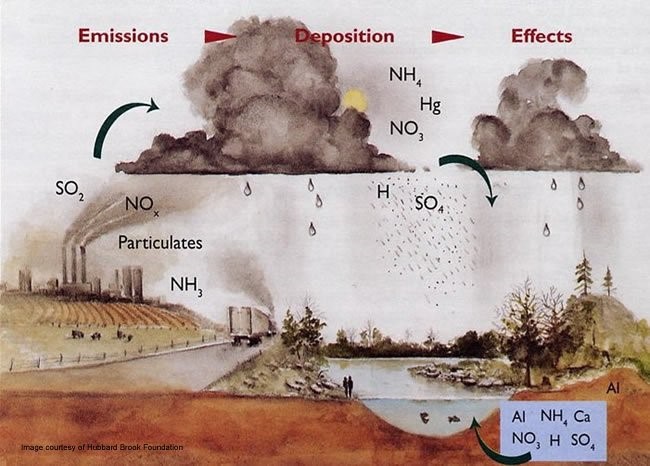
Acid rain, or acid deposition, is a broad term that includes any form of precipitation with acidic components, such as sulfuric or nitric acid that fall to the ground from the atmosphere in wet or dry forms. This can include rain, snow, fog, hail or even dust that is acidic.
Acid rain is caused by a chemical reaction that begins when compounds like sulfur dioxide and nitrogen oxides are released into the air. These substances can rise very high into the atmosphere, where they mix and react with water, oxygen, and other chemicals to form more acidic pollutants, known as acid rain.
It can have harmful effects on plants, aquatic animals, and infrastructure.
Effects of Acid Rain
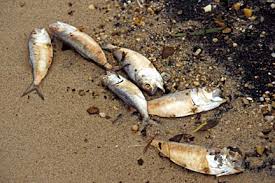
The ecological effects of acid rain are most clearly seen in aquatic environments, such as streams, lakes, and marshes where it can be harmful to fish and other wildlife. As it flows through the soil, acidic rain water can leach aluminum from soil clay particles and then flow into streams and lakes.
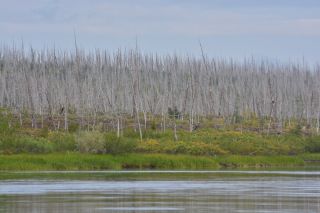
Acid rain has been shown to have adverse impacts on forests, freshwaters, and soils, killing insect and aquatic life-forms, causing paint to peel, corrosion of steel structures such as bridges, and weathering of stone buildings and statues as well as having impacts on human health.
Acid rain also causes the corrosion of water pipes. Which further results in leaching of heavy metals such as iron, lead and copper into drinking water.
Prevention
1. The only precaution that we can take against acid rain is having a check at the emission of oxides of nitrogen and sulphur. 2. We have so far seen the details of acid rain and its harmful effect on animals, plants and the monuments. 3. Being responsible citizens, one should be aware of the harmful effects they cause and of the industries which give out nitrogen and sulphur compound wastes unethically. 4.A great way to reduce acid rain is to produce energy without using fossil fuels. Instead, people can use renewable energy sources, such as solar and wind power. Renewable energy sources help reduce acid rain because they produce much less pollution.
Acid Rain in India
Analysis of rainwater samples from Nagpur, Mohanbari (in Assam), Allahabad, Visakhapatnam and Kodaikanal in the decade 2001-2012 showed a pH level varying from 4.77 to 5.32, indicating that these places have actually been receiving ‘acid rain’. Rainwater with pH below 5.65 is considered acidic.
As energy requirements in India will grow rapidly in tune with the economy, coal dependence is expected to increase threefold over the current level of consumption, making the clouds of acid rain heavier over many highly sensitive areas in the country – the northeast, parts of Bihar, Orissa, West Bengal ,etc ,.
The rains in the Indian Ocean and the Arabian Sea and the Bay of Bengal have become acidic. Studies show the importance to regularly monitor more places for acid rains. But the mechanism to study acid rains is at present inadequate in India. imd stations are not located in the most polluted areas in the country.
Hinduism is now the third largest religious community with more than 1 Billion followers around the world. After the British rule, the Hindu Religion came to known as Hinduism, but before that Hindu was termed as Sanatana Dharma, Which means the eternal Duty of life, No matter any caste, gender or race. Every Hindu People used to practice the Sanatana Dharam through their whole life. In texts, Sanatana Dharma Was written as a way of living a healthy Life with honesty, Purity, Goodwill, Mercy, & Patience. According to some Scholars, along with Hindu devotees and priests, beliefs that the Hinduism is the oldest religion and has always existed in this world. Around 90% of the total Hindu population lives in India (also Hindustan or Bharat) with different beliefs and culture. India is well known for their mix culture, traditions and the believe in their deities. In Fact, Buddhism and Jainism were also originated in India.
Hinduism Beliefs
As this religion has no specific founder, nobody knows that when and how it was originated, but as per the Hindu priests and many scholars had specified it as an oldest religion. Hindu believes in karma (law of cause and effect). They Worships a single god with a believe in the existence of the other gods or goddess. They believe in soul (Atman) and a pure & gentler way to live. Hindu believes that people should live together without harming any other religion or People in the name of God or as any part of their worshiping. They believe in Moksha (also called as Mukti) which is an Indian Philosophy & Religion, that means release from the cycle of Rebirth. Their Goal of Life is to live with their Dharma in the very proper way the Dharma asks their devotees to live. There many other Interesting beliefs of Hinudusim, one would know if they explore more about it.
Hindu Deities
Devas and Devis are called as the God and Goddess of Hinduism. Hinduism itself is very wide and have different traditions to worship their Deities and that’s the Beauty of this religion. People with different Traditions are united by Hinduism and they live together. Some of the Deities are:-
Lord Brahma
Lord Vishnu
Goddess Saraswati
Lord Shiva
Lord Krishna
Goddess Lakshmi
Many other religions have also adopted the Hindu Deities and the traditions outside the India. In the medieval era the texts of Hinduism describe the Human Body as Temple and the soul as the deities residing it.
The Yugs (Era)
There are 4 different Yugs (Era) Every Yuga is Shorter than the preceding one and in each Yuga the humanity will be found less than the Old Yugas. The 4 Yugs are:
Satya Yug
Treta Yug
Dvapara Yug
Kali Yug
Kali Yug Lasts for 4,320,000 years (12,000 divine years). The Kali Yug (Present Era) is Believed that started around 3102 BCE. In the ancient texts of Purans it was also written that the Kali Yug will be dominated by Hatred, intolerance, lust, and corruption.
Hinduism Origin
The Vedic Period where Vedas Were written was lasted around 1500 BC to 500 BC. At that period rituals Used to make sacrifices, chants, and many other mystical practices of that periodic time. It was really hard to be found the exact time period that when did the Hindu religion was actually originated. As per scholars the birth of Hinduism was found in the Indus River Valley, which runs through Northwest India to Pakistan. It was originated around 4500-5000 BCE. The Indus River Valley was diminished around 1800 BC cause of climatic conditions. It was also named as Sindhu as, a Sanskrit Word. It’s location created a lot of problems because of the Iranian plateau. Around 712 AD, Muslims invaded the The Indus Valley.
Around the 7th century, Muslim Arabs began Invading Areas in India. In 1200 to 1757, Islamic ruler prevented Hindus worshipping their Deities. Some of the Hindu Temples were also destroyed around 1757 to 1947, under British Control. Some Christaniers were also found to convert & westernize the Hindu people, which is still happening around the Country.
Hinduism Holy Books
The Vedas were written around 1500 BC. That Book was filled with prayers and verses written by the Hindu Saints in Sanskrit letters and it includes:
The Rig Veda
The Samaveda
Yajurveda
Atharvaveda
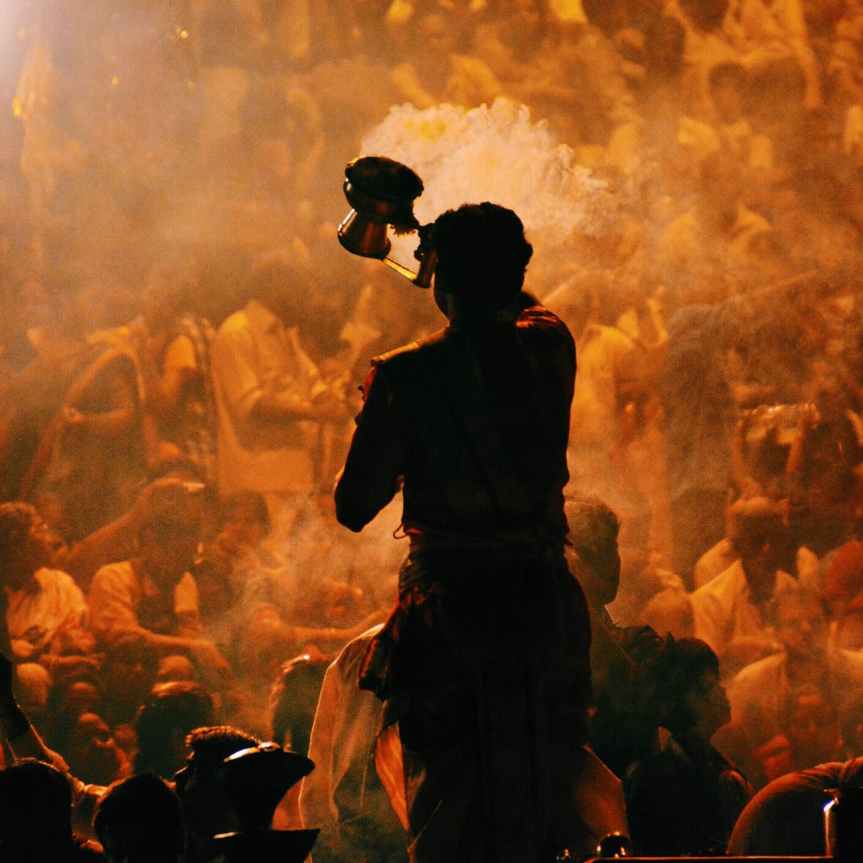
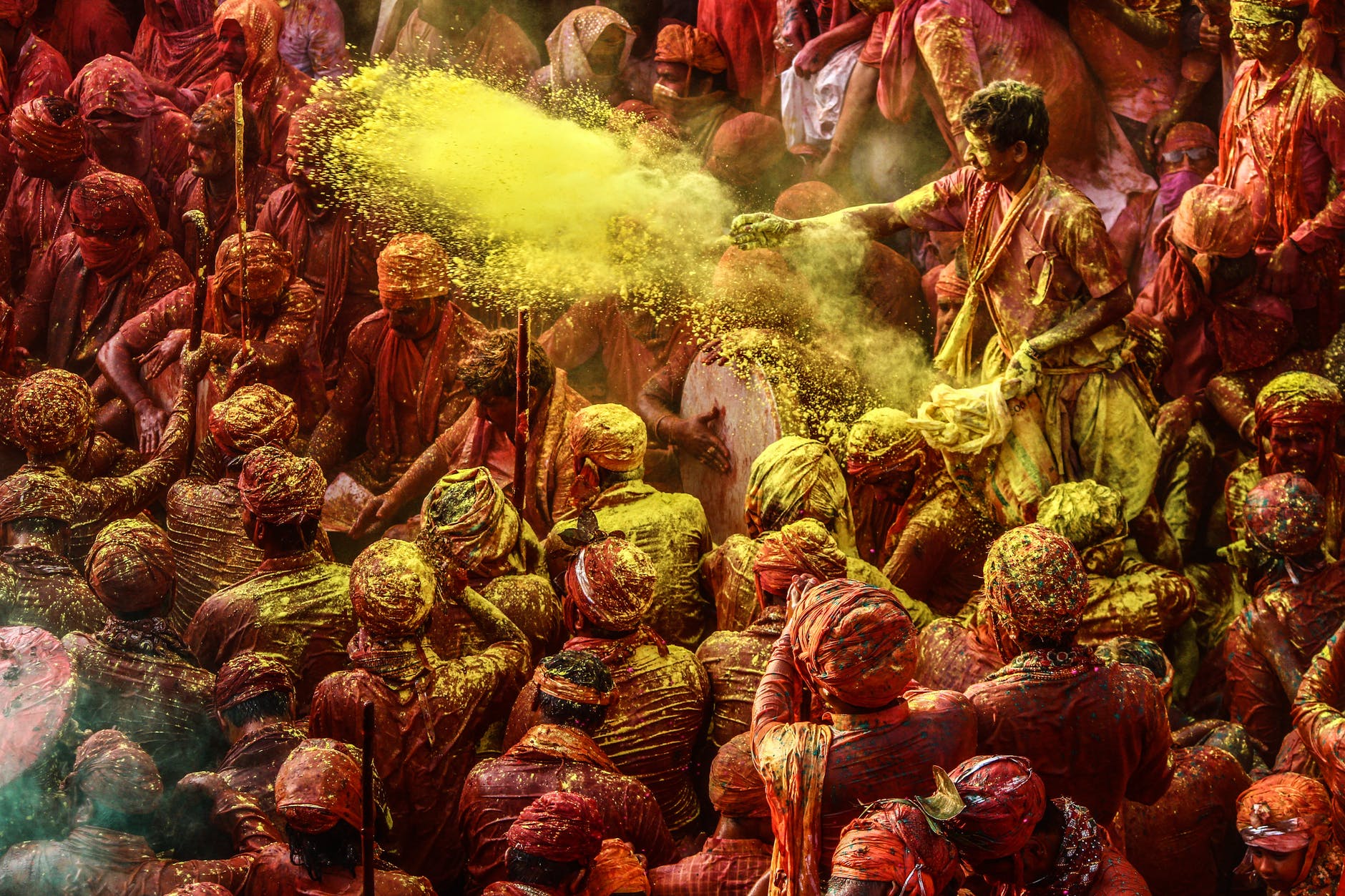
Hindu Festivals
Hindu festivals are well known for the way of believing & celebrating it, with full of Joy and worshipping Hindu deities, Devotees enjoy their festival days. Some Of the Hindu festivals Are:
Hindu Culture is filled with joy, teaches a better way of living, Unites the people, Gives freedom to worship the god that their devotees believe, and always wanted people to live in a better place with their family and to enjoy the worshipping.
Over the years, Amul, one of the most beloved brands of our country, has become the taste of India, just as its tagline claims. Every Indian millennial has grown up listening to the jingles of its many dairy products, and the Amul girl, the brand’s mascot in the polka-dotted dress, has become a nostalgia-evoking symbol. Amul has truly come a long way since its founding in 1946.
The beginning
Amul was formed as a part of a cooperative movement against Polson Dairy in Anand, Gujarat, which procured milk from local farmers of Kaira District at very low rates and sold it to the then Bombay government. Everyone except the farmers benefited from this trade. The farmers took their plea to Sardar Patel, who had advocated farmers’ cooperatives since 1942. The result was the formation of the Kaira District Co-operative Milk Producers’ Union Limited in Anand.
The union started pasteurising milk produced by a handful of farmers for the Bombay Milk Scheme and grew to 432 farmers by the end of 1948. The rapid growth led to problems including excess production that the Bombay Milk Scheme couldn’t accommodate. To solve this issue, a plant was set up to process all that extra milk into products such as milk powder and butter.
Amul is born
The late Dr. Verghese Kurien, rightly called the Milkman of India, was Amul’s true architect. His journey at Amul began in 1949 when he arrived in Anand to manage a dairy as a government employee. He went from helping farmers repair machinery to revolutionising India’s dairy industry with the White Revolution (or Operation Flood), the largest dairy development programme in the world.
The new dairy with the milk processing plant was ready for operation in October 1955, the year that also saw a breakthrough in dairy technology —buffalo milk was processed to make products for the first time in the world. The word ‘Amul’, derived from ‘Amulya’, which means ‘precious’ or ‘priceless’ in Sanskrit, was used to market the range of milk products developed by the Kaira Union. It is also an acronym for Anand Milk Union Ltd.
Dr Kurien had a vision. He wanted to offer small-scale dairy farmers quality-control units and centralised marketing, which were missing at the time in the dairy economy. Thus, the Gujarat Cooperative Milk Marketing Federation (GCMMF) was created in 1973 to market milk and all milk products produced by six district cooperative unions in Gujarat. GCMMF is the largest exporter of dairy products in India and Amul is the umbrella for all of its products.
Awards, accolades, and a global presence
Over the years, Amul, together with GCMMF, has won numerous awards. Some of these include the Rajiv Gandhi National Quality Award, 1999; the Golden Trophy for Outstanding Export Performance, 2009-10; Best Marketing Campaign, 2014; and World Dairy Innovation Award, among many others. Amul earned recognition all over the world when GCMMF introduced it on the Global Dairy Trade (GDT) platform, where only the six top dairy players across the world sell their products.
More than a mere slogan
Amul’s famous slogan, which is now a part of its logo, was created in 1994 by Shri Kanon Krishna of a Mumbai-based advertising agency called Advertising and Sales Promotion (ASP). According to Amul, the Taste of India slogan is more than just corporate positioning or advertising jargon. This slogan lends meaning to the brand’s never-ending commitment to taking quality food and products to the rural man, which he otherwise couldn’t have afforded.
The Butter Girl
Amul did not always have the round-eyed moppet as its mascot. The Butter Girl was born in 1966 when Sylvester daCunha, the then MD of the advertising agency handling Amul butter’s account, created her for its campaign. It was a pleasant change from the dull, corporate ads that the previous agency had come up with. Being a seasoned marketer himself, Dr Kurien gave daCunha complete creative freedom to create and release the ads without taking the company’s permission. 30 years later, the Utterly Butterly Girl still wins hearts wherever she is, whether on a billboard or on the packet of butter.
Amul is not just a brand; it is also a movement that represents farmers’ economic freedom. The name is now a household term that is here to stay, and the chubby-cheeked Amul girl will continue to cast a spell on the public.
From the past two decades , it is stated that the threat of biological warfare is not a myth but a harsh reality of the world . Due to the outbreak , we can recognise the high risk and consequences of bioterrorism.
This editorial provides you the overview of bioterrorism , it’s symptoms , causes , measures and impact on humans in present scenario .
Introduction
A bioterrorism attack is the deliberate release of viruses, bacteria, or other germs to cause illness or death. These germs are often found in nature. But they can sometimes be made more harmful by increasing their ability to cause disease, spread, or resist medical treatment.
Biological agents spread through the air, water, or in food. Some can also spread from person to person. They can be very hard to detect. They don’t cause illness for several hours or days. Scientists worry that anthrax, botulism, Ebola and other hemorrhagic fever viruses, plague, or smallpox could be used as biological agents.
Despite patchy intelligence, France started its own biological weapons programme in the early 1920s. It was headed by Auguste Trillat, an inventive German-educated chemist who envisioned and tested the sustained virulence of airborne pathogens.
The goal of bioterrorism is usually to create fear and/or intimidate governments or societies for the purpose of gaining political, religious, or ideological goals. Bioterrorism may have a different effect on societies than would weapons such as explosives.
Symptoms
The symptoms of exposure to a biological agent might include sore throat, fever, double or blurred vision, rash or skin blisters, exhaustion, difficulty talking, confusion, descending muscle weakness, nausea, abdominal pain, vomiting, diarrhea, and coughing.
History
Historically, biological weapons have been a threat to humans for many centuries. At those times, very crude methods such as fecal matter, animal carcasses, etc. were used to contaminate water sources, but now the concentrated forms of biological agents such as dried spores and genetically modified organisms are available, which are fatal even in minute quantity.
During the Indo-Pakistan war of 1965, a scrub typhus outbreak in north-eastern India came under suspicion. India’s defense and intelligence outfits were alert to the outbreak of pneumonic plague – well known in biological warfare – in Surat and Bubonic plague in Beed in 1994, which caused several deaths and sizeable economic loss.
Prevention
There are some points that you need to consider during the outbreak :
If you become aware of a suspicious substance, quickly get away.
Cover your mouth and nose with layers of fabric that can filter the air but still allow breathing. Examples include two to three layers of cotton such as a t-shirt, handkerchief or towel.
Depending on the situation, wear a face mask to reduce inhaling or spreading germs.
If you have been exposed to a biological agent, remove and bag your clothes and personal items.
Follow official instructions for disposal of contaminated items.
Wash yourself with soap and water and put on clean clothes.
Contact authorities and seek medical assistance. You may be advised to stay away from others or even to quarantine.
If your symptoms match those described and you are in the group considered at risk, immediately seek emergency medical attention.
Follow the instructions of doctors and other public health officials. Avoid crowds.



























 Eduindex
You must be logged in to post a comment.