Entrepreneurs after employment

 The data on Employment and Unemployment is collected through Periodic Labour Force Survey (PLFS) which is conducted by the Ministry of Statistics & Programme Implementation (MoSPI) since 2017-18. The survey period is July to June every year. As per the latest available Annual PLFS Reports, the State/UT-wise estimated Self-employed workers in usual status during 2021-22 to 2022-23 is at Annexure-I.

Under Pradhan Mantri Mudra Yojana (PMMY), collateral-free institutional credit upto Rs. 10 lakh is provided to any individual, who is otherwise eligible to take a loan and has a business plan for small business enterprise can avail loan under the Scheme. Loans can be availed for income generating activities in the manufacturing, trading, services sector and also for activities allied to agriculture under three categories, viz. Shishu (loans up to Rs. 50,000), Kishor (loans above Rs. 50,000 and up to Rs. 5 lakh) and Tarun (loans above Rs. 5 lakh and up to Rs. 10 lakh).

As on 24.11.2023, more than 44.46 crore loans amounting to Rs. 25.47 lakh crore have been disbursed to the borrowers under PMMY since inception. Further, the State/U.T./ -wise details of loans sanctioned and amount disbursed under the Scheme, are placed at Annexure-II.

The Government has been implementing various initiatives under the Startup India initiative which was launched on 16th January 2016 in order to build a strong ecosystem for nurturing innovation, startups and encouraging investments in the startup ecosystem of the country.

Stand UP India (SUPI) was launched on 5th April 2016, with the aim to promote entrepreneurship among the Scheduled Caste/ Scheduled Tribe and Women by facilitating bank loans between Rs.10 lakh and Rs.100 lakh to at least one SC/ST borrower and one Woman borrower per bank branch of Scheduled Commercial Banks for setting up Greenfield enterprises in trading, manufacturing, services sectors and activities allied to agriculture.

PM SVANidhi was launched on 1st June, 2020, to provide, collateral free loans in three tranches i.e. Rs.10,000 in first tranche, upto Rs.20,000 in second tranche and upto Rs.50,000 in third tranche to street vendors.

Ministry of Skill Development and Entrepreneurship (MSDE) is implementing the National Apprenticeship Promotion Scheme (NAPS) and Pradhan Mantri Kaushal Vikas Yojana (PMKVY) to enhance the employability of youth.

Ministry of Micro, Small and Medium Enterprises (MSME) through Khadi and Village Industries Commission (KVIC), is implementing Prime Minister’s Employment Generation Programme (PMEGP) for assisting entrepreneurs across the country in setting up of new units in the non-farm sector. It aims to  provide employment opportunities to traditional artisans/ rural and urban unemployed youth at their  doorstep.

 PM Vishwakarma was launched on 17th September, 2023. The Scheme aims to provide end-to end holistic support to traditional artists and craftspeople engaged in 18 identified trades through access to skill training, collateral-free credit, modern tools, market linkage support and incentive for digital transactions.


  Annexure-I

State/UT-wise estimated Self-employed workers (in %) in usual status during 2021-22 to 2022-23.

S. No.

States/UTs

2021-22

2022-23


1

Andhra Pradesh

43.4

45.5


2

Arunachal Pradesh

71.9

74.3


3

Assam

61.2

57.2


4

Bihar

59

63.9


5

Chhattisgarh

66.8

67.3


6

Delhi

31.1

34.6


7

Goa

37.1

35.1


8

Gujarat

54.5

53.2


9

Haryana

44.6

45.3


10

Himachal Pradesh

69.1

71.8


11

Jharkhand

66.3

69.9


12

Karnataka

48.1

48.5


13

Kerala

38.3

39.7


14

Madhya Pradesh

63.4

63.8


15

Maharashtra

45.7

47.9


16

Manipur

64.3

69.9


17

Meghalaya

47.7

48


18

Mizoram

68.8

69.1


19

Nagaland

63.5

67


20

Odisha

60.1

64.3


21

Punjab

44.3

45.1


22

Rajasthan

68.9

69.8


23

Sikkim

55.2

61.9


24

Tamil Nadu

36.8

35.7


25

Telangana

63.9

60.1


26

Tripura

52

56.7


27

Uttarakhand

59.8

66.4


28

Uttar Pradesh

70.9

71.2


29

West Bengal

49.9

54.6


30

Andaman & N. Island

42.5

44.1


31

Chandigarh

26.7

20.6


32

Dadra & Nagar Haveli & Daman & Diu

23.1

33.7


33

Jammu & Kashmir

62.4

68.3


34

Ladakh

55.4

66.9


35

Lakshadweep

23.4

37.2


36

Puducherry

34.7

29.7


37

all India

55.8

57.3


         Source: PLFS, MoSPI


Annexure-II


State/ UT-wise/ Year-wise details of Pradhan Mantri Mudra Yojana (PMMY) for the year 2021-22 to 2023-24 (As on 24.11.2023)

(Amount in Rs. Crore)


Financial Year

F.Y. 2021-22

F.Y. 2022-23

F.Y. 2023-24 (as on 24.11.2023)

Sr No

State/ U.T. Name

No. of Loan

A/Cs

Sanctioned

Amount

Disbursed

Amount

No. of Loan

A/Cs

Sanctioned

Amount

Disbursed

Amount

No. of Loan

A/Cs

Sanctioned

Amount

Disbursed

Amount

1

Andaman and Nicobar Islands

1,901

77.40

76.53

3,463

127.29

124.34

1,863

71.69

69.82

2

Andhra Pradesh

11,17,922

11,829.82

11,445.42

13,48,593

16,450.70

16,212.30

8,77,921

11,120.98

10,898.90

3

Arunachal Pradesh

5,705

90.50

86.51

17,193

224.78

214.59

17,070

186.56

180.14

4

Assam

6,82,889

4,866.50

4,577.28

5,99,213

6,300.99

6,182.19

1,91,868

2,360.63

2,268.69

5

Bihar

66,78,155

32,096.95

30,725.07

84,89,231

46,463.15

45,448.59

41,47,624

24,436.54

23,270.68

6

Chandigarh

14,926

281.66

273.03

17,261

301.41

293.58

8,659

180.19

173.25

7

Chhattisgarh

9,70,396

5,929.49

5,797.46

11,14,927

8,391.61

8,262.57

4,90,278

4,370.81

4,101.57

8

Dadra and Nagar Haveli & Daman and Diu

4,397

70.37

68.25

5,512

103.89

102.21

1,431

47.38

46.73

9

Delhi

1,94,835

2,616.58

2,559.59

3,37,476

3,800.63

3,759.22

1,67,717

2,334.36

2,263.22

10

Goa

35,950

491.36

472.87

42,745

719.27

700.19

23,943

445.90

430.94

11

Gujarat

15,90,960

12,152.39

11,990.04

17,84,437

17,668.10

17,507.49

9,77,786

10,302.51

10,126.93

12

Haryana

10,57,963

7,768.34

7,574.18

12,18,808

10,154.93

9,944.79

5,56,711

5,689.67

5,442.62

13

Himachal Pradesh

1,07,556

2,152.58

2,027.43

1,51,733

3,133.01

3,080.21

73,550

1,596.91

1,492.95

14

Jharkhand

17,77,882

8,817.00

8,615.43

20,56,159

11,266.17

11,097.08

11,31,935

6,674.13

6,506.88

15

Karnataka

42,98,481

28,695.29

28,374.92

55,92,066

40,964.95

40,746.09

33,80,637

25,375.92

25,244.95

16

Kerala

16,20,168

11,698.12

11,549.58

17,81,474

15,400.47

15,079.22

10,52,430

9,475.90

9,338.90

17

Lakshadweep

725

16.66

16.47

1,623

26.81

26.75

1,369

22.83

22.69

18

Madhya Pradesh

32,31,804

18,814.95

18,218.44

37,01,661

25,301.30

24,632.59

17,68,797

13,317.86

12,435.84

19

Maharashtra

41,58,052

25,797.74

25,416.48

52,53,324

36,531.98

36,104.52

29,14,993

22,696.41

22,402.83

20

Manipur

74,138

413.42

379.20

39,744

487.23

471.22

6,614

112.08

104.53

21

Meghalaya

16,892

211.84

204.01

24,937

340.62

331.52

14,322

210.18

203.91

22

Mizoram

11,396

211.29

192.30

23,394

424.40

420.92

16,555

336.70

333.11

23

Nagaland

15,191

229.00

209.49

15,172

314.62

296.78

10,424

222.87

216.79

24

Odisha

36,70,907

16,900.00

16,557.27

39,22,511

21,708.62

21,505.13

19,59,871

11,621.76

11,461.57

25

Pondicherry

1,31,525

801.43

795.30

98,394

741.23

735.74

78,104

589.45

586.36

26

Punjab

11,09,810

8,179.96

7,926.06

12,59,891

11,055.03

10,766.37

5,76,501

6,383.52

5,861.67

27

Rajasthan

26,67,998

18,999.20

18,728.94

29,77,440

24,686.97

24,492.62

13,93,347

13,791.47

13,626.31

28

Sikkim

11,059

162.54

156.89

13,805

225.77

219.30

8,509

112.22

106.02

29

Tamil Nadu

56,25,146

32,477.55

32,262.94

64,06,513

43,948.08

43,730.39

40,88,433

30,703.48

30,529.48

30

Telangana

5,33,545

6,168.85

6,010.47

6,39,323

8,134.81

7,995.30

4,26,660

5,488.43

5,315.61

31

Tripura

3,57,304

2,496.63

2,445.73

3,50,659

2,363.45

2,349.61

95,155

700.97

673.21

32

Union Territory of Jammu and Kashmir

2,62,645

5,788.31

5,696.54

3,30,963

7,317.51

7,219.71

1,71,311

4,124.22

3,665.49

33

Union Territory of Ladakh

8,176

233.79

231.55

9,988

288.30

285.87

5,231

159.73

154.48

34

Uttar Pradesh

57,87,982

33,663.73

32,850.80

68,08,721

48,194.90

47,427.26

38,93,278

29,770.90

28,978.01

35

Uttarakhand

3,33,914

3,015.89

2,939.91

4,45,328

4,369.82

4,303.54

2,23,433

2,528.94

2,468.34

36

West Bengal

56,27,231

34,893.20

33,949.81

54,26,916

38,605.21

38,353.85

21,98,960

16,437.00

16,224.12


All India

5,37,95,526

3,39,110.33

3,31,402.19

6,23,10,598

4,56,538.01

4,50,423.65

3,29,53,290

2,64,001.10

2,57,227.54

Source: As per data uploaded by Member Lending Institutions (MLIs) on Mudra Portal

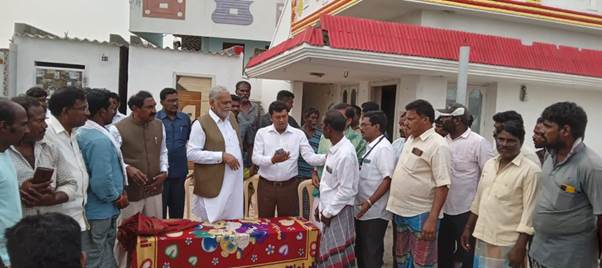
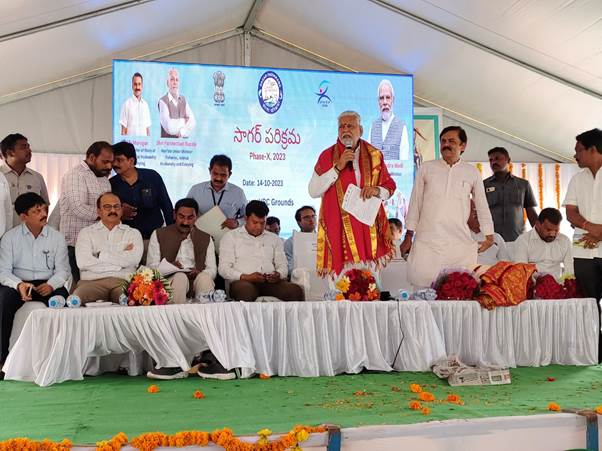
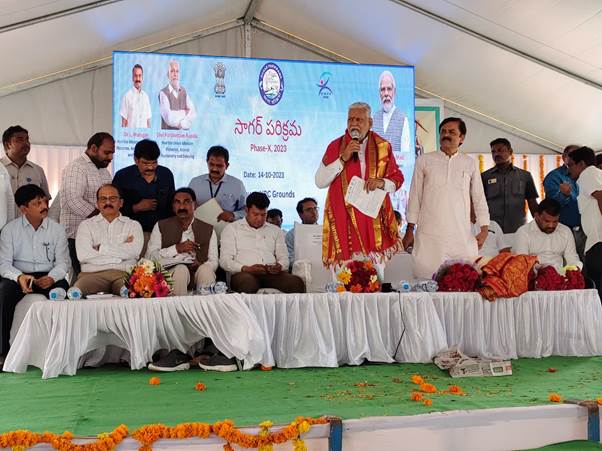
Entrepreneurs and other stake holders at Fish Food Festival VRC at Nellore, Andhra Pradesh

 The initiated Sagar Parikrama Phase X concluded with physical participation of more than 2000 fishermen and women, FFPOs, Entrepreneurs and other stake holders at Fish Food Festival VRC Grounds, Nellore, Andhra Pradesh.

Sagar Parikrama Phase-X reached today Krishnapatnam, Andhra Pradesh. Union Minister Shri Rupala visited Ramnagar Fishing village at Krishnapatnam and interacted with Shri Prasad, active fisherman, who has shared his experience of fishing.

Initiation of Sagar Parikrama Phase X led by Union Minister for Fisheries, Animal Husbandry & Dairying, Shri Parshottam Rupala commenced on 13th October 2023 from Chennai Port, Tamil Nadu.

Image

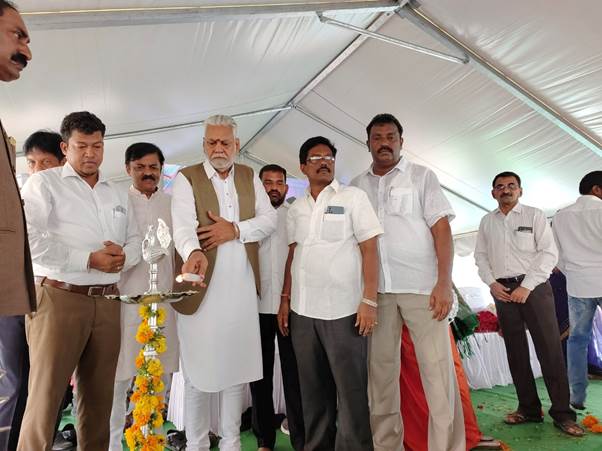
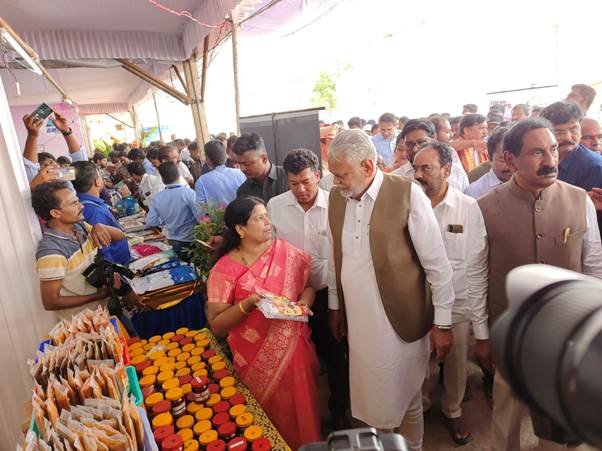
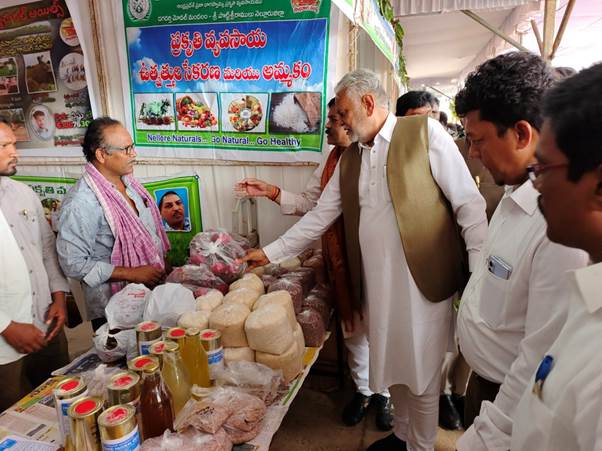
Union Minister Shri Parshottam Rupala  inaugurated the Fish Food Festival at VRC ground Nellore and visited various stalls. He also interacted with entrepreneurs, FFPOs, fishers and fisherwomen during his visit. Union Minister appreciated natural fish products being showcased in the festival.

Image

Image

Image

In his address, the Union Minister Shri Rupala highlighted importance of fisheries sector as it is directed related to about 3Cr fishers and family covering about 8000 Km coastal line. He also highlighted   that Andhra Pradesh has significant role in fisheries sector about 30% of the fish production of the county comes from this state.

Image

Shri Parshottam Rupala has stressed upon the need to enhance   awareness of various Schemes like PMMSY where there more than 100 activities/projects are available with Government Support. The first time investment in Pradhan Mantri Matsya Sampada Yojana  for budgetary outlay on 20050 Cr has been launched and also separate department has been created. The Union Minister has highlighted that Sagar Parikrama  a  massive outreach program which gives opportunities to the fisherman to the  meet and interact with Minsters, officers and other stake holders to resolve their issues at door step.

The union minister Shri Rupala mentioned in his address that about 1.58 lakhs KCC has been given to the fishers and aiming to provide KCC to all fishers of the country. He also appreciated the efforts of various enterpreneurs, FFPOs, Fish farmers for showcasing live and natural fish product in the exhibition.

The Union Minister also handed over Daily Fish Kiosks to the beneficiaries namely, Ms. T. Renuka Reddy and Ms. V. Jayalakshmi and  Live Fish Vending Centres to Shri A. Chandana, Shri Y. Balarama Krishna, Ms. S. Padmaja and Shri E. Ramanaiah. In addition to the above, the Shri Rupala also handed over Live Fish Transport vehicle/ Insulated Vehicle to the beneficiaries namely Shri B. Chennarayudu, Shri K. Vasu, Shri M. Lakshmi Prasanna and Shri. B. Ankaiah at Nellore, Andhra Pradesh under Pradhan Mantri Matsya Sampda Yajana.


 Union Minister Shri Rupala stated that all the representations received during this visit of Sagar Parikrama will be carefully addressed and Union Government will continue its all support to the states for overall development of fisheries sector and welfare of fishermen, coastal communities and stakeholders of fisheries sector. He also stated that in consultation with State Govt. and fishermen the Sagar Parikrama Yatra in AP will be planned soon.

Shri S. Appala Raju during his address highlighted importance of fisheries sector and various schemes of the Government for betterment of fishers and their families. He also raised the issue of inter-state fishing conflicts between Andhra Pradesh and Tamil Nadu and requested the Union Government to address the issue in consultation with both the states. 

Minister of Fisheries, Govt. of Andhra Pradesh, Shri S. Appalaraju, Member of Parliament, Shri G V L Narasimha Rao, Member of Parliament,Shri Beeda Masthan Rao, Commissioner of Fisheries, Govt. of Andhra Pradesh, Shri K. Kanna Babu have graced the occasion.

Image

Fishers, FFPOs and Fisheries entrepreneurs were present along with the Officials from the Department of Fisheries, GOI and NFDB were also present.

 “Sagar Parikrama” is transformative journey planned across the coastal belt to show solidarity with the fisher folks, fish farmers and related stake holders.

****

Entrepreneurs among SC and ST promoted

Promoting entrepreneurship among Scheduled Castes (SC) and Scheduled Tribes (ST) is a significant focus area for many governments and organizations worldwide, including in India. Several initiatives aim to encourage and support SC and ST entrepreneurs:

  1. Financial Support: Various government schemes provide financial assistance, loans at concessional rates, and subsidies specifically tailored for SC and ST entrepreneurs to start or expand their businesses.

  2. Skill Development: Programs offering skill development, vocational training, and entrepreneurship development programs cater to the specific needs of SC and ST individuals, equipping them with the necessary skills and knowledge to run successful enterprises.

  3. Entrepreneurship Development Programs: Government bodies, NGOs, and educational institutions conduct entrepreneurship development programs and workshops focusing on SC and ST communities to nurture their entrepreneurial spirit and business acumen.

  4. Access to Markets and Networks: Initiatives are in place to facilitate market linkages, provide access to government procurement opportunities, and create networking platforms to connect SC and ST entrepreneurs with potential clients and markets.

  5. Incubation Centers and Support: Setting up business incubators and support centers exclusively for SC and ST entrepreneurs to provide mentorship, guidance, and resources for business development.

  6. Awareness and Capacity Building: Conducting awareness campaigns, conferences, and workshops to build confidence, educate, and empower SC and ST individuals about entrepreneurship opportunities and support available.

  7. Reserved Categories in Government Procurements: Reserving a certain percentage of government procurement contracts for SC and ST entrepreneurs to provide them with opportunities and a level playing field.

  8. Policy Support: Governments often introduce policies and reforms aimed at fostering an inclusive entrepreneurial ecosystem, ensuring representation and support for marginalized communities.

  9. Collaborations and Partnerships: Engaging with private sector companies, industry associations, and non-profit organizations to create collaborations that support SC and ST entrepreneurs through funding, mentorship, and market access.

Supporting entrepreneurship among SC and ST communities not only contributes to economic growth but also promotes social inclusion and empowerment. These initiatives aim to bridge the gap by providing resources and opportunities, enabling individuals from these communities to build sustainable businesses and contribute to the country’s economy.

Shortage in Indias Power Supply.

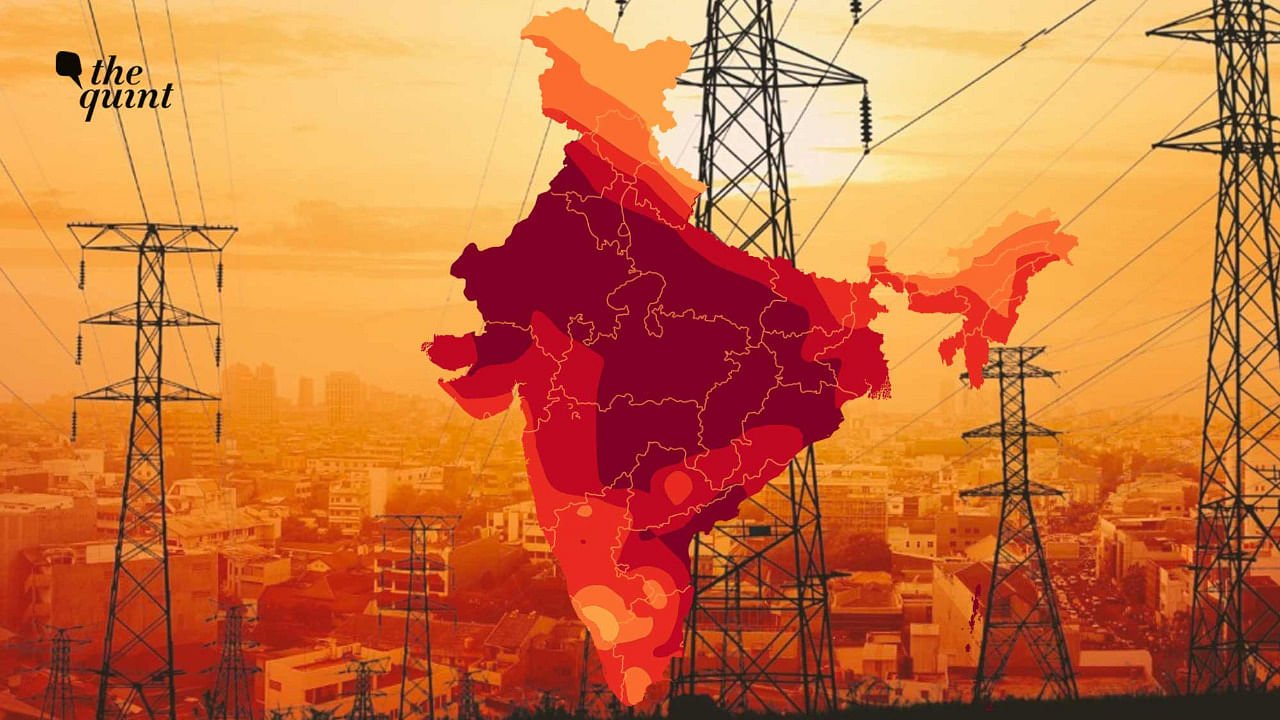
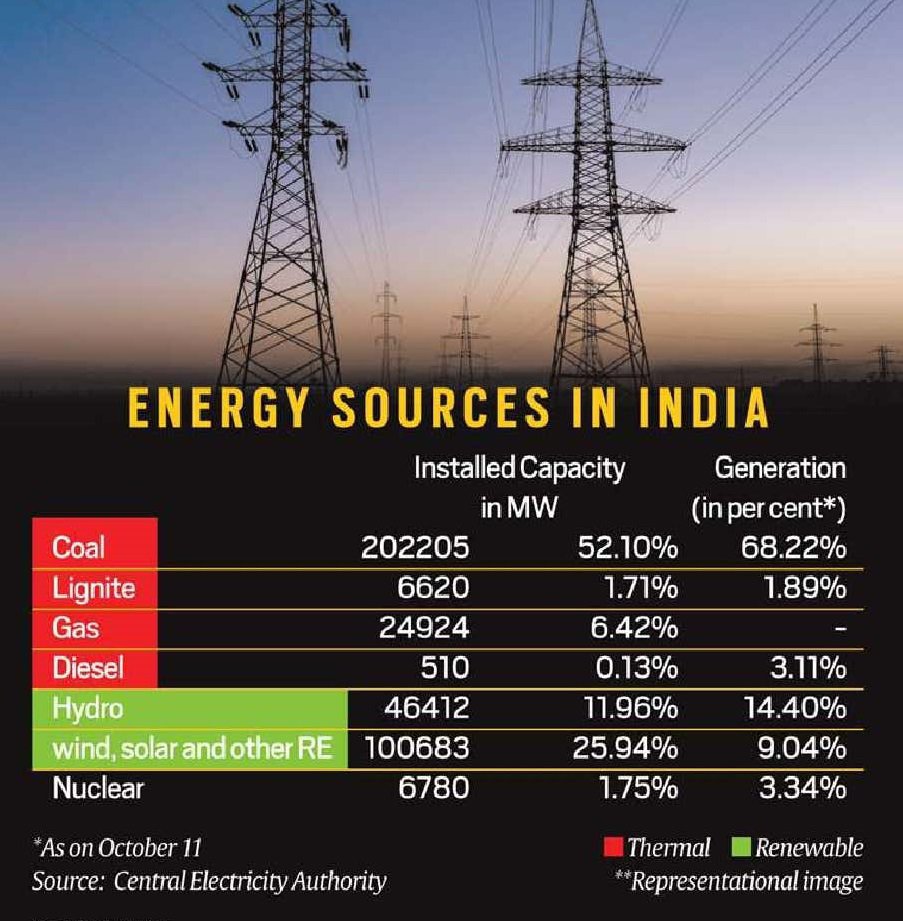
India has the fourth largest coal deposit in the world. It is the second largest fossil fuel producer after China and is home to Coal India, the world’s largest coal mining mine, which accounts for 80% of domestic production. Already allocated coal block mining capacity exceeds expected demand in 2030 by approximately 15% to 20%.


So why are India’s power plants facing coal shortages each year, leading to widespread power outages, exposing parts of the country to darkness and endangering industry?
There are several factors. India has a long time policy of minimizing coal imports. In February 2020, Coal Minister Pralhad Joshi announced that the country would stop importing steam coal from 2023 to 2024.
Mr Joshi said the Ministry of Coal will work with the Ministry of Railways and the Ministry of Shipping to allow Coal India, prisoners and commercial miners to discharge more coal from their supply by 2030. And the coal supply at power plants is running out at an alarming rate. The Department of Energy is currently blaming the decline in coal imports due to the current crisis. In 2018-19, 21.4 million tonnes of coal were imported for mixing, down to 23.8 million tonnes in 2019-20 and 8.3 million tonnes in 2021-22.


Power plant coal inventories have fallen by about 13% since April, reaching pre-summer lows. And for the first time since 2015, Coal India will import fuels used by state-owned and private power companies. The Ministry of Energy said almost all states showed that multiple state bids for coal imports would cause confusion and that the decision was made after calling for centralized procurement by Coal India.
Imported coal costs five times as much as domestic mining, so the center is being pushed back by the state.
Recently, the government has also pressured utilities to increase imports to mix with local coal. Last year, after a two-year break, three tranches of coal auctions were held and nine blocks were successfully awarded.

In September 2021, the Ministry of Coal issued a strict warning to owners of confined coal blocks, stating that their mines should increase production or face restrictions on coal supply by the CIL.
The ministry has discovered that these mines are producing below target.

Of the 43 coal mines outsourced to private companies in the energy, steel and metals sectors, none have met their annual production targets.
On May 6, Coal India announced that it would provide the private sector with 20 closed and abandoned underground coal mines and reopen and operate its revenue sharing model.

According to journalist Shreya Jai the current power supply chain does not seem ready to handle periods of high growth and state discos cannot pay gencos, but the power supply chain starts with state discos and needs repairs. Railroads, on the other hand, are struggling to align the thermal power industry’s demands for faster coal supply with those from other industries. Rakes must be prepared to meet the growing demand for almost all other bulk commodities, from cement and steel to sand and edible grains. By strengthening the value chain of the electric power sector, it is possible to resolve the coal supply-demand mismatch in the long run.

History of Television in India.

Television was founded by John Baird. The first television service was started in 1936 by British Broadcasting Corporation (BBC) of Britain . In 1939, television broadcasts began in the United States. In 1953 the first successful programme in colour was transmitted by Columbia Broadcasting System (CBS) in USA. In today՚s world, television has become one of the most powerful means of mass communication . It can impart education, information and entertainment . Television has end up becoming an necessary a part of our lives.


HISTORY
India’s first television station was established on October 24, 1951, in the Department of Electronics and telecommunications at Government Engineering College in Jabalpur. Television began in India as an experiment on September 15, 1959. It was first started as two hours programmes a week under the authority of AIR. Early programs of these experimental broadcasts were generally educational programs for children and farmers. By 1975, only seven Indian cities were using television services. The Satellite Instructional Television Experiment (SITE) was an important step by India for the use of television for the development of people and the country. Initially, the show was mainly produced by Doordarshan (DD), who was part of AIR at the time. Transmissions were made twice a day, morning and evening. In addition to information on agriculture, health and family planning, other important topics covered in these programs were audience education and awareness raising. Entertainment was also included in the form of dance, music and cinema. In 1976 Television services were separated from radio . Color television was introduced to the Indian market in 1982.

In the late 1980s, more and more people began to own televisions. There was only one channel, but the TV show was saturated. Therefore, the government opened another channel, partly broadcasting nationally and locally. This channel was called DD2 and was later renamed to DD Metro. Both channels were broadcast on the ground. In 1997, Prasar Bharati, was established.Doordarshan, along with AIR, was incorporated into a state-owned enterprise under Prasar Bharati. Transponders of the American satellites PAS-1 and PAS-4 assisted in the transmission and broadcasting of shows on DD. An international channel called DD International was launched in 1995 and broadcasts programs abroad 19 hours a day to Europe, Asia and Africa via PAS-4 and to North America via PAS-1.The 1980s were the prime time for DD, with shows like comedies such as Hum Log (1984-1985), Wagle Ki Duniya (1988), Buniyaad (1986-1987). Epics like Ramayan (1987–1988) and Mahabharat (1989–1990) brought millions to Doordarshan and later on Chandrakanta (1994–1996). Song-based programs for Hindi movies such as Chitrahaar and Rangoli, and crime thrillers such as Karamchand and Byomkesh Bakshi. Children’s shows such as Tenali Rama ,Vikram Betal and Malgudi Days .


Private Channels influence:
The introduction of communication channels was a revolutionary move to reach so many people. It became an opening for Private and Commercial broadcasters in our country. The emergence of private channels began in India in the 1990s after CNN aired the Gulf War. Hong Kong-based STAR (Satellite Telivision Asia Region ) enterned in a contract between an Indian company and Zee TV. It became the first Private Indian Hindi satellite channel. During this time, several local stations have emerged. Apart from local ones various international channels such as Channel, CNN, BBC, Discovery, etc were also available for Indian TV viewers. Their were various categories of channels available for viewers,such as the 24-hour news channel, Religious channels, cartoon channels, movie channels, something for everyone .


Changes and Evolution:
A significant change that has occurred is the use of different methods of delivering television programming. Just a while ago their were satellite-based antennas, but now the mode has converted to dishes. Other shipping methods are are delivery via cable network and direct satellite transmission. Now you can watch TV shows on your mobile phone , the technology behind it is called Internet Protocol Television. The emergence and spread of televisions and computers and the access to content anytime, anywhere, everyone has brought revolutionary change and access to the world of entertainment.

“I always say film is art, theater is life and television is furniture .”

Kenny Leon

Korean wave in India.

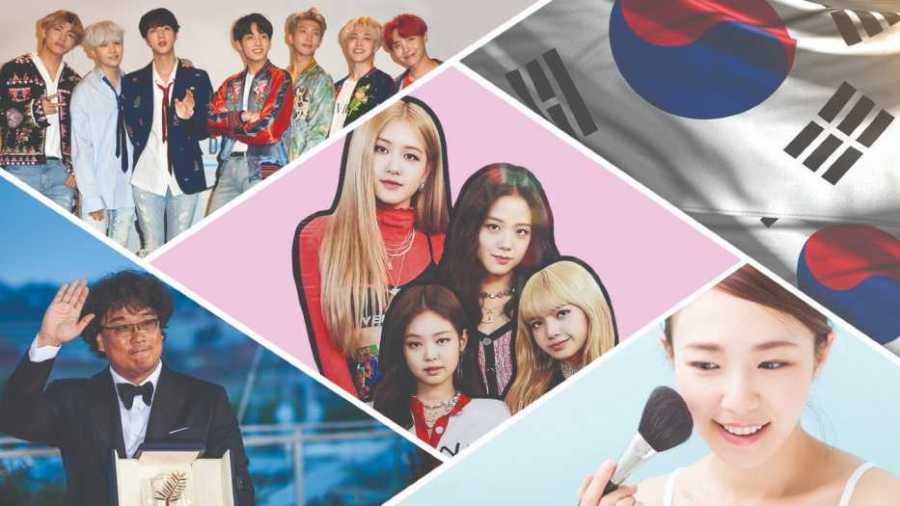
The  Korean wave has certainly seen a significant  rise in India during the pandemic, and K-Drama and K-Pop are seeing massive demand from fans and new followers as well. In response to the growing popularity of the Korean wave in the country, many  online and offline events are held to show people  what they are consuming online. And these extend not only  to K-Drama and K-Pop, but also  to food, beauty and culture in general.
Korean singer PSY’s 2012 viral hit “Gangnam Style” may have started the Korean wave in India, but it certainly wasn’t the origin. The existence of K-POP in India dates back to the late 90’s when in Northeastern part  in Manipur Bollywood films were not allowed to watch because law imposed by the Separatist group Revolutionary Peoples Front to make Manipur independent.Not so much offered, the locals turned to Korean content and it got it’s popularity from their on.

Increasing demand for Korean content is fueling competition between India’s Amazon Prime Video and Netflix. Amazon Prime Video is the first company to launch Parasite and Minari in the country. Hotstar, MX Player, Viki and Viu are also involved in the Korean wave effect. Discovery + launched the “Star vs Food” series featuring the Korea Tourism Organization (KTO) and K-POP idols to introduce Korean food to India. Some prominent dramas are: Crash Landing on You, Squid Games, Descendants of the Sun and many more more , the reason of these Korean content popularity is that as an audiance, Indian’s  find Korean content relatable to them.

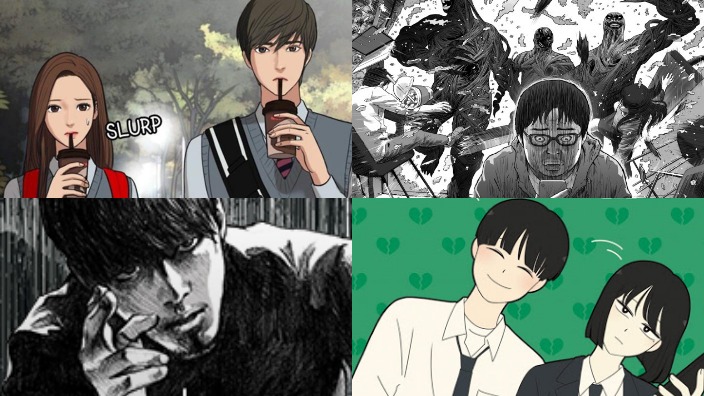
According to Hyun Woo, Kross Komix co-founder, president and CEO Thomas Kim predicts that South Korea’s webtoon, or digital comics, will be the next big thing.Kross Komics is India’s only webtoon platform  launched in December 2019. In just about 1.5 years of operation, the app has been downloaded more than 4.5 million times, about half of which are women. “With the numerous webtoons in the romance / romantic comedy category and the world’s best-selling stories, this new format of content has become a very interesting alternative to the dramas and movies”.

“In 2020, the blockade caused by Covid-19 is said to be one of the reason to the popularity and acceptance of Korean culture in India through dramas available on multiple video streaming platforms and the different Korean music band whose craze is extraordinary. South Korea’s food exports hit a record high,  boosted by social media posts from Asian celebrities and the popularity of the movie like “Parasite” and drama like”Crash Landing on You”. The widespread  of k-pop, k-movies, and k-drama has evolved into a  fan culture, especially among the  urban youth of the country. Following k-pop music and movies, K-Food and cooking have undergone a major makeover to reach the larger Indian market. K-cuisine is all the rage, especially on social media, in the form of food challenges like Mukbang, “said Hwang Il-young, director of the Korean Culture Center India .

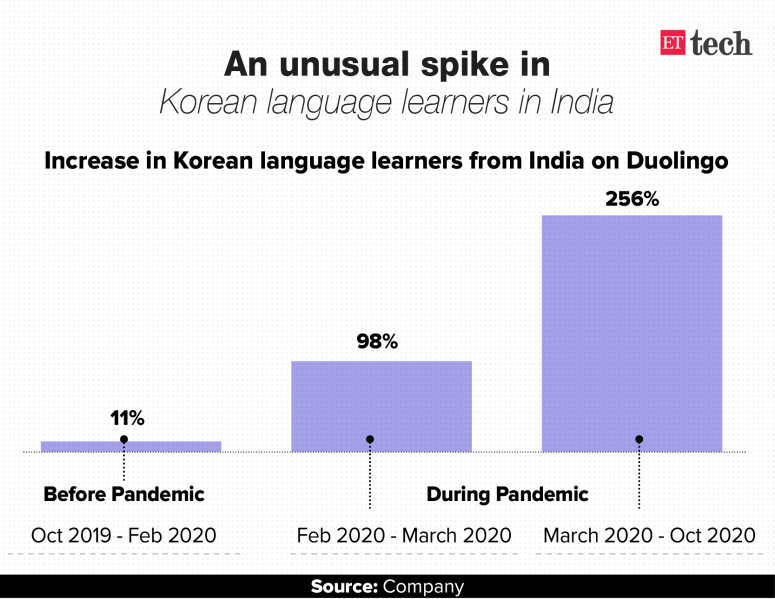
The Korean wave,  the growing global popularity of  Korean culture, swept India a few years ago, but  exploded during a pandemic. Supported by the OTT platform, which has a large investment in Korean programs, the number of people who started watching K-Drama and listening to K-Pop has skyrocketed. Recently, the language learning app Duolingo surveyed 1,013 people in 10  cities in India and found that Korean is  the fastest growing language in India. It was the 7th most popular language for Indians in 2020, but it has risen to the 5th in 2021 and will  continue to rise. Duolingo’s 2021 audio report attributed this primarily to the release of Squid Game in 2021.

Shark Tank: India

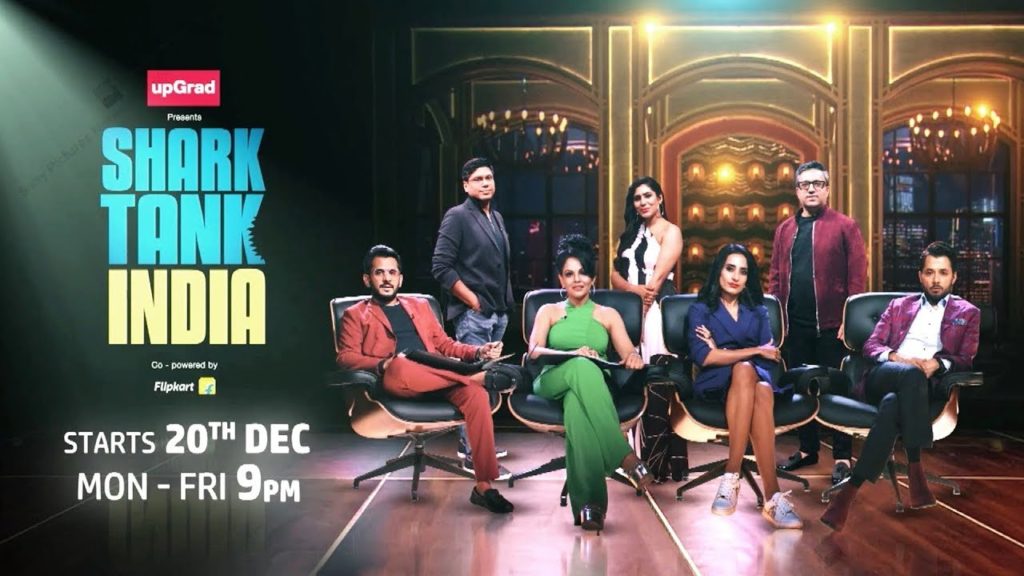
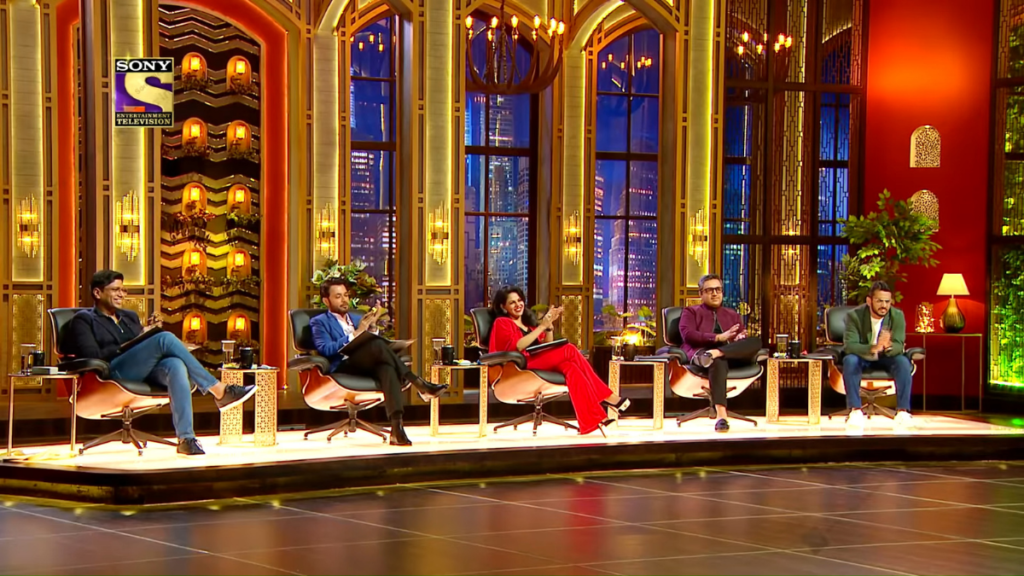
A one of a kind business reality TV series that has got India hooked is Shark Tank, India. Shark Tank is a series were aspiring entrepreneurs pitch in their business models to a panel of investors whom they refer to as Sharks, and persuade them to invest in their ideas. Shark tanks provides budding entrepreneurs the opportunity to secure the deals that would make them successful businesses.

This reality show is the Indian franchise of the American business reality show of the same name, which first aired in 2009. The Indian version is broadcasted on Sony Entertainment Television (SET), and is available online on its respected OTT platform and YouTube.

About the Sharks

The Indian version has seven panellist on board. All the panellists are giants in their respective area of business and hence, Sharks. The list includes:

  • Ashneer Grover- founder and Co-founder of BharatPe
  • Anupam Mittal- founder and CEO of People Group Shaddi.com
  • Aman Gupta- Co-founder and CMO of boat
  • Vineeta Singh- Co-founder and CEO of Sugar Cosmetics
  • Namita Thapar- Executive Director of Emcure Pharmaceuticals
  • Ghazal Alagh- Co-founder and CIO of Mama Earth
  • Peyush Bansal-  Founder and CEO of Lenskart

All the Sharks brought on the table their area of expertise to help the entrepreneurs with their venture along with investment for a reasonable percentage of equity.

The investments

The show helped 67 start-ups bag funding for their venture which is estimated to be at 41.98 crores in total. The highest investments were made for 1 crore to 10 start-ups. The start-ups that bagged the investment were genuine problem solvers whose product or service could help the nation along with generating enough revenue and profit.

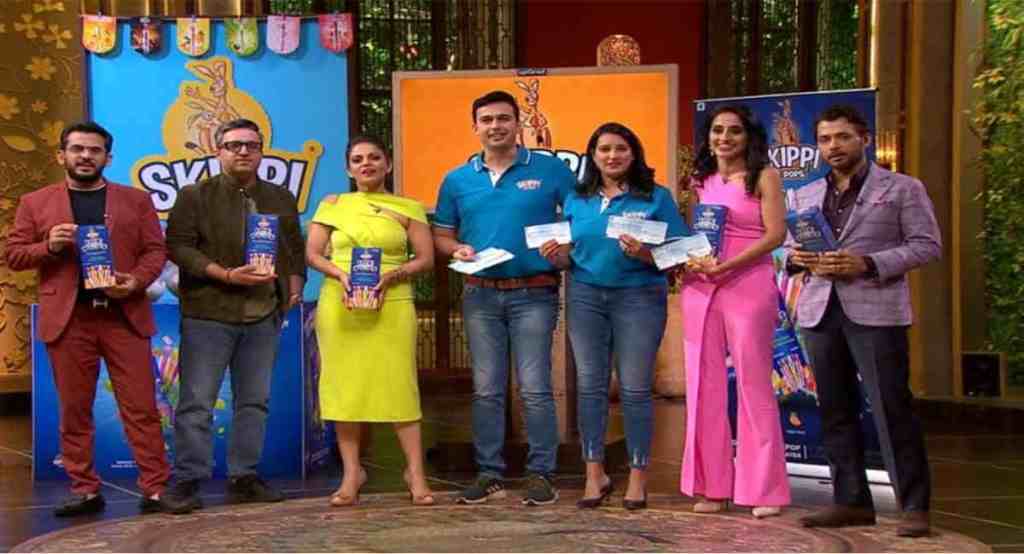
The investments ranged from ice popsicles, sugar free ice creams, Ed tech apps, textiles, braille literacy device, canned cocktail, lounge wears, and more. The Sharks invested in a wide variety of start ups in exchange for reasonable, and sometimes negotiable equity.

However, there were instances were participants had to head back with no investment, nevertheless the participants received constructive criticism from the Sharks for their start up, and to further establish it.

Success of the Show

The show has been a massive success and there are possible rumours of a second season. The show has 9 point rating on IMDB, and a substantially good TRP ratings. The show first aired from 21st December 2021, and has 35 episodes.

There were 50,000 plus applicants out of which 198 candidates for selected for the show. And after the massive success of the first season, the application number is only expected to increase in the possible next season.

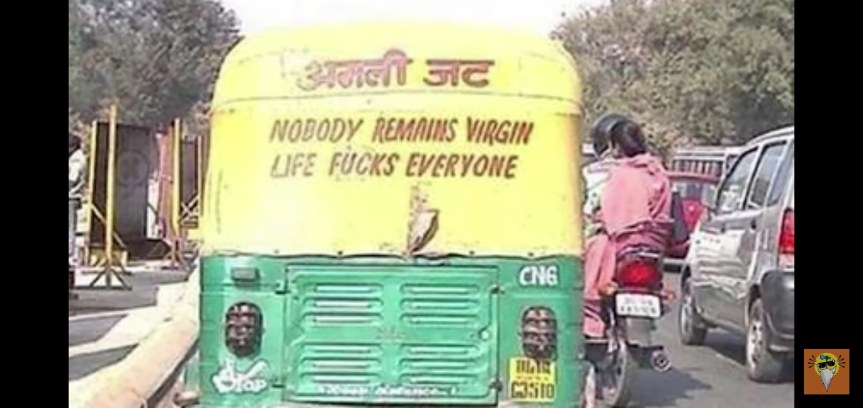
The presence and popularity of the show was also felt on social media, as feeds  and homepages were flooded with relevant and funny memes made from Shark Tank India. This is one of the reason the show gained a massive audience, and helped connect with the youth on a closer level and inspired more entrepreneurs to follow their entrepreneurial venture.

                     Shark Thank India not only entertained but also provided crucial business advice to entrepreneurs both on the show and the ones outside who just started with their entrepreneurial journey. Such reality shows truly justify entertainment with a purpose.

Himalaya Neem Face Wash

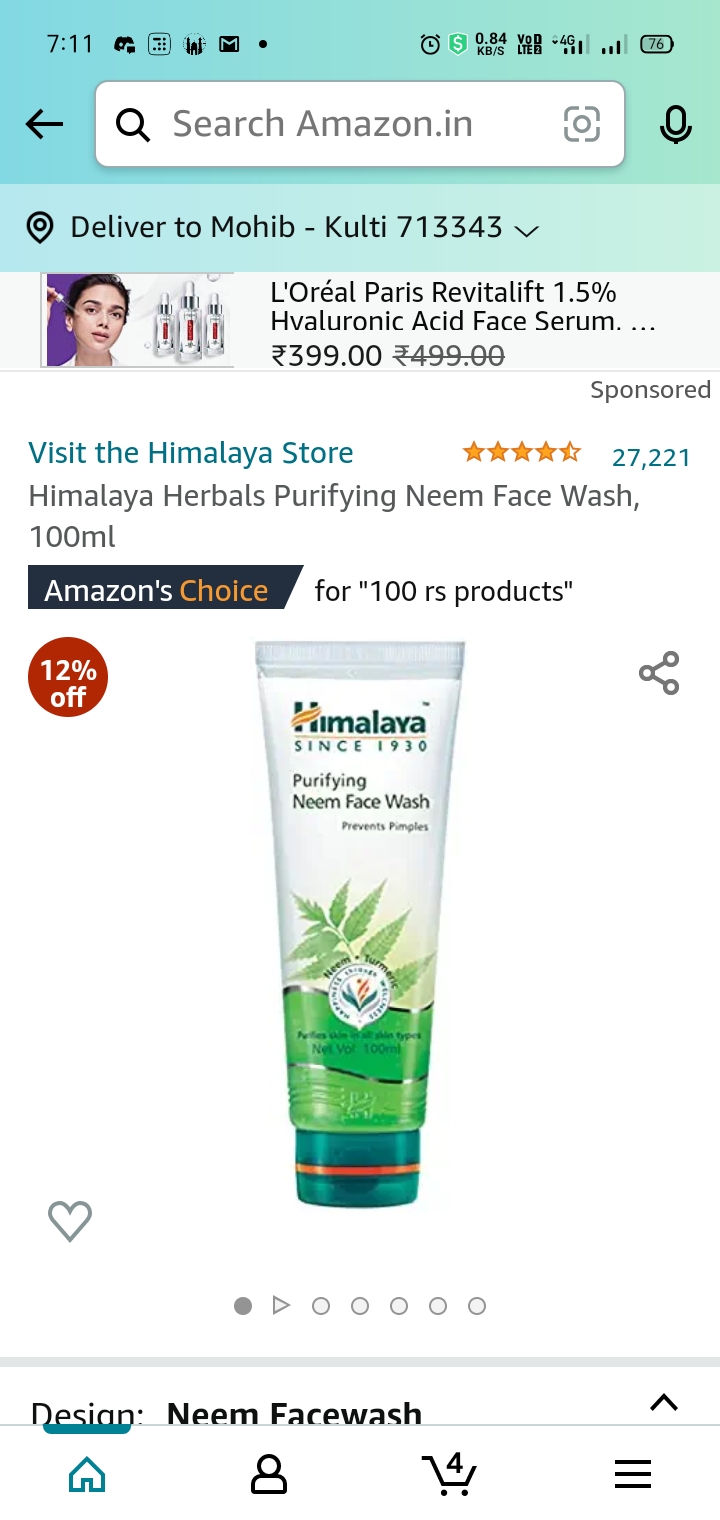
Himalaya Herbals Purifying Neem Face Wash, 100ml https://www.amazon.in/dp/B002Q5JE2C/ref=cm_sw_r_apan_glt_fabc_1D670NAQADQ4RFK07F0X

Himalaya Herbals Purifying Neem Face Wash reduces skin inflammation and hickeys for all skin types. It has the combination of neem and turmeric for deep purification the skin from out without drying it out. It battles bacterial complications and forestalls there-occurrence of facial irregularities and calms your skin. It likewise improves the adaptability of the skin and positions out its tone.

READING IN THREE KEYS: How to Write a READING RESPONSE

Active reading involves looking at the text in more than one way.  For your reading responses write using these three “keys,” or methods, of analyzing what you have read: 

Reading responses in this class generally vary from 250 – 400 words. The length required will be specified on the assignment.


 Sometimes you will be asked to post your reading response to the Discussion Board and then follow-up with a response to one of your classmate’s postings. You may respond in any of the three “keys.”  A sample response building on a previous posting might start off with a sentence like this: “I agree with David that advertising objectifies women by portraying them as dehumanized objects, but I wonder whether women benefit from that objectification in any way?”  You can build your ideas on comments others have made.  And feel free to keep chatting with each other.

How Should You Write Your READING RESPONSE?


Why Do It?

The reading response gives you an avenue to invite yourself into the written text and to make a connection with it. In many college courses you will be assigned to write papers about subjects with which you have no personal interest. Reading responses help to generate connections between the reader and text.


How?

The key to writing a compelling academic paper for any college course is being able to forge a personal connection on some level with your subject. You must care in some way about your subject, or else your writing will be lifeless, and your instructor, a human being, will have read a re-hashing of the facts of his/her course a million times before. Or, forget about writing for a college course. What about writing a report in the workplace?  What about proposing a new idea to your boss?  Such careful awareness of audience and tailoring your writing to a specific audience is an aspect of successful writing we’ll work on in this course.  However, you can’t even get to the point of getting someone else to care about what you are writing if you don’t care yourself.


That doesn’t mean you should only write about subjects that interest you.  On the contrary, half of the battle in writing a successful paper is coming up with an idea on a topic which is usually of little interest to you—finding an angle or connection through which you can approach or examine the text. What does it remind you of? Why do you respond emotionally? Or why do you not respond? Ask questions to find avenues into a piece of writing.  The creativity involved in continually forging such difficult connections will help you develop into a writer who can grab a reader’s attention by approaching a topic or subject through your own unique personal lens, that is, by looking at something through an angle no one else can see. 


Through active responding to reading, and examining your responses, you can learn to practice new approaches of interpretation to common themes.  Many of the ideas you generate in the reading responses will prove useful when you sit down to write the short essays (or maybe even your research paper).

Get paid for the survey

What Are Paid Surveys?

A paid survey is simply a regular survey that pay you a reward for completing it. There are companies that spends a lot of money every year to get to know what consumers think about their products and services and what they can do better.

How much do I earn?

The value of each survey can differ depending of many factors such as the time it takes to complete it. Usually you get around $1 for every 10 minute survey but can be higher. It also depends on how fast you are to answer the questions.

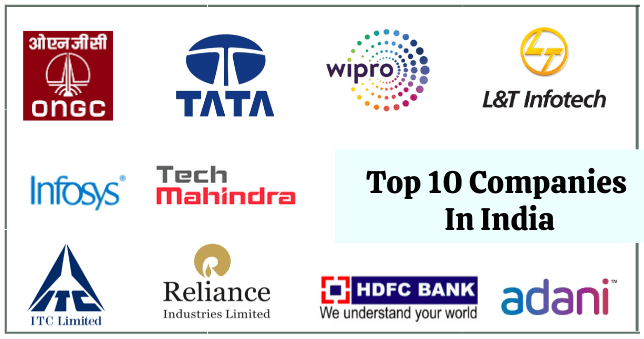
Top Five Valuable Companies In India

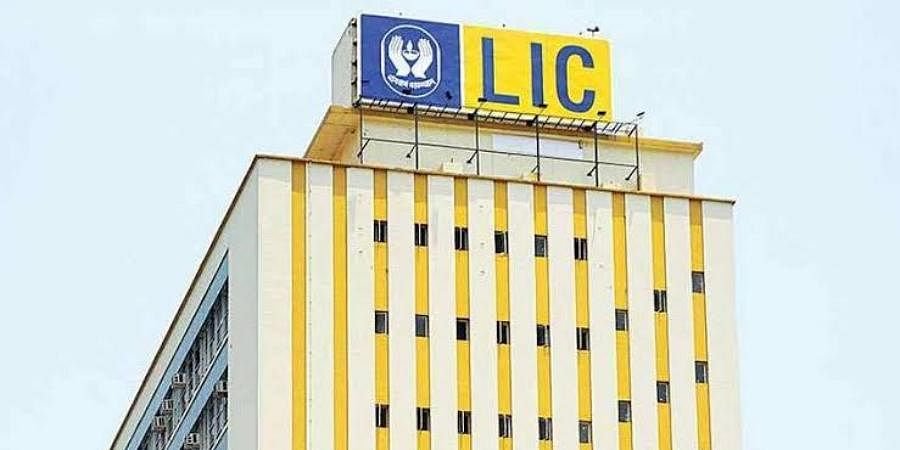
1) LIC

LIC stands for life Insurance Corporation of India. It was established on 1 September 1956 by the government of India. The Indian government had passed the life Insurance Act and merged 245 insurance companies. You have questions, How the LIC is earning money? LIC buys money in the way of policies from the public and they invest it among the NIFTY campanies. LIC Managing Director says India’s largest life Insurance had made profit of over Rs 15000 crores on equity investment.https://m.economictimes.com/markets/stocks/news/this-institutional-player-is-making-money-with-both-hands-in-equity/articleshow/78869219.cms?utm_source=whatsapp_pwa&utm_medium=social&utm_campaign=socialsharebuttons The head of the LIC is owned by Ministry of Finance, Government of India. LIC holds the biggest company by market capitalisation with an estimate valuation of Rs 8-10 lakh crore.https://economictimes.indiatimes.com/markets/ipos/fpos/government-proposes-to-hike-lic-authorised-capital-to-rs-25000-crore/articleshow/81375724.cms

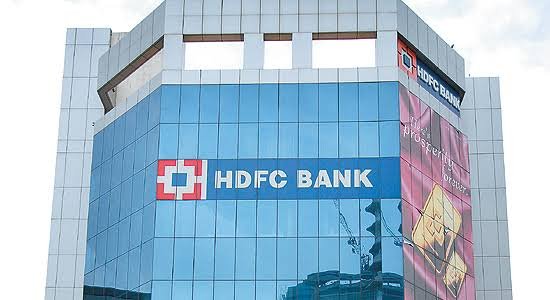
2) HDFC BANK

HDFC stands for Housing Development Finance Corporation Ltd. It is an financial services company and banking. This is the India’s largest private sector bank by assets. It was founded in August 1994.https://en.m.wikipedia.org/wiki/HDFC_Bank The Headquarters of HDFC in Mumbai, Maharashtra, India. Incorporated in 1994, HDFC Bank was the first bank in India approved by the RBI to offer financial services in the private sector. The revenue of HDFC is $22 billion in 2021. It has 120000 employees all over the India. The total valuation of HDFC is $22.70 billion.https://www.hdfc.com/

3) RELIANCE INDUSTRIES

Reliance is a multi-industry company. It has operating many business entities. It was founded by Dhirubhai Ambani on 8 May 1973. It have headquarters in Mumbai, Maharashtra, India. Reliance has business in petroleum, natural gas, petrochemical, textile, retail, telecommunications, media, television, entertainment, music, financial services, software. Now, the owner of Reliance is Mukesh Ambani. https://en.m.wikipedia.org/wiki/Mukesh_Ambani He holds (50.54%) of Reliance. The revenue of Reliance is 4.83 lakh crores INR in 2021. The total assets of Reliance is $190 billion. https://en.m.wikipedia.org/wiki/Reliance_Industries

4) TATA GROUP

Tata Group is a conglomerate company. It was founded in 1868 by Jamshedji Tata. Tata group is the one of the biggest and oldest industrial group in India. It has headquarters in Mumbai, Maharashtra, India. Tata has business in automotive, airlines, chemical, defence, FMCG, electric utility, finance, football club, home appliances, hospitality, IT services, retail , e-commerce, real estate, salt, steel, software, cement, telecom. The revenue of Tata group is $123 billion in 2020. It’s net worth is 9.3 trillion INR.https://en.m.wikipedia.org/wiki/Tata_Motors

5) HINDUSTAN UNILEVER LIMITED

Hindustan Unilever Ltd is an consumer goods of India. It was established in 1931. It has headquarters in Mumbai, Maharashtra, India. This have business like foods, cleaning, agents, person care, skincare and water purifier. The company as 18000 employees and had rs 34619 crores revenue in FY2017-18. The net income of Hindustan is rs 6764 crores in 2020.https://www.hul.co.in/ Hindustan Unilever has a market cap of ₹545,762.50 crores and is ranked among the top 10 Indian companies in terms of market capitalisation. A leader in India’s fast-moving consumer goods firm, the company has a rich history of over 80 years. The company website says on any given day, nine out of ten Indian houses use the company’s products. https://m.economictimes.com/hindustan-unilever-ltd/stocks/companyid-13616.cms

Top Five High Demanded Skills

1)GOOGLE SEO

SEO stands for “SEARCH ENGINE OPTIMIZATION”. In easy way, it means the process for improving the website to increase the visibility of people who searching in Google and other search engines. In this job, the SEO expert are marketing professional who use research and analysis to improve a website’s ranking an search engine like Google. SEO is a good carrier in 2021 because it gives you access to diverse opportunities.https://developers.google.com/search/docs/beginner/seo-starter-guide

2) DIGITAL MARKETING

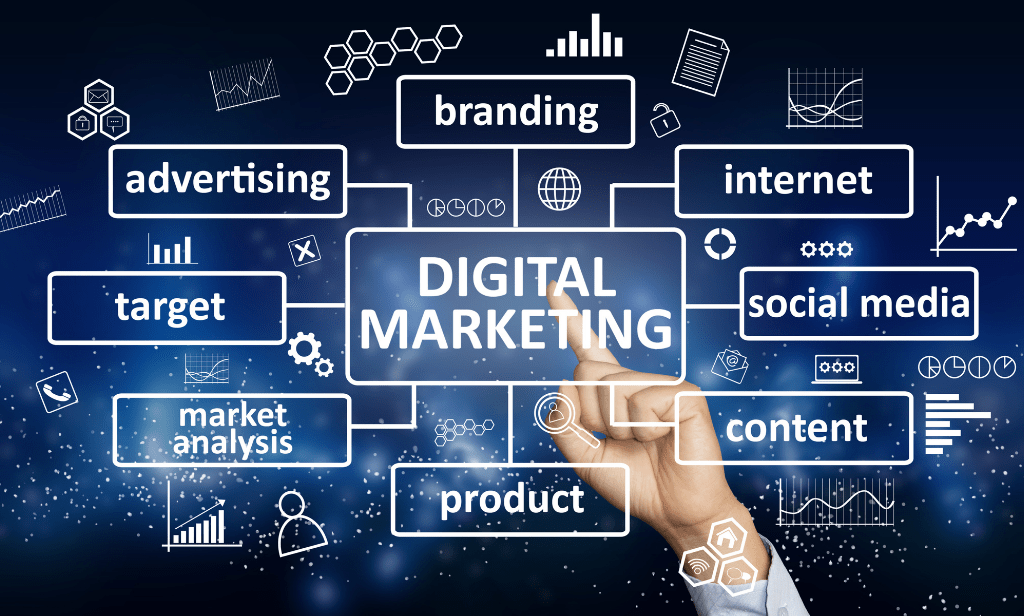
Digital Marketing is the promotion of brands to connect with potential customers using the internet and other form of digital communication. They do marketing through email, display advertising, affiliate marketing, public relations. Digital marketing is the one of the demandable skill which pay you high. Even we can done digital marketing from home with using phone, laptop. Their strategy of digital marketing is marketing the platform, apps, products etc. https://en.m.wikipedia.org/wiki/Digital_marketing

3) BLOCKCHAIN TECHNOLOGY

BLOCKCHAIN Technology is defined as decentralised ledger that records the provenance of a digital asset. In BLOCKCHAIN technology, the experts develops enable source digital transaction by creating system to record and store BLOCKCHAIN data in a way that prevents changes or hacks. This technology needed skills in C++, Python, Typescript. There are many free online courses to learn. Blockchain technology from edX, Coursera, Udemy etc. This Blockchain developer have good carrier for earning. The average Blockchain developer salary is 3 lakhs to 5 lakhs.https://www.euromoney.com/learning/blockchain-explained/what-is-blockchain

4) CONTENT CREATION

Content creation is the process of identifying a new topic you want to write about, deciding which form you want the content to take, formalizing your strategy, and then actually producing it. It is providing free and useful information to the audience. It make become successful if are giving curious and look for topic their target audience likely carrying about. The most popular type of content are the blog post and articles. https://en.m.wikipedia.org/wiki/Content_creation#:~:text=Content%20creation%20is%20the%20contribution,user%2Faudience%20in%20specific%20contexts.&text=A%20Pew%20survey%20described%20content,contribute%20to%20the%20online%20world.%22

5) CODING

Coding is the computer program to create computer software, games, apps and website etc. It is the step-by-step instructions that get computer to do what you want them to do. They are many coding website to learn. The first computer programming language was created in 1883. In coding we want to understand a script that a computer can understand. Approximately the coding earn upto $50000 per year. This also demanded skill for the next decades.https://www.mygreatlearning.com/blog/all-about-coding-languages/?amp

How & What Mindset build a better world?.

As a general rule, it’s more profitable to leverage your strengths than it is to fix your weaknesses.

This is especially true when we are talking about skills: focus on what you do well, and let someone else do the stuff that you struggle with.

There’s one huge exception to this general rule however: bad mindsets.

A bad mindset is not just any ordinary weakness, it is a criticalweakness that will hamstring your effectiveness if you don’t address it.

One example of an unhealthy mindset is the scarcity mindset. The scarcity mindset views things like wealth, success, and fame as something like a pie. There’s only so much to go around and if one person takes too big of a slice, everyone else gets less.

In this worldview, Bill Gates is inherently evil, regardless of how much good that he has done for society, regardless of how much he has helped others, both through his products and through his foundation. He’s evil because he took too big of a slice and didn’t leave enough for the rest of us.

To whatever extent you find yourself resenting rich and successful people, you have a scarcity mindset.

To whatever extent you find it difficult to be truly, genuinely happy for the success of others, you have a scarcity mindset.

The alternative to a scarcity mindset is an abundance mindset . The abundance mindset says that we can create more value for everyone. Instead of viewing wealth and success as a zero-sum game, we can create win-win situations where everyone comes out better than they were before.

If you have a scarcity mindset, you will find it hard to collaborate with others because their gains are your losses. If you have an abundance mindset you will readily collaborate with others because you recognize that you can create more value that way.

That phrase “create value” is crucial to the abundance mindset. Value, and thus wealth, doesn’t just exist, it can be created. We’re not limited to dividing up the pie we currently have. We can make the pie bigger. We can make new pieces.

In fact, if you really want to get ahead, the way to do so is not by looking out only for your interests, but the interests of others.

Instead of suspiciously hoarding all you have to offer until you see an opportunity to leverage it for profit, the best strategy is to be generous. Generous with your time, generous with your knowledge, generous with your skills.

If you really think hard about how exactly the people who are making a full-time living online are doing it, the simplest answer is generosity. They pour their time and energy into creating valuable content that helps people and they build a following of true fans — people who trust them and are grateful for their contributions. When they finally release a product, they have legions of eager customers.

I once heard Darren Rowse, the blogger behind Digital Photography school and a ProBlogger , describe his first product. It was an ebook called “31 Days to Build a Better Blog.” It wasn’t new material. He had already done a series on his blog called “31 Ways to Build a Better Blog” and just added a few things and repackaged it as an ebook.

Why would anyone want to buy something that was available online for free? One reason might be that they value the efficiency of having it all in one place so they don’t have to search through his archives when they want the info. One reason might be that people just like the thought of owning something.

But a surprising reason was revealed through several people who emailed him saying that they knew they could get the info for free, but bought the ebook anyway because it was the first opportunity they had to thank Darren for all he had done for them.

Think about that for a second. His product offered little in the way of new value, but customers happily bought because Darren had created such a surplus of value for them.

Counter-intuitiviley, one of the best strategies for getting ahead is to give generously.

The scarcity mindset is forced to always ask “what do I get from this transaction?” The abundance mindset is free to ask “what can I give in this transaction?”

A really interesting book that I read recently was called Secrets of The Millionaire Mind . This book very closely ties your ability to get rich to your mindset. The idea is that your thoughts and your feelings drive your actions, and your actions determine your results.

He says that people have a “financial thermostat.” Just like a house is set for a certain temperature, each person is programmed for a certain level of wealth. Just like the temperature in a house can fluctuate even with the thermostat on (the temperature outside the house might change rapidly or maybe someone leaves a window open), a persons level of wealth can fluctuate based on external circumstances. But as long as the thermostat is set to a certain level, that is where they will default back to in the long run.

The only way to become truly wealthy in his view is to reprogram the thermostat — to change your mindset as it relates to money.

You need to ditch the ways of thinking that are holding you back and embrace the ways of thinking that can move you forward.


So, have a abundance mindset and go forward in your life. Remember, it always the giver who gets benefits more then who charge for there givings.

See yaa..

Start-up India to Kick Start Entrepreneurship

Why Startup India ?

In a very innovative move, the government has acknowledged the shift in economies by the startups and has launched ‘Startup India, Standup India’ to promote and motivate not only the entrepreneurs to venture out, but also the venture capitalists who have been the primary funding source for these ventures. With Startup India, there is an effort to make the legal, funding, taxation processes simpler for the entrepreneurs.

Are you eligible to avail benefits under the initiative ?

Government has been keen to promote the right talent for a better future, and thus carefully framed the rules under Startup India schemes, which states that the startups that are eligible under the initiative are as follows:

  • The operational years should be less than 5 years
  • Turnover should be less than 25 crore
  • Potential and Commercial business plan
  • Innovative Idea or development plan

And the same would be approved and certified by the DIPP via the inter-ministerial board before they can avail the benefits of startup India, which are

  • Tax exemption for the first 3 years
  • 80% reduction in patent registration for your business idea
  • 2500crores of initial funds with the overall FoF being 10,000 crores
  • Dedicated website and mobile app
  • Self-Certification

In order to inculcate the spirit on entrepreneurship in India, the Government of India launched ‘Start-up India’ initiative on January 16, 2016. If successful, this initiative indeed would be a watershed in ushering the era of economic prosperity in India. The objective of this initiative is not just to create jobs for the youth but create an army of job creators through entrepreneurship. The major elements in this initiative are as under –

  • Government will set up a corpus fund of INR100 billion that will fund the private venture capitals registered with Security and Exchange Board of India (SEBI) which in turn would fund the start-ups in sectors such as manufacturing, agriculture, education and health.
  • In order to enable the start-ups to register within a day, government will launch a mobile app and portal on April 1, 2016. This app and portal will serve as a single point of contact for clearances, approvals and registrations, and for companies to apply for schemes under the Start-up India Action Plan.
  • Start-ups will self-certify themselves on for compliance on nine labour and environmental laws. For three years, there would be no labour inspection. This would reduce the regulatory burden.
  • Central Government shall bear the cost of patents, trademarks and designs for a start-up, with an 80% rebate to encourage the creation and protection of its intellectual property.
  • If the start-up doesn’t distribute the dividend, it will be exempted from income tax for the first three years. Capital gains invested in venture capitals would also be exempted from capital gains tax.
  • A start-up India hub will be set up which will assist start-ups in obtaining financing, and organise mentorship programs to encourage knowledge exchange. It will function as a single point of contact on hub and spoke model with participation of  central and state governments, Indian and foreign venture capital funds, angel networks, banks, incubators, legal partners, consultants, universities and research and development institutions.
  • For government procurement programmes, central and state government and PSUs will exempt start-ups in the manufacturing sector from the criteria of “prior experience/ turnover” as long as they have their own manufacturing facility in India, and have the requisite capabilities and are able to fulfil the project requirements.
  • Start-ups would be able to wind up their business on a fast track within 90 days of making the application.
  • A credit guarantee mechanism will help start-ups raise debt funding through the formal banking system through National Credit Guarantee Trust Company (NCGTC)/SIDBI, which has an annual corpus of INR 5.0 billion for the next four years.

The start-up India programme is different from erstwhile programmes in its very basic approach and objective. While the objective erstwhile programmes was to create employment opportunities for the youth of the country in different sectors, start-up India aspires to channel the energy of the youth in entrepreneurship which will create jobs. Thus the start-up initiative aspires to make the Indian youth not a job seeker but a job creator. If start-up India succeeds in what is expected from it, it would be a game changer for Indian economy.

However, the road for change is not very easy and there are many challenges. First of all, the basic objective of the start-up India initiative is to inculcate the spirit of entrepreneurship in common man. Like any other plan, this scheme also requires large scale people participation along with the supportive business policies. Historically, India was good at announcing the plans but poor at implementation level. If start-up India initiative fails at implementation level, it will have same fate as the erstwhile programmes.

Secondly, experts have criticised the income tax rebate for three years as it is very hard for a start-up to become profitable in three years. Thirdly, in order to get funding, unit had to avail a certificate from the Department of Industrial Policy and Promotion (DIPP) for innovation which is just an additional hurdle in receiving fund. Setting up of the corpus find of INR100 billion is also criticised as it will fund the private venture capitalists with tax payers’ money.

Nevertheless, Start-Up India is indeed new in its approach and its failure would be a severe loss to the country. Still a lot of work is required on the front of ease of doing business. If a person is made to run from pillar to post to get a government approval, it is unconceivable for a common man to engage in manufacturing activity. A suitable business environment, disappearance of red tape, proper infrastructure is crucial to involve the common man in start-up business.  Authorities should make sure that spirit of entrepreneurship generate by this programme is not faded with time.