

BY: VAIBHAVI MENON
A phobia is a type of anxiety disorder defined by a persistent and excessive fear of an object or situation. Phobias typically, result in a rapid onset of fear and are present for more than six months. Those affected will go to great lengths to avoid the situation or object, to a degree greater than the actual danger posed. If the object or situation cannot be avoided, they experience significant distress. Other symptoms can include fainting, which may occur in blood or injury phobia, and panic attacks, which are often found in agoraphobia. Around 75% of those with phobias have multiple phobias.
Phobias can be divided into specific phobias, social phobia, and agoraphobia. Specific phobias include those to certain animals, natural environment situations, blood or injury, and specific situations. The most common are fear of spiders, fear of snakes, and fear of heights. Specific phobias may be caused by a negative experience with the object or situation in early childhood. Social phobia is when a person fears a situation due to worries about others judging them. Agoraphobia is a fear of a situation due to a difficulty or inability to escape. It is recommended that specific phobias be treated with exposure therapy, in which the person is introduced to the situation or object in question until the fear resolves. Medications are not useful for specific phobias. Social phobia and agoraphobia are often treated with some combination of counselling and medication. Medications used include antidepressants, benzodiazepines, or beta-blockers. Specific phobias affect about 6–8% of people in the Western world and 2–4% of people in Asia, Africa, and Latin America in a given year. Social phobia affects about 7% of people in the United States and 0.5–2.5% of people in the rest of the world. Agoraphobia affects about 1.7% of people. Women are affected by phobias about twice as often as men. Typically, the onset of a phobia is around the ages of 10–17, and rates are lower with increasing age. Those with phobias are at a higher risk of suicide. There are various methods used to treat phobias. These methods include systematic desensitization, progressive relaxation, virtual reality, modeling, medication and hypnotherapy. The good news is that over the past several decades, psychologists and other researchers have developed some effective behavioral and pharmacological treatments for phobia, as well as technological interventions.
Cognitive behavioral therapy (CBT) can be beneficial by allowing the person to challenge dysfunctional thoughts or beliefs by being mindful of their own feelings, with the aim that the person will realize that his or her fear is irrational. CBT may be conducted in a group setting. Gradual desensitization treatment and CBT are often successful, provided the person is willing to endure some discomfort. In one clinical trial, 90% of people were observed to no longer have a phobic reaction after successful CBT treatment. There is evidence that supports that eye movement desensitization and reprocessing (EMDR) is effective in treating some phobias. Its effectiveness in treating complex or trauma-related phobias has not been empirically established yet. Mainly used to treat post-traumatic stress disorder, EMDR has been demonstrated as effective in easing phobia symptoms following a specific trauma, such as a fear of dogs following a dog bite





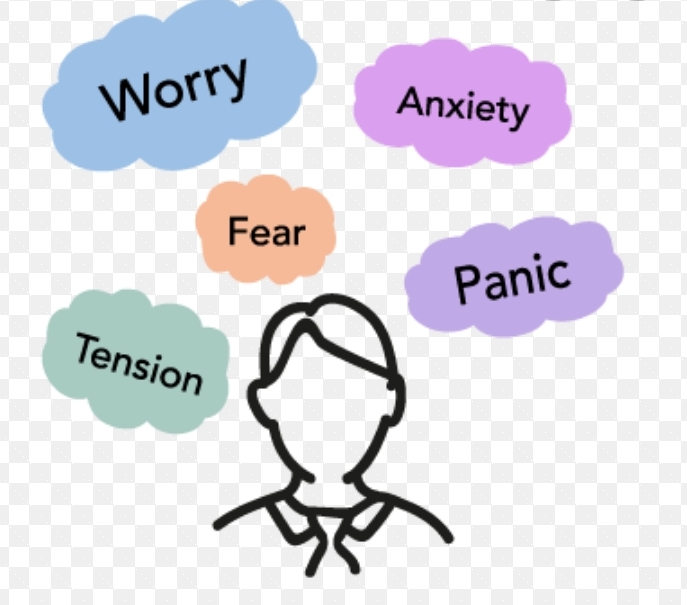


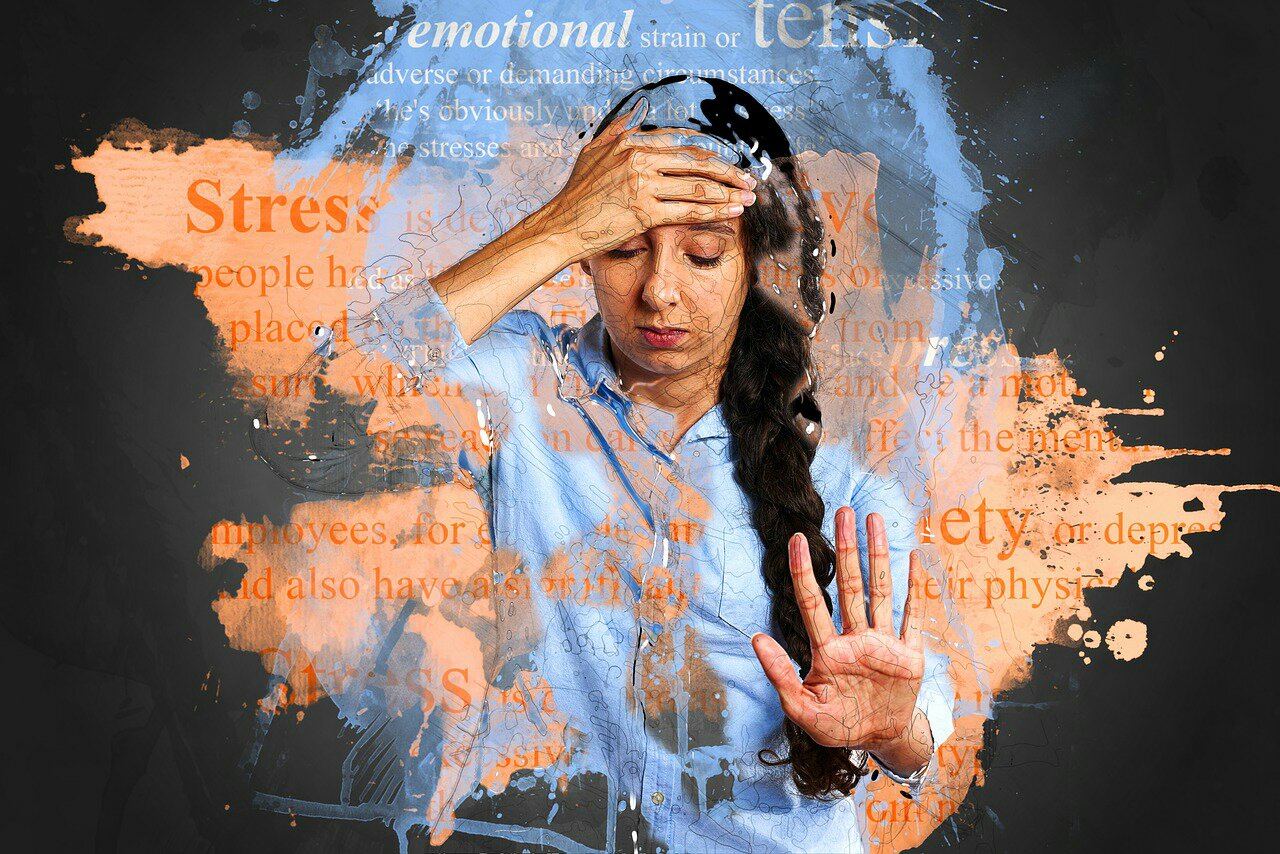 Anxiety and Fear is a common reaction to present or live events, like taking a final exam or speaking in front of a crowd. But when it becomes really uncomfortable and makes day to day life hard to live, then it’s a problem, or even what we call disorder. Some people have lived with anxiety for a long time. For them, their own anxiety feels like it’s about everything. They worry about so many things in so many ways. And it impacts their life for a long time. They stress about things that are about to happen or might happen, it means they can’t really focus or where they are or whom they are with. Sometimes it results in pounding of the heart, they speak really fast, and can kinda snap at people. Their family could get really frustrated with them. When it’s really bad, they experience having a knot in their stomach all the time. They can even feel depressed and just want to be alone. They feel like if they do something, they will screw it up or something will go wrong. So, a lot of times those people would just rather avoid it all. They feel much better just staying at home and maybe having a drink. Commute out anxiety is a very common mental health symptom. It can be the main sign for Generalized Anxiety Disorder (GAD), which they have, or Social Anxiety Disorder (SAD), which is when people have a fear of being in public or meeting new people. For those of us with social and Generalized Anxiety Disorder, it’s really difficult to live in the way we want to live. Some people have anxiety about really specific things, are afraid of heights, snakes, spiders or something else. Now, these are called Phobias and when people avoid these things, the anxiety mostly stays away. But when people can’t avoid their phobias, that’s a real problem. Some people experience anxiety and Post Traumatic Stress Disorder (PTSD) or Obsessive Compulsive Disorder (OCD), which can make people really overcome with anxiety. In these conditions, anxiety can be so intense, that people are at the risk of suicide and they use alcohol and drugs to cope. Sometimes their lives feel like they have come to a halt. Some people are lucky ones, they reach out to doctors without considering it a taboo who tells them how to get the treatment that would help them. And it does, they understand now what their anxiety feels like, why it happens, what they can do about it. They got to learn some great coping skills. And just naming it helps them keep it in perspective. Sometimes their anxiety can still get pretty big, but it doesn’t seem to last quite as long as it used to. The anxiety is treatable. For most people, this is true. We can get our life back to where we want it to be.
 Eduindex

You must be logged in to post a comment.