List of Important Days in July 2024

 1st July – National Doctor’s Day 

In India, Doctor’s Day is observed on the 1st of July to mark the importance of doctors in our lives. This day is also meant to commemorate the medical industry and its advancements.

1st July – National Postal Worker Day
National Postal Worker Day is observed every year on 1st July to thank and appreciate all men and women who work consistently and diligently to deliver all our mail and packages.

1st July – Canada Day 
Canada Day is celebrated annually on the 1st of July and it is a statutory holiday. This day marks the anniversary of the formation of the union of the British North American provinces in a federation under the name of Canada. Canada Day also means fireworks and the year’s biggest national party.

1st July – Chartered Accountants Day 
The Institute of Chartered Accountants of India (ICAI) was established on 1st July 1949 and so in India is marked as Chartered Accountants Day. It is the second-largest professional accounting and finance body in the world.

1 July – National U.S. Postage Stamp Day
National U.S. Postage Stamp Day is celebrated on 1st July every year to commemorate the existence of Postage Stamps that is used for sending letters and to appreciate the extraordinary works of all the Philatelists.

1st July – National Gingersnap Day
National Gingersnap Day is celebrated on 1st July every year to enjoy this sweet and savoury treat. Do you know Gingersnaps are cookies mainly made from molasses, cloves, ginger, cinnamon, and brown sugar? Basically, it is a combination of sweet and spicy. They are healthier alternatives to other cookies as they are lower in calories.

2nd July – World UFO Day
World UFO Day is observed on 2nd July. It was founded by the UFO hunter Haktan Akdogan. The first World UFO Day was celebrated in 2001 and spread awareness among people to gaze at the heavens scanning for unidentified flying objects.

2nd July – National Anisette Day
National Anisette Day is observed on 2nd July every year and is popular in Spain, Italy, Portugal, and France. Let us tell you that Anisette is an anise-flavoured liquor that is made by distilling aniseed and sometimes made by adding sugar.

3rd July – National Fried Clam Day
National Fried Clam Day is celebrated every year on the 3rd of July. Fried clam is the process of deep-frying the clams after being coated in the bread crumbs and stripping them further. This is a traditional way to prepare fried crumbs.

4 July – USA Independence Day
Independence Day USA is celebrated on 4 July. The United States Independence Day is also known as the Fourth of July or the Fourth. This day commemorates the adoption of the Declaration of Independence on 4 July 1776 from the Kingdom of Great Britain.

5 July – List of Historical Events

Someone has rightly said that history is not made in a day! But, one day can bring many changes in history. Various events, birthdays, etc. fall on the 5th of July. 

6 July – World Zoonoses Day
World Zoonoses Day is observed every year on 6 July to emphasise and bring problem awareness amongst people and teach them to take the right action. Do you know the first vaccination against a zoonotic disease was administered by Louis Pasteur on 6 July 1885?

7 July – World Chocolate Day 

The day is observed on July 7 as on this date in 1550, chocolate was first brought to Europe. World Chocolate Day is celebrated in different countries on different days. 

7 July- Global Forgiveness Day 

Global Forgiveness Day on July 7, also known as International Forgiveness Day, is a relatively new observance dedicated to promoting forgiveness and reconciliation on a global scale. The exact origin and history of Global Forgiveness Day are not well-documented, but forgiveness as a concept has deep roots in various cultures and religions.

7 July- Islamic New Year

The Islamic New Year is also known as the  Hijri New Year. The day marks the beginning of the new lunar Hijri year and also the day on which the year count is increased. Most Muslims around the globe mark the first day of the month of Muharram as the start of the Islamic year. This year the first day of the Islamic New Year will be marked on July 7(tentative).

9 July- National Sugar Cookie Day

 It is observed on 9 July to honour the popular and delicious sugar cookie. The day celebrates the delicious little treat of sugar cookie and the big role it plays in our lives.

9 July- Nunavut Day 

Nunavut Day is a celebration of the creation of the Canadian territory of Nunavut. The day honours the rich culture, heritage, and contributions of the Inuit people who call Nunavut home. Nunavut Day also serves as a reminder of the ongoing efforts to preserve and protect the Inuit way of life and to foster understanding and respect for Indigenous cultures in Canada.

10 July- Global Energy Independence Day

Global Energy Independence Day is observed on July 10 all over the world annually. It serves as a reminder to governments, organizations, and individuals about the importance of reducing reliance on non-renewable resources and transitioning towards cleaner and more resilient energy systems. 

11 July – World Population Day
World Population Day is observed annually on 11 July to focus attention on the urgency and importance of population issues.

11 July – National 7-Eleven Day
National 7-Eleven Day is observed every year on 11 July. On this day 7-Eleven convenience stores reserve special deals for their customers. Every year it honours its customers in a variety of ways.

12 July – National Simplicity Day
National Simplicity Day is observed annually on 12 July to honour Henry David Thoreau who was an author, philosopher, historian, tax resister, abolitionist, development critic, surveyor, and leading transcendentalist. Basically, he was an advocate for living a life of simplicity.

12 July – Paper Bag Day
Paper Bag Day is observed on 12 July annually to recognise the importance of the invention of the Paper Bag that we mostly take for granted. In 1852, Francis Wolle, a schoolteacher, invented the first machine to mass-produce paper bags. 

12 July- Malala Day

Malala Day is celebrated every year on July 12 to celebrate the birthday of activist Malala Yousafzai. Malala Day was designated by the United Nations to honour the young woman who has been advocating for women’s education for years. 

13 July: National French Fry Day

It is observed on 13 July to recognise a staple food in menus across the country. The day is generated to celebrate the amazing food dish. French fries come in various cuts and styles.

14 July – Bastille Day or French National Day
Bastille Day is celebrated on 14 July every year. This day marks the anniversary of the Storming of the Bastille on 14 July 1789 which is a turning point of the French Revolution.

15 July – World Youth Skills Day

World Youth Skills Day is celebrated on 15 July every year to raise awareness about the importance of technical, vocational education & training and the development of other skills relevant to both local and global economies.

15 July – Social Media Giving Day

It is observed on 15 July. The day was inaugurated by Givver.com, a platform dedicated to fundraising through Twitter, in 2013.

17 July – World Day for International Justice
World Day for International Justice is observed annually on 17 July every year. It is also known as the Day of International Criminal Justice or International Justice Day. This day recognises the emerging system of international criminal justice.

17 July – World Emoji Day

World Emoji Day is observed on 17 July every year since 2014. The day is celebrated to represent an idea or an emotion through electronic means. 

18 July – International Nelson Mandela Day
International Nelson Mandela Day is observed on 18 July every year. The day celebrates Mandela’s life and legacy in a sustainable way that will bring about the needful changes.

20 July – International Chess Day

It is observed on 20 July to honour the foundation of the Federation Internationale des Eches (FIDES).

20 July – Moon Day

Moon Day commemorates the day when man first walked on the moon in 1969.

21 July- Guru Purnima 

Guru Purnima is a Hindu religious festival honouring all gurus, both academic and spiritual. Hindus, Jains, and Buddhists all participate in the holiday celebrations in India, Nepal, and Bhutan. 

22 July – Pi Approximation Day
Pi Approximation Day is observed on 22 July every year because of the value of Pi which is 22/7. Whereas Pi Day is celebrated on 14 March which is similar to the approximate value of 3.14 and also coincides with Albert Einstein’s birthday.

22 July- National Flag Day

The Indian National Flag remains a symbol of India’s rich cultural heritage, its hard-fought struggle for freedom, and the aspirations of its people for a united and prosperous nation. National Flag Day is observed on July 22 annually to celebrate the adoption of the tricolour designed by Pingali Vekayya as the flag of India.

22 July – National Mango Day or Mango Day

It is celebrated on 22 July. The day is to know about the history and some lesser-known facts about the juicy and delicious fruit mango

22 July- Sawan

The holy month of Sawan or Shravan begins on 22 July this year. The date for Sawan changes every year. This fifth month of the Hindu lunar calendar typically falls between July and August in the Gregorian calendar. The holy month is dedicated to Lord Shiva, one of the most revered deities in Hinduism. It is believed that observing prayers, fasting, and other rituals during this month pleases Lord Shiva and in return, he grants devotees his blessings and divine grace.

24 July – National Thermal Engineer Day
National Thermal Engineer Day is observed every year on 24 July to show the importance of advancing the thermal engineering industry and is provide the electronics industry with innovative, high-quality, and cost-effective thermal management and packaging solutions.

25 July – World Embryologist Day

On 25 July 1978, Louise Joy Brown became the first baby to be conceived through IVF or in vitro fertilization and so the date is celebrated as World Embryologists Day every year.

25 July (Fourth Thursday in July) – National Refreshment Day
National Refreshment Day is observed annually on the fourth Thursday in July which falls on 25 July 2024. This day is basically to celebrate fun and refreshment during the hottest time of the year which is in the summer.

26 July – Kargil Vijay Diwas
Kargil Vijay Diwas is observed on 26 July and is named after the success of Operation Vijay. The Kargil war was ended on 26 July which continued approx 60 days. This day is celebrated to honour the Kargil War Heroes.

26 July (Last Friday in July) – System Administrator Appreciation Day
System Administrator Appreciation Day is observed annually on the last Friday of July to recognise the time and effort of the administrators, device doctors, and tech-therapists who sacrifice and work their magic during unsocial hours. This year in 2024 it falls on 26 July.

27 July- APJ Abdul Kalam’s Death Anniversary

Avul Pakir Jainulabdeen Abdul Kalam, aka APJ Abdul Kalam, was the 11th President of India. He took his last breath on July 27 2015. This year marks the 7th death of ‘Missile Man’. On this day, we can honour him as one of history’s finest educators who made a significant contribution to the advancement of Indian space and military research.

28 July – World Nature Conservation Day
World Nature Conservation Day is observed on 28 July every year to recognise that a healthy environment is a foundation for a stable and productive society and for future generations. We must protect, conserve and sustainably manage our natural resources.

28 July – World Hepatitis Day
World Hepatitis Day is observed annually on 28 July to generate an opportunity to step up national and international efforts on hepatitis. Also, this day makes people aware of hepatitis disease and its consequences in the life of the people suffering from it.

28 July – National Parent’s Day (Fourth Sunday in July)
National Parents Day is observed on the fourth Sunday in July and in 2024 it falls on 28 July. This day is celebrated to honour all the parents who play a vital role in the lives of children. Their unconditional love and sacrifice for their children can’t be measured.

29 July – International Tiger Day
International Tiger Day is observed every year on 29 July to spread awareness about the need for the conservation of Tigers and promote the protection of the natural habitat of tigers. This day is also known as Global Tiger Day.

30 July – International Friendship Day

International Friendship Day is celebrated on 30 July to mark the importance of friends and friendship in life. The day also advocates the role that friendship plays in promoting peace in several cultures across the world.

Celebrating Eid al-Fitr: A Joyous Festival of Faith and Unity

 Eid al-Fitr, also known as the “Festival of Breaking the Fast,” is one of the most significant religious festivals celebrated by Muslims worldwide. It marks the end of Ramadan, the Islamic holy month of fasting, during which Muslims abstain from food, drink, and other physical needs from dawn until sunset. Eid al-Fitr holds immense cultural, spiritual, and social significance, bringing communities together in joyous celebration and reflection.

The festivities of Eid al-Fitr commence with the sighting of the new moon, signaling the end of Ramadan. This auspicious occasion is often referred to as “Chand Raat,” meaning “Night of the Moon,” as communities gather to observe the crescent moon, confirming the start of Eid. The following day, Muslims gather in mosques or open spaces for special prayers known as “Salat al-Eid.” These prayers, offered in congregation, express gratitude to Allah for the strength and perseverance shown during Ramadan and invoke blessings for the entire Muslim community.

One of the defining features of Eid al-Fitr is the spirit of charity and generosity that permeates the celebrations. Muslims are encouraged to give “Zakat al-Fitr,” a form of almsgiving, before the Eid prayers. This donation is typically in the form of staple food items and is aimed at ensuring that the less fortunate members of the community can also partake in the joyous festivities of Eid. Additionally, many Muslims choose to extend acts of kindness and charity by distributing gifts, clothing, and food to those in need, embodying the values of compassion and solidarity that lie at the heart of Islam.

Central to the celebration of Eid al-Fitr is the communal feasting and sharing of meals with family, friends, and neighbors. After the Eid prayers, families gather to enjoy elaborate feasts that feature an array of traditional dishes and sweets. From savory delicacies like biryani, kebabs, and samosas to delectable desserts such as baklava, sheer khurma, and maamoul, the Eid table is adorned with a rich tapestry of flavors and aromas that reflect the diverse culinary traditions of the Muslim world. The act of sharing meals and hospitality during Eid fosters a sense of unity, kinship, and camaraderie among individuals from all walks of life.

In addition to the feasting and festivities, Eid al-Fitr is also a time for personal reflection, forgiveness, and reconciliation. Muslims take this opportunity to seek forgiveness from Allah and reconcile with family members, friends, and acquaintances, thereby fostering harmony and goodwill within their communities. The spirit of forgiveness and reconciliation underscores the importance of compassion, empathy, and understanding in building strong and resilient relationships, echoing the teachings of Islam on mercy and forgiveness.

Moreover, Eid al-Fitr serves as a joyous occasion for cultural expression and heritage preservation. Across the globe, Muslims adorn themselves in vibrant attire, with colorful clothing and intricate designs reflecting their cultural backgrounds and traditions. Markets and bazaars come alive with the hustle and bustle of shoppers purchasing new clothes, accessories, and gifts for loved ones. The streets are adorned with festive decorations, and music fills the air as people come together to celebrate their shared identity and faith.

In conclusion, Eid al-Fitr is a cherished and festive occasion that holds deep spiritual, cultural, and social significance for Muslims around the world. It is a time of gratitude, reflection, and renewal, as well as a celebration of unity, compassion, and generosity. As Muslims come together to mark the end of Ramadan and the beginning of Eid, they reaffirm their bonds of brotherhood and sisterhood, spreading joy, peace, and goodwill to all.

A Few Facts about ‘Ayyappa Puja’ Celebrations: My Experience in Hyderabad, India

 India is one of the most ethnically diverse countries in the world. It is a pluralistic society that in no other countries can be found. Besides its many religions and sects, India is home to many castes, tribes, and linguistic groups. Religious minorities of all sects, including Muslims, Christians, Sikhs, Buddhists, and Jains, still account for a significant proportion of the population. All the festivals of different religions are observed with full gaiety in India. As per the Hindu religion, also known as ‘Sanatan dharma,’ many celebrations and Pujas are performed. The people in the world are aware of Ganesh Chaturthi, Diwali, Dusshera/Durga Puja and other celebrations. In addition, many devotees, mainly from the southern part of India, visit ‘Sabarimala Sree Dharma Sastha Temple’, dedicated to Bhagawan Ayyappa/ Ayyappan, which is the most famous and prominent temple located in Kerala. The temple is situated on a hilltop (about 3,000 feet above sea level) named Sabarimala in Pathanamthitta district. There is a place near the temple, east of Sannidhanam (the abode of Bhagawan Ayyappa), dedicated to Vavar (a close friend of Bhagawan Ayyappa) which is called Vavaru Nada, an epitome of religious harmony.

Anyway, before going to Sabarimala, devotees/ pilgrims have to observe celibacy for 41 days. I wish to mention that those who observe for 41 days take ‘Mala,’ which means they must follow some rules and regulations. Further, instead of calling by the name of a person, addressed as ‘Swami. Once taking ‘Mala,’ the devotee has to observe certain principles. These inter alia are- sleeping on the ground, wearing a special blackish dress, moving bare-foot (no chappal, etc. wear), one-time food, i.e., lunch with rice and other vegetarian items, in the evening as tiffin other items not rice, of course, fruits can be taken anytime and no non-veg during this 41-day. All gents, irrespective of age are allowed to visit the Sabarimala temple, and girls before puberty can visit and take ‘Mala’. 

I am from the eastern part of India, but last three decades, I have been living in Hyderabad. After I retire from the Central Government Institute, Hyderabad, I am staying by purchasing a villa in the Suncity of Hyderabad, which is known as ‘Libdom Villa Campus’ Raj Reddy Valley. This is spread over an area of 17 acres with all modern facilities. It is pertinent to mention that Libdom has been derived from two words – Liberty, ‘Lib’ and Freedom, ‘Dom’ and finally, the word is  “Libdom.” Around 190 families stay on the campus, representing a mini-India as people from different states live here. Also, people have different faiths, so all the festivals of different religions are celebrated with gaiety. 

On this campus, some people, from time to time, took ‘Mala’ as part of Ayyappa puja to visit Sabarimala.

 In 2023, I had the opportunity to visit two families because, as a part of the visit to Sabarimala, they invited two different periods for Prasadam and lunch as a part of Puja celebrations. It is pertinent t to mention that inviting lunch as a part of puja celebrations to ‘Swamis’ and guests is not mandatory. According to economic capability, anyone can do it. Anyway, One was by Mahesh Reddy (49 years), who himself took ‘Mala,’ and another was by Rudrasena Reddy (47 years), whose two sons, namely, Rishikesh Reddy (20 years) and Akhilesh Reddy (17 years), accepted ‘Mala.’ As a part of the puja celebration, both (Mahesh Reddy and Rudrasena Reddy) on different days invited my family members and me, along with ‘many ‘Swamis’ and guests. From morning onwards, ‘Bhajan -kirtan’,(“singing to glorify God/Bhagawan), mainly focussing on Ayyappa, started followed by ‘Aarati ‘and other rituals’. After completing all the rituals, lunch, with many items (all vegetarians), was offered to the guests, and initially, ‘Swamis’ were served food; later, other guests were served lunch. I was told many ‘Swamis,’ instead of staying in their home, stay in temples day and night, and thus, they spend 41 days in temples where there are provisions for sleeping and cooking for all. They take common food and pass the timeby chanting ‘bhajans’ etc. 

I have presented brief facts based on primary and secondary sources so that readers can understand ‘Ayyappa puja celebration’. 

Prof Shankar Chatterjee, Hyderabad


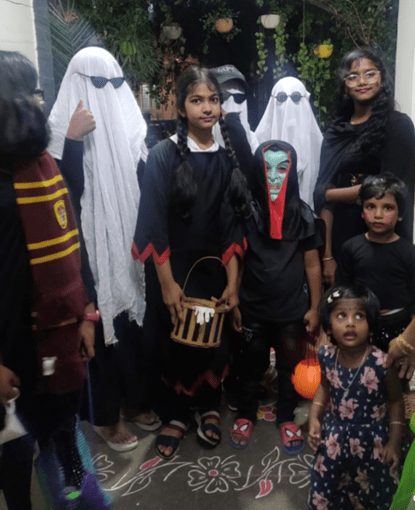
Halloween as Rituals: A Case from a Gated Community in Hyderabad, India

 From time to time, people across the world, irrespective of religion, celebrate different festivals or other religious functions/rituals. We all know the different religious festivals, programmes, functions, rituals, etc., but Halloween is not common among people. So, I am presenting my experience. For several years in the gated community where I live, children, irrespective of age and gender, celebrate different festivals and rituals, including Halloween. I, as a senior citizen, enjoy their enthusiasm and joyousness. So, before writing about the Halloween rituals by our campus children, let me highlight a few points about Halloween that have been collected from Britannica (britannica.com/story/why-do-we-celebrate-halloween). “Halloween has been around for more than a thousand years. Originally a religious observance, it became increasingly secular over the centuries until its religious trappings disappeared. Today, Halloween is considered a holiday for dress-up and fun, especially for children.

Halloween’s origins can be traced back to the ancient Celtic festival known as Samhain, held on November 1 in contemporary calendars. It was believed that on that day, the souls of the dead returned to their homes, so people dressed in costumes and lit bonfires to ward off spirits. This way, popular Halloween tropes such as witches, ghosts, and goblins became associated with the holiday.
In the 7th century CE, Pope Boniface IV created All Saints Day, originally celebrated on May 13. A century later, Pope Gregory III moved the holiday to November 1, likely as a Christian substitute for the pagan festival of Samhain. The day before, the saintly celebration became known as All Hallows Eve or Halloween. Though the holiday began in Celtic regions of Ireland, the United Kingdom, and France, it quickly spread to other parts of the world. The first American colonists in New England were forbidden to celebrate it for religious reasons, though it enjoyed some popularity in the Southern colonies. By the 1800s, fall festivals marking the seasonal harvest incorporated Halloween elements, and Irish immigrants escaping the devastating Potato Famine brought with them many Halloween traditions that remain today.”
In one gated community of Hyderabad known as Libdom Luxury Villas (Raj Reddy Valley), Bandlaguda Jagir, children, irrespective of age, enjoyed Halloween rituals by dressing vis-à-vis wearing masks like ghosts, vampires, witches, animals, and others. For the benefit of readers, I wish to mention that this gated community is spread over around 17 acres of land with indoor and outdoor games, a gym, a park, a swimming pool, a function hall, etc. Altogether, 190 families (a few might be unoccupied) live in this gated community; each has a duplex house and surroundings little land. In the land, all nurture flowers, some vegetables, etc. The most highlighting point is that this gated campus consists of different religions, castes, and languages (people of different States), representing a mini-India in the true sense, and residents celebrate all festivals amicably. Anyway, as a part of Halloween rituals, around 70 children, irrespective of age and gender, participated in the programme. It is noteworthy to mention that kids and teenagers, by forming groups – each group consisting of 7 to 8 children based on their age group and friendship enthusiastically visited almost every villa, and elders of each villa spontaneously provided each child candy, chocolate, and other sweets. I, as a senior citizen, thoroughly enjoyed their enthusiasm, happiness, joy, and cheerfulness. I read in my school days a German proverb that I recollect now, “You can do anything with children if you only play with them.” I firmly believe that the children of our campus are our great resources.
(I express my gratitude to Mrs. Sreelatha, Villa-49, and Mrs Ramya Reddy, Villa-16, for providing me necessary inputs to write the article).
Prof Shankar Chatterjee, Hyderabad

Ram Navami 2023

Ram Navami is an important Hindu festival that is celebrated with great fervor and enthusiasm across India and other parts of the world. It is celebrated on the ninth day of the Hindu month of Chaitra (usually in March or April) to mark the birth anniversary of Lord Rama, who is considered to be the seventh incarnation of Lord Vishnu. The festival is celebrated with great enthusiasm and devotion across India and other parts of the world. It is a time for people to come together, seek blessings from Lord Rama, and reflect on his teachings of righteousness and morality.

Source – ISKON Dwarka

The festival is celebrated by performing puja (worship) to Lord Rama, who is revered as the epitome of righteousness, truth, and justice. People observe fasts, read the Ramayana (a Hindu epic that tells the story of Lord Rama’s life), and chant his name to seek his blessings. On this day, devotees decorate their homes and temples with flowers, lights, and rangolis (intricate designs made with colored powders). Many people also organize processions and cultural programs to celebrate the occasion. The streets are filled with people dressed in colorful traditional clothes, singing hymns, and playing musical instruments.

One of the most significant rituals associated with Ram Navami is the Rama Navami Rath Yatra. It is a procession in which a chariot carrying the idol of Lord Rama, along with his wife Sita, his brother Lakshmana, and his devotee Hanuman, is taken out on the streets. The chariot is decorated with flowers and other decorations and is pulled by devotees, who chant hymns and mantras. The procession usually ends at a temple, where the idols are placed and worshiped.

In some parts of India, Ram Navami is celebrated for nine days, leading up to the main day of the festival. This period is known as the Navratri, and each day is dedicated to a different form of the divine mother. The final day of Navratri is Ram Navami, which is considered to be the most auspicious day of the festival.

Apart from the religious significance, Ram Navami is also associated with social and cultural traditions. It is believed that Lord Rama’s message of righteousness, truth, and justice is relevant even today and can inspire people to live a life of virtue and morality.

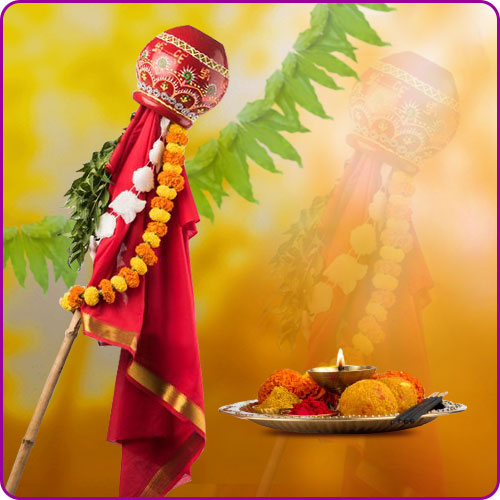
Gudi Padwa – Marathi New Year

Gudi Padwa is a Hindu festival that marks the beginning of the New Year according to the traditional Hindu lunar calendar. It is celebrated on the first day of Chaitra month, which usually falls in March or April. Gudi Padwa is primarily celebrated in the states of Maharashtra, Goa, and Konkan regions of India. The festival symbolizes victory, happiness, and prosperity and brings people together to celebrate the spirit of the New Year.

Source – https://www.rudraksha-ratna.com/

The festival of Gudi Padwa is celebrated with great enthusiasm and joy. It is believed that on this day, Lord Brahma created the universe, and it is also considered the day when Lord Rama returned to Ayodhya after his victory over Ravana. The festival is named after the ‘Gudi’, which is a special flag made of cloth or silk and is adorned with a copper or silver pot, a neem leaf, a twig of mango leaves, and a garland of flowers. The Gudi is hoisted outside homes, and it signifies victory and happiness.

The celebration of Gudi Padwa begins with the cleaning and decoration of homes. People decorate their homes with rangolis, flowers, and lights. The preparation of traditional delicacies like puran poli, shrikhand, and karanji is also an essential part of the celebration. On this day, people also wear new clothes and exchange sweets and gifts with each other.

One of the main rituals of Gudi Padwa is the hoisting of the Gudi outside homes. The Gudi is hoisted early in the morning, and it is believed to bring good luck and prosperity to the family. People also offer prayers and perform puja to the Gudi. The Gudi is taken down in the evening, and the prasad is distributed among family and friends.

Another significant aspect of Gudi Padwa is the traditional Maharashtrian dance, ‘Dindi’. Dancers dressed in colorful traditional attire dance to the beats of Dhol, Tasha, and Lezim. The dance signifies the victory of good over evil and is performed in temples and public places.

Apart from Maharashtra, Gudi Padwa is also celebrated in other parts of India with different names and customs. In Andhra Pradesh and Telangana, the festival is known as Ugadi, while in Karnataka, it is celebrated as Yugadi. In Tamil Nadu, the festival is called Puthandu, while in Punjab, it is celebrated as Baisakhi.

Pakhala Divas – A unique festival of Odisha

Being from Odisha and being raised in a different state, I have always been curious about my ground culture and traditions. One of such interesting festival celebrated in Odisha is Pakhala Divas. The article will discuss more about its History, Significance & celebration of Pakhala Divas in Odisha.

Pakhala Divas is a unique festival celebrated in the eastern state of Odisha, India. It is celebrated on March 20th every year, marking the beginning of summer in the state. The festival is dedicated to Pakhala, a traditional dish made of rice, water, and curd.

Source – pragativadi.com

History of Pakhala Divas

The history of Pakhala Divas dates back to ancient times when Odisha was ruled by the Kalinga dynasty. During those times, Pakhala was a staple food for farmers and laborers who used to work in the scorching heat. The dish is prepared by mixing cooked rice with water and sour curd and kept overnight. This process allows the rice to ferment and gives it a unique taste and aroma.

The tradition of celebrating Pakhala Divas started in the 1990s when a group of social activists in Odisha came together to revive the traditional food culture of the state. They realized that the younger generation was losing interest in traditional dishes and were adopting western food habits. To promote traditional food habits, they organized the first Pakhala Divas in 1992.

Significance of Pakhala Divas

Pakhala Divas has significant cultural and social significance in Odisha. It is celebrated to promote the traditional food culture of the state and to create awareness among the younger generation about the health benefits of traditional food. Pakhala is a healthy dish that is rich in probiotics, which is beneficial for the digestive system. It also helps to keep the body hydrated during the scorching summer heat.

The festival also promotes the sense of community and togetherness. People in the state come together to share the meal with their friends and family, and it is a symbol of unity and brotherhood. It is also an occasion to express gratitude towards farmers and laborers who work hard to provide us with food.

Celebration of Pakhala Divas

Pakhala Divas is celebrated with great enthusiasm and fervor in Odisha. People prepare Pakhala in their homes and offer it to their friends and family members. They also distribute the dish to the poor and needy. In many parts of the state, restaurants and food joints offer free Pakhala to the public on this day.

Several cultural programs and events are also organized to mark the occasion. People dress up in traditional attire and participate in cultural activities such as folk dances and songs. The festival also includes competitions and games, including cooking competitions, pakhala-eating competitions, and quiz competitions related to traditional food culture.

Festival of Diwali

 Diwali or Deepawali is one of the most important festivals of the Hindus. It generally falls in the month of October. Fifteenth day of the month of Kartik is the day of its celebration. The festival marks the end of the rainy season and the beginning of winter.

A few days before the festival, houses are cleaned, white-washed and painted. The Hindus decorate their houses with pictures and images of gods. Fairs are held on this occasion in all towns and villages. People purchase parched rice, sugar toys, earthen cups and other things for the worship or goddess Luxmi.

In the right time goddess Luxmi is worshipped with parched rice, sugar toys and sweets. Then the Hindus illuminate their houses by means of earthen cups and candlestricks. Rows of lighted lamps are seen everywhere.

Some people gamble the whole night, while others recite Ramayana, hold keertans and read religious book. All want the blessing of goddess Luxmi on the night.

Ganesh Chaturthi

 By: Astha Raghav 

Ganesh Chathurthi, also known as Vinayaka Chaturthi, or Vinayaka Chaviti is a Hindu festival celebrating the arrival of Lord Ganesh to earth from Kailash Parvat with his mother Goddess Parvati/Gauri. The festival is marked with the installation of Lord Ganesh’s clay murtis privately in homes and publicly by Shri Bal Gangadhar Tilak popularly known as Lokmanya Tilak in Pune in the year 1893 on elaborate pandals (temporary stages). Observations include chanting of Vedic hymns and Hindu texts such as, prayers and vrata (fasting). Offerings and prasāda from the daily prayers, that are distributed from the pandal to the community, include sweets such as modaka as it is believed to be a favourite of Lord Ganesh. The festival ends on the tenth day after start, when the idol is carried in a public procession with music and group chanting, then immersed in a nearby body of water such as a river or sea, called visarjan.. In Mumbai alone, around 150,000 statues are immersed annually. Thereafter the clay idol dissolves and Ganesh is believed to return to Mount Kailash to Parvati and Shiva. The festival celebrates Lord Ganesh as the God of New Beginnings and the Remover of Obstacles as well as the god of wisdom and intelligence and is observed throughout India, especially in the states such as MaharashtraKarnatakaRajasthanMadhya PradeshAndhra PradeshTelanganaOdishaGoaWest BengalGujaratChhattisgarh and Tamil Nadu. Ganesh Chaturthi is also observed in Nepal and by the Hindu diaspora elsewhere such as in AustraliaNew ZealandCanadaSingaporeMalaysiaTrinidad and TobagoGuyanaSuriname, other parts of the CaribbeanFijiMauritiusSouth Africa,United States, and Europe. In the Gregorian calendar, Ganesh Chaturthi falls between 22 August and 20 September every year.

At public venues, along with the reading of texts and group feasting, athletic and martial arts competitions are also held.

Indian freedom fighter Lokmanya Tilak, championed it as a means to circumvent the colonial British government ban on Hindu gatherings through its anti-public assembly legislation in 1892. It is also known as Ganesh Chaturvedi.

Though not alluding to the classical form of Ganapati, the earliest mention of Ganapati is found in the Rigveda. It appears twice in the Rigveda, once in shloka 2.23.1, as well as in shloka 10.112.9. Both of these shlokas imply a role of Ganapati as “the seer among the seers, abounding beyond measure in food presiding among the elders and being the lord of an invocation”, while the shloka in mandala 10 states that without Ganapati “nothing nearby or afar is performed without thee”, according to Michael. However, it is uncertain that the Vedic term Ganapati which literally means “guardian of the multitudes”, referred specifically to later era Ganesh, nor do the Vedic texts mention Ganesh Chaturthi. appears in post-Vedic texts such as the Grhya Sutras and thereafter ancient Sanskrit texts such as the Vajasaneyi Samhita, the Yajnavalkya Smriti and the Mahabharata mention Ganapati as Ganesvaras and VinayakGanesh appears in the medieval Puranas in the form of “god of success, obstacle remover”. The Skanda PuranaNarada Purana and the Brahma Vaivarta Purana, in particular, profusely praise him. Beyond textual interpretations, archaeological and epigraphical evidence suggest Ganesh had become popular, was revered before the 8th century CE and numerous images of him are traceable to the 7th century or earlier.

Thank You!

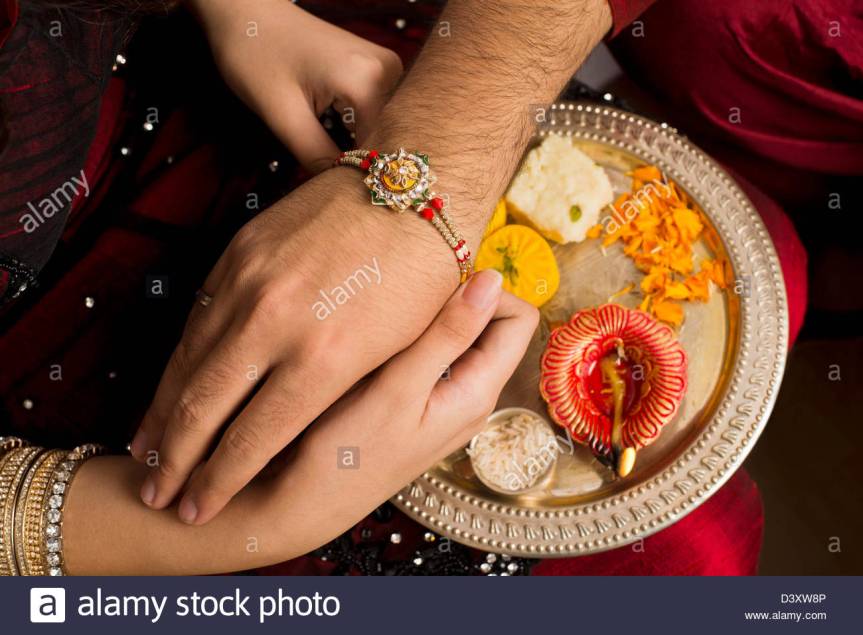
WHAT IS RAKSHA-BANDHAN (RAKHI) AND HOW TO CELEBRATE IT?

In Sanskrit, the term Raksha Bandhan translates as “bond of protection.” 

It is observed on the full-moon day, on the 5th month in the Hindu lunar calendar, Raksha Bandhan is a popular Hindu holiday celebrating the love between a brother and sister. 

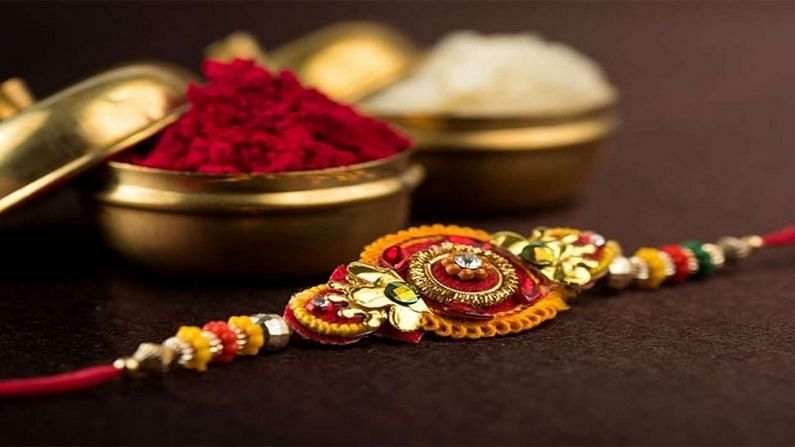
On this day, a sister ties a threaded amulet, known as a rakhi, around a brother’s wrist, honoring their relationship. The bracelet symbolizes the brother’s oath to protect his sister throughout her life, and the sister’s prayers and blessings for protection and wellbeing of her brother.

        The origin of this celebration can be found in the Indian epic The Mahabharata, when Lord Krishna cut his finger. Draupadi, wife of the Pandavas who considered Krishna to be like a brother, immediately tore off a piece of her sari and tied the cloth around his bleeding finger. Smiling and grateful, Krishna promised to return the favor to her some day.

Another Legend has it that in 326 BCE, when Alexander the Great invaded India, Alexander’s wife Roxana, out of concern for his safety, had a thread sent to Indian King Porus, requesting him to not harm her husband in battle. Porus is said to have respected her wish, and refrained from killing Alexander during the famed “Battle of the Hydaspes.” Though Alexander ultimately won the battle, Porus had earned his respect, and was thus made a governor of part of his kingdom. 

HOW TO CELEBRATE IT ?

Before the festivities begin, a sister first goes out to look for a talisman or amulet, which she thinks her brother might like and would suite his unique personality. A simple activity as such helps to cultivate appreciation for the brother’s personality.

On the D-Day, sister customarily turns on an oil lamp and offers it to a family deity and prays for her brother’s long health and happiness, then she ties the sacred thread to his hand and feeds him a sweet. Then the brother completes the ritual by reciprocating the action of feeding a sweet and giving a present to the sister.

FESTIVALS OF INDIA

Hello readers as the festive season as arrived in India, let’s get to know about the festivals celebrated in India.

Festivals are the Indian culture that add spices to the Indian Cuisine, the most wonderful form of the celebration. The main reason is India is known for its diversity. And this line gives the reason to celebrate every festival with enthusiasm. Be it wearing Santa hats on Christmas or lighting the house with diya in Diwali, every festival is welcomed with great celebration and happiness.

Here are some festivals to witness celebrated by every India with great unanimous.

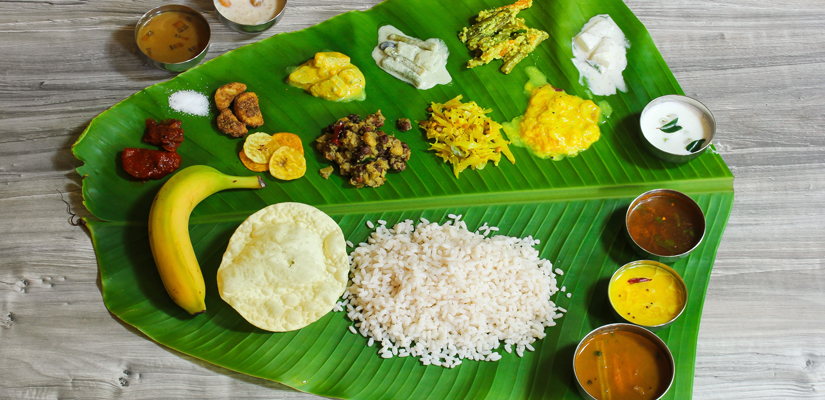
ONAM

It is a 7days long carnival celebrated on the land of God, Kerela. This brings people of Kerala together to perform in the crowded street, feasts, and boat race and more!  Celebrating Onam in Kerala gives you the unforgettable joy and experience.

Significance  

Onam is flourishing festival observed by Malayalis as they welcome the legendry King Mahabali.

HOLI

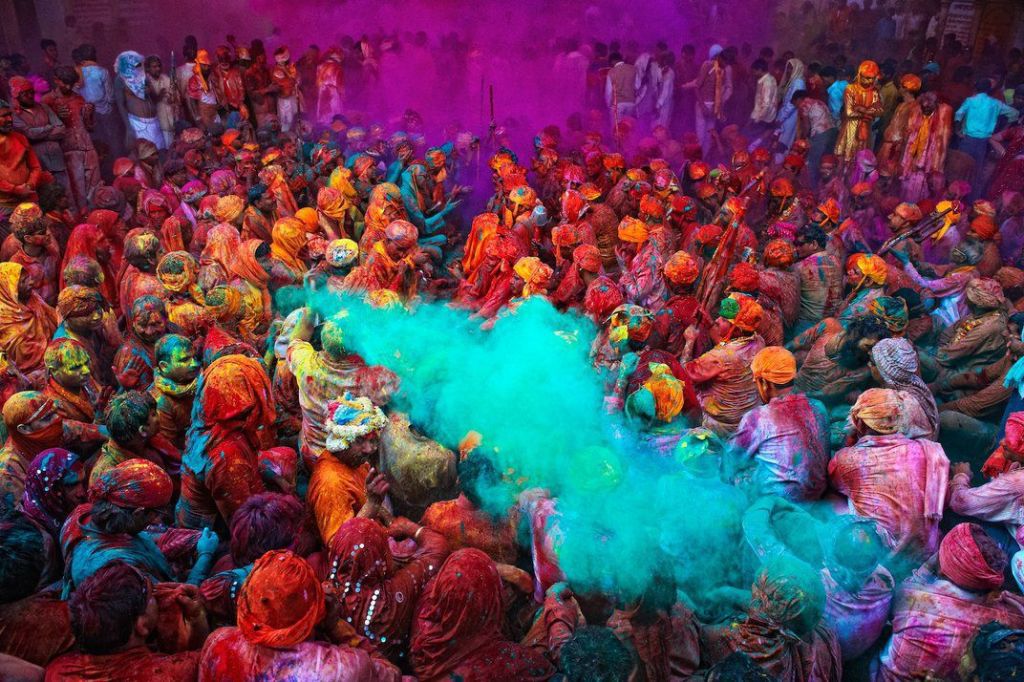
Holi is celebrated on the victory of good over evil. During this people apply colours on each other. Dry or wet no matter this festival is enjoyed by every individual in India. Holi is counted in one of the famous festivals celebrated. People arranges pool partis, dance and enjoy eating sweets.

Significance

The Holi festival is a symbol of victory over evil, according to the mythology it is said prince Prahlad killed Holika, sister of King Hiranyakaship. It is also beginning of spring season.

RAKSHABANDHAN

Raksha Bandhan is very popular festival celebrated in India. This festival is celebrated to highlight the relationship between sisters and brothers. This festival denotes that it is brother’s responsibility to take care of his siter during ups and downs.  The Rakhi signifies the promise made brother to his sister.

Significance

This festival is dedicated to all the brothers and sister’s bond.

GANESH CHATURTI

This festival is famous in Maharashtra state, it is also important in India too. The reason behind celebrating this festival is the birth of Lord Ganesh. This festival is witnessed for 5-11 days.

Significance

The birth of Lord Shiva and Parvati’s son, Ganesh with elephant head gave the reason for celebrating this enthusiastic festival.

CHRISTMAS

It is one of the most famous festival celebrated across the world. It is a festival where Christians welcome Lord Jesus. No doubt the Santa gets all the attention of children for dropping chocolates and gifts for them. It is believed that Santa fulfils all the wishes asked by children during Christmas.  Christmas is a day where people decorate their house with lights and even Christmas tree is decor.
Significance

Christmas is celebrated worldwide. On this day Lord Jesus Christ was born.

TOP 5 MAHARASTRIAN FOOD YOU MUST TRY

You haven’t tried any Maharashtrian dish till now? Ohh you must! What are you waiting for, here are some Maharashtrian foods for you, try these absolutely delicious Maharashtrian dishes and experience the cuisine in all its glory!

What comes in your mind when you think about Maharashtrian food, Mumbai’s famous Vadapao, Misal Pav from Pune, Kolhapur’s Tambda Rassa and many more. From Misal pav to Aamti to Bhelpuri, each one of them is a gem. So here are some famous and extremely tasty Maharashtrian foods for you.

1. Zunka Bhakar

Zunka Bhakar is a traditional meal of Maharashtrian people. It’s a meal of poor, who can’t afford any food, Zunka Bhakar is like a blessing for them. Every Maharashtrian loves Zunka Bhakar. Zunka is made with besan paste and served with bajra or jwari roti which is called as Bhakar.

2. Puran Poli

Puran Poli is like festival food for all Maharashtrian out there, its specifically made during all festivals like Diwali, Gudi Padwa even on birthdays Maharashtrians made Puran Poli. Made with gram flour and stuffed with sweet mixture of dal, this Maharashtrian bread is a sweet delight for your taste buds.

If you love sweets you should definitely try Puran Poli!

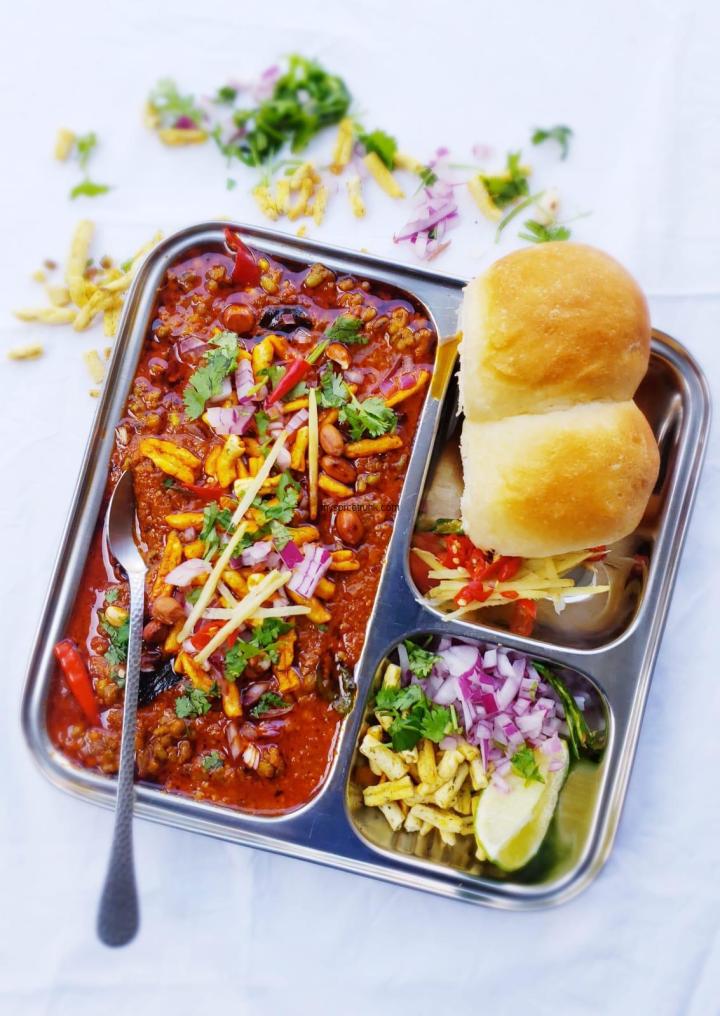
3. Misal Pav

Misal Pav is basically for breakfast but, you can had it anytime it’s a meal that can be had at any time of the day. If you are living in a Pune and you still haven’t tried Misal Pav then, what are you waiting for, you must try this out today!!

Misal Pav is made with potatoes, hot masalas and team up with bread to create a perfect, Maharashtrian meal.

4. Kandepohe

A famous Maharashtrian breakfast. For Maharashtrians Kandepohe with Chaha (tea) is like heaven. If we have any guests or any marriage proposal meeting exists, we Maharashtrians first made kandepohe, it’s like compulsory.

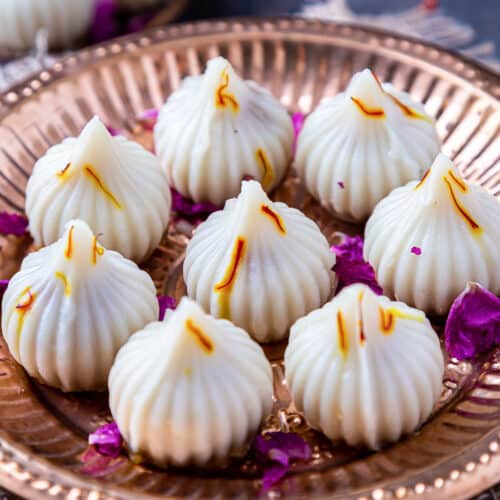
5. Modak

Modak, the favourite meal of Ganeshji, it’s specially made on Ganesh Chaturthi, Modaks are now made in many parts of the country as well. Sweet flour dumplings stuffed with coconut, jaggery, nutmeg and saffron.

Dree Festival

Today that is ,on 5th July 2021 , Arunachal Pradesh is celebrating three day festival called Dree. It is said to be most auspicious festival of Apatani tribe ( of the tribe that resided in Arunachal Pradesh). Dree is celebrated in order to bring a bountiful harvest season, hence Apatani offers prayers to four Gods they follow — Tamu, Harmiang, Metti and Danyi. This three day long festival is joyously celebrated with traditional clothes worn by women and children.

The reason behind the celebration of Dree is just as sacred as the festival itself. It is believed that two person i.e. Aane Donw and Abba Lwba when first set for the journey of cultivation they had to face many challenges and hurdles. Not only they had difficulty in finding the right seed, they also had to fight a Demon called Pyokun Pembo Pyoyi Tadu . This demon was eliminated with great efforts but their struggle was far from over. From the stomach of demon emerged swarms of insects and pest and rice birds. They attacked the crops in the field which led to poor harvest and subsequent hunger and famine. It was in order to alleviate the impending hunger and famine that a series of rituals were observed in the month of Dree

Thus this festival is celebrated to have good harvest. It is celebrated with such enthusiasm and exuberance that whoever visits Ziro ( place in Lower Subansiri district , where most Apatani Tribe resides) at this time could feel the radiance of happiness and joy. Throughout this festival games and sports are actively partaken that make the festival more interesting and entertaining.

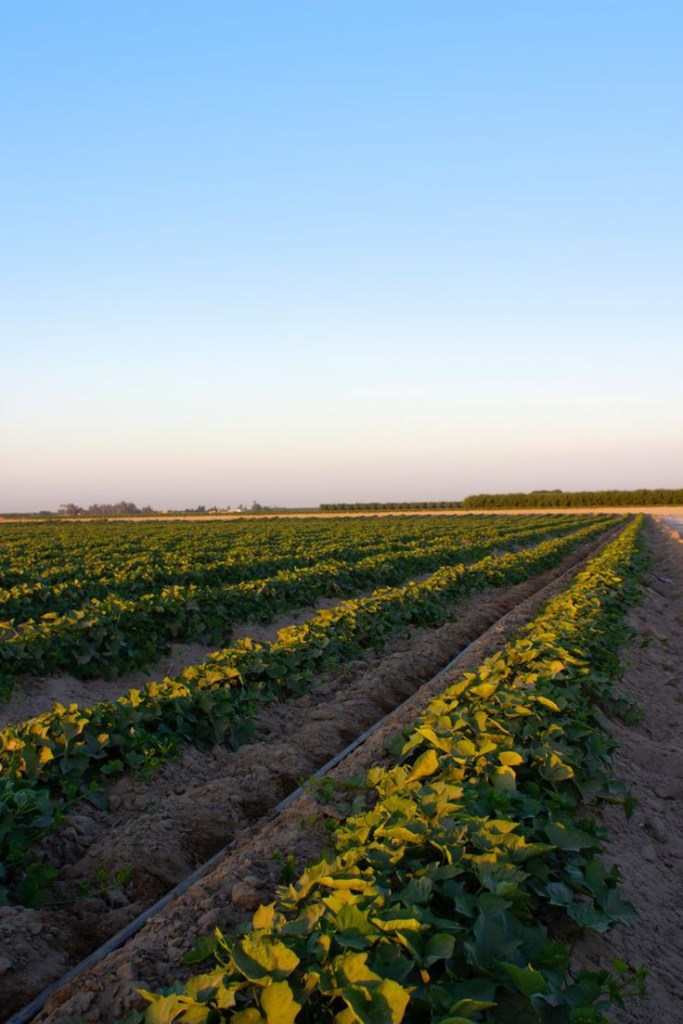
Agriculture

When tillage begins, other arts follow. The farmers, therefore, are the founders of human civilization.”

— Daniel Webster

Introduction

It all started thousand of years ago , when the human civilization came into existence . Agriculture was a key to survival . People were farming for there domestic purpose , not for the others .

As the civilization started to grow accustomed of agriculture , they grew food in surplus that enabled people to live in cities. Plants were independently cultivated in at least 11 regions of the world.
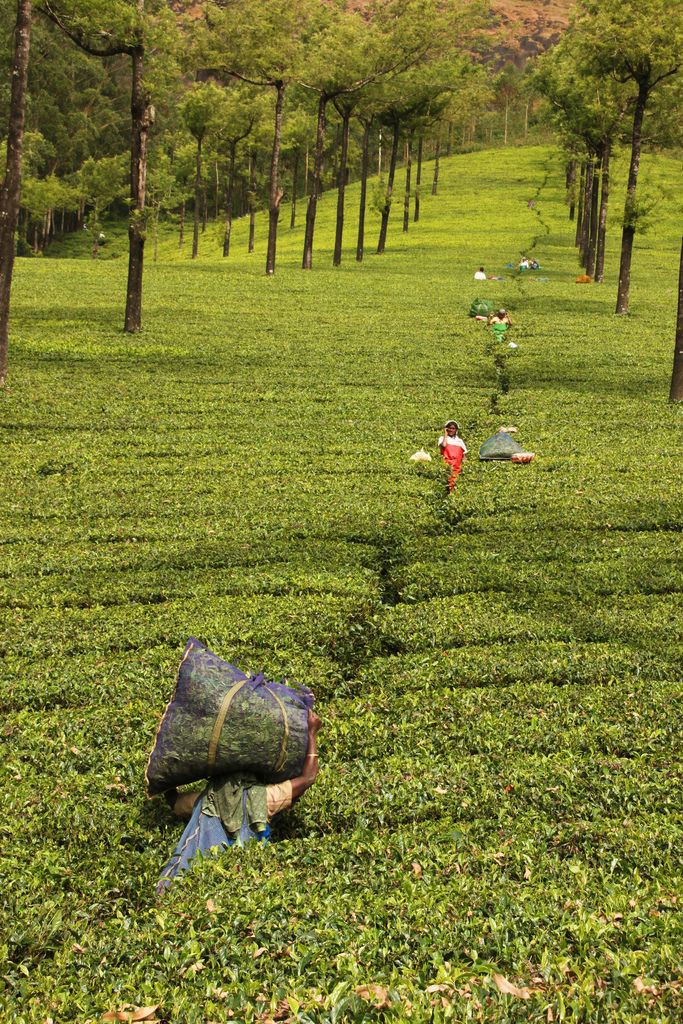
The development of agriculture enabled the human population to grow many times larger than could be sustained by hunting and gathering.

It was the beginning of different civilization in different parts of the World. From those civilizations , one of them was our’s The Indus Valley Civilization . Vedic literature provides some of the earliest written record of agriculture in India. Rigveda hymns , describes plowing, fallowing, irrigation, fruit and vegetable cultivation.

Some of the ancient and historical evidence suggests rice and cotton were cultivated in the Indus Valley.

Agriculture : In India and World today .

India ranks second worldwide in farm outputs. As per 2018, agriculture employed Indian work force and contributed 17–18% to country’s GDP.

In 2016, agriculture and allied sectors like animal husbandry, forestry and fisheries accounted for 15.4% of the GDP (gross domestic product) with about 41.49% of the workforce in 2020.India ranks first in the world with highest net cropped area followed by US and China.The total agriculture commodities export was US $ 3.50 billion in March – June 2020.

Agriculture is the primary source of livelihood for about 58% of India’s population. Share of agriculture and allied sectors in gross value added (GVA) of India at current prices stood at 17.8 % in FY20.

During 2019-20 crop year, food grain production reached a record of 296.65 million tonnes. In 2020-21, Government of India is targeting food grain production of 298 million tonnes.

India is among the 15 leading exporters of agricultural products in the world. Agricultural export from India reached US$ 38.54 billion in FY19 and US$ 35.09 billion in FY20.

Agriculture is an important industry in the United States. The agriculture industry, which includes both crops and livestock, is responsible for producing most of the world’s foods and fabrics. Agriculture impacts so many things that it’s hard to imagine a world without this important industry.

Schemes and Initiatives

Due to the high requirement of agriculture . It is important for the government to take initiatives and provide better infrastructure to the farmers. However , the required level of investment for the development of marketing, storage and cold storage infrastructure is estimated to be huge.

The Indian Council of Agricultural Research (ICAR), established in 1905, was responsible for the search leading to the “Indian Green Revolution” of the 1970s. The Union Minister of Agriculture is the president of the ICAR. The Indian Agricultural Statistics Research Institute develops new techniques for the design of agricultural experiments, analyses data in agriculture, and specialises in statistical techniques for animal and plant breeding.

Schemes by government for Indian agriculture :

  • Dairy Entrepreneurship Development Scheme.
  • Rainfed Area Development Programme (RADP)
  • Paramparagat Krishi Vikas Yojana (PKVY)
  • Pradhan Mantri Krishi Sinchai Yojana (PMKSY)
  • National Agriculture Market (e-NAM)
  • Pradhan Mantri Kisan Maandhan yojana.
  • Pradhan Mantri Fasal Bima Yojana (PMFBY)
  • Kisan Credit Card (KCC) scheme.
  • Pashu Kisan Credit Card Scheme.
  • PM-Kisan Scheme.

Conclusion

Agriculture sector is one of the prominent sector in India as well as all over the world . India is becoming self – sufficient in pulses and other crops .

Gone are the days , when India was unable to provide sufficient amount of food to the citizens . Gone are the days , when people used to think agriculture was not as important as other sectors . Gone are the days , when people used to think less of farmers . And gone are the days , when people were less educated about agriculture.

Farming is a profession of hope.

— Brett Brian

Link

TEACHERS DAY

Introduction

In India, every year Teacher’s day is celebrated on 5 September. On this day all the students decorate the schools and organise special programs in honour of the teachers all over the country. Along with students, teachers also participate in these programs with full enthusiasm. On this day we are discharged from our school activities so that we can participate in other programs.

Why is Teacher’s Day celebrated on 5 September ?


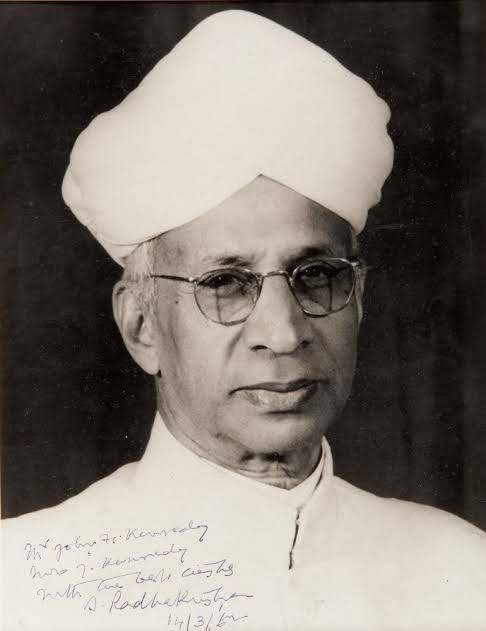
Dr. Sarvepalli Radhakrishnan was born on 5th September. He was the first Vice-President of independent India. He served the country as Vice-President from 1952 to 1962. He served as Second President of the country from 1962 to 1967. Worked as well.

Dr. Radhakrishnan greatly respected the teachers. Before joining politics, he taught in many institutes like Calcutta University, University of Mysore and Oxford University. He was highly appreciated for his work and was also loved by all his students. He believed in the fact that the teacher is the person who prepares the youth as the future of the country. This was the reason that he fulfilled this responsibility of the professor so diligently and always tried to give good values to his students.

When he became the President of our country, his students expressed their wish to celebrate his birthday every year. In response to this, Dr. Radhakrishnan said that he would be more happy if his students celebrated his birthday as Teachers ‘Day. From that day 5th September, his birthday is celebrated as Teachers’ Day.

Importance of teachers day

Teacher’s day is a very important day for both the students as well as the teacher’s life. On this day we celebrate the honour of all the teachers as a tribute to their efforts and works of theirs. Teaching is one of the most difficult tasks in the world because they have the responsibility of educating the youth. There are children in the whole class and because each student is different from the other and has his own ability, this task becomes even more difficult, some students are good in sports and some in mathematics. Some are interested in English. A good teacher always keeps the interest of his students in mind and recognizes their abilities. The teacher teaches them to hone their subject or work skills and also takes care so that their other activities or subjects are not affected.

That is why this day has been dedicated to show respect and gratitude to the teachers.

Teachers’ Day celebration in schools

Teacher’s day programs are celebrated with great enthusiasm in schools across India. On this day, the students wear the costumes of their favorite teachers and go to lower classes than themselves. On this day, senior students go to different junior classes and teach them. It is a very fun day for all of the students. During this, senior students take care that the discipline of the school is maintained and for this junior students support them.

In many schools, junior students also play their role as teachers. On this days students organise various programs for the teachers. They organise programs like singing show, dancing show, quiz competition, dance-drama, ramp walk etc. These programs are normally organized after break time i.e., in the second half of the day. In the first half the senior students take the classes till the lunch break . The teachers relax in the classes and enjoy all these activities.

On this special day, students bring greeting cards, flowers and all sorts of gifts for their teachers. Teachers also feel very happy after receiving all such gifts from their students and they also give treats to their students.

Conclusion

In India, Teachers’ Day is celebrated in honor of teachers, as they work hard throughout the year and want their students to do well in school and other activities. On this day different types of programs are organized in schools across the country. These types of programs strengthen the attitudes of students and teachers. In fact, it is a special day for both students and teachers.

https://en.m.wikipedia.org/wiki/Sarvepalli_Radhakrishnan

https://www.britannica.com/biography/Sarvepalli-Radhakrishnan

@track2traininginstitute @track2trainingseminar @edunewsnetwork @track2trainingservice