Ethics

Ethics is a branch of philosophy dealing with the issue of morality. It implies the concepts of what right and wrong conducts are. Ethics define how a person should act in some specific situations. It is not a new term, but it has been there since the Stone Age. Different religions and many philosophers have also made a substantial contribution to ethics.

There are different branches of ethics. First of all, comes descriptive ethics. Descriptive ethics include what people actually consider right and wrong. Accordingly, laws are made regarding that and if they are even acceptable or not. The moral principles of society keep on changing from time to time. However, the basic ethics remain the same. Descriptive ethics are also called comparative ethics. They are given the name comparative ethics as they are used to compare the ethics of past and present scenarios. Also, they are used to compare the ethics of different societies as well.

Then comes the next branch of ethics- Normative Ethics. Normative Ethics deals with some specific norms or a set of considerations. These norms indicate how people should act in some given situations. These ethics set out the rightness or wrongness of people’s actions. Normative Ethics are also known as prescriptive ethics. This name is given as there are principles involved with these ethics and those principles determine whether the actions of people are right or wrong in different situations.

Types of ethics :

1. Deontological Ethics :

* In moral philosophy, deontological ethics or deontology is the normative ethical theory that the morality of an action should be based on whether that action itself

* Deontology is an ethical theory that uses rules to discern the moral course of action. Diffusion of responsibility. Diffusion of responsibility occurs when people fail

* Deontology morality is about following a system of rules, like ” Do Not Lie ” or ” Do Not Steal” .

* Ethics or moral philosophy is a branch of philosophy that involves systematizing, defending Deontological ethics.

2. Utilitarianism :

* The most common example of normative ethical theories are utilitarianism, kantian duty- based ethics and divine command theory.

* utilitarianism means, act in your own self- interest. Utilitarianism is that which is moral only if the act produces the greatest.

* Utilitarianism is a moral theory that implements fair choices is an effort to ensure the least amount of harm is done to all parties involved.

* However, some contemporary utilitarians , such as peter singer, are concerned with maximizing the satisfaction of preferences, hence prefernce utilitarianism.

* utilitarianism is an ethical theory that asserts that right and wrong are best determined by focusing on outcomes.

3. Consequentialism :

* consequentialism refers to moral theories that hold the consequences of a particular action form the basis for any valid moral judgment about that action.

* consequentialism is a class of normative, teleological ethical theories that holds that the consequences of one’s conduct are the ultimate basis for any judgment.

* consequentialism is an ethical theory that judges an action’s moral correctness by its consequenes. Corporate social Responsibility.

* on our definition of consequentialism, only the direct view is a genuinely consequentialist position, and rule consequentialism.

4. Professional Ethics :

* Rules imposed on an employee in a company, or as member of a profession. For instance, journalists, doctors, lawyers. Etc.

* professional ethics encompass the personal and corporate standards of behavior expected by professionals.

5. Applied ethics :
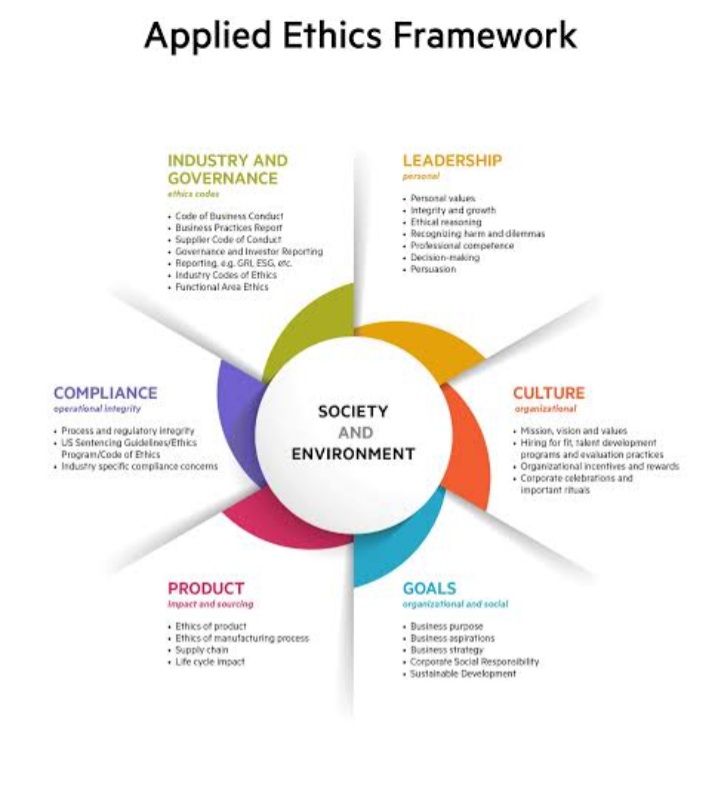
* Applied ethics is the branch of ethics which consists of the analysis od specific, controversial moral issues such ad abortion, animal rights, or euthanasia.

*Applied Ethics includes a philosophical examination of certain public and private life problems. The examination of those issues generally takes place from a moral standpoint. This branch of ethics is generally used by professions like doctors, teachers, etc.

* Applied ethics which deals with the actual application of ethical priniciples to a particular situation. While it is helpful to approach the field of ethics.

6. Virtue Ethics :
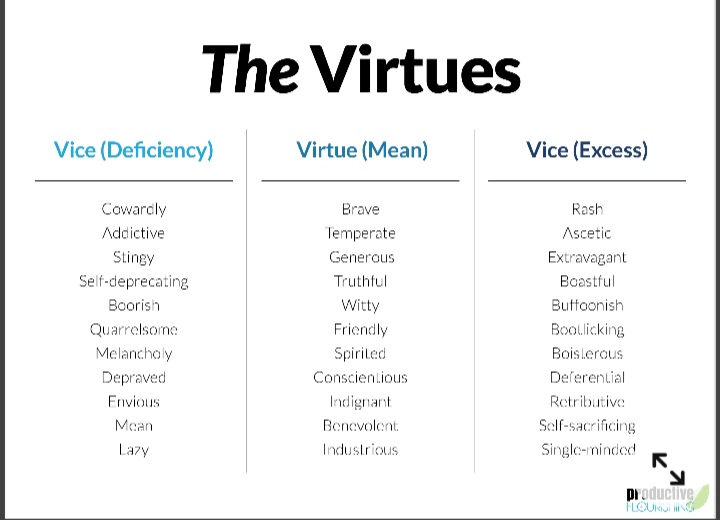
* virtue ethics is an approach to ethics that emphasizes an individual’s character as the key element of ethical thinking, rather than rules about the acts themselves.

* virtue ethics not only idea deals with the rightness or wrongness of individual actions, it provides guidenece as to the sort of characteristics and behaviour a good person will seek to achieve.

An abstract way of analyzing ethics is called Meta-Ethics. They do not deal with whether the actions are right or wrong, rather they question what morality is.


Doping – How is it Affecting Sports?

“Science has learned recently that contempt and indignation are addictive mental states. I mean physically and chemically addictive. Literally! People who are self-righteous a lot are apparently doping themselves rhythmically with auto-secreted surges of dopamine, endorphins and enkephalins. Didn’t you ever ask yourself why indignation feels so good?”

~ David Brin

Introduction

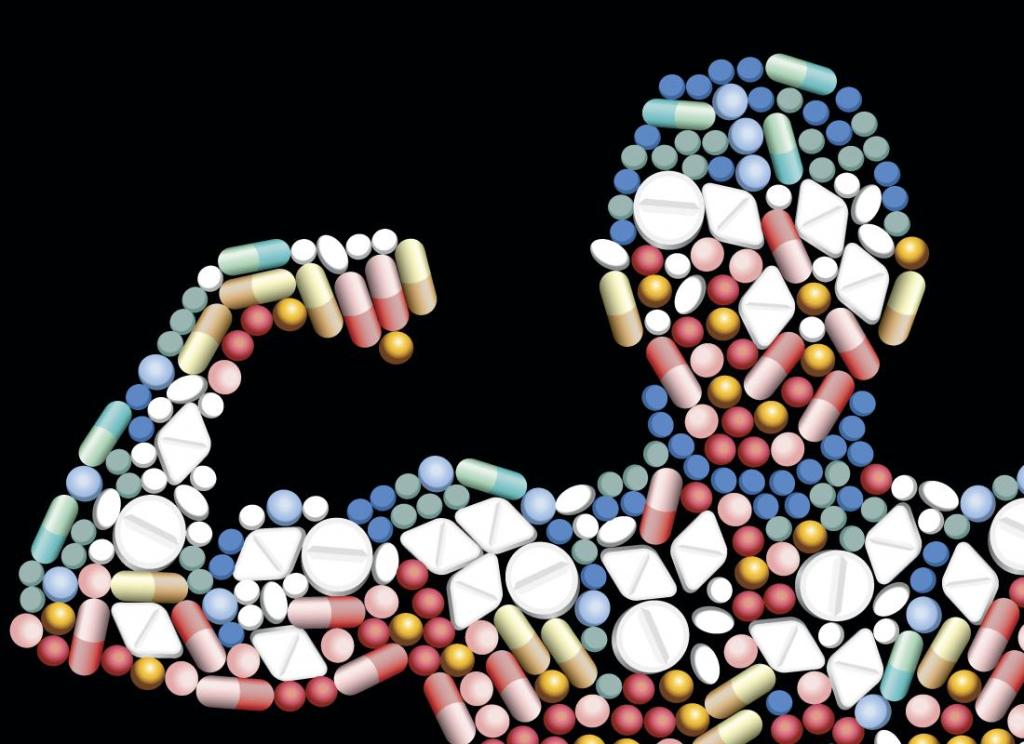
Doping in sport is a widespread problem not just among elite athletes, but even more so in recreational sports. In scientific literature, major emphasis is placed on doping detection, whereas detrimental effects of doping agents on athletes’ health are seldom discussed. Human growth hormone also increases muscle mass, although the majority of that is an increase in extracellular fluid and not the functional muscle mass.

The term doping is widely used by organizations that regulate sporting competitions. The use of drugs to enhance performance is considered unethical, and therefore prohibited, by most international sports organizations, including the International Olympic Committee.

History

According to the World Anti-Doping Agency (WADA), the term “doping” probably comes from the Dutch word “dop,” an alcoholic beverage made of grape skins that was used by Zulu warriors to make them stronger in battle.

Ancient Greek athletes used special diets and stimulating potions to improve performance, and 19th century endurance athletes indulged in strychnine, caffeine, cocaine and alcohol.

The American specialist in doping, Max M. Novich, wrote: “Trainers of the old school who supplied treatments which had cocaine as their base declared with assurance that a rider tired by a six-day race would get his second breath after absorbing these mixtures.”[8] John Hoberman, a professor at the University of Texas in Austin, Texas, said six-day races were “de facto experiments investigating the physiology of stress as well as the substances that might alleviate exhaustion.”

Effects of doping in sports

It builds muscle but causes abnormal growth, heart disease, diabetes, thyroid problems, hypertension, blood cancers and arthritis. Other adverse effects include joint pain, muscle weakness, visual disturbances, enlarged heart and diabetes.

Other side effects include:

  • Heart palpitations.Heart rhythm abnormalities.

  • Weight loss.
  • Tremors.
  • Mild high blood pressure (hypertension)
  • Hallucinations.
  • Stroke.
  • Heart attack and other circulatory problems.
  • Constipation.Skin rash or dermatitis.
  • Diarrhea.
  • Dizziness.
  • Drowsiness.
  • Dry mouth.
  • Headache.
  • Insomnia.

UFC ( Ultimate Fighting Championship ).

In December 2013, the UFC began a campaign to drug test their entire roster randomly all year-round. Random testing, however, became problematic for the promotion as it began to affect revenue, as fighters who had tested positive would need to be taken out of fights, which adversely affected fight cards, and therefore pay-per-view sales.

According to Steven Marrocco of MMAjunkie.com, about 31% of UFC fighters subjected to random testing since the program first started have failed due to using performance-enhancing drugs. That is approximately five failed tests for every sixteen random screenings.

From July 2015, the UFC has advocated to all commissions that every fighter be tested in competition for every card. Lorenzo Feritta, who at the time was one of the presidents of the UFC, said, “We want 100 percent of the fighters tested the night they compete”. Also, in addition to the drug testing protocols in place for competitors on fight night, the UFC conducts additional testing for main event fighters or any fighters that are due to compete in championship matches.

Link

Foods to prevent hair loss

Hair fall can be caused due to a lot of things such as diet, stress, hormonal change. Eating a balanced diet with the right nutrients can help promote hair growth. Vitamins, zinc, protein, biotin, and essential fatty acids promote hair growth.

When the protein intake is reduced, it may shut down the production of non essential protein which could include hair growth. After about 2 or 3 month of drastic reduction of protein intake, one might be able to notice hairfall. 10% to 30% of your calorie intake should be from protein.

Eggs, fish, tofu, cottage cheese are a great source of protein which promote hair strength. Meat is extremely rich in iron. Biotin is essential for the production of a hair protein called keratin. Consuming biotin can help improve your hair growth.

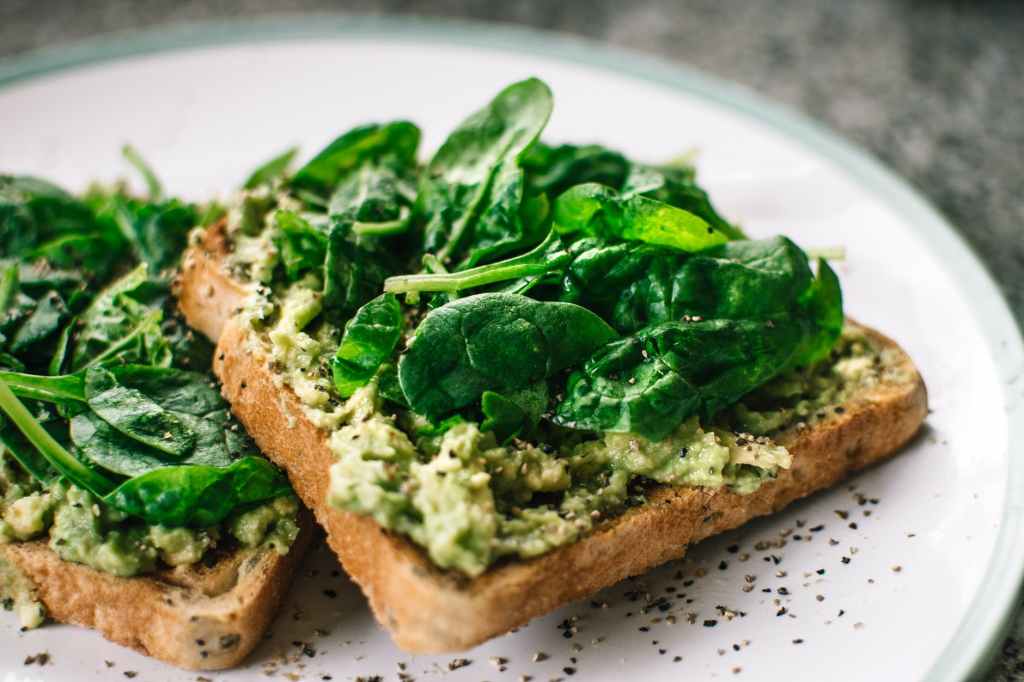
Spinach. Healthy green vegetable that’s loaded with beneficial nutrients. Rich in vitamins, and nutrients like folate, iron, vitamin A and vitamin C, all of which are essential for hair growth. If you are not too fond of the Indian-style spinach sabzi, you can also have it as a smoothie.

Carrot and Sweet potato. It’s perfect source of Vitamin A. Vitamin A is essential for hair thickness. They are extremely nutritious for the scalp.

Dairy products. Calcium is an extremely essential mineral for hair growth. You can add berries to your yoghurt for natural sweetness. Berries are loaded with vitamins and antioxidants that may promote hair growth. Ex. Strawberries, berries. Fruits like oranges, guava, pomogranate contain a number of antioxidant and vitamin C to produce collagen, a protein that helps strengthen hair.

Lentils and green leafy vegetables. Pulses are loaded with protein, iron, zinc, and biotin which are all essential nutrients for your hair. It contains folic acid which makes your hair stronger and prevent breakage.

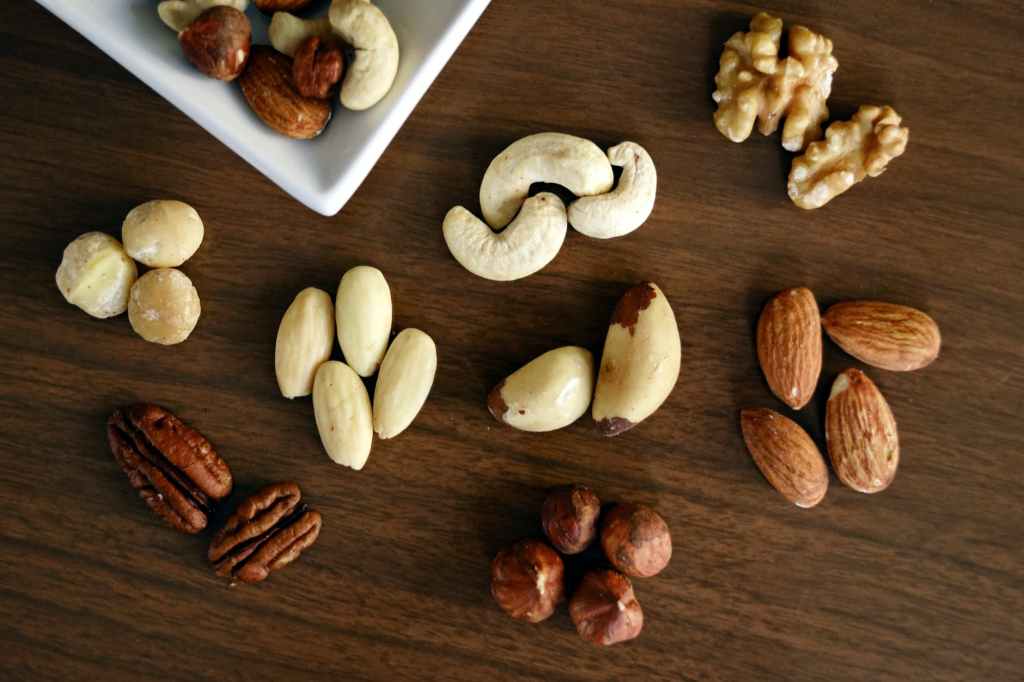
Nuts and Seeds. Replace your unhealthy snacks with the healthy one, like roasted almonds, walnuts, peanuts. Peanuts can be soaked overnight, can be added to salads, or just eaten as a snack. Nuts contain a variety of nutrients including vitamin E, zinc, magnesium and biotin content, selenium, and omega-3 fatty acids that may promote hair growth. Nuts help in strengthening hair cuticles and nourish the scalp. Seeds like flax seeds, chia seeds, methi seeds add elasticity to your hair.

If you think you’re lacking any of these nutrients, including vitamins A, C, D and E, zinc, B vitamins, iron, biotin, protein and essential fatty acids try adding some of the above foods to your diet. None of these foods have a side effect, it’s best to consume all of them in moderate quantities.

Gender inequality

Discrimination is the state when all individuals are not treated equally and not given equal rights. Every individual in the community yearns for equal status, opportunities, and equal rights. People generally say these days that everyone is treated equally but they are not. Discrimination usually exists because of cultural differences, geographical differences, and gender. Inequality on the basis of gender is something that is not appreciated, but it is seen many times in many companies. There are many areas where equal opportunities are not provided to women.

We are in the 21st century, and even now, women are not treated equally as men. It is generally believed that women are more talented than men, and it has been proved many times, but society is not yet ready to accept this fact. Gender equality is the term used when equal opportunities in the fields of politics, economics, education, and health are provided to both men and women.

As per the World Economic Forum’s gender gap ranking, India holds the rank 108 out of 149 countries. The rank should be a major concern in the country as it signifies the immense gap between the opportunities given to women when compared to men. The structure in India is such that women are neglected in many fields like education, health, finance, etc. They are just limited to household chores which should not be the scene here. There are many places in India where women are considered as a burden and they are not allowed to go to school and study as well. Also, a preference for sons prevails in many areas in India.

The seven important forms of gender inequality :

1 . Women works Longer than Men :

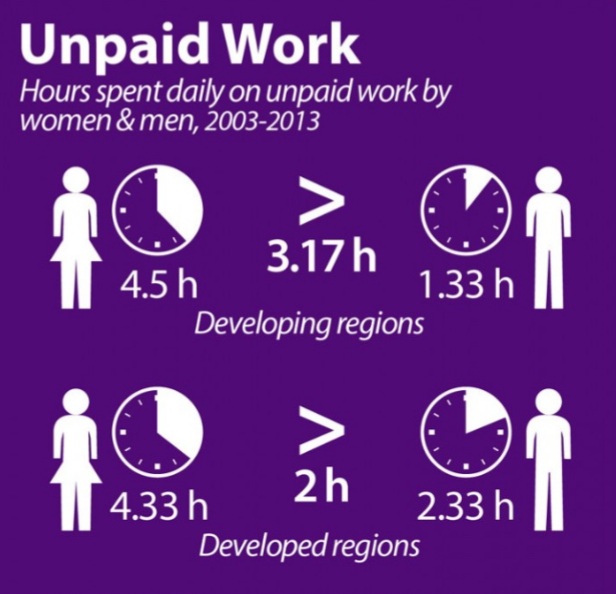
In most of the societies the male – stream is the main stream who argues that women have comparative advantage in household non- market production, like cooking and cleaning for the family that cant be called emotional and personal caring work. Based on this thinking, household jobs are then asymmetrically distributed. Women are more valued in home. Men are specialised in market- baesd production. Thus, being the bread- earners, males enjoy both power and status.

2. Inequality in Employment and Earnings :

Historically, men have greater participation in work outside home than women. But women ( particularly of poor households) share unequally household duties in addition to economic production. Thus they work longer than males. This kind of ‘ division of labour’ may be seen as the ‘ accumulation of labour’ on women, as described by Amartya sen. Household activites are often viewed as ‘ sedentary activites’ which require less ‘ calore’ to gain energy.

3. Ownership Inequality :

A case of social inequality. Let us turn to another kind of inequality, called ownership inequality a classic case of social inequality. In most of the societies, ownership over property and means of production rests mainly on male members . The law of inheritance provides such ownership rights on male child. Such denial coming out of hierarchical dualism within the family not only reduces the voice of women but also prevents them from participating in commerial, economic and social activites.

This kind of social deprivation means absence or lack of capability or because of ‘capability deprivation’, women are subject to various kinds of exploitation and unfreedoms. Social inequality distorts the process of development. Unfortunately, ownership inequality in any country is not of recent origin. In her earlier life, a woman comes under the influence of her father, then husband as she enters a married life and finally, under sons ownership right over property is skilfully avoided. A telugu proverbs corraborates this understanding: ” Bringing up a daughter is like watering a plant in anothers courtyard.”

4. Survival Inequality :

Another crudest from of gender disparity is the unusally high mortality rates of women , though biologically, women live longer than men! Thus more boys than girls are born evrywhere leading to a ‘ deficit’ of women and a ‘ surplus’ of men. In developed countries beacuse of absence of gender bias in health care and nutrition, women outnumber men. In Europe and in north America, 105 or more girls are born per 100 boys. Such high female- male genderd survival rate in different age groups.

5. Gender Bias in the Distribution of Education and Health :

Health and education are the major forms of human capital are realted to economic development . Human capital gets accumulated as a society advances in education . The contribution of human capital towards Japan’s remarkable economic progress attracts our attention . Improvement in health capital also improves the return to investments in education .

However, one finds a huge education and health gaps between developed and developing countries. In recent times, despite a large increase in econoc advancement on times, despite a large increase in economic advancement in asia and africa, these countries lag far behind the developed countries in terms of educational attainment particularly in respect of women’s education. Gender disparity not only hindrrs economic progress but also exacerbates social inequality.

6. Gender Inequality in Freedom Expression :

Let us talk about gender inequality beyond economic issues or factors. Women are not only subject to income or asset inequality but also in terms of freedom and power deprivation of women goes beyond one’s imagination. They lack not only economic freedom at home because of absence of autonomy in house hold decisions, limited or poor wages earned but also lack any freedom in airing opinions over education of children.

In some backward poor societies the right of women giving options is completely denied. Such un – freedoms, however, are not uncommon even among the educated elites who enjoy enormous power and authority in the male domined society. Historically , this sort of law socioeconomic status of women has been continuing nowasdays.

7. Gender Inequality in Respect of viloence and victimisation :

Finally, anti – female bias starts before the girl child is born and this attitide of the society a female member carries throughout her life. It is because of the unequal sharing of income, property, household benefits . Women are subject to both physical and sexual violence – the oppsite of freedom, and an extreme form of coercion. This is common for both poor and not too much uncommon in rich countries as well as among rich people. One in three women in the word is beaten or raped during her life times.

Dowry harassement is considered as an ‘ instrumental use’ of violence. Dowry death is the most serious form of domestic violenece. Wife beating is not uncommon. Sexual violence is an obnoxious form of human rights violation.

Specifically, public health can contribute to reducing health inequities by integrating health equity considerations into policy and programs, collebrating with other sectors to address inequities engaging with communities to support their efforts to adress inequities, identifying the reduction of health inequities.

Reducing inequality requires transformative change. Greater efforts are needed to eradicate ectreme poverty and hunger and invest more in health, education, social protection and decent jobs especially for young people, migrants and other vulnerable communities.

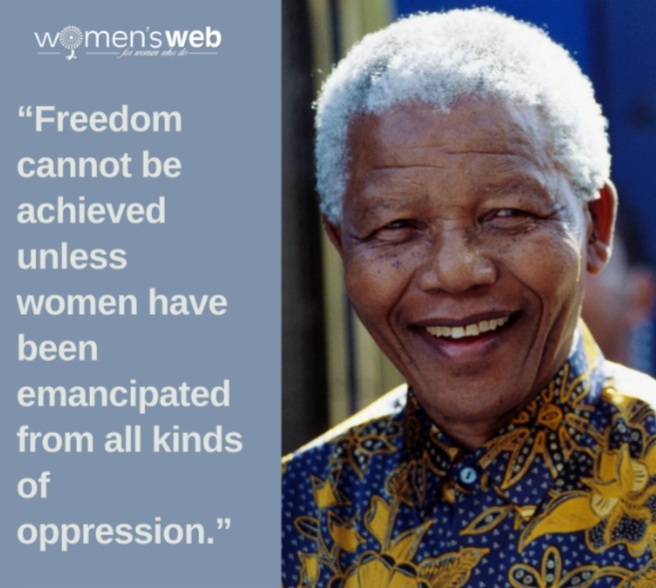
We should understand that women are the part and parcel of any family. When it comes to flexibility, they can manage their home and offices at the same time. If equal opportunities are not given to them, they will be led down and won’t be able to achieve big milestones which they are obviously capable of.

Balance diet

What is a balanced diet?
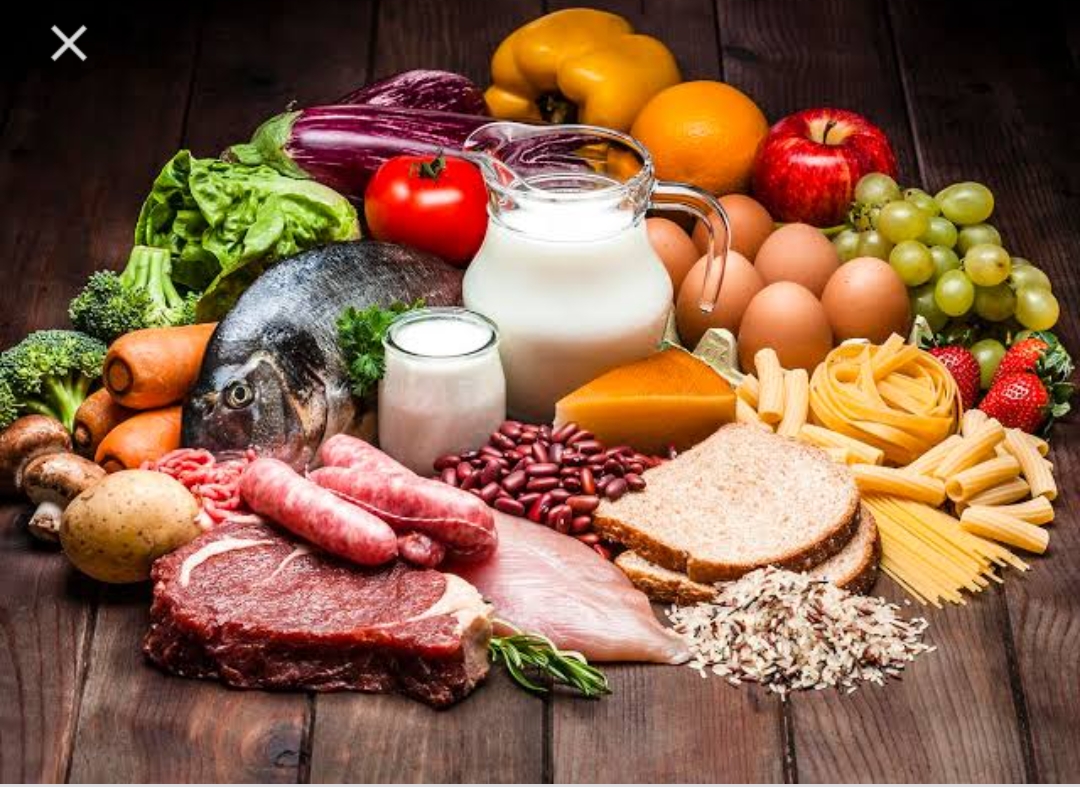
A balanced diet gives your body the nutrients it needs to function correctly. To get the nutrition you need, most of your daily calories should come from:

fresh fruits
fresh vegetables
whole grains
legumes
nuts
lean proteins

What to eat for a balanced diet
A healthy, balanced diet will usually include the following nutrients:

vitamins, minerals, and antioxidants
carbohydrates, including starches and fiber
protein
healthy fats

balanced diet will include a variety of foods from the following groups:

fruits
vegetables
grains
dairy
protein foods
Examples of protein foods include meat, eggs, fish, beans, nuts, and legumes.

Food groups in your diet
eat at least 5 portions of a variety of fruit and vegetables every day (see 5 A Day)
base meals on higher fibre starchy foods like potatoes, bread, rice or pasta.
have some dairy or dairy alternatives (such as soya drinks)
eat some beans, pulses, fish, eggs, meat and other protein.

Water

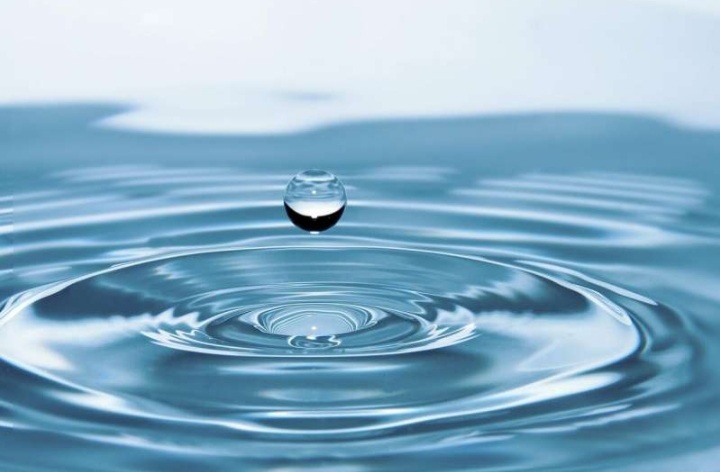
Water is the basic needs of the individual for the Survival. Some of the things like oxygen, water, food are very essential for the individual to live. After the oxygen, water is very much important for the individual survival and for the whole environment as well. Water is used in the daily basis for many of the activities like drinking, cleaning, watering, and also for some of the electric purposes etc.

There are plenty of water in the seas but there is no use of them. Because, all the seawater are salty and not food for drinking purpose. They can be made for drinking by some of the beautification methods which takes lots of processes and also the time. Scarcity of the water is not only the India’s problem but also the global problem.

If the wasteage of water is continued in the same way, there will be a day where no water can be found for drinking purposes and for some of the utility purposes. Most of the people waste water without any need. Using water for the purposes are all good but Wasting the water without any reason is a bad habit that an individual must not develop. It is very easy to waste water rather than saving the drop.

The main sources of water are surface water, ground water and rain water.

Importance of water :

Water is very important to the human body. Every one of your cells,organs and tissues use water to help with temperature regulation, keeping hydrated and maintaining bodily functions. In addition, water acts as a lubricant and cushions your joints. Driniking water is great for your overall health. Because your body loses water through breathing, sweating, and digestion, it’s important to rehydrate by drinking fluids and eating foods that contain water.

Water delivers important nutrients to all of our cells,especially muscle cells, postponing muscle fatigue. Water helps weight loss. Water helps you feel full longer,without adding any additional calories.

Benefits of Drinking water :

* Increases Energy & Relieves Fatigue. Since your brain is mostly water, drinking it helps you think, focus and concentrate better and be more alert.

* promotes weight loss.

* Flushes out Toxins.

* Improves skin complexion

* Maintains Regularity.

Best source of water :

1. Watermelon – water content : 92%

2. Strawberries – water content : 91%

3.cantaloupe – water content : 90%

4.peaches – water content : 89%

5.oranges – water content : 88%

6. Skim Milk – water content : 91%

7. Cucumber – water content : 95%

8. Lettuce – water content : 96%

9. Broths and soups – water content : 92%

10. Zucchini – water content : 94%

11. Celery – water content : 95%

12. Plain yogurt – water content: 88%

13. Tomatoes – water content : 94%

14. Bell peppers – water content : 92%

15.cauliflower – water content : 92%

16. Cabbage – water content : 92%

17. Grape fruit – water content : 88%

18. Coconut water- water content : 95%

19. Cottage cheese – water content: 80%

Disadvantages of water :

It is said that too much consumption of water can lead to fluid overload in the body and imbalance in the body. Excess water can lead it lower sodium levels in the body, which may further lead to nause, vomthing, cramps, fatigue. This condition is known as hyponatremia.

The best method to save water is to use in limited amounts. That is, to limit the water without wasting much water.

Afforestation

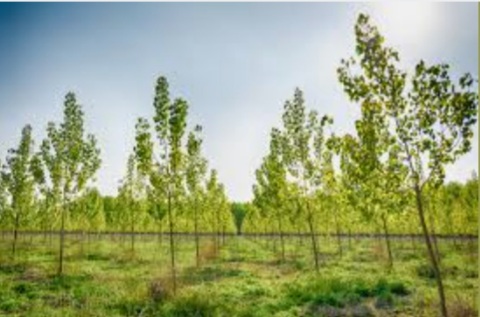
Afforestation is very useful to prevent and maintain the oxygen levels. Due to the deforestation, many of the trees are being cut and the oxygen supply has been reduced very drastically. Afforestation will help to maintain the oxygen levels in the atmosphere and helps the individual and the world to be healthy all the time. Oxygen is the minimum need for the individual to survive on the earth. If there is no oxygen, then which will cannot live or survive. When there is no o2, It is equally difficult for the animals to survive.

It also helps to maintain good forests. Deforestation, that is cutting of the trees makes the land abandoned and trees life less. When an individual takes a step forward to plant trees that is afforestation, good number of trees will be grown and the forests will be developed.

The most important thing for the animal’s survival is trees that give shelter and plants for the food. When the trees are being cut, some of the animals find no shelter and sometimes no food to eat. When afforestation takes place animals will find good shelter and also good food to eat.

Importance of Afforestation :

Afforestation helps to addess all the issues of soil erosion and barren land at the same time. Tress acts as wind barriers thereby weakening the speed of the wind and reducing its impact and ability to carry big soil particles.

The impacts of afforestation is occuring in many parts of world, can modify the nature and transformations of soil organic carbon and associated soil prevents, which in turn can affect plant diversity and ecosystem function. Afforestation also decreased soil bulk density and pH, and increased soil water content.

Types of Afforestation :

Afforestation materials are mainly divided into three categories: seed,seedling,and cutting. The choice of these three types of afforestation materials and methods is related to site conditions, tree species and age.

Various causes of Afforestation :

* Afforestation is highly fundamental in creating an alternative source pool of nature resource.

* Afforestation aids in tackling global warming and stabilizing global temperatures.

* protection of sensitive areas, biodiversity, and natural cycles.

* Afforestation can support wildlif.

* Afforestation creates employment and can provide a source of livelihood.

Advantages of Afforestation :

* A constant supply of forest products.

* prevents soil erosion.

* stabilizes the climate.

* Has the potential of reversing global warming and climate change.

* Better quality air.

* Improve watershed.

* preservation of wildlife.

* provision of employment and economic opportunities.

Disadvantages of Afforestation :

If not properly managed, afforestation can result in a reduction of local biodiversity, the modification of particular biomes, the intriduction of non – native and potentially invasive species, reduced stream flow and lost revenue from agricultural.

Obesity

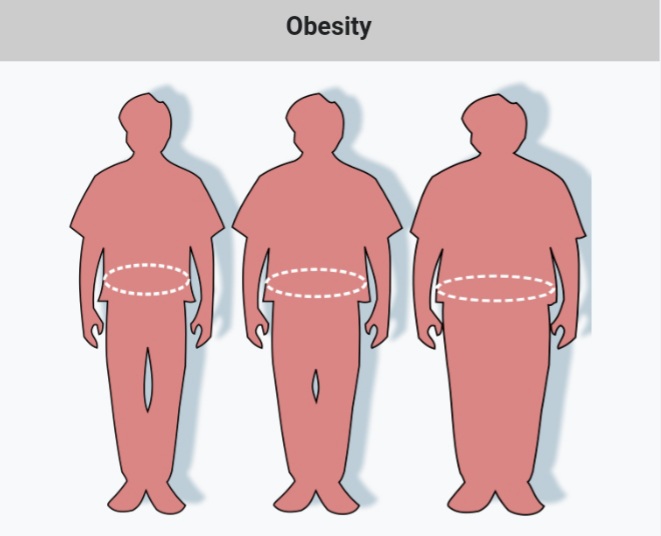
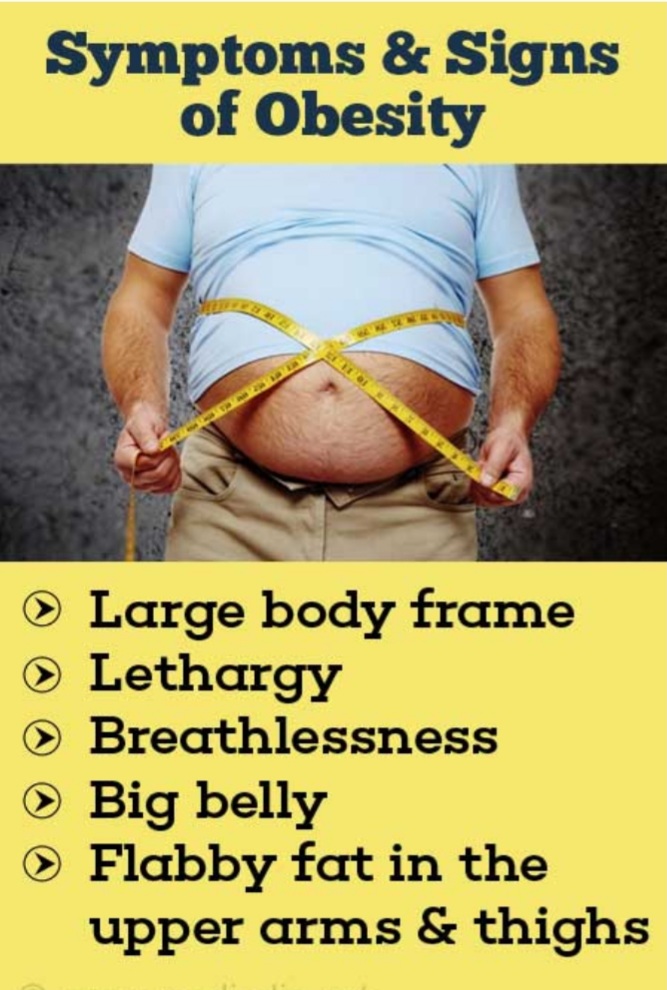
Obesity is described by the BMI (Body mass index). The obesity in the body is nothing but the high level of fat stored in the body. It is a very bad thing which in future leads to many health problems.

Many of the children are falling obese now a days. This is because of not having good food. Many of the children are highly addicted to the junk food. The junk food intake in the body increases the fat levels in the body.

A disorder involving excessive body fat that increases the risk of health problems. Obesity often results from takingin more calories than are burned by exercise and normal daily activities.

Symptoms:

Obesity occurs when a person’s body mass index is 25 or greater . The excessive body fat increses the risk of serious health problems.

What causes obesity?

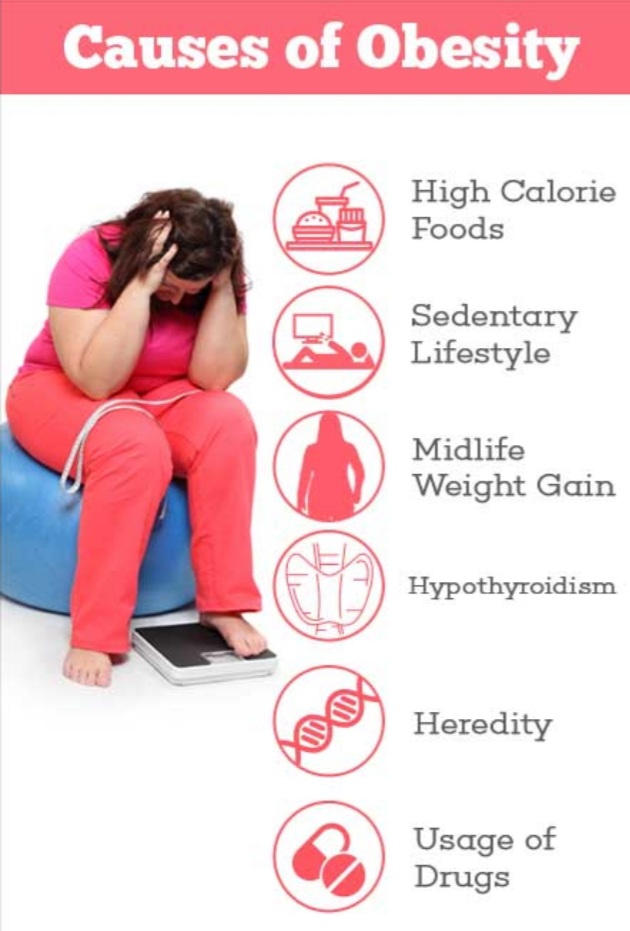
Obesity is generally caused by eating too much and moving too little. If you consume high amounts of energy , particularly fat and sugars, but do not burn off the energy through exercise and physical activity, much of the surpluse energy will be stored by the body as fat.

8 Most common causes of obesity :

* physical inactivity.

* overeating.

* Genetics.

* A diet high in simple carbohydrates.

* A frequency of eating .

* Medications.

* psychological factors.

* Diseases such as hypothyroidism, insulin resistance, polycystic ovary syndrome, and caushing’s syndrome are also contributors to obesity.

Let us now look at some methods to prevent obesity.

*Healthy and nutritious food :

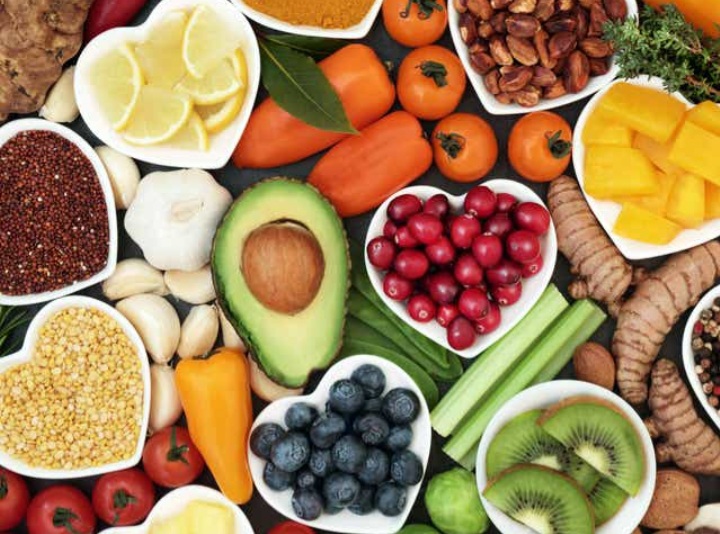
It is very important to consume healthy and nutritious food every day. To gain a sufficient amount of nutrients and and to be healthy it is very important to consume nutritious food. Consuming nutritious food helps us to gain sufficient energy. Being healthy prevents us from Many deadly diseases.

*Exercise :

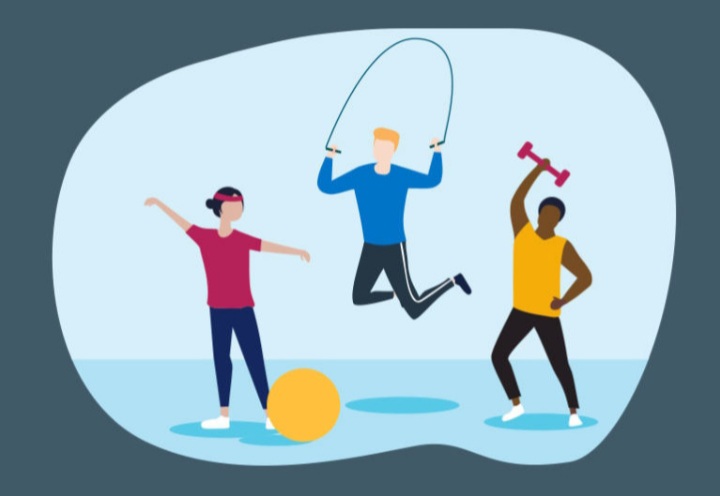
Exercising at least for 10 to 15 minutes a day help the individual to be physically fit and also mentally strong. Exercising every day is a very good habit which everyone need to make it and perfect habit to do. Exercising 10 to 15 minutes also relieves us from the stress and the tension we have had. So, it is better to spend at least 10 to 15 minutes even in our hectic schedule an exercise.

* yoga :

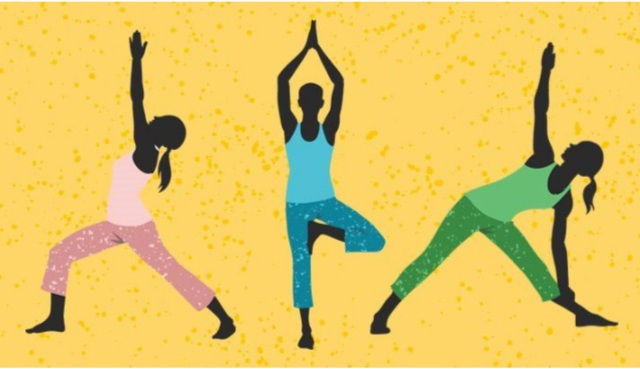
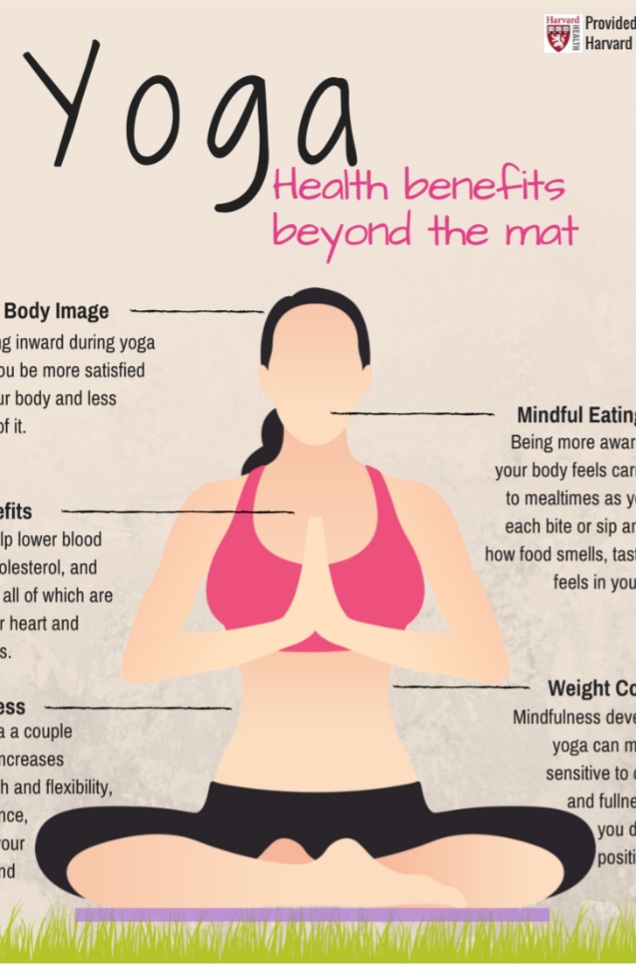
Yoga relives from the stress and tension we have had. Sparing at least 10 to 15 minutes time on yoga benefit is a lot. It relaxes the muscle and comes to mind. It helps to be physically fit and mentally strong. All the asanas and pranayama helps to Gain strength and to be physically fit.

*Meditation :

Meditating for certain minutes helps to calm the brain and soul. It helps and relieving the stress and the tension we have had. It helps us to focus on the things which we are willing to do. It also equally helps us to be mentally strong. It is such a good and a mandatory practice an individual must obtain and must follow without any delays.

* Monitor your weight regularly.

* Be consistent.

Who obese people?

BMI is calculated by dividing a person’s weight in kilograms by the square of their height in metres. A BMI of 25.0 – 29.9 is classified as overweight but not obese, while a BMI of 30.0 or over is classified as obese. A BMI of graeter than 35.0 is classified as severely obese.

Adult BMI calculator

BMI WEIGHT STATUS

Below 18.5 underweight

18.5 – 24.9 Normal

25.0- 29.9 overweight

30.0 and above obese

The negative effect of obesity :

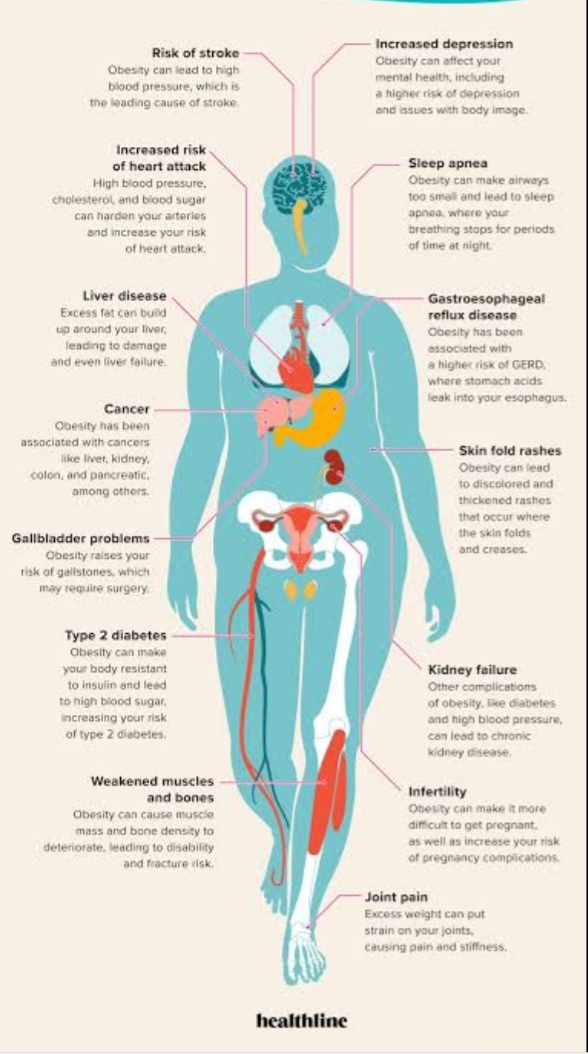
Obesity is serious beacause it is associated with poorer mental health outcomes and reduced quality of life. Obesity is also associated with the leading causes of death in the united states and worldwide, including ,diabetes, heart disease, stroke, and some types of cancer.

Yoga

Yoga is also equally important to be mentally calm. Practicing 15 minutes of yoga is so beneficial. All the asanas helps to get stronger muscles with the fitter body and good lifestyle with mental calmness. Yoga relives from the stress and tension we have had. Sparing at least 10 to 15 minutes time on yoga benefit is a lot. It relaxes the muscle and calms the mind. It helps to be physically fit and mentally strong. All the asanas and pranayama helps to Gain strength and to be physically fit.

It helps to be fitter and healthier. It helps to have a healthy lifestyle. Exercise helps to have healthy muscles and it also helps in weight loss who is suffering from obesity and excessive weight. Exercise is the healthy habit that must be added in the healthy lifestyle and must be practiced without any delay.

Exercising, meditation, yoga etc. are great things to regain the strength and to be fitter and also happy.

Types of yoga :

Bhakti yoga :

Bhakti yoga, also called Bhakti marga, is a spiritual path or spiritual practice within Hinduism focused on loving devotion towards any personal deity. It is one of the three paths in Hinduism which lead to moksha, the other paths being jnana yoga and karma yoga.The tradition has ancient roots.

The purpose of bhakti yoga is the practitioners of Bhakti yoga ,known as bhaktas, or loving devotees, express their religious devotion through prayer, ritual, and chanting. Their purpose is to develop feelings of unconditional love and devotion

Karma yoga :

Karma yoga, also called karma marga, is one of the three spiritual paths in Hinduism, one based on the “yoga of action”, the others being jnana yoga and Bakti yoga.

Patanjali Ashtanga yoga :

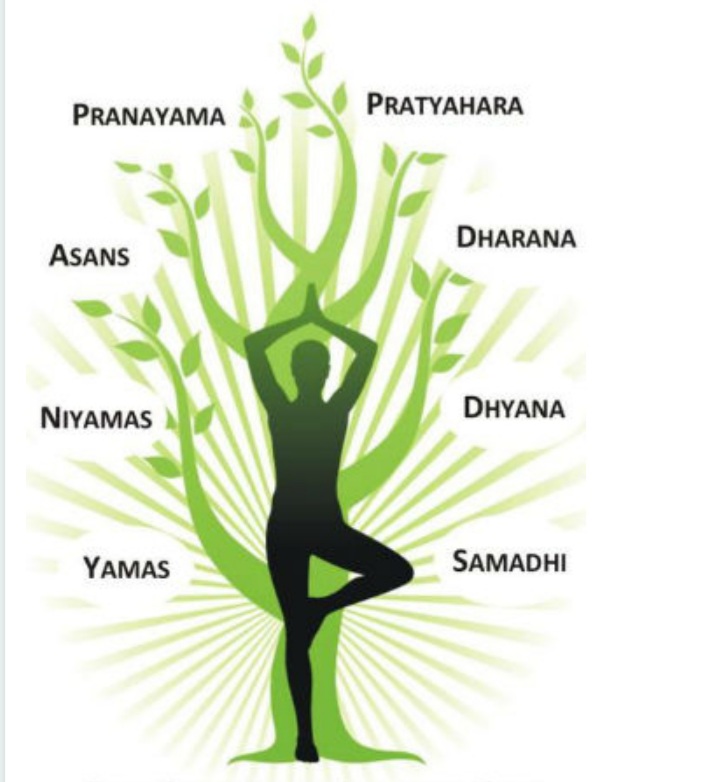
The eight limbs of of yoga is patanjali’s classification of classical yoga, as set out in his yoga sutras. He defined the eight limbs as yamas (abstinences), niyama ( observances), asana ( postures), pranayama (breathing) , pratyahara ( withdrawal), dharana ( concentration), dhyana (meditation), and samadhi( absorption).

The eight limbs form a sequence from the outer to the inner. Postures, important, in modern yoga as exercise, form one limb of patanjalis scheme; he states only that they must be steady and comfortable.

Jnana yoga :

Jnana yoga , also known as jnana marga, is one of the three spiritual paths in Hinduism, which emphasizes the ” path of knowledge”, also known as the ” path of self- realization”. It is one of the three classical paths for moksha. The other two are karma yoga and bhakti yoga.

Swara yoga :

Swara yoga is an ancinet tantric science which involves the systematic study of the breath flow thriugh the nostrils irrelation to the prevalling phases of the moon,time of day and direction. Mainly practiced through the connection of breath and movement, swara yoga creates levels of harmoney that are difficult to reach with other yoga styles. Our main tool is the movement and flow of body through the postures, guided by the breath.

Raja yoga :

In sanskrit, Raja yoga was both the goal of yoga and a method to attain it. The term also became a modern name for the practice of yoga in the 19th century when swami vivekananda gave his interpretation of the yoga sutras of patanjali in his book raja yoga

Kriya yoga :

Kriya yoga is a simple, psycho – physiological method by which the human blood is decarbonized and recharged with oxygen. The atmos of this extra oxygen are transmuted into life current to rejuvenate the brain and spinal centers.

Advanatges of yoga :

* yoga improves strength, balance and flexibility.

* yoga helps with back pain relief.

* yoga benefits heart health.

* yoga relaxes you, to help you sleep better.

* yoga can mean more energy and brighter moods.

* yoga helps you manage stress.

Disadvanatages of yoga :

* yoga may induce your blood pressure.

* phsical dangers of yoga

* Risk of strike.

* Hot yoga is not for eveyone.

* lack of experience or knowledge is risky.

The Origin of Buddhism .

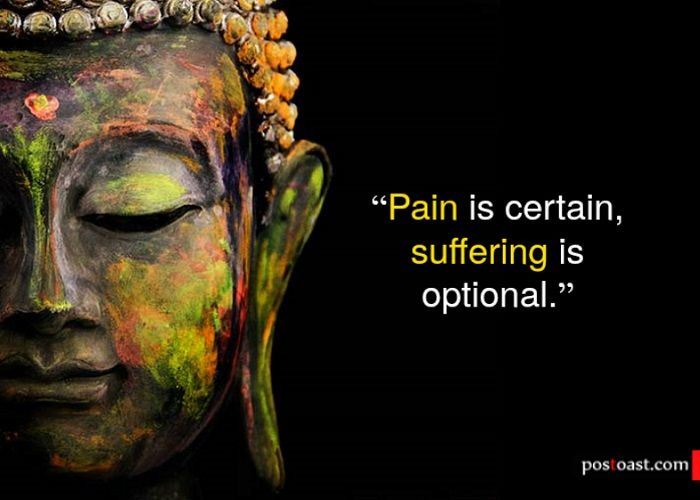
We are what we think. All that we are arises with our thoughts. With our thoughts, we make the world.
Peace comes from within. Do not seek it without.

Lord Buddha

Introduction.

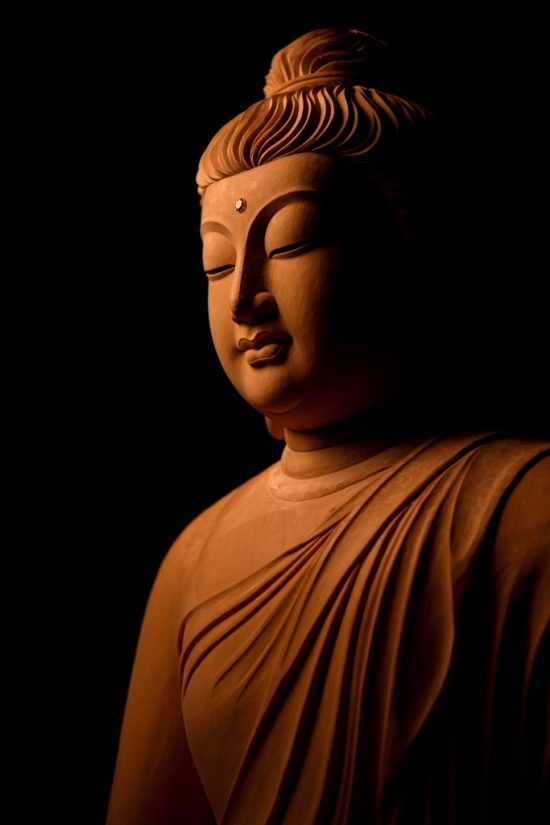
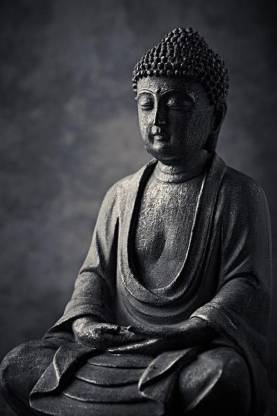
He was a spiritual personality . An ancient teacher and enlightened many . A founder of world religion Buddhism . He was popularly known as Gautama Buddha (also known as Siddhattha Gotama or Siddhārtha Gautama or Buddha Shakyamuni ) .

The Enlightened One who rediscovered an ancient path to release clinging and craving and escape the cycle of birth and rebirth. He taught for around 45 years and built a large following, both monastic and lay. His teaching is based on his insight into the arising of duḥkha (the unsatisfactoriness of clinging to impermanent states and things) and the ending of duhkha—the state called Nibbāna or Nirvana (extinguishing of the three fires).

Buddhism

Buddhism, one of the major religions and philosophical systems of southern and eastern Asia and of the world. Buddha is one of the many epithets of a teacher who lived in northern India sometime between the 6th and the 4th century before the Common Era.

The title buddha was used by a number of religious groups in ancient India and had a range of meanings, but it came to be associated most strongly with the tradition of Buddhism and to mean an enlightened being, one who has awakened from the sleep of ignorance and achieved freedom from suffering.

According to the various traditions of Buddhism, there have been buddhas in the past and there will be buddhas in the future. Some forms of Buddhism hold that there is only one buddha for each historical age; others hold that all beings will eventually become buddhas because they possess the buddha nature (tathagatagarbha).

According to Buddhist doctrine, the universe is the product of karma, the law of the cause and effect of actions, according to which virtuous actions create pleasure in the future and nonvirtuous actions create pain.

Your work is to discover your world and then with all your heart give yourself to it.

Lord Buddha

History

Gautama Buddha ( born c. 6th–4th century BCE, Lumbini, near Kapilavastu, Shakya republic, Kosala kingdom [now in Nepal]—died, Kusinara, Malla republic, Magadha kingdom [now Kasia, India]).

Buddha is one of the many epithets of a teacher who lived in northern India sometime between the 6th and the 4th century before the Common Era.

Learnings from Gautama Buddha.

1. “Three things cannot be hidden: the sun, the moon and the truth.”

2. “You will not be punished for your anger; you will be punished by your anger.”

3. “You can search throughout the entire universe for someone who is more deserving of your love and affection than you are yourself, and that person is not to be found anywhere. You, yourself, as much as anybody in the entire universe, deserve your love and affection.”

4. “We are shaped by our thoughts; we become what we think. When the mind is pure, joy follows like a shadow that never leaves.”

5. “Believe nothing, no matter where you read it, or who said it, no matter if I have said it, unless it agrees with your own reason and your own common sense.”

Link

Renewable resources .

Replacing traditional sources of energy completely with renewable energy is going to be a challenging task. However, by adding renewable energy to the grid and gradually increasing its contribution, we can realistically expect a future that is powered completely by green energy.

– Tulsi Tanti

A way to live a new life . Without any destruction , without worrying about the future . Live a life where we can grow together , develop a life with renewable resources.

Introduction

A renewable resource, also known as a flow resource, is a natural resource which will replenish to replace the portion depleted by usage and consumption, either through natural reproduction or other recurring processes in a finite amount of time in a human time scale.

When such recovery rate of resources is unlikely to ever exceed a human time scale, these are called perpetual resources. Renewable resources are a part of Earth’s natural environment and the largest components of its ecosphere. A positive life-cycle assessment is a key indicator of a resource’s sustainability.

Renewable resources are an energy source that cannot be depleted and are able to supply a continuous source of clean energy.

Renewable resources also produce clean energy, meaning less pollution and greenhouse gas emissions, which contribute to climate change.

Examples of renewable resources.

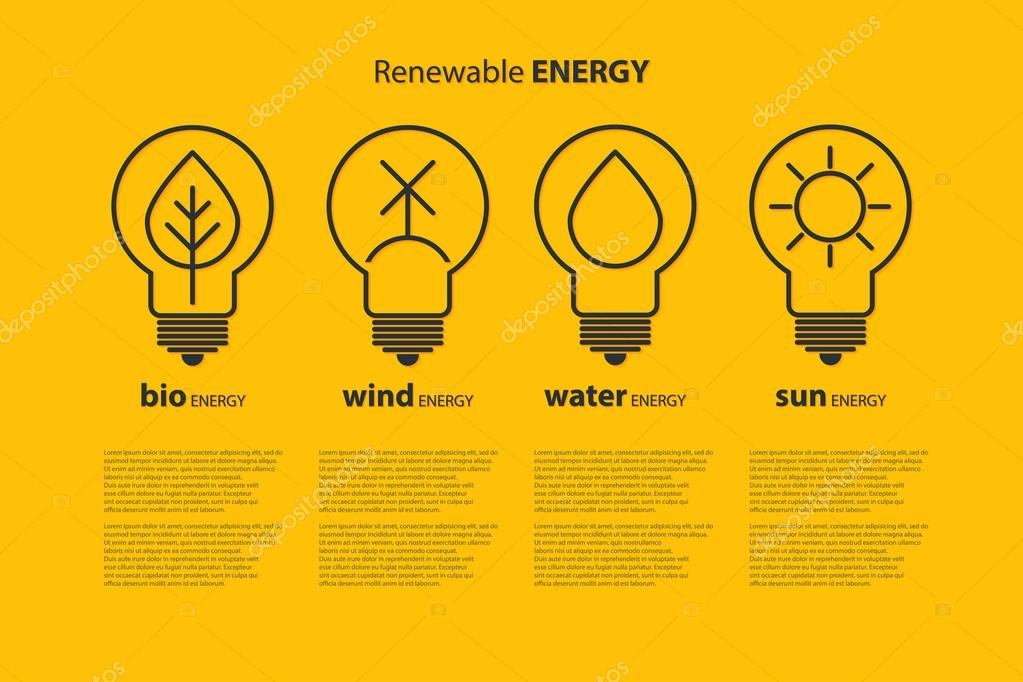
  • Biomass .
  • Biogas.
  • Tidal Energy.
  • Wind Energy.
  • Geothermal Energy.
  • Radiant Energy.
  • Hydro Electricity.
  • Compressed Natural Gas.

Types of renewable resources.

1) Solar energy. Sunlight is one of our planet’s most abundant and freely available energy resources. 2) Wind energy. Wind is a plentiful source of clean energy. 3) Hydro energy.
4) Tidal energy.
5) Geothermal energy. 6) Biomass Energy.

Impact of renewable resources.

Environmental impact

Renewable energy projects have also contributed in improving environmental impacts such as reduction of carbon dioxide gas, awakening community about the climate change. The study observed very small impacts on the people living in a particular area, tourism, cost of energy supply, and educational impacts. Significant impacts were observed in improvement of life standard, social bonds creation, and community development. They also observed that the renewable energy projects are complex to install and are local environmental and condition sensitive. Their forecasting, execution, and planning require more consideration and knowledge as compared to other projects.

Social impact

These resources also provide social benefits like improvement of health, according to choice of consumer, advancement in technologies, and opportunities for the work, but some basic considerations should be taken for the benefit of humans, for example, climate conditions, level of education and standard of living, and region whether urban or rural from agricultural point of view. Social aspects are the basic considerations for the development of any country. The following social benefits can be achieved by renewable energy systems: local employment, better health, job opportunities, and consumer choice.

Advantages of renewable resources.

  • Renewable energy won’t run out.
  • Maintenance requirements are lower.
  • Renewables save money.
  • Renewable energy has numerous health and environmental benefits.
  • Renewables lower reliance on foreign energy sources.
  • Higher upfront cost.
  • Intermittency.
  • Storage capabilities.

Conclusion

Renewable energy is becoming an important resource in all over the world . I do agree that people might exploit the resources for there own benefit . But the government is working on that aspect and trying to provide resources that can help our future households .

There are a lot of different ways of building a prosperous society, and some of them use much less energy than others. And it is possible and more practical to talk about rebuilding systems to use much less energy than it is to think about trying to meet greater demands of energy through clean energy alone.

– Alex Steffen

Link

PLUM – ALOO BUKHARA

A plum is a small sweet fruit with a smooth red or yellow skin and a stone in the middle

It boasts of carotenoid zeaxanthin and improves one’s vision.

It protects an individual from harmful ultraviolet rays. Additionally, aloo-bukhara aids in developing cardiovascular movements in the body.

It possesses iron and that subsequently plays a part in the evolution of more red blood corpuscles.

Plums and prunes are rich in antioxidants, which are helpful for reducing inflammation and protecting your cells from damage by free radicals. They are particularly high in polyphenol antioxidants, which have positive effects on bone health and may help reduce the risk of heart disease and diabetis.

Plums contain a high amount of vitamin C, which is why it is considered beneficial to treat dark spots, skin discoloration as well as age spots. Also plum can improve blood flow in the skin, which also helps in minimizing the appearances of marks and scars.

It helps the skin to heal faster and replace damaged skin with new skin. Consuming plums also improve skin texture and elasticity. It also reduces the appearance of dark spots, freckles and treats other skin conditions.

Plums are chock full of fiber, which helps slow down a blood sugar spike after you eat carbs. They can also boost your body’s production of adiponectin, a hormone that helps regulate your blood sugar levels. Bone health. Research on animals shows prunes (dried plums) may help reduce bone loss, and may even reverse it.

Aloo Bukhara or plum is a pulpy fruit that has a number of health benefits if consumed as a part of a balanced healthy diet. Eating Aloo Bukhara helps to maintain body weight and combats diabetes and obesity. It lowers cholesterol, improves blood circulation and quality, and helps to maintain proper heart health. It also improves vision, helps to maintain proper digestive health, and helps to keep a healthy glowing, and vibrant skin. Aloo Bukhara can also combat cancer due to a large number of antioxidants present.