Kadambini Ganguly: India’s First Female Doctor.

160 years ago, on this day, July 18, Kadambini Ganguly was born in a Bengali family in Bhagalpur, Bihar. As a child, she was rebellious with regard to sexism and patriarchy and was very hard-working as a student.

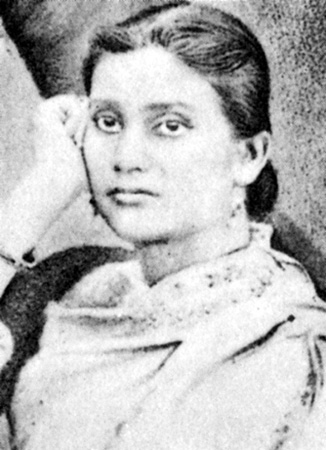
Picture of Dr. Kadambini Ganguly.

During her childhood, she had witnessed that in her area many women used to die without treatment as women could not get proper treatment because all doctors were males and Indian social culture didn’t approve a male doctor treating a female patient. From here, she dreamt of becoming a doctor during her childhood.

However, things didn’t happen according to her. She was married off at young age and thus she thought her dreams would go down the gutter. But it was then her husband who supported her in every walk of her life. She did her schooling partly at Banga Mahila Vidyalaya and partly at Bethune School. In 1878, she became the first female to pass the University of Calcutta entrance examination.

Within few years, she became one of the first few female graduates in the country alongside Chandramukhi Basu. When she wanted to study medicine, she was denied admission by University of Calcutta as the university wasn’t allowing female students back then. Dwarkanath Ganguly, Kadambini Ganguly’s husband challenged this patriarchal rule and in 1883 Kadambini Ganguly was the first female to take admission in Calcutta Medical College.

Kadambini Ganguly received a scholarship of two years and in 1886 she was awarded the GBMC award and thus making her the first female to have a degree in Western Medicine in the whole of South Asia.

It is also important to note that during that time people didn’t approve a female getting education and as a result she received strong opposition regarding her academical choices from conservatives even from her neighbourhood and relatives.

Bangabashi, a magazine of that time that was run by the then conservatives also called her a “whore” and this obviously didn’t go well with the Ganguly couple. Dwarkanath Ganguly legally filed a court case against the magazine and this resulted in 6 months jail term for the editor of the magazine.

Kadambini Ganguly also went abroad for her studies and got her further education in Edinburgh College of Medicines for Women. She quickly earned three different diploma degrees. Soon, she became popular in entire South Asia and Europe. Her name became so popular that the then King of Nepal invited her to treat his ailing mother.

Kadambini Ganguly had even advocated for social change in India and especially for women. It was due to her efforts that Bethune College in Kolkata added the Fine Arts course in their college. She was also one of the six female delegates to fifth session in Indian National Congress and even organised Women’s Conference in 1906 in Calcutta.

Authors of that time described Kadambini Ganguly as one of the “greatest” and the “most accomplished woman” of her time. And truly, all of us agree to it. Because of courageous women like her, so many women in the world must have got inspired to achieve their dreams. Kadambini Ganguly will always remain immortal in all her hearts.

Religion in India

Being a part of a mixed economy , where politics tend to exploit the peace between different religions and so on …….. .

“India was the motherland of our race, and Sanskrit the mother of Europe’s languages: she was the mother of our philosophy; mother, through the Arabs, of much of our mathematics; mother, through the Buddha, of the ideals embodied in Christianity; mother, through the village community, of self-government and democracy. Mother India is in many ways the mother of us all.”

Will Durant, American historian

And now you want to know why I am being so dramatic over such things . Well , if you want to know than start reading the editorial .

Introduction

Indians say it is important to respect all religions, but major religious groups see little in common and want to live separately

More than 70 years after India became free from colonial rule, Indians generally feel their country has lived up to one of its post-independence ideals: a society where followers of many religions can live and practice freely.

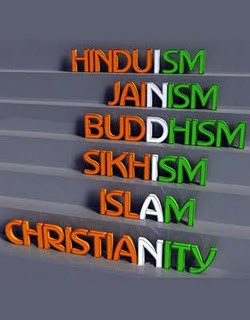
Religion has historically influenced Indian society on a political, cultural and economic level. There is a sense of pride associated with the country’s rich religious history as the traditions of Hinduism, Buddhism, Sikhism and Jainism all emerged out of India. Moreover, while a majority of people in India identify as Hindu (79.8%), the medley of religions that exist within the country continually impact contemporary society.

Census

The 2011 Indian census indicated that 79.8% of Indians identified as Hindu, 14.2% identified as Muslim and 2.3% identified as Christian. A further 1.7% of the population identified as Sikh, 0.7% identified as Buddhist and 0.37% identified as Jain. Due to the massive population size of India, religious minorities still represent a significant number of people. For example, although only 0.37% of India may identify with Jainism, that still equates to over 4 million people. While not all religions in India can be discussed in detail, the following provides an overview of the major religions in the country as well as sizable religions that originated in India.

Social beliefs

“India has two million gods and worships them all. In religion all other countries are paupers; India is the only millionaire.”

Mark Twain

Karma, Acceptance and Personal Choice . Many Indians tend to have a sense of acceptance towards one’s life position or a belief that, due to actions in one’s past life, good or bad personal circumstances are deserved. This attitude partly stems from religious ideas such as ‘karma’ (the idea that one’s actions will affect their current or future life) and ‘samsara’ (the cycle of rebirth).

The interplay of these social, cultural and religious factors allows people to be accepting of life events and trajectories. However, this is not to be interpreted as Indians being unwilling to take responsibility for life circumstances. Many often contemplate how their actions may impact their future and make decisions accordingly. Some of India’s youth are challenging a fatalistic perspective by asserting their free will to choose their vocation, spouse and other life factors. Indeed, as social mobility becomes more common, there is a growing belief that one can change their circumstances.

It’s Role

Religion plays a major role in the Indian way of life. Rituals, worship, and other religious activities are very prominent in an individual’s daily life; it is also a principal organizer of social life. The degree of religiosity varies amongst individuals; in recent decades, religious orthodoxy and observances have become less common in Indian society, particularly amongst young urban-dwellers. As of the politics , they play with religion , people’s belief and with their trust .

Link :

Do you know about Maritime laws in india ? Let’s see some marine offenses

Definition of maritime laws :

In its counterparts as public law , it widely known as “the law of sea “. It also called Admiralty law. the process of carrying goods through sea, rules concerning protection and maintenance of ships at sea, registration and damage to ships, marine insurance etc. , is covered under maritime laws .

As india is surrounded by water from the three sides , it created nature condition for Marin trade after the water territorial trade started.

Legislations prior to Independence : maritime laws in India were governed under the British government. There are some of the regulations which deal with various aspects of maritime in India.

  • Coasting Vessels Act, 1838
  • Indian Registration of Ships Act, 1841,
  • Admiralty Offences (Colonial) Act, 1849
  • Inland Steam Vessels Act, 1917
  • Indian Ports Act, 1908
  • Control of Shipping Act, 1947

Legislations after independence : after the  independence sea laws mostly governed under article 297 of the constitution. And there are different lex on waters, continental shelf, EEZ and other maritime zones.

Some of the acts are there , for maritimes affairs . This are

  • The Merchant Shipping Act, 1958
  • The Admiralty (Jurisdiction and Settlement of Maritime Claims) Act, 2017. 
  • Article 297 of the constitution

Marines crimes , are frequent offenses which  have been committing in sea . There are some marine offences mentioned below –

  • Maritime Piracy
  • Smuggling Exotic plants and animals
  • Unauthorized entry
  • Illegal Carrying of Weapons and artillery
  • Maritime Drug trafficking
  • Maritime Human Trafficking
  • Discharging in Ocean Waters
  • Sailing or fishing in unauthorized areas–
  • Tax evasion

Maritime piracy is an illegal act of violence, detention or destruction against a ship , on person or property, for private purposes, by the crew or passengers of a private ship . Piracy also includes inciting and intentionally facilitating such acts of violence, and voluntarily participating in the operation of a pirate ship . Pushiment for piracy is prescribed in anti maritime piracy bill 2019 , that is (i) life imprisonment ; or (ii) death , if the act of piracy is caused or seek to cause death.

Smuggling Exotic plants and animals : For a ship without authorization, its illegal to do Smuggling of exotic plants and animals for wildlife smuggling. This is because wildlife smuggling involves the isolation of plants and animals. When they arrived at the destination, they may not be able to adapt to the new place. Animals may also cause vulnerable diseases in people. And it may also leads to the serious illness or death of animals . To smuggle Endangered Species of Wild Fauna and Flora , is crime in maritime law.

Unauthorized entry : the ship must seek permission from government of that nation , For entry in a nation’s marine boundary . Sailing on that nation’s waters without a permission is a maritime crime and punishable in all countries. And a person who illegally and secretly boards and hides in to the ship, without the consent of ship owner and master, to travel into international waters to reach some other country without any monitory payment and legal documents , is known as stowaway.

Illegal Carrying of Weapons and Artillery : to carry weapons and artillery, throughout the water territory of any country , which is not legally bonded , is a martime offence .Goods which are sensitive in nature can be transported by specific ships only . Bringing in weapons on a ship, is not authorized , it is a punishable offense.

Maritime Drug trafficking : maritime drug trafficking means transportation of illegal drugs produced in this region to global consumer markets through using ships . To sell drug, is illegal in itself and trafficking of it become more severe offence .

Maritime Human Trafficking : maritime Human Trafficking involves the use of force, fraud, or coercion to obtain some type of labor or commercial sex act , through exporting victim in other country vie ships .

Discharging in Ocean Waters : it refers to the sewage discharge done by the vessels and ships in the water territory of any nation . Marine pollution is a serious issue and almost all countries have strict policies against ships discharging sewage or oil into their coastal waters.

Sailing or fishing in unauthorized areas : it’s an offence to do sailing in an areas of water territory where the sailing or fishing is not allowed .

Tax evasion : ship owners trying to evade taxes through false documentation or incorrect representation of cargo material have been increasing rapidly, posing a threat to maritime security. It’s a white collar crime.

Happiness

Happiness is a state of mind which we possess when something good happens to us and we feel that goodness at our heart. This is an abstract feeling which is not materialistic and cannot be bought by money or some other possession. Happiness brings with itself a lot of positivity and also provides us with the motivation to go ahead and achieve other milestones. Happiness also maintains the zeal and enthusiasm for doing things and experiencing new paths. Happy state of mind also increases the age of people and lets them live a longer life.

Happiness is a key to healthy life; it sets a soul free and encourages it to explore the world and also gives us power. Happiness is a part of being successful in life it is that fruit which we all want to grow and thus we do so much of hard work throughout our entire life so that we can live a happy peaceful life after all. Happiness cannot be ever faked it comes straight out from our heart and it is priceless. At the end of a hard-earned day all we care for is some peace and happiness in our families and ourselves so that we can start another fresh day ahead.

4 levels of Happiness :

” Happiness is the meaning and the purpose of life, the whole aim and end of human existence” . Of course, there are a number of different types of happiness and each person has different things in life that make them happy and unhappy. It is important for people to be self- aware and to truly understand what makes them happy and content as individuals. Take a look at the different types of happiness below and think about the things in your life that maku you happy.

There are main types of happiness, these being related to; pleasure, passion and purpose.

Pleasure :

Pleasure is important to us human beings but its related benefits are relatively short term. A delicious meal, a nice meeting with friends or listening to our favourite music all produce endorphins and offerus happy moments that can be the highlights of our day. However, these singular moments don’t equate to long- term satisfaction.

Passion :

Being passionate about something whether a hobby cause or group activity and actively being involved with it can be a great source of happiness. These activites deliver contentment in the medium term and provide a sense of achievement and variety in life

Purpose :

Feeling like you are part of something bigger than yourself and that your actions will really matter can lead to a deep sense of fulfillment and long- term happiness. We all like to think that our lives have menaing and if you can find your ” calling” or be part of great team, group or organisation that are making a difference then chances are you will be truly happy.

Ultimate Good :

The fourth level of happiness is known as ultimate good. This is a fundamental desire we have as human beings for perfect truth, goodness beauty and love . Many people find this form of happiness through their religious beliefs. Even those who don’t believe in a higher power can find happiness in their pursuit of truth, beauty, love and goodness in themselves and in helping others. This level is happiness is often considered the most enduring and profound.

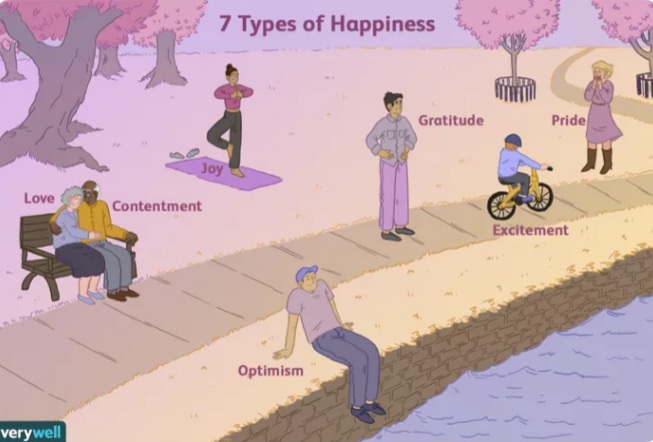
Different types of Happiness :

1. Joy :

Joy is when you win a hard- fought competition, you finally accomplish a project you’ve wanted to or times when you doible over in uncontrolled laughter when someone relates a hilarious story. Joy makes you feel great about yourself, makes you feel confident, assertive, capable, loved and fulfilled.

The feeling of joy is fleeting joy is presemt at the moment. It is possible to feel joy despite grief or uncertainty. Happiness can be found in many things. It transforms tough times into blessimgs and turns heartache into gratitude.

2. Love :

Second, on the list pf different types of happiness is love. Which means other things to different people still, a wholesome ,reciprocared love with another person seems to be the fundamental predictor of happiness. Here, we are not just talking about romantic love, it means to love with friends and family, as well as partners. When you’re in love, you’ re blissfully happy all the time.

3. Contentment :

The secret of Happiness is contentment which means a state of happiness or satisfaction . It isn’t a matter of being satisfied with what you have. Contentment not only holds the power tobmake you happy, but it will transforms your life in many ways.

4. Optimism :

Optimism is a type of happiness that reflects the belief that events or experience outcomes will generally be positive. The key to attaining happiness is to have an optimistic approach to life, as optimism reflects hope and faith, helping people believe that this world is the right place

5. Gratitude :

Gratitude creates positive emotions, like different types of happiness, joy, love, and contentment, it can undo the hold of negative emotions. It goes hand in hand with mindfulness in its focous on the present and greatfulness for what we have now, rather than wanting more and more.

6. Excitment :

Excitment can be anything from about a new job or moving to a different place and motivates youbto work harder and channel that positive energy into more constructive activity. Excitements is fleeting. It dissipates rather quickly and can turn into ennui. It sometimes acts as a motivating factor , and execitment often leads people to likely make a decision. Even a bad one as excitment leads to impulsivity.

7. Pride :

Last on the list of different types of happiness is pride. Yes, pride and happiness go hand in hand. You can take pride in your work and your family, your haome and yourself, and in anything you put effort, attention, and love into. It is a positive feeling in reactive to a jouous event.

There are 7 essential keys to happiness and success that will help to materialize both those things in your life:

* Gratitude.

* Be present

* Manage time Effectively

* Set smarter Goals

* Embody an Empowering morning Routine

* Tackle the MITs

* Focus on Health and wellbeing.

To get the most bang for the happiness buck, I’ve realized that I should complete four stages of reveling in a moment of happiness :

* Anticipate with pleasure.

* Savor the moment as I experience it,

* express my happiness to myself or others,

* reflect on a happy memory.

Four happy hormones :

* Dopamine

* serotonin

* Endorphins

* oxytocin

Strategies of Happiness :

* Do more activities that truely engage you

* savor life’s joy

* Learn to forgive

* Practice acts of kindness

* Nature relationships

* cultivate optimisim

* Avoid overthinking and social comparison

* Develop strategies for coping

STAY HAPPY 🤩AND KEEP SMILING ALWAYS😁 .BE HAPPY 🥳

Ethics

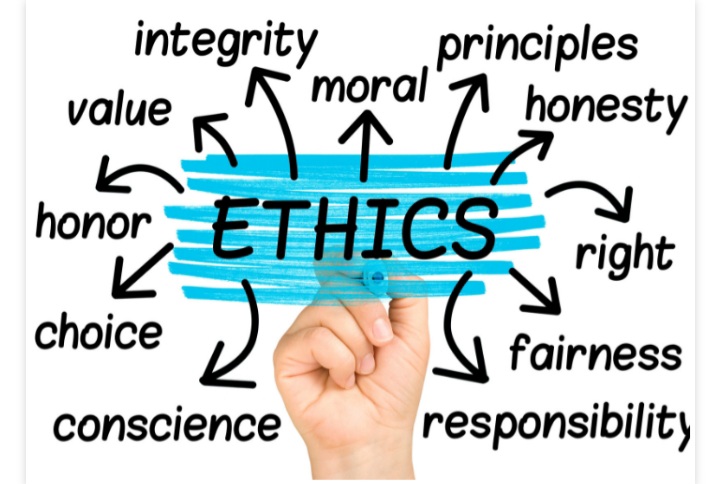
Ethics is a branch of philosophy dealing with the issue of morality. It implies the concepts of what right and wrong conducts are. Ethics define how a person should act in some specific situations. It is not a new term, but it has been there since the Stone Age. Different religions and many philosophers have also made a substantial contribution to ethics.

There are different branches of ethics. First of all, comes descriptive ethics. Descriptive ethics include what people actually consider right and wrong. Accordingly, laws are made regarding that and if they are even acceptable or not. The moral principles of society keep on changing from time to time. However, the basic ethics remain the same. Descriptive ethics are also called comparative ethics. They are given the name comparative ethics as they are used to compare the ethics of past and present scenarios. Also, they are used to compare the ethics of different societies as well.

Then comes the next branch of ethics- Normative Ethics. Normative Ethics deals with some specific norms or a set of considerations. These norms indicate how people should act in some given situations. These ethics set out the rightness or wrongness of people’s actions. Normative Ethics are also known as prescriptive ethics. This name is given as there are principles involved with these ethics and those principles determine whether the actions of people are right or wrong in different situations.

Types of ethics :

1. Deontological Ethics :

* In moral philosophy, deontological ethics or deontology is the normative ethical theory that the morality of an action should be based on whether that action itself

* Deontology is an ethical theory that uses rules to discern the moral course of action. Diffusion of responsibility. Diffusion of responsibility occurs when people fail

* Deontology morality is about following a system of rules, like ” Do Not Lie ” or ” Do Not Steal” .

* Ethics or moral philosophy is a branch of philosophy that involves systematizing, defending Deontological ethics.

2. Utilitarianism :

* The most common example of normative ethical theories are utilitarianism, kantian duty- based ethics and divine command theory.

* utilitarianism means, act in your own self- interest. Utilitarianism is that which is moral only if the act produces the greatest.

* Utilitarianism is a moral theory that implements fair choices is an effort to ensure the least amount of harm is done to all parties involved.

* However, some contemporary utilitarians , such as peter singer, are concerned with maximizing the satisfaction of preferences, hence prefernce utilitarianism.

* utilitarianism is an ethical theory that asserts that right and wrong are best determined by focusing on outcomes.

3. Consequentialism :

* consequentialism refers to moral theories that hold the consequences of a particular action form the basis for any valid moral judgment about that action.

* consequentialism is a class of normative, teleological ethical theories that holds that the consequences of one’s conduct are the ultimate basis for any judgment.

* consequentialism is an ethical theory that judges an action’s moral correctness by its consequenes. Corporate social Responsibility.

* on our definition of consequentialism, only the direct view is a genuinely consequentialist position, and rule consequentialism.

4. Professional Ethics :

* Rules imposed on an employee in a company, or as member of a profession. For instance, journalists, doctors, lawyers. Etc.

* professional ethics encompass the personal and corporate standards of behavior expected by professionals.

5. Applied ethics :

* Applied ethics is the branch of ethics which consists of the analysis od specific, controversial moral issues such ad abortion, animal rights, or euthanasia.

*Applied Ethics includes a philosophical examination of certain public and private life problems. The examination of those issues generally takes place from a moral standpoint. This branch of ethics is generally used by professions like doctors, teachers, etc.

* Applied ethics which deals with the actual application of ethical priniciples to a particular situation. While it is helpful to approach the field of ethics.

6. Virtue Ethics :

* virtue ethics is an approach to ethics that emphasizes an individual’s character as the key element of ethical thinking, rather than rules about the acts themselves.

* virtue ethics not only idea deals with the rightness or wrongness of individual actions, it provides guidenece as to the sort of characteristics and behaviour a good person will seek to achieve.

An abstract way of analyzing ethics is called Meta-Ethics. They do not deal with whether the actions are right or wrong, rather they question what morality is.

Doping – How is it Affecting Sports?

“Science has learned recently that contempt and indignation are addictive mental states. I mean physically and chemically addictive. Literally! People who are self-righteous a lot are apparently doping themselves rhythmically with auto-secreted surges of dopamine, endorphins and enkephalins. Didn’t you ever ask yourself why indignation feels so good?”

~ David Brin

Introduction

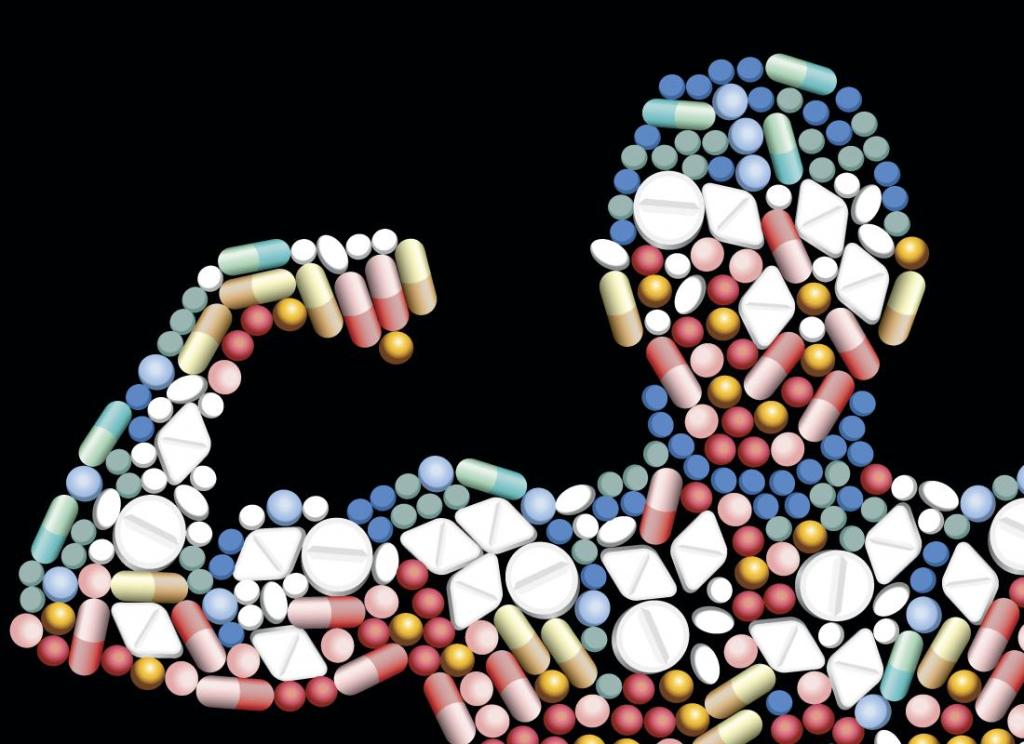
Doping in sport is a widespread problem not just among elite athletes, but even more so in recreational sports. In scientific literature, major emphasis is placed on doping detection, whereas detrimental effects of doping agents on athletes’ health are seldom discussed. Human growth hormone also increases muscle mass, although the majority of that is an increase in extracellular fluid and not the functional muscle mass.

The term doping is widely used by organizations that regulate sporting competitions. The use of drugs to enhance performance is considered unethical, and therefore prohibited, by most international sports organizations, including the International Olympic Committee.

History

According to the World Anti-Doping Agency (WADA), the term “doping” probably comes from the Dutch word “dop,” an alcoholic beverage made of grape skins that was used by Zulu warriors to make them stronger in battle.

Ancient Greek athletes used special diets and stimulating potions to improve performance, and 19th century endurance athletes indulged in strychnine, caffeine, cocaine and alcohol.

The American specialist in doping, Max M. Novich, wrote: “Trainers of the old school who supplied treatments which had cocaine as their base declared with assurance that a rider tired by a six-day race would get his second breath after absorbing these mixtures.”[8] John Hoberman, a professor at the University of Texas in Austin, Texas, said six-day races were “de facto experiments investigating the physiology of stress as well as the substances that might alleviate exhaustion.”

Effects of doping in sports

It builds muscle but causes abnormal growth, heart disease, diabetes, thyroid problems, hypertension, blood cancers and arthritis. Other adverse effects include joint pain, muscle weakness, visual disturbances, enlarged heart and diabetes.

Other side effects include:

  • Heart palpitations.Heart rhythm abnormalities.
  • Weight loss.
  • Tremors.
  • Mild high blood pressure (hypertension)
  • Hallucinations.
  • Stroke.
  • Heart attack and other circulatory problems.
  • Constipation.Skin rash or dermatitis.
  • Diarrhea.
  • Dizziness.
  • Drowsiness.
  • Dry mouth.
  • Headache.
  • Insomnia.

UFC ( Ultimate Fighting Championship ).

In December 2013, the UFC began a campaign to drug test their entire roster randomly all year-round. Random testing, however, became problematic for the promotion as it began to affect revenue, as fighters who had tested positive would need to be taken out of fights, which adversely affected fight cards, and therefore pay-per-view sales.

According to Steven Marrocco of MMAjunkie.com, about 31% of UFC fighters subjected to random testing since the program first started have failed due to using performance-enhancing drugs. That is approximately five failed tests for every sixteen random screenings.

From July 2015, the UFC has advocated to all commissions that every fighter be tested in competition for every card. Lorenzo Feritta, who at the time was one of the presidents of the UFC, said, “We want 100 percent of the fighters tested the night they compete”. Also, in addition to the drug testing protocols in place for competitors on fight night, the UFC conducts additional testing for main event fighters or any fighters that are due to compete in championship matches.

Link

17 Sustainable Goals by United Nations.

Sustainable development is development that meets the needs of the present without compromising the ability of future generations to meet their own needs. Sustainable development has continued to evolve as that of protecting the world’s resources while its true agenda is to control the world’s resources. Environmentally sustainable economic growth refers to economic development that meets the needs of all without leaving future generations with fewer natural resources than those we enjoy today. Let us know 17 Sustainable Goals set by UN and their progress by now.

1) Poverty Eradication:

The 2030 Agenda acknowledges that eradicating poverty in all its forms and dimensions, including extreme poverty, is the greatest global challenge and an indispensable requirement for sustainable development.

2) ENDING HUNGER:

The total number of persons suffering from severe food insecurity has been on the rise since 2015, and there are still millions of malnourished children. The economic slowdown and the disruption of food value chains caused by the pandemic are exacerbating hunger and food insecurity.

3) Ensure healthy lives and promote well- being for all at all ages

Progress in many health areas continues, but the rate of improvement has slowed and will not be sufficient to meet most of the Goal 3 targets. Globally, an estimated 295,000 maternal deaths occurred in 2017, resulting in an overall maternal mortality ratio of 211 maternal deaths per 100,000 live births, a 4 per cent reduction compared with 2015 and a 38 per cent reduction compared with 2000. The majority of the deaths occurred in low- and lower-middle-income countries, and roughly 66 per cent of them occurred in sub-Saharan Africa. At the current pace of progress, the world will fall short of the target of the Goal.

4) Ensure inclusive and equitable quality education and promote lifelong learning opportunities for all:

At the end of 2019, millions of children and young people were still out of school, and more than half of those in school were not meeting minimum proficiency standards in reading and numeracy.

5)Achieve gender equality and empower all women and girls

The commitment to advancing gender equality has brought about improvements in some areas, but the promise of a world in which every woman and girl enjoy full gender equality and all legal, social and economic barriers to their empowerment have been removed remains unfulfilled.

6)Ensure availability and sustainable management of water and sanitation for all

In 2017, 3 billion persons lacked soap and water at home. In 2016, 47 per cent of schools worldwide lacked handwashing facilities with available soap and water, and 40 per cent of health-care facilities were not equipped to practise hand hygiene at points of care.

7) Ensure access to affordable, reliable, sustainable and modern energy for all

The world is making good progress on increasing access to electricity and improving energy efficiency. However, millions of people throughout the world still lack such access, and progress on facilitating access to clean cooking fuels and technologies is too slow.

8) Promote sustained, inclusive and sustainable economic growth, full and productive employment and decent work for all:

In 2018, the rate of growth of global real GDP per capita was 2 per cent. In addition, the rate for least developed countries was 4.5 per cent in 2018, less than the 7 per cent growth rate targeted in the 2030 Agenda.

9) Build resilient infrastructure, promote inclusive and sustainable industrialization and foster innovation:

In 2019, 14 per cent of the world’s workers were employed in manufacturing activities, a figure that has not changed much since 2000. The share of manufacturing employment was the largest in Eastern and South-Eastern Asia (18 per cent) and the smallest in sub- Saharan Africa (6 per cent).

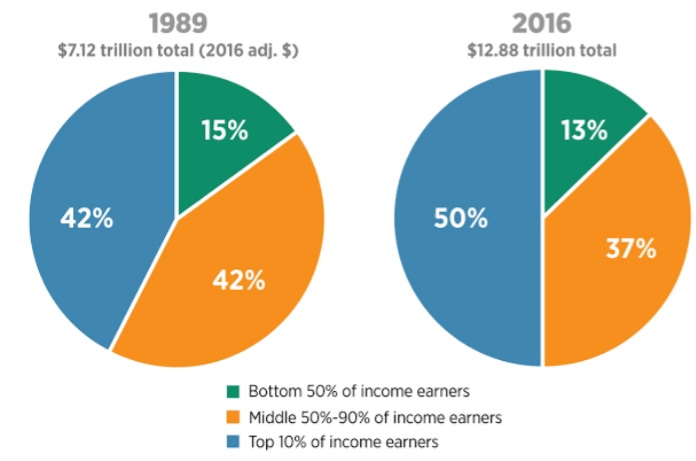
10)Reduce inequality within and among countries

In 73 of the 90 countries with comparable data during the period 2012–2017, the bottom 40 per cent of the population saw its incomes grow. Moreover, in slightly more than half of those countries, the bottom 40 per cent experienced a growth rate in income that was higher than the overall national average.

11) Make cities and human settlements inclusive, safe, resilient and sustainable:

Rapid urbanization has resulted in a growing number of slum dwellers, inadequate and overburdened infrastructure and services and worsening air pollution.

12) Ensure sustainable consumption and production patterns:

As at 2019, 79 countries and the European Union reported on at least one national policy instrument that contributed to sustainable consumption and production in their efforts towards the implementation of the 10-Year Framework of Programmes on Sustainable Consumption and Production Patterns.

13) Take urgent action to combat climate change and its impacts.

The year 2019 was the second warmest on record and the end of the warmest decade, 2010 to 2019. In addition, with a global average temperature of 1.1°C above estimated pre-industrial levels, the global community is far off track to meet either the 1.5 or 2°C targets called for in the Paris Agreement.

14. Conserve and sustainably use the oceans, seas and marine resources for sustainable development:

Oceans and fisheries continued to support the global population’s economic, social and environmental needs while suffering unsustainable depletion, environmental deterioration and carbon dioxide saturation and acidification.

15) Protect, restore and promote sustainable use of terrestrial ecosystems, sustainably manage forests, combat desertification, and halt and reverse land degradation and halt biodiversity loss:

Forest areas continued to decline, protected areas were not concentrated in areas of key biodiversity and species remained threatened with extinction.

16) Promote peaceful and inclusive societies for sustainable development, provide access to justice for all and build effective, accountable and inclusive institutions at all levels:

Conflict, insecurity, weak institutions and limited access to justice remain a great threat to sustainable development. Millions of people have been deprived of their security, human rights and access to justice.

17) Strengthen the means of implementation and revitalize the global partnership for sustainable development:

Strengthening multilateralism and global partnerships is more important than ever before. The global nature of the pandemic requires the participation of all governments, the private sector, civil society organizations and people throughout the world.


Gender inequality

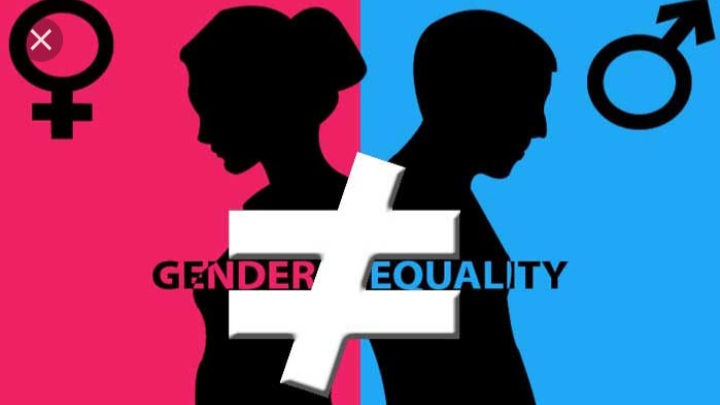
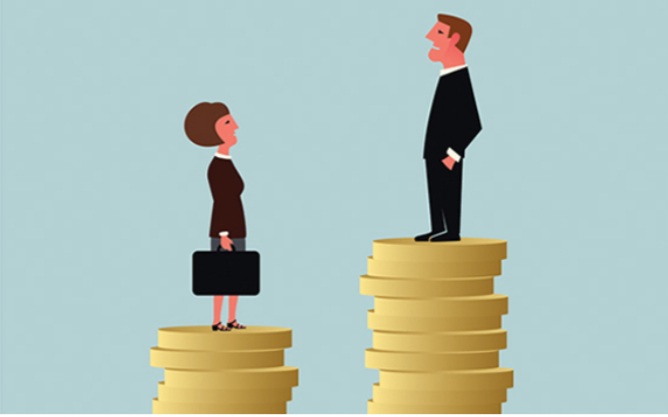
Discrimination is the state when all individuals are not treated equally and not given equal rights. Every individual in the community yearns for equal status, opportunities, and equal rights. People generally say these days that everyone is treated equally but they are not. Discrimination usually exists because of cultural differences, geographical differences, and gender. Inequality on the basis of gender is something that is not appreciated, but it is seen many times in many companies. There are many areas where equal opportunities are not provided to women.

We are in the 21st century, and even now, women are not treated equally as men. It is generally believed that women are more talented than men, and it has been proved many times, but society is not yet ready to accept this fact. Gender equality is the term used when equal opportunities in the fields of politics, economics, education, and health are provided to both men and women.

As per the World Economic Forum’s gender gap ranking, India holds the rank 108 out of 149 countries. The rank should be a major concern in the country as it signifies the immense gap between the opportunities given to women when compared to men. The structure in India is such that women are neglected in many fields like education, health, finance, etc. They are just limited to household chores which should not be the scene here. There are many places in India where women are considered as a burden and they are not allowed to go to school and study as well. Also, a preference for sons prevails in many areas in India.

The seven important forms of gender inequality :

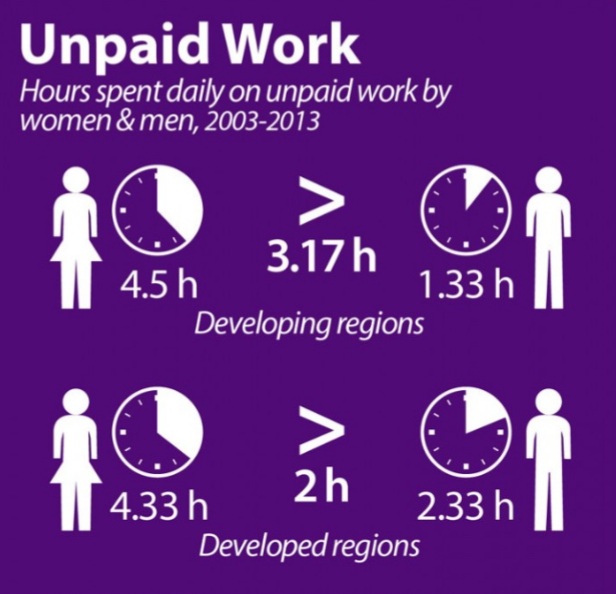
1 . Women works Longer than Men :

In most of the societies the male – stream is the main stream who argues that women have comparative advantage in household non- market production, like cooking and cleaning for the family that cant be called emotional and personal caring work. Based on this thinking, household jobs are then asymmetrically distributed. Women are more valued in home. Men are specialised in market- baesd production. Thus, being the bread- earners, males enjoy both power and status.

2. Inequality in Employment and Earnings :

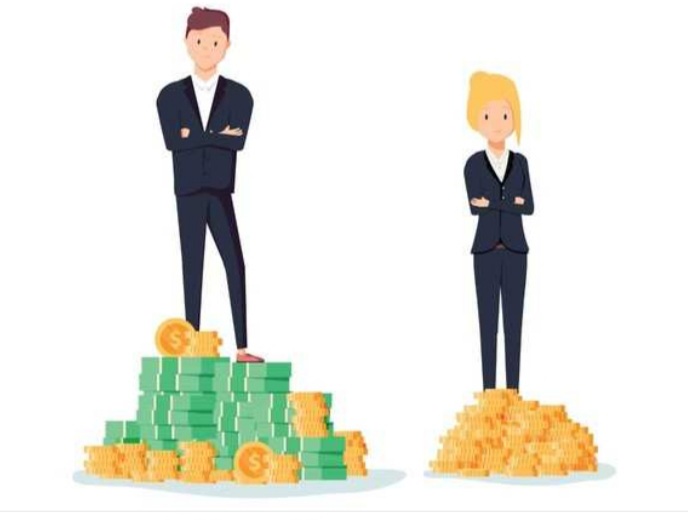
Historically, men have greater participation in work outside home than women. But women ( particularly of poor households) share unequally household duties in addition to economic production. Thus they work longer than males. This kind of ‘ division of labour’ may be seen as the ‘ accumulation of labour’ on women, as described by Amartya sen. Household activites are often viewed as ‘ sedentary activites’ which require less ‘ calore’ to gain energy.

3. Ownership Inequality :

A case of social inequality. Let us turn to another kind of inequality, called ownership inequality a classic case of social inequality. In most of the societies, ownership over property and means of production rests mainly on male members . The law of inheritance provides such ownership rights on male child. Such denial coming out of hierarchical dualism within the family not only reduces the voice of women but also prevents them from participating in commerial, economic and social activites.

This kind of social deprivation means absence or lack of capability or because of ‘capability deprivation’, women are subject to various kinds of exploitation and unfreedoms. Social inequality distorts the process of development. Unfortunately, ownership inequality in any country is not of recent origin. In her earlier life, a woman comes under the influence of her father, then husband as she enters a married life and finally, under sons ownership right over property is skilfully avoided. A telugu proverbs corraborates this understanding: ” Bringing up a daughter is like watering a plant in anothers courtyard.”
4. Survival Inequality :
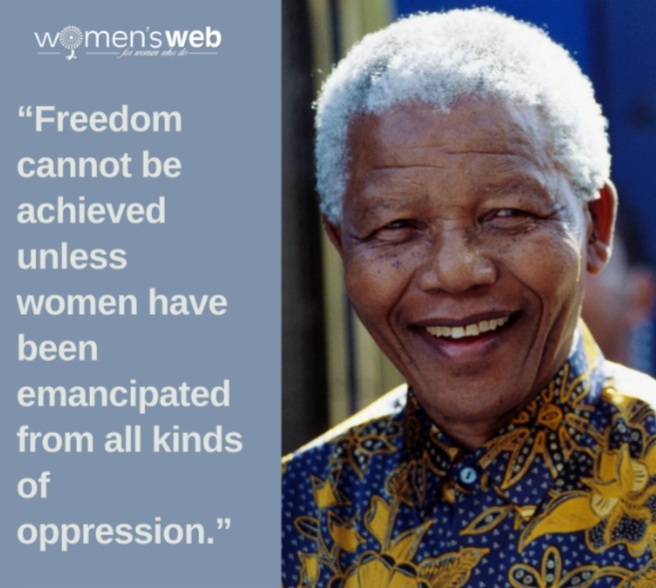
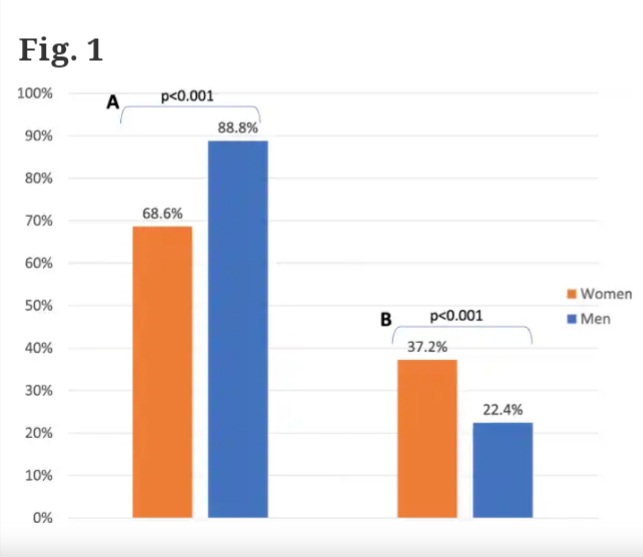
Another crudest from of gender disparity is the unusally high mortality rates of women , though biologically, women live longer than men! Thus more boys than girls are born evrywhere leading to a ‘ deficit’ of women and a ‘ surplus’ of men. In developed countries beacuse of absence of gender bias in health care and nutrition, women outnumber men. In Europe and in north America, 105 or more girls are born per 100 boys. Such high female- male genderd survival rate in different age groups.

5. Gender Bias in the Distribution of Education and Health :

Health and education are the major forms of human capital are realted to economic development . Human capital gets accumulated as a society advances in education . The contribution of human capital towards Japan’s remarkable economic progress attracts our attention . Improvement in health capital also improves the return to investments in education .

However, one finds a huge education and health gaps between developed and developing countries. In recent times, despite a large increase in econoc advancement on times, despite a large increase in economic advancement in asia and africa, these countries lag far behind the developed countries in terms of educational attainment particularly in respect of women’s education. Gender disparity not only hindrrs economic progress but also exacerbates social inequality.

6. Gender Inequality in Freedom Expression :

Let us talk about gender inequality beyond economic issues or factors. Women are not only subject to income or asset inequality but also in terms of freedom and power deprivation of women goes beyond one’s imagination. They lack not only economic freedom at home because of absence of autonomy in house hold decisions, limited or poor wages earned but also lack any freedom in airing opinions over education of children.

In some backward poor societies the right of women giving options is completely denied. Such un – freedoms, however, are not uncommon even among the educated elites who enjoy enormous power and authority in the male domined society. Historically , this sort of law socioeconomic status of women has been continuing nowasdays.

7. Gender Inequality in Respect of viloence and victimisation :

Finally, anti – female bias starts before the girl child is born and this attitide of the society a female member carries throughout her life. It is because of the unequal sharing of income, property, household benefits . Women are subject to both physical and sexual violence – the oppsite of freedom, and an extreme form of coercion. This is common for both poor and not too much uncommon in rich countries as well as among rich people. One in three women in the word is beaten or raped during her life times.

Dowry harassement is considered as an ‘ instrumental use’ of violence. Dowry death is the most serious form of domestic violenece. Wife beating is not uncommon. Sexual violence is an obnoxious form of human rights violation.

Specifically, public health can contribute to reducing health inequities by integrating health equity considerations into policy and programs, collebrating with other sectors to address inequities engaging with communities to support their efforts to adress inequities, identifying the reduction of health inequities.

Reducing inequality requires transformative change. Greater efforts are needed to eradicate ectreme poverty and hunger and invest more in health, education, social protection and decent jobs especially for young people, migrants and other vulnerable communities.

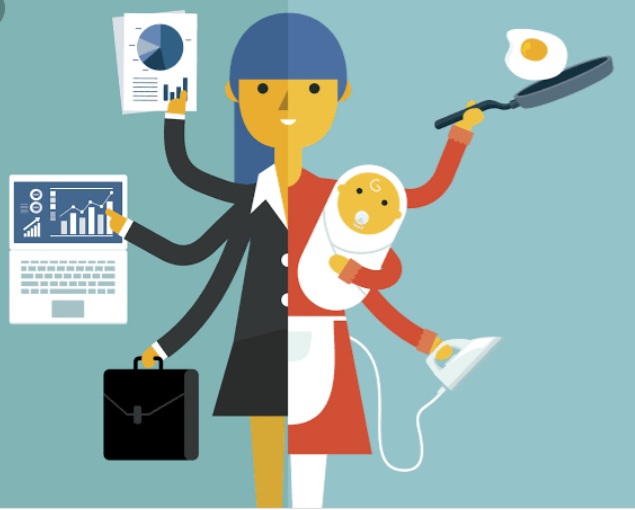
We should understand that women are the part and parcel of any family. When it comes to flexibility, they can manage their home and offices at the same time. If equal opportunities are not given to them, they will be led down and won’t be able to achieve big milestones which they are obviously capable of.

Gender equality

Gender equality can often be achieved just by holding everyone to the same standard. The problem, as highlighted by the evidence reviewed above, is the irrational gender bias that women and girls are routinely subjected to.

Objective of gender equality is a society in which women and men enjoy the same opportunities, rights and obligations in all spheres of life.

Here are some of the steps to achieve gender equality in our life:

1.Stop child marriage: If we want girls to complete education we have to end child marriage.

2.Empower mothers: When mothers are educated and empowered to make choices in their lives, they enable their daughters to go to school.

3.Work together: Between 1999 and 2010, the ratio of girls in secondary school fell from 83 to 82 girls for every 100 boys at the secondary level from 67 to 63 girls for every 100 boys at the tertiary level.

4.Encourage women into non-traditional vocations: To make the long-lasting change in women’s life, support women in non-traditional jobs.

5.Raise aspirations of girls and their parents: We need to give girls images and role models that expand their

dreams.

6.Give proper value to women’s work: The unpaid work women and girls do provide the foundation for the global economy.

7.Get women into power: A proven way to overcome many systematic barriers to a women’s success has been increased participation by women in local, regional and national legislation as empowered change agents.

8.Let girls use mobile phones: The majority of girls do not have access to using basic technology such as mobile phones and computers because of infrastructure related challenges and economic reasons.

9.Talk to women and girls: Gender equality in every realm is that women and girls voices are too often excluded from global and national decision making.

In this way we can help women and girls to achieve gender equality.

Case Analysis : National Legal Services Authority Vs Union of India

Indian society has usually lacked gender awareness, and the same is reflected in the mindset of the society. The tale of people who are generally referred to as transgender is a story of pain, misery, and agony.

They have not only face deprivation of rights, but also abuse and violence just because they do not fit within the “norms” that society has generally accepted.   They are shunned and defamed by society and are considered to be outcasts and kept far away from participation in various societal activities.

Background

In 2012, the National Legal Services Authority, an Indian statutory body which is constituted under the Legal Services Authority Act, filed a writ petition (writ petition no. 400 of 2012) with the Supreme Court of India. It was followed by another writ petition (No. 604 of 2013) which was filed by Poojya Mata Nasib Kaur Ji Women Welfare Society, a non-governmental organization representing the Kinnar transgender community. Laxmi Narayan Tripathi, an individual who identified himself as a Hijra also approached the court and was also impleaded in the present case.

Issues involved

The petitions mainly raised an issue of “Gender Identity”. It has two facets, viz.:

  • Whether a person who is born male but has female orientation has the right to be identified as a female as per his choice ; the same question arises when an individual uses surgery to change his/her sex.
  • Whether a person who does not identify either as a male or a female has the right to be categorized in a “third gender”.

Arguments

The argument was made that the recognition of only the binary genders of male and female and the lack of legal measures to cater for the needs of the represented groups violates Right to Equality (Article 14), Freedom of Expression (Article 19), Right to Life and Personal Liberty (Article 21).

The transgender community urged that their inability to express themselves in terms of a binary gender denies them their rights and social welfare schemes.

Judgment

The judgement was delivered by a 2-judge bench comprising of Justice K.S. Radhakrishnan and Justice A.K. Sikri on 15th April 2014. The Court had to decide whether persons who fall outside binary gender can be legally recognised as “third gender” persons.

The Supreme Court in this case relied on various judgements from foreign courts like New Zealand, Australia, and England and took into consideration different foreign judgements like Corbett v. Corbett with its complete emphasis on biological sex, Attorney-General v. Otahuhu Family Court in which Justice Ellis noted that once a transsexual person has undergone surgery, he or she is no longer able to operate in his or her original sex.

The Court ruled that all provisions in the international conventions including the Yogyakarta Principles must be followed provided they align with the fundamental rights guaranteed under Part III of the Constitution.

In this landmark judgement Supreme Court legally recognised “third gender” for the first time and discussed “gender identity” at length. Further, it declared that eunuchs and hijras can legally identify as “third gender”.

The Court recognised that third gender persons were entitled to fundamental rights guaranteed under Part III of the Constitution and under International law.

The Court declared that the State and Central governments must grant transgenders full recognition in the eyes of the law so that they can avail education and healthcare without being subjected to any kind of discrimination.

Conclusion

Well, we cannot ignore the fact that the transgender community for long have suffered torture, humiliation, and pain. This judgement came as a fresh ray of hope for the transgender community who have faced discrimination and social injustice. This is a landmark judgement because it is the first to legally recognise non-binary gender identities and uphold the fundamental rights of transgender people in India. However, the transgender community still has a long way to go.

Sexual Harassment

When we hear the word Sexual Harassment what we picture in our mind a girl or a woman getting harassed by a man! But sexual harassment is not a narrow term which we can use only with respect to girls or women. It is a broader term which includes harassment on all the gender.

What is the meaning of Sexual harassment?

The word sexual harassment means any form of unwelcome sexual behavior which is offensive, humiliating and intimidating. According to EEOC (Equal Employment Opportunity Commission) sexual harassment is defined as : Unwelcome sexual advances, requests for sexual favors, and other verbal or physical conduct of a sexual nature when

  • Submission to such conducts is made either explicitly or implicitly a term or condition of individual’s employment,
  • Submission to or rejection of such conduct by an individual is used as a basis for employment decisions affecting such individual, or
  • Such conduct has the purpose os effect of unreasonably interfering with an individual’s work performance or creating an intimidating, hostile, or offensive working environment.

Here, unwelcome does not mean “involuntary.” A victim may consent or agree to certain conduct and actively participate in it even though it is offensive and objectionable. Therefore, sexual conduct is unwelcome whenever the person subjected to it considers it unwelcome. Whether the person in fact welcomed a request for a date, sex-oriented comment, or joke depends on all the circumstances.    Source: Preventing Sexual Harassment (BNA Communications, Inc.) SDC IP .73 1992 manual

Types of Sexual Harassment

  1. Verbal or Written
  2. Non-verbal or Visual
  3. Physical

Verbal or Written

Here in the sense of sexual harassment verbal or written means saying, commenting, joking, or writing about someone in vulgar manner. We have often see on the road boys are shouting out to girls using words like doll, babe etc. Yes, this is also sexual harassing and that’s why it is called verbal. Following are some more examples:-

  • Referring someone using inappropriate or vulgar language.
  • Whistling at someone in an unwanted manner.
  • Making sexual comments on someone’s body
  • Making kissing sounds.
  • Repeatedly asking out someone who is not interested.
  • Spreading rumors about a person’s personal life.
  • Texting someone offensive joke.

Early these were very trivial matter on the roads and  now-a-days it can be widely and easily seen on social media.

Non-verbal or visual

Well, this is the most trivial and probably the hardest to spot because it’s most subjective and one have to put in the shoes of the other person. For example:-

  • Looking a person with elevator eyes (up & down).
  • Staring at someone.
  • Following someone.
  • Making sexual gestures with hands or trough body movements.
  • Making facial expressions such as winking, throwing kisses etc.

Physical

It seems that this is very easy to recognize but it is also too complex. Many time people get confused about physical touch. Here are some examples:-

  • Touching someone sexually around other people.
  • Hugging, kissing , stroking.
  • Actual or attempted rape.
  • Touching someone’s clothing, hair, or bodily assault.

Now-a-days sexual harassment is very common in workplaces and even in educational institutions. Cases about these things can be seen frequently. For example recently in Calicut University an Mphil student leveled sexual harassment charges against an assistant professor, Haris Kodampuzha from English department. As per complaint, he used to send sensual message to the student and for this he was suspended.

There are laws all over world which protects people from sexual harassment. In there is The Sexual Harassment of Women at Workplace (Prevention, Prohibition and Redressal ) Act, 2013that seeks to protect women from sexual harassment at their place of work. The Act came into force from 9 December 2013. In India, the legislations talk only about sexual harassment and rape of women. Then the question is who will protect men from harassments. There is no law to shield males from the bloodthirsty act of harassment and rape. Under Indian law, there is only one section 377 of Indian Penal Code which talks about “sodomy”. 377.  it is written that “Unnatural offences: Whoever voluntarily has carnal intercourse against the order of nature with any man, woman or animal, shall be punished with imprisonment for life, or with imprisonment of either description for a term which may extend to ten years, and shall also be liable to fine.” Explanation: Penetration is sufficient to constitute the carnal intercourse necessary to the offence described in this section. Except this all other laws and sections are meant only for females.

While the sexual harassment of females has consistently declined in the past few years as government has made some very effective legislations in India. But sexual harassment of men is increasing day by day. Hence it is important to demand equal accesses  to justice for both males as well as females. For this the legislation of government has to make laws which protect the male from various kinds of harassments and assaults at different areas. There is also a need to educate and aware people especially children and students about sexual harassment. So if they suffer from any such act then they will be able to approach to any authority or any elder person rather than suffering.

Gender Equality

Equal rights and opportunities for all.

Opportunities and right should be equal for all. In our society the work is divided into two parts according to our gender, where a women’s appropriate job is cooking for her family and taking care of her children, in our Marathi language it’s called “Chul ani Mul”. Gender equality means that men and women have equal power and opportunities for financial, educational and personal development including own decision making power like a man has full power to take decisions for his own life, in same way a women should also have an equal power to control her own life and making her own decisions inside or outside the home. Dr B. R. Ambedkar the Father of Indian Constitution said “I measure the progress of a community by the degree of progress which women have achieved”, but if we don’t give them equal rights and opportunities then how can we say that world is going towards progress.

We are living in 21 century now but still globally, women have fewer opportunities than men , less access health and safety risks. Yet gender issues are not only about decision making or safety but also the relationship between men and women in society. Girls and boys faces gender inequality in their homes, communities and societies every day. Families who are not financially stable and can not afford school fees for all their children will prioritize education for their sons only. An educated girl is more likely to say “NO” to the young marriage, taking smarter decisions and raising her family and children alone. The action, behavior and attitude of boys and men towards girls and women’s is really plays an important role in gender equality, like a women can do a her dream job and take care of her children at a same time then why can’t men, atleast men can help them, can support them. Life of a women or a girl is filled with full of restrictions than men and after all this restrictions if something wrong happens first of all our society assumes that a women is responsible for this even without knowing the truth. Either taking girls and womens responsible for what happened we can tell our boys to respect girls and women’s , can tell boys to treat girls equally so one day we can make a better and safer world for women’s with equal rights and opportunities where “Gender Inequality” word never exist and genuinely we can say that the world is heading towards progress.

Water

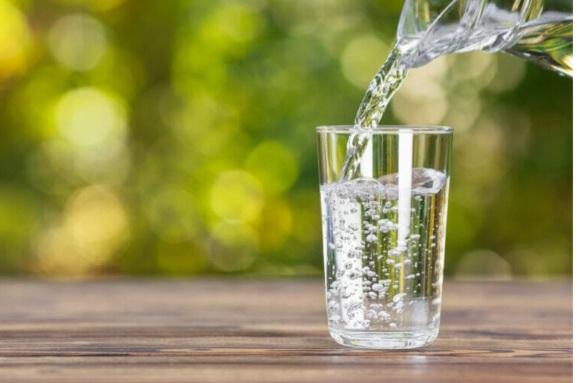
Water is the basic needs of the individual for the Survival. Some of the things like oxygen, water, food are very essential for the individual to live. After the oxygen, water is very much important for the individual survival and for the whole environment as well. Water is used in the daily basis for many of the activities like drinking, cleaning, watering, and also for some of the electric purposes etc.

There are plenty of water in the seas but there is no use of them. Because, all the seawater are salty and not food for drinking purpose. They can be made for drinking by some of the beautification methods which takes lots of processes and also the time. Scarcity of the water is not only the India’s problem but also the global problem.

If the wasteage of water is continued in the same way, there will be a day where no water can be found for drinking purposes and for some of the utility purposes. Most of the people waste water without any need. Using water for the purposes are all good but Wasting the water without any reason is a bad habit that an individual must not develop. It is very easy to waste water rather than saving the drop.

The main sources of water are surface water, ground water and rain water.

Importance of water :

Water is very important to the human body. Every one of your cells,organs and tissues use water to help with temperature regulation, keeping hydrated and maintaining bodily functions. In addition, water acts as a lubricant and cushions your joints. Driniking water is great for your overall health. Because your body loses water through breathing, sweating, and digestion, it’s important to rehydrate by drinking fluids and eating foods that contain water.

Water delivers important nutrients to all of our cells,especially muscle cells, postponing muscle fatigue. Water helps weight loss. Water helps you feel full longer,without adding any additional calories.

Benefits of Drinking water :

* Increases Energy & Relieves Fatigue. Since your brain is mostly water, drinking it helps you think, focus and concentrate better and be more alert.

* promotes weight loss.

* Flushes out Toxins.

* Improves skin complexion

* Maintains Regularity.

Best source of water :

1. Watermelon – water content : 92%

2. Strawberries – water content : 91%

3.cantaloupe – water content : 90%

4.peaches – water content : 89%

5.oranges – water content : 88%

6. Skim Milk – water content : 91%

7. Cucumber – water content : 95%

8. Lettuce – water content : 96%

9. Broths and soups – water content : 92%

10. Zucchini – water content : 94%

11. Celery – water content : 95%

12. Plain yogurt – water content: 88%

13. Tomatoes – water content : 94%

14. Bell peppers – water content : 92%

15.cauliflower – water content : 92%

16. Cabbage – water content : 92%

17. Grape fruit – water content : 88%

18. Coconut water- water content : 95%

19. Cottage cheese – water content: 80%

Disadvantages of water :

It is said that too much consumption of water can lead to fluid overload in the body and imbalance in the body. Excess water can lead it lower sodium levels in the body, which may further lead to nause, vomthing, cramps, fatigue. This condition is known as hyponatremia.

The best method to save water is to use in limited amounts. That is, to limit the water without wasting much water.

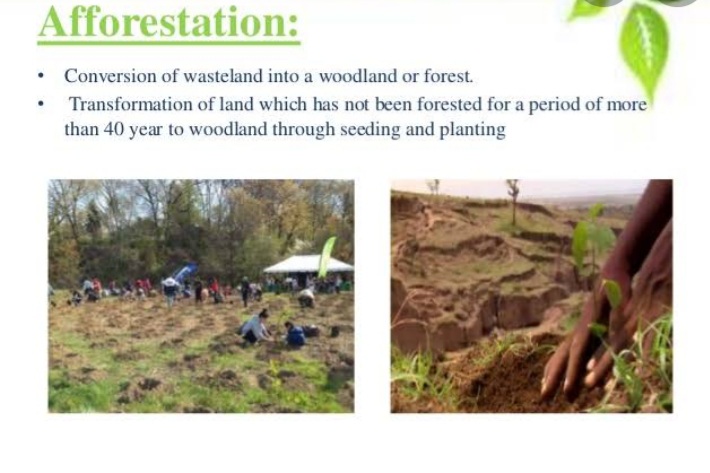
Afforestation

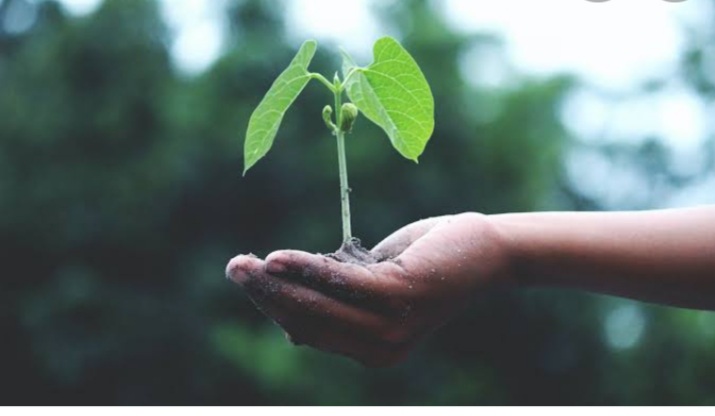
Afforestation is very useful to prevent and maintain the oxygen levels. Due to the deforestation, many of the trees are being cut and the oxygen supply has been reduced very drastically. Afforestation will help to maintain the oxygen levels in the atmosphere and helps the individual and the world to be healthy all the time. Oxygen is the minimum need for the individual to survive on the earth. If there is no oxygen, then which will cannot live or survive. When there is no o2, It is equally difficult for the animals to survive.

It also helps to maintain good forests. Deforestation, that is cutting of the trees makes the land abandoned and trees life less. When an individual takes a step forward to plant trees that is afforestation, good number of trees will be grown and the forests will be developed.

The most important thing for the animal’s survival is trees that give shelter and plants for the food. When the trees are being cut, some of the animals find no shelter and sometimes no food to eat. When afforestation takes place animals will find good shelter and also good food to eat.

Importance of Afforestation :

Afforestation helps to addess all the issues of soil erosion and barren land at the same time. Tress acts as wind barriers thereby weakening the speed of the wind and reducing its impact and ability to carry big soil particles.

The impacts of afforestation is occuring in many parts of world, can modify the nature and transformations of soil organic carbon and associated soil prevents, which in turn can affect plant diversity and ecosystem function. Afforestation also decreased soil bulk density and pH, and increased soil water content.

Types of Afforestation :

Afforestation materials are mainly divided into three categories: seed,seedling,and cutting. The choice of these three types of afforestation materials and methods is related to site conditions, tree species and age.

Various causes of Afforestation :

* Afforestation is highly fundamental in creating an alternative source pool of nature resource.

* Afforestation aids in tackling global warming and stabilizing global temperatures.

* protection of sensitive areas, biodiversity, and natural cycles.

* Afforestation can support wildlif.

* Afforestation creates employment and can provide a source of livelihood.

Advantages of Afforestation :

* A constant supply of forest products.

* prevents soil erosion.

* stabilizes the climate.

* Has the potential of reversing global warming and climate change.

* Better quality air.

* Improve watershed.

* preservation of wildlife.

* provision of employment and economic opportunities.

Disadvantages of Afforestation :

If not properly managed, afforestation can result in a reduction of local biodiversity, the modification of particular biomes, the intriduction of non – native and potentially invasive species, reduced stream flow and lost revenue from agricultural.

Obesity

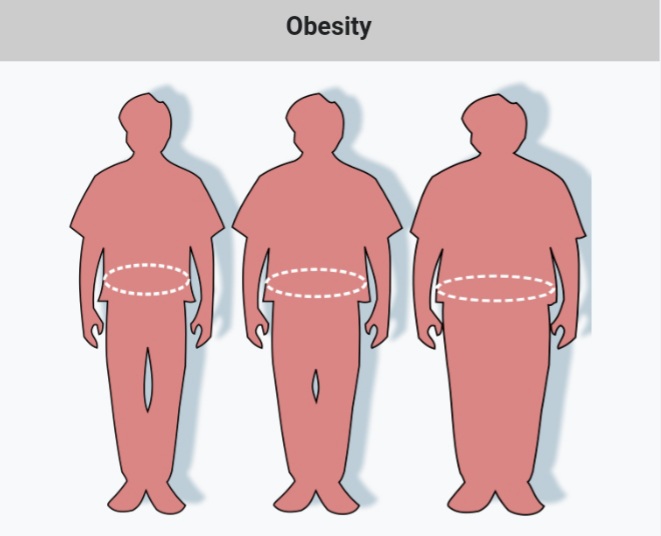
Obesity is described by the BMI (Body mass index). The obesity in the body is nothing but the high level of fat stored in the body. It is a very bad thing which in future leads to many health problems.

Many of the children are falling obese now a days. This is because of not having good food. Many of the children are highly addicted to the junk food. The junk food intake in the body increases the fat levels in the body.

A disorder involving excessive body fat that increases the risk of health problems. Obesity often results from takingin more calories than are burned by exercise and normal daily activities.

Symptoms:

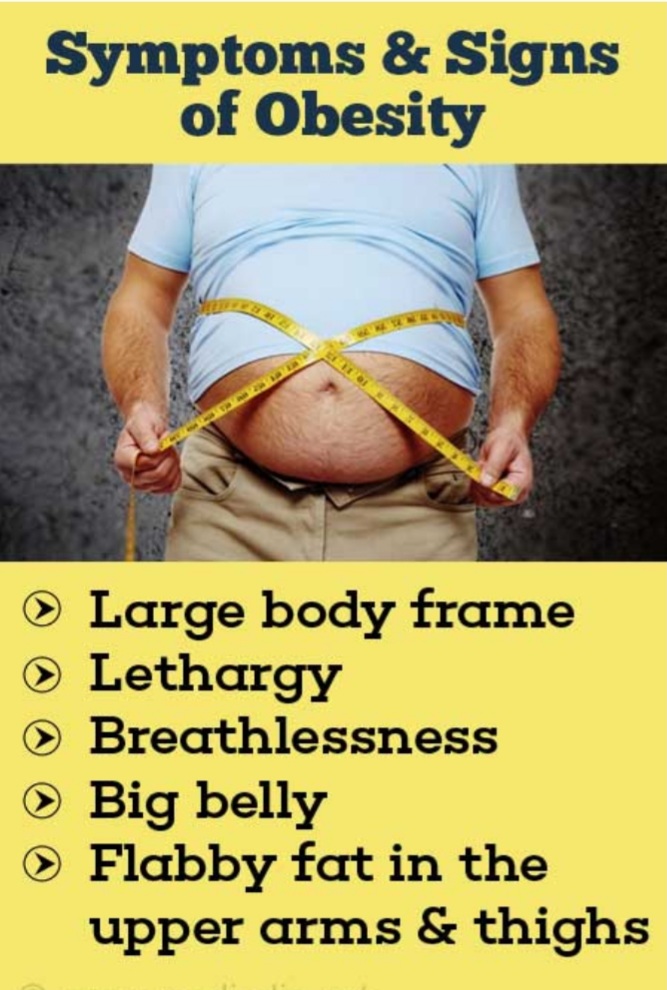
Obesity occurs when a person’s body mass index is 25 or greater . The excessive body fat increses the risk of serious health problems.

What causes obesity?

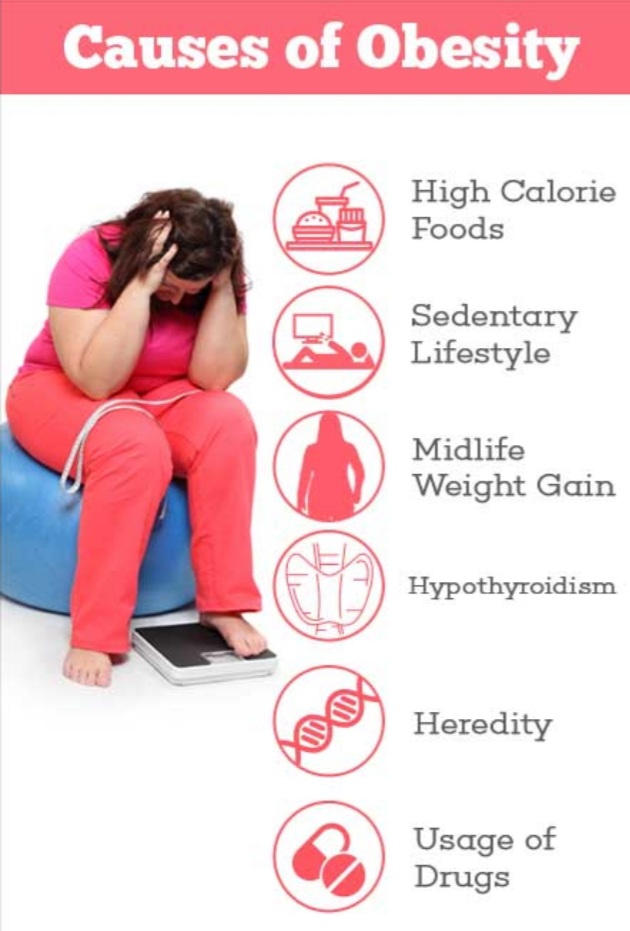
Obesity is generally caused by eating too much and moving too little. If you consume high amounts of energy , particularly fat and sugars, but do not burn off the energy through exercise and physical activity, much of the surpluse energy will be stored by the body as fat.

8 Most common causes of obesity :

* physical inactivity.

* overeating.

* Genetics.

* A diet high in simple carbohydrates.

* A frequency of eating .

* Medications.

* psychological factors.

* Diseases such as hypothyroidism, insulin resistance, polycystic ovary syndrome, and caushing’s syndrome are also contributors to obesity.

Let us now look at some methods to prevent obesity.

*Healthy and nutritious food :

It is very important to consume healthy and nutritious food every day. To gain a sufficient amount of nutrients and and to be healthy it is very important to consume nutritious food. Consuming nutritious food helps us to gain sufficient energy. Being healthy prevents us from Many deadly diseases.

*Exercise :

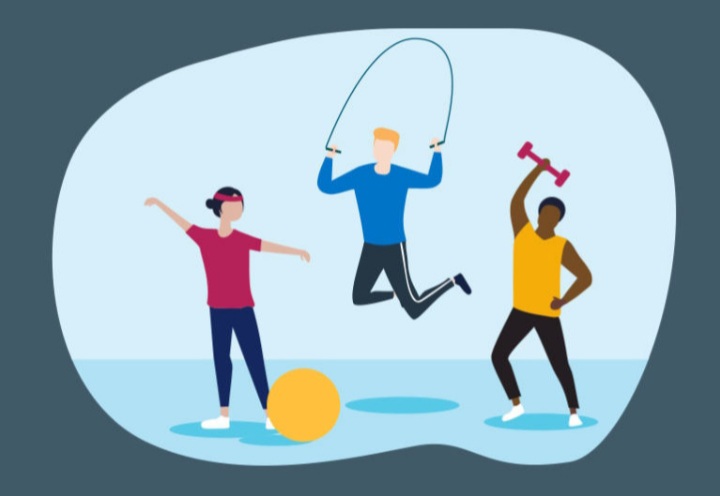
Exercising at least for 10 to 15 minutes a day help the individual to be physically fit and also mentally strong. Exercising every day is a very good habit which everyone need to make it and perfect habit to do. Exercising 10 to 15 minutes also relieves us from the stress and the tension we have had. So, it is better to spend at least 10 to 15 minutes even in our hectic schedule an exercise.

* yoga :

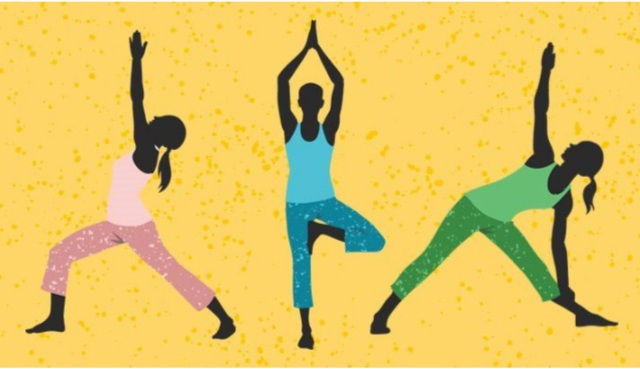
Yoga relives from the stress and tension we have had. Sparing at least 10 to 15 minutes time on yoga benefit is a lot. It relaxes the muscle and comes to mind. It helps to be physically fit and mentally strong. All the asanas and pranayama helps to Gain strength and to be physically fit.

*Meditation :

Meditating for certain minutes helps to calm the brain and soul. It helps and relieving the stress and the tension we have had. It helps us to focus on the things which we are willing to do. It also equally helps us to be mentally strong. It is such a good and a mandatory practice an individual must obtain and must follow without any delays.

* Monitor your weight regularly.

* Be consistent.

Who obese people?

BMI is calculated by dividing a person’s weight in kilograms by the square of their height in metres. A BMI of 25.0 – 29.9 is classified as overweight but not obese, while a BMI of 30.0 or over is classified as obese. A BMI of graeter than 35.0 is classified as severely obese.

Adult BMI calculator

BMI WEIGHT STATUS

Below 18.5 underweight

18.5 – 24.9 Normal

25.0- 29.9 overweight

30.0 and above obese

The negative effect of obesity :

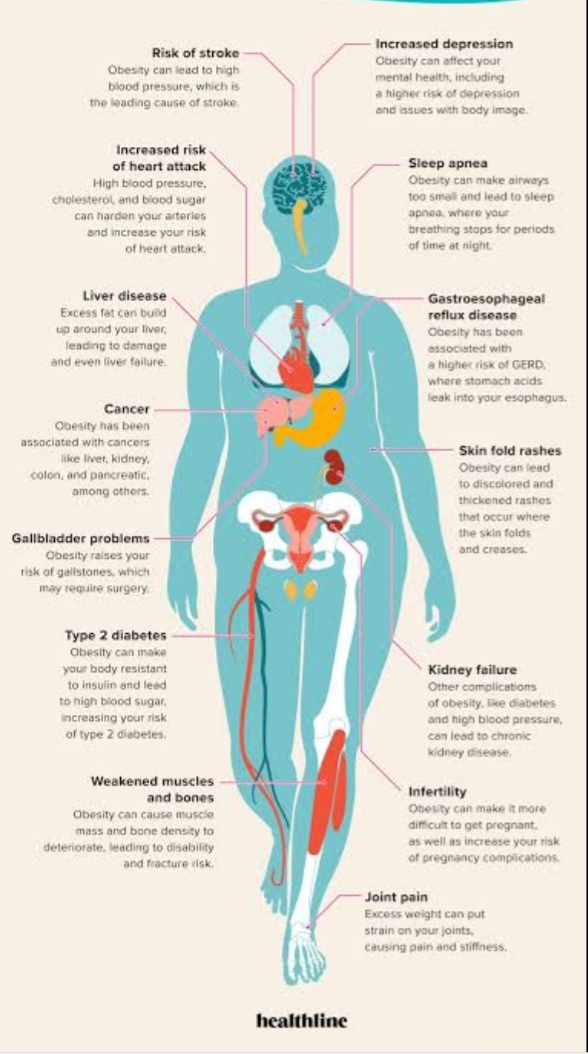
Obesity is serious beacause it is associated with poorer mental health outcomes and reduced quality of life. Obesity is also associated with the leading causes of death in the united states and worldwide, including ,diabetes, heart disease, stroke, and some types of cancer.